Start in Hollywood, wake at 4am for a sunrise that turns a salt pan pink, spend your nights under skies dark enough to show the Milky Way and finish with sea lions barking at sunset. This is the desert loop I drove in November, with the real drive times, where I stayed and how to plan it.
Most people picture Highway 1 when they think of a Southern California road trip. I’ve driven that too, and loved it, but this loop turns its back on the coast for a week and heads into the desert instead.
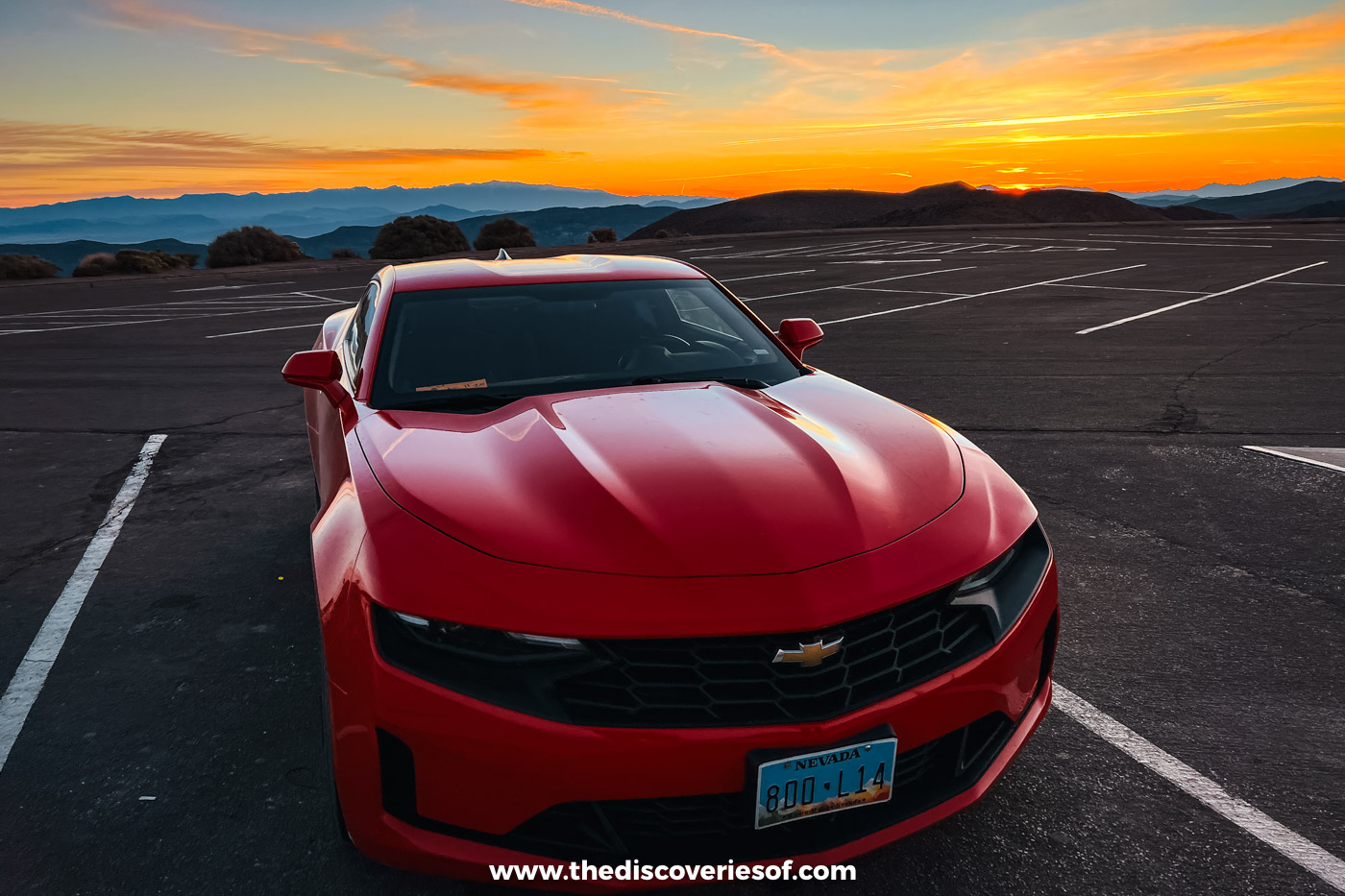
I drove it in November in a red Camaro: out of Hollywood to Death Valley, south to Palm Springs and Joshua Tree, on to San Diego and back up the Orange County coast to LA. It’s about 1,600 miles in ten days, counting the daily runs into Death Valley, and the longest drive between bases is about five hours.
This itinerary follows my route in the order I drove it. Every stop is somewhere I went, the drive times are the ones to plan around, and where something caught me out (a sold-out tramway, a closed crater road) I’ve said so. Expect a 4am alarm at Dante’s View, a walk out onto a salt flat 282 feet below sea level, a climb inside a dinosaur’s jaws, a spa day, and a sunset in La Jolla to finish.
The route at a glance
- Day 1: Hollywood, Los Angeles
- Days 2 to 4: Death Valley National Park, based in Pahrump (about 265 miles from Hollywood)
- Day 5: the Cabazon Dinosaurs and the wind farms on the way to Palm Springs (about 270 miles)
- Day 6: Palm Springs
- Day 7: a day trip to Joshua Tree National Park (about 40 miles each way)
- Day 8: Agua Serena Spa, Indian Wells (20 miles)
- Day 9: San Diego (about 125 miles)
- Day 10: the Orange County coast and back to LA (about 140 miles)
Day 1: Hollywood, Los Angeles
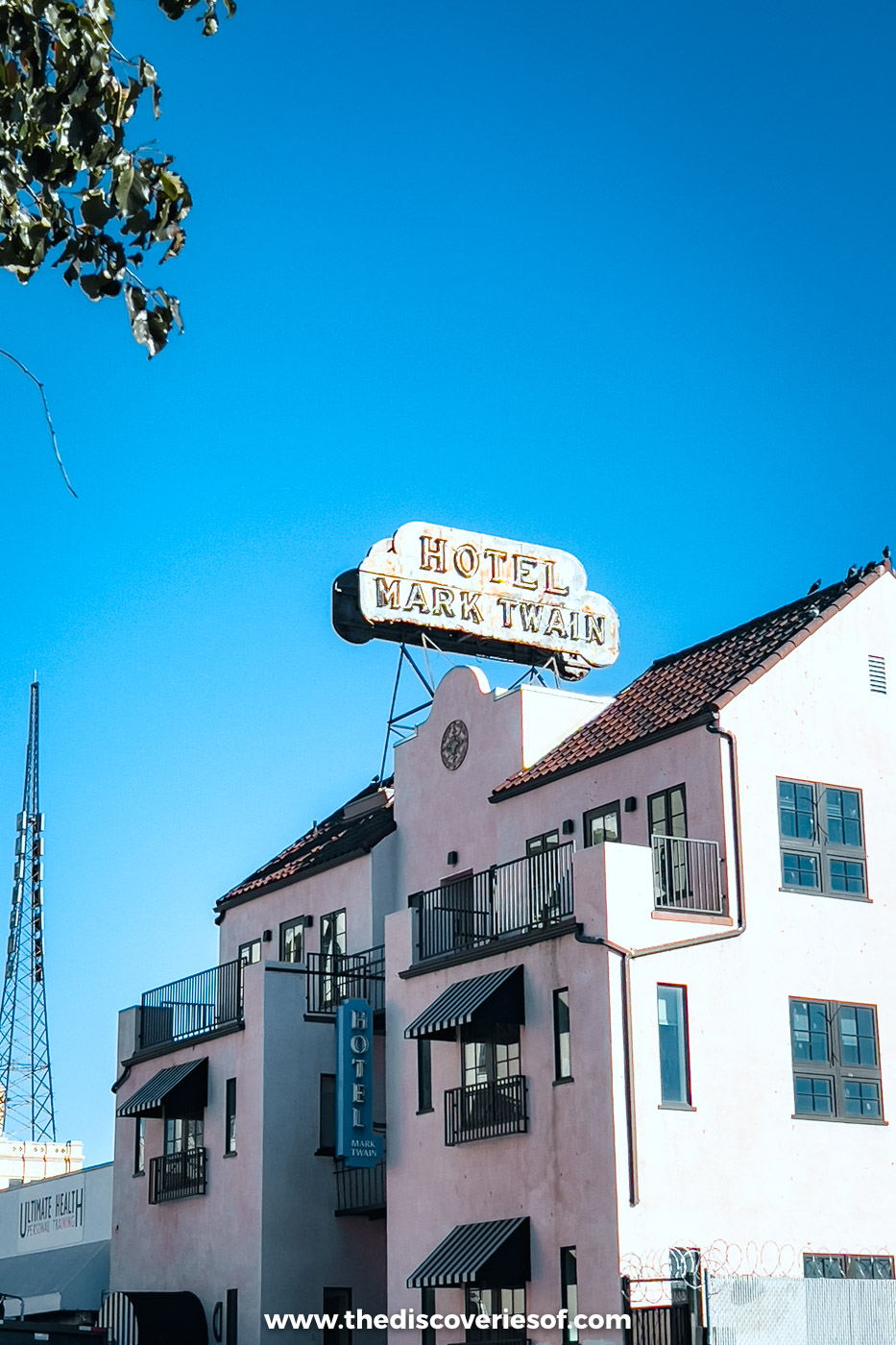
Fly into LAX, pick up the car and head for Hollywood. A night here puts you on the right side of the city for an early getaway towards the desert in the morning, and it gives you one evening to shake off the flight.
Wander the old Hollywood blocks around Wilcox Avenue
Away from the crowds on the Walk of Fame, the side streets just south of Hollywood Boulevard keep plenty of the neighbourhood’s old glamour. The 1937 post office on Wilcox Avenue, with its fluted columns and Art Deco lettering, is one of the best buildings around, and the hand-painted Hotel Mark Twain sign across the road is pure old Hollywood. Both were round the corner from my hotel.
Catch sunset at Griffith Observatory
Griffith Observatory is my favourite spot in the whole of LA, and an easy first evening from Hollywood. Entry to the building is free (it’s closed on Mondays), and the terraces look out over the city and across to the Hollywood Sign. Get there before sunset and stay until the lights come on across the basin. For the rest of the city’s big sights, see my Los Angeles landmarks guide.
Top Tip
Weekend parking on the hill is a scrum. Take the DASH Observatory bus from the Vermont/Sunset Metro station and skip the hunt for a space on your first night.
Suggested stay
I stayed at Mama Shelter Hollywood and loved its laid-back cool, the friendly staff, the buzzy downstairs bar and the breakfasts. Sadly it closed in February 2025. For a Hollywood base now, the Loews Hollywood Hotel is right by the Hollywood & Highland Metro station, with a rooftop pool. On earlier trips I loved staying at the Mondrian in West Hollywood; it’s now The Valorian Los Angeles, part of Hilton’s Curio Collection. Or browse all hotels in Hollywood.
Days 2 to 4: Death Valley National Park
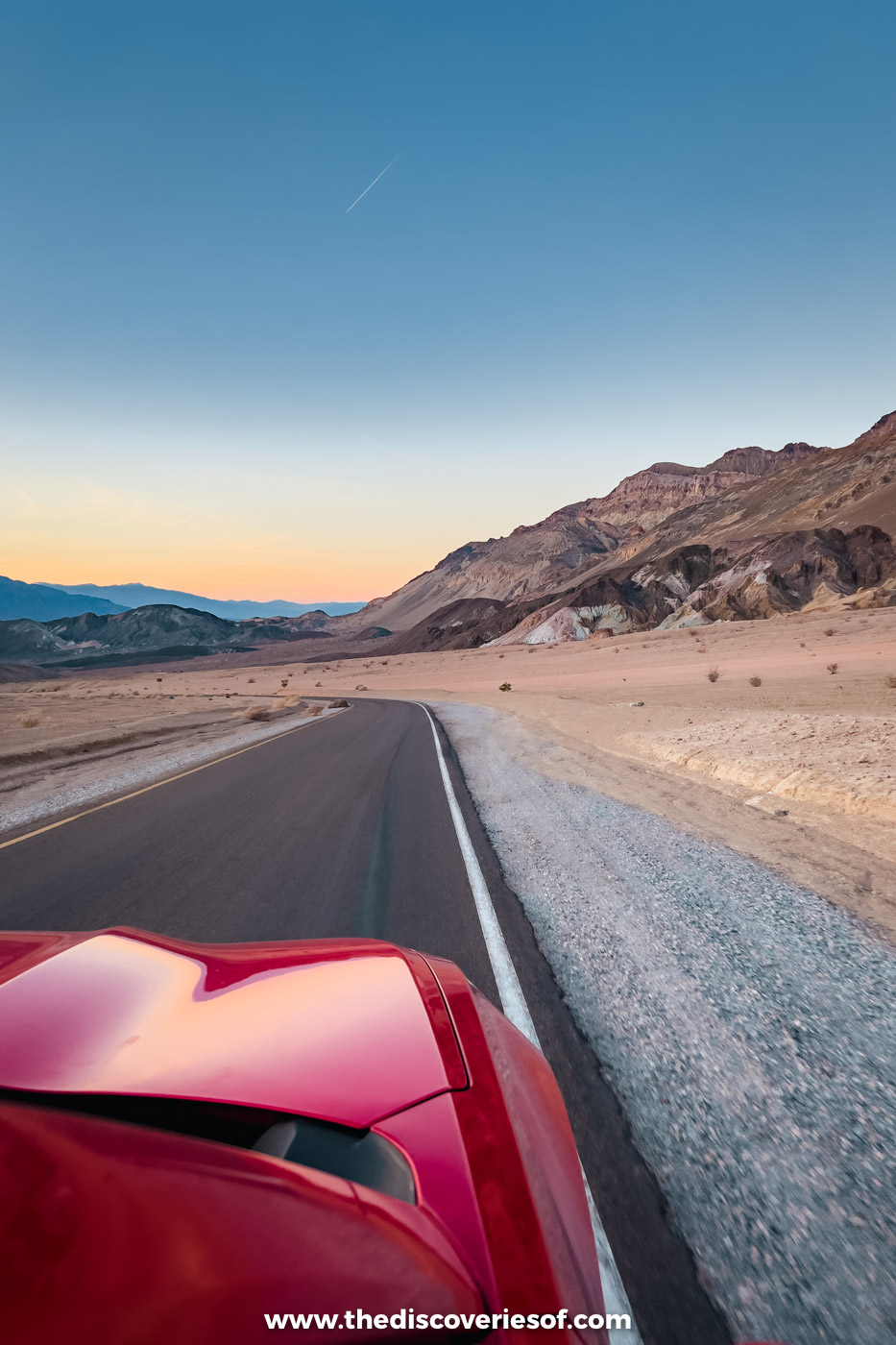
Death Valley is the hottest, driest and lowest national park in the US, and one of my favourite places in California. Three days is the right amount: it’s a huge park, and the best of it happens at sunrise, sunset and after dark, so you need the time to be in the right place at the right hour.
Getting there: about 265 miles and four to four and a half hours from Hollywood to Pahrump, on the I-15 and then Highway 160 over the Spring Mountains. From Pahrump, Furnace Creek is about an hour and 60 miles away, through Death Valley Junction. Fill up in Pahrump, where fuel is far cheaper than in the park.
Day 2: walk out onto Badwater Basin
Leave Hollywood early and you’ll be in the park by early afternoon, which is perfect timing for the southern end of the valley. Head straight down Badwater Road to Badwater Basin, the continent’s lowest point, about half an hour’s drive beyond Furnace Creek.
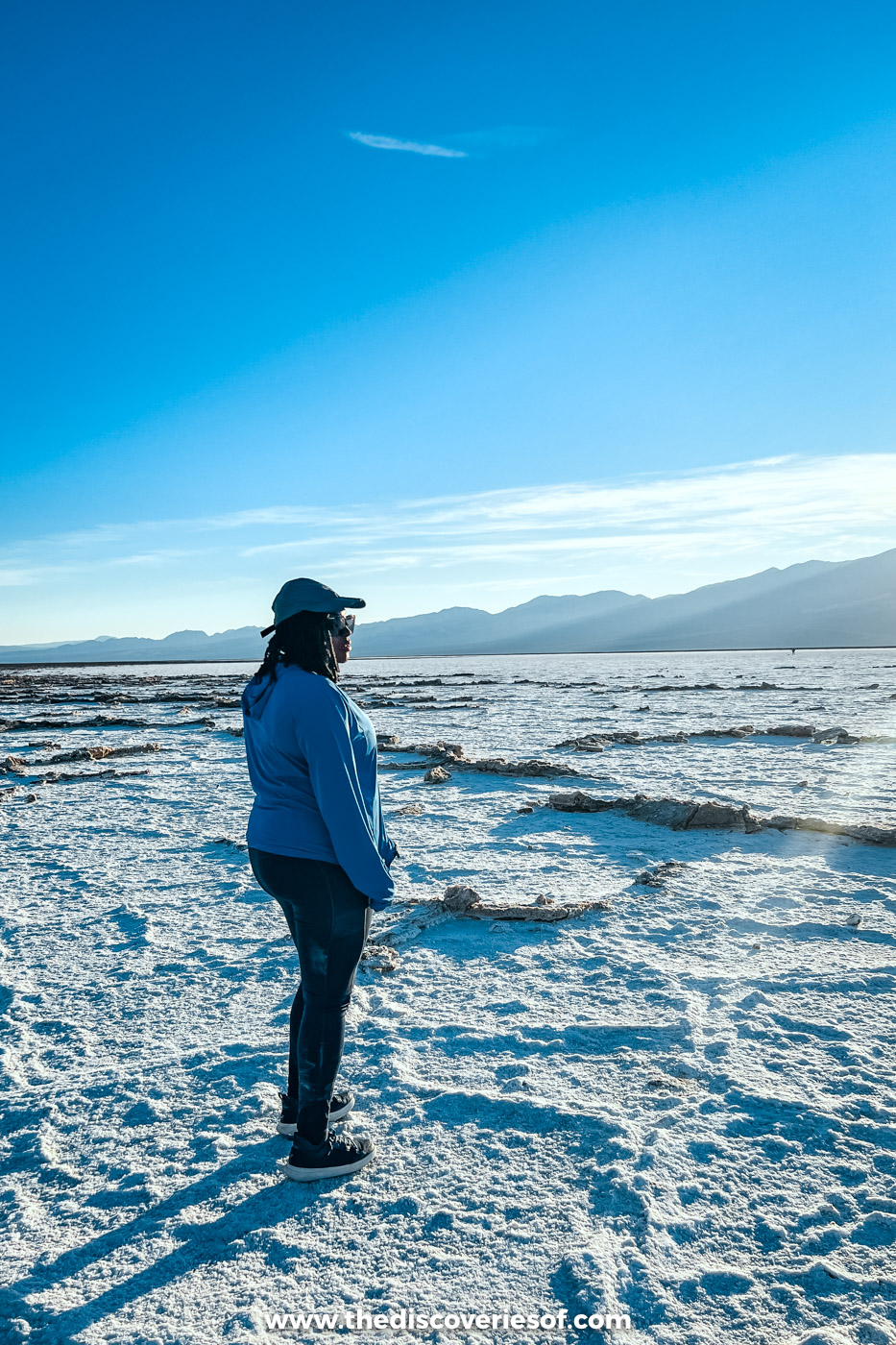
Most people stop at the end of the boardwalk, but the real thing starts further out. I walked about 1.8 miles across the salt to where the crust breaks into raised hexagons, and it felt like being on another planet. Bring sunglasses: the glare is fierce even in November.
On the drive back north, stop at the Devil’s Golf Course, an expanse of spiky salt formations so rough that only the devil could play a round on it. Stay at the car park rather than walking out, as the crystals are sharp and fragile. Then save Artist’s Drive for the late afternoon, when the low sun brings out the pinks, greens and purples at Artist’s Palette. It was one of my favourite drives in Death Valley.
Top Tip
Artist’s Drive is a one-way, 9-mile loop. Enter it at the southern end, from Badwater Road; anything 25 feet or longer isn’t allowed.
Day 3: catch sunrise at Dante’s View, then Zabriskie Point
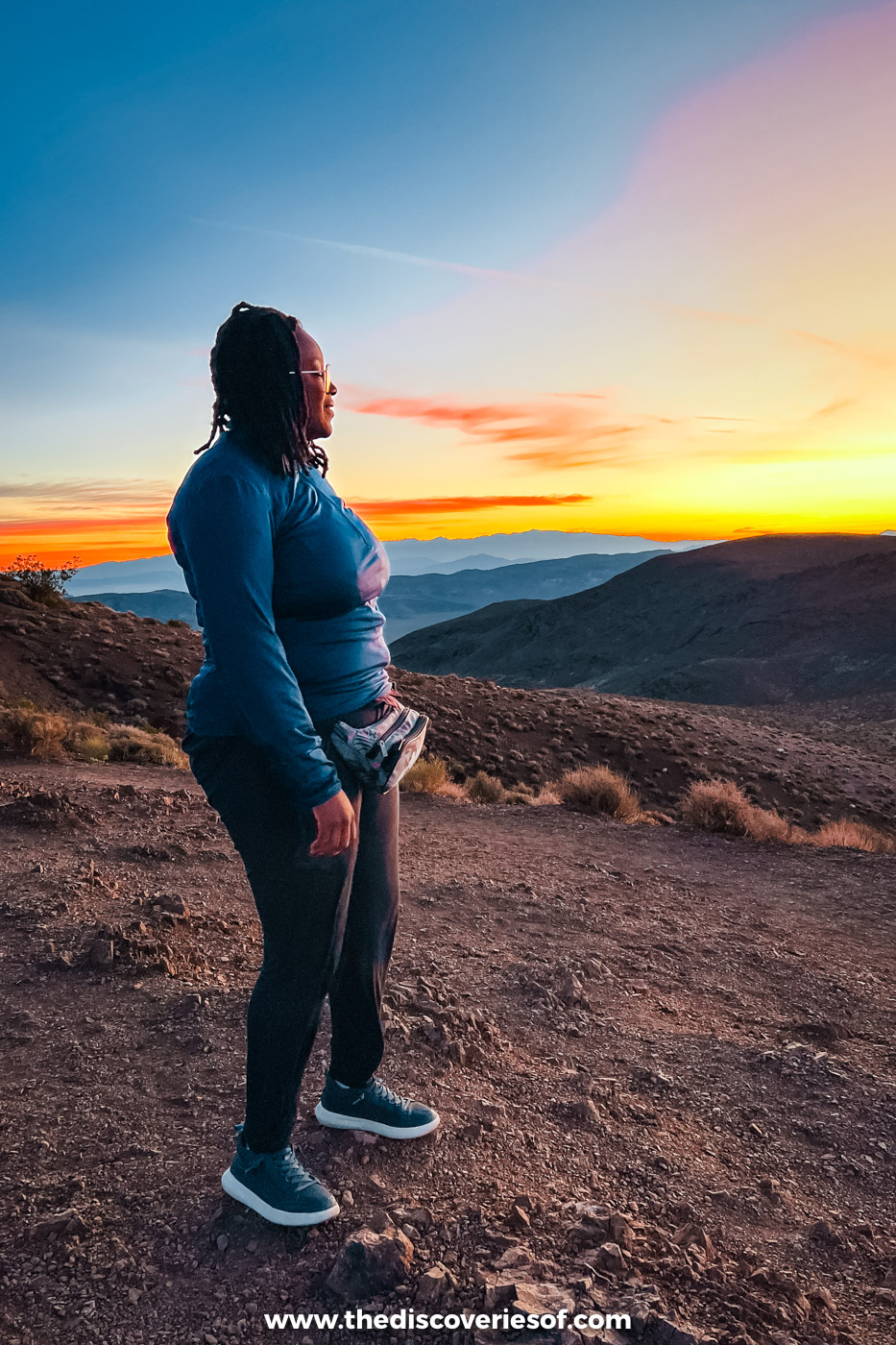
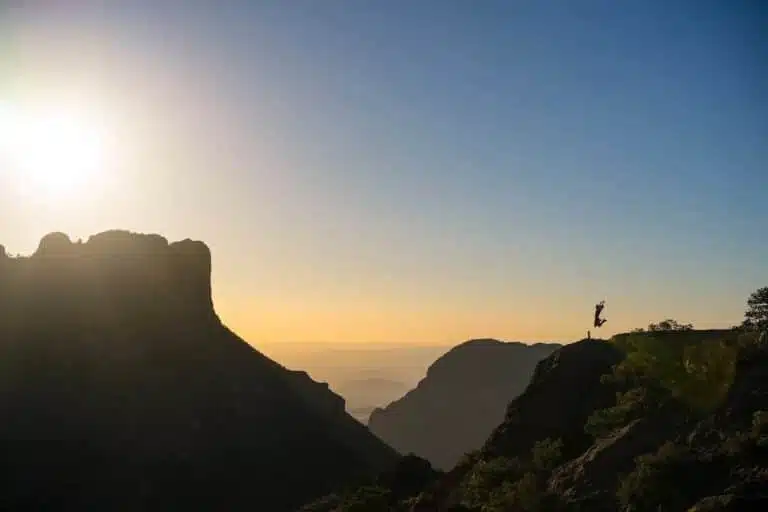
Of the whole trip, this was one of my highlights. My alarm went off at 4am to make the hour-long drive from Pahrump in the dark, and it was absolutely worth it. Dante’s View sits 5,575 feet above the salt flats you walked the day before, and as the sun came up the valley turned from soft pink to fiery shades of orange and red.
It’s freezing up there at dawn, though. My ears felt like they were about to fall off, so take a hat, gloves and a hot drink, whatever the forecast says for the valley floor.
Drive straight down to Zabriskie Point afterwards, as I did. A short paved path from the car park leads up to the viewpoint, and by the time you arrive the early sun is just catching the golden mudstone ridges and the fin of Manly Beacon.
Day 3: hike Golden Canyon and find Natural Bridge
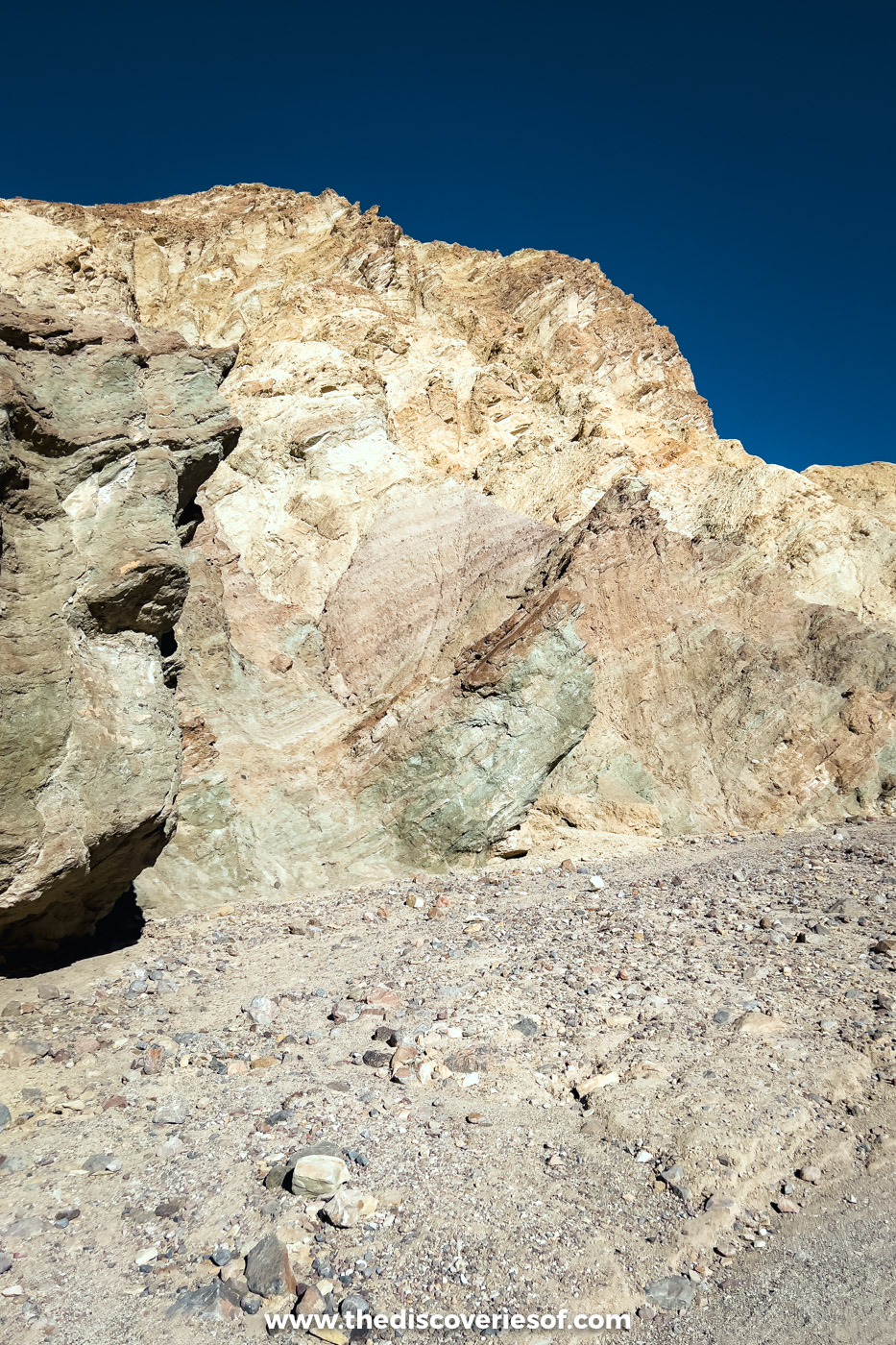
Golden Canyon is my pick of the park’s easy out-and-back walks, and the trailhead is just off Badwater Road, two miles from Highway 190. It’s about 2 miles to the Red Cathedral junction, and it takes longer if, like me, you keep stopping to gawp at the walls and the views back down the valley. The last stretch up to Red Cathedral was too much for my vertigo, so I sat it out in the shade with my camera, but it’s worth doing if heights don’t bother you.
In the afternoon, head 13.5 miles south of Furnace Creek to the gravel road for Natural Bridge. The walk is about a mile there and back. It’s not the most exciting hike in the park, but the chunky arch of rock spanning the canyon makes it worthwhile.
Day 4: wake up on the Mesquite Flat Sand Dunes
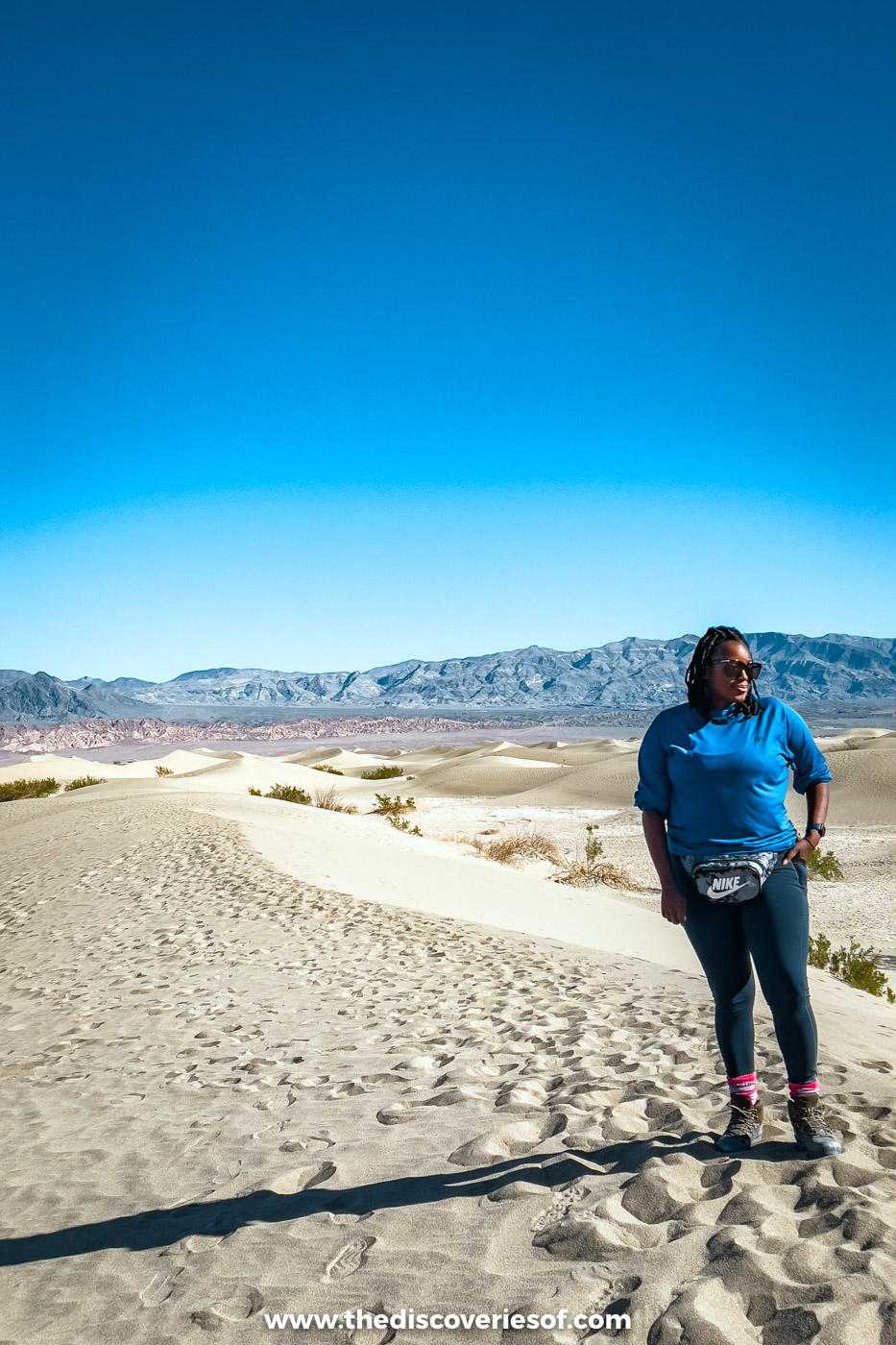
Today you head north, about 22 miles from Furnace Creek, to the Mesquite Flat Sand Dunes, on the Furnace Creek side of Stovepipe Wells. There’s no trail: you simply park and walk out onto the sand, and the highest dune is roughly a mile’s walk. Go early, while the ripples are still crisp and the light is soft.
Day 4: squeeze through the marble narrows of Mosaic Canyon
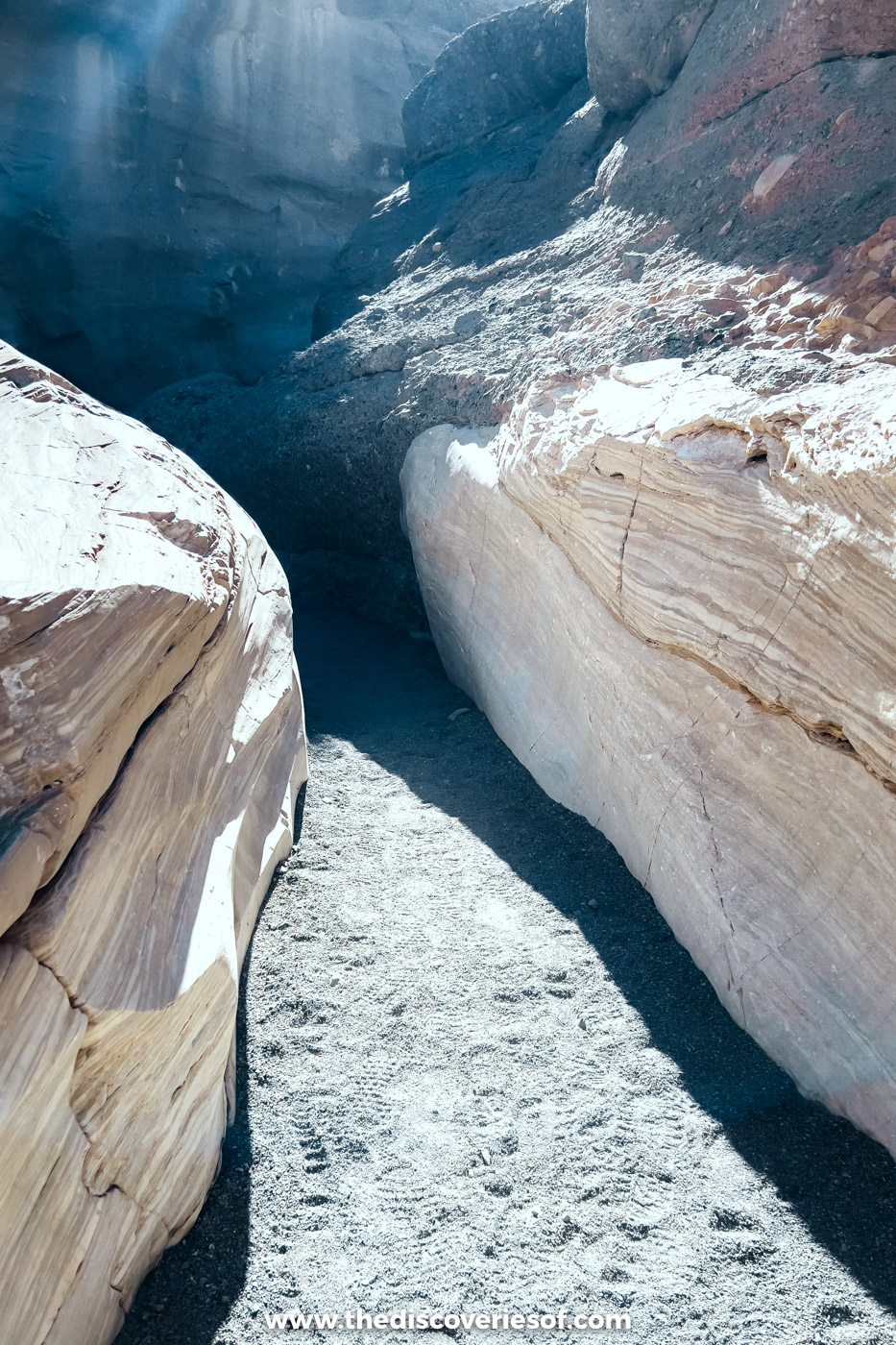
Mosaic Canyon was another highlight of my time in the park, and it left me lost for words. A 2.3-mile gravel road climbs from Stovepipe Wells to the car park, usually fine in a normal car, and within a quarter of a mile you’re walking between smooth walls of marble that you can reach out and touch on both sides.
Day 4: stay out for the stars
Death Valley holds Gold Tier dark sky status, the top rating there is, and it’s the reason to keep one night free. The nights I spent stargazing here were unforgettable. My own nights out were at the Racetrack Playa, close to Ubehebe Crater and on the Mesquite dunes, but the dunes are the easy choice, as they’re right off the highway. For the best months and moon phases, see my guide to stargazing in Death Valley.
Top Tip
Ubehebe Crater was closed by flood damage on my trip; the crater road reopened in December 2025, so it makes a good extra stop on day four. The Racetrack is a bigger undertaking: it’s 26 miles of rough, washboarded dirt road beyond Ubehebe. I drove my rental car out there, but the park advises high clearance and sturdy tyres, punctures are common, and many rental contracts now ban unpaved roads, so check yours and carry a full-size spare.
Suggested stay
For me, Pahrump is the best base near Death Valley: it’s just over the Nevada line, an hour from Furnace Creek and far cheaper than the park. My base was the Holiday Inn Express & Suites Pahrump: unremarkable, but a decent mid-range hotel. If you’d rather sleep inside the park, the smart option is Furnace Creek’s Inn at Death Valley, and Stovepipe Wells Village puts you a short walk from the dunes. Or check all hotels near Death Valley.
Day 5: Death Valley to Palm Springs, via the Cabazon Dinosaurs
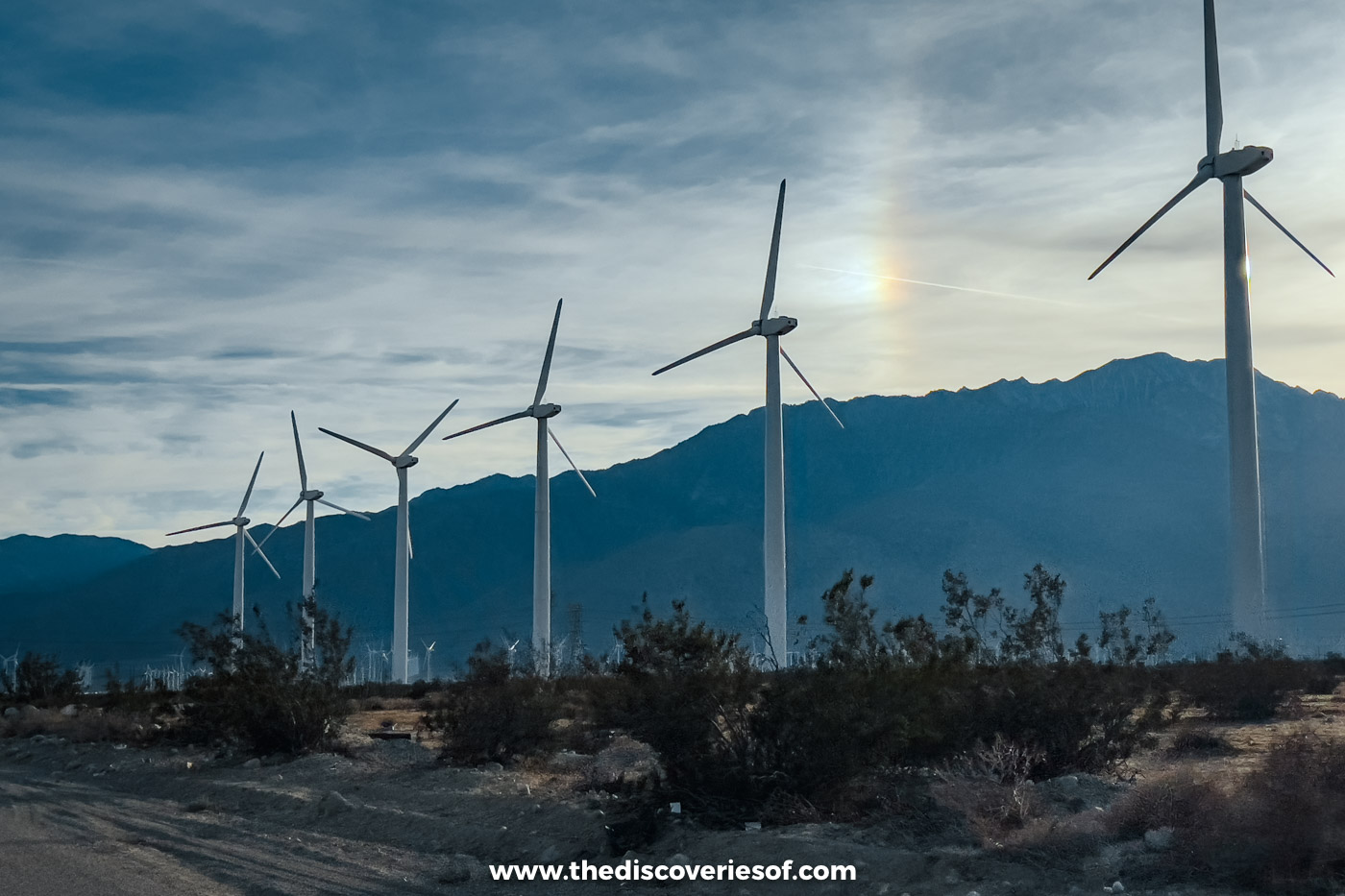
This is the longest day in the car: about 270 miles, or a 4.5 to 5-hour drive, from Pahrump, via Baker and the I-15. The reward comes at the end, as the road drops through the San Gorgonio Pass towards the Coachella Valley, past rows of wind turbines turning against the San Jacinto Mountains.
Do
To stop at the wind farm on the way, book the self-guided windmill driving tour (about $29), which uses an audio app to lead you round the turbines.
Climb inside Mr Rex at the Cabazon Dinosaurs
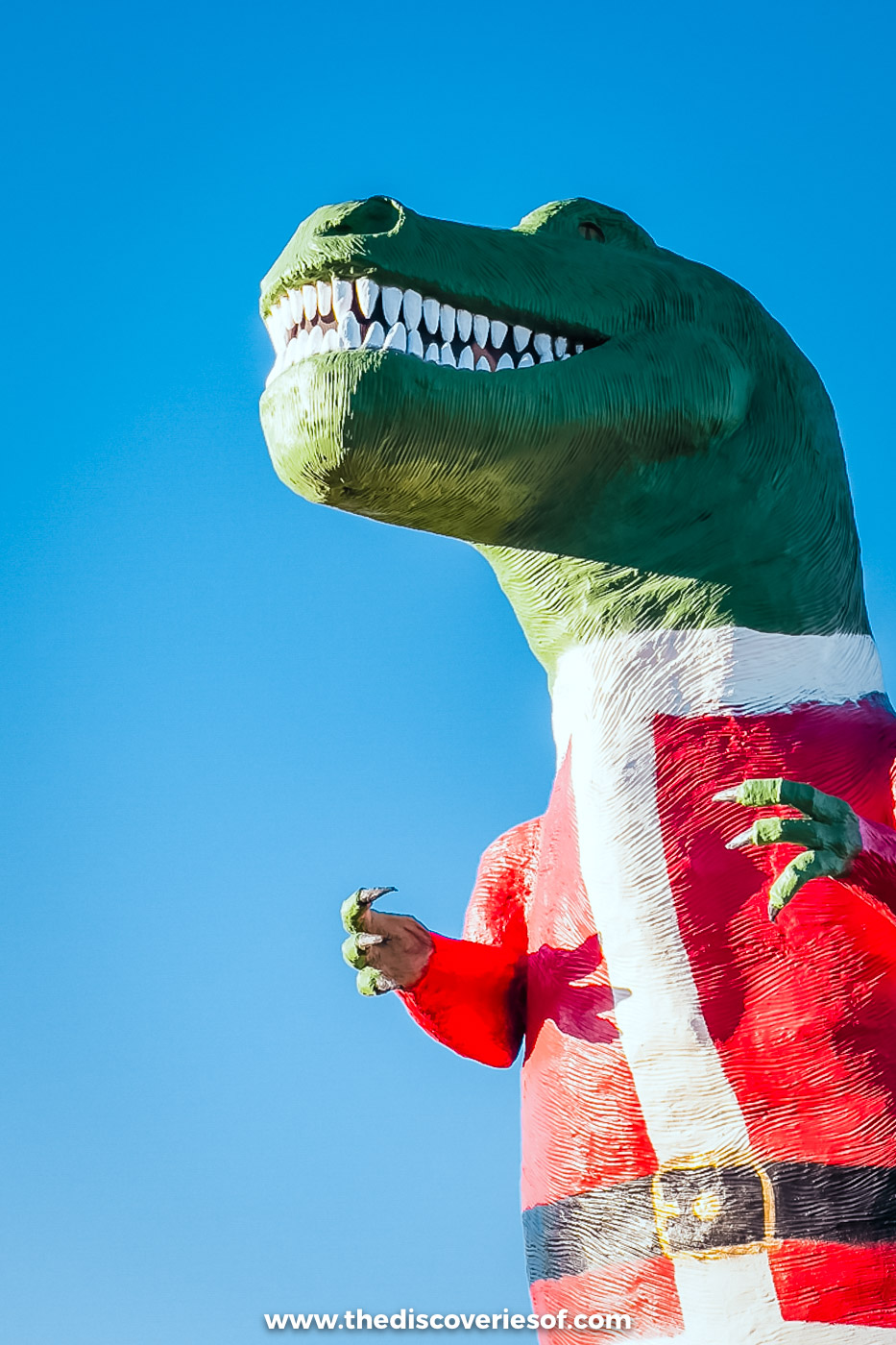
The Cabazon Dinosaurs stand right beside the I-10, about 20 minutes short of Palm Springs, and you’d be mad to miss them. Claude Bell built Dinny the Apatosaurus and Mr Rex by the highway from the 1960s, and they starred in Pee-wee’s Big Adventure. Climbing up into Mr Rex’s open jaws is meant to be very therapeutic. I can confirm that it is. When I visited he was wearing a Santa suit, as he often does over the holidays.
Tickets ($15 for adults) are sold at the door only, and Dinny’s belly hides the gift shop.
Suggested stay
Base yourself in Palm Springs for the next four nights. My hotel was The Cole, a little adults-only boutique hotel built around its pool on North Palm Canyon Drive, with Boozehounds a short walk away. Being on the north side of town makes it handy for the Joshua Tree day trip. Or look at all hotels in Palm Springs.
Day 6: Palm Springs
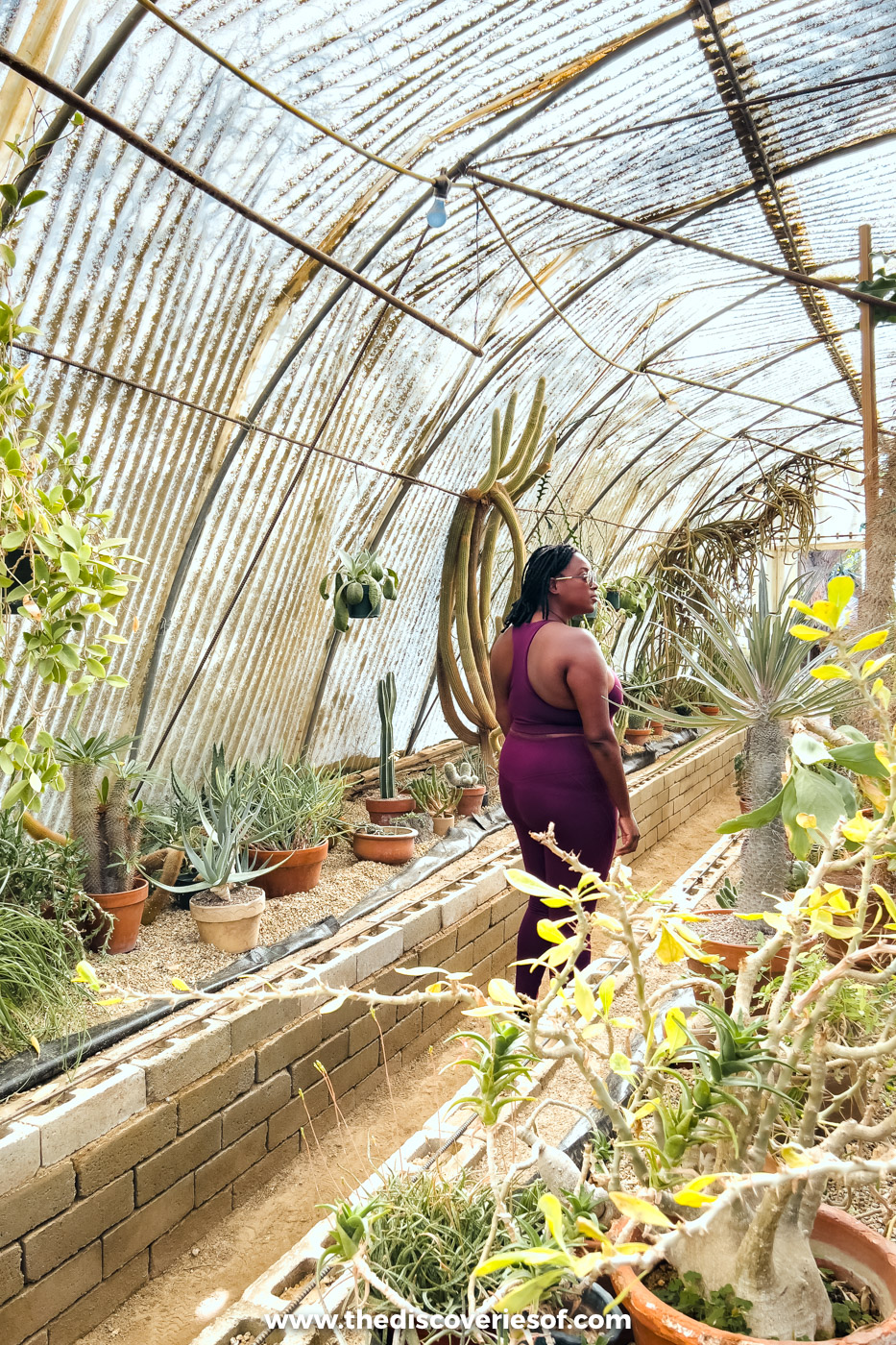
I always knew I’d love Palm Springs for its mid-century vibe, but the November sunshine had me smitten. Give it a full day: the town is small, but there’s a lot packed into it.
Step inside the cactarium at the Moorten Botanical Garden
Start at the Moorten Botanical Garden on South Palm Canyon Drive, a family-run desert garden that has been growing cacti since 1938. It’s about an acre, so an hour is plenty, but the glasshouse cactarium is the part not to miss. Entry is $7, and from October to May it opens from 10am to 4pm, closed on Wednesdays.
Tour the mid-century houses
Palm Springs has one of the best collections of mid-century modern architecture in the world, and driving between the houses is half the fun. Begin at the visitor centre on North Palm Canyon Drive, which is itself a swooping 1965 petrol station by Albert Frey and Robson Chambers, and pick up a map. Most of the famous houses are private homes, so you’ll admire them from the street. My self-guided mid-century architecture tour has the route.
Say hello to Marilyn downtown
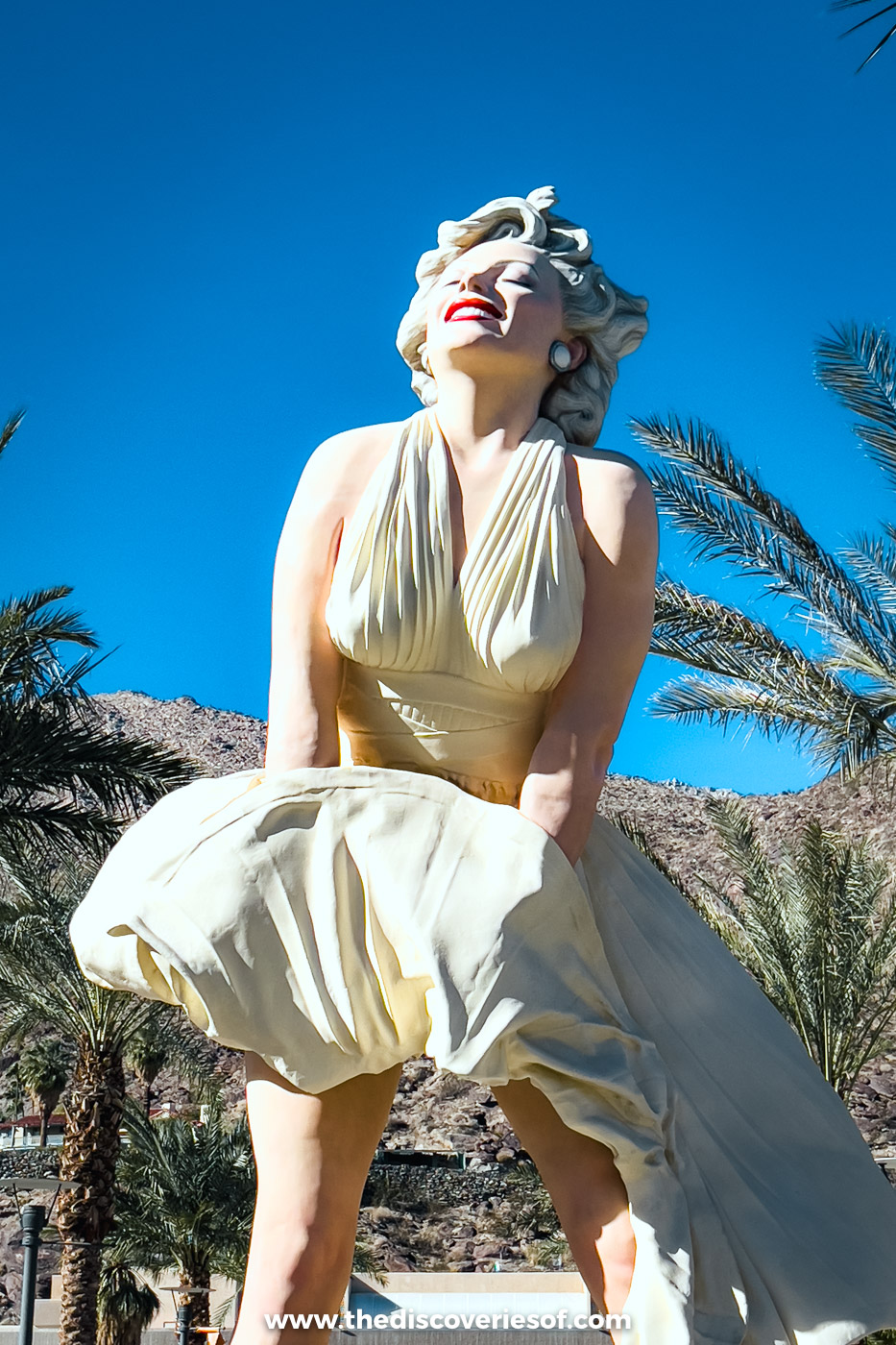
Forever Marilyn, the 26-foot statue of Marilyn Monroe in her billowing white dress, now stands in Downtown Park, a few steps from the art museum. If I’m honest, I was more excited by David Černý’s giant crawling Babies by the museum, but they left town in 2023. The museum itself opens Thursday to Sunday ($25, and free on Thursday evenings from 5pm to 8pm).
Eat at Boozehounds
Honestly, the town’s food scene didn’t live up to the hype for me. Boozehounds, on North Palm Canyon Drive, was the exception, and it’s the place I’d send you for dinner. It serves Southern Californian food with Filipino touches, has a dog menu (and a doggy door), and happy hour runs from 3pm to 5pm. Finish with a cocktail at Truss & Twine, further down Palm Canyon Drive.
Top Tip
The Aerial Tramway up Mount San Jacinto is the town’s big-ticket sight, but I tried twice and it was sold out both times. If you want to ride it, book online the moment your dates are fixed.
Day 7: a day trip to Joshua Tree National Park
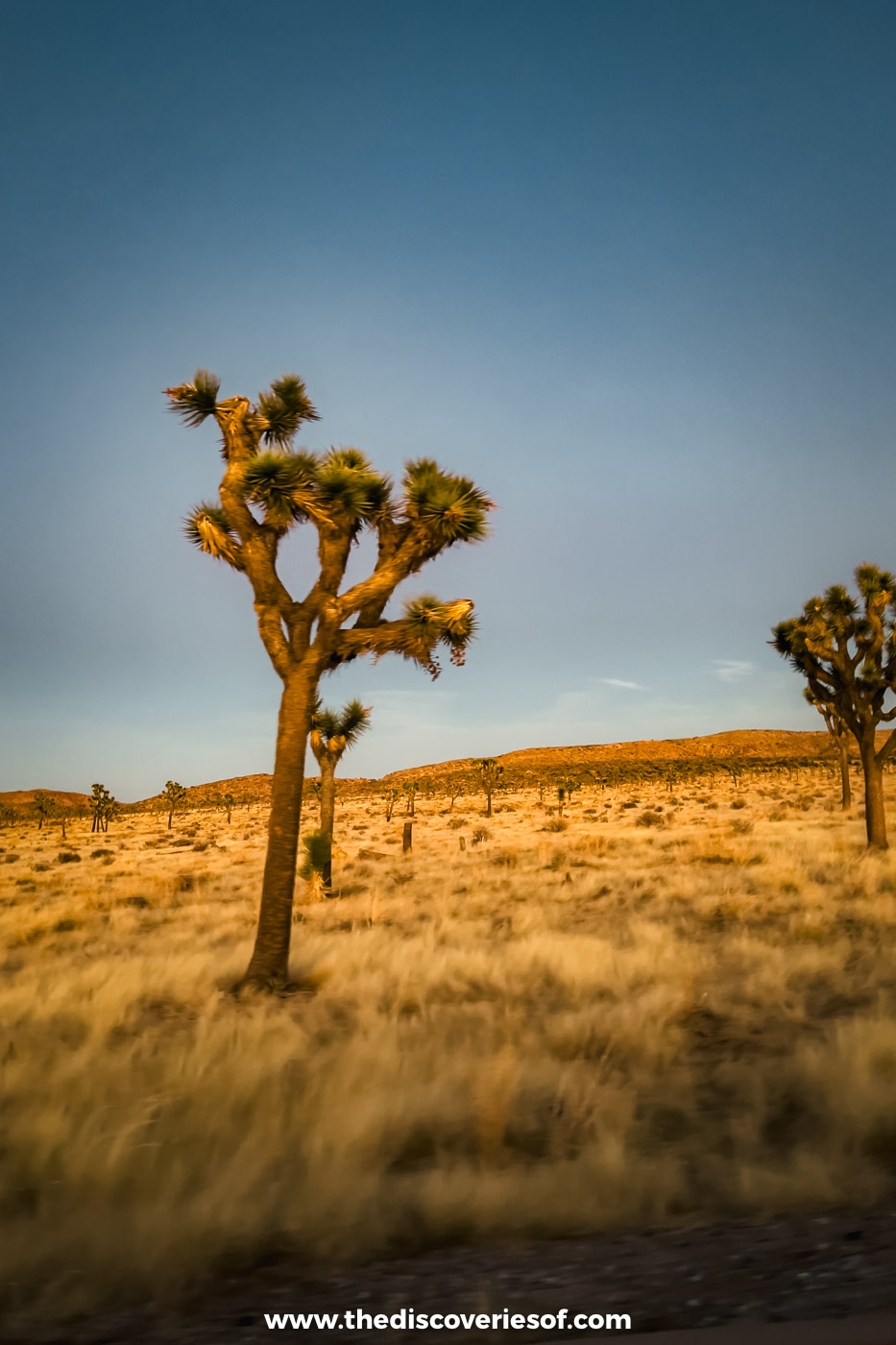
You don’t need to move hotels for Joshua Tree. I did it as day trips from The Cole, and the West Entrance is under an hour away. Go in through the west and out through the south, and you’ll see the park change from boulder piles and Joshua trees to the lower, emptier Colorado Desert.
Getting there: about 40 miles and 50 minutes from Palm Springs to the West Entrance via Highway 62, or about an hour and a quarter to Keys View. Back from the Cholla Cactus Garden to Palm Springs via the Cottonwood exit and the I-10 is about an hour and a quarter.
Watch sunrise from Keys View
Leave Palm Springs about 90 minutes before sunrise and drive straight to Keys View, 5,185 feet up in the Little San Bernardino Mountains. I’ll never forget watching the sun peep over the horizon and turn the whole Coachella Valley gold. The viewpoint is a short stroll from where you park.
Walk the Hidden Valley loop and see Skull Rock
After sunrise, drive back to the Hidden Valley trailhead for the easy 1-mile loop through a valley ringed by giant boulders, said to have been used by cattle rustlers. There’s a picnic area by the car park for breakfast. Then carry on east along Park Boulevard to Skull Rock, whose hollow eye sockets stare right at the road.
Find Arch Rock and Heart Rock
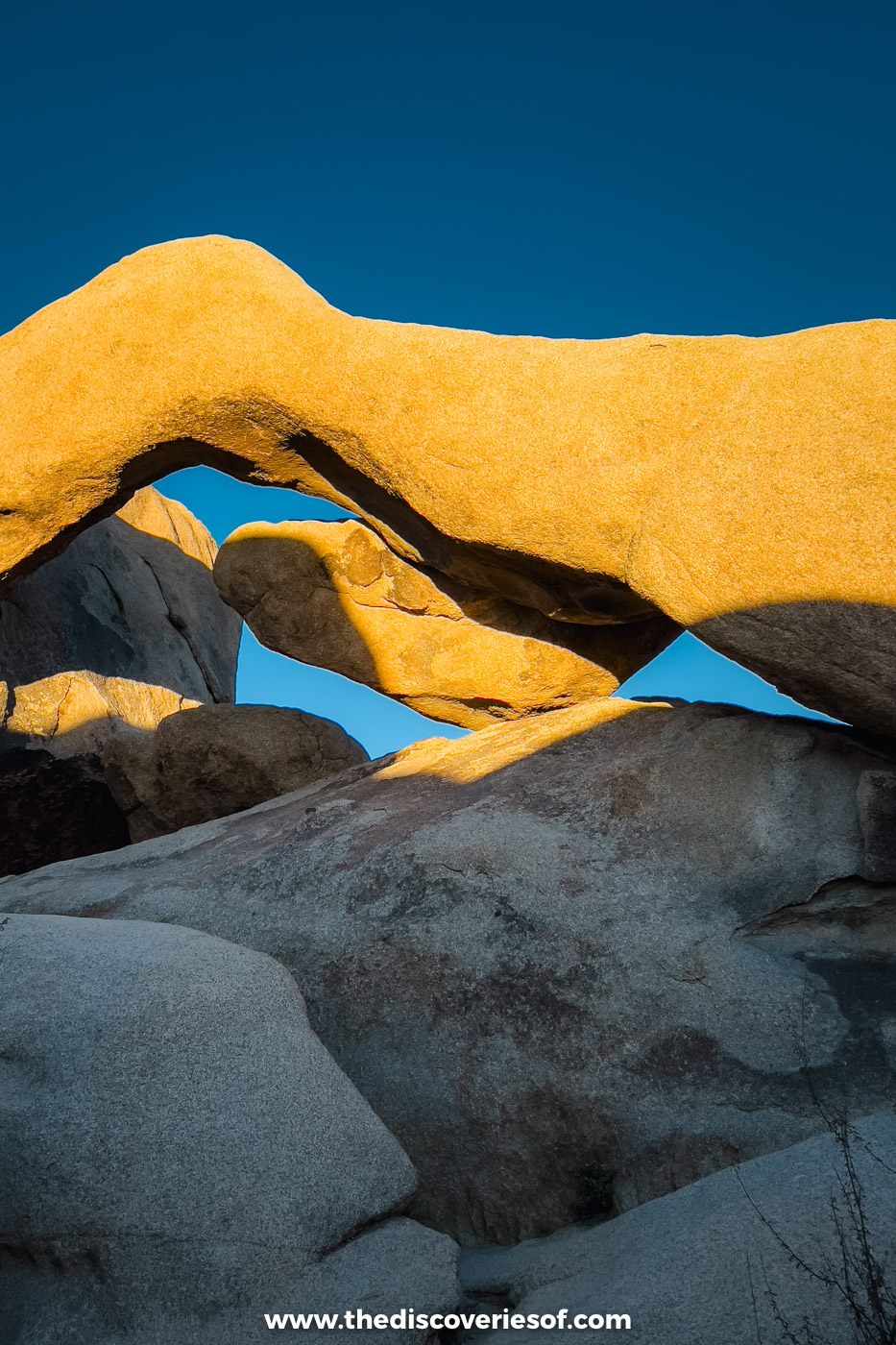
From Skull Rock, drive a few minutes east and turn onto Pinto Basin Road for White Tank Campground for the 1.4-mile Arch Rock trail. The granite arch glows orange in low light, and Heart Rock, a boulder shaped like a heart, is a short walk away. I walked out to both.
Save the Cholla Cactus Garden for golden hour
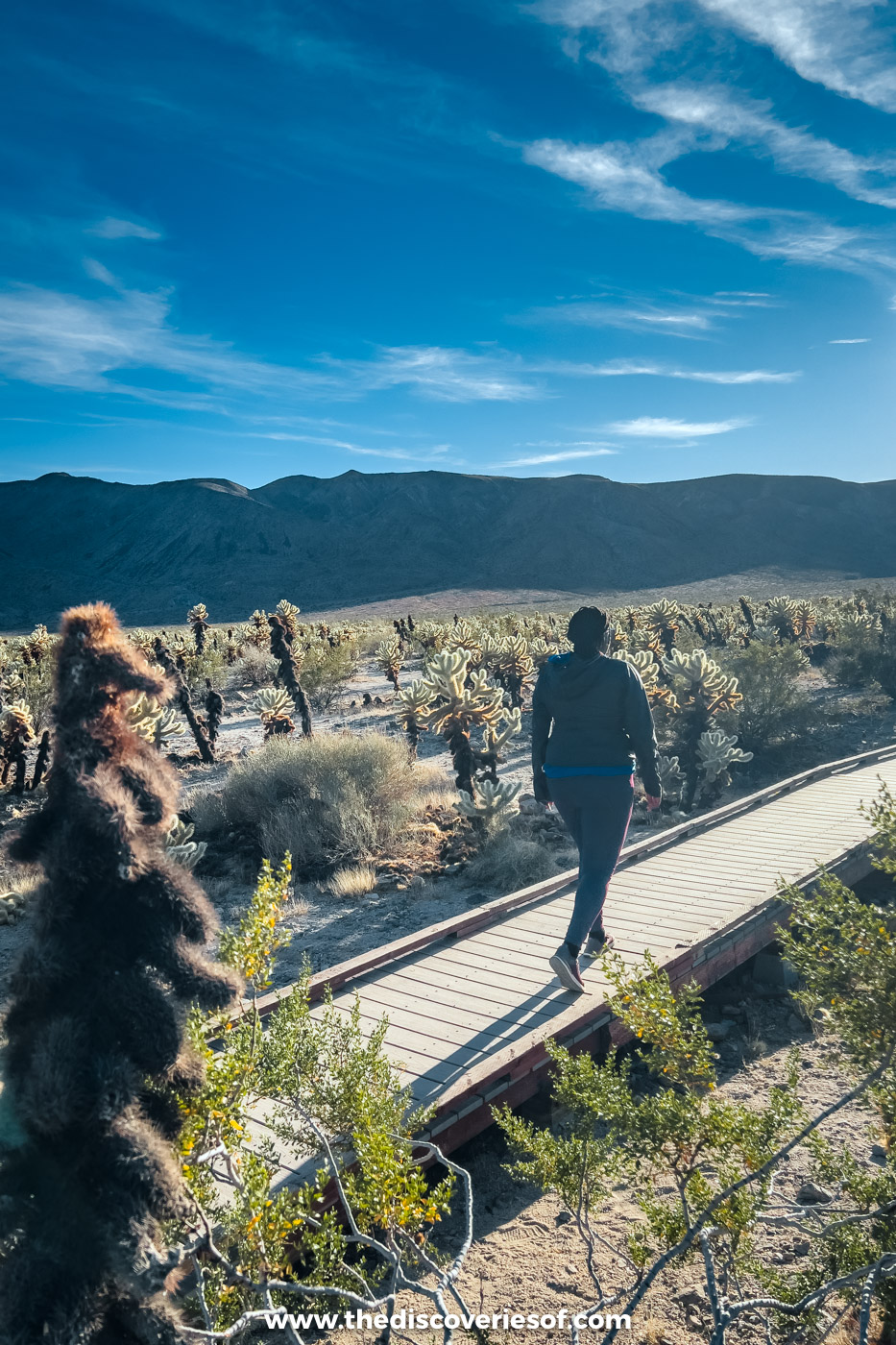
Head south for the Cholla Cactus Garden as the sun gets low, when thousands of teddy bear cholla seem to glow from within. The quarter-mile boardwalk loop closed for improvements in January 2026, so look at the NPS alerts before you go. Then stay for the stars: Joshua Tree has dark sky park status too, and I stargazed here as well.
Top Tip
Entry costs $30 per car and lasts a week; pay by card, as the entrance stations don’t take cash. Black Rock Canyon’s High View Nature Trail, in the park’s north-western corner, is one of the walks I loved most, and one of the quietest: save it for a second day if you have one. My Joshua Tree itinerary has three days in the park.
Day 8: a spa day at Agua Serena
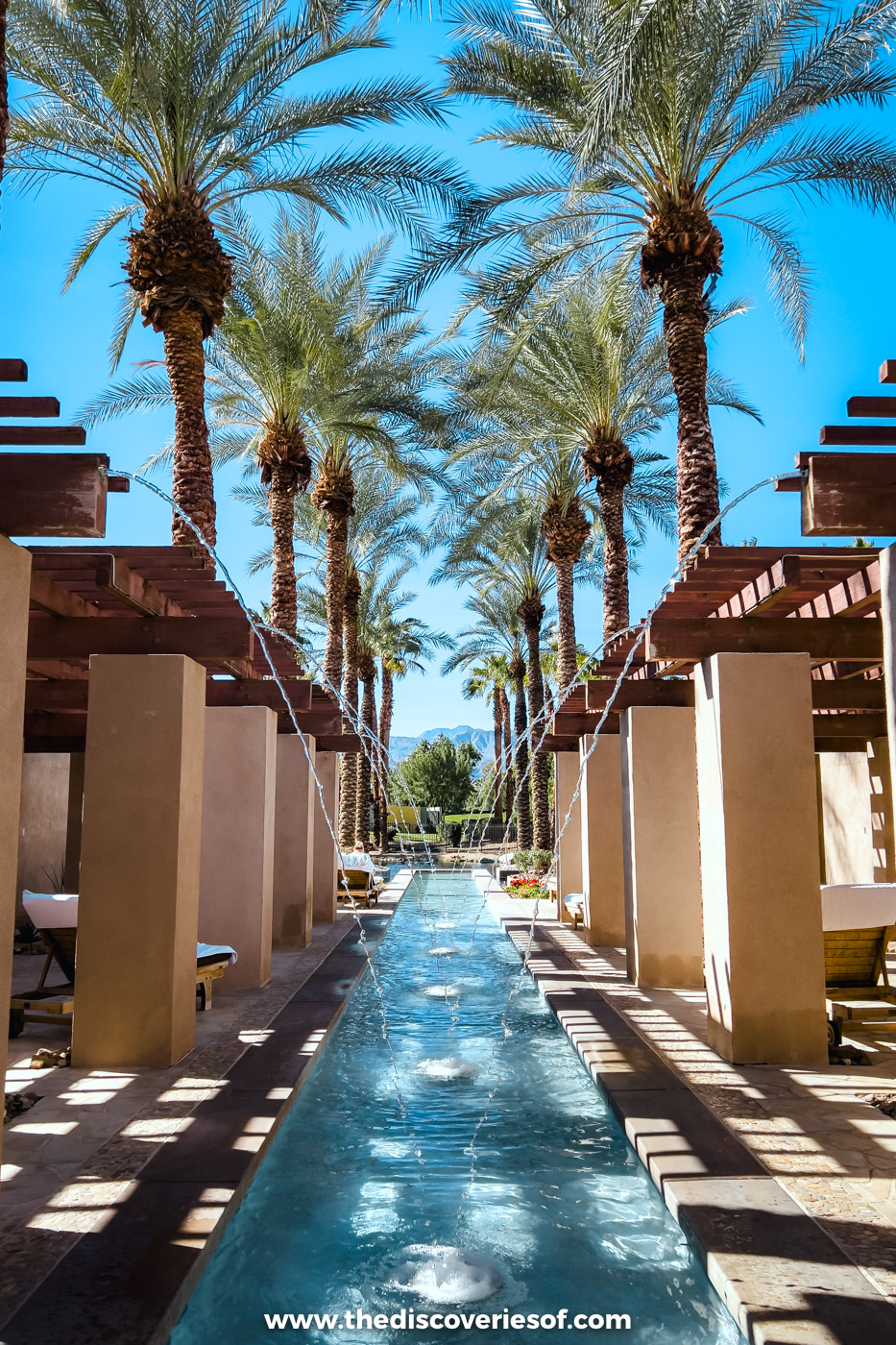
By day eight you’ll have earned it. Agua Serena Spa is part of the Grand Hyatt resort in Indian Wells, and it’s for adults only. It’s about 20 miles and 30 minutes down Highway 111 from Palm Springs.
I booked the signature cactus and date scrub. It was wonderful, the real reset I needed after weeks of driving, and my skin was glowing afterwards. It’s a five out of five from me, and I followed it with a glass of rosé by the pool.
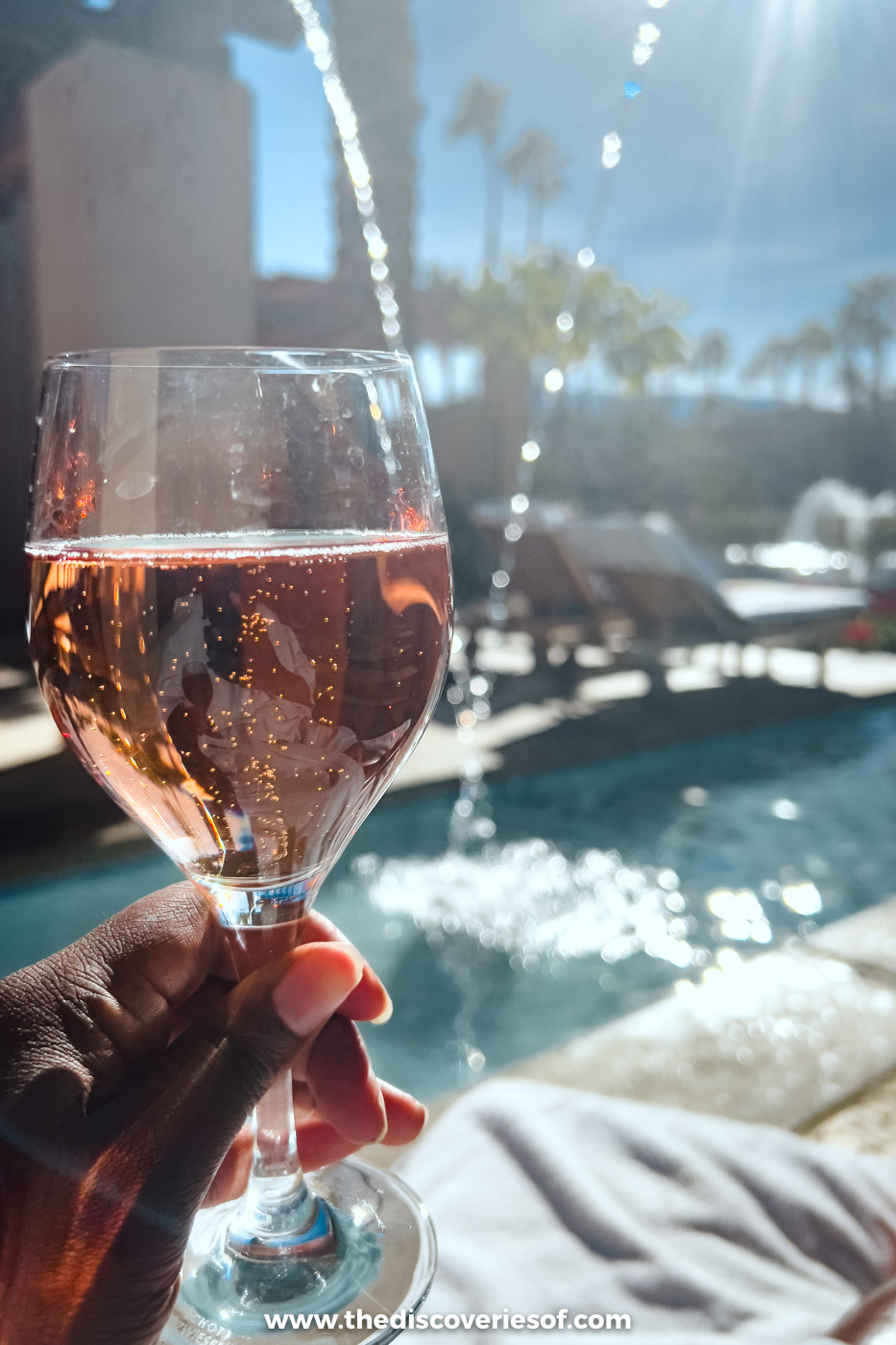
A spa pass on ResortPass starts at about $45, covering the steam room, dry sauna, outdoor jacuzzi and the patio by the fountains, and treatment packages start at about $245. From October to late June it’s open every day, 9.30am to 6pm, and you need to be 18 or over.
Day 9: San Diego
The desert gives way to the Pacific today. The drive to San Diego is about 125 miles and two and a quarter hours from Palm Springs, via the I-10, I-215 and I-15, and you’ll be there in time for lunch. I did Balboa Park and Mission Beach in one sunny afternoon and still made La Jolla for sunset, and it’s the order I’d recommend.
Explore Balboa Park
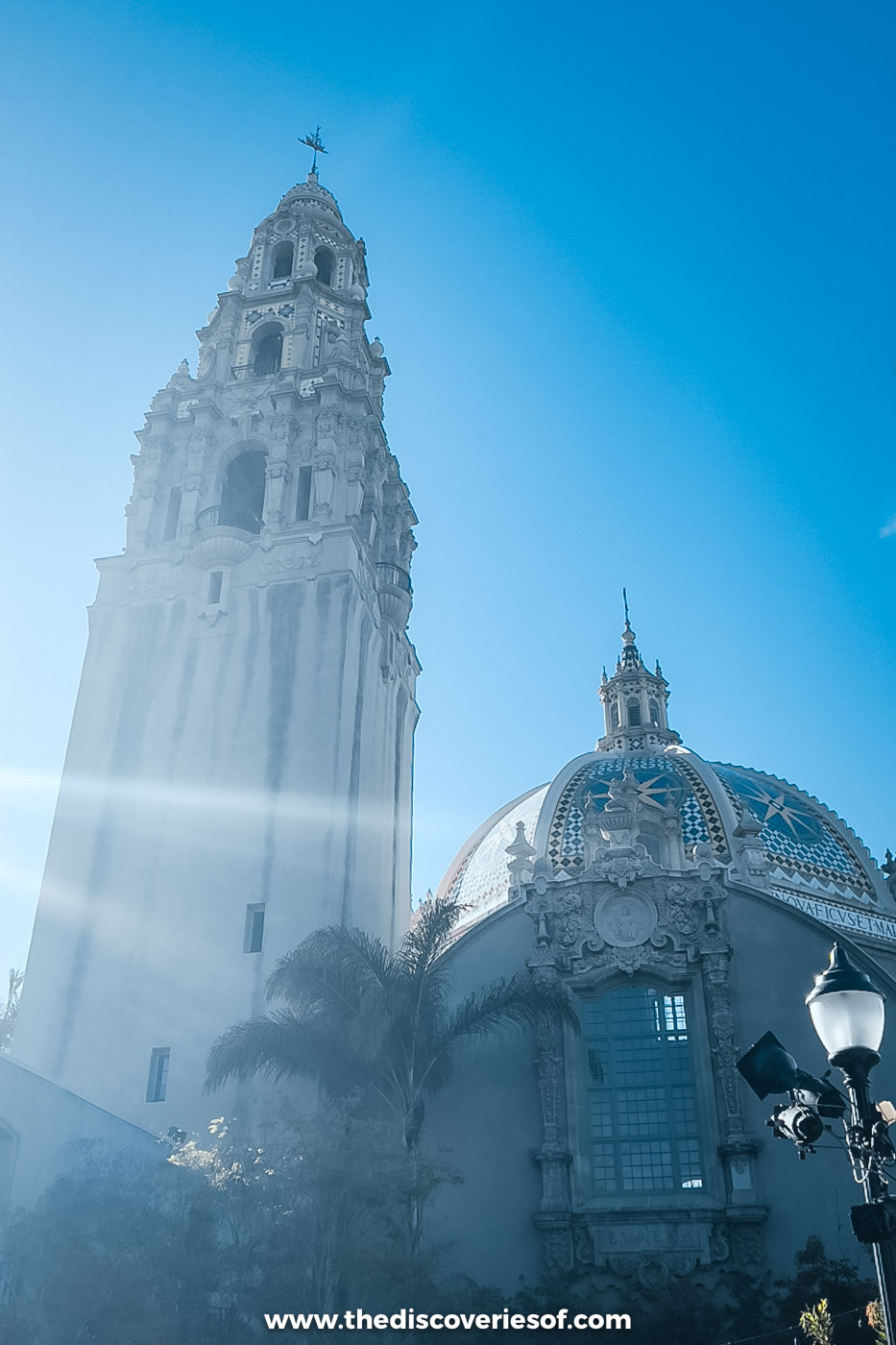
Balboa Park was built for the 1915 world’s fair, and its Spanish-style palaces now hold 17 museums, gardens and the San Diego Zoo. You can wander the plazas for free: start at the Plaza de Panama and walk to the California Tower and the Spreckels Organ Pavilion. Paid parking in the park’s lots is due to end on 1 January 2027; until then, the free tram runs from the Inspiration Point lot.
Ride the Giant Dipper at Mission Beach
Next, head to the boardwalk at Mission Beach, where Belmont Park’s wooden Giant Dipper has been rattling riders since 1925. It’s the place for an ice cream and a stroll before sunset.
Save La Jolla Cove for sunset
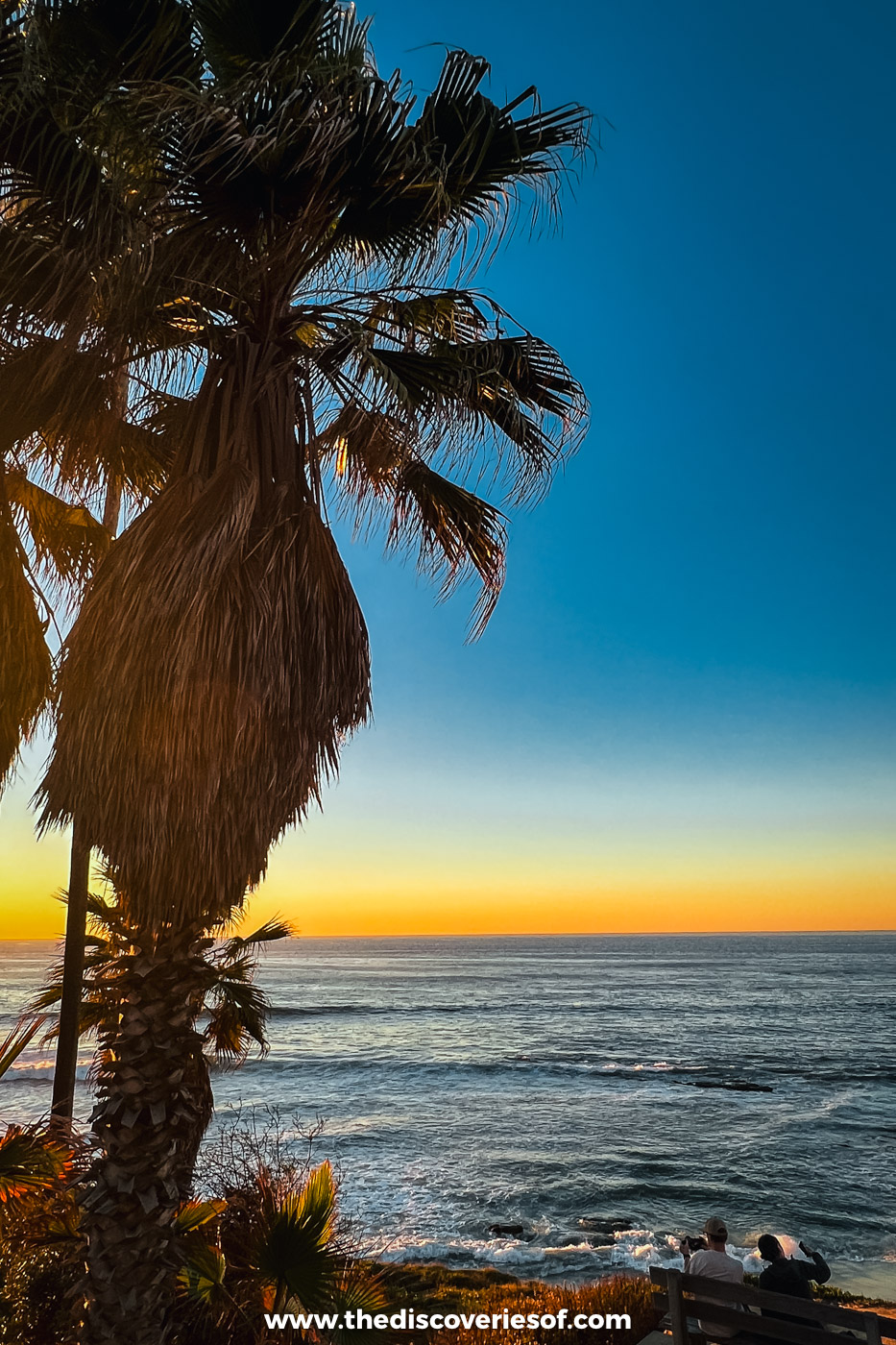
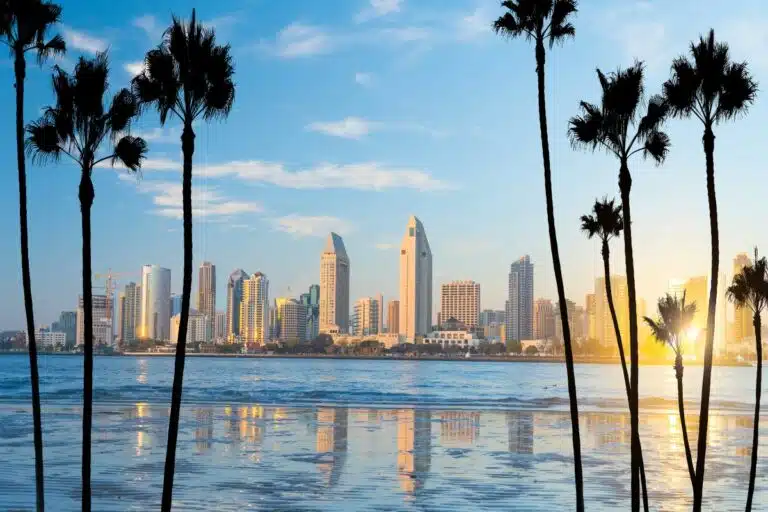
Finish in La Jolla, where sea lions sprawl on the rocks below the coastal path and the sky over the cove goes from gold to pink. Point La Jolla is closed all year to give the sea lions space; watch from the path instead of climbing down. Back in town, I had dinner at Water Grill on J Street in the Gaslamp Quarter, working through a seafood tower of lobster, prawns and oysters.
Suggested stay
I based myself at The Westin San Diego Gaslamp Quarter, at the top of the Gaslamp. It’s an easy place to be: you can walk to dinner, the trolley stops close by, and there’s a pool deck on the roof. Or see all hotels in San Diego.
Day 10: up the Orange County coast and back to LA
Have a big brunch before you go. I went to Hash House A Go Go in Hillcrest, where the portions are big enough to share and the sage fried chicken and waffles is the dish to order. It opens at 7.30am daily.
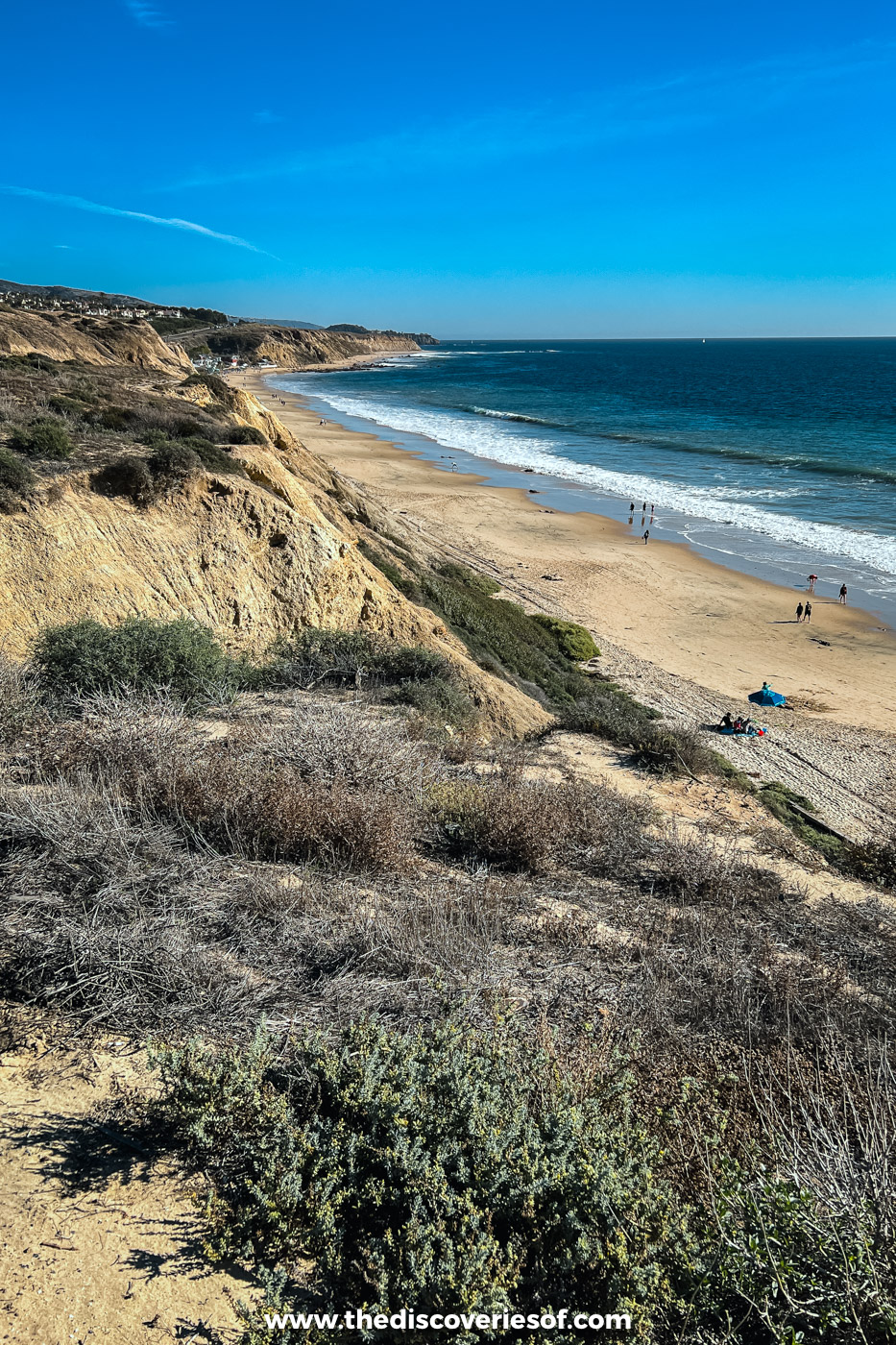
Walk the bluffs at Crystal Cove
Drive north, 85 miles or roughly 90 minutes, on the I-5 and the Pacific Coast Highway to Crystal Cove State Park, between Laguna Beach and Newport Beach. Its bluff-top trail runs above 3.2 miles of beach and coves, and the restored beach cottages of the Historic District sit at the bottom of the hill. Day parking is $15, and it makes a perfect last look at the Pacific. For more stops along this coast, see my best beaches in California.
Toast the trip in Long Beach

Long Beach is on the way back towards LA, about 30 miles up the coast, and its waterfront makes a great last stop. I timed it for sunset, with a glass of wine by the harbour as the sky turned orange.
From there, it’s about 25 miles to LAX, or about 45 minutes back to Hollywood without traffic, and often twice that at rush hour. I couldn’t leave without one last In-N-Out on the way.
Have more time? Add these to your itinerary
- The Eureka Dunes: California’s tallest dunes, rising more than 680 feet, in the remote far north-west of Death Valley. I drove all the way out there to climb them, and for my money no dune field in the park is more beautiful. Allow most of a day from Stovepipe Wells, with an unpaved last stretch. Add a night to your Death Valley stay for it.
- Anza-Borrego Desert State Park: the biggest state park in California sits between Palm Springs and San Diego, and adds about an hour and a half of driving to day nine. Look for Ricardo Breceda’s 130 giant metal sculptures around Borrego Springs, walk the Borrego Palm Canyon Trail (ask the rangers about fire damage first), and come between February and April for wildflowers. Day use is $10 a car.
- A second day in Joshua Tree: spend a night in the town of Joshua Tree or Yucca Valley and walk the High View trail, then Barker Dam and Ryan Mountain. Pioneertown’s Old West film set is 20 minutes away.
The Mojave National Preserve lies between Death Valley and Palm Springs too, but South Kelbaker Road closes from 16 November 2026 for a project due to run into 2029, and the Kelso Dunes close with it. Check the preserve’s conditions page before you plan a detour.
Handy tips for planning your Southern California road trip
Hire the car (and keep it a loop)
You need a car for every day of this trip. Pick it up at LAX and drop it back there: a loop avoids one-way fees altogether. Most of the big firms let you drive into neighbouring Nevada for the Pahrump nights, but check when you book. Under-25s usually pay extra per day. Check the small print on unpaved roads too: I took my rental out to the Racetrack, but many contracts now ban dirt roads, which would rule out the Racetrack and some of the remoter desert tracks.
When to go
October to April is the season. I went in November and had warm, clear days in the desert, though dawn at Dante’s View was bitterly cold. Spring brings wildflowers and the biggest crowds in Joshua Tree, and February is Modernism Week in Palm Springs. Avoid May to September: Death Valley averages 116°F in July, and the park warns against summer hikes on the valley floor after 10am.
Stay safe in the desert heat
Carry at least a gallon of water per person per day, plus snacks, a hat and sun cream, even in winter. Phone signal is patchy or absent in both parks, so save offline maps before you set off and let someone know your route. Fill the tank whenever you can (fuel inside Death Valley is expensive), and stay out of canyons and dips in the road when rain is forecast, as flash floods arrive fast.
Park passes and fees
Death Valley and Joshua Tree each charge $30 a car for seven days, and neither takes cash at the entrance. The $80 America the Beautiful pass only pays off if you add more parks. Visitors from outside the US pay $250 for the annual pass, but the new $100 non-resident surcharge doesn’t apply at either park.
Map
[MAP]
Read next
- My 14-day California road trip, from Big Sur to Yosemite
- Driving the West Coast from San Diego to Seattle
- What else to see and do in Death Valley
- Joshua Tree’s best sights, walks and viewpoints
- More to do in Palm Springs
- San Diego beyond Balboa Park
Love This? Save and Share on Pinterest

Discover the top things to do, insider tips and hidden gems in our USA Travel Guides.
Read the guides →