Behind a modest gate on the south side of Palm Springs, one family has spent almost 90 years packing more than 3,000 kinds of desert plant into a single acre. Here’s how the garden came to be, what to look out for on the trail and in its famous glasshouse, and how to plan your visit.
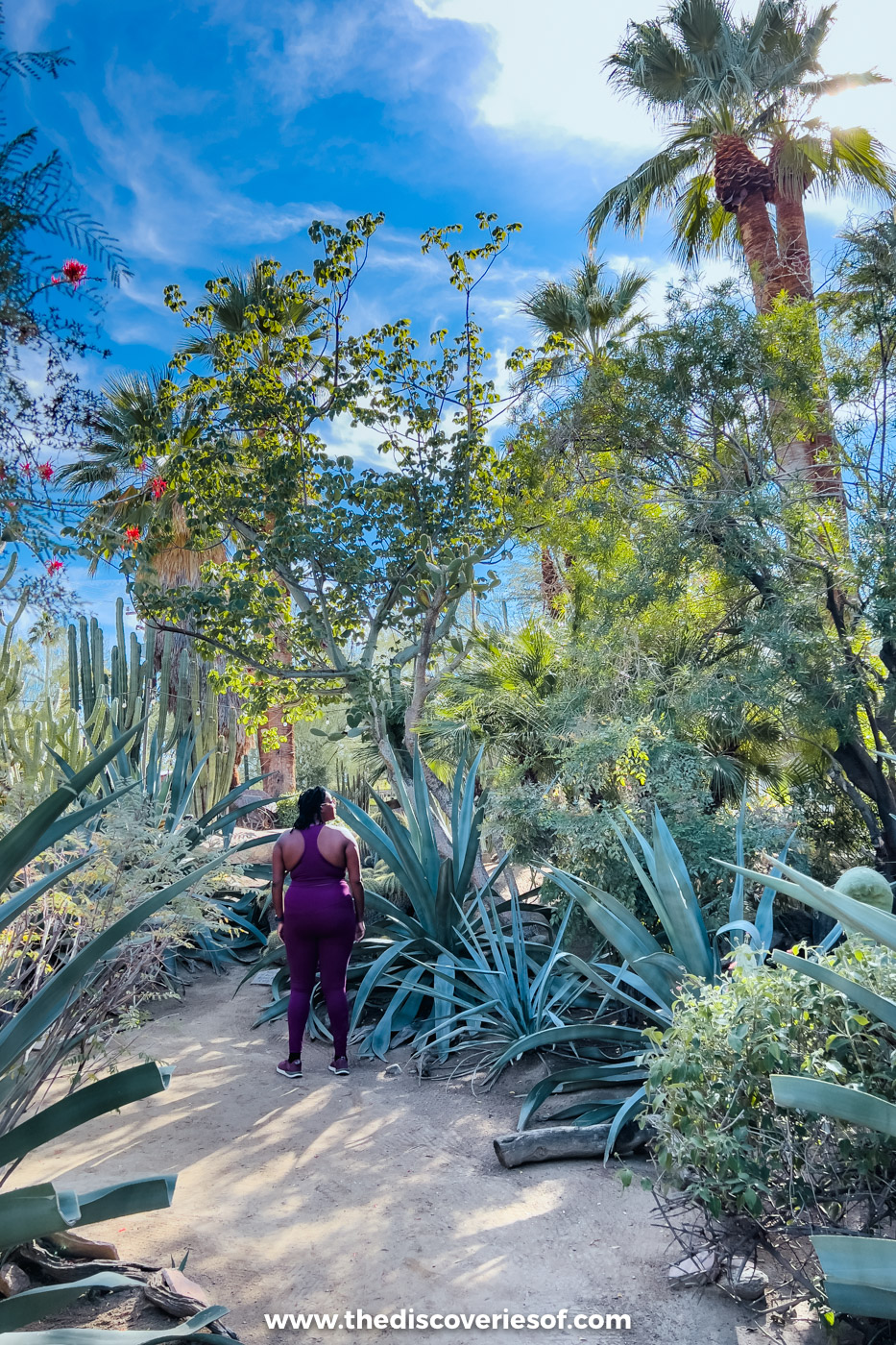
I called in at the Moorten Botanical Garden around lunchtime on my November trip to Palm Springs. It’s small and densely planted, with spiky agaves that tower over the paths, cacti so rare the family keeps them under glass and very little that feels like a formal botanical garden.
It’s also still a family affair. The leaflet I picked up, a hand-drawn map of the trail, is signed off with a “Thanks for visiting!” from Clark Moorten, the son of the couple who started it all.
Moorten Botanical Garden at a glance
- Where: 1701 South Palm Canyon Drive, about 1.5 miles south of downtown Palm Springs.
- Opening hours: 10am to 4pm from October to May, closed on Wednesdays. In summer it opens on Friday, Saturday and Sunday mornings only.
- Tickets: $7 for adults and seniors, $5 for veterans, $3 for children aged 5 to 12 and free for under-5s.
- How long to allow: about an hour, or longer if you plan to browse the nursery.
- Parking: free on the street outside; there’s no car park.
How a Keystone Cop built a cactus garden
Chester Moorten, better known as Cactus Slim, began his working life in front of the camera. He was one of the original Keystone Cops in the silent film era and worked as a stand-in for Howard Hughes, until he caught tuberculosis on a film set. To recover, he moved out to the dry air of Cottonwood Springs, now part of Joshua Tree National Park, where he panned for gold and started collecting cacti. Before long, he realised the cacti paid better than the gold.
In 1938 he came to Palm Springs to find more customers, and there he met Patricia, who shared his passion for desert plants. The couple married, bought the Mediterranean-style home of the desert photographer Stephen Willard and, by the 1950s, had turned its grounds into a garden that showcased their landscaping business. Their clients included Frank Sinatra, Bing Crosby and Walt Disney, who asked them to choose the plants for Frontierland at Disneyland. Patricia went on to write Desert Plants for Desert Gardens, and the glasshouse was her pet project.
Their son Clark grew up among the cacti and now runs the garden with his wife, Carolyn. The family still lives on the property, and Clark is often the one chatting to visitors about the plants.
What you’ll see at the Moorten Botanical Garden
Walk the desert regions trail
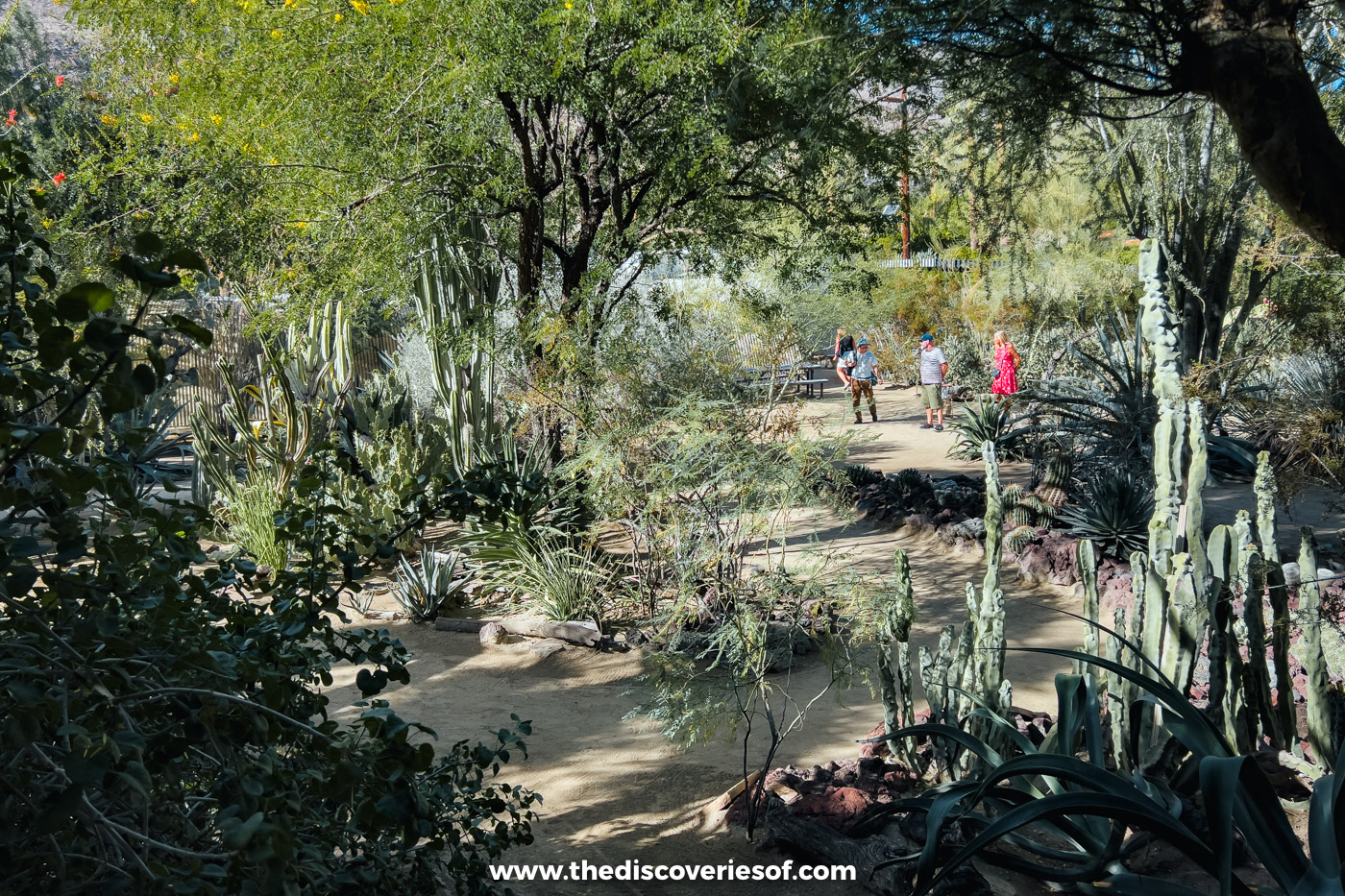
A dirt and sand trail loops from the entrance through more than a dozen arid habitats, each planted with species from one desert. On the map, they read like a road trip of their own: the Sonoran, Mojave, Arizona and California deserts, the Texas desert, Baja California and central Mexico, plus African and South American regions and a vine cactus jungle.
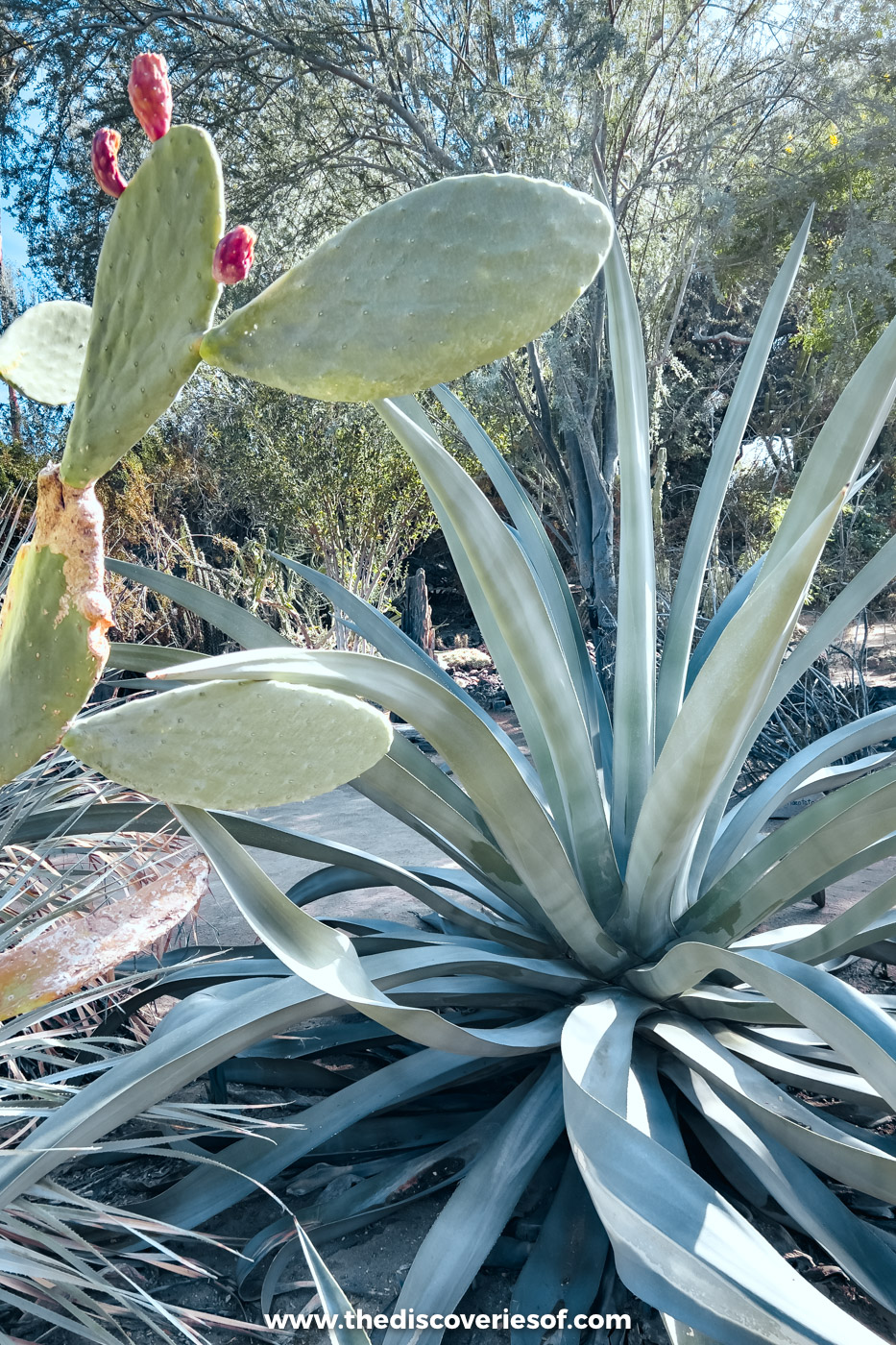
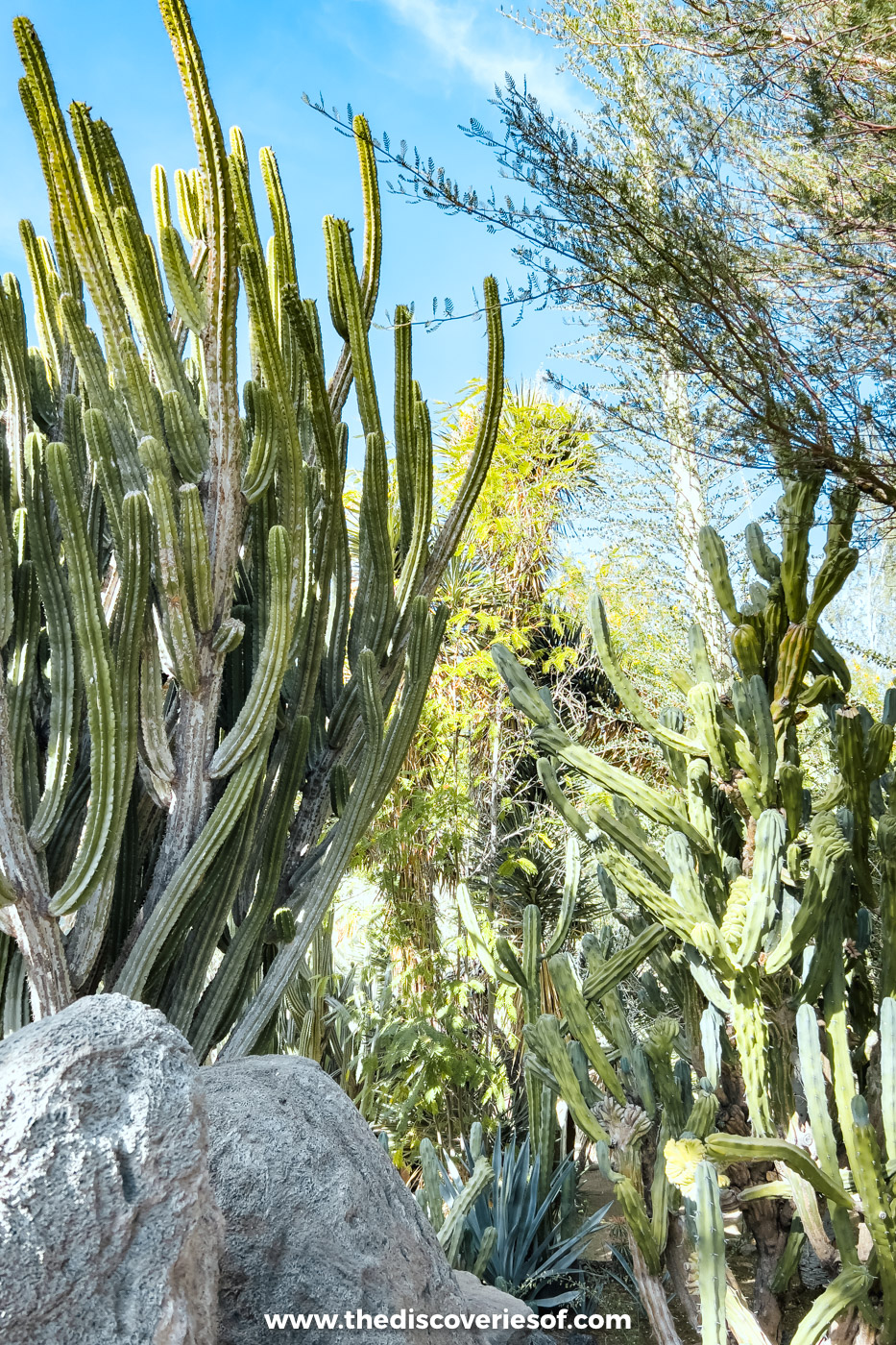
Look out for the boojum trees, spindly Baja natives that look like upturned carrots, the organ pipe cacti, the ocotillo and an elephant tree from Baja that is more than half a century old. Old palms and mesquite, palo verde and ironwood trees throw more shade than you’d expect in the desert: even at midday, when I walked it, much of the trail was dappled.
It isn’t only plants. Scattered along the trail are petrified logs, crystals, fossils and old gold-mining and pioneer relics, a nod to Cactus Slim’s prospecting days, plus a bird sanctuary and a wildlife feeding area in the palo verde grove.
Step inside the world’s first cactarium
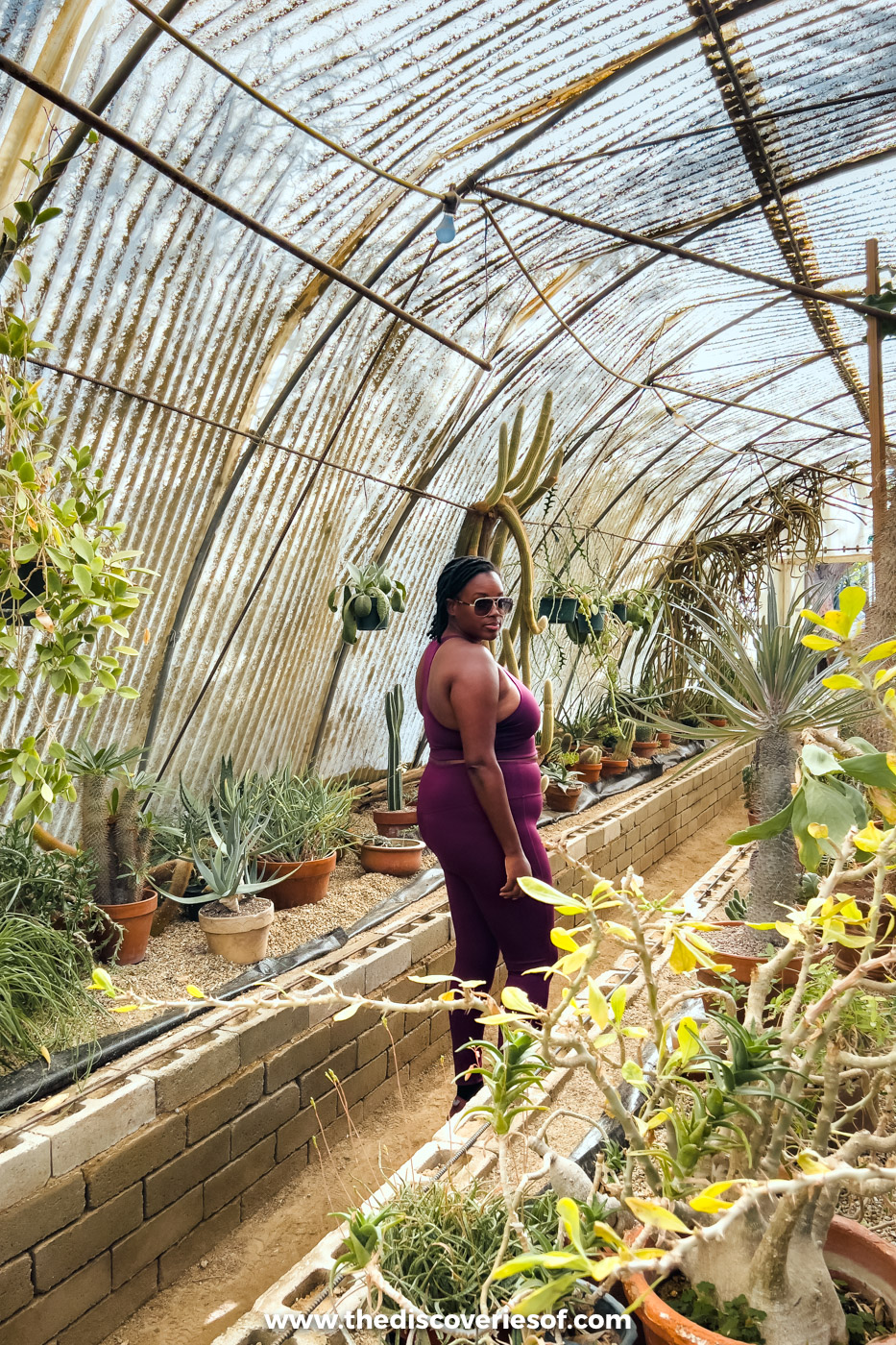
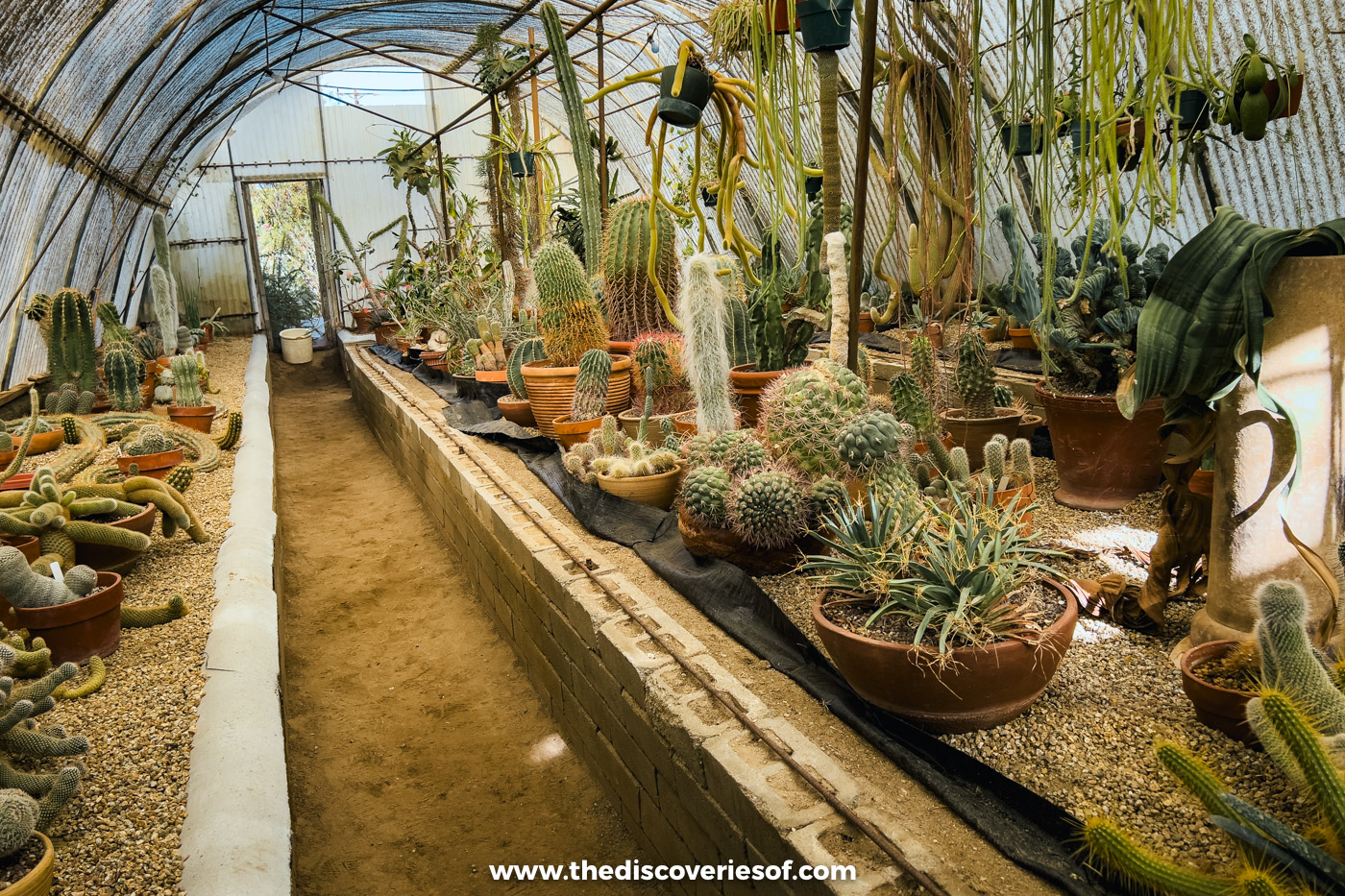
For most visitors, the highlight is the cactarium. The Moortens coined the word for this long, arched glasshouse, and they bill it as the world’s first. It shelters the rarest and most delicate plants in the collection, set out in clay pots along raised beds on either side of a sandy aisle.
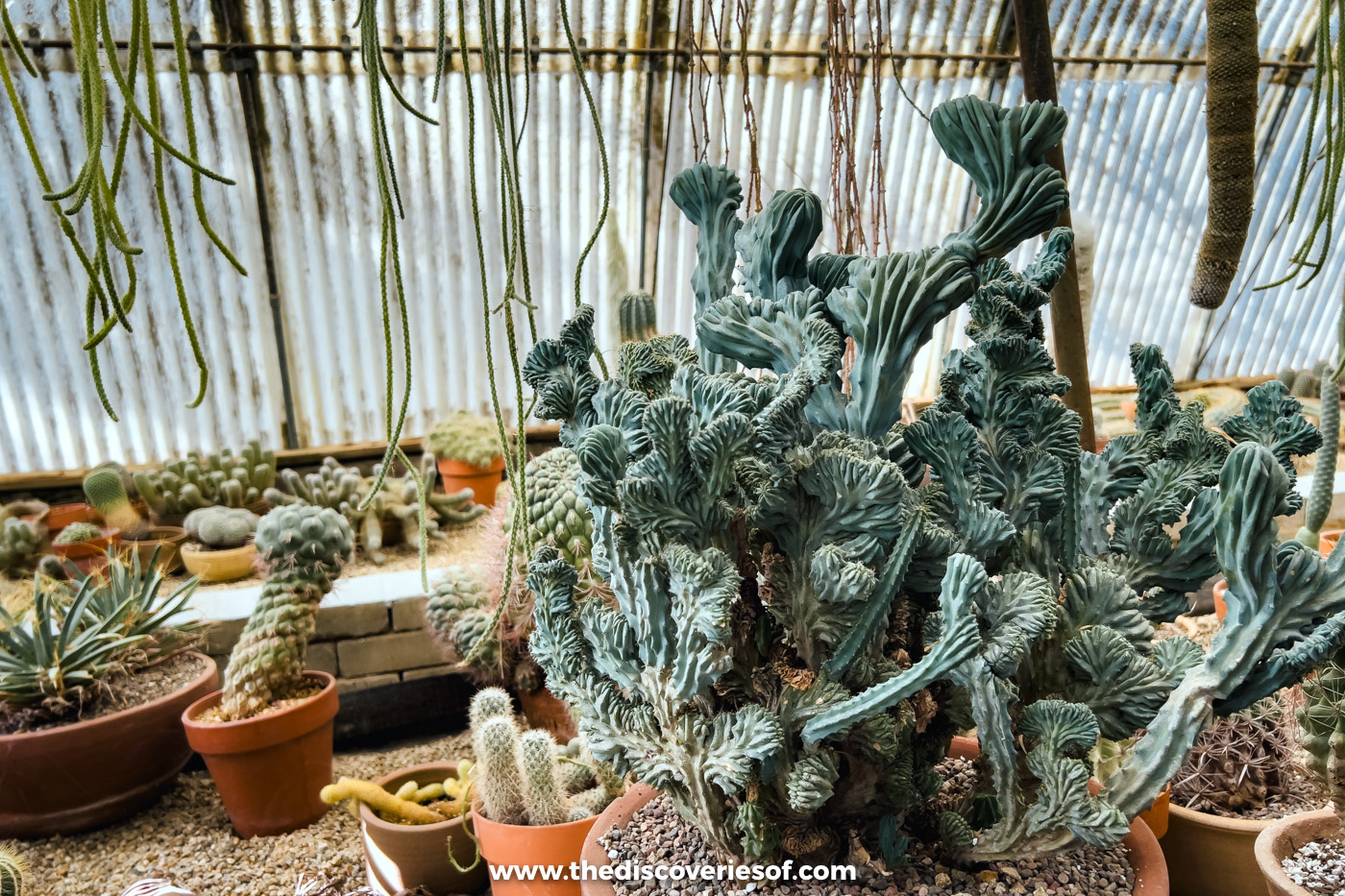
Inside, the mood changes completely. Light filters through the corrugated roof onto row after row of tiny cacti, trailing stems dangle from above and some plants grow into strange crested shapes that barely look real. The collection includes Welwitschia mirabilis, a bizarre two-leaved plant from the Namib Desert that can live for centuries.
See the Cactus Castle and the Palm Grove Oasis
As you enter, you’ll spot the Cactus Castle, the Mediterranean-style house that Stephen Willard built and the Moortens made their home. It sits in the Palm Grove Oasis, a grove of old palms beside a little waterfall the map calls Little Tahquitz Falls, where the garden hosts small wedding ceremonies from November to May.
Take a piece of the desert home
The nursery sits to the left of the entrance, and the cacti and succulents are tempting. If you’re flying home, check the rules on bringing plants into your country before you buy: many don’t allow them in your luggage.
Plan your visit
Opening hours, closures and tickets
From 1 October to 31 May, the garden opens from 10am to 4pm every day except Wednesday. In summer, hours shrink to Friday to Sunday mornings: Visit Greater Palm Springs lists 9am to 1pm. My leaflet also says it closes on holidays, so ring ahead (760 327 6555) if you’re visiting on a public holiday or between June and September.
You pay at the front counter as you walk in (prices are in the box above), and guided tours run if you book them ahead with the garden.
Getting there and parking
The garden is on South Palm Canyon Drive, about five minutes’ drive from downtown, on the way to the Indian Canyons. The sign is easy to miss, so watch for it as you reach El Camino Way. There’s no car park, but there’s free parking on the street along Palm Canyon Drive and El Camino Way.
When to go
October to May brings the most comfortable temperatures, and spring into early summer is when most of the cacti flower. In summer, arrive as soon as the gate opens to beat the heat.
Tips for visiting
- Pair it with the canyons. The garden is on the road to the Indian Canyons, so an early hike followed by the garden makes an easy morning. My 2-day Palm Springs itinerary does exactly that.
- Wear closed shoes. The paths are sand and dirt, and there are spines at ankle height.
- Bring a hat and sunscreen. There’s plenty of shade, but the sun is strong in the open parts of the trail.
- Ask for the map. The hand-drawn trail map is the easiest way to work out which desert you’re standing in, and my guide to the best things to do in Palm Springs will fill the rest of your day.
Map
Read next
- 27 things to do in Palm Springs, Old Hollywood’s favourite desert hideaway
- How to spend 2 days in Palm Springs (and still catch sunrise in Joshua Tree)
- Brilliant day trips from Palm Springs
- The best things to do in Joshua Tree National Park
Love this? Save and share on Pinterest

Discover the top things to do, insider tips and hidden gems in our USA Travel Guides.
Read the guides →