Cliff-top bends above the Pacific, granite cliffs you can stand right beneath and a salt flat that sits 282 feet below sea level, all in one loop of the state. Here’s the route, the real drive times and the planning that makes it work.
When you hear the word “California”, I’ll bet that things like scenic views, gorgeous beaches and parks (so many parks) come to mind, right?
It figures that there are few places better than California for you to hop behind the wheel and set off on a road trip.
My own California road trip was one of the most memorable adventures I’ve had to date. One moment I was chillin’ and eating tacos in San Diego, the next marvelling at the jaw-dropping beauty of Yosemite National Park.
There were coastal hikes skirting giant seal colonies and wine-drenched days in Sonoma, all punctuated with classic Californian sights like the Golden Gate Bridge.
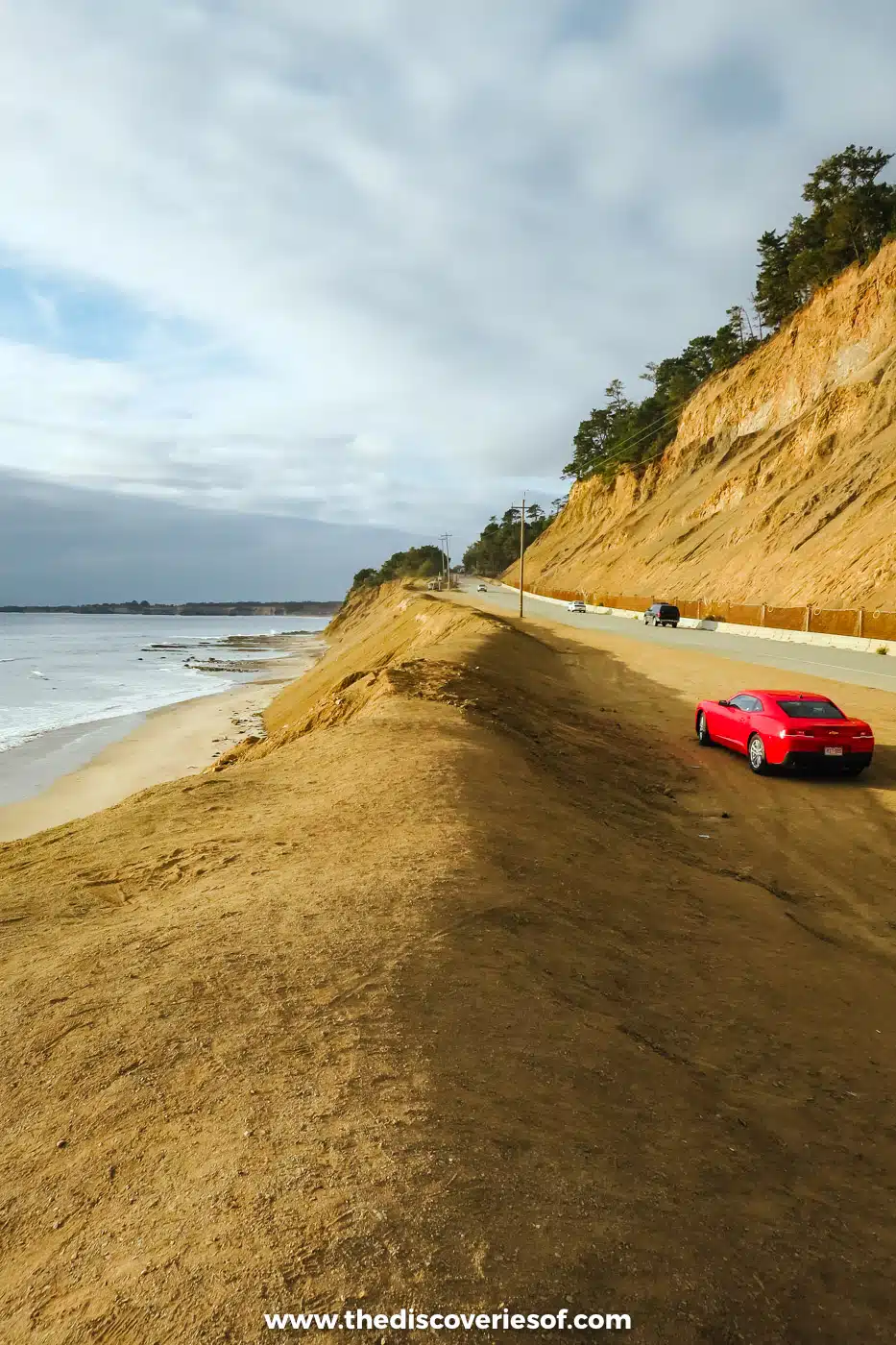
That first trip took me up Highway 1 in a hard-top Camaro, through Big Sur and Yosemite. I came back years later, in November, for the desert: sunrise at Dante’s View, nights under the stars and a few days in Palm Springs. This California road trip itinerary stitches the best of both into one two-week loop from Los Angeles, with the drive times I’d actually plan around.
In short, if you’re not bouncing around in excitement at the prospect of your upcoming road trip, I’m pretty sure you will be after this.
Enough of the chat. It’s time to explore.
Your 14-day route at a glance
The loop runs from LA up the coast, inland to the mountains, then down through the desert: about 1,500 miles in all.
- Days 1 and 2: Los Angeles
- Day 3: the coast road to Big Sur (about 300 miles)
- Days 4 to 6: San Francisco, via Point Lobos (about 145 miles)
- Day 7: Napa Valley (about 50 miles)
- Days 8 and 9: Yosemite National Park (about 190 miles)
- Day 10: Death Valley National Park (about 300 miles over Tioga Road, 450 when it’s closed)
- Days 11 and 12: Palm Springs and Joshua Tree National Park (about 275 miles)
- Days 13 and 14: San Diego (about 125 miles), then back to LA (about 120 miles)
How to plan a California road trip
Most of the planning comes down to five decisions.
Pick your loop and your start
California is huge, so the first job is choosing what to leave out. A loop that starts and ends in one city saves a one-way fee and lets you fly in and out of the same airport, which is why this one begins and ends in LA. Two weeks is the minimum: with ten days, drop Napa and a day in San Diego.
Hire the car (and sidestep the one-way fee)
You need a car for all of this. If you’re spending your first days in LA, pick it up as you leave the city, as parking adds up fast.
One-way rentals within California are often cheap or free: Hertz’s fly-drive rates, for example, carry no drop charge anywhere in the state. Cross into another state (Las Vegas aside) and the fee jumps, often to $300 or more, so price it before you book if you’re carrying on north. Drivers under 25 usually pay a daily surcharge too.
I got a really good deal on a hard-top muscle car instead of a convertible, and in Death Valley you’ll be glad of the roof.
Book the parks, permits and tours that sell out
Yosemite needs no entry reservation in 2026, but a few things on this route book up weeks or months ahead:
- Hearst Castle: book tours up to 60 days ahead on ReserveCalifornia.
- Half Dome: the cables need a permit from the March lottery or the daily lottery two days before.
- Campsites: Yosemite, Big Sur and Joshua Tree pitches go fast on Recreation.gov and ReserveCalifornia.
- Alcatraz and Napa tastings: book at least a week ahead in peak season.
The America the Beautiful pass ($80 for US residents) covers Yosemite, Death Valley and Joshua Tree for a year. Since 1 January 2026, visitors from outside the US pay a $100 surcharge per person (16 and over) at Yosemite and Sequoia and Kings Canyon, on top of the $35 car fee, unless they hold the $250 non-resident annual pass, which covers it.
Time it around the seasons and road closures
The mountains and the desert want opposite seasons. Tioga Road, the only road east across Yosemite, usually opens between late May and June and closes for snow in November, while Death Valley is regularly above 100°F from May to September. That leaves two sweet spots: late May to June, or late September to October, when the summer fog has lifted off the coast.
Highway 1 through Big Sur reopened at Regent’s Slide in January 2026, and again from Cambria to Carmel in September after the summer fires, but slides and fire closures come and go. Check Caltrans QuickMap the night before each driving day.
Budget for fuel, rooms and park fees
California has the most expensive fuel in the US: AAA’s state average for regular was over $6 a gallon in October 2026, so at around 25 miles to the gallon, the loop’s 1,500 miles cost roughly $360. Mid-range rooms run from about $120 to $200 a night for two, more in Big Sur, Yosemite and San Francisco, and less in Pahrump and the desert towns.
Days 1 and 2: Los Angeles
Los Angeles is the perfect starting point for the best road trips in California, whether you’re heading south or north.
The weather’s incredible, the city’s vast, the beaches are inviting, the galleries and museums mesmerising, and the food scene… guaranteed to blow your mind (or at least your tastebuds).
I think we can all agree that it’s straight up impossible to cover all the cool spots in the course of a few paragraphs, but here are a couple of highlights.
Hit the beaches at Santa Monica and Venice
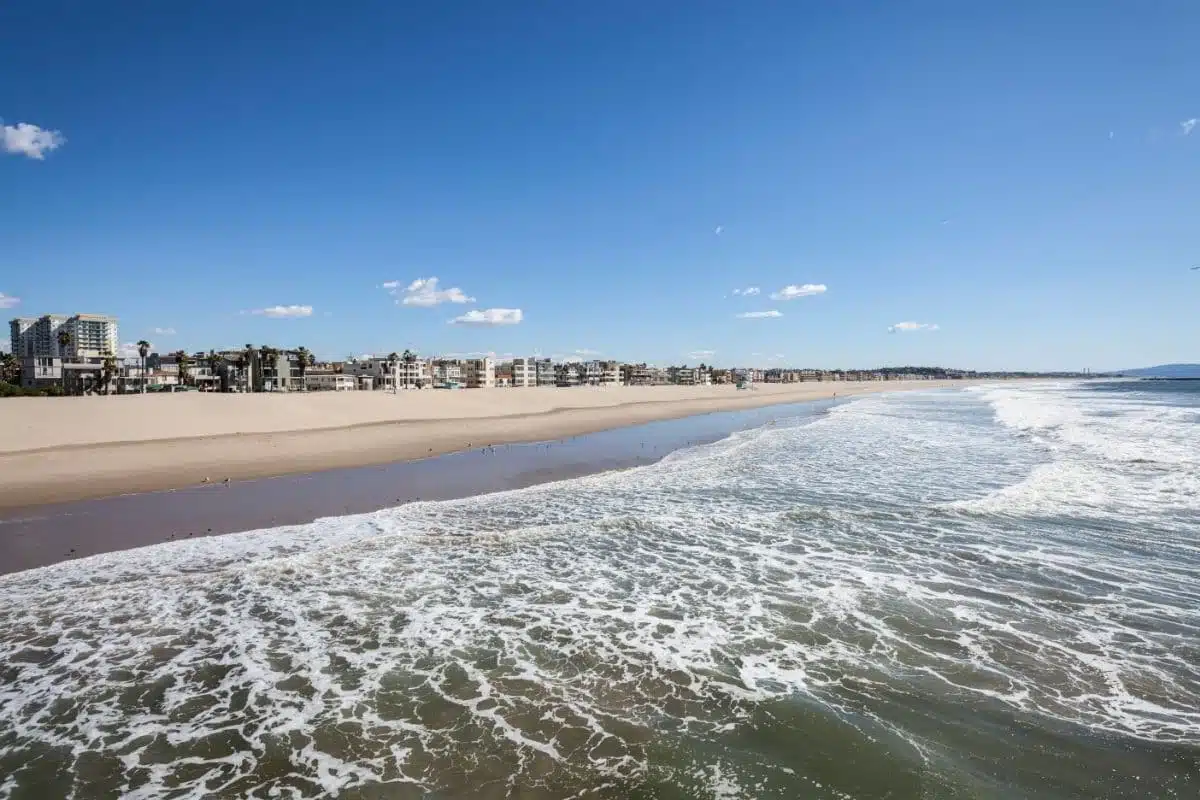
It’s no secret that LA has more than its fair share of stunning beaches, and it would be a shame not to hang out on at least one of them during your trip.
Head to Santa Monica beach to sunbathe alongside the city’s elite, or head to eccentric Venice Beach for street performers set against the backdrop of the Pacific. A flat beach path joins the two, so hire a bike and do both.
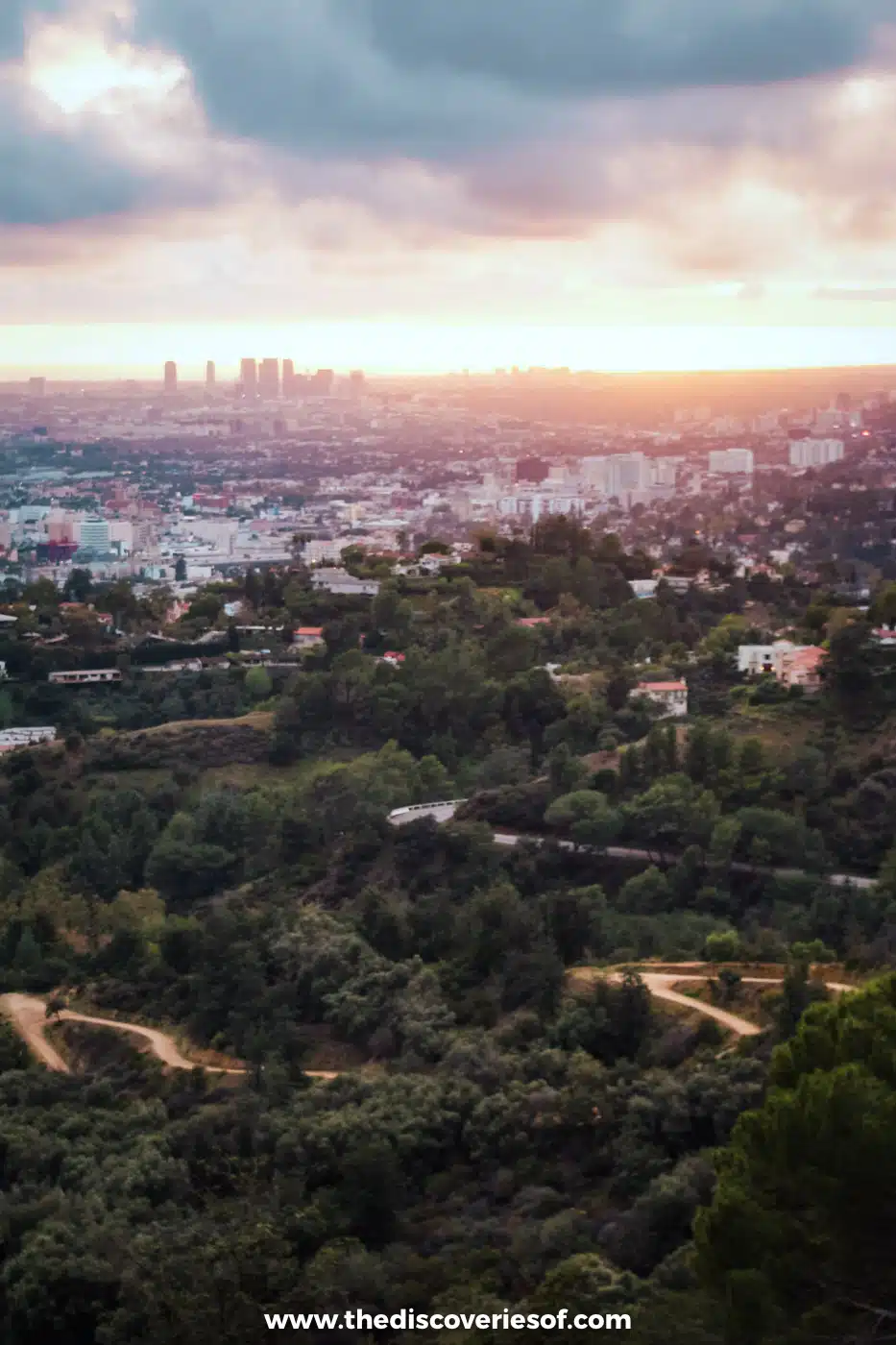
Catch sunset at Griffith Observatory
If I could only do one thing in LA, it would be Griffith Observatory. Entry is free and it’s open from Tuesday to Sunday (closed Mondays) until 10pm. Inside, the planetarium transports you to the cosmos ($10 a show), there’s an electrifying Tesla coil exhibition, and the terraces give you sweeping views of LA. I’d recommend booking a guided tour to discover more about this fascinating structure.
Arrive an hour before sunset and walk the 2.65-mile loop up Mount Hollywood from the Charlie Turner Trailhead at the north end of the car park. It’s sweaty but very worth it for the views of the Hollywood Sign, and you’ll be back on the terrace as the city lights come on.
Top Tip
Parking costs $10 an hour and fills up fast at weekends. The DASH Observatory bus runs up the hill from the Vermont/Sunset Metro station instead.
Suggested stay
Loews Hollywood Hotel: a rooftop pool and sun terrace make this spot enticing, but the California-inspired cuisine at its restaurants puts it over the top. On earlier trips I stayed at the Mondrian on the Sunset Strip, a hotel I loved, which Hilton has since rebranded as The Valorian Los Angeles. Alternatively, look for other properties in Los Angeles for more choice.
Day 3: the coast road from Los Angeles to Big Sur
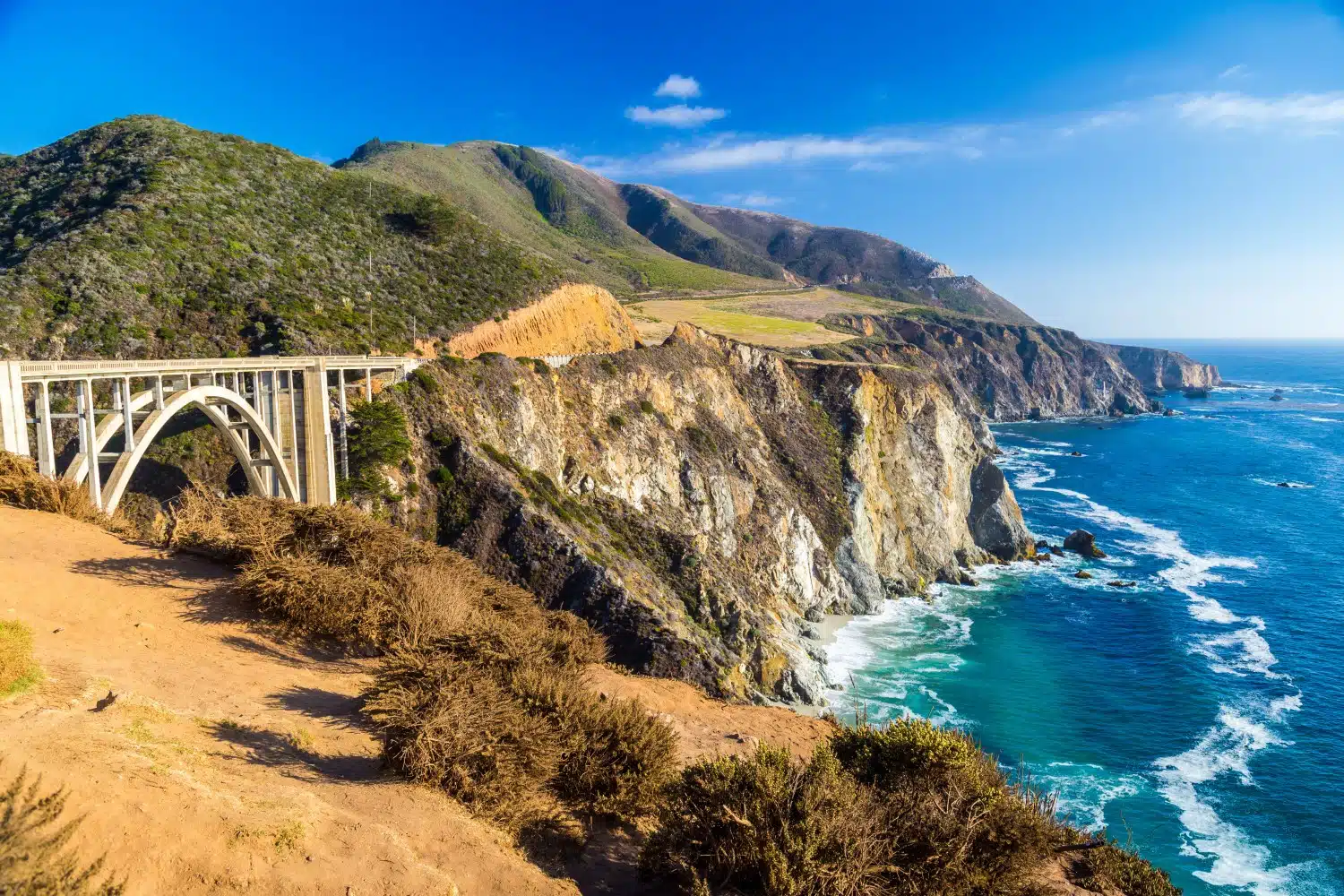
A rugged coastline, verdant forests, and craggy cliffs with waves crashing, along with the gleeful words of writers like Jack Kerouac, have brought Big Sur worldwide acclaim. The highlight of any West Coast road trip, it more than lives up to its promise. Few drives stay with you like the Pacific Coast Highway, and it has certainly stayed with me.
The drive: about 300 miles. Allow 5 hours 30 minutes without stops on US 101, joining Highway 1 north of San Luis Obispo, or 7 to 9 hours if you hug the coast all the way. To fit in Hearst Castle or the wineries, spend a night in Cambria and take a day from San Francisco.
Break the drive in Santa Barbara
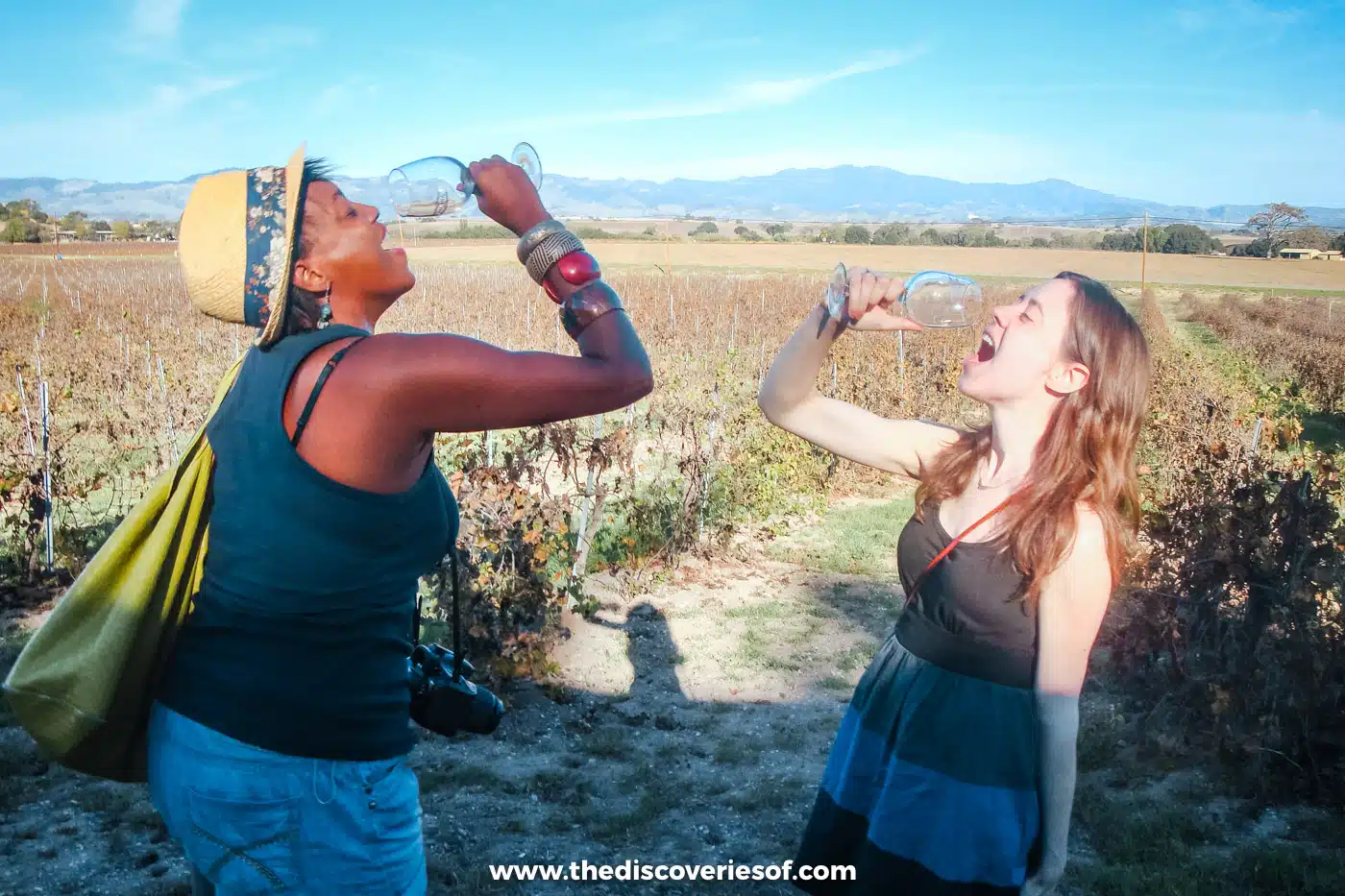
An hour and a half up the coast, Santa Barbara is the natural first stop, with its Spanish mission and seafront wharf. I’ve been twice, and the wineries were the highlight both times. Short of time for the Santa Ynez Valley? The Urban Wine Trail has more than 20 tasting rooms in town, most of them in the Funk Zone near the beach. Just appoint a designated driver first.
Tour Hearst Castle and meet the elephant seals
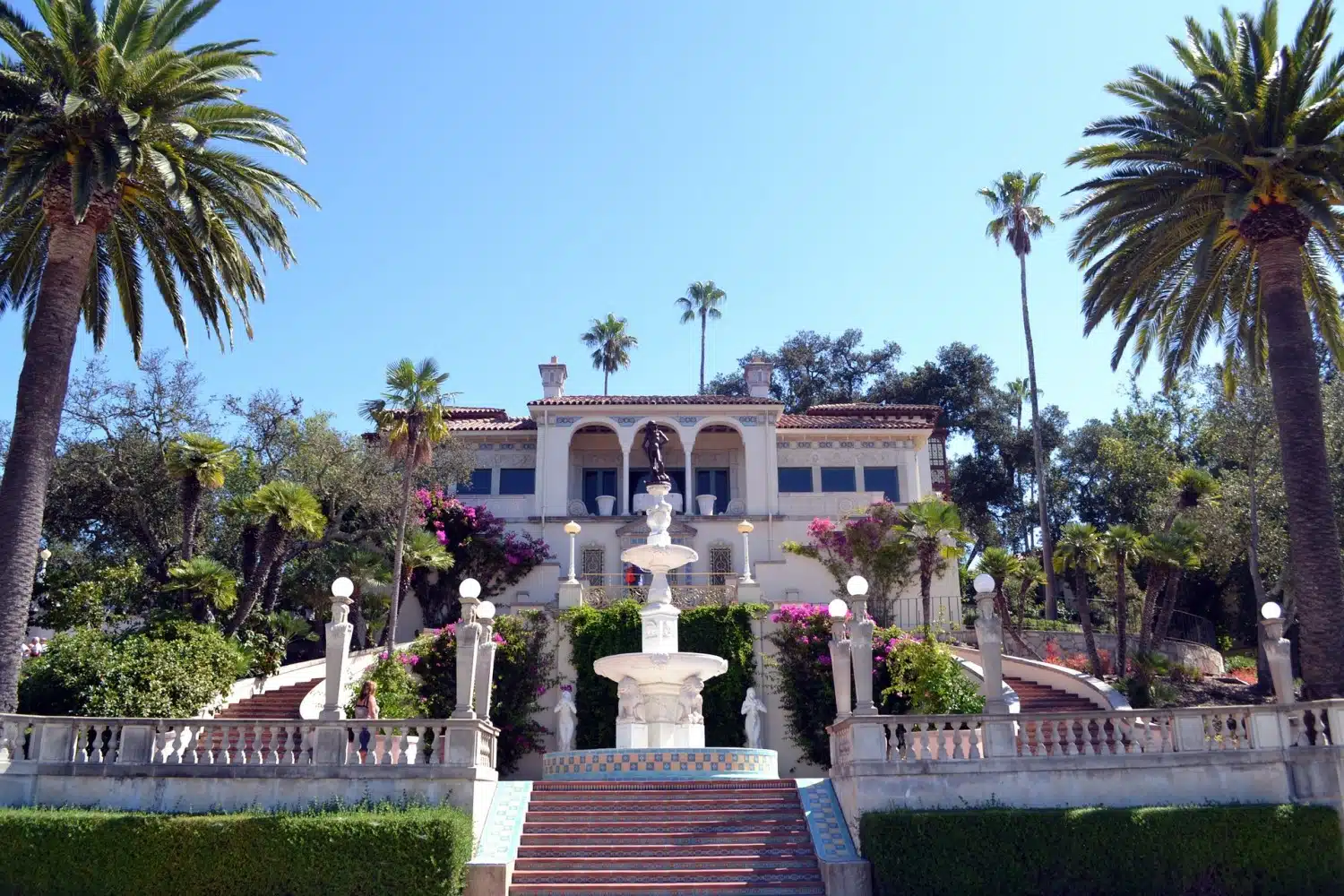
Beyond the Monarch Butterfly Grove at Pismo Beach (free, with butterflies from October to February), Hearst Castle sits on its hill above San Simeon. It’s as bizarre as it is palatial: William Randolph Hearst packed it with Spanish church ceilings, Greek and Roman statues and a marble-lined outdoor pool, and entry is by guided tour only ($35 for adults).
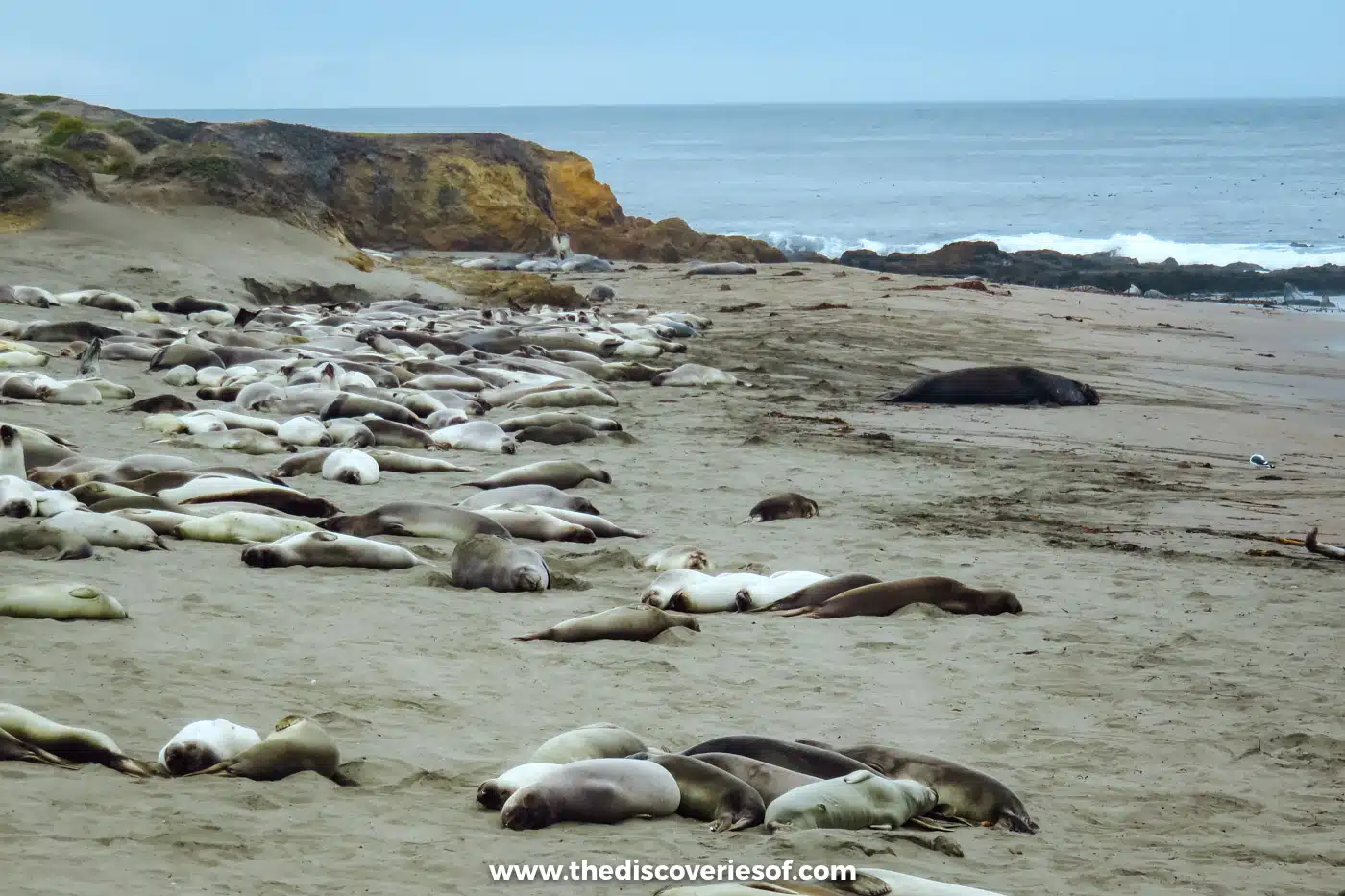
A few miles north, pull in at the Elephant Seal Vista Point at Piedras Blancas. Thousands of seals haul out on the sand below the boardwalk, snorting and flicking sand over their backs, and it’s free from sunrise to sunset.
Gaze down on McWay Falls in Julia Pfeiffer Burns State Park
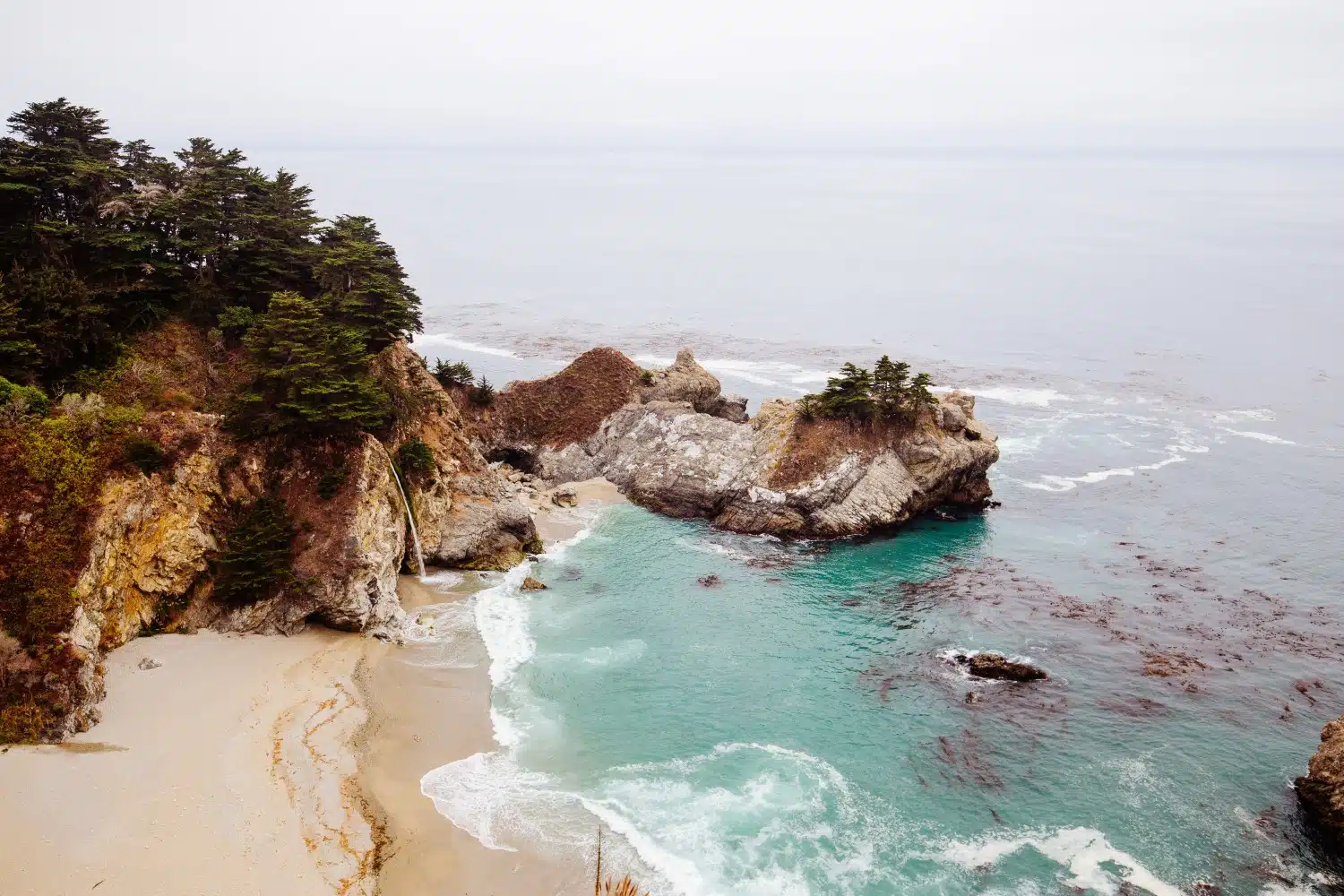
Julia Pfeiffer Burns State Park offers marked trails transporting you to a world dominated by waterfalls, wildflowers, hidden coves, and turquoise waters lined with rock formations.
The star is McWay Falls, which drops 80 feet off the cliff onto a beach nobody’s allowed to set foot on. The short Overlook Trail passes under the highway to the first viewpoint, which is open, though erosion has closed its far end. Parking is $10 a car, from 8am to sunset.
Find Keyhole Rock at Pfeiffer Beach
Secluded Pfeiffer Beach has unmissable Keyhole Rock as its top attraction (the sunrises and sunsets are to die for), but an expansive shoreline, tide pools and streaks of purple sand also attract people. It’s down unsigned Sycamore Canyon Road, two narrow miles off Highway 1 with no RVs allowed. Parking is $15, and the currents are too strong for swimming.
Suggested stay
Hidden Valley Inn: this property’s proximity to Carmel Valley, where fine restaurants and vineyards await, earned my recommendation. To sleep on the coast itself, Big Sur Lodge sits among the redwoods of Pfeiffer Big Sur State Park and reopened in October 2026. If you’re looking for something a little more exuberant, check for other properties in Big Sur.
Days 4 to 6: San Francisco
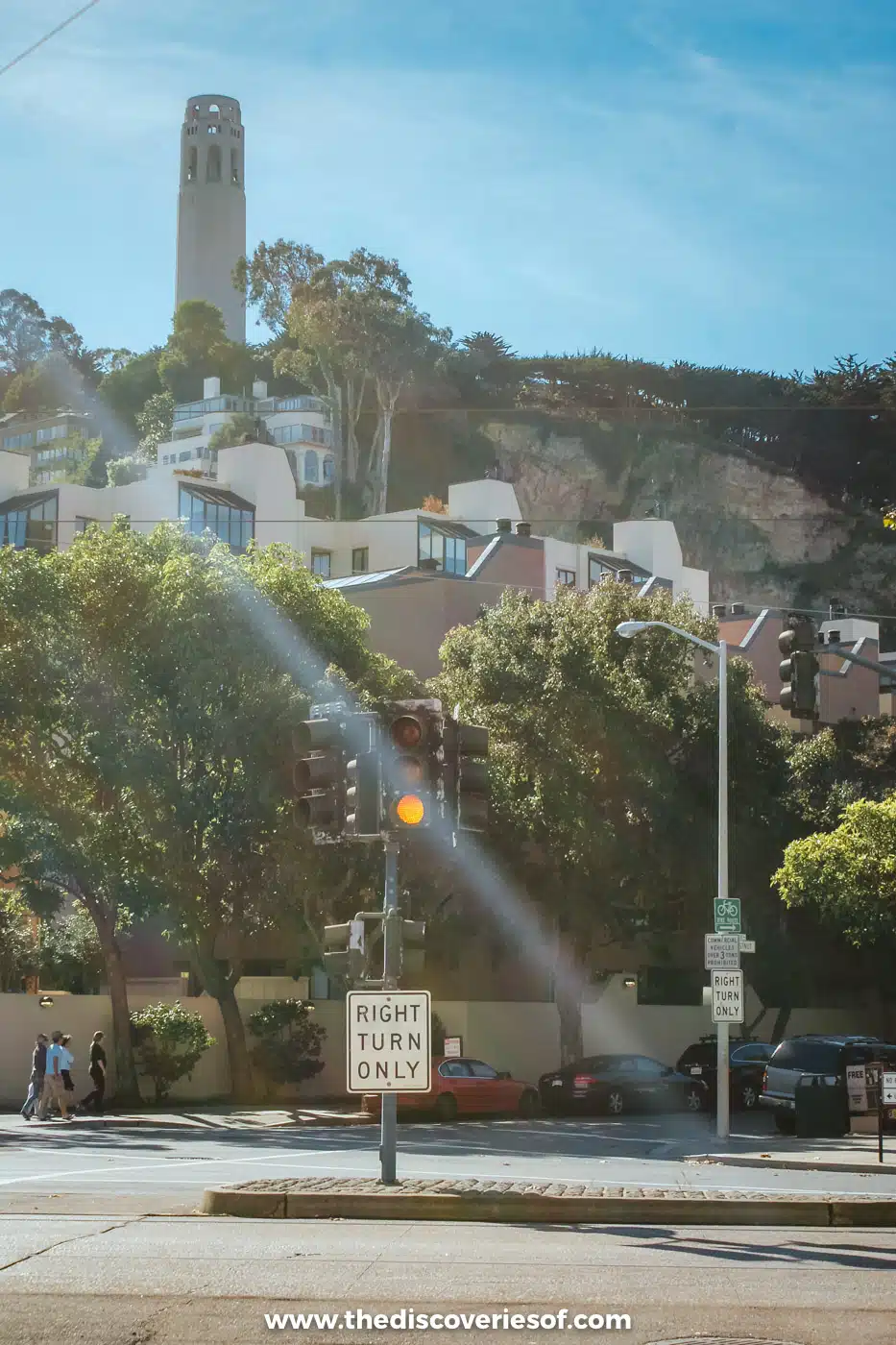
San Francisco makes up for its relatively small size with scenic beauty, a boatload of attractions, tempting food and a diverse population. Of all the big US cities I’ve visited, it’s my favourite, so I’m glad it gets three days here.
The drive: about 145 miles and 3 hours from Big Sur, via Carmel-by-the-Sea and Monterey, so stop on the way.
Stop for the sea lions at Point Lobos
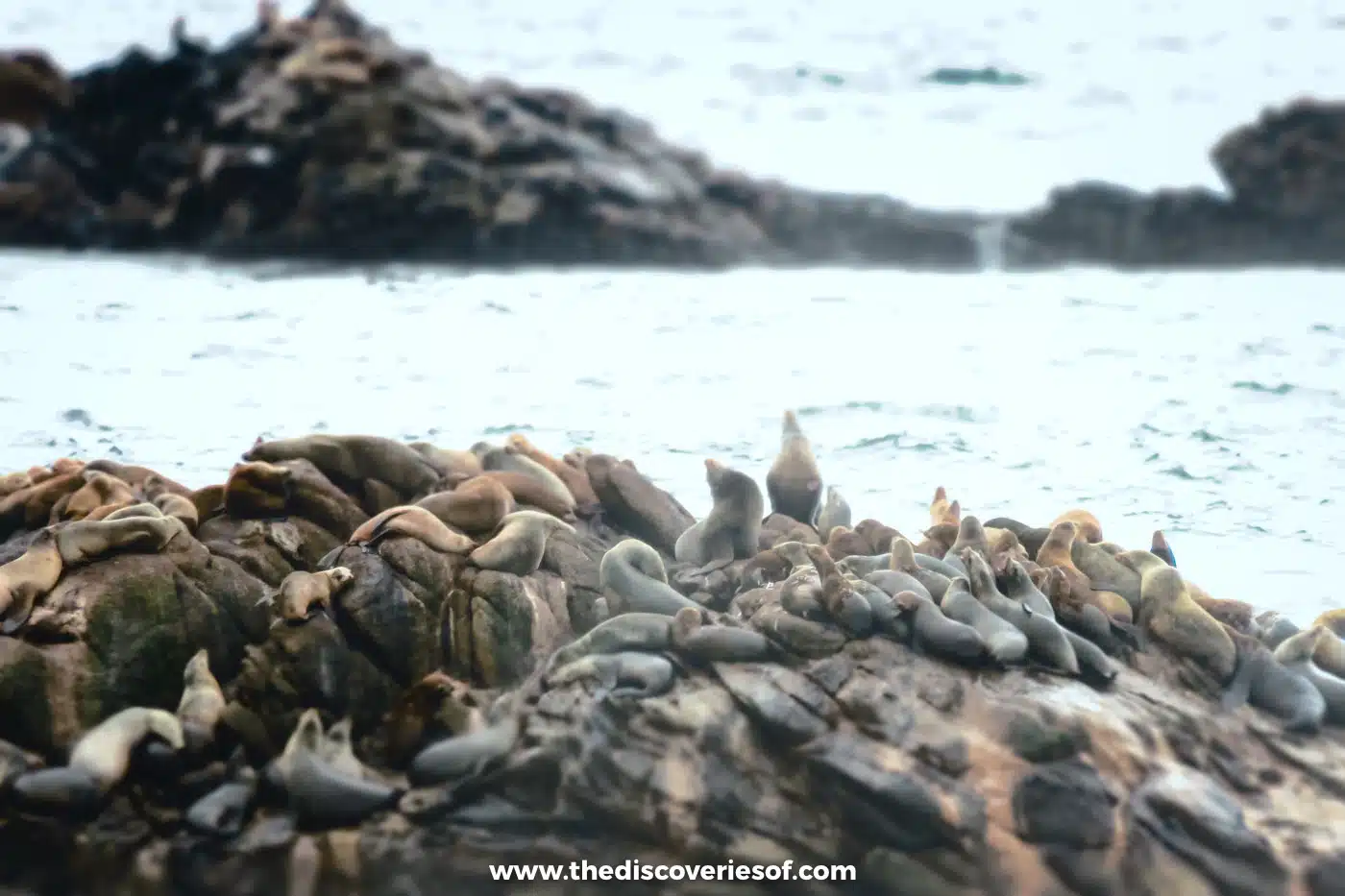
Point Lobos State Natural Reserve, a few minutes before you reach Carmel, is where the Big Sur coast ends in a flourish of granite coves and cypress groves. Give it a few hours if you can: I walked the circuit of around six miles, with the noisy sea lions on the offshore rocks making themselves heard (very loudly) all the way round. Entry is $10 a car from 8am, and only 150 cars fit inside, so arrive before 9.30am.
Read Next
Admire the Golden Gate Bridge
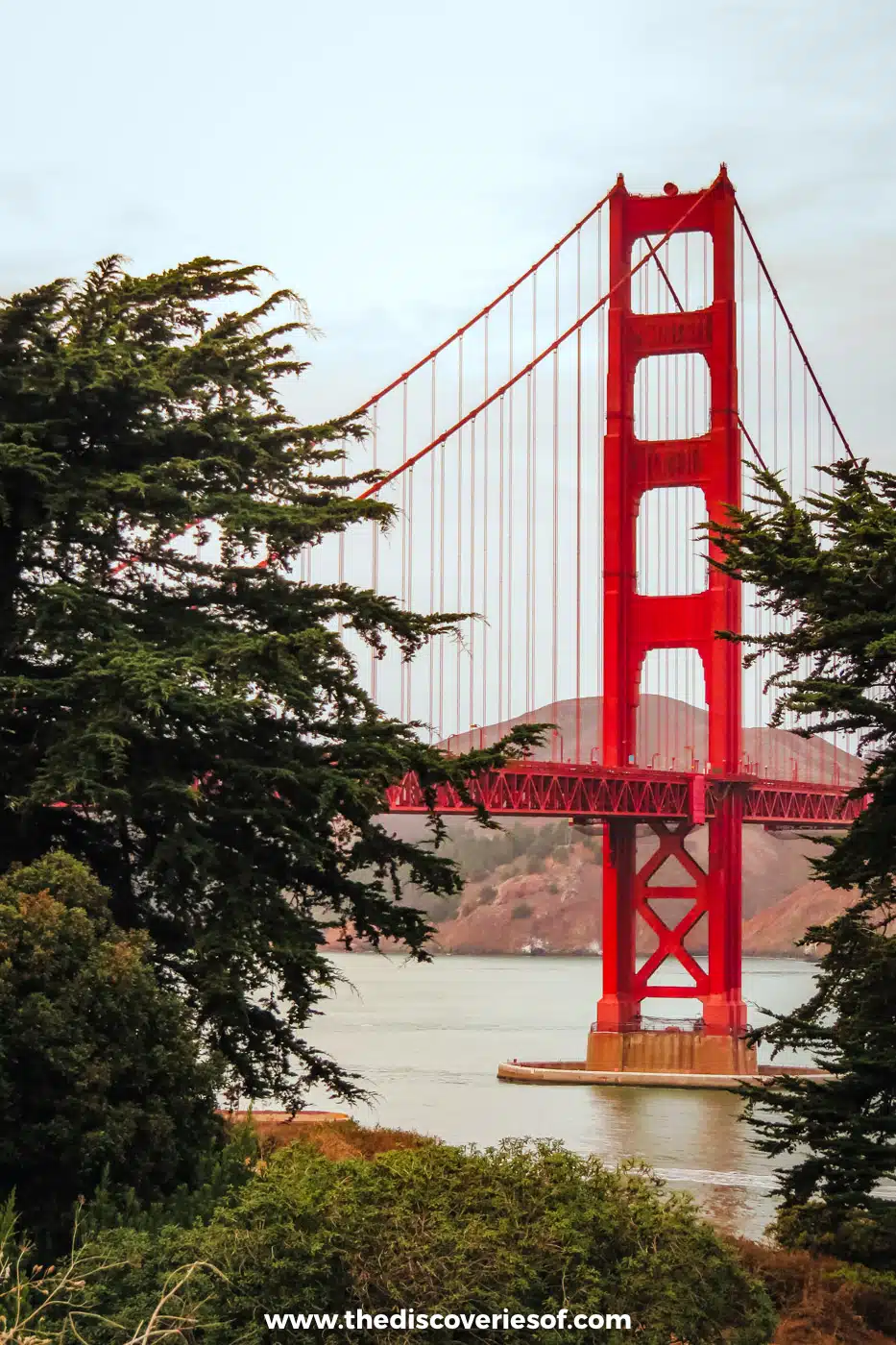
The Golden Gate Bridge and its orange arches are world-renowned. I recommend heading to the Golden Gate Bridge Vista Point to glance at San Francisco from a new angle, or walking the 1.7 miles across.
Stroll Fisherman’s Wharf
This lively waterfront neighbourhood houses a tonne of restaurants and shops, plus the cute sea lions at Pier 39 Marina and a free arcade of antique coin-op machines, the Musée Mécanique. The Alcatraz ferries leave from Pier 33, a short walk away.
Eat your way round the city
Save a day for the neighbourhoods. Chinatown, the Mission and the Castro are my favourites. I can never resist the oysters at the Hog Island Oyster Company in the Ferry Building, and La Taqueria’s burritos in the Mission are insane. Walk them off down Balmy Alley, lined with murals.
Suggested stay
Hotel Caza Fisherman’s Wharf: an outdoor pool, a garden and a restaurant, a short walk from the waterfront. Alternatively, you can look at other properties in San Francisco for something that suits you better.
Day 7: Napa Valley
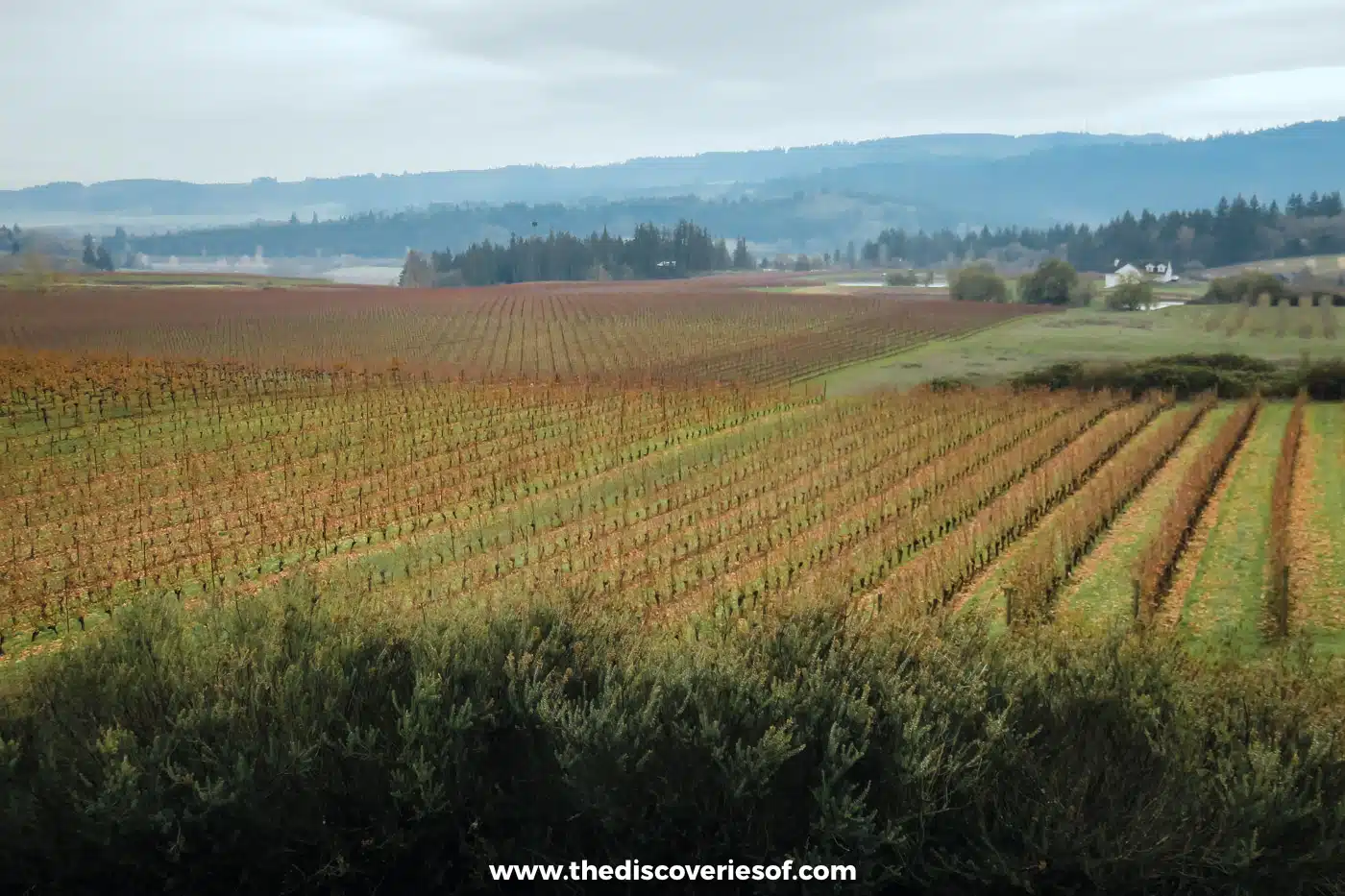
Napa Valley is among the top wine regions globally and, as such, draws visitors who love nothing more than sipping reds and whites. Napa or Sonoma? I’ve done both, and honestly, I preferred Sonoma’s more laid-back feel, so it’s a fine swap.
The drive: just under 50 miles from San Francisco, an hour to an hour and a half depending on traffic. Oakland and Berkeley are on the way if you have more time.
Tantalise your buds at a vineyard
If you’re a wine drinker, I recommend stopping by Domaine Carneros for sparkling and Pinot noir wines coupled with breathtaking views of the valley. It opens daily from 10am, by reservation only and for over-21s.
Dine aboard the Wine Train
The refurbished Napa Valley Wine Train offers a luxurious experience on a 36-mile round trip. Onboard, you can enjoy delectable dishes while exploring the valley by rail, on journeys of two and a half to six hours.
Suggested stay
Napa Winery Inn: set in a quiet atmosphere and featuring a seasonal pool and spacious rooms with daily breakfast, you won’t go wrong with this place. Alternatively, look at other properties in Napa Valley for something that suits you.
Days 8 and 9: Yosemite National Park
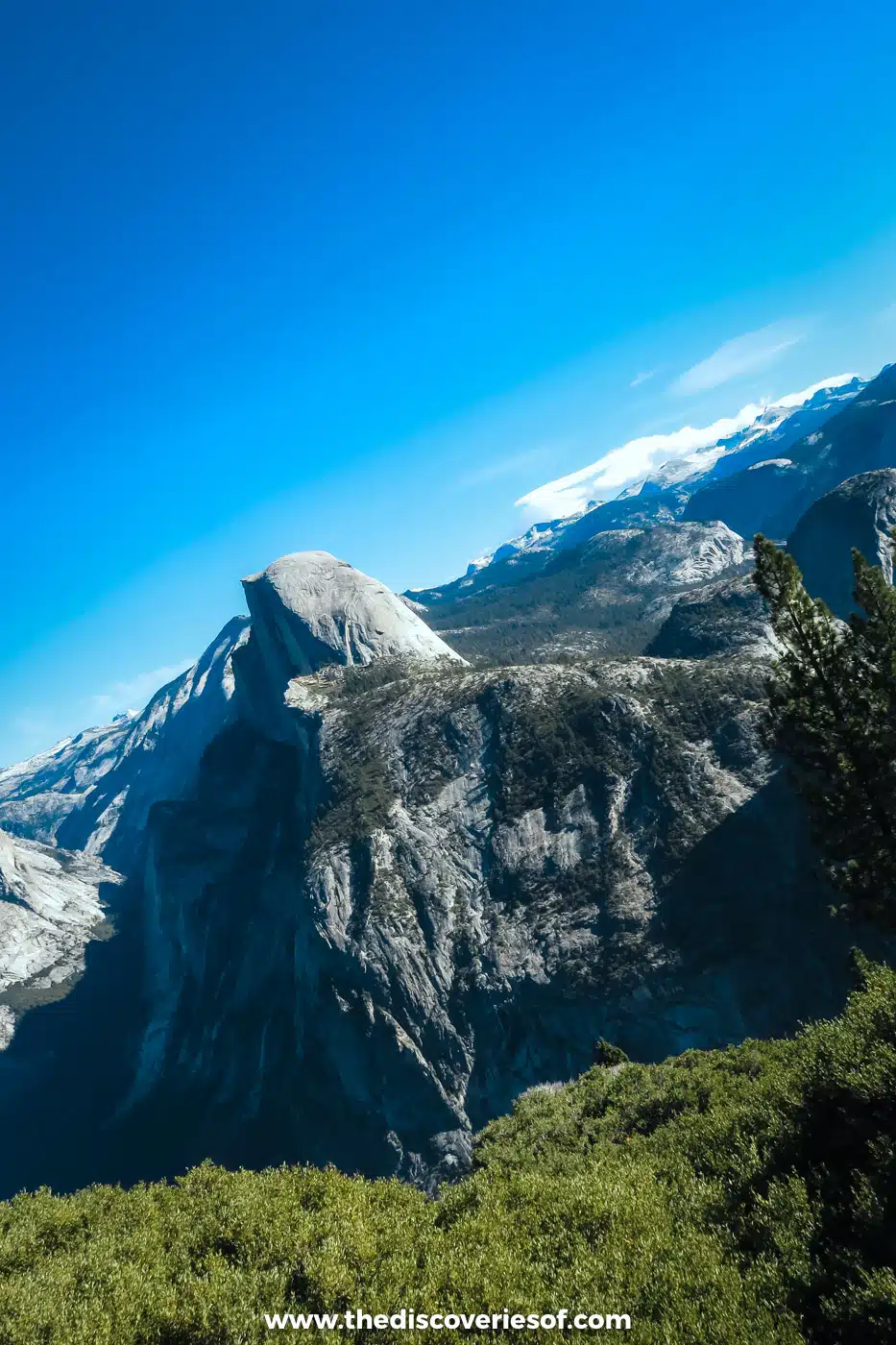
Yosemite National Park is teeming with things to do. It’s a natural wonder worth seeing with its verdant forests, towering cliffs, beautiful waterfalls and many hiking trails, and it was a highlight of my drive up the West Coast.
The drive: about 190 miles and 4 hours from Napa to Yosemite Valley. The car fee is $35 for seven days.
Marvel at El Capitan
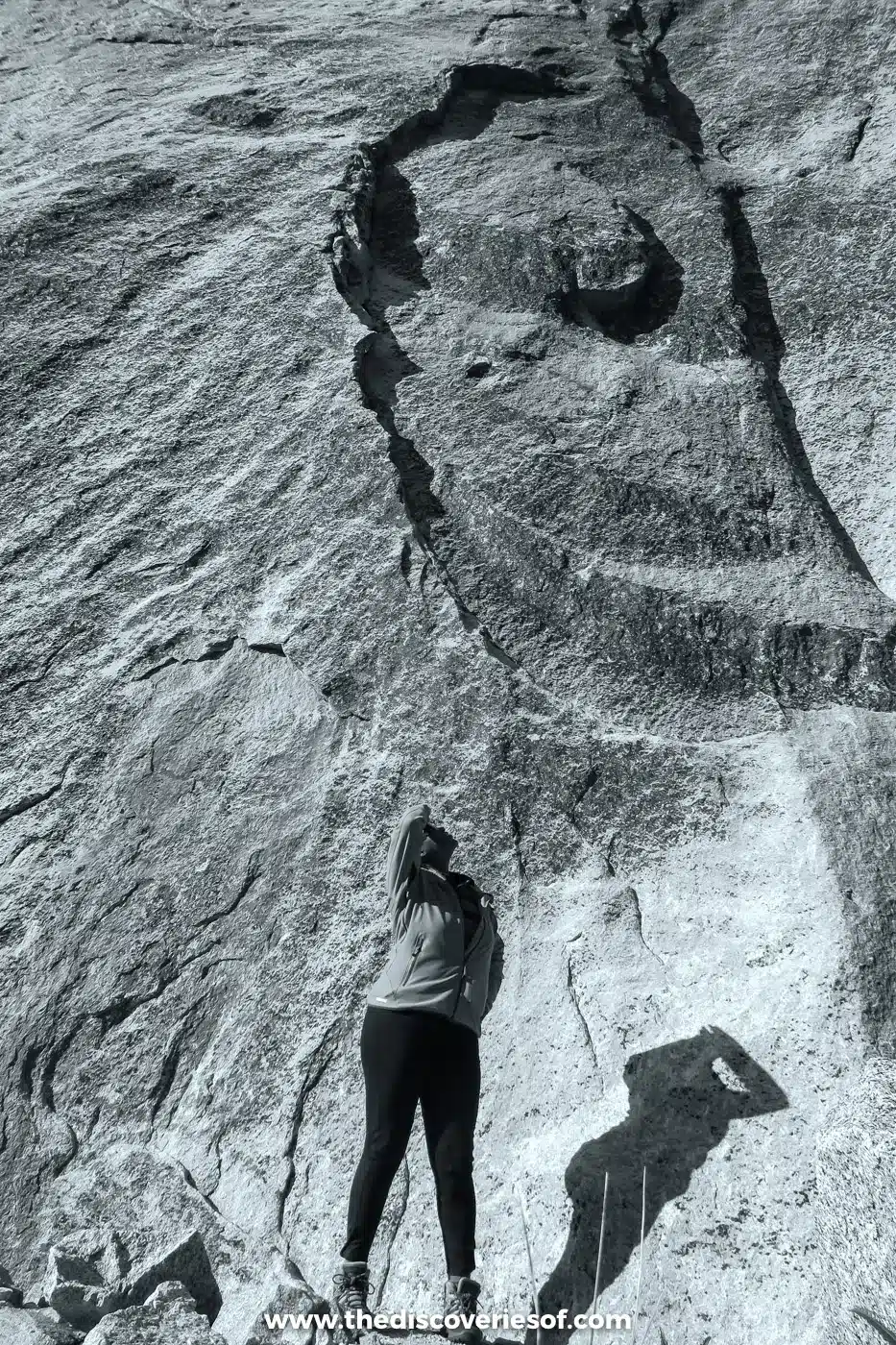
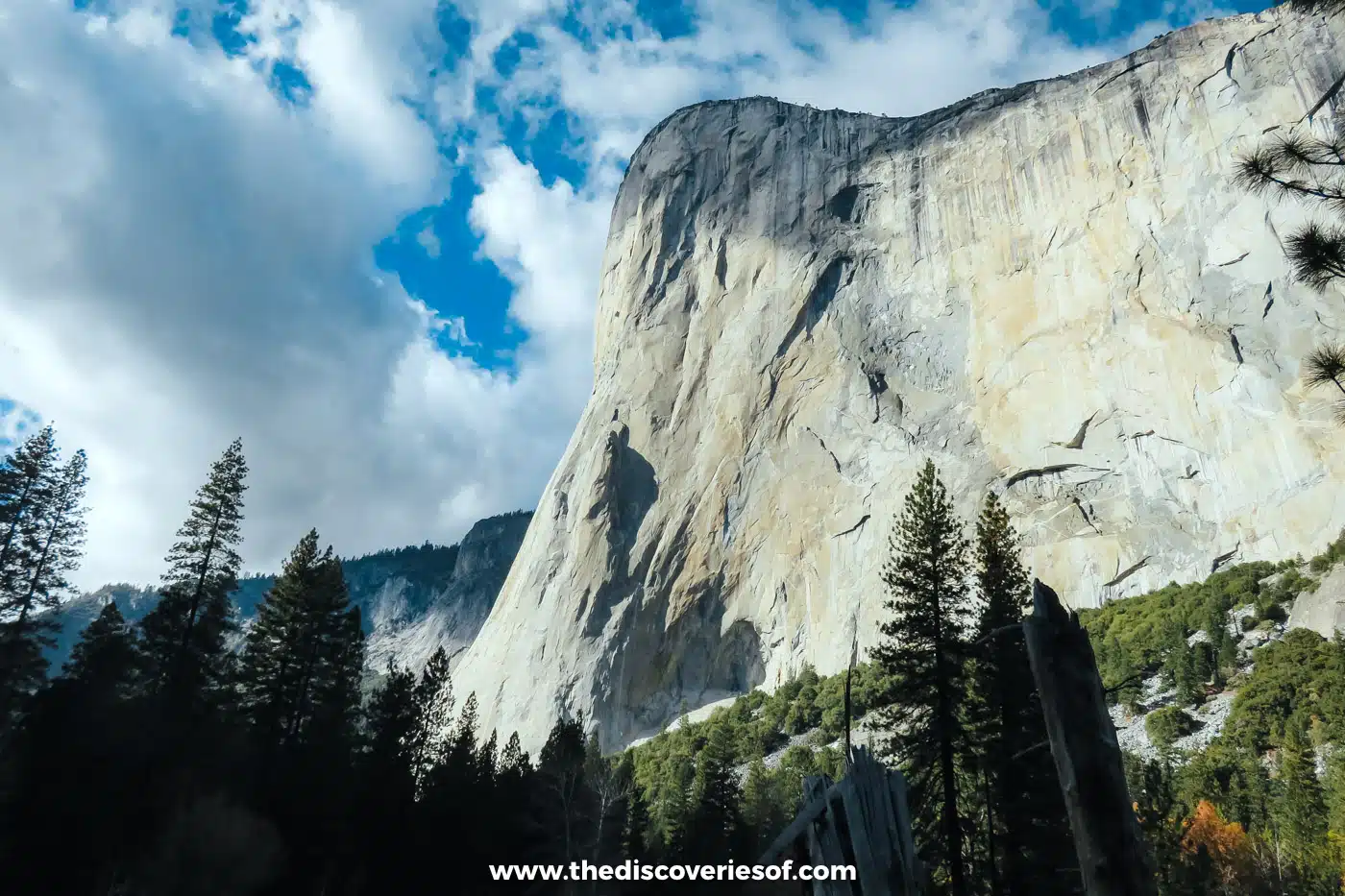
The 3,000-foot-tall El Capitan is a sight to behold and draws in rock climbers and nature lovers by the dozens with just its presence. Bring binoculars: on a clear day you can pick out climbers on the face.
Watch the water splash at Yosemite Falls
Continuing the theme of unrivalled natural beauty, here is iconic Yosemite Falls. Catch a glance at the cascades from Yosemite Village for the best vista from afar, or take the easy one-mile loop to the foot of the lower fall. It thunders in spring and early summer but often dries to a trickle by late summer.
Tackle one of Yosemite’s many stunning hikes
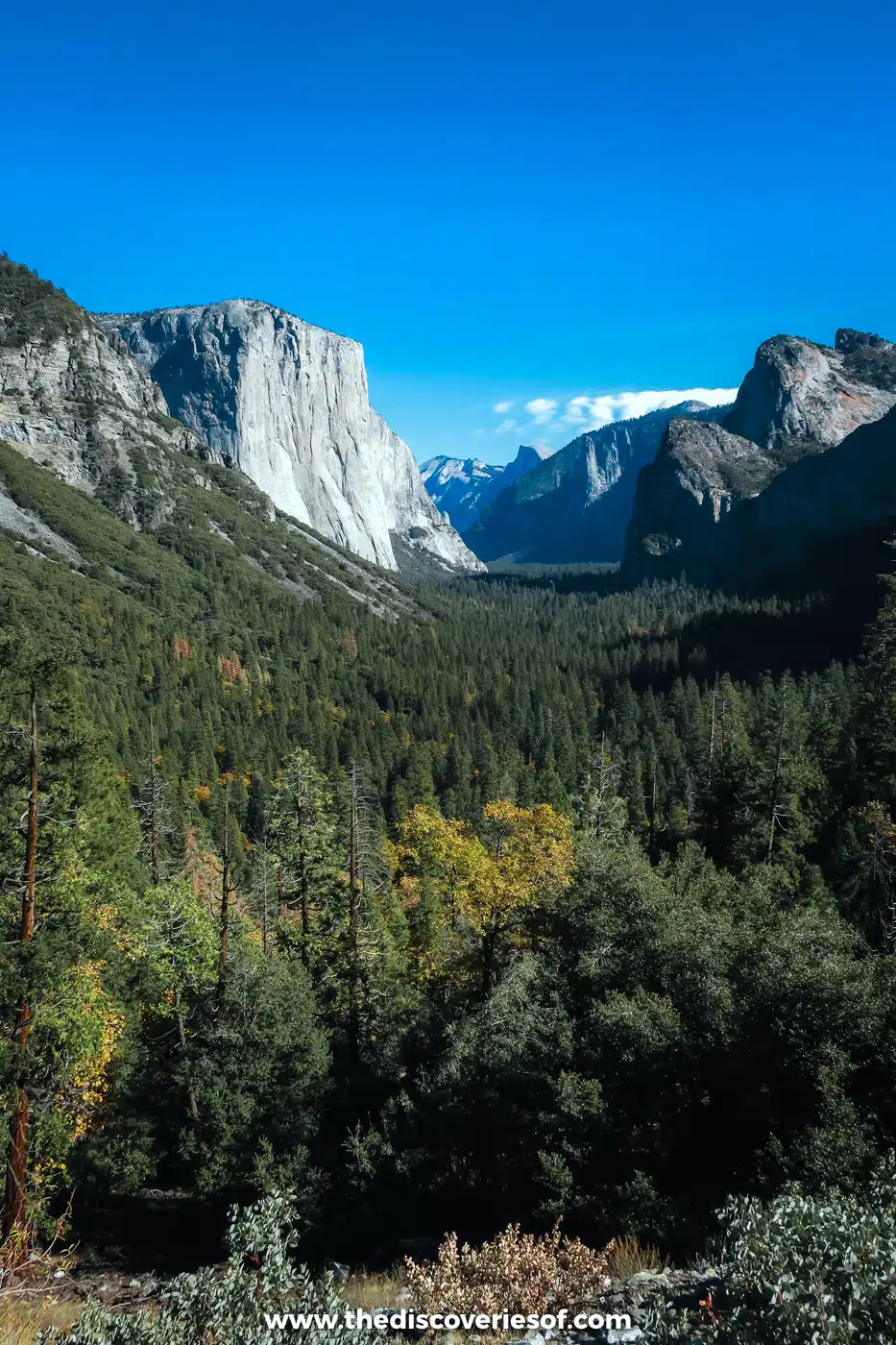
Yosemite is a hiker’s paradise, with trails for all levels. Whether you’re looking for the adrenalin rush of taking on Half Dome (permit only, 14 to 16 miles) or something more low-key, like the Mist Trail to the Vernal Fall footbridge, spending some time exploring the park on two feet is a must. Drive out to Tunnel View on Wawona Road too, which frames El Capitan, Half Dome and Bridalveil Fall together.
Suggested stay
The Ahwahnee is one of the few hotels in Yosemite National Park itself and offers high-end rooms with stunning views. Browse other properties near Yosemite for comparison.
Day 10: Death Valley National Park
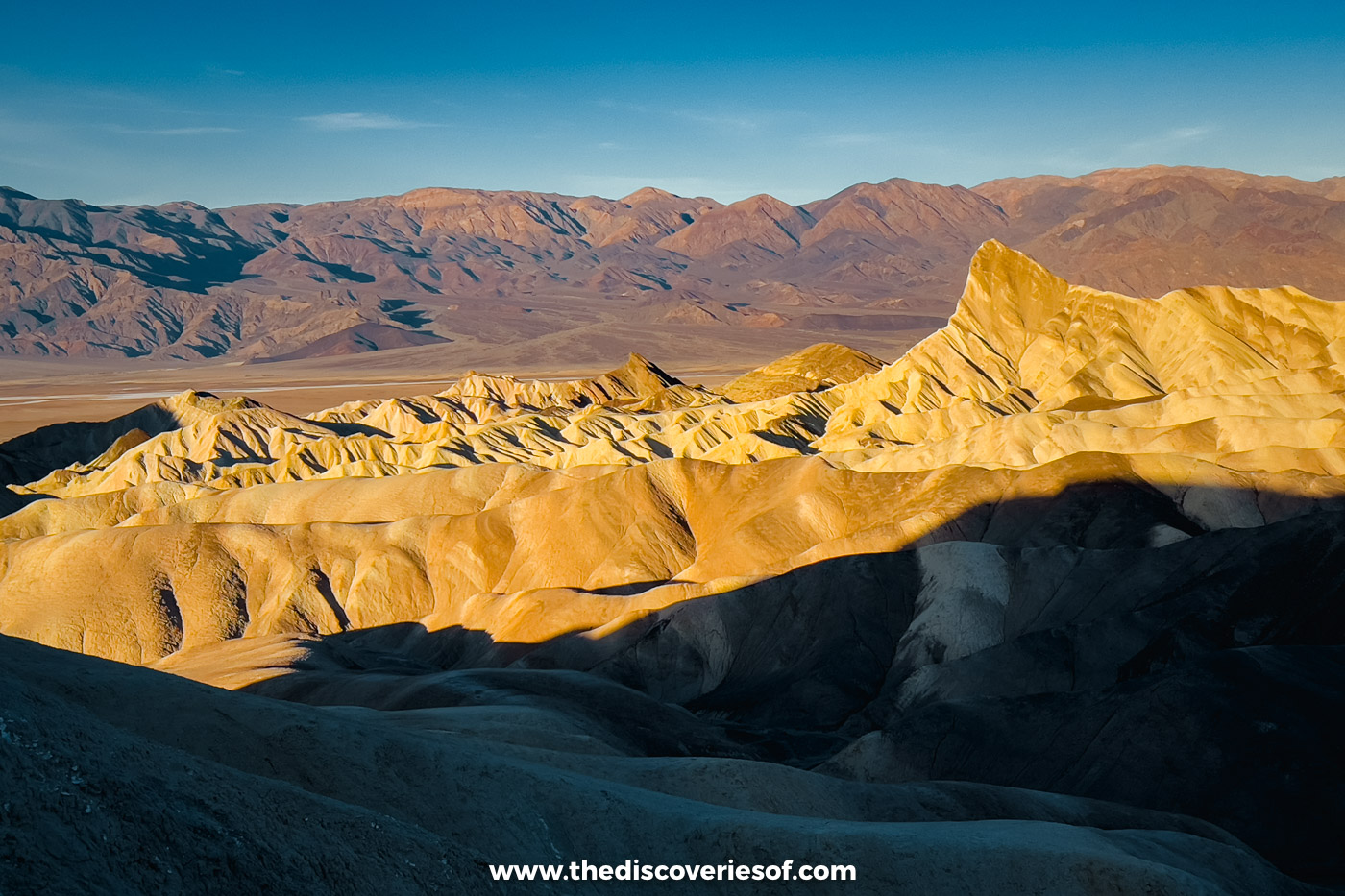
Death Valley spans more than three million acres, made up of an incredible variety of animals, plants, trails on unique terrain, and fantastic views. It’s one of my favourite places in California.
The drive: this is the leg that needs the most planning. From late May or June to November, Tioga Road climbs over the Sierra at almost 10,000 feet and drops to US 395: about 300 miles and 6 hours to Furnace Creek, past Mono Lake and Mammoth Lakes. When Tioga is closed, the park service’s route round the south of the mountains is about 450 miles and 9 hours, so add a night in Lone Pine. Fill up before you enter the park; the $30 car fee is card or online only.
Watch sunrise from Dante’s View
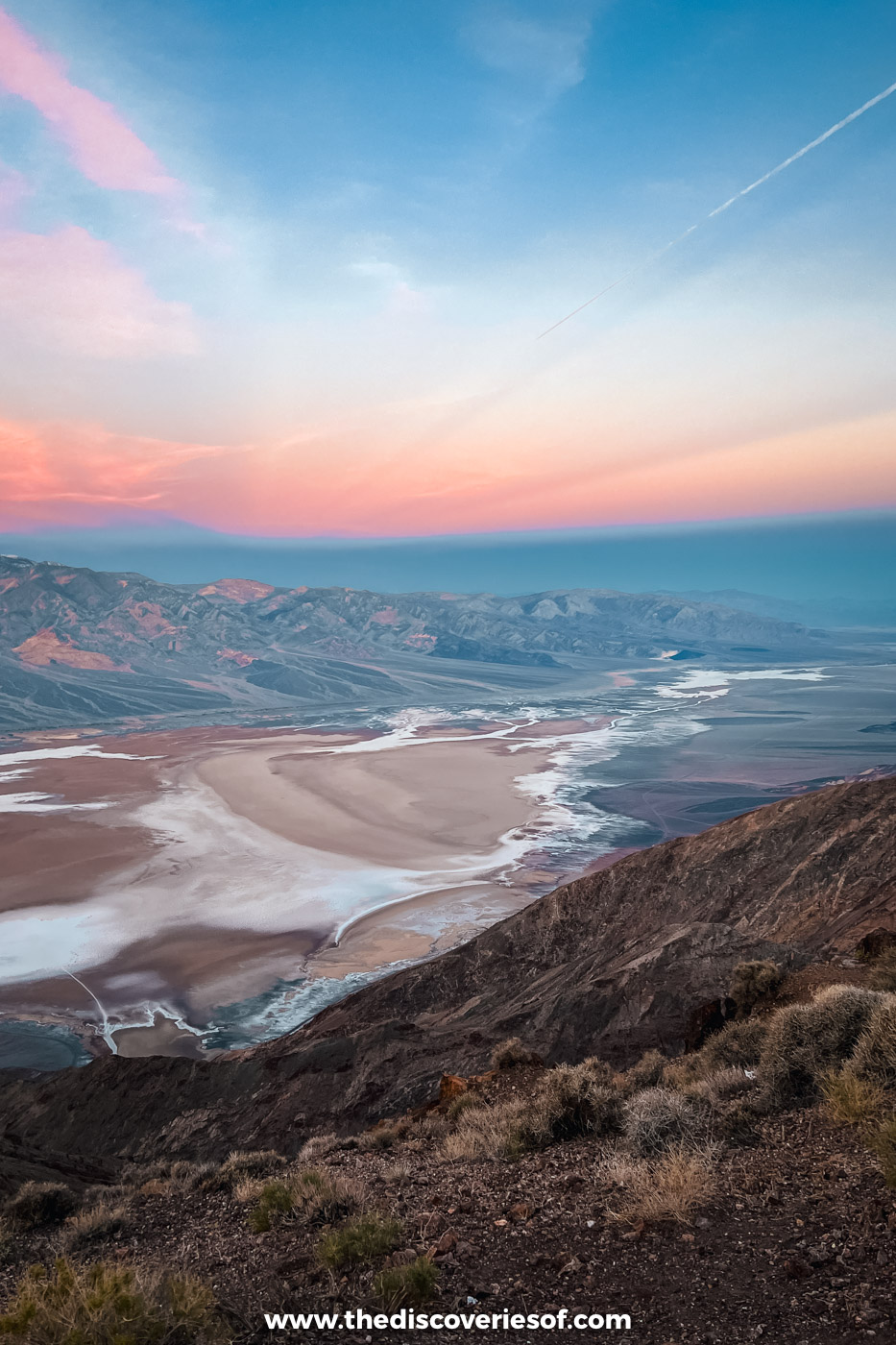
I can’t tell you much about Dante, but one thing I can tell you is that this view of Death Valley is otherworldly, especially at sunrise or sunset. My alarm went off at 4am to be up here for sunrise, and it was worth every second. A word of warning, though: it’s freezing at dawn, even in the desert, so bring a hat, gloves and a flask of something hot.
Walk into the salt flats of Badwater Basin
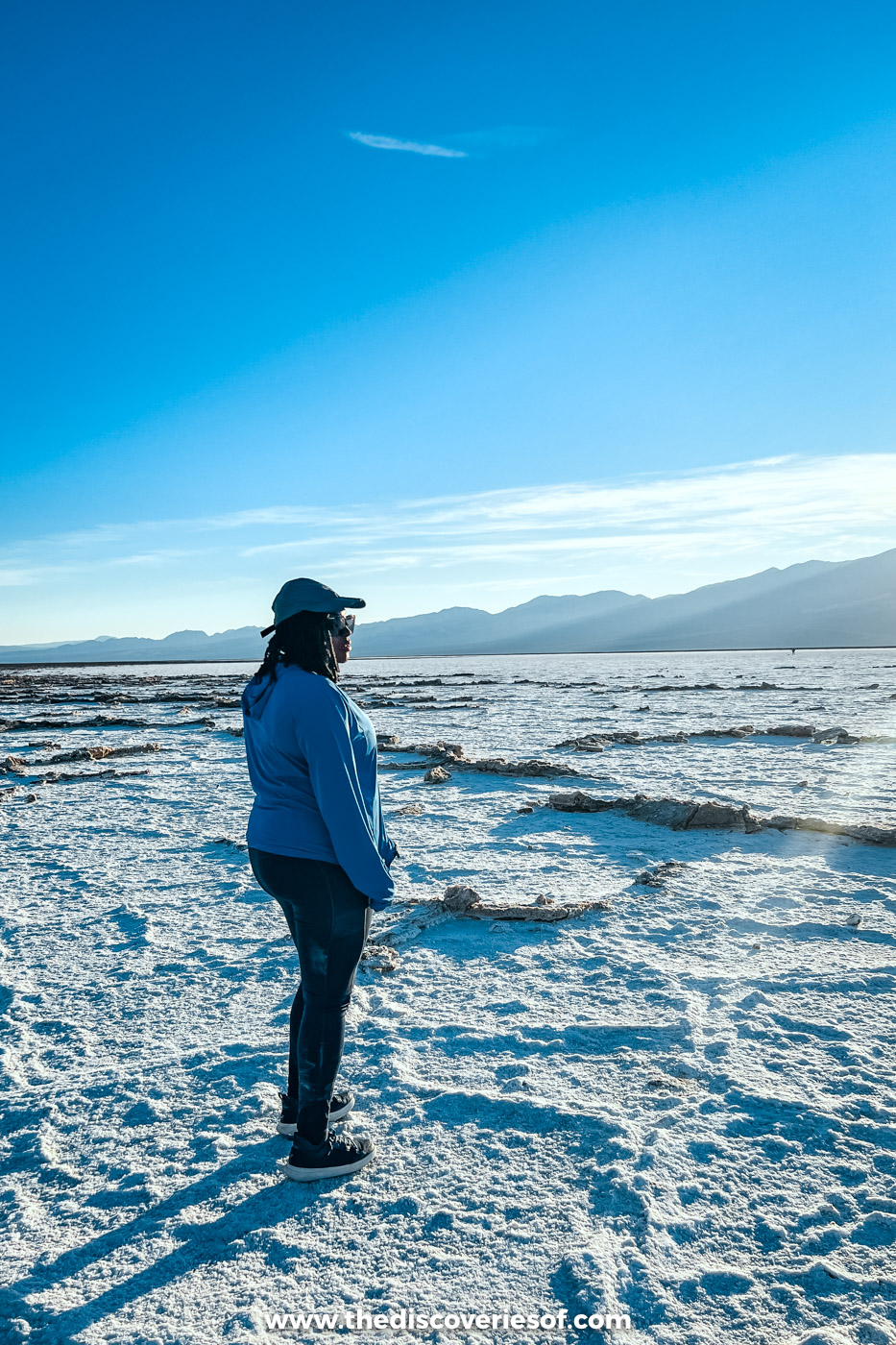
Then drive down to Badwater Basin, where the valley floor bottoms out at 282 feet below sea level, lower than anywhere else in North America. If you’re like me, you won’t stop at the boardwalk: carry on along the 1.8-mile path to the hexagons of salt in the heart of the basin. Go early, and never on a summer afternoon.
Trek to Telescope Peak
While no actual telescope awaits at the top, views of Badwater Basin and Mount Whitney are a worthwhile reward for taking on the 14-mile hike, which climbs about 3,000 feet from Mahogany Flat. The last stretch of road to the trailhead needs a high-clearance car, and in winter the summit ridge is often icy.
Suggested stay
I based myself in Pahrump, just over the Nevada border, at the Holiday Inn Express & Suites Pahrump: no frills, but perfectly decent and far cheaper than the park, for an hour in the car each morning. The Best Western Pahrump Oasis offers a daily breakfast and coffee-making facilities. Inside the park, there’s The Inn at Death Valley at Furnace Creek, or look for other properties near Death Valley.
Days 11 and 12: Palm Springs and Joshua Tree National Park
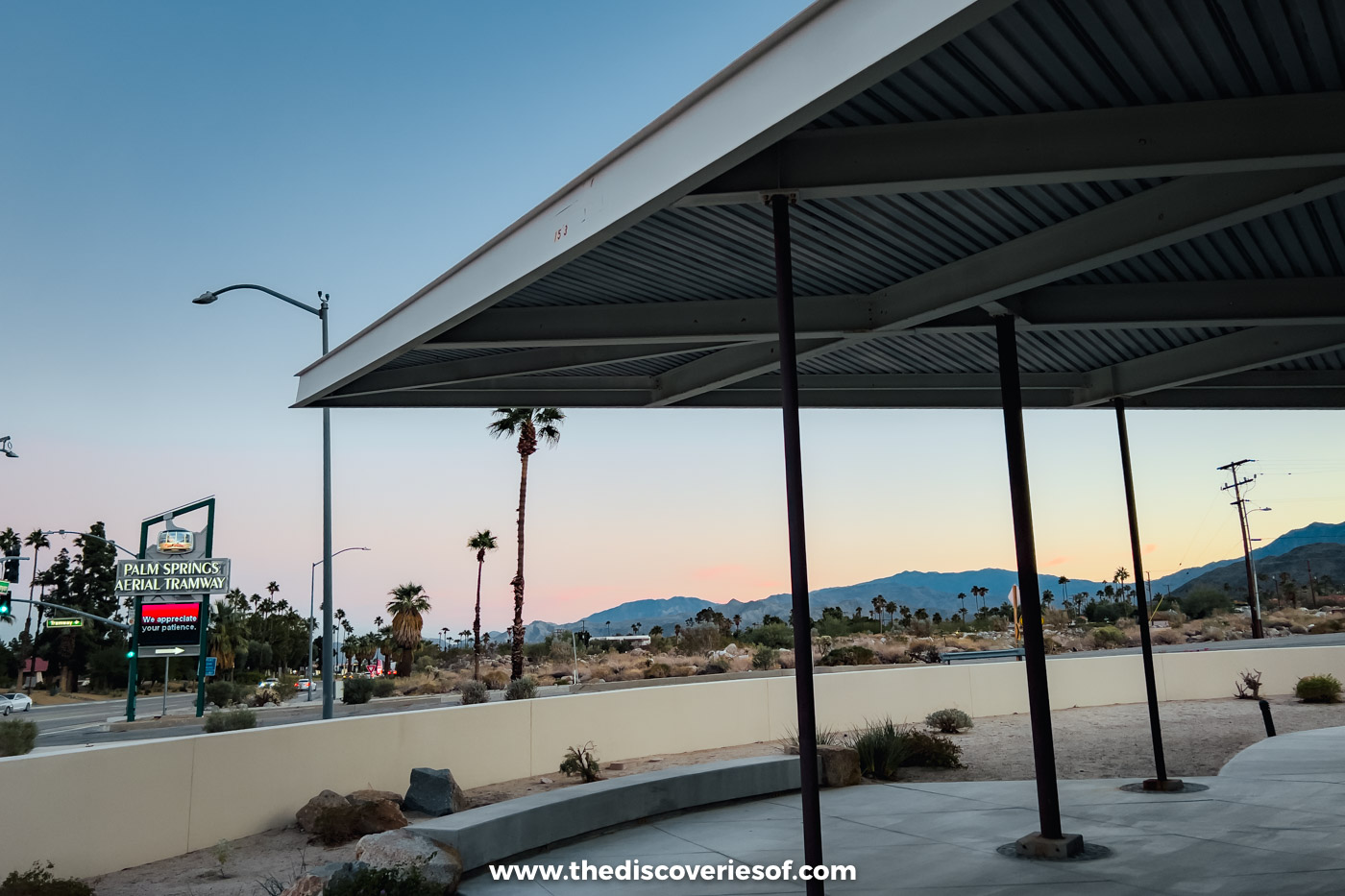
Palm Springs, with its plethora of spas, incredible cuisine and hot springs, is one of the must-see places on a California road trip. I always knew I’d love its mid-century vibe, and the November sunshine sealed it.
Joshua Tree is most famous for its unique trees, but it also boasts a variety of plants and animals set in an almost otherworldly landscape. Joshua Tree was a day trip from Palm Springs for me each time, under an hour each way to the west entrance.
The drive: about 275 miles and four and a half hours from Death Valley. The Cabazon Dinosaurs are a short detour west along the I-10, and yes, I climbed into the T. rex’s jaws.
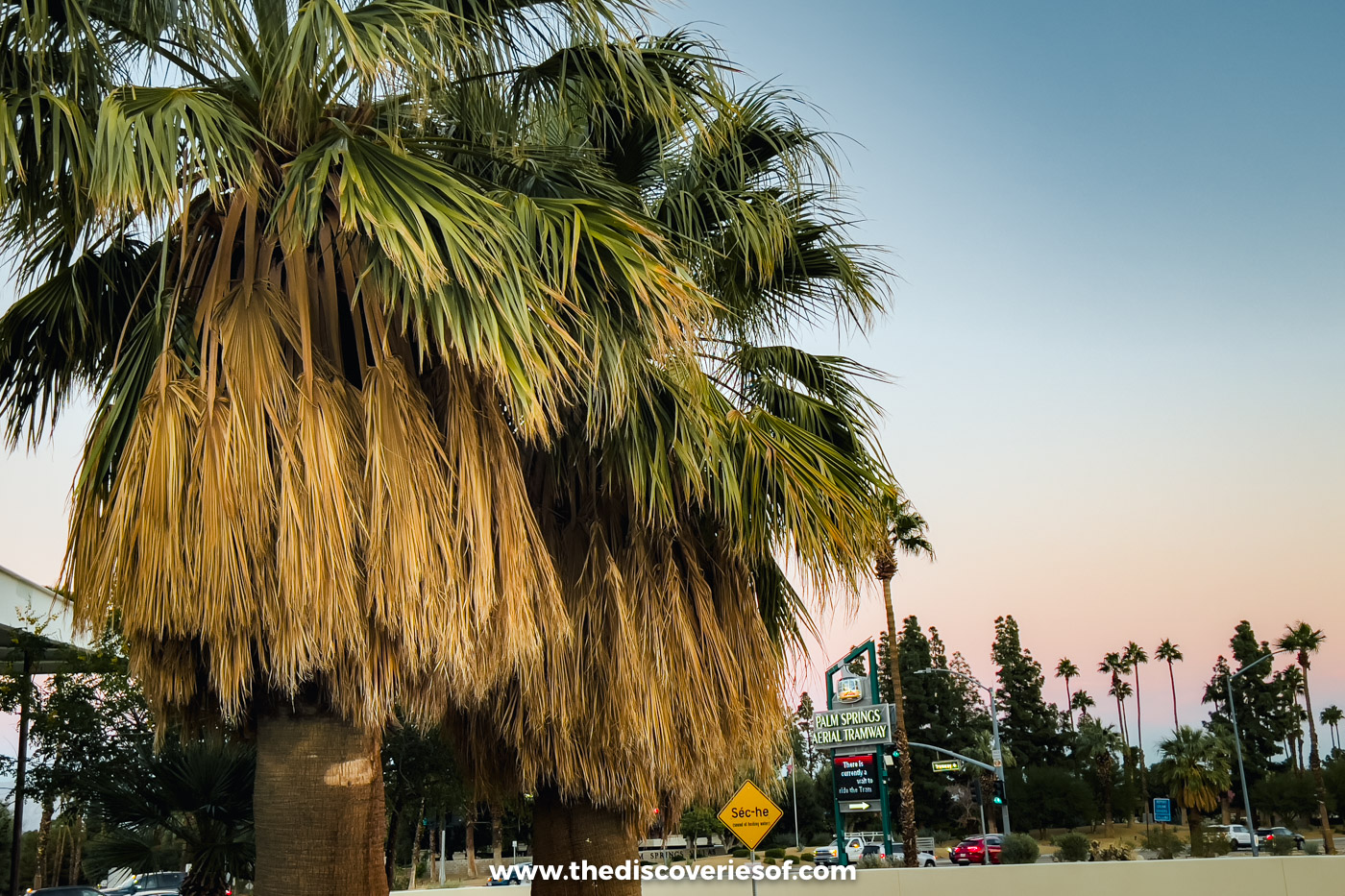
Ride the Aerial Tramway (book well ahead)
The Aerial Tramway whisks you away up Chino Canyon in rotating cars and rewards all who dare hop on with incredible views from 8,516 feet, where it can be 40°F cooler than the valley floor. Book online as early as you can: both times I tried to go, it was sold out. Tickets are $36.95 for adults, and it closes for a few weeks each September for maintenance.
See the mid-century architecture in Palm Springs
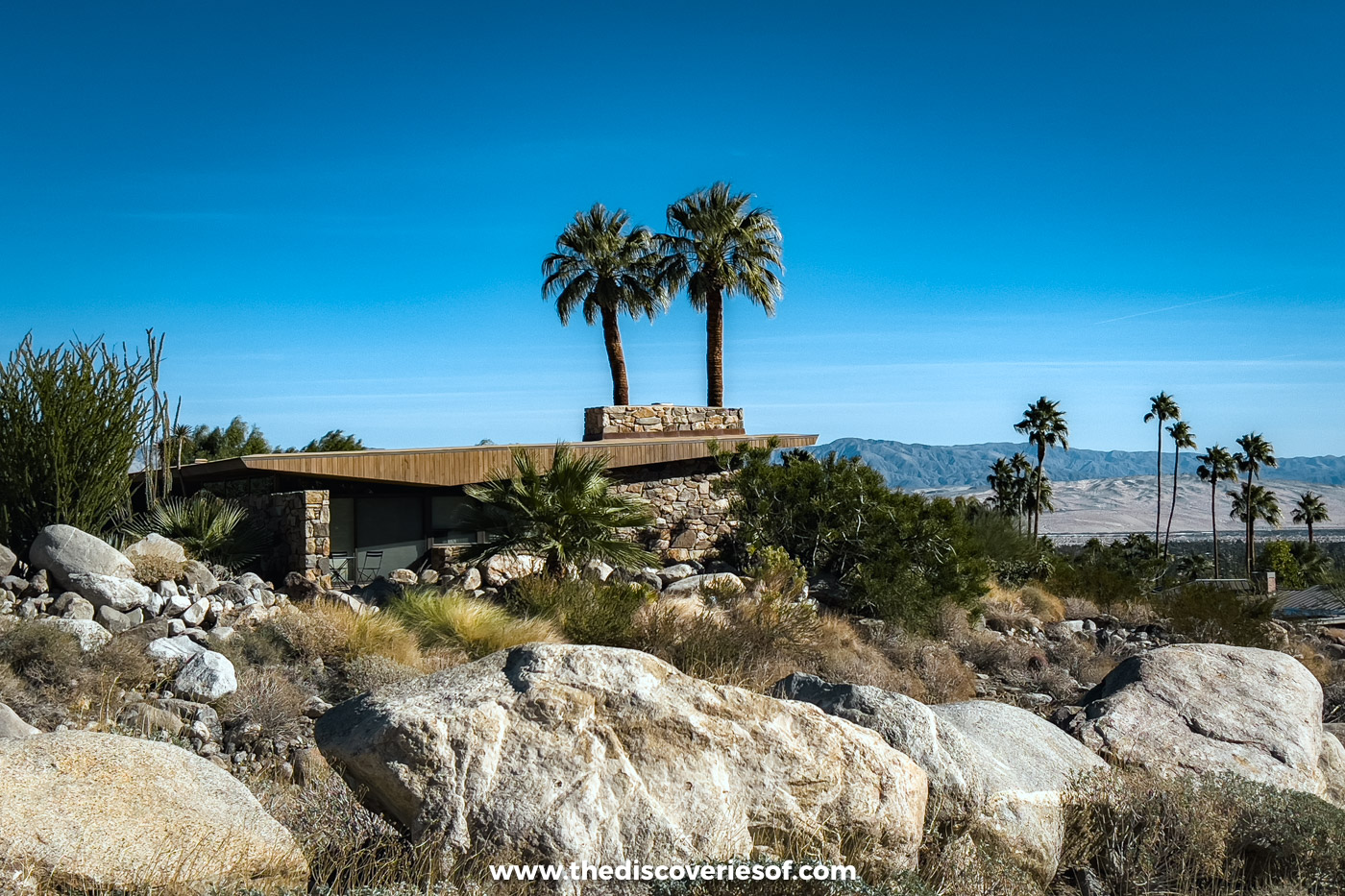
Palm Springs is a haven of cool architecture, and you should see at least a few houses during your trip. Put the Kaufmann House, Elrod House and Twin Palms at the top of your list. Most are private homes you’ll admire from the street, so time a visit for Modernism Week in February if you want to see inside.
Wander the cactarium at Moorten Botanical Garden
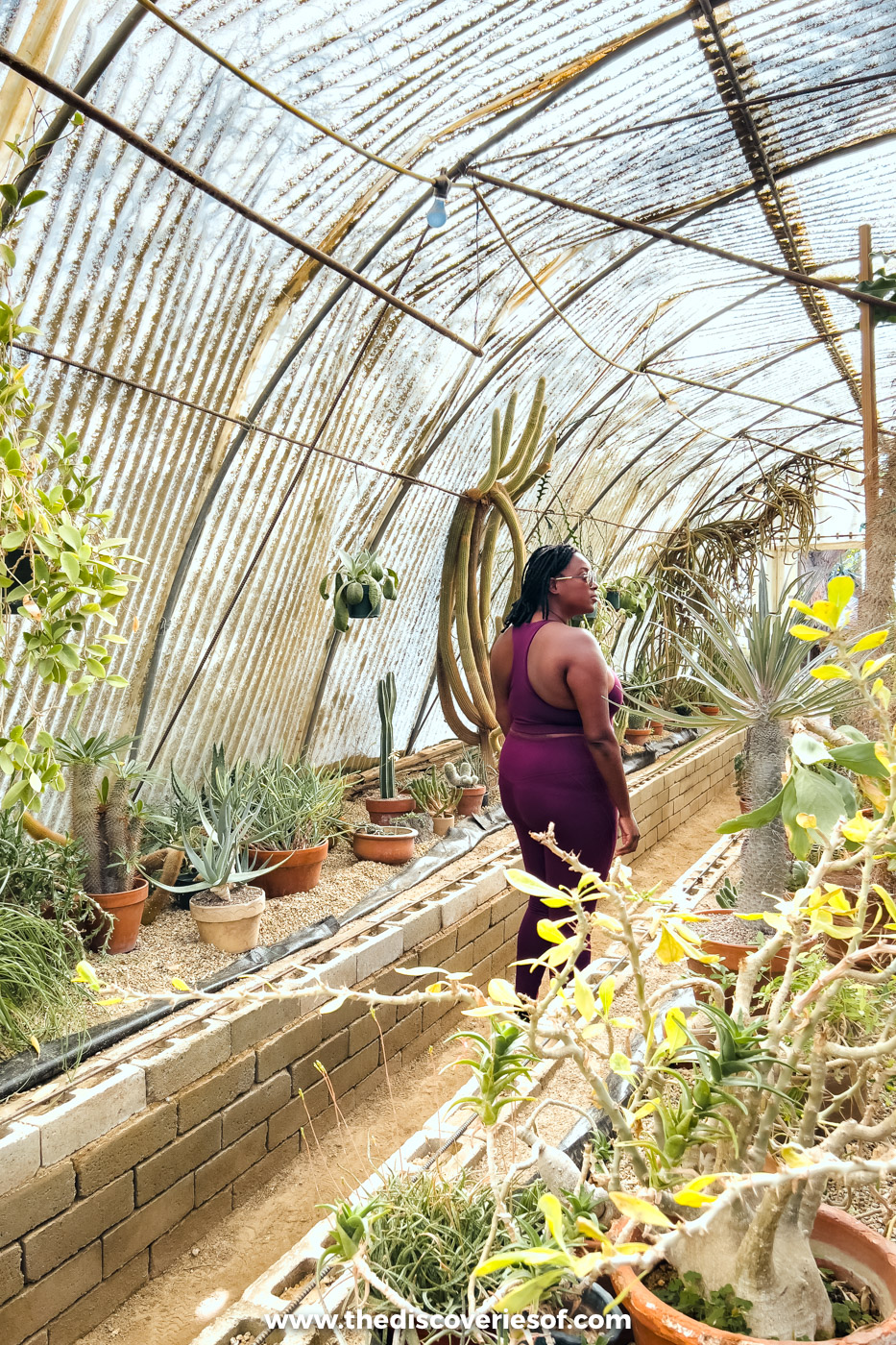
The Moorten family has been growing desert plants on South Palm Canyon Drive since 1938, and their glasshouse cactarium is a treat. It’s $7 for adults and closed on Wednesdays.
Catch sunrise at Keys View
Of all my mornings in Joshua Tree, sunrise at Keys View is the one I’ll never forget: the sun peeking over the horizon and slowly turning the Coachella Valley gold. It’s a few steps from the car park, 5,185 feet up. Stay out after dark one night too: the park’s skies are protected under International Dark Sky status, and the stargazing is spectacular.
Wander the Cholla Cactus Garden at golden hour
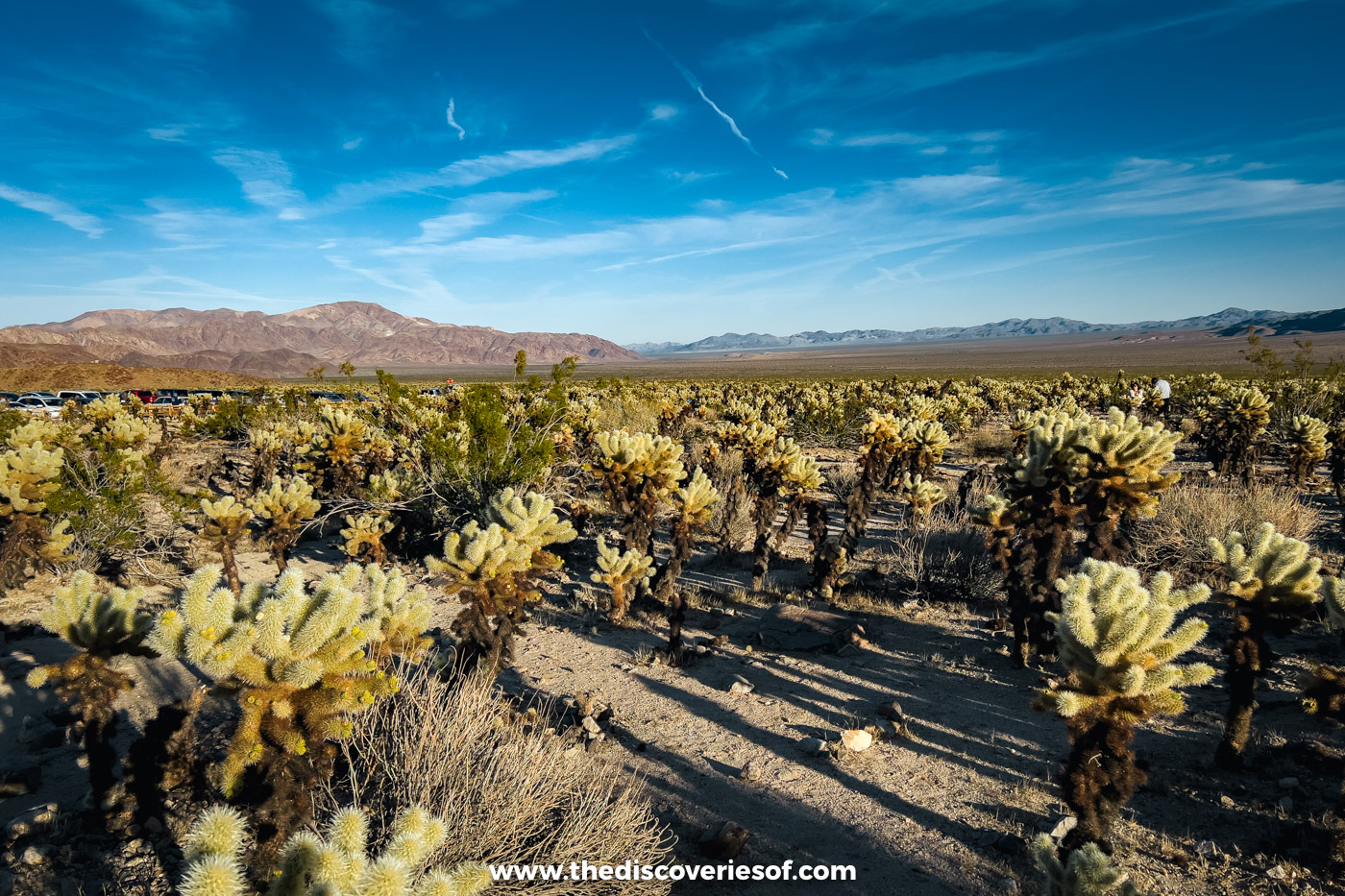
The natural garden has thousands of teddy bear cholla packed across the land, which are particularly mesmerising when the low sun shines on them. A quarter-mile loop winds through the middle, though the trail closed for improvements in early 2026, so check the park’s alerts first. The park fee is $30 a car for seven days, card only.
Suggested stay
My base was The Cole on North Palm Canyon Drive: small, adults-only and set round a pool, and easy for the Joshua Tree day trips. Margaritaville Resort Palm Springs is a bigger resort with spacious rooms, a spa and on-site dining. Check out other properties in Palm Springs.
Days 13 and 14: San Diego
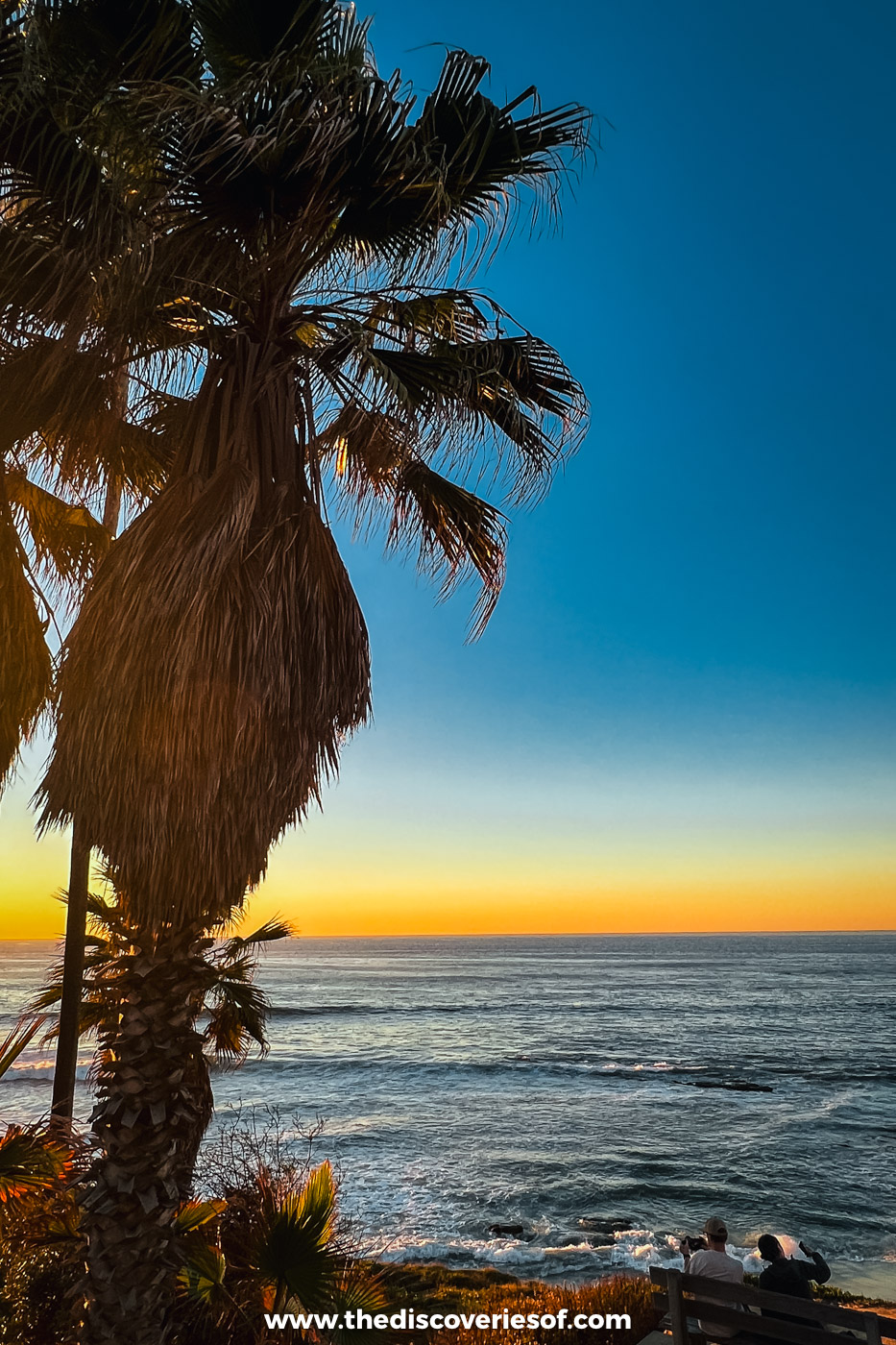
San Diego, an outstanding feature on any Southern California road trip, blends cultural diversity, pristine beaches, trendy street art, cool hikes and a rich history to attract all kinds of people.
The drive: at least 125 miles and about 2 hours 15 minutes from Palm Springs, via the I-15. Temecula’s wineries are on the way if you have more time.
Spend a morning at San Diego Zoo
More than 12,000 animals, from some 650 species, live at San Diego Zoo in Balboa Park. A day ticket ($78 for adults) covers the guided bus tour and rides on the Skyfari cable car, and the gates open at 9am daily. Spend the afternoon in the park’s gardens and Spanish-style plazas.
Party the night away at Mission Beach
Quiet by day and lively by night is probably this beach’s motto. Two miles of oceanfront and an electrifying boardwalk teeming with bars and diners await, along with the Giant Dipper, the 1925 wooden rollercoaster at Belmont Park.
Save La Jolla Cove for sunset
On my last visit, Balboa Park, Mission Beach and a La Jolla sunset all fitted into one glorious afternoon. La Jolla is the one to save for last: sea lions laze on the rocks below the path while the sky over the cove turns gold, then pink.
Suggested stay
I used The Westin San Diego Gaslamp Quarter as my San Diego base, close to the restaurants and the trolley, with a rooftop pool deck. Andaz San Diego is the other Gaslamp pick, for its rooftop pool and panoramic views of the city. Alternatively, check out all accommodation in San Diego.
After San Diego, drive back to LA to finish your road trip! It’s about 120 miles: two hours without traffic, often three with it. Take the coast road through Orange County for a last look at the Pacific from the bluffs at Crystal Cove.
Have more time? Add these to your itinerary
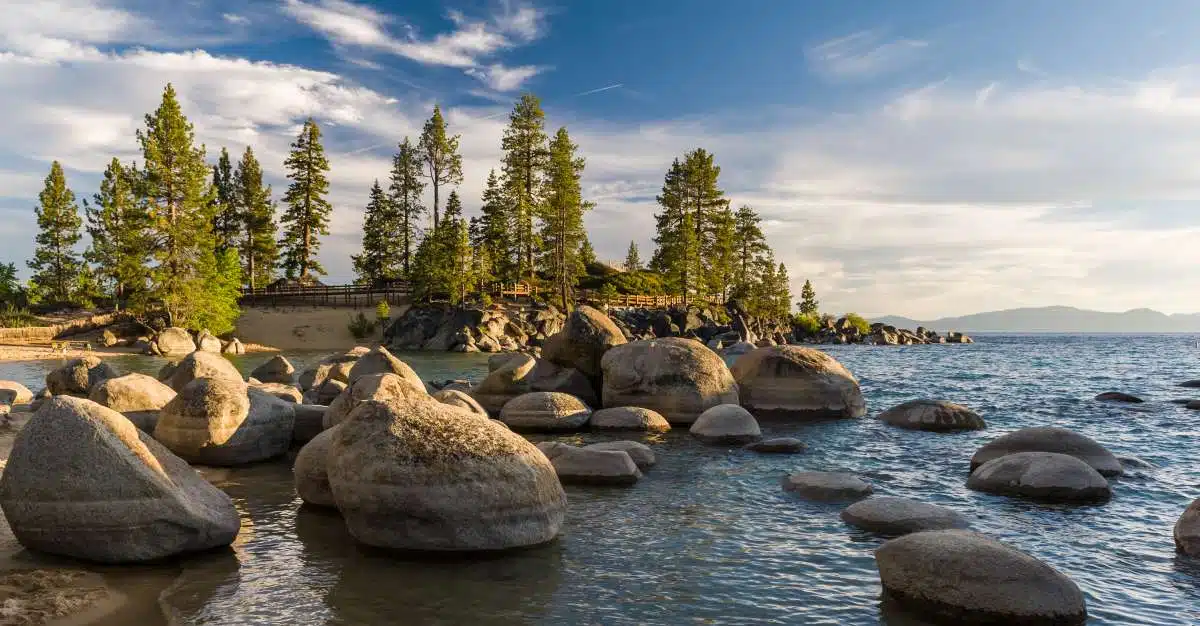
Lake Tahoe is worth a stop for sure!
Due to its vastness when explored via a road trip, California still has a lot (I mean a lot!) more to offer beyond the 14 days I recommend. Got more time to play with? Here are a few other suggestions.
Lake Tahoe: a freshwater lake straddling the California-Nevada border, where verdant forest and granite boulders blend with the surrounding peaks. It’s about three hours north of Mammoth Lakes on US 395.
Mammoth Lakes: a quaint town showcasing high-alpine beauty and offering activities like kayaking, skiing and climbing. It sits right on the route between Tioga Road and Death Valley, so it’s the easiest extra night of all.
Sequoia and Kings Canyon: I’ve visited both, and they make the best swap for Yosemite in winter, about two and a half hours further south. The General Sherman Tree here is the largest on Earth by volume.
Redwood National Park: a beautiful park home to trees more than 300 feet tall, which you can explore by foot or car. It’s one of my favourite spots in the state, and I walked the Coastal Trail between Klamath and Hidden Beach. It’s five to six hours north of San Francisco, so add at least three days, and see these things to do in Redwood National Park. Carrying on into Oregon and Washington? My West Coast USA road trip itinerary has the whole route north.
Love the desert most? My Southern California desert road trip (coming soon) loops Death Valley, Palm Springs, Joshua Tree and San Diego in more depth.
Handy tips before you set off
Group tour or independent travel?
You can tackle this itinerary alone or with a group. Travelling independently means you won’t have to compromise on where you go and what you do; a group takes the planning off your hands. G Adventures offer small-group road trips that cover California and the Southwest, some venturing into Nevada, Utah and Arizona for the Grand Canyon, Bryce Canyon and Zion National Park.
Check out G Adventures’ full range of USA road trips here
What to pack
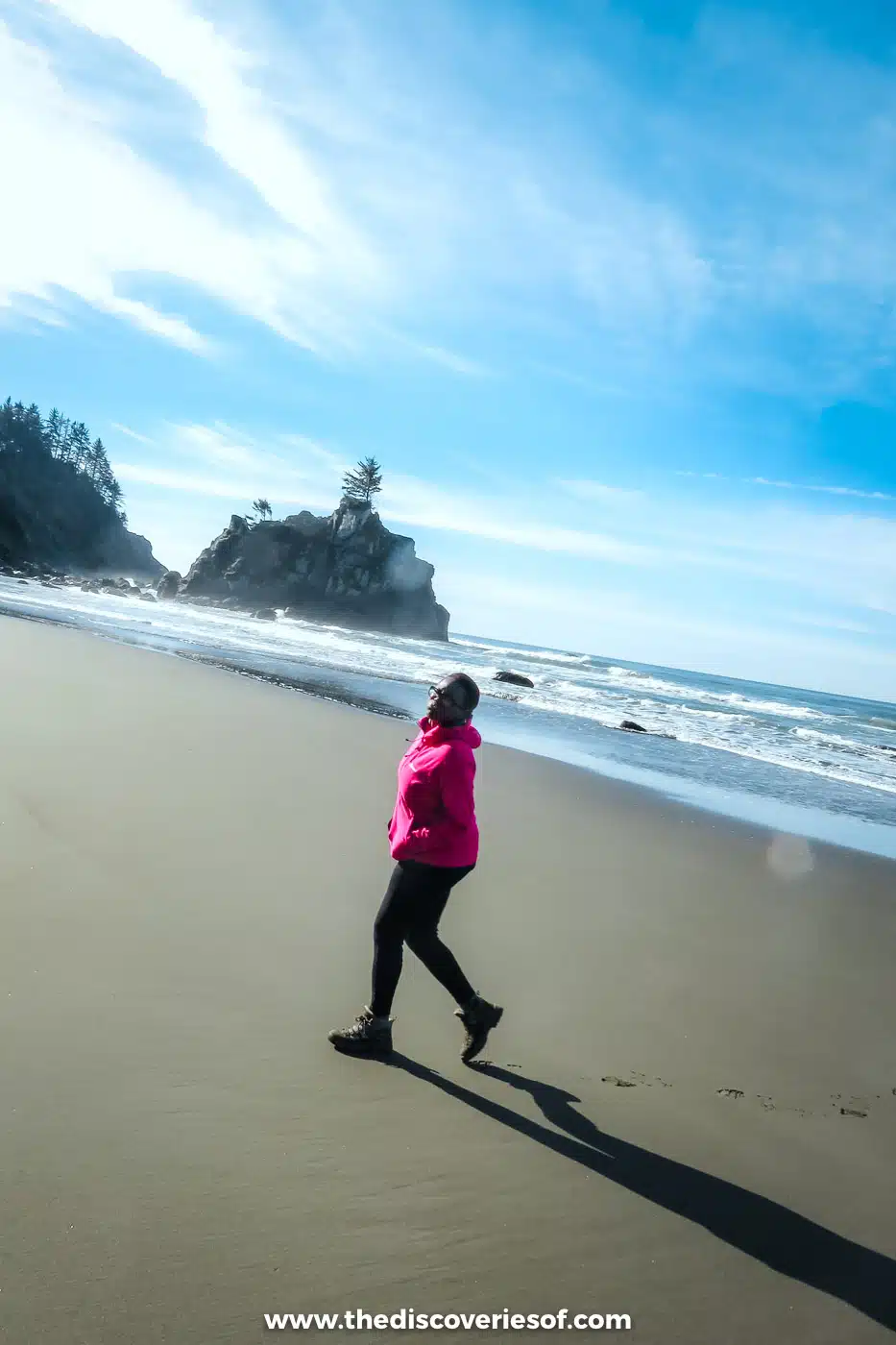
The coast has a Mediterranean-like climate, but on this loop you can need a swimsuit and a woolly hat in the same week. Here’s a general list to get you started.
- Reusable water bottle: the Hydroflask is a great option (and carry a gallon of water per person in the desert)
- Hiking shoes: Tropic Feel’s all-weather, all-terrain hiking shoes are a game-changer
- Swimwear
- Sunscreen: seriously, California can be scorching
- A warm layer, hat and gloves for desert sunrises and the mountains
- Camera for beautiful snaps
I go into a lot more detail in my road trip packing list.
Getting to California
One of the reasons I chose Los Angeles as the base is that LAX has flights from just about everywhere.
Check flights to Los Angeles on Skyscanner
Getting around
You’ll need a hire car for this itinerary, and you can rely on these rental agencies: Hertz, Enterprise Rent a Car and Sixt Car Rental. Download offline maps before you set off, as phone signal is patchy to non-existent on most of Big Sur and much of Death Valley.
Map
Read next
- Cool things to do in California
- My West Coast USA road trip itinerary
- Landmarks in Los Angeles
- What to do in San Francisco
- The San Diego explorer guide
- Discover the best of Yosemite
- 3 days in Death Valley
- The best beaches in California
Love this? Save and share on Pinterest

Discover the top things to do, insider tips and hidden gems in our USA Travel Guides.
Read the guides →