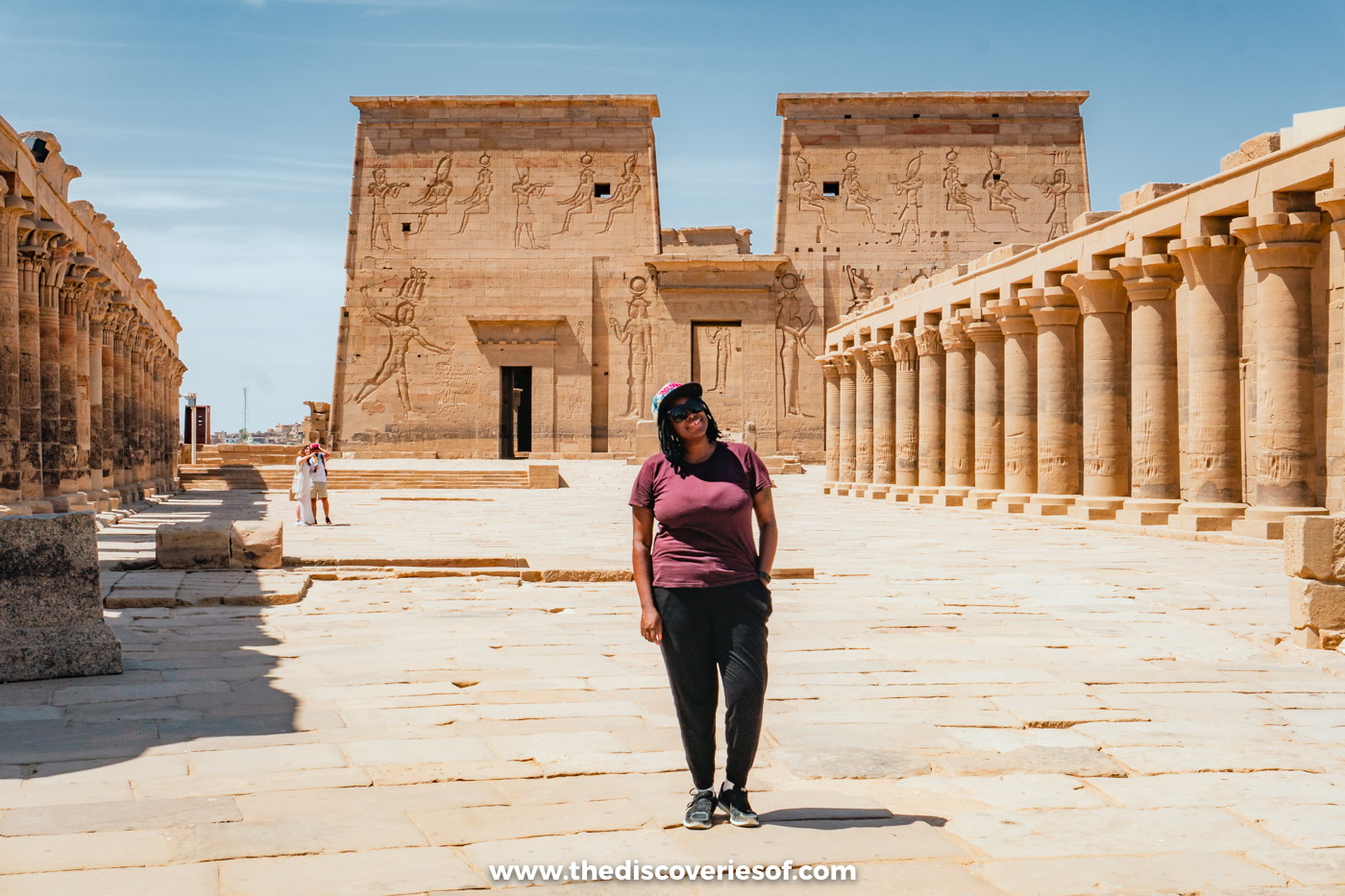

Planning your trip to Egypt and not sure where to start? Don’t stress: this guide is packed with all the Egypt travel tips you need to know before you go, from visas and cash to tipping, scams and what to wear.
One day I’ll stop raving about my trip to Egypt… but that day is not today. If you’ve read my itinerary, you’ll know that I had the most magical time there.
It was a trip filled with awe and wonder. From gawping at the pyramids in Cairo to seeing the tomb of Tutankhamun in Luxor, Egypt was one of those rare much-hyped destinations that did not disappoint. In a little over a week, I took the sleeper train from Giza down to Aswan, made the early start for Abu Simbel, spent a night on a felucca sailing north on the Nile and finished in Luxor and Cairo.
That’s not to say that I didn’t have a few (OK, tonnes) of questions before I travelled to the country. Like how should I prepare for the trip? What are the dos and don’ts? Do I need cash or a card? And what’s the best way to get around?
I’m guessing that if I had those questions and you have a trip on your radar, you’re going to have them too.
That’s why I’ve written this super-detailed guide to all the things to know before you travel, broken down into practical and actionable tips. Pack your bags, peeps. Yallah, yallah (let’s go).
PS: I even created a super-quick video with many of these tips. Check it out!
Five things to sort before you fly
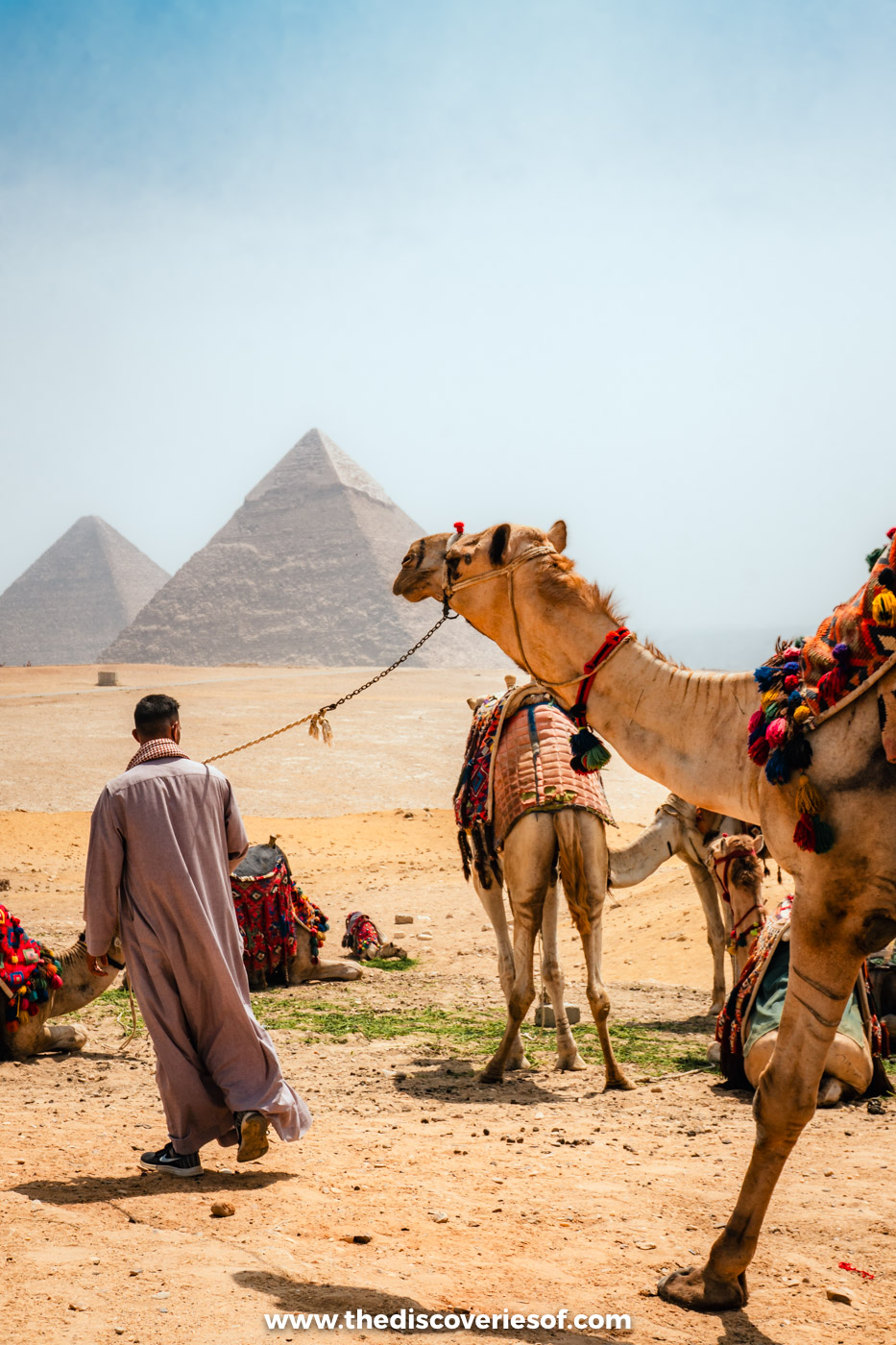
Get your visa online (or on arrival)
Before working out the best way to travel around, you kind of need to make sure you’ve got the actual entering the country part of things covered.
Citizens of most countries need a visa to enter, including visitors from the UK, the EU and the US. You have two options:
- The e-visa: apply online before you travel on the official portal, visa2egypt.gov.eg. A single-entry tourist visa costs US$30 and a multiple-entry visa US$65, and a standard tourist visa lets you stay for up to 30 days. All you need is your passport, the address of your first hotel and a card to pay.
- Visa on arrival: you can still buy a visa at the bank kiosks before passport control at the main airports. It costs US$30 and is paid in cash, so have crisp dollar notes ready. From 1 August 2026, Cairo airport also sells a digital version paid by card, for US$36.
Whichever you choose, your passport needs to be valid for at least six months from the day you arrive and have at least one blank page. Use the official portal rather than one of the lookalike agency websites, which charge a hefty mark-up for the same visa.
Tell your bank where you’re going
Let your bank know well ahead of time when and where you’ll be travelling so you can use your card abroad without it being blocked.
The local currency is the Egyptian pound (EGP). After big devaluations in 2023 and 2024, it’s not as strong as the British pound, the euro or the US dollar, so if you’re from any of those places you should have a pretty affordable time while you’re there (obvs this depends on how much cash you want to splash on things like hotels and tours).
You’ll find plenty of ATMs dotted around the cities, which allow easy withdrawals. You might struggle a bit more in smaller towns and villages, so take out extra cash before you head anywhere rural. Officially, you can only bring 5,000 EGP into or out of the country, so it’s easiest to withdraw pounds once you’ve landed.
Dress conservatively
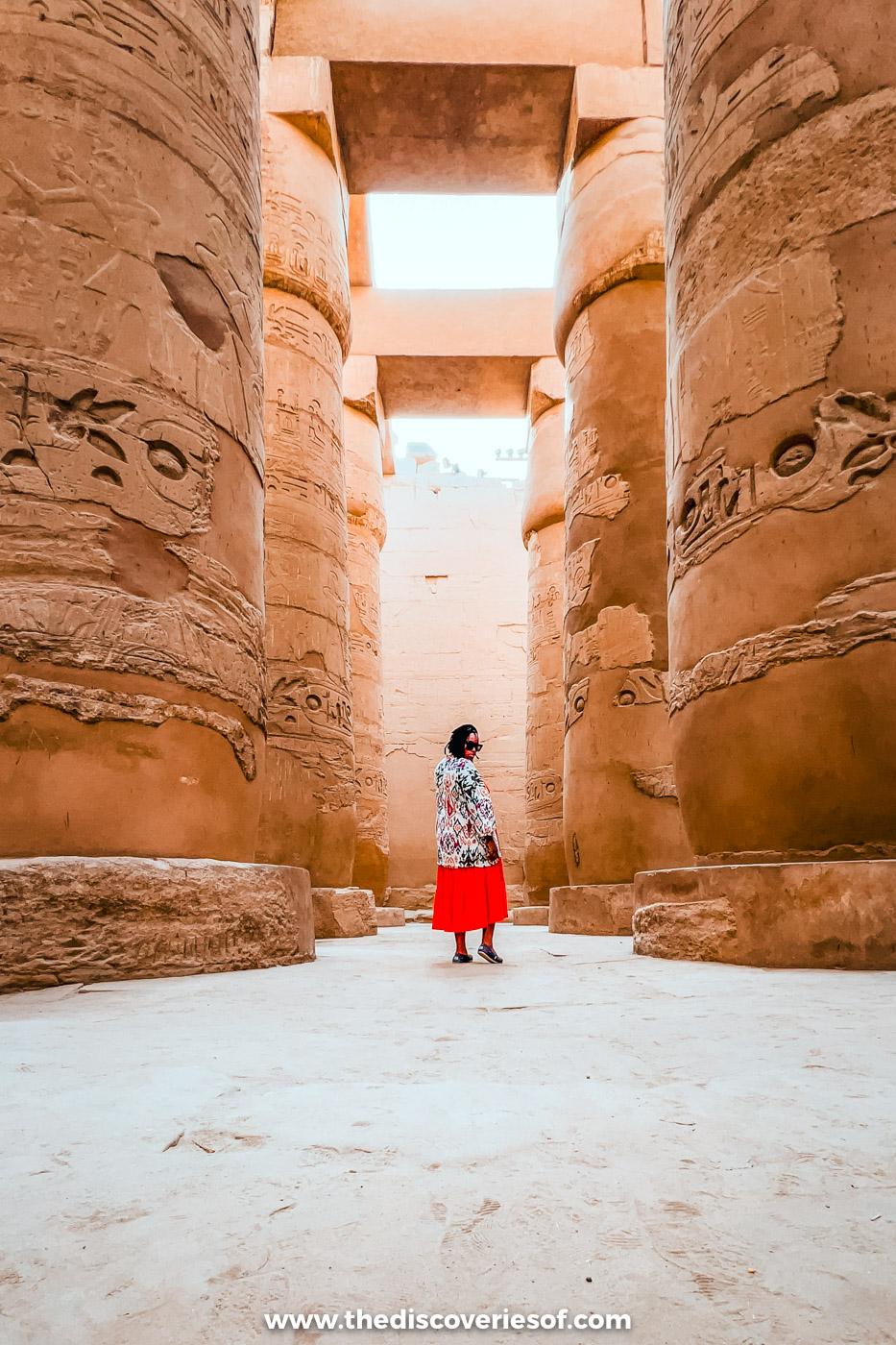
This is a predominantly Muslim country that is still quite traditional. You should dress conservatively to respect the religion and local culture.
Men’s dress codes are more relaxed: as long as you cover your shoulders and wear trousers, you’re broadly OK.
Women, you have to follow stricter rules. If you’re a female traveller, pack loose-fitting clothes covering your shoulders, chest and knees.
If you’re visiting a mosque or a church, you’ll need to wear clothes covering your elbows and legs, and women will need to cover their hair in mosques.
Fortunately, if you fancy a swim at your hotel or resort, you can bring your usual bikini or swimsuit. These rules apply to public spaces and religious sites.
I’ve written a whole guide on what to wear in Egypt, which goes into a lot more detail about what to pack, but thought it was worth flagging here.
Bring a card and some cash (the rules have flipped)
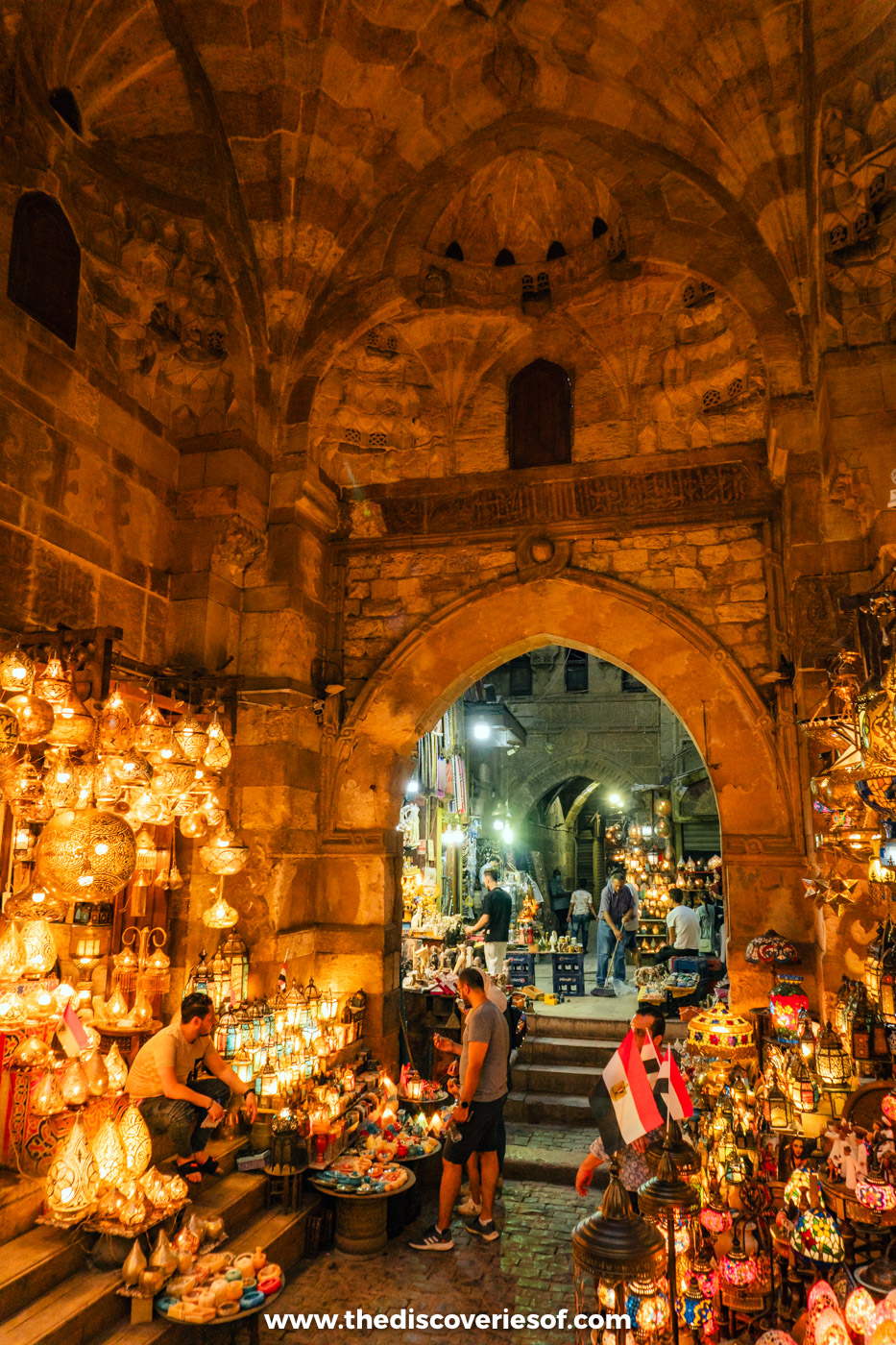
I don’t know about you, but these days I pretty much never use cash at home, preferring to pay using contactless on my phone.
Things are a bit different here, and they’ve changed since my trip.
When I was there, paying by card wasn’t a problem at many larger places, like hotels, bigger restaurants and supermarkets, but the card machines at the ticket booths of some landmarks often weren’t working.
It happened to me when I wanted to pay for Nefertari’s tomb in Luxor’s Valley of the Queens: the card machine was out of order. It was totally fine because I had cash, but as there’s no ATM nearby, it would have been a very disappointing situation if I hadn’t.
Since then, things have gone the other way. The ticket offices at the pyramids, the Citadel and most of the major archaeological sites and museums are now cashless and only take bank cards (Visa and Mastercard are the safest bets), and several sites have self-service ticket machines.
Everything else still runs on cash: taxis, tips, toilets, boats, markets, street food and plenty of smaller restaurants.
Key takeaway? Bring both: a card (and a back-up card) for tickets and bigger bills, and a stash of small notes for everything else.
Keep safety in mind
While it’s a relatively safe place to visit, it still requires some vigilance, as petty crimes like pickpocketing happen, especially in crowded markets and stations.
There are a few things you can do to help yourself stay safe, like keeping your valuables packed away out of sight in a bag that zips shut, but the biggest one is really being aware of your surroundings.
The Egyptian authorities have lots of safeguards in place to protect tourists during their time in the country. These include large numbers of Tourism Police, particularly at landmarks and touristy spots like Khan el-Khalili market in Cairo.
If you do run into any problems, or need help, the Tourism Police should be your first port of call. Not only are they geared up to help tourists, but they’re also more likely to speak some English too.
More Egypt travel tips: things to know before you visit
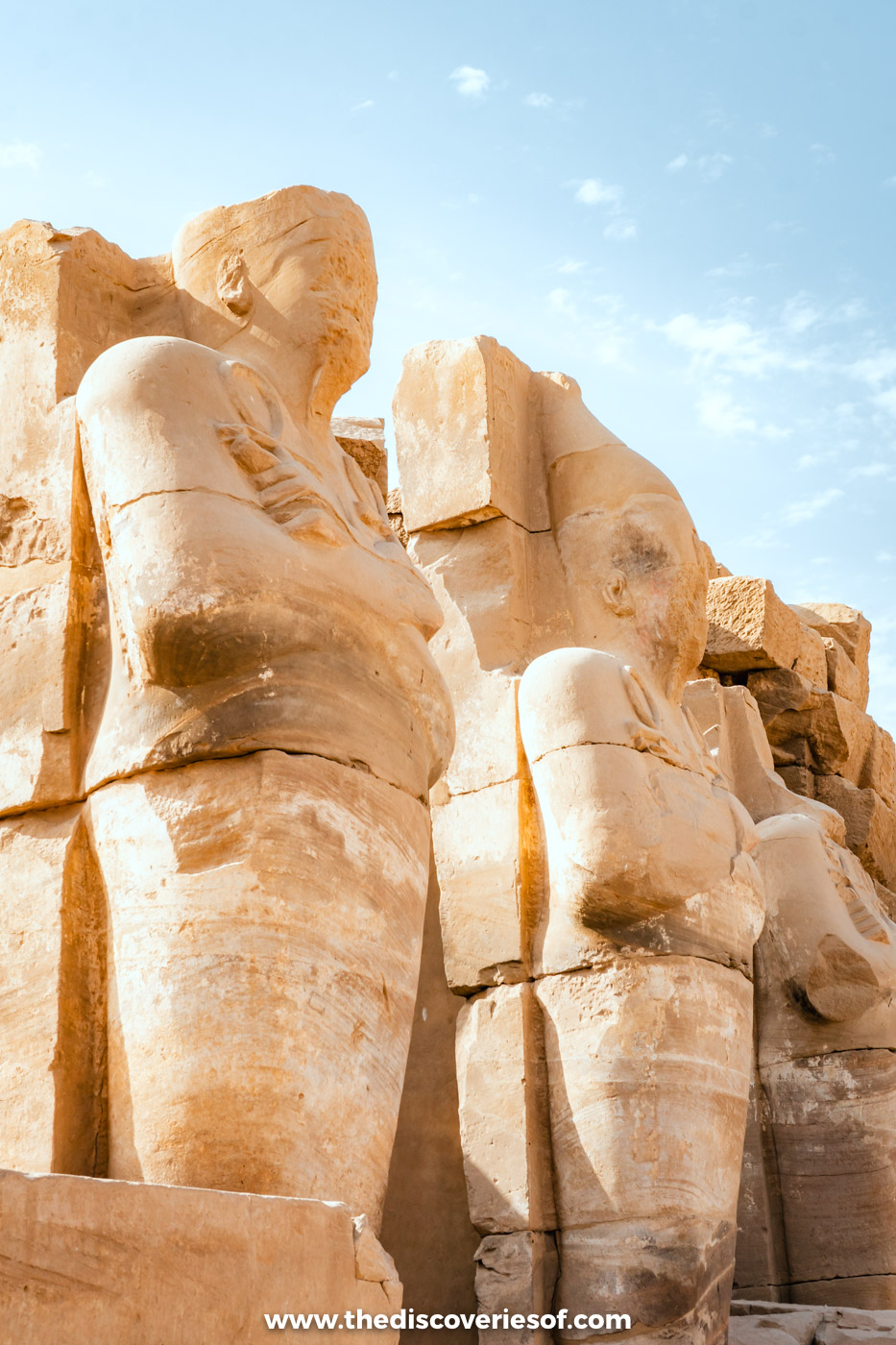
It’s a big country with a long history of royalty, tragedy and overcoming. So, it’s not surprising that there’s also a long list of things to know before travelling there. To prepare you, here are the essentials.
Plan your trip for the best time to visit
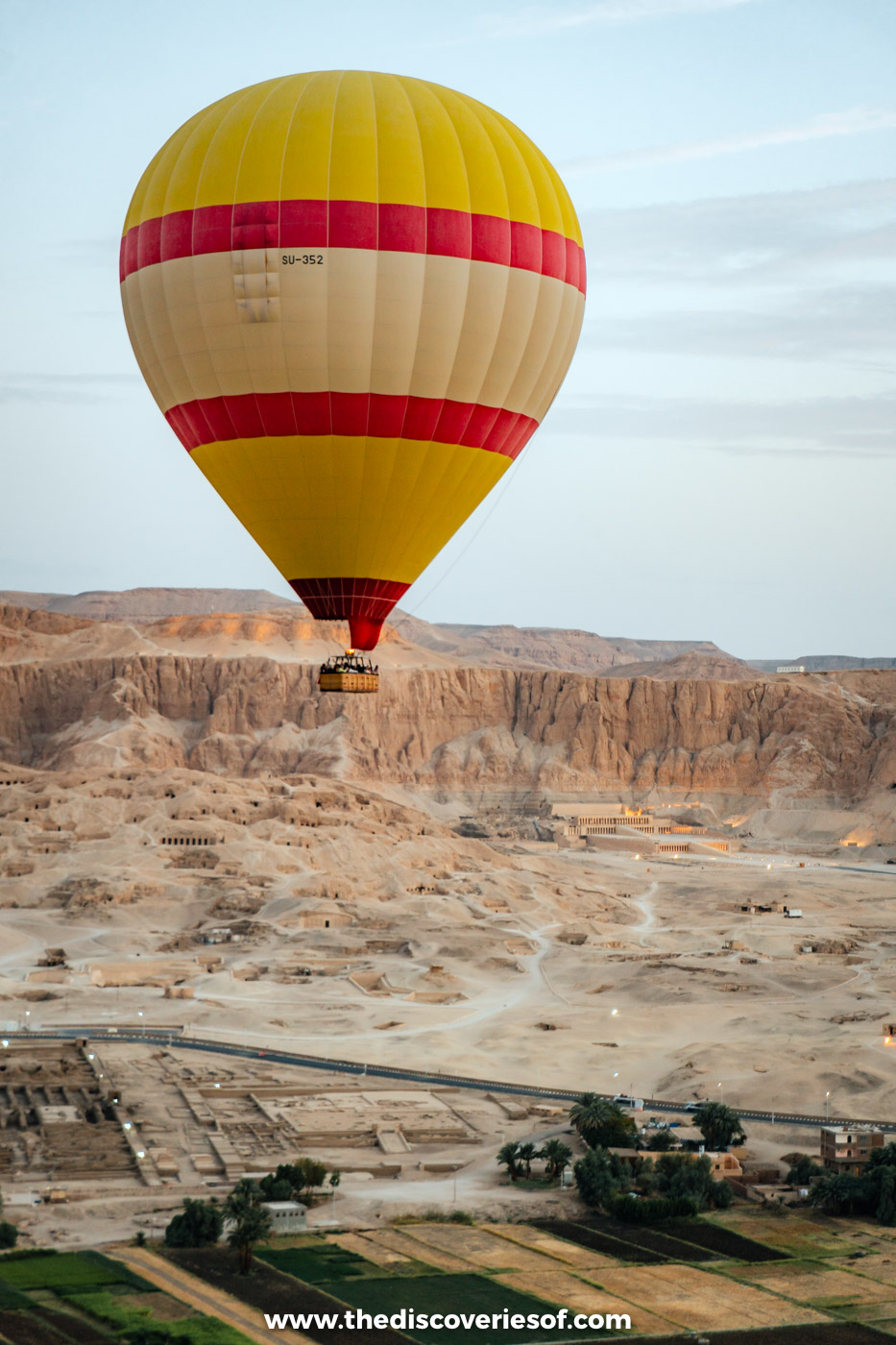
The country has a hot, dry desert climate. It’s almost always sunny, with occasional rain along the Mediterranean coast in winter.
Summer highs average around 35°C in Cairo and well over 40°C in Luxor and Aswan, while winter nights in Cairo can drop to around 10°C, and the desert gets properly cold after dark.
The best time to visit is between October and April, when you get pleasantly sunny weather without the extreme summer heat. The sweet spots are October and November, and March and April: daytime highs of around 25°C to 30°C in the south, with cooler evenings. December to February is the peak season, so expect bigger crowds and higher prices. Spring can bring the hot, sandy khamsin winds.
Plus, if you visit on 22 October or 22 February, you can catch the Abu Simbel Sun Festival, when the rising sun reaches the inner sanctuary of the Great Temple and lights up the statues of Ramses II and the gods.
One more date to check is Ramadan, which moves about 11 days earlier each year (in 2027 it’s expected to start around 8 February). The sites stay open, but some opening hours are shorter, many restaurants close until sunset and it’s polite not to eat or drink in public during the day.
Or don’t…
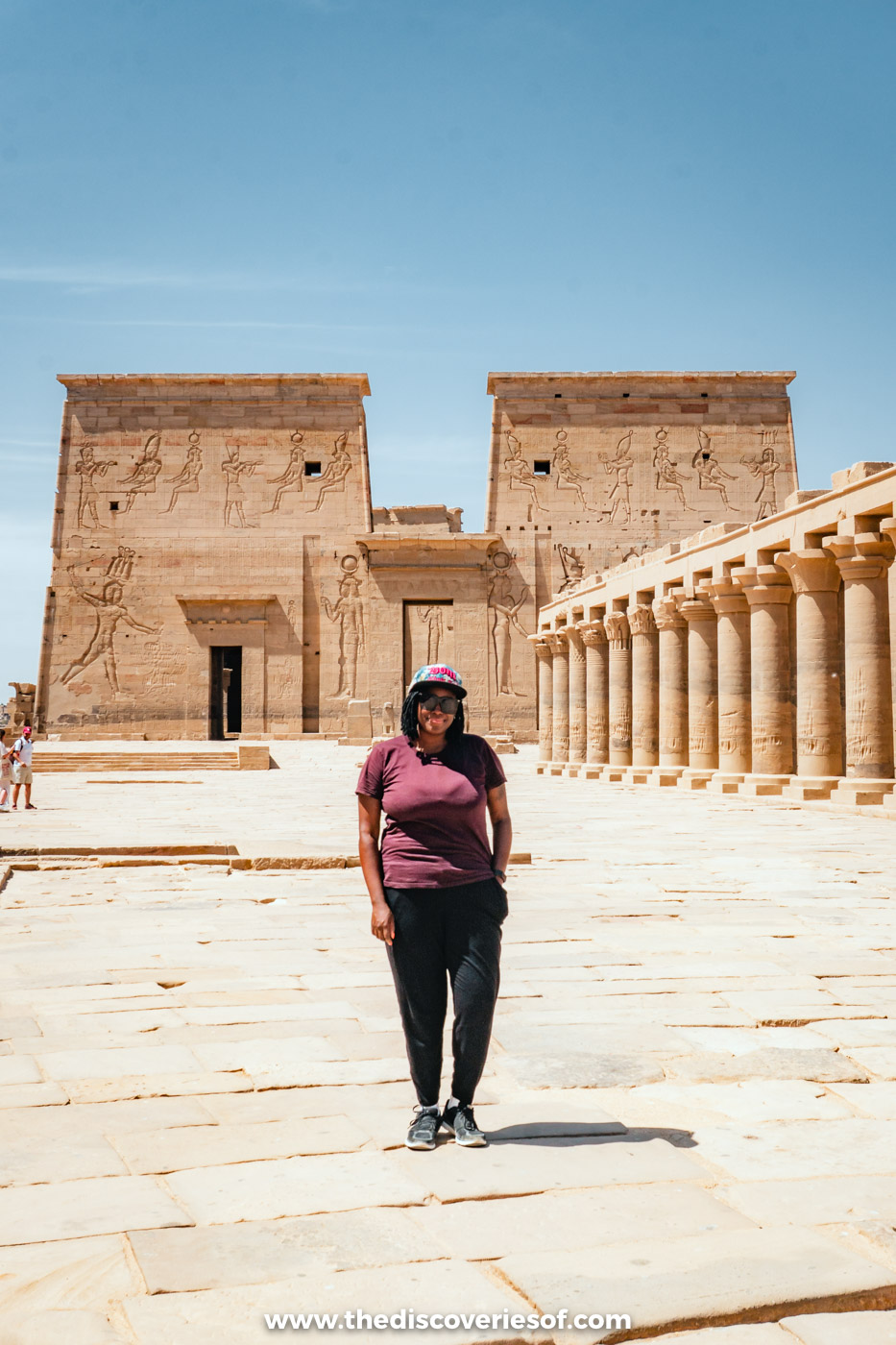
I have to be honest: I totally ignored this advice and travelled at the end of May and the beginning of June.
Guess what? It. Was. Hot.
I’m pretty comfortable in the heat, and I’ll tell you, there were points in Luxor and Aswan where I was so hot I didn’t know what to do with myself.
There were two significant upsides to travelling at that time though: fewer crowds and cheaper prices. It’s up to you to decide. If you do go in the summer, start your sightseeing at opening time, rest in the middle of the day and save the evenings for wandering.
Learn a few key phrases
While most people speak Egyptian Arabic, English is widely spoken and understood. You’ll especially notice this if you stick to the major cities like Cairo, Luxor and Alexandria and the tourist hotspots, hotels and resorts.
That said, learning a few Egyptian Arabic phrases won’t do any harm. Shukran (thank you), la shukran (no thank you, very useful in the markets), salam alaykum (hello) and yallah (let’s go) will get you a long way. This handy Egyptian Arabic phrasebook will be a lifeline while you’re in the country.
Top Tip
Always carry your hotel’s business card (or its address in Arabic on your phone) in case you get lost or hit a language barrier with a taxi driver.
Haggle, haggle, haggle
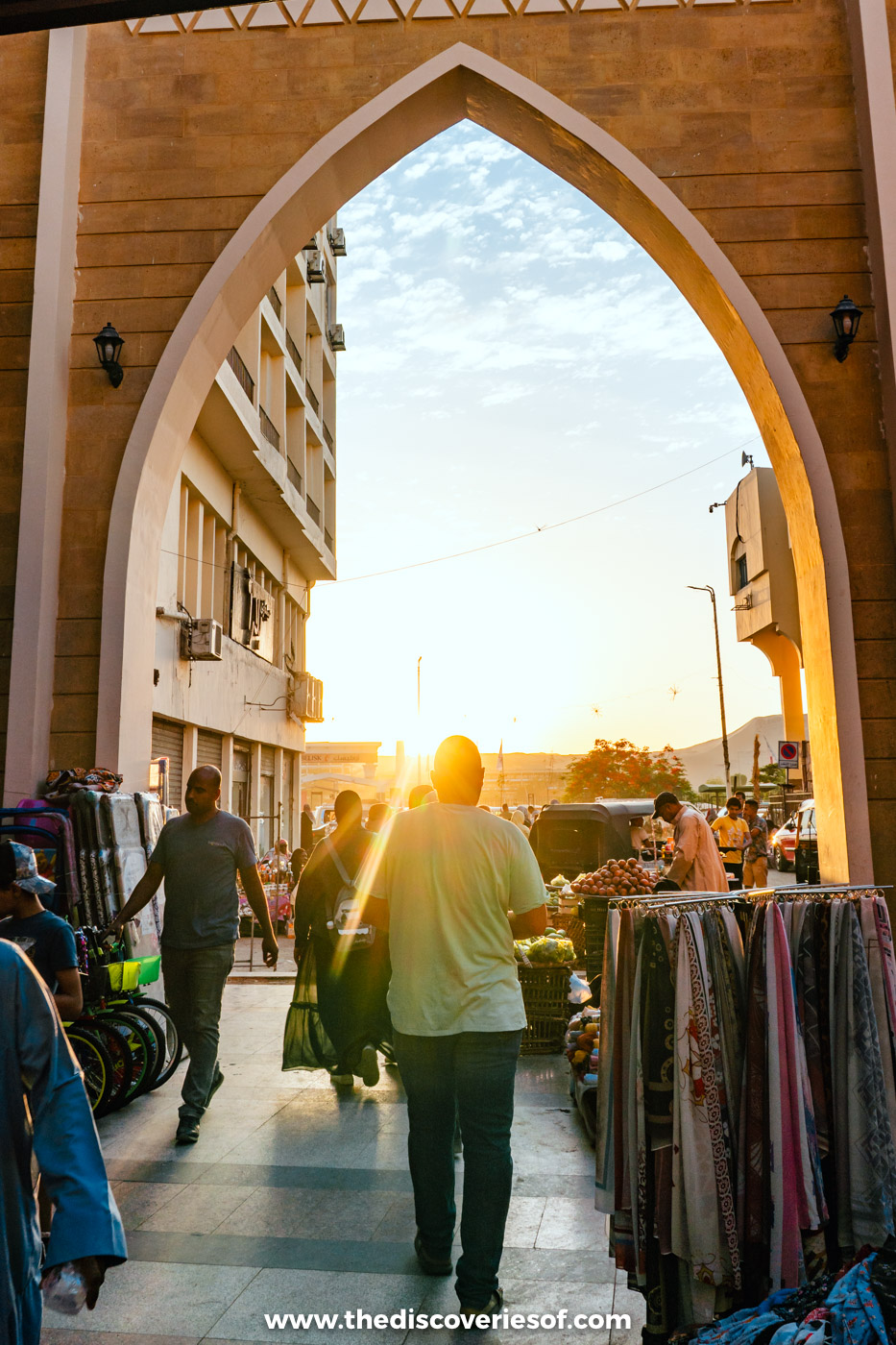
One of the best tips I can give you is that you can haggle (almost) every price at the markets and bazaars. It takes a bit of practice, but once you get your intended price, it can be so rewarding. Start low, stay friendly and be prepared to walk away.
You can also haggle your taxi fare before getting into the car. In Cairo, you’ll come across a few types of taxi:
- The white taxis have meters and air-conditioning, but always check the meter is running when you set off to avoid inflated prices.
- The older black-and-white taxis (now fewer and further between) don’t use meters, so you must agree a fare before you get in and stick to it.
- Ride-hailing apps, Uber and Careem, are the easiest option in Cairo and Alexandria: the price is fixed in the app, you can pay by card and there’s no haggling.
Know that nothing is free
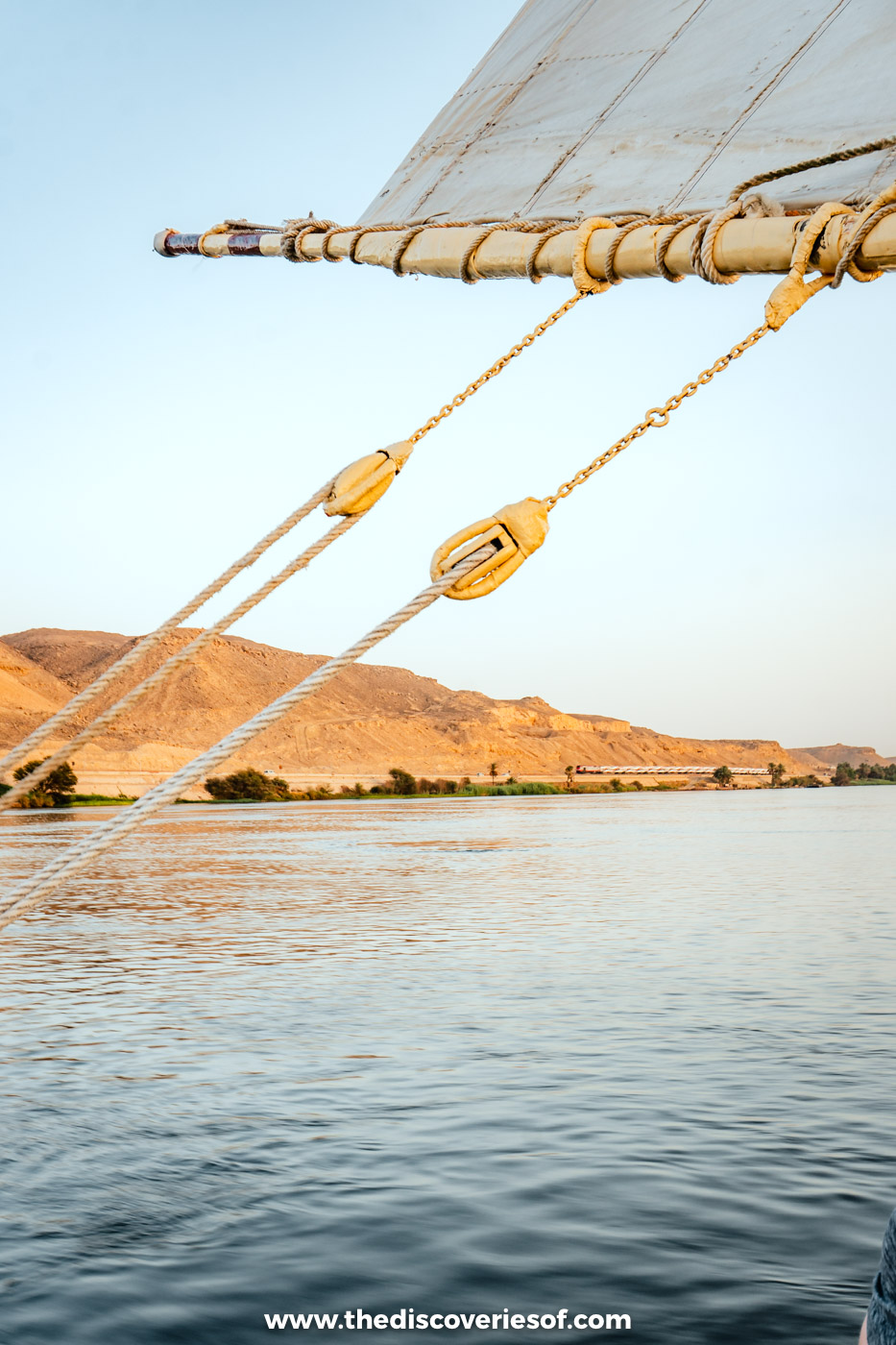
This one came straight from my notes on the trip, written in capitals: NOTHING IN EGYPT IS FREE.
At the big sites, you’ll be offered help, directions, a photo with a camel or a “gift”, and all of them come with a request for money afterwards. At the pyramids, it’s likely that you’ll also meet at least one person pretending to be an official who checks your ticket and then demands a “fine” or a fee for taking photos. Ignore them: your ticket is checked once, at the entrance.
None of this is dangerous, just tiring. A polite but firm la shukran and walking on is usually enough, and if you do want the camel photo or a guide, agree the price before you start. Carry small notes for public toilets too: they cost a few pounds, and often don’t have paper, so keep some tissues in your bag.
Tips for solo and female travellers
If you’re travelling solo or travelling as a woman, the country can seem a bit intimidating. But that doesn’t have to be the case.
Here are a few ways to make solo travel easier:
- On the Cairo Metro, the two carriages in the middle of each train are reserved for women (they’re clearly marked on the platform).
- Get a guide to show you around rather than walking around alone late at night. They’ll also be able to give you insider tips and info about the areas.
- Dress conservatively to respect the culture and avoid unwanted attention from people who feel you might not be honouring their customs.
- Ride-hailing apps are a good alternative to hailing a taxi on the street, as the journey is tracked and the price agreed in advance.
Think about a group tour or a guide
The first question you’ll have when you’re planning a trip like this is whether to take a group tour or do it independently.
Some of you will have all the feels about not taking group tours. That’s fine: I used to be one of them. In fact, this trip was the first ever group tour that I took (Intrepid’s eight-day Egypt Adventure), and here’s why.
Firstly (and I know it will come as a big surprise to you guys), I am a geek. There is no niche historical fact that I do not want to know, no obscure piece of trivia that I won’t find interesting… so there was no way I was going to go to the home of one of the single most important ancient civilisations, without a guide.
Given that I was going to hire a guide in pretty much every place I visited, it made sense for me to book a group tour with a professional local guide leading the trip. Mine was straight-up brilliant: professional, knowledgeable and fricking hilarious, with lots of local insight that would have been difficult to pick up otherwise.
That said, group travel is not all yes, yes, yes. You have to be comfortable spending a lot of time with a bunch of people you’ve just met, and you’ll have more freedom travelling independently. I chose a tour with plenty of free time, which I filled with the trip to Abu Simbel and my own visits to the Nubian Museum and the Botanical Garden in Aswan. For me, it was the perfect blend of doing things solo with the structure and knowledge of a guide.
If you’re travelling independently, you can still hire a guide for the big sites: in Luxor, I booked a private tour of the Valley of the Kings and the Valley of the Queens.
Book flights wisely
One of the top things to know before you go is how to get the best deals on flights.
Flights to Cairo tend to be cheapest outside the winter peak and the main school holidays, and booking a couple of months ahead usually pays off. For more on timing, see my guide to the best time to book a flight.
A good tip for travelling anywhere in the world is to sign up to a rewards programme with your airline or credit card provider if you travel often. It comes with plenty of perks, including the occasional free flight.
Top Tip
EgyptAir flies direct to Cairo from many European and Middle Eastern cities, and British Airways (which I flew with) flies direct from London Heathrow. Other airlines to look at include Emirates, Etihad and Turkish Airlines, with a change. Check flights on Skyscanner now.
Plan how you’ll get around
It’s a long country: Aswan is nearly 900 kilometres south of Cairo, so it’s worth thinking about how you’ll travel between the main stops.
- Sleeper train: I took the overnight sleeper train from Giza to Aswan, which takes around 13 hours and includes dinner and breakfast, and the sleeper again from Luxor back to Giza at the end of my trip. I enjoyed it, but once you’ve done it one way, I’d recommend flying for the journey back north. Tourists have to board the designated trains at Giza station, not Cairo’s main station, so triple check before you book to avoid being turned away. Arrive an hour or so early.
- Domestic flights: EgyptAir flies from Cairo to Luxor and Aswan in about an hour and 20 minutes, the quickest way to cover the distance.
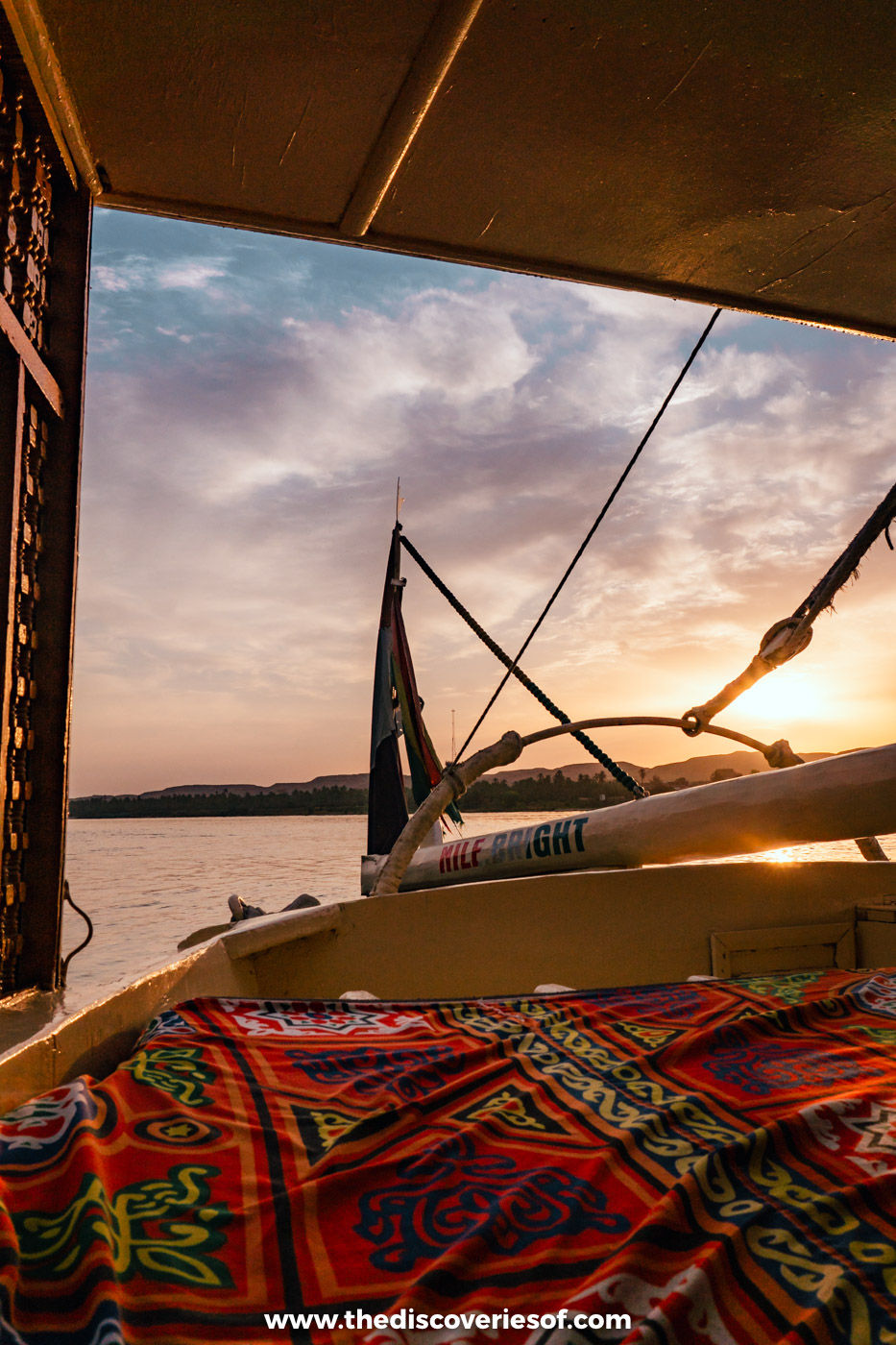
- By river: between Aswan and Luxor, you can take a Nile cruise or a felucca. I spent a night on a felucca sailing north from Aswan, and waking up on a remote part of the Nile as the sun rises over the desert is worth the trip alone. Feluccas can’t pass the Esna lock, so trips finish with a minibus transfer to Luxor.
Not every ATM works with every card
Picture this: you go to an ATM to withdraw cash. You know you’ve got enough money in your bank account, but when you try and take your cash out, the transaction fails, the screen flashes an error message and the machine spits your card straight back into your hand.
Don’t panic.
Not every Egyptian ATM works with every international card.
I can’t tell you the rhyme or reason behind which ones work and which ones don’t, but try a few different banks before you panic. Machines inside banks and hotels are the safest bets.
Obviously, that’s a lot easier in places like Cairo and Luxor, where there are lots of banks close to each other. I’d always recommend withdrawing before you run out of cash to head off any problems if one or two don’t play nicely with your card.
Buy a local SIM card (or an eSIM)
While you’re away, it’s best to have mobile data, just in case you’re not near a Wi-Fi connection, and you’ll need it for ride-hailing apps. You can buy a prepaid SIM card from the mobile network kiosks (Vodafone, Orange, Etisalat and WE) in the arrivals hall at the airport; bring your passport. For a foreign SIM to work, your phone needs to be unlocked. You can use this site to check if your phone will work abroad.
One near-magical (but more expensive) alternative is to get an eSIM for your phone. Rather than a physical SIM, an eSIM is a digital SIM that you can run in tandem with your normal SIM card.
There are a few benefits to using an eSIM over the traditional local SIM route.
The first is that you can buy the eSIM before you travel, so it’s ready to go the moment you land. The second is that you can still keep your normal number for WhatsApp, voice calls and text messages.
Overall, I’d recommend using an eSIM. Mine from Airalo cost $56 for 6GB over 14 days, which was still a lot cheaper than roaming on my normal SIM. Prices have come down a lot since: Airalo’s Egypt plans now start at about $5.50 for 1GB over three days, and 5GB for 30 days costs around $20. A local SIM is cheaper still.
Use a VPN on public Wi-Fi
Almost every café in the big cities has Wi-Fi, but using public Wi-Fi can be unsafe, as you risk making yourself vulnerable to hackers.
If you use public Wi-Fi, use a VPN (virtual private network) to keep your data secure.
Look into the Cairo Pass and the Luxor Pass
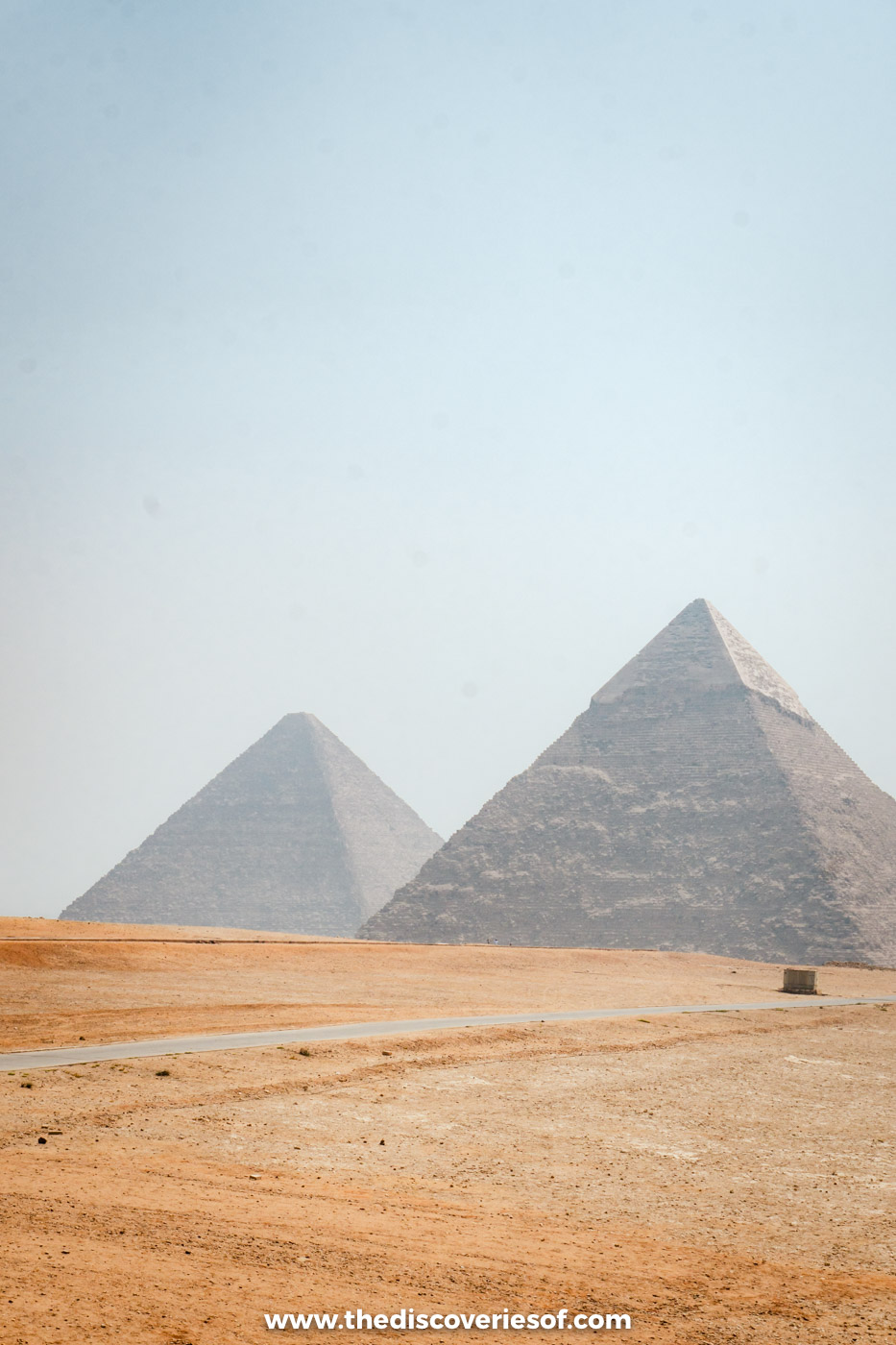
If you’re planning to see a lot of sites, two passes can save you money (and a lot of time at ticket offices).
The Cairo Pass gives you entry to most of the sites in Cairo and Giza, including the pyramids plateau, Saqqara and Dahshur, for five days. It doesn’t cover the National Museum of Egyptian Civilisation, so check what it includes against your plans before you buy.
The Luxor Pass covers the archaeological sites on both the East and West Banks of Luxor for five days. The standard pass costs US$130, and the premium pass, at US$250, adds the tomb of Seti I. You can buy it at the ticket offices at the Valley of the Kings and Karnak Temple.
For both passes, you’ll need your passport, a photocopy of its main page and a passport photo.
Try the local food, but avoid the tap water
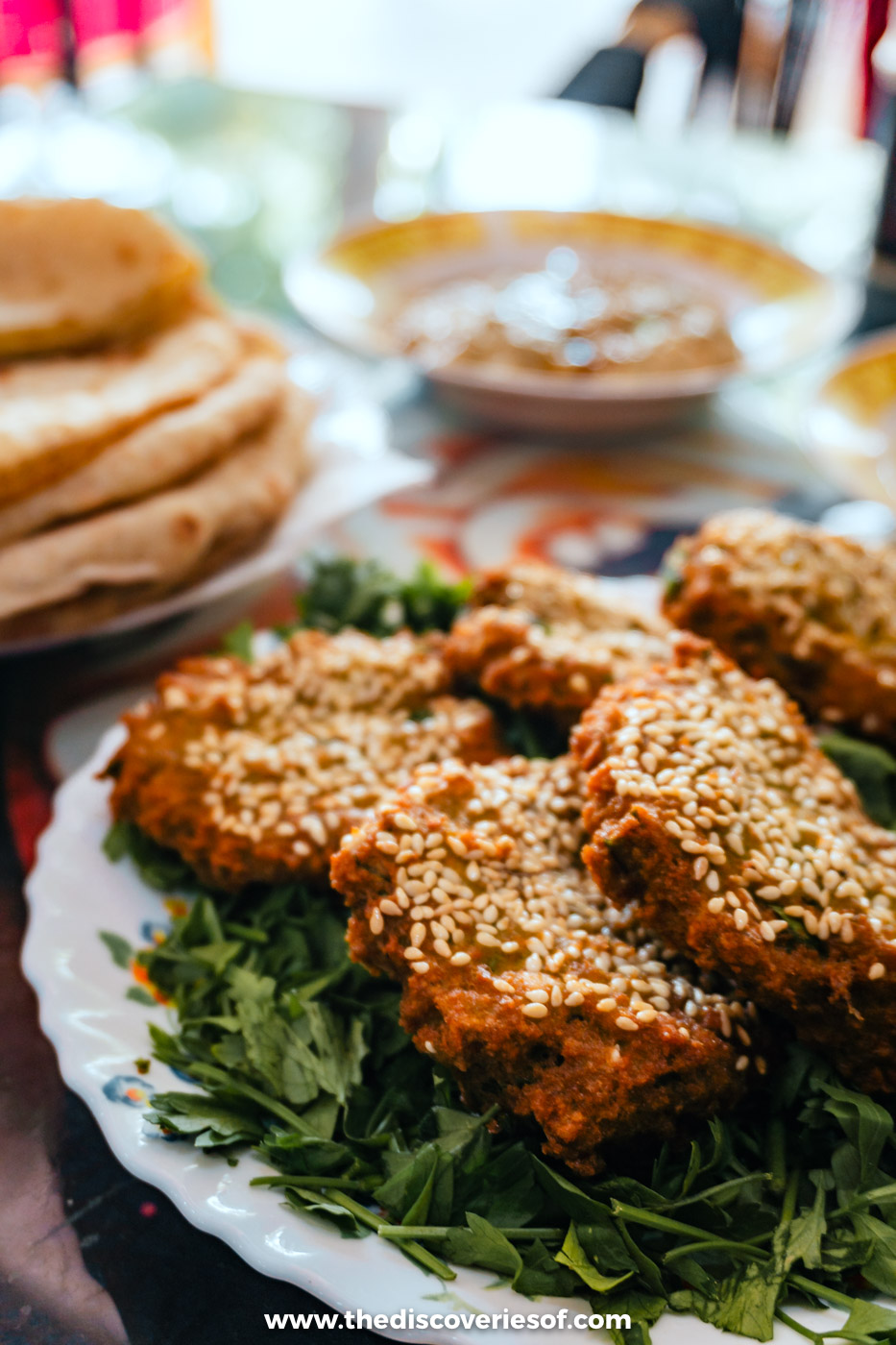
Egyptian food is a fragrant blend of spices, with recipes perfected over centuries. The cuisine has lots of vegetarian-friendly options, like koshari and ful medames, but you can also get some meaty main meals.
I’m not even going to start on the falafel. THE FALAFEL. Drool. (Here, it’s called ta’ameya and it’s made with fava beans rather than chickpeas.)
Not only will you get an authentic taste when you buy street food, but you’ll also save a few pounds.
While it’s essential to stay hydrated, don’t drink the tap water. Instead, buy bottled water, and check the seal is intact. Bring your own bottle for a more environmentally friendly alternative (although understand that there will be limited places for you to refill it).
Dos and don’ts in Egypt: a quick guide
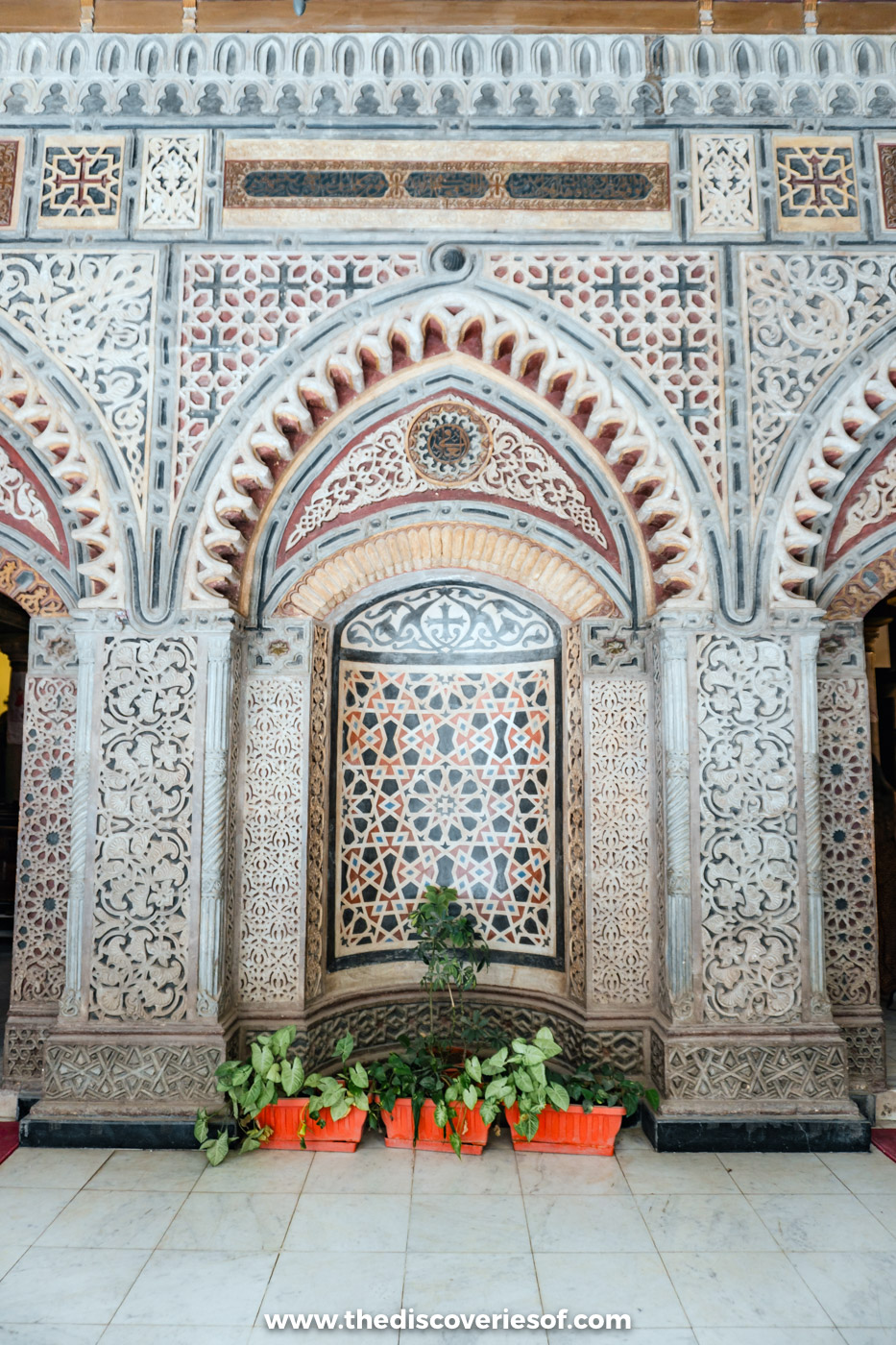
Breeze through your trip with these handy dos and don’ts.
Do use public transport like the Cairo Metro to get around at a reasonable price. Tickets cost well under a dollar, and it’s a quick way to reach places like Coptic Cairo.
Don’t forget to stay hydrated, apply sunscreen often and bring your sunglasses. One of the most vital travel tips people forget is that this is a desert climate with lots of sun and heat.
Do bring a mix of cards and cash. There’s no limit on the foreign currency you can bring into Egypt, but you must declare anything worth more than US$10,000 when you arrive, and you can only bring in 5,000 EGP.
Don’t forget to tip. Tipping (baksheesh) is part of everyday life. In restaurants, leave 10 to 15% (check whether a service charge is already on the bill), and keep small notes for porters, toilet attendants and anyone who helps you. For guides and drivers, around US$5 to $10 per person per day is a common guideline, more for a private guide who goes above and beyond.
Do take lots of pictures of the ancient sites (photos with your phone are free at most of them), but don’t use flash inside tombs, and don’t take photos of officials, police or the military without consent.
Don’t neglect to download a currency conversion app like XE.com to keep tabs on how much money you’re spending.
Do cover up and take your shoes off when visiting a mosque, and ask before photographing people.
Watch my Egypt video
Subscribe on YouTube and discover new destinations.
What to see and where to stay
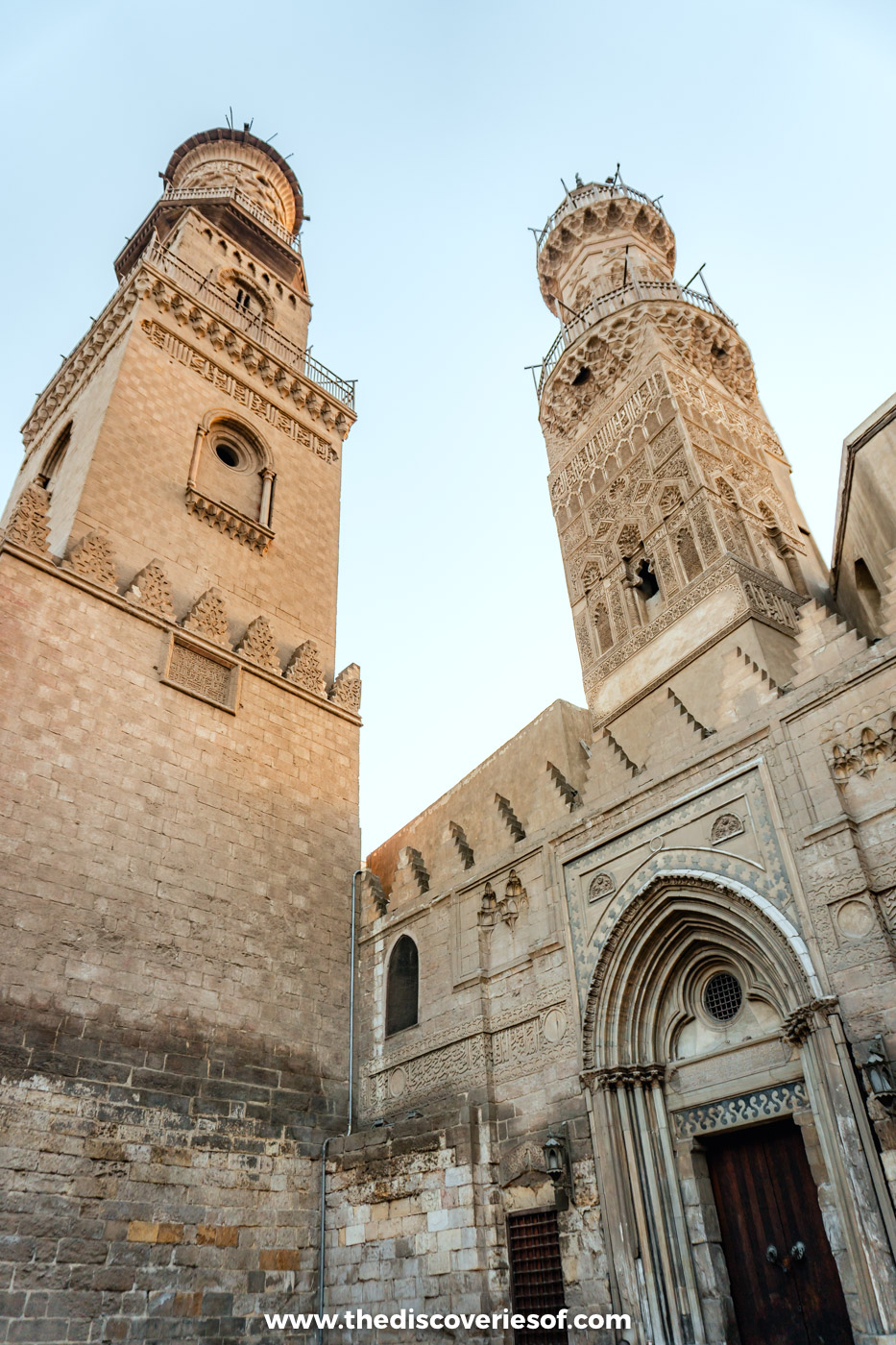
Here are my top tips on what to see and where to stay while you’re in this beautiful country.
What to see
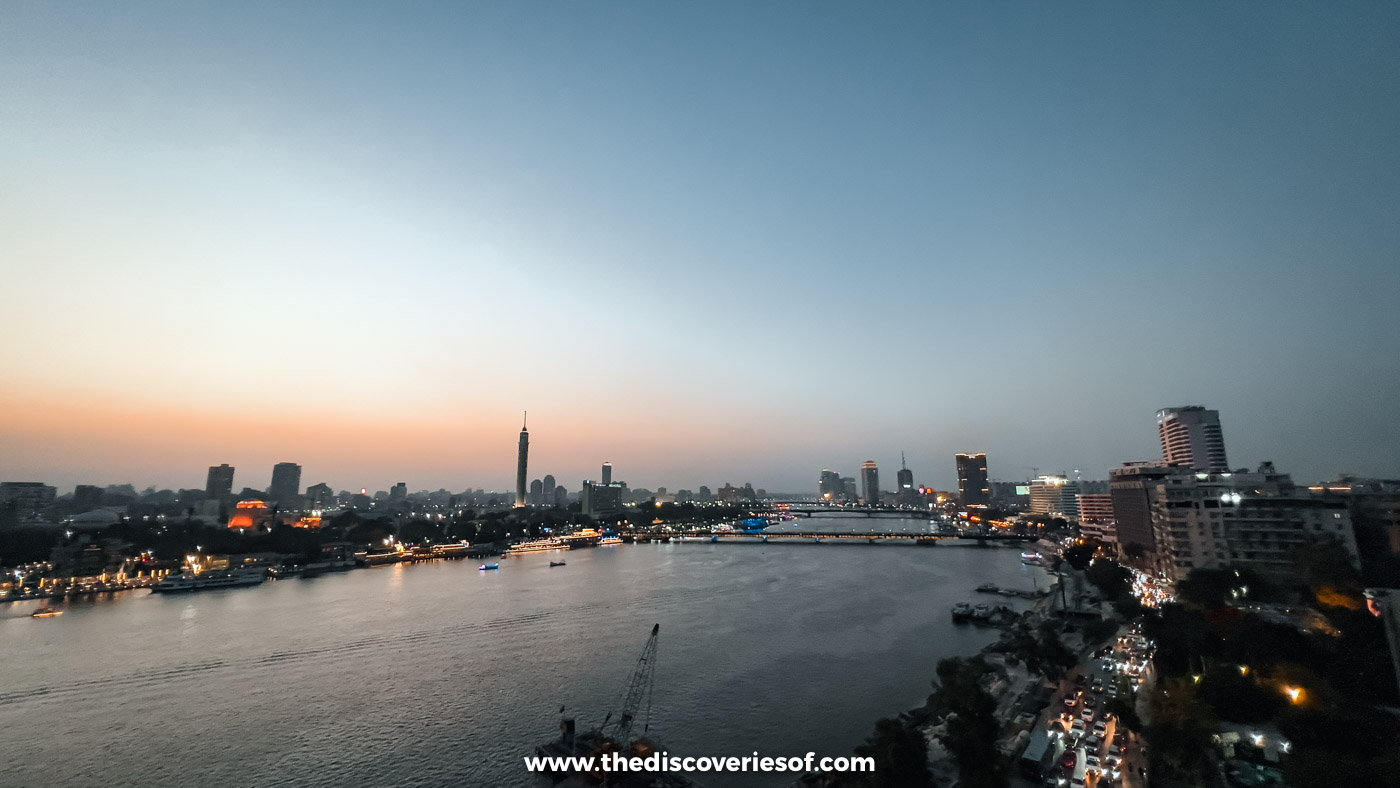
The best way to tour the country is to see its big hitters: the pyramids of Giza, the temples of Luxor and Aswan, and the tombs of the Valley of the Kings. My guides to the landmarks in Egypt and the ancient Egyptian temples you can still see today will help you choose. Besides the pyramids, consider these tours and trips too:
- Dinner cruise on the Nile
- Grand Egyptian Museum, pyramids and Sphinx day tour with lunch
- Private tour of the Citadel, Old Cairo and Khan el-Khalili
- Full-day trip to Cairo by plane from Hurghada
Where to stay
One of my top tips is to stay somewhere central, close to the sights you want to see. Where you stay also depends on what you hope to see on your trip.
Cairo
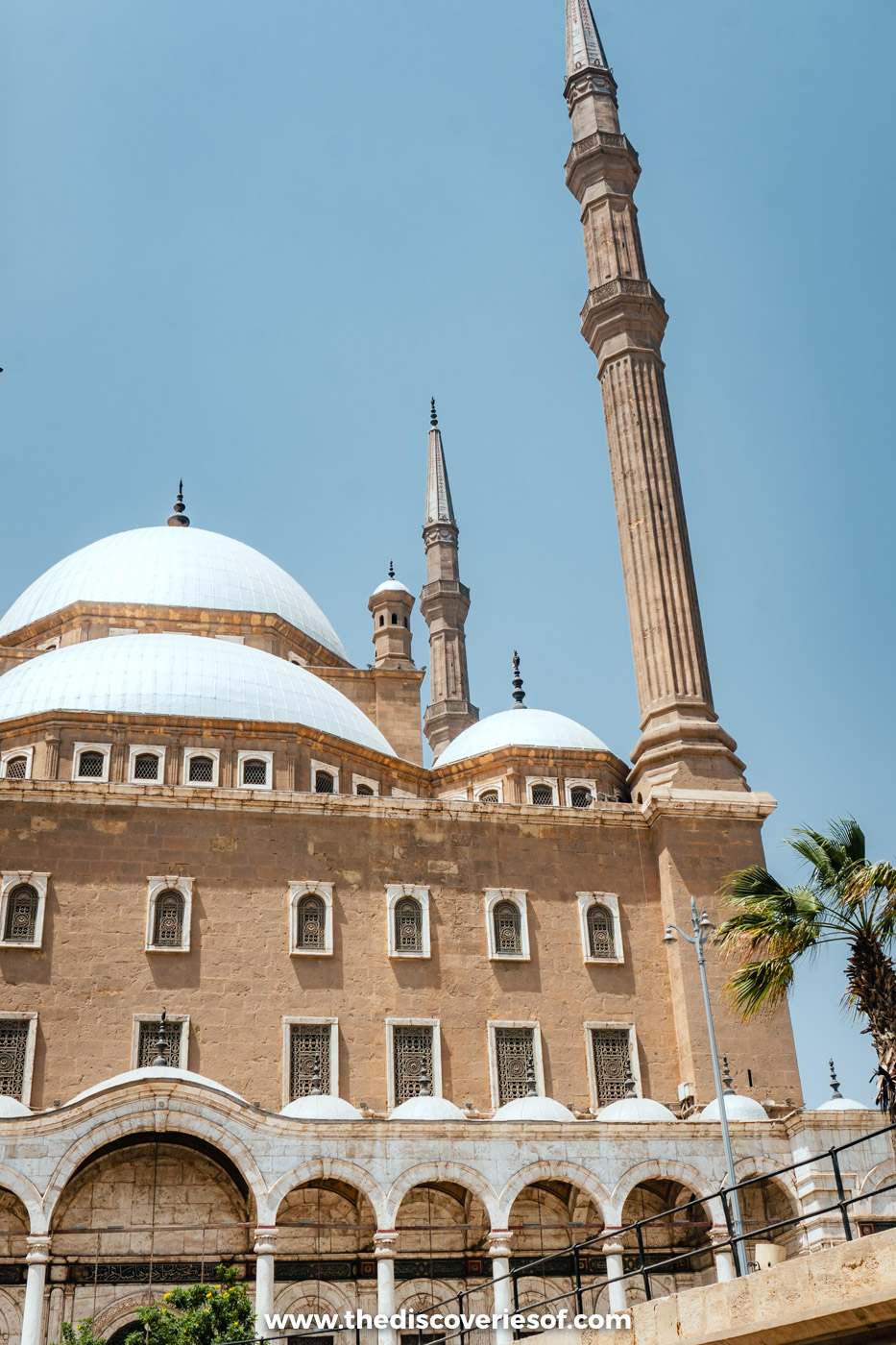
As the country’s capital, it’s no surprise that Cairo is many people’s top pick, and with the pyramids, the museums, Islamic Cairo and Coptic Cairo, there’s plenty to fill a few days. It’s also modern, with lots of restaurants, coffee shops and shopping malls.
I spent my first nights at the Pharaohs Hotel, a well-located budget option in Dokki, and my last night at the Kempinski Nile Hotel Garden City (read my review), with its rooftop pool above the Nile. If you’d rather wake up near the pyramids, the Great Pyramid Inn in Giza has rooftop views of the plateau. See my guide to where to stay in Cairo for more.
Luxor
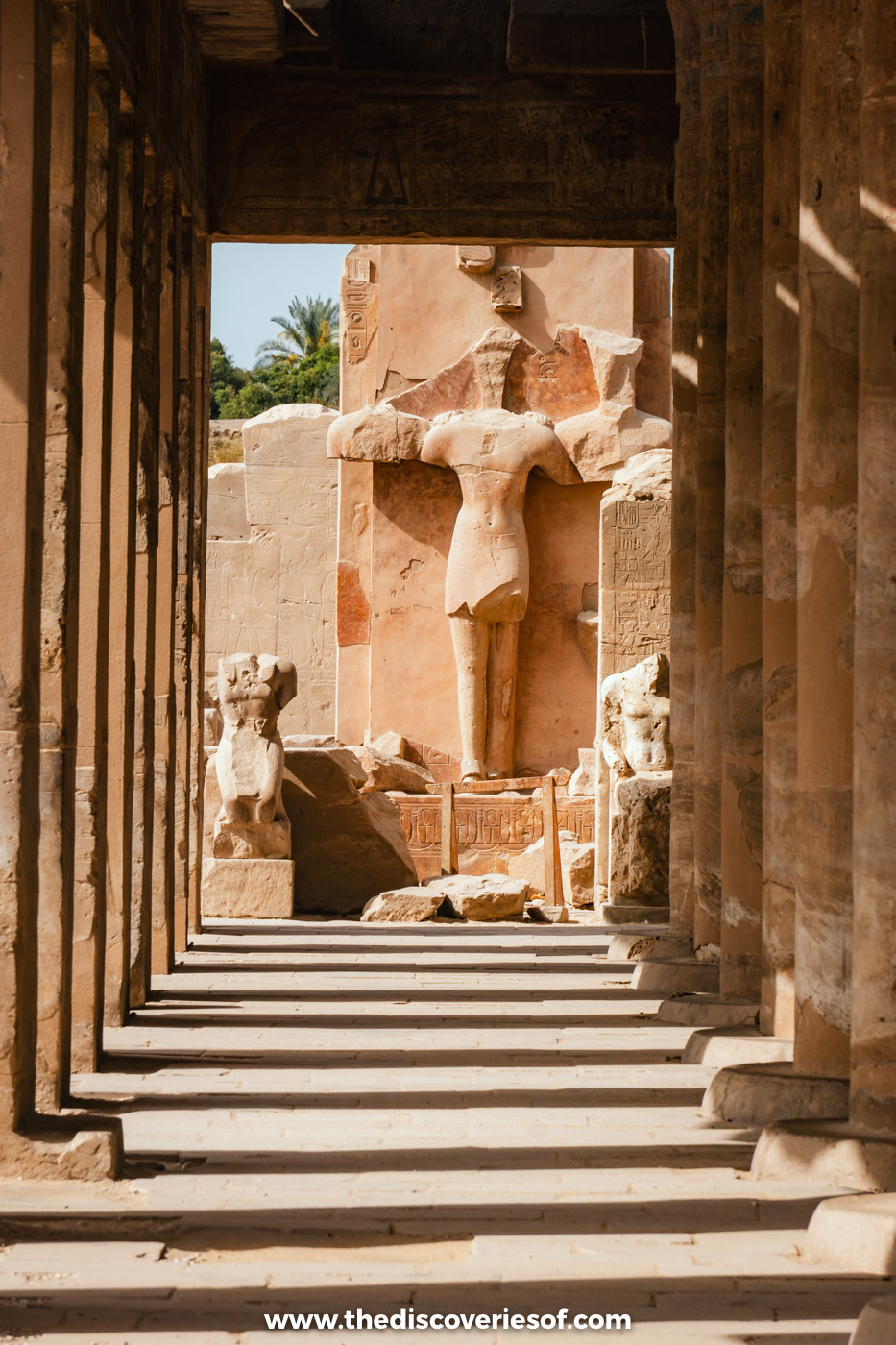
Home to the jaw-dropping Valley of the Kings, Luxor is full of history and some of the country’s most stunning sights.
I stayed at El Mesala Hotel on the West Bank, right by the ferry and close to the tombs. If you’d rather be in the middle of the town, near Karnak and Luxor Temple, stay on the East Bank. My guide to where to stay in Luxor compares the two.
Hurghada
This Red Sea resort is great for beach lovers hoping to get in some scuba diving and snorkelling. It also has a lively nightlife and lots of restaurants. South of the town, the Tropitel Sahl Hasheesh is an all-inclusive resort with its own beach.
Alexandria
Alexandria will show you a different side of Egypt, especially if you’re interested in its Greek and Roman history. It’s also on the Mediterranean coast, which means sea views and a cooler breeze. The Mediterranean Azur is right on the Corniche, looking out to sea.
Aswan
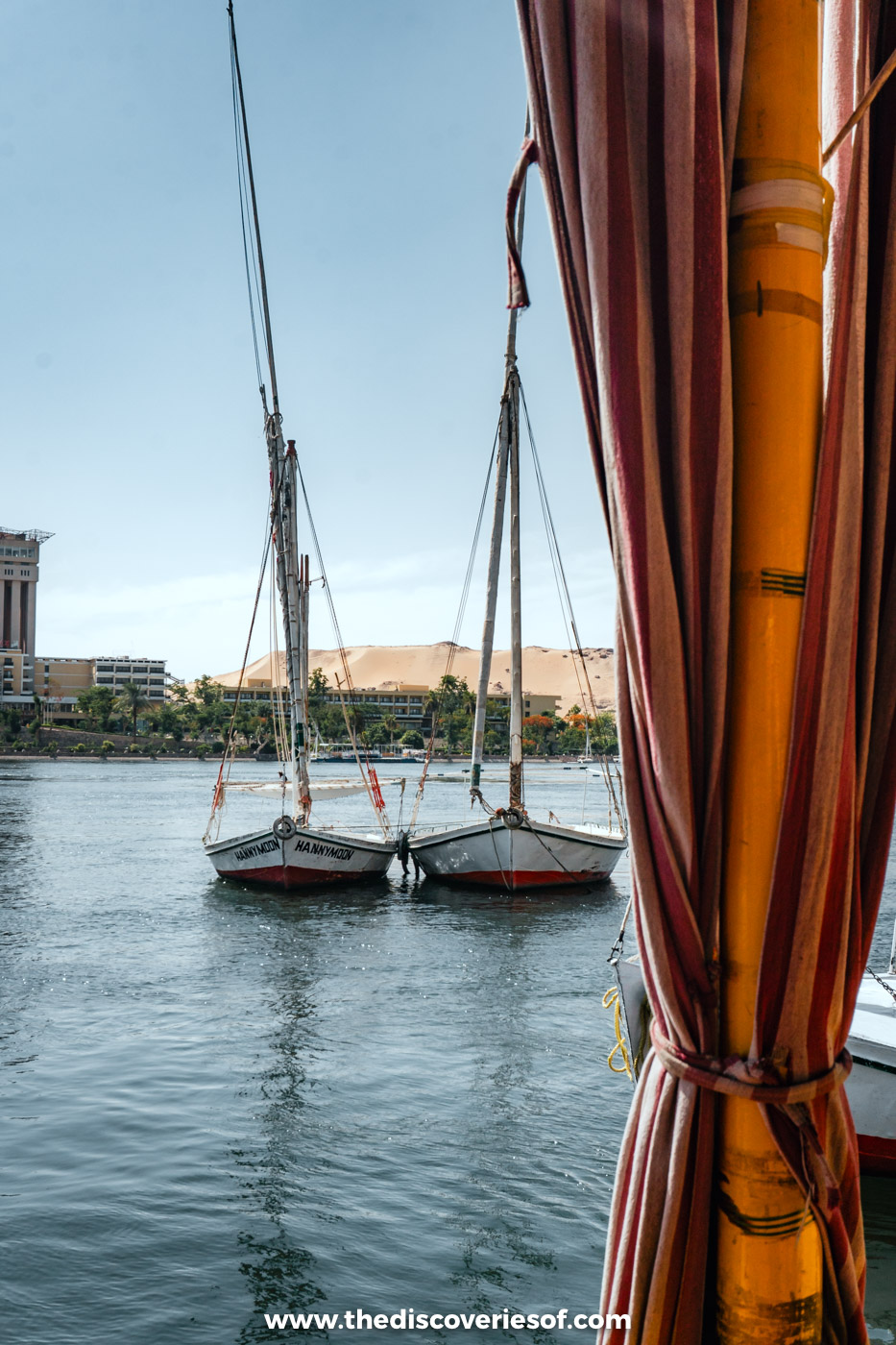
Aswan takes you back in time with its scenery of the Nile Valley and its sailboats. It’s slower and more laid-back than Cairo or Luxor, and it was a close contender for my favourite spot on the trip.
I stayed at the Obelisk Nile Hotel on the Corniche, a comfortable, affordable option with a pool. On a budget, The Mango Guest House is a colourful, affordable guesthouse with a garden and a sun terrace.
Frequently asked questions
Keep these tips in mind when you’re planning your trip and when you’re in the country.
How do I prepare for a trip to Egypt?
Read this guide, of course!
Other than that, sort out your visa, check your passport has at least six months left on it, and think about the time zone when you’re booking flights or activities. The country runs on Eastern European Time (UTC+2) and, since 2023, has brought back daylight saving time: the clocks go forward an hour (to UTC+3) on the last Friday of April and back on the last Thursday of October. That makes it two hours ahead of the UK for most of the year.
Stay hydrated before, during and after your flights to help with jet lag, and the heat once you land.
How many days do you need in Egypt?
My trip took in Cairo, Aswan, Abu Simbel and Luxor in a little over a week, and it was fast-paced. Ten days lets you see the highlights without rushing, and two weeks gives you time for a Nile cruise or the Red Sea. My itinerary has a day-by-day plan.
What should I avoid in Egypt?
Steer clear of the areas the UK Foreign Office advises against all travel to: North Sinai and within 20 kilometres of the border with Libya. It also advises against all but essential travel to the northern part of South Sinai, the area east of the Suez Canal, most of the Western Desert away from the main oases and the Nile Valley, and the far south-east by the Sudanese border. Luxor, Aswan, Cairo, Alexandria and the Red Sea resorts aren’t affected, but check the latest advice before you go.
What is forbidden?
Egyptian law strictly forbids taking pictures of or near military installations. You also shouldn’t take photographs of police, public buildings and infrastructure, such as bridges and some train stations. Drones are banned without a permit from the authorities and are usually confiscated at the airport, so leave yours at home.
Read next
- 10 days in Egypt: a step-by-step Egypt itinerary
- The best things to do in Egypt
- Egypt travel guide
- What to wear in Egypt (plus a practical Egypt packing list)
- The best things to do in Cairo, from royal mummies to medieval bazaars
- 23 best things to do in Luxor, from sunrise balloons to painted tombs
- Things to do in Aswan: temples, Nubian culture and the Nile
- Taking a Nile river cruise in Egypt
Love this? Save and share on Pinterest

Discover the top things to do, insider tips and hidden gems in our Egypt Travel Guide.
Read the guides →