Wondering how on earth you could fit the waterfalls, black sand beaches, glaciers and city bustle into a one-week trip? This route takes you from Reykjavik round the Golden Circle and along the south coast to Jökulsárlón, with drive times, the stops worth your time and where to sleep each night.
A country that almost doesn’t seem to belong to this world, Iceland is home to thundering waterfalls, active volcanoes and some of the most spectacular views of the Northern Lights anywhere. A week won’t get you everywhere, and trying to cram in the whole island is how people end up spending their holiday staring at the road.
I’ve been three times, in three different seasons. In early May I did the Golden Circle and the farms around it. Around the September equinox I hired a car and drove the south coast all the way to Jökulsárlón. In early December I finally gave Reykjavik the time it deserves. I’ve never done all of it in one go, so this 7 day Iceland itinerary stitches those three trips together into the week I’d plan for a friend, in a sensible order and with fewer hours behind the wheel than I managed.
Expect geysers and a tectonic rift on day three, waterfalls you can walk behind on day four, icebergs on days five and six, and a lagoon on the edge of the Atlantic before you go anywhere near a car.
Your week at a glance
- Day 1: arrive, Hallgrímskirkja, hot dogs and the harbour (night in Reykjavik)
- Day 2: FlyOver Iceland, Harpa, Sky Lagoon at sunset and a food tour (night in Reykjavik)
- Day 3: the Golden Circle: Þingvellir, Geysir, Gullfoss, Friðheimar and Kerið (night at Hotel Rangá, near Hella)
- Day 4: Seljalandsfoss, Gljúfrabúi, Skógafoss and Reynisfjara (night in Vík)
- Day 5: Fjaðrárgljúfur, Stjórnarfoss and your first look at Jökulsárlón (night near the lagoon)
- Day 6: a boat among the icebergs, Fjallsárlón and Skaftafell, then back west (night at Hotel Rangá)
- Day 7: Urriðafoss and the Reykjanes peninsula on the way to the airport
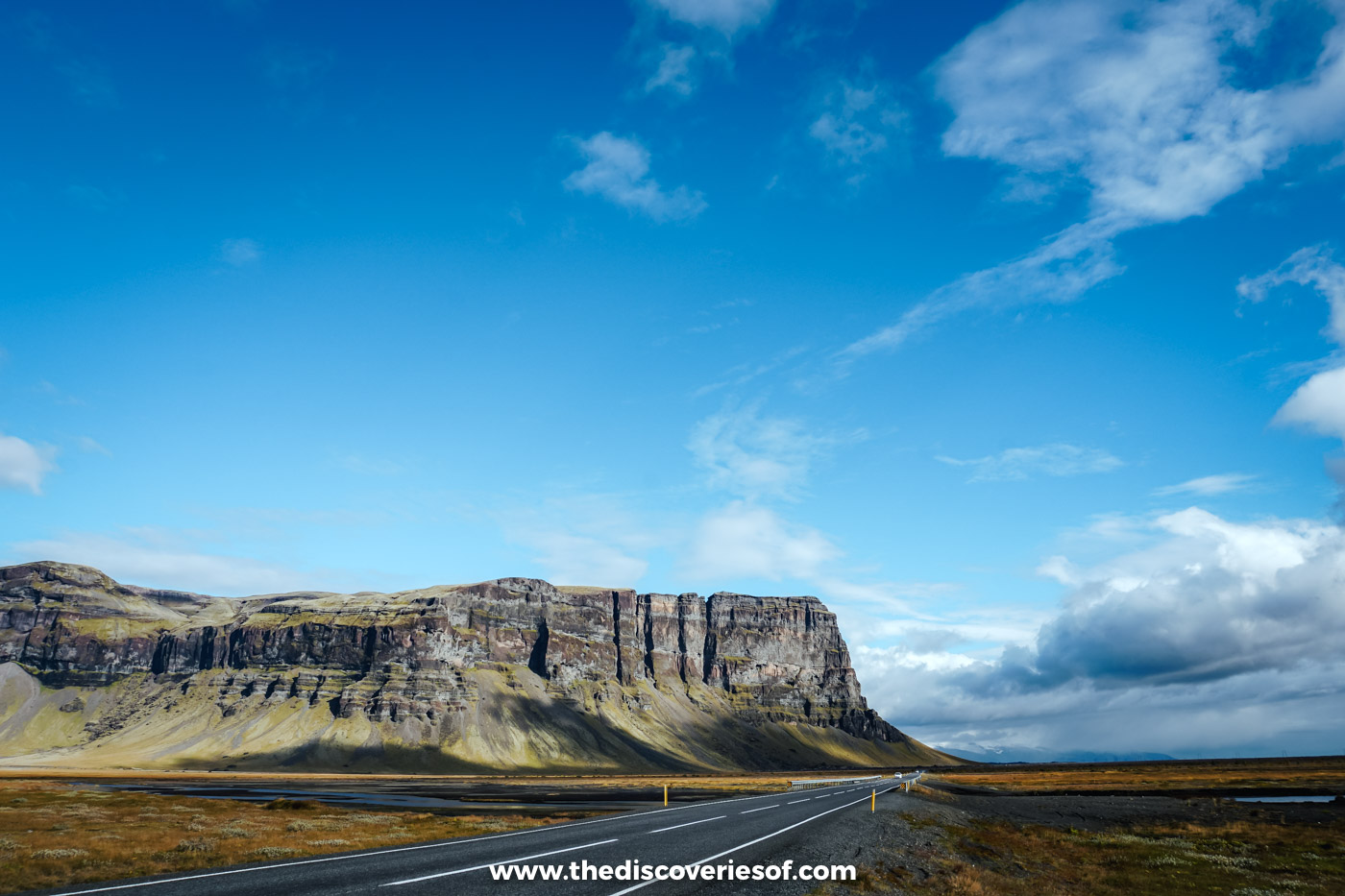
You’ll cover about 1,000 km in a hire car. The longest drives fall in the middle of the week, and no single day has more than about three and a half hours behind the wheel.
Day 1: arrive and get your bearings in Reykjavik
Reykjavik is the appetiser for your trip, a small capital with a big appetite for food, art and late nights. Almost all international flights land at Keflavík, about 50 km from the city, and it makes sense to spend your first two nights here before you pick up a car. You’ll avoid driving tired after a flight, and you won’t pay for a hire car that sits in a car park while you explore on foot.
Getting There
The Flybus and Airport Direct coaches meet every flight and take about 45 minutes to the city, with drop-offs at many hotels. Taxis are always waiting but cost several times as much. If your flight lands late, book a coach that goes straight to your hotel.
See Hallgrímskirkja light up after dark
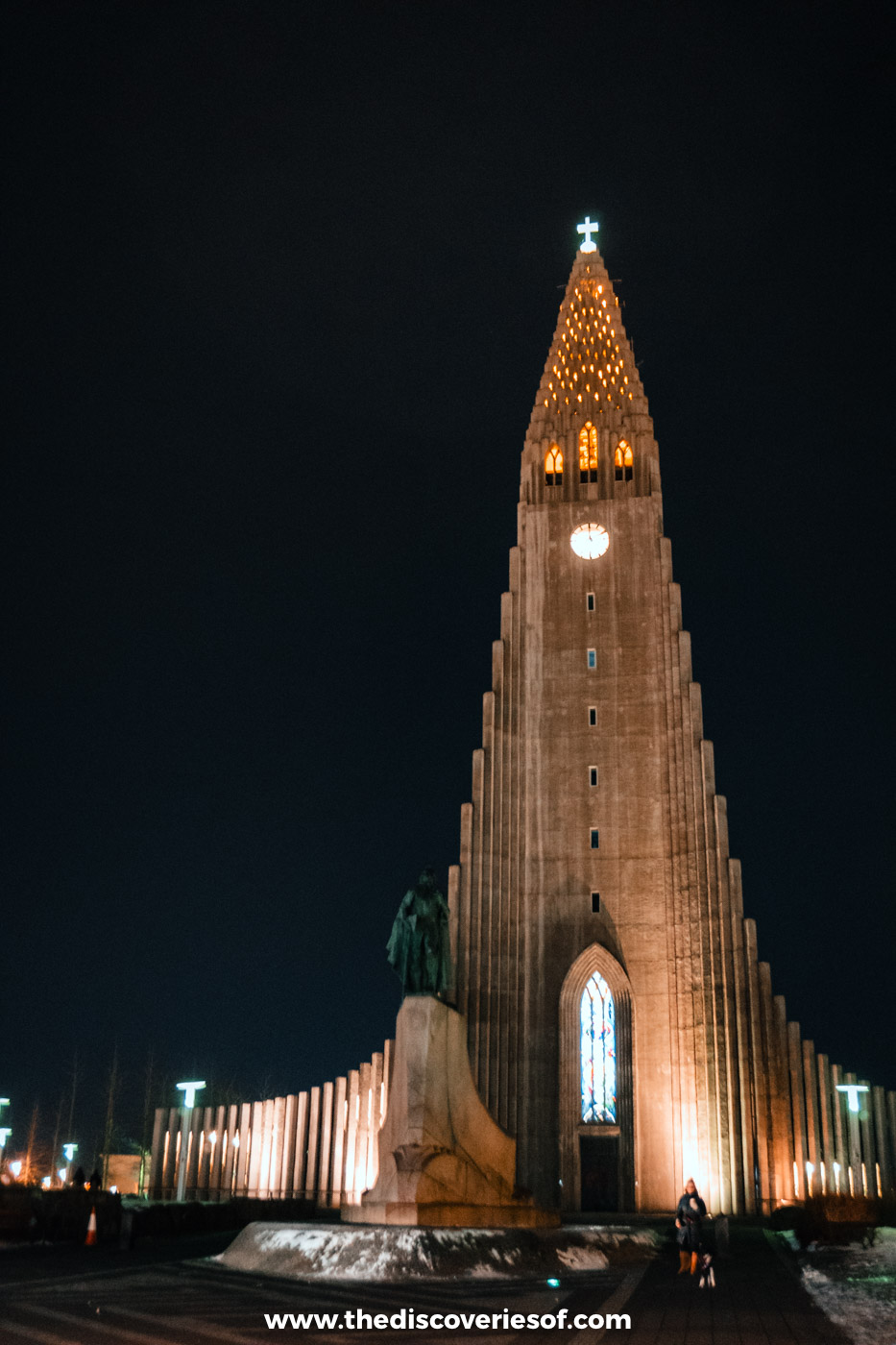
You’ll spot Hallgrímskirkja from almost anywhere in the city: its stepped concrete tower, designed to echo the basalt columns you’ll see on the south coast, is the tallest church in the country at 74.5 metres. It was 41 years in the making and the nave was finally consecrated in 1986.
It’s worth seeing twice. By day, take the lift up the tower (ISK 1,500) for views over the coloured roofs to Mount Esja. Then come back after dark. I went to see it on a December evening, with the floodlights on and the sky pitch black behind it, and the concrete seemed to glow.
Queue for a hot dog at Bæjarins Beztu Pylsur
Hot dogs may seem like an odd thing to put on your bucket list, but trust me, these world-famous dogs are a must-have. Plus, you’ll need to find a snack somewhere on your first evening, so you may as well make it a famous one.
The little red stand on Tryggvagata has been serving them since 1937. The sausages are mostly Icelandic lamb, and the only way to order is “eina með öllu”, one with everything: raw and crispy onions, ketchup, sweet brown mustard and remoulade. I joined the queue on a cold December night, and it didn’t disappoint.
Watch the sun set over the skyline from Grandi
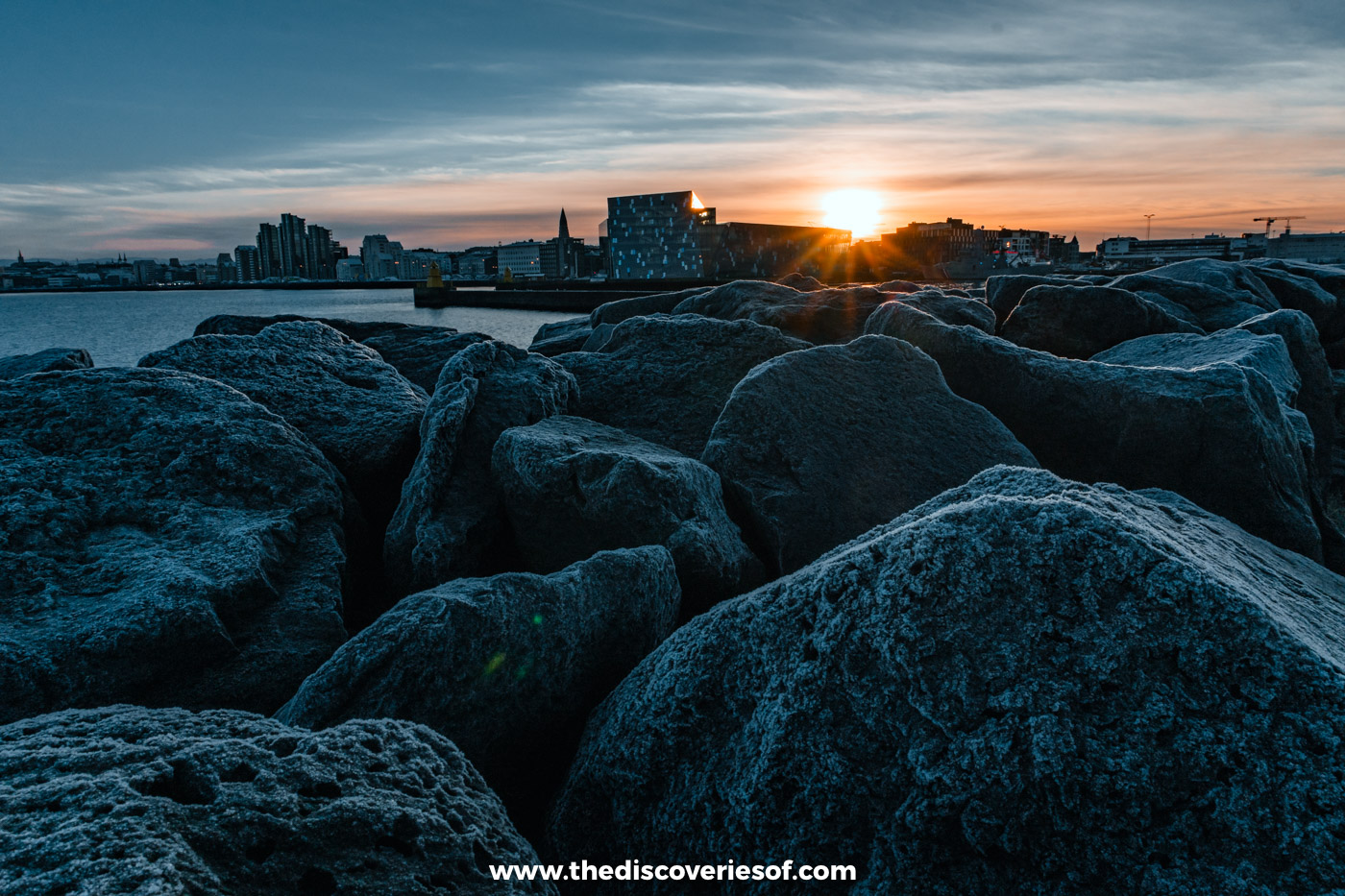
Walk west from the Old Harbour and you’re in Grandi, a district of old fish warehouses turned into restaurants, studios and a chocolate factory. It’s the best spot for a view back across the water to the city. In December the sun barely clears the rooftops, and when I was there it was sinking behind them by mid-afternoon; in June it hardly sets at all.
If the weather turns, the National Museum on Suðurgata is the best introduction to the country’s Viking past, and the Saga Museum in Grandi brings the same stories to life with life-size figures.
Suggested stay in Reykjavik
I stayed at Reykjavik Marina, which was still the Icelandair Marina back then, and it’s my top suggestion for Reykjavik. It sits right next to a dry dock that’s still in use, at the edge of Grandi and a few minutes’ walk from the Old Harbour, where the whale-watching boats leave. The rooms are understated and cosy rather than small, and there are plenty of places downstairs to sit with a drink once it gets dark.
Alternatively, check all accommodation in Reykjavik
Day 2: fly over the island, then soak by the sea
Spend your second day seeing the country from the air and the city from the water. Everything today is within a 15-minute drive or taxi ride of the centre, so you still don’t need a car.
Get a bird’s-eye view at FlyOver Iceland
Start in Grandi at FlyOver Iceland, a flying-theatre ride where you’re strapped into a seat with your legs dangling in front of a huge curved screen, then swept over volcanoes, glaciers, fjords and waterfalls, with wind and mist in your face.
I honestly wasn’t sure what to expect. What won me over was seeing places I’d already stood in, like Jökulsárlón and Reynisfjara, from high above, at a scale you can’t take in from the ground, and swooping over far-flung corners of the country I’d never reached. It’s a brilliant primer for the road trip to come.
Tickets
Allow about 35 minutes, including two short pre-shows and the 8.5-minute ride. Adult tickets are from ISK 5,690 online, and riders must be at least 100 cm tall. You can book this FlyOver Iceland ticket in advance.
Spend an hour with the city’s artists
The Reykjavik Art Museum is spread over three buildings, so pick one. Hafnarhús, a former harbour warehouse near the Old Harbour, shows contemporary art and the pop artist Erró; Kjarvalsstaðir, in Klambratún park, is devoted to the painter Jóhannes Kjarval; and Ásmundarsafn, the domed home of the sculptor Ásmundur Sveinsson, has a sculpture garden outside. You can go through any of them at your own pace, but I recommend spending an hour or so in one.
Have lunch at Hnoss in Harpa
Harpa, the concert hall on the waterfront, is worth a wander for its honeycomb glass facade, designed with the artist Olafur Eliasson, and the free foyers with views across the harbour to Esja. I ate at Hnoss, on the ground floor, and it’s a lovely place to refuel. It now runs as a bistro from 11am to 6pm (later on concert nights), so make it lunch rather than dinner.
Watch the sunset from Sky Lagoon
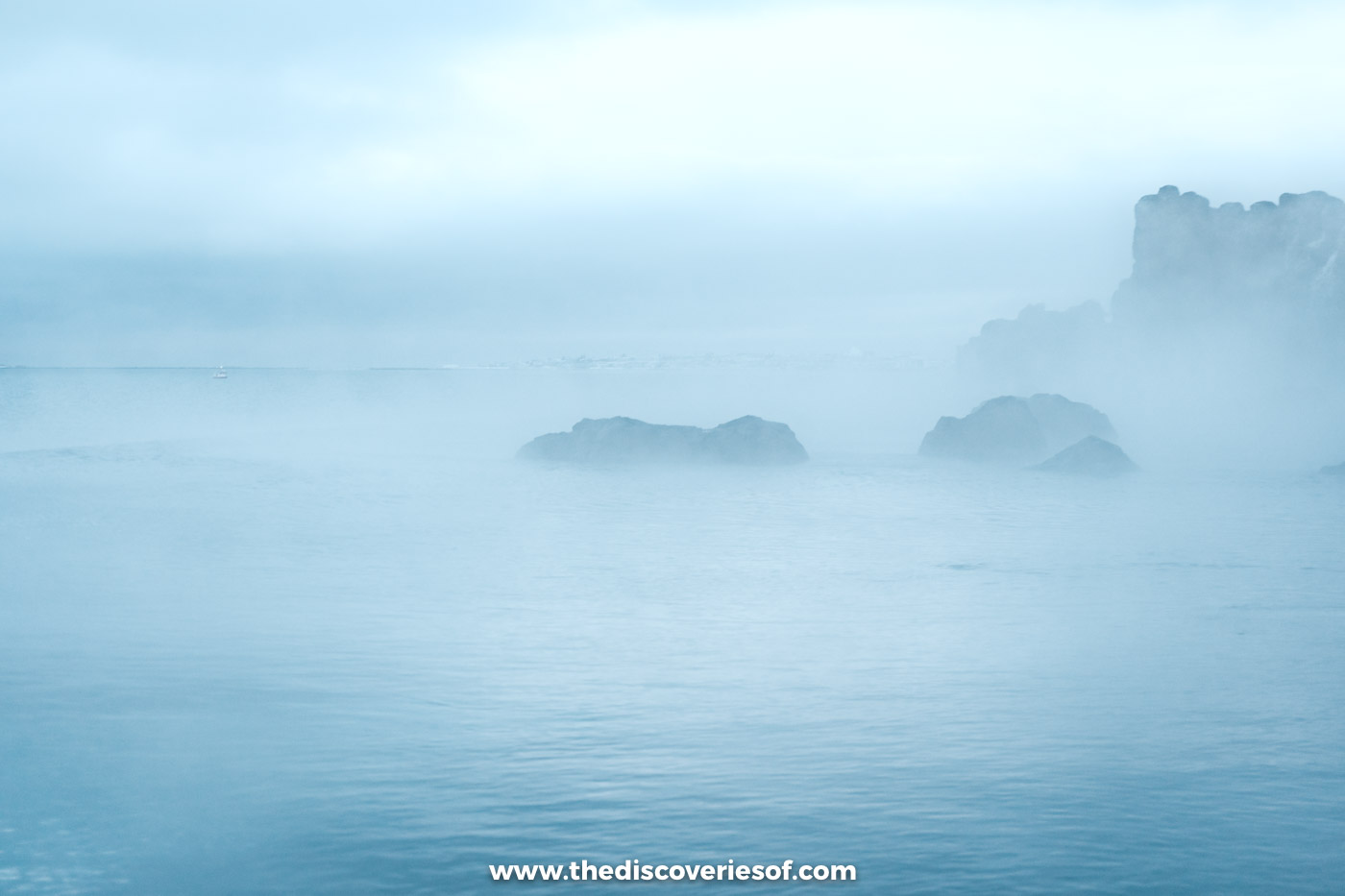
Going to Iceland and not spending time in a geothermal lagoon wouldn’t make sense, and Sky Lagoon, on the Kársnes peninsula about 15 minutes’ drive from the centre, is the one I’d choose for a city stay. The thing I love about Sky Lagoon is its seven-step ritual, which showcases the country’s bathing culture: the warm lagoon, a cold plunge, a sauna with a window over the sea, a cool mist, a scrub, a steam room and a final shower.
Time it for the end of the afternoon in winter. I finished the ritual just as the sun was going down, then lazed in the warm water and watched the sky darken over the ocean. In summer, when the sun barely sets, any slot works.
Tickets
Book a time slot ahead. The Saman pass, with shared changing rooms, is from ISK 14,990 and the Sér pass, with private ones, from ISK 17,990; both include the ritual. Visitors must be 12 or older, and 12 to 14-year-olds need an adult with them.
Eat your way around the city on a food tour

Finish with a guided food tour, which is the quickest way to get under the skin of the city’s food scene and fills you up for the evening. The first plate on mine was Arctic char, a fish a little like salmon, with yuzu and elderflower. Most tours last about three hours with half a dozen tastings, and the brave can try fermented shark along the way. Book ahead in summer and around Christmas.
Day 3: the Golden Circle, from a rift valley to a tomato greenhouse
Pick up your hire car this morning (many hire firms have offices in the city or will deliver to your hotel) and head inland. The Golden Circle is a loop of about 230 km that takes in the three most famous sights near the capital, and the name itself comes from Gullfoss, the “golden waterfall”. It’s popular for good reason, and I did it on my first full day in the country, with a local guide, in early May.
Rather than looping back to the city, this itinerary ends the day in the south, so you’re already on the right side of the country for the waterfalls tomorrow.
Getting There
Reykjavik to Þingvellir takes about 45 minutes, then about an hour to Geysir, 10 minutes to Gullfoss, half an hour to Friðheimar, half an hour to Kerið and 50 minutes to Hotel Rangá. That’s about three and a half hours of driving in all. No car? This Golden Circle day tour covers the big three from Reykjavik.
Walk between two continents at Þingvellir
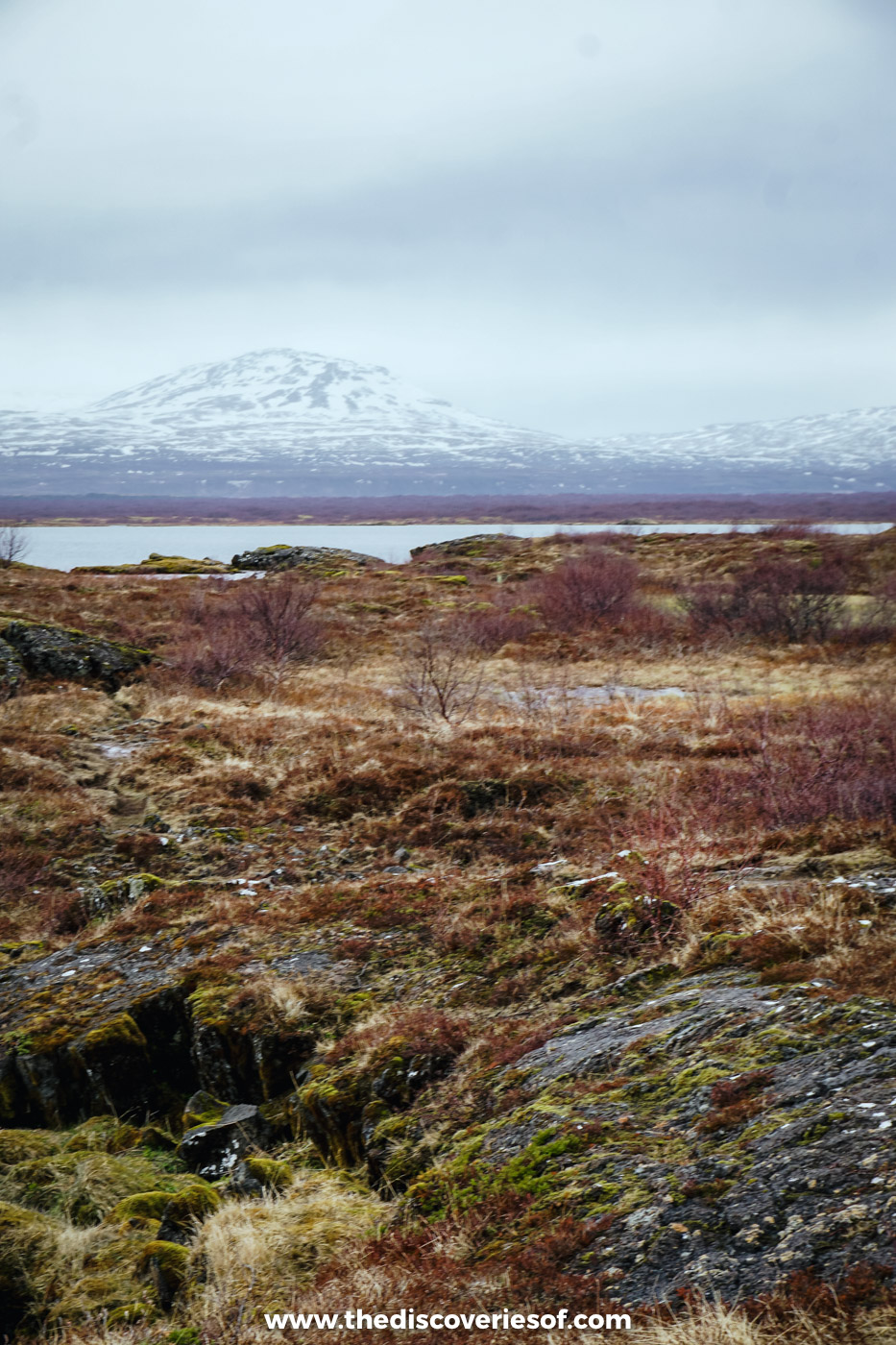
Þingvellir National Park sits in a rift valley where the North American and Eurasian plates are pulling apart, and you can walk down the Almannagjá gorge between walls of lava. It’s also where the Alþingi, one of the world’s oldest parliaments, first met in 930, which is why it’s a UNESCO World Heritage Site.
When I came in May, snow still capped the mountains around Þingvallavatn, the country’s largest natural lake, and the lava along the shore was carpeted in moss still brown from the winter. Give it at least an hour. The park is free to enter; parking costs ISK 1,000 for the day.
Wait for Strokkur to blow
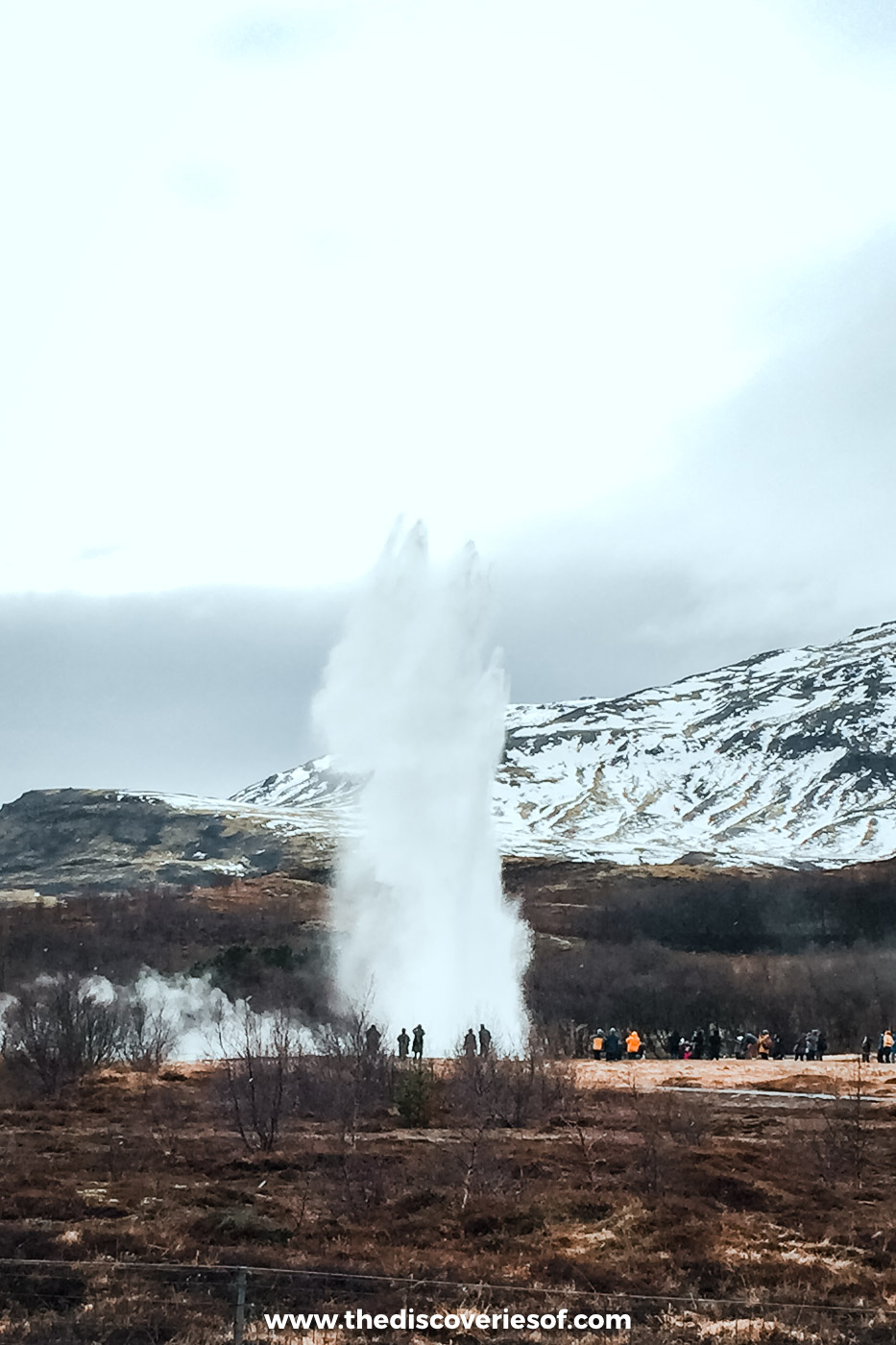
The geothermal field at Haukadalur gave every geyser in the world its name. The Great Geysir itself only rarely erupts these days, but its neighbour Strokkur goes off every five to ten minutes, shooting boiling water 15 to 20 metres into the air and occasionally much higher. Stand upwind unless you want a hot shower, and keep to the paths: the ground and the pools around them are scalding. Parking costs ISK 1,000.
Feel the spray at Gullfoss
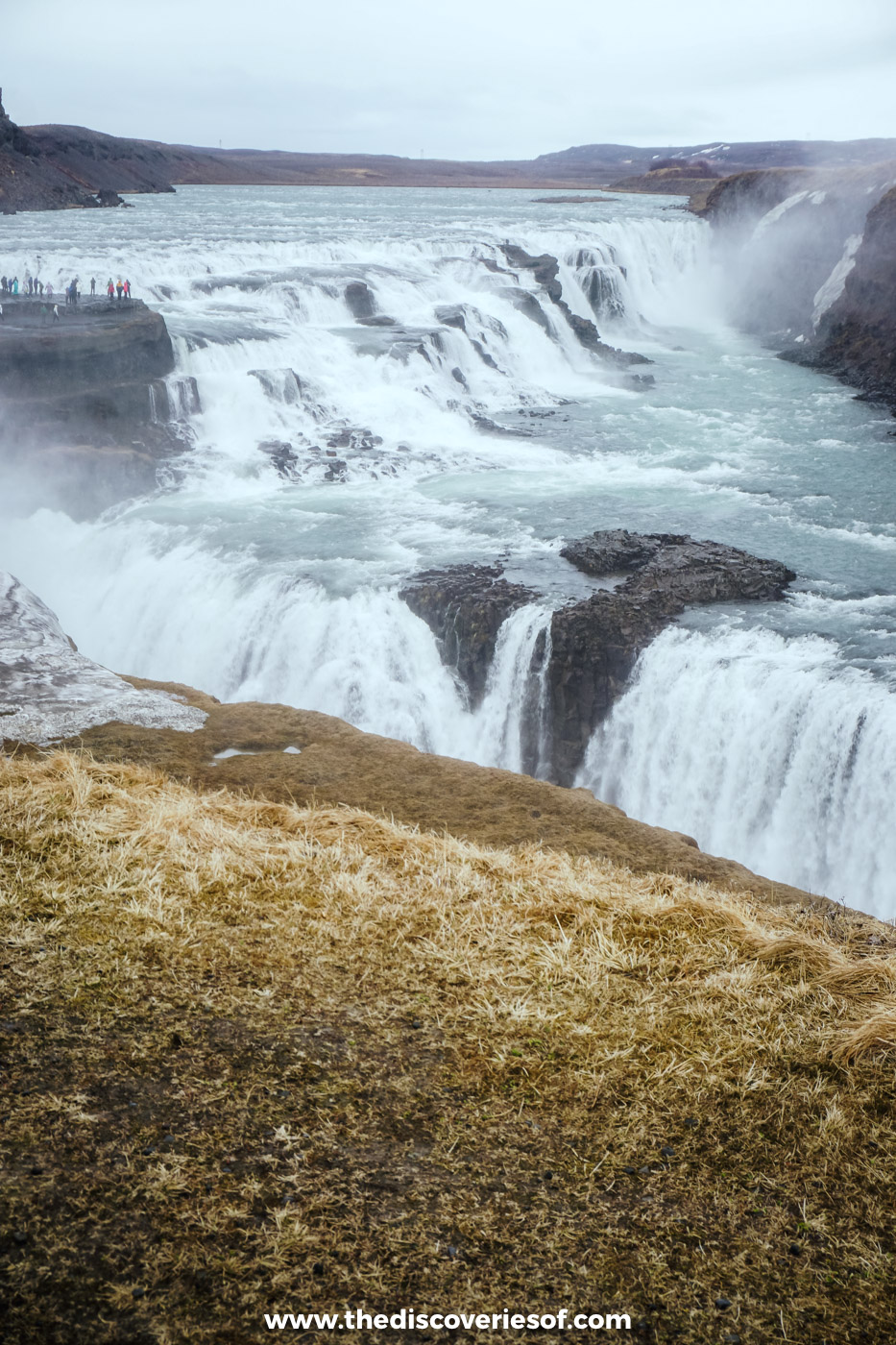
Ten minutes up the road, the Hvítá river drops in two great steps into a canyon at Gullfoss. You have to see this two-tiered waterfall to understand why it’s one of the country’s most famous falls, but I will tell you that it will keep you hypnotised for some time. I’ve seen it twice, under grey May skies and again with rainbows in September. Parking is free.
Have lunch among the vines at Friðheimar
Friðheimar is a family farm in Reykholt that grows tomatoes all year round in geothermally heated greenhouses, and you eat among the vines. Before you frown about it not being eco-friendly (like I did), the heat and power come from geothermal sources. Lunch is tomato soup with fresh bread, and the bar makes a bloody mary with freshly squeezed tomato juice. I ordered one on my May visit, and it’s the drink I remember most from the whole trip.
Top Tip
The restaurant is open daily from 12:00 to 16:00 all year, and you need to book a table, especially in summer.
Peer into the Kerið crater
On the way south, stop at Kerið, a volcanic crater about 55 metres deep whose red and black slopes ring a startlingly blue-green lake. A path runs around the rim and down to the water, and the whole loop takes about half an hour. Entry costs ISK 700. If you have time for one more stop, Skálholt, the old bishop’s seat, is about 15 minutes from Friðheimar.
Suggested stay near Hella
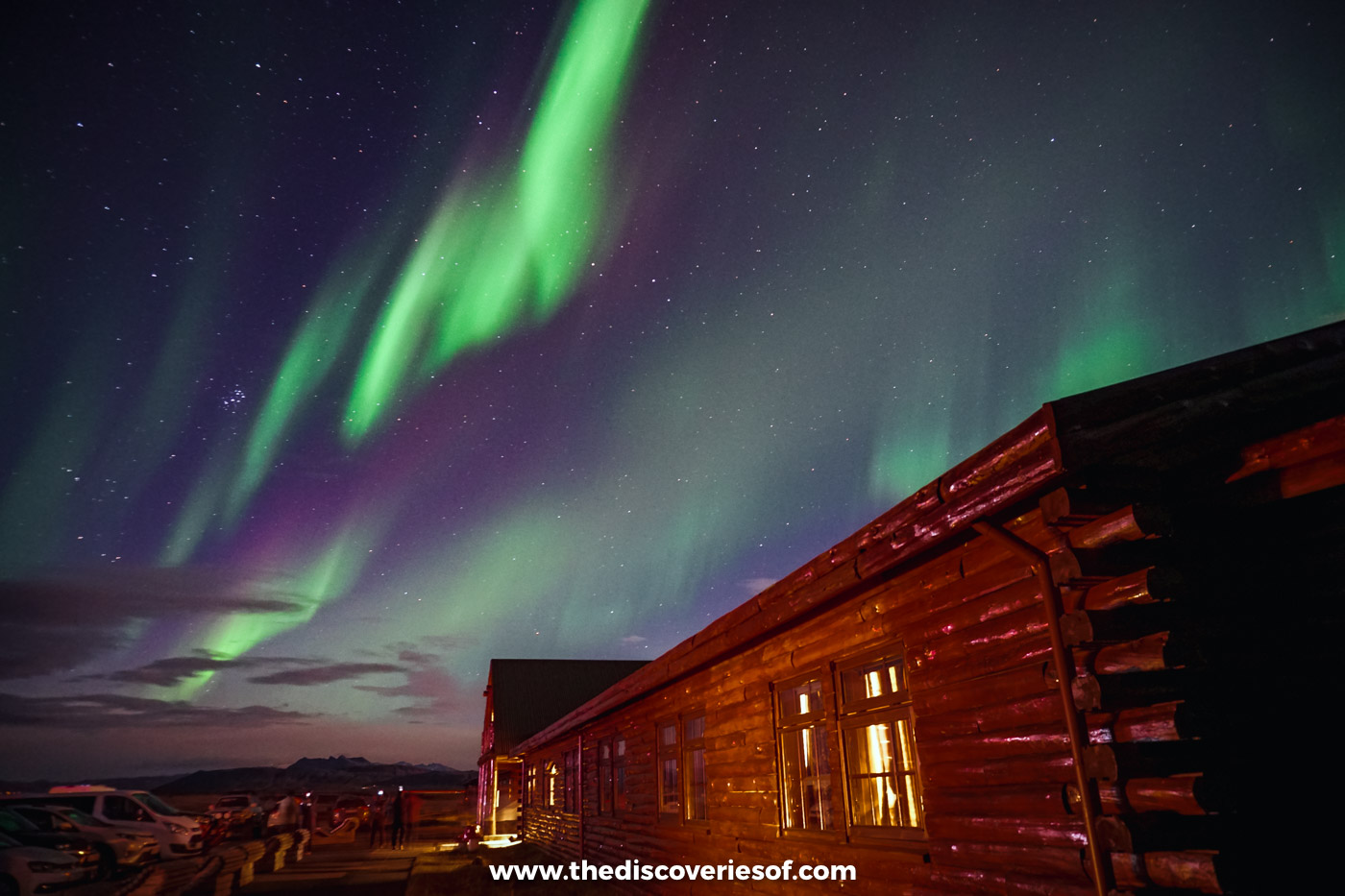
Hotel Rangá is my favourite hotel in the south of Iceland, and I wouldn’t want to suggest you stay anywhere else. I’ve stayed there on two trips. It’s a four-star timber lodge near Hella, in open countryside with almost no light pollution, with hot tubs by the river, an observatory that opens on clear nights from September to April, and a Northern Lights wake-up call: press a button on your room phone and they’ll ring you if the aurora appears. You’ll be back for a second night on day six. Read my Hotel Rangá review for the full story.
Day 4: waterfalls and black sand on the way to Vík
Today is the classic south coast: two waterfalls you can get inside, one you can climb above, and a black sand beach to finish. The driving is short, which leaves time to linger, and the drama builds all the way to Vík.
Getting There
Hotel Rangá to Seljalandsfoss takes about half an hour, then 25 minutes to Skógafoss, half an hour to Reynisfjara and 15 minutes to Vík. That’s under two hours of driving, about 115 km. If you’re not driving, this south coast day tour from Reykjavik covers Seljalandsfoss, Skógafoss, Reynisfjara and Vík.
Start the day in Hella
If you’re up early, do as the locals do and start at the public pool in Hella, a few minutes from Rangá. One morning in May I traded my boots for my swimmers and lost a couple of hours drifting between the warm pool and the hot tubs. Shower without your swimsuit before you get in: it’s the house rule at every pool in the country.
Prefer history? The Caves of Hella, at Ægissíða on the edge of the town, are man-made caves carved into the soft sandstone, and there are theories that they’re older than the Norse settlement itself. A guided tour takes you through three of them, with a peek into two more; book ahead.
Walk behind Seljalandsfoss
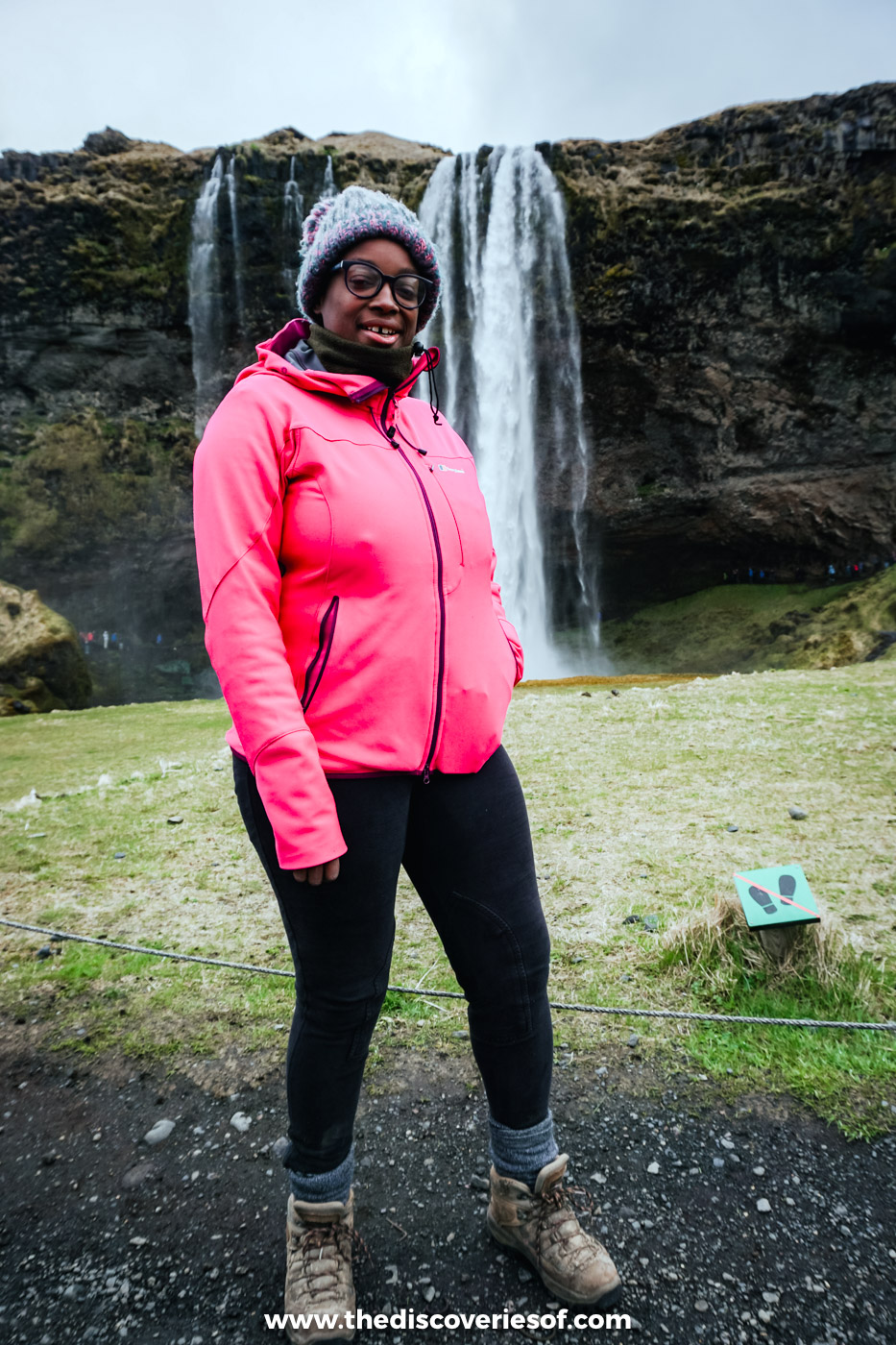
If you’ve ever dreamed of walking behind a waterfall, this is your chance. Seljalandsfoss drops about 60 metres from an old sea cliff, and a path loops right round the back of the curtain of water. I followed it round on my May trip. You will get wet, so wear waterproofs. The car park is beside the falls (ISK 1,000, valid all day) and the path behind is usually closed when it’s icy in winter. More in my guide to Iceland’s waterfalls.
Squeeze into the gorge at Gljúfrabúi
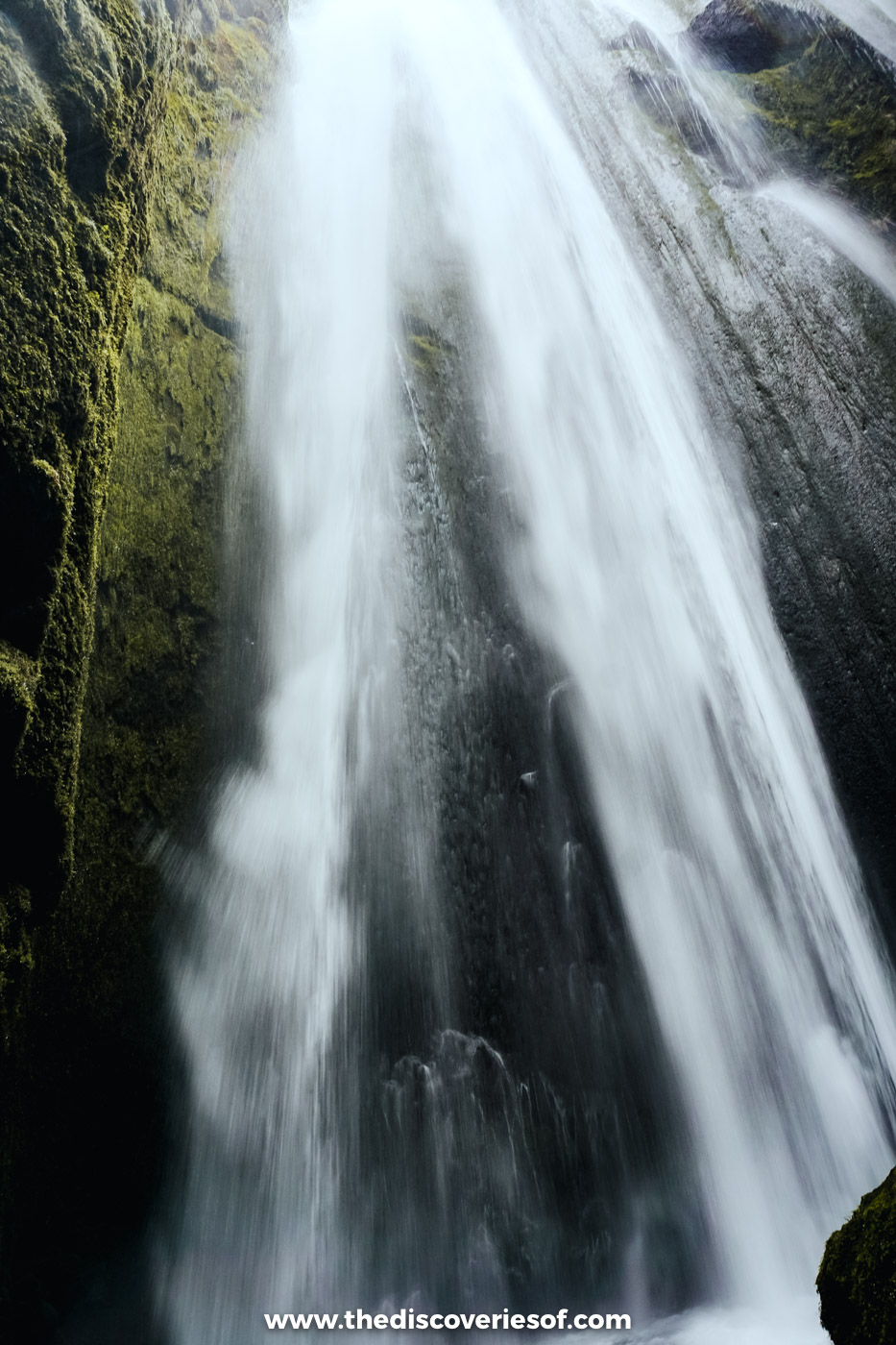
Leave the car where it is and walk five minutes north along the cliff. Gljúfrabúi, the “canyon dweller”, is hidden inside a narrow cleft in the rock, and the only way to see it properly is to step through the gap and pick your way along the stream on stepping stones into the chamber it falls into. I didn’t know what to expect when my guide led me in on my May trip, and I loved how immersive it is: you’re standing in the waterfall’s own chamber with the spray swirling round you. Waterproof boots help.
Climb above Skógafoss
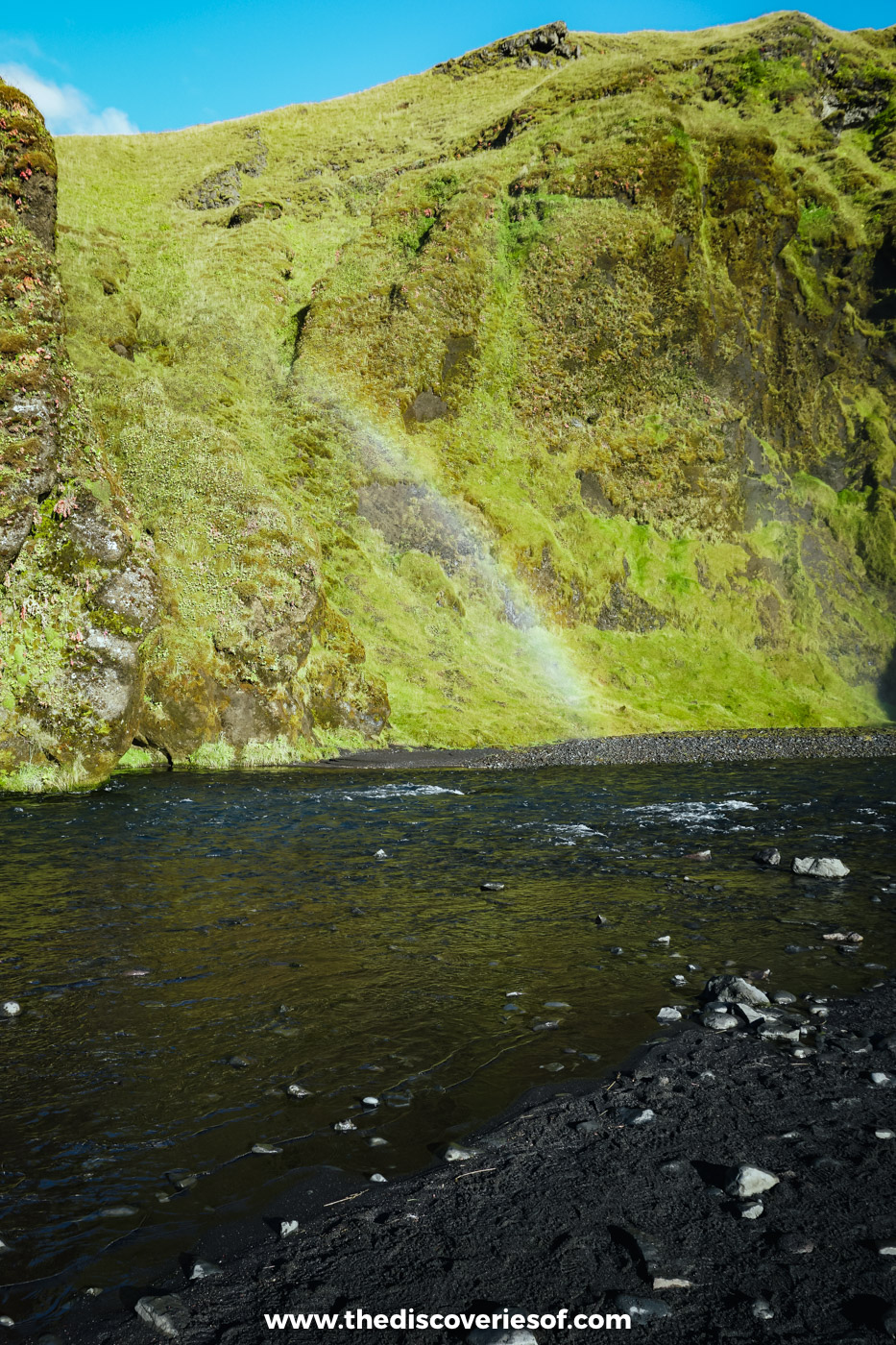
Skógafoss is as wide as it is tall, a 60-metre sheet of water that throws up so much spray that rainbows hang over the river on sunny days. It was in full rainbow mode when I arrived on a bright September morning. I suggest planning a bit more time here, around two hours: the falls are lovely from the bottom, but you can climb the 500-plus steps to the viewing platform at the top and follow the river upstream past a string of smaller falls on the Fimmvörðuháls trail. Parking costs ISK 1,000, and if camping in Iceland is on your wishlist, the Skógar campsite is right by the falls.
Top Tip
Kvernufoss, a 30-metre fall you can also walk behind, hides in a gorge just east of the Skógar Museum. It’s about 1.5 km there and back, and most people driving past have no idea it’s there.
Walk out to the Sólheimasandur plane wreck
In 1973 a US Navy Douglas C-117D made an emergency landing on the black sands of Sólheimasandur, and its fuselage still lies there. It’s a flat walk of just under 4 km each way from the car park on Route 1 (about 45 minutes), across a featureless plain that feels like another planet. Parking costs ISK 750. Skip it if the weather’s bad: there’s no shelter.
Stand well back on Reynisfjara beach
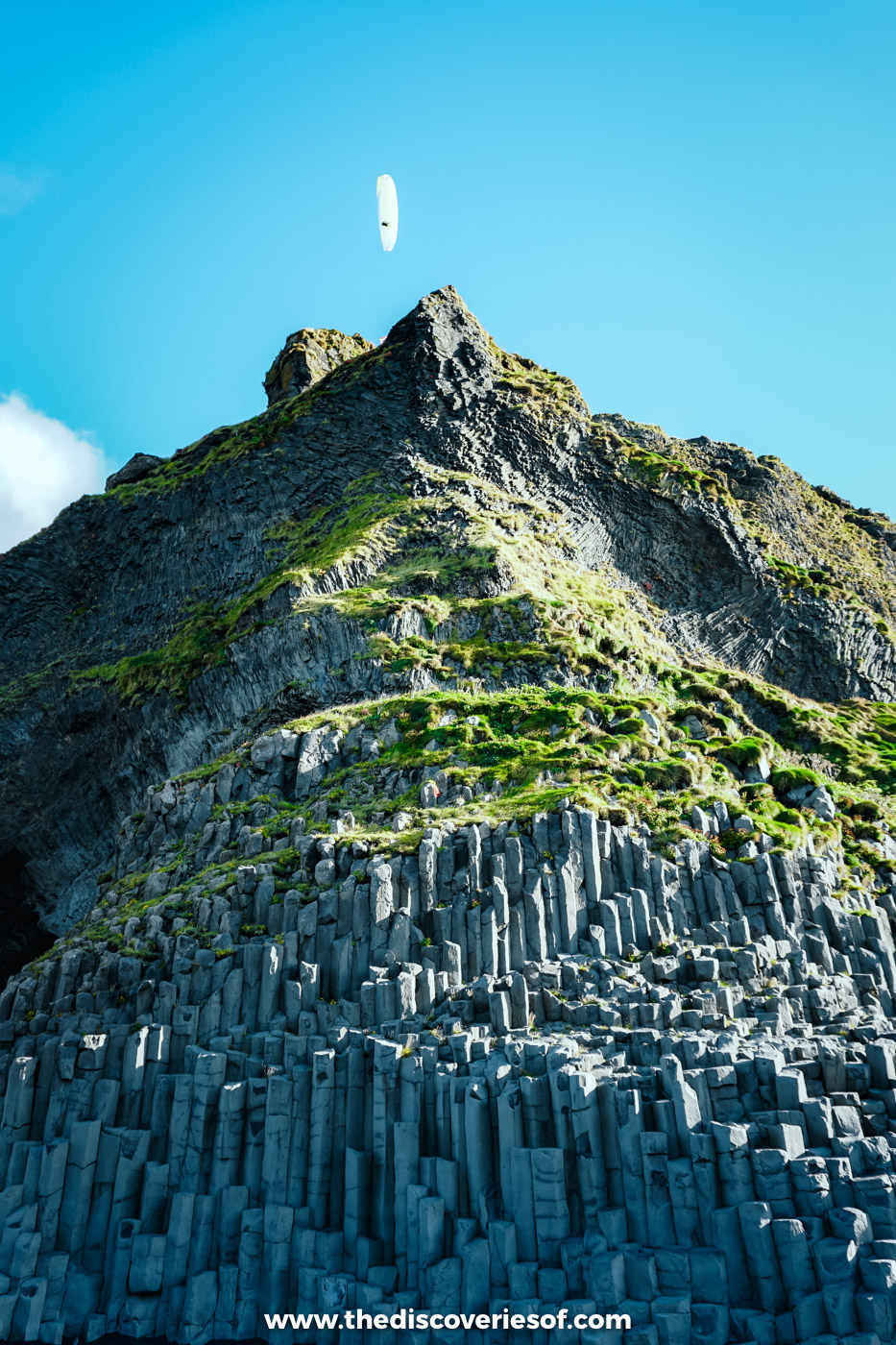
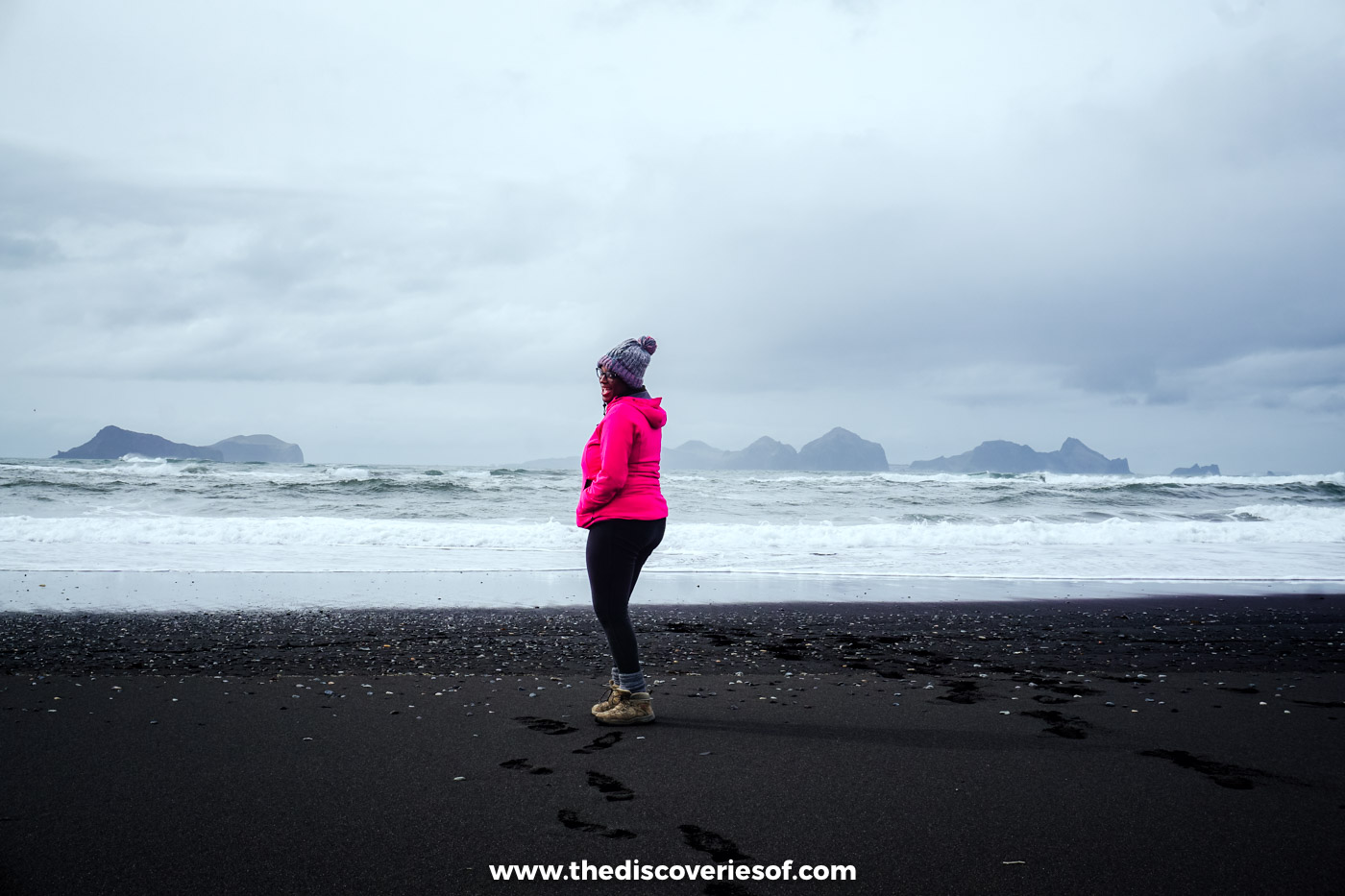
Reynisfjara is the black sand beach everyone comes to see, with its basalt columns, the cave of Hálsanefshellir and the Reynisdrangar sea stacks just offshore. Take a stroll, snap a few photos, and enjoy what I found to be a dazzling beach. Just don’t go near the water!
Its sneaker waves have killed several visitors. A warning light system at the entrance now shows the risk (green, yellow or red), and on red days the columns and the cave are closed. Never turn your back on the sea. Parking costs ISK 1,000.
Suggested stay in Vík
Vík is a pretty village beneath a red-roofed church on the hill, and it’s the last proper town for a while, so fill up with fuel. Hótel Kría, on the edge of the village, is a modern hotel with its own restaurant. For more space, Black Beach Suites, about 7 km west, has stylish studios and apartments a few minutes from Reynisfjara.
Alternatively, check all accommodation in South Iceland
Day 5: across the lava fields to Jökulsárlón
East of Vík the landscape empties out. The road crosses the Mýrdalssandur outwash plain, then mile after mile of moss-covered lava, then the vast grey sands below Vatnajökull, Europe’s largest ice cap by volume. This is the longest drive of the trip, so break it up.
Getting There
Vík to Jökulsárlón is about 190 km, roughly two and a half hours without stops. Fjaðrárgljúfur and Stjórnarfoss are both close to Kirkjubæjarklaustur, about an hour from Vík, and the village is your last good stop for fuel and food before the lagoon.
Walk the rim of Fjaðrárgljúfur canyon
Fjaðrárgljúfur is a twisting canyon about 2 km long and up to 100 metres deep, carved out by meltwater at the end of the last Ice Age. It became famous after it starred in a music video in 2015, and the crowds that followed wore the rim path down so badly that it can now close to protect the ground, especially during the spring thaw, roughly March to May. When it’s open, the walk along the top to the viewing platform takes 45 minutes to an hour there and back. Parking at the lower car park costs ISK 1,000. Check safetravel.is before you turn off.
Pull over at Stjórnarfoss
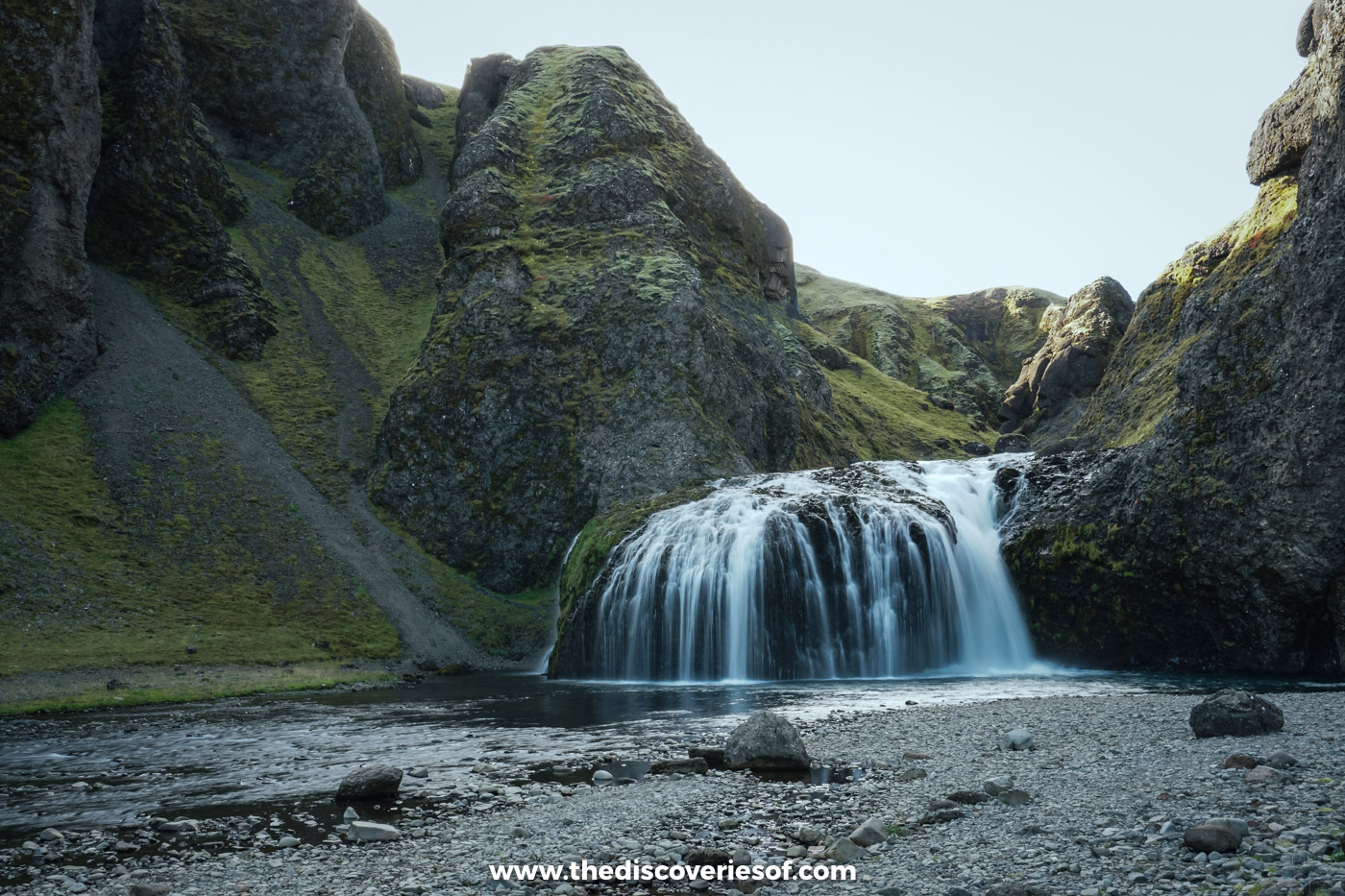
On my September drive, I stumbled across Stjórnarfoss by accident just outside Kirkjubæjarklaustur, and I was so glad I did. Stjórnarfoss tumbles in two steps into a bowl of moss and dark rock, with a pool at the bottom, and it’s a five-minute walk from the car park. It doesn’t make most lists, which is half its charm.
Get your first look at Jökulsárlón
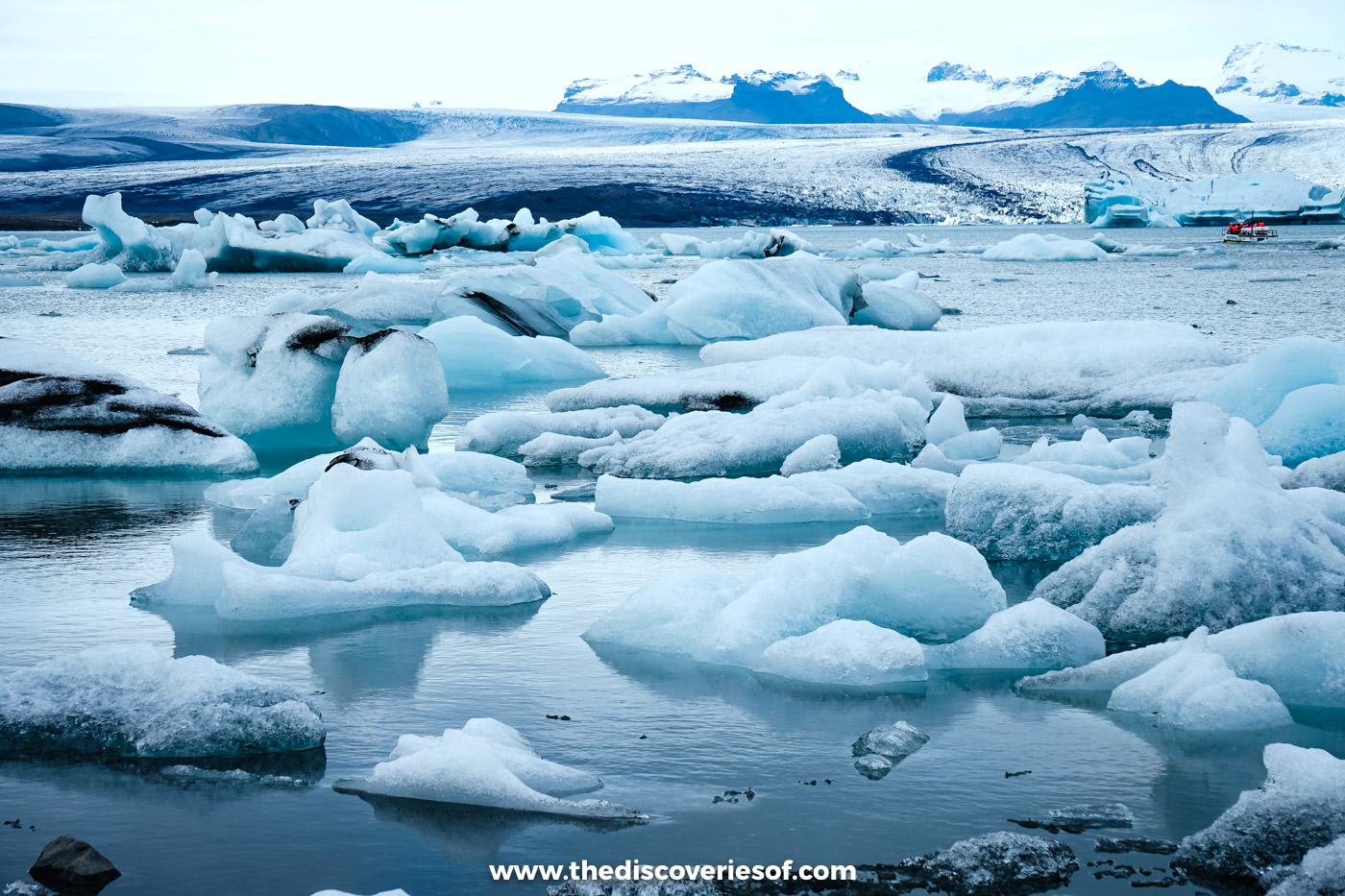
Jökulsárlón may just be my favourite place in Iceland. Icebergs that have broken off the Breiðamerkurjökull glacier drift across a lagoon more than 280 metres deep, the deepest lake in the country, before slipping out to sea under the bridge. Some are milky white, some streaked with ash, some an impossible blue.
When I was here, I barely had time to take enough pictures before I had to head back to my accommodation, but that’s why I suggest a whole day here at least. I came on a day trip from Rangá, and it was a long one: I had to skip the boat, and by the time I wandered over the road to Diamond Beach, late in the day, there was barely any ice left on the sand. Staying nearby fixes all of that. Arrive in the afternoon, walk along the shore away from the car park until the coach crowds thin out, and come back to the lagoon at sunset if the sky looks promising. Parking costs ISK 1,110 for the day.
Read my guide to visiting the glacier lagoon for more tips and FAQs.
Look for diamonds on Diamond Beach
Across the road, chunks of ice washed back ashore glitter on the black sand of Breiðamerkurfjara, better known as Diamond Beach. There are car parks on both sides of the river mouth. The amount of ice changes with the tides and the season, so it’s worth a look in the morning as well. Don’t climb on the bigger pieces: they can roll, and the waves here are as unpredictable as at Reynisfjara.
Suggested stay near the lagoon
The Hali Country Hotel is just 15 minutes east of Jökulsárlón, and it’s where I’d choose to stay when visiting this lagoon. Enjoy a cosy stay here with rooms overlooking Vatnajökull and a delicious buffet breakfast to start your day. Heading west instead, Fosshotel Glacier Lagoon, about 25 minutes from the lagoon, is a bigger, more modern option with dark skies around it for the aurora.
Alternatively, check all accommodation near Jökulsárlón
Day 6: icebergs up close, then back west to Rangá
Have the lagoon to yourself first thing, then work your way back west through Vatnajökull National Park. The drive back to Rangá is about three and a half hours, which is exactly what I did in September, so save the long stretch for the late afternoon, when the light over the sands is at its best.
Getting There
Jökulsárlón to Fjallsárlón is about 10 minutes, then 40 minutes to Skaftafell and about three hours to Hotel Rangá, roughly 300 km in all. A Skaftafell parking ticket is half price if you’ve already paid at Jökulsárlón the same day.
Take a boat among the icebergs
This is the reason for staying over. Two kinds of boat leave from the lagoon: amphibian boats, which drive off the shore and cruise among the icebergs for 30 to 40 minutes (ISK 7,100, May to November), and faster Zodiacs, which get right up to the glacier face in about 75 minutes (ISK 16,600, May to October, minimum height 130 cm). Kayak trips run in the summer months. The Jökulsárlón tours on GetYourGuide include the boats and kayaks.
Get face to face with a glacier at Fjallsárlón
Ten minutes west, Fjallsárlón is a smaller lagoon where the Fjallsjökull glacier tumbles almost to the water, with far fewer people. I pulled in on my way back from Jökulsárlón: the glacier face is much closer to the shore here than at the big lagoon. Parking is free.
Walk on a glacier at Skaftafell
Skaftafell is the base for the classic glacier walks, roped up on crampons with a guide on the Falljökull or Svínafellsjökull tongues. This easy Falljökull glacier hike takes three hours, about half of it on the ice. From roughly October to March, guided trips also go into the blue ice caves under Vatnajökull. Never walk on a glacier or enter an ice cave without a guide.
No time for the ice? The visitor centre is also the start of the walk up to Svartifoss, the waterfall framed by black basalt columns, which I squeezed in on the way back from the lagoon. It’s in my guide to Iceland’s waterfalls.
Chase the Northern Lights back at Rangá
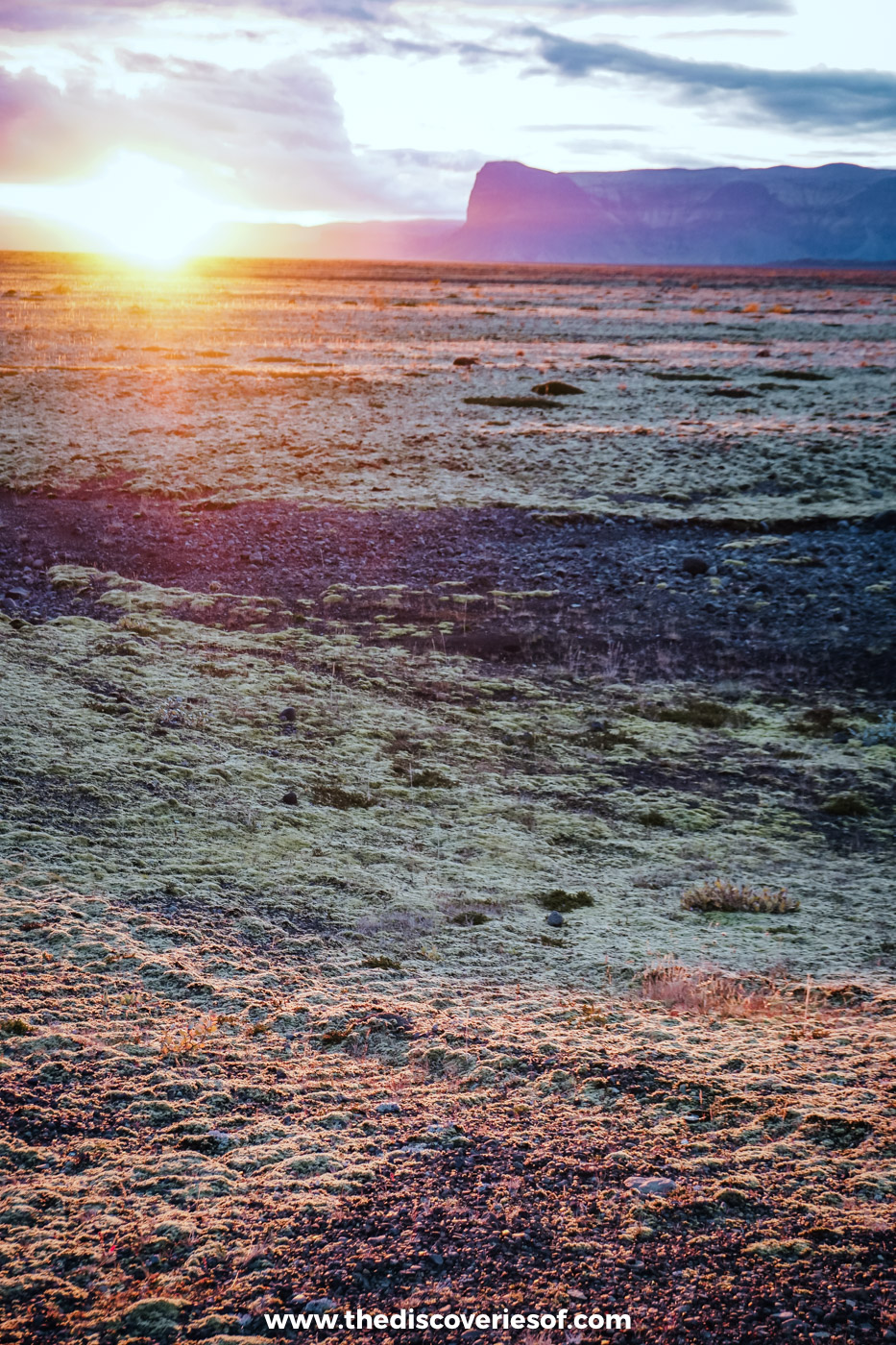
That long day out to the lagoon and back was one of the most memorable of all my trips, and the last stretch west across the sands, with the sky turning pink over the mountains and the road empty ahead, is the part I picture first. Then, if you’re travelling between September and April, keep watch after dark. I saw the aurora from Hotel Rangá on two nights in a row around the September equinox, and there are few better places in the south to see it: it’s dark, open countryside, and the hotel will wake you if the lights come out.
Suggested stay for your last night
Back to Hotel Rangá for your last night. It’s well placed for the morning: Urriðafoss is 20 minutes away and the airport about two hours.
Day 7: Urriðafoss, Reykjanes and the flight home
Your last day takes the scenic way back to Keflavík, with a waterfall most people speed past and the volcanic Reykjanes peninsula, which sits right by the airport.
Getting There
Hotel Rangá to Urriðafoss takes about 20 minutes, then about an hour and 45 minutes to Gunnuhver via Reykjavik, and 20 minutes from there to the airport. With stops, allow five hours before you need to check in.
Have Urriðafoss almost to yourself
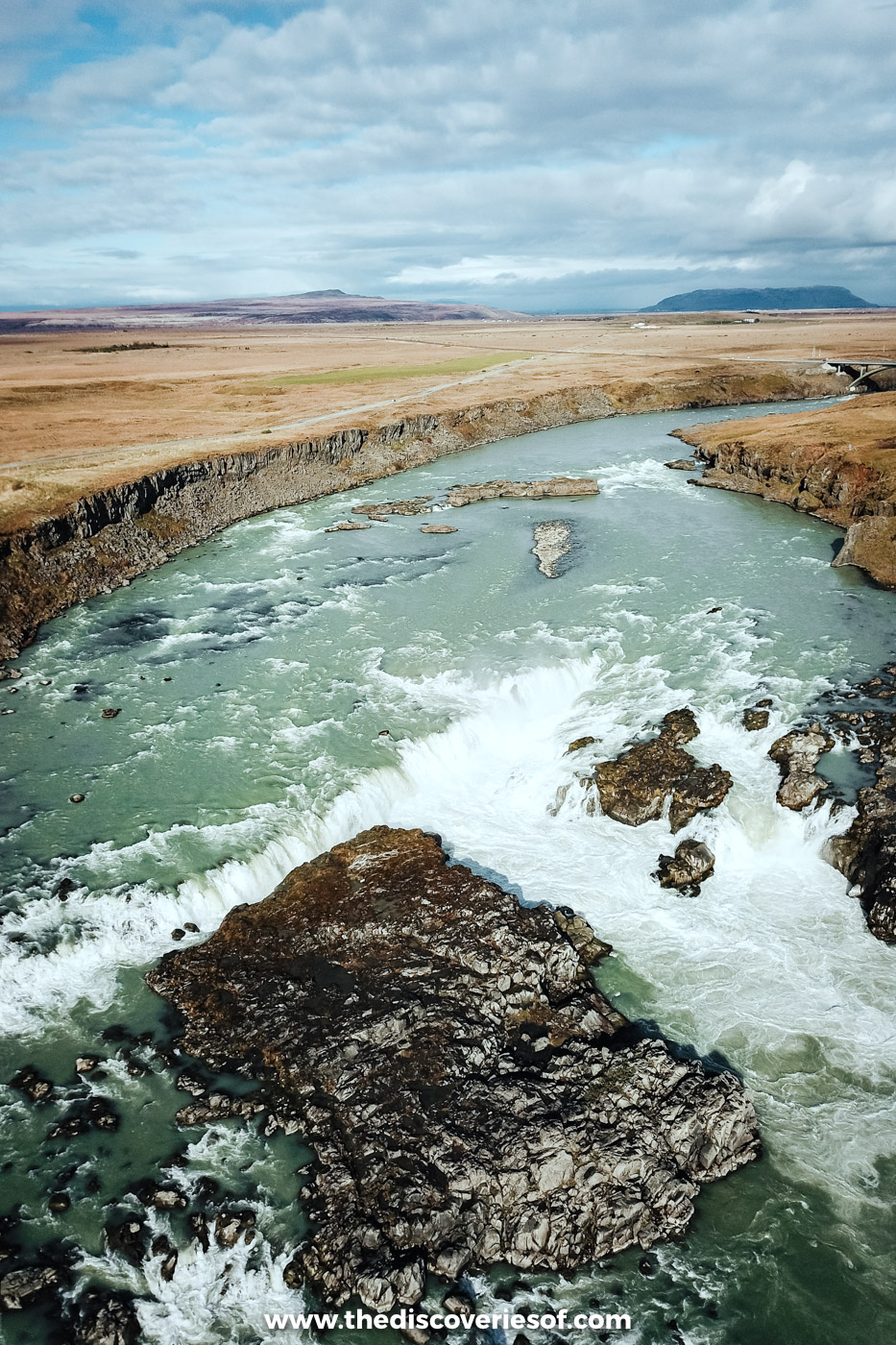
Picture this. It’s your last morning in Iceland, and you want one more waterfall without the coach crowds. That was me on a Sunday in September, and the only other people at Urriðafoss were a family and someone fishing the river. It isn’t tall, but it’s the most powerful waterfall in the country by volume: the Þjórsá, the longest river, pours over a low, wide ledge here at around 360 cubic metres a second. Turn off Route 1 just before the Þjórsá bridge onto Urriðafossvegur; it’s a few minutes’ walk from the car park.
Walk through the steam at Gunnuhver
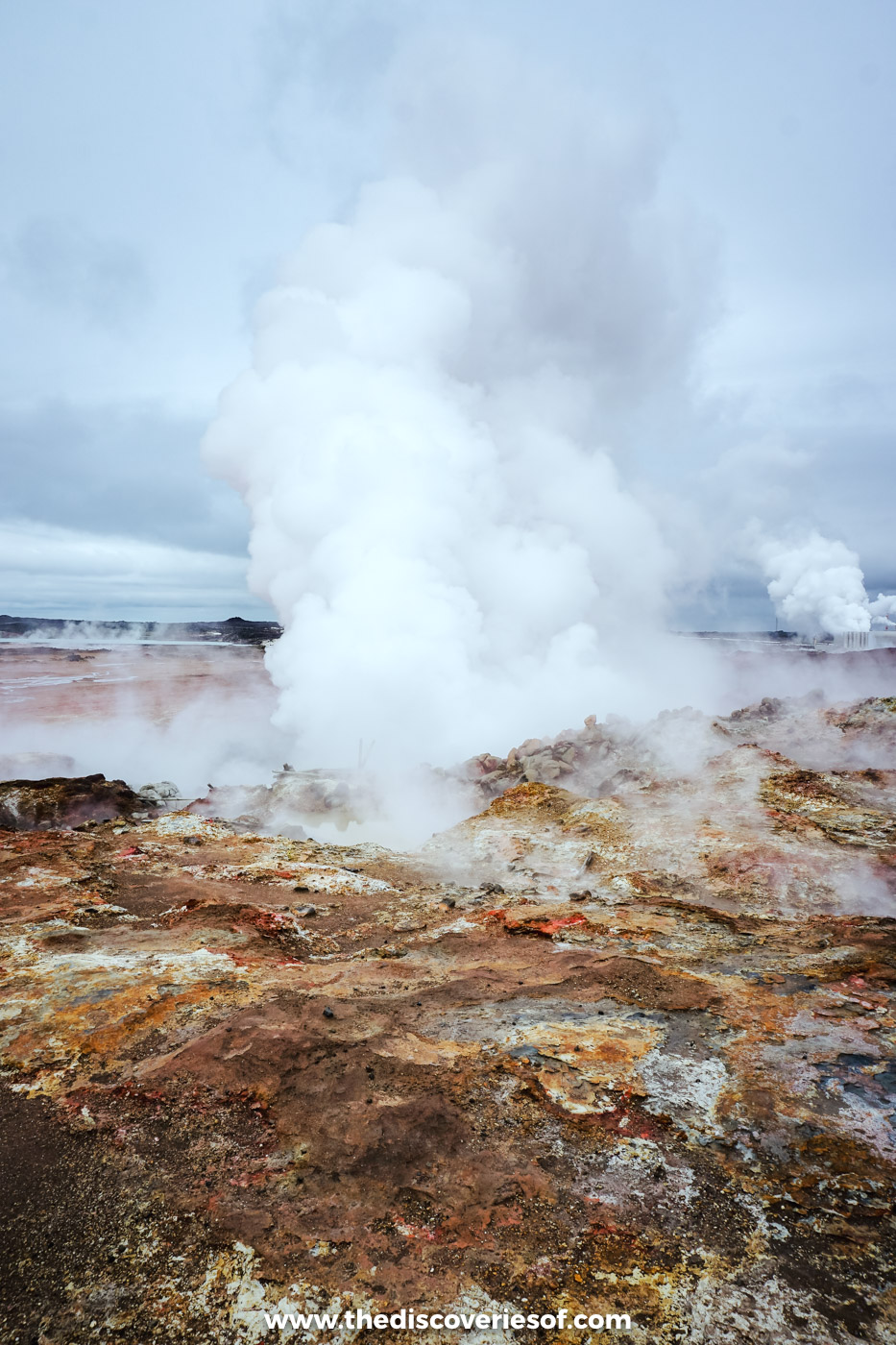
The Reykjanes peninsula is where Iceland’s volcanic plumbing comes closest to the surface. Gunnuhver, near the southwestern tip, is a field of boiling mud pools and roaring steam vents named after a ghost who, according to legend, was trapped in the hot spring. I stopped here on my last day in May, with steam billowing off the ground all around. Keep to the boardwalks and viewing platforms: the ground is scalding. Entry and parking are free, and it’s about 20 minutes from the airport.
Close by are the Reykjanesviti lighthouse and the Bridge Between Continents, a footbridge across a fissure between the North American and Eurasian plates.
Decide whether the Blue Lagoon is worth it
The Blue Lagoon is the country’s most famous geothermal spa, about 20 minutes from the airport, so it’s a popular last stop. I’ve never been: on my first trip, I chose a local pool over paying that much to sit in one of the busiest tourist spots in the country. If you do want to go, book a time slot ahead (the Comfort package is from ISK 11,990) and check the news before you set off. The area around Grindavík has had a series of eruptions since 2023, the last from July to August 2025, and the lagoon has closed at short notice during them, so check its website and safetravel.is for the latest.
Have more time? Add these to your itinerary
- A super jeep day to Þórsmörk: from Hvolsvöllur, near Rangá, Midgard Adventure runs super jeep days (from about ISK 39,000, six to eight hours) across rivers into the Þórsmörk valley. Mine, in May, was one of the highlights of my first trip: a day of caves, canyons and river crossings that no hire car could reach. Add a second night at Rangá to fit it in. More in my guide to Iceland’s hidden gems.
- The Snæfellsnes peninsula: often called “Iceland in miniature”, it packs a glacier-topped volcano, black and golden beaches, lava fields, the much-photographed Kirkjufell (climbing it is now banned) and the black church at Búðir into one corner of the west. The drive from Reykjavik takes about two hours (although I suggest planning some extra time to stop and admire the scenery), so add two days at the start of the trip. Búðir village has only one hotel, which I suggest you book into for the night: Hotel Búðir, also one of my top Northern Lights hotels in Iceland. No car? This full-day Snæfellsnes tour goes from Reykjavik.
- The whole Ring Road: the full loop is 1,322 km, and seven days doesn’t do it justice. With ten days or more, carry on east from Jökulsárlón through the eastfjords to Mývatn and Akureyri in the north. The Ring Road guide covers the full circuit day by day.
Map
Handy tips for planning your 7 day Iceland itinerary
Top tips
- Drive it in this direction. Starting in Reykjavik means you’re not driving after a long flight, and finishing on Reykjanes keeps your last day within easy reach of the airport.
- Check the roads and weather every morning. If you’re going to be driving yourself, then I suggest taking a look at the Safe Travel Iceland website for alerts, and at umferdin.is, the road authority’s live conditions map (road.is now redirects there). Wind can close the south coast road in winter.
- Pay for parking by app. Most car parks on this route (Þingvellir, Geysir, Seljalandsfoss, Skógafoss, Reynisfjara, Jökulsárlón, Skaftafell) charge ISK 750 to 1,110 through apps such as Parka or machines on site, and unpaid fees are passed to your hire company with a surcharge.
- Book ahead. Sky Lagoon, Friðheimar and your night near Jökulsárlón are the bookings that sell out first.
What to pack
- A waterproof jacket and trousers: Seljalandsfoss, Gljúfrabúi and Skógafoss will all soak you.
- A swimsuit: if you’re visiting the geothermal pools (which I suggest you do), you need one, and Sky Lagoon too.
- Your complete packing list will depend on the time of year you visit, so see my complete packing list for more help.
Best time to visit
This route works all year, but it changes character with the seasons, and of the three I’ve seen, May and September are the ones I’d pick. May gives you long light, snow on the peaks and waterfalls in full flow, but no aurora. In September the light still lasts long enough for the drive to Jökulsárlón, the crowds have thinned and the Northern Lights are back. December brings about four hours of daylight, so you’ll do less in a day, but steaming lagoons and lights after dark make up for it. Between November and March, consider swapping a driving day for a tour, and give yourself slack for road closures. My guide to the best time to visit Iceland breaks it down season by season.
Getting around
A hire car is the easiest way to do this itinerary. Pick it up on day three rather than at the airport. The Ring Road is paved all the way to Jökulsárlón and you won’t need an F-road, so a 4×4 isn’t essential, though the extra grip helps in winter, when hire cars come with winter tyres. Fuel stations are spread thinly east of Vík, so fill up there and in Kirkjubæjarklaustur.
If you’re not taking guided tours and haven’t rented a car, then I suggest you plan your trip in advance so that you can arrange transport. Strætó buses run along the south coast, but they’re infrequent and not cheap, and they won’t drop you at every sight. The alternative is to base yourself in Reykjavik and use day tours. Search for flights on Skyscanner.
Read next
- The best time to visit Iceland
- Is Iceland expensive?
- Things to do in Reykjavik
- Iceland’s Golden Circle guide
- Iceland landmarks to add to your list
- Top tips for travelling to Iceland
- The best things to do in Iceland
- 3 days in Iceland: 5 waterfalls, a geyser and a black sand beach from one base
- How many days do you need in Iceland? What three trips in three seasons taught me
Love this? Save and share on Pinterest

Discover the top things to do, insider tips and hidden gems in our Iceland Travel Guide.
Read the guides →