23 best things to do in Luxor, from sunrise balloons to painted tombs
From the tombs of the Valley of the Kings to the vast temple complex at Karnak, Luxor is ancient Egypt at its most spectacular. This...
Read Article
Painted tombs in the Valley of the Kings, the forest of columns at Karnak and balloons drifting over the West Bank at sunrise. Plan your trip to Luxor, from which tombs to choose and when to go to where to stay and how to get around.
Sure, Cairo has the pyramids and Aswan has Philae, but Luxor seemingly has it all. There’s the Valley of the Kings, forever entwined with the stories of pharaohs like Tutankhamun, and the vast temple complex of Karnak, before you even get to Hatshepsut’s temple and Luxor Temple. Ancient Thebes was Egypt’s capital at the height of its power, and the city still splits between the temples of the living on the East Bank and the tombs of the dead on the West.
It was the destination I was most excited about on my Egypt trip and, spoiler alert, it didn’t disappoint. I arrived in early June at the end of an overnight felucca trip from Aswan, stayed on the West Bank and packed in as much as I could: a sunrise balloon flight, a private tour of the Valley of the Kings and the Valley of the Queens, Hatshepsut’s temple, the Colossi of Memnon and Karnak.
Some links in this article may be affiliate links, which means we may receive a small commission, at no additional cost to you, if you decide to purchase through one of my recommended partners.
The most comfortable time to visit is from October to April. December to February is peak season, so book ahead, while October to November and March to April are a good balance of weather and crowds.
Summer is extremely hot, often over 40°C. My trip was in late May and early June, and it was hot but still bearable, and quiet: plan your sightseeing for early morning and late afternoon. Balloon flights were suspended over the hottest summer months in 2026, so check before you book a summer trip.
On 2 August 2027, Luxor will be close to the centre of a total solar eclipse, with around six minutes of totality.
Stay here to be close to the tombs and temples of the dead, with quieter evenings and views across the Nile. I stayed at El Mesala, on the riverfront by the ferry landing, opposite Luxor Temple.
The modern city, with Karnak, Luxor Temple, the museums and the widest choice of hotels and restaurants on your doorstep. The big resorts line the Nile south of Luxor Temple and north of Karnak.
My guide to where to stay in Luxor compares the two banks, with more hotels on each.
Pack light, loose clothes that cover your shoulders and knees, a sun hat, comfortable shoes for the dusty West Bank sites and a refillable water bottle. A warm layer helps on the balloon at dawn. My Egypt packing list has the rest.
Travel insurance is the fail-safe that’ll help any trip meet your expectations, from medical emergencies to theft and cancellations. Check that your policy covers activities like hot air ballooning.
Sign up for insider tips straight to your inbox.
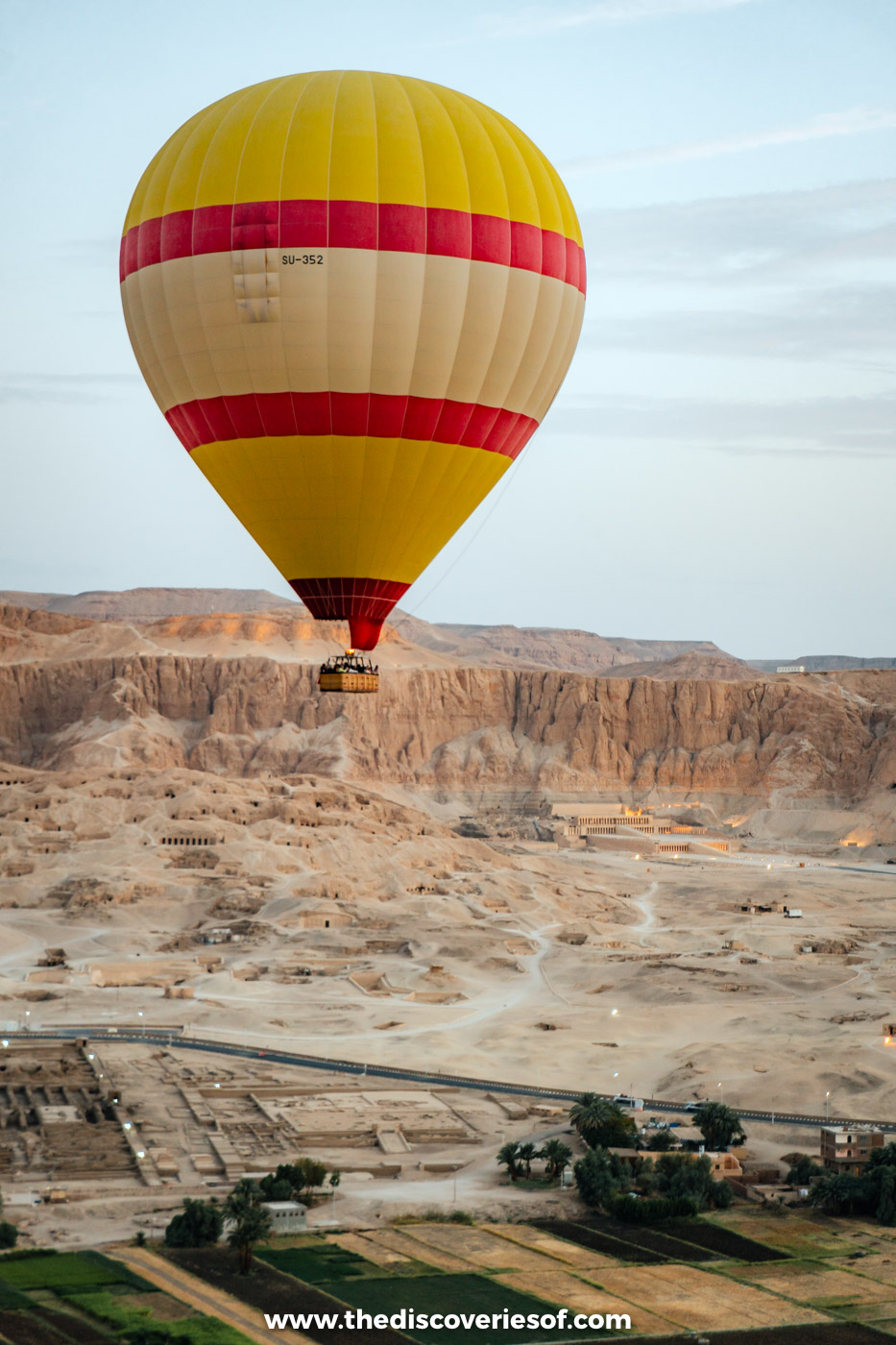
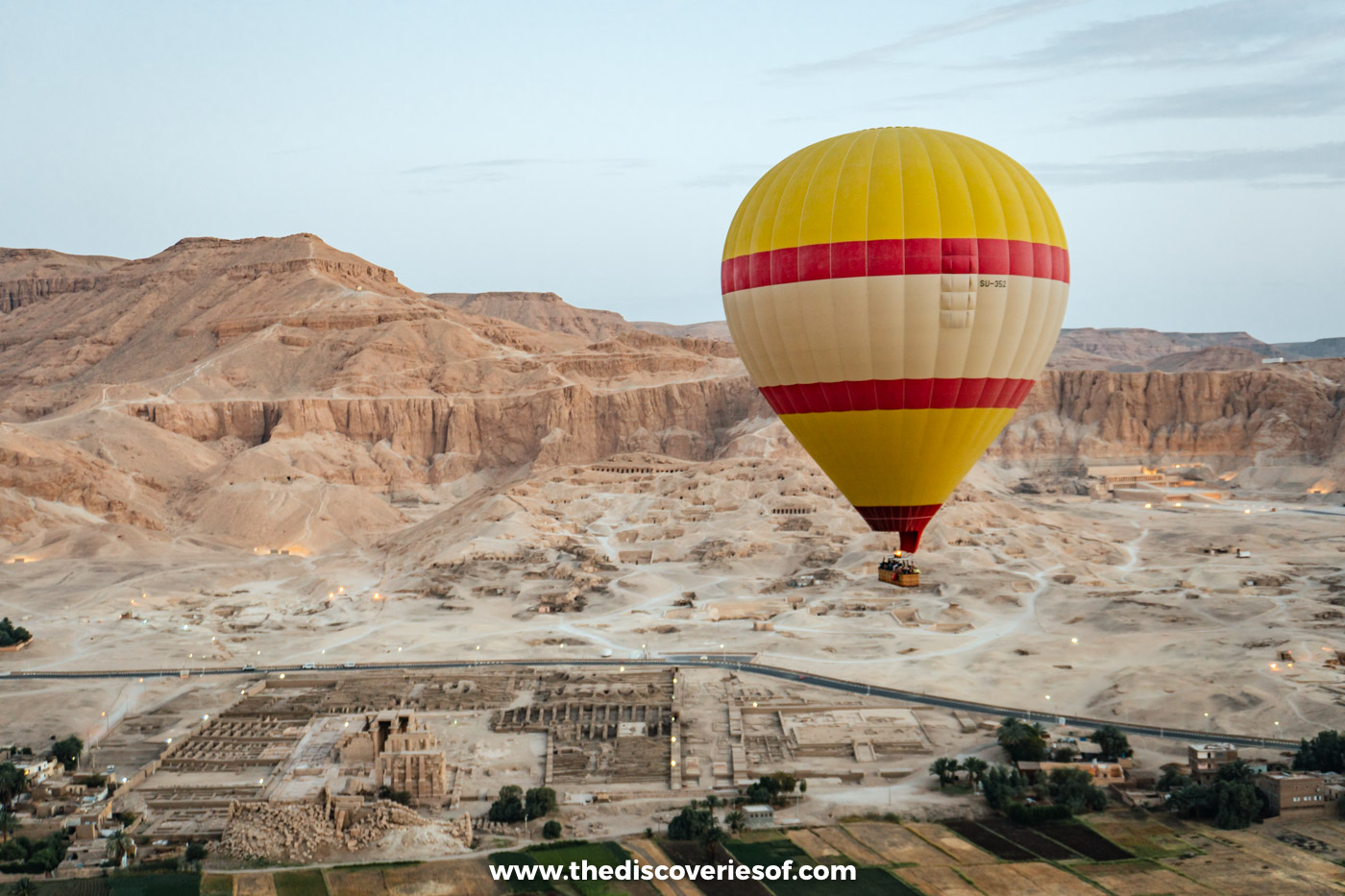
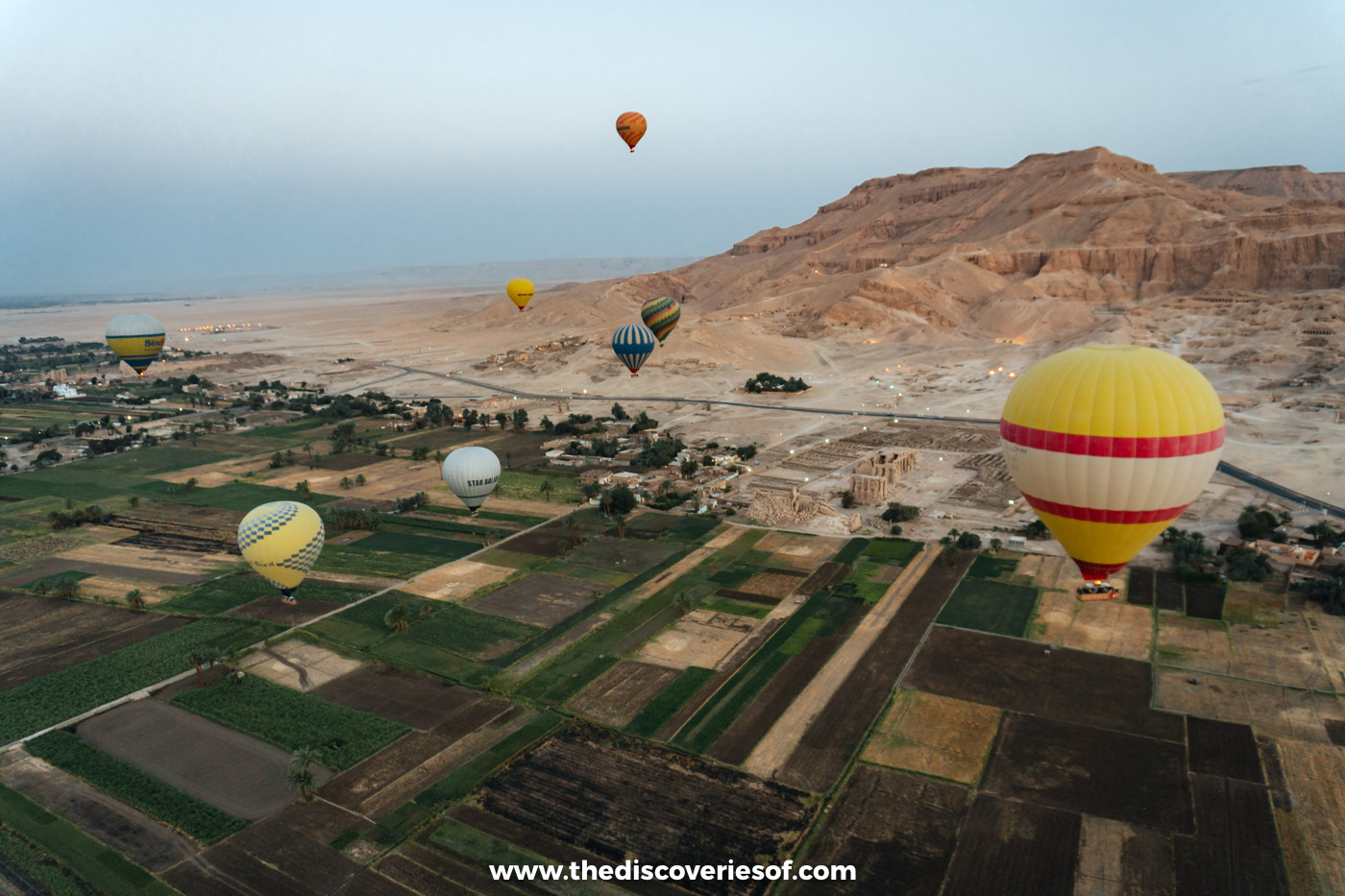
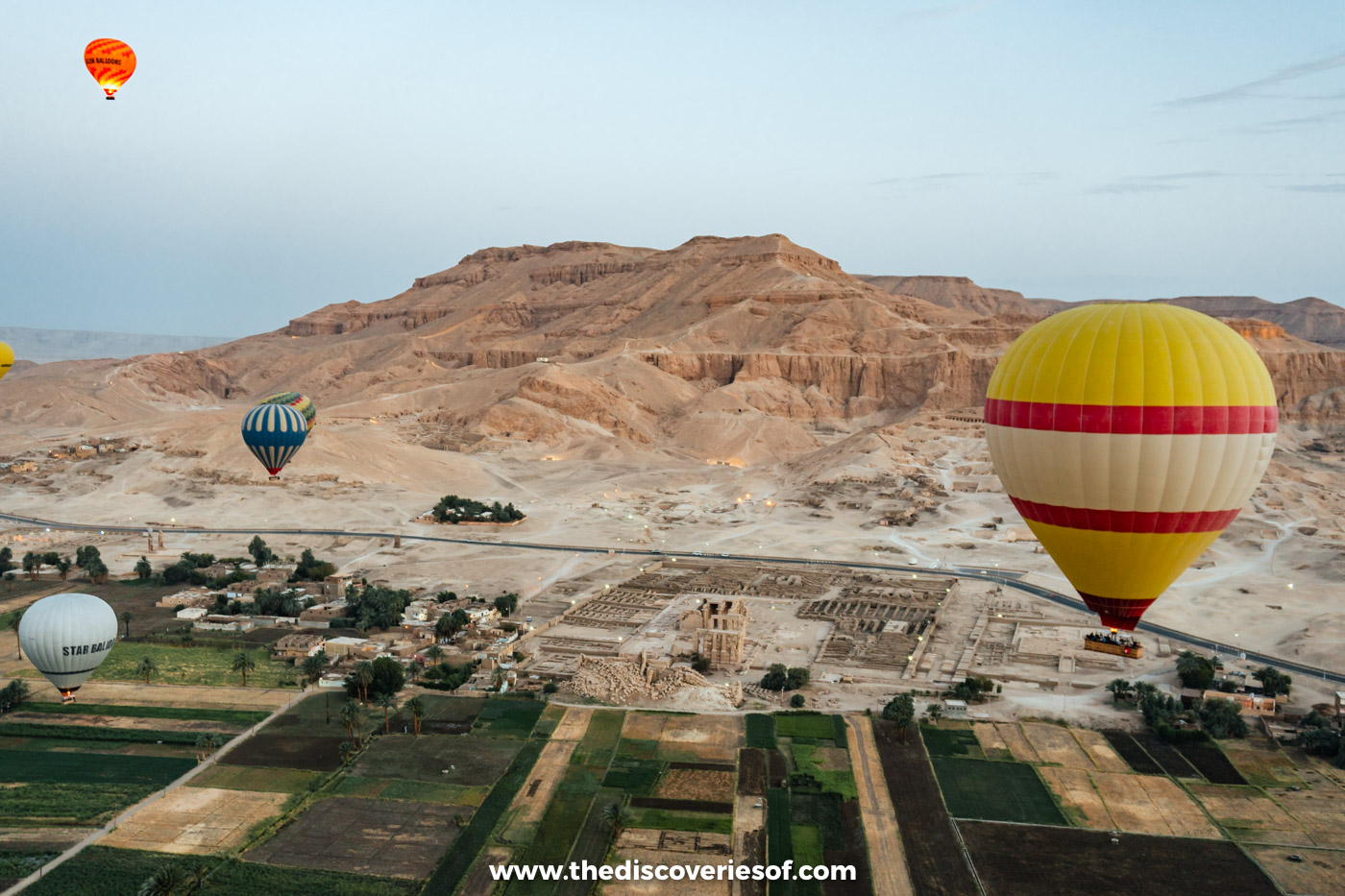
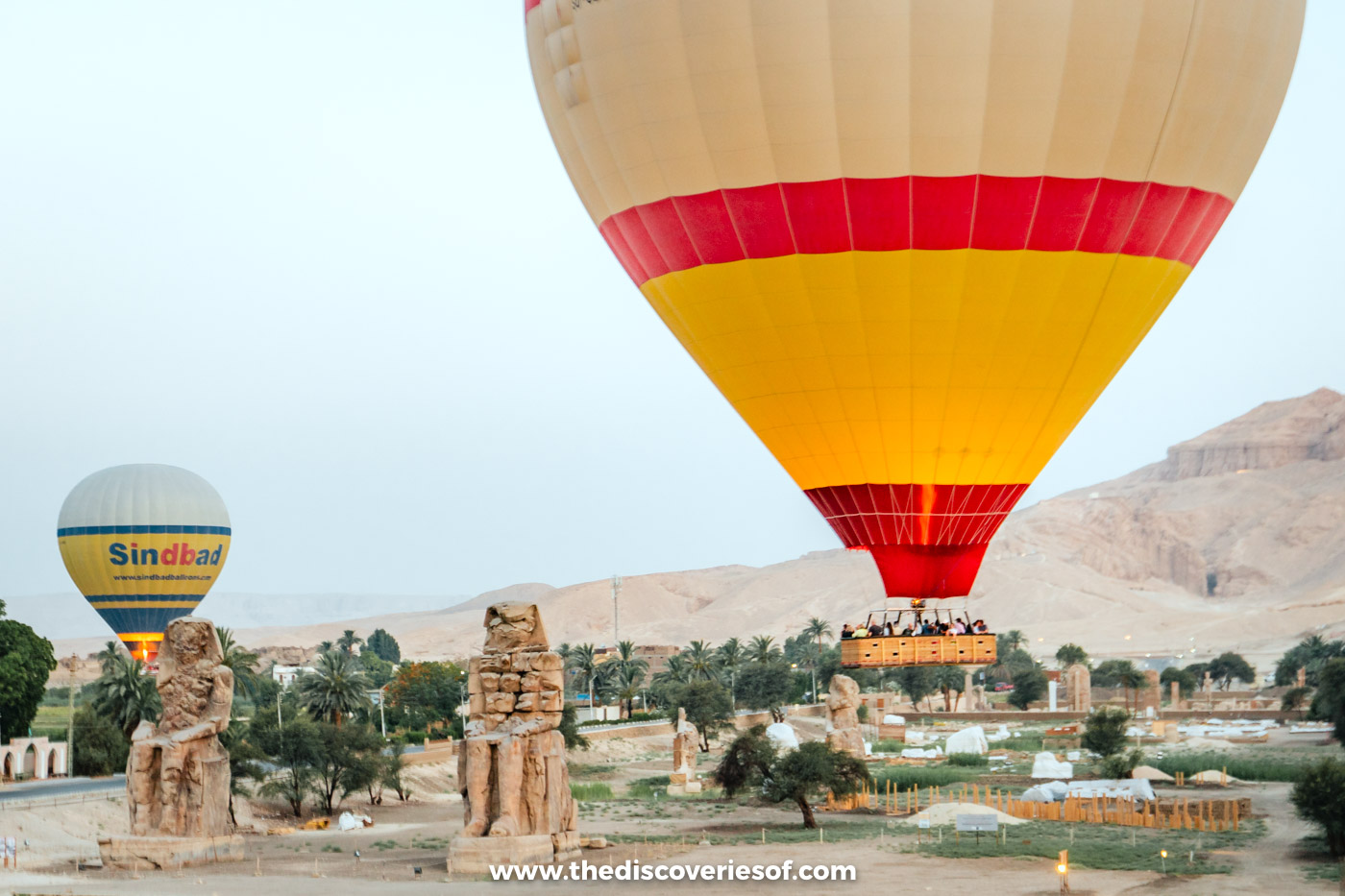
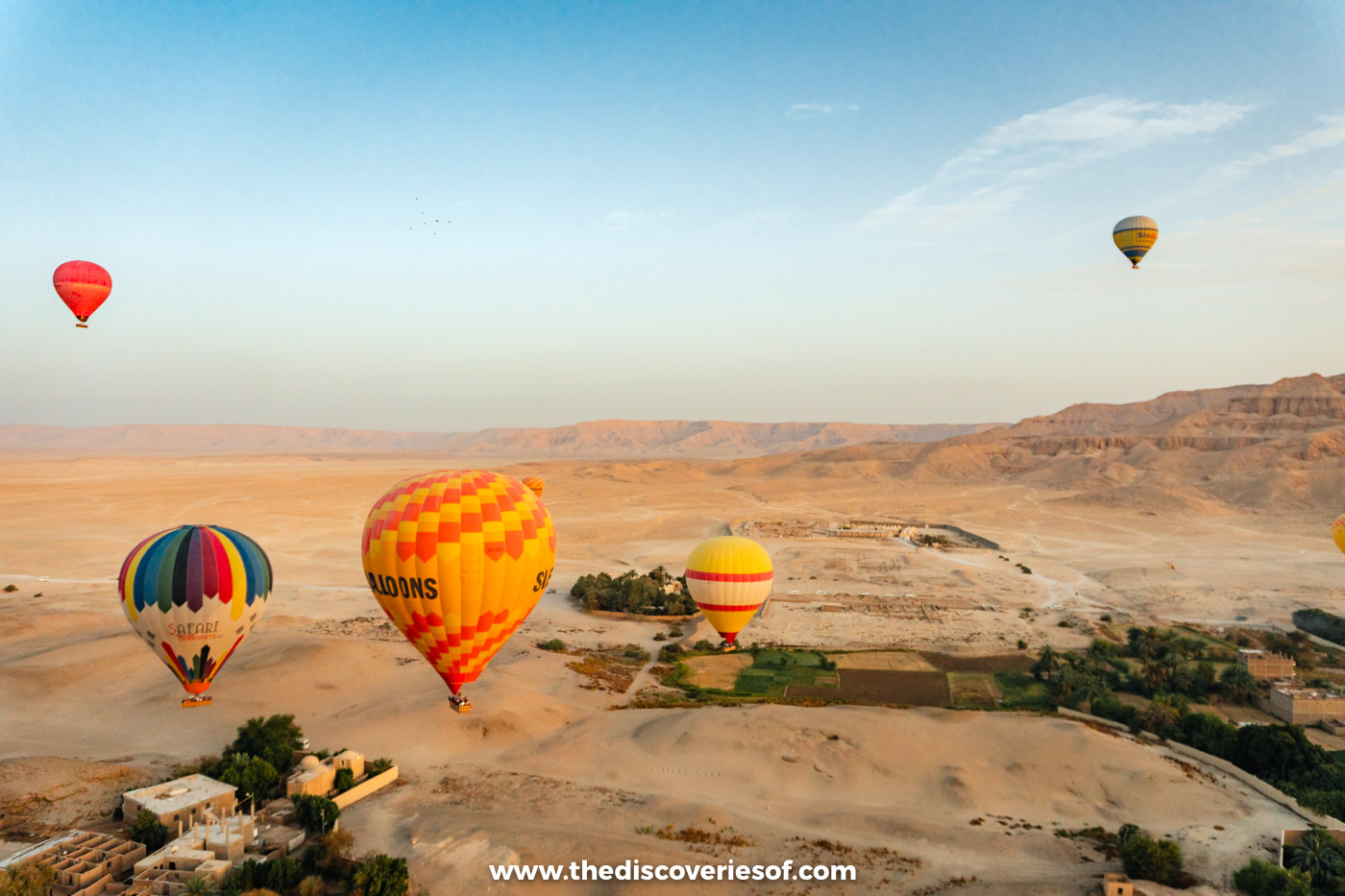
My sunrise flight was one of the highlights of the whole trip, even if the 3am wake-up felt terrible. You rise as the sun lights up the Nile, the fields, the Colossi and Hatshepsut’s temple below.
Read next: Hot air balloon in Luxor: is it worth the 3am alarm?
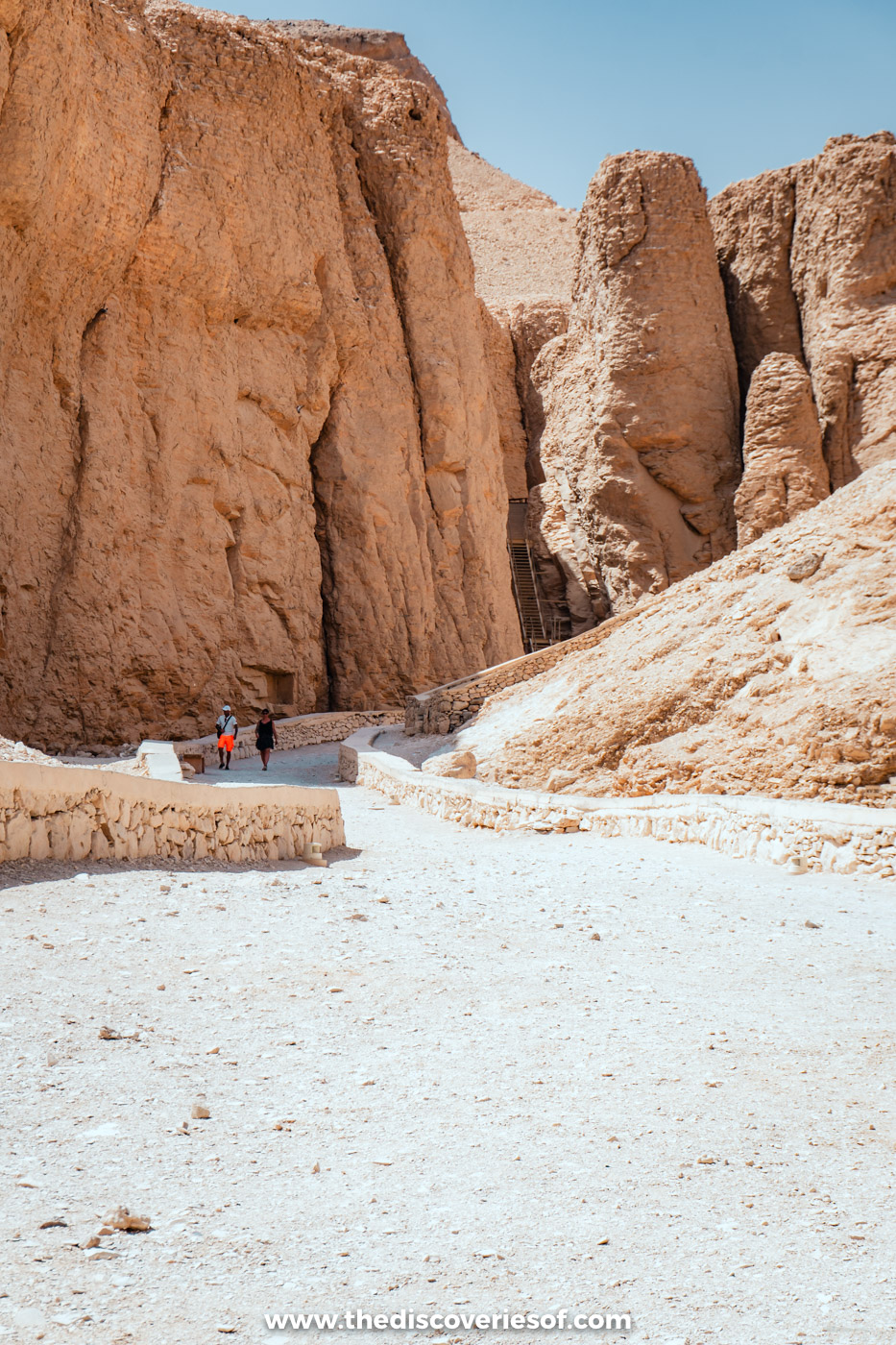
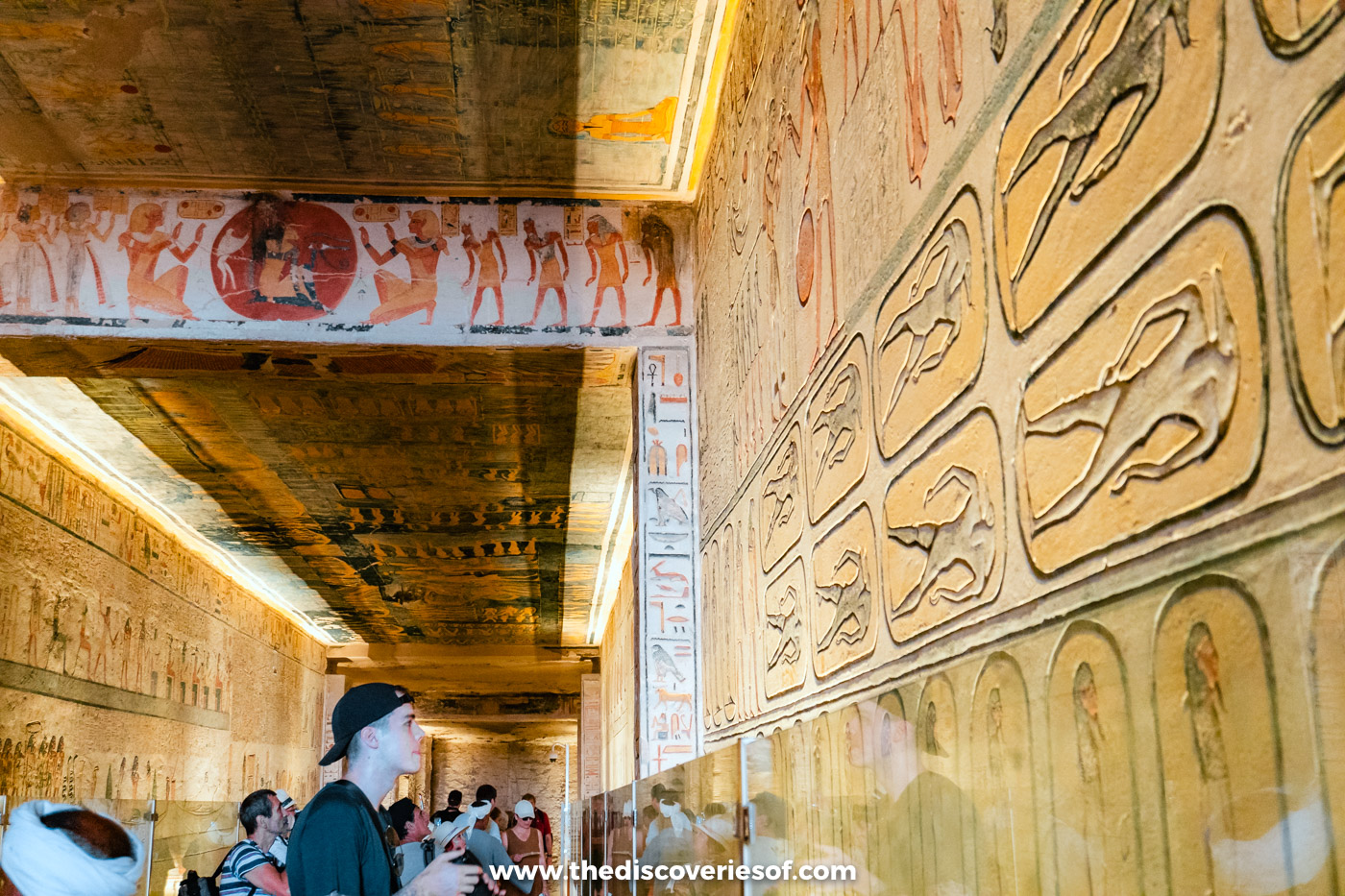
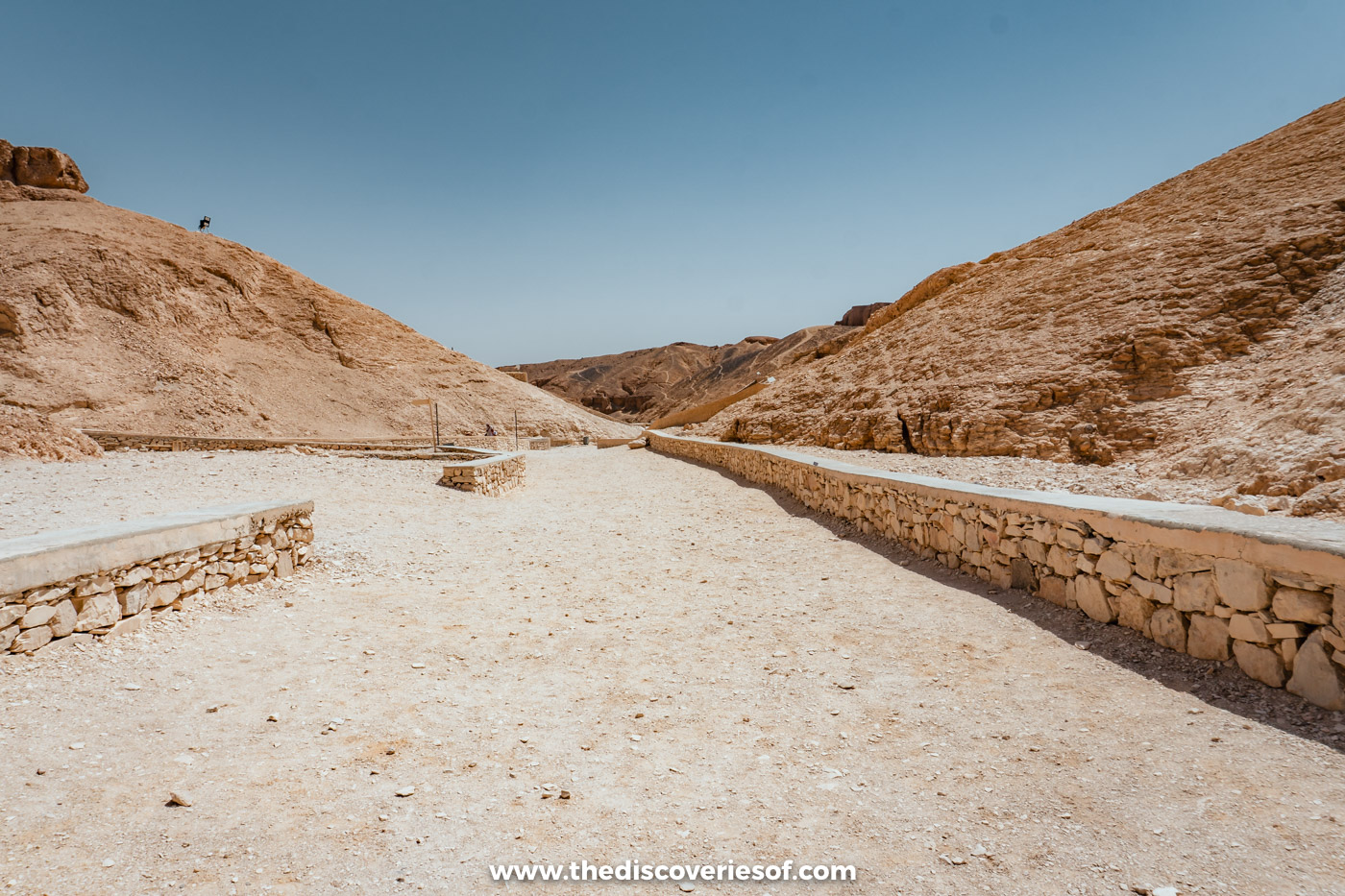
The standard ticket covers three tombs: I chose Ramses IX, Merenptah and Tausert and Setnakht (KV14), my favourite and the quietest. Pay a bit extra for Tutankhamun’s small tomb, the only one with its mummy still inside.
Read next: Valley of the Kings: how to pick your three tombs
It was empty when I visited. The tomb of Prince Khaemwaset is bright and beautifully painted, while Nefertari’s, the most beautiful in Egypt, has been closed since March 2024.
Read next: Valley of the Queens: Luxor’s quieter royal valley
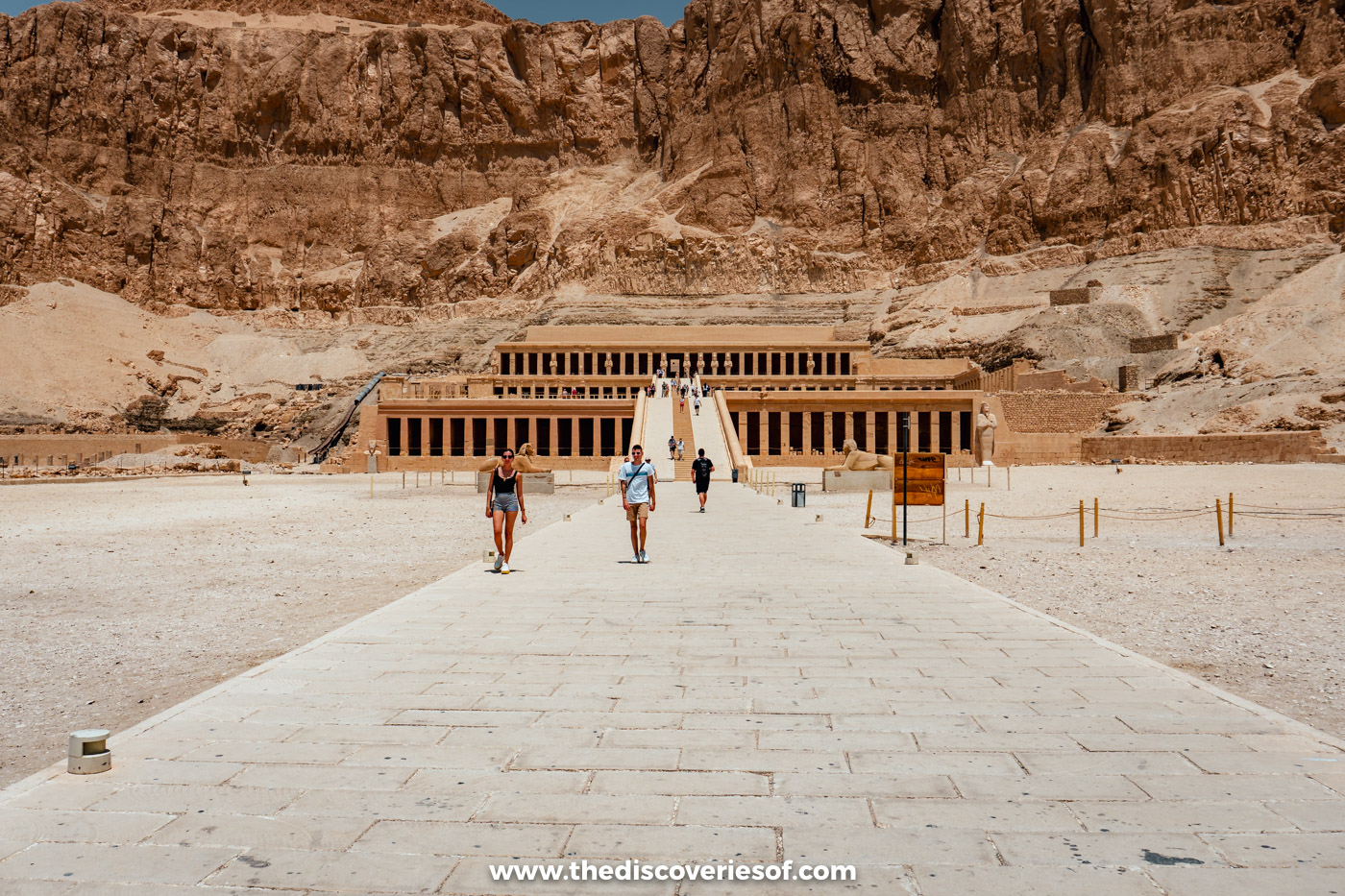
The female pharaoh’s mortuary temple rises in three terraces against the cliffs of Deir el-Bahari, one of the most striking sights in Egypt.
Read next: Hatshepsut’s temple: the female pharaoh’s masterpiece in Luxor
Two 18-metre statues of Amenhotep III, all that’s left above ground of his vast mortuary temple, by the road to the tombs.
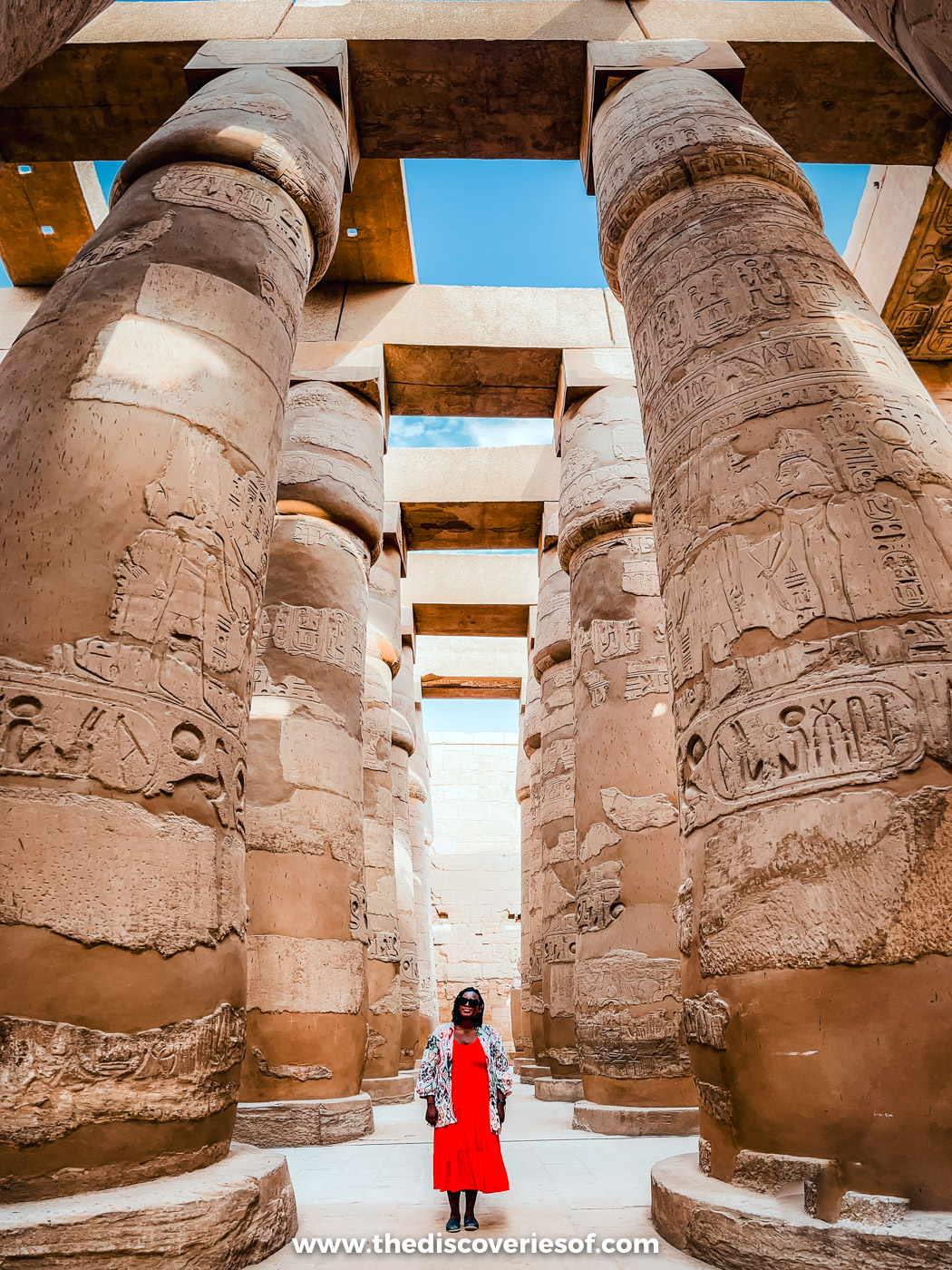
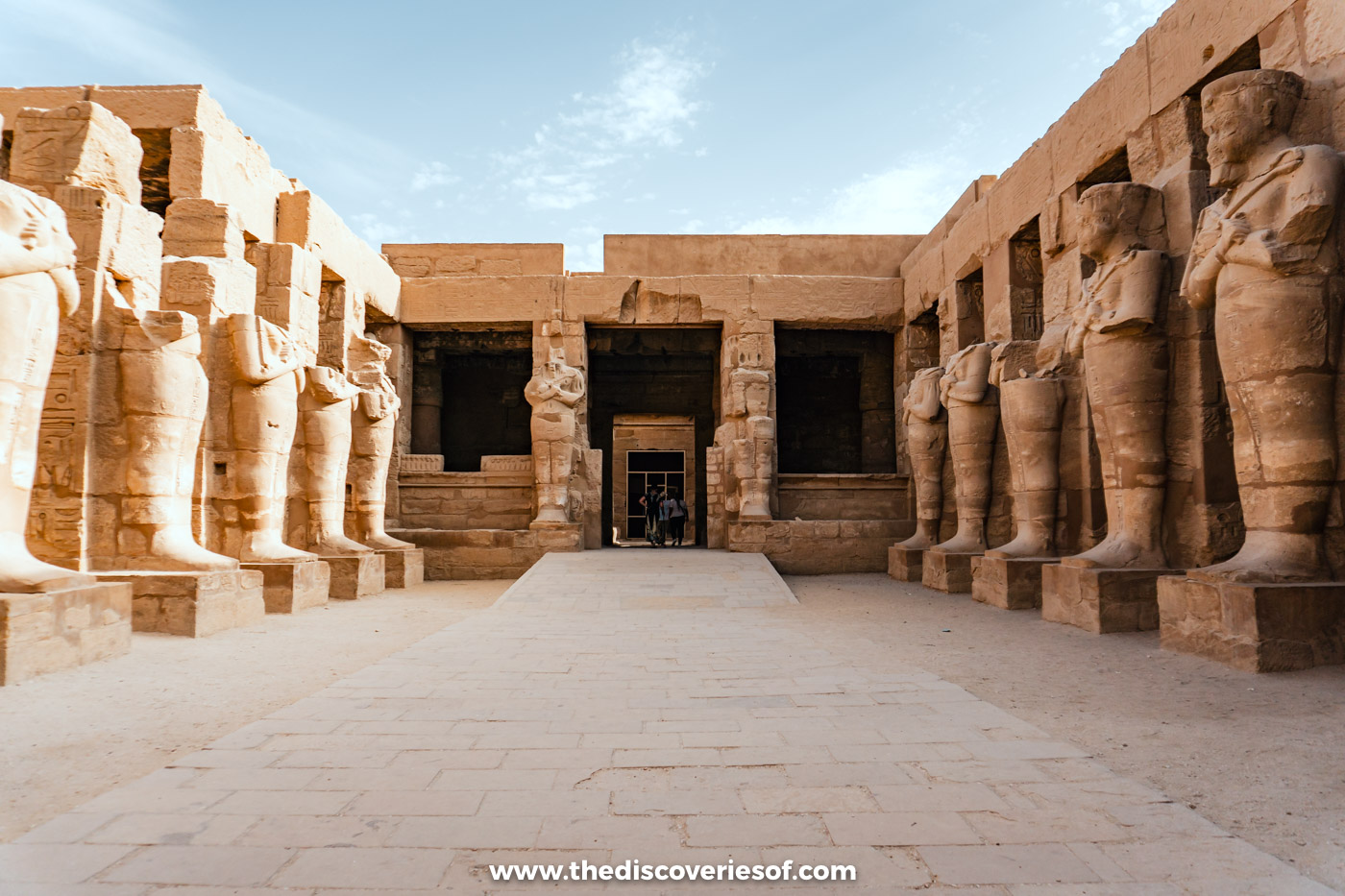
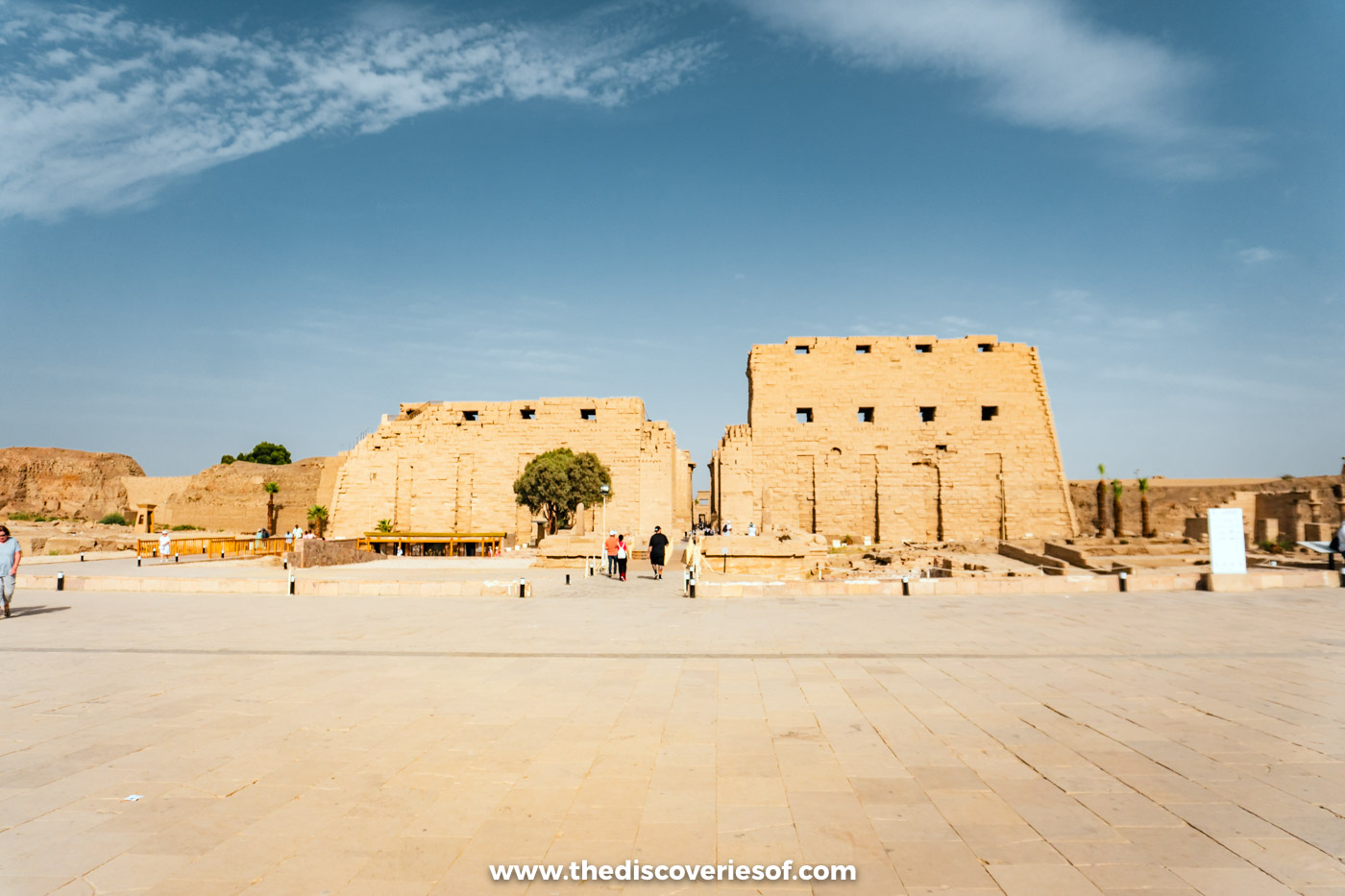
It. Is. Vast. The 134 columns of the Great Hypostyle Hall alone are worth the trip. Wear a hat and bring plenty of water.
Read next: Karnak Temple: the one sight in Luxor you can’t skip
The temple stays open into the evening and is floodlit after dark, but go as the sun sets, when the stone turns golden.
Read next: How to visit Luxor Temple (and why to go at sunset)
The 2.7 km processional road between Karnak and Luxor Temple, lined with hundreds of sphinxes, reopened in 2021 after decades of excavation.
A small, beautifully displayed collection on the Corniche, including statues found buried in Luxor Temple’s courtyard.
3 days
West Bank at sunrise: balloon > Valley of the Kings > Hatshepsut’s temple > Colossi of Memnon
West Bank, day two: Valley of the Queens > Medinet Habu > Deir el-Medina
East Bank: Karnak > Luxor Museum > Luxor Temple at sunset
2 days
Aswan > a night on a felucca > Luxor
My route: sail north from Aswan, sleep on deck and finish by minibus, as feluccas can’t pass the Esna lock.
1 day
Luxor > Temple of Hathor at Dendera > Temple of Seti I at Abydos > Luxor
My 10-day Egypt itinerary has Luxor at the end of a trip down the Nile.
Ramses III’s mortuary temple is one of the best-preserved in Egypt and far quieter than the big names, with battle scenes on its walls and original colour in its second court.
The village of the craftsmen who cut and painted the royal tombs, with their own small tombs nearby, among the most colourful you’ll see.
The domed house where Carter lived while he searched for Tutankhamun’s tomb, now a small museum with a replica of the burial chamber.
Walk the Corniche and the Avenue of Sphinxes, where long stretches are visible from the streets, cross the Nile on the public ferry for a few pounds, and browse the souk after dark, when it’s at its liveliest.
Traditional Egyptian dishes served in a 1930s house in the city centre, with a rooftop terrace.
A rooftop restaurant on a lane near Luxor Temple, serving Egyptian dishes and tagines.
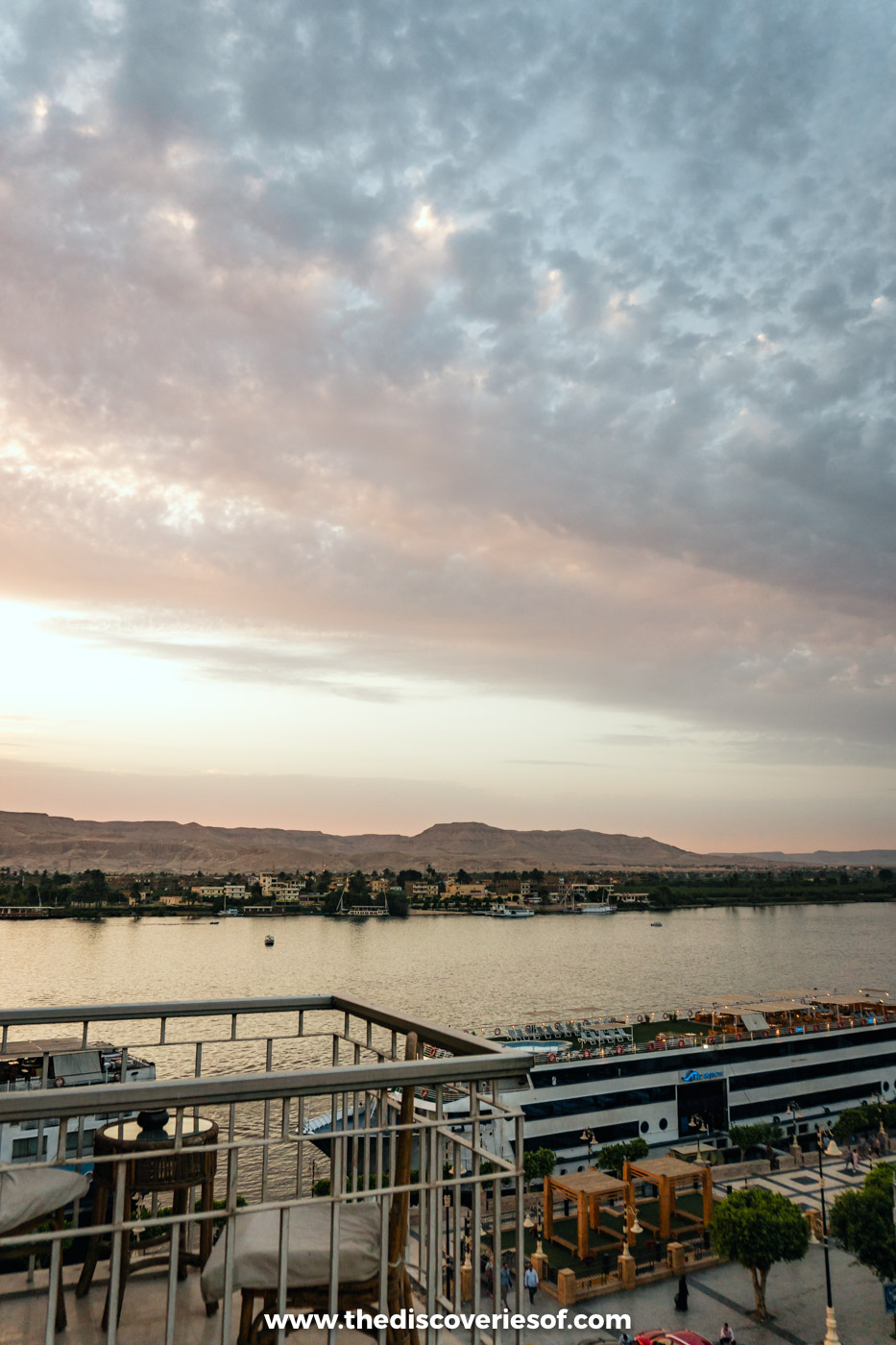
The rooftop restaurant at the hotel I stayed in, looking across the Nile to Luxor Temple.
Leave 10 to 15% in restaurants. Guardians in the tombs and temples often offer to show you something or take a photo in return for a tip, so carry small notes.
Egypt runs on Eastern European Time (UTC+2), with daylight saving (UTC+3) from the last Friday of April to the last Thursday of October.
220V, with type C and F plugs.
The heat is the main risk: carry water, cover up and rest in the middle of the day. Don’t drink the tap water.
EgyptAir flies from Cairo in about an hour, and the overnight sleeper from Giza takes about 10 hours; I took it back north. The East and West Banks are linked by a public ferry, private motorboats and a bridge south of the city (30 to 45 minutes by road). On the West Bank, hire a driver for the day or take a tour.
Luxor is generally safe, with tourist police at the major sites. Expect persistent touts around the souk and the Corniche: a firm “la shukran” works.

Thinking about booking Intrepid’s Egypt Adventure? Here’s an honest review of the eight-day group tour from Cairo to Aswan, the Nile and Luxor and back:…

A Nile river cruise is a quintessential part of any Egypt trip, but a big cruise ship isn’t the only way to see the river….

From the tombs of the Valley of the Kings to the vast temple complex at Karnak, Luxor is ancient Egypt at its most spectacular. This…

Set into the cliffs of Deir el-Bahari on Luxor’s West Bank, the Mortuary Temple of Hatshepsut is one of Egypt’s most striking monuments, built for…

Are you planning a visit to Luxor Temple? If not, you should be. Here’s a complete guide to what you need to know before visiting,…

Egypt’s Karnak Temple is an imposing display of ancient Egyptian artistry and architecture. Here’s what you need to know before you go, from tickets and…

Want to know where to stay in Luxor? Explore the best areas and hotels for your trip, on both the East Bank and the West…

Ready to discover Luxor from a new perspective? This hot air balloon guide will take you through everything you need to know for the perfect…

The Valley of the Queens sits on the West Bank of the Nile in Luxor. Discover everything you need to know to plan your visit,…

Planning to visit Queen Nefertari’s tomb (QV66)? Here’s what you need to know, including why it’s currently closed and what to see instead. We’ve all…

Planning on visiting the tomb of Tutankhamun? Here’s what you need to know before you go, from what you’ll see inside to tickets and the…

The tomb of Prince Khaemwaset in the Valley of the Queens is small, bright and beautifully painted, with Ramses III guiding his son through the…

The tomb of Merenptah is one of the longest and deepest on the standard Valley of the Kings ticket, with a steep descent, flood-scarred chambers…

The tomb of Ramses IX is one of the first you reach in the Valley of the Kings, with a wide, painted corridor and one…

The tomb of Tausert and Setnakht is one of the largest in the Valley of the Kings, the story of a queen who ruled as…

The Valley of the Kings is one of Luxor’s most extraordinary sights. From which tombs to choose and what tickets cost to how to get…
Follow me on Instagram for travel inspiration, tips and guides.