Sedona is one of Arizona’s most compelling destinations, but it also happens to sit within easy reach of some of the most extraordinary landscapes in the American Southwest. These are the day trips worth adding to your Arizona itinerary.
The red rock country around Sedona is spectacular enough in its own right, but once you start looking at what’s within a two or three-hour drive, the possibilities become genuinely impressive. The Grand Canyon to the north, Monument Valley further north-east, Antelope Canyon’s slot canyons near Page, the wine country of the Verde Valley to the south: it’s a remarkable concentration of places that would each justify a trip in their own right.
The best day trips from Sedona
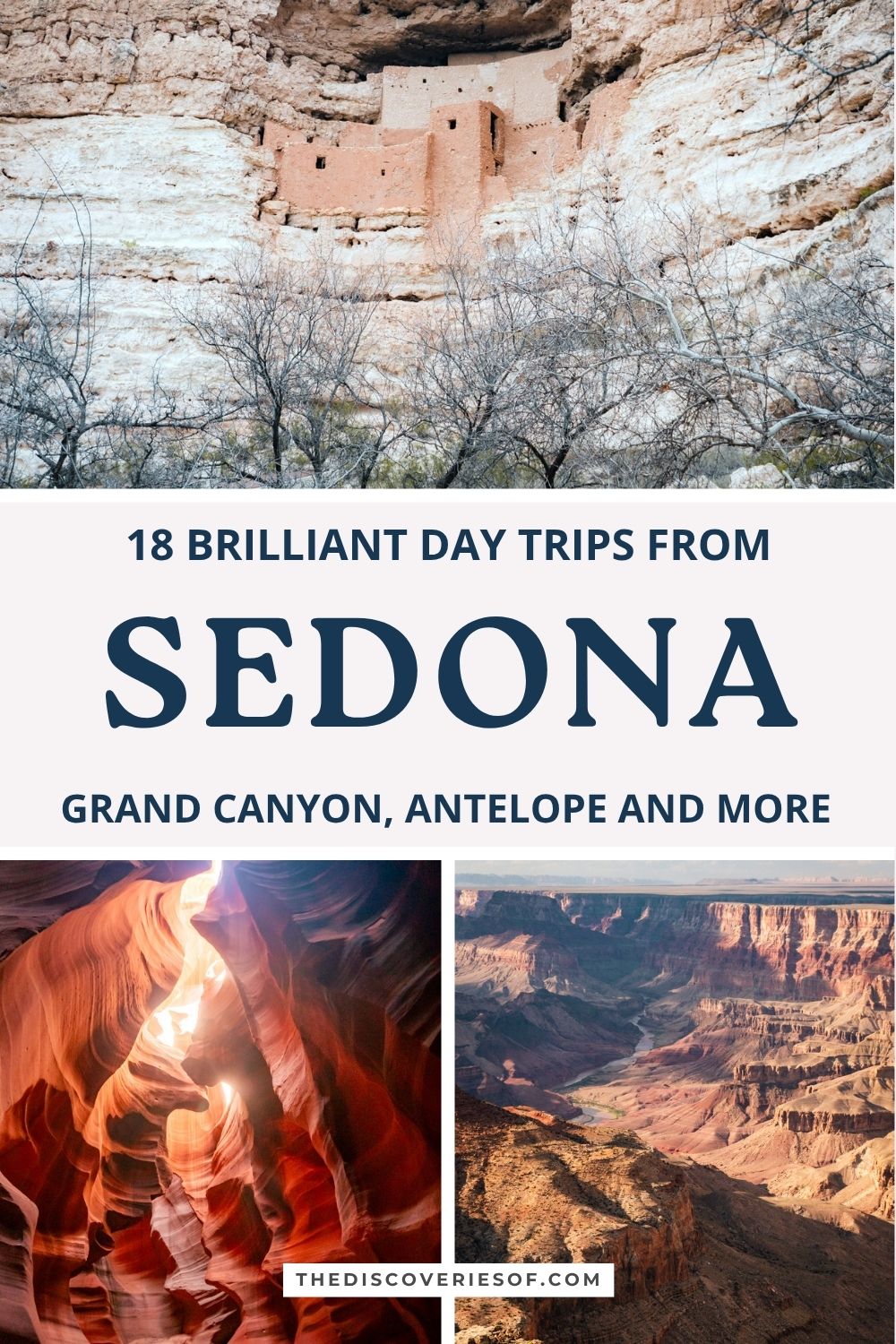
Antelope Canyon
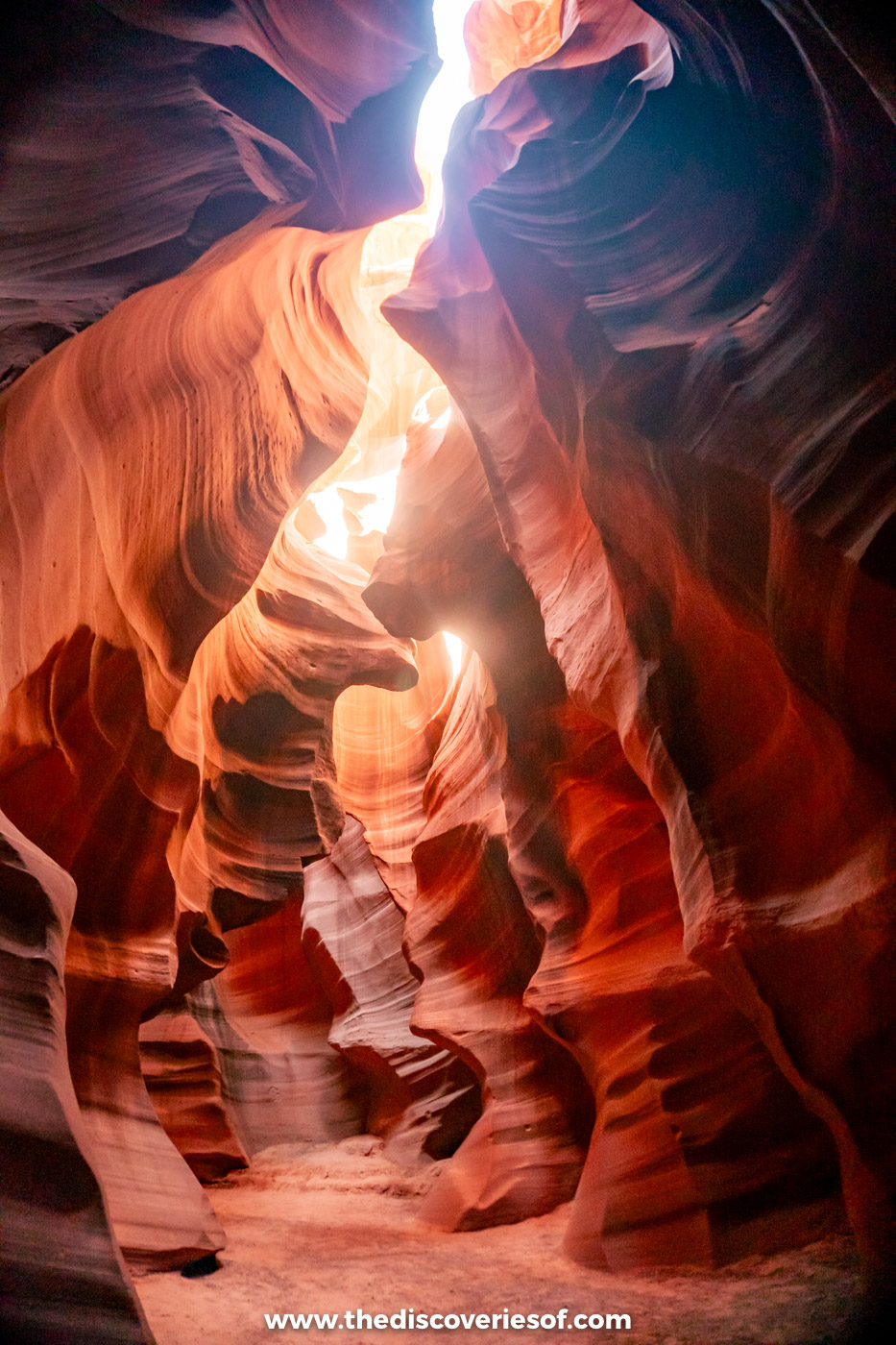
Antelope Canyon is one of the most photographed places in the American Southwest, about 165 miles north of Sedona near Page, and it earns every bit of that reputation. The slot canyon’s swirling sandstone walls have been carved over thousands of years by flash floods and wind into shapes that change colour and texture depending on the light. Around the middle of the day, when shafts of light drop through the narrow openings above, the interior turns extraordinary shades of orange, amber and red.
You can only visit Upper and Lower Antelope Canyon on a tour with a Navajo guide; there’s no independent entry to either. Both are worth it, and they’re very different experiences: see my guide to Upper vs Lower Antelope Canyon to help you choose. Book well in advance in peak season.
Drive: About 165 miles via US-89, around 3 hours.
Hopi Lands
The Hopi Reservation sits about 135 miles north-east of Sedona and is home to some of the oldest settlements in North America. Old Oraibi, on Third Mesa, was founded more than 850 years ago and is thought to be one of the oldest continuously inhabited villages in the United States. This is a living, sovereign culture, not a museum exhibit, and visiting responsibly means going with a knowledgeable local guide who can give you proper context and introduce you to community members who choose to share their culture with visitors.
First, Second and Third Mesas each have their own villages and traditions, and the Hopi Cultural Center on Second Mesa, with its museum, restaurant and small hotel, is the practical starting point. Photography, video, sketching and note-taking aren’t allowed in or around the villages, and some villages close to visitors during ceremonies, so check before you go. Walpi, on First Mesa, can only be visited on a guided tour (call the First Mesa office on (928) 737-2670).
This is one of the more meaningful day trips you can do from Sedona.
Drive: About 135 miles, 2.5 to 3 hours.
Grand Canyon National Park
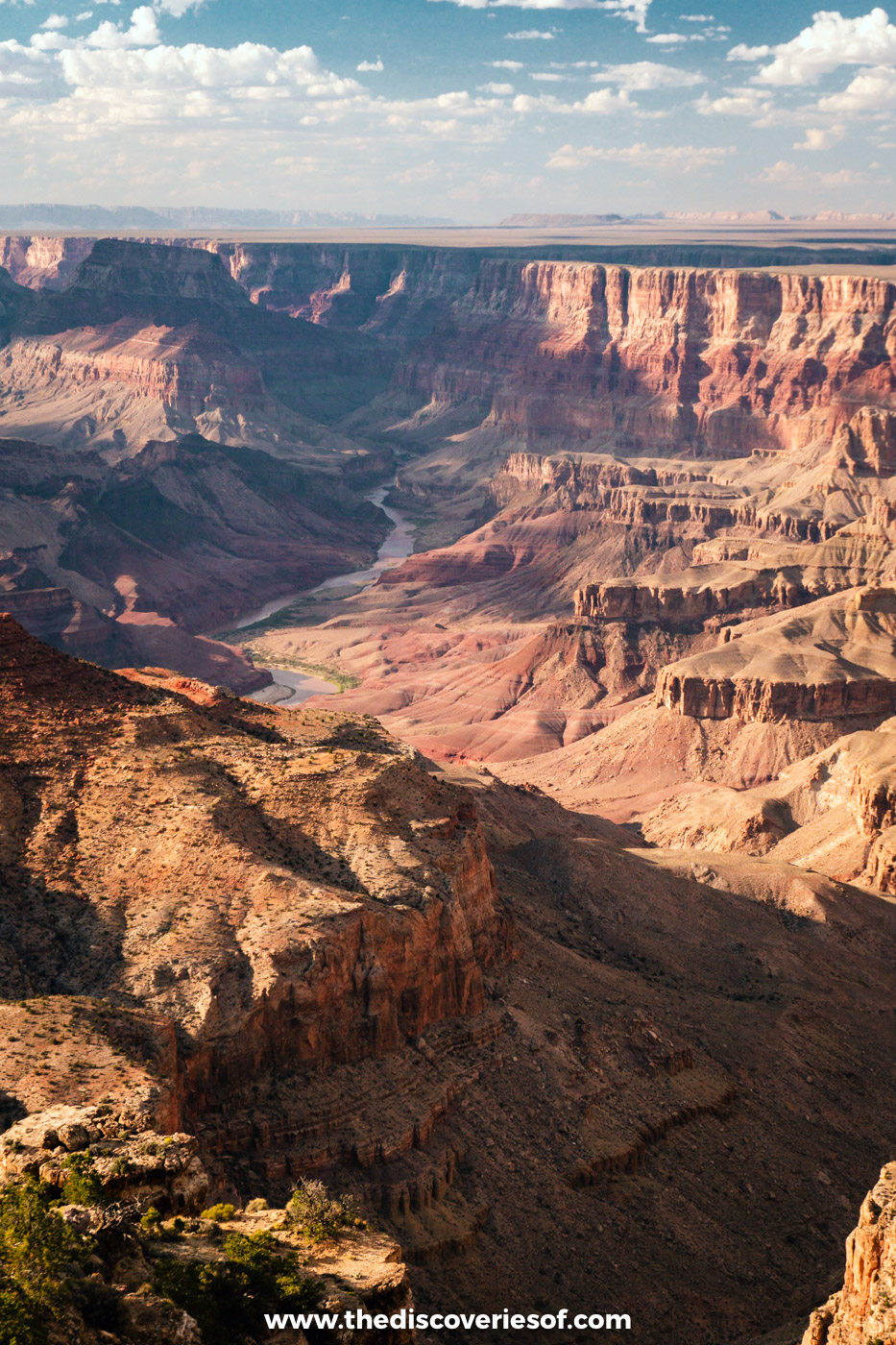
No list of Sedona day trips skips the Grand Canyon. It shouldn’t; it’s the Grand Canyon. About 110 miles from Sedona, the South Rim gives you the most accessible entry point and the most dramatic viewpoints. Walk along the rim, take one of the rim or canyon hikes, or time your visit for sunrise or sunset.
One honest note: the Grand Canyon is enormous and a day gives you only a taste of it. But even a few hours at the rim is an experience that stays with you.
Entry is $35 per vehicle, and from 2026 visitors who aren’t US residents pay an extra $100 each unless they hold the $250 America the Beautiful pass.
Drive: About 110 miles via Flagstaff, around 2 hours.
Book a Grand Canyon tour from Sedona
Montezuma Castle National Monument
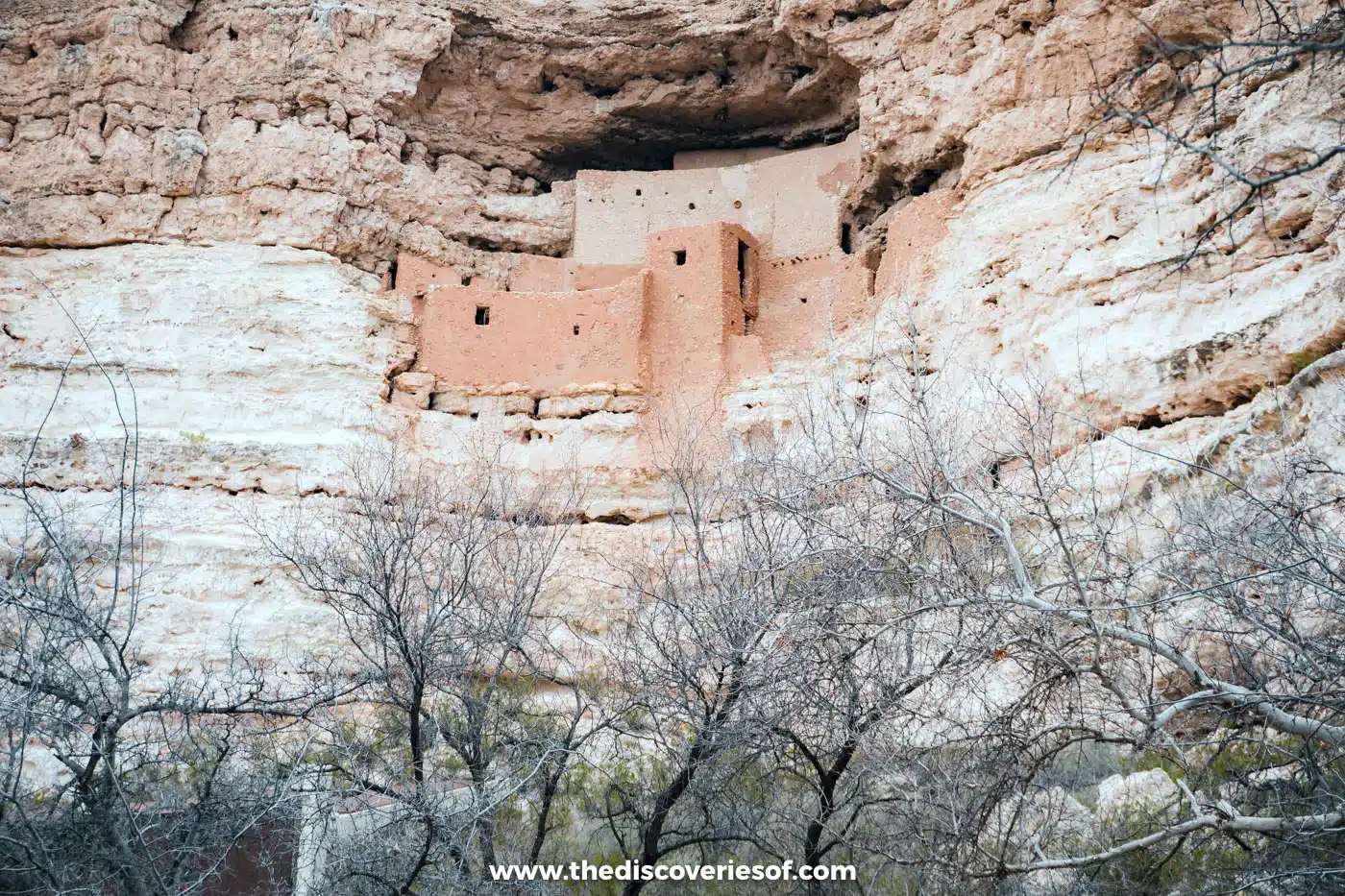
Montezuma Castle is one of the best-preserved cliff dwellings in North America, and one of the closest major sights to Sedona at around 40 minutes away. I visited in February, and it’s well worth the short drive.
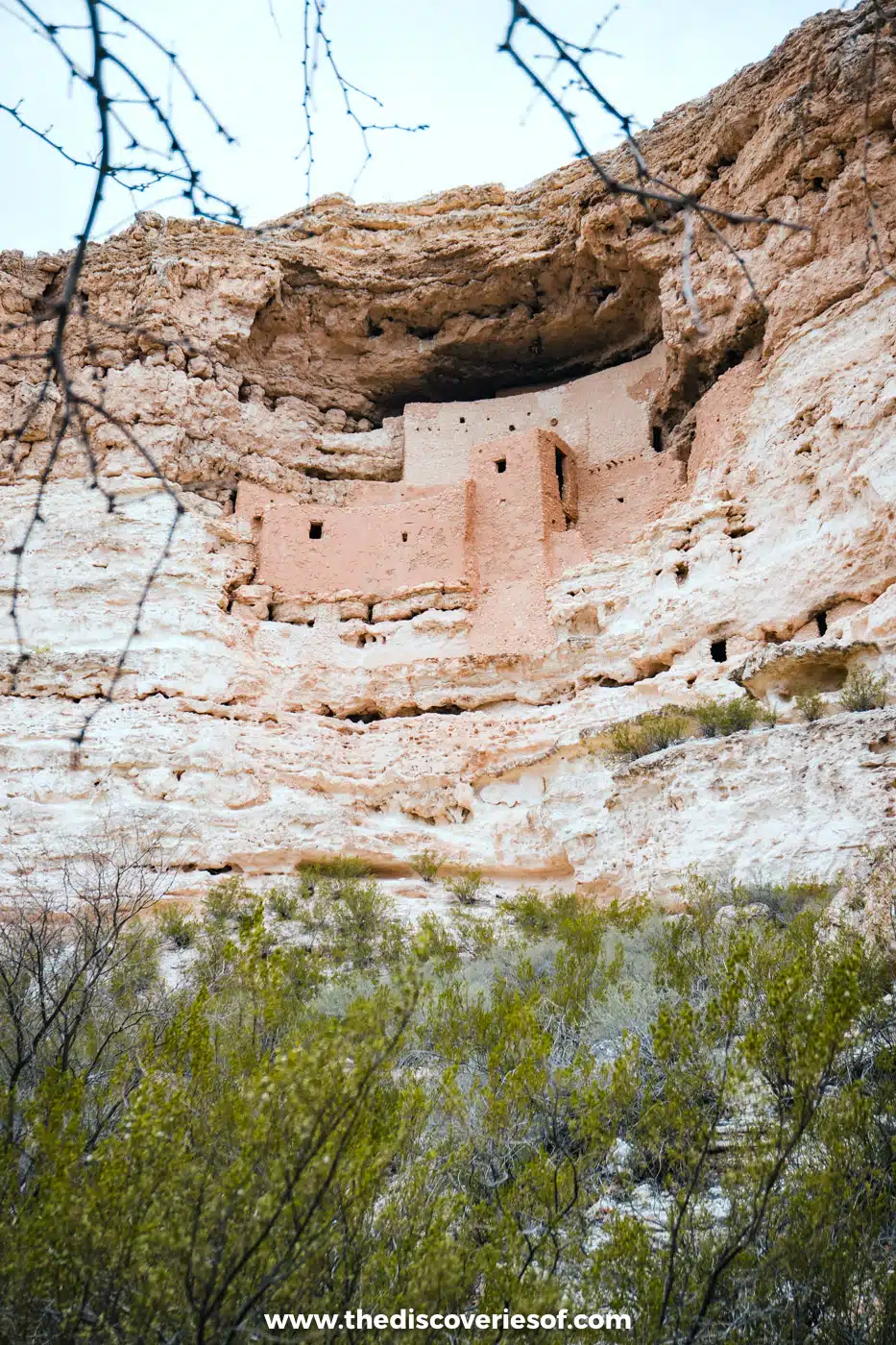
The Sinagua people lived here from around 1100 to 1425, building a five-storey, 20-room dwelling into a limestone alcove about 90 ft up the cliff above Beaver Creek. It’s remarkably intact, and the setting, with green riverside woodland against pale Arizona rock, is beautiful. In 1906 it became one of the first four national monuments in the United States.
A short, flat loop trail of about a third of a mile leads past the castle from the visitor centre. Montezuma Well, a separate part of the monument about 11 miles away, is worth adding on: it’s a limestone sinkhole fed by springs, with more Sinagua dwellings around its rim.
Entry is $10 per adult, valid for seven days, and also covers Tuzigoot National Monument. Montezuma Well is free.
Drive: About 29 miles south via SR-179 and I-17, around 40 minutes.
Phoenix

Phoenix is about two hours south on I-17, and it offers a useful change of pace from Sedona’s red rock scenery. The Heard Museum, which focuses on the art and culture of Native American peoples of the Southwest, is one of the finest of its kind in the country and worth several hours. The Desert Botanical Garden in Papago Park is excellent too. Neighbouring Scottsdale is worth the detour for its gallery district and restaurant scene, while Scottsdale Fashion Square handles any shopping needs.
Drive: About 117 miles via I-17, around 2 hours.
Sunset Crater Volcano National Monument
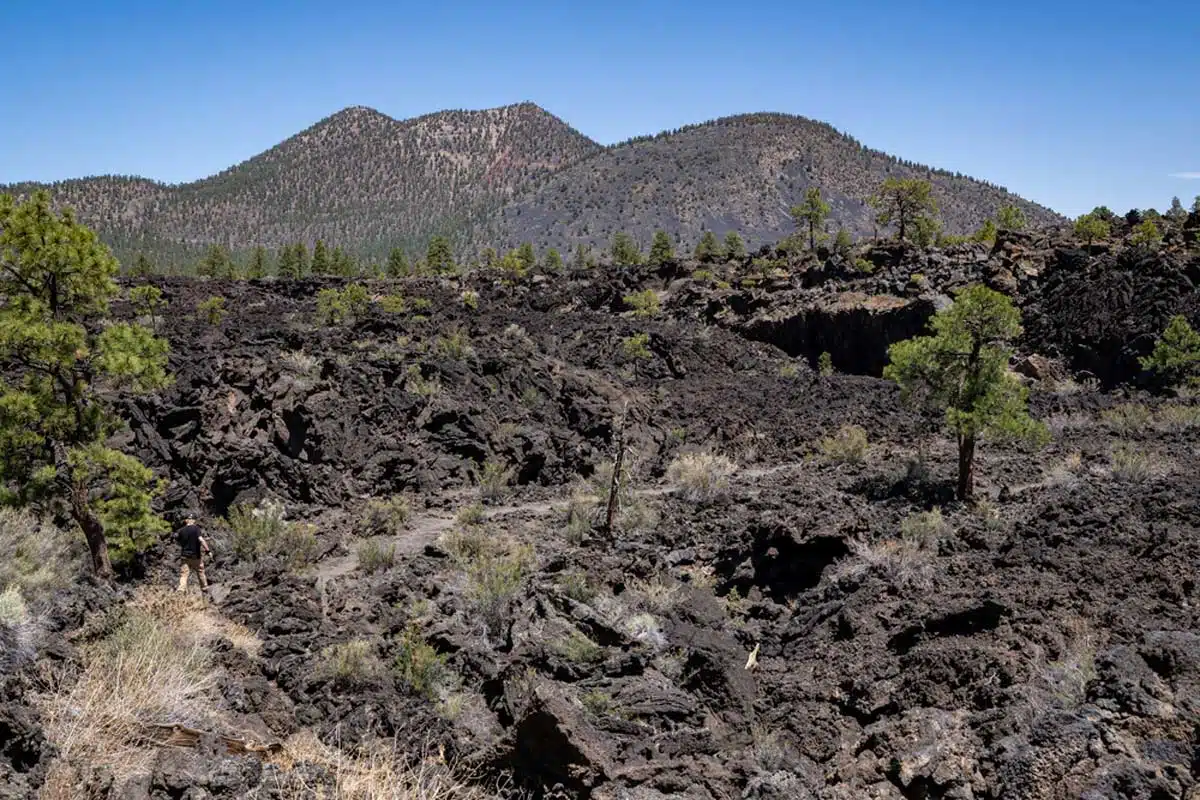
A cinder cone volcano that erupted around 1085, Sunset Crater sits just north of Flagstaff and makes a satisfying half-day trip, particularly combined with nearby Wupatki National Monument. The volcanic landscape here is striking and genuinely alien-looking, with black lava fields stretching around the reddish cone. You can’t climb the cone itself (it has been closed to hiking since 1973), but the Lava Flow Trail loops through the lava field and gives you a sense of the eruption’s scale.
One $25 vehicle pass covers both Sunset Crater and Wupatki for seven days.
Drive: About 53 miles via Flagstaff, 1 to 1.25 hours.
Book a ruins and volcanoes tour
Cottonwood
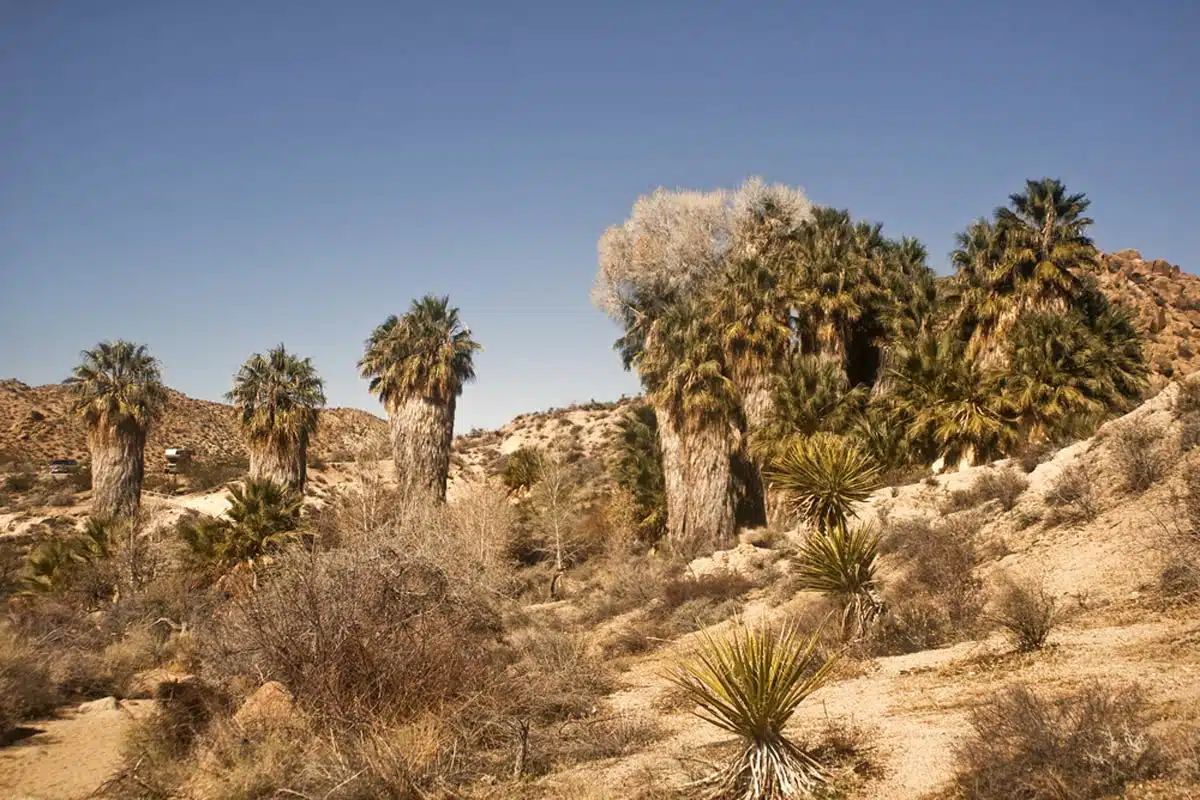
Cottonwood is a proper small town rather than a tourist destination, which is precisely what makes it a good day trip when you want something lower-key. Less than half an hour from Sedona, Old Town Cottonwood has an appealing collection of galleries, independent shops, restaurants and wine tasting rooms without feeling manufactured.
The big draw nearby is Tuzigoot National Monument in neighbouring Clarkdale, a hilltop pueblo of about 110 rooms built by the Sinagua between around 1125 and 1400, on a ridge 120 ft above the Verde River. The same $10 pass covers Tuzigoot and Montezuma Castle.
Drive: About 16 to 20 miles, 25 to 30 minutes.
Book a Verde River kayak and wine tour
Flagstaff
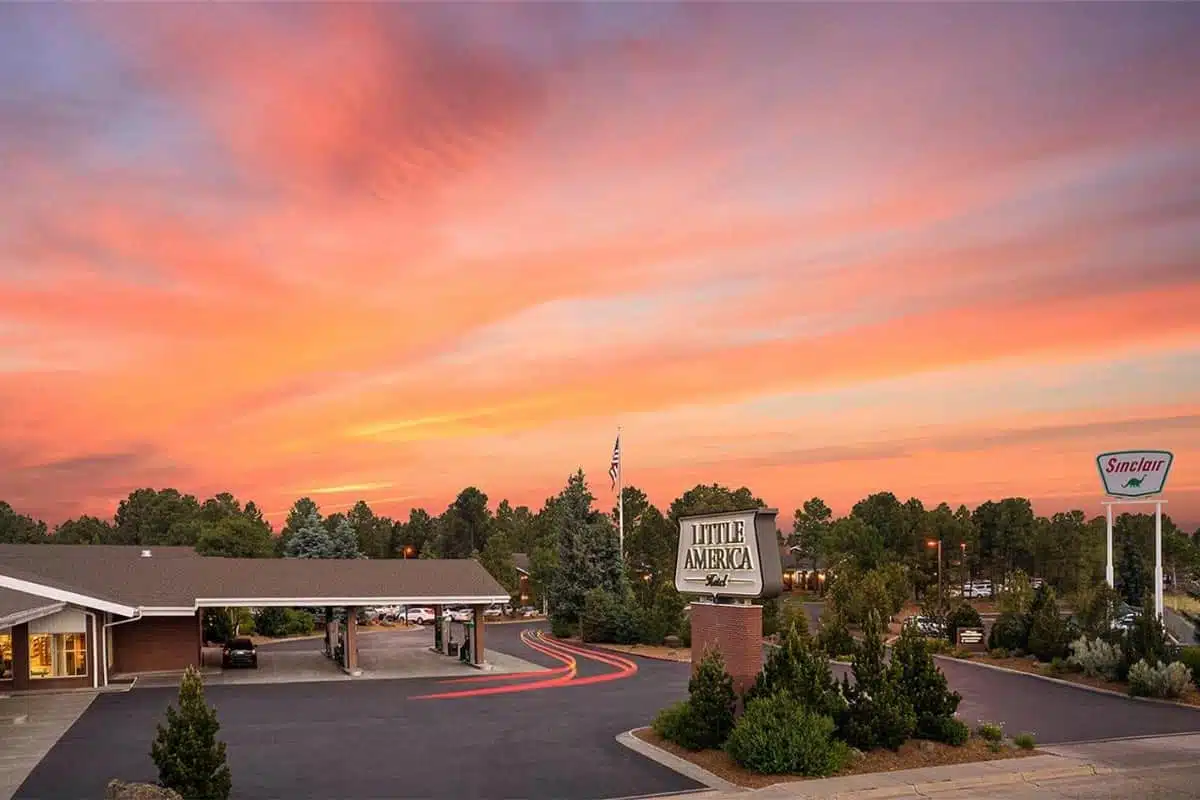
Flagstaff is under an hour north and is one of the more underrated cities in Arizona. It sits at around 7,000 ft (2,100 m) in the shadow of the San Francisco Peaks, which means the climate and landscape are completely different from Sedona’s desert canyon country. The historic downtown around Heritage Square has a strong independent restaurant and bar culture, Lowell Observatory is brilliant for stargazing, and the Museum of Northern Arizona covers the natural and cultural history of the Colorado Plateau. In winter, the Arizona Snowbowl ski area operates on the slopes of the Peaks above town.
The prettiest route is SR-89A through Oak Creek Canyon. It reopened in July 2026 after the Pocket Fire, but guardrail work means stretches of single-lane traffic, and the burn scar can cause flash flooding after heavy rain, so check ADOT’s road updates before you set off.
Drive: About 33 miles via SR-89A, 45 to 55 minutes.
Winslow
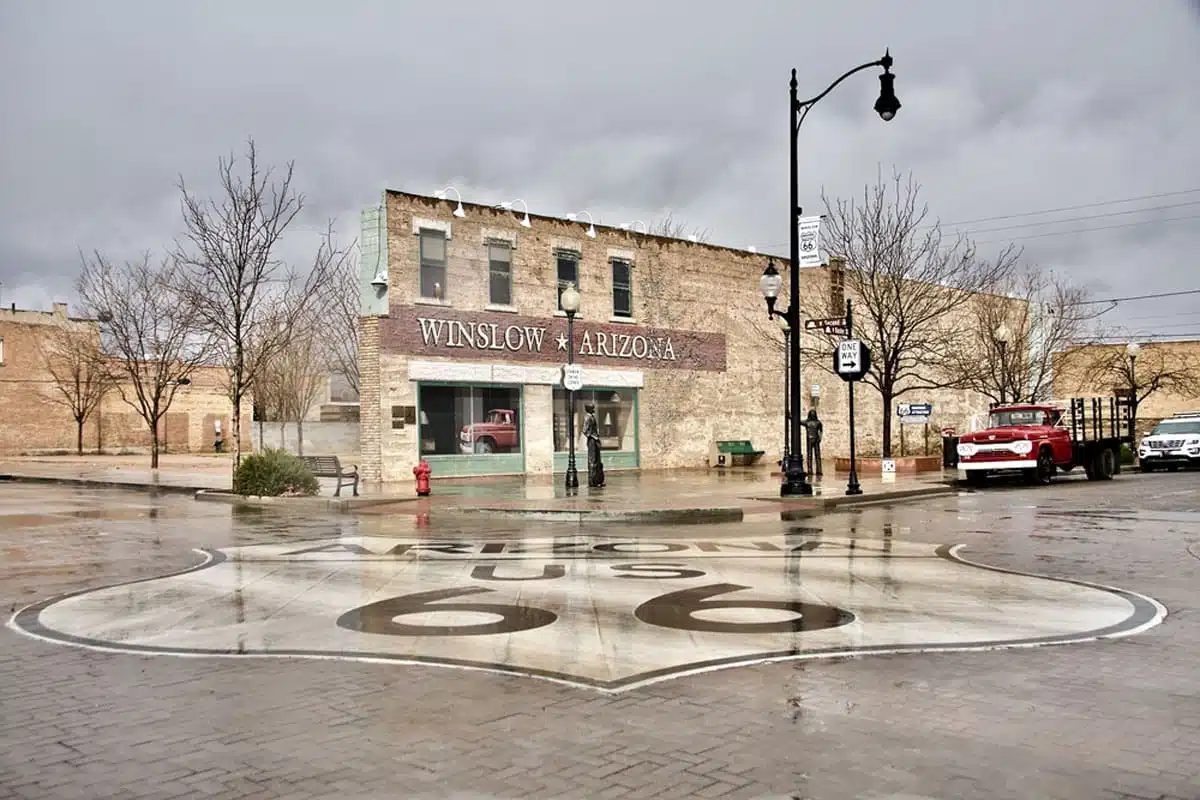
Even if you’ve never listened to the Eagles, Winslow is a genuinely charming Route 66 town about an hour and a half east of Sedona. Standin’ on the Corner Park, inspired by the famous lyric from Take It Easy, is the main attraction for visitors, with a mural and a statue of Glenn Frey (added in 2016) that make for an irresistible photo.
But the historic downtown beyond it is worth exploring for its own sake, with old brick storefronts and a Route 66 heritage that runs deep. Don’t miss La Posada, a 1930 railway hotel designed by Mary Colter, whose Turquoise Room restaurant is a great spot for lunch or dinner. A good choice if you want something lighter and more characterful than a national park day.
Drive: About 89 miles via Flagstaff and I-40, 1.5 to 1.75 hours.
Verde Valley loop and wine trail
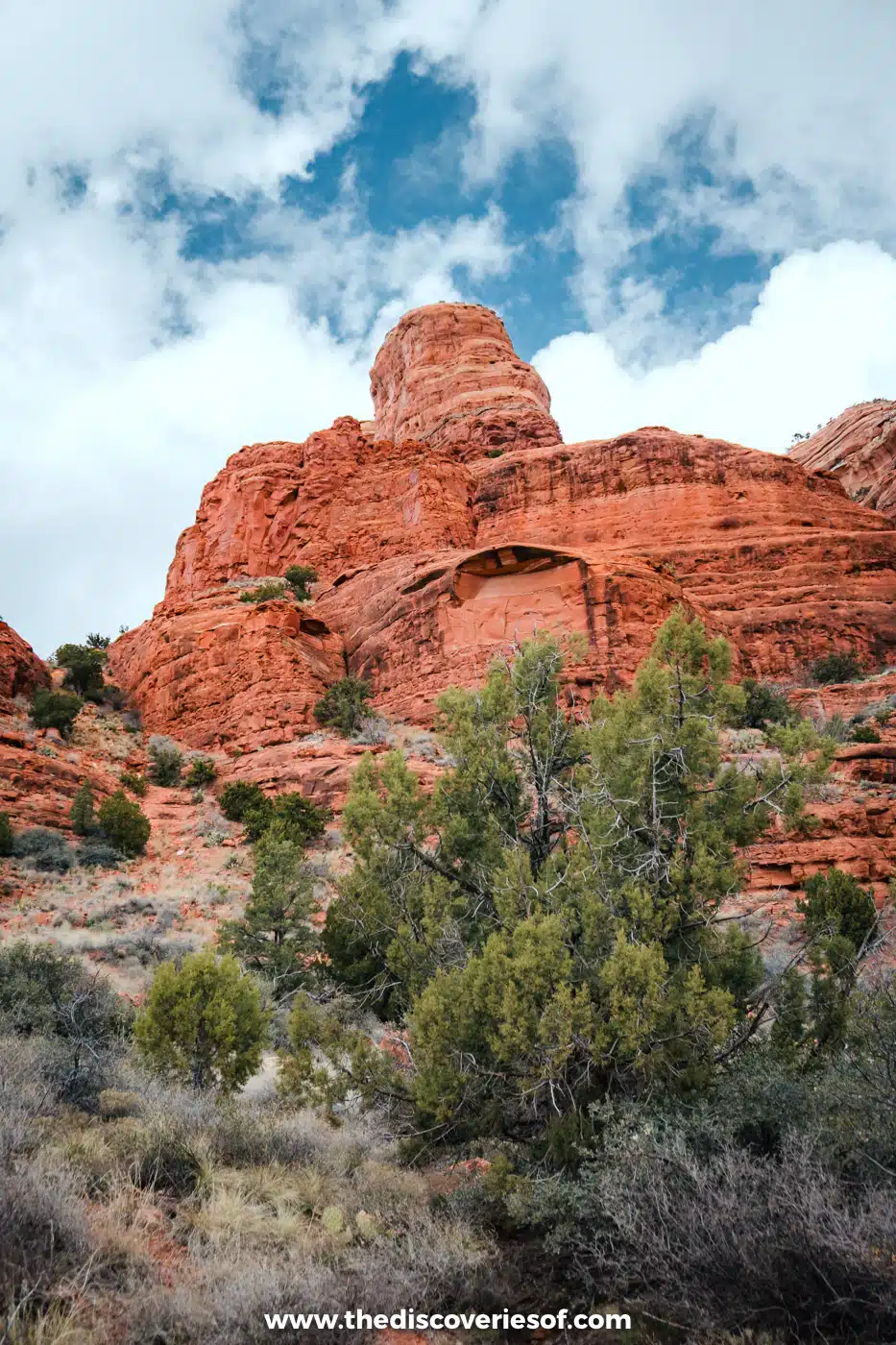
The Verde Valley scenic loop takes you through some of Arizona’s most varied landscape in a single day: vineyard country around Cornville and Page Springs, the historic mining town of Jerome clinging to Cleopatra Hill, the Verde Canyon Railroad depot at Clarkdale, and the small towns of Cottonwood and Camp Verde.
Jerome alone is worth the detour. Once a booming copper town (the United Verde mine ran from 1876 to 1953), it’s now home to fewer than 500 people and has reinvented itself as an arts community, with galleries, independent restaurants and views across the valley that are hard to beat. Jerome State Historic Park, in the 1916 Douglas Mansion, tells the mining story. If you’d rather sit back, the Verde Canyon Railroad runs four-hour return trips from Clarkdale through the canyon.
Drive: Roughly 80 miles as a loop from Sedona, or about 2 hours of driving in total, but plan for a full day of stops.
The Verde Valley wine trail
The Verde Valley became an official American Viticultural Area (AVA) in 2021, and it’s the easiest Arizona wine region to visit from Sedona. Some of the best stops on the wine trail:
- Page Springs Cellars, Cornville: a creekside winery known for Rhône-style wines, open every day of the year.
- Javelina Leap Vineyard, Cornville: one of the valley’s pioneering wineries, just along Page Springs Road, with a bistro.
- Oak Creek Vineyards, Cornville: also on Page Springs Road, so it’s easy to visit all three in one afternoon.
- D.A. Ranch, Cornville: a family-run vineyard offering seasonal walking tours.
- Alcantara Vineyard, Camp Verde: a large estate with a tasting room open every day.
- Caduceus Cellars, Jerome: Maynard James Keenan’s tasting room on Jerome’s Main Street.
- Merkin Vineyards Hilltop Winery & Trattoria, Cottonwood: wine with Italian food and views over Old Town Cottonwood.
Don’t drink and drive: either nominate a driver or book a tour, such as this Verde Valley wine tour with pick-up from Sedona. And remember to bring ID; you’ll be asked for it even if you don’t look 21.
Tempe

Tempe is over two hours by car and therefore better suited to an overnight stay than a strict day trip, but if you’re committed, it rewards the effort. It has a strong craft beer scene (Four Peaks Brewing is the standout), waterfront dining around Tempe Town Lake and the buzz of a university city. Top of the Rock restaurant, at the Phoenix Marriott Resort Tempe at The Buttes, has views over the desert and city lights that are worth the trip on their own. Factor in the return journey and this is a long day.
Drive: About 128 miles via I-17, around 2 hours 15 minutes.
Walnut Canyon National Monument
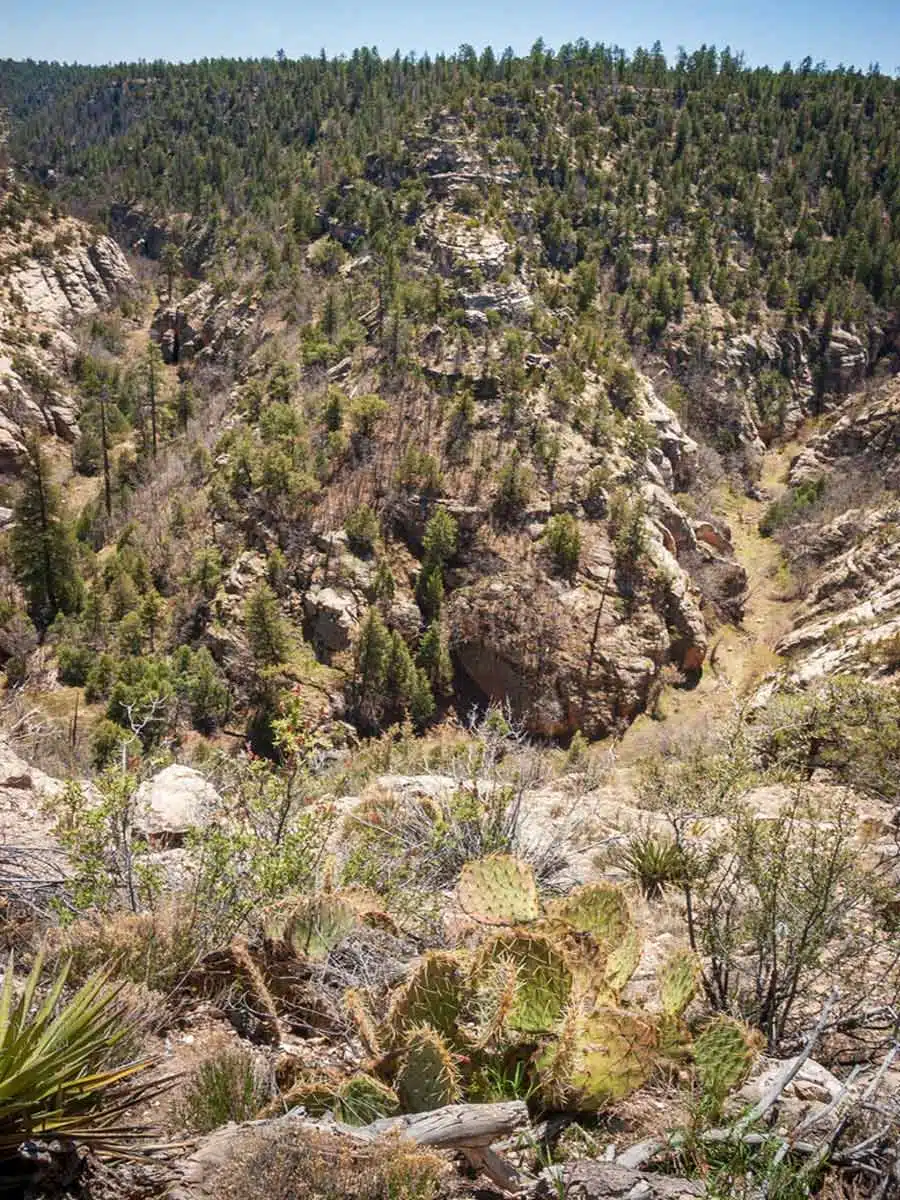
About an hour from Sedona, just east of Flagstaff, Walnut Canyon contains a series of cliff dwellings built by the Sinagua people in the 1100s and 1200s, similar in culture to the builders of Montezuma Castle but set in a completely different landscape. The Island Trail descends 240 steps into the canyon and passes right by 25 of the cliff rooms, which are remarkably well preserved. The Rim Trail above offers views down into the canyon and across the surrounding ponderosa pine forest. Good value and not crowded.
Entry is $25 per vehicle (cards only), and the Island Trail can close for snow and ice in winter.
Drive: About 44 miles via Flagstaff and I-40, around 1 hour.
Mogollon Rim
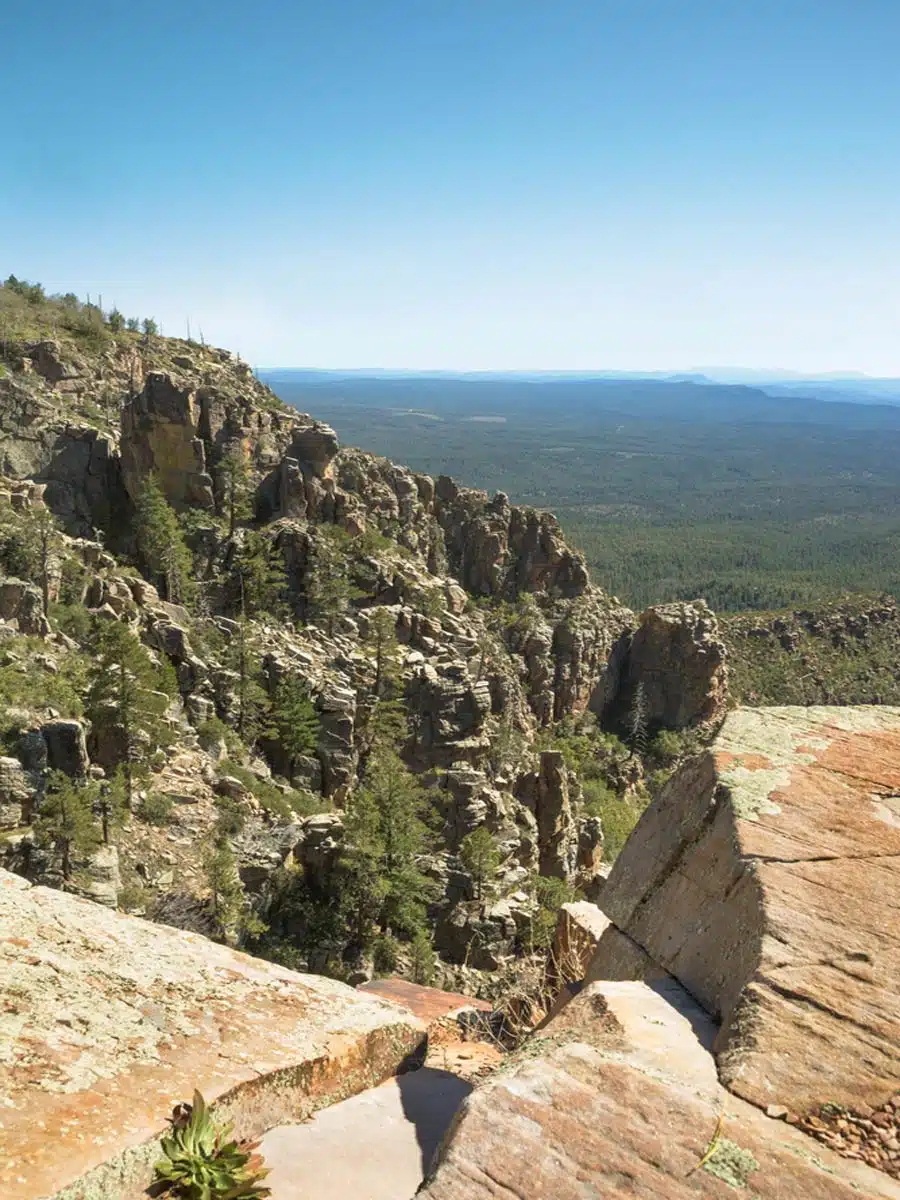
The Mogollon Rim is a 200-mile escarpment marking the southern edge of the Colorado Plateau: think a dramatic cliff edge with vast views over the forested country below. Driving Arizona Route 260 along the rim east of Payson gives you consistently good views, and there are hiking trails, fishing lakes and picnic areas throughout. The Mogollon Rim Visitor Center near Woods Canyon Lake opens from Memorial Day to Labor Day only, and the dirt Rim Road (FR 300) can close after snow.
There is very little infrastructure out here, so go prepared with food, water and a full tank of fuel. The drive itself is genuinely scenic.
Short on time? This private jeep tour from Sedona heads up the Munds Wagon Trail into Bear Wallow Canyon, below the rim, for a taste of the Colorado Plateau without the long drive.
Drive: About 121 miles via SR-260, 2.25 to 2.5 hours.
Lake Powell
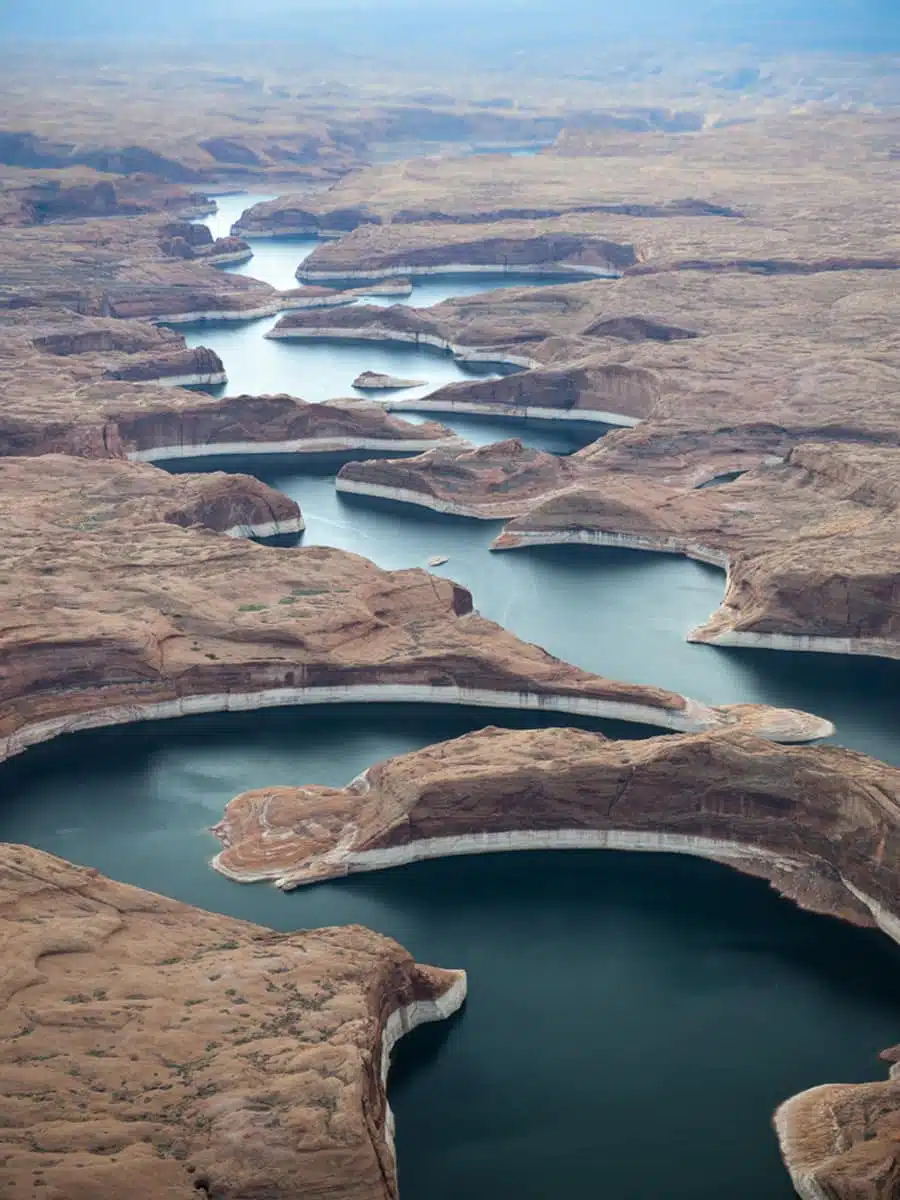
Lake Powell is around a 3-hour drive from Sedona, which makes it a long day, but the turquoise water against the red sandstone canyon walls is one of the American Southwest’s great sights. The Wahweap area near Page is the main access point, with boat tours, boat hire and kayak hire.
Water levels are very low at the moment (the lake hit a record summer low in June 2026), and some launch ramps, including the main Wahweap ramp, are out of use, so check the National Park Service’s updates if you’re planning to get out on the water.
If you make the journey, stop at Horseshoe Bend on the way. It’s about 5 miles south of Page and one of the most dramatic viewpoints in Arizona; parking is $10 per car, and the walk to the overlook is 1.5 miles return.
Drive: About 165 miles via US-89, around 3 hours.
Monument Valley
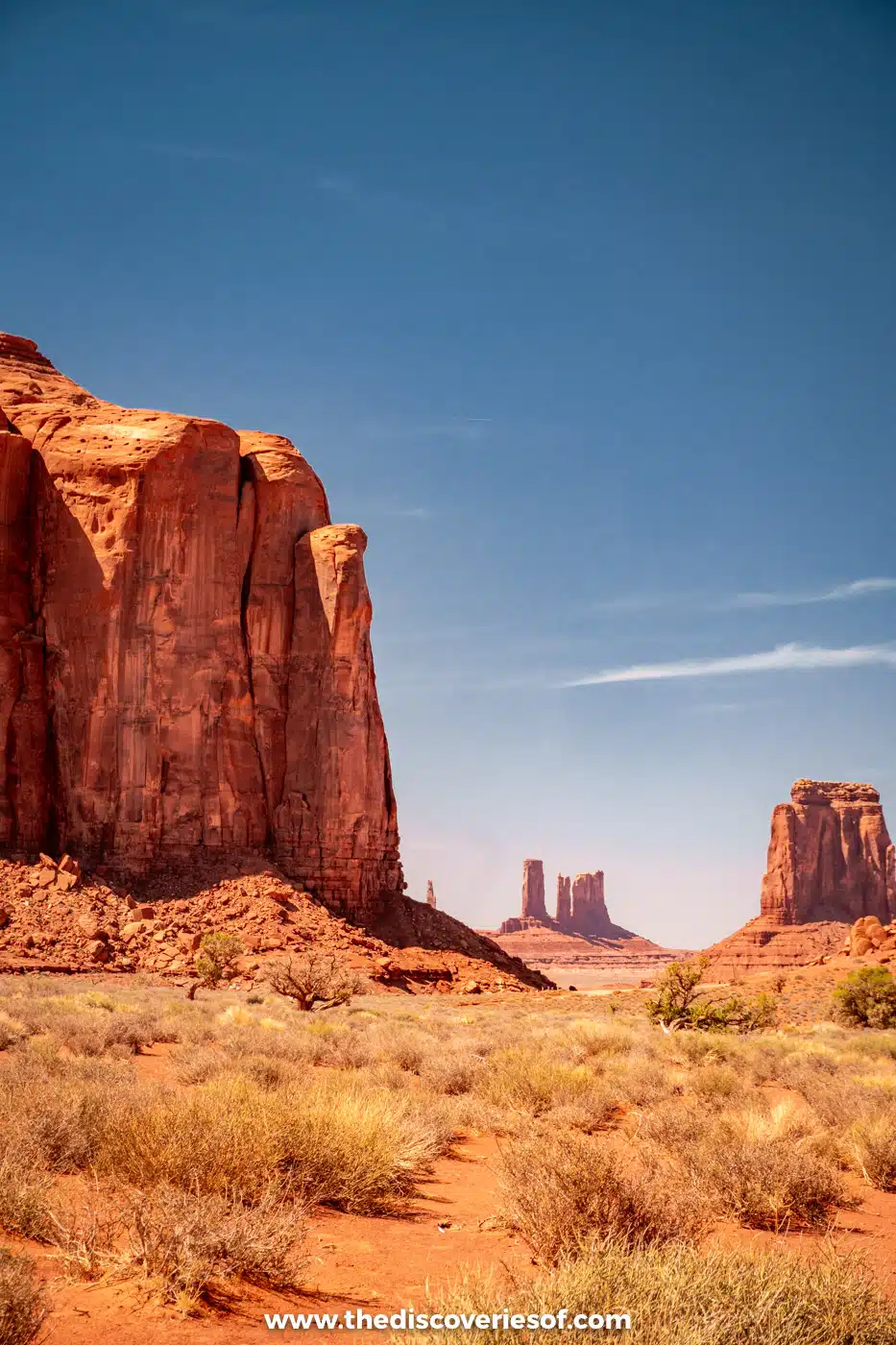
Monument Valley is a very long day trip, roughly four hours each way from Sedona, and I’d strongly recommend booking a guided tour rather than attempting it independently. The valley sits on Navajo Nation land, and a Navajo guide is required for most of the backcountry areas. That requirement isn’t a logistical inconvenience; it’s what makes the visit meaningful. The guides are knowledgeable, and the access they provide to areas of the valley you can’t reach on your own is worth every minute of the long drive.
If you do drive yourself, entry is $10 per person, and US national park passes aren’t accepted. See my guides to the best hikes in Monument Valley and Forrest Gump Point for ideas.
Drive: About 210 miles, around 4 hours.
Wupatki National Monument
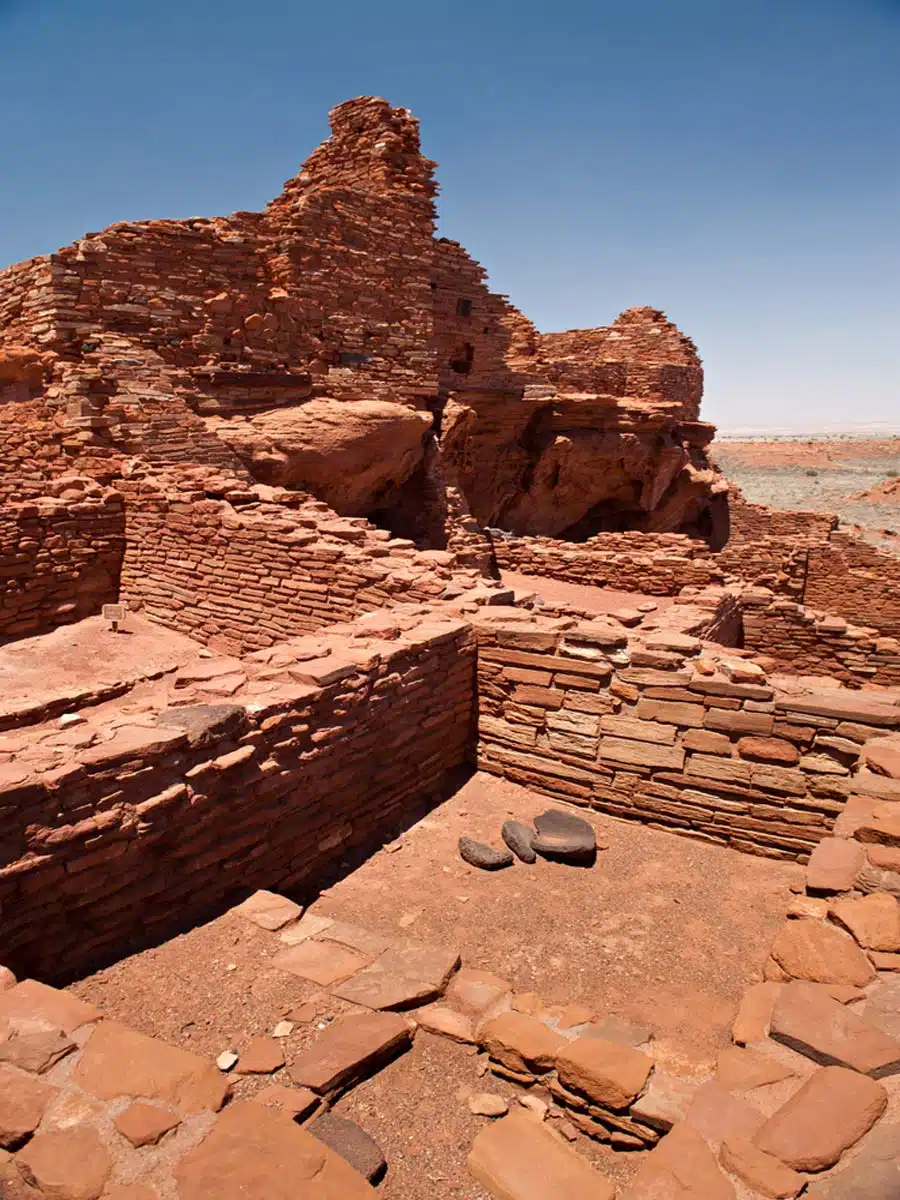
Wupatki is one of the better-kept secrets near Flagstaff: a series of well-preserved red rock pueblos built in the 1100s, spread across a dramatic open landscape north of Flagstaff in the shadow of the San Francisco Peaks. Wupatki Pueblo itself is the largest and most impressive, with more than 100 rooms, a community room and a rare ball court, the northernmost found in North America. The drive here passes Sunset Crater, which makes the two monuments a logical pairing for a full day.
Drive: About 67 miles via Flagstaff, around 1.5 hours.
Book a ruins and volcanoes tour
Seligman
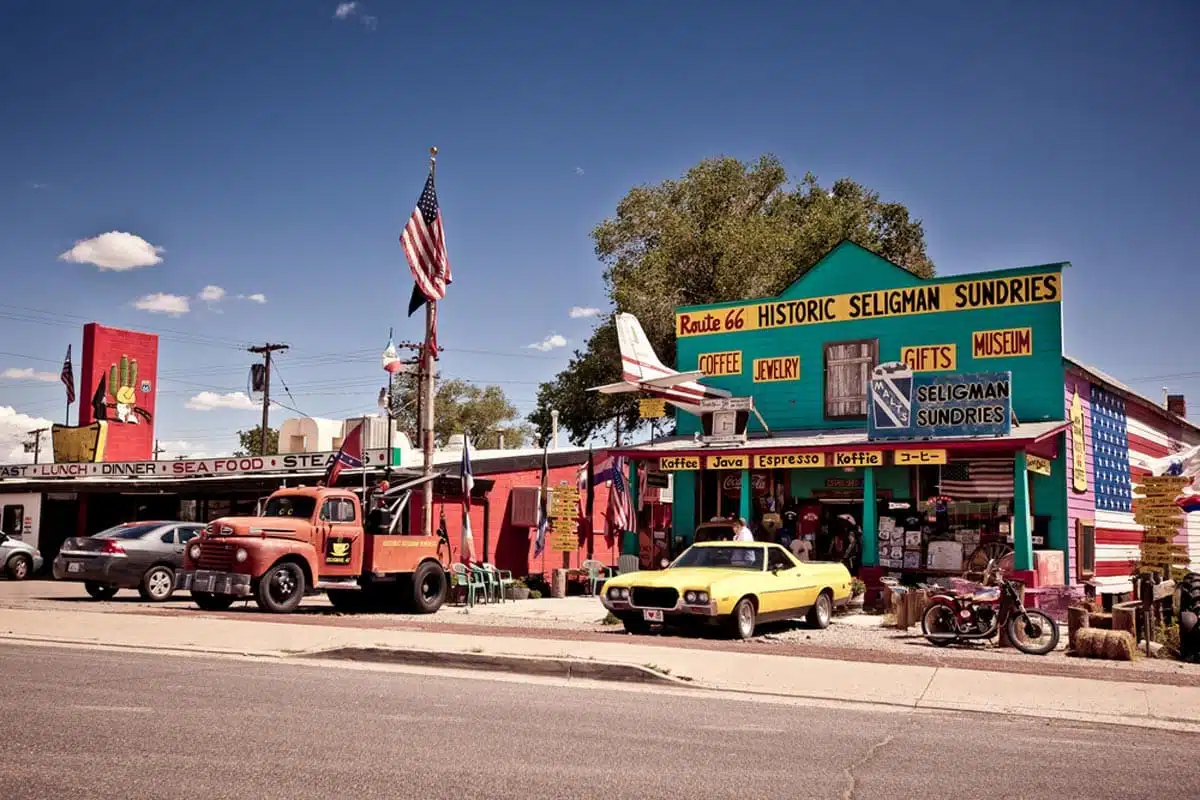
Seligman has a genuine claim to being the birthplace of Route 66 nostalgia. It was local barber Angel Delgadillo who founded the Historic Route 66 Association of Arizona in 1987 and campaigned to have the road recognised as a historic highway, helping to spark the preservation movement. The town now leans hard into its 1950s identity, with classic cars, retro diners and wall-to-wall Americana; the Snow Cap Drive-In, opened in 1953 by Angel’s brother Juan, is a must. It’s unapologetically kitsch and completely enjoyable for it. Plan 2 to 3 hours here, not a full day.
Drive: About 106 miles via Flagstaff and I-40, around 2 hours.
Sonoran Desert
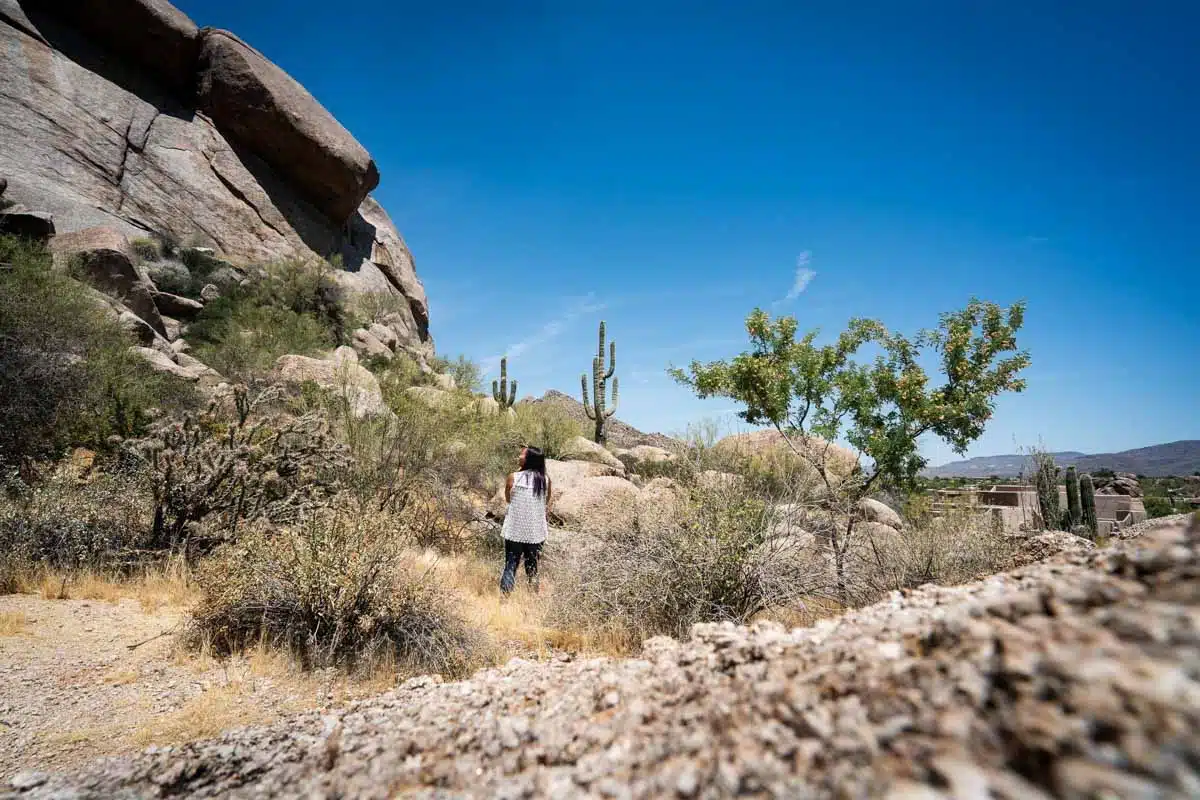
The Sonoran Desert is the most biodiverse desert in North America. That sounds like a contradiction, but its two rainy seasons (gentle winter rains and the summer monsoon) produce a surprisingly lush landscape. The signature species is the saguaro, the tall cactus with arms that defines the classic Southwest skyline, but the desert also supports bighorn sheep, coyotes, roadrunners, Gila woodpeckers and an extraordinary range of plant life.
The McDowell Sonoran Preserve outside Scottsdale is one of the best places to explore it, with more than 230 miles of well-marked, free trails. See my guide to outdoor activities in Scottsdale for more ideas.
Drive: About 116 miles via I-17, around 2 hours.
Practical tips
You need a car for virtually all of these; public transport between these destinations is limited to non-existent. Book guided tours, especially for Antelope Canyon and Monument Valley, well in advance in peak season (March to May and September to November).
National parks and monuments charge entry fees: Montezuma Castle and Tuzigoot are $10 per adult, Walnut Canyon is $25 per vehicle, and Sunset Crater and Wupatki share a $25 vehicle pass. The America the Beautiful annual pass ($80 for US residents, $250 for everyone else) pays for itself quickly if you’re visiting several, and it saves non-residents the extra $100 per person at the Grand Canyon. Navajo tribal parks, including Monument Valley and Antelope Canyon, and the parking at Horseshoe Bend don’t accept park passes.
Map
Read next
- Unmissable things to do in Sedona
- Stunning hikes in Sedona
- 3 days in Sedona: the perfect Sedona itinerary
- Brilliant Airbnbs in Sedona: where to stay
- Stunning Grand Canyon hikes to add to your itinerary
- The best things to do in Flagstaff
Love this? Save and share on Pinterest

Discover the top things to do, insider tips and hidden gems in our USA Travel Guides.
Read the guides →