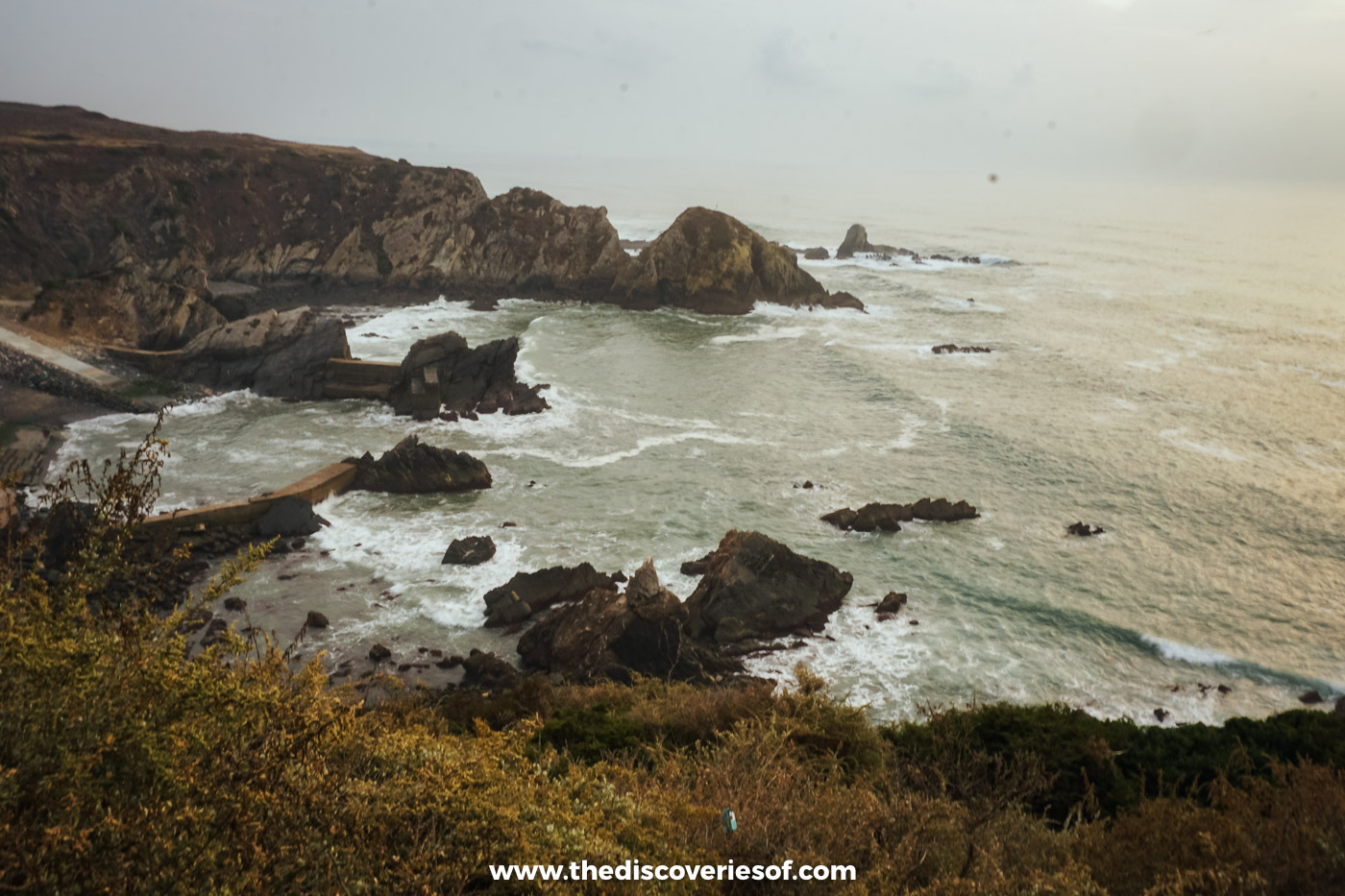

At the very top of the Algarve’s wild west coast, a little river winds through a green valley and spills out into the ocean, splitting one bay into two very different beaches. Which one you get depends on the tide. Here’s how to time it, where to park and surf, and the emptier sands to try further south.
The Algarve most people picture faces south: warm, sheltered coves below golden cliffs. Drive north from Lagos and over the hills, and the coast turns to face the open Atlantic. The wind picks up, the cliffs go dark and the beaches get bigger, wilder and far quieter. This is the Costa Vicentina, and the bay at Odeceixe is where it ends.
I’ve loved this side of Portugal for years. The views come thick and fast, and the beaches more than hold their own. The Ribeira de Seixe, which meets the sea here, is the border between the Algarve and the Alentejo, and on an October trip, I walked the clifftops just north of it on the Rota Vicentina, the long-distance path that follows this coast.
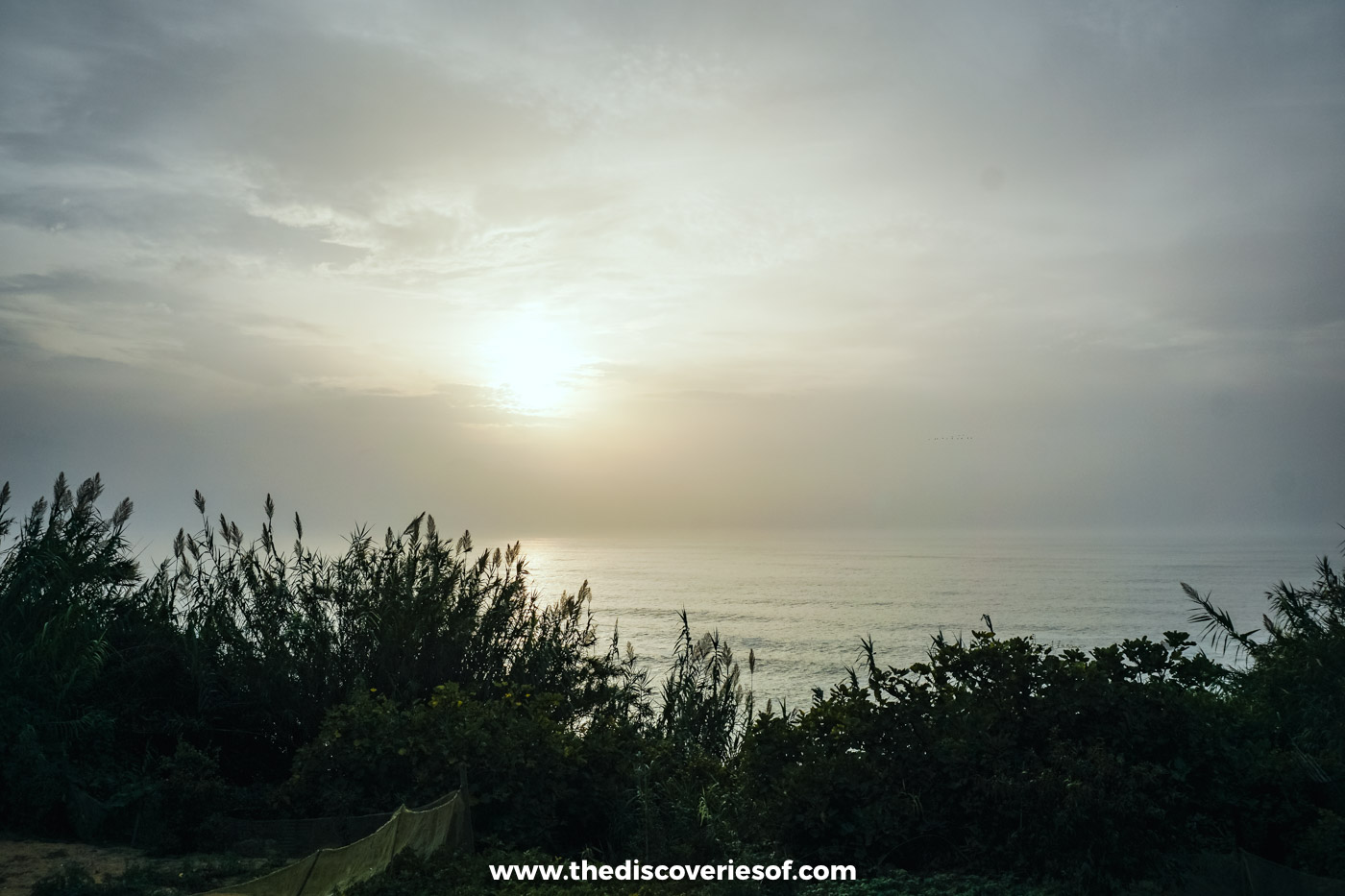
What makes Odeceixe beach special is the river. It loops around the back of the sand before reaching the ocean, so on one side you have Atlantic rollers and surfers, and on the other, calm, shallow water where children paddle and canoes drift upstream.

Odeceixe at a glance
- Where it is: at the mouth of the Ribeira de Seixe, about 3km west of Odeceixe village, at the northern tip of the Algarve and the municipality of Aljezur.
- Getting there: about 50 minutes’ drive from Lagos, 20 minutes from Aljezur and an hour and a half from Faro airport. Buses reach the village, but not the beach.
- Facilities: a car park on the cliffs, a beach bar and restaurant, toilets, showers and sunbeds, with lifeguards on both the sea and the river sides in the summer bathing season.
- The water: rough on the ocean side, calm on the river side, and cooler than on the Algarve’s south coast all year.
- Surf: a consistent beach break, at its best around low tide.
- Best time: June and September for swimming without the crowds; autumn and winter for surfing and walking.
Two beaches in one bay
From the clifftop, the bay is a perfect horseshoe of sand, about 330m across, tucked between dark, rocky headlands. Behind it, the river curls around a wide sandbank before pushing out to sea, so what looks like one beach is really two: an ocean beach facing the waves and a river beach facing the valley.
The ocean side is the Atlantic at its most lively. Waves roll in hard, there are rocks at both ends, and when the swell is up, swimming is for strong swimmers only, between the lifeguards’ flags. The river side couldn’t be more different. The water is warmer, there are no waves, and it’s shallow enough for small children, which is why families set up camp along the bank while the surfers take the other side.
It’s no surprise the beach has collected its share of accolades. In 2012, it was voted one of Portugal’s seven wonders among its beaches, winning the cliff beach category, and it has flown the Blue Flag in recent summers.
Time your visit with the tides
The tide changes everything here. At low tide, the sand stretches far out towards the sea, shallow lagoons and rock pools form at the northern end, and the beach feels enormous. As the water rises, the waves get stronger, the beach narrows, and at high tide, it can split into two or three separate strips of sand.
For a family beach day, aim for the couple of hours either side of low tide. If you want to paddle a canoe or a paddleboard upriver, mid to high tide gives you more water to play with. Check a tide table the night before: the difference between the two is huge.
Top Tip
Walk up to the viewpoint on the northern cliffs before you head down. It’s the best view of the whole bay, with the river snaking in behind the sand.
Surfing at Odeceixe
The ocean side is an exposed beach break that picks up swell all year, and it’s one of the more reliable waves on this stretch of coast. It works best on a northwesterly swell with an offshore wind from the east, and around low tide. Winter brings the most consistent waves, while summer is gentler and better for beginners.
For all its reputation, it rarely gets as crowded as the better-known breaks around Aljezur and Sagres. Surf schools in the village run lessons for all levels and hire out boards and wetsuits, and you’ll want a wetsuit whatever the month: the water on the west coast is noticeably colder than in the coves around Lagos and Albufeira.
Paddle up the Seixe
The river is the beach’s secret weapon. Canoes can be hired on the sand in summer, and from the mouth, the Seixe leads you inland through a green, steep-sided valley, away from the crowds and the noise of the surf. Birds feed along the muddy banks, and on a still morning, the only sound is the splash of your paddle.
You can also follow the river on foot. The quiet road from the village to the beach runs beside it for about 3km, and walking it is a good option on busy summer days, when the car park at the top is full.
Praia das Adegas, the naturist cove next door
Just south of the main beach, around the rocky headland, Praia das Adegas is a small cove and the only official naturist beach on the Algarve’s west coast. Swimwear is allowed, but it’s a designated nudist beach, so respect that if you visit.
You reach it by a steep path and a wooden staircase from a small car park on the cliff above, or around the rocks from the main beach at low tide. There are no facilities and no lifeguards, the currents can be strong, and you should keep well back from the base of the cliffs, which can drop rocks.
How to get to Odeceixe beach, and where to park
The village sits on the main N120 road, which runs up the west coast from Lagos and Aljezur into the Alentejo. From the village, follow the signs for the praia along the river road for about 3km until it climbs onto the cliffs above the bay.
- Parking: the main car park is on the southern cliffs above the beach, with more space along the side of the road. On summer days, it fills up quickly, so arrive early or walk in from the village.
- The walk down: from the car park, a walkway built from recycled material leads between two viewpoints and down to the sand, lit at night by small solar lamps.
- By car: about 50 minutes from Lagos, 20 minutes from Aljezur, an hour and a half from Faro airport and just under three hours from Lisbon.
- By bus: the Vamus line 79 runs from Lagos to the village on weekdays, a journey of about an hour and 25 minutes, and express coaches run from Lisbon. There’s no bus down to the beach, so you’ll need to walk the last 3km or take a taxi.
Getting There
Hiring a car is by far the easiest way to explore this coast, as the buses are infrequent and most of the beaches are well away from the villages.
Walk in on the Fishermen’s Trail
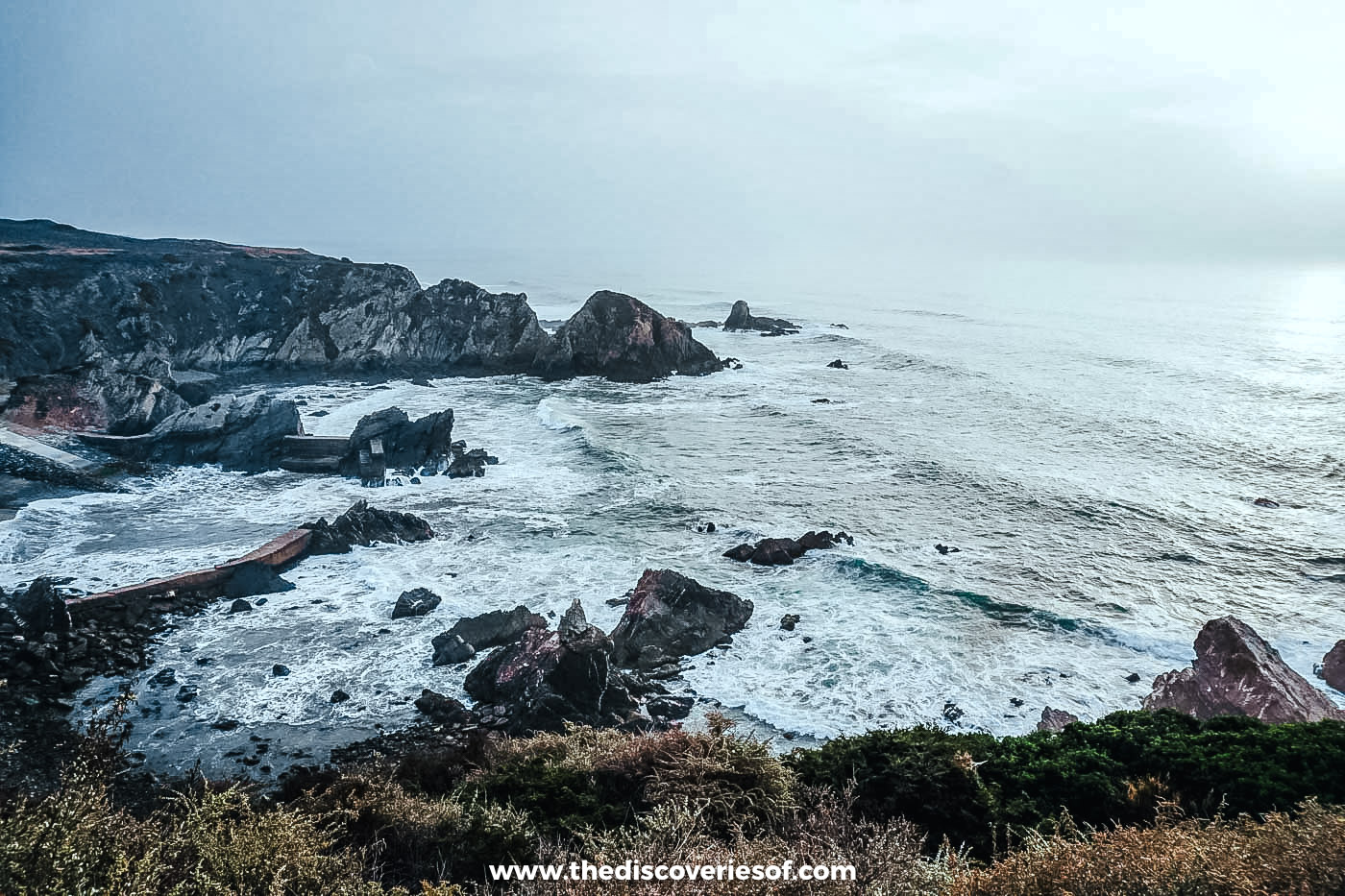
The best way to arrive is on foot. Odeceixe is where the last Alentejo leg of the Fishermen’s Trail finishes, an 18.5km walk from Zambujeira do Mar past coves, fishing harbours and some of the most dramatic cliffs in Portugal.
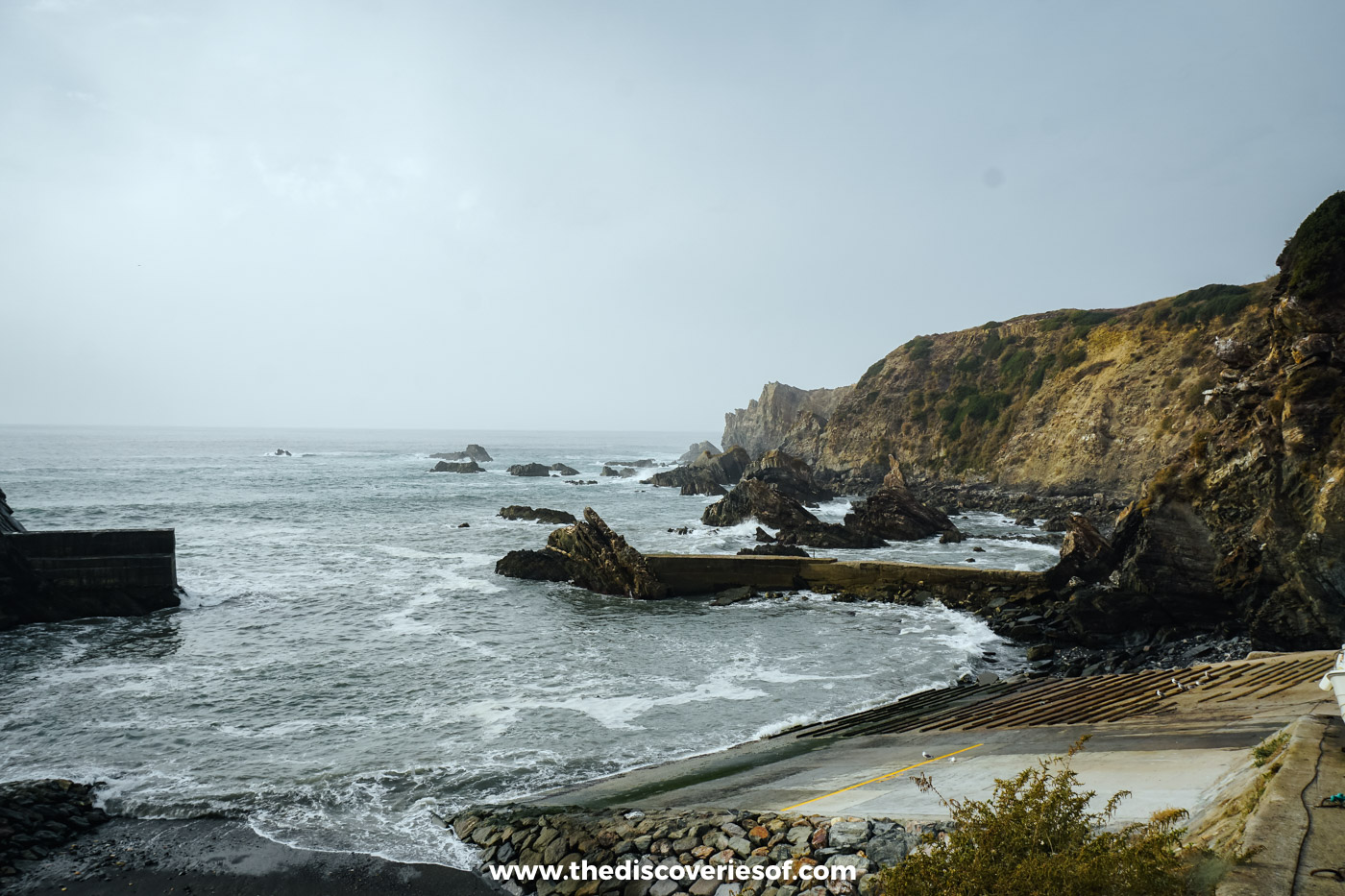
I walked the first part of that stage with a guide, from Zambujeira do Mar to the cove at Praia da Amália, and spent an afternoon in Azenha do Mar, a little fishing harbour about 5km north of the river. The waves were too high for the boats to go out that day, so the fishermen were ashore, working on their lines instead.
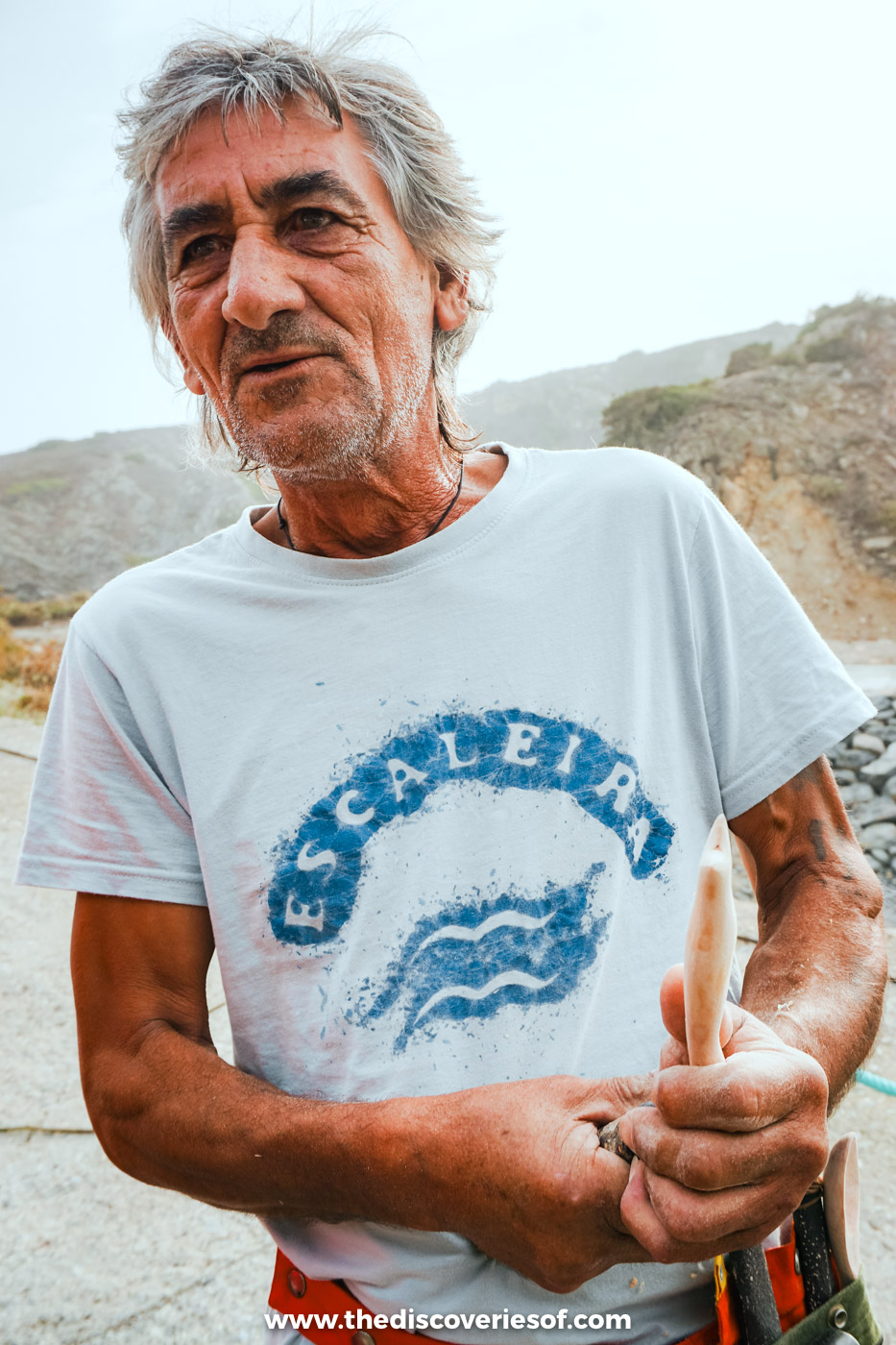
Below Praia da Amália, the cliffs are unstable and the original path is shut, so the route now swings a little inland on a signed detour before following the Seixe down into the village. From there, the trail carries on south into the Algarve, with the next stage running about 22.5km to Aljezur. My guide to walking the Rota Vicentina covers every stage, with distances, the closures and the best times to go.
Odeceixe village
The village itself is worth an hour. Its whitewashed houses climb a hill above the river, crowned by a traditional Algarve windmill that dates back to 1898 and has been restored. Walk up for the view over the rooftops and the valley, then wander back down through the lanes for a coffee.
It’s also the most practical base for the beach, with more restaurants, shops and guesthouses than the handful of places down by the sand. If you’d rather be on the Alentejo side, the clifftop village of Zambujeira do Mar is about 20 minutes’ drive north, and the places to stay along this coast are in my guide to where to stay in Portugal. For more on the Alentejo’s coves and fishing villages, see my pick of the secret spots in the Alentejo.
Vale Figueiras, the wilder alternative to the south
If Odeceixe is too busy for you, keep driving. About 50 minutes south, beyond Aljezur, Praia de Vale Figueiras (sometimes written Vale Figueira) is one of the true secret beaches of the west coast, and the complete opposite of the busy coves on the south coast.

It’s lonely and windswept, a huge sweep of sand below ochre cliffs with views that go on for miles. There’s not a single building in sight, and it’s that emptiness that makes it worth the effort.
And it does take some effort. From Aljezur, head south on the N120, take the N268 towards Vila do Bispo, then turn right at Chabouco towards Vale Figueiras. The little lane soon turns into a dirt track, and you follow it for about 5km to a small car park in the valley behind the beach. Take it slowly in a hire car, especially after rain.
Come prepared, because there’s nothing here at all: no café, no toilets and no lifeguards. A strong undertow runs just off the beach, so it’s a place for surfers, walkers and long, lazy afternoons on the sand rather than a carefree swim.
When to visit Odeceixe
The summer bathing season, roughly June to September, brings lifeguards, open beach bars and the warmest water, but July and August also bring the crowds, and the car park on the cliffs fills up quickly. June and September are the sweet spots: warm enough for the beach, with space to spread out.
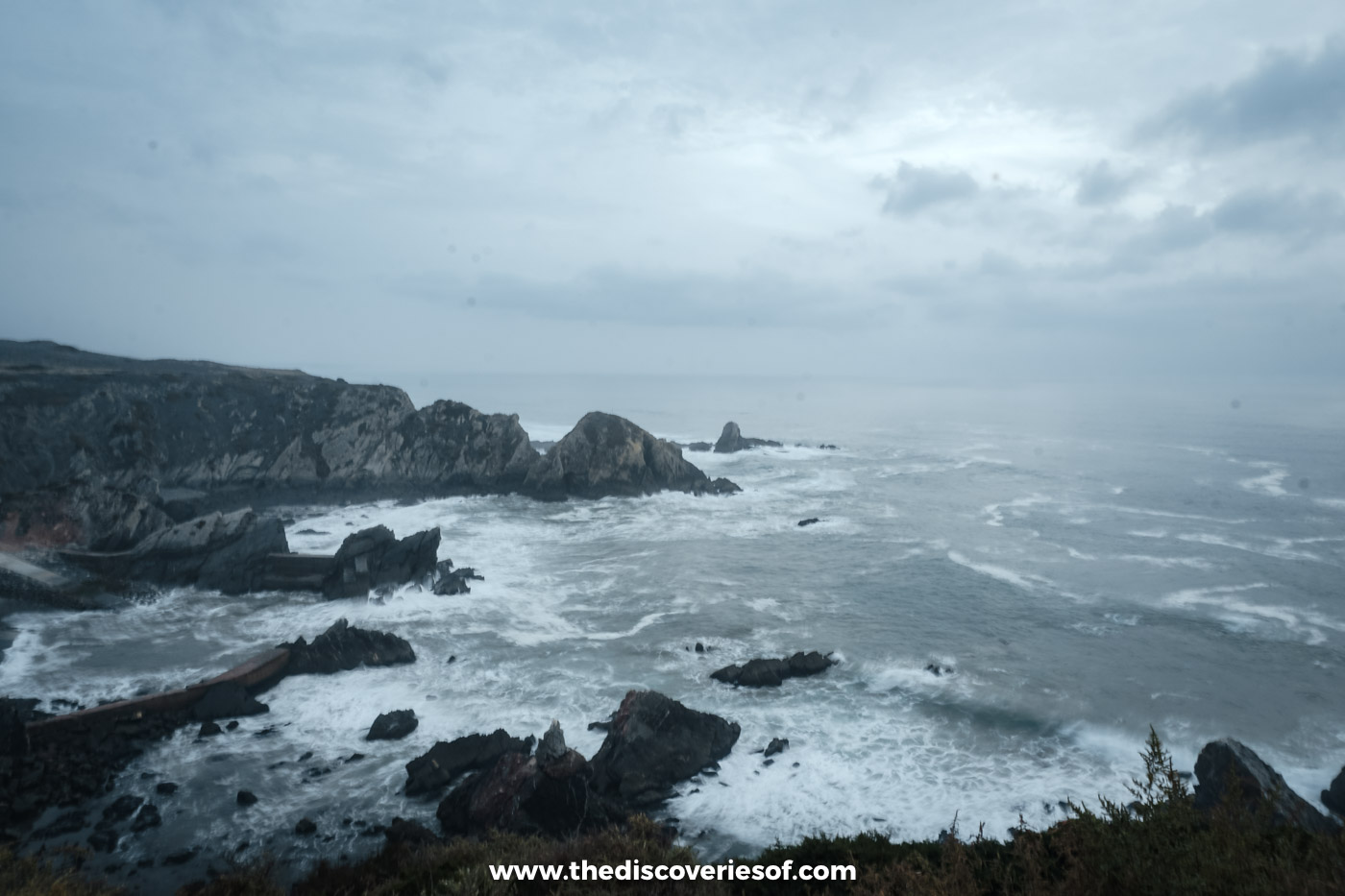
Out of season, the beach belongs to surfers and walkers. October is a lovely month on this coast, with mild days and clear light for the clifftop paths, though the sea is cooler and the lifeguards have gone home. My guide to Portugal in October covers what to expect, and the best time to visit Portugal goes through the Algarve month by month.
A few tips for the day:
- Pick your side. Families should head for the river; swimmers who want waves should stay between the flags on the ocean side.
- Check the tide. Low tide gives you the most sand and the best rock pools; high tide shrinks the beach dramatically.
- Pack layers. The west coast is windier and cooler than the south, even in summer, and the evenings can be fresh.
- Arrive early in summer. The car park on the cliffs fills fast, and the walk from the village adds 3km each way.
Make more of the west coast
Odeceixe is the first of a string of big Atlantic beaches running south to Sagres. Amoreira, Monte Clérigo and Arrifana, around Aljezur, are all within about 40 minutes’ drive, and my guide to the best beaches in the Algarve covers them alongside the famous cliff beaches of the south coast. If you’re based in Lagos, about 50 minutes south, the clifftop path to Praia do Camilo and Ponta da Piedade makes the perfect contrast to a day on the wild side, and my week in the Algarve shows how to fit the west and the east into one trip.
Map
Read next
- The best beaches in the Algarve, from wild Atlantic bays to golden coves
- Walking the Rota Vicentina, stage by stage
- The best things to do in the Algarve
- A week in the Algarve: the perfect itinerary
- Secret spots in the Alentejo you shouldn’t miss
Love this? Save and share on Pinterest
Discover the top things to do, insider tips and hidden gems in our Portugal Travel Guides.
Read the guides →