The Elqui Valley is a small but beautiful region in northern Chile, a green ribbon of vineyards, pisco distilleries and tiny villages on the southern fringe of the Atacama Desert, under some of the clearest skies on earth.
Nicknames like “mystical,” “enchanting,” and even “supernatural” get tossed around when describing the seemingly out-of-place vineyards, farms, and bright stars surrounding the world’s driest desert. Having finally been, I can tell you it’s not hyperbole.
I’d been curious about Chile’s Elqui Valley for years, and on my fourth trip to the country I finally made it. In July I came down from the Atacama and spent a few days based in Vicuña: I went stargazing at a small observatory just outside town, spent a day touring the upper valley with a guide, tasting pisco at my favourite distillery in the area and wine from vines planted at more than 2,000 metres, ate lunch cooked by the sun, and went to see petroglyphs of guanacos carved into boulders.
It might be the rich history of pisco production (that delicious brandy made from local grapes). Perhaps it’s the whispers of UFOs, or that astronomers have been drawn here for decades by the famously clear nights.
Whatever your reason for visiting captivating villages and towns like La Serena, Vicuña, Montegrande and Pisco Elqui, exploring in and around the Elqui Valley is a must on your trip to Chile. This guide covers what I did there, the other places worth your time, and everything you need to plan your own visit.
Some links in this article may be affiliate links, which means we may receive a small commission, at no additional cost to you, if you decide to purchase through one of my recommended partners.
Stay
Stay
Looking for somewhere to stay? Try the boutique hotel Solar Madariaga Hotel in Vicuña.
Top things to do in the Elqui Valley
Explore the town of Vicuña
The birthplace of Nobel-winning poet Gabriela Mistral, Vicuña is a lovely town worth visiting for its gorgeous central plaza during the day and the observatories in the hills around it at night. It’s the valley’s main town, about an hour’s drive inland from La Serena, and it’s where I based myself.
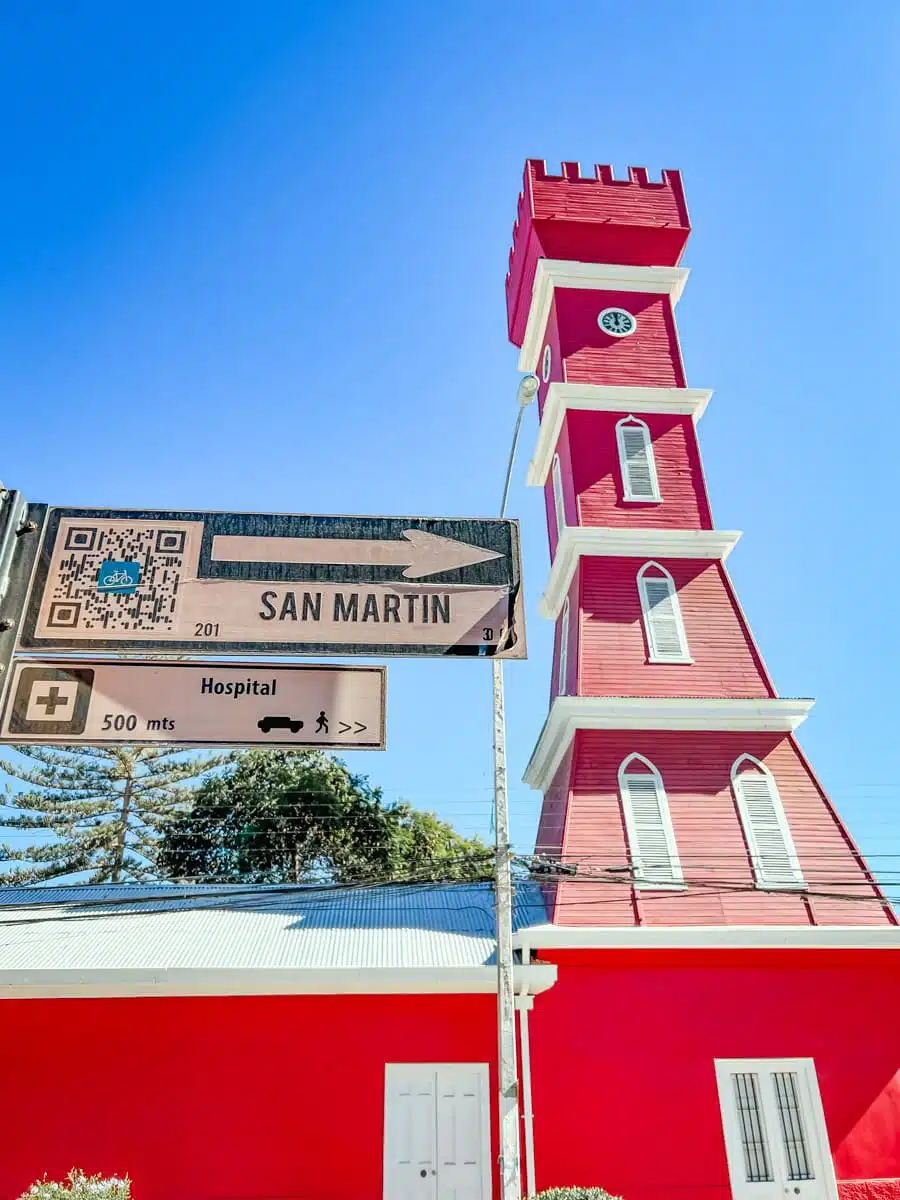
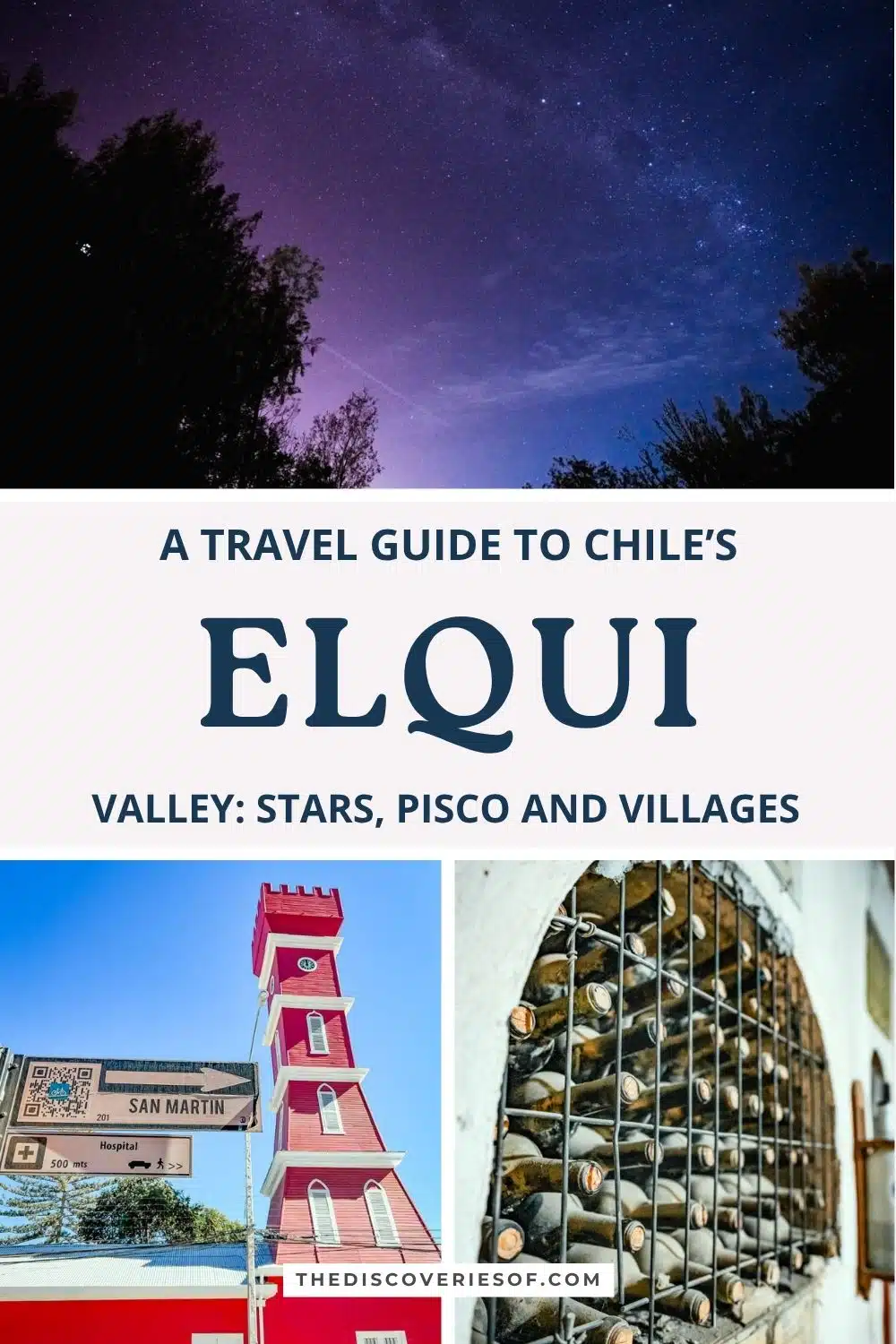
Start on the Plaza de Armas, a shady square with a fountain at its centre. Two buildings stand out on its edges. One is the Church of the Immaculate Conception (more on that below). The other is Torre Bauer, a 28-metre clock tower in red and white that looks like it has been airlifted in from southern Germany. It was built in 1904 and 1905 on the orders of Adolfo Bauer, the German-born mayor of the time, and its design is said to be inspired by the buildings of his home town of Ulm. Today the tourist information office is at its base, which makes it a useful first stop for maps, bus times and observatory tips.
Explore delicious dining options near the town centre, like Café Zamora on the plaza, and the solar-powered restaurants in nearby Villaseca, about 8 km away. Vicuña is also the last place on the road up the valley with a proper supermarket, pharmacy and fuel station, so stock up here if you’re heading on to Pisco Elqui.
Go stargazing at Centro Astronómico Alfa Aldea

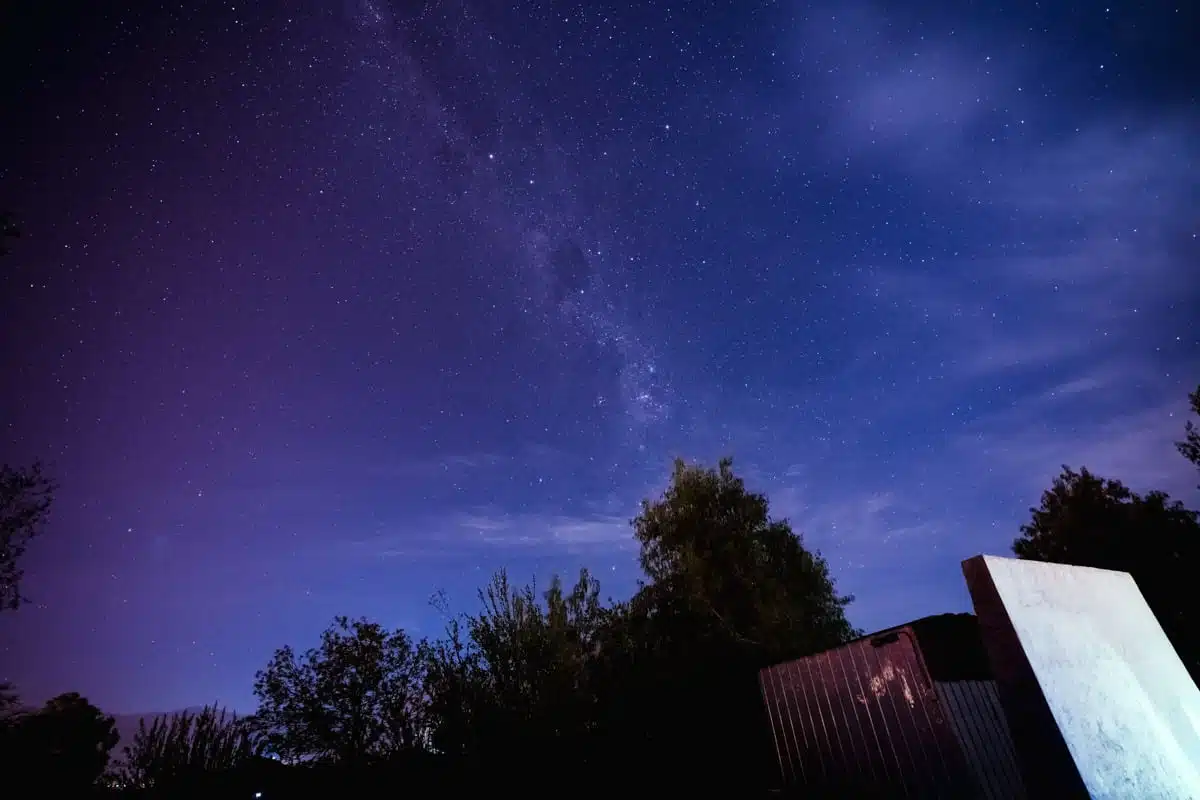
My top recommendation for a trip to the Elqui Valley is to admire the quiet, dark night skies from one of its observatories. Part of the valley lies within the Gabriela Mistral Dark Sky Sanctuary, which in 2015 became the first International Dark Sky Sanctuary in the world, and it’s full of small tourist observatories.
I went to Centro Astronómico Alfa Aldea, just outside Vicuña, on my first night in the valley, and it was incredible. The group was small, which isn’t always the case at the bigger observatories, and the session started with a 3D video tour of the galaxies before the group moved outside for a talk through the night sky and guided telescope viewing of stars and galaxies. Mine came with a glass of wine (yay).
The astronomy tour takes about an hour and 40 minutes and costs CLP 20,000 for adults and CLP 10,000 for children aged 4 to 12. Book ahead by email or WhatsApp; it asks for a 50% deposit.
You can also try Observatorio del Pangue, which has professional-quality telescopes and evening tours starting at around 9pm, or the municipal Observatorio Mamalluca, about 9 km from Vicuña, which runs bigger group tours and also has a planetarium with daytime shows (tickets for both are sold online only). Up in Pisco Elqui, Turismo Migrantes takes small groups to a mountaintop site with a 20-inch telescope and a pisco sour (see the tours below). For the science side, the Cerro Tololo observatory offers free guided visits on Saturdays, booked at least 24 hours ahead.
Read more about the region’s night skies in my guide to stargazing in the Atacama Desert.
Go wine tasting at Viña Alcohuaz

Look at the valley on a map, and you’ll see a fair share of wineries. Viña Alcohuaz (Viñedos de Alcohuaz) is one of the best, and it was one of the highlights of my day touring the valley with a guide.
The winery sits right at the top of the valley, about 3.5 km past the village of Horcón on the road to Alcohuaz, with vines planted between 1,650 and 2,206 metres, some of the highest vineyards in Chile. The grapes are still trodden by foot for the first pressing, and the winery credits the intense sun, the altitude and the granite soils for its wines. I tasted incredible Malbec and Grenache in a beautiful setting below the Andes. Its flagship reds are built around Syrah, Garnacha (Grenache) and Carignan.
Book a tasting through the winery’s website, which also lists astronomy experiences and lodging. Allow time for the drive: the road narrows as it climbs, and the views back down the valley are worth stopping for.
Take in the views around Paihuano

The road from Vicuña climbs gently through vineyards to Paihuano, the small town that gives its name to the commune covering the upper valley, including Montegrande and Pisco Elqui. Day tours from La Serena stop at a roadside lookout they call Mirador Cerro Pachón for the most scenic panoramic vistas of the valley floor, a patchwork of green vines between bare, rust-coloured mountains. (Cerro Pachón itself is a 2,700-metre peak to the south, home to research telescopes including the Vera C. Rubin Observatory, and isn’t open to casual visitors.)
Grab a sweet treat from a vendor during the day, like mote con huesillos, a refreshing drink of cooked wheat and dried peaches, and keep an eye out for stalls selling dried fruit along the road.
Visit the Church of the Immaculate Conception

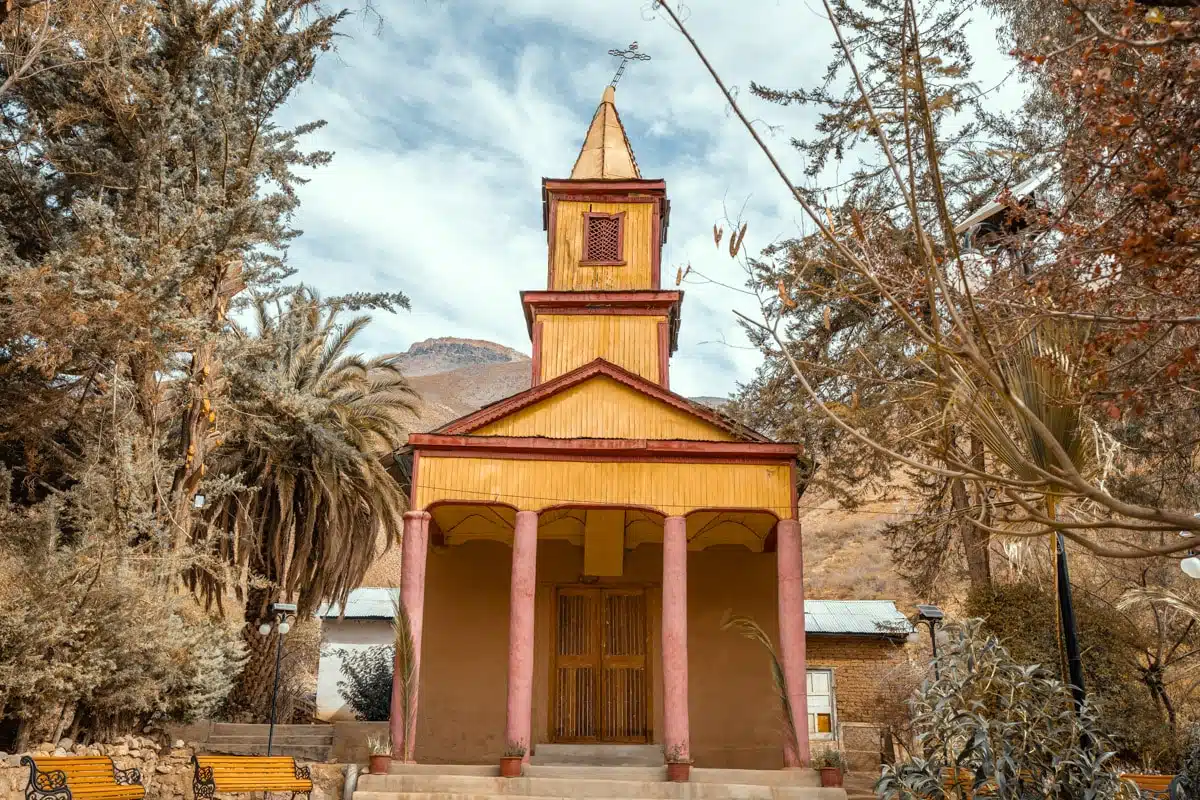
The stunning exterior and tower of the Church of the Immaculate Conception in Vicuña draws you in from the town square with its bright red and white paint contrasting with the (mostly) clear blue skies. It looks especially striking in the late morning, when the sun lights up the façade, and it pairs nicely with Torre Bauer across the plaza, which wears the same colours.
See the petroglyphs at Centro Magnético Piedra del Guanaco

You can see a bit of ancient history in the Quebrada del Pangue in the upper valley, where the area’s early inhabitants left etched drawings of guanacos on large boulders. I was nosy enough to want to see these hidden petroglyphs, and they’re easy to miss: look closely at the rock faces and the stick-legged guanacos start to appear everywhere.
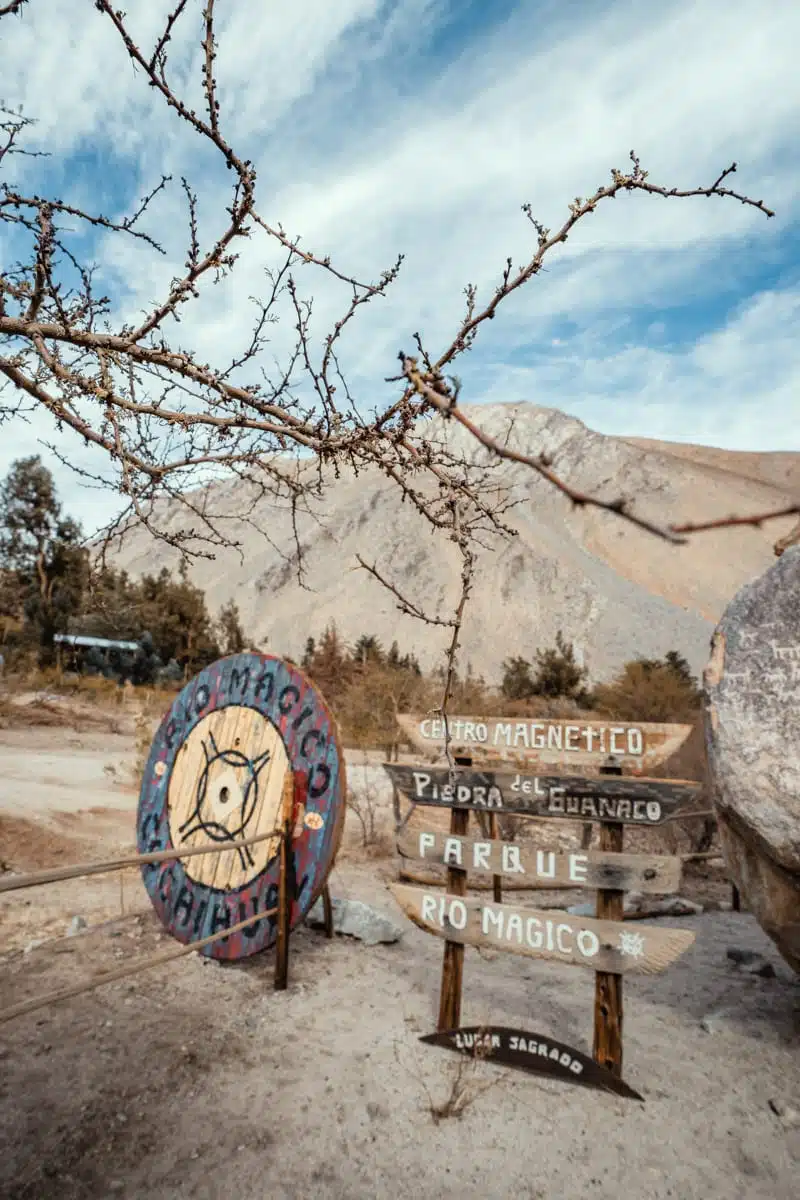
The site is signposted as a “centro magnético”, a nod to the valley’s reputation for mystical energy, and you’ll find little cairns stacked between the boulders. The Elqui Valley was home to the Molle and Diaguita cultures and later the Inca, and its rock art is protected by law: in 2022 a couple who painted on a petroglyph in the same area were reported to the courts, so look but don’t touch. This guided tour of the Cochiguaz valley includes a visit to the Piedra del Guanaco petroglyph.
Take a day trip to the Humboldt Penguin National Reserve

When you’re in La Serena, plan a day trip north to the Humboldt Penguin National Reserve to see the colonies of penguins on Isla Choros. Boats leave the fishing village of Punta de Choros, about 116 km (just under two hours’ drive) north of La Serena, and spend around two and a half to three hours circling Isla Choros and Isla Damas. As well as the penguins, look out for sea lions, the resident dolphins and, especially in summer, humpback, fin and even blue whales.
You can’t land on Isla Choros, but you can walk the 1.8 km trail on Isla Damas, with its white-sand beaches, for up to an hour. Landings are limited each day, cost extra and don’t run every day: Wednesday to Sunday from December to February, and Thursday to Sunday the rest of the year. Boat trips cost around CLP 17,000 to 23,000 per person depending on the day, so check the latest prices at the harbour.
Top Tip
The easiest way to reserve a spot on a boat to the islands is a guided tour like this one, where you’ll also stop by the fishing port of Punta de Choros.
Gabriela Mistral Museum

Visit the Gabriela Mistral Museum, where you’ll see artwork and photos dedicated to the famous poet, alongside passages from some of her brilliant work and objects from her life. Mistral was born in Vicuña in 1889, grew up in the valley and in 1945 became the first Latin American writer to win the Nobel Prize in Literature.
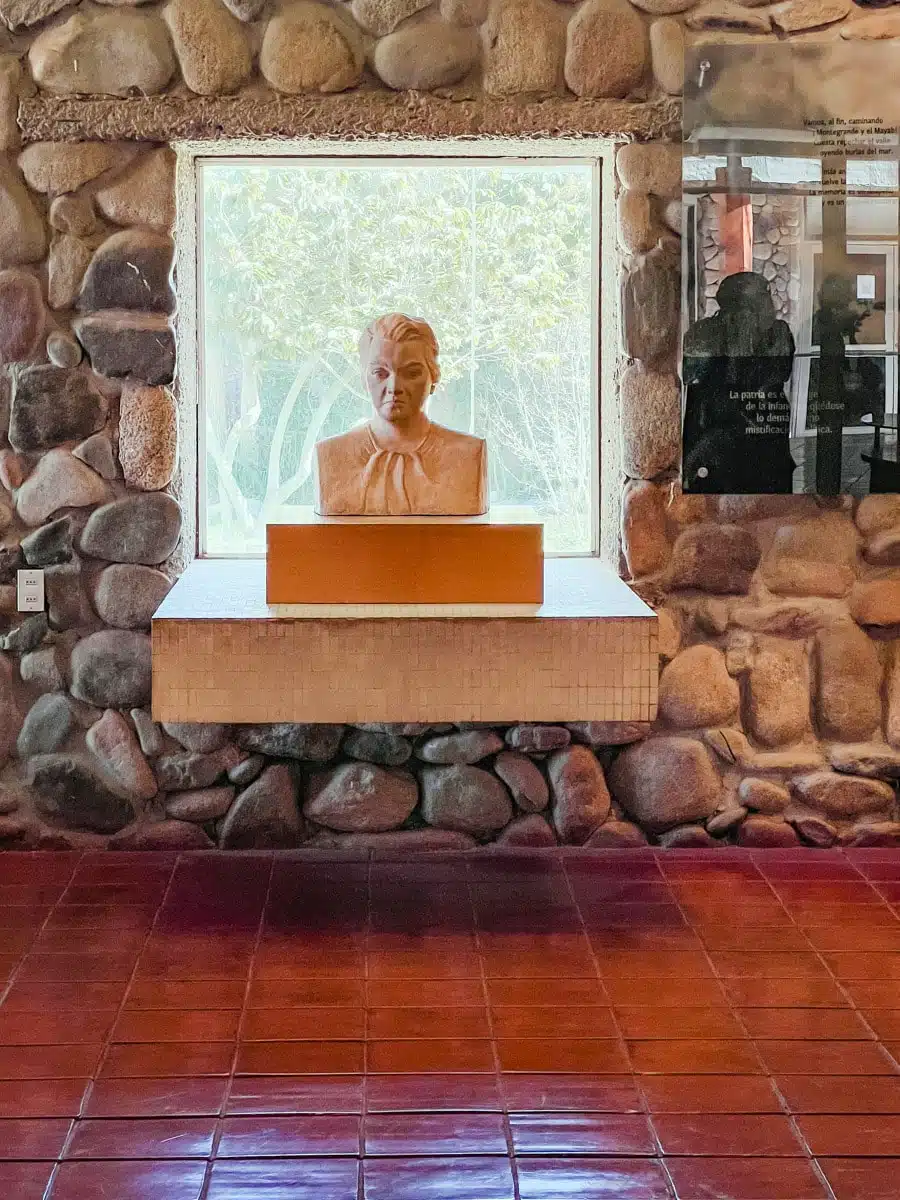
The museum is free, which makes it an easy hour or so on a hot afternoon. Look out for her lines carved into stone among the exhibits. It’s closed on Mondays, so plan around that.
Visit Montegrande, Gabriela Mistral’s childhood village
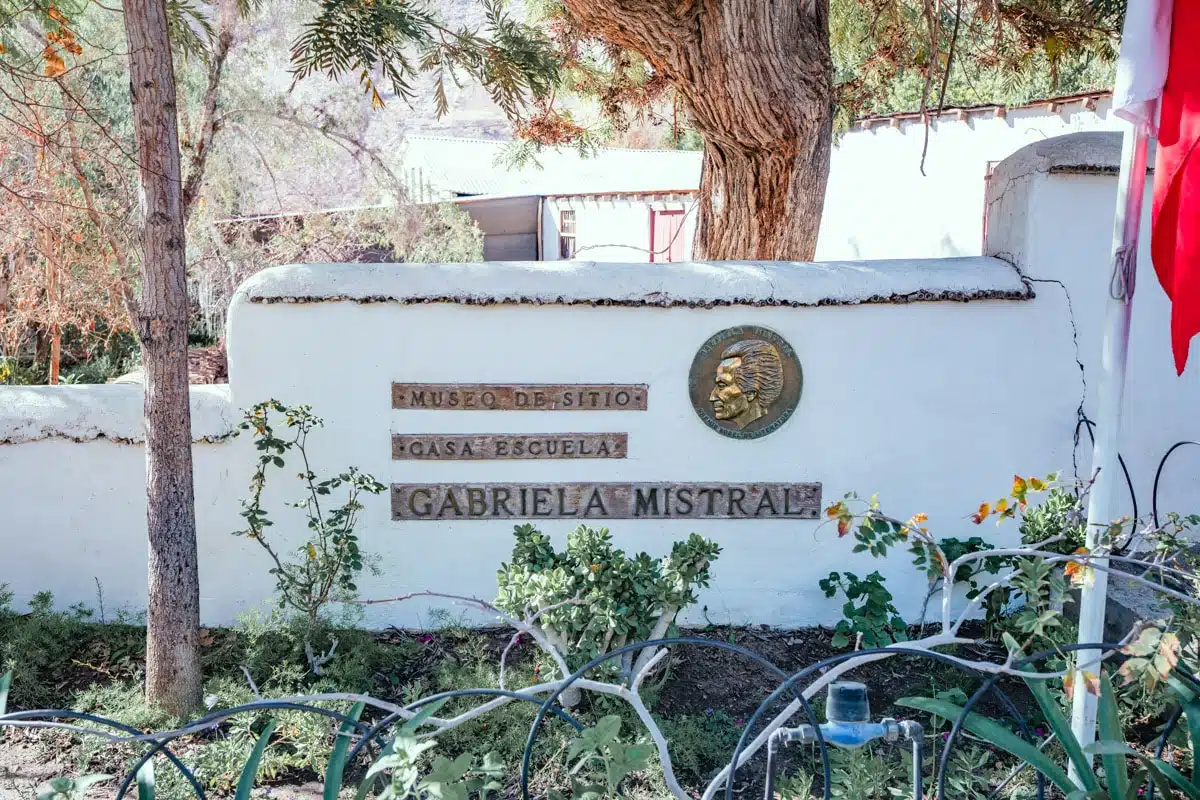
If the museum in Vicuña leaves you wanting more, carry on up the valley to Montegrande. Mistral was born in Vicuña, but she lived here from about the age of three to nine and always thought of it as her home town. The little rural school where she lived and began her schooling is now the Museo Casa Escuela, a house museum and national monument.

Mistral died in 1957 and was first buried in Santiago, but in line with her wishes her remains were moved to Montegrande a few years later, and her mausoleum sits on a hill above the village. I stopped here on my day touring the upper valley, and it’s a quiet, pretty place: the village church, the house, the tomb and the old estate house near the square together form a protected historic zone.
Spend an afternoon in Pisco Elqui

Pisco Elqui, about 1,300 metres up in the upper valley, is the village most people picture when they think of Elqui: a leafy plaza, a white church, craft stalls and cafés, with mountains on every side. It was called La Unión until 1936, when a law renamed it Pisco Elqui to strengthen Chile’s claim to the name of the spirit (Gabriela Mistral was against the change). Around 800 people live here, a number that roughly doubles in summer.
It’s the best base for the pisco distilleries. Pisco Mistral, right in the village, runs guided tours in English and Spanish with tastings and a small museum on the history of pisco (closed on Mondays; book ahead). A short walk or drive towards Horcón, Doña Josefa offers free guided tours every 20 minutes with tastings, and Fundo Los Nichos, my favourite, is just over 3 km further on.
Elqui Valley visitor guide: what to do during your trip
Hidden gems: off the beaten path
Fundo Los Nichos pisco distillery tour

If you only have time for one distillery near Pisco Elqui, be sure to take a tour of Fundo Los Nichos, which makes my favourite pisco in the area. It has been making pisco since 1868, which makes it one of the oldest distilleries in Chile, and it’s still run by the same family, now in its fifth generation.
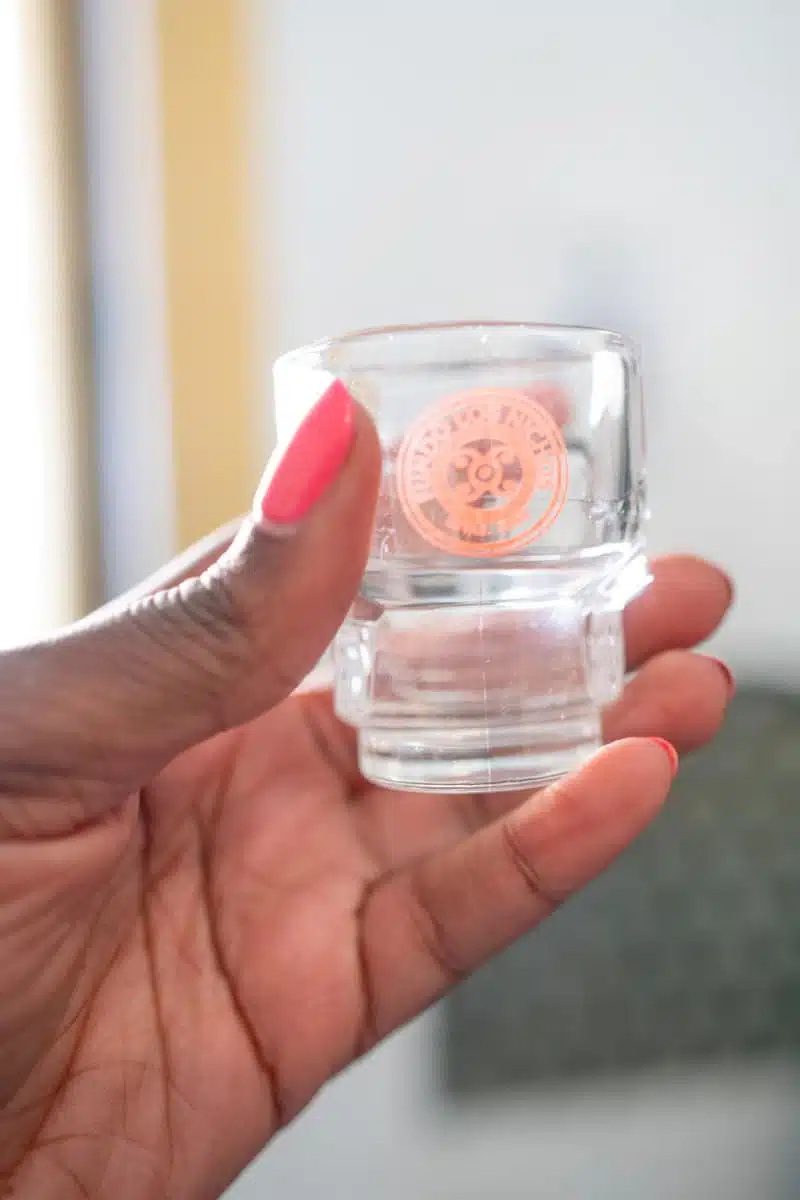
The name comes from the cellar. The founder’s son carved niche-shaped hollows into the walls to store bottles from the best vintages, then turned the cellar into a private club, gave each of his friends a niche, and wrote joking verses about the ones who “fell dead” from too much pisco. You walk through the old adobe buildings, the traditional stills and the cellar, then finish with a tasting.
Guided tours last about 30 minutes and run at 11am, 12pm, 1pm, 3pm, 4pm and around 5pm. They cost CLP 3,000 including the tasting and a small branded glass, and you don’t usually need to book; just arrive 15 minutes before a tour starts.
Solar restaurants in Villaseca

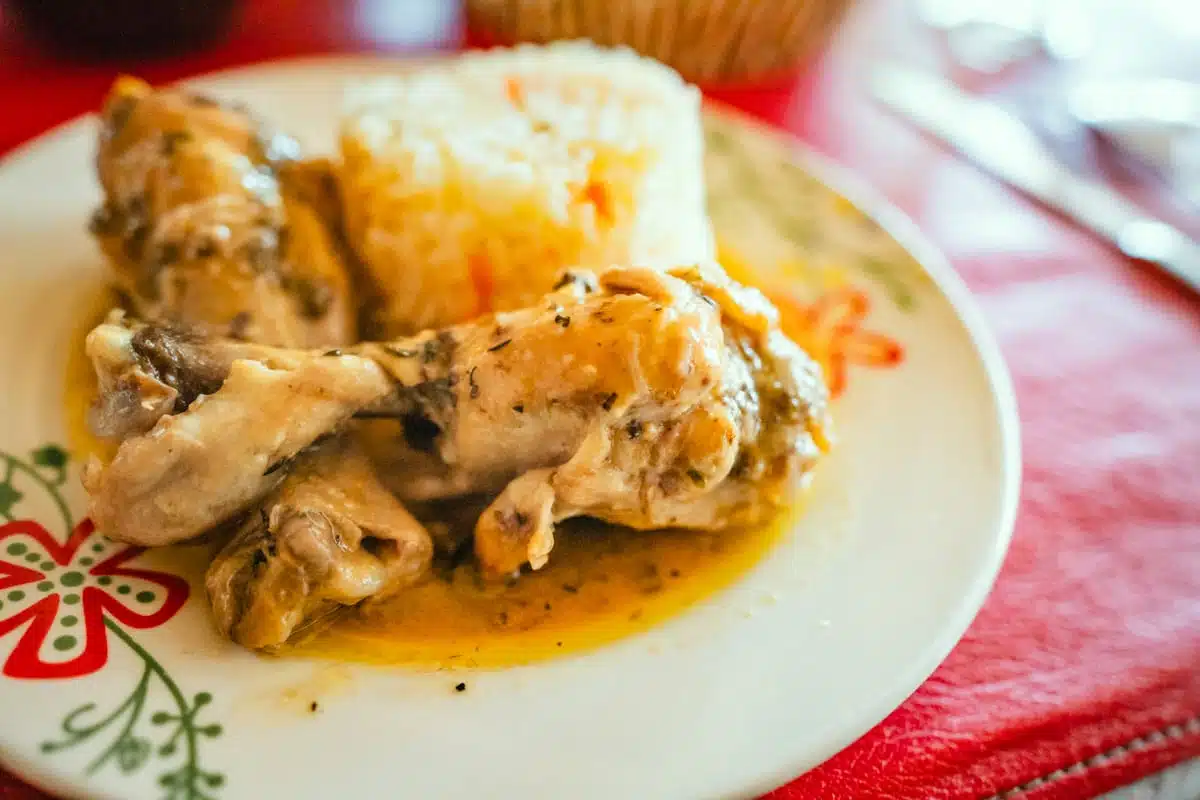
Looking for a fun place to eat? I’d never heard of solar cooking before this trip, so I had to try it. Head to Solar Elqui Donde Martita in Villaseca, about 8 km from Vicuña, where the cooks make tasty dishes like empanadas and stewed chicken (pollo arvejado) in solar ovens out the back.
The idea arrived in Villaseca in the late 1980s, when university students brought solar cookers to the village as part of a nutrition project, and local women formed an association to build and use them. The cookers are simple boxes and parabolas that trap sunlight, and they have to be turned to follow the sun every 15 to 30 minutes, so these are lunch spots rather than dinner ones, and dishes take time.
Alternatively, you can try Delicias del Sol, on a hill with views over the valley, where around 90% of the menu is cooked by the sun (try the cabrito, goat), or Entre Cordilleras, a newer place run by a young couple, with dishes like mote guisado and locro. You choose your favourite.
Hike Cerro Grande in La Serena
If you spend a couple of nights in La Serena, this moderate out-and-back trail of about 4.4 miles (7 km) up Cerro Grande gives you panoramic views over the gateway to the Elqui Valley and the Pacific Ocean. Go early, as there’s little shade, and take plenty of water.
How to see the best of the valley for free

If you’re looking for what to do in the valley for free, I have good news for you.
You can experience many of the top activities, like stargazing near your hotel, taking a stroll through the plaza and the villages, and visiting the Gabriela Mistral Museum in Vicuña, for free.
Or let an expert guide walk you through a pisco tasting at distilleries like Doña Josefa, near Pisco Elqui, free of charge. Its guided tours run every 20 minutes from 11am to 7pm, need no reservation and include a tasting of four piscos, a sweet wine and a pisco sour.
Suggested itineraries
One day
1 day

Gabriela Mistral Museum, Plaza de Vicuña, lunch at Solar Elqui Donde Martita, pisco tasting in Pisco Elqui, dinner at Café Zamora, stargazing at Centro Astronómico Alfa Aldea.
Begin and end your day in Vicuña with a stop in Pisco Elqui for a pisco tasting before dinner. Avoid Mondays, when the museum is closed, book Alfa Aldea ahead, and eat early: Café Zamora closes at 8pm (7pm on Sundays).
Two days
2 days

Museums and lunch in Vicuña, wine tasting at Viña Alcohuaz, stargazing in Pisco Elqui, hiking the Route of the Stars, beaches in La Serena.
On day one, see Vicuña’s museum and plaza in the morning, have lunch in Villaseca, then drive up to Alcohuaz for an afternoon tasting and spend the night in Pisco Elqui, where you can join a stargazing tour from the plaza. On day two, walk in the upper valley, taking in the petroglyphs at Piedra del Guanaco, then head down to La Serena for a late afternoon on the beach.
One week
7 days

La Serena, Humboldt Penguin National Reserve, 2 days in Vicuña, Paihuano, Pisco Elqui, La Serena.
With a week, spend your first night in La Serena and take the penguin day trip from there, then move inland to Vicuña for the museum, the solar restaurants and an observatory. Carry on to Paihuano and Montegrande, then give yourself a couple of nights in Pisco Elqui for the distilleries, Alcohuaz and Cochiguaz before heading back to La Serena.


Must-try bars and restaurants
Café Zamora

Café Zamora was one of my first stops in Vicuña: a cute café serving tasty dishes, on Gabriela Mistral street facing the main square, with shaded seats out front. Try the rotating selection of baked goods (the lemon pie is a favourite) and an above-average cup of coffee for breakfast, or a sandwich or home-style meal later in the day. It closes on Mondays and in the afternoon between 2pm and 3pm.
Antawara Bar de Pisco
One of the best (and most centrally located) spots in Vicuña, Antawara Bar de Pisco is on Gabriela Mistral street, a short walk from the plaza.
Expect bright flavours and excellent dishes featuring seafood, steak, and surprise treats like curried squash. The ambiance is just festive enough to order a second or third pisco sour, and it stays open until 10pm (11:30pm on Fridays and Saturdays), so it’s a good bet before or after an observatory tour.
Cerveza Brother
If you’re staying in Pisco Elqui, Cerveza Brother is the village’s own brewery, with a beer garden serving sandwiches, cheesy fries and pizzas, and live music at weekends. Its five beers lean on local fruit: try the Huesuda, a blonde ale made with huesillos (dried peaches), or the Irish red with figs. It has also brewed collaboration beers with Fundo Los Nichos and Viña Alcohuaz.
Cervecería Guayacán
The valley is renowned for wine and pisco, but craft beer aficionados rejoice: Cervecería Guayacán, founded in 2010 as the valley’s first brewery, serves up some excellent pints of beer.
Order a hazy IPA, stout, or pale ale, or one of the beers brewed with local algarrobo and chañar. The home base is in the village of Diaguitas, near Vicuña, and it also has beer gardens in Vicuña and Pisco Elqui, serving pizzas and sandwiches.
[mv_grow_share networks=”pinterest” show_count=”no” show_total_count=”no” button_spacing=”yes”]

How to plan your trip: top tips
Best time to visit the Elqui Valley

The best time to visit is November to March. You’ll enjoy great beach weather near La Serena and perfect temperatures for hiking and sightseeing in the interior villages. This is also high season, when Chileans pile in for the summer holidays, so book observatory tours and the best hotels ahead in January and February.
Stargazing: the valley is clear for most of the year, but the long, dry winter nights from June to September are especially good. I visited in July and had clear skies for my night at the observatory, but it gets cold after dark, so pack warm layers. Avoid the days around the full moon if seeing the Milky Way is a priority.
Wine tasting: February to May is a busy time for harvesting the grapes used for pisco and wine.
Handy resources for getting there
- Flights: La Serena’s La Florida Airport (LSC) has several daily flights from Santiago, taking about an hour.
- Car hire: you can pick up a car at La Serena airport or in town; it’s the easiest way to reach the wineries, petroglyphs and upper villages.
- TurBus for travelling to the Elqui Valley by bus
- Local buses: Vía Elqui and Sol de Elqui run frequent buses from La Serena to Vicuña and on to Pisco Elqui.
- Airport transfers: most hotels in Vicuña and Pisco Elqui can arrange a transfer from La Serena airport. That’s how I did it: I flew down from the Atacama and had a transfer booked through my hotel waiting at the airport to take me up into the valley.
- GetYourGuide for tours around the Elqui Valley
Where to stay
Paihuano

The commune of Paihuano covers the upper valley, from Paihuano village itself to Montegrande, Pisco Elqui and the side valleys of Cochiguaz and Alcohuaz. It’s close to excellent stargazing spots like Observatorio Cielo Sur in Alcohuaz, the distilleries, and plenty of outdoor adventure.
For a stay built around the night sky, try Elqui Domos, in the Los Nichos sector just outside Pisco Elqui, where the dome rooms have roofs that open so you can fall asleep under the stars.
Vicuña
You’ll find many of the best restaurants, stargazing observatories, and things to do in and around Vicuña.
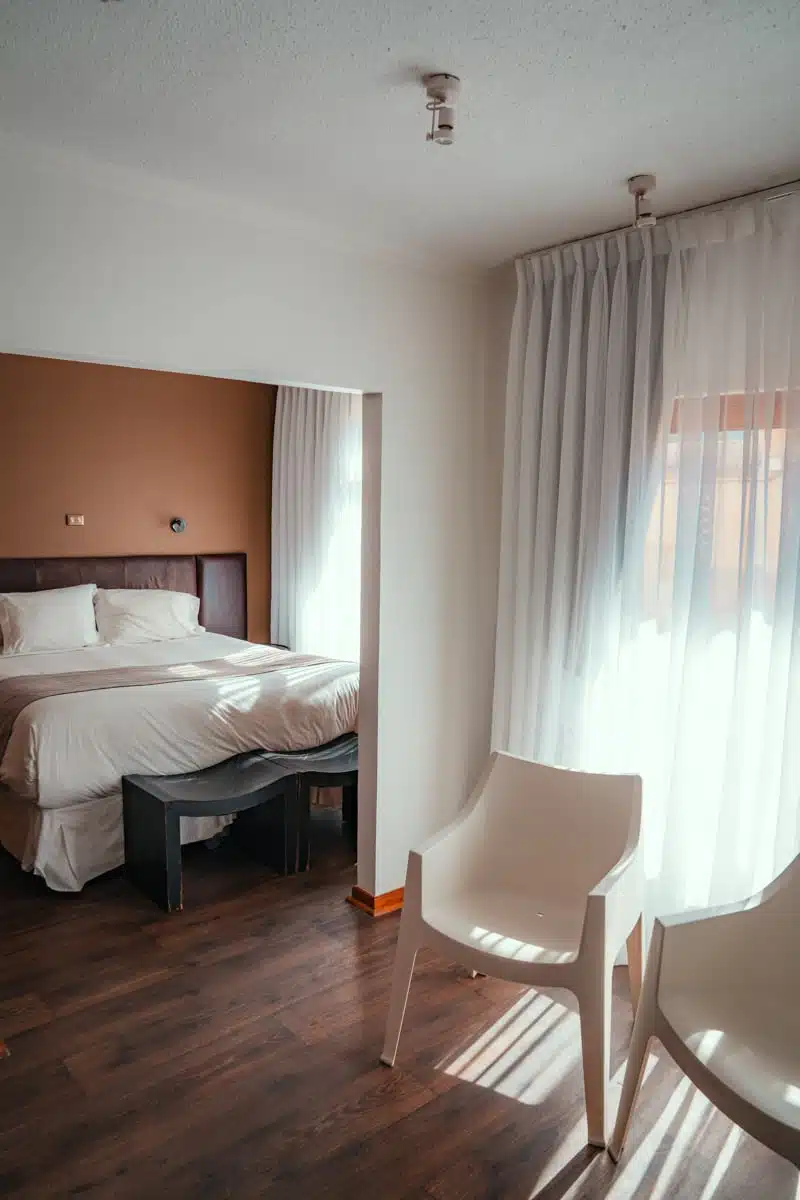
I stayed at Terral Hotel & Spa, right in the centre of town. It’s an OK hotel: my room was spacious, if a bit on the basic side, but the location is hard to beat, and it has an outdoor pool, a spa and two restaurants. For something more special, Solar Madariaga, a restored manor house on Gabriela Mistral street with a heated pool and rooftop hot tubs, is the boutique choice.
La Serena

Most travellers begin and end their trips to the valley in La Serena, which has the nearest airport. Bring your swimsuit if you come in the summer; this coastal city has convenient access to the Pacific Ocean. Domos Dream offers unique dome accommodation poolside, just blocks from the water. If you’d rather stay in the historic centre, Hotel Boutique Terra Diaguita & Spa is about 100 metres from the main square, with a garden and a small spa.
Pisco Elqui

With such a high concentration of great pisco in a small village, I’d recommend staying at Hotel El Tesoro de Elqui. You’ll enjoy a beautiful garden, outdoor pool, and close proximity to the best distilleries. Refugio Misterios del Elqui, about 800 metres from the plaza, has its own observatory, Observatorio Galileo, for guests and visitors.
Recommended hotels


Packing for your trip
Packing for the valley? Don’t forget…
- A warm fleece and a hat for stargazing at night: winter nights in the valley are cold.
- A red torch for stargazing, so you don’t ruin your night vision (or anyone else’s).
- A comfortable pair of walking shoes for exploring the villages and the petroglyphs.
- Offline maps on your phone for hiking and driving, as signal is patchy in the upper valley.
- A portable power bank like this one are useful when you can’t find power.
- High-factor sun cream and sunglasses: the sun is fierce at altitude, even in winter.
Travel insurance
Ready to explore the Valle de Elqui? You’ll want to look into a travel insurance plan before your trip.
Not only is adding international medical insurance never a bad idea, but trip cancellation protection and luggage loss coverage is something I always recommend when heading to remote places like the upper valley, where the nearest hospital is back in Vicuña.
Suggested guidebooks
- Fodor’s Essential Chile (Fodor’s Travel Guide)
- Chile Map (National Geographic Adventure Map, 3402)
- Moon Travel Guide: Chile With Rapa Nui (Easter Island) Paperback Edition
Elqui Valley travel guide: things to know before you go
Travel tips
- The valley is one of the best places for stargazing in the world. You can see a lot on your own, but booking a session at an observatory like Centro Astronómico Alfa Aldea is next-level.
- You want to avoid full moons when scheduling your stargazing tours.
- The valley is near some fabulous beaches, including a few around La Serena and Coquimbo, like Playa El Faro and La Herradura.
- Remember, summertime is the opposite of the USA and Europe, so the warmest weather here is from December to February.
- You can take a bus from village to village, but hiring a car will likely make your trip more enjoyable, as the wineries and petroglyphs are a long way from the bus stops.
- Many museums, distilleries and cafés close on Mondays, so plan your Monday around the outdoors.
Tipping
Add 10% gratuity if it’s not on the bill already, as that’s the standard tip in most restaurants. Most bills arrive with the 10% “propina sugerida” added; you can pay it or ask to change it.
You can round up about CLP 500 to 1,000 when getting groceries or riding in a cab.
Interesting facts about the valley
- The valley sits on the southern fringe of another of Chile’s most famous tourist destinations: the Atacama Desert.
- Famous poet Gabriela Mistral was born in Vicuña in 1889 and is buried in Montegrande.
- The valley climbs from sea level at La Serena to vineyards at more than 2,000 metres at Alcohuaz.
- The valley is one of the heartlands of Chilean pisco, and the village of Pisco Elqui changed its name in 1936 to stake the country’s claim to the spirit.
- Vicuña is named after its founder, Joaquín Vicuña, not the animal.
Handy phrases
Hello: Hola
Goodbye: Chao
Yes: Sí
No: No
Please: Por favor
Thank you: Gracias
How much is it?: ¿Cuánto cuesta?
Where is…?: ¿Dónde está…?
Where can I see stars?: ¿Dónde puedo ver las estrellas?
Wine: Vino
Stargazing: Observación de estrellas
How do I get to…?: ¿Cómo llego a…?
Can I have a pisco sour?: ¿Me da un pisco sour?
Time zones
Most of Chile, including the valley, is on UTC-4 in winter and moves to UTC-3 for summer time, usually from early September to early April.
Electricity and adapters
You’ll find type C and type L plugs in the valley’s hotels and other businesses. It’s helpful to bring a universal travel adaptor like this one when you visit Chile.
Health
While you don’t want to drink tap water in San Pedro de Atacama, tap water in the Elqui Valley is generally considered safe to drink. But it’s heavy in minerals, so it may take some getting used to; if you have a sensitive stomach, stick to bottled or filtered water.
Be sure you’re up to date on your hepatitis, tetanus, and other standard vaccines. The sun is strong at this altitude, so wear a hat and sun cream even when it feels cool.
Getting around
Wondering how to get there? Most visitors fly from Santiago to La Serena’s La Florida Airport (LSC), about an hour’s flight, or take a long-distance bus up the coast.
Once you land, there are guided tours and rental cars that can take you to the villages of the valley. Vicuña is about 60 km inland on Route 41, roughly an hour’s drive; for Pisco Elqui, turn off onto Route D-485 and allow another 30 to 40 minutes on a winding road.
But buses are a good way to get around for cheaper. Vía Elqui buses leave La Serena’s bus terminal about every half an hour from early morning to the evening, and some carry on to Pisco Elqui and Alcohuaz. A single fare costs a few thousand pesos (check current fares at the terminal), and the last buses back down to La Serena leave in the evening.
Safety
The valley is mostly safe to visit. Like other parts of Chile, you may need to watch out for some petty crime, but the villages are relatively safe.
The main safety concern is knowing where you’re going on the mountain roads. Download offline maps before you set off, as you won’t always have phone signal when driving, fill up with fuel in Vicuña, and avoid driving the upper valley roads after dark if you can.
Costs

Expect to spend between £91 and £218 ($115 and $275) per day with accommodation on a mid-range basis. Add £99 to £159 ($125 to $200) if you’re travelling on a luxury basis in the valley.
Average daily costs
- Hotel
Mid-range: £32 to £60 ($40 to $75) per night. Luxury: £65 to £120 ($80 to $150) per night.
- Food: £4 to £20 ($5 to $25) per meal.
- Public transport to nearby attractions: £0.80 to £4.75 ($1 to $6) per ticket.
- Attractions: £0 to £12 ($0 to $15) for tickets. The Gabriela Mistral Museum and Doña Josefa’s tours are free, a Fundo Los Nichos tour is CLP 3,000, and Alfa Aldea’s astronomy tour is CLP 20,000.
- Tours: £28 to £118 ($40 to $200) per tour.
Read all Chile guides

Expect to spend between £91 and £218 ($115 and $275) per day with accommodation on a mid-range basis. Add £99 to £159 ($125 to $200) if you’re travelling on a luxury basis in Santiago.
Average Daily Costs
- Hotel
- Mid-Range – £32 to £60 ($40 to $75) per night.
- Luxury – £65 to £120 ($80 to $150) per night.
- Food – £4 to £20 ($5 to $25) per meal.
- Public Transport to Nearby Attractions – £.80 to £4.75 ($1 to $6) per ticket.
- Attractions – £0 to £12 ($0 to $15) for tickets.
- Tours – £28 to £118 ($40 to $200) per tour.
Read All Chile Guides
Elqui Valley Map
Love This? Save and Share on Pinterest
Elqui Valley map
Love this? Save and share on Pinterest
Now you’ve travelled to Elqui, read these
- Here’s why the Atacama is one of Chile’s most spectacular destinations
- Things to do in Valparaíso
- Explore Chile with this 10-day itinerary
- When’s the best time to visit Chile?
- The best things to do in Chile
- Stargazing in the Atacama Desert
- The perfect Atacama Desert itinerary
Discover the top things to do, insider tips and hidden gems in our Chile Travel Guides.
Read the guides →