
Portugal has been on the radar for years, and it keeps delivering. Here are 32 of the best things to do in the country, from the well-known to the genuinely off the beaten track.
Tucked between Spain and the Atlantic Ocean, Portugal packs an extraordinary amount into a relatively small space. You have Lisbon in the west, Porto and the Douro Valley in the north, the wild coastlines of the Alentejo and Algarve in the south, and then the islands of Madeira and the Azores floating further out into the Atlantic. No matter how many times I come back, I find something new.
Short on time? My step-by-step guide for 7 days in Portugal covers the essential circuit.
Best Things to do in Portugal
Delve into History in Belém, Lisbon
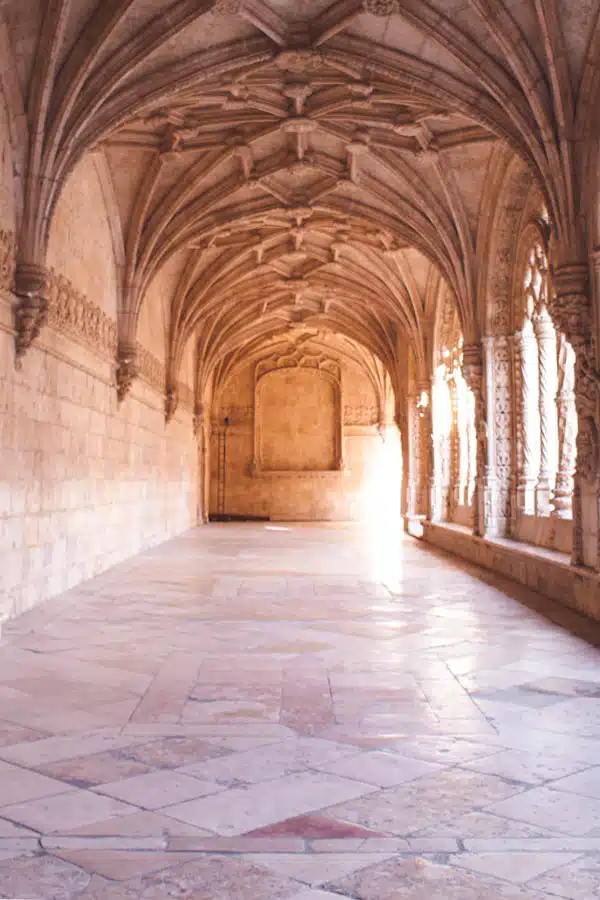
Belém is technically a neighbourhood of Lisbon but it really deserves its own half-day, or even a full day if you’re going to do it properly. The three main sights, The Monument to the Discoveries, the Jerónimos Monastery and the Torre de Belém, are within easy walking distance of each other and tell the story of Portugal’s Age of Discovery in stone. The Monastery’s Manueline cloister, with its intricate carved decoration, is one of the finest Gothic interiors in the Iberian Peninsula. Book tickets in advance.
Read Next: Unmissable Things to do in Lisbon
Go Wine and Port Tasting in the Douro Valley
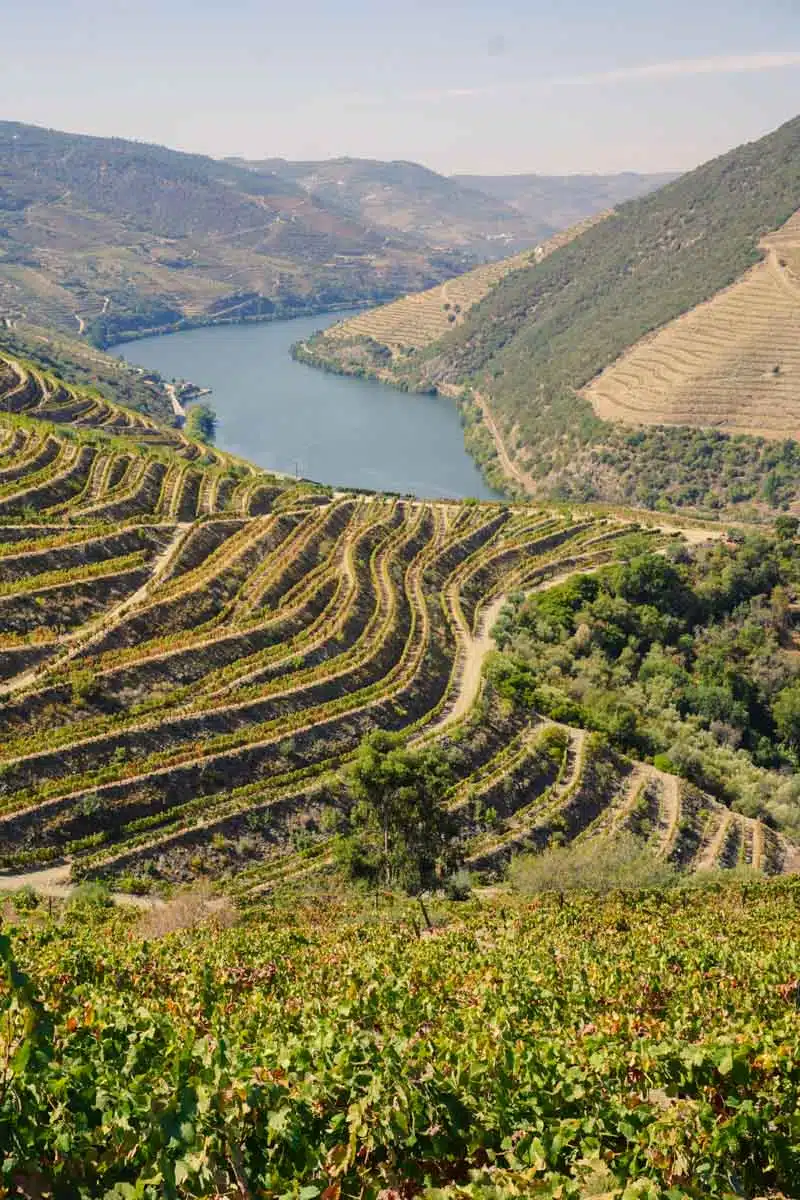
The Douro Valley is one of the most beautiful landscapes in Europe, full stop, terraced vineyards stepping down to the river, quintas (wine estates) scattered across the hillsides, and the air thick with the scent of grapes in harvest season (September to October). The big Port houses, Graham’s, Taylor’s, Sandeman, are all worth visiting, but the smaller family-run quintas often offer the most memorable experiences. A river cruise through the valley is a lovely way to take it all in without having to drive.
Read Next: The Douro Valley Travel Guide
Escape to Gorgeous Sintra
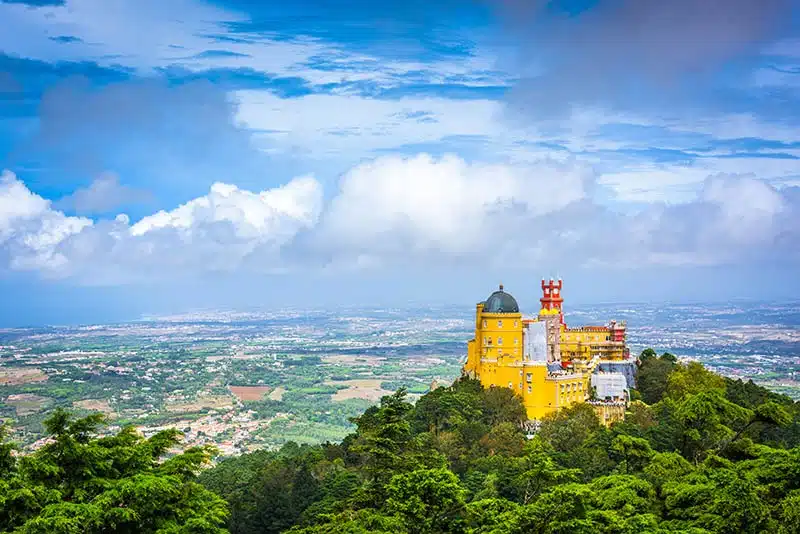
UNESCO-listed Sintra is one of those places that earns every superlative. The palaces, Pena, Quinta da Regaleira, Monserrate, are extraordinary, the lush gardens that surround them are beautiful, and the whole thing sits in the forested foothills of the Serra de Sintra just 40 minutes from Lisbon. It is popular, sometimes very popular in summer, so go early or consider staying overnight once the day-trippers have gone.
Explore the Beautiful Benagil Sea Cave
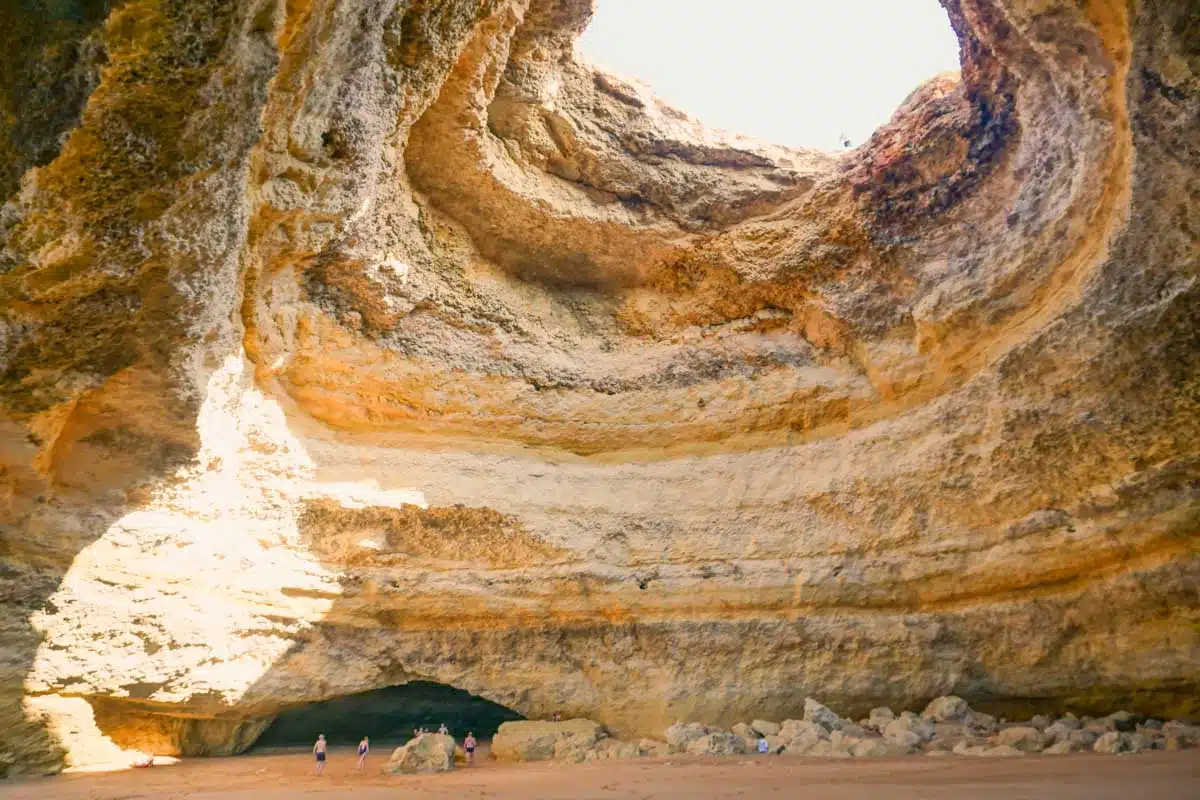
The Algarve’s coastal scenery is extraordinary, and the Benagil Cave is its most spectacular single feature. A naturally domed sea cave with a circular opening in the ceiling that lets in a perfect column of light, a beach of powdery sand inside, and turquoise water lapping at the entrance. You can reach it by kayak, stand-up paddleboard or a short boat tour from Benagil or Carvoeiro. Go early in the morning in peak season, by mid-morning the cave can get crowded.
Soak up the Sun on Praia do Camilo
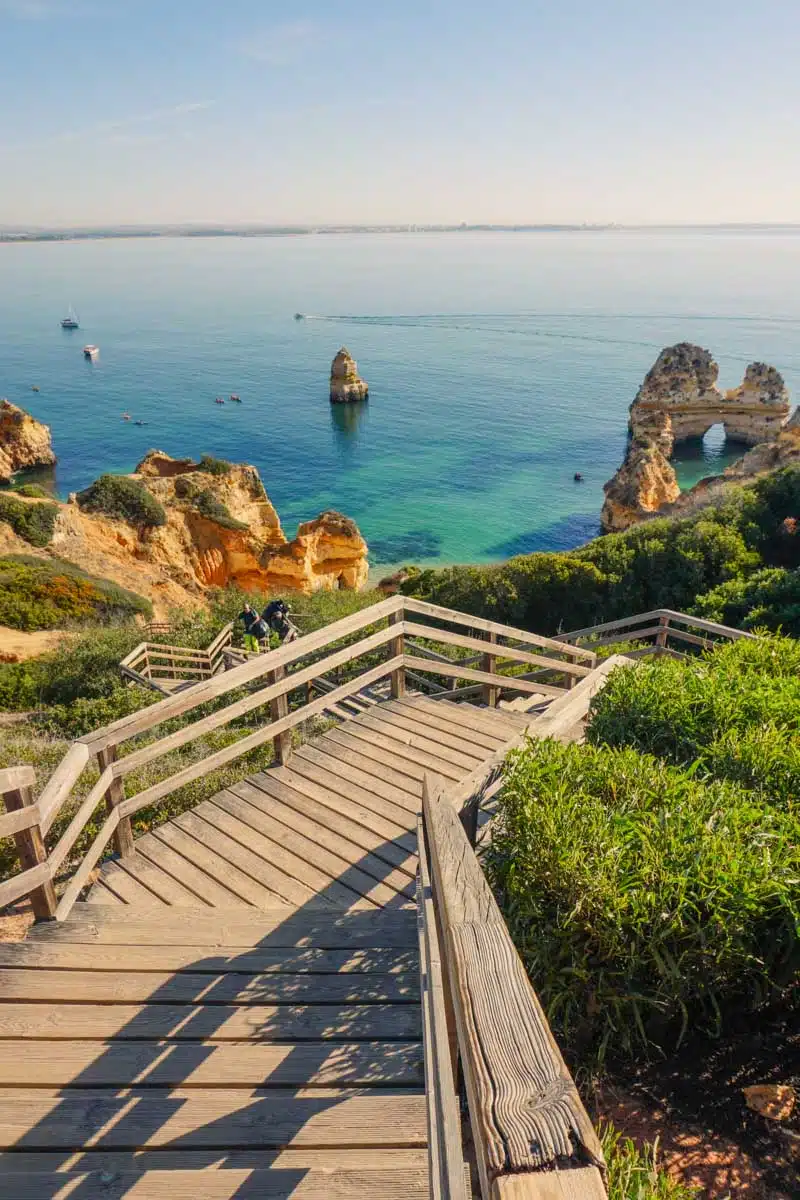
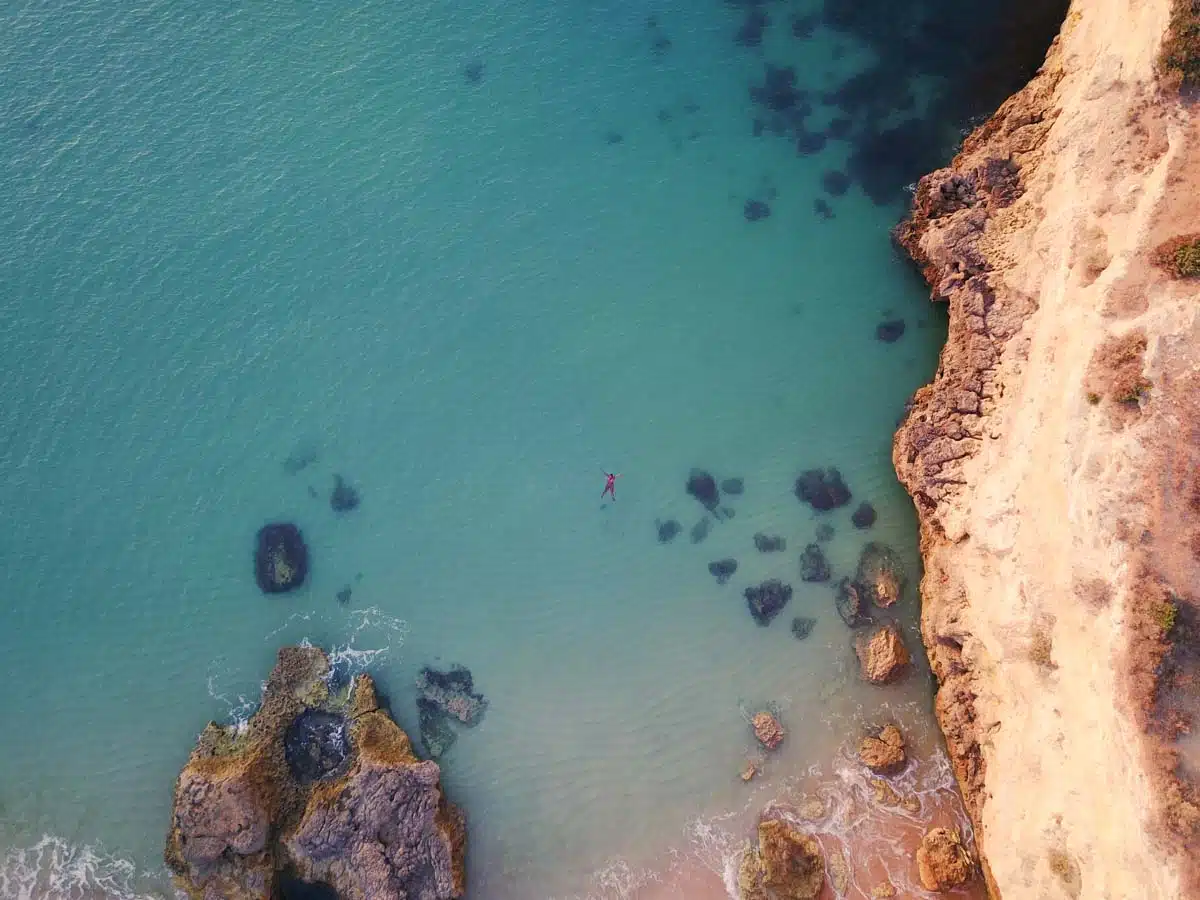
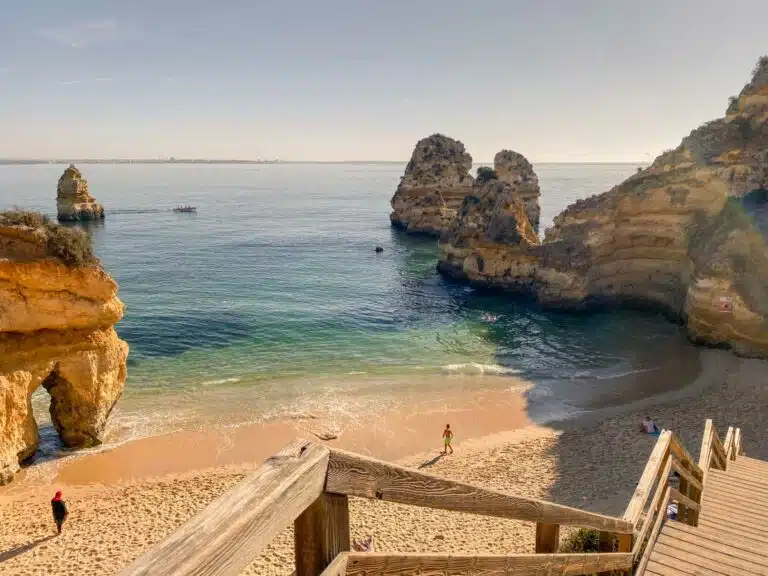
One of the Algarve’s finest small beaches, Praia do Camilo sits between the golden limestone cliffs near Lagos, accessed by a long wooden staircase down from the clifftop. At low tide it connects to adjacent coves. The water is clear, the setting is beautiful and if you arrive early on a weekday outside of July and August it can feel almost private.
Read Next: The Best Beaches in the Algarve
Hike Along the Fisherman’s Trail in the Alentejo
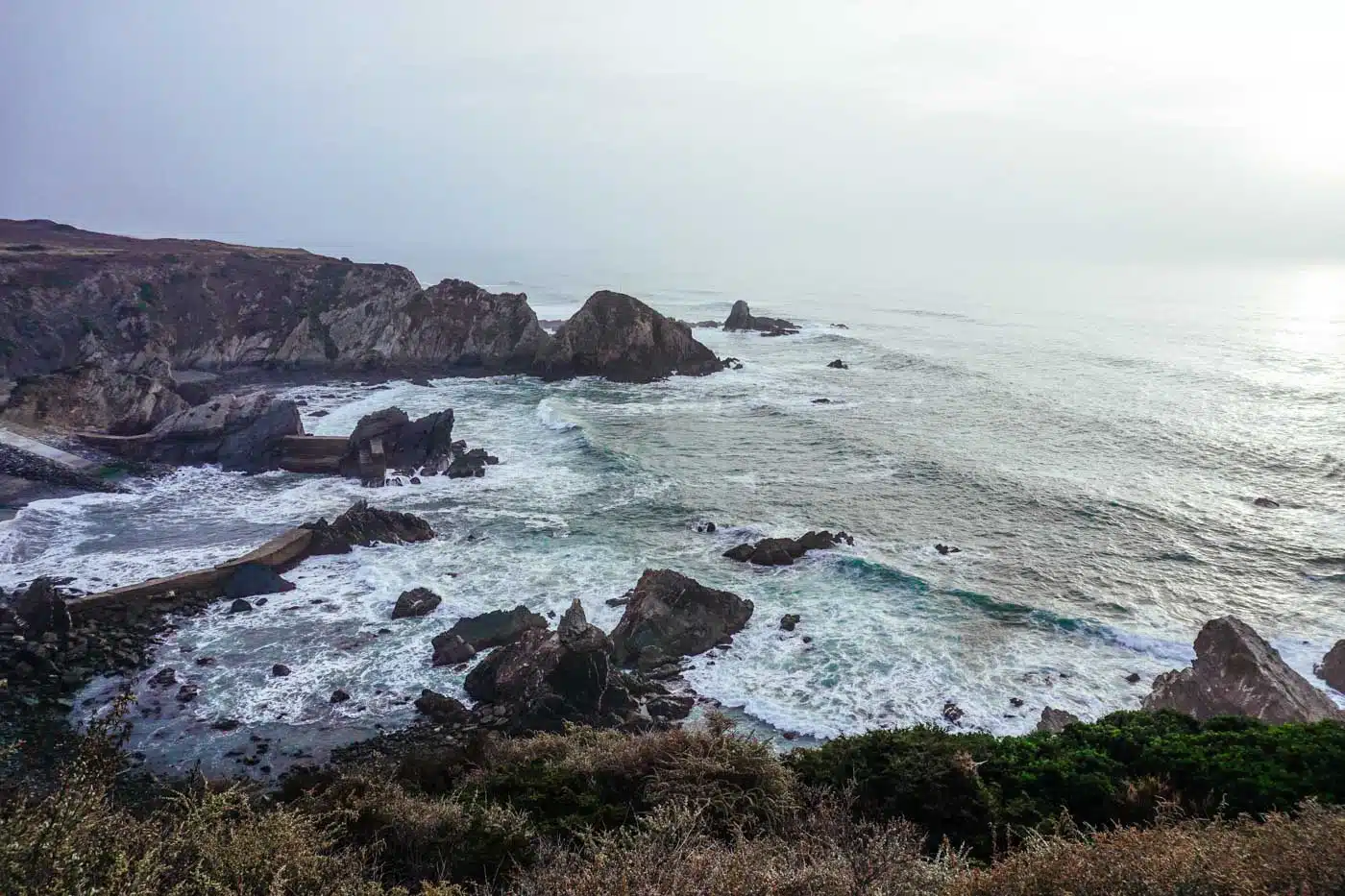
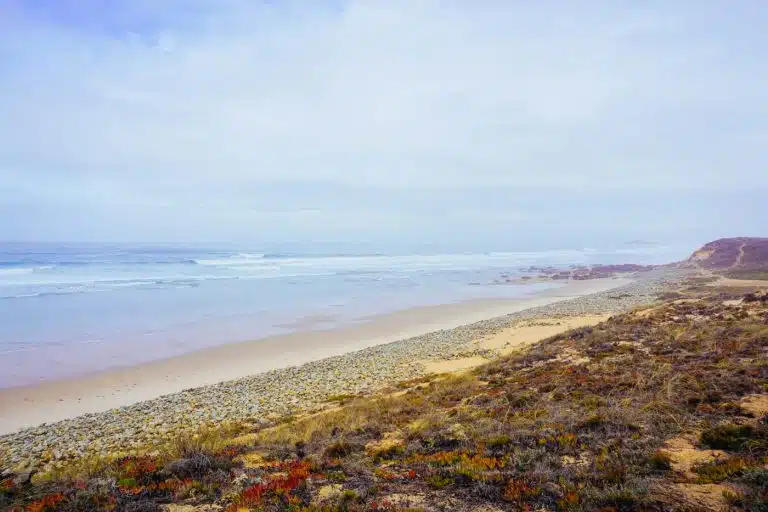
The Fisherman’s Trail along the Costa Vicentina is one of the great walks in Portugal and one of the less-visited. The 120km route hugs the Atlantic coast through the Alentejo and northern Algarve, winding through tiny fishing villages, past dramatic headlands and along sections of coastline that feel genuinely untouched. The contrast with the manicured beaches of the southern Algarve is striking. Walk sections of it or tackle the whole thing over a week.
Walk the Historical Way from Santiago do Cacém
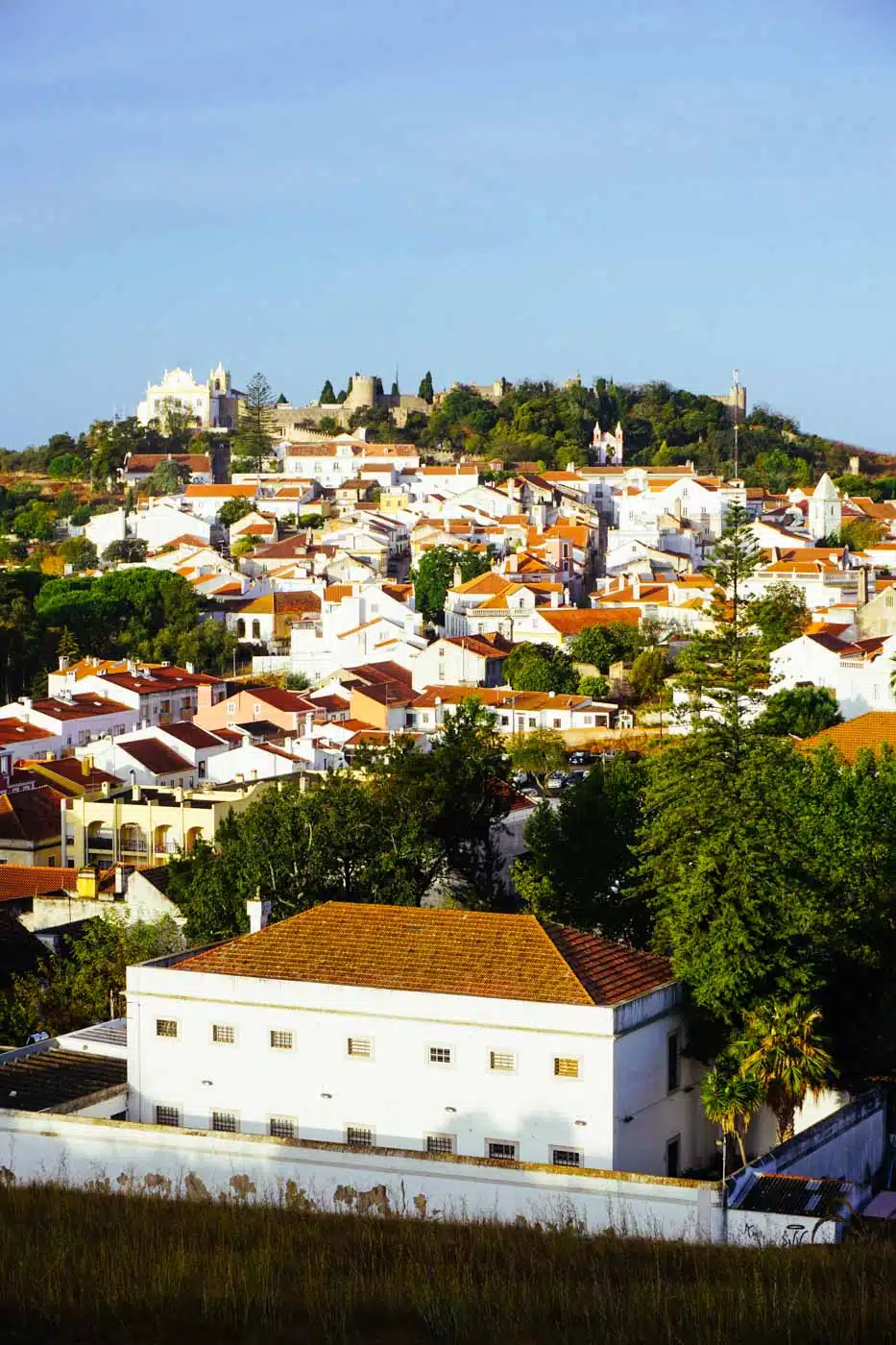
The Historical Way is the Rota Vicentina’s second long-distance route, running inland from Santiago do Cacém to Cabo de São Vicente through cork groves, Eucalyptus forests and rural hamlets that most visitors never see. It is a genuinely peaceful walk through a part of Portugal that feels authentically itself rather than adjusted for tourism.
Take a Trip to the Ilha Deserta
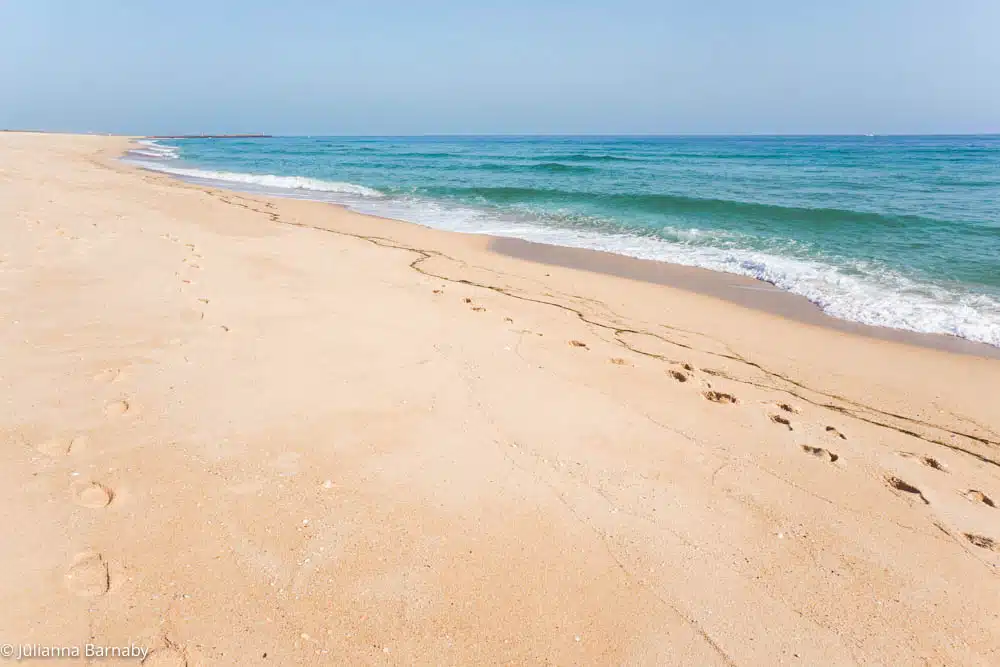
The Ilha Deserta sits in the middle of the Ria Formosa Nature Park, a 60km-long coastal reserve east of Faro. A speedboat from Faro, or ideally a wildlife tour with Animaris, lands you on 13 miles of deserted white sand beach. The island has one restaurant, Estamine, which serves some of the best seafood in the Algarve and is largely self-sufficient. Swim, walk, eat, and get the boat back before dark.
Wander Around the Cobbled Streets of Tavira
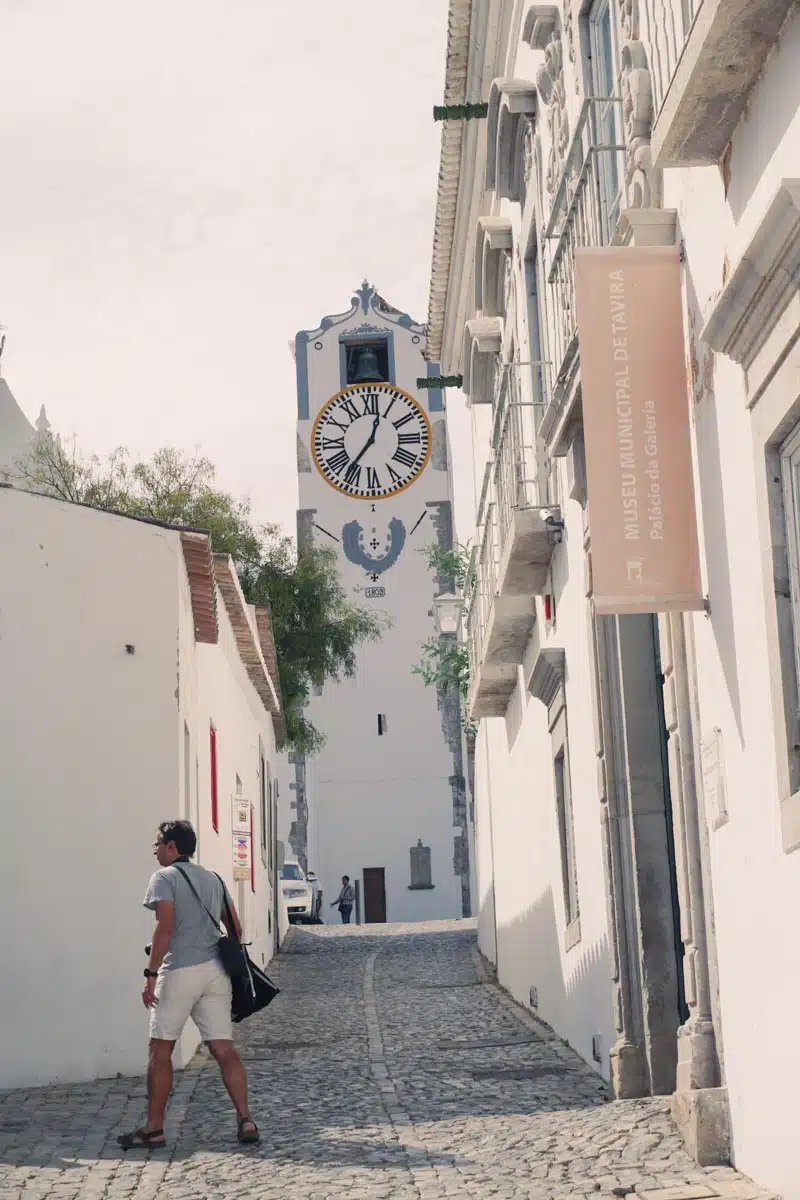
Tavira is the Algarve town I keep coming back to. Whitewashed buildings, brightly coloured doors, a ridiculous number of beautiful churches, hidden gardens and a medieval castle to wander around. The town has an authenticity that the more resort-heavy parts of the Algarve can’t quite match. Stop for pastéis de nata at any café, cross the Roman bridge over the Gilão River and take your time.
See the Anchor Cemetery at Praia do Barril
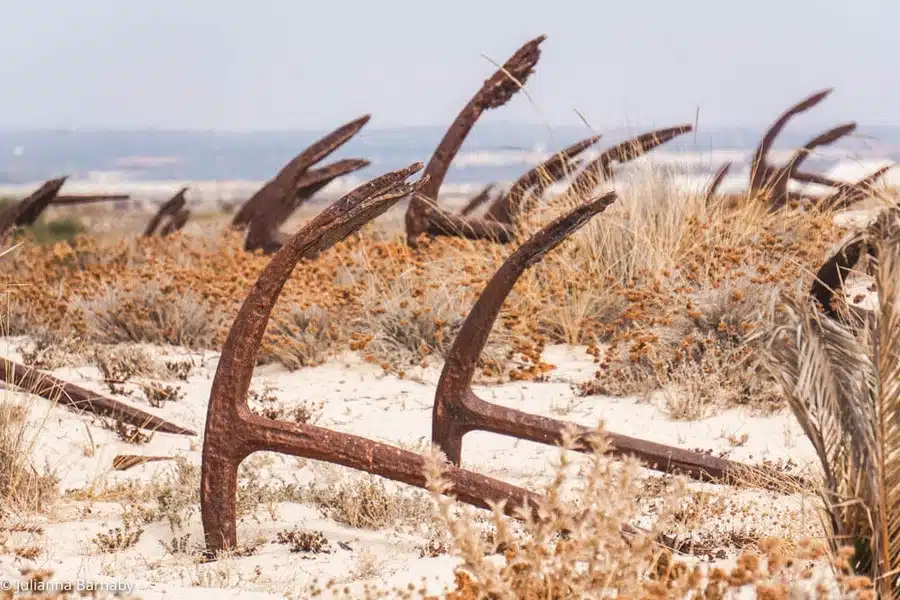
Just outside Tavira, Praia do Barril has one of the more unusual sights in the Algarve: a cemetery of old fishing anchors set into the sand, left behind when the tuna fishing industry that once dominated this coastline declined. It is quietly moving and distinctly Portuguese, a memorial made not of stone but of tools.
Eat Pastéis de Nata in Lisbon

You haven’t had a pastéis de nata until you’ve had one in Portugal. The Portuguese custard tart, flaky pastry, nutmeg-scented egg custard filling, ideally slightly charred on top, is a national treasure. The argument over which bakery makes the best is as old as the republic. Pastéis de Belém, whose recipe has been a closely-guarded secret since it was developed by Hieronymite monks, is the canonical answer. I have tried many alternatives and remain unconvinced they’ve been beaten.
Soak Up the Vibes at Vila Nova de Milfontes
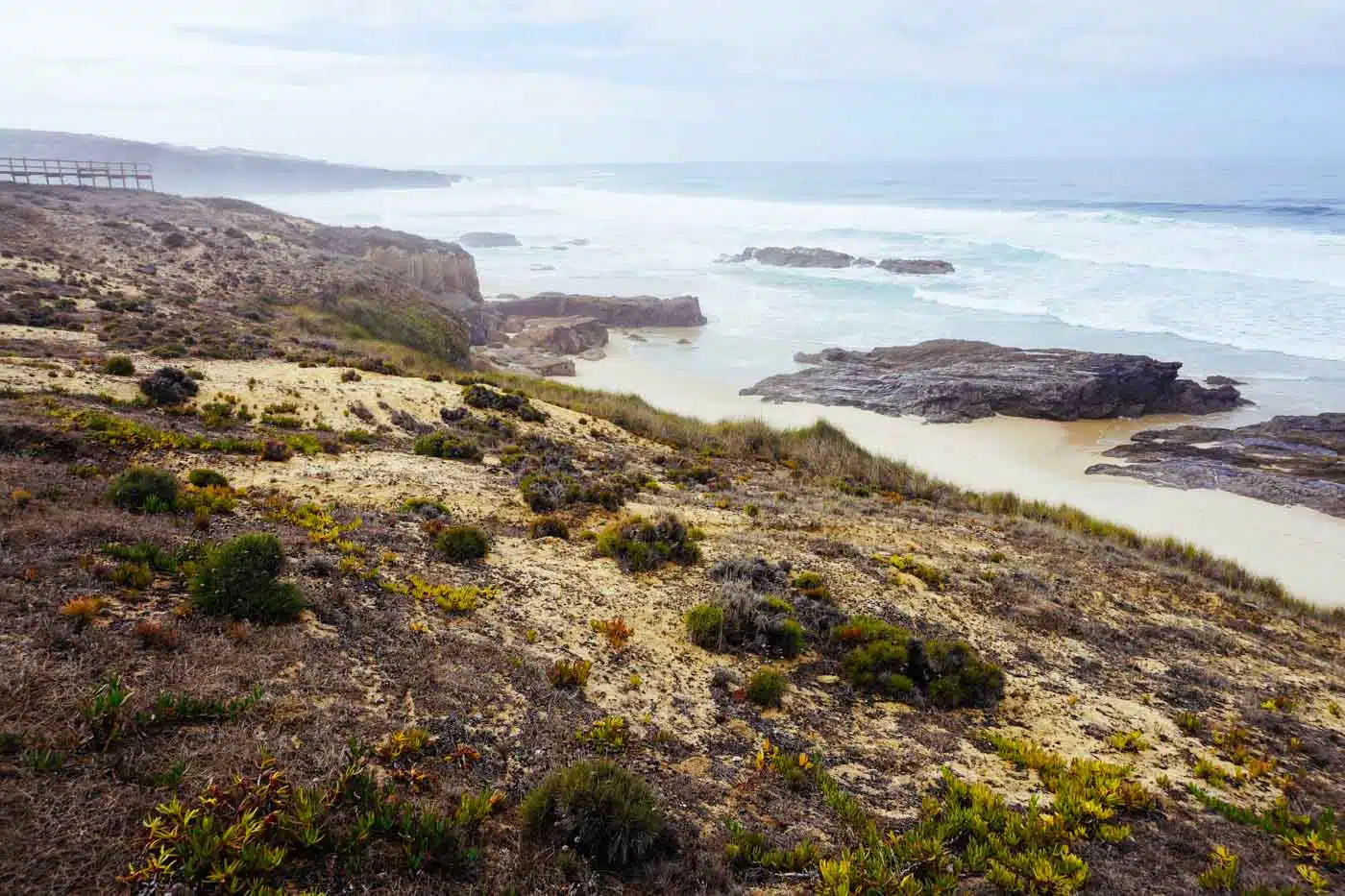
The Alentejo coast is windswept and wild in a way that the Algarve simply isn’t, and Vila Nova de Milfontes is the finest place to experience it. The town sits at the mouth of the Mira River, with a broad sandy beach stretching in both directions and a 16th-century fort built to defend the coast from pirates. The restaurants are good, the accommodation is affordable and the vibe is refreshingly unpretentious.
Take the Thermal Waters at Vidago Palace
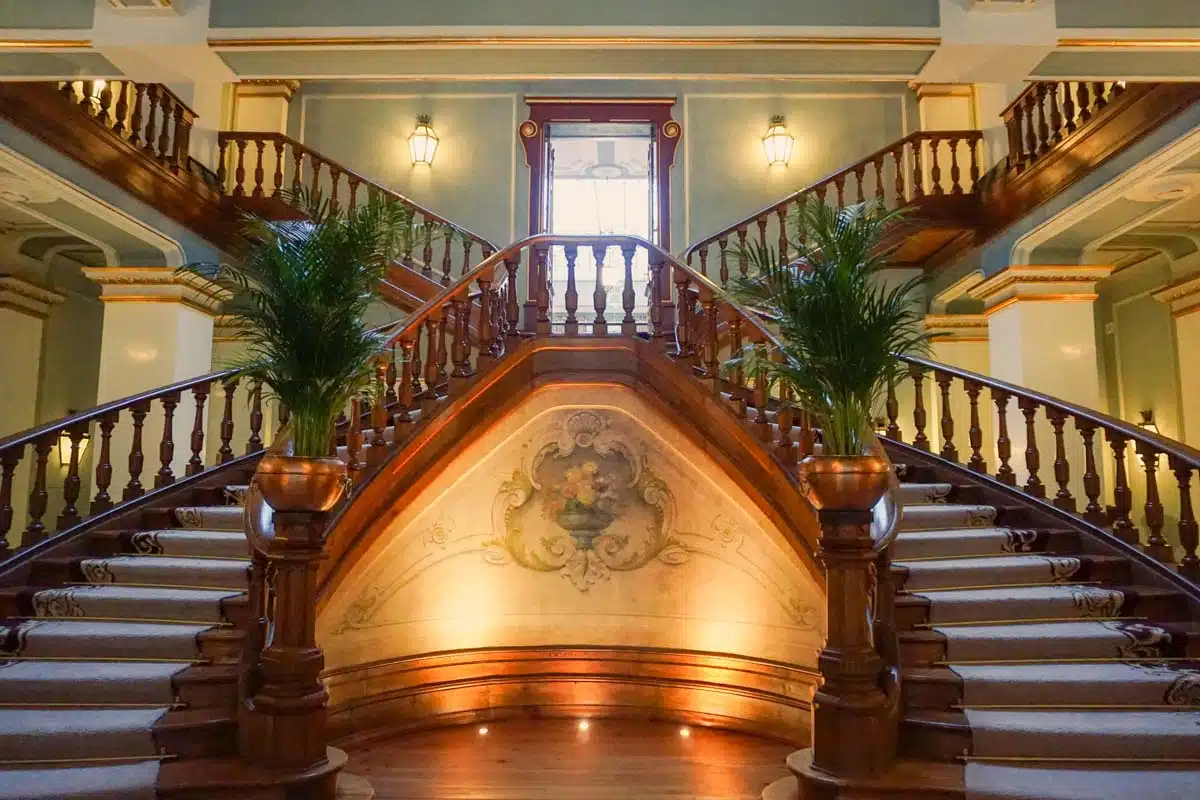
Vidago Palace is one of the great Portuguese hotels, a Belle Époque property in the Trás-os-Montes region less than an hour from Porto, set around natural thermal springs. The tradition of “taking the waters” here goes back well over a century, and the spa treatments using the mineral spring water are genuinely excellent rather than merely decorative. Good for a slow, indulgent weekend.
Venture to Madeira
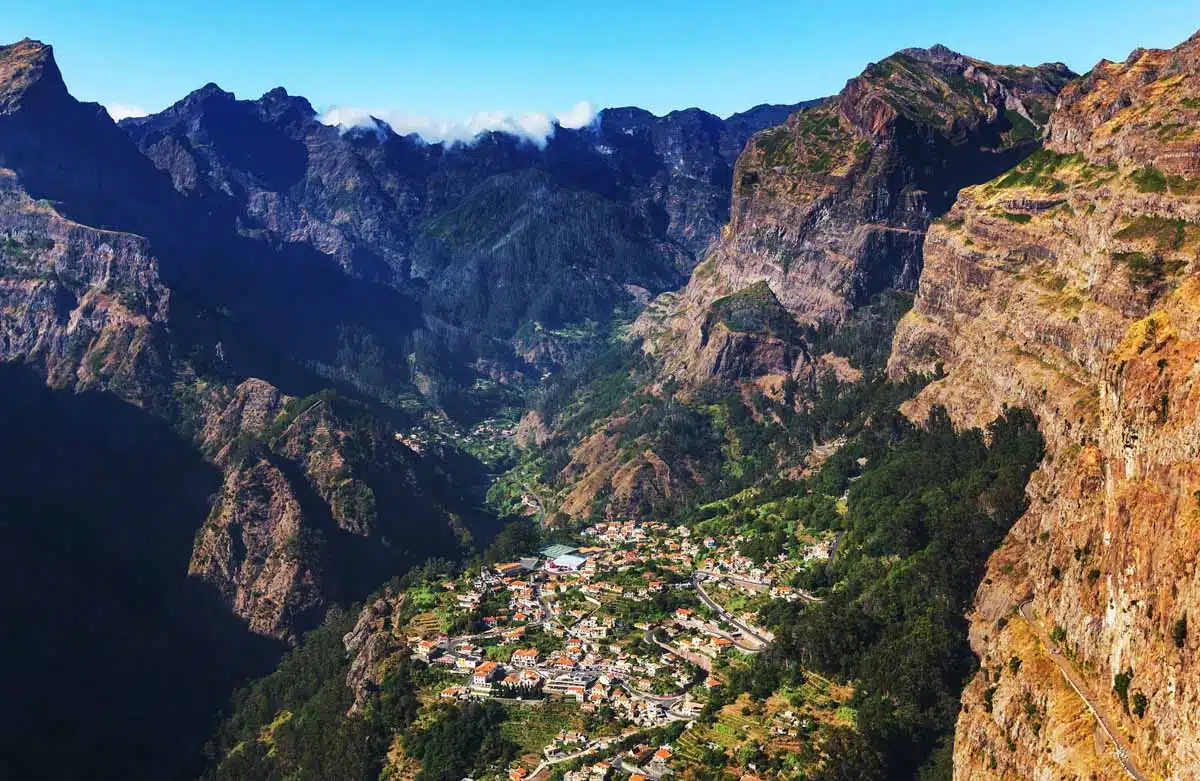
Madeira is a volcanic island 600 miles off the Portuguese coast with serious hiking, natural seawater swimming pools, year-round good weather and a capital, Funchal, that is considerably more interesting than it gets credit for. The levada walks, following the island’s centuries-old irrigation channels through the mountains, are outstanding, ranging from easy waterside paths to serious ridge hikes. Don’t miss São Vicente on the north coast.
Strike Out to the Azores
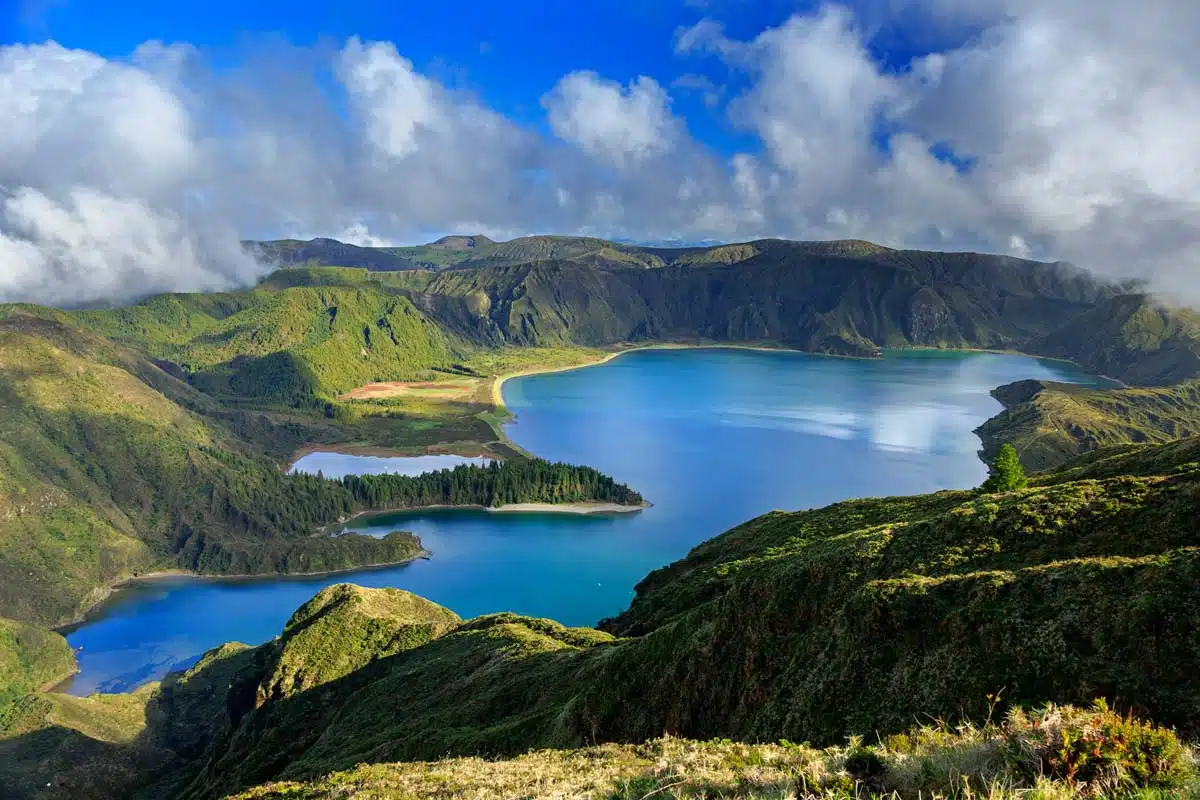
Nine volcanic islands in the mid-Atlantic, each with its own distinct character. The Azores is one of Europe’s great nature destinations: whale watching from São Miguel, calderas and volcanic lakes, thermal hot springs, dense cloud forest and a pace of life that is genuinely removed from mainland Portugal. The archipelago is committed to sustainability and it shows. Start with São Miguel for the most accessible introduction, then branch out to Flores or Corvo if you want real solitude.
See the Street Art and Party at LX Factory, Lisbon

LX Factory is the best of contemporary Lisbon in one converted industrial complex: street art including a famous large-scale work by Bordalo II built from reclaimed trash, independent restaurants and bars, a legendary Sunday market, Ler Devagar bookshop (one of the most beautiful in the world according to the FT and the Daily Mail), and a rooftop bar that is one of the best spots in the city for a sunset drink.
Discover the Beauty of Historical Aveiro
Aveiro’s nickname “The Venice of Portugal” is well-earned: canals thread through the city centre, and the colourful moliceiro boats that originally harvested seaweed now carry visitors through the waterways. But Aveiro has more to offer than just the boat rides. A fine collection of Art Nouveau architecture, excellent seafood (ovos moles, the local egg-yolk sweet, are unique to the city) and the adjacent Ria de Aveiro lagoon with its extraordinary birdlife and the São Jacinto nature reserve.
Wind Your Way through Porto’s Historic Streets
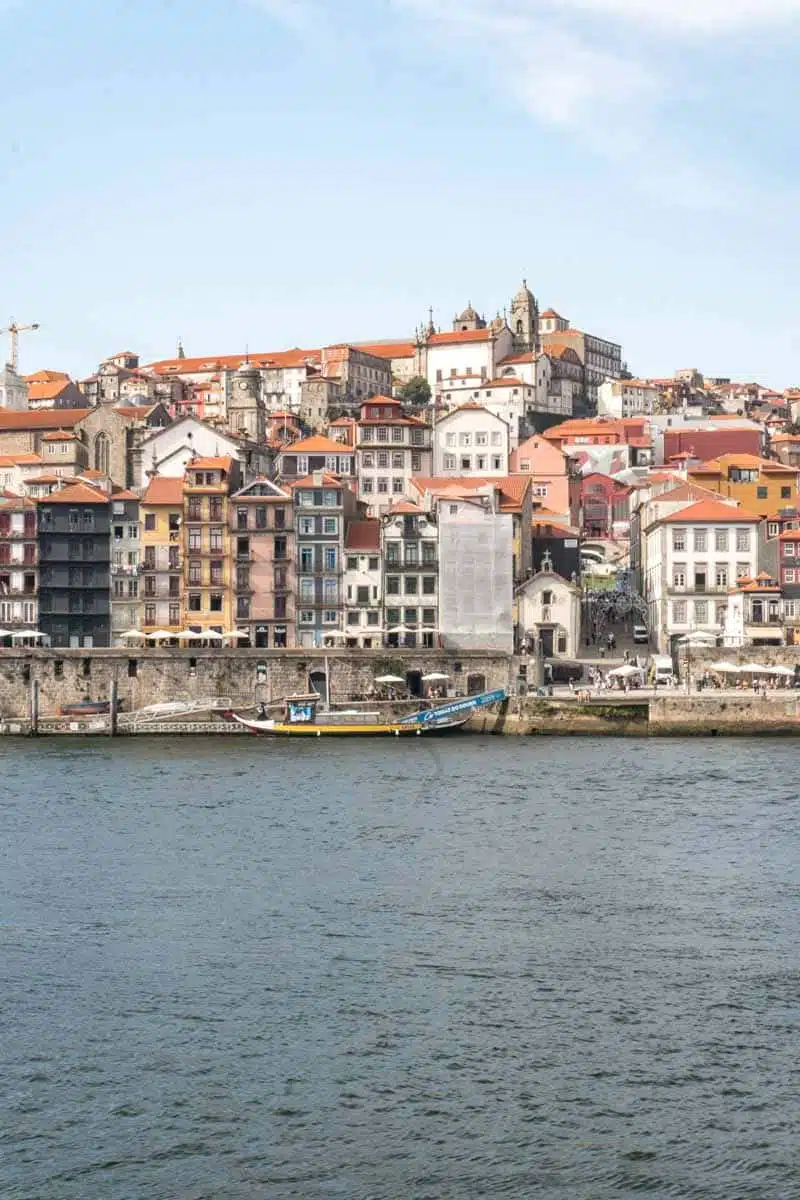
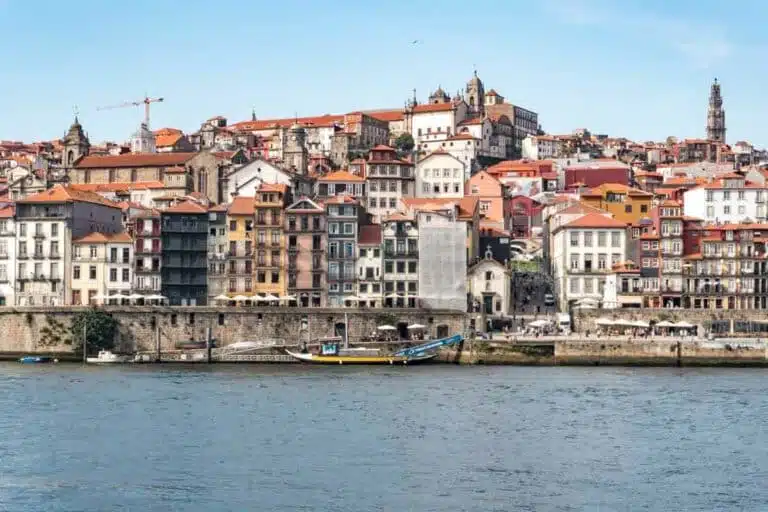
Porto has a strong case for being the most satisfying Portuguese city to spend several days in. The UNESCO-listed Ribeira district, the Port wine cellars of Vila Nova de Gaia across the river, the extraordinary Livraria Lello bookshop, the covered Mercado do Bolhão and the contemporary restaurant scene around Bonfim and Cedofeita together make a city that rewards slow, unhurried exploration.
Read Next: Top Things to do in Porto
Listen to Fado in Alfama, Lisbon
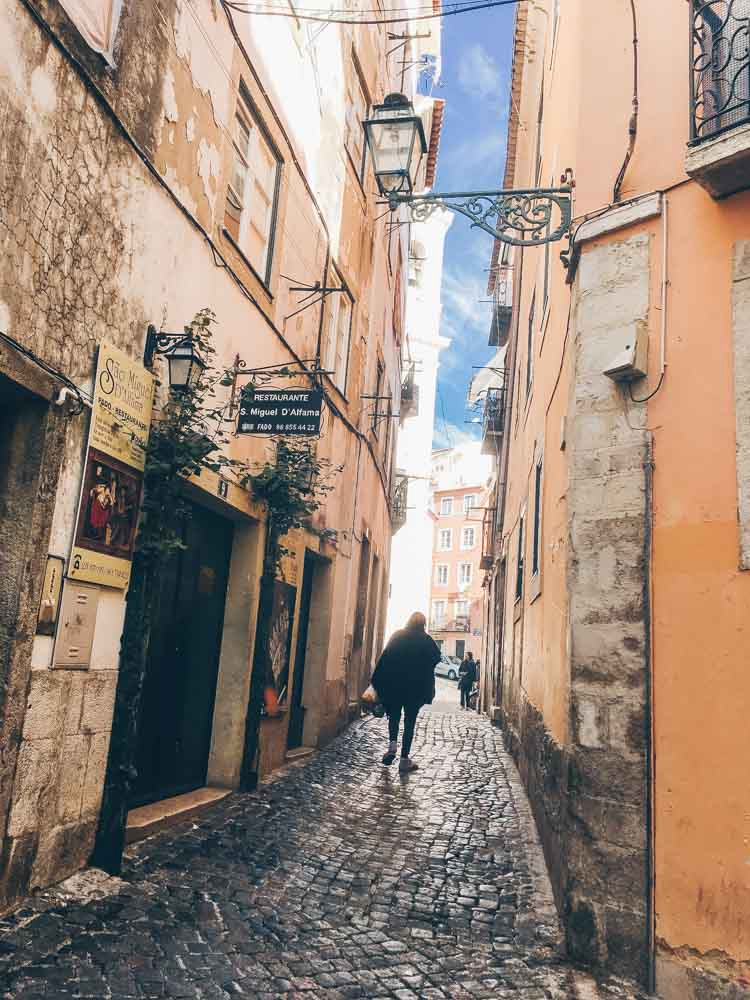
Fado is Portugal’s great musical art form: mournful, beautiful and unlike anything else in European music. Alfama, the oldest neighbourhood in Lisbon, is its spiritual home. Spend an evening in a traditional fado restaurant, with a glass of Ginjinha (the local cherry liqueur) and give it your full attention. Sr. Fado de Alfama and Clube de Fado are both reliable choices.
Go on an Indulgent Weekend in the Algarve
If you want a proper luxury beach escape, the Algarve has the infrastructure for it. Anantara Vilamoura is one of the finest hotels in southern Portugal: adults-only pool, outstanding spa, excellent food. The area around Vilamoura and Vale do Lobo has a concentration of high-end properties and golf courses that make it the natural choice for a seriously indulgent few days.
Visit Tomar, Home of the Knights Templar
Just over an hour from Lisbon, Tomar is an exceptionally pretty town built around the extraordinary Convento do Cristo: the medieval headquarters of the Knights Templar, later adapted as a royal palace, and a UNESCO World Heritage Site with a history stretching back to 1160. The Manueline window on the Chapter House wall is one of the most intricate pieces of stone carving in Portugal. Allow at least half a day to do it justice.
Past Meets Present in Braga
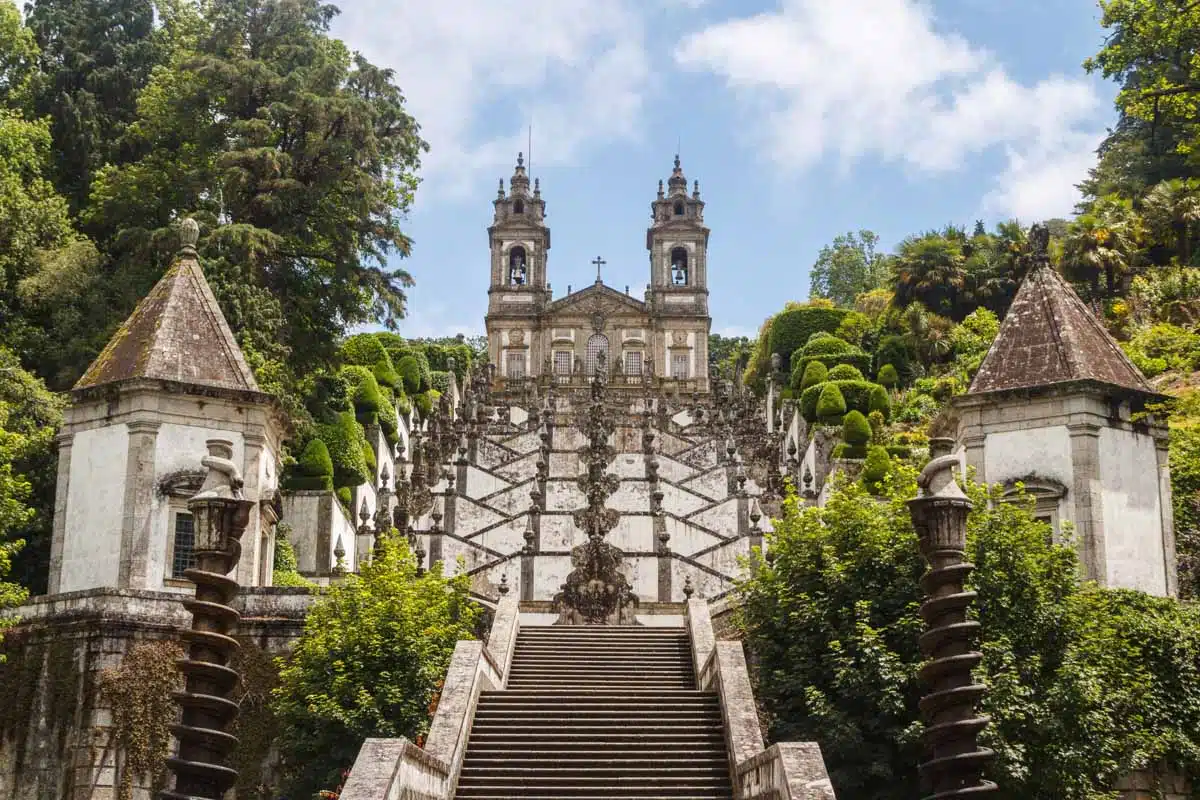
Braga is one of Portugal’s oldest cities and one of its most underrated. Over thirty churches, Portugal’s oldest cathedral, and a historic centre that is genuinely beautiful, but also a thriving university population that keeps the city lively, with good bars, contemporary restaurants and a nightlife scene that puts many larger European cities to shame.
Visit Monsanto
Monsanto won the title of “most Portuguese town in Portugal” in 1938 and has been living up to it ever since. The village is built around and between giant granite boulders, the rocks form the walls, roofs and floors of many of the houses, creating one of the most extraordinary townscapes in the country. Barely changed for centuries and almost entirely absent from the tourist circuit, it is well worth the detour into the Beira Baixa region.
Hiking in Parque Nacional da Peneda-Gerês
Portugal’s only national park sits against the Spanish border in the far north, covering 700 square kilometres of river valleys, granite mountains, glacial lakes and ancient stone villages. It is the wildest and most remote landscape on the Portuguese mainland, and the hiking here, particularly the trails around Gerês and the Homem Valley, is some of the best in the country without the crowds you find in the Alps or the Pyrenees.
Step Back in Time at Sortelha
Sortelha is a medieval fortified village in the Beira Alta region that has barely changed since the 13th century. The castle built by King Sancho I, the granite-built houses with Arabic script in the stonework, the old parish church, the spectacular views across the surrounding countryside, it is one of those places that makes you stop and think about how many centuries of history sit underneath you when you walk its cobbled streets.
Explore the Fishing Town of Cascais
A short train ride from Lisbon along the Portuguese Riviera, Cascais is the sort of place you go for an afternoon and decide to stay for dinner. The old town has properly good seafood restaurants, I rate Lota de Esquina near the town centre highly, a historic fort, excellent beaches within walking distance and a waterfront promenade that connects to Estoril. Historically the summer retreat of Portuguese royalty and nobility; the villas are impressive.
Ride Lisbon’s Famous Tram 28
The vintage Remodelado tram carriages that have been running up and down Lisbon’s hills since the 1930s are an attraction in their own right. Tram 28 is the classic route: Lisbon Cathedral, São Jorge Castle, the Thieves Market (Feira da Ladra), the National Pantheon and the Alfama neighbourhood all feature along the way. Buy your ticket from a machine rather than on the tram to avoid queuing with day-trippers.
Visit Sagres, Jewel of the Algarve
Sagres sits at the southwestern tip of Europe, where the Mediterranean and Atlantic meet, and has a proper end-of-the-world quality to it. The 15th-century Sagres Fortress, where Henry the Navigator reputedly planned the great voyages of discovery, is extraordinary. The beaches are quieter and wilder than further along the Algarve, the surf is serious and A Tasca on the clifftop is where you want to eat.
Visit Óbidos
Óbidos is a medieval walled town about 50 miles north of Lisbon that has been remarkably well-preserved, whitewashed houses decorated with blue and yellow azulejo tiles, bougainvillea spilling over the ancient walls, cobblestone streets threading between Gothic, Renaissance and Baroque churches. You can walk the entire length of the town walls for extraordinary views over the surrounding countryside. The town is also famous for its ginjinha (cherry liqueur), traditionally served in a small chocolate cup. A reader suggested it years ago in the comments and she was absolutely right, it belongs on this list.
Explore the Roman City of Évora
Évora is one of Portugal’s great historical cities and one that consistently surprises visitors who haven’t been before. It is a UNESCO World Heritage Site for good reason: the Roman Temple of Évora (remarkably intact, standing in the city centre), the medieval Cathedral, the Royal Palace of São Francisco, and the Chapel of Bones, where the walls and ceiling of a small chapel attached to the church are lined entirely with the bones and skulls of approximately 5,000 monks. It is one of the more extraordinary sights in Portugal and, despite everything, oddly peaceful. About 90 minutes from Lisbon by train.
Discover Comporta and the Tróia Peninsula
Comporta has become one of Europe’s most fashionable beach destinations over the past decade, but it remains considerably less crowded and more beautiful than its reputation might suggest. The Tróia Peninsula, a narrow 17km sandbar south of Setúbal, extends to a cluster of extraordinary white-sand beaches backed by pine forest facing the calm waters of the Sado Estuary. Dolphins are frequently seen in the estuary. The beaches themselves are genuinely among the finest in Portugal: long, uncrowded and properly beautiful. Take the ferry from Setúbal to Tróia, or drive down from Lisbon in about 90 minutes.
Monsaraz and the Alqueva Dark Sky Reserve
Monsaraz is a hilltop village in the Alentejo that feels like it belongs in a different century. The medieval castle and village walls look out over the vast Alqueva reservoir, the largest artificial lake in Europe, and the plains of the Alentejo stretching to the Spanish border. The village itself is small and beautiful, with a handful of excellent restaurants and guesthouses. The surrounding area is certified as a Dark Sky Reserve, with almost no light pollution, making it one of the best stargazing spots in Europe. Go in autumn or winter for the clearest skies.
Cool Things to do in Portugal: Map
Love This? Save and Share on Pinterest
Discover the top things to do, insider tips and hidden gems in our Portugal Travel Guides.
Read the guides →


I also suggest Obidos, a medieval town surrounded by a wall
Thanks for the suggestion Iris – I haven’t been but have always wanted to. Definitely one for the next trip!