
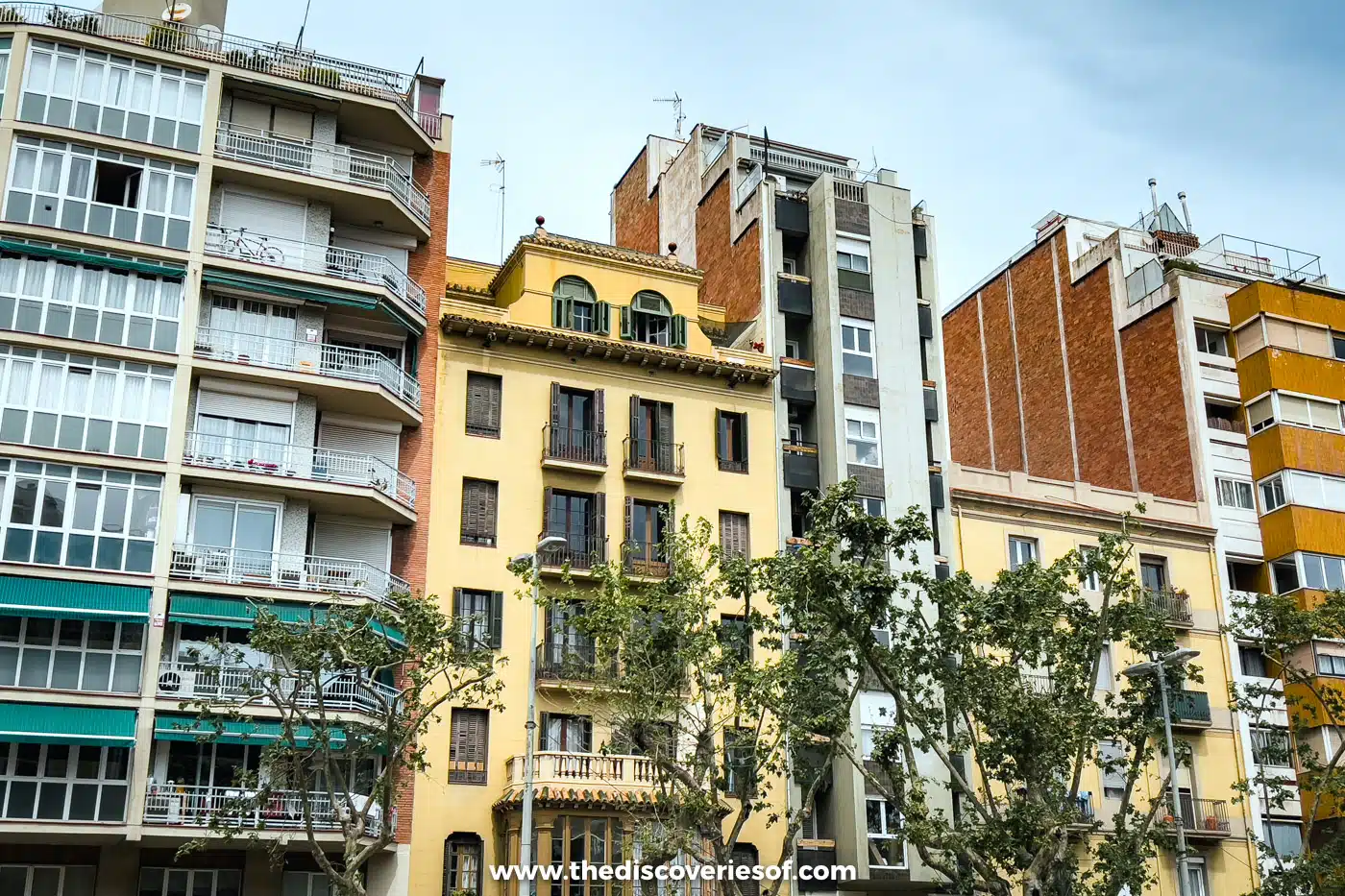
Spain
Barcelona travel guide
Climb the towers of the Sagrada Família, eat your way through tapas bars pouring vermut from the barrel and catch live jazz in a cellar off La Rambla. Plan your trip to Barcelona with the best things to do, where to stay, where to eat and how to get around.

Julianna BarnabyTravel and culture writer
Barcelona started life as Barcino, a Roman town whose temple columns still stand in a courtyard in the Gothic Quarter. Around it grew a medieval port, the 19th-century grid of the Eixample and the Modernista buildings of Antoni Gaudí and his rivals, with the sea on one side and the hills of Montjuïc and Tibidabo on the other.
I first came at 18, interrailing, and Jamboree, the jazz cellar on Plaça Reial, was the very first bar I went to. Years later, I lived in Barcelona for three months, in El Born, in the Gothic Quarter and in an apartment right across the street from Casa Milà. Those months gave me the things to do I’d send anyone to: Bar Brutal, Jazzman, El Diset, the Bunkers del Carmel at golden hour and Gaudí’s first house, Casa Vicens, which is still one of my favourite places in the city.
This guide gathers every Barcelona guide on the site, with when to go, where to stay, what to eat and how to get around.
Some links on this page are affiliate links, which means I may earn a small commission, at no extra cost to you, if you book through them.
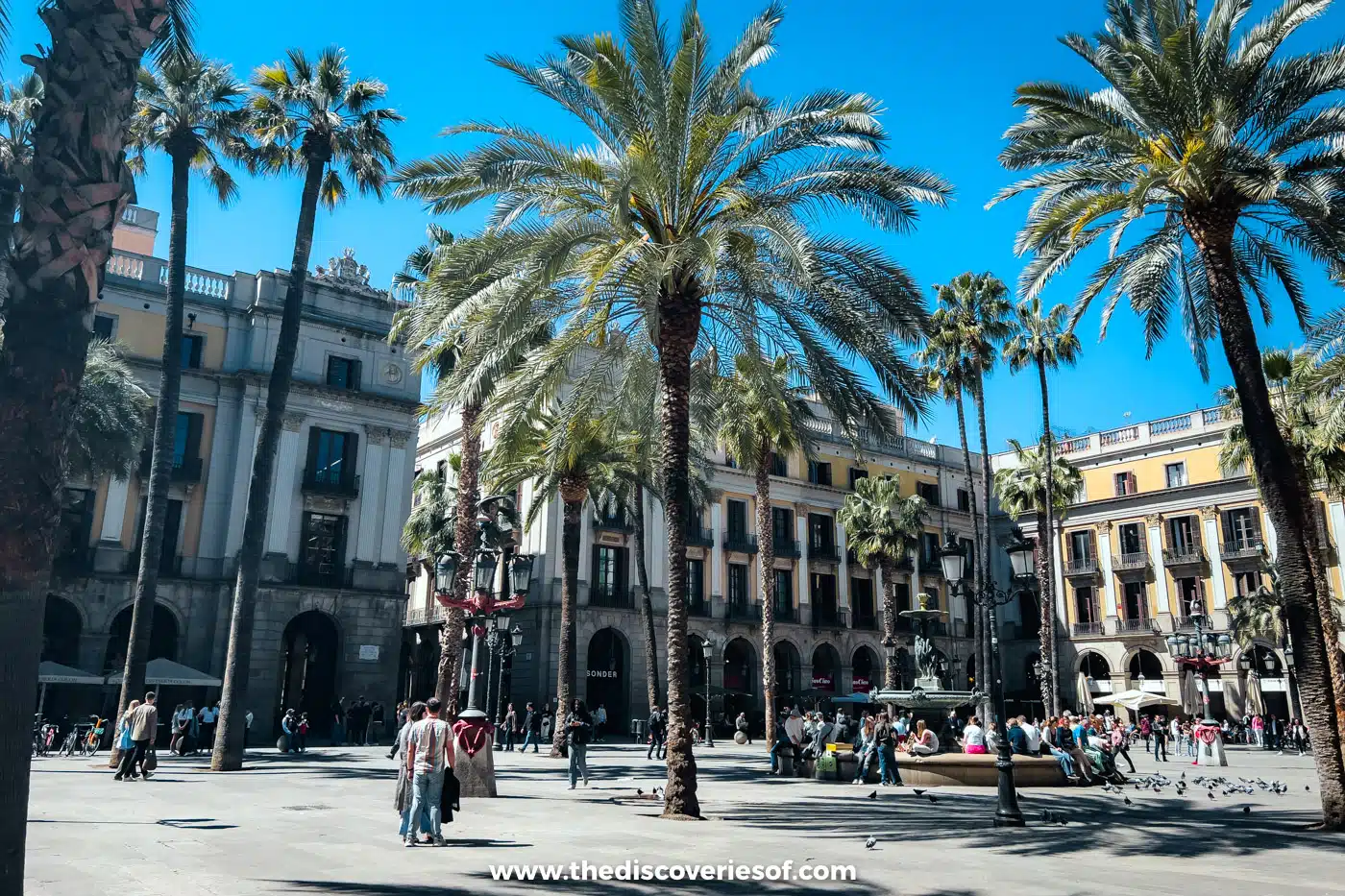
When to go
Spring (April to June) and autumn (September and October) are the sweet spots: warm enough for terraces and, by June, the sea, without the crowds and prices of high summer. July and August are hot, busy and expensive, though it’s the best time for the beach. Winter is mild, usually 14 to 16°C on a sunny day, and the cheapest time for hotels.
Time a spring trip for Sant Jordi on 23 April, when the city fills with rose and book stalls and Casa Batlló dresses its balconies in roses. I was here for it, and it’s one of the loveliest days of the year. The Festa Major de Gràcia is in mid-August, and La Mercè, with its human towers and fire runs, in late September.
Getting there and around
- Skyscanner: compare flights to Barcelona.
- Booking.com: hotels in every neighbourhood.
- GetYourGuide: timed tickets, tours and day trips.
- TMB: metro and bus maps, fares and live times.
The airport is about 15 kilometres from the centre. The Aerobús runs around the clock to Plaça de Catalunya in about 35 minutes. The R2 Nord train from Terminal 2 (with a free shuttle from Terminal 1) is covered by a T-Casual, and metro line L9 Sud runs from both terminals with its own €5.90 airport ticket.
In the city, a single metro or bus ticket costs €2.90. Buy a T-Casual instead: 10 journeys in zone 1 for €13, valid on the metro, buses, trams and the airport train, with free changes within 75 minutes. It’s one card per person.
The centre is compact, and the Gothic Quarter, El Born, La Rambla and the Eixample are all walkable. Wear comfortable shoes.
Where to stay
El Born
Narrow medieval streets, Santa Maria del Mar, the Picasso Museum and Moco, and some of the best wine bars in the city. It’s where I lived for part of my three months, and I’d happily stay there again.
The Gothic Quarter
The heart of the old town, with the cathedral, Plaça Reial and a lane to get lost in at every turn. I’ve stayed here twice. It’s atmospheric and central, but can be noisy at night.
The Eixample
The grand grid around Passeig de Gràcia, with Casa Batlló, La Pedrera and many of the best restaurants. My apartment was right across the street from Casa Milà. For an adults-only stay, try the Axel Hotel.
Poblenou and the waterfront
Former factories turned studios, Els Encants and the quieter beaches. The Hoxton, Poblenou has a rooftop pool, and the Hotel Arts, on the seafront, has 43 The Spa on its 43rd floor, where I had a massage with a view along the coast.
Read next: Where to stay in Barcelona: the best areas and hotels


Tours
Know before you go
Top things to do
See the Sagrada Família from the inside
Gaudí’s basilica became the tallest church in the world in June 2026, and it still isn’t finished. Book the morning or late afternoon, when the light through the stained glass turns the nave blue and green on one side and red and orange on the other.
Read next: How to visit the Sagrada Família
Spend a morning in Park Güell
A failed housing estate turned mosaic fairyland. The first time I visited, I was 18 and completely blown away, and that still hasn’t changed. Take the first slot of the day.
Read next: Is Park Güell worth it? How to see it without the crowds
Discover Casa Vicens, Gaudí’s first house
A summer house of green and white tiles, carmine brick and marigolds in Gràcia, and far calmer than his big hitters.
Ride the cable car up Montjuïc
Ride it to the castle for 360-degree views, then get off at the Mirador stop on the way down for the gardens of the Mirador de l’Alcalde, a kiosk and the best view of the port.
Get lost in the Gothic Quarter and El Born
Roman columns hidden in a courtyard, the shrapnel-scarred square of Sant Felip Neri, Santa Maria del Mar and a wine bar on every corner.
Hear live jazz
Jamboree on Plaça Reial has been running since 1960, and tiny Jazzman in the Eixample, one of my absolute favourites, charges no cover.
Do: Book a guided Sagrada Família tour with tower access
Read next: 49 things to do in Barcelona that go way beyond the Sagrada Família
Read next: Barcelona’s most famous landmarks, and the hidden ones most visitors walk straight past
Suggested itineraries
One day in Barcelona
The Sagrada Família at opening > Casa Batlló and La Pedrera on Passeig de Gràcia > lunch in the Eixample > La Rambla and the Gothic Quarter > tapas and vermut in El Born
Three days in Barcelona
Day one as above > Park Güell, Gràcia and Casa Vicens, then the Bunkers del Carmel > Barceloneta, Ciutadella, the Arc de Triomf, El Born and Moco, with dinner at Bar Brutal
Read next: 3 days in Barcelona: the perfect itinerary
Barcelona and Catalonia
Three days in the city > a day in Girona > a wine day in the Priorat or the Penedès > a day by the sea in Sitges
Read next: The best day trips from Barcelona
Hidden Barcelona
Bellesguard
Gaudí’s castle-like manor in Sant Gervasi, with a dragon-shaped roof and some of the best views in the city. You can usually buy tickets on the door.
The Temple of Augustus
Four Roman columns hiding in the courtyard of a hiking club on Carrer del Paradís, at the highest point of the old town. Free.
Plaça de Sant Felip Neri
A tiny square behind the cathedral, its church walls still scarred by a 1938 bombing. It’s hard to find (like, really hard), and best seen in the morning.
The urban art galleries
Base Elements and Artevistas in the Gothic Quarter, where the artists often work on site and are happy to talk.
Els Encants
A flea market with roots in the 1300s, under a huge mirrored canopy in Poblenou.
Read next: 49 things to do in Barcelona that go way beyond the Sagrada Família
Dishes and drinks to try
Dishes to try
- Pa amb tomàquet: bread rubbed with tomato and olive oil, the start of every meal.
- Patatas bravas: fried potatoes with a spicy sauce. Bodega La Palma does great ones.
- Boquerones: anchovies, deep-fried at Bar La Plata or marinated on toast with avocado at El Diset.
- Arròs negre: rice cooked black with squid ink. Order it at lunch.
- Crema catalana: the Catalan take on crème brûlée.
Drinks to try
- Vermut: fortified, spiced wine, often poured from the barrel before lunch. Bar Brutal’s goes perfectly with cold cuts.
- Cava: Catalan sparkling wine, mostly from the Penedès, less than an hour away.
- Natural wine: the city’s wine bars are some of the best in Europe. Start at El Diset or Can Cisa.
- Horchata: a sweet tiger nut drink, best in summer.
Must-try bars and restaurants
Can Cisa / Bar Brutal
A natural wine bar at the front and a contemporary restaurant at the back, in El Born. I clocked up more visits than I’m willing to admit to. Around €130 for two with drinks.
Berbena
A tiny, fiendishly hard-to-book spot in Gràcia with an ever-changing menu. My favourites were the duck gyoza and the pickled beetroot with strawberry. Around €120 for two.
Besta
Catalan and Galician cooking in a beautiful room, and a tasting menu that was one of the most memorable meals I’ve had in a long time.
El Diset
My go-to wine bar in El Born while I lived here, with a perfect wine list and stellar food.
Jazzman
A tiny jazz bar in the Eixample with no cover charge. Get there early.
Costs and budgeting
Barcelona isn’t a cheap city, and hotels are the big cost, especially from May to September. The tourist tax doubled in April 2026 and now adds roughly €10 to €15 per person per night.
Average costs:
- Sights: the Sagrada Família from €26, Park Güell €18, Casa Vicens €24
- Transport: a T-Casual (10 journeys) €13; a single ticket €2.90
- Food: gourmet sandwiches for two at Entrepanes Díaz €35 to €40; dinner for two at Bar Brutal around €130
- Drinks: a vermut or a glass of wine from about €3 to €5 in a local bar
Safety, health and tipping
Safety
Barcelona is a safe city on the whole, but it has a pickpocketing problem. La Rambla, the busy metro lines, Plaça de Catalunya, La Boqueria and Barceloneta beach are the hotspots. Wear your bag across your body, never leave anything unattended on the beach, and be wary of anyone who asks you to sign a petition or points out a stain on your clothes.
Health
Spain has excellent healthcare. UK visitors should bring a GHIC, which covers state treatment on the same terms as locals, but it’s no substitute for travel insurance. Tap water is safe to drink, though many people find it tastes of chlorine. In summer, the sun is strong, so drink plenty and cover up in the middle of the day.
Tipping
Tipping is optional. Most people round up the bill or leave a few coins, and 5 to 10% is generous for good service at a sit-down meal.
Practical tips and info
Tips for travelling
- Book the Sagrada Família, Park Güell, Casa Batlló and La Pedrera weeks ahead in summer.
- Eat late: lunch from 2pm, dinner from 9pm. The weekday menú del dia is the best-value meal in town.
- Most shops and supermarkets close on Sundays.
- Keep your phone out of your back pocket and off café tables, especially on La Rambla and the metro.
- Cover your shoulders for the Sagrada Família and the cathedral.
Read next: 22 Barcelona travel tips that will save you time, money and your phone
How to see the best for free
Some of the best of Barcelona costs nothing. The Bunkers del Carmel, the Temple of Augustus, Parc de la Ciutadella and the Magic Fountain shows (Thursday to Saturday evenings) are all free. The Picasso Museum is free on Thursday evenings and the first Sunday of the month, and MNAC on Saturday afternoons from 3pm and the first Sunday, though you still need to book a slot. And Passeig de Gràcia, with Casa Batlló, Casa Amatller and La Pedrera side by side, is one of the best free architecture walks anywhere.
Packing
Packing for Barcelona? Don’t forget:
- Comfortable walking shoes: the old town’s paving is unforgiving.
- A travel backpack or a crossbody bag that zips, for the pickpockets.
- A scarf to cover your shoulders at the Sagrada Família, the cathedral and Montserrat.
- A light jacket for evenings, even in late spring.
- Swimwear and sunscreen. Always sunscreen.
Travel insurance
Lean on the side of caution and take out travel insurance. It covers medical emergencies, cancellations and theft, which matters in a city with a pickpocketing problem. World Nomads offers some of the best plans. If you’re from the UK, bring your GHIC too.
Suggested guidebooks
- Rick Steves Barcelona: practical, with good walking tours.
- National Geographic Walking Barcelona: route-by-route walks through the old town and the Eixample.
- Rough Guides Barcelona: the all-rounder.
Interesting facts
- Many of Barcelona’s beaches were created or rebuilt for the 1992 Olympics, when the old industrial waterfront was cleared.
- Gaudí was buried in the crypt of the Sagrada Família after he was hit by a tram in 1926.
- In June 2026, the Tower of Jesus Christ made the Sagrada Família the tallest church in the world, at 172.5 metres.
- Seven of Gaudí’s works are UNESCO World Heritage Sites, and so are Domènech i Montaner’s Palau de la Música and Sant Pau.
Handy phrases
- Good morning: bon dia
- Good afternoon: bona tarda
- Thank you: gràcies (or merci)
- Please: si us plau
- Do you speak English?: parla anglès?
- Cheers: salut
Time zone
Barcelona is on Central European Time (GMT+1), and GMT+2 from late March to late October, so an hour ahead of the UK all year.
Electricity and adapters
Sockets take two-pin Type C and F plugs at 230V. A universal adaptor covers you.
Insider tips, straight to your inbox
All Barcelona guides
 The best restaurants in Barcelona: 18 places to eat, from 1940s tapas bars to a pizzeria in an old car park
 Casa Vicens: a guide to Gaudí’s first house, the colourful villa most visitors miss
 How to spend a day on Montjuïc, Barcelona’s hill of castles, cable cars and museums
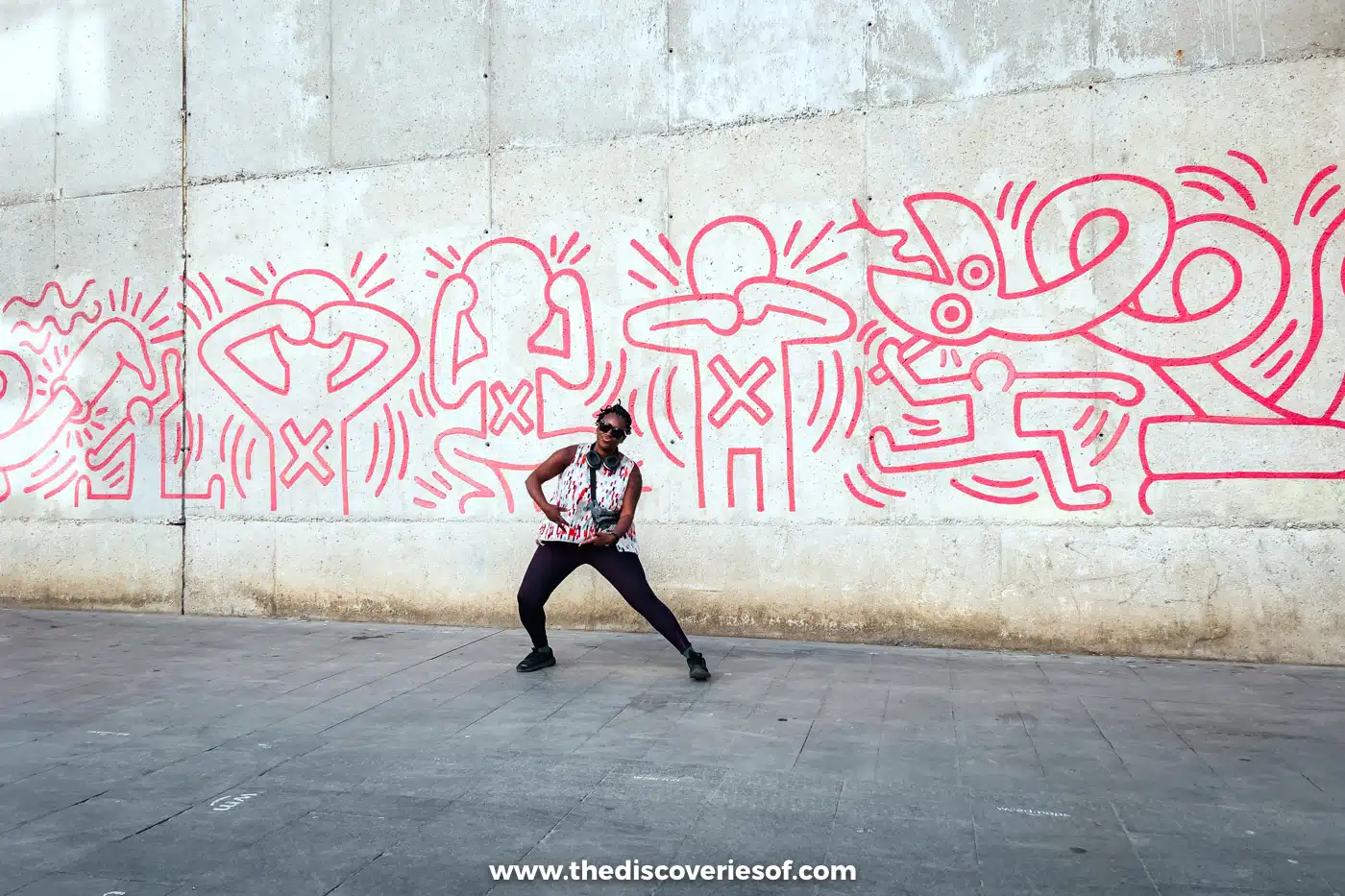 Barcelona street art: a guide and map to the city’s best murals, paste-ups and painted shutters
 3 days in Barcelona: the perfect Barcelona itinerary, from Gaudí’s towers to a hilltop bunker
 Barcelona’s most famous landmarks, and the hidden ones most visitors walk straight past
 22 Barcelona travel tips that will save you time, money and your phone
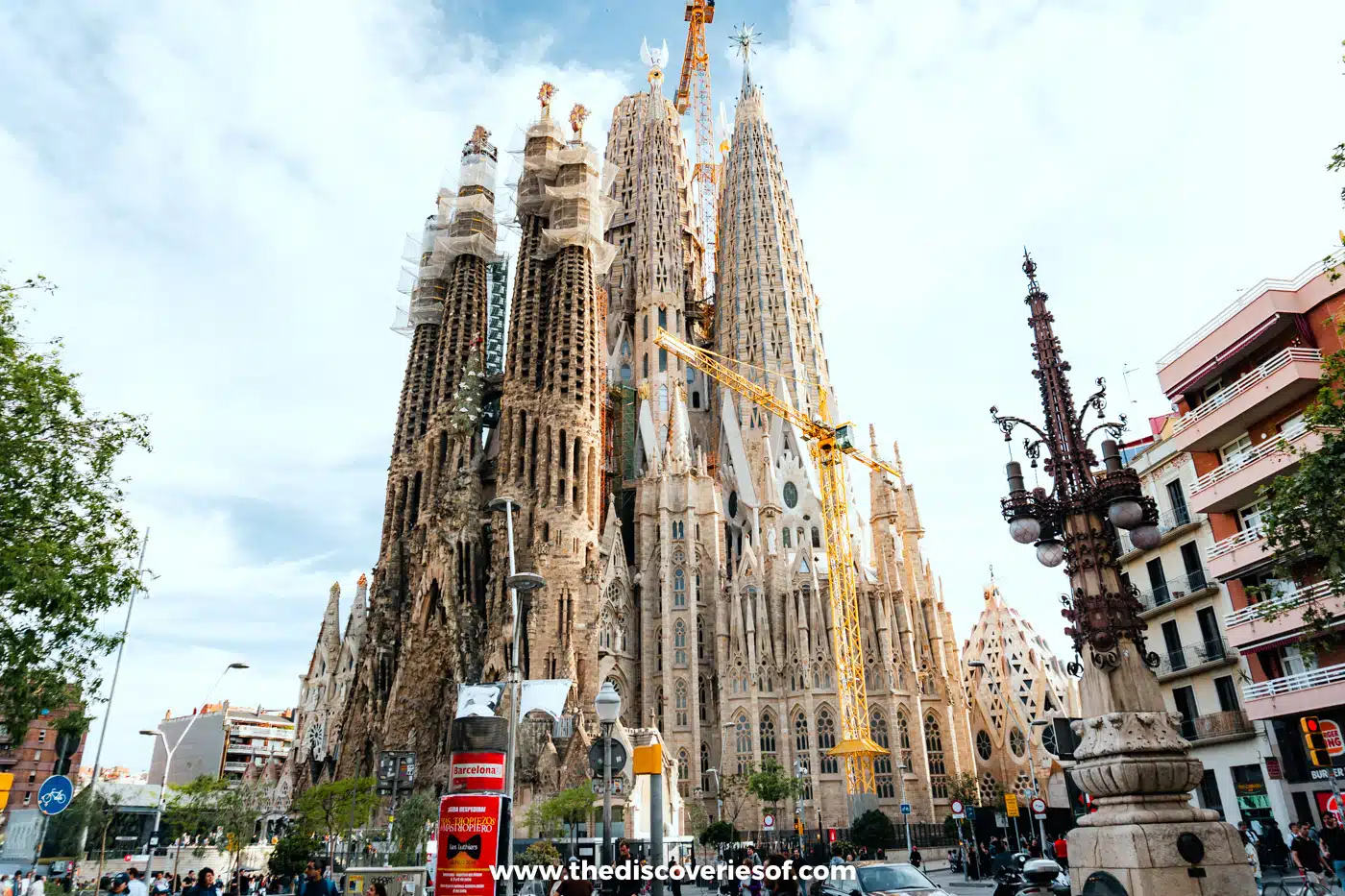 Visiting the Sagrada Família, Gaudí’s unfinished basilica that just became the world’s tallest church
 Is Park Güell worth it? Gaudí’s hilltop park and how to see it without the crowds
 49 things to do in Barcelona that go way beyond the Sagrada Família
 25 brilliant day trips from Barcelona: Roman ruins, Dalí’s Figueres and cava country
 Taste your way round Gratallops on a Priorat wine day trip from Barcelona
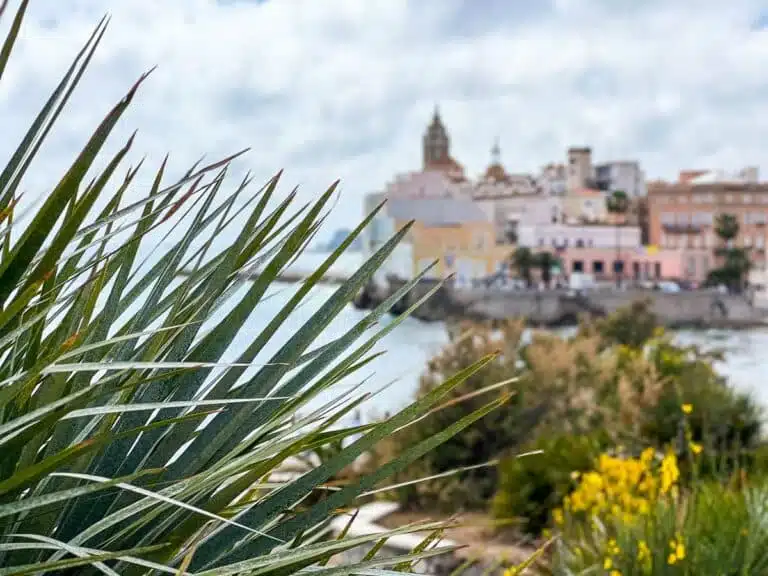 Sitges, Spain Travel Guide: Where to Stay, Eat and Play in this Coastal Gem
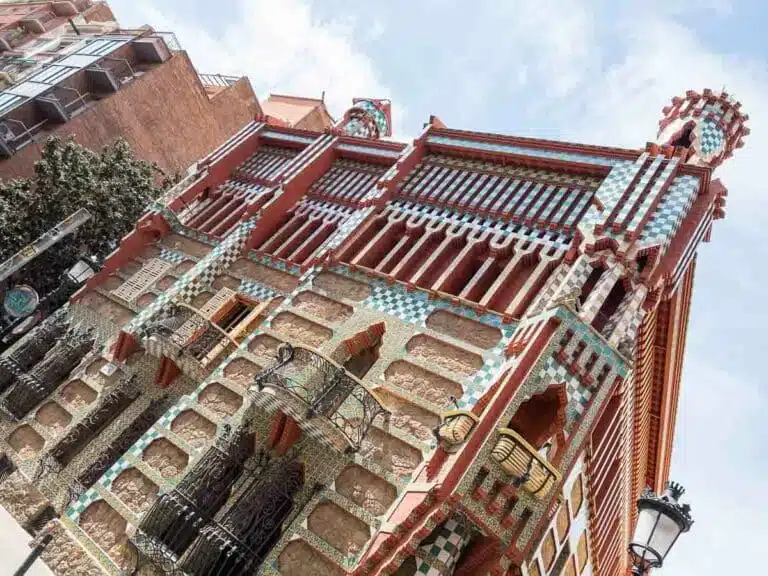 Gaudí’s Barcelona: A Walk Through the Architectural Masterpieces of the Modernist Genius
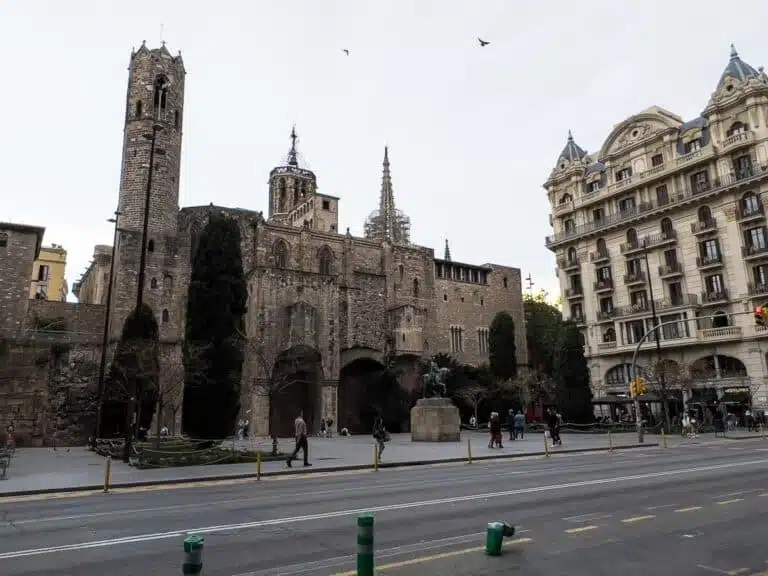 Exploring the Gothic Quarter, Barcelona: Unmissable Things to do in Barrio Gótico
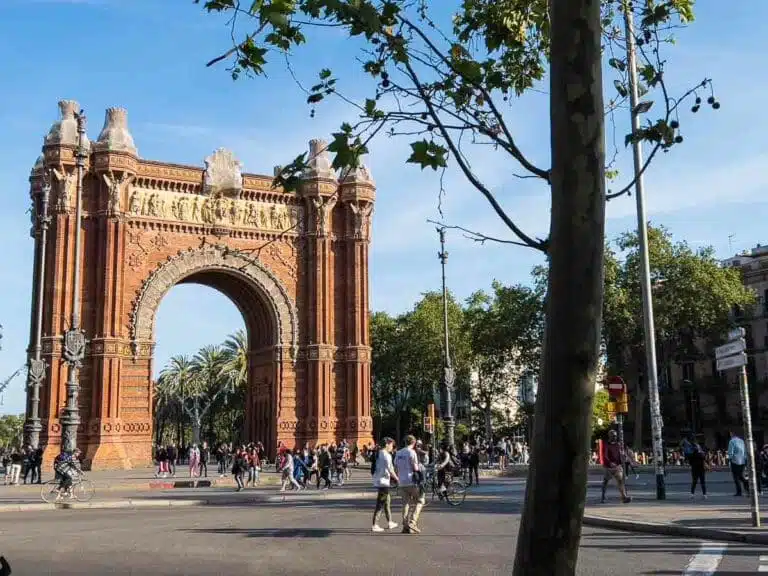 Where to Stay in Barcelona: The Best Areas + Hotels For Your Trip



Watch on YouTube
See the places before you go
Short films from the places in my guides, so you can see what a destination really looks and feels like before you go.
Subscribe on YouTube youtube.com/@thediscoveriesof