
The tax that doubled this year, the metro card that also gets you to the airport, the tickets that sell out weeks ahead and the street where phones go missing. What to know before your first trip to Barcelona.
Where do I even begin when it comes to Barcelona? Do I start with its impressive architecture and art? Its sun-drenched beaches? Or perhaps its vibrant history and culture?
I lived in Barcelona for three months, and it’s safe to say that this city has totally stolen my heart. From marvelling at Gaudí’s best works to eating my way around the city, and drinking enough sangria to sink a ship (mostly on my first visit at 18, to be fair), I spent plenty of time really getting to know Barcelona.
So, let me share my knowledge with you. Here are the travel tips you need to know before you go, from when to visit and how to get around to what to book ahead, what to eat and how to keep hold of your phone.
When to go
1. Pick spring or autumn if you can
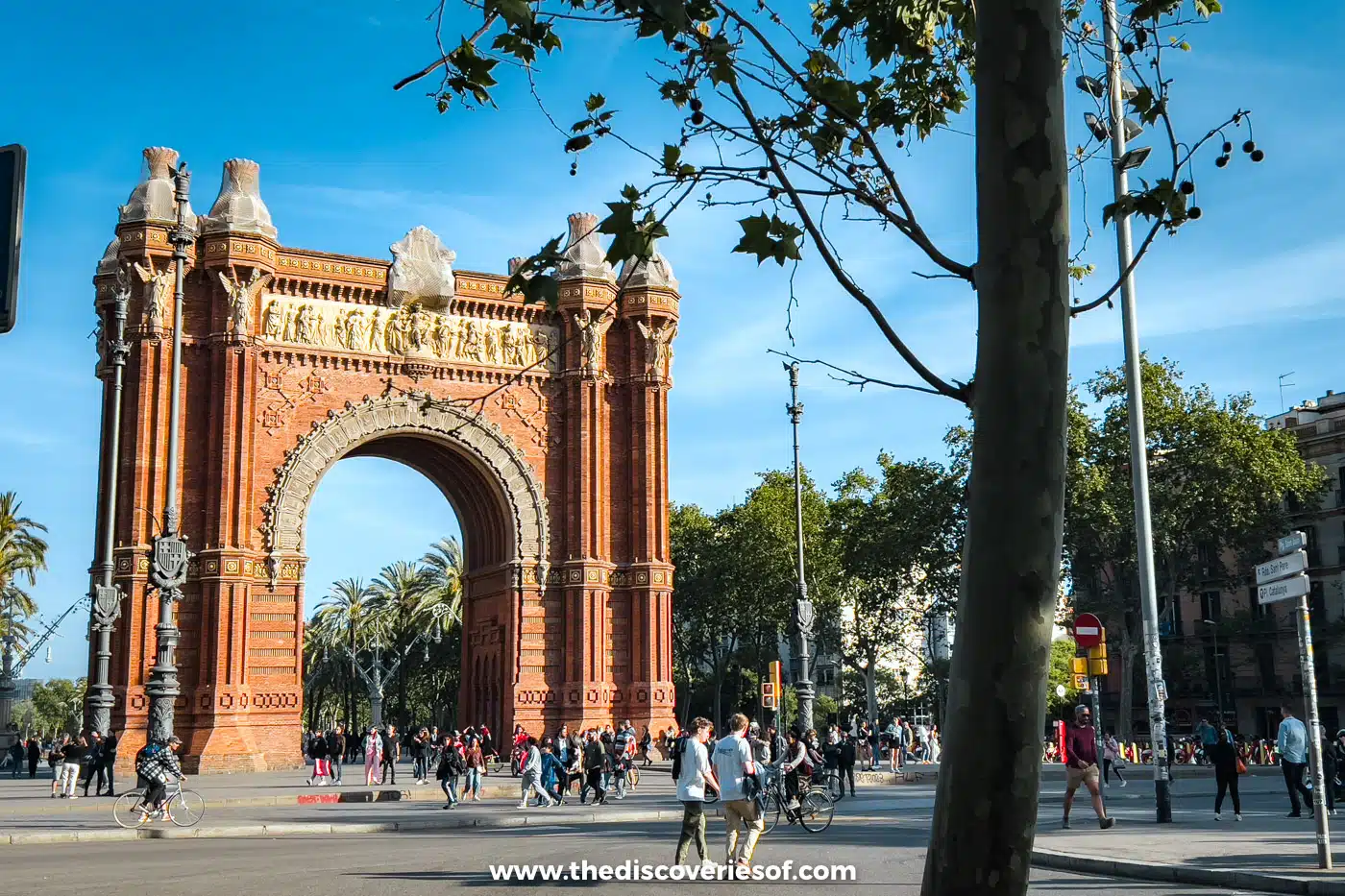
Let me start by saying that the best time to travel here depends on what you’d like to get from your trip. Spring (April to June) and autumn (September and October) are the sweet spot, with warm days, sea you can swim in by June, and fewer crowds than high summer.
Summer is charming, and if you’re after an epic city break with beach time, it delivers. The only problem with summer here is the heat, the tourist numbers and the inflated prices. If you’re on a tight budget, winter is your best bet: it’s mild (think 14 to 16°C on a sunny day) and hotel prices drop, though the sea is too cold for most people.
2. Time your trip for a festival
The city throws some brilliant free festivals. My favourite is Sant Jordi on 23 April, when couples and friends swap a rose and a book and the whole city fills with flower and book stalls. I was here for it, and it’s one of the loveliest days in the calendar. In mid-August, the Festa Major de Gràcia turns the streets of Gràcia into a competition of homemade decorations, and in late September, La Mercè brings human towers, fire runs and free concerts across the city.
Getting there and getting around
3. Skip the taxi from the airport
The airport is about 15 kilometres from the centre, and there are three good ways in. The Aerobús runs around the clock to Plaça de Catalunya in about 35 minutes. The R2 Nord train from Terminal 2 (a free shuttle bus links it to Terminal 1) is cheapest if you’ve bought a T-Casual, as it’s covered. And metro line L9 Sud runs from both terminals, but needs its own airport ticket (€5.90).
4. Buy a T-Casual for the metro and buses
The metro is fast, cheap and covers almost everywhere you’ll want to go. A single ticket costs €2.90, so if you’re staying more than a couple of days, buy a T-Casual: 10 journeys in zone 1 for €13, valid on the metro, buses, trams and the train to and from the airport. It’s no longer shareable, so you need one per person. You can use the same card for changes between lines within 75 minutes.
5. Walk more than you think
The centre is surprisingly compact. The Gothic Quarter, El Born, La Rambla and the Eixample are all walkable, and some of the best things you’ll see are on the way between sights: Modernista façades, tiny squares and street art. Bring comfortable shoes, as the old town’s paving is unforgiving.
Booking the big sights
6. Book Gaudí’s big hitters weeks ahead
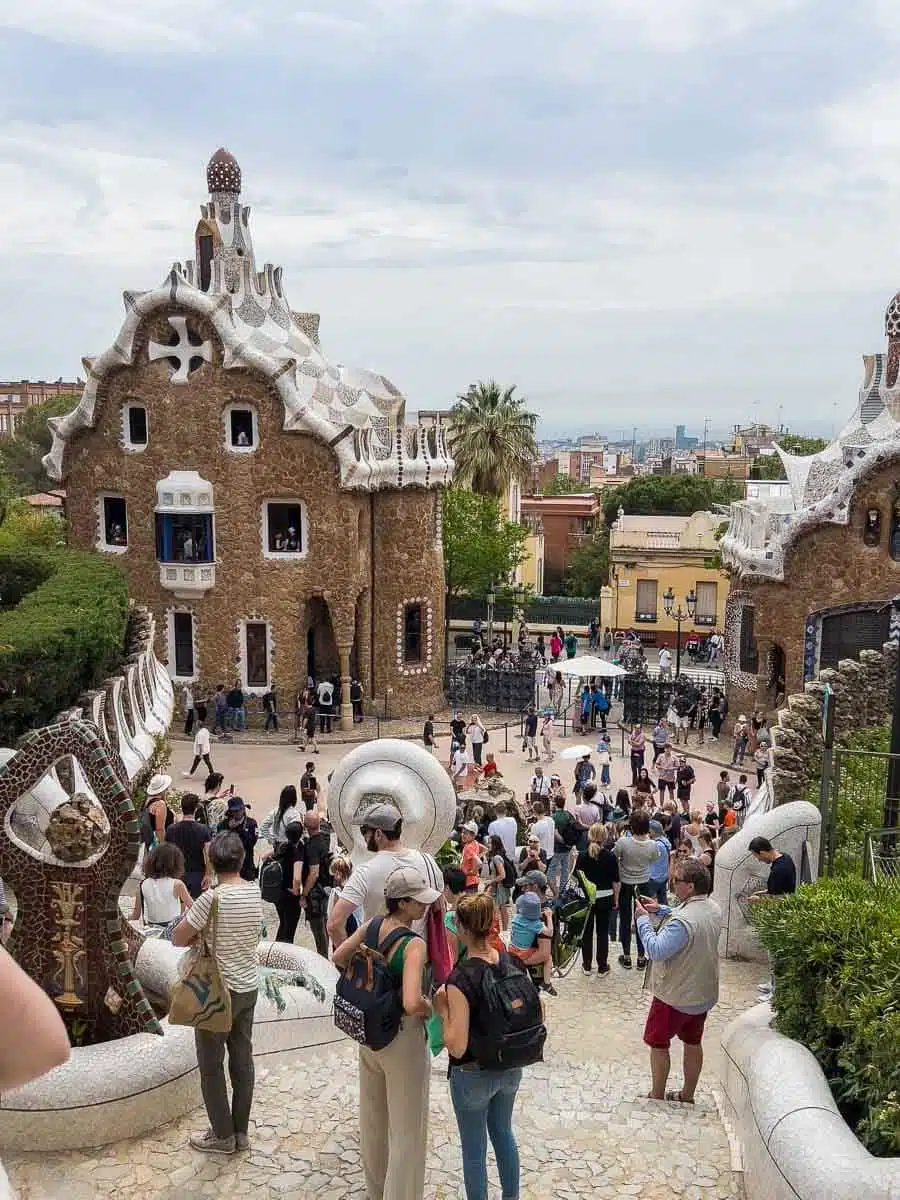
The Sagrada Família, Park Güell, Casa Batlló and La Pedrera all run on timed tickets, and in summer the best slots go weeks ahead. Book them as soon as your dates are fixed, and book direct or through a trusted seller, as there are plenty of reseller sites charging over the odds.
For Park Güell, which Gaudí designed as a housing estate that was a huge fail at the time (though I think the park has more than made up for it now), the whole park is now ticketed, and the first slot of the morning is the one to get: it’s cooler, and you’re ahead of the tour groups. Book your Park Güell ticket well in advance.
7. Choose your Sagrada Família tower (it doesn’t matter much)
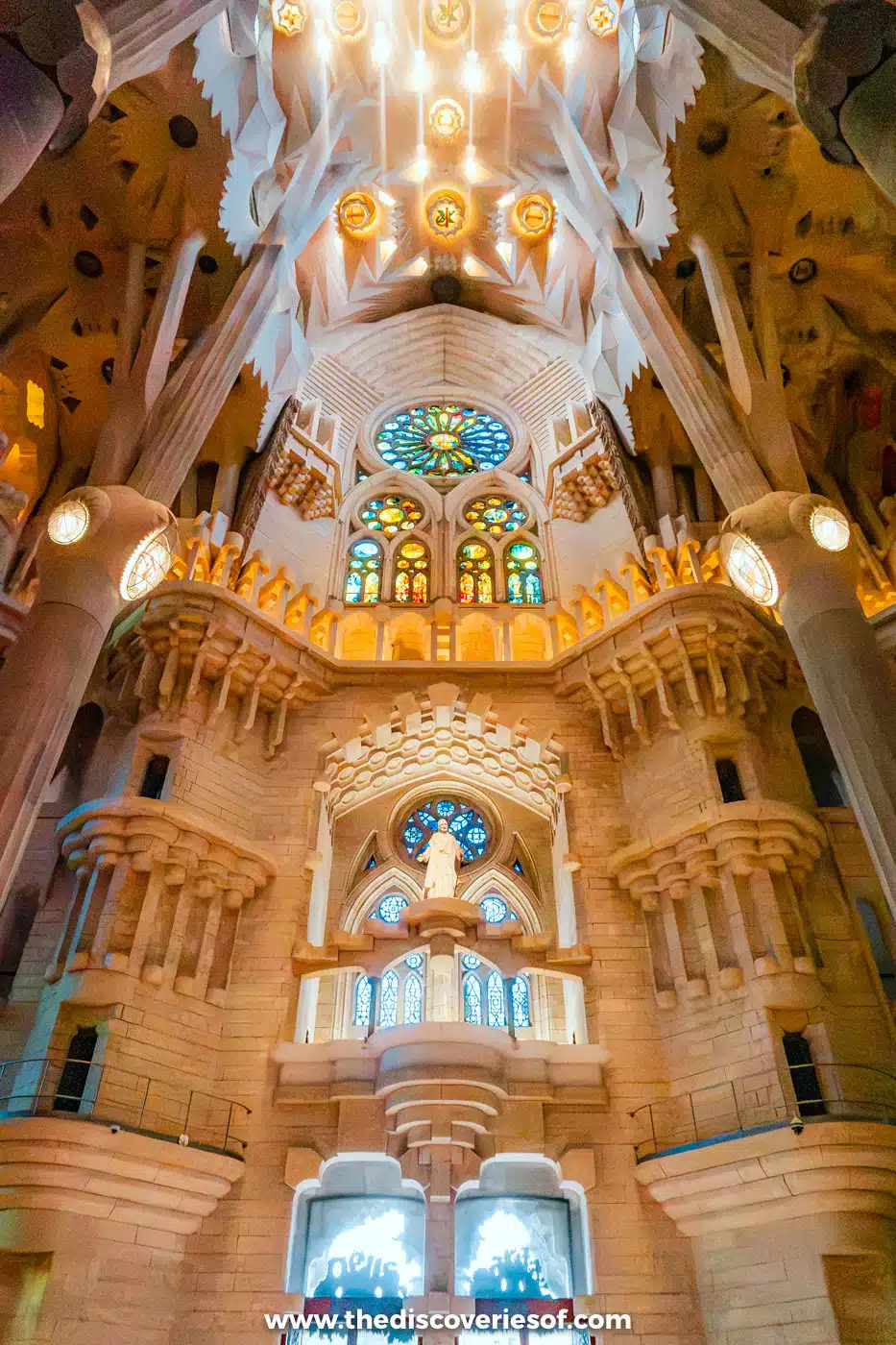
Normal Sagrada Família tickets don’t include the towers, so you need to book a specific tower ticket. You’ll have to pick either the Nativity façade or the Passion façade, as no ticket includes both. There’s not much in it, to be totally honest: they’re both as beautiful as each other. Go for whichever time slot suits you, and aim for the morning or late afternoon, when the light through the stained glass is at its best. Save time and book your admission ticket and audio tour in advance.
8. Give Gaudí a whole day (or two)
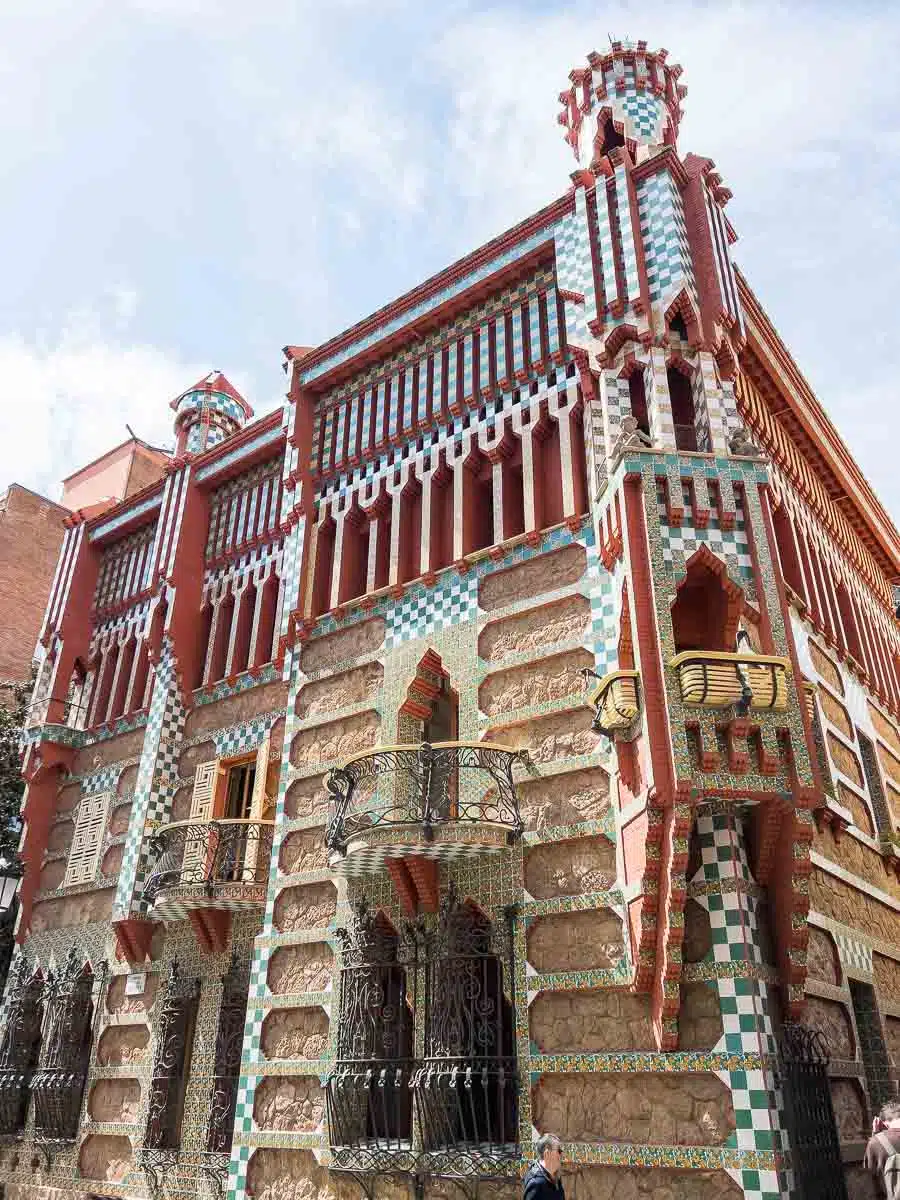
Let me nerd out for a second: to say that Gaudí significantly impacted Barcelona’s architectural landscape is an understatement. Almost everywhere you go, you’ll see one of his buildings, and seven of his works are UNESCO listed.
I suggest dedicating a full day to discovering Gaudí’s works, and spreading them over two days is even better. That way, you’ll have enough time to appreciate the mastermind behind the city’s most unique buildings without rushing. Group them by area: the Sagrada Família with Sant Pau one day, and Park Güell with Casa Vicens in Gràcia the next, with Casa Batlló and La Pedrera on Passeig de Gràcia in between. Some of my other top picks include Bellesguard and the Colònia Güell. My guide to Gaudí’s Barcelona has the full trail.
9. Use the free museum days
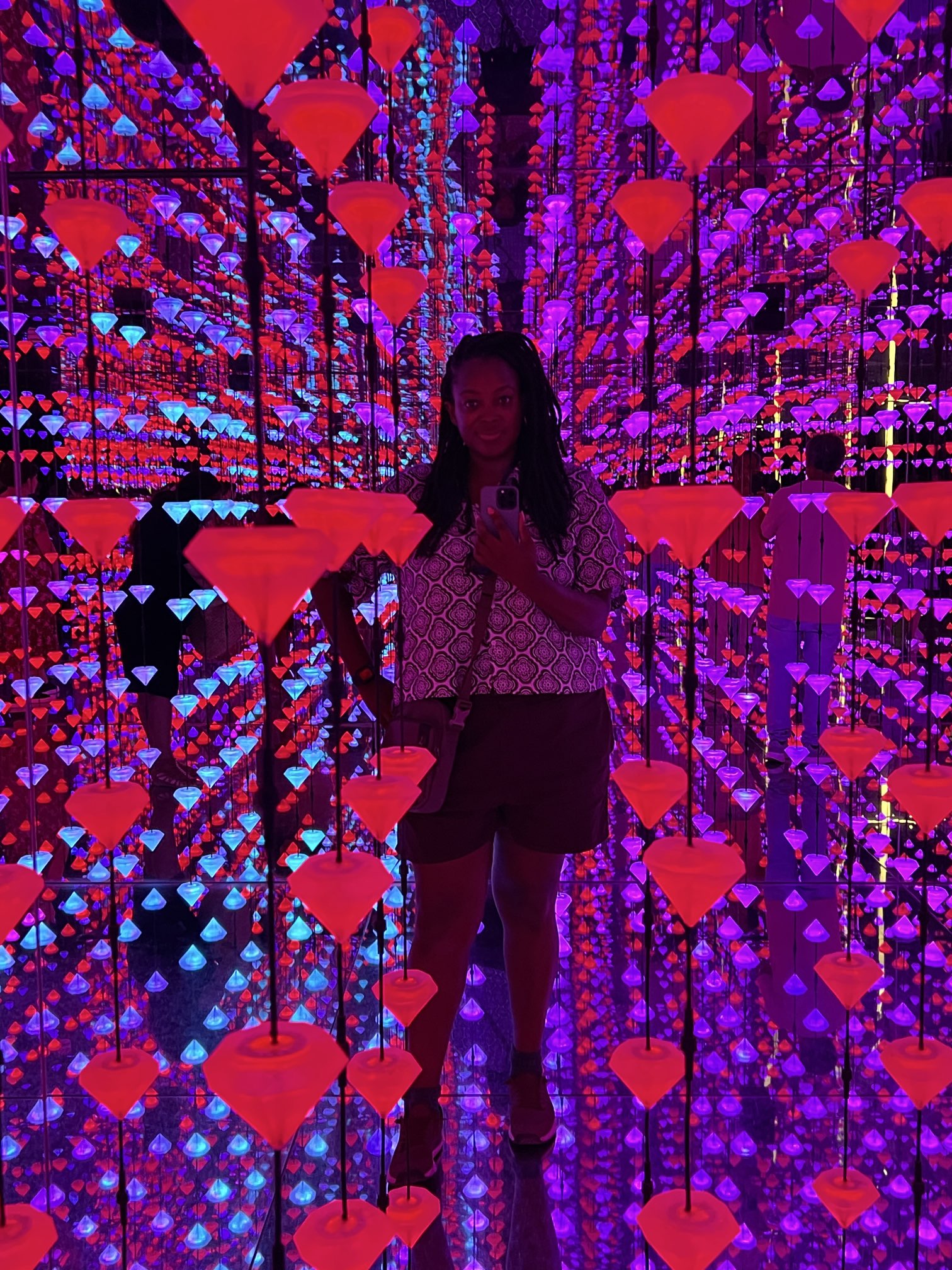
The city is a cultural and artistic hub, with over 50 museums. One of my top tips is to check when they offer free admission. The Picasso Museum is free on Thursday evenings and the first Sunday of the month, and MNAC on Saturday afternoons from 3pm and the first Sunday of the month, though you still need to book a timed slot. Plenty of other municipal museums are free on the first Sunday too.
Some of the best aren’t the big names, either. Moco, a small contemporary art museum in a 16th-century palace in El Born, was my favourite museum in the city, and I urge you to visit some of the smaller galleries too: Artevistas and Base Elements are a couple of my fave examples.
10. Look beyond the big sights
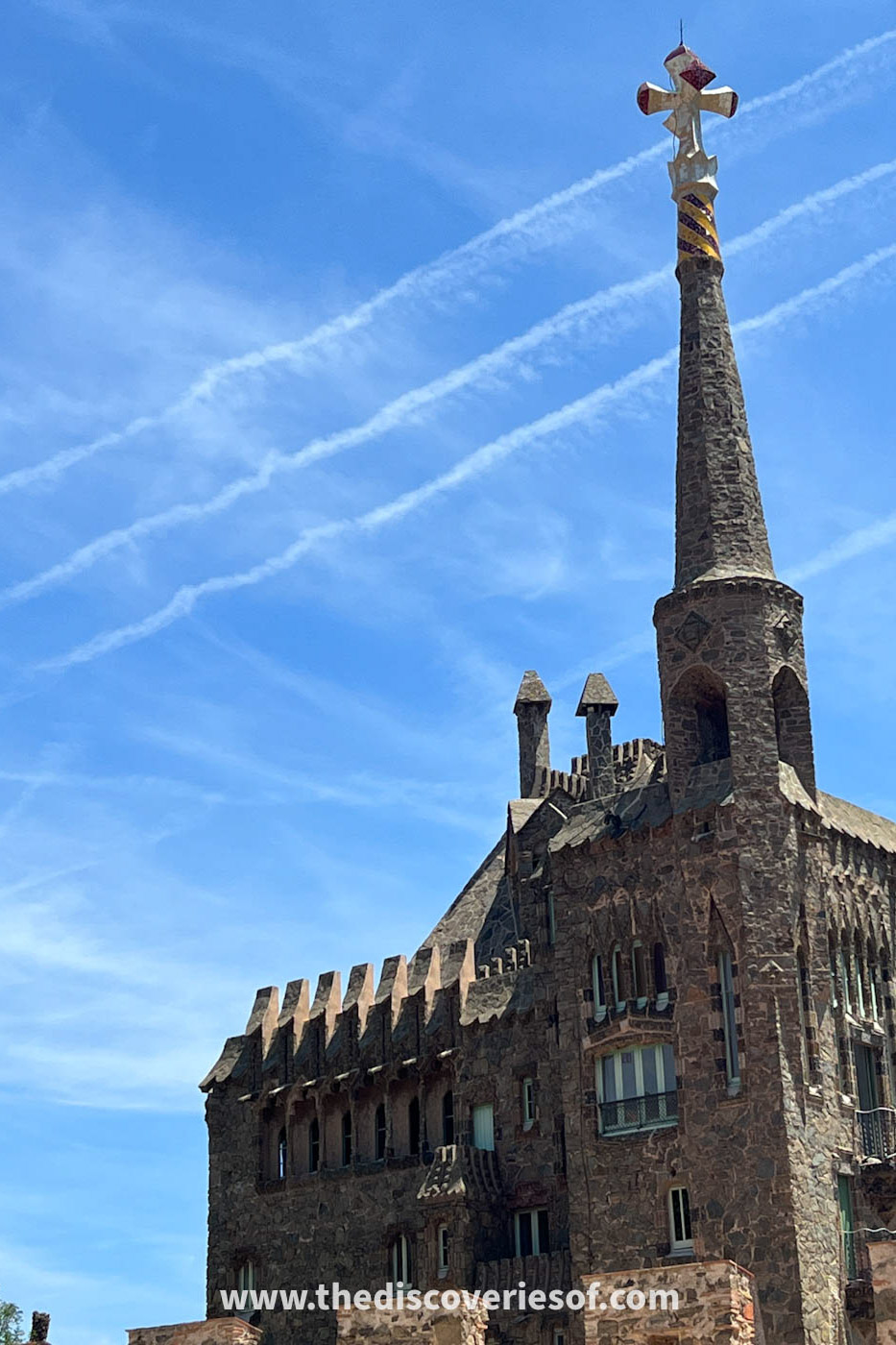
While there are a ton of popular attractions to discover, sometimes it helps to delve into the hidden gems. And there are many in Barcelona:
- Bellesguard: Gaudí’s lesser-known castle-like manor in Sant Gervasi, where you can usually buy tickets on the door.
- Els Encants: a flea market that’s existed in one form or another since the 1300s, now under a huge mirrored canopy in Poblenou. Great for finding souvenirs.
- Bunkers del Carmel (MUHBA Turó de la Rovira): Spanish Civil War anti-aircraft emplacements turned viewpoint, high above the city and the sea. It’s fenced and closes in the evening now, so sunset is a winter plan.
- Artevistas: a true hidden gem in a passage in the Gothic Quarter, selling contemporary art by lesser-known artists.
- The quieter beaches: Barceloneta is the most popular beach, with the sail-shaped W Hotel at its far end, and it fills up fast in summer. Walk on past the Olympic Port to Nova Icària or Bogatell, which have the same golden sand, showers and beach bars with far fewer people.
- A match at Camp Nou: whether you’re a football fan or not, you can’t help getting roped into the hype around FC Barcelona. Matches are back at the rebuilt Spotify Camp Nou, and the season runs from August to May. Buy tickets from the club’s own website, not from touts outside.
For the rest, see my guide to the best things to do in Barcelona and my pick of Barcelona’s most famous landmarks.
Eating and drinking like a local
11. Eat late, and make lunch the main event
The city runs on Spanish time. Lunch is from about 2pm, dinner rarely before 9pm, and many kitchens close between the two. Look for the menú del dia at lunchtime on weekdays, a set two or three courses with a drink, which is the best-value meal in the city. If you’re hungry at 7pm, that’s what tapas and vermut are for.
12. Eat at El Quim de la Boqueria (and skip the stalls by the entrance)
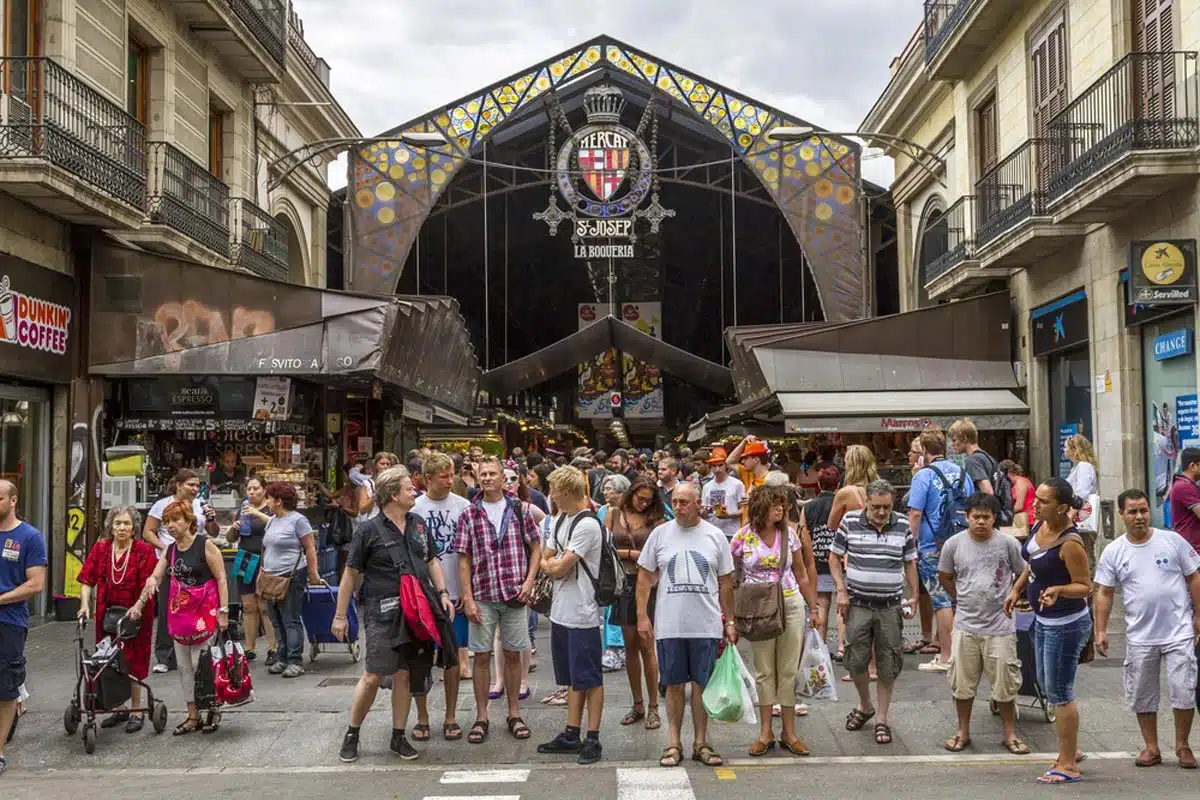
A pitstop at La Boqueria is a must. It’s the oldest market in the city, first mentioned in 1217 when it was just a huddle of meat stalls, and now it has around 200 stalls. The ones by the La Rambla entrance are geared to tourists, so walk further in. By the way, eating at El Quim de la Boqueria is non-negotiable. It’s one of the best tapas joints in the city. If it’s all too overwhelming, book a walking and food-tasting tour with an expert guide.
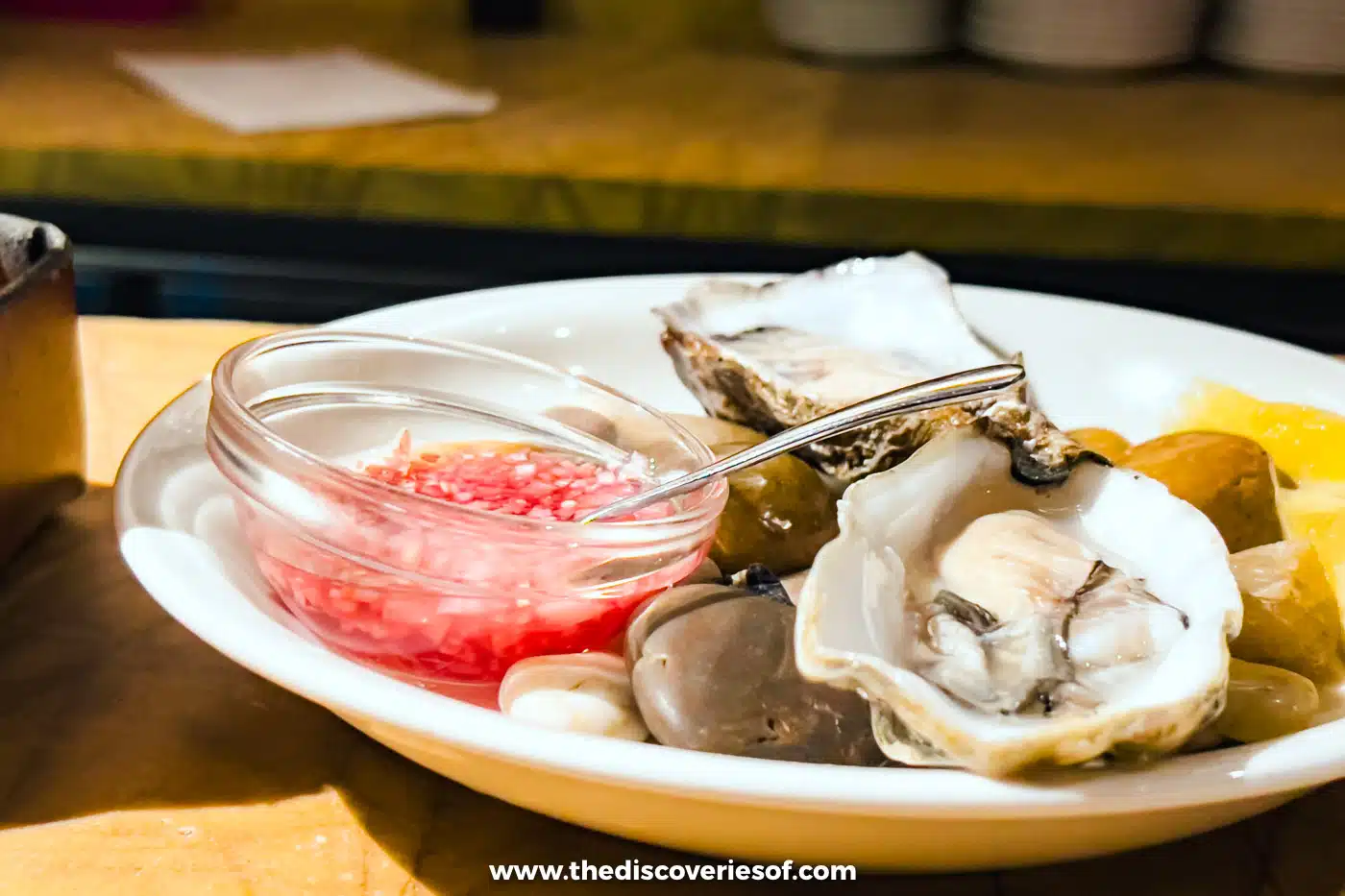
13. Know what to order
- Pa amb tomàquet: simple yet flavoursome bread rubbed with tomato and olive oil, sometimes topped with cured ham.
- Patatas bravas: fried potatoes with a spicy sauce (and often allioli too). Every bar thinks theirs is the best.
- Croquetes: fried croquettes of béchamel, usually with ham, chicken or cod.
- Arròs and paella: paella is from Valencia, but the city does its own rice dishes well, including arròs negre, black with squid ink. Order it at lunch, never as a quick snack.
- Crema catalana: the Catalan take on crème brûlée.
14. Drink vermut, cava and natural wine
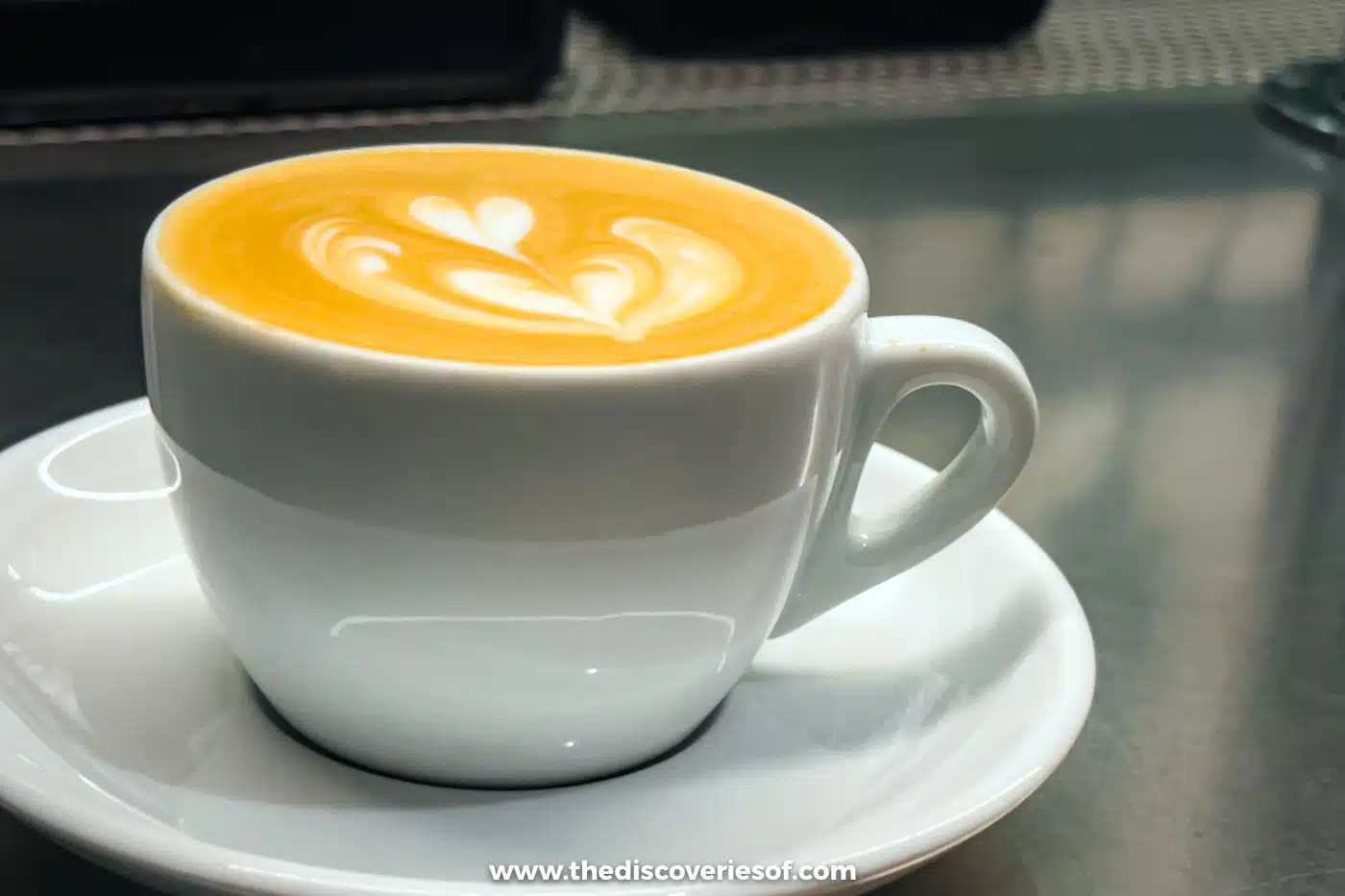
- Vermut: a fortified, spiced wine that’s always a winner with locals before lunch, often poured from the barrel. Have it with olives and a bag of crisps.
- Cava: Catalan sparkling wine made the same way as Champagne, mostly in the Penedès, less than an hour away.
- Natural wine: The wine bar scene here is brilliant. El Diset in El Born became my go-to while I lived here.
- Horchata: a sweet, milky drink made from tiger nuts, best in summer.
Skip the sangria in the touristy places. And if you’re a coffee person, Nomad Coffee in El Born does some of the best in town.
15. Tip lightly
Tipping is optional, and most people round up the bill or leave a few coins. If you want to tip for good service at a sit-down meal, 5 to 10% is generous.
Money and practicalities
16. Budget for the tourist tax
Catalonia’s tourist tax doubled in April 2026, and Barcelona adds its own surcharge on top. It’s charged per person, per night, on top of the room rate, and in the city it now comes to roughly €10 to €15 a night depending on where you stay (more in five-star hotels than in a guesthouse). Some booking sites include it in the price and some don’t, so check before you pay.
17. Save on sightseeing
The costs of a trip depend on how long you stay and the time of year, but a few things help. The T-Casual keeps transport cheap, the free museum days are worth planning around, and if you’re going to do a lot of paid sights in a few days, a pass like the Go City Explorer Pass can bring the cost down. Do the maths before you buy, as it only pays off if you use it.
18. Shop before Sunday
Most shops, shopping centres and large supermarkets close on Sundays, so stock up on Saturday. Bakeries, small grocers and the shops on La Rambla are usually the exception.
19. Learn a few words of Catalan
The local language is Catalan, which is different from Spanish (Castilian). Everyone speaks Spanish too, and many people understand English, but a few words of Catalan go down well:
- Bon dia: good morning
- Bona tarda: good afternoon
- Bona nit: good night
- Gràcies (or merci): thank you
- Si us plau: please
- Molt de gust: nice to meet you
- Parla anglès?: do you speak English?
- Ho sento: sorry
- Adéu: goodbye
20. Check your plugs and the time
Spain is on Central European Time (GMT+1), and Central European Summer Time (GMT+2) from late March to late October, so an hour ahead of the UK all year. The voltage is 230V, with two-pin Type C and Type F plugs.
Staying safe
21. Guard your phone and bag
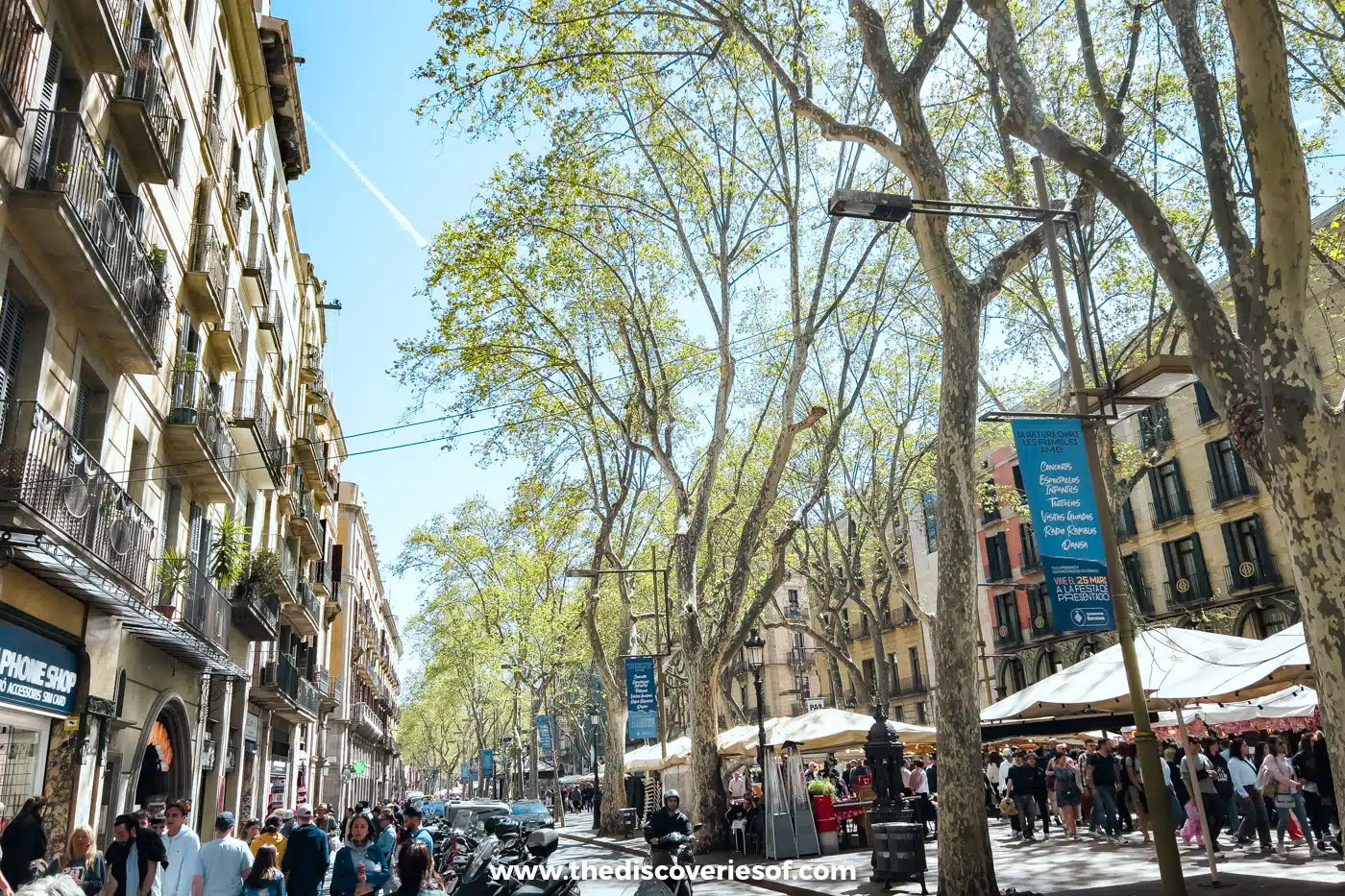
It’s a safe city on the whole, but it has a pickpocketing problem. La Rambla, the busiest metro lines and stations, Plaça de Catalunya, La Boqueria and the beach at Barceloneta are the hotspots. Keep your phone out of your back pocket and off café tables, wear your bag across your body, and be wary of anyone who asks you to sign a petition or points out a stain on your clothes. Never leave anything unattended on the beach.
22. Take out travel insurance
Lean on the side of caution and take out travel insurance before you go. It covers a range of events, including medical emergencies, cancellations and theft. Numerous companies offer travel insurance, but World Nomads offers some of the best plans. If you’re from the UK, bring your GHIC too.
Planning resources
- Flights: Skyscanner compares thousands of flights to help you find the best time to book your trip.
- Where to stay: The Gothic Quarter, El Born and the Eixample all make great bases, and I’ve stayed in all three. I recommend the ultra-modern Hotel Arts Barcelona, which overlooks Barceloneta beach, for a splurge. My guide to where to stay in Barcelona breaks down every area.
- Tours and tickets: I adore GetYourGuide for booking tours, activities and fast-track entry to attractions in the city.
- What to pack: comfortable walking shoes, a travel backpack or a crossbody bag that zips, a light jacket for the evenings, a scarf to cover your shoulders in churches, and sunscreen. Always sunscreen.
- Guidebooks: exploring the city can be a wonderful and daunting experience. A few that I love: Rough Guides Barcelona, Rick Steves Barcelona and National Geographic Walking Barcelona.
Read next
- 49 things to do in Barcelona
- Where to stay in Barcelona
- Barcelona’s most famous landmarks
- Unmissable things to do in Spain
- 10 days in Spain: the ultimate itinerary
Love this? Save and share on Pinterest
Discover the top things to do, insider tips and hidden gems in our Spain Travel Guide.
Read the guides →