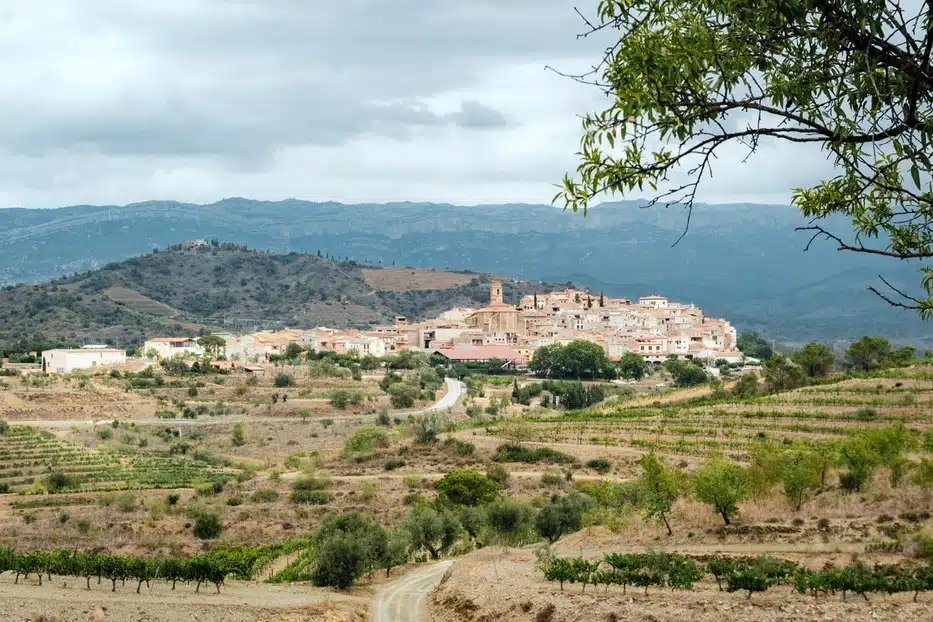

Two hours south-west of Barcelona, terraces of dark slate climb towards the Montsant cliffs and the vines make some of Spain’s most powerful reds. Here’s how to spend a day tasting in the wine villages of Priorat, from the wineries worth booking to where to stop for lunch.
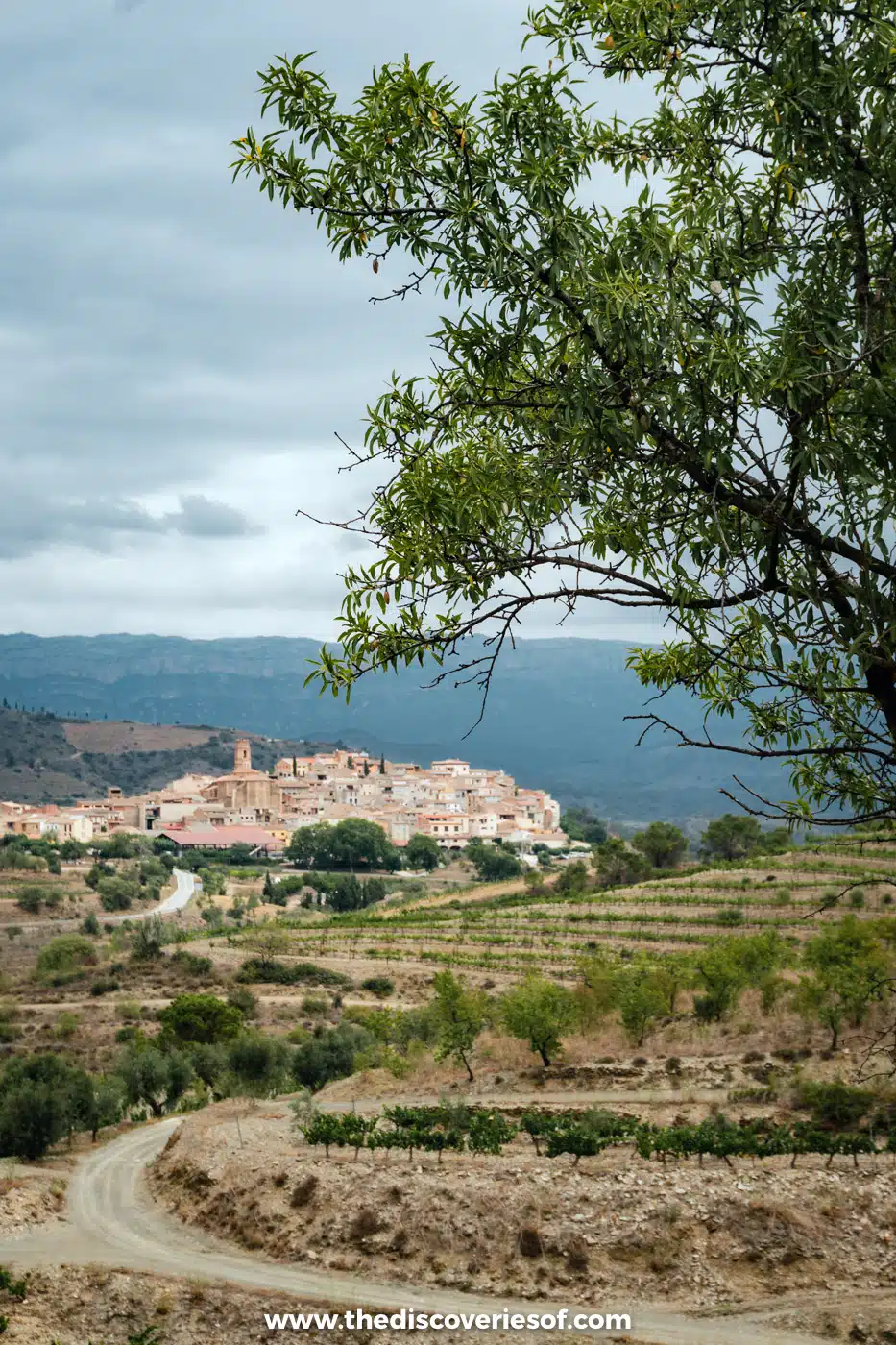
Priorat is a relatively easy day trip from Barcelona, but unless you book with one of a few tour providers, it’s only possible if you hire a car and drive down. It’s worth the effort. This small, steep corner of Catalonia is one of only two wine regions in Spain to hold the country’s top classification (the other is Rioja), and many of its wineries are small, family-run affairs.
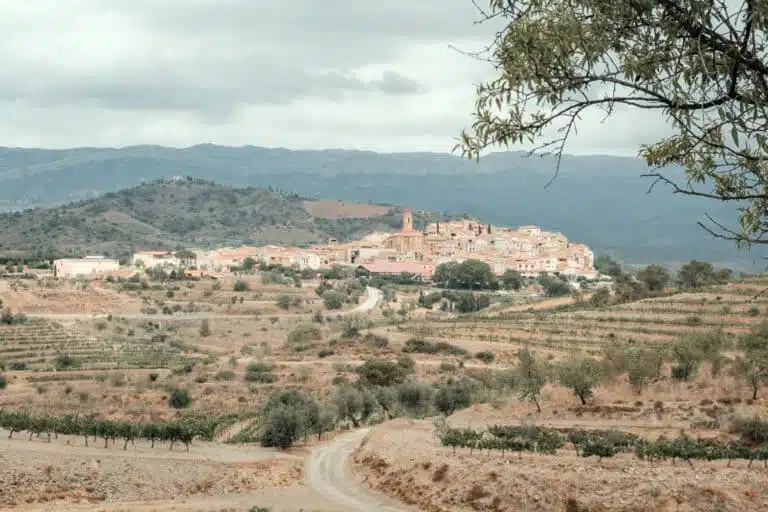
I drove down from Barcelona for the day in July and spent it in and around Gratallops, a beautiful village clustered around a hill and home to many of the area’s most distinguished vineyards. I started with a tour and tasting at Clos Figueras, tasted among the vines at Devinssi, came back to Clos Figueras for lunch and finished in the tasting library at Clos de l’Obac. All three are within easy walking distance of each other, which is exactly why Gratallops works so well on a day trip.
This guide covers how to get there, the wineries to book, where to have lunch and what to add if you can stay longer.
If you’d rather leave the driving to someone else, this Priorat tour to three small wineries includes pickup from your hotel in Barcelona.
Priorat day trip at a glance
- Distance: about 160 kilometres from Barcelona, a two-hour drive.
- Best base for a day trip: Gratallops. You’ll only have time to visit one area if you’re visiting Priorat on a day trip, and I’d suggest Gratallops.
- Wineries I visited: Clos Figueras, Celler Devinssi and Clos de l’Obac.
- Lunch: the set menu at Les Figueres, the restaurant at Clos Figueras (Tuesday to Sunday).
- Book ahead: every tasting needs a reservation, and Devinssi asks for at least two days’ notice.
Why Priorat is worth the drive
The wine story here starts with monks. In 1194 Carthusians founded the monastery of Escaladei at the foot of the Montsant cliffs, and in this isolated, hard-scrabble landscape grapes and olives were about the only things that flourished. The prior came to rule the surrounding villages, which is how Priorat got its name.
The soil is the other half of the story. Llicorella, a crumbly black and brown slate flecked with quartz, covers the hillsides and forces the vines to dig deep for water. The result is small yields of intense, concentrated wine, mostly from garnatxa (grenache) and carinyena (carignan), often blended with cabernet sauvignon and syrah.
Phylloxera arrived in the 1890s and wiped out around 90% of the vines, and for most of the 20th century the region was poor and emptying out. The revival came in the late 1970s and 1980s, when a handful of winemakers settled around Gratallops and began making the bold, slate-grown reds that put the region back on the map. Today it holds DOQ (in Spanish, DOCa) status, the same top tier as Rioja.
Getting to Priorat from Barcelona
I used the Ubeeqo car-share service, and it’s brilliant: you book a car by the hour or the day in an app and pick it up from a car park in the city. The drive takes about two hours, south along the coast towards Tarragona, inland past Reus and up through Falset into the hills. The last stretch winds through the vineyards on narrow roads, so take it slowly.
Getting There
There’s no easy public transport for a day trip. Renfe regional trains run from Barcelona Sants to Marçà-Falset in a little over two hours, up to six times a day, but the station is about 15 kilometres from the wineries and you’d need a taxi for the rest. The alternative is a guided wine tour from Barcelona with hotel pick-up.
Whoever is driving needs to go easy on the tastings. Spain’s drink-drive limit is 0.5 grams of alcohol per litre of blood (0.3 for new drivers), every winery has a spittoon, and it’s no shame to use it.
Guided Tours
No car? Book this Priorat tour to three small wineries with hotel pickup, or this tour of Priorat’s exclusive cellars from Barcelona.
How to spend a day in Gratallops
Start with a tour and tasting at Clos Figueras
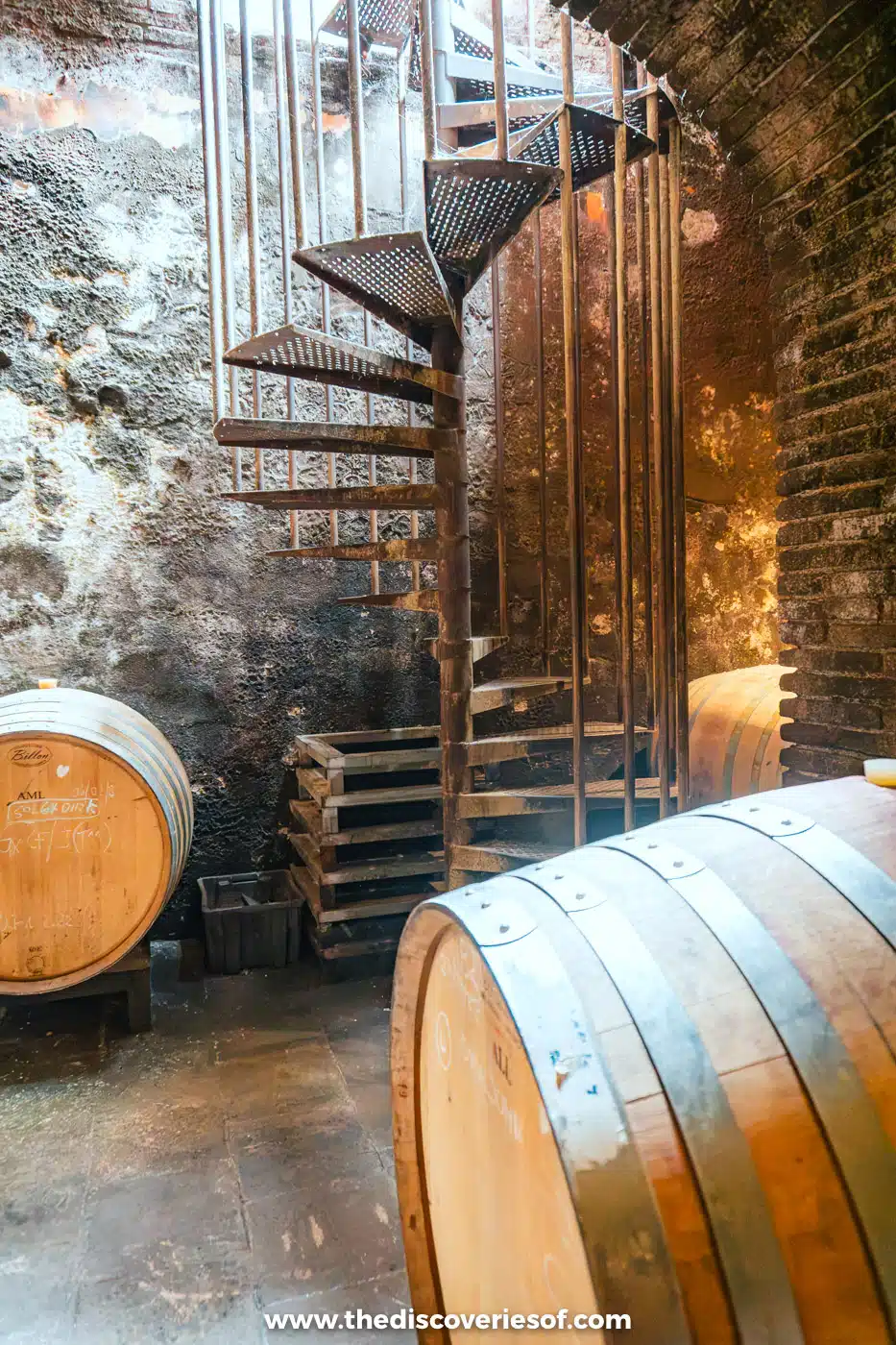
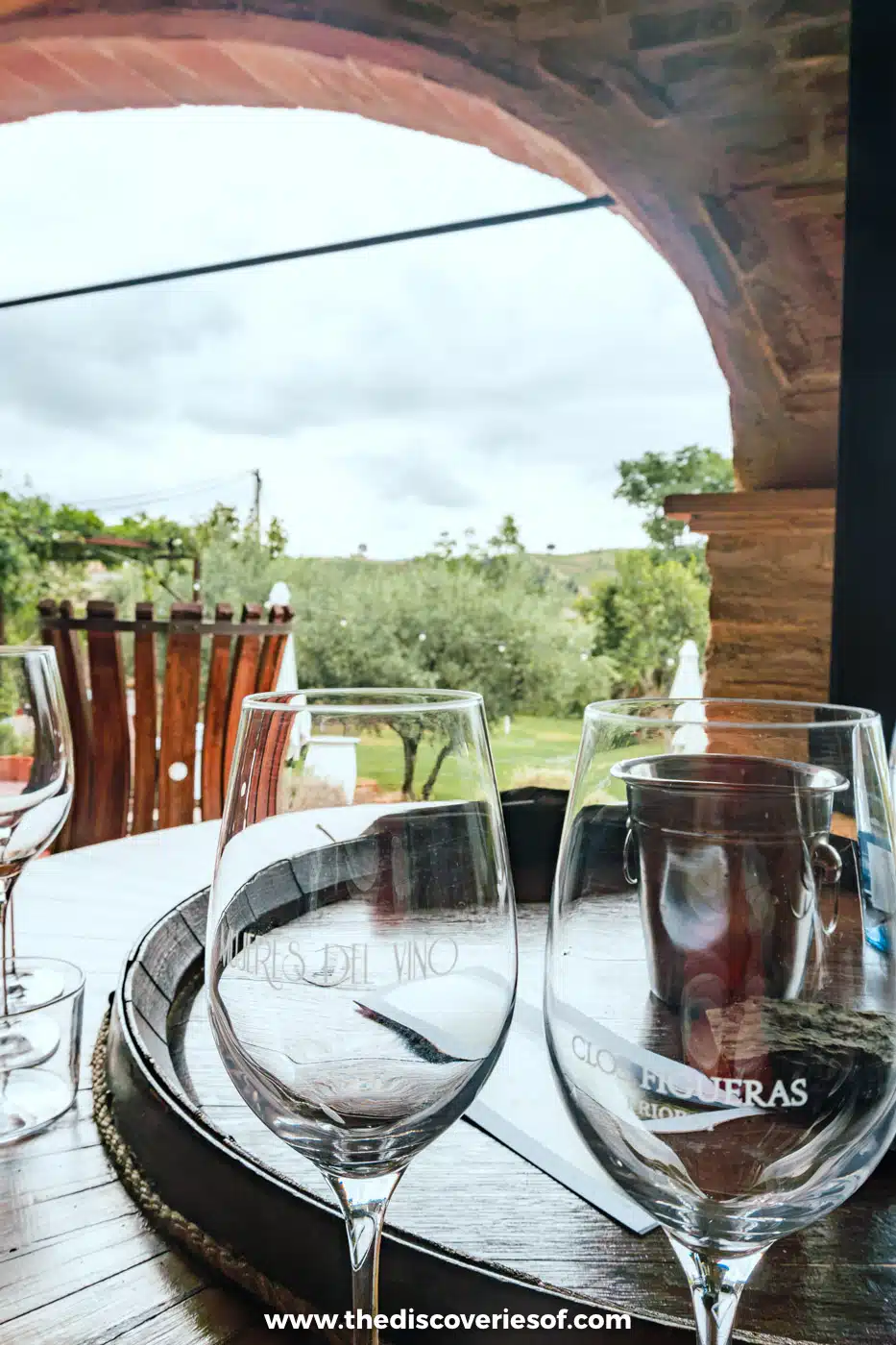
Clos Figueras is a fantastic vineyard hosting lively and informative tours that delve deep into the history of Priorat as a region as well as the vineyard itself. The estate was bought in 1997 by the wine merchants Christopher and Charlotte Cannan, who bottled their first vintage in 2000, and the tour takes you from the steel tanks down into a stone barrel cellar with a spiral staircase before you taste on the terrace.
Tickets
The tour and tasting costs €35 per person for five wines and takes about an hour. It runs every day, with the winery open from 10am to 5pm, and you need to book ahead by email ([email protected]). Reservations are only confirmed once the winery replies.
There are also a few rooms to book at Clos Figueras if you decide to stay. Book well ahead for weekends during peak months.
Taste among the vines with Jordi at Devinssi
Celler Devinssi is another great winery to book a tasting. Tastings are led by the lively Jordi, long-time Priorat resident and all-round font of knowledge, and they’re held in the heart of the vineyard itself, at a wooden table among the vines, looking out over the hills. It’s a pretty unforgettable experience.
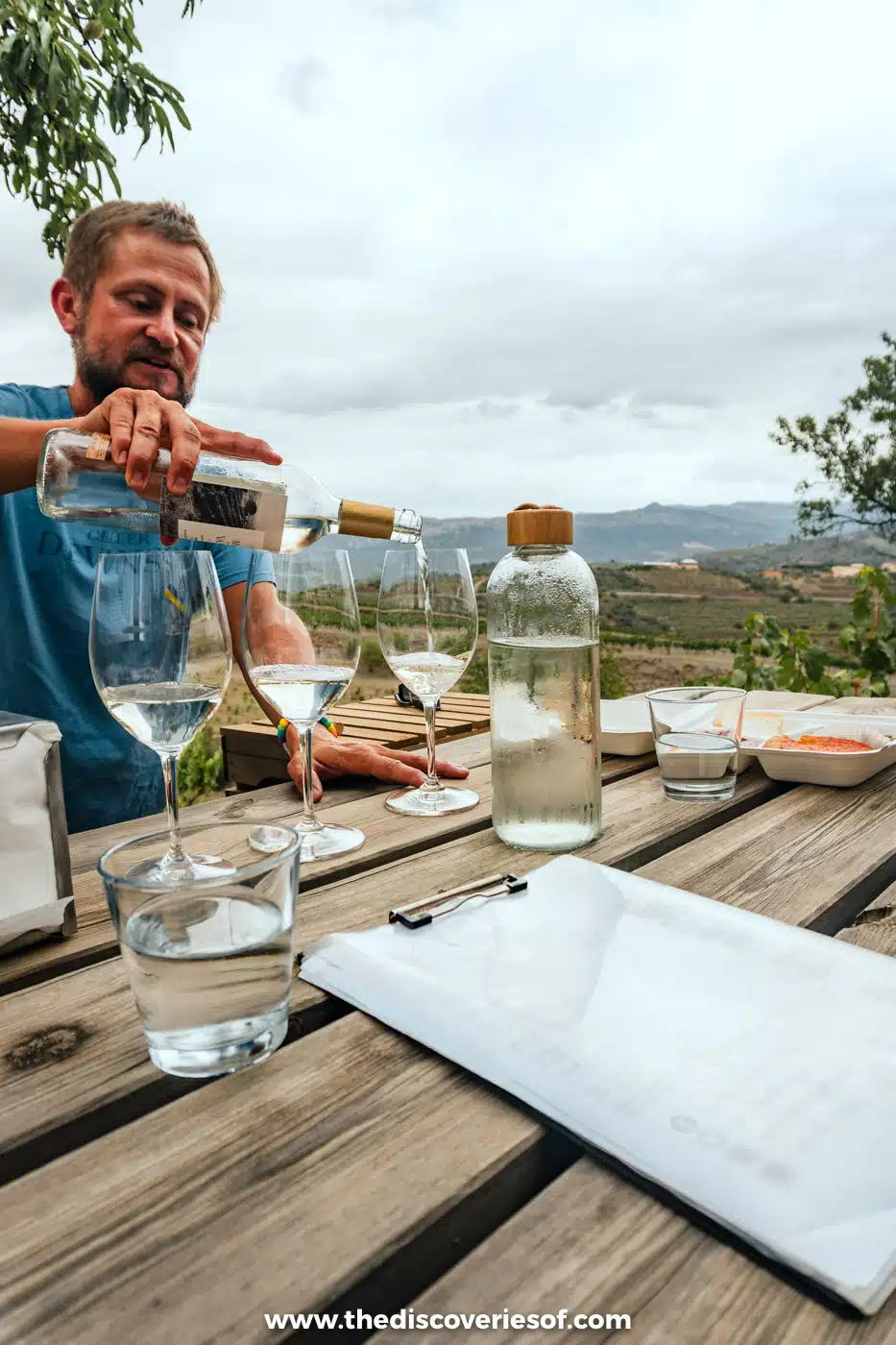
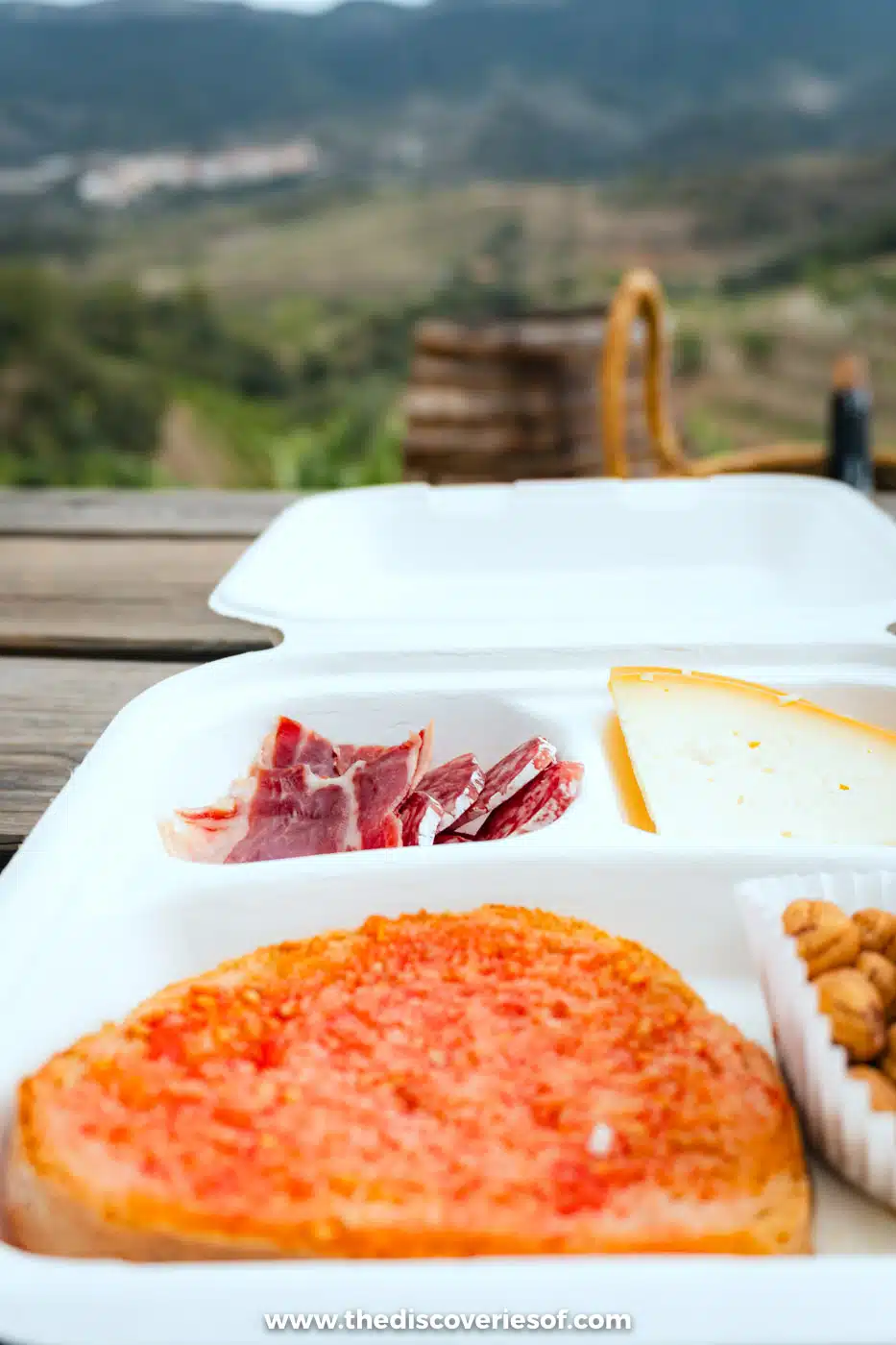
I went for the pica-pica tasting, which pairs the wines with local nibbles: pa amb tomàquet, jamón, cheese and nuts, laid out on the table in the vines.
Tickets
Devinssi offers three tastings in the vineyard: Senzilla (€20), Pica-pica with local products (€35) and Rocapoll (€50), each for a minimum of two people and lasting about one and a half to two hours. Book online at least two days ahead. You meet in the car park in front of the Clos Figueras restaurant at the entrance to Gratallops, so don’t drive into the village.
Stay for lunch at Les Figueres
The restaurant at Clos Figueras is truly excellent, and the three-course set menu is a steal. It includes water, a glass of the estate’s wine and a coffee, and my lamb chops with padrón peppers were a chef’s kiss.

Top Tip
Les Figueres opens for lunch only, from 1pm to 3.30pm, Tuesday to Sunday, and it’s closed on Mondays. The Clos Figueras set menu costs €39 and the lamb with padrón peppers is still on it. Book a table when you book your tasting.
Finish in the tasting library at Clos de l’Obac
Clos de l’Obac is a high-end vineyard with a beautiful tasting library, its walls lined with bottles, and a fitting place to end the day: Clos de l’Obac was one of the handful of wineries that started Priorat’s revival in the 1980s.
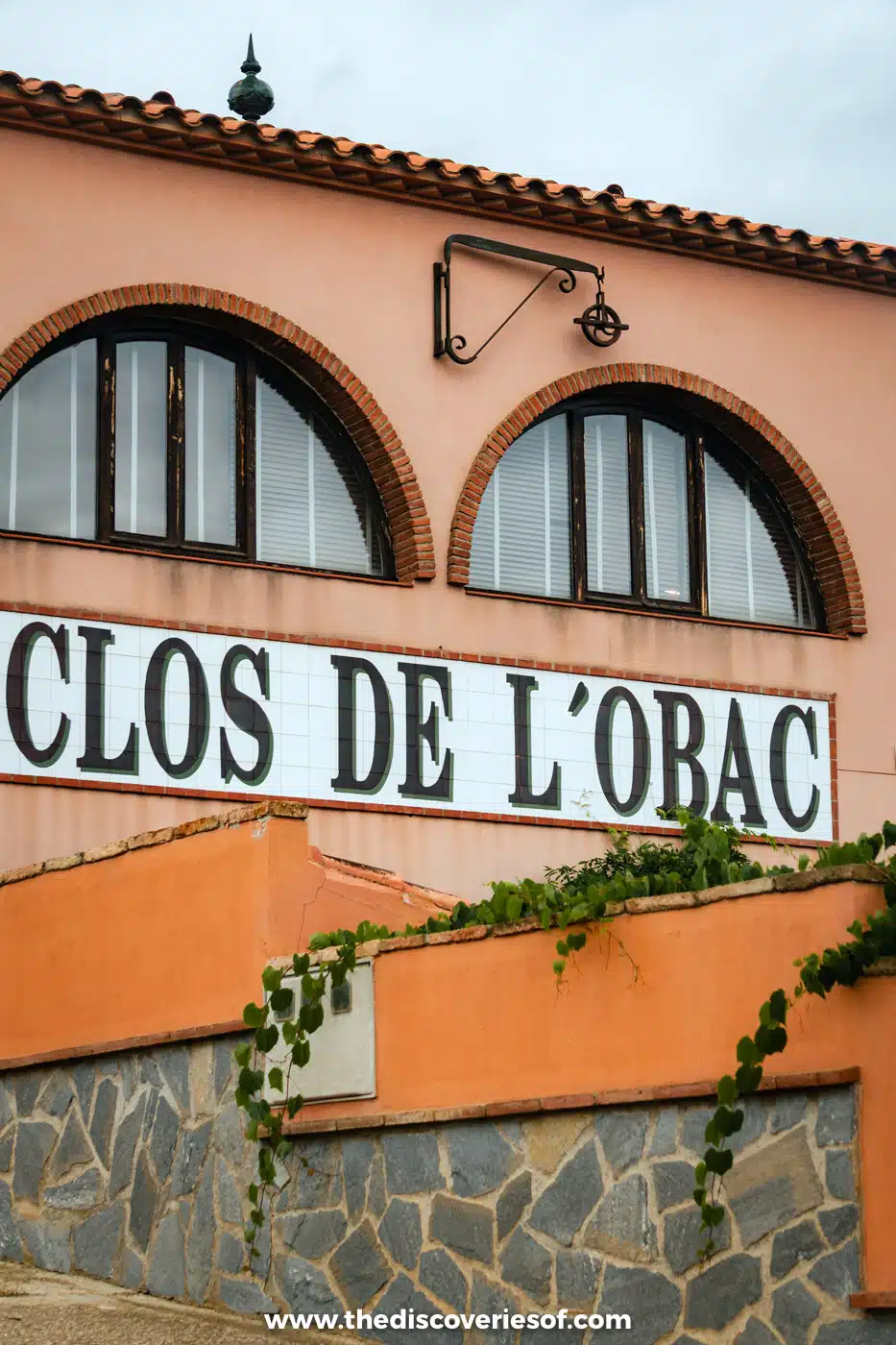
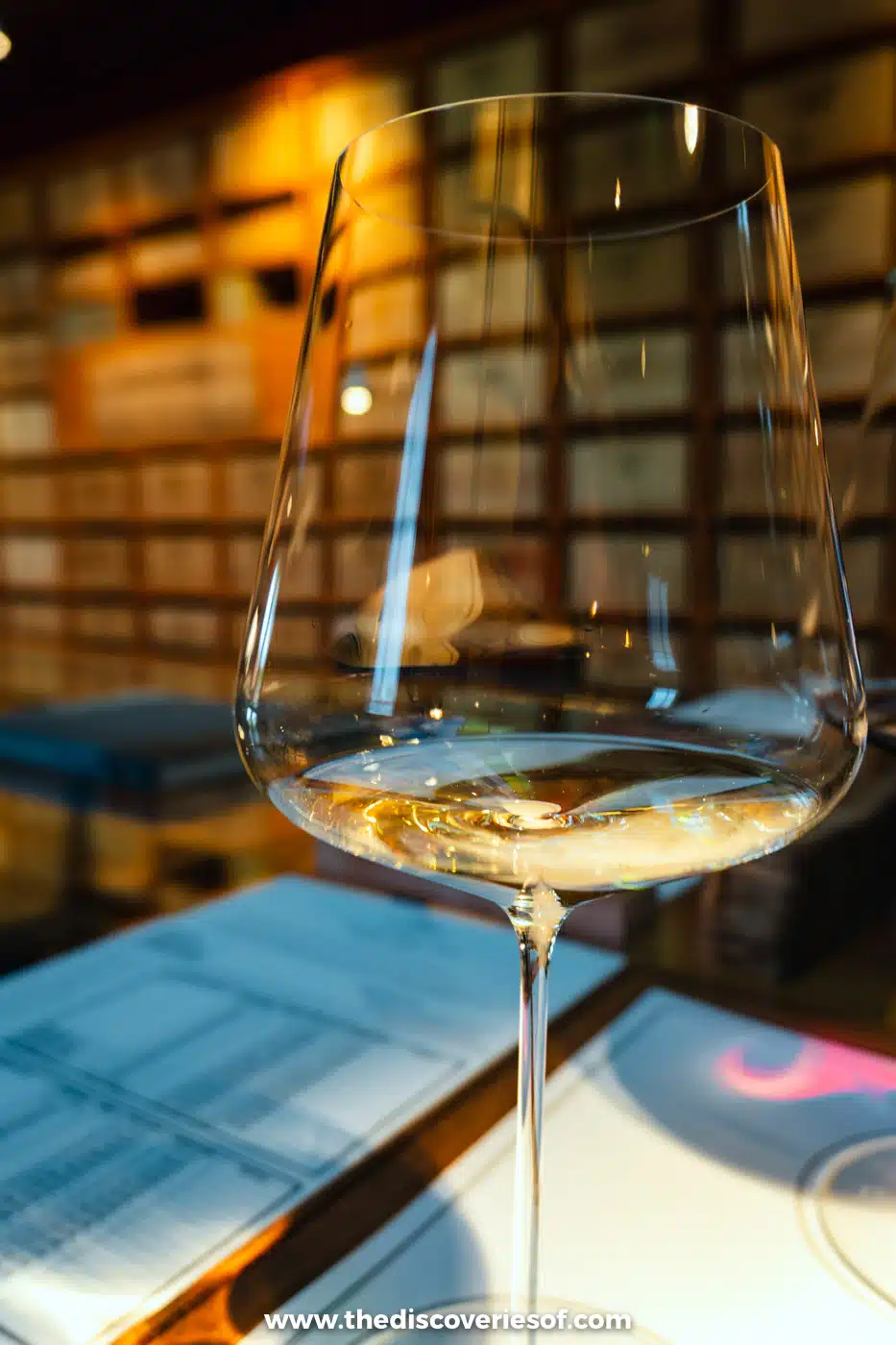
Tastings need to be booked in advance. Email [email protected] to arrange one.
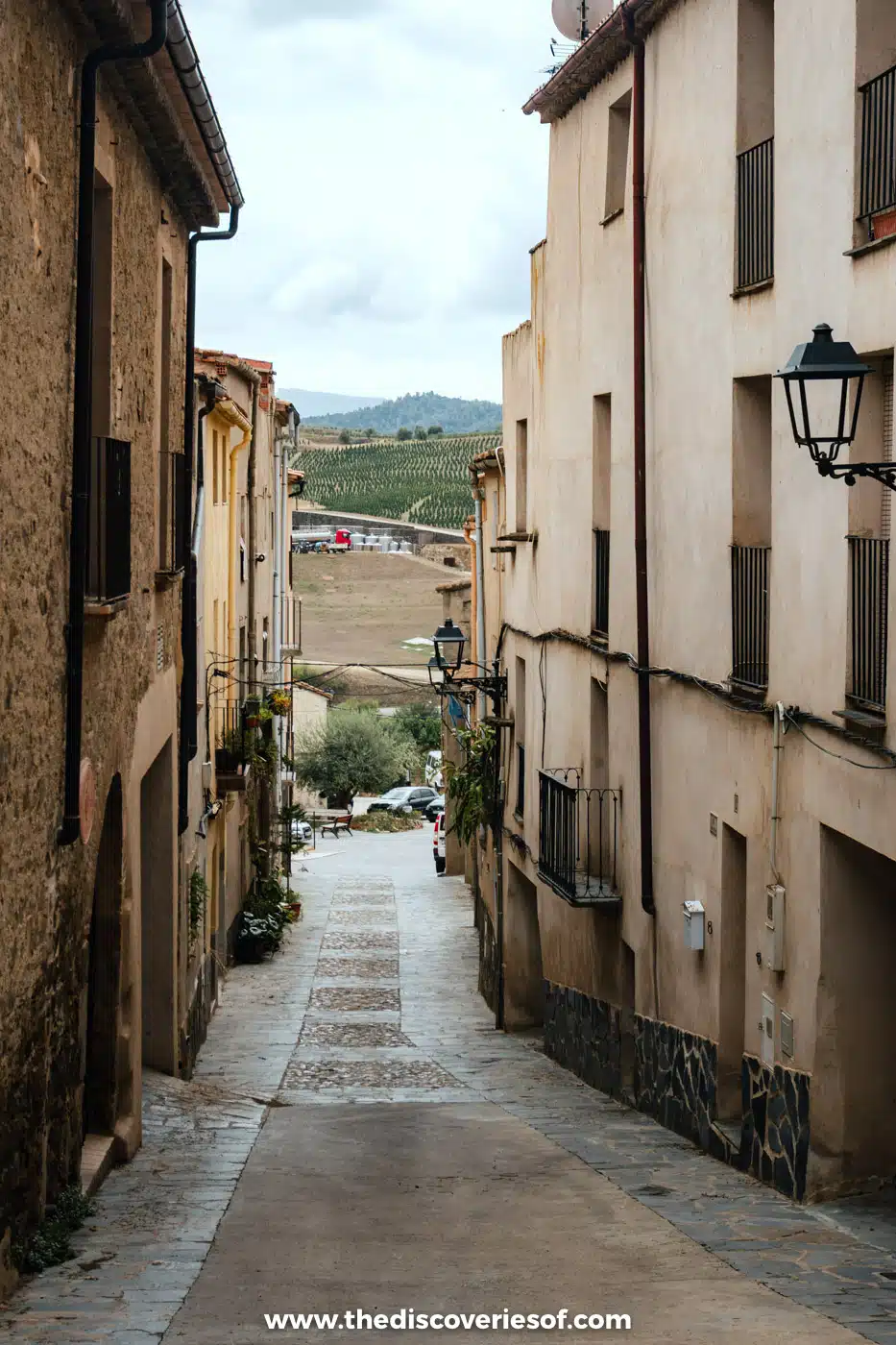
Wander up through Gratallops
Leave time to walk up through the village before you drive back. Steep lanes lead up to the parish church, whose bell tower you can see from across the valley, and there are views back over the terraces.
If you can stay a night or two
I’d recommend spending a night or two if you have the time. You can spread out your winery visits and make time for the region’s biggest sights too. Clos Figueras has a few rooms, or you can browse places to stay in Gratallops.
Cartoixa d’Escaladei
This monastery is where Priorat’s wine story starts. The monks came from France to what was then an incredibly isolated region and, thanks to the poor agricultural conditions, started growing grapes for wine, as vines and olives were the only real produce that flourished here. Over time, other people built villages in the surrounding area, with the monks essentially ruling the region, until the monastery was abandoned in the 1830s, when Spain seized Church lands. It’s gradually being restored, but it’s a beautiful place to find out more about the history of the region.
Tickets
€7, or €5 reduced, with free entry for under-16s and on the last Tuesday of the month. Open Tuesday to Sunday from 10am (to 7pm from May to September, 5.30pm the rest of the year, and 3pm on Sundays), and closed on Mondays.
Siurana
This remote village, high on a cliff above the Siurana reservoir, was the last Moorish stronghold in Catalonia, falling to the Christian armies in 1153. Legend has it that the Moorish princess Abdelazia blindfolded her horse and rode over the edge of the cliff when it was clear they had lost, and you can supposedly still see the hoof mark where her horse tried to stop before they fell. The spot is called the Salt de la Reina Mora, and the village also has a small Romanesque church and world-famous climbing routes.
Falset
Falset is the biggest town in the region. Go to visit the wine cooperative if you can, as it was designed by Cèsar Martinell, a disciple of Gaudí’s, and built in 1919. Its arches and vaults earned these modernista cellars the nickname “wine cathedrals”.
Tickets
The Falset-Marçà cooperative runs guided visits from Wednesday to Friday at 10am and 12pm, with dramatised visits at weekends. Book ahead by phone on 977 83 01 05.
Tips for your Priorat day trip
- Book everything before you leave Barcelona: tastings and lunch are by reservation, and avoid Mondays, when Les Figueres and Escaladei are both closed.
- Stick to one village: the roads between the villages are slow and winding, so on a day trip it’s better to walk between wineries in one village than to drive around.
- Go in spring or autumn if you can: the harvest runs from about September into October, and summer afternoons in the hills are hot.
- Take some bottles home: these wines are made in small quantities, and the wineries sell direct.
- Hassle-free option: this small-group Priorat wine tour from Barcelona takes care of the driving, so everyone can taste.
For more ideas, see my guide to the best day trips from Barcelona.
Map
Read next
- 25 brilliant day trips from Barcelona
- 3 days in Barcelona: the perfect Barcelona itinerary
- Barcelona sightseeing guide
- Girona travel guide
- A guide to the Dalí Theatre-Museum in Figueres
- My Spain travel guide
Love this? Save and share on Pinterest
Discover the top things to do, insider tips and hidden gems in our Spain Travel Guide.
Read the guides →