
Three days, three Gaudí masterpieces, a Civil War bunker with the best view in the city and some of the best tapas and natural wine in Spain. Here’s how to spend 3 days in Barcelona, day by day, with where to eat, drink and stay.
It’s time to immerse yourself in the hectic charms of Barcelona! I lived in Barcelona for three months, and let me tell you… I love it. Three months is great, but what should you have on your Barcelona itinerary when you have a much shorter period, like three days?
Fear not, my friends, I’ve put together this step-by-step 3-day Barcelona itinerary to help you navigate the best of the city like a pro. Think of it as a roadmap to the city. It’s built from the days I’d plan for a friend visiting for the first time: the big Gaudí sights early, before the crowds, the old town on foot, and every lunch and dinner at a place I’ve eaten at and loved.
Along the way, you’ll explore some of the city’s best-known landmarks, but also pop into some of its lesser-known spots, not to mention indulge in some of that straight-up fabulous Catalan cuisine. Hold on to your hats: it’s time to set off on a jaunt around Barcelona.
Your 3 days in Barcelona at a glance
- Day 1: classic sights and BCN nights. The Sagrada Família, Passeig de Gràcia, La Rambla, La Boqueria, the Gothic Quarter, then wine at El Diset and dinner at El Chigre 1769.
- Day 2: Gaudí and epic views. Park Güell, Gràcia, lunch at Entrepanes Díaz or Besta, Casa Vicens, then the Bunkers del Carmel.
- Day 3: the beach and El Born. Barceloneta, tapas at La Bombeta, Parc de la Ciutadella, the Arc de Triomf, El Born and its museums, then dinner at Bar Brutal.
Day 1: classic sights and BCN nights
The first day of your 3-day Barcelona itinerary is a powerhouse of city highlights. Expect to marvel at Gaudí’s influence on the city, see the madness of La Rambla and delve into the Barri Gòtic.
Climb the towers of the Sagrada Família
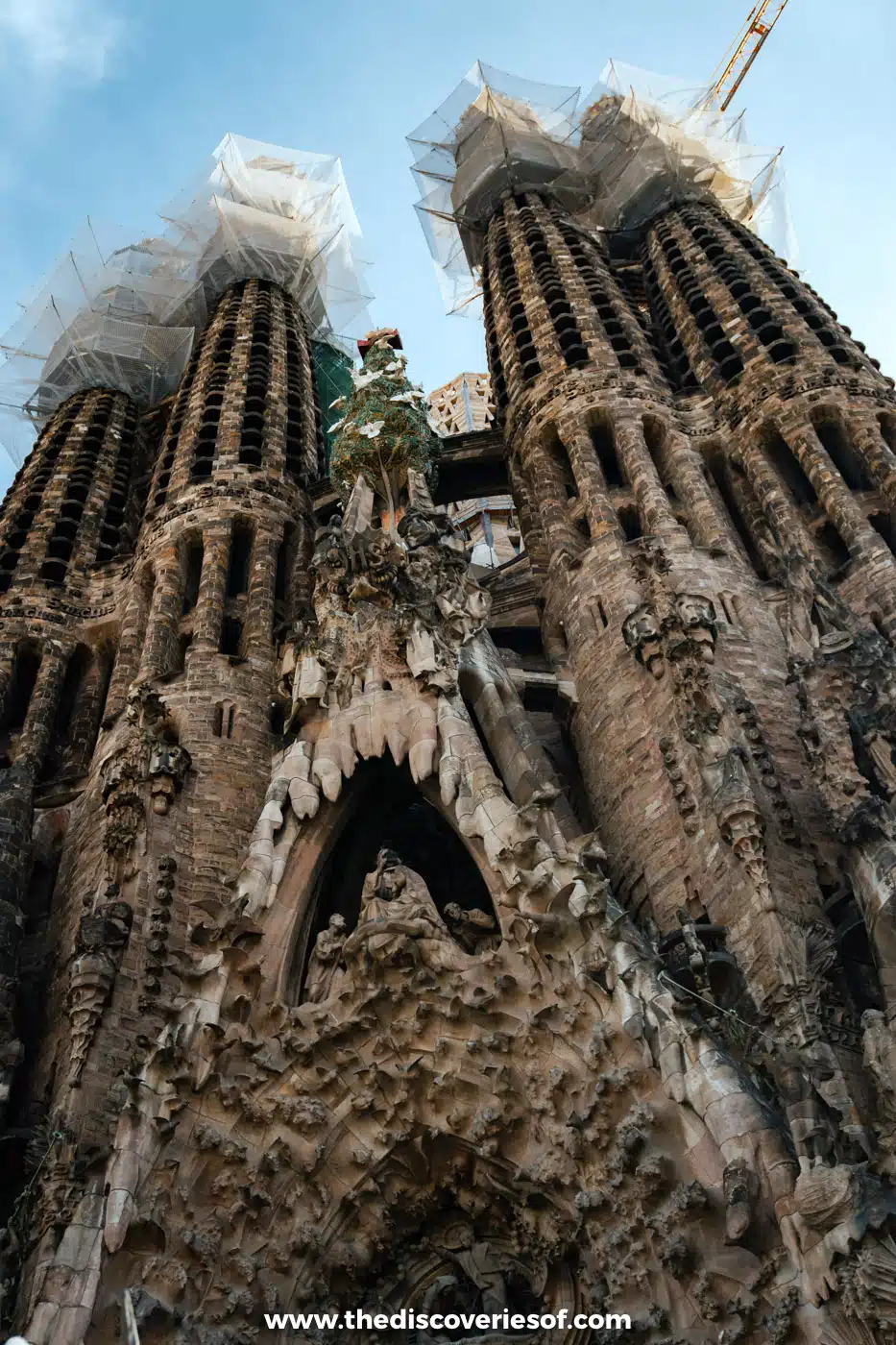
There’s no conceivable way I could create an itinerary for this city without including one of (if not the) most famous landmarks in the city. In other words, I’m kicking off your first morning with a visit to the Sagrada Família.
In the grand scheme of Antoni Gaudí’s imprint on the city, the Sagrada Família is his masterpiece, and in June 2026, the newly finished Tower of Jesus Christ made it the tallest church in the world. Book an admission ticket for the first slot of the morning: it’s the quietest time, and before 11.30am the low sun streams through the stained glass and turns the nave blue and green.
Tickets
You have to book a separate ticket to go up the towers, but the bird’s eye view of the city is priceless. Pick the Nativity or the Passion façade (no ticket includes both). There’s not much in it view-wise. You take a lift up and walk down a long spiral staircase. Book a guided tour with tower access here.
Take in the view from Bar-Terraza Ayre Rosselló
After getting your first dose of Gaudí, it’s time to indulge in a drink (or two) and a bite to eat on one of the city’s must-visit terraces. The rooftop of the Ayre Rosselló hotel faces the basilica head-on, and its menu is stacked.
Unsurprisingly, this spot is extremely popular. I tried and failed to get in last-minute, so book your table well in advance: the secret about this one is well out of the bag.
Walk Passeig de Gràcia to Casa Batlló and La Pedrera
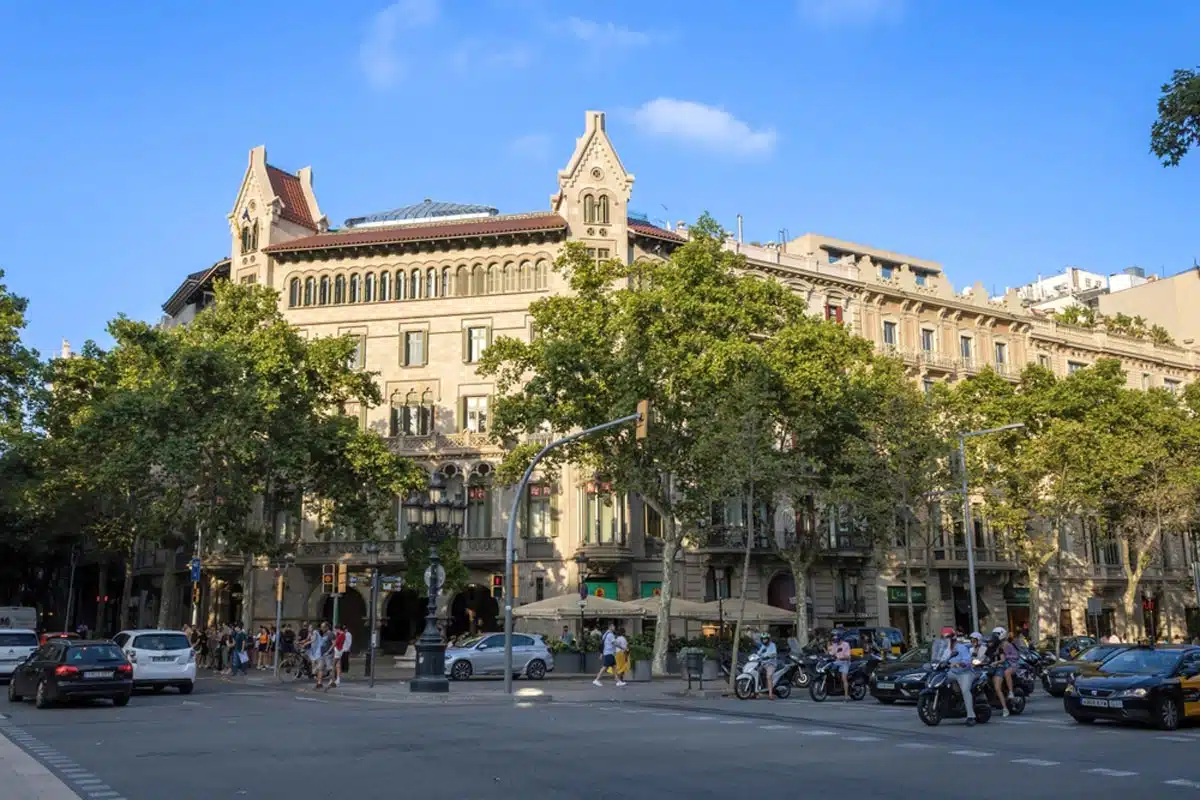
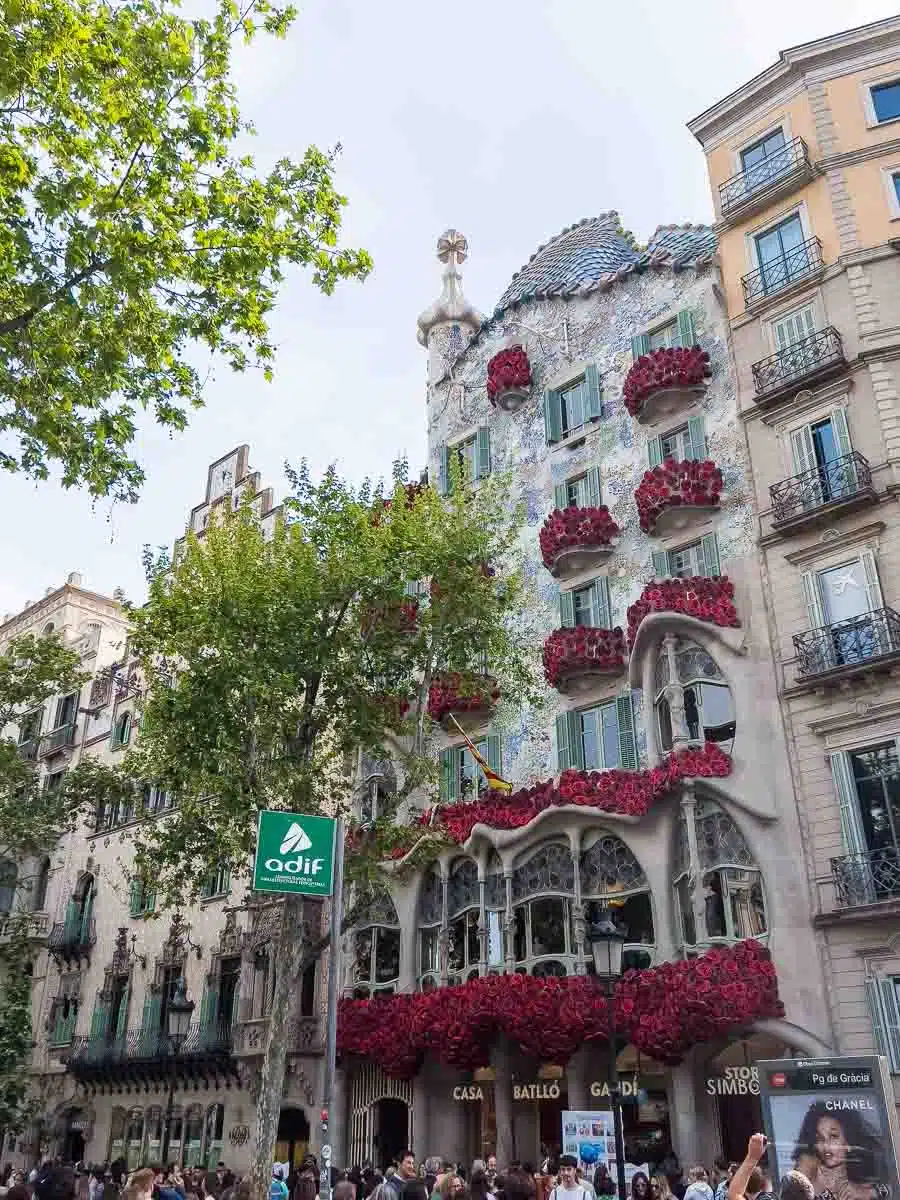
Next up, stroll down through the Eixample along Passeig de Gràcia, heading for more of Gaudí’s additions to the city.
First up is Casa Milà (or La Pedrera), another of Gaudí’s houses and your next destination. His final civic work, its highlight is the roof terrace, a landscape of chimneys, skylights and stairways that look like helmeted warriors. I lived in an apartment right across the street from it.
After that, it’s a very short walk to Casa Batlló, the “house of bones”, with its mosaic of broken ceramic tiles and balconies that resemble Venetian masks. This is Gaudí at his weirdest and most wonderful. Venture inside for the spine-like staircase, ending on a roof shaped like a dragon’s back.
Top Tip
Both attractions get pretty busy, so book a timed ticket for each to give the pesky queues a skip: Casa Batlló tickets are cheaper the earlier you book. If you’d rather have a guide, this private tour of Casa Batlló and Casa Milà covers both.
Stroll down La Rambla to La Boqueria
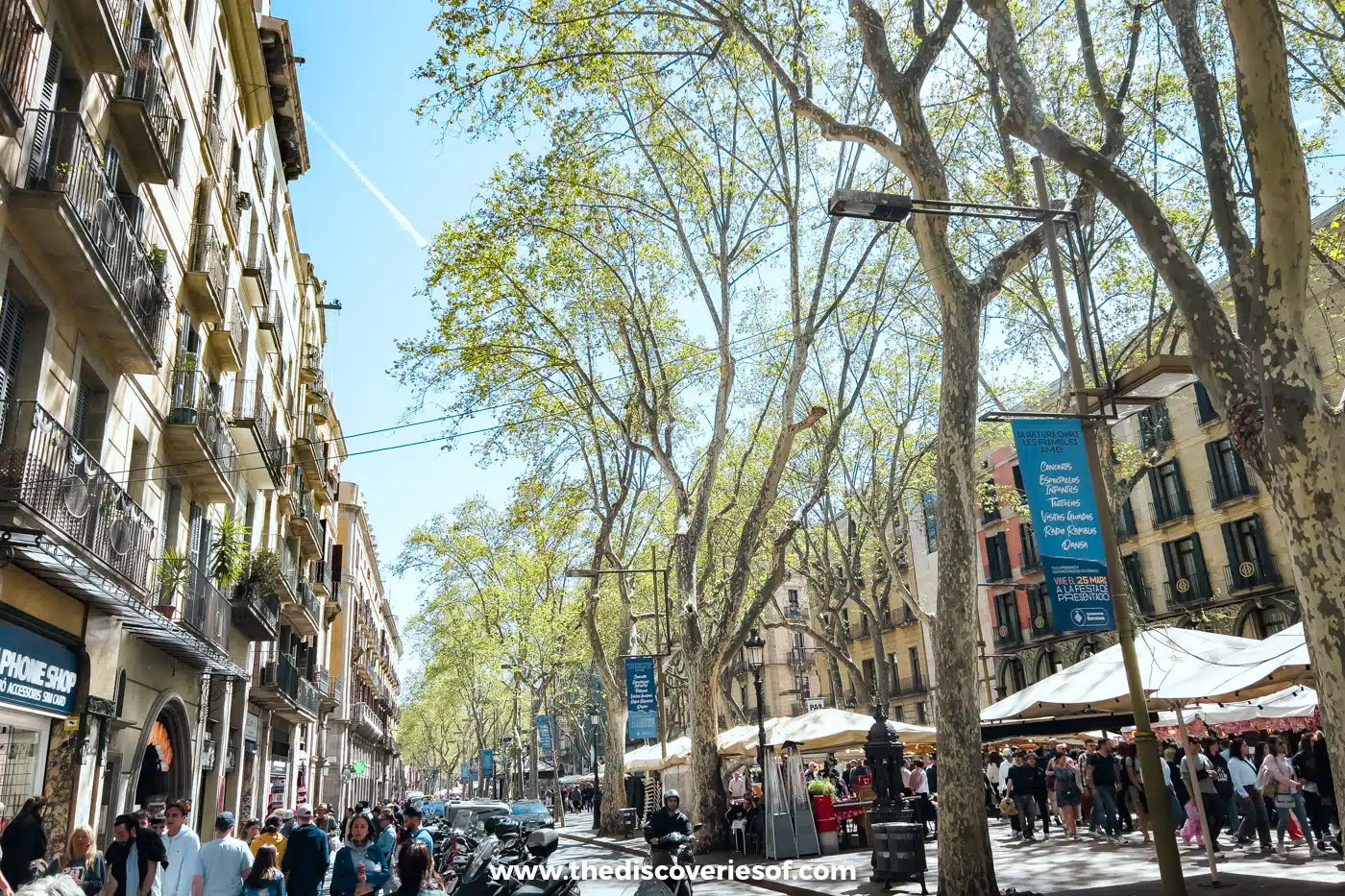
Next up is another popular hotspot. La Rambla, the pedestrian street running from Plaça de Catalunya down towards the coast, has an undeniably vibrant atmosphere. Sure, it’s touristy, but enjoy the street performers, the flower stalls and the people-watching, and keep a hand on your bag: it’s the city’s pickpocket hotspot.
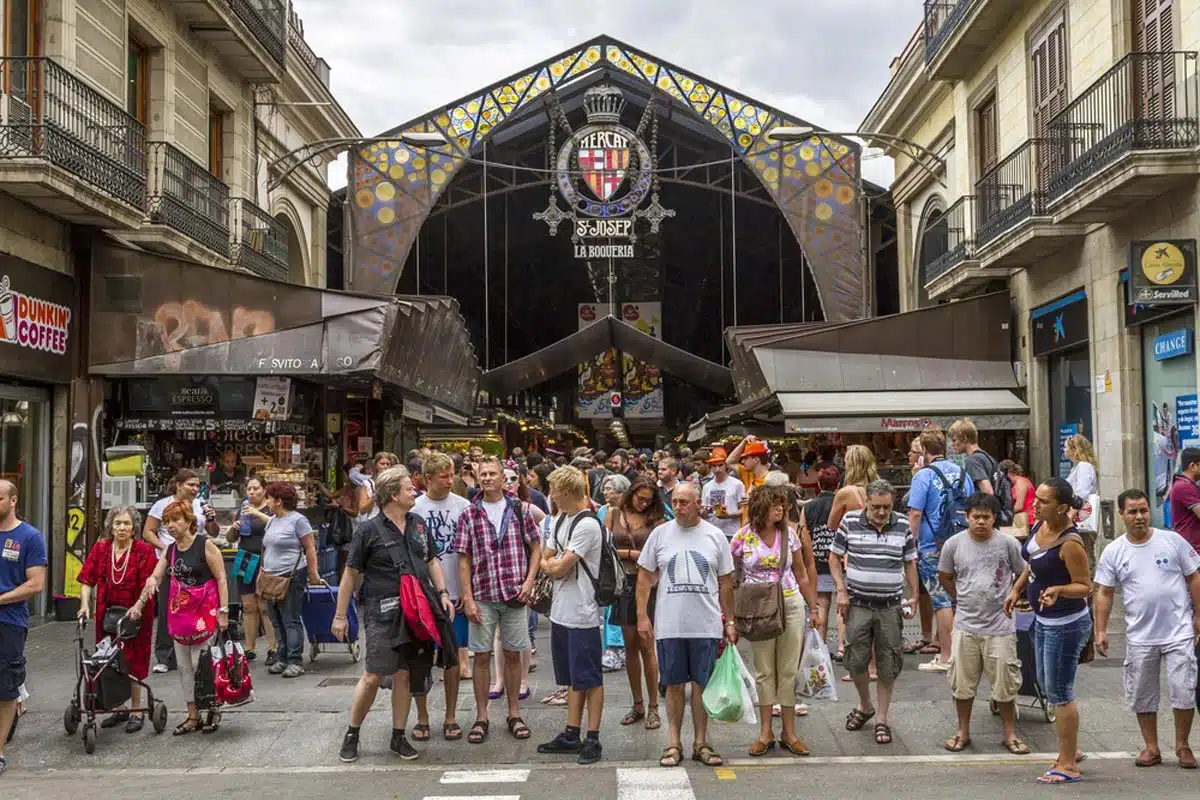
Halfway down, duck under the iron arch into the Mercat de la Boqueria. It might be the most touristy market in the city, but it’s a worthy pitstop. Walk past the juice stalls by the entrance and head to El Quim de la Boqueria, one of the longest-standing tapas counters in the market, for a quick bite.
Get lost in the Gothic Quarter
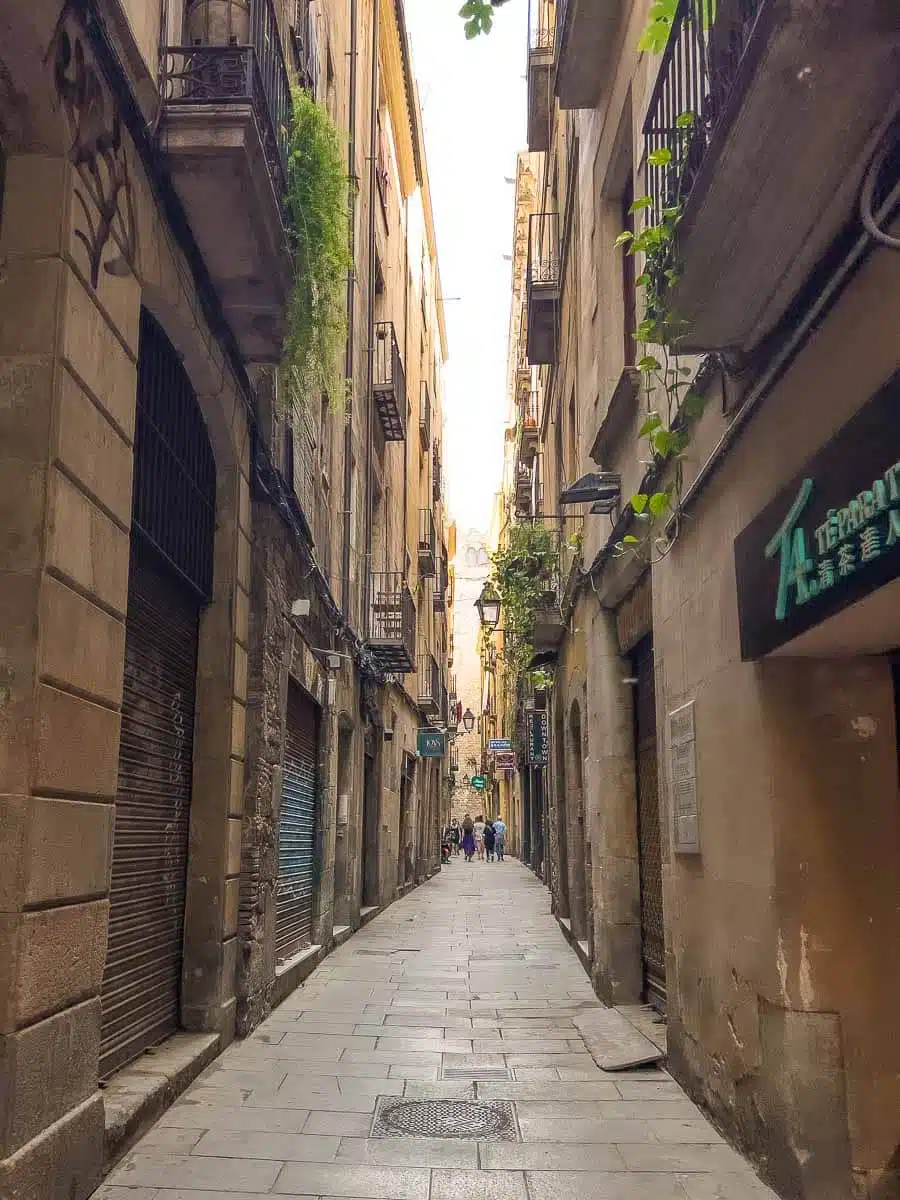
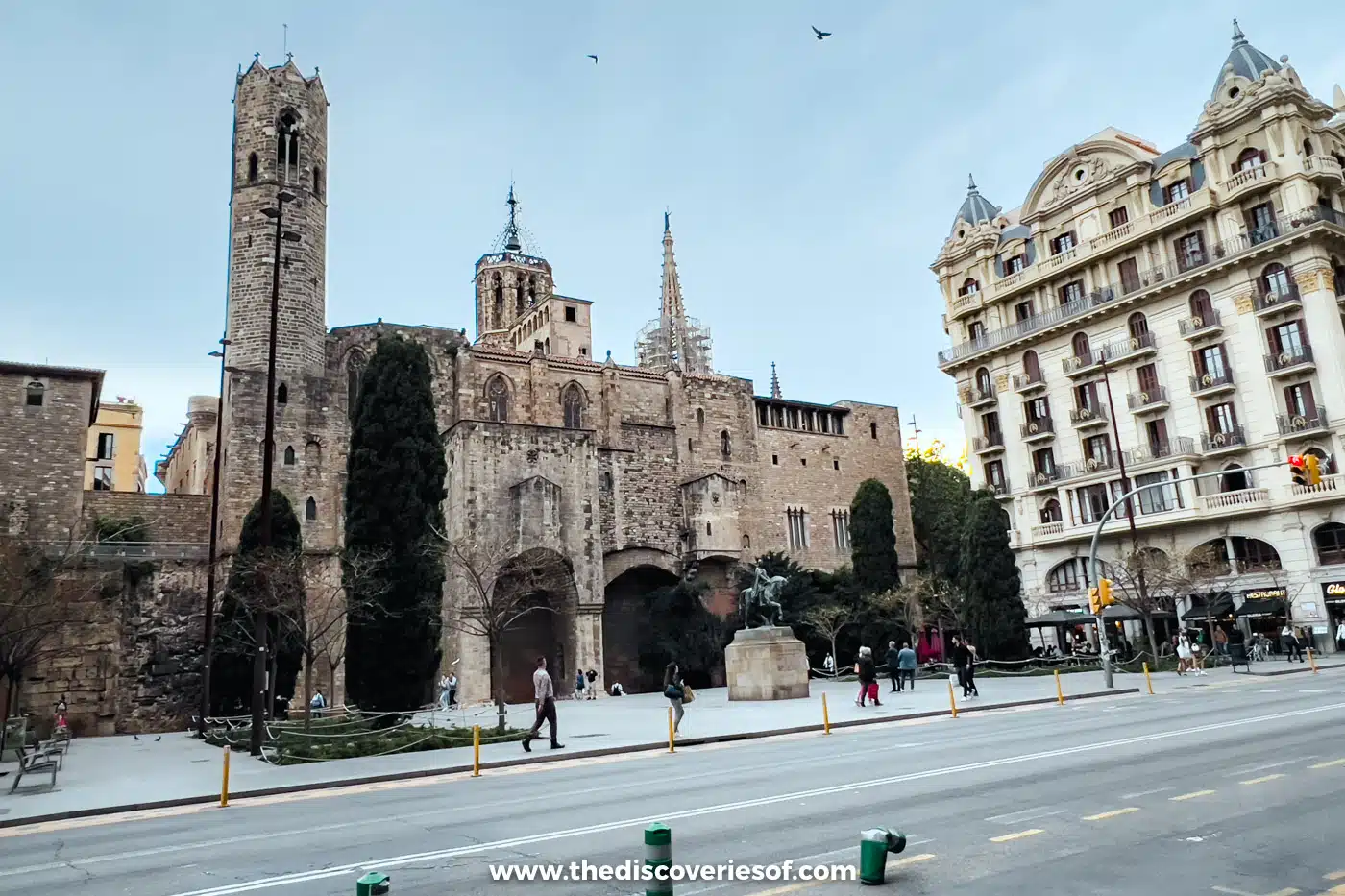
Cross over into the Gothic Quarter (Barri Gòtic), known for its narrow streets, historical buildings and charming squares. The entire neighbourhood is one big attraction, with 2,000 years of history: look for the four Roman columns of the Temple of Augustus hidden in a courtyard on Carrer del Paradís, and the shrapnel scars on the church walls of Plaça de Sant Felip Neri.
Before you leave, visit Barcelona Cathedral (Catedral de Barcelona) and admire its Gothic architecture. Inside, 13 white geese live in the cloister, and a lift takes you up to the roof for views over the old town.
Drinks at El Diset and dinner at El Chigre 1769
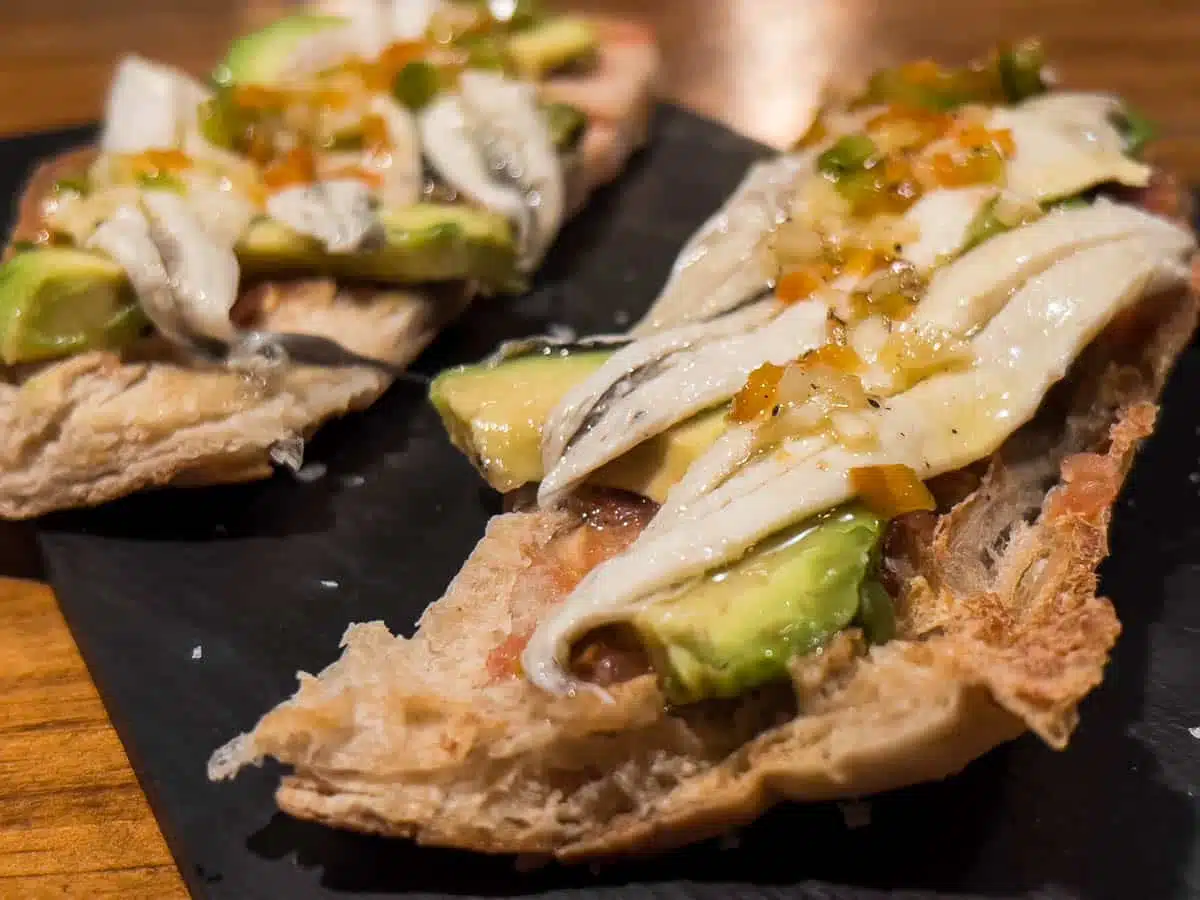
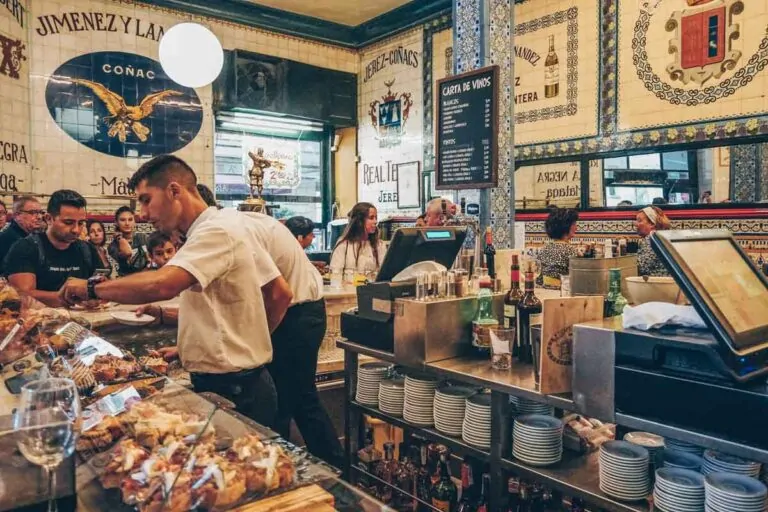
As day one comes to a close, I know you’re tired and probably in need of a bit of downtime. Fret not: it’s time for some sundowners. Head over to El Diset, a small wine bar in El Born that pretty much became my go-to while I lived here. The friendly staff and a *perfect* wine list make it a pleasure to work your way through, and the boquerones with avocado on bread are a must.
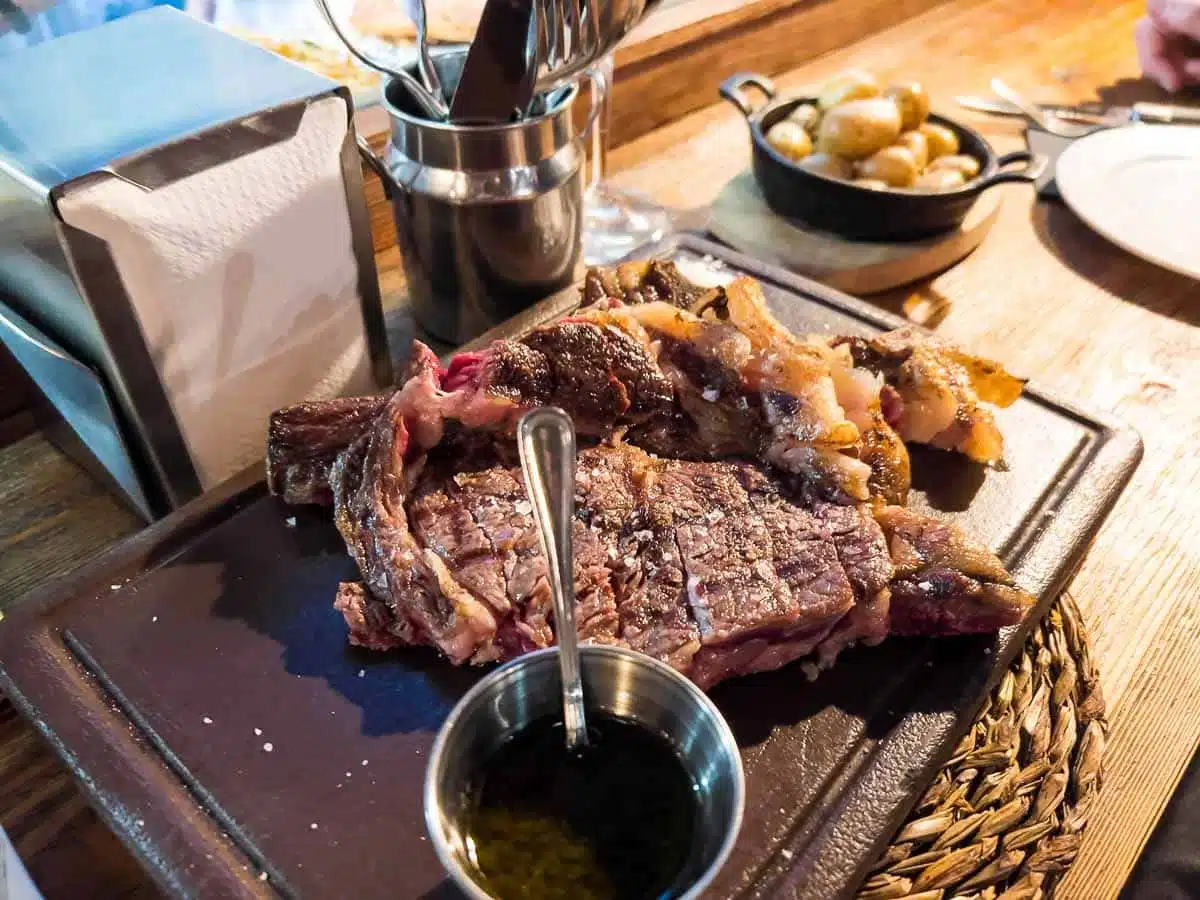
When it comes to dinner, one of the best spots in town is El Chigre 1769, a vermouth and cider bar that blends Asturian and Catalan cooking (they call it Catarian). Even dishes that sound boring, like egg and pancetta, turn into a flavourful powerhouse, and the bone marrow topped with flecks of air-dried fish sounds like it shouldn’t work, but it really does. It was showing as temporarily closed on Google Maps recently, so check before you go. If it’s shut, Bodega La Palma, back in the Gothic Quarter, does great patatas bravas and its own vermut. My El Chigre 1769 review has the full meal.
End with jazz at Jamboree
If you’re in the mood to cap off your first day with live music, walk down to Plaça Reial. Jamboree opened its doors in 1960, everyone from Chet Baker to Dexter Gordon has played there, and it was the very first bar I went to on my interrailing trip around Spain, years before I lived here. The jazz sessions start at 8pm and 10pm, and in the early hours it transforms into a nightclub (don’t knock it, it works). Harlem Jazz Club, in the Gothic Quarter, is the other classic.
Day 2: Gaudí and epic views
Your second day involves more Gaudí, a retreat into the village-like neighbourhood of Gràcia and a climb to the best view in the city.
Spend the morning in Park Güell
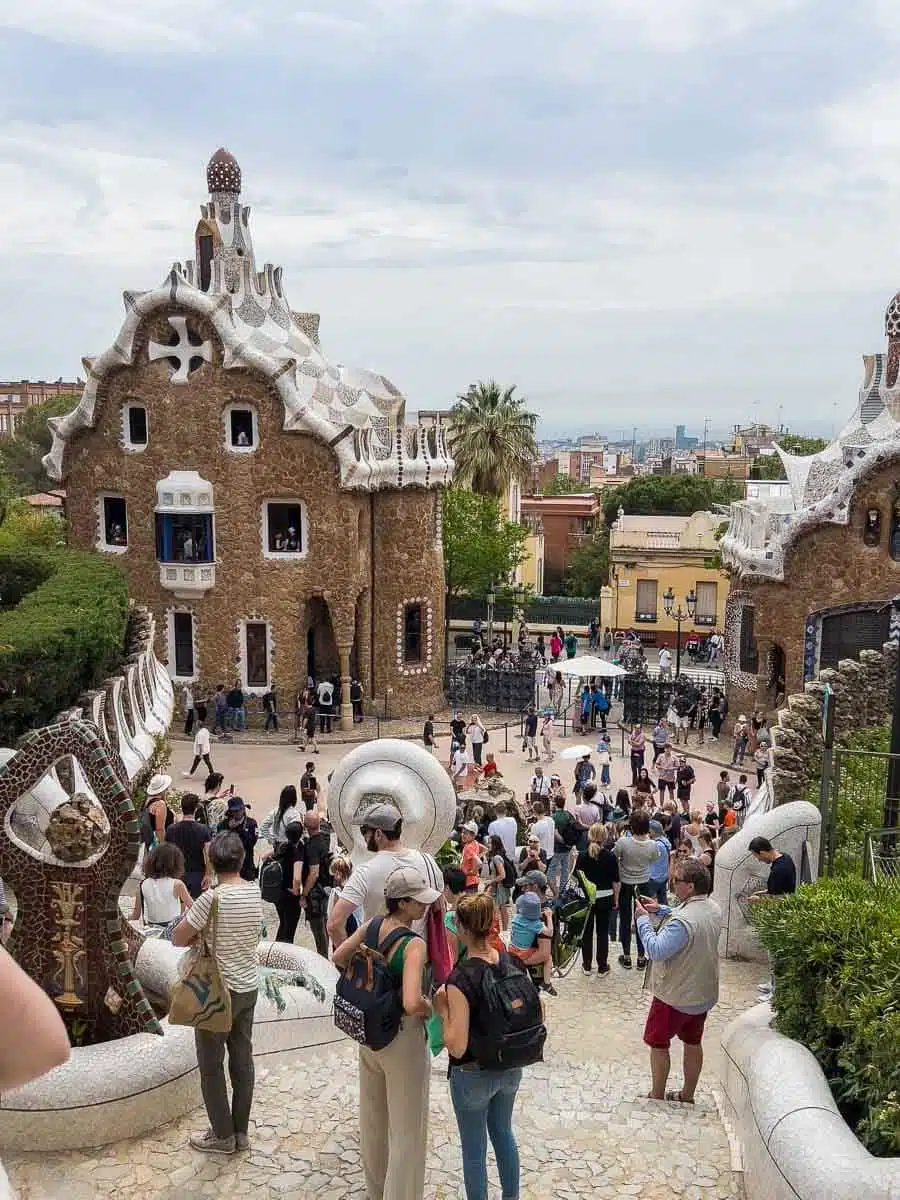
If you’re working out how to fit everything into three days, don’t let the chance to visit Park Güell pass you by. The first time I visited, I was 18 and completely blown away, and several (and I mean several) years later, that still hasn’t changed. Gaudí designed it as a luxury housing estate: only three plots ever sold, and the city opened it as a public park in 1926.
Look out for the mosaic dragon on the main stairway, the Hypostyle Room’s 86 columns and the wavy tiled bench on the terrace, then head for the highest point, the Turó de les Tres Creus, for views across the city to the sea.
Tickets
The whole park is ticketed now, with timed slots. Book a pre-booked admission ticket for the first slot of the morning, when it’s cooler and before the tour groups arrive. Book a guided tour with skip-the-line access here.
Wander through Gràcia
One of the most vibrant neighbourhoods in the city is Gràcia, which began life as an independent town and still feels like one. It’s an easy walk down the hill from Park Güell.
Brimming with charming streets, little plazas and local boutiques, it’s the place to get away from the bustle of La Rambla. Sit back with a coffee in Plaça de la Virreina or Plaça del Sol, and wander the side streets.
Grab lunch at Entrepanes Díaz or Besta
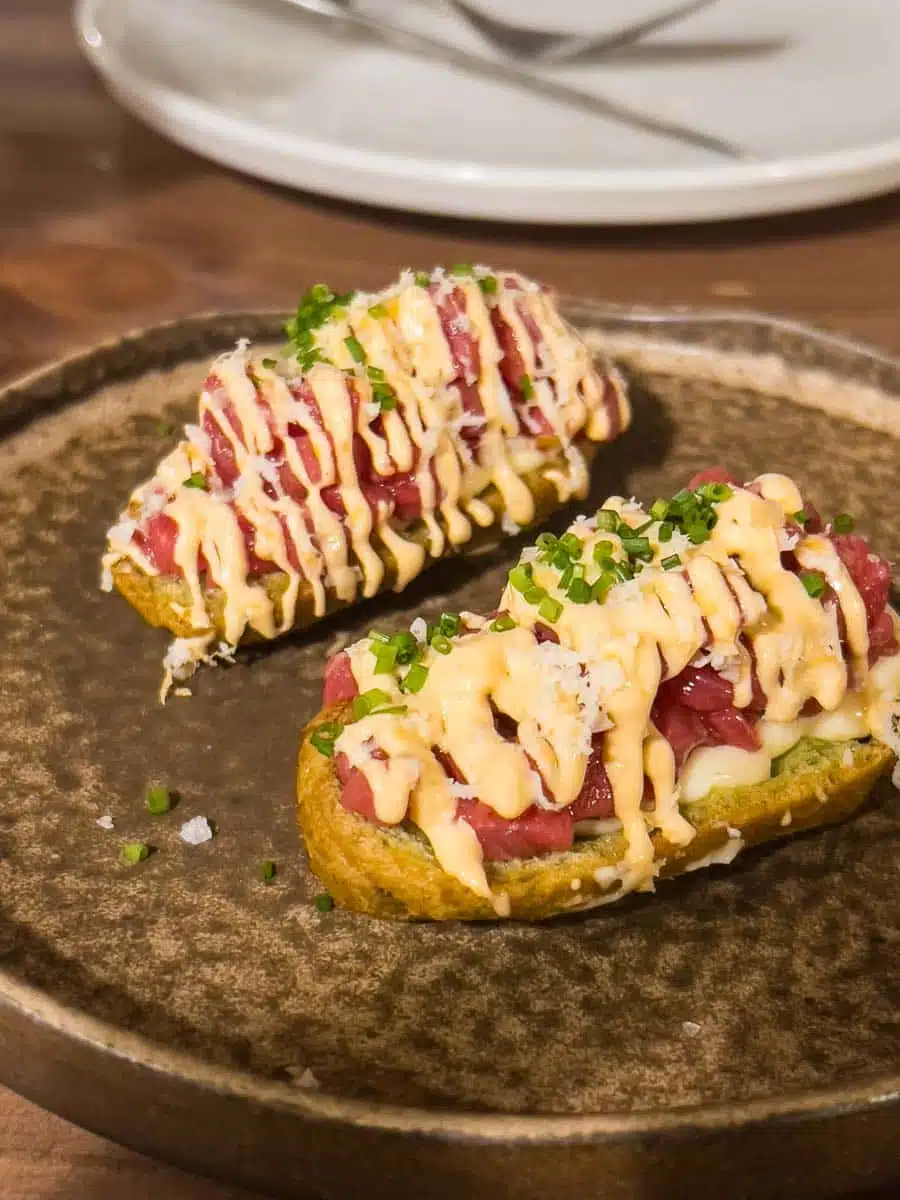
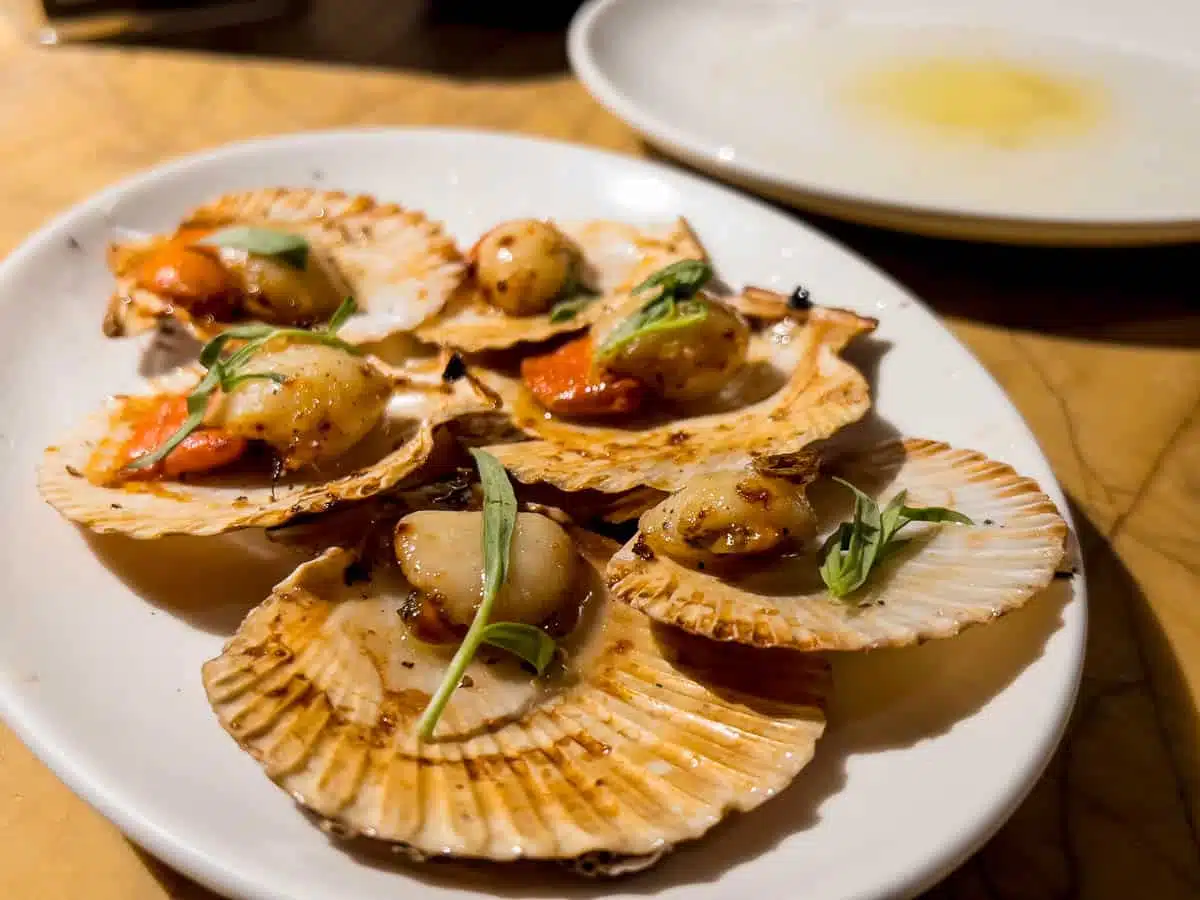
After a busy morning, it’s time for lunch and more culinary adventures. Entrepanes Díaz serves gourmet sandwiches in a beautiful old-style room: think scallops, or calamari, or chistorra sausage and egg. Portions aren’t the largest, so add a starter if you’re hungry. Lunch for two with drinks costs about €35 to €40.
For something more special, Besta brings together the cooking of Catalonia and Galicia. Its longer tasting menu was one of the most memorable meals I’ve had in a long time: white asparagus, sea bass tartare and shaved courgettes with oyster ice cream, spread over two and a half hours. Try the house gin, distilled with seaweed and oysters.
Discover Casa Vicens, Gaudí’s first house
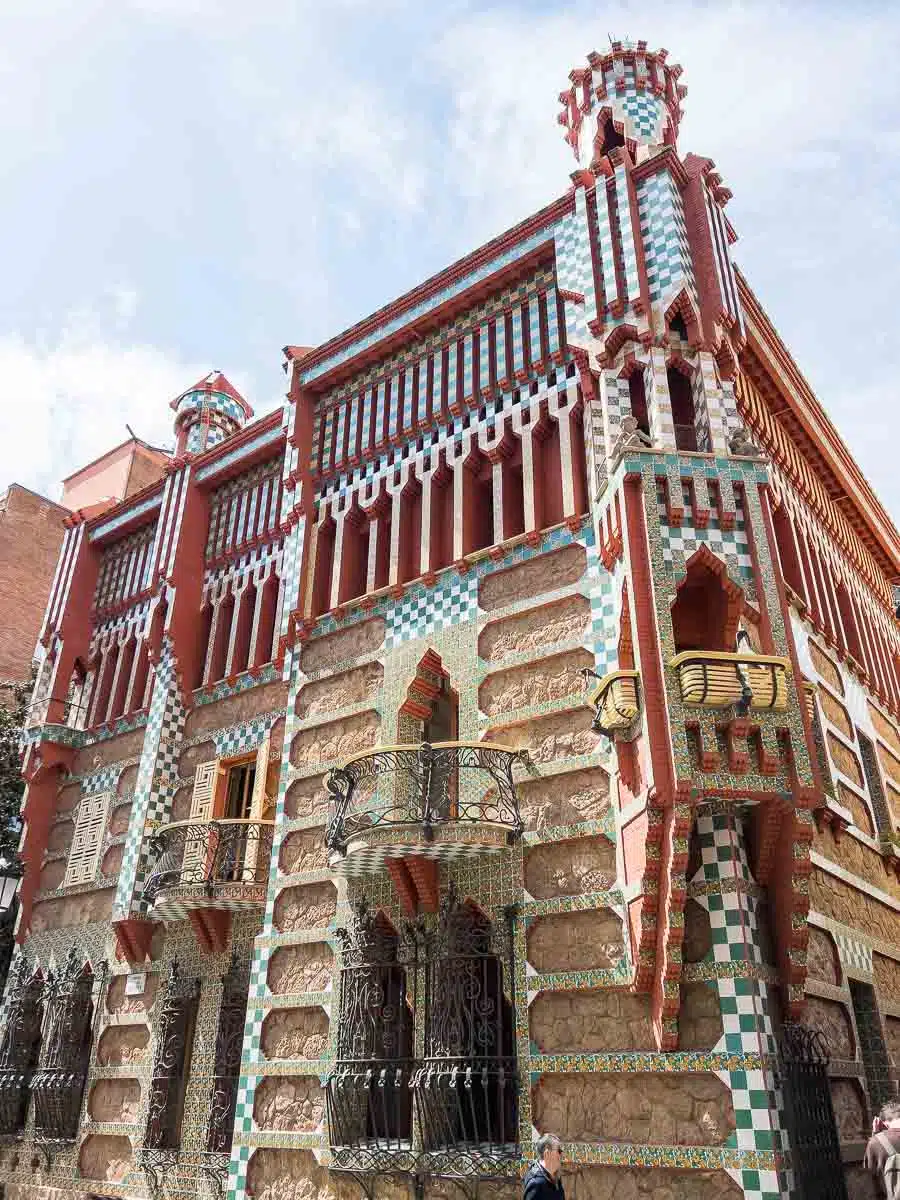
After lunch, it’s time to visit one of Gràcia’s most famous landmarks. While it’s one of Gaudí’s lesser-known works, Casa Vicens is one of my favourite places in the city.
It’s one of his earliest commissions, a summer house built in the 1880s, and a great way to see his signature use of colour, light and pattern without the massive crowds. Check out the green and white tiled exterior and the garden, where the fan-shaped palm leaves inspired the cast iron fence (you’ll have spotted the same pattern at Park Güell). Inside, head for the bold dining room, then climb to the mini tower on the top floor. The views aren’t what they once were, but it’s the perfect way to end your visit.
Top Tip
You can usually get tickets on the door, but it’s still worth booking a skip-the-line ticket ahead in peak season.
Climb to the Bunkers del Carmel
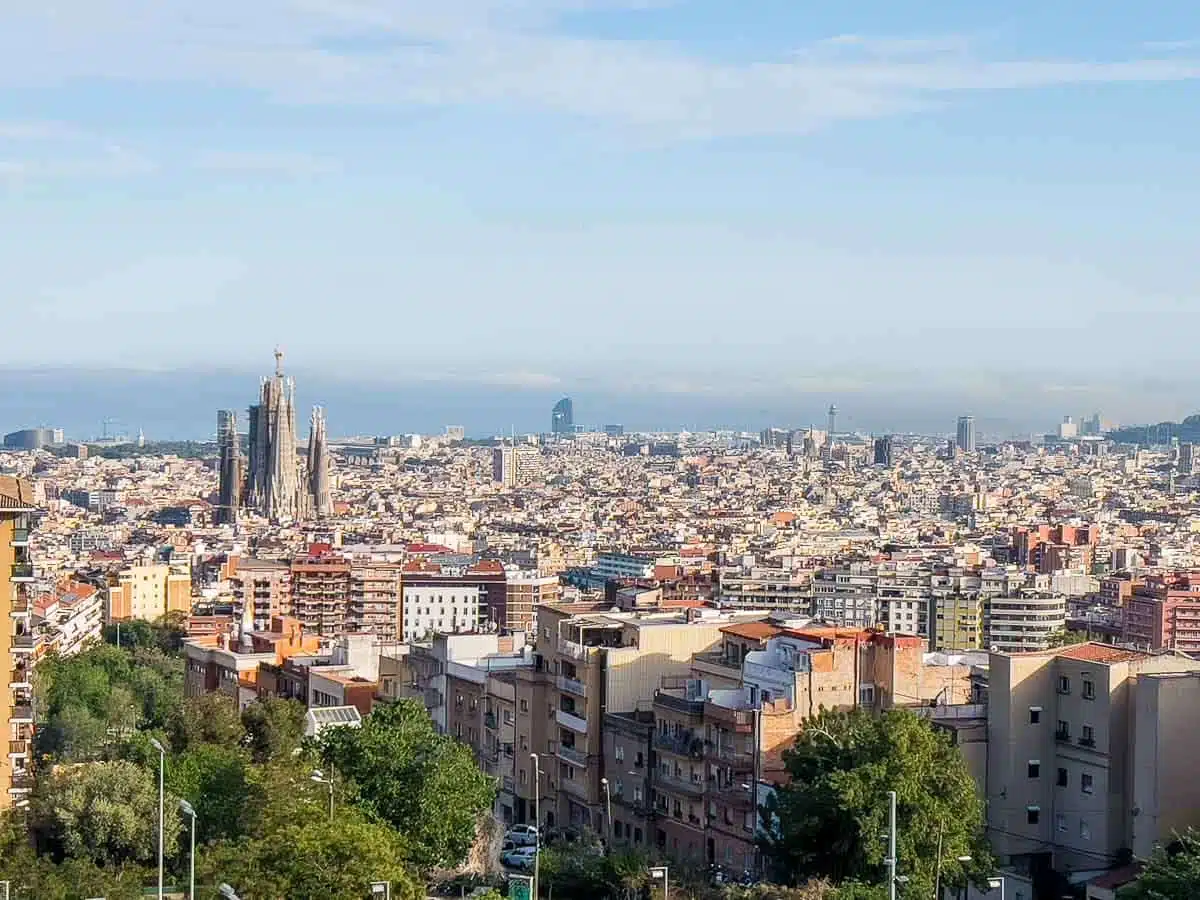
Time to strap on those trainers and head to the Bunkers del Carmel, the remains of a Spanish Civil War anti-aircraft battery on the Turó de la Rovira, with panoramic views over the whole city and out to sea. It’s possibly the best spot in the city for photos.
Take the metro to El Carmel and either walk up (15 to 20 minutes, and pretty steep) or catch bus 119 to near the top. The site is fenced and now closes in the evening, at 5.30pm in winter and 7.30pm in summer, so in winter you can catch the sunset, and in summer, come in the late afternoon instead. It can get windy up there, so bring a jacket.
Day 3: the beach and El Born
On the third and final day of your itinerary, you’re heading for the sea and then the streets and museums of El Born: a grand ending to a perfect trip.
Walk along Barceloneta beach
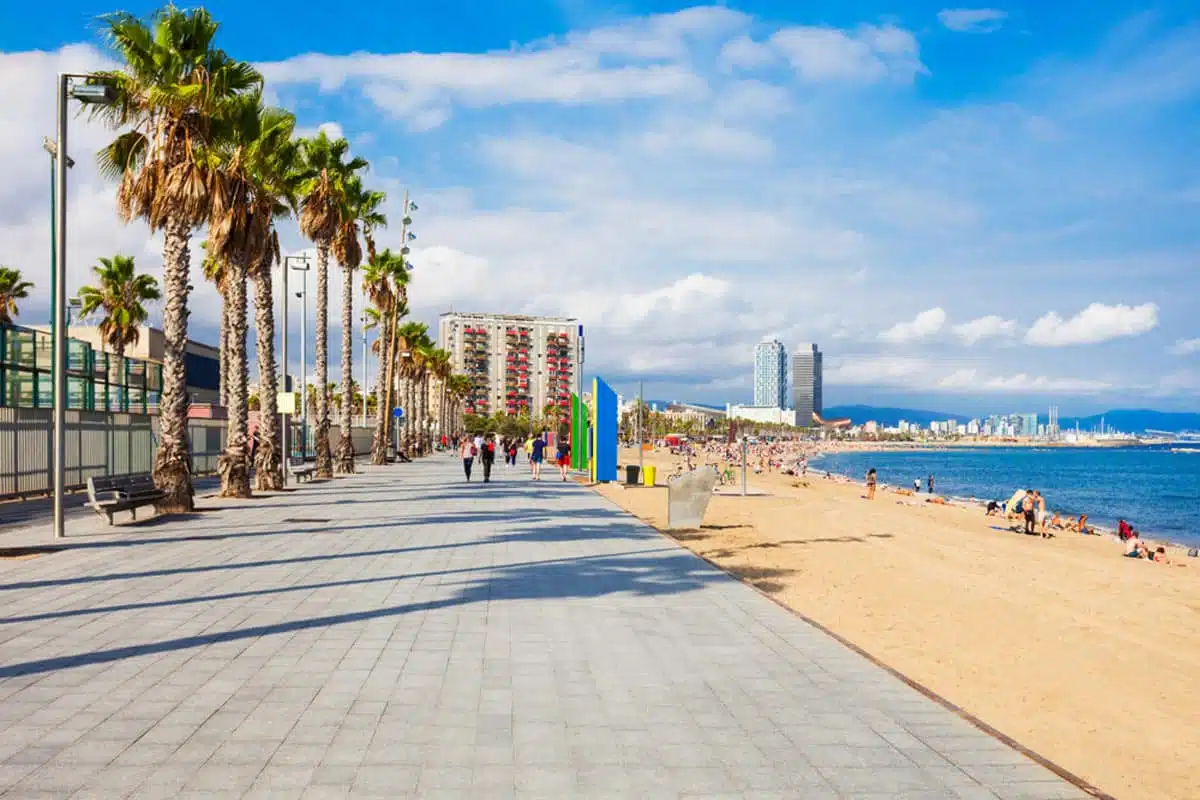
Long gone are the days when Barceloneta was a quiet fishing quarter, but a trip to the coast is a must, and there’s no better way to start the day than a morning walk along Barceloneta beach.
It’s a popular spot for everything from swimming to surfing, so after some leisurely strolling, indulge in a spot of sunbathing if that takes your fancy. The beach bars along the sand are the place for a drink if you’re in the mood to splurge a bit.
Eat tapas at La Bombeta
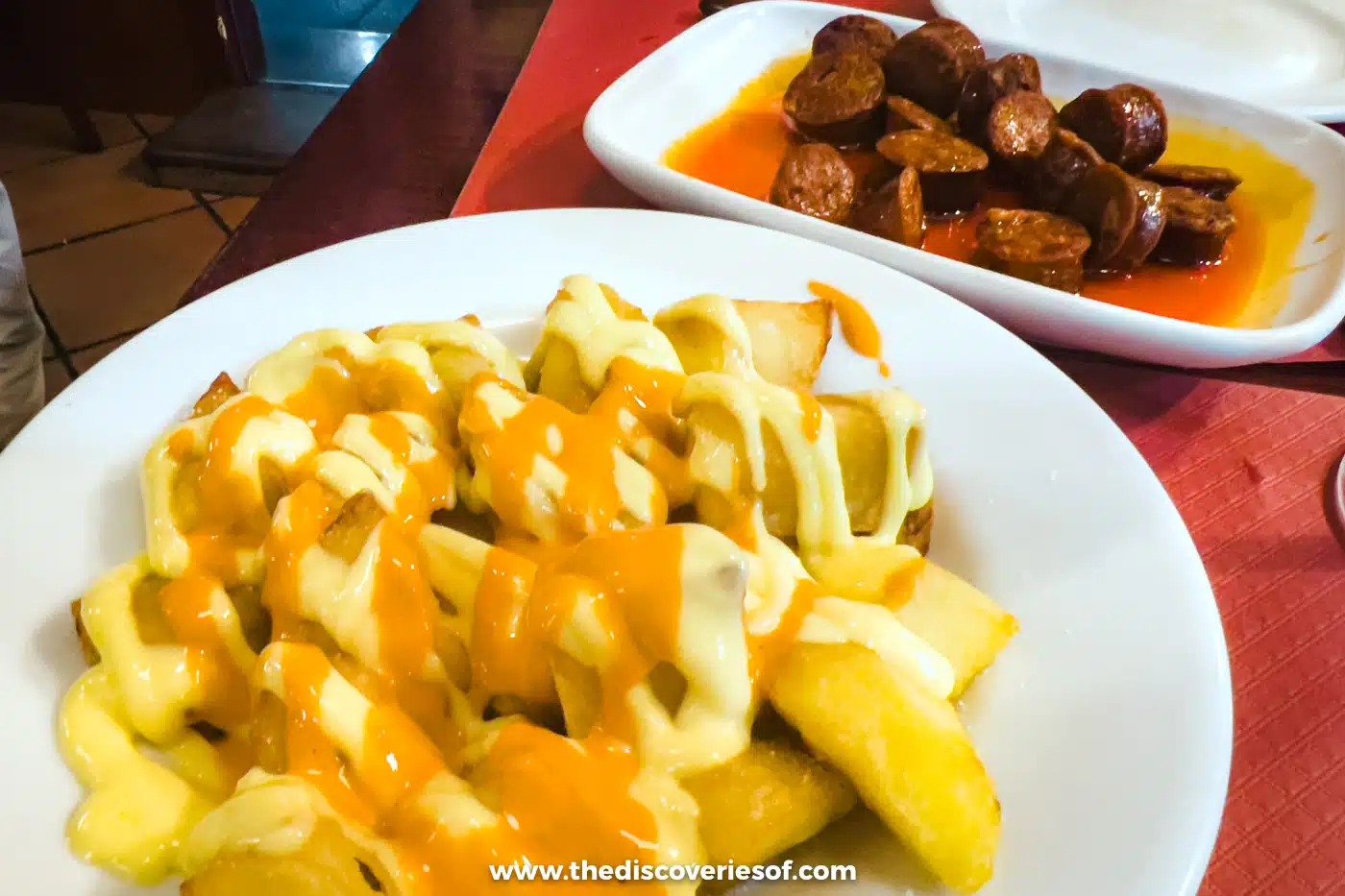
There are a few great restaurants in Barceloneta, but one of the best is La Bombeta. All the classics are on the menu, patatas bravas, tortilla, albóndigas and gambas al ajillo, and the difference here is that everything is cooked to perfection.
Top Tip
Arrive early to grab a table, as it gets jam-packed at peak times.
Wander Parc de la Ciutadella
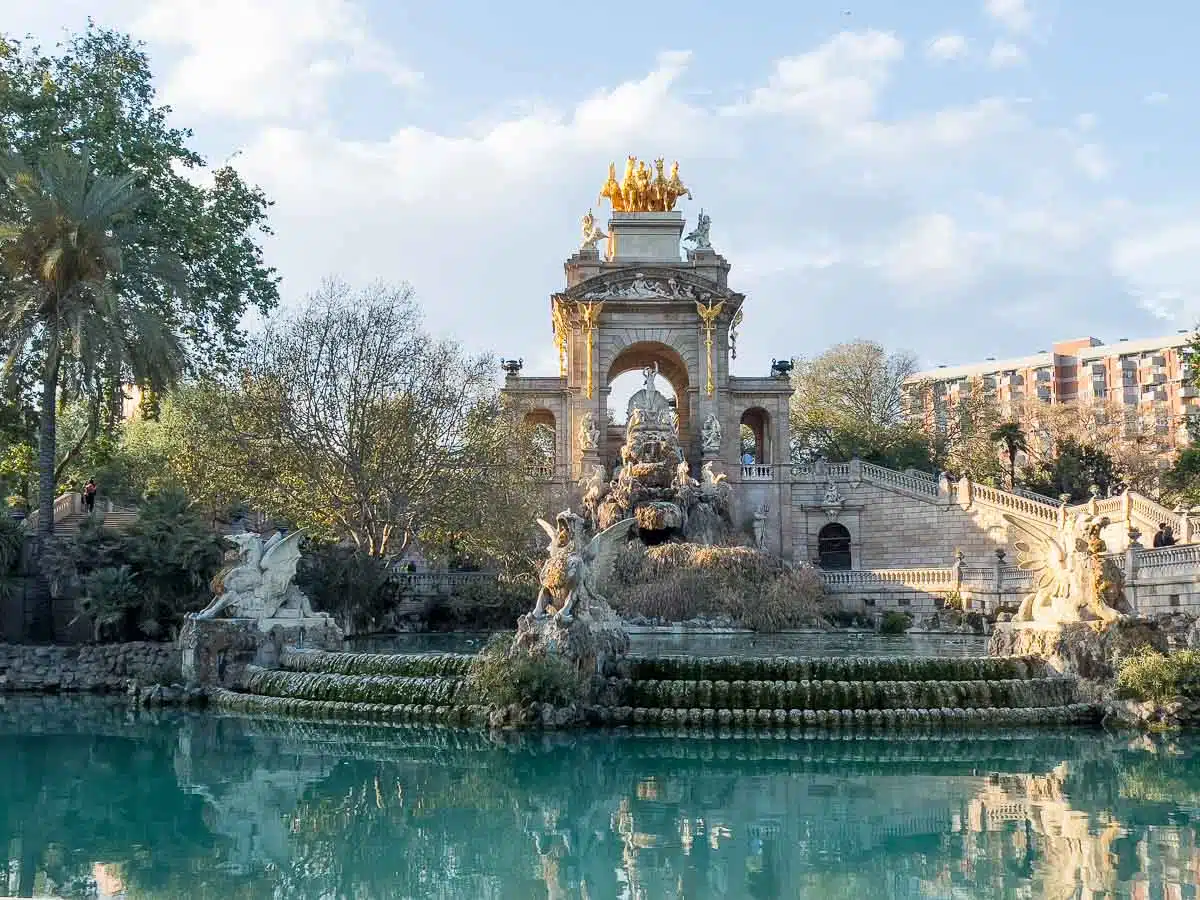
Next, walk inland to the Parc de la Ciutadella, a beautiful urban park on the edge of El Born, laid out on the site of an 18th-century citadel. Its paths are an ideal escape from the bustle of the city. As you wander, keep an eye out for the Castle of the Three Dragons, the Parliament of Catalonia and a life-size stone woolly mammoth.
Rent a boat on the lake, and stop by the famous Cascada Monumental, a theatrical two-tier fountain topped with a golden chariot, which a young Gaudí worked on as a student.
See the Arc de Triomf
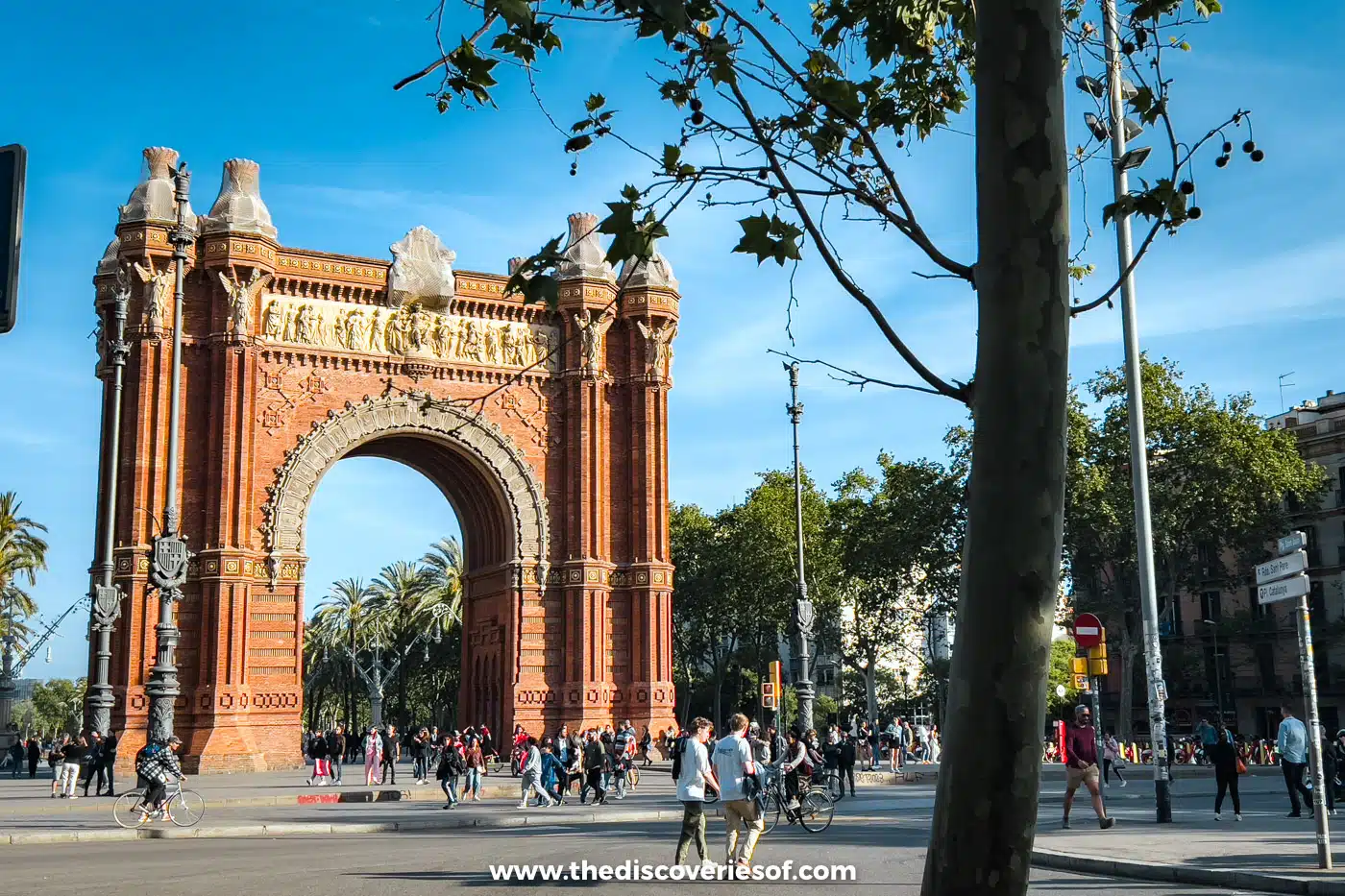
The Arc de Triomf, like in Paris? Not exactly. At the top of Passeig de Lluís Companys, a short walk from the park, you’ll find the city’s own version (can I be controversial and say I think it’s actually more attractive than its Parisian counterpart?).
Built as the gateway to the 1888 Universal Exhibition, its red brick façade is a stunning spot for photos. When you’re here, spend some time admiring the Neo-Mudéjar details and the carved stone bats on top.
Top Tip
Combine the Parc de la Ciutadella and the Arc de Triomf on this 2-hour Segway tour.
Explore El Born and its museums
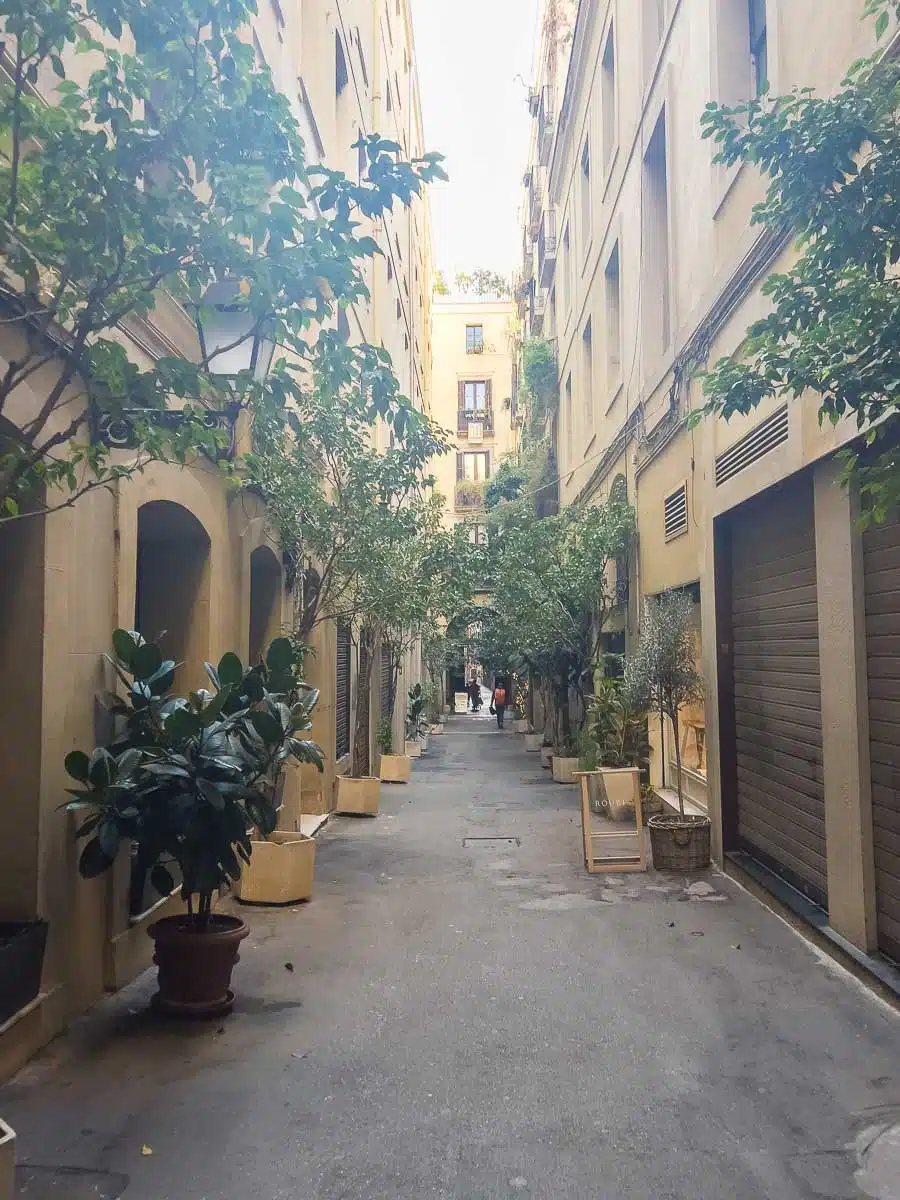
As the afternoon rolls in, make your way into El Born, one of the neighbourhoods I lived in. Its medieval streets are full of independent shops, galleries and bars, and many of the city’s oldest buildings. If it’s open, step inside the Basilica of Santa Maria del Mar, built by the dockworkers of the medieval port.
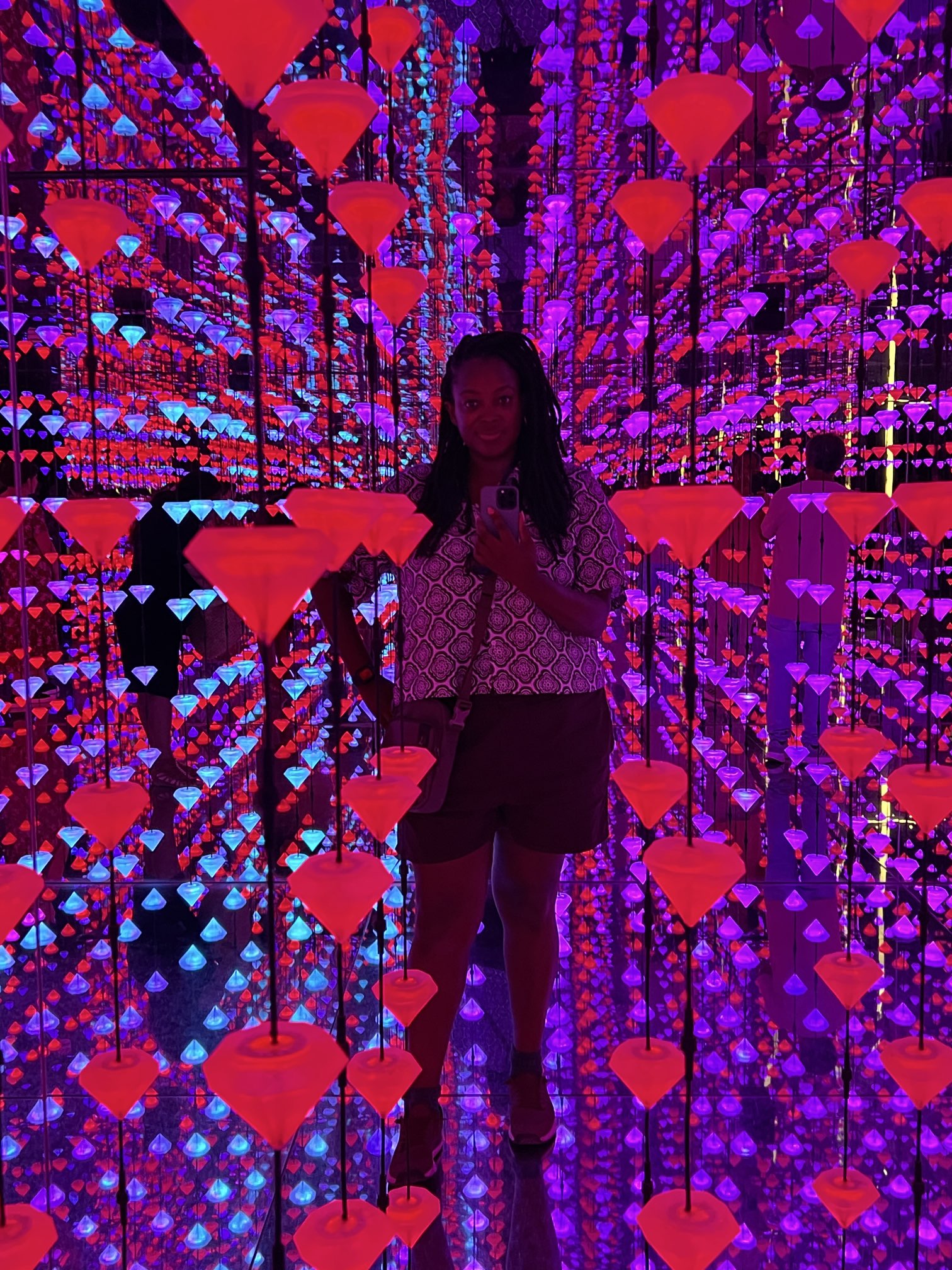
Then pick a museum. The Picasso Museum has more than 4,000 works by the artist, spread across five medieval palaces on Carrer de Montcada, and you can book a guided tour here. Or go to the Moco Museum, which was my favourite museum in the city, with pieces by Andy Warhol, Jean-Michel Basquiat, Keith Haring and Banksy. It took me two attempts to get in: my first visit was stopped in its tracks by an impromptu visit from the Obamas. Book your Moco ticket online, as it’s cheaper than buying on the door.
Top Tip
A Barcelona Card gets you into many museums and covers public transport.
Dinner at Can Cisa / Bar Brutal
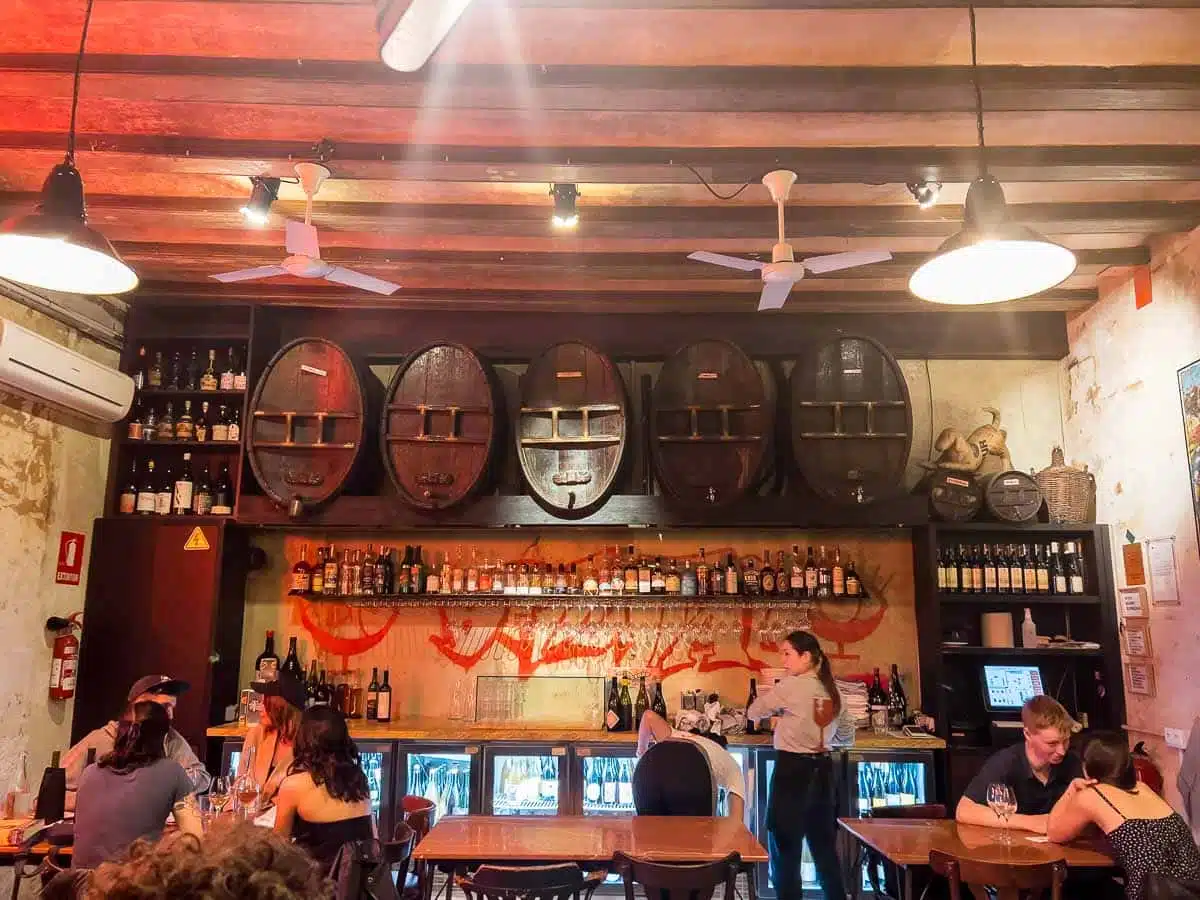
It would be sinful to end your trip without one final feast, so to cap off your last night, it’s time to wine and dine at one of the city’s best.
Equal parts laid-back natural wine bar in the front (Can Cisa) and upscale restaurant in the back (Bar Brutal), it’s second to none. I’ve been a few times, and the always-changing menu never disappoints, with adventurous ingredients like sweetbreads and duck hearts cooked to perfection alongside more traditional scallops and octopus. Dinner for two with drinks costs around €130. It is fabulous.
Have more time? Add these to your itinerary
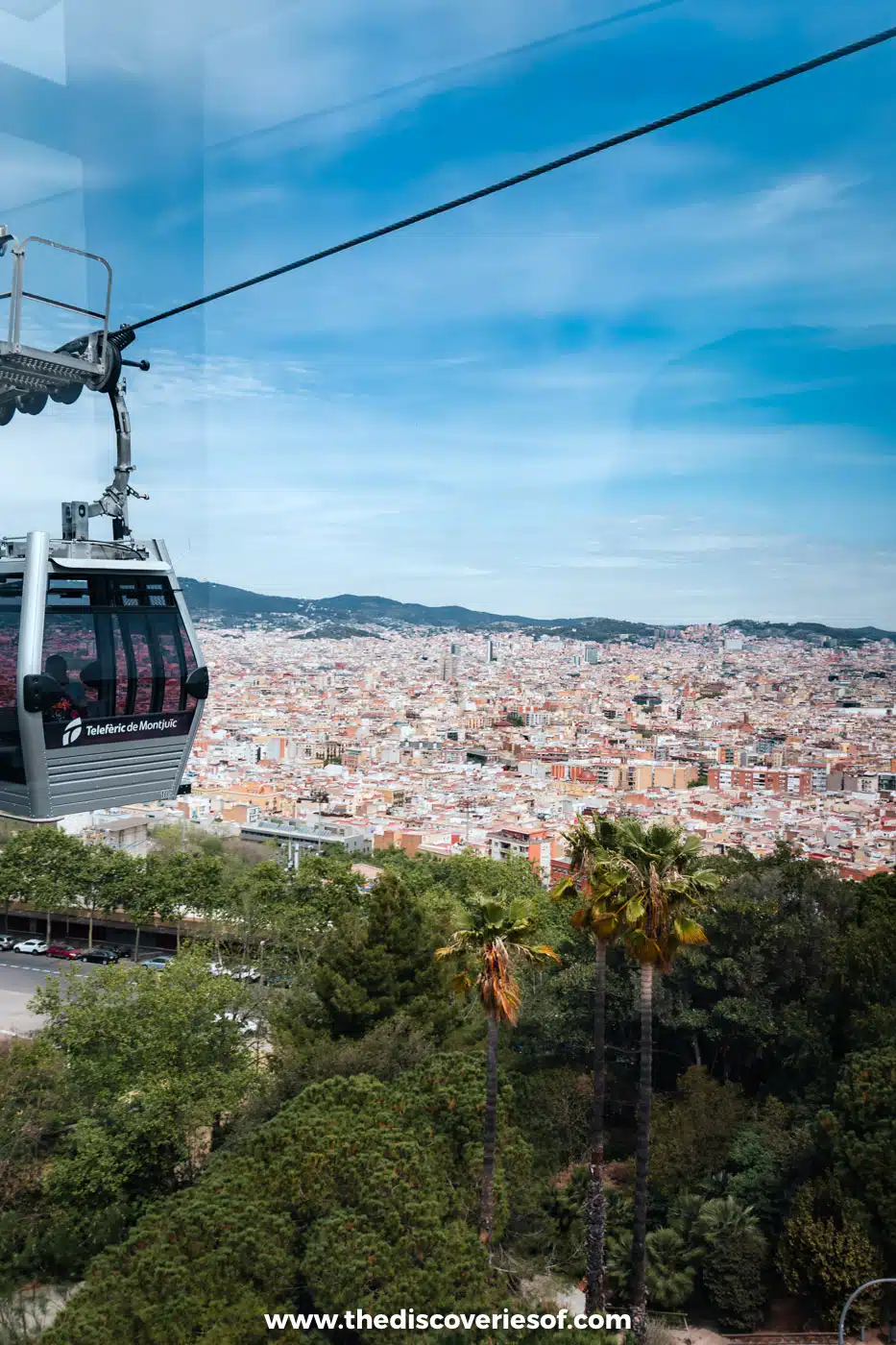
- Montjuïc: ride the cable car to Montjuïc Castle, then hop off at the Mirador stop on the way down for the gardens of the Mirador de l’Alcalde, with a kiosk and one of the best views of the port. The Magic Fountain shows run on Thursday to Saturday evenings at the bottom of the hill.
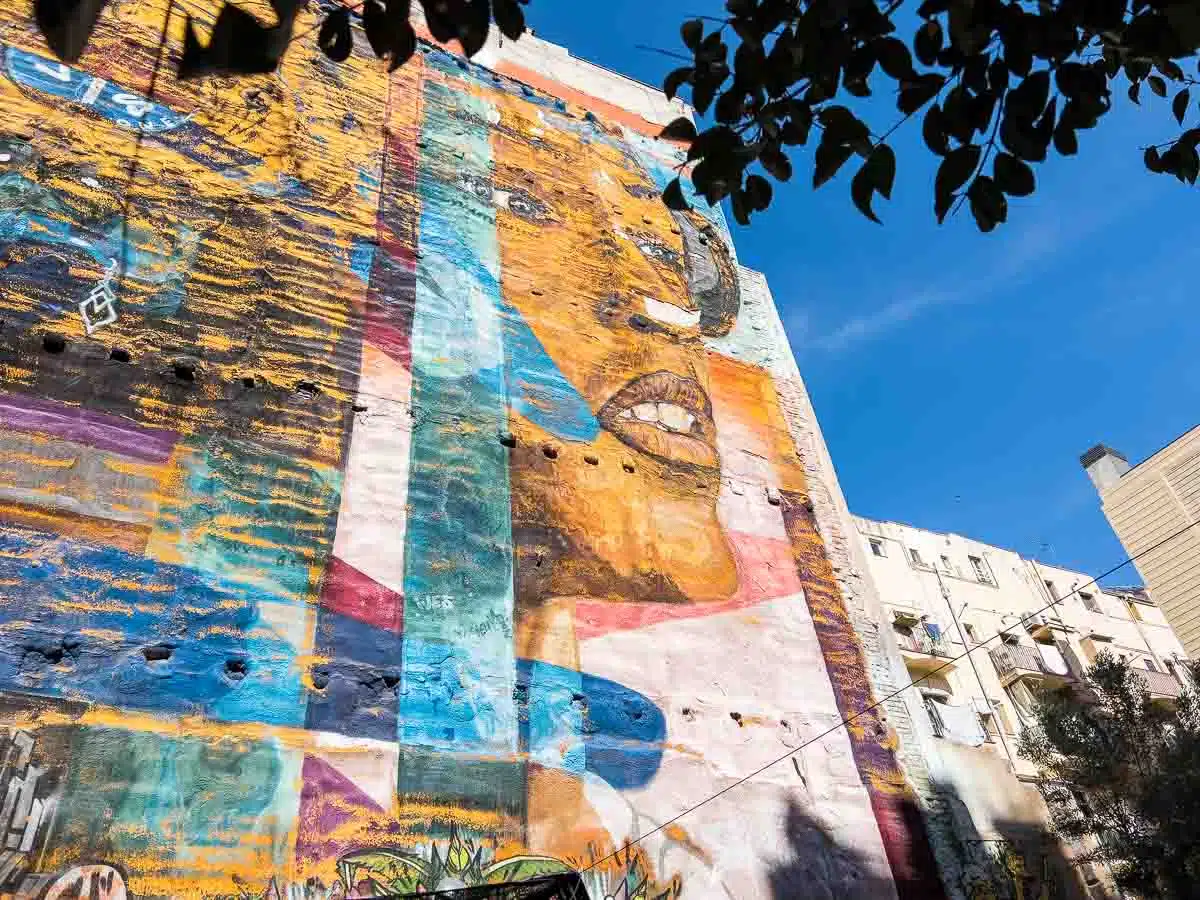
- The street art of El Raval and Poblenou: the walls of the Three Chimneys park and the shutters of the Gothic Quarter are a gallery of their own. I did a brilliant tour with Artspace Tours, and you can also see the street art by bamboo bike.
- A day trip: Girona’s medieval lanes are under 40 minutes away by high-speed train, Sitges is an easy beach day, and the Priorat’s wineries are a two-hour drive. See my guide to the best day trips from Barcelona.
Handy tips for planning your 3 days in Barcelona
Where to stay
For three days, base yourself somewhere central and walkable: the Gothic Quarter, El Born or the Eixample, all of which I’ve stayed in. For somewhere slick and new, The Hoxton, Poblenou oozes classic Hoxton chic, with tastefully decorated rooms, a cocktail bar, a rooftop terrace with epic views and a great restaurant, in the city’s coolest area, Poblenou. Check rates and availability, or see my guide to where to stay in Barcelona.
Getting around
Most of this itinerary is walkable, and the metro covers the rest. Get yourself a T-Casual card: 10 journeys in zone 1 for €13, on the metro, buses and the train to and from the airport. It’s one card per person, and you can thank me later.
Best time to visit
Spring (April to June) and autumn (September and October) are the sweet spots, warm without the crowds and prices of high summer. If you can, time a spring trip for Sant Jordi on 23 April, when the city fills with rose and book stalls.
What to pack
- A pair of comfortable walking shoes: there’s a lot to explore, and walking is the best way to do it.
- A casual pair of sandals for the cocktail and tapas bars.
- A daypack or crossbody bag that zips, for your power bank, camera and the pickpockets.
- A scarf to cover your shoulders at the Sagrada Família and the cathedral.
- Your best beach outfit, a beach towel and sunscreen.
Tours worth booking
- A tapas walking tour with food, wine and history: the best of the old town’s food, with stories to boot.
- A two-hour midday or sunset sailing cruise: see the city from the sea.
- A half-day trip to Montserrat: the mountain monastery and its Black Madonna.
- Girona and the Costa Brava in a day: medieval lanes and beaches.
- Artspace Tours’ street art tour: the one I did, and it’s brilliant.
Quick info
- Time zone: Central European Time (GMT+1), and GMT+2 from late March to late October.
- Currency: the euro (€).
- Plugs: Type C and Type F.
- Nearest airport: Josep Tarradellas Barcelona-El Prat (BCN).
- Tourist tax: roughly €10 to €15 per person per night on top of your room rate since April 2026.
Map
Read next
- 49 things to do in Barcelona
- Where to stay in Barcelona on your trip
- Delve into the secrets of the Gothic Quarter
- Barcelona’s most famous landmarks
- Brilliant day trips from Barcelona
Love this? Save and share on Pinterest
Discover the top things to do, insider tips and hidden gems in our Spain Travel Guide.
Read the guides →