Atacama Desert map
The Atacama Desert is a fantastic place, so here’s a map of the desert with the top spots you shouldn’t miss.
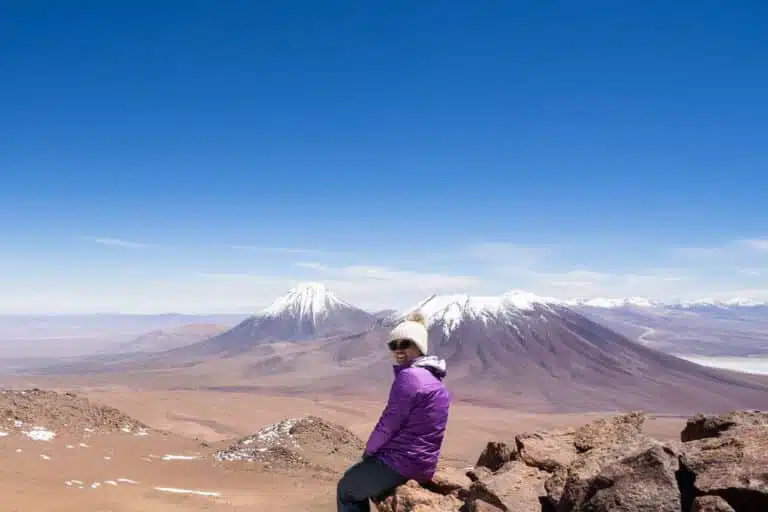
I’ve explored it twice: first on a week-long road trip in a campervan I nicknamed Bruno, covering around 1,000 miles on my own, and then in July, in the depths of the southern winter, with a private guide from Nayara Alto Atacama. Every place below is numbered to match its pin on the map, and almost all of them are day trips from San Pedro de Atacama, the small town at the heart of the desert. I’ve added roughly how far each one is from San Pedro, plus what you need to know about tickets, because more and more sites now have to be booked online in advance.
Some links in this article may be affiliate links, which means we may receive a small commission, at no additional cost to you, if you decide to purchase through one of my recommended partners.
Save and share on Pinterest
The places on the map
A little more information on the places featured on the Atacama Desert, Chile, map!
1. Laguna Chaxa
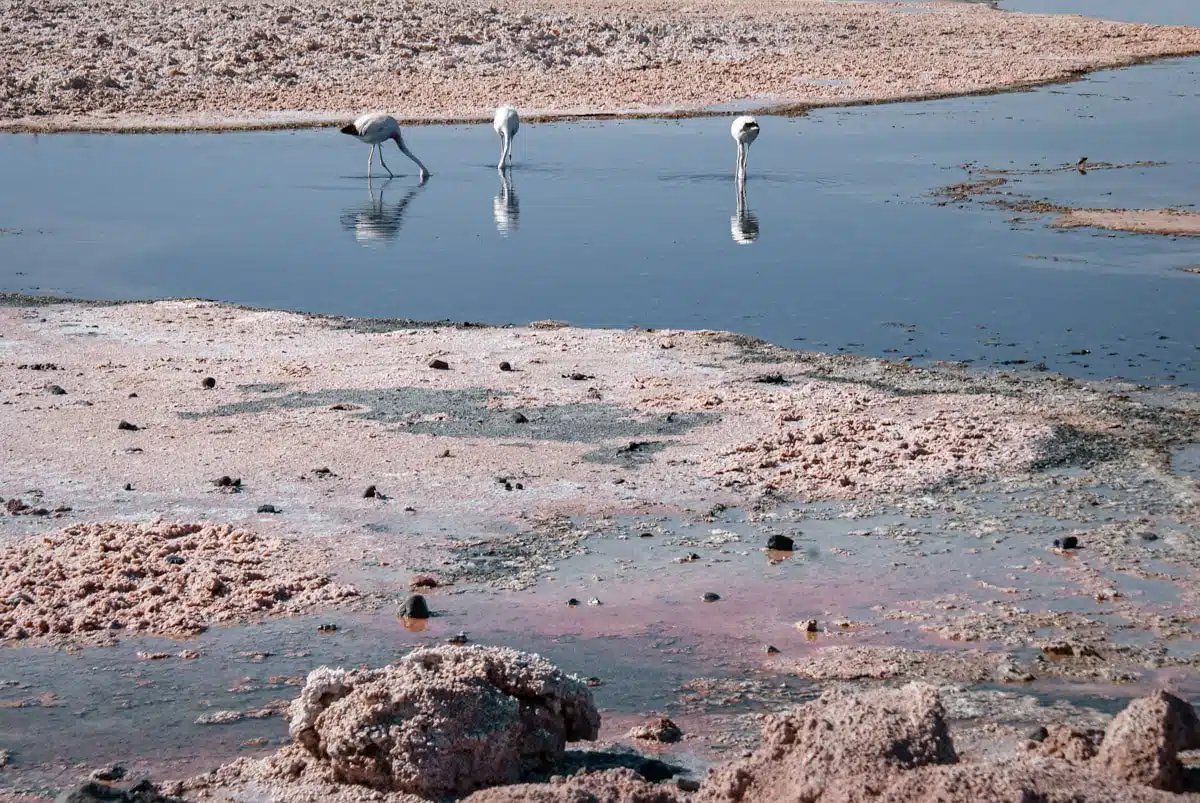
Sitting within the heart of Salar de Atacama, the sizable Laguna Chaxa is your go-to spot to witness thousands of flamingos during winter, when many of them fly down from the higher, colder lakes. It’s about an hour’s drive south of San Pedro, in the Soncor sector of the Los Flamencos National Reserve.
I stopped off at Chaxa bright and early on my road trip. On the face of it, the lake was as still as death, apart from the flamingos ranging over its surface with their weirdly stilted walk, but look closer and you’ll see the tiny algae and invertebrates they feed on teeming in the water. All three of Chile’s flamingo species (Andean, Chilean and James’s) come here. They aren’t born pink, by the way: the colour comes from what they eat, which is why the young ones are white.
The lake is run by the Toconao community, and tickets are now sold online in advance (around CLP 14,000 for foreign visitors).
2. Laguna Tebinquinche

Resting in the northern part of Salar de Atacama, less than an hour’s drive from San Pedro, is Laguna Tebinquinche. Catch the sunset here as the skies and surrounding grounds blend to mimic molten lava flowing around you.
It’s also where I sat with a glass of wine on my road trip and watched the stars and planets appear one by one, until it was impossible to believe the scenery in front of me was real. The lake is on land managed by the Coyo community, which charges a small entry fee (CLP 6,000 for adults, in cash). If you’re not driving, this Cejar, Tebinquinche and Ojos del Salar tour combines it with numbers 3 and 23 and finishes here at sunset.
3. Laguna Cejar
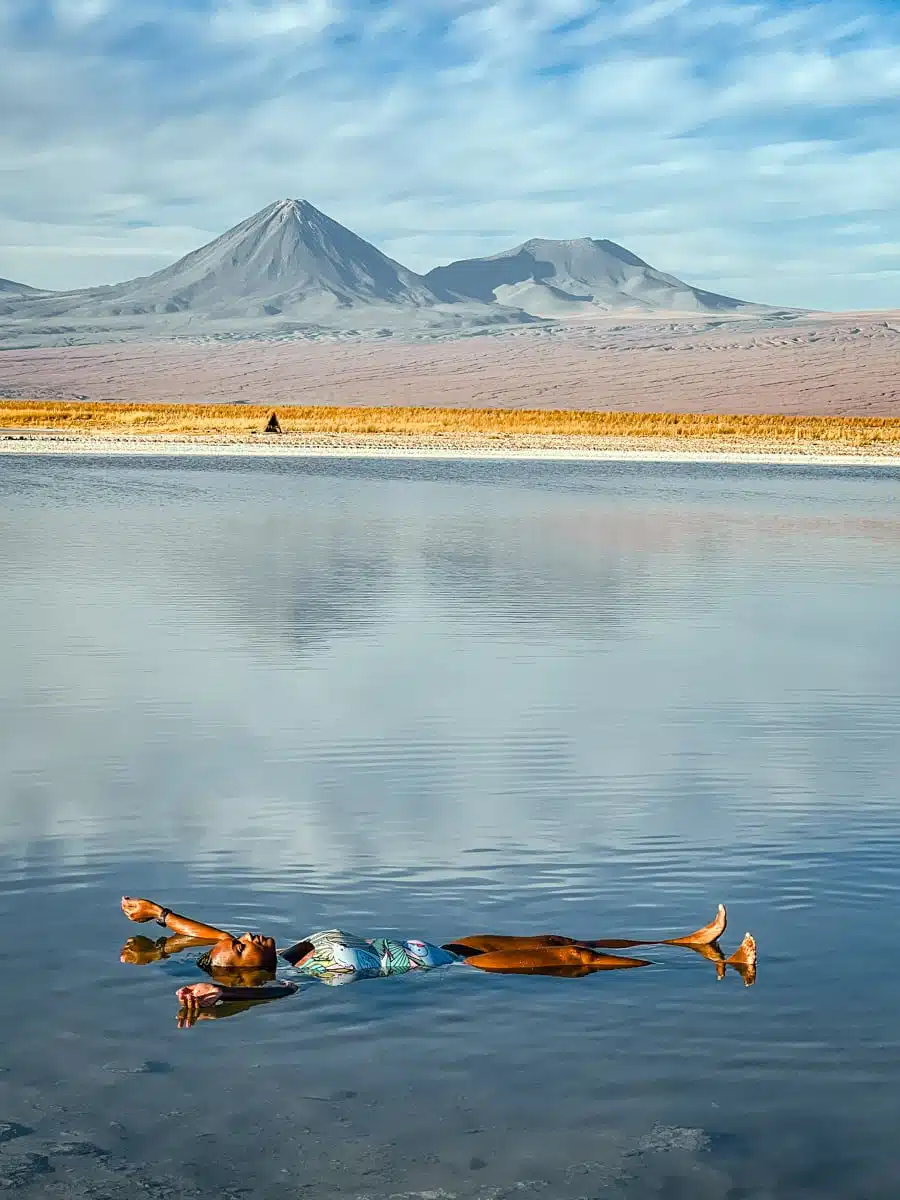
If you’re in the mood for a unique experience or just to cool off after a hot day in the desert, head to Laguna Cejar, a short drive south of San Pedro. Here, you can swim, but it’s better to float: think Dead Sea vibes. It was my first stop on my July trip, straight from the airport, and you’ll never make it down to the bottom, no matter how hard you try.
My top tip? Don’t get your face wet, as the salt stings if it gets in your eyes. Strictly speaking, the swimming happens in Laguna Piedra, the smaller lagoon in the Cejar complex, as Cejar itself is protected. Carry on past it to see the neighbouring lagoon, which is a favourite with the local flamingos. Tickets (CLP 15,000 for adults) are sold online for a set date and time slot, so book ahead, and bring a towel, fresh water to rinse off and a warm layer.
4. Toconao village
How could you not want to visit one of the oldest villages in the region? Toconao is about 38km south of San Pedro, around half an hour on the road towards Laguna Chaxa, and its houses, its 18th-century church and its separate stepped bell tower are built from liparite, a pale volcanic stone. The village is also known for its wine: the vineyards here, farmed by local growers under the Ayllu label, are among the highest in Chile, which makes it a must-visit. If you have time, walk into the Quebrada de Jere, the green gorge just outside the village, full of fruit trees and fed by a stream.
5. Tamarugos forest
Take time to visit the Tamarugos Forest. A woodland region brimming with tamarugo trees, one of the few plant species that survive in this part of the desert, sending their roots deep down to reach the groundwater. You’ll find it at Tambillo, on the road between San Pedro and Toconao, and it’s one of the seven sectors of the Los Flamencos National Reserve. It marks a clear border between the Atacama salt flat and the true desert.
6. Devil’s Throat
For all the mountain biking fanatics out there, add a run of the Devil’s Throat (Garganta del Diablo) to your trip. This dried-up riverbed runs through a narrow canyon in the Catarpe valley, a short ride north of San Pedro, providing the ideal landscape to get your bike out. You can walk it too. There’s a small entry fee (around CLP 5,000), paid in cash at the entrance, and bikes are easy to hire in town.
7. Piedras Rojas and Salar de Talar
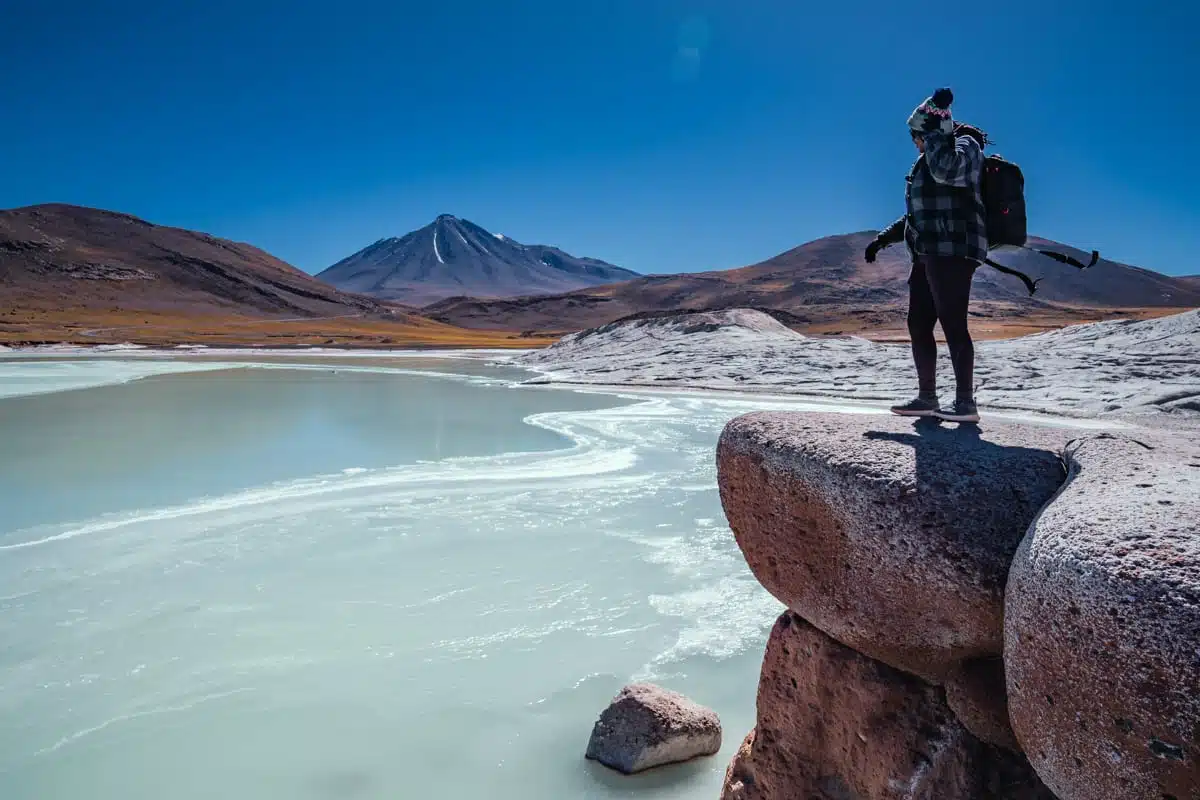
While many high-altitude lakes exist in the Atacama, Piedras Rojas (the red rocks) on the shore of the Salar de Talar is a standout thanks to its crazy kaleidoscope of colours, which come from the different minerals in the water. You can also spot flamingos here during summer.
It’s about 150km and two and a half hours from San Pedro, on the road that eventually leads to Argentina. When I went back in July, the lake was frozen, which made for a really cool contrast. Be sure to walk down to the water: frozen, it looks more like a piece of turquoise than water. Winter is the time to see it at its brightest, too, as the water levels are lower and the minerals more concentrated.
On my first trip there was no marked path, and scrambling over uneven ground at 4,000 metres was hard work. The advice I’d been given made complete sense: “Walk up like an old man and you’ll be able to come down like a young bull.” The local community from Socaire has since built a path in exchange for paid access, and the walk now takes about an hour, mainly because you have to move slowly at this altitude. When I went you paid at a kiosk in Socaire on the way; tickets for Piedras Rojas and the Miscanti and Miñiques lagoons are now sold together online (around CLP 13,000 for foreign visitors). If you’re not driving, this Piedras Rojas, highland lagoons and Chaxa tour covers numbers 1, 7 and 9 in a day (park fees are paid separately).
8. Volcano Capur
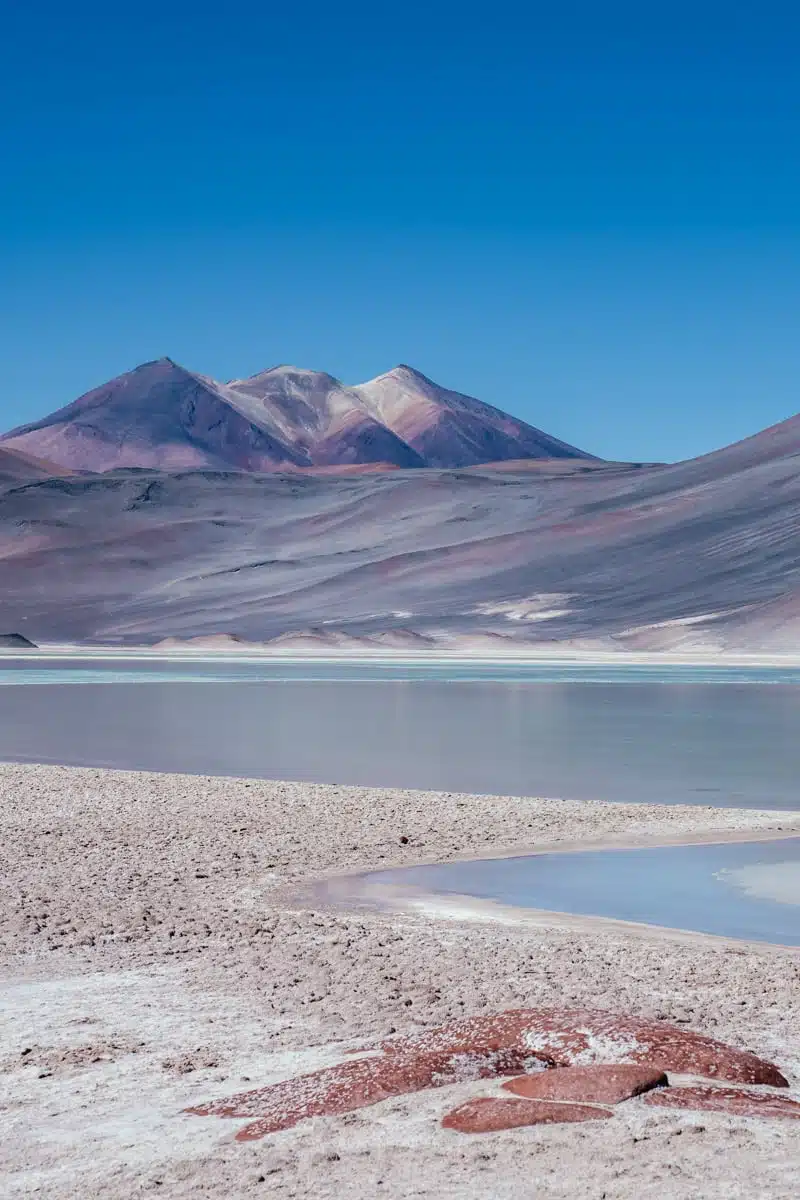
An impressive volcano, even by Atacama standards. Its dazzling display of colours that change from one moment to the next perched next to an equally stunning lake is almost ethereal. If the other volcanoes impress you with their size, this one wows with the rainbow cascading down its sides: brilliant white in places, purple and basalt grey in others.
On the way back from the lakes, I stopped for a Nayara picnic: Thai chicken curry, rice, quinoa and cauliflower soup with croutons. Luxury means different things to different people, but to me, there’s no greater indulgence than a stellar meal in the peace and quiet that only comes from being in the middle of nowhere.
9. Lagunas Miscanti and Miñiques

Resting in the altiplano of the Antofagasta region, about 115km from San Pedro, the Miscanti lake is astonishing to see. Why? It’s all thanks to the towering volcanoes surrounding it, namely Miscanti and Miñiques.
I missed these lagoons on my first trip to the Atacama. Big mistake. A path leads down to Laguna Miscanti, with sulphur crusting its edges, and from there you climb over an outcrop of lava to reach Laguna Miñiques. Although Miñiques is fed by Miscanti, it’s a completely different colour, because the water is filtered as it flows through the volcanic rock between the two.

Look out for vicuñas, which blend in so well with the yellow grass that you have to look carefully to spot them. The lagoons sit at over 4,000 metres, so save them for a few days into your trip, and they share a ticket with Piedras Rojas.
Read next
How to visit Lagunas Miscanti and Miñiques
10. Socaire village
Famous for its historic church, built of adobe with beams of cactus wood, the small village of Socaire is the perfect spot to see the Incan fields, from which, one theory goes, the Andes got their name. It’s about 80km south-east of San Pedro, at around 3,000 metres, and the natural place to break the drive to Piedras Rojas and the lagoons.
On the way back from Piedras Rojas, I watched the landscape change as the terraced fields appeared. Farmers still grow quinoa and purple potatoes here, watered by irrigation channels that go back centuries. The terraces, or andenes, are said to have given the mountains their name over time.
11. Born Canyon
A small patch of life in the altiplano, Born Canyon has some of the most stunning local bird species calling it home and is the source of water for Socaire. That’s where the name comes from: in Spanish it’s the nacimiento, meaning the birth or source of a river.
12. Salar de Pujsa
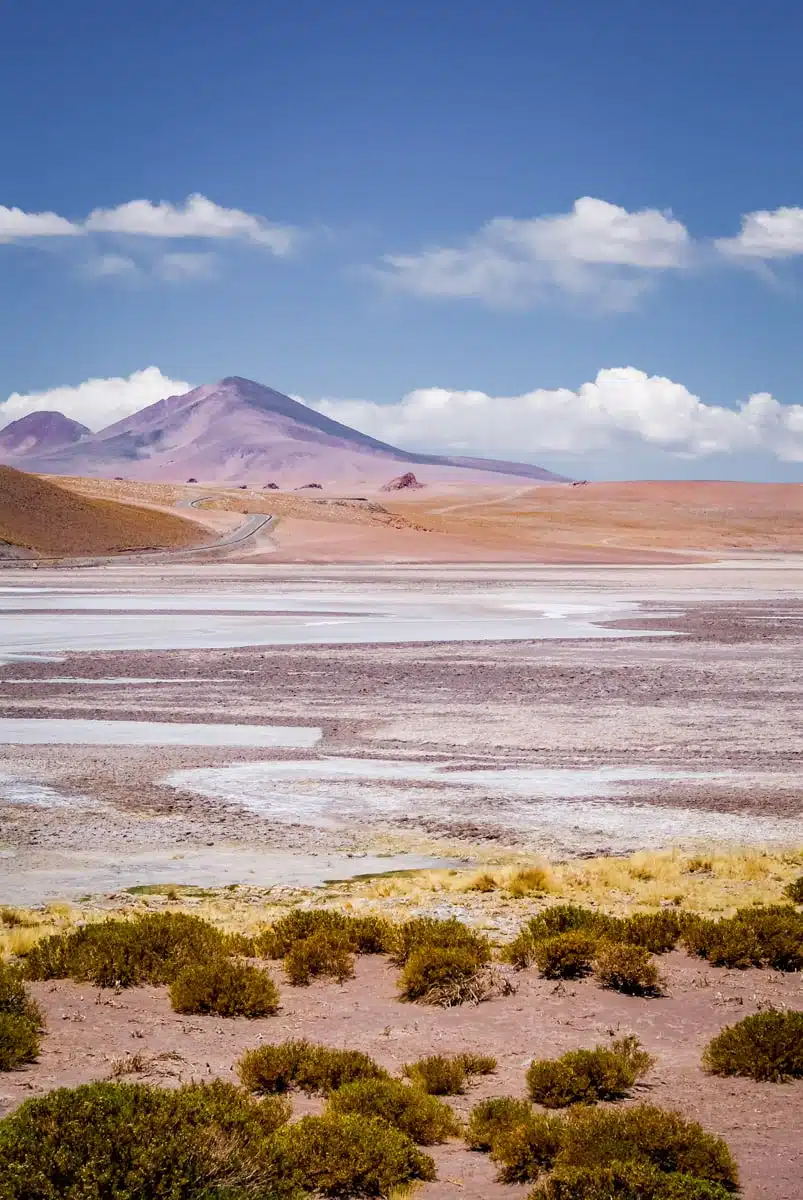
A hidden gem not far from the Bolivian and Argentine borders, not many visit this salt flat. If you do, though, you’ll find wetlands full of flamingos, vicuñas, rheas and viscachas. It’s about 83km from San Pedro, just off Ruta 27, the road to the Paso de Jama border crossing, and it’s a sector of the Los Flamencos National Reserve in its own right.
You’re unlikely to see many tours on this road, but you will see plenty of truckers hauling goods into Argentina. They take every slope and turn at speed, so take frequent rest breaks.
13. Salar de Tara
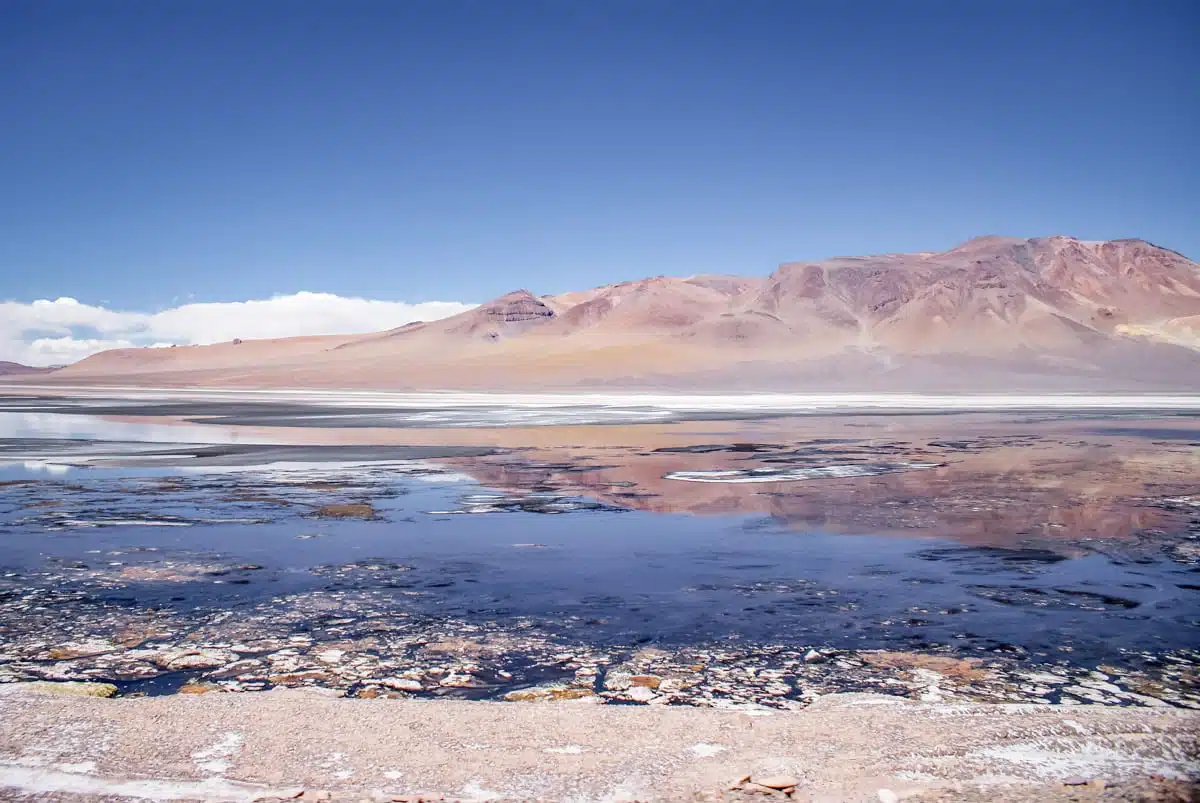
Located in the Los Flamencos National Reserve, about 120km east of San Pedro, you’re in for some of the best views in the Atacama. Prepare to spot a massive variety of wildlife and flamingos. This is where you’ll find the gorgeous Laguna Tara, the largest lake in the salar, and the whole wetland is protected under the Ramsar convention.
The views here were some of my favourite in the whole Atacama. You can head off the main road on a dirt track to get closer to the salar, but you’ll need a 4×4, and the area is at around 4,300 metres or more, so most visitors come on a guided tour.
14. Salar de Quisquiro
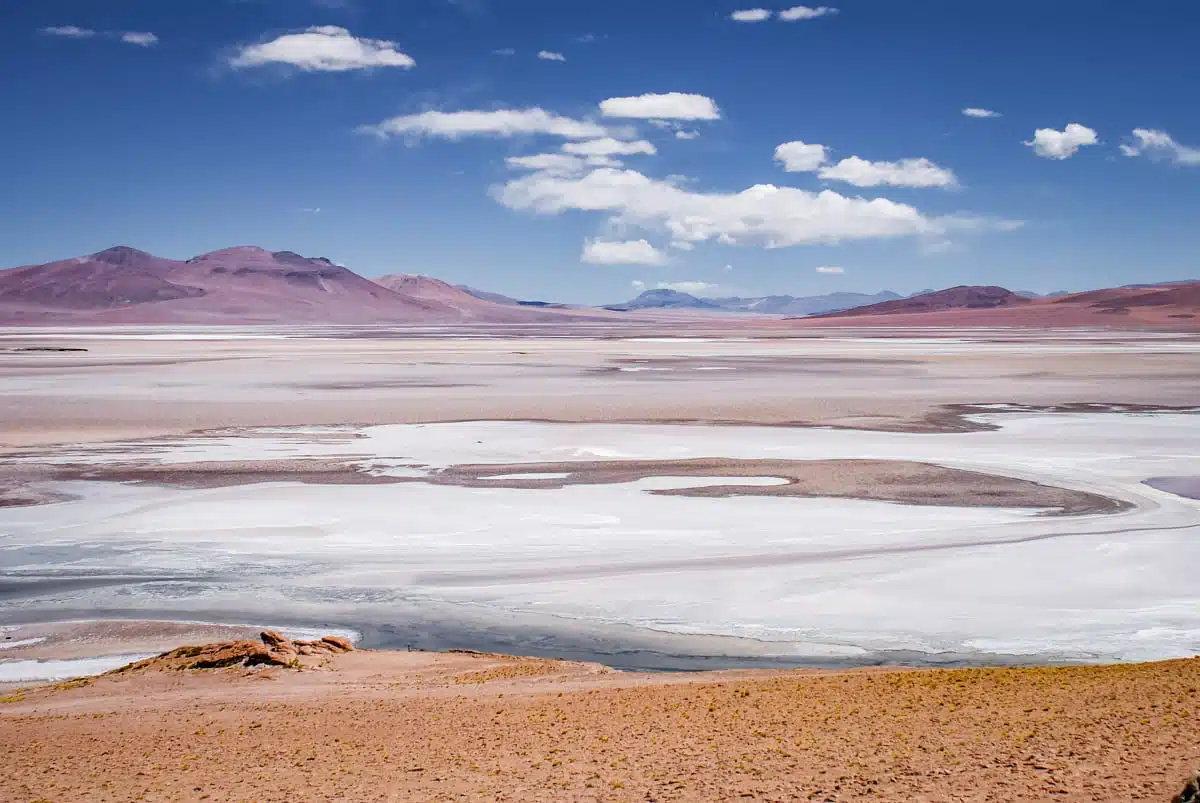
Just before you hit Argentina, gird your loins for a bone-rattling adventure to Salar de Quisquiro (also called Salar de Loyoques). Its incredible size and the solitude you’ll find here is beyond compare.
I turned a corner and there it was. The view kept on unfurling in front of me, to the point where it was impossible to take it all in at once: a rainbow of deep azure blues, dotted with clouds of white and crimson reds. On the way back, I passed the turnoff for Bolivia and caught a glimpse of the vivid colours of Laguna Verde through the volcanoes, one of the highlights of my road trip across the Bolivian salt flats.
15. El Tatio geysers

The geysers of the El Tatio geothermal field, the third-largest in the world, are a can’t-miss. Head south for an epic collection of geysers and north to see the biggest fumaroles.
The field is about 89km north of San Pedro, at around 4,300 metres, and the geysers are most active at sunrise, so it means a very early start. On my road trip, I slept in Guatín to shorten the drive. On my July trip, I left at 3am and it was -15°C when I arrived. My British self is not made for those temperatures, but I’ll do it for views like that. Head to the southern field just as the sun comes over the Andes: as it catches the steam from one of the fumaroles, the minerals light it up in a rainbow of colours. My guide Rodolfo called it “nature’s fireworks”, and I can’t think of a better way of describing it.
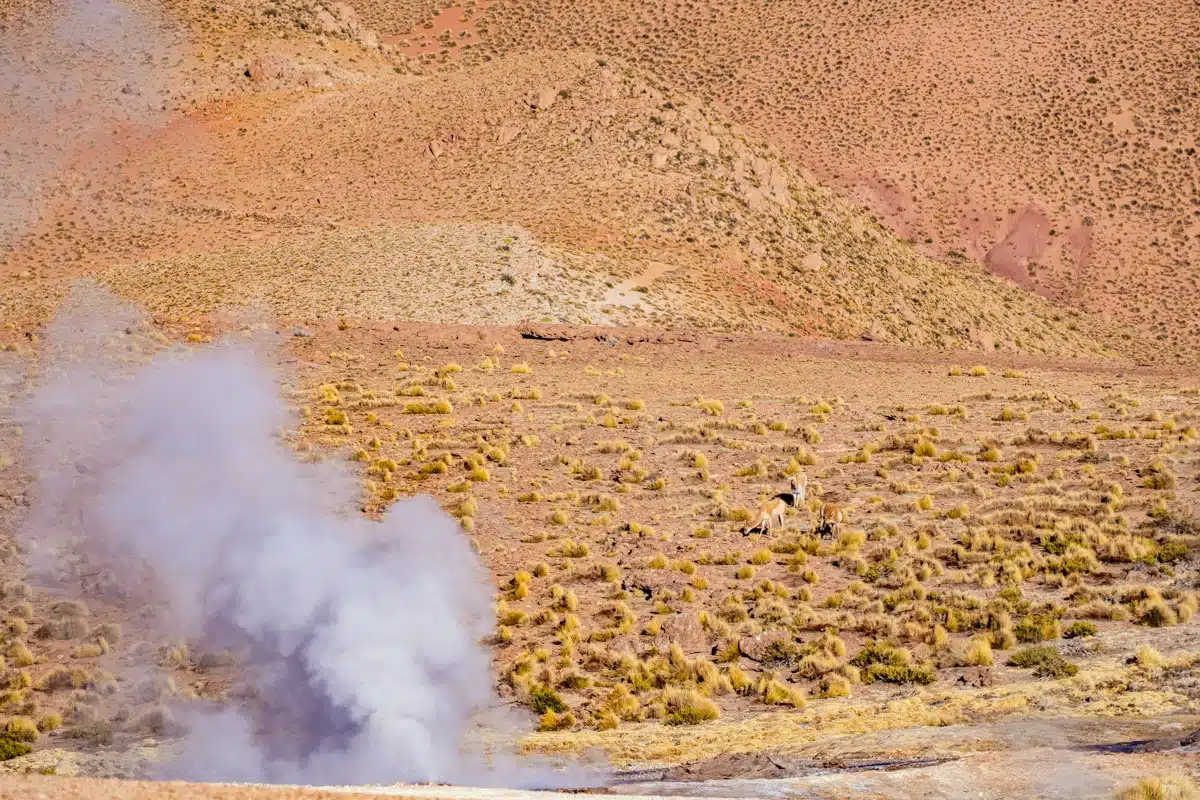
Wrap up in layers, with a hat, gloves and thick-soled shoes, as you can feel the cold ground through thin soles. Stick to the marked paths, too. Entry costs CLP 15,000, which tours usually collect in advance. Whatever you do, don’t head straight back to San Pedro afterwards: I had a picnic breakfast in a quiet river valley on the way down, with vicuñas and rheas grazing around me and nobody else there. This El Tatio sunrise and breakfast tour includes the entry fee.
Read next
Why you need to visit El Tatio geysers
16. Guatín canyon

A lush cactus-filled canyon. If you’ve got the energy and yearning for hiking fun, visit Guatín Canyon. It starts at the small hamlet of Guatín, on the road between San Pedro and El Tatio, where the Puritama and Purifica rivers meet, and it’s lined with candelabra cacti up to 7 metres tall.
It’s the perfect foil to the busy geysers. I hiked in on my way back from El Tatio, crunching along the riverbed without seeing another soul. You’ll either need someone to pick you up at the other end or do it as an out-and-back: I simply walked until I was satisfied and turned round.
17. Valle de la Luna

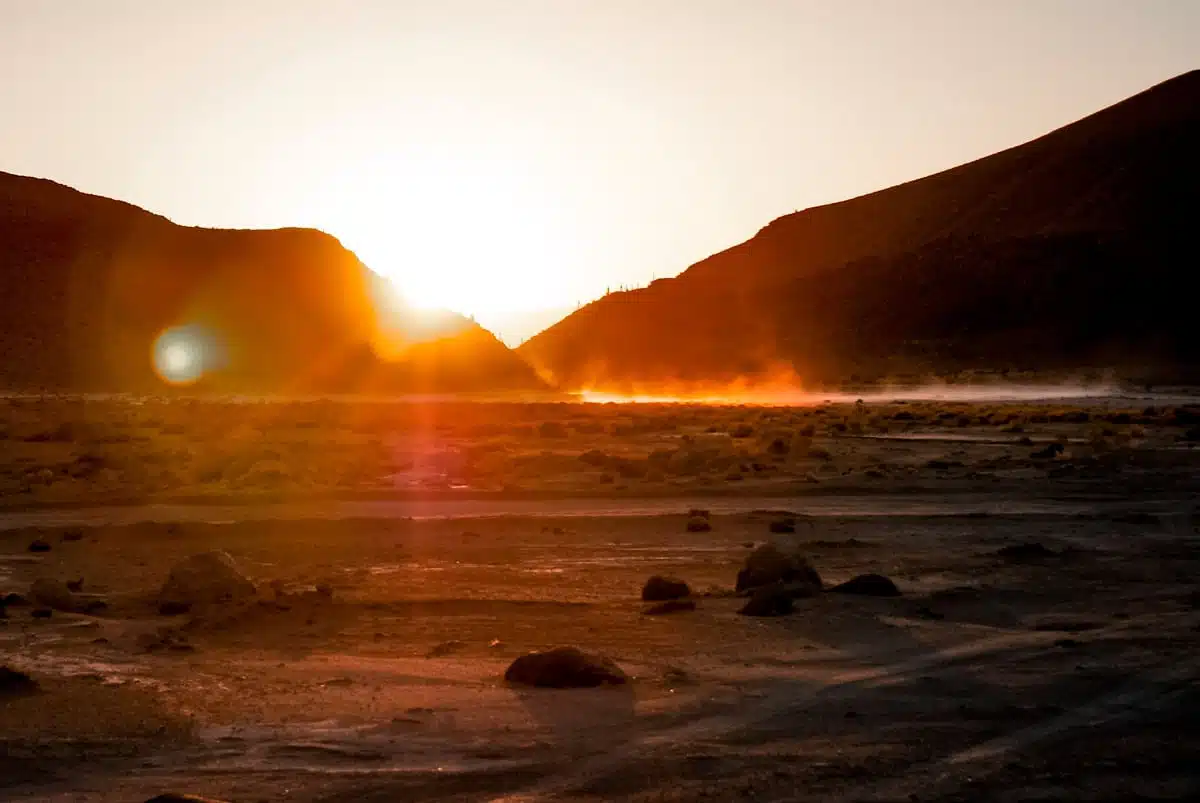
Translated as “the Valley of the Moon”, the Valle de la Luna, about 15km west of San Pedro, is a magical sight. I went for sunrise on my road trip and had the entire valley to myself, watching the light creep across the eerie rock formations.
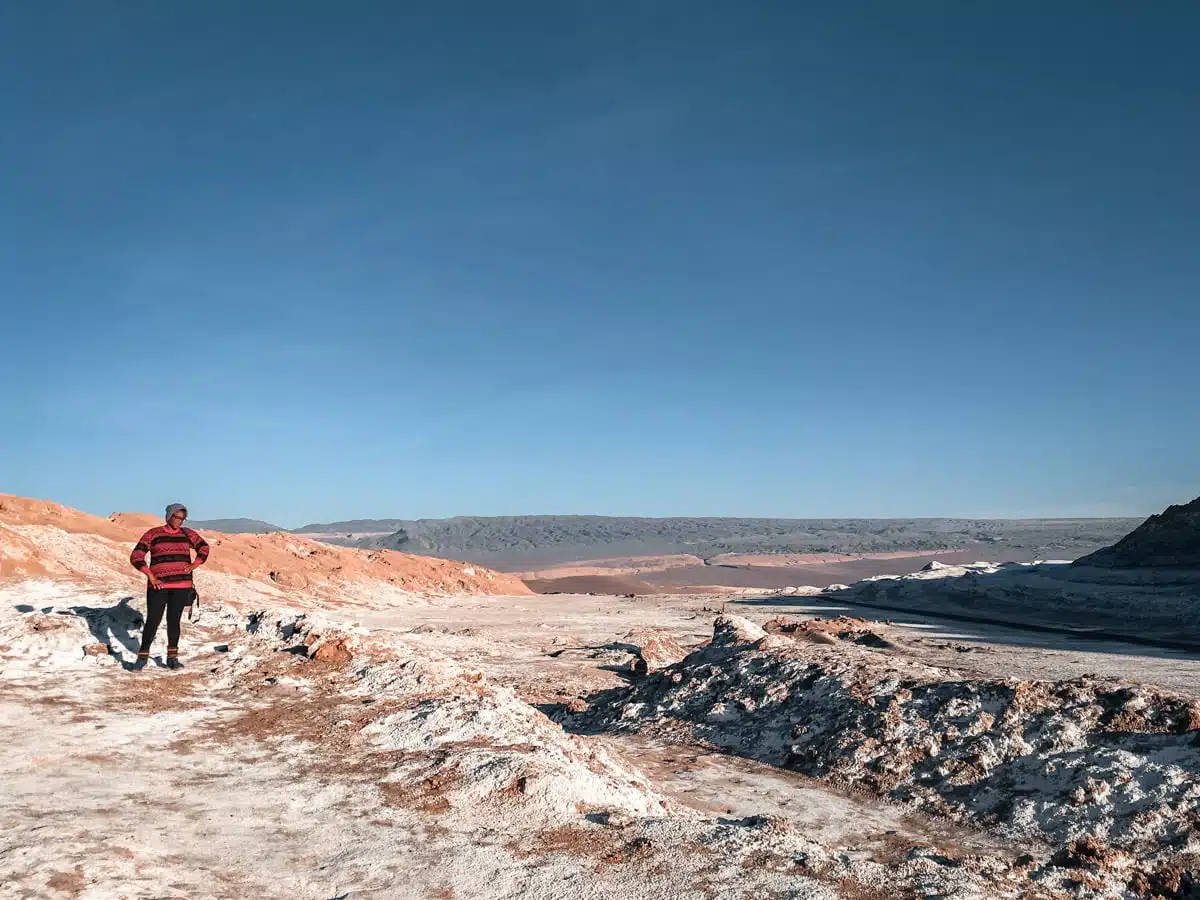
Things work differently now. Tickets (CLP 10,800 for adults) must be bought online in advance for a specific date, you can only enter by vehicle or bike, and the gates open at 8am from April to August and 9am from September to March, so a true sunrise visit is no longer possible. Going first thing is still the best way to beat the sunset crowds. If you’d rather leave the driving to someone else, this Valle de la Luna sunset tour is one of the best reviewed (entry is extra).
Read next
Valle de la Luna: the closest thing to Mars on Earth
18. Tulor archaeological site
Thrill-seeking and adrenaline-rushing aside, the Tulor Archaeological Site is a must-visit if you want to understand local history. The circular mud-walled houses of this ancient village sit just south-west of San Pedro, close enough to cycle to. Entry is around CLP 5,000, in cash, and mobile coverage is patchy, so don’t rely on paying by card.
19. Rainbow Valley
Although a “newer” attraction, this million-year-old valley stuns with its showcase of multicoloured rocks, streaked red, orange, green and yellow by different minerals. Rainbow Valley (Valle del Arcoíris) is an hour or so’s drive from San Pedro, and most people combine it with the Yerbas Buenas petroglyphs nearby. Each charges around CLP 5,000 in cash, or you can join a Rainbow Valley and Yerbas Buenas tour.
20. Cordillera de Sal

Enough sunrise-chasing. If you want to marvel at the stars, there’s no better spot in the Atacama than Ckamur and the Cordillera de Sal.
On my road trip, I pulled up in the shadow of the cordillera, miles from the main road, and watched the stars come out in full force. I’ll admit that sitting there alone in complete darkness was slightly unsettling: anytime the wind blew, I’d glance nervously over my shoulder. But it was like I’d discovered a new planet, despite being less than half an hour from San Pedro.
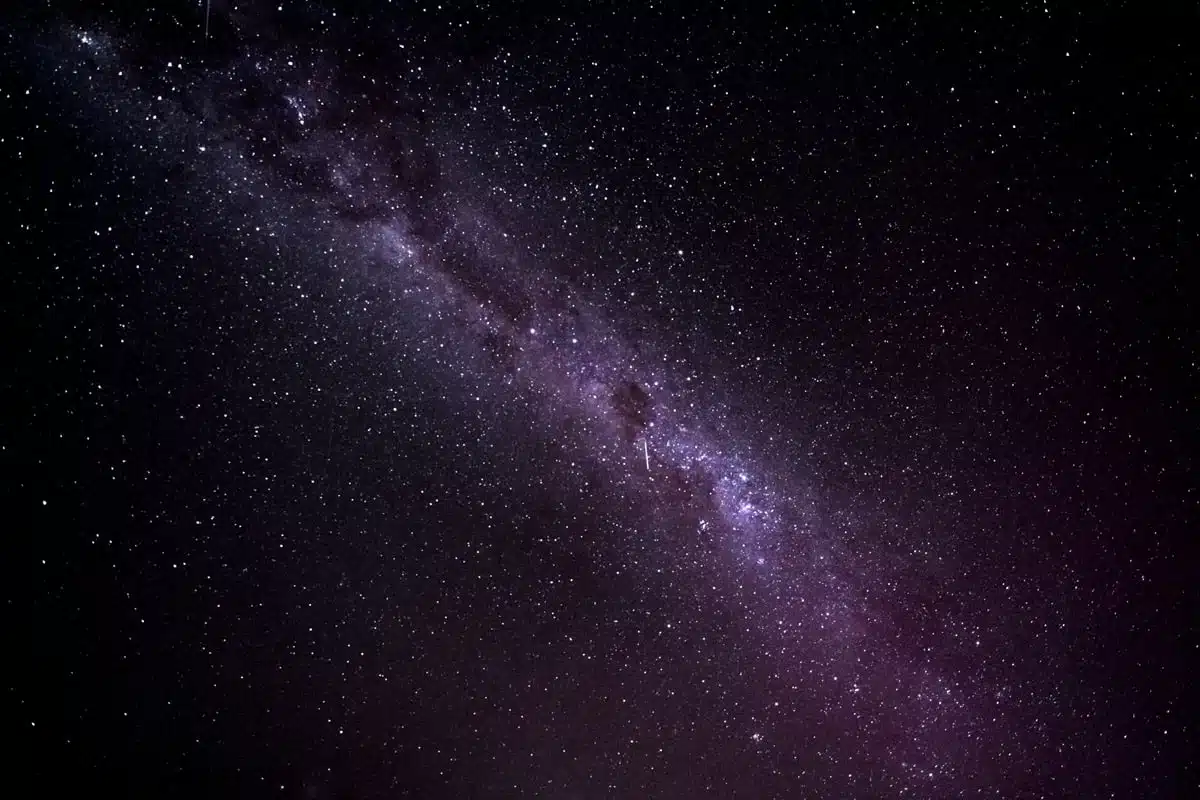
On my July trip, I joined the guided sessions at Nayara Alto Atacama’s own observatory, and I took some of my best photos of the Atacama skies there. If your hotel doesn’t have one, book a session with a local astronomer, such as this stargazing and Andean astronomy tour. The clearest skies tend to come from April to September.
Read next
Stargazing in the Atacama: what you need to know
21. San Pedro de Atacama

The small town of San Pedro de Atacama sits at the heart of the Atacama Desert and is the perfect jumping off point for most adventures in the region. It’s at about 2,400 metres, just over an hour’s drive from the airport at Calama, and its dusty streets are lined with tour agencies, bike hire shops and restaurants.
The food scene has really changed since my first visit. La Casona was the best food in town in my experience (go hungry for the pastel de choclo), and Karaván Restobar on Caracoles does great cocktails: try the Andes Tonic. Don’t miss the whitewashed 17th-century church on the main square, with its roof of cactus wood.
Read next
Where to stay in the Atacama Desert
22. Ckamur and the Valle de la Muerte
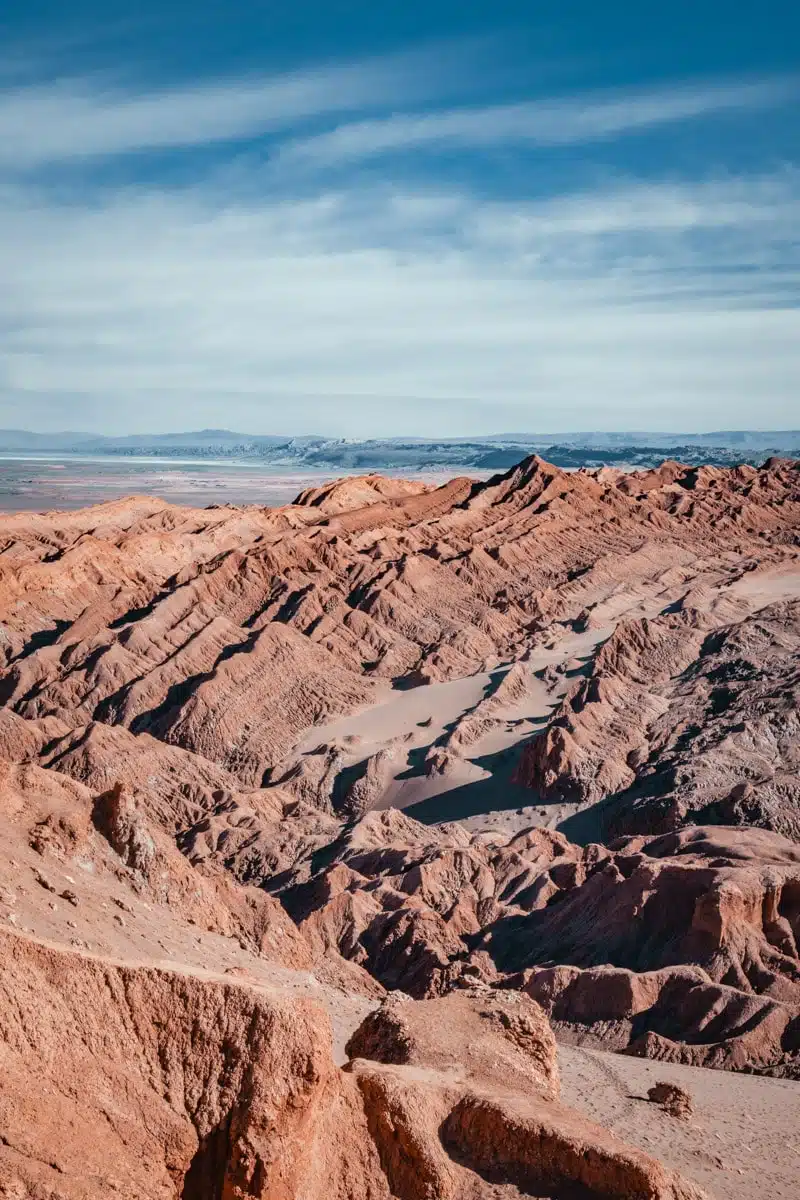
Ckamur is one of the Atacama’s newer attractions, just outside San Pedro in the Valle de la Muerte (Death Valley), and it was my answer to the sunset crowds at the Valle de la Luna. It was free to enter when I visited, and you can hike, cycle or go quad biking here. For sunset, hike up the ridge of one of the peaks, then shuffle down its sandy side to reach the valley floor again.
It feels too easy to say that this looks like another planet, but there’s no denying it does. In fact, it was used as a filming location for The Mandalorian. What you won’t recognise is the iconic Licancabur volcano poking up behind the valley: the filmmakers cut off the top of it so the location wasn’t so identifiable. Look in the right place and you can still see the remains of the old salt mine.
23. Ojos del Salar
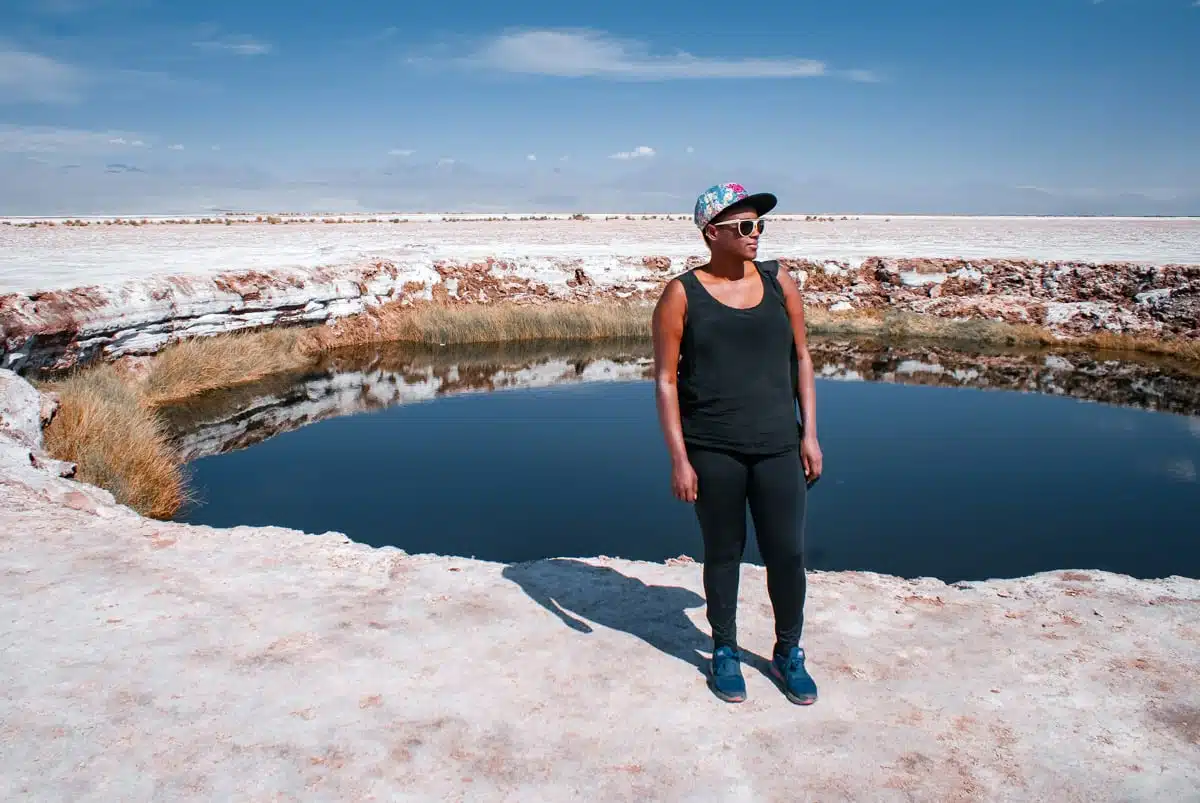
Two perfectly round pools in the middle of the salt flat, like a pair of turquoise eyes, which is how the Ojos del Salar (the eyes of the salt flat) got their name. They’re about 40 minutes’ drive south of San Pedro, close to Laguna Cejar, so it’s easy to stop here on the way to Tebinquinche for sunset. There’s no separate fee. The banks are steep and there’s no shallow water, so only confident swimmers should think about getting in.
Read next
24. Los Monjes de la Pacana
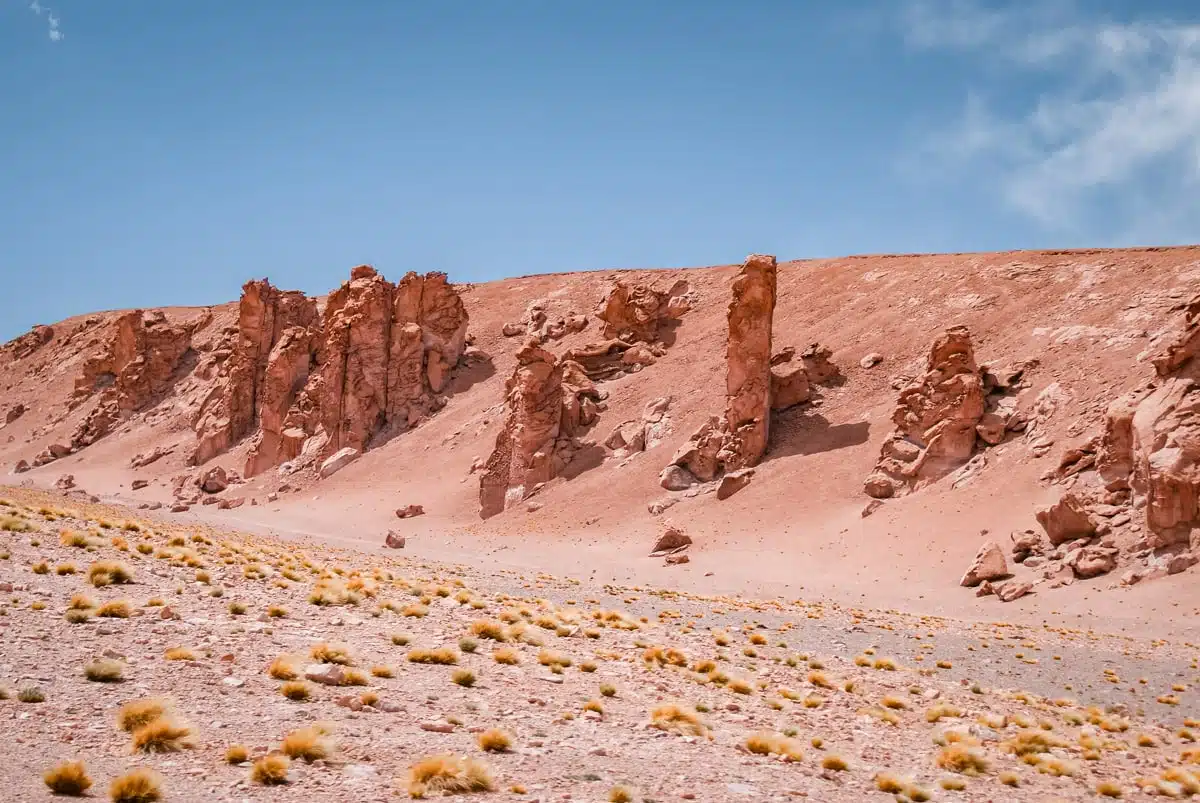
On the high plain near the Salar de Tara, giant vertical rocks rise out of the grassland. Wind erosion has carved them into the silhouettes of monks, which is how they got their name, though others call them sentinels, watching over the desert. I passed them on the drive out along Ruta 27, and they’re a regular stop on tours to the Salar de Tara.
25. Tropic of Capricorn
About 60km south-east of San Pedro, there’s not much to see at the Tropic of Capricorn other than a sign (and the huge Atacama basin views, but they’re everywhere), but it’s fun to stand at the most southerly point where the sun can be directly overhead at noon. Look out across the salt flat while you’re there: the Incas ruled this corner of their empire too, and the line of the old Inca road runs across the Salar de Atacama, although it’s hard to spot from the road.
26. Puritama hot springs
After a freezing morning at El Tatio, the Termas de Puritama, about 30km from San Pedro on the road up to the geysers, are the obvious place to thaw out. Eight natural pools step down a green canyon, fed by warm, mineral-rich water. Places are limited, so book online on the official site: entry is around CLP 38,000 for adults, in morning or afternoon sessions.
27. Pukará de Quitor
A 12th-century stone fortress built by the Atacameño people on a hillside about 3km north of San Pedro, so you can walk or cycle there. A short trail leads up through the ruins, and the longer loop climbs to viewpoints over the oasis and Licancabur. Entry is around CLP 6,000 to 7,000.
28. Lagunas Escondidas de Baltinache
The “hidden lagoons” are a chain of seven salt lagoons out in the desert about 60km from San Pedro, roughly an hour’s drive, the last stretch on a rough gravel road where a 4×4 helps. Swimming is no longer allowed, but the colours are worth the trip. Entry is paid in cash at the gate (around CLP 12,000 for adults).
29. Cerro Toco
If you want a summit, Cerro Toco is one of the few volcanoes near San Pedro that you can climb without technical gear. The top is at 5,604 metres, with views over the ALMA telescope array on one side and into Bolivia on the other. Only attempt it once you’ve acclimatised with a few days in San Pedro and a couple of trips above 4,000 metres.
Read next
View this post on Instagram
Map of the Atacama Desert, Chile: practical tips
- The Atacama features some of the most diverse landscapes worldwide, so ensure you’re well prepared with kit for hot and cold weather, as the temperature can vary drastically between day and night. In July, I went from sunshine at the lagoons to -15°C at El Tatio.
- Altitude sickness is real, so take every precaution you can. Plan your days so you ascend in altitude gradually rather than rushing to the highest point on the first day. San Pedro is at about 2,400 metres, while Piedras Rojas, Miscanti and El Tatio are all above 4,000 metres.
- Book ahead. Valle de la Luna, Laguna Cejar, Laguna Chaxa, the Piedras Rojas and Miscanti ticket and Puritama are all sold online for a set date, and several smaller sites (Tebinquinche, Tulor, Rainbow Valley, Baltinache) only take cash, so carry pesos.
- While there are many excellent hotels in the Atacama, it’s also a great spot to book a campervan and take to the roads on a solo adventure. That’s how I first explored it, and the freedom to be alone in the busiest places was worth every bump. If you drive, carry plenty of water and hire a 4×4 if you want to leave the main roads around the Salar de Tara or Baltinache.
More Atacama guides
- Unmissable things to do in the Atacama Desert
- How to spend three brilliant days in the Atacama Desert
- How many of these weird facts about the Atacama Desert do you know?
- Staying at Nayara Alto Atacama: boutique luxury in the Atacama
- Hotel Desertica: my stay in San Pedro de Atacama
- The best Atacama Desert tours
- Atacama Desert photos: incredible landscapes
- The best things to do in Chile
- My Chile itinerary
Love this? Save and share on Pinterest
{{PIN}}
Discover the top things to do, insider tips and hidden gems in our Chile Travel Guides.
Read the guides →