Planning to visit Queen Nefertari’s tomb (QV66)? Here’s what you need to know, including why it’s currently closed and what to see instead.
We’ve all heard of the tomb of Tutankhamun, shining splendidly in the Valley of the Kings, but have you heard of the tomb of Queen Nefertari?
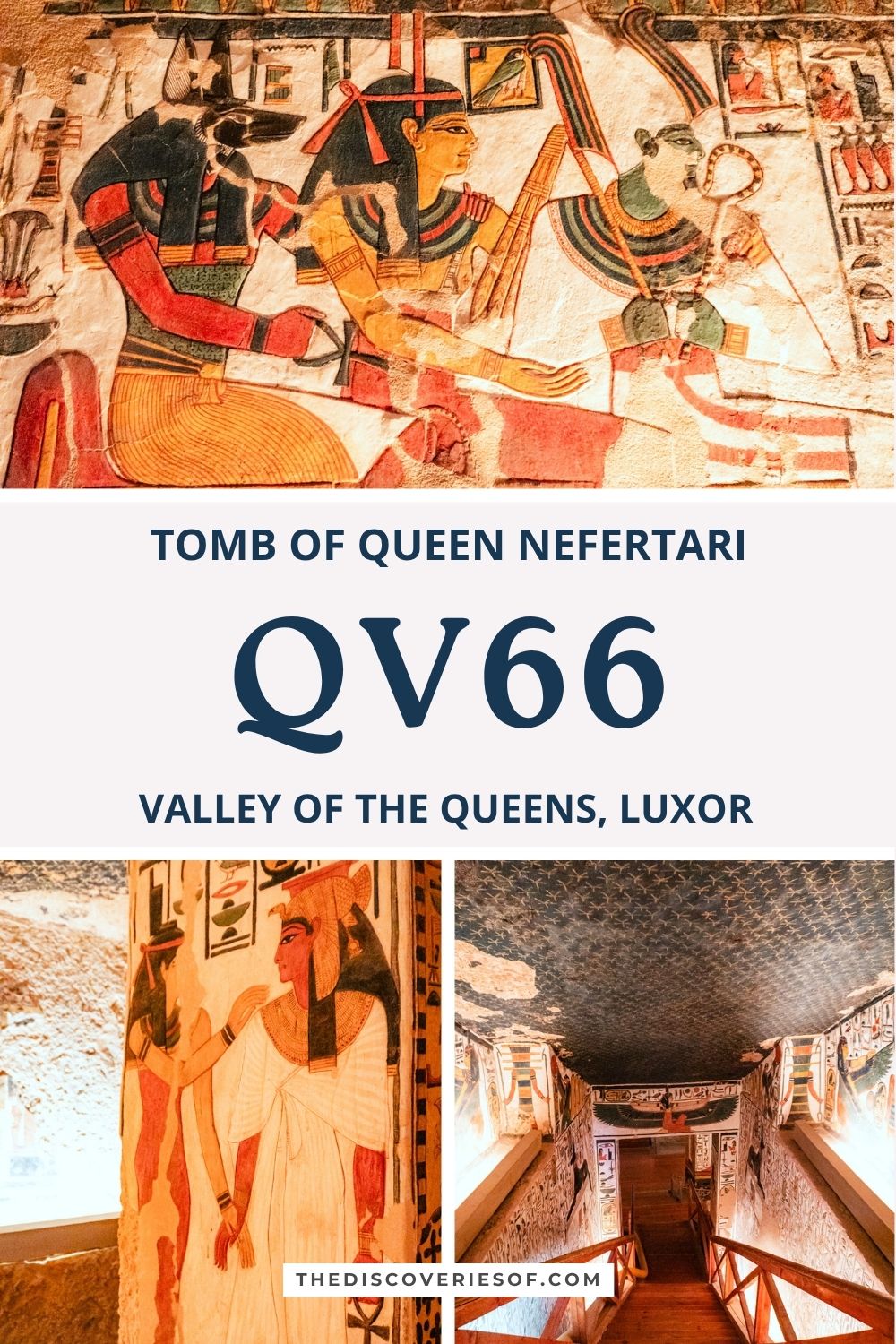
This lavish tomb is tucked away in the far less-visited Valley of the Queens and is one of Egypt’s most striking: a warren of vivid paintings that loom larger than life, underneath a ceiling of golden stars. It’s a sight to behold.
I saw a lot in Egypt that blew my tiny freaking mind, but Nefertari’s tomb was something else. I visited in June on a private tour of the West Bank, and I chose it over the tomb of Seti I.
Important: the tomb is currently closed indefinitely, and there’s no word on if or when it will reopen. Until it does, this guide covers what makes it so special, what you can see in the valley instead and how to plan your visit if it reopens.
Want to know more? Read on, my friends!
At a glance
- Where: the Valley of the Queens, on the West Bank of the Nile
- Tomb number: QV66
- Status: closed indefinitely, with no reopening date announced
- When it was open: it needed its own ticket on top of the standard valley ticket, with a 10-minute visit
- Valley of the Queens ticket: 220 EGP (110 EGP for students), including the other open tombs
- The alternative: the tomb of Seti I (KV17) in the Valley of the Kings, plus the other open tombs in this valley
Why visit Nefertari’s tomb?
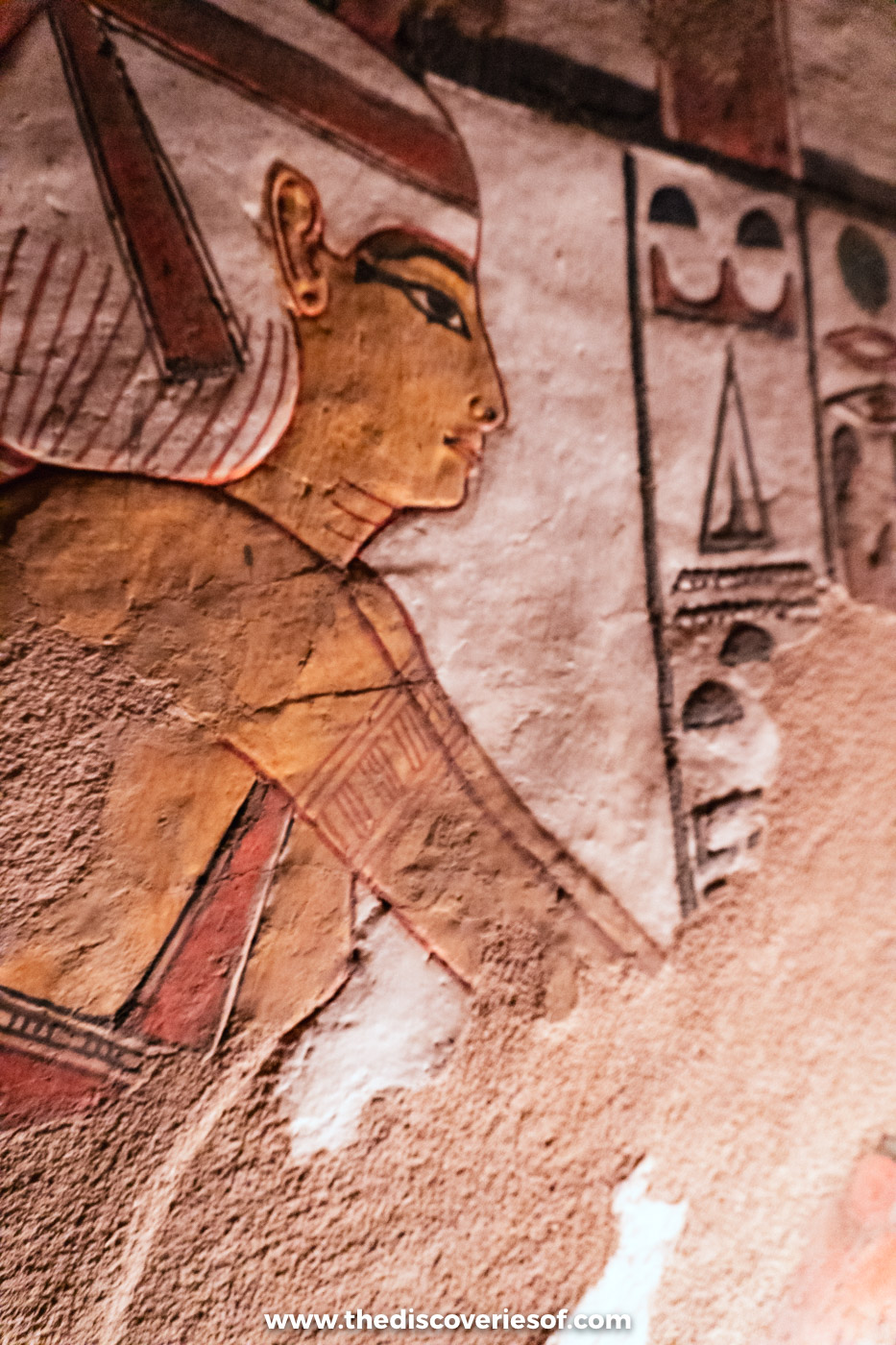
Why visit? How about the chance to see one of the most stunning tombs in the country?
Queen Nefertari was the beloved queen of Ramses II (also known as Ramses the Great), and he spared no expense on her tomb.
When I visited, it meant paying an extra 1,200 EGP for a short visit on top of the standard ticket. My verdict? Pay the extra money for Nefertari’s tomb: it’s absolutely worth it. The beautiful decorations and detailed artwork are like nothing else in Luxor.
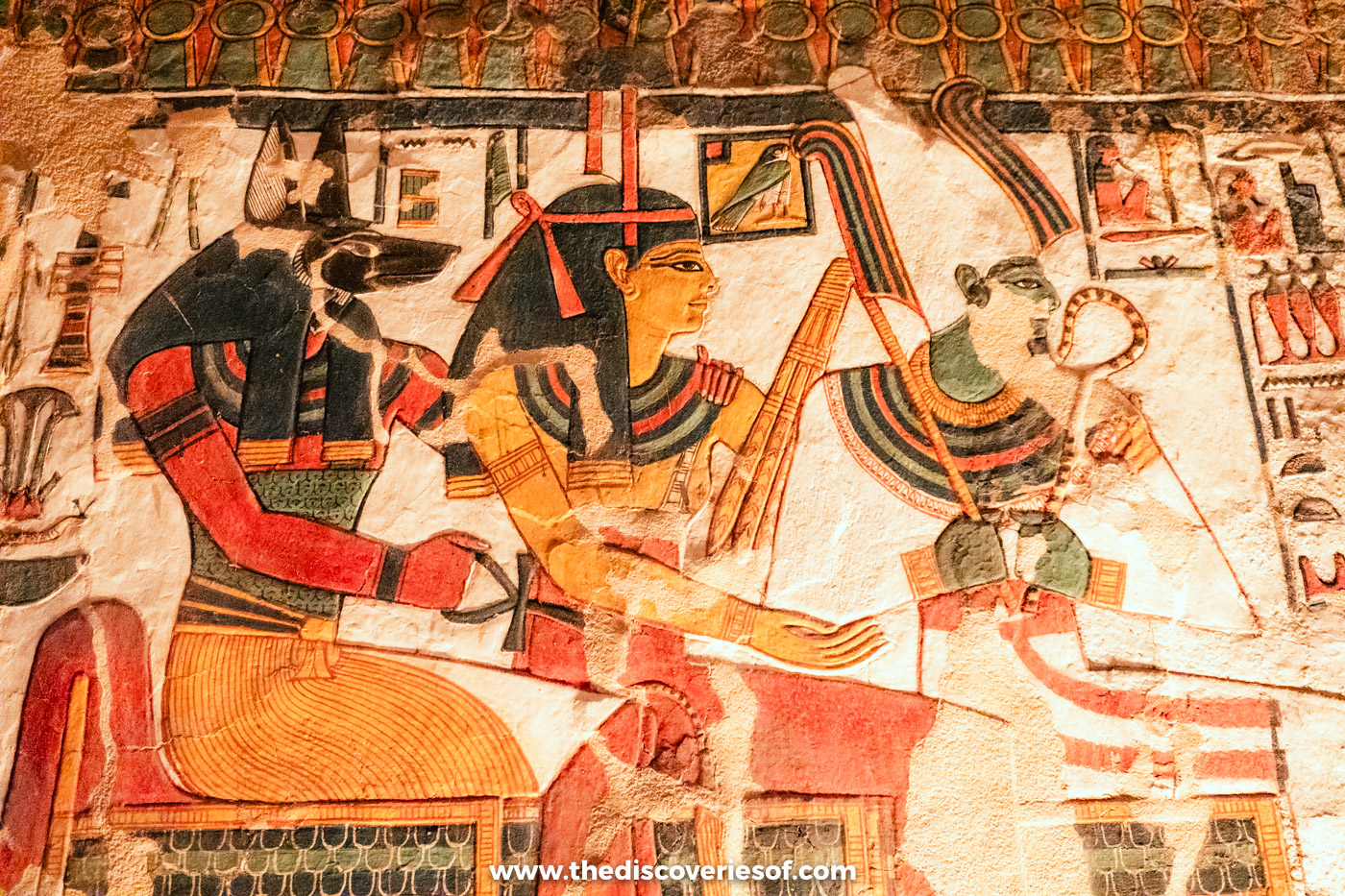
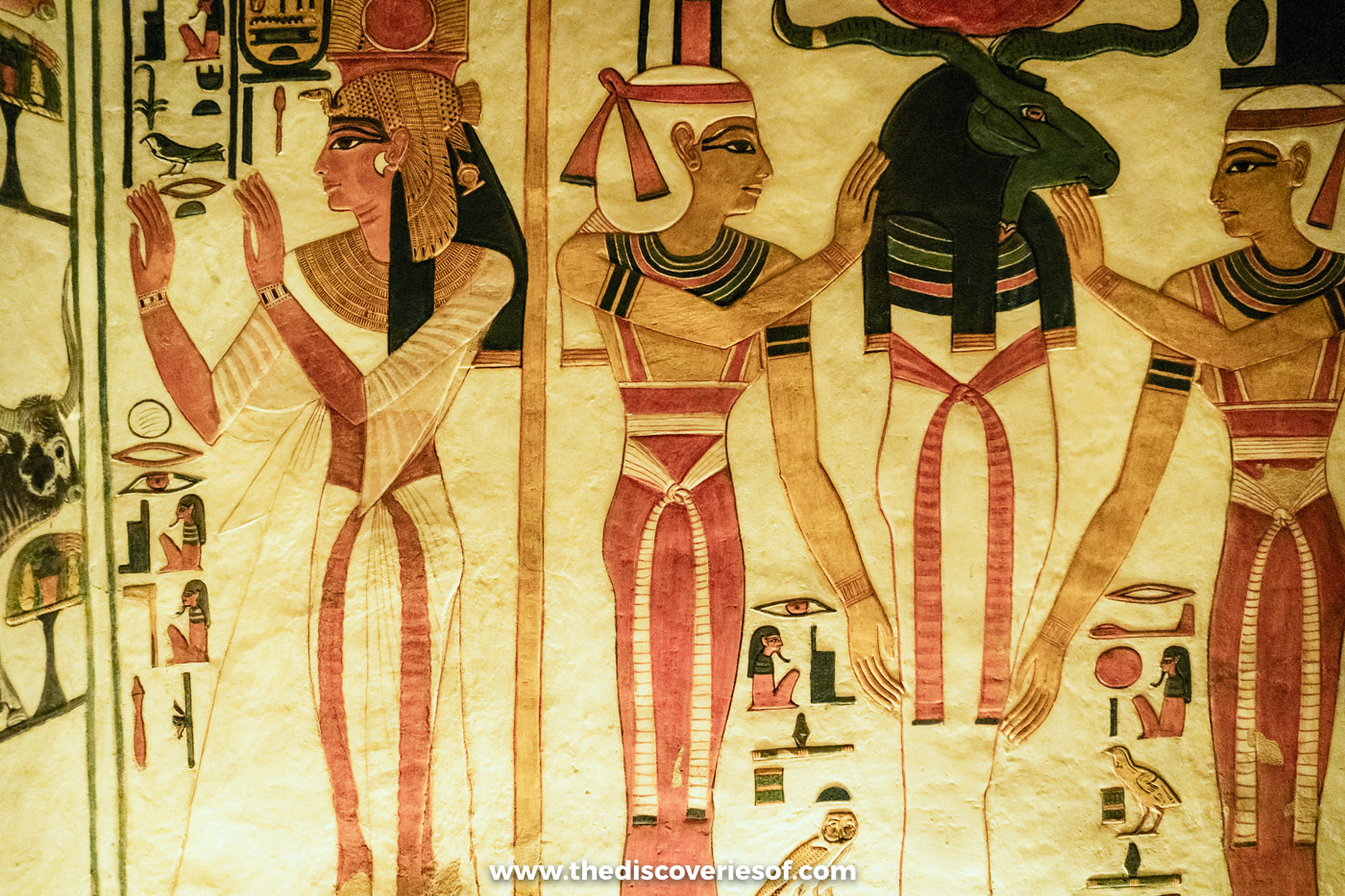
The well-preserved paintings in the tomb shed light on ancient Egyptian beliefs about the afterlife, making this one of the most important tombs ever found. Many scenes show the queen with the gods, along with texts from the Book of the Dead.
There’s also the significant bonus that the Valley of the Queens is much quieter than the Valley of the Kings. It was empty when I visited, so I could take my time without the constant jostling and crowding of the busier tombs.
Is the tomb open?
No. The tomb closed in March 2024 for urgent conservation work, and it has stayed closed since, with no word from the authorities on if or when it will reopen. It’s not the first time: the tomb’s fragile paintings have meant it has been closed or restricted for long periods since its discovery.
In the meantime, if you want one special tomb to splash out on, make it the tomb of Seti I (KV17) in the Valley of the Kings. It’s one of the longest and most beautifully decorated tombs in Egypt. And don’t skip the rest of this valley: its open tombs, including the brightly painted tomb of Khaemwaset (QV44), are included in the standard ticket.
A tomb for a beloved queen
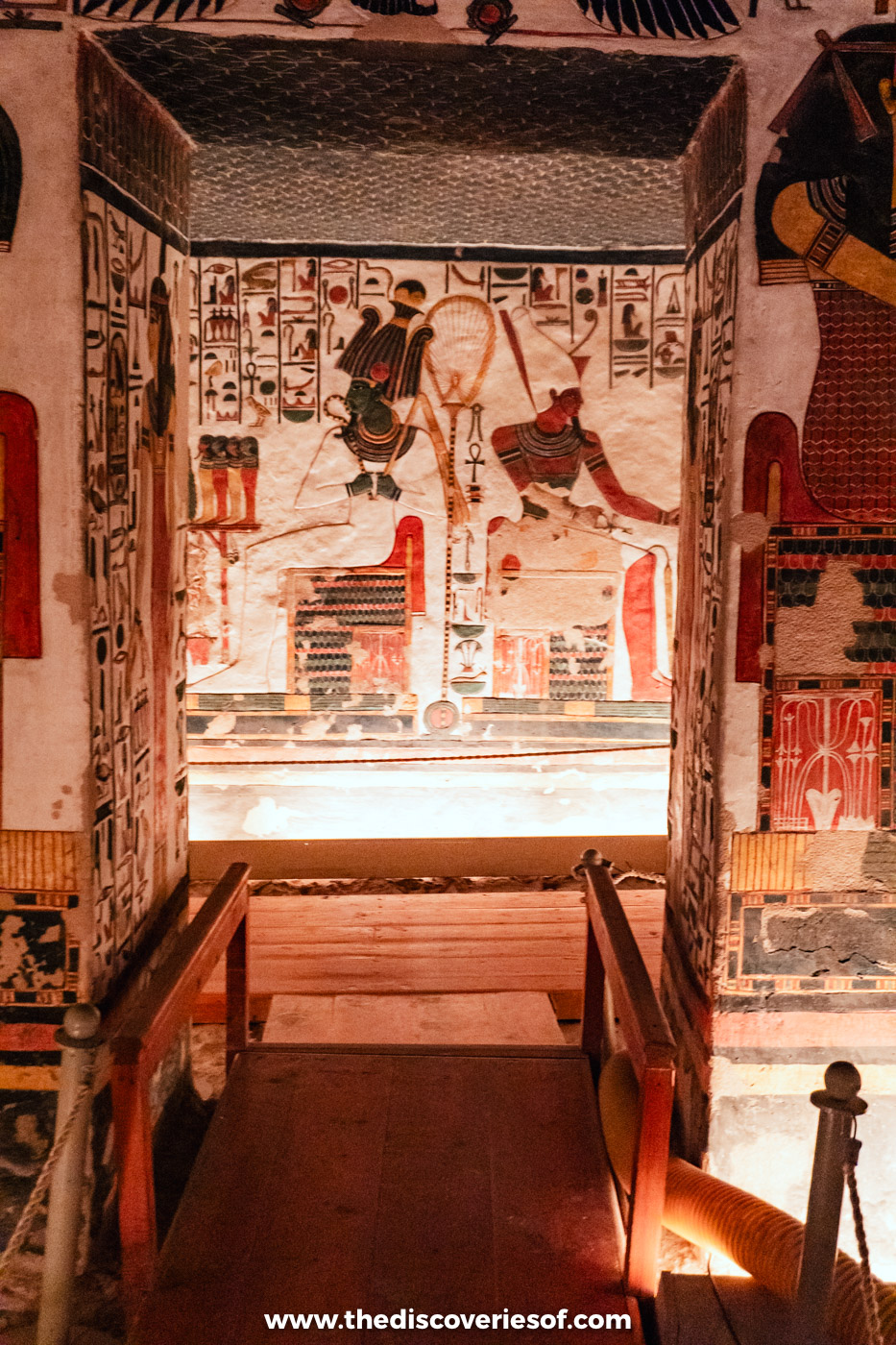
As one of the Great Royal Wives of Pharaoh Ramses II, Nefertari shared her husband with several other queens and many secondary wives, yet she remained his best-known consort. She married him before he came to the throne and died around 1255 BC, some 25 years into his reign.
Nefertari was Ramses’ first and most important queen, praised in inscriptions as “sweet of love”. At Abu Simbel, he dedicated a whole temple to her and the goddess Hathor, and the history of her tomb is just as fascinating as the tomb itself.
Building the tomb
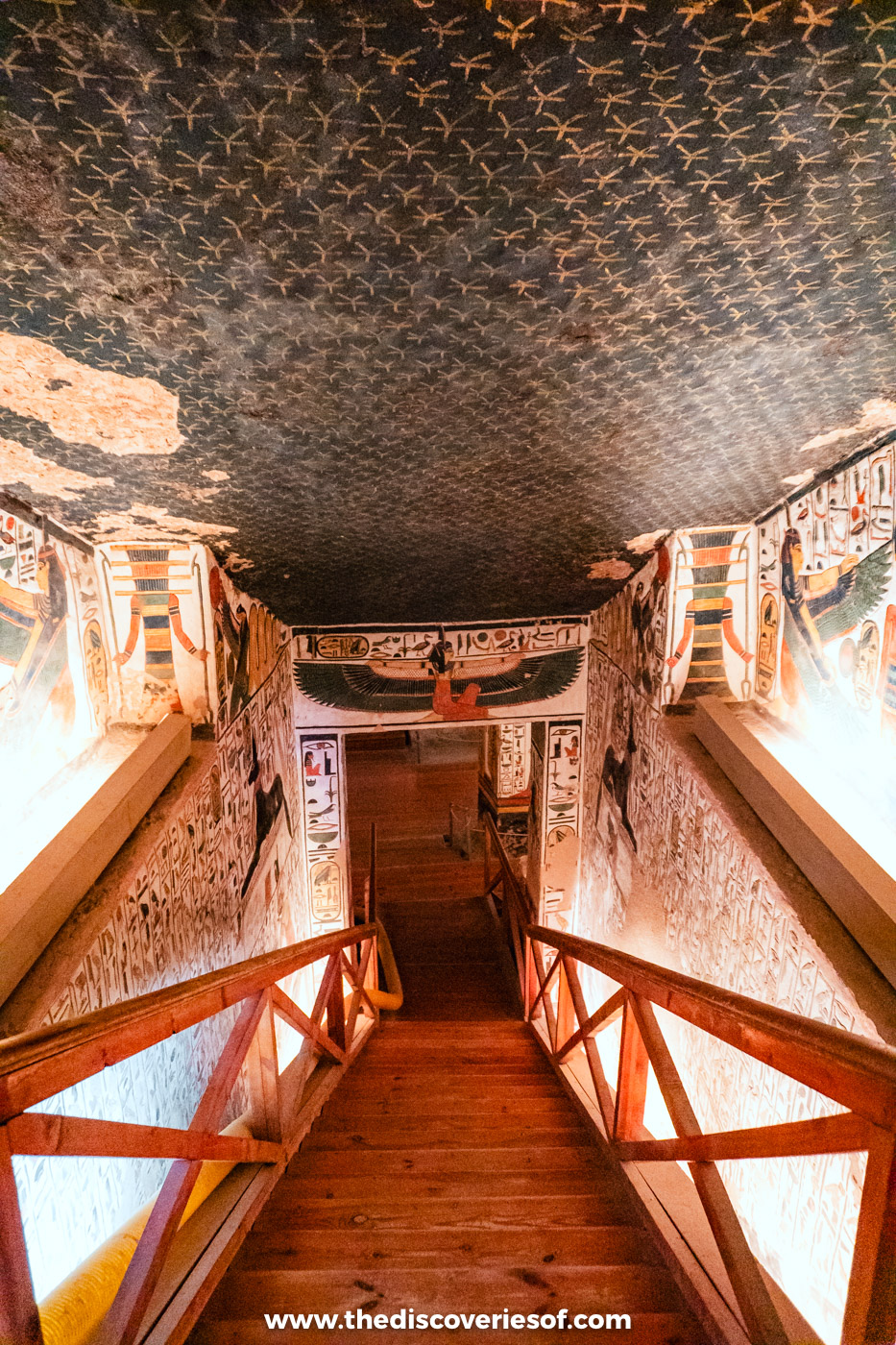
The tomb was cut and decorated in the first decades of Ramses II’s reign, as a tribute from the pharaoh. The workers responsible were the same craftsmen from the village of Deir el-Medina who cut and decorated the tombs in the Valley of the Kings.
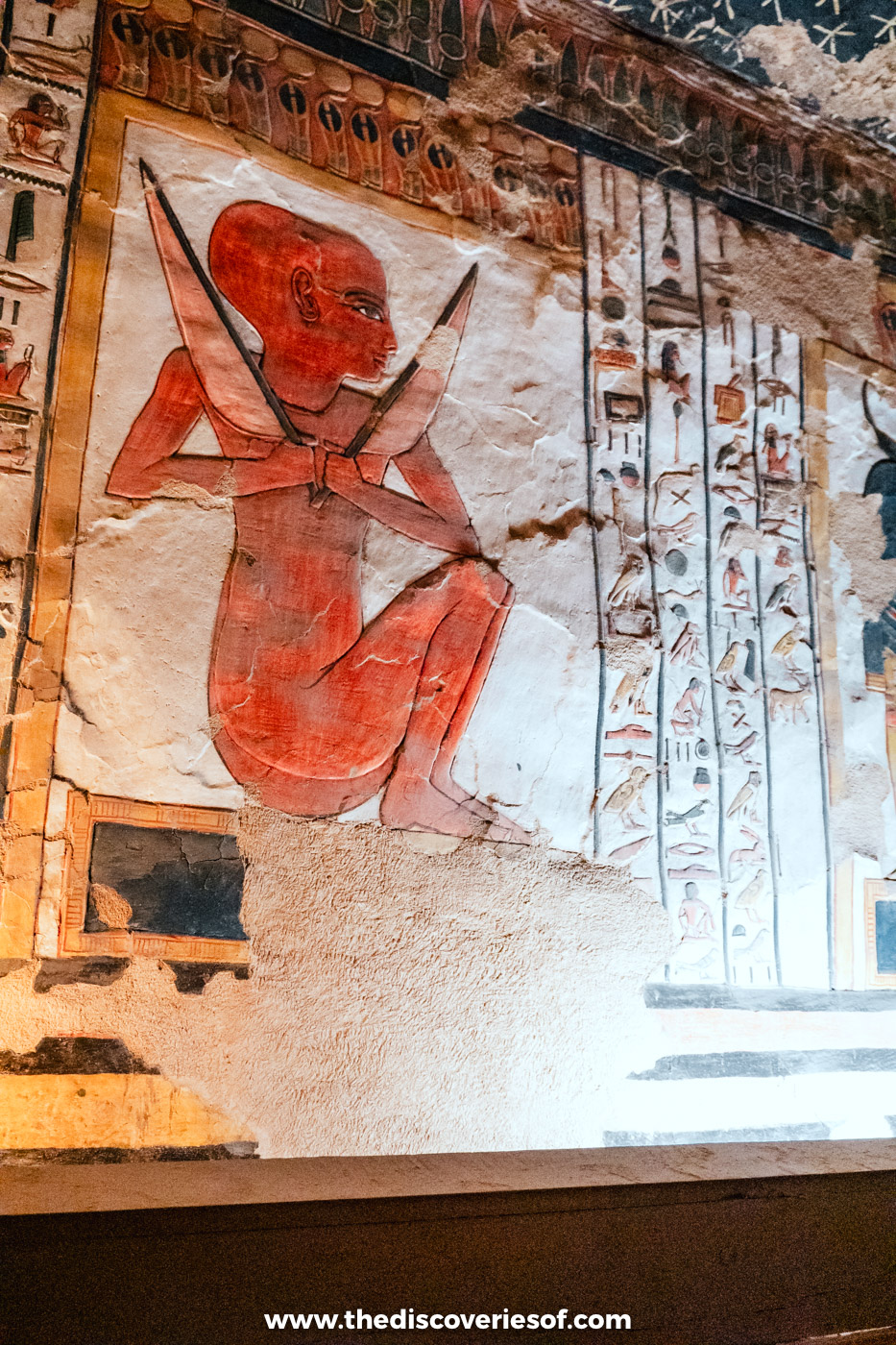
They carved the tomb out of the limestone hillside, then covered the poor-quality rock with plaster and modelled and painted the scenes in relief. Inside, you’ll see golden stars on deep blue ceilings and vivid paintings from wall to wall that follow the queen’s journey into the afterlife.
A beautiful scene of the queen playing a game of senet is a fascinating glimpse into the past.
These intricate decorations have earned Nefertari’s tomb the nickname “the Sistine Chapel of ancient Egypt”.
Decline and disrepair
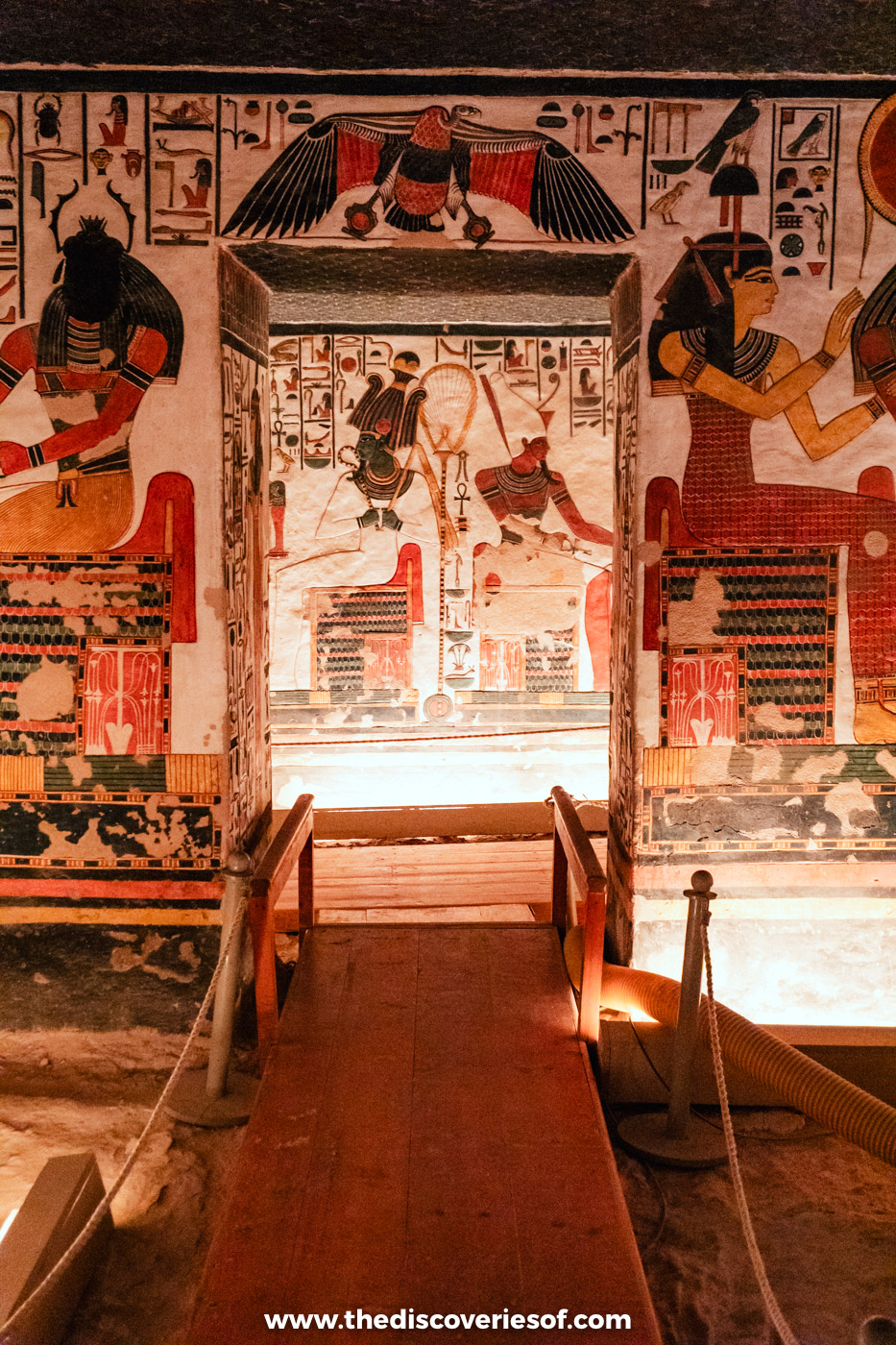
Like so many tombs here, the history of QV66 is no simple one.
As was the practice for all royal burials, Queen Nefertari would have been buried with everything she needed to continue in the afterlife. Yet by the time the tomb was rediscovered in the 20th century, it was all but empty.
The reason? Tomb robbers.
As royal power declined at the end of the New Kingdom, the royal tombs were no longer protected as they once were. By the beginning of the 21st Dynasty, robbers had plundered the tombs in the Valley of the Kings, and the queens’ valley suffered a similar fate.
By the time the queen’s tomb was found in 1904 by the Italian archaeologist Ernesto Schiaparelli, its contents had long been looted, and salt and water were destroying the plaster and paint.
All that remained were fragments of Nefertari’s pink granite sarcophagus, a pair of sandals, around 30 shabti figures, pieces of furniture and parts of her mummy’s legs, which are now in the Egyptian Museum in Turin. And, of course, the striking interior we see today.
Saving the paintings
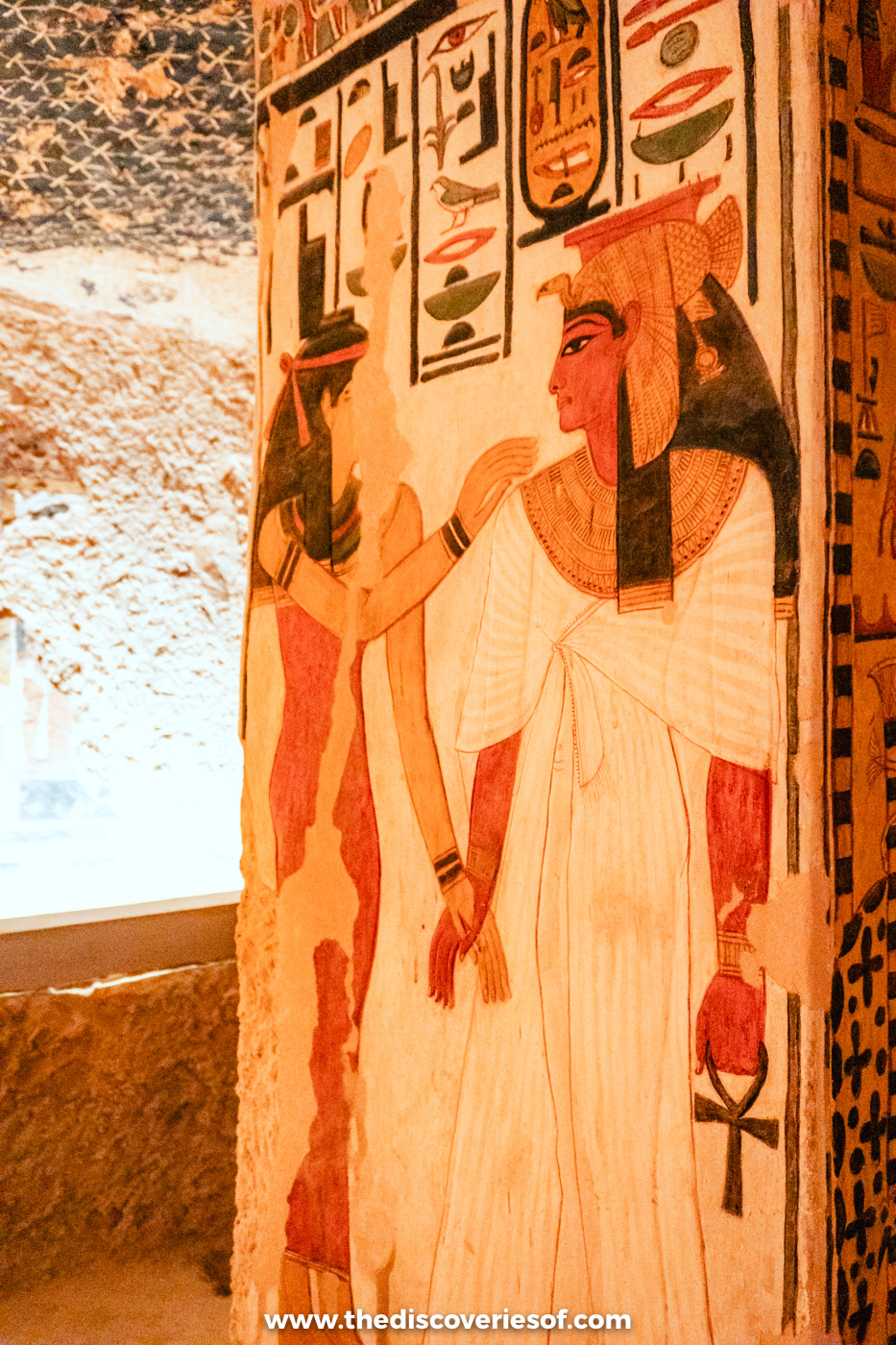
The tomb was closed to the public for decades because of its fragile condition. Between 1986 and 1992, the Egyptian Antiquities Organisation and the California-based Getty Conservation Institute carried out a major conservation project to clean and stabilise the paintings, at a cost of about $2 million.
The tomb reopened to visitors in the mid-1990s with strict limits on numbers, and access has been restricted on and off ever since: for years, only small private groups could visit, before it reopened with a costly ticket. The Getty Conservation Institute still monitors its condition today.
Planning your visit
Guided tours
The most convenient way to explore the Valley of the Queens is on an organised tour. These tours still visit the valley’s open tombs while the queen’s tomb is closed:
Day trip
Do as I did and book a private tour of the West Bank, like this private tour of the Valley of the Kings and the Valley of the Queens:
- Explore the Valley of the Kings, the Valley of the Queens, the Mortuary Temple of Hatshepsut and the Colossi of Memnon.
- A private Egyptologist guide and private transport.
- Includes hotel pick-up, entrance fees and lunch at a local restaurant.
- QV66 is offered as an add-on when it’s open.
Multi-day trip
Hop on board a Nile cruise from Luxor:
- Seven nights on a five-star cruise ship, stopping at the great sites on the way to Aswan.
- A hot air balloon ride and entrance fees are included.
- Explore Luxor, Aswan and Abu Simbel.
- Led by a tour guide, with meals on board.
Going it alone
You can also visit the valley on your own. Here’s how to get there from the main bases.
Entrance fees
The Valley of the Queens ticket costs 220 EGP (110 EGP for students) and includes the open tombs on the day. The queen’s tomb always needed an additional ticket. When I visited, it cost 1,200 EGP, and the last price before it closed was 2,000 EGP. It was also included in the premium Luxor Pass.
Ticket offices at the archaeological sites here are now cashless, so bring a bank card. When I went, the card machine at the Nefertari ticket office was broken, so I had to pay in cash, and there’s no ATM nearby. Carry a backup card and some cash just in case.
Luxor
If you’re staying on the East Bank, a taxi to the valley takes about 40 minutes over the road bridge. Agree the fare, including waiting time, before you set off. Alternatively, take the public ferry across the Nile and a taxi from the West Bank landing.
Aswan
From Aswan, the train or a private car to Luxor takes around three to four hours. Most travellers spend at least a night here rather than trying to do it as a day trip, then catch a taxi to the valley.
Cairo
If you’re staying in Cairo, the quickest way is the one-hour direct flight. The overnight sleeper train is the alternative, but it takes around ten hours.
Tip: Use Skyscanner to compare flights.
Nefertari tomb address
Address: QV66, Valley of the Queens, West Bank, Luxor Governorate, Egypt.
Opening times
The valley is open daily from 6am to 5pm, with earlier closing on some winter schedules and during Ramadan. Check the board at the ticket office for the tombs open that day.
Where to stay
El Mesala Hotel is where I stayed. It’s on the West Bank, by the ferry landing, so you’re a short drive from both valleys.
On the East Bank, the Nefertiti Hotel is a long-running, well-reviewed budget hotel a few minutes’ walk from Luxor Temple, with a rooftop terrace overlooking the Nile.
Alternatively, check all accommodation in Luxor or read my guide to where to stay in Luxor.
What to pack
To make the most of your trip to the valley, bring a few essentials. And because we’re talking about Egypt, don’t forget to lather on your sun cream!
Also bring a hat, plenty of water and comfortable shoes, as you’ll explore the tombs on foot. Read more about what to wear in Egypt to prepare for your journey.
Tips while the tomb is closed
- Splurge on Seti I instead: the tomb of Seti I (KV17) in the Valley of the Kings costs 2,000 EGP on top of the standard ticket and is one of the most beautifully decorated tombs you can visit right now.
- Don’t skip the valley: the open tombs of Khaemwaset (QV44), Queen Tyti (QV52) and Amenherkhepshef (QV55) are included in the 220 EGP ticket and have some of the brightest paintings on the West Bank.
- Go early: there’s very little shade in the valley, and the West Bank gets fiercely hot by late morning.
- Combine it with the Valley of the Kings: the two valleys and the Mortuary Temple of Hatshepsut fit easily into one morning.
- Check before you go: if the tomb does reopen, the news will reach the ticket office and local guides first, so ask at your hotel or check with your tour company before you go.
Watch my Luxor video
Subscribe on YouTube and discover new destinations.
Map
The tomb of Queen Nefertari, Luxor: read next
- Visiting the Valley of the Queens: a practical guide
- Tomb of Khaemwaset (QV44): a visitor’s guide
- Visiting Luxor’s Valley of the Kings
- The ultimate Egypt itinerary
- Top sights and attractions in Egypt
- What to pack for your trip to Egypt
- How much does it cost to visit Egypt?
- Unmissable things to do in Luxor
- How to plan a visit to Luxor Temple
- Why you should book a hot air balloon ride in Luxor
Love this? Save and share on Pinterest

Discover the top things to do, insider tips and hidden gems in our Egypt Travel Guide.
Read the guides →