Wondering where to stay in Tucson? From the University district, where I stayed, to downtown, the west side by Saguaro National Park, the Catalina Foothills, Sabino Canyon and Oro Valley, this guide covers the best areas and hotels for your trip.
Tucson is a relaxed desert city a couple of hours south of Phoenix, ringed by mountains and forests of giant saguaro cacti. It has one of the best food scenes in the Southwest (it was the first city in the US to be named a UNESCO City of Gastronomy), a historic core of adobe streets, and the two halves of Saguaro National Park on either side of town. Whether you’re passing through on an Arizona road trip or making it your base for exploring the south of the state, where you stay matters: the city is spread out, and the sights you’ll want to see are scattered all around it.
I stayed at the Graduate by Hilton Tucson in February, a cool hotel in a great location by the University of Arizona, with a gorgeous rooftop pool and nice mountain views. This guide covers that area and the other best places to stay in Tucson, what there is to see and do in each, and the hotels to book.
The best places to stay in Tucson at a glance
| Category | Hotel |
|---|---|
| Where I stayed (best overall) | Graduate by Hilton Tucson |
| Best for history and nightlife | Hotel Congress |
| Best for easy access | voco The Tuxon |
| Best for a unique stay | Hacienda del Sol Guest Ranch Resort |
| Best for views | The Ritz-Carlton, Dove Mountain |
The best areas to stay in Tucson
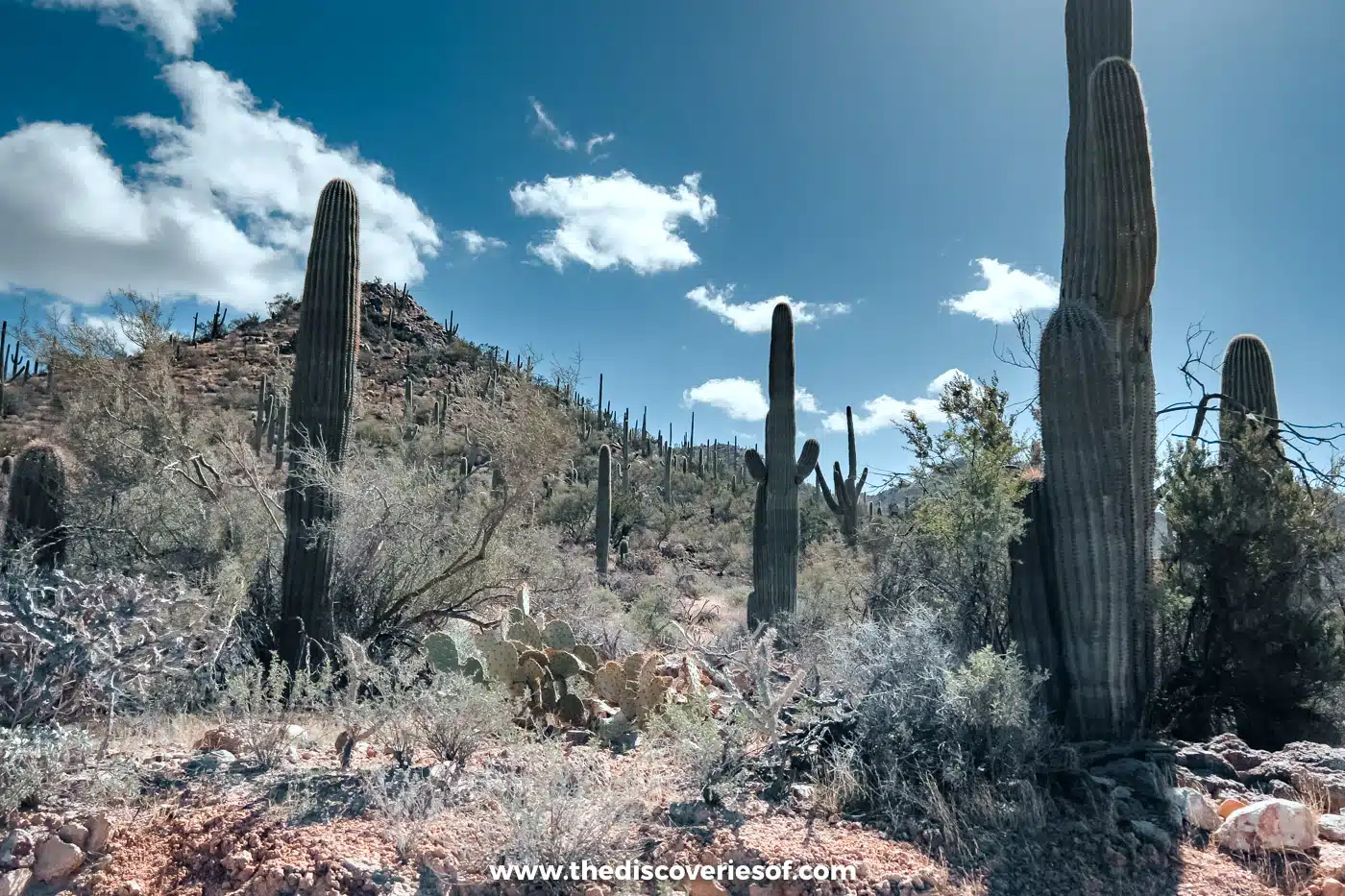
Tucson is laid-back, but its neighbourhoods feel very different from one another. The University district and Fourth Avenue are young and lively, downtown is the historic heart of the city, and the west side sits right by Saguaro National Park West and the Arizona-Sonora Desert Museum. To the north, the Catalina Foothills, Sabino Canyon and Oro Valley are where you’ll find the big resorts, the golf courses and some of the best hiking in southern Arizona.
For a first visit, I’d stay in the University district or downtown, both walkable and linked by the Sun Link streetcar. If you’re here mainly for the desert and the hiking, or you want a resort with a pool to come back to, look further out.
University and Fourth Avenue: a lively base for first-timers

The streets around the University of Arizona are where I stayed, and they make a brilliant first base in Tucson. Main Gate Square, at the western edge of the campus, is packed with cafes, bars and restaurants, and Historic Fourth Avenue, about 15 minutes’ walk west (or a few stops on the streetcar), is one of the most characterful streets in the city, lined with independent shops, vintage stores, bars and places to eat. Its street fair, held twice a year, takes over the whole avenue.
The streetcar runs from here along Fourth Avenue to downtown and the Mercado District, so you can leave the car at the hotel in the evenings. You’ll still want one for the sights out of town: Saguaro National Park West is about half an hour’s drive away, and the start of the Catalina Highway up Mount Lemmon is about 25 minutes.
University and Fourth Avenue highlights
The University of Arizona

Visiting a university campus might seem an odd choice, but there’s plenty to do here. The Center for Creative Photography holds one of the most important photography archives in the US, and the Flandrau Science Center and Planetarium has shows under its dome. (The Arizona State Museum’s exhibition building has been closed for repairs since August 2024, with no reopening date yet.) The campus itself, with its red-brick buildings and cactus gardens, is lovely for a stroll.
Arizona History Museum
Right across 2nd Street from the Graduate, the Arizona History Museum tells the story of southern Arizona, from the Spanish missions and the presidio to the mining towns and ranches of the territorial era. It’s open from Tuesday to Saturday, 10am to 3pm, and entry is $12 for adults.
The Rock
The Rock, a music venue on Park Avenue a short walk from the main gate, is the place for a night out, with touring rock, metal and hip-hop acts. It announced its closure in late 2025 but reversed the decision and has kept putting on shows since, so check The Rock’s listings for what’s on.
Prep & Pastry
Prep & Pastry is a great breakfast spot. Expect a short wait for a table, but it’s definitely worth it. The original branch is on Campbell Avenue, about five minutes’ drive north of the campus (there’s a second on Grant Road on the east side), and both are open daily from 7am to 3pm.
Tito & Pep

Tito & Pep, about 10 minutes’ drive east of campus on Speedway Boulevard, was one of my top five picks in Tucson: a fantastic spot for contemporary Southwestern food, cooked over a mesquite fire, with brilliant cocktails made with local ingredients. It’s open for dinner daily from 5pm to 9pm, with brunch at weekends. Book ahead.
Suggested hotels in the University district
Graduate by Hilton Tucson
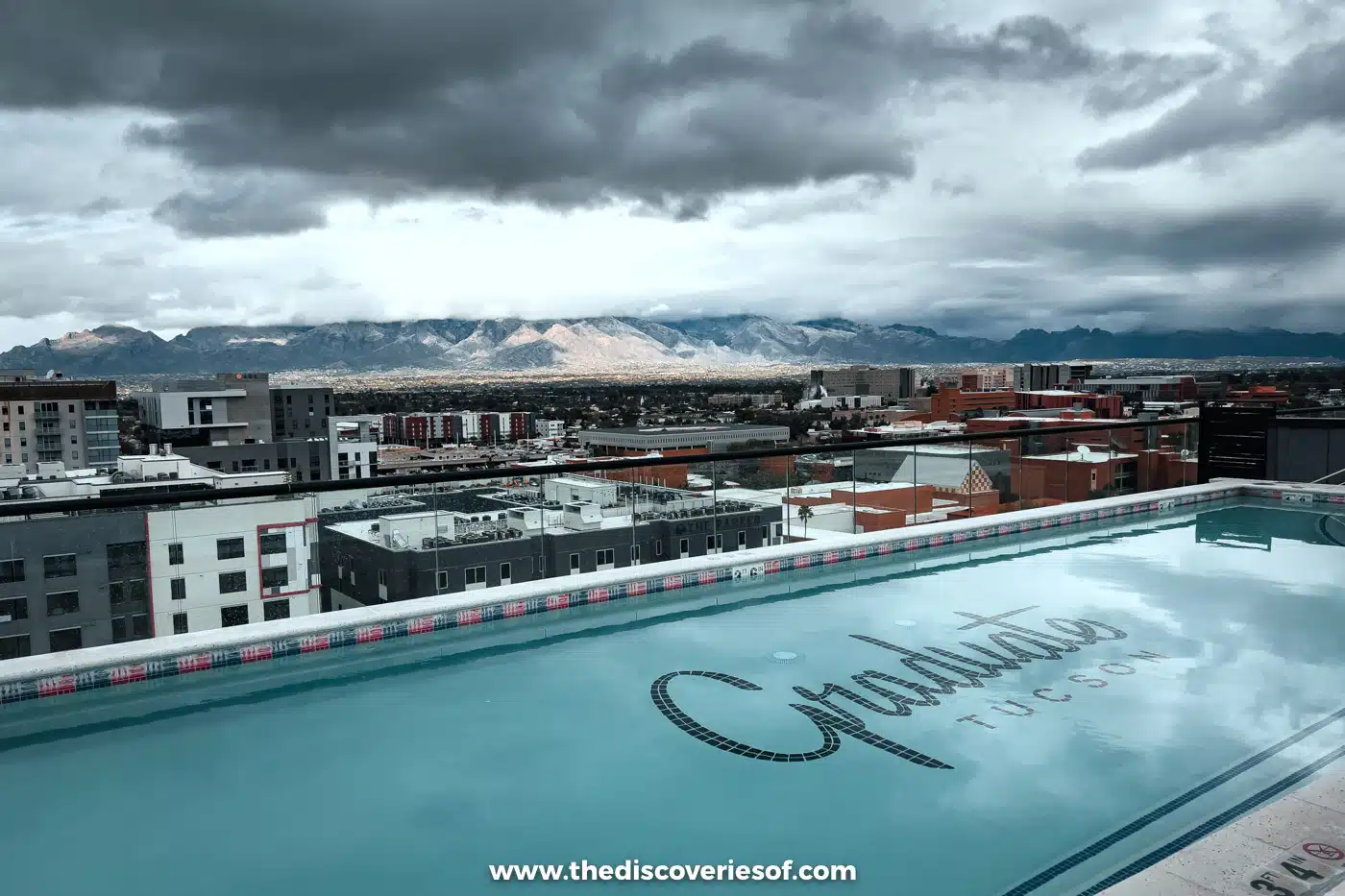
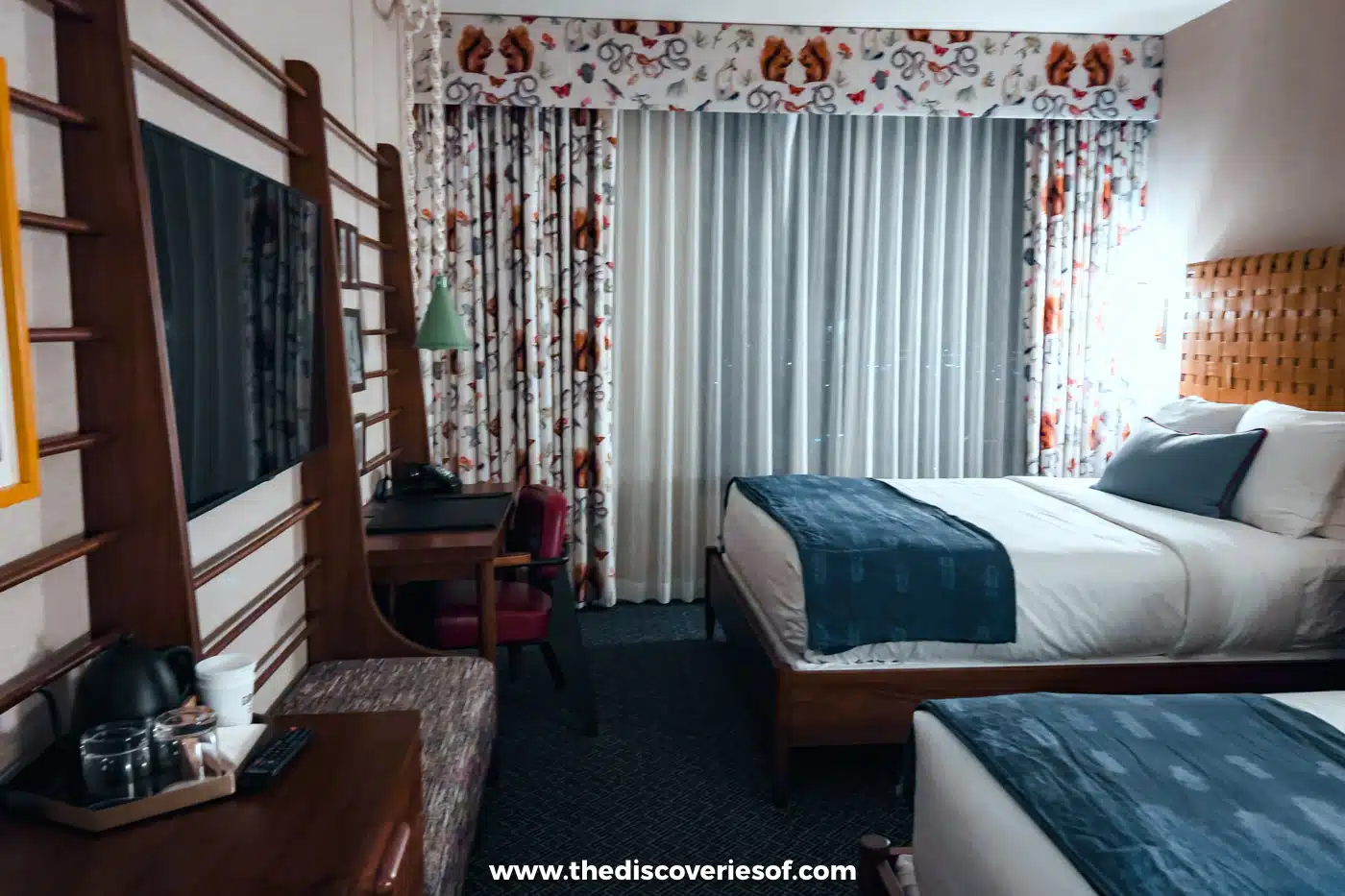
I stayed at the Graduate by Hilton Tucson, a cool hotel in a great location on East 2nd Street, at Main Gate Square by the university. The rooms are relatively spacious, with nice mountain views, and the quirky decor has little nods to the Graduate theme: retro meets contemporary. The highlight is the roof, with a gorgeous rooftop pool for guests and a late-night rooftop bar and restaurant, The Moonstone, which stays open until midnight every night.
Arizona Inn
For a historic, garden-filled stay, book the Arizona Inn, built in 1930 by Isabella Greenway, Arizona’s first congresswoman. It’s set in 14 acres of landscaped gardens in a quiet residential street a few minutes’ drive from campus, with a heated outdoor pool among the palms that’s open all year.
Tucson Marriott University Park
Tucson Marriott University Park is a reliable, modern option a few doors along 2nd Street from the Graduate, steps from Main Gate Square, with an outdoor pool and a restaurant and lobby bar. It’s a good choice if the Graduate is full.
Downtown Tucson: history, nightlife and the best restaurants
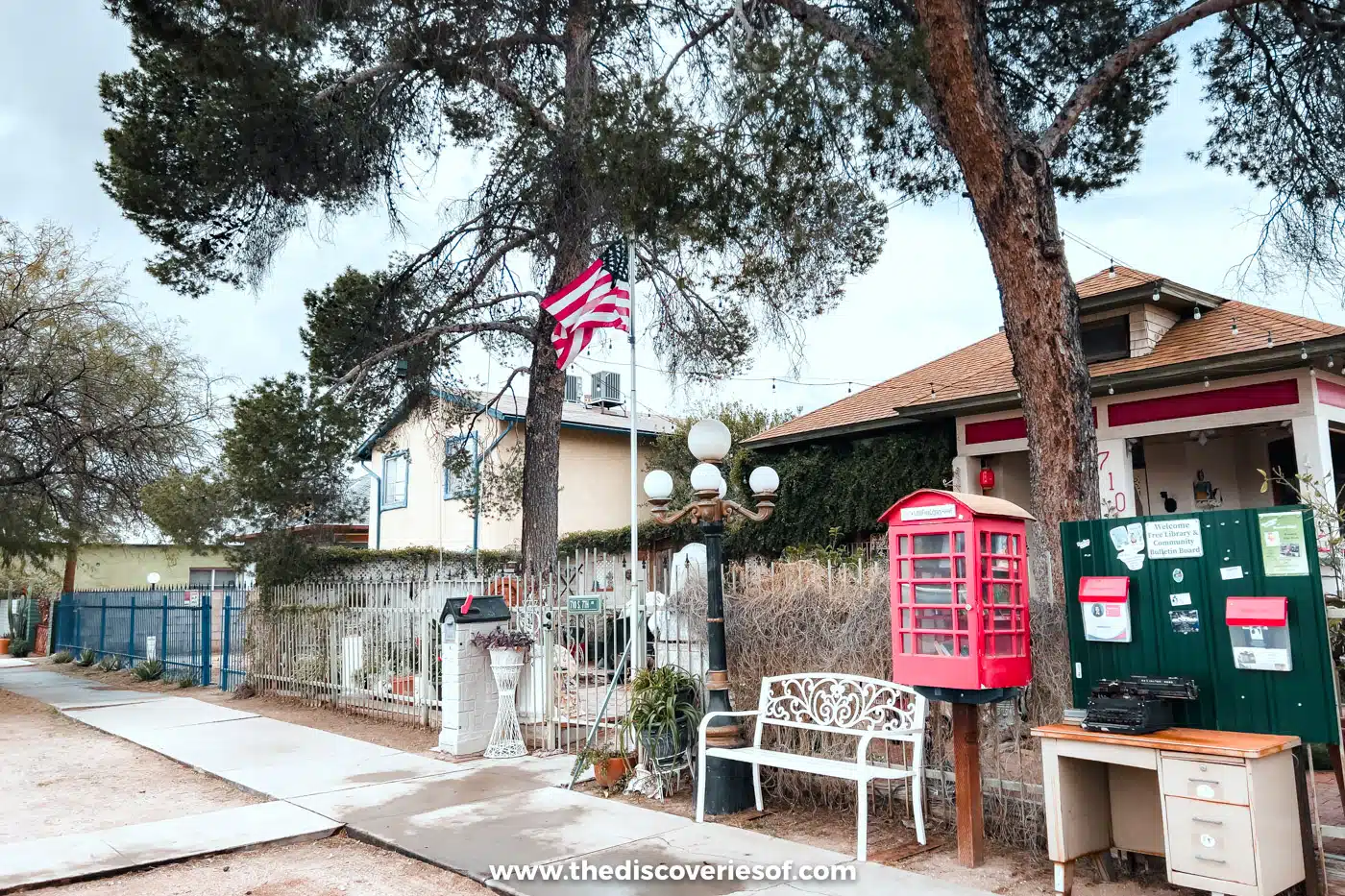
Downtown is the historic heart of Tucson and the best place to stay if you want restaurants, bars and live music on your doorstep. Congress Street is the main drag, lined with bars, restaurants and the Rialto and Fox theatres, and around it are the old El Presidio district, where the Spanish fort stood, and Barrio Viejo, Tucson’s oldest neighbourhood. The streetcar links it all to Fourth Avenue and the university, and to the Mercado District just west of the freeway.
It’s also central for exploring: Tucson Mountain Park is about 8 miles west, Saguaro National Park West about half an hour’s drive, and Mission San Xavier del Bac about 9 miles south.
Downtown highlights
Barrio Viejo
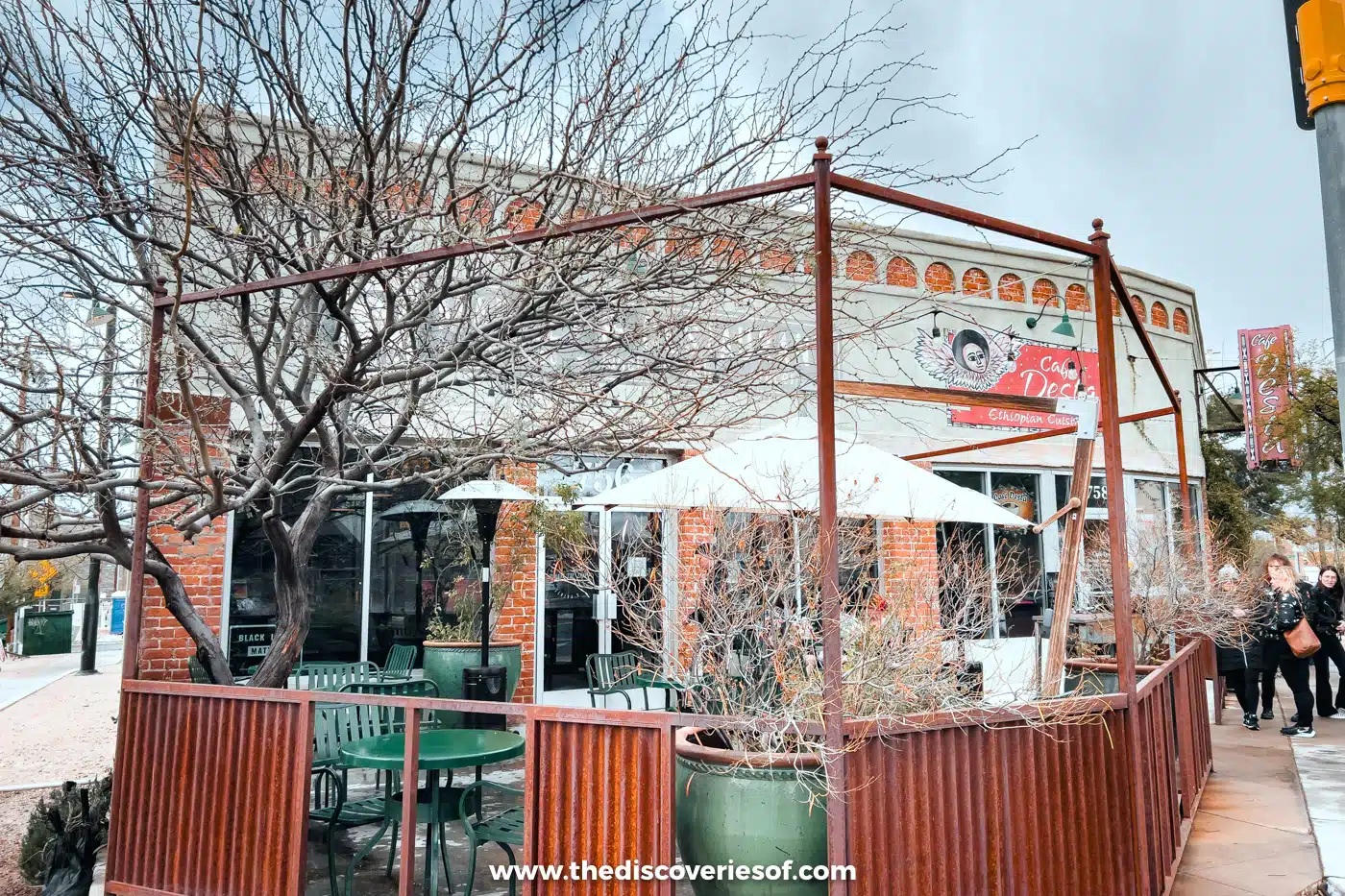
Barrio Viejo, Tucson’s oldest neighbourhood, is a cluster of low-rise adobe-style buildings and cacti-lined streets, painted in sun-faded pinks, yellows and blues. It was one of my top five picks in Tucson, and the best way to get a feel for old Tucson is simply to wander. It’s still a lived-in neighbourhood (and is now bidding to become a National Historic Landmark), so be respectful when taking photos. The restored Teatro Carmen, a historic Spanish-language theatre, is reopening in stages, with its patio due to open first.
El Tiradito wishing shrine
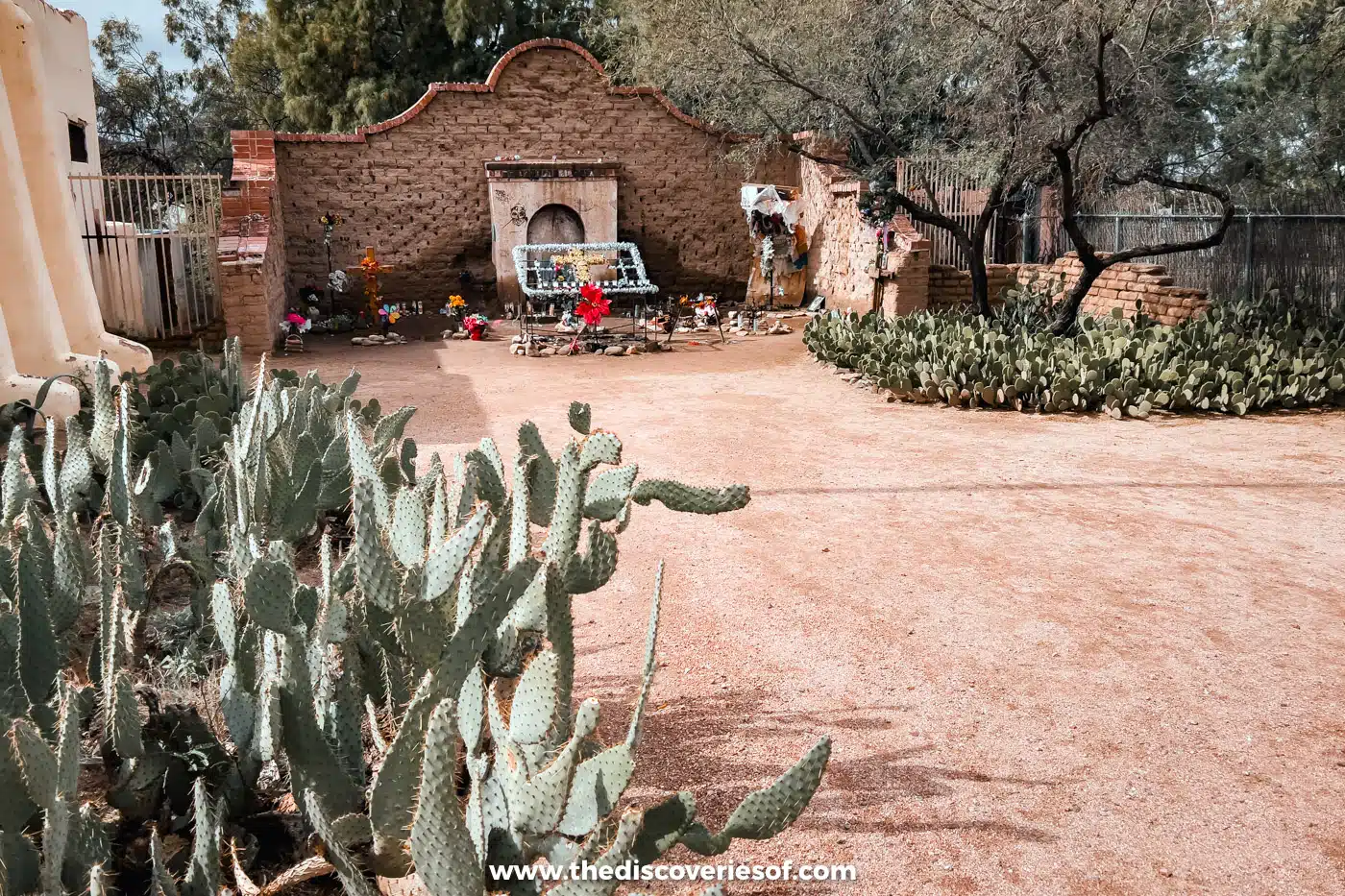
On the edge of Barrio Viejo, on South Main Avenue next to the historic El Minuto Cafe, El Tiradito is a crumbling adobe shrine where people make wishes and leave offerings for love, health and happiness. It’s one of the most atmospheric spots in the city, and it’s free to visit.
St Augustine Cathedral

A few blocks north of Barrio Viejo on Stone Avenue, St Augustine Cathedral’s striking cream and white exterior stands out among the city’s largely unremarkable architecture. The cathedral dates from 1897, and its ornate cast-stone facade, added in 1928, is in the Mexican baroque style, modelled on the cathedral in Querétaro. It’s still a functioning cathedral, so check whether there’s a service before you go inside.
Tucson Museum of Art and El Presidio

Whether you’re an art lover or not, the Tucson Museum of Art is worth a visit for its collections of Latin American, Western and contemporary art, spread across a modern gallery and a block of restored historic houses. It’s open from Wednesday to Sunday, 10am to 5pm (entry $15, or pay what you wish on the first Friday of the month).
It sits in El Presidio, the oldest part of the city, where the Spanish built their fort in 1775. A couple of blocks away, the Presidio San Agustín del Tucson Museum has a reconstructed corner of the fort’s adobe walls (open Tuesday to Sunday, 10am to 4pm, from October to April; $9 for adults). Note that it closes for much of the summer.
Cup Cafe

Cup Cafe, off the lobby of Hotel Congress on Congress Street, does insanely good (and hearty) breakfasts. It’s open daily from 8am to 9pm, closing between 2pm and 4pm.
Suggested hotels in downtown Tucson
Hotel Congress

For a stay with a story, book Hotel Congress, a century-old downtown landmark where the Dillinger gang was captured in 1934. Its 40 rooms keep their vintage character, with old radios and no TVs, and the hotel is the hub of downtown nightlife, with Cup Cafe, the Tap Room bar and the Club Congress music venue on site. Club Congress can be loud late at night, so ask for a quieter room (earplugs are available at the front desk).
AC Hotel Tucson Downtown
The sleek, modern AC Hotel by Marriott Tucson Downtown is on Broadway Boulevard in the middle of downtown, about three minutes’ walk from the Rialto Theatre, one of the city’s best music venues. It has a rooftop pool with sunset views and a poolside bar.
The Downtown Clifton
Looking for a cheaper place to stay without giving up on style? The Downtown Clifton is a small boutique hotel with a retro colour palette, about a 10-minute walk south of Congress Street, close to Barrio Viejo and the Armory Park neighbourhood.
West Tucson: for Saguaro National Park and the Desert Museum
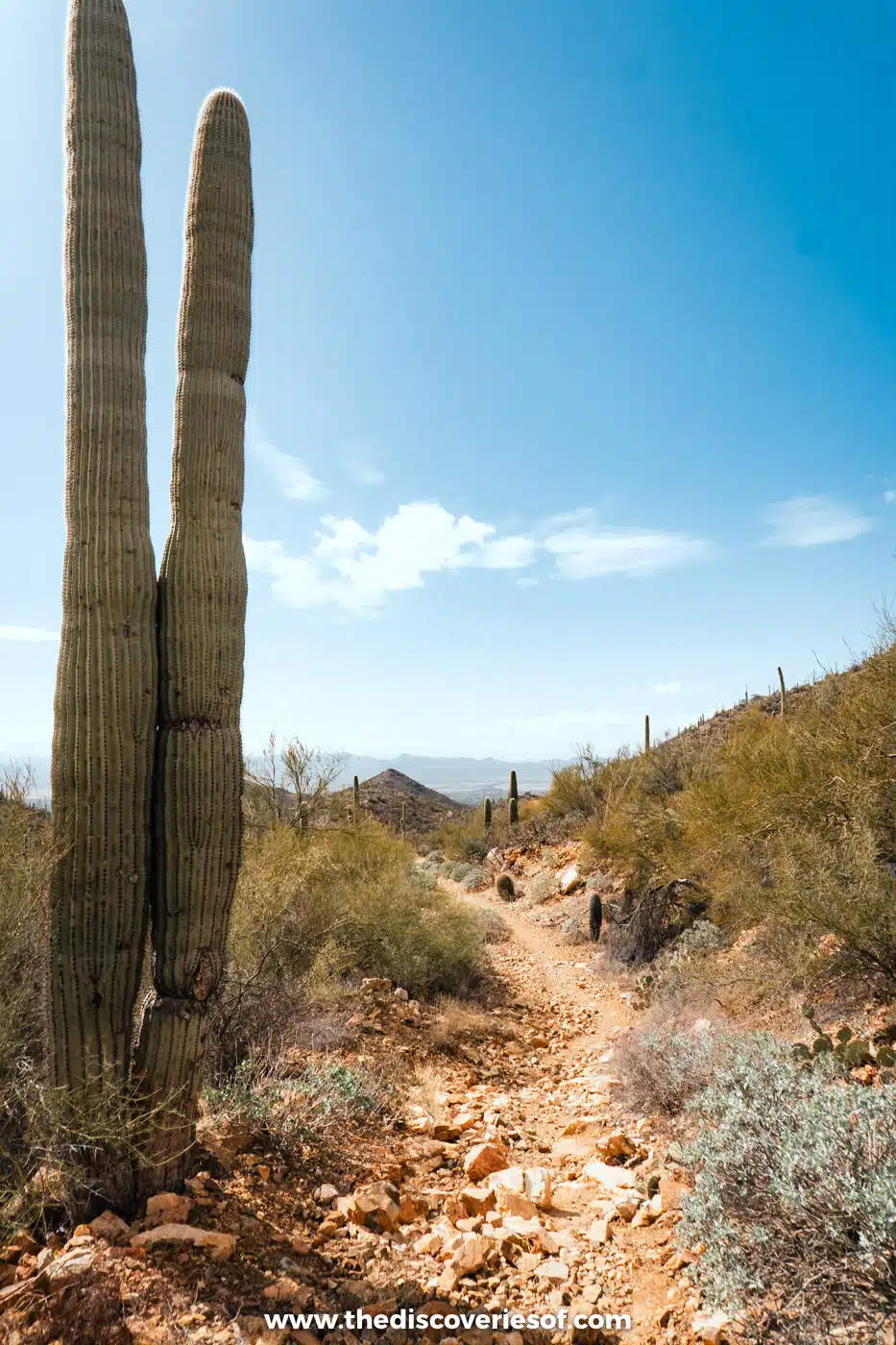
West of the freeway and the Santa Cruz River, the city gives way to the Tucson Mountains, and this is the place to stay if you’re in town for the desert. Tucson Mountain Park, Saguaro National Park West (the Tucson Mountain District) and the Arizona-Sonora Desert Museum are all within a 30-minute drive, and the road over Gates Pass is one of the most scenic in the area.
There’s less going on in the evenings than downtown, but the hotels here range from a revamped motor lodge just across the freeway from the centre to a full-blown golf resort on the edge of the desert.
West Tucson highlights
Saguaro National Park West
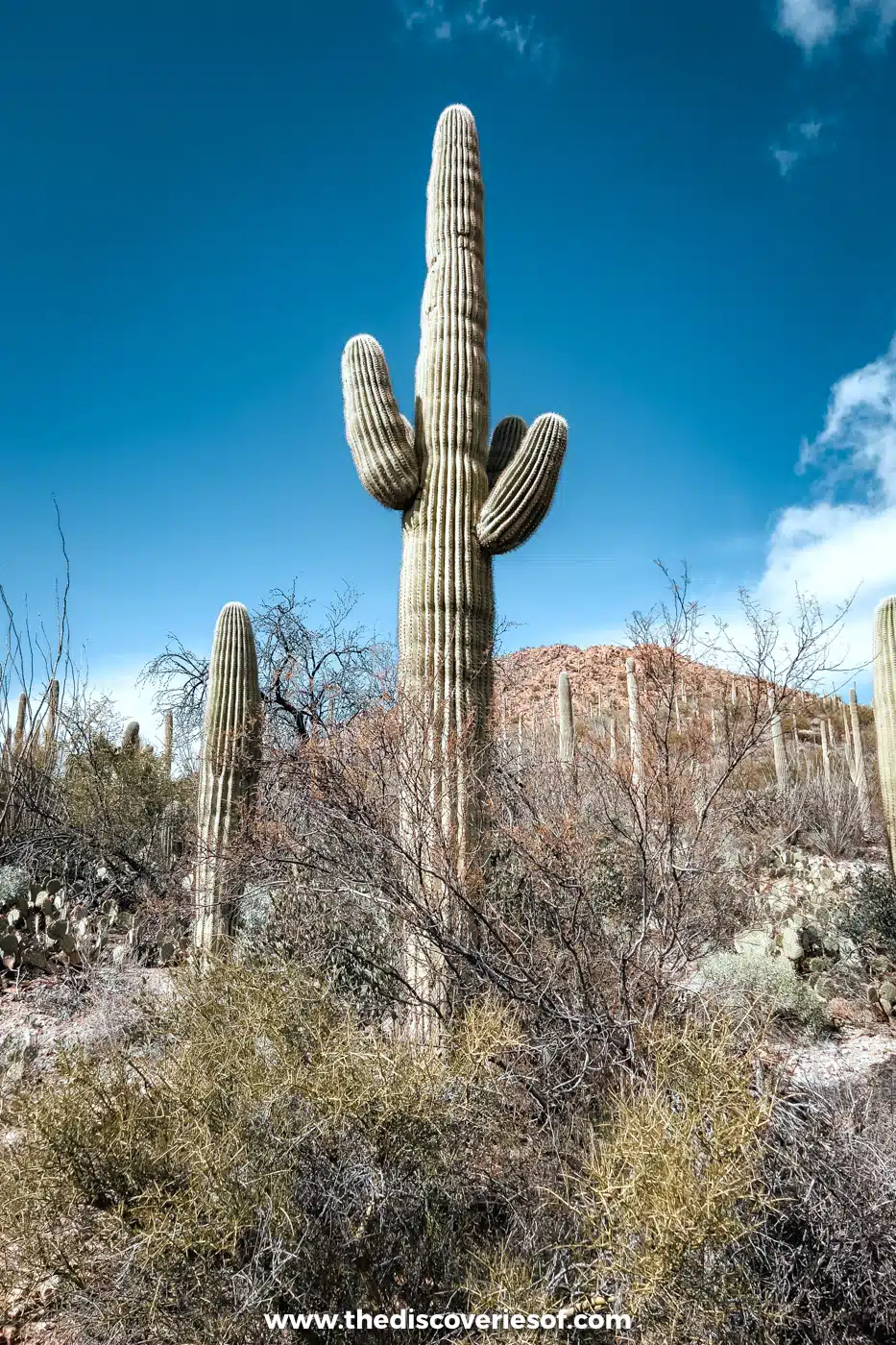
Saguaro National Park is named after the towering saguaro, the largest cactus in the US, and it’s split into two districts on either side of Tucson. If you only have time for one, go West: it has the most saguaros and it’s easier to see thanks to its smaller size. Personally, I think the West also had the most stunning scenery. Entry is $25 per vehicle for seven days, and the America the Beautiful pass is accepted. See my guide to the best hikes in Saguaro National Park.
Arizona-Sonora Desert Museum
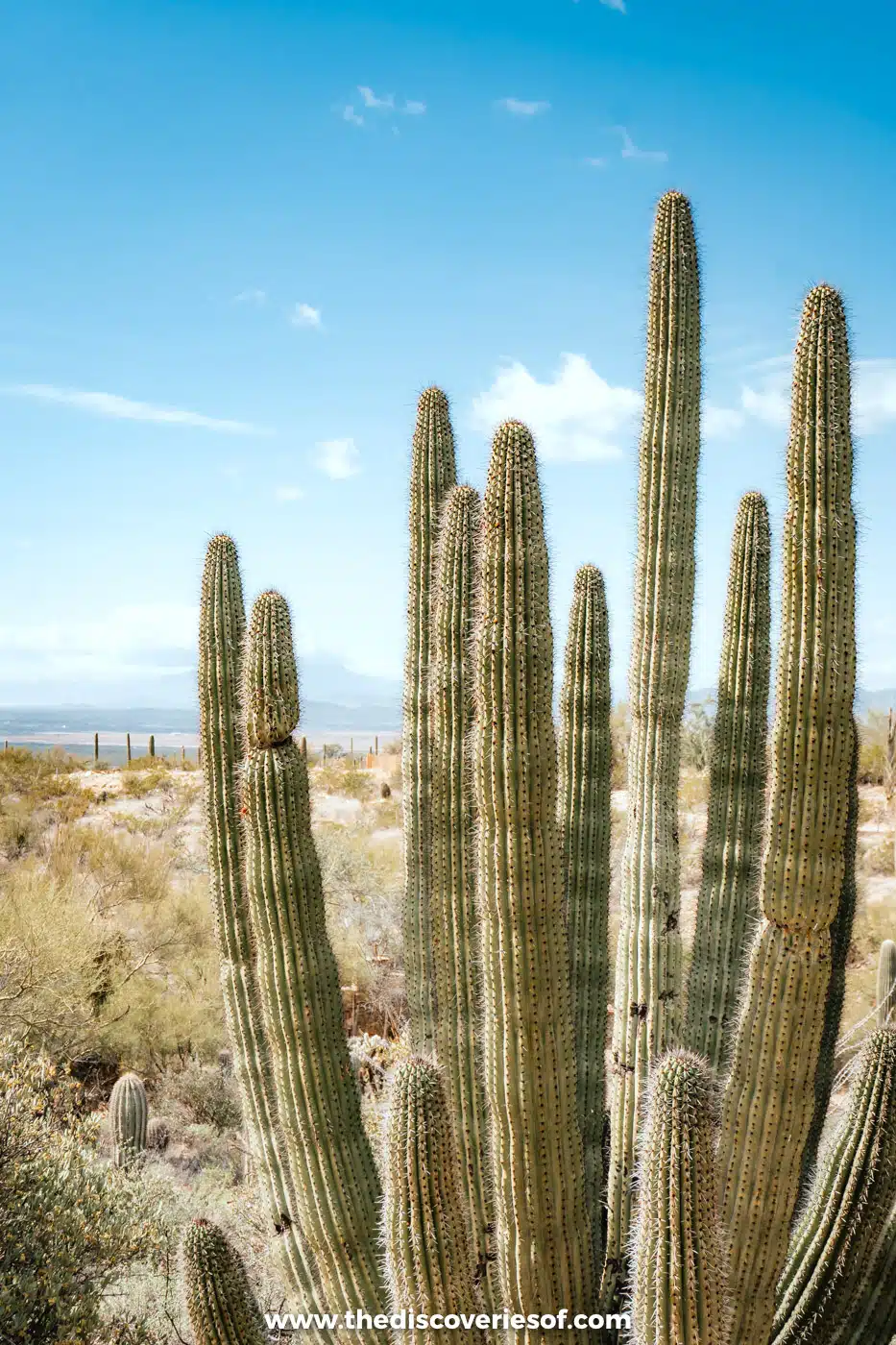
The Arizona-Sonora Desert Museum is another must. It’s an outdoor museum charting the ecology of Arizona and the Sonoran Desert, one of the most vibrant deserts in the world, with enclosures of native animals, from javelinas to coyotes, and gardens of native plants, including a colourful cactus garden. The Desert Loop Trail, a relatively short path past the enclosures, is a must: watch for the signs about the wildlife.
It’s extensive, so plan on a couple of hours, and check the programme for live animal presentations, docent tours and demonstrations. It’s open every day (8:30am to 5pm from October to May, and earlier from June to September), and entry is $29.95 for adults. Until 24 November 2026, part of Kinney Road is closed for works, but the museum stays open, with a detour via McCain Loop.
Tucson Mountain Park and the King Canyon trail
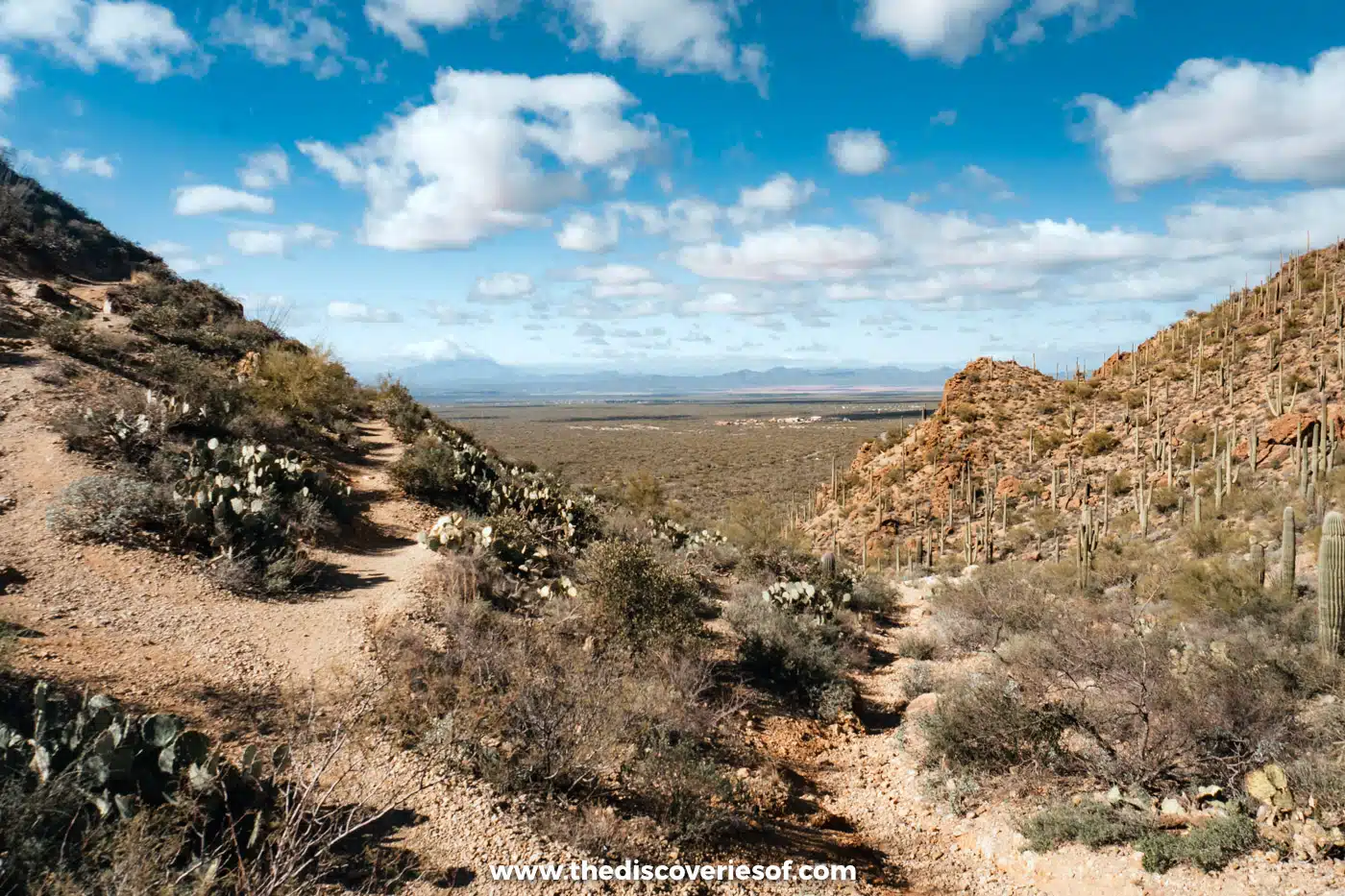
Tucson Mountain Park is packed with great hikes just a few minutes’ drive outside the city, with around 20,000 acres of desert and more than 60 miles of trails. My pick is the King Canyon and Gould Mine Loop, which starts on Kinney Road near the Desert Museum, on the edge of Saguaro West: a cool 2.5-mile hike through a cacti-covered canyon and back on a pretty loop, with a picnic spot at the halfway point. It’s nice and easy, with some elevation gain but not much. Bring plenty of water and wear tonnes of sunscreen. See my guide to the best hikes in Saguaro National Park.
Mission San Xavier del Bac
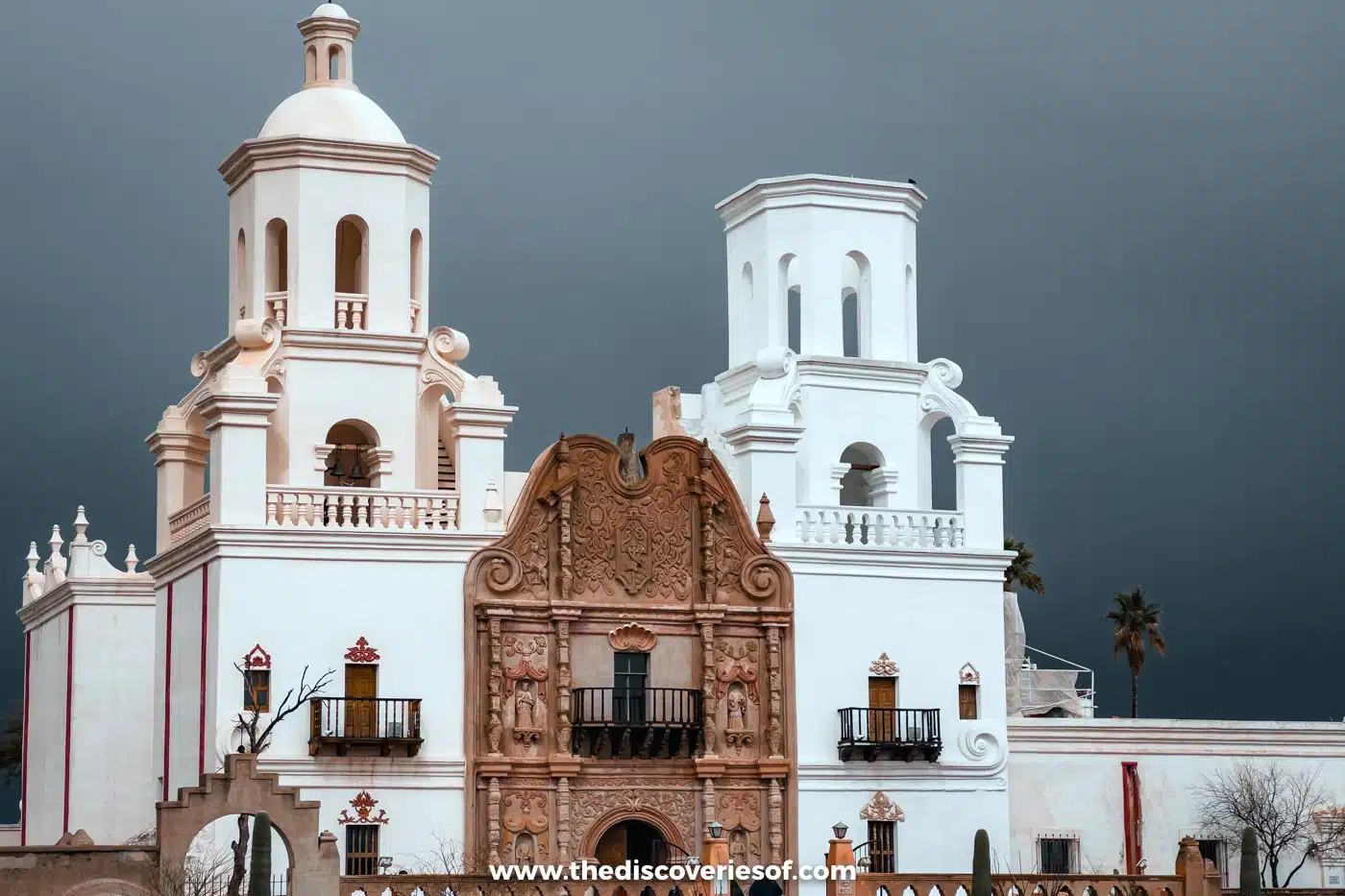
A short drive south of the city, on the Tohono O’odham Nation, Mission San Xavier del Bac is a must-visit. Spanish colonial architecture is relatively few and far between in southern Arizona, and this ornate white church, completed in 1797, is stunning outside and in. The church and museum are open daily from 9am to 4pm, there are free docent tours every day except Sunday, and there’s no admission charge, though donations are welcome. The church has no air conditioning or heating, so dress for the weather.
Suggested hotels in West Tucson
voco The Tuxon
voco The Tuxon, formerly The Tuxon Hotel and now part of IHG, is a desert-modern reworking of a classic motor lodge, just off the I-10 in the shadow of Sentinel Peak and about a mile from downtown. Its colourful pool is one of the most photogenic in the city, and it’s an easy hop to both downtown and the Tucson Mountains.
Hotel McCoy
Hotel McCoy is a fun, good-value art motel west of the freeway, with murals on the walls, work by local artists in the rooms and lobby, a saltwater pool, and a lobby bar serving local beers and Southern Arizona wines.
JW Marriott Tucson Starr Pass Resort
For a resort stay by the desert, the JW Marriott Tucson Starr Pass Resort sits right on the edge of Tucson Mountain Park, with 27 holes of golf, five restaurants, the Hashani Spa and pools. Its rooms were renovated in 2026.
Catalina Foothills: resorts and golf below the mountains

If the city is laid-back, the Catalina Foothills are even more so. The upmarket neighbourhood climbs the lower slopes of the Santa Catalina Mountains about 8 miles north of downtown, with resorts, golf courses and some of the best views of the city lights at night. It’s the place for a relaxing stay, with trails into the Pusch Ridge Wilderness behind it, and the La Encantada open-air shopping centre for shops and restaurants.
Catalina Foothills highlights
DeGrazia Gallery in the Sun
DeGrazia Gallery in the Sun is an artistic haven built by the Arizona artist Ted DeGrazia from the 1950s, on 10 acres of desert on Swan Road. Its adobe gallery holds six permanent collections and rotating shows drawn from around 15,000 of his works, and the grounds include the Mission in the Sun, a small chapel with murals and an open roof. It’s open daily from 10am to 4pm.
Mini Time Machine Museum of Miniatures
Just south of the foothills on Camp Lowell Drive, the Mini Time Machine Museum of Miniatures is a one-of-a-kind museum with more than 500 dollhouses and roomboxes, from historic pieces to fantasy worlds. It’s open from Tuesday to Sunday, 9am to 4pm, and entry is $15 for adults.
Suggested hotels in the Catalina Foothills
The Westin La Paloma Resort & Spa
It’ll feel like a city within a city at the sprawling Westin La Paloma Resort & Spa, with six outdoor pools, a 177-foot waterslide, a 27-hole Jack Nicklaus Signature golf course, a spa and five places to eat. It’s a great pick for families.
Hacienda del Sol Guest Ranch Resort
For a unique stay, book the Hacienda del Sol Guest Ranch Resort. Built in 1929 as a girls’ school and turned into a guest ranch in 1948 (Katharine Hepburn and Spencer Tracy were regulars), it has 34 acres of gardens, three pools and a spa. Every room is slightly different, with hand-painted beamed ceilings and Mexican tiles, and its restaurant, The Grill, is known for its views and its wine list.
Westward Look Wyndham Grand Resort & Spa
It’ll be hard to find better views of the Santa Catalinas than at the Westward Look Wyndham Grand Resort & Spa, set in 80 acres of Sonoran Desert gardens on Ina Road. Every room has a private balcony or patio, and there are three saltwater pools, eight tennis courts and the Sonoran Spa, which uses native plants in its treatments.
Sabino Canyon and the east side: for hiking and Mount Lemmon
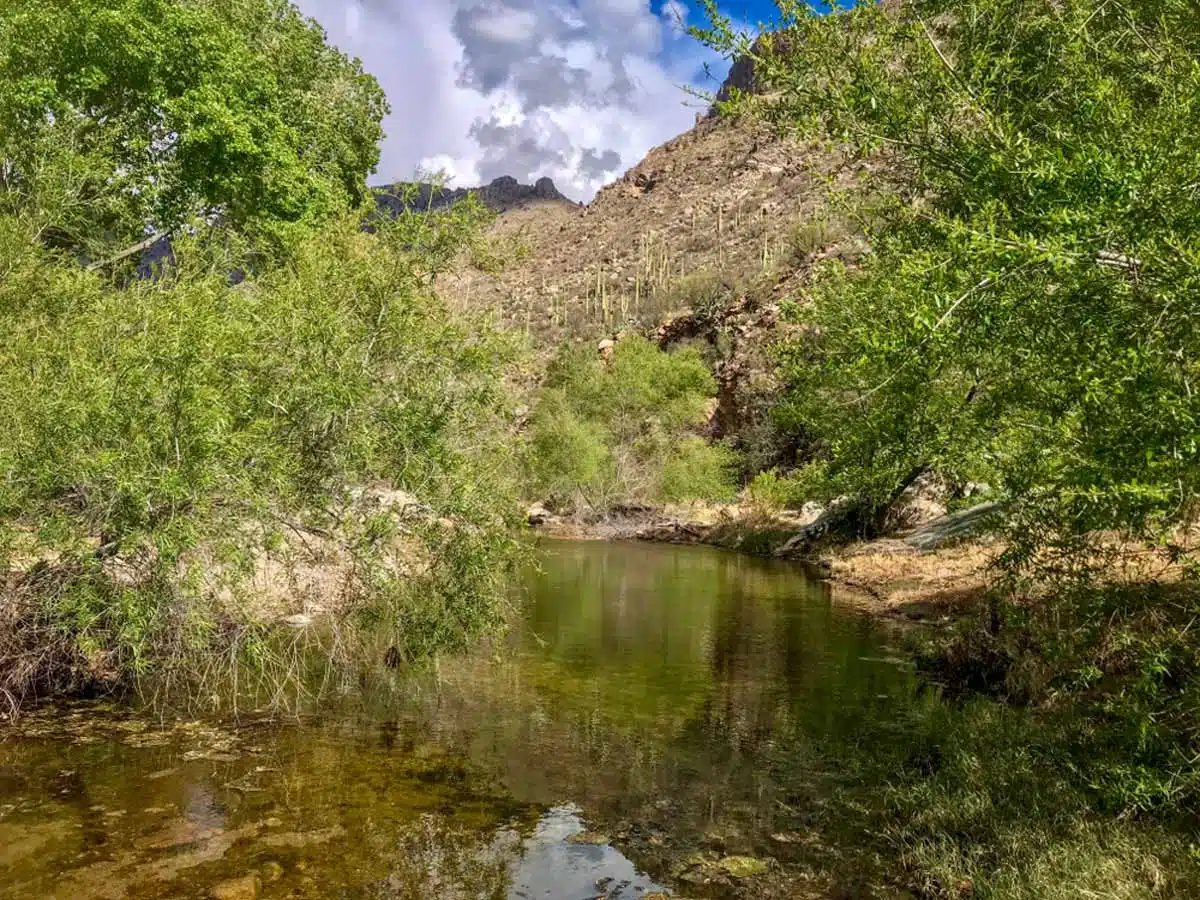
Believe it or not, Tucson is much more than Saguaro National Park. Head north-east from the city, around 13 miles from downtown, and the eastern foothills around Sabino Canyon and Ventana Canyon are a playground for anyone who loves the outdoors. Sabino Canyon has some of the best hikes in Tucson, and the Catalina Highway, which starts on Tanque Verde Road nearby, climbs to the pine forests at the top of Mount Lemmon.
There’s water here too, in season: after winter rain, the creeks in Sabino and Bear canyons run and the waterfalls flow, and further up the canyon, Hutch’s Pool is a popular (and long) hike. The resorts here are surrounded by desert, so you’ll need a car to get anywhere else.
Sabino Canyon highlights
Sabino Canyon Recreation Area
The Sabino Canyon Recreation Area is one of the most popular places to hike in Tucson. The easiest way to see it is on the Sabino Canyon Crawler, a narrated tram that runs 3.8 miles up the paved road into the canyon (the round trip takes about an hour and costs $15 for adults). Parking costs $8 per vehicle per day, and pets aren’t allowed anywhere in the canyon.
Seven Falls
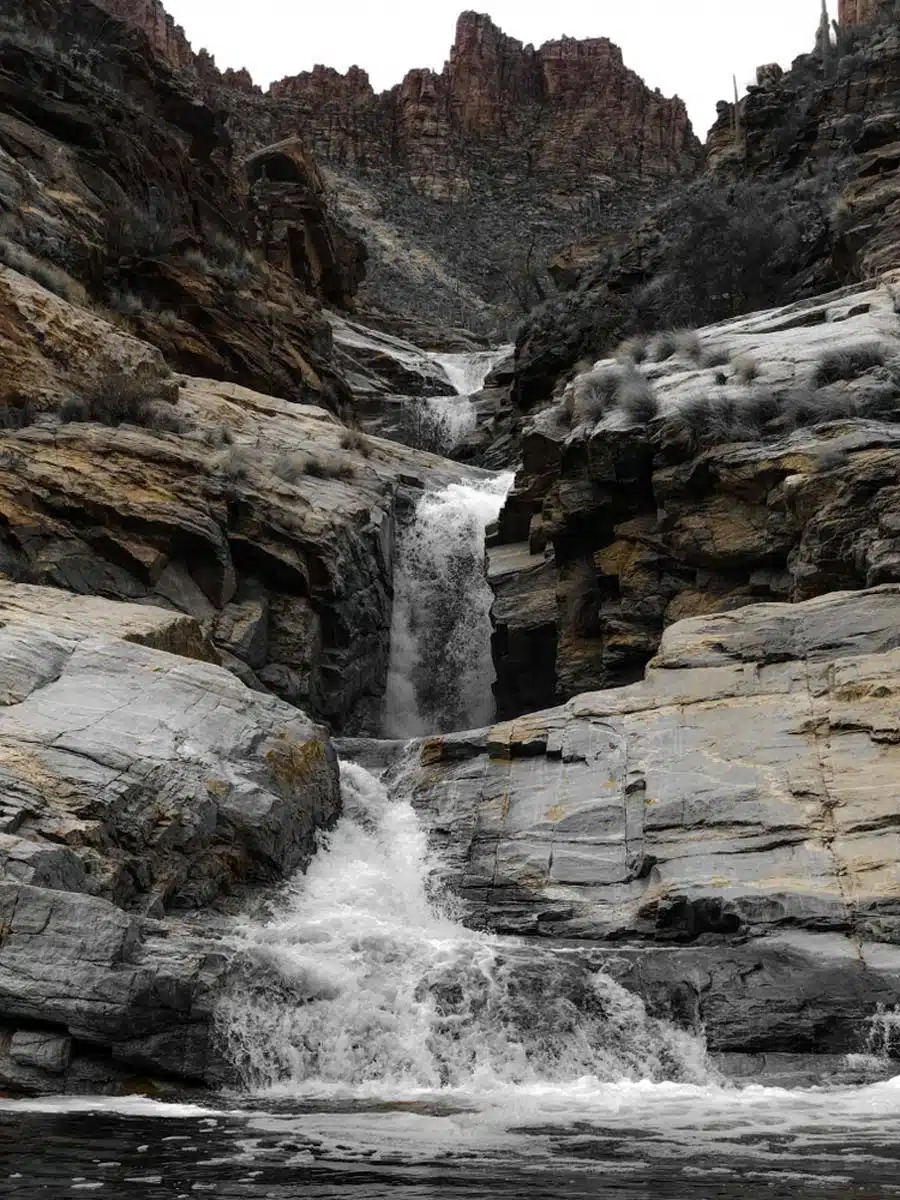
The hike to Seven Falls, a series of cascades tumbling down the rocks of Bear Canyon, is one of the best in Tucson. It’s about 8.5 miles return from the Sabino Canyon visitor centre, with half a dozen creek crossings, or around 7 miles if you take the Bear Canyon shuttle to the trailhead. The falls are at their best from mid-February to April.
Mount Lemmon

The Catalina Highway (also called the Sky Island Scenic Byway) is a scenic highway with pretty views, climbing around 30 miles from Tanque Verde Road to the summit of Mount Lemmon, at about 9,100ft the highest peak in the Santa Catalina Mountains. On the way up, stop at the Windy Point and San Pedro Vista viewpoints; at the top, the village of Summerhaven and the Iron Door restaurant at Ski Valley make good lunch stops. There’s an $8 day fee for parking at the recreation sites. The trails around Marshall Gulch, near Summerhaven, are closed from Monday to Thursday for construction, and their car park until mid-December 2026, so check before you go.
Agua Caliente Park

On the far east side, Agua Caliente Park is a peaceful 101-acre park named after its warm spring, with three ponds ringed by giant palm trees, walking paths and a ranch house art gallery. It’s lovely for a gentle stroll and some birdwatching, but swimming isn’t allowed. It’s free and open daily from 7am to sunset.
Suggested hotels in Sabino Canyon and the east side
Loews Ventana Canyon Resort
For a luxurious stay surrounded by desert, book the Loews Ventana Canyon Resort, right at the foot of the mountains. There’s an 80-foot waterfall on its own nature trail, two heated pools, a spa and two Tom Fazio golf courses, and many rooms have mountain views. Its Flying V restaurant reopened after a renovation in 2026.
Ventana Canyon Club and Lodge
Next door, the Ventana Canyon Club and Lodge (formerly The Lodge at Ventana Canyon) is a smaller, quieter alternative, with just 50 spacious suites, each with a kitchenette. Guests have access to the same two Tom Fazio courses and a heated lap pool.
Casitas at Sabino Springs
For more space, the Casitas at Sabino Springs has two-bedroom condo-style units with full kitchens and a dining area, an outdoor pool and a hot tub, next to the Arizona National Golf Club and a short drive from Sabino Canyon.
Oro Valley and Marana: resorts in the north-west

North of the city along Oracle Road, Oro Valley sits at the foot of Pusch Ridge, with Catalina State Park on its doorstep, and Marana, further north-west, is home to the Dove Mountain resort area. Between them and the city, Casas Adobes is a quieter suburb with one of Tucson’s best gardens.
This is the most luxurious corner of Tucson, with big resorts, golf and space to unwind, but it’s suburban and spread out, and Fourth Avenue is around 25 minutes’ drive away.
Oro Valley and Marana highlights
Catalina State Park

There are hikes aplenty in Catalina State Park, in the foothills of the Santa Catalinas on the edge of Oro Valley. The classic is the Romero Canyon Trail to Romero Pools, a steep, rocky 2.8 miles each way with about 900ft of climbing, where you’ll find pools among the boulders after rain. Entry is $10 per vehicle with one person, or $20 for two to four, and the park is open from 5am to 10pm.
Steam Pump Ranch
Spend some time exploring local history at Steam Pump Ranch, a historic ranch park on Oracle Road in Oro Valley. You can see the old pump house, the Pusch Ranch House and the Procter-Leiber House, and a farmers’ market is held here on Saturdays.
Tohono Chul

In Casas Adobes, on the way north from the city, Tohono Chul is a beautiful garden showcasing the plant life of the Sonoran Desert, with an ethnobotanical garden, a children’s garden, a forest of cholla cacti and an exhibit house with art shows, plus a bistro for lunch. Check opening hours and prices before you go.
Suggested hotels in Oro Valley and Marana
El Conquistador Tucson, A Hilton Resort
Let the palms and mountain views tempt you into booking a room at El Conquistador Tucson, A Hilton Resort, at the foot of Pusch Ridge in Oro Valley. It has five pools and a waterslide, ten tennis courts and spacious rooms with patios or balconies. Its golf courses now belong to the Town of Oro Valley.
Omni Tucson National Resort
The Omni Tucson National Resort, in north-west Tucson, is a golf resort with rooms, suites and haciendas looking out over the fairways to the mountains, an extensive spa and a pool.
The Ritz-Carlton, Dove Mountain
Taking the top spot for luxury is The Ritz-Carlton, Dove Mountain, set high in the foothills of the Tortolita Mountains in Marana, about 40 minutes’ drive from downtown. It has sweeping desert views, three pools and a waterslide, 27 holes of golf, a spa and five restaurants, and the Wild Burro trailhead is a seven-minute walk away.
Where to stay in Tucson: FAQs
What is the best area to stay in Tucson?
It depends on your interests. For first-timers, the University district and downtown are the most convenient, with restaurants and bars on your doorstep and the streetcar between them. For Saguaro National Park West and the Desert Museum, stay on the west side. For a resort stay, look at the Catalina Foothills, Sabino Canyon or Oro Valley.
How many days should I spend in Tucson?
Plan to spend a minimum of two nights. You can pack the city’s sights into half a day, but you’ll want at least two days to explore the surroundings, including the Arizona-Sonora Desert Museum and Saguaro National Park. With more time, make Tucson a stop on an Arizona road trip.
How do you get around Tucson?
A car is the best way to get around. The Sun Link streetcar runs between the Mercado District, downtown, Fourth Avenue and the university, but no public transport reaches Saguaro National Park, the Desert Museum or Mount Lemmon. You can rent a car from Rentalcars.com.
What is Tucson best known for?
Tucson is best known for the giant saguaro cactus, the largest cactus in the US, which grows across Saguaro National Park on either side of the city. It’s also known for its food, from its Sonoran-Mexican restaurants to the Sonoran hot dog, and it became the first UNESCO City of Gastronomy in the US in 2015.
Tips for booking your Tucson hotel
- Book early for winter and spring, Tucson’s high season. Prices peak in late January and February, when the Tucson Gem, Mineral and Fossil Showcase fills hotels across the city (the next one runs from 27 January to 14 February 2027).
- Summer is the cheapest time to book a resort, but daytime temperatures regularly top 100°F (38°C), so plan to hike at dawn and spend the afternoon by the pool.
- Check the total price: many of the big resorts add a nightly resort fee and charge for parking on top of the room rate.
- Wherever you stay, the desert heat can kill (literally), so carry plenty of water when you head out to the trails, and watch out for rattlesnakes in the warmer months.
Map
Read next
- The best things to do in Tucson
- The best hikes in Saguaro National Park
- The best things to do in Saguaro National Park
- The best places to go stargazing in the US
- The best hikes in Saguaro National Park
Love this? Save and share on Pinterest


Discover the top things to do, insider tips and hidden gems in our USA Travel Guides.
Read the guides →