Planning a visit to the Arizona-Sonora Desert Museum in Tucson? From the Desert Loop Trail and the mountain lions of the Mountain Woodland to the Raptor Free Flight, tickets, opening hours and the drive over Gates Pass, this guide covers everything you need to know.
On the western edge of Tucson, tucked into the Tucson Mountains just down the road from Saguaro National Park West, the Arizona-Sonora Desert Museum is one of the best places in southern Arizona to get to know the desert up close. Despite the name, it’s mostly outdoors: a zoo, botanical garden, natural history museum, aquarium and art gallery rolled into one, spread across a hillside of saguaros, cholla and prickly pear.
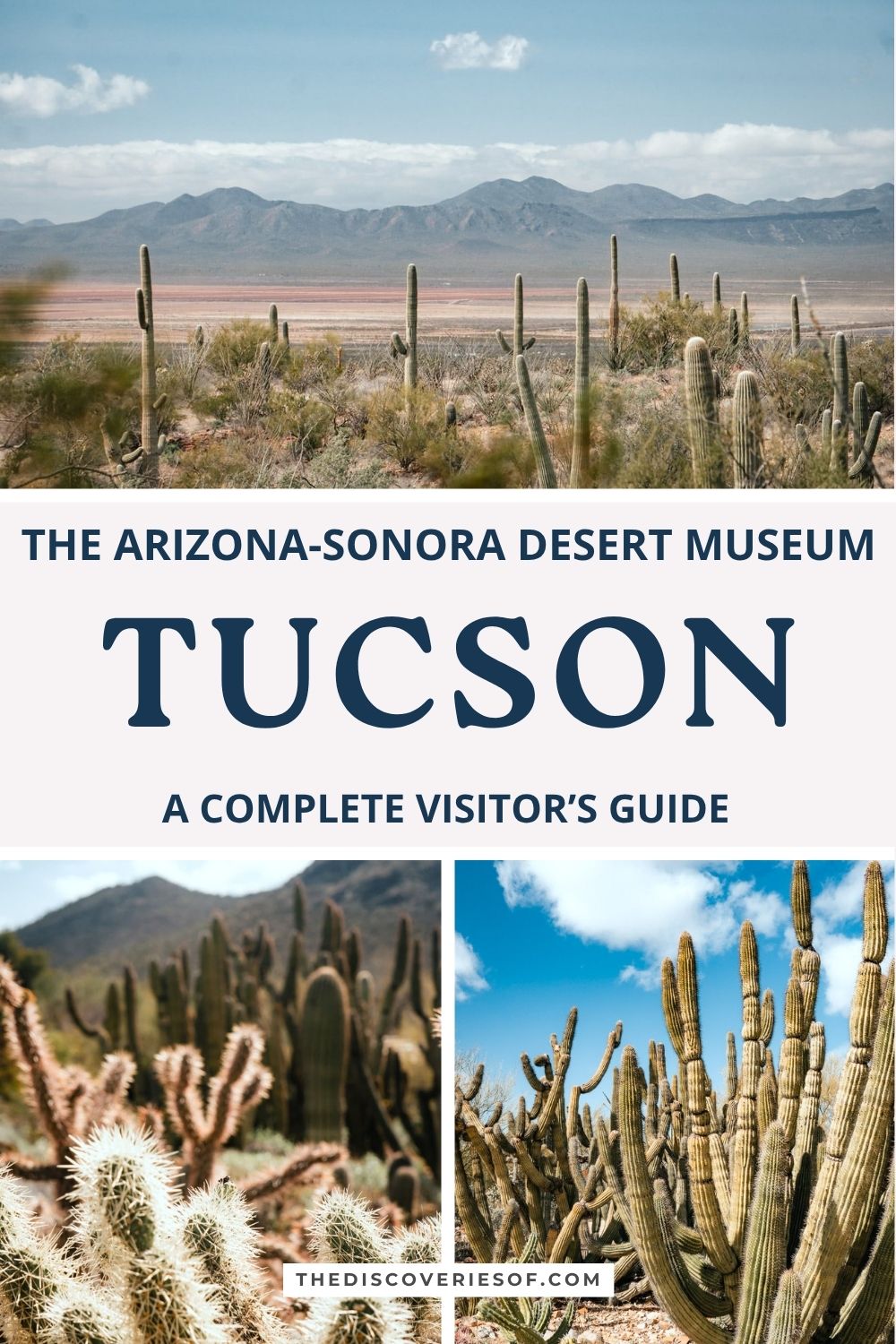
I visited in February, and it’s another must. It’s an outdoor museum charting the ecology of Arizona and the Sonoran Desert, one of the most vibrant deserts in the world, with outdoor enclosures of native animals, like javelinas and coyotes, and gardens of native plants, including a colourful cactus garden. It was one of my top five things to do in Tucson.
It’s extensive, so plan to spend at least a couple of hours, and pair it with Saguaro West the same day if you can. Here’s everything you need to plan your visit to the Desert Museum.
Arizona-Sonora Desert Museum at a glance
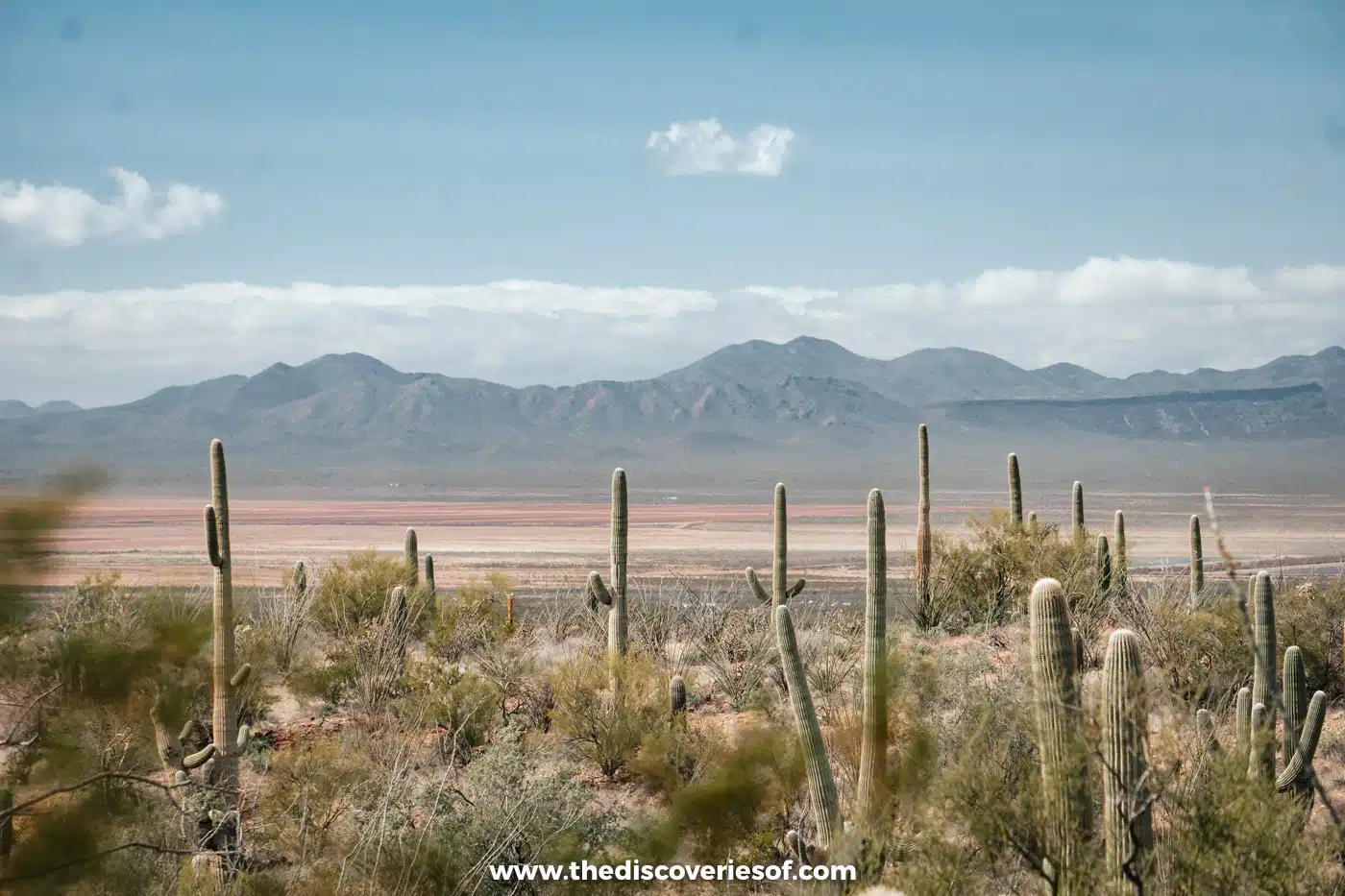
- Where: 2021 North Kinney Road, in Tucson Mountain Park, about 14 miles (25 minutes’ drive) west of downtown Tucson
- What: a zoo, botanical garden, natural history museum, aquarium and art gallery devoted to the Sonoran Desert, about 85% of it outdoors
- Collection: more than 230 animal species and 1,200 kinds of plants along about two miles of paths
- Entry: $29.95 for adults (13 to 64), $24.95 for ages 3 to 12, under-3s free
- Hours: open every day of the year; 8:30am to 5pm from October to May, with earlier hours in summer
- Time needed: at least two hours; half a day to see it properly
- Don’t miss: the Desert Loop Trail, and the Raptor Free Flight from mid-November to the end of March
A zoo, garden and museum in one
The museum was founded in 1952 by William H. Carr, with the backing of conservationist Arthur Newton Pack, to introduce people to the desert right outside their door rather than to exotic animals from elsewhere. The focus is firmly on the Sonoran Desert region, from the mountain woodlands that rise above the desert floor to the rivers that drain into the Gulf of California.
The campus covers 98 acres, 21 of them open to visitors, and it’s accredited by the Association of Zoos and Aquariums as well as being a member of the American Public Gardens Association. You’re as likely to stop for a cactus or a hummingbird as for a mountain lion.
About half the paths are paved and the rest have compacted surfaces, and some stretches are moderately hilly, so wear comfortable shoes.
Walk the Desert Loop Trail
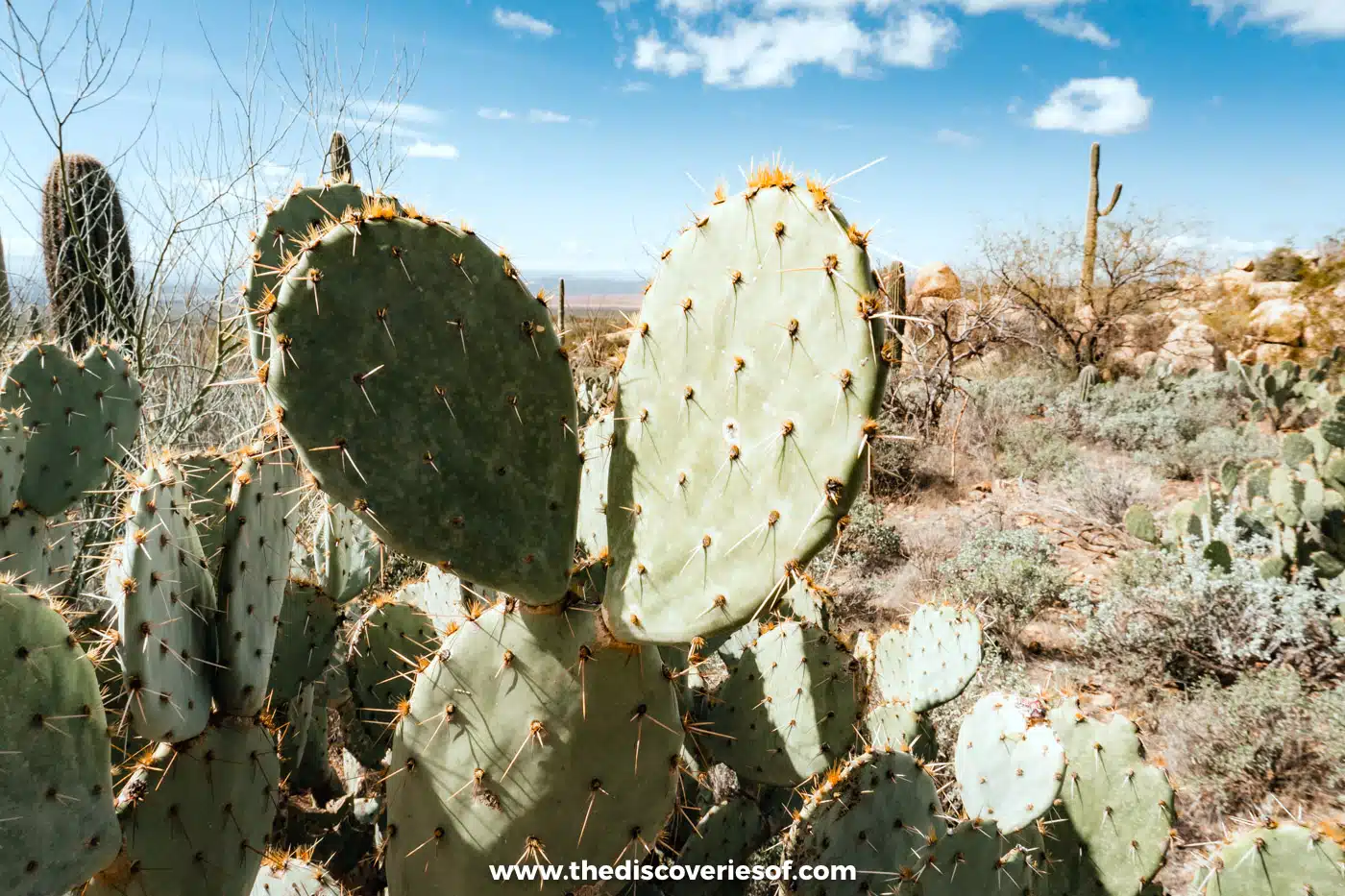
The Desert Loop Trail is a must. It’s a relatively short trail, roughly half a mile, winding through open desert past enclosures where javelinas, coyotes and lizards live among agaves and palo verde trees. The enclosures blend into the landscape, so watch for the signs about the wildlife as you go.
Along the way, Life on the Rocks recreates a rocky desert hillside shared by several species. Walk the loop first thing, while the morning is still mild: the museum itself recommends doing the outdoor trails early and saving the indoor exhibits for the heat of the afternoon.
See mountain lions, wolves and otters
Beyond the Desert Loop, the animals are grouped by habitat.
Mountain Woodland recreates the Mexican pine-oak forest of the region’s higher mountains, and it’s home to some of the museum’s most popular residents: mountain lions, Mexican gray wolves, mule deer and a black bear.
Riparian Corridor follows a desert stream, with river otters and beavers in the water, fish and aquatic invertebrates, and desert bighorn sheep on the rocks above.
Cat Canyon houses small mammals in natural-looking rocky settings, while Desert Grassland has prairie dogs among soap tree yuccas. Don’t skip Vulture Culture, a walk-through exhibit all about the much-maligned turkey vulture.
Wander the cactus and pollinator gardens
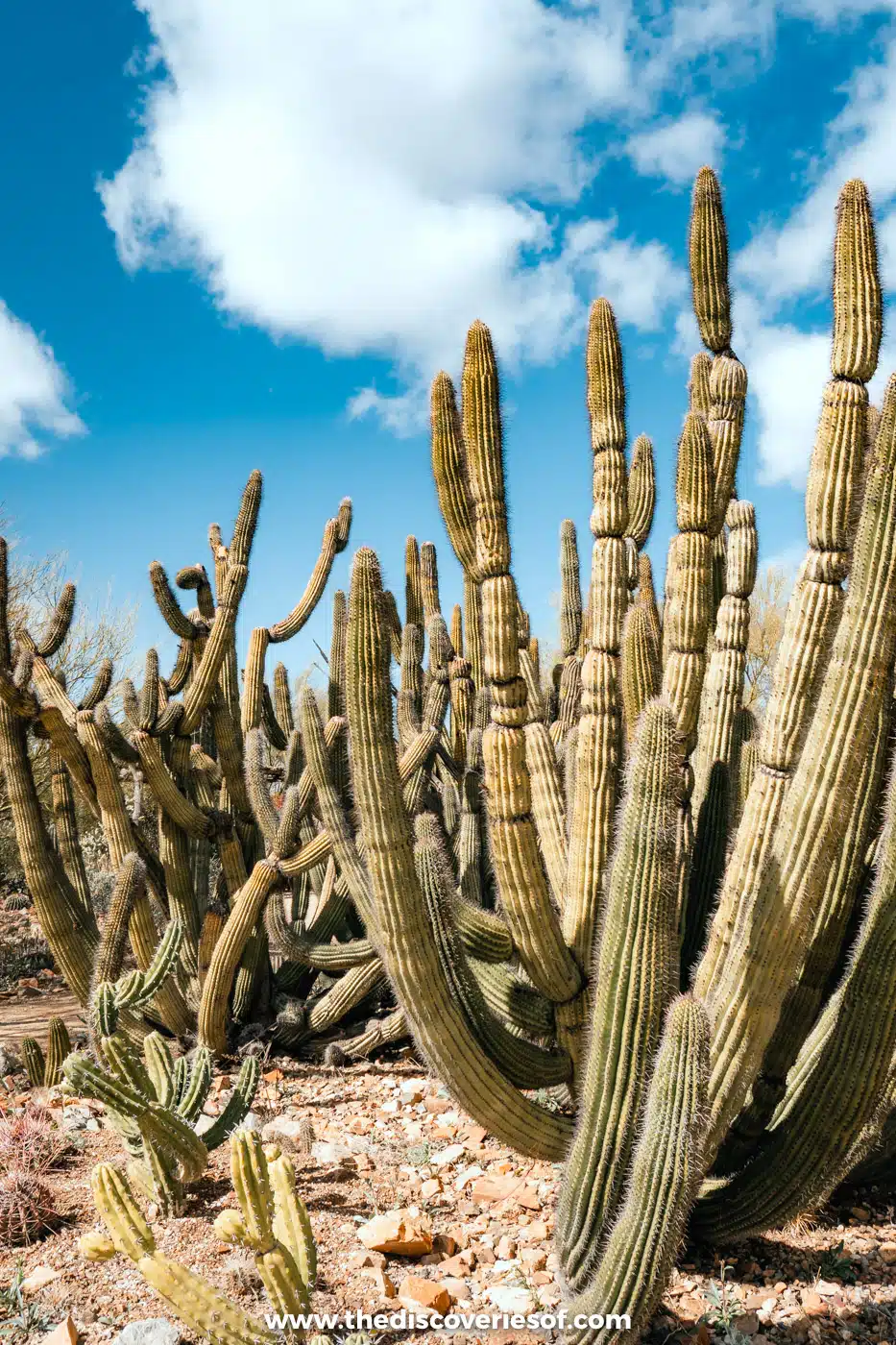
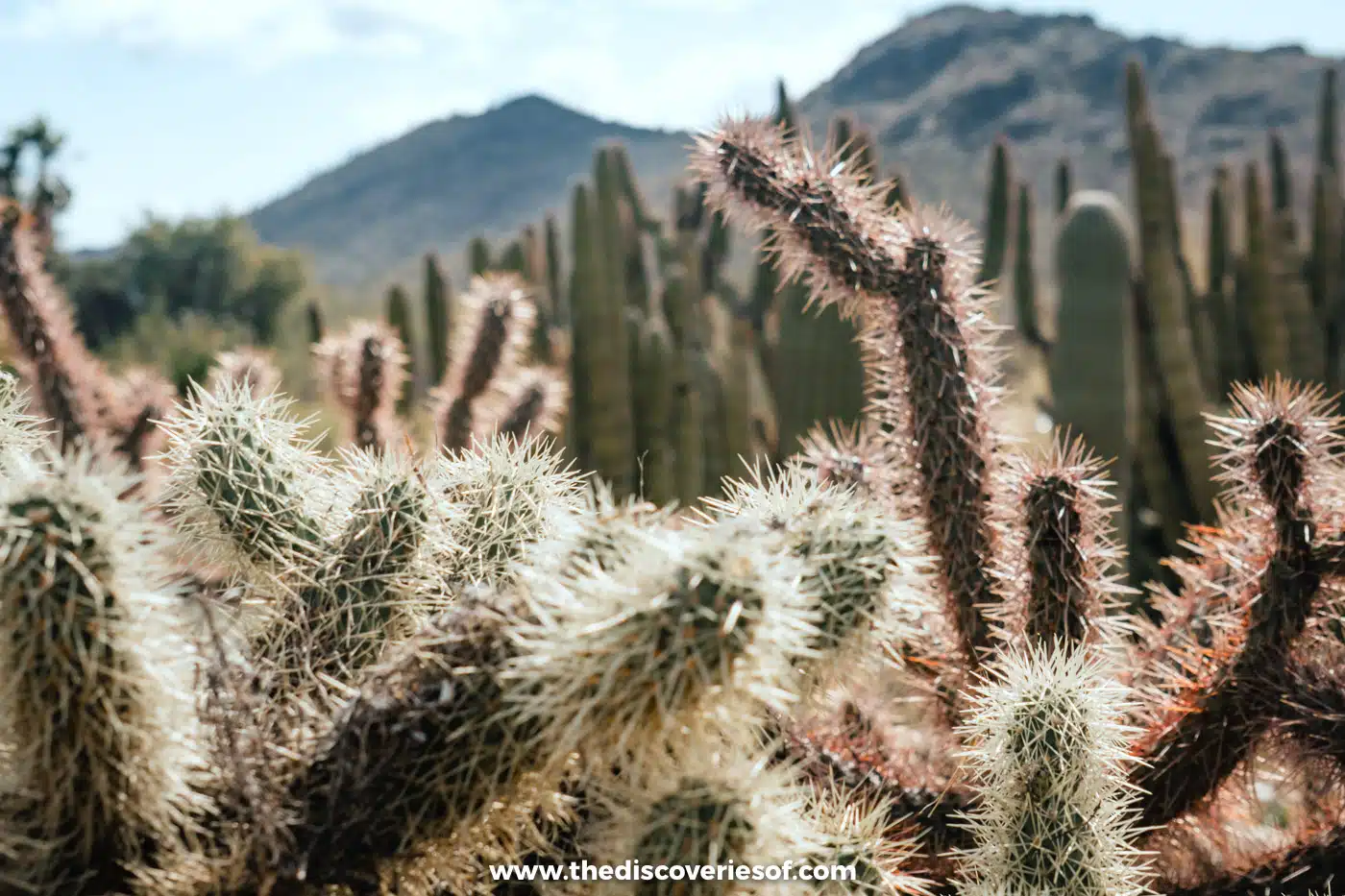
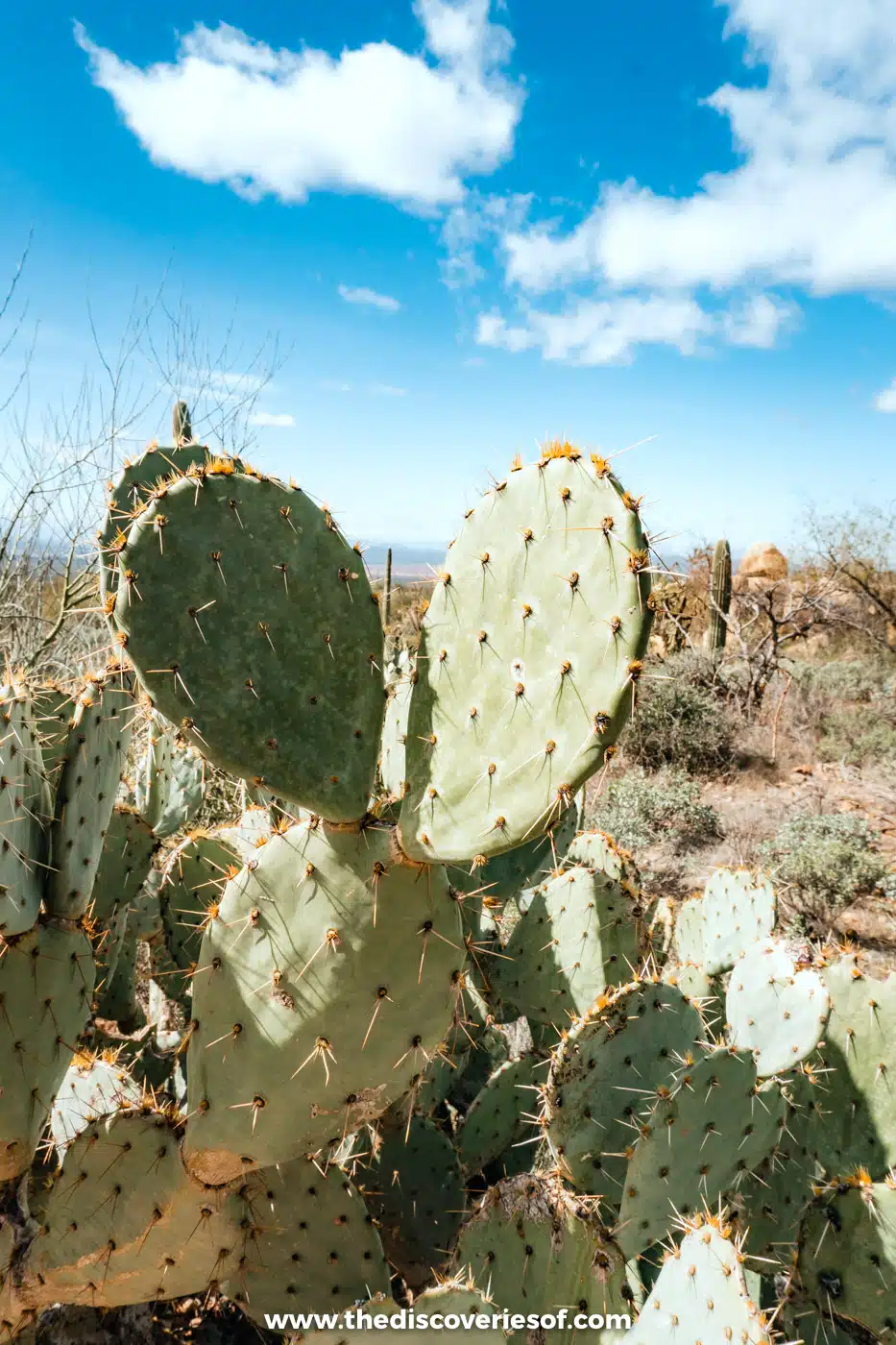
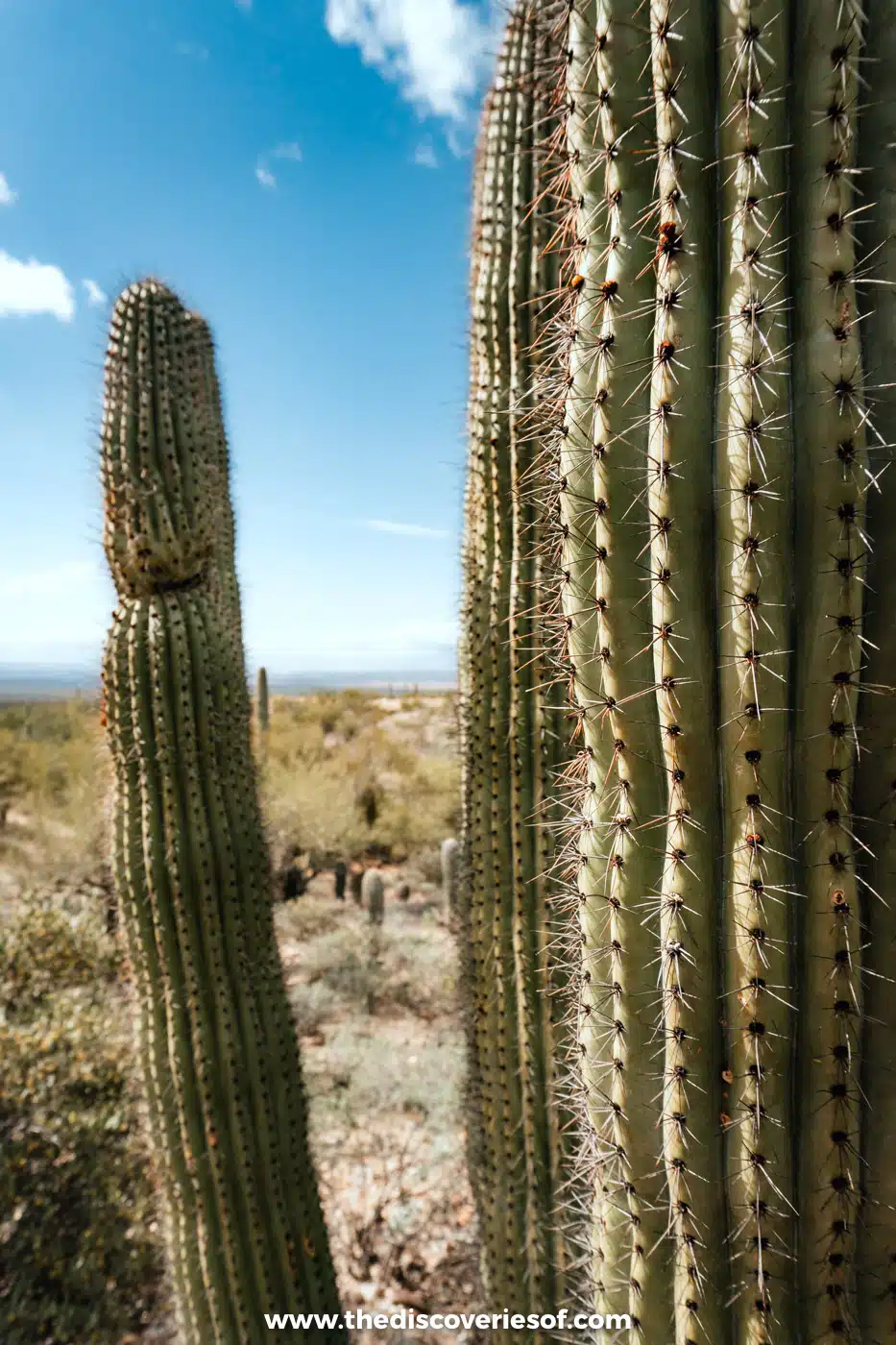
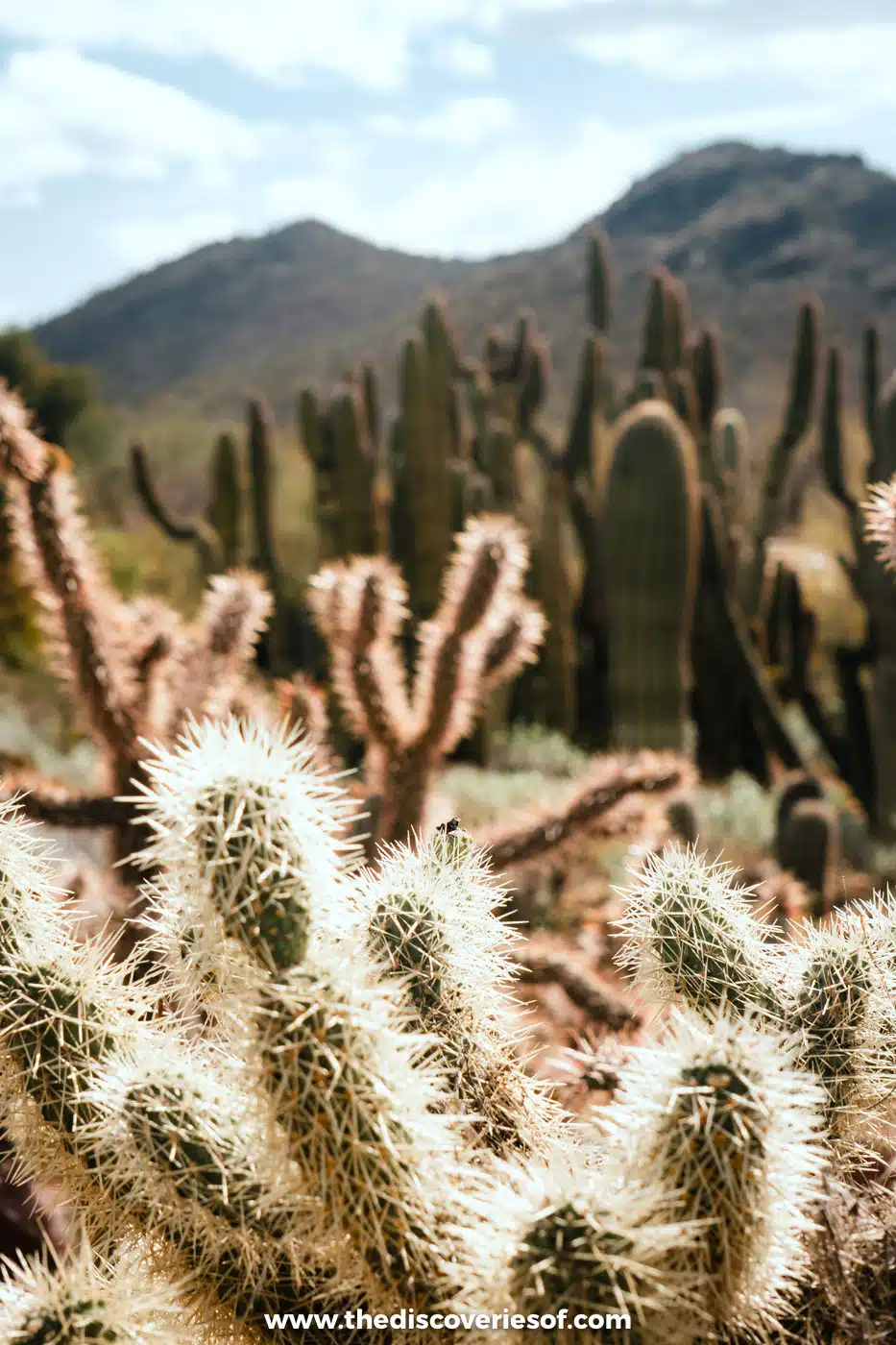
With 1,200 kinds of plants, the gardens are as much of a draw as the animals. The colourful Cactus Garden is a highlight, and it sits alongside the Desert Garden and the Agave Garden.
The Desert Pollination Garden shows how the desert’s plants depend on bees, butterflies and moths such as the white-lined sphinx moth, and the Agave, Cactus, People and Pollinators exhibit explores the links between these plants, the creatures that pollinate them and the people who use them.
Step into the aviaries
There are four aviaries in all. The biggest, Birds of the Sonoran Desert, is a walk-in aviary where native birds fly freely around you.
The Hummingbird Aviary is home to seven species, including Costa’s, broad-billed, black-chinned, Anna’s and Calliope hummingbirds, and it has an impressive breeding record, with more than 100 chicks fledged here.
Head indoors for caves, fossils and fish
When the sun gets too much, the museum’s indoor exhibits make a cool refuge.
- Earth Sciences Center: walk through a replica limestone cave (the entrance is very dim, so give your eyes a moment) to a gallery of minerals from the museum’s collection.
- Ancient Arizona: meet Sonorasaurus, the museum’s own dinosaur, and explore the region’s ancient past.
- Reptile, Amphibian and Invertebrate Hall: a climate-controlled hall of snakes, lizards, frogs and the desert’s smaller creatures.
- Warden Aquarium: two galleries, Rivers to the Sea, following the region’s water from freshwater rivers to the Gulf of California. For an extra $4 you can try the Stingray Touch, with stingray feeding also $4 (9am to 4pm from October to May).
- Art Institute: the Ironwood Gallery hosts art exhibitions, and the institute runs classes and workshops on site.
Travelling with young children? The Packrat Playhouse is an indoor play space, and Spadefoot Splash is a water play area for children up to the age of five.
Watch the Raptor Free Flight
If you’re visiting in winter or early spring, plan your day around the Raptor Free Flight. Native birds of prey fly free and untethered over the open desert in front of you, and it’s included in your admission.
This season runs from 12 November 2026 to 29 March 2027, at 10:30am on Thursdays, Fridays, Saturdays, Sundays and Mondays. Birds may include Chihuahuan ravens, great horned owls, caracaras, red-tailed hawks and Harris’s hawks, though no species is guaranteed and flights depend on the weather. Arrive about 20 minutes early to get a good spot.
Join a docent tour or a live animal talk
Check the programme when you arrive: as well as the Raptor Free Flight, there’s a daily live animal presentation, free docent tours and demonstrations dotted around the grounds.
The live animal presentation usually takes place at 12:30pm in the Warden Oasis Theater and lasts 25 to 30 minutes. Docent tours are free with admission and need no booking. From October to May, the Bird Walk starts at 8:30am and the Desert Discovery Tour at 9am and 10:30am. From June to September they start earlier: the Bird Walk at 7:30am and the Desert Discovery Tour at 8:30am and 9:30am. Tours don’t run from 25 to 29 November or from 22 December to 1 January, and they may be cancelled in extreme heat or bad weather.
Tickets and opening hours
The museum is open 365 days a year. From October to May, it’s open daily from 8:30am to 5pm. From June to September, it opens earlier, from 7:30am to 4pm, and on Saturdays from June to August it stays open until 10pm for Cool Summer Nights.
General admission is $29.95 for ages 13 to 64 and $24.95 for children aged 3 to 12; under-3s and members go free, as do Native Americans with a Tribal ID or CIB. At the gate, seniors (65 and over) and military get $2 off, and Arizona and Sonora residents get $5 off in season, with proof. You can buy tickets online in advance or at the entrance.
Pushchairs ($9), wheelchairs ($8) and electric scooters ($29) can be hired at the ticket window, first come, first served. The museum says 96% of its exhibits can be viewed from a wheelchair. Service animals are welcome: check in at Guest Services on arrival.
Tickets
General admission is $29.95 (ages 13 to 64) and $24.95 (ages 3 to 12), and under-3s are free. Buy online at desertmuseum.org or at the gate. The Raptor Free Flight, docent tours and the live animal presentation are included; the Stingray Touch costs $4 extra.
Getting there from Tucson
The Desert Museum is at 2021 North Kinney Road, about 14 miles west of downtown Tucson, a drive of around 25 minutes. There’s no public transport, so you’ll need a car or a tour.
The classic route heads west on Speedway Boulevard, which becomes Gates Pass Road and climbs over Gates Pass. At the bottom, turn right (north) onto Kinney Road for the museum. Gates Pass isn’t recommended for trailers or RVs over 24 feet, so if you’re driving something bigger, approach from the south via Ajo Way (SR 86) and Kinney Road instead.
From 1 October to 24 November 2026, Kinney Road is closed for water line works between its eastern junction with McCain Loop and the museum entrance. The museum stays open: follow the signed detour via McCain Loop.
There’s on-site parking, with accessible spaces in Lot 1 and a drop-off point near the entrance.
Read Next
Where to eat at the museum
There are three places to eat and drink on site.
- Ironwood Terraces: a casual food court with kids’ meals and vegetarian options, serving lunch from 11am to 2pm daily.
- Phoebe’s Coffee Bar: coffee, pastries, sandwiches and ice cream, open from 8:30am to 5pm from October to May (7:30am to 4pm in summer).
- Ocotillo Café: the sit-down option, serving regional Southwestern food made with local ingredients, with wine and cocktails. Its hours change with the seasons, so call ahead (520 883 2702) if you want to eat here.
All three serve beer, and there are two gift shops.
How long to spend and the best time to visit
The museum is extensive, so plan a couple of hours at the very least. Two hours is enough for the highlights: the Desert Loop Trail, the Earth Sciences cave, Mountain Woodland, Cat Canyon, the agave and cactus gardens and the aquarium. Give it half a day, about four hours, to add the Desert Grassland, the Riparian Corridor, the Raptor Free Flight, the Stingray Touch and the Ironwood Gallery.
The most comfortable time to visit is from October to May, when daytime temperatures are pleasant for walking. I visited in February, and from mid-November to the end of March you can also catch the Raptor Free Flight. Spring, when the desert blooms, is lovely too; see my guide to the best time to visit Saguaro National Park for more on the seasons in this corner of Arizona.
In summer, temperatures often top 100°F, so arrive at the 7:30am opening and do the outdoor trails first. Saturday evenings from June to August, when it stays open until 10pm, are cooler. Whatever the season, arrive before mid-afternoon.
Places to visit nearby
The Desert Museum sits in the middle of some of Tucson’s best desert scenery. A good plan is to arrive at opening, head into Saguaro West or out on a hike after lunch, and catch the sunset at Gates Pass on the drive back to town.
Saguaro National Park West
The Red Hills Visitor Center, at 2700 North Kinney Road, is only about two miles north of the museum. If you only have time for one half of Saguaro National Park, go West, which has the most saguaro and is easier thanks to its smaller size; personally, I think the West also had the most stunning scenery too. Entry is $25 per vehicle (card only), and the America the Beautiful pass covers it. See my guide to the best things to do in Saguaro National Park.
King Canyon and Gould Mine loop
The trailhead for the hike I recommend most in this area is on Kinney Road, about a third of a mile north-west of the museum. It’s a cool 2.5-mile hike through a cacti-covered canyon and back on a pretty loop, with about 380 feet of climbing and the Mam-A-Gah picnic area at roughly the halfway point. It’s nice and easy, but bring plenty of water, as there’s nowhere to refill on the trail. The trailhead stays open during the Kinney Road closure. More trails are in my guide to Saguaro National Park hikes.
Tucson Mountain Park and Gates Pass
The museum is inside Tucson Mountain Park, which is packed with great hikes just a few minutes’ drive outside the city. On the way back to town, stop at the Gates Pass overlook, about 3,170 feet up, which has parking, toilets and a picnic shelter and is a wonderful place to watch the sunset. It’s open from 6am to 8pm, and the gates are locked overnight.
Old Tucson
A few minutes south on Kinney Road, Old Tucson was built as a film set in 1939 and has hosted more than 400 films and TV shows. There’s no general daytime admission, but you can join a guided studio tour or come for a seasonal event: Nightfall runs until 31 October and Yuletide from 24 November to 24 December.
Tips for visiting the Desert Museum
- Start outside: walk the Desert Loop Trail and the animal exhibits first, while it’s cool, and save the cave, aquarium and reptile hall for the afternoon.
- Bring water and sun protection: most of the museum is outdoors, so wear a hat and sunscreen even in winter.
- Check the programme: look at the day’s schedule on arrival so you don’t miss the live animal presentation or a docent tour.
- Where to stay: I stayed at the Graduate by Hilton Tucson, a cool hotel near the University of Arizona with a gorgeous rooftop pool, about half an hour from the museum. See my guide to where to stay in Tucson for more options.
- Make it a road trip: the museum and Saguaro are easy additions to a wider trip around the state; plan your route with my Arizona road trip itinerary.
Map
Read next
- The best things to do in Tucson
- The best things to do in Saguaro National Park
- The best Saguaro National Park hikes
- Visiting Mission San Xavier del Bac
- Where to stay in Tucson: the best areas and hotels
- The best things to do in Arizona
Love this? Save and share on Pinterest

Discover the top things to do, insider tips and hidden gems in our USA Travel Guides.
Read the guides →