

How many days does Mexico City really need, and which of its sights are worth the queue? From Diego Rivera’s murals to a taco window I’d cross the city for and a mole that has been simmering for years, these are the places I’d send any friend to.
Built on the destroyed ruins of the ancient Aztec city of Tenochtitlán and with a history of more than 650 years, Mexico City is one of the oldest metropolises in the Americas and a must-visit on any Mexico itinerary.
I’m not going to lie: I wasn’t sure what to expect from Mexico City on my first trip, but what I found was a place I straight up fell in love with. Sure, it helped that I had some local friends and got more than a few insider tips, but do Mexico City (or CDMX as those in the know call it) right and you can’t help but see why it’s named as one of the most stylish cities in the world.
What’s not to love? Brimming with historical landmarks, colonial-era architecture, iconic artwork and tasty cuisine, it’s the perfect destination to explore on your travels.
Want to get the most out of your visit to Mexico’s capital? I’ve scoured high and low and tapped up my local sources (and clocked up lots of steps along the way) to help you discover the best things to do in Mexico City, from Aztec temples and world-class museums to cocktail bars and taco stands.
The best things to do in Mexico City
Delve into history at the Templo Mayor
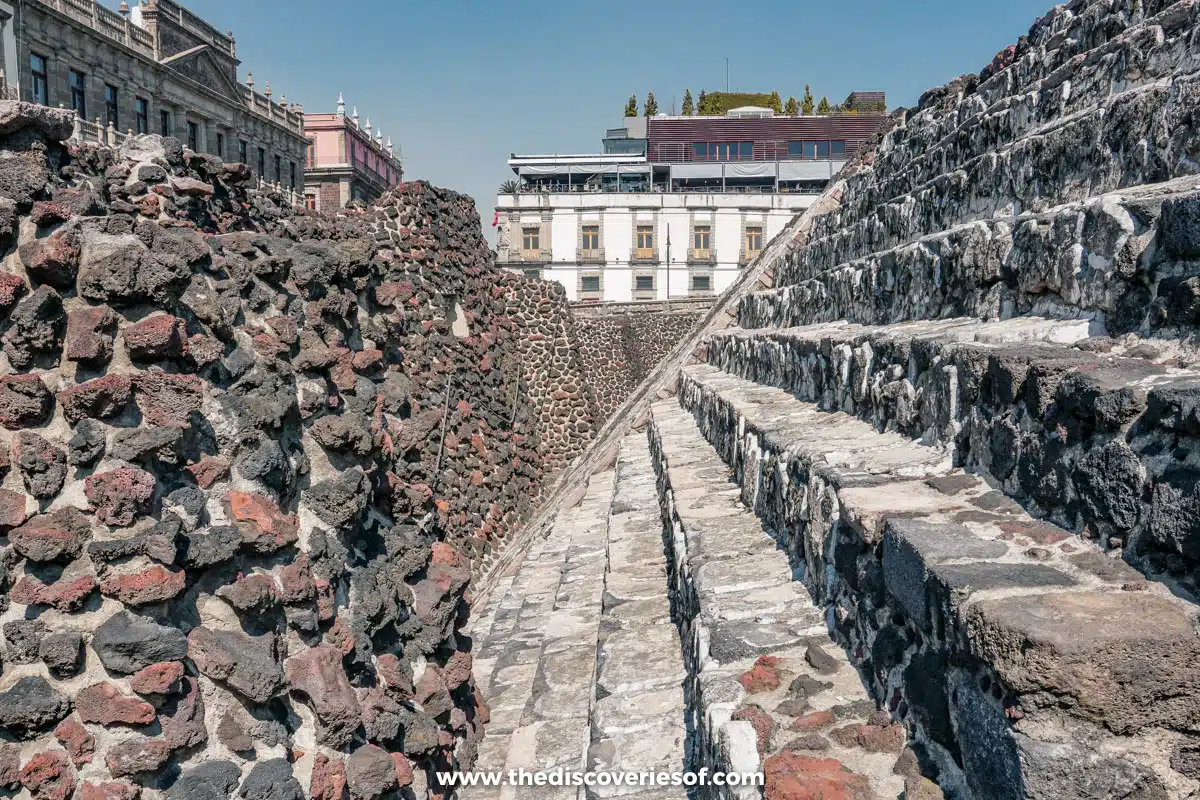
Strolling underneath the modern skyscrapers on Avenida Reforma or through the neighbourhood of Santa Fe, it’s hard to believe that these areas in Mexico City date back centuries. There’s no such doubt about the historic origins of the 14th-century Templo Mayor.
Named Templo Mayor (which translates to Main Temple) because it was the most important temple of the Aztec capital of Tenochtitlán, the ruins sit in the heart of Mexico City’s Centro Histórico. Tenochtitlán was one of the most remarkable cities of the ancient world: built on an island in the middle of Lake Texcoco, connected to the mainland by enormous raised causeways, with a population that rivalled the great cities of Europe within two centuries of its founding in 1325.
At the centre of this city stood the Templo Mayor, a pyramid-shaped structure around 60 metres high with twin shrines at the summit, one dedicated to Tláloc, the rain god, and one to Huitzilopochtli, the Aztec god of war and the sun. The Aztecs believed the temple to be the centre of the universe, and it functioned as the sacred ceremonial centre of the city, a place where priests addressed both gods and made sacrifices in their name.
The temple was demolished and largely built over following the Spanish conquest of 1521, during which Hernán Cortés and his forces destroyed most of the city and constructed colonial Mexico City directly on top of it. For centuries the temple was buried and largely forgotten, its location only vaguely known.

Then on 21 February 1978, electrical workers laying cables near the Metropolitan Cathedral struck something enormous in the ground: a perfectly carved circular stone disc more than three metres across, depicting the dismembered body of Coyolxauhqui, the Aztec moon goddess who according to myth was slaughtered by her brother Huitzilopochtli. The discovery was immediately recognised as significant, and archaeologists began what became one of the most important urban excavations in the Americas: a project that continues to this day, with significant finds still being made.
In 1987, the Templo Mayor earned a spot on the list of UNESCO World Heritage sites (as part of the historic centre of Mexico City) and is one of the country’s most famous landmarks. In the museum you can see the original Coyolxauhqui stone and thousands of objects recovered from the temple’s many offering caches. The site and museum are closed on Mondays.
Top Tip
Fascinating as the temple itself is, be sure to put aside a few hours to spend in the on-site museum. The exhibits are fascinating, and you can even see a stone that was used to perform human sacrifices.
Visit the Museo Frida Kahlo (Casa Azul)


Tucked away in the quiet neighbourhood of Coyoacán, the Frida Kahlo Museum (often nicknamed Casa Azul thanks to its brilliantly blue exterior) should be high on your Mexico City itinerary.
Kahlo was born in the house in 1907 and lived here on and off with her husband Diego Rivera until her death in 1954. The house was where she recovered from the catastrophic bus accident that shattered her spine at the age of eighteen, where she began painting seriously during her long convalescence, and where she produced many of the deeply personal works that would eventually make her one of the most celebrated artists of the 20th century. It is also where she died.
Sometimes I think that house-museums can border on the kitsch, but the Casa Azul offers a genuinely fascinating look at Kahlo’s life and the influences on her art. Rooms have been kept as they were during her lifetime, including an impressive collection of works by 18th- and 19th-century Mexican artists and pre-Columbian artefacts that reflect her lifelong engagement with Mexican indigenous culture. Her studio, her bedroom, and the kitchen she shared with Rivera all feel remarkably present: this is not a sanitised museum experience but a house that still feels lived in.
Book in advance. This is one of the most popular museums in the city and often sells out, and it’s closed on Mondays.
Tickets
Tickets cost 320 pesos for international visitors, with cheaper rates for Mexican nationals, discounts for students and seniors, and free entry for children under 6. Entry is by timed slot, so book online before you go, or pick up a Frida Kahlo Museum ticket with a digital guide.
Marvel at the Palacio de Bellas Artes
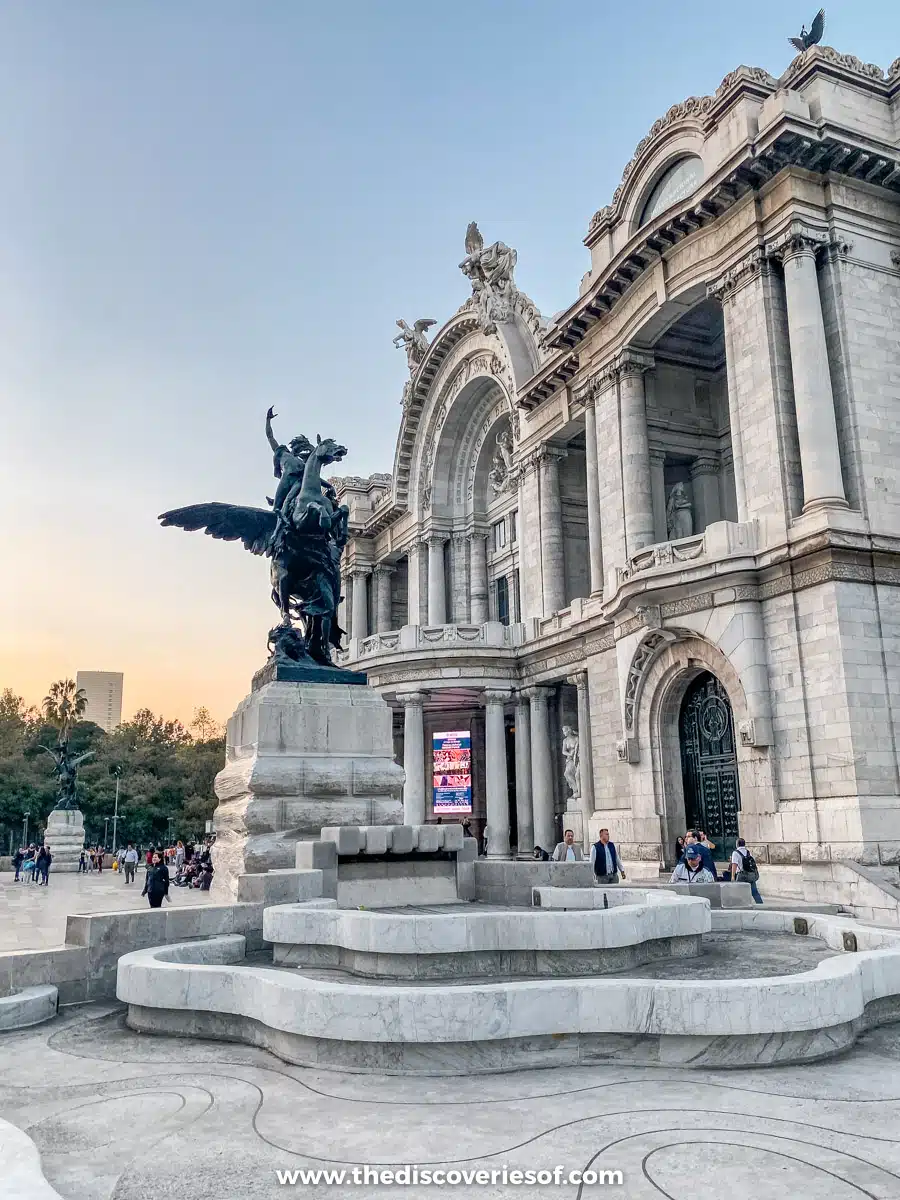
Few architectural structures can rival the beauty of the Palacio de Bellas Artes (Palace of Fine Arts). This is one of the most famous landmarks in Mexico City and is a staple feature on just about any Mexico City guide or brochure, but no photograph really prepares you for seeing it in person. It’s one of my favourite spots in the city.
Located near Alameda Park and Centro Histórico, a visit here is a must. The Palacio de Bellas Artes dates back over a century. Designed by the Italian architect Adamo Boari, construction on the Art Nouveau building began in 1904 with the aim of having a national theatre ready for inauguration by 1910, a centenary gift to the Mexican nation.
The project ended up taking nearly three decades to complete due to delays caused by the Mexican Revolution and the extraordinary engineering challenge of building on the soft, swampy ground of what was once Lake Texcoco. The building, largely constructed from Carrara marble imported from Italy, has sunk several metres into the ground since its completion, a geological reality that only adds to its remarkable character.

Although it functions as an opera house and concert hall, the Palacio de Bellas Artes also houses some of the most beautiful Mexican murals in the city, including two large works by Rufino Tamayo and, my personal favourite, Diego Rivera’s El Hombre, Controlador del Universo (Man, Controller of the Universe), a vast and politically charged depiction of the conflict between capitalism and socialism that was originally commissioned for Rockefeller Center in New York before being destroyed and recreated here. Siqueiros and Orozco are on the walls too. The museum is closed on Mondays.
Top Tip
If you’re not able to visit the museum, visit the coffee shop on the eighth floor of the Sears across Avenida Juárez. From here, you will have an unobstructed view of the stunning building.
Eat the city’s best tacos at Los Cocuyos

If you are a foodie, head to Los Cocuyos. I do not think I can put it more plainly than that. I ate a lot of tacos during my time in Mexico and these tacos blew my mind.
It is easy to walk by this unassuming single-window taqueria in the Centro Histórico (it’s at Bolívar 56) as it sits on one of the busiest streets in the area. That would be a mistake. Follow the inviting aroma of slowly simmering meats and the inevitable queue to the spot that Los Cocuyos has occupied for over 50 years, serving an array of tacos that you will not find at any ordinary taco joint. It’s open almost around the clock, so it works as well for a late-night snack as for lunch.


Wondering what to order? Just about anything on the menu pops, but I would very much recommend their suadero (brisket) and longaniza sausage tacos, both of which are long-time fan favourites. For the adventurous, Los Cocuyos offers some genuinely unique options including tacos de sesos (brains), diced ojos (eyeballs), tacos de cabeza (beef cheek), and chewy lengua (tongue). It may not all sound appetising, but trust me: these tacos pack a punch and are an authentic alternative to the usual carnitas or chorizo.
Top Tip
Wanna go all out? Ask for the tacos con todo, which includes all of the above, along with a healthy sprinkle of onions and coriander. For more of the centre’s street food, an historic centre food tasting tour is a fun way to eat your way round.
Explore the Plaza del Zócalo
You have not truly visited CDMX without spending time on the city’s main square, the Plaza del Zócalo. Measuring 220 metres from north to south and 240 metres from east to west, this is the largest plaza in Latin America and one of the largest public squares in the world.
The Zócalo has been the political and ceremonial heart of this city for far longer than Mexico City itself has existed. Before the Spanish arrived, this ground was the sacred centre of Tenochtitlán, the ceremonial precinct where the Templo Mayor stood, surrounded by palaces, temples and ritual spaces.
The Spanish demolished all of it and built their colonial city directly on top, laying out the current plaza as the symbolic centre of New Spain, flanked by the Metropolitan Cathedral and the Palacio Nacional to demonstrate the dual power of church and state. That colonial logic, the deliberate assertion of new power over indigenous foundations, is what you are standing on when you stand in the Zócalo today.
It is a hectic spot. On an average day, the plaza is busy with vendors, street entertainers, and tourists, and it is also a common site for festivals, protests and national celebrations. Among the buildings surrounding it is the gilded Metropolitan Cathedral, one of the oldest and largest religious buildings in the western hemisphere. I recommend heading inside (more on that below).
Step inside the Metropolitan Cathedral
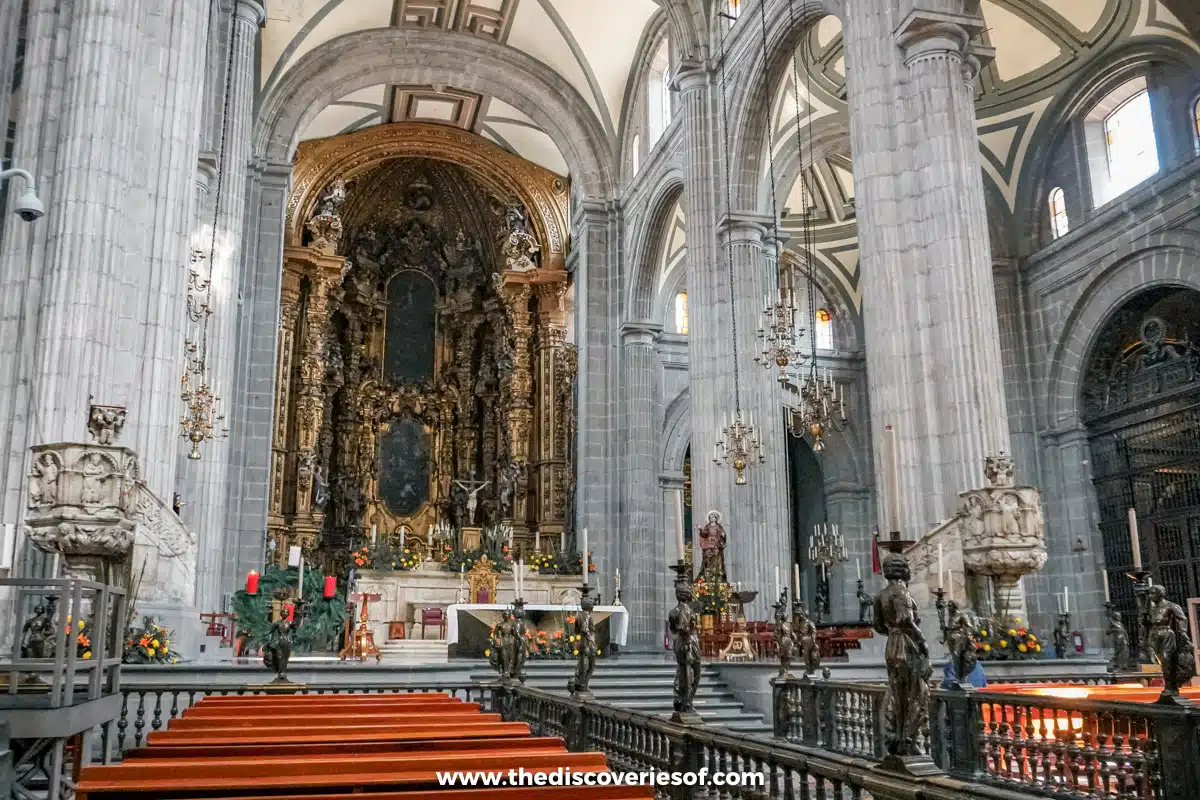
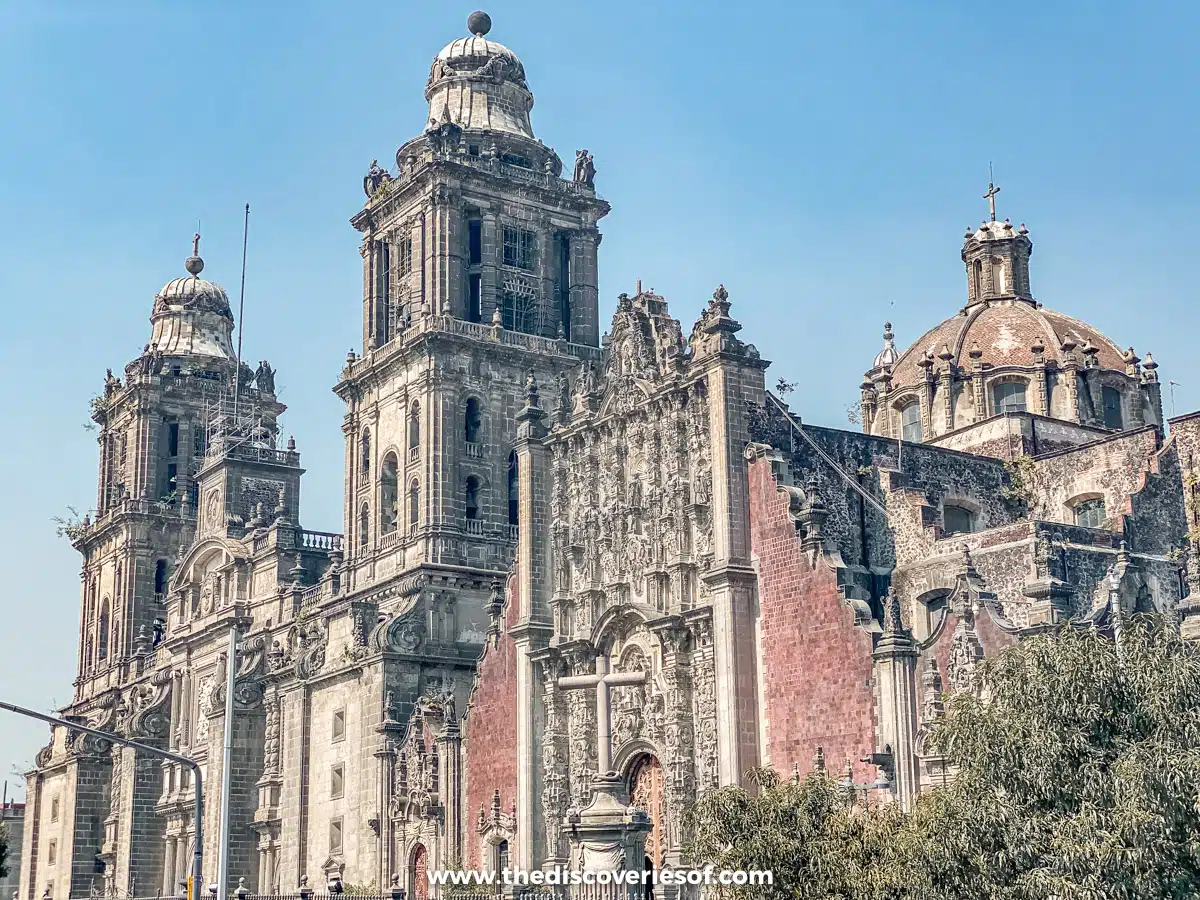
The Catedral Metropolitana on the north side of the Zócalo is the largest cathedral in the Americas, and it took almost 250 years to build: work began in 1573 and only finished in 1813, which is why it mixes Renaissance, Baroque and Neoclassical styles under one roof. It stands on the site of the Aztec sacred precinct, and some of its stone came from the temples the Spanish tore down.

Inside, head for the Altar de los Reyes (Altar of the Kings) behind the main altar, an explosion of gilded, carved ultra-Baroque woodwork by Jerónimo de Balbás, along with the side chapels and the two great organs. Look closely and you’ll notice the floor isn’t level: like much of the city, the cathedral has been sinking unevenly into the old lake bed for centuries, and engineers spent years in the 1990s stabilising it. Entry to the cathedral is free.
See Diego Rivera’s murals at the Palacio Nacional

The Palacio Nacional is one of the oldest buildings in Mexico City, serving as the seat of the federal branch of the Mexican government and housing the offices of the president and the Federal Treasury. It also contains the Biblioteca Miguel Lerdo de Tejada, one of the most important libraries in the country.
If we are being honest about why most visitors come here, though, it is to see the extraordinary murals of Diego Rivera housed within its walls.

Rivera is one of Mexico’s most famous artists and arguably the most important muralist in the history of Latin American art. While his reputation today is often overshadowed by his famous former wife, Frida Kahlo, he remains one of the first Mexican artists to gain worldwide acclaim, and his influence on how Mexico represented itself to the world is incalculable.
His most ambitious work at the Palacio Nacional, Epopeya del pueblo mexicano (often called Mexico Through the Centuries), fills the walls of the main staircase, and he went on to paint a further series of panels along the first-floor corridor until 1951. It is a sweeping depiction of Mexican history from the ancient indigenous civilisations through the Spanish conquest, the colonial period, and into the post-revolutionary state, all painted with extraordinary detail, political conviction and a command of colour that makes it one of the great public artworks of the 20th century.
Tickets
Entry is free, by guided visit from Tuesday to Sunday. Bring your passport (photo ID is checked at the door), arrive early to register, as places are limited, and be aware the palace sometimes closes at short notice for official events.
See more Rivera murals at the Museo Vivo del Muralismo
If the Palacio Nacional is closed on the day you visit, or you simply want more, head a few blocks north to the old headquarters of the Ministry of Public Education (SEP) on República de Argentina. Its two courtyards are covered in murals Rivera painted in the 1920s, more than a hundred panels showing village festivals, workers and the revolution, alongside works by Orozco, Siqueiros and women muralists such as Aurora Reyes.
Opened as the Museo Vivo del Muralismo in 2024, it is free to visit from Wednesday to Sunday, 10am to 6pm, and it is usually far quieter than the Palacio Nacional.
Dine at CDMX’s most renowned restaurant, Pujol

Pujol is pretty much the most talked-about restaurant in Mexico.
Celebrity chef Enrique Olvera founded this restaurant back in 2000, with the aim of introducing rustic Mexican flavours in a more contemporary light. Since its establishment, the restaurant has continued to receive acclaim from many, has long had a spot on the list of the 50 best restaurants in the world, and holds two Michelin stars. Tables are notoriously tough to get, so I’d recommend booking a couple of months in advance if possible.
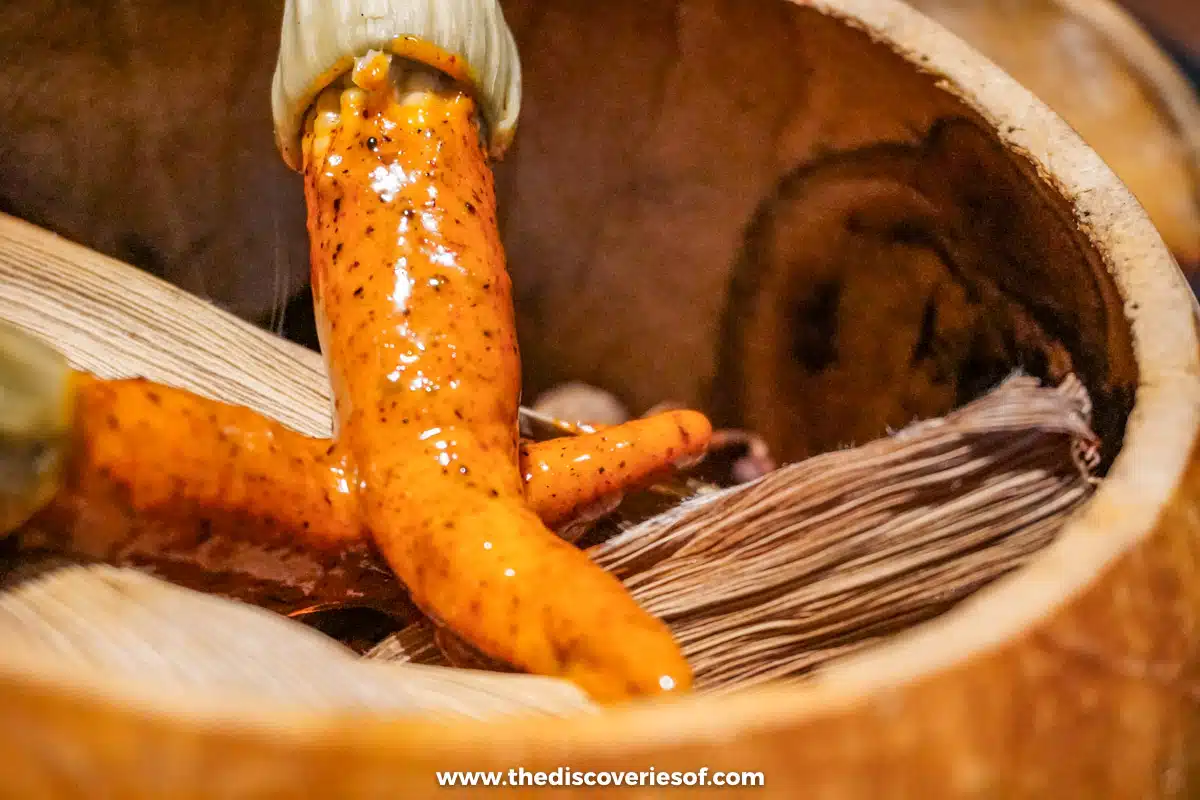
While the menu changes seasonally, the signature Mole Madre, Mole Nuevo is always available. Think a perfect circle of fresh mole surrounded by a larger ring of mole madre, a mother mole that has been reheated and fed with new ingredients every day for years, accompanied by a basket of warm tortillas. It provides a genuinely profound taste of Mexico’s culinary past and present in a single dish.


For the best gastronomical experience, try the tasting menu. The six-course menu in the dining room costs 3,595 pesos and the nine-course taco omakase at the bar 3,995 pesos, both without drinks. I loved Pujol so much that I made a whole video about eating there (it’s at the end of this guide).
Watch a mariachi band at Plaza Garibaldi

Plaza Garibaldi is the focal point for mariachi music in Mexico City, a glorious celebration of the unique ranchera music that dates all the way back to the 18th century. Mariachi originated in the western Mexican state of Jalisco and evolved from a blend of indigenous, Spanish and African musical traditions, eventually becoming one of the defining sounds of Mexican national identity. UNESCO recognised mariachi as Intangible Cultural Heritage of Humanity in 2011.


I knew I had to spend an evening listening to some mariachi music in the plaza during my most recent trip (somehow I’d skipped it on previous visits) and it didn’t disappoint. Bands have gathered here since the mid-1900s, playing to the crowds that flock to the plaza each night.
To get the full experience, visit after 11pm and cosy up at one of the plaza’s many lively tequila joints. The Museo del Tequila y el Mezcal on the square is a good place to start the night.
Top Tip
Bring plenty of small notes for tipping each band after a performance. Bands charge per song, so agree the price before they start playing for you.
Cheer on the luchadores at Arena México
Lucha libre, Mexican masked wrestling, is part sport and part theatre, and a night at Arena México in the Doctores neighbourhood is one of the most fun things you can do in the city. Masked heroes (técnicos) take on the villains (rudos) in a flurry of flips and dives, and the crowd is half the show.
The main CMLL shows run on Tuesday, Friday and Sunday. Doctores is best avoided on foot at night, so take a taxi or Uber to the door, or go with a group: a lucha libre night with tequila handles the tickets and transport.
Spend time in the National Museum of Anthropology
The National Museum of Anthropology (Museo Nacional de Antropología) is one of the things you absolutely must do in Mexico City, particularly if you have any interest in the region’s extraordinary pre-Hispanic history.
It is the most visited museum in the country and houses the world’s most extensive collection of ancient Mexican relics, artefacts and art, covering everything from the Olmecs and Toltecs to the Maya, Zapotecs and Aztecs across 23 exhibition rooms spread over two levels and more than 44,000 square metres.
The collection is genuinely staggering in its scope and quality. Some of the most famous exhibits include the Aztec Calendar Stone: a 3.6-metre-wide basalt disc weighing around 24 tonnes that is one of the most recognisable symbols of Aztec civilisation, and the giant Olmec heads. (The feather headdress often linked to Moctezuma II is in Vienna, but there’s a replica here.) The museum also holds the monolithic statue of Tláloc, the rain god, brought from Coatlinchán, that is so vast it required a specially reinforced vehicle to transport it to the museum when it was moved in 1964.
Set aside at least three to four hours here. The sheer volume of exhibits means a cursory visit is genuinely insufficient.
Tickets
Entry is 210 pesos for international visitors (2026). The museum is open from Tuesday to Sunday, 9am to 6pm. To make sense of the collection, a guided tour of the museum and Chapultepec Castle is a good idea.
Walk around Chapultepec Park
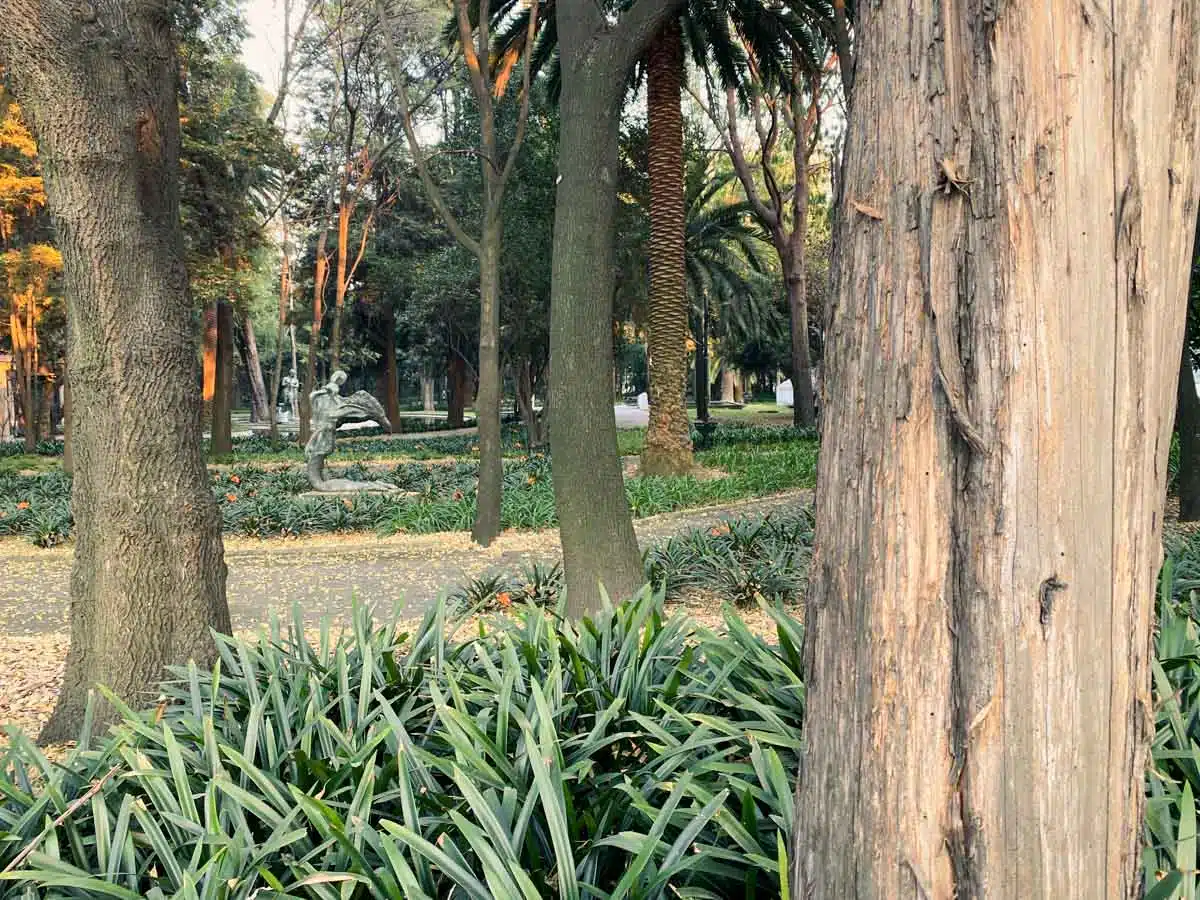
Chapultepec Park, or Bosque de Chapultepec, is a park of almost 700 hectares that dates back to ancient Aztec times. Its name derives from the Nahuatl word meaning Hill of the Grasshopper, and the site has been significant since long before the Aztecs arrived in the Valley of Mexico.
When the Aztecs did establish themselves here, they recognised Chapultepec immediately as a place of power: sacred to Tláloc, the rain god, and abundant with fresh water from natural springs. It was here that the Aztec rulers built their retreats and gardens, and the ruler Nezahualcóyotl is credited with building a summer palace on the hill in the 15th century.
After the Spanish conquest, the site passed through successive phases of colonial, military and imperial use. Chapultepec Castle, which is perched on the rocky hill at the park’s centre, began as a Spanish viceregal summer palace in the 1780s, served as a military academy, became the residence of Emperor Maximilian I and Empress Carlota in the 1860s, and then served as a presidential residence into the 1930s, before being converted into the National Museum of History that occupies it today (210 pesos for international visitors in 2026).
All of this history surrounds what is now the lungs of Mexico City, a vast, lush park criss-crossed with trails perfect for walking, running or cycling, filled at weekends with local families, street vendors and performers. Within its borders you will also find the National Museum of Anthropology, the Rufino Tamayo Museum and the Chapultepec Zoo. It is a lovely place to spend a few hours, whether or not you visit the museums. The main section of the park closes on Mondays.
Top Tip
During weekends, Chapultepec fills up with local families, street vendors, and performers and is a lovely place to hang out for a few hours.
See contemporary art at Museo Jumex
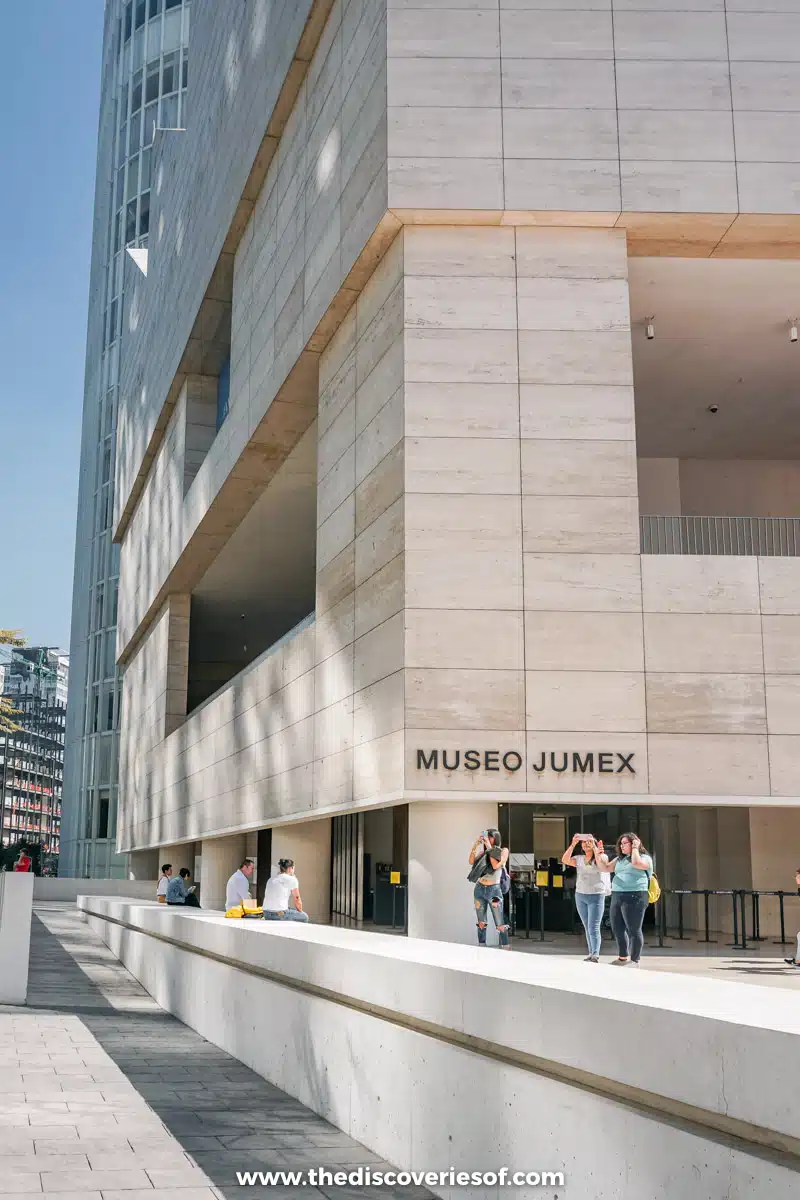
Opened in 2013 in the heart of Polanco, Museo Jumex is one of the city’s leading contemporary art museums. Designed by British architect David Chipperfield, the white building with its saw-tooth roof is as distinctive as the art that it houses.
Inside the museum, you will find one of Latin America’s largest contemporary art collections. This includes works by Andy Warhol, Martin Kippenberger, Cy Twombly, Damien Hirst and many more.
This spread of artists allows for a range of mediums, from paintings and drawings to video and light installations.
Did I almost lose my mind when I turned up at the museum only to find they had a special exhibition dedicated to the works of one of my favourite artists, James Turrell, a primary figure in the Light and Space movement? Yes. Did I immediately book a ticket for said exhibition in a couple of days (it was already largely sold out) and then proceed to have my mind blown? Absolutely.
All this to say that you should check out the museum’s special exhibitions before your visit, but even if there isn’t a temporary exhibition on, the core collection is brilliant. It’s closed on Mondays.
Top Tip
The Soumaya Museum is also located directly across the square from Museo Jumex, so it makes sense to tackle them both in one go.
See the extensive collection at Museo Soumaya

Look across from Museo Jumex and you’ll see a giant and rather interesting building, tiled with thousands of silver hexagons. This impressive piece of architecture is the Museo Soumaya, which is home to a large collection of art, totalling 66,000 pieces. Among these are works from famous artists, including Diego Rivera, Rufino Tamayo, Matisse, and Degas.
Since it opened in 2011, the Museo Soumaya has quickly become one of the most popular art museums in Mexico City.


I can see why. I hate to play favourites but the Soumaya really is one of the best museums I’ve visited, not only because of the extensive collection of impressive exhibits, but because of the gorgeous light-filled building too.
The collection spans five centuries of European and Mexican art, and the top floor is given over to one of the largest collections of Rodin sculptures outside France. Entry is free and it’s open every day, which makes it even harder to justify not going.
Shop at Mercado de San Juan
Mercado San Juan is one of the best shopping destinations in Mexico City among professional chefs, local foodies and travellers with their cookbooks in tow. It is often referred to as the “chef’s market” due to the wide range of high-quality produce found here.
The area is also known as a hub for exotic meats. Inside the market are many vendors selling armadillo, iguana, wild boar, stingray and alligator among them. Some also serve their own dishes. If you’ve got a strong stomach, try your hand at some crocodile a la veracruzana or grab some crispy ants, beetles, or grasshoppers for snacking.
Note that this market is constantly busy and filled with vendor chatter, and for those who are squeamish, it may be best to stay clear of the peripheral meat stands.
See sky-high views from Torre Latinoamericana
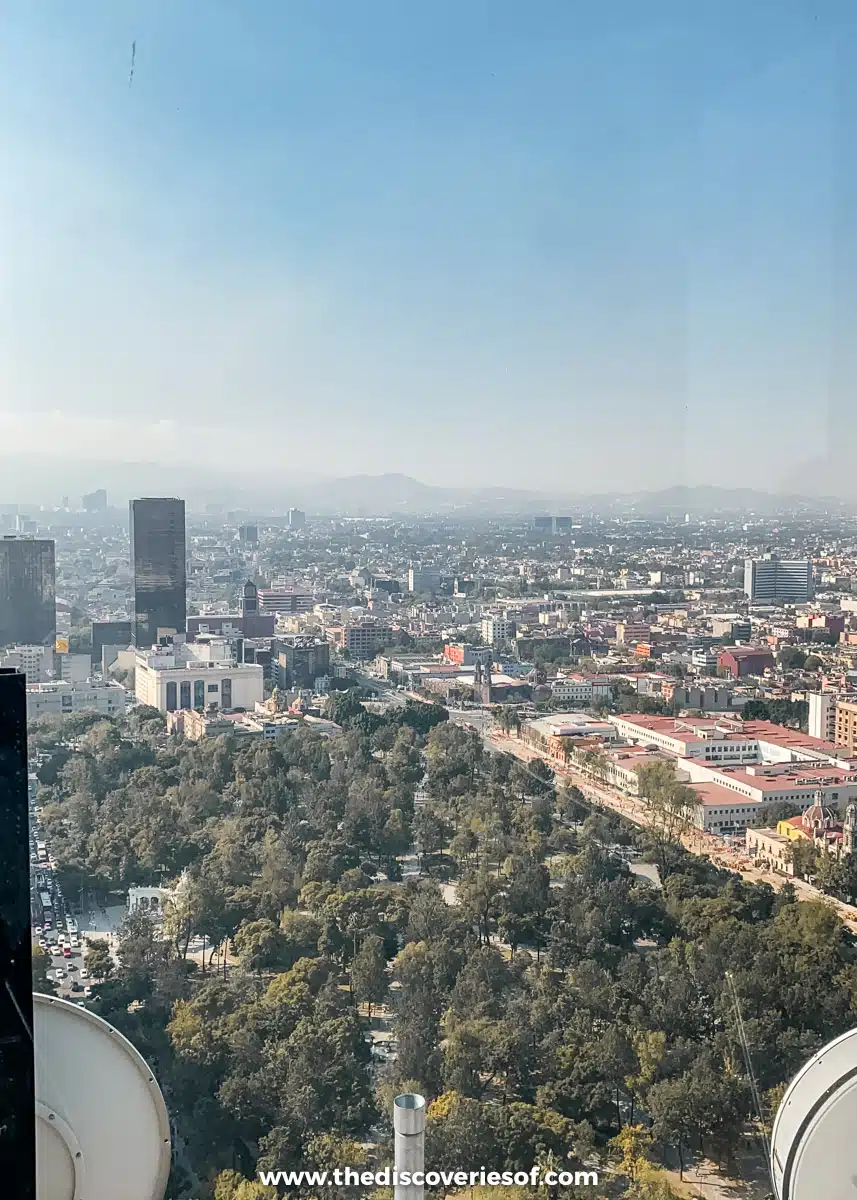
The Torre Latinoamericana is a 44-storey skyscraper located in the Centro Histórico. Completed in 1956, it was the city’s first great skyscraper and it’s still the tallest building in the historic centre. It’s somewhat dubiously renowned for withstanding an 8.1-magnitude earthquake in 1985 and then a 7.1-magnitude earthquake in 2017.
However, its biggest draw is the incredible views it offers. Head to the observation deck for an awe-inspiring 360-degree view of the city (170 pesos). From here, you will be able to see a number of the city’s top tourist spots, including the Palacio de Bellas Artes and leafy green Alameda Park.

For a truly memorable experience, grab dinner or a drink at one of the restaurants and bars. Located on the 41st floor, Miralto Restaurant and Bar is a great option for a relaxed cocktail with a view. I grabbed a seat next to the panoramic windows and soaked it all in: a much more relaxed way to take in the view than the deck.
Buy handicrafts at the Mercado de Artesanías
Looking to shop for local folk art, handicrafts, or colourful souvenirs to take home from Mexico? Be sure to stop by Mercado de Artesanías. Centred around a descending pedestrian walkway lined with stalls of artists and vendors, it’s a hive of colour and activity.
While there are many artisan markets in Mexico City, this one is among the best. Some popular pickups here include silver jewellery from Taxco, Talavera pottery from Dolores Hidalgo, and rugs from Oaxaca.
This is also a good spot to shop for clothing, tote bags, leather goods, and various pieces of art.
Top Tip
Be sure to bring along cash. Though some of the vendors and artists accept credit cards, by paying cash, you can often haggle the prices down a bit.
Grab a bite and a drink at Mercado Roma
Mercado Roma is another one of Mexico City’s many bustling markets. But what some may not know is that residents originally protested the idea of building a market in the neighbourhood. Many believed that gentrification would ruin the area. Though the three-storey market is more upscale than its surroundings, it is now a common gathering point amongst locals and tourists alike.
The market is home to dozens of restaurant and bar stalls serving a wide selection of foods and beverages. This includes wines, tasty tapas, tacos, desserts, and plenty more. Head to the rooftop of the three-storey market to chill out in the beer garden. Enjoy some delicious drinks, mingle, and perhaps even try your hand at foosball.
Wander the street art of Roma and Condesa
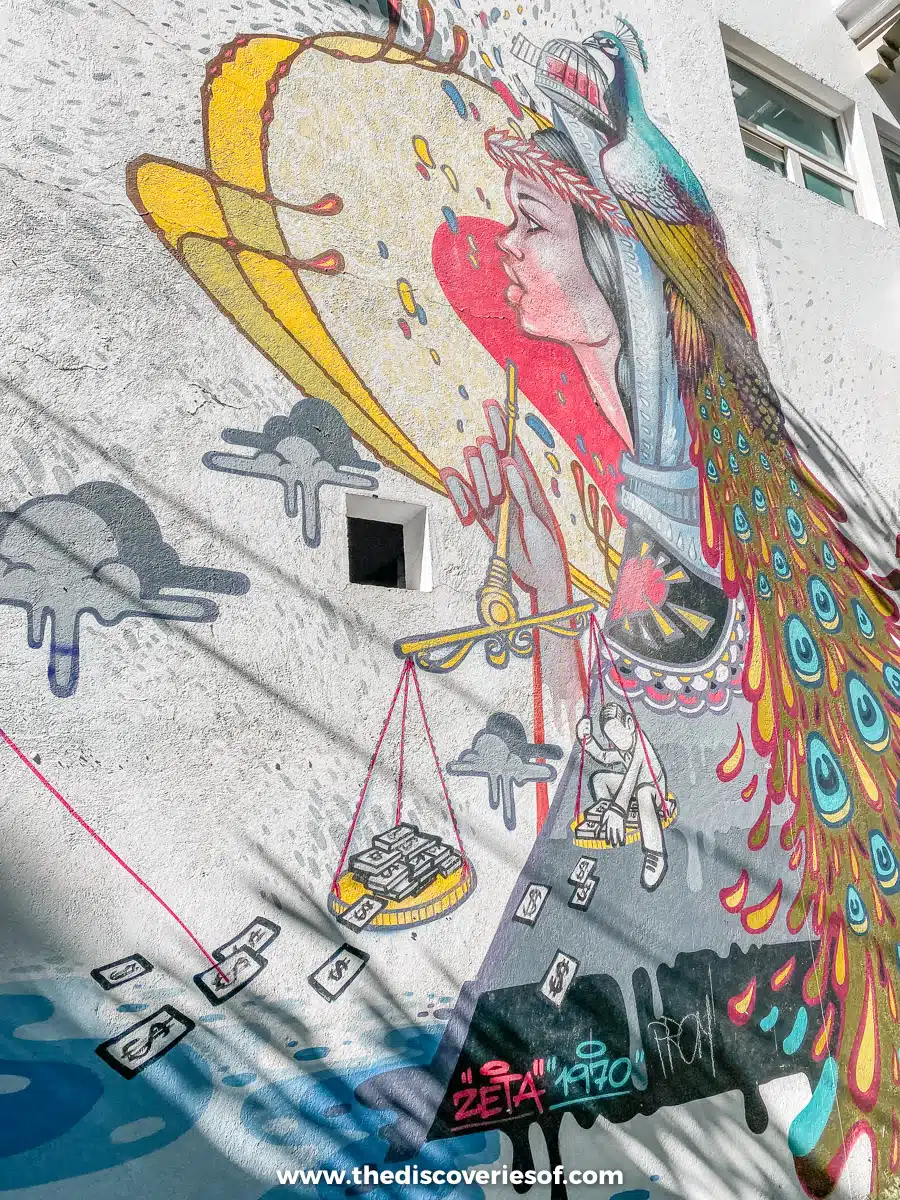
Roma and its neighbour Condesa are where Mexico City slows down: leafy streets of Art Deco and Porfirian mansions, tree-lined central reservations made for strolling, independent cafés, mezcal bars and some of the best street art in the city on the walls between them. Wander from Plaza Río de Janeiro in Roma to Parque México in Condesa, and you’ll pass most of it.
This is where I based myself in the city, and it’s an easy place to spend a lazy afternoon between the big sights. Lalo! and Limantour (both below) are here too, and a Roma Norte food walking tour is a tasty way to get your bearings.
Coffee and breakfast at Lalo!


Lalo! is one of Mexico City’s best speciality cafés for trying locally sourced Mexican coffees in a sleek and trendy coffee shop. Tucked away in upscale Roma, it’s a haven of clean design, with green plants providing a stunning contrast against the grey interior.
That’s great and all, but what we’re really interested in is the food and the coffee, both of which are excellent. It’s got a bit of a reputation for incredible local roasts (and breakfasts) and let me tell you: it’s well deserved.
Top Tip
Before you go, be sure to purchase a bag of their signature coffee beans, which doubles up as a great souvenir, too.
Sip cocktails at Limantour


If you love cocktails, you have to go to Limantour. This cool cocktail bar has been serving up some of the city’s best cocktails since 2011. It also just so happens to be a regular on the World’s 50 Best Bars list. So yeah… go.
Swanky cocktails aside, the mixologists are really friendly and always on hand to make recommendations or even shake up something to suit your taste if you really can’t find something you like the look of on the menu (unlikely).
Top Tip
Time your visit right and you may be lucky enough to catch the Christmas cocktail pop-up Miracle, which takes over the upstairs bar in December.
Step back in time at Maison Artemisia
If you’re looking for fun things to do in Mexico City at night, then make a trip to the popular Maison Artemisia, a dark cocktail lounge designed to transport drinkers to Paris and the Belle Époque. As the name suggests, this is a highly exclusive spot (a “Maison” refers to the private houses that once functioned as clubs where famous and wealthy personalities went to drink).
The Maison Artemisia revives this sense of prestige in a 19th-century house in Mexico City. The French decor and low light create an intimate setting, ideal for a grown-ups’ night out. As the night rolls on, the city’s bohemian spirits flock in to enjoy the tasteful range of drinks (absinthe is the speciality) and dance to the sounds of modern beats.
There is also a lovely restaurant downstairs where you can sample various French-inspired dishes, including escargots and pickled pigs’ trotters.
Before you go: altitude, timing and where to stay

To ensure you get the most out of your visit to Mexico City, here are some important things to know.
- Mind the altitude. Mexico City sits at about 2,240 metres above sea level, and it catches many visitors off guard. Drink plenty of water, take it easy on the alcohol for the first day or two, wear sunscreen even when it feels cool, and give yourself time to acclimatise before attempting anything too physically demanding.
- How long to visit: A first-time visitor needs a minimum of three days to cover the major highlights without feeling rushed. But if you want to take it slow, eat your way through the neighbourhoods, explore properly, and actually absorb the city’s extraordinary layers of history and culture, seven days is what I would recommend. Mexico City rewards time. My 3-day Mexico City itinerary puts the big sights in order.
- Best time to visit: The city’s height keeps temperatures moderate all year, with daily highs typically between 20°C and 27°C. The dry season from November to April is the most reliable, with sunny days and cool evenings; March and April are particularly good, when jacaranda trees turn whole streets purple. The rainy season runs from May to October, with short but often intense afternoon downpours. December is busy and pricier around the holidays, and late October and early November bring Día de los Muertos, one of the most extraordinary cultural events in Mexico.
- Getting around: The Metro and Metrobús are cheap and cover most of the sights, but ride-hailing apps such as Uber and DiDi are easy and inexpensive, and the best bet at night. Most museums close on Mondays, so plan your markets and walks for then.
- Day trips: If you have a spare day or two, these are the easiest escapes from the city.
- Teotihuacán: the Pyramids of the Sun and Moon, about an hour north by bus from Terminal Norte (60 pesos), or go with an early-access Teotihuacán tour. Entry is 210 pesos and the pyramids are closed to climbing.
- Xochimilco: drift along the Aztec-era canals in the south of the city on a painted trajinera, around 700 to 800 pesos an hour for the whole boat, or book a traditional trajinera tour.
- Puebla: Talavera-tiled facades, the gilded Capilla del Rosario and the birthplace of mole poblano, 2 to 2.5 hours by ADO bus from the TAPO terminal.
- Cholula: the world’s biggest pyramid by volume, hidden under a hilltop church 20 minutes from Puebla. A small-group tour combines the two.
- Where to stay: Roma and Condesa are leafy, walkable and full of places to eat, and I stayed at the boutique Hotel Villa Condesa, with contemporary rooms around an open courtyard. To be closer to the big sights, Hotel Downtown México is set in a restored 17th-century palace two blocks from the Zócalo (check rates at Downtown México). Polanco is the upmarket option, close to Chapultepec and the museums.


Read Next
Planning your Mexico City trip? Find tours, hotels and practical booking information in my complete Mexico travel guide.
Watch my Pujol video
I loved Pujol so much, I made a whole video about my experience eating there. Take a little look at it.
Map
Read next
- Visiting the Frida Kahlo Museum, the blue house that still feels lived in
- Where to see Diego Rivera’s murals in Mexico City, from the palace stairs to the Alameda
- Pujol review: ants, a years-old mole and Mexico City’s hardest table
- Oaxaca food: what to eat in Mexico’s foodie paradise
- Spend 3 days in Mexico City with this itinerary
- The insider’s guide to Condesa, Mexico City
- 2 weeks in Mexico: the perfect road trip itinerary
- 34 famous landmarks in Mexico
- The best things to do in Oaxaca (grasshoppers included)
- The best time to visit Mexico
Love this? Save and share on Pinterest


Discover the top things to do, insider tips and hidden gems in our Mexico Travel Guide.
Read the guides →





Thanks for this amazing guide — such great tips for exploring Mexico City! 🇲🇽✨ I love how you mixed iconic spots with local favorites, especially the food recommendations (now I really want to try those tacos and mercados!). Your suggestions for walking routes and museums make planning a trip feel way less overwhelming, too. I’m bookmarking this for my next adventure — can’t wait to experience all these places in person!