Seven moles, a market aisle that runs on smoke, a cold corn drink that looks like nothing you’d order and bags of grasshoppers sold by the scoop. This is what to eat in Oaxaca, where to find each dish and what you can expect to pay.
I’d been excited about eating in Oaxaca for a long time before I got there. Its food is renowned as some of the best in Mexico, and the city absolutely lived up to its promise. It was one of my favourite places on a five-week food trip around Mexico, in no small part because there was great food around every corner.
Oaxaca’s food scene is off the charts. The state sits where several indigenous cultures, a cluster of fertile valleys and a mountain range’s worth of microclimates meet, and the result is a cuisine with its own moles, its own cheese, its own chillies and its own drinks. Plenty of it is hard to find anywhere else in the country.
This guide is built around the dishes, not the restaurants, because the best of what you’ll eat here is cooked at market stalls and on street-corner grills. For each one you’ll find what it is, where to try it and roughly what it costs. If you’re planning the wider trip, my guide to the best things to do in Oaxaca covers the sights between meals.
What to eat in Oaxaca
Tlayudas
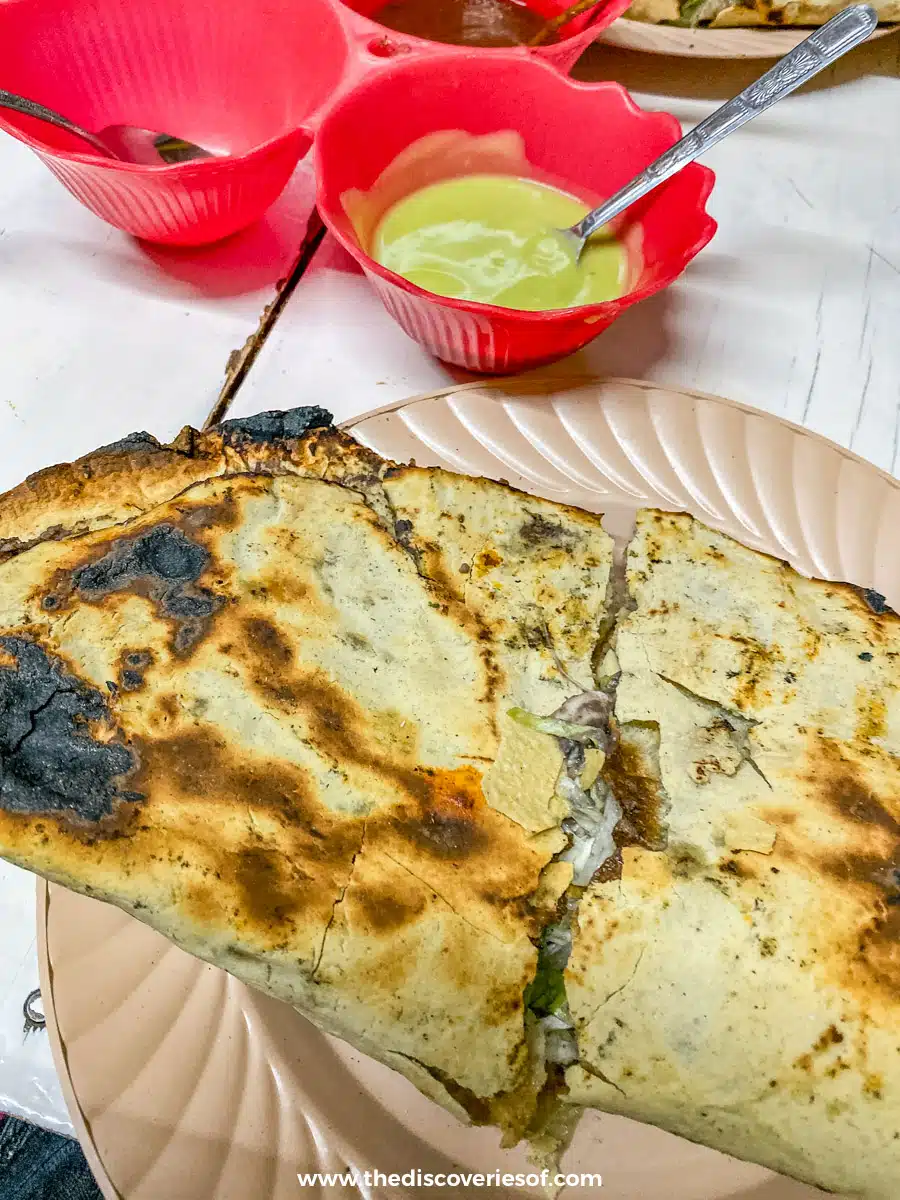
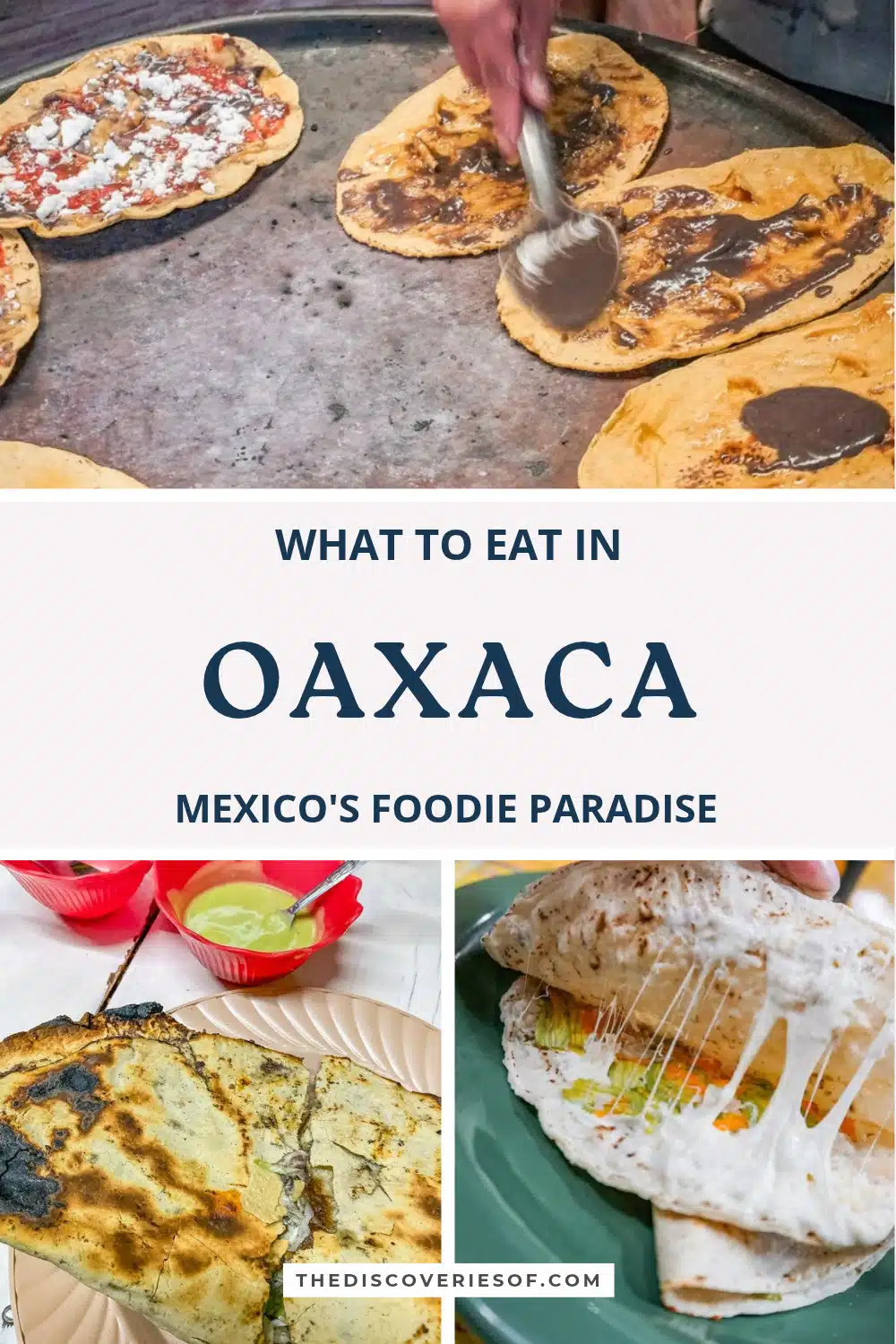
If there’s one dish that sums up the city, it’s the tlayuda. It starts with a huge, thin corn tortilla, partly dried so it holds its crunch, which is spread with asiento (unrefined pork lard), refried black beans and shredded quesillo, then topped with cabbage, tomato, avocado and your choice of meat. It’s either served open or folded in half and toasted over charcoal until the edges blister.
The best are cooked at night. Tlayudas Libres Doña Martha, on Calle de los Libres in the centre, is where I went for mine. It’s a night-time institution with plastic tables, smoke billowing from the grills and a queue of locals that tells you everything you need to know. It opens in the evening, from around 7pm, and stays open late.
Expect to pay from around 60 to 150 pesos for a tlayuda, depending on the meat. Tasajo (thin, dried beef) and cecina (pork marinated in chilli) are the classics, and one is easily enough for two people if you’ve eaten earlier in the day.
Top Tip
Order it “con todo” to get the full set of toppings, and ask for chapulines on top if you’re feeling brave.
Mole
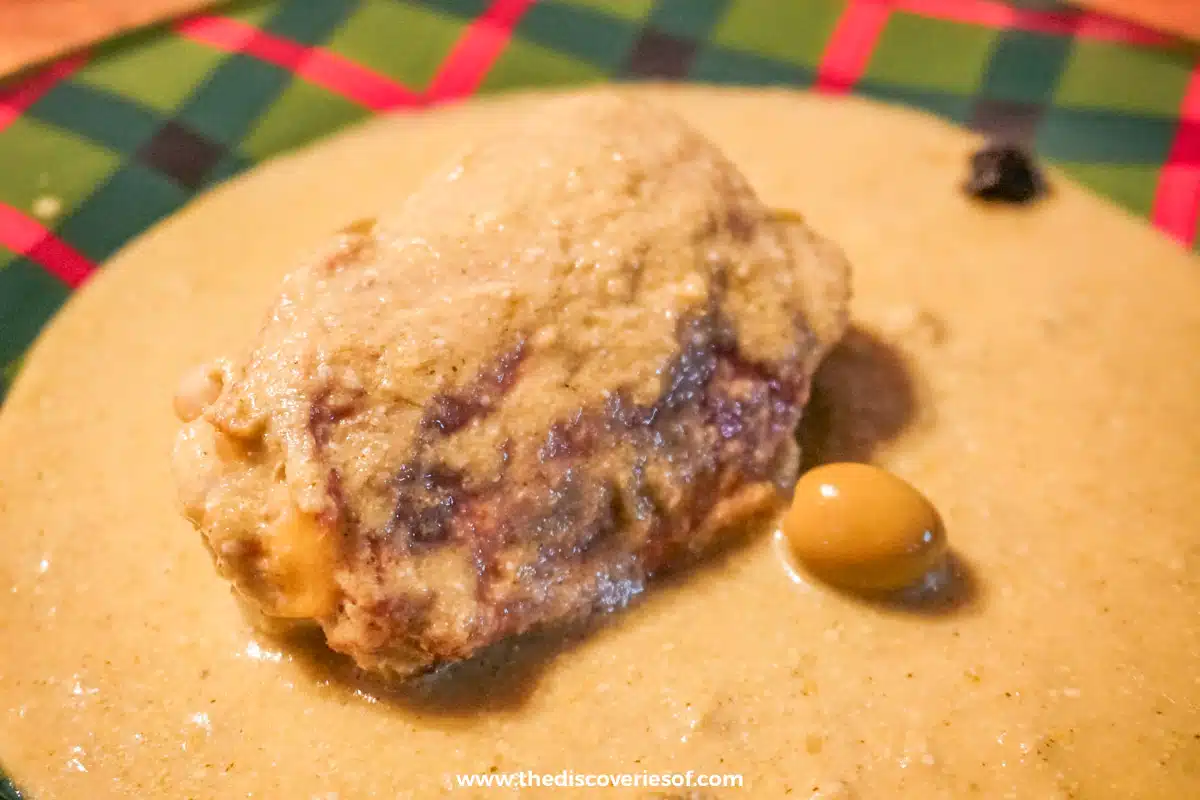
Oaxaca is known as the land of the seven moles, and you’ll see the number painted on restaurant signs all over the city. Mole is a sauce rather than a dish: a slow-cooked blend of chillies, nuts, seeds, spices and sometimes chocolate, ground and simmered for hours and served over chicken or pork, or folded into enchiladas (enmoladas).
The seven are mole negro, coloradito, rojo, amarillo, verde, chichilo and manchamanteles. Mole negro is the most famous and the most complex, made dark with toasted chilhuacle chillies, and recipes can run to 30 ingredients or more. Coloradito is brick red and a touch sweeter, amarillo is lighter and often comes inside empanadas, and verde gets its colour from herbs and green chillies rather than any long roasting.
The comedores (small family-run kitchens) in the city’s markets serve mole as part of an inexpensive set lunch, typically for around 80 to 100 pesos, which is the easiest way to try it. Sit-down restaurants charge two or three times that, often with a choice of moles on the menu.
Top Tip
Look out for empanadas de amarillo at street stalls in the centre: a folded corn tortilla filled with chicken and mole amarillo, cooked on the comal, for around 20 to 30 pesos.
Tasajo, cecina and chorizo in the Pasillo de Humo
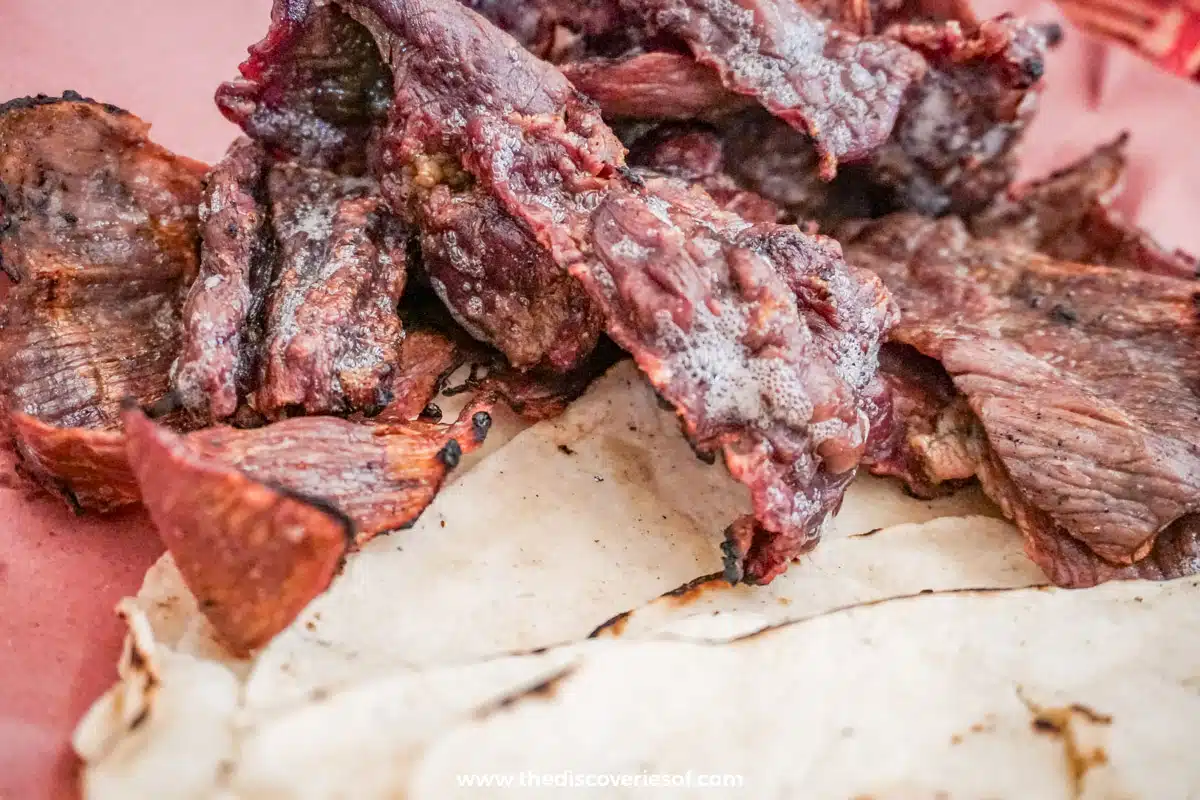
The Mercado 20 de Noviembre, a block south of the Zócalo, is the city’s great food market, and its most famous corner is the Pasillo de Humo, the smoke aisle. It’s really warm inside, full of stalls cooking to order, and the aisle itself is super smoky.
The system can be a bit confusing at first. You choose a butcher’s stall and order your meat by weight: tasajo (dried beef), cecina enchilada (pork in a chilli rub) or chorizo. The stallholder grills it over charcoal along with spring onions and chillies, and while you wait, vendors come by with tortillas, salsas, guacamole and radishes. Take it all to one of the long shared tables and build your own tacos. A full meal works out at around 150 to 250 pesos per person.
I went for the dried beef, which in retrospect was a little bit of a mistake, as it was very, very dry. I would still recommend going, but next time I would try the chorizo.
Quesillo
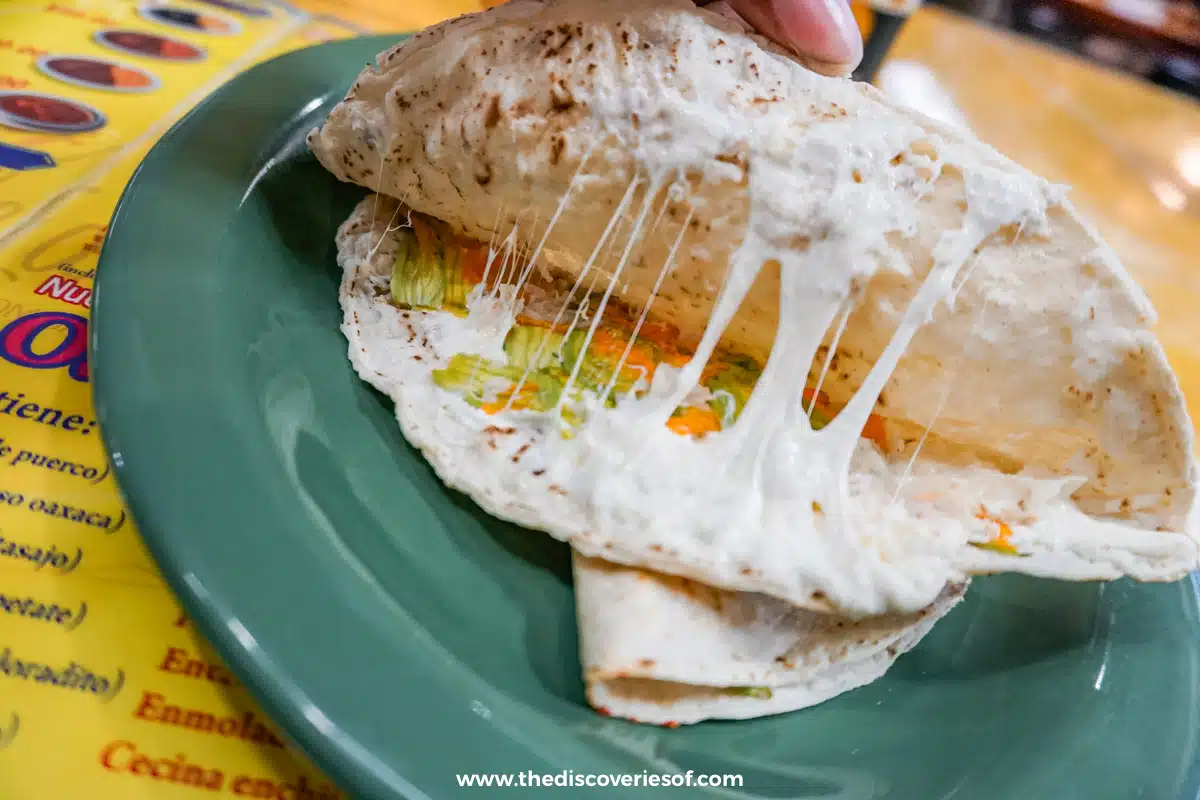
Oaxaca’s own cheese is wound into balls like a ball of wool, and it pulls apart in long strings. It’s mild and slightly salty, and it melts beautifully, which is why it turns up in tlayudas, quesadillas, memelas and anything else that comes off a hot comal. You’ll see it sold all over the markets, usually for 60 to 80 pesos a ball.
At the Mercado 20 de Noviembre, I had a quesadilla with squash flower and quesillo. It’s like a string cheese, almost like a mozzarella but with tons more flavour.
Chapulines
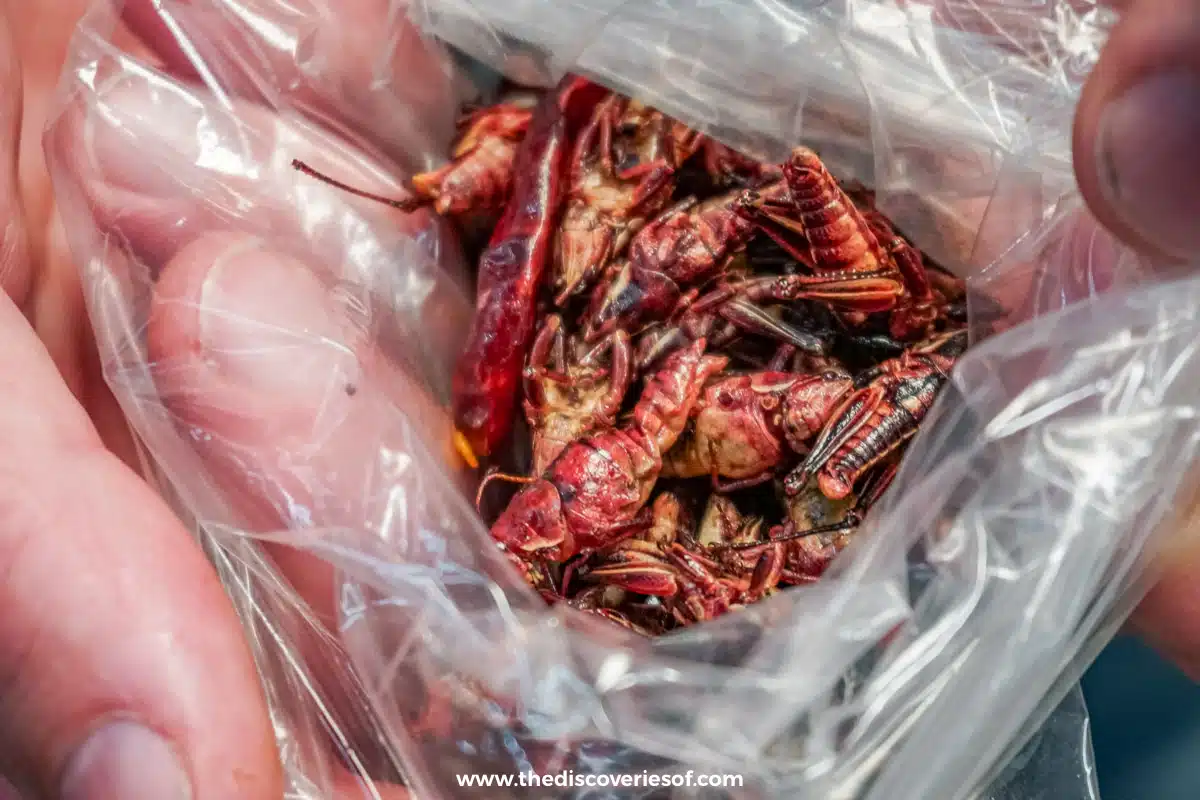
Yes, grasshoppers. Chapulines have been eaten in these valleys since long before the Spanish arrived, and they’re still everywhere: piled high in baskets at the markets, scattered over tlayudas and guacamole, and folded into tacos. They’re toasted on a comal with garlic, lime, chilli and salt.
And yes, I tried them. The taste is like an intense peanut, salty and sharp with lime. I haven’t seen them anywhere else in Mexico, and I would highly recommend you give them a go. A small bag costs around 30 to 60 pesos, and stallholders are generally happy to let you taste before you buy.
Top Tip
The smaller chapulines are the crunchier ones and the easiest to start with. Snack on a handful as you walk around the market, then try them on a tlayuda.
Memelas
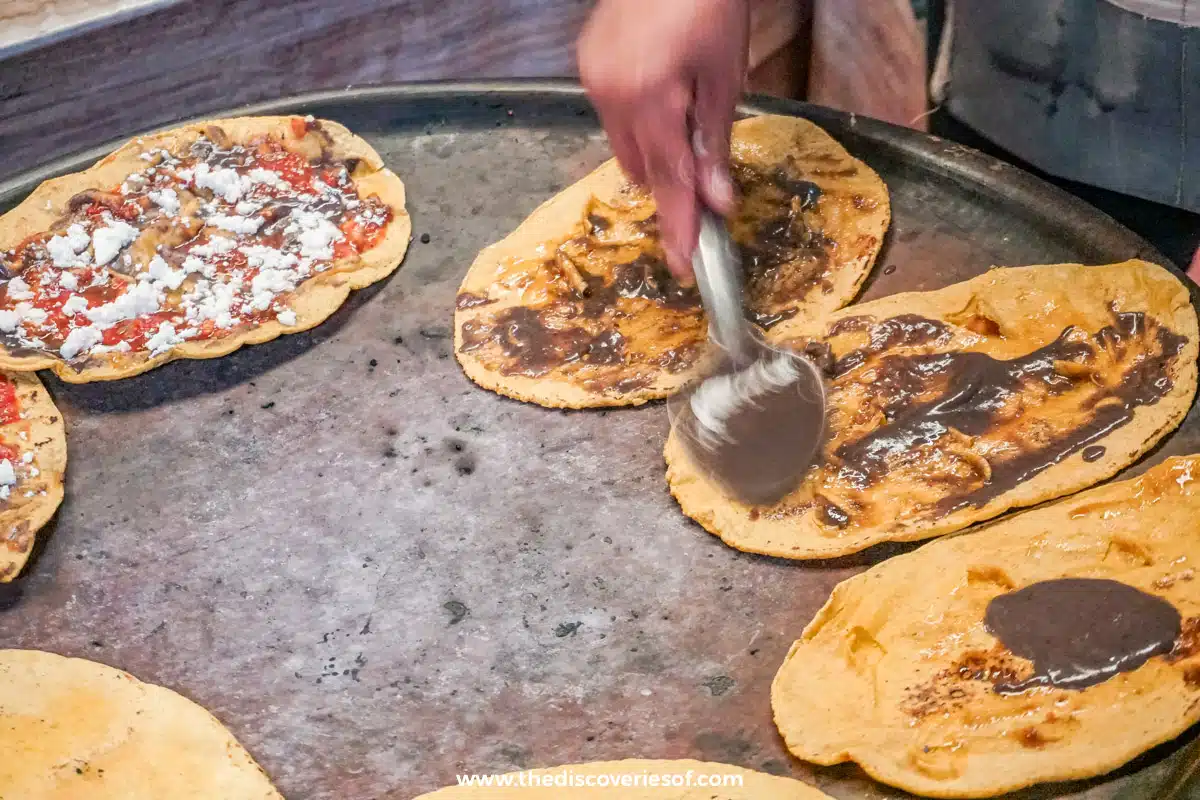
Memelas are the city’s breakfast. A thick, hand-patted corn tortilla is cooked on a clay or metal comal, pinched around the edges, spread with asiento and black beans, and finished with crumbled fresh cheese and salsa. You can add an egg, chorizo or tasajo on top.
They’re sold from early in the morning at the markets and at street stalls around the centre, and they’re cheap: roughly 15 to 30 pesos each, depending on the toppings. Two or three make a proper breakfast.
Grilled chicken and barbacoa at Tlacolula

The Sunday market in Tlacolula de Matamoros, around 45 minutes east of the city, is a food experience in itself. The town is best known for its barbacoa: goat or lamb slow-cooked in an underground pit, served with tortillas and a bowl of the rich consomé the meat was cooked over.
My first stop wasn’t the barbacoa, though. It was a stall doing chicken straight off the grill, and it was some of the best chicken I have ever eaten. Anywhere. Fresh off the coals, handed over with salsa and tortillas, it’s exactly the kind of food that makes this valley so special.
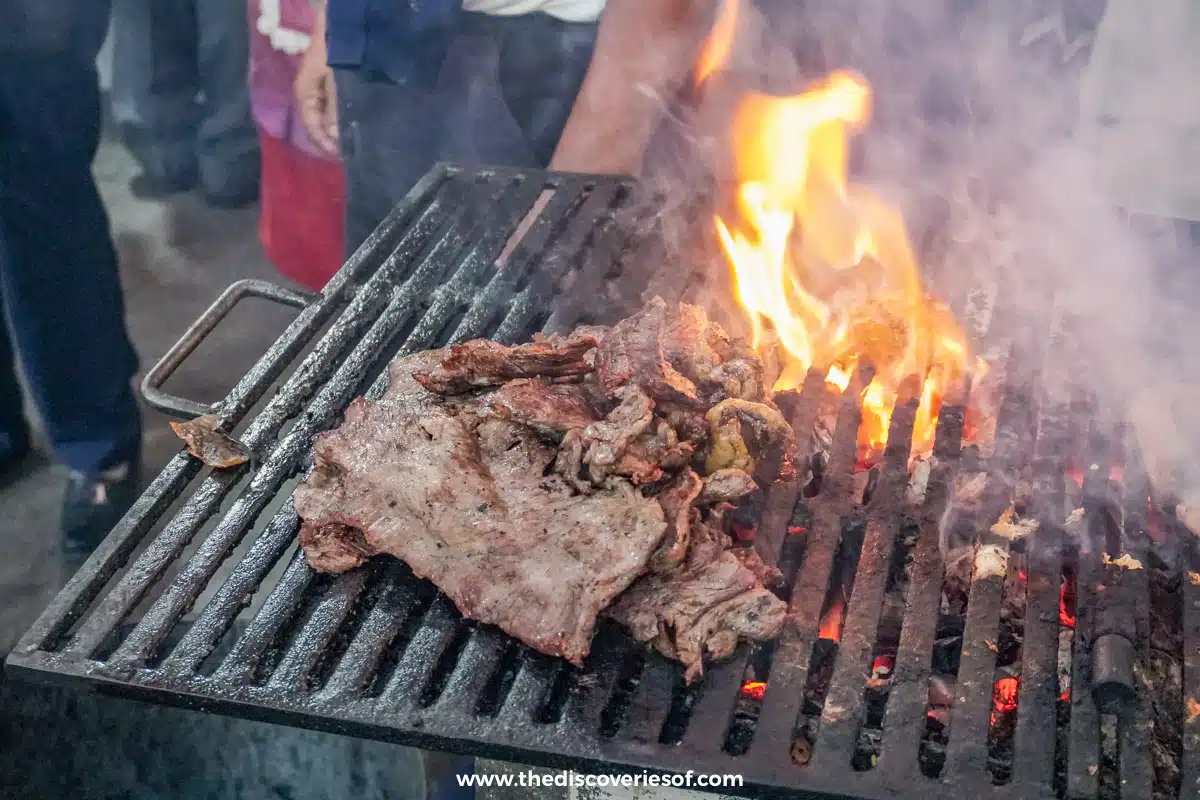
The carne asada section is another highlight: a covered hall where you pick out your meat and it’s grilled over open flames right in front of you. I’ve written a full guide to Tlacolula’s Sunday market, including how to get there and what else to eat.
Tejate
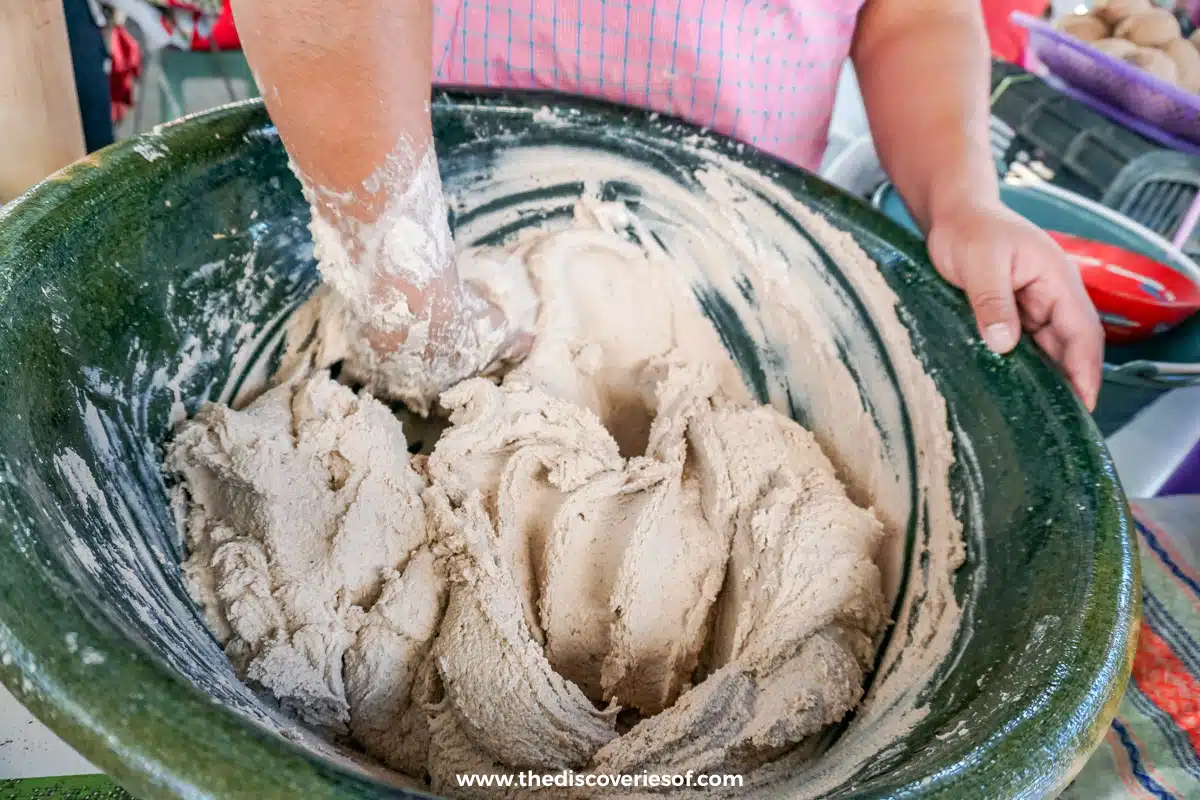
Tejate is the one I’d most urge you to try, precisely because you’ll be tempted not to. It’s a traditional cold drink made from maize and cacao, with flor de cacao (the flower of a tree related to cacao) and toasted mamey seeds, all ground into a paste and mixed by hand with water until a pale foam rises to the top. It’s been drunk in the central valleys since pre-Hispanic times.
I’ll be straight with you: it doesn’t look appetising. But it was one of my biggest surprises. It’s deeply earthy, and you can genuinely taste both the corn and the cacao flower in the foam. It’s served in a painted gourd bowl (jícara) and costs around 20 to 30 pesos a cup.

You’ll find tejateras at the Tlacolula market and at the Mercado Benito Juárez in the centre, and the village of San Andrés Huayapam just outside the city holds a tejate fair every spring.
Chiles rellenos and squash flower soup
If you want to understand the food here, cook it. I booked a traditional cooking class with a local chef, which kicked off with a stroll through the Mercado de Abastos. Together, the chef and I picked out the freshest ingredients on the list. It’s a very, very traditional market, and I was literally not seeing any other tourists.
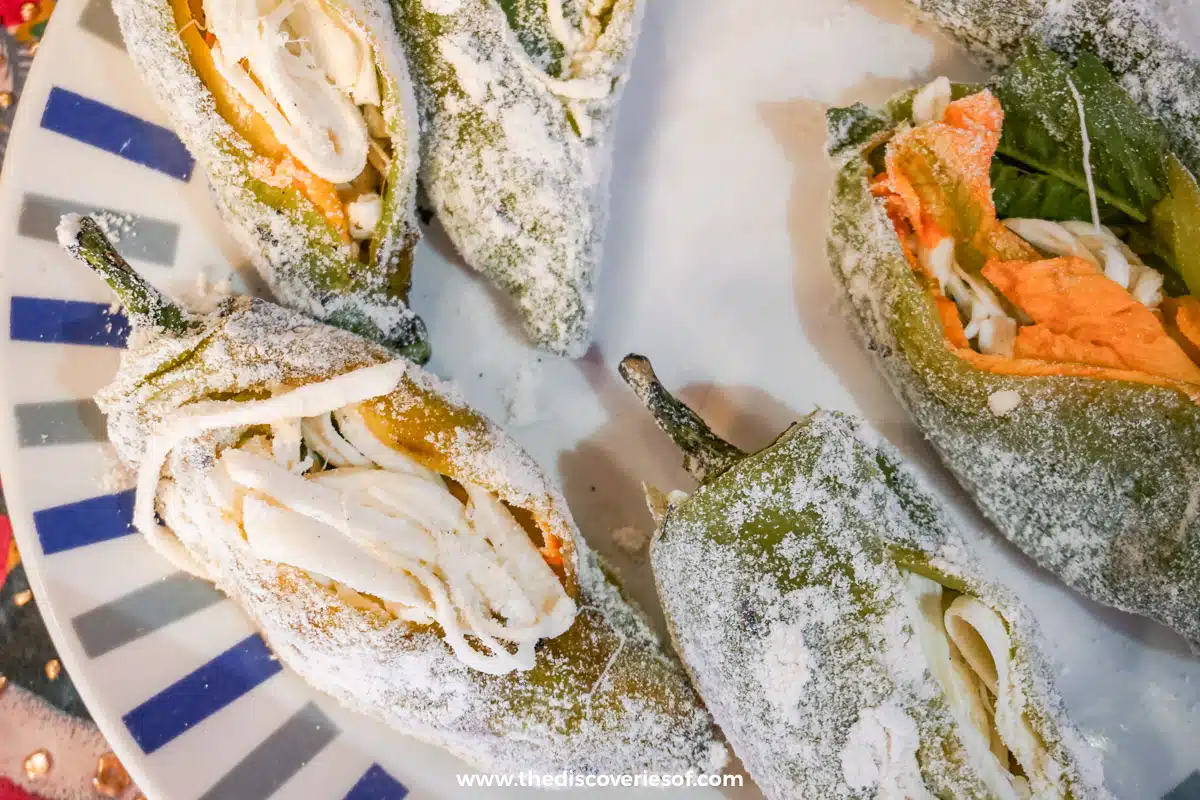
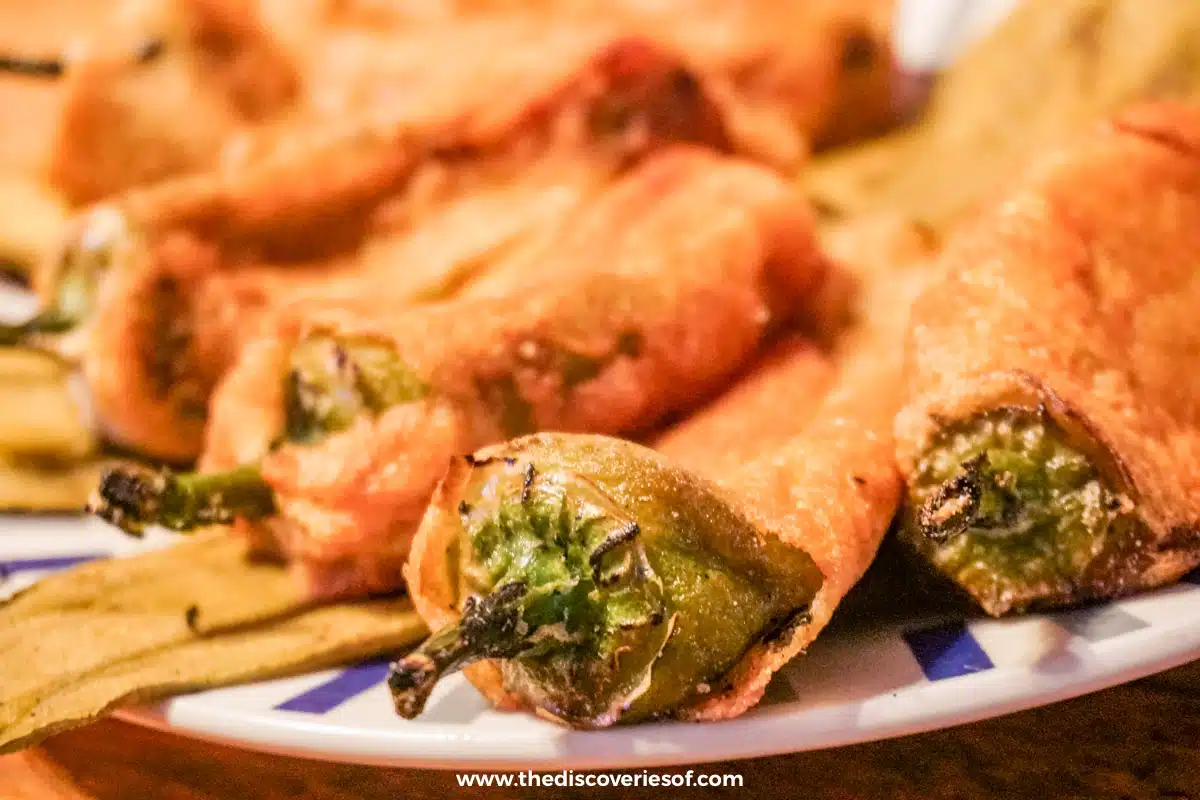
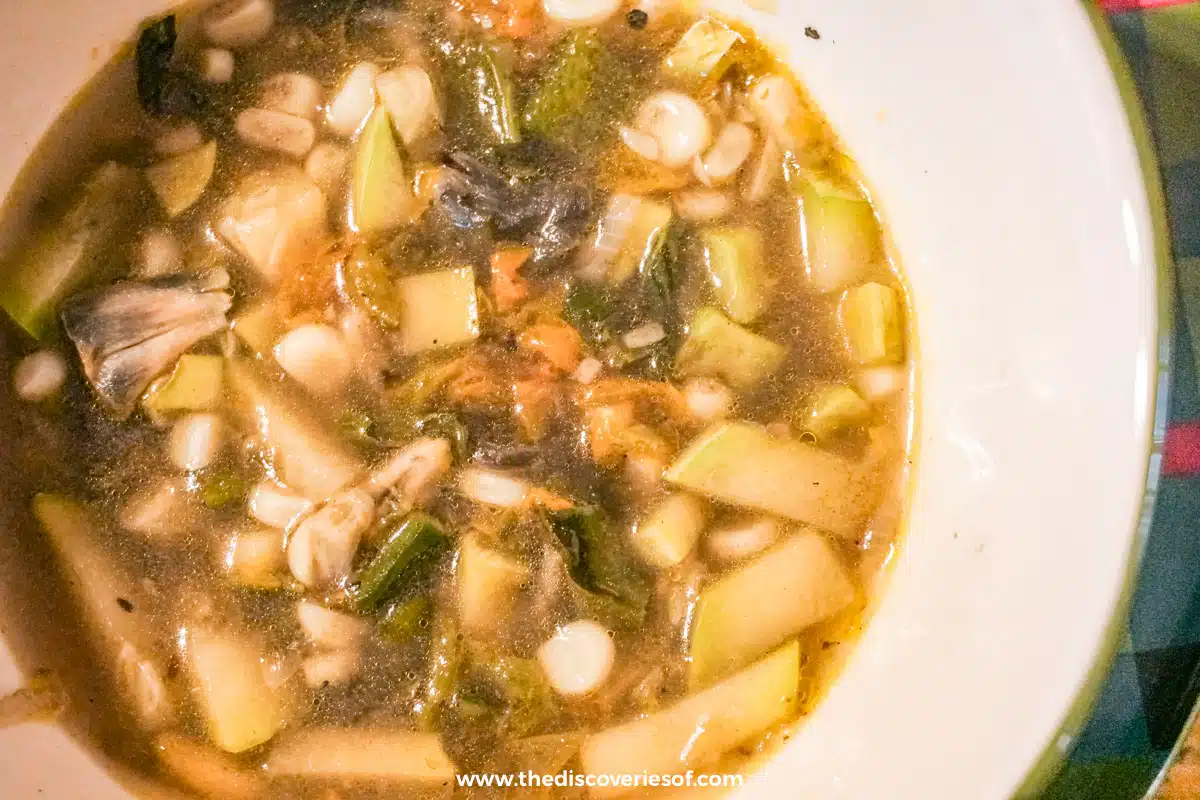
Back in the kitchen, the menu included chiles rellenos (green chillies stuffed, coated in a light batter and fried) and a soup I had never tried before, made with sweet corn, squash flowers and the squash itself. It was lovely and really quite delicate. All that was left to do after that was feast, and good gracious, what a feast it was.
Do
Want to do the same? This Oaxacan cooking class with a local market tour starts with a shop for ingredients before you cook a full meal in the city centre. There’s no set menu, so you cook whatever looks best at the market that day.
Hot chocolate
Cacao has been grown and drunk in southern Mexico for thousands of years, and this is still one of the country’s great chocolate cities. Here it’s mostly drunk rather than eaten: stone-ground with sugar, cinnamon and almonds, then whisked into hot water or milk with a wooden molinillo until it froths. It comes with pan de yema, a soft, eggy bread made for dunking.
The chocolate shops on Calle Mina and Calle 20 de Noviembre, just south of the Mercado 20 de Noviembre, are the place to see it made. At Chocolate Mayordomo you can almost always watch cacao being ground into paste, taste a few samples and have your own blend made to order, with as much or as little sugar and cinnamon as you like.
Top Tip
Buy a block or two of drinking chocolate to take home. It keeps well, packs flat and makes far better hot chocolate than anything from a supermarket.
Nieves
On a warm afternoon, follow the locals to the Jardín Sócrates, the square beside the Basílica de la Soledad, which is lined with ice cream parlours. The local nieves are closer to a sorbet or granita than an ice cream, hand-churned in metal tubs packed in ice and salt, and the flavours are wonderfully local: leche quemada (burnt milk), tuna (prickly pear), mezcal, rose petal and avocado among them. Nieves El Niágara has been churning them here since 1927.
The classic order is leche quemada with tuna, the pairing made famous by Nieves Chagüita in the Mercado Benito Juárez.
Mezcal

You can’t eat your way around the city without drinking mezcal. The state produces the vast majority of Mexico’s certified mezcal, and mezcalerías are all over the city, so the idea is to sample your way through them. At one bar, the resident mezcal expert poured me an espadín, nice and earthy, and showed me how it’s done: a sip of the mezcal and a bite of the orange, dipped in sal de gusano, a salt ground with chilli and toasted agave worm.
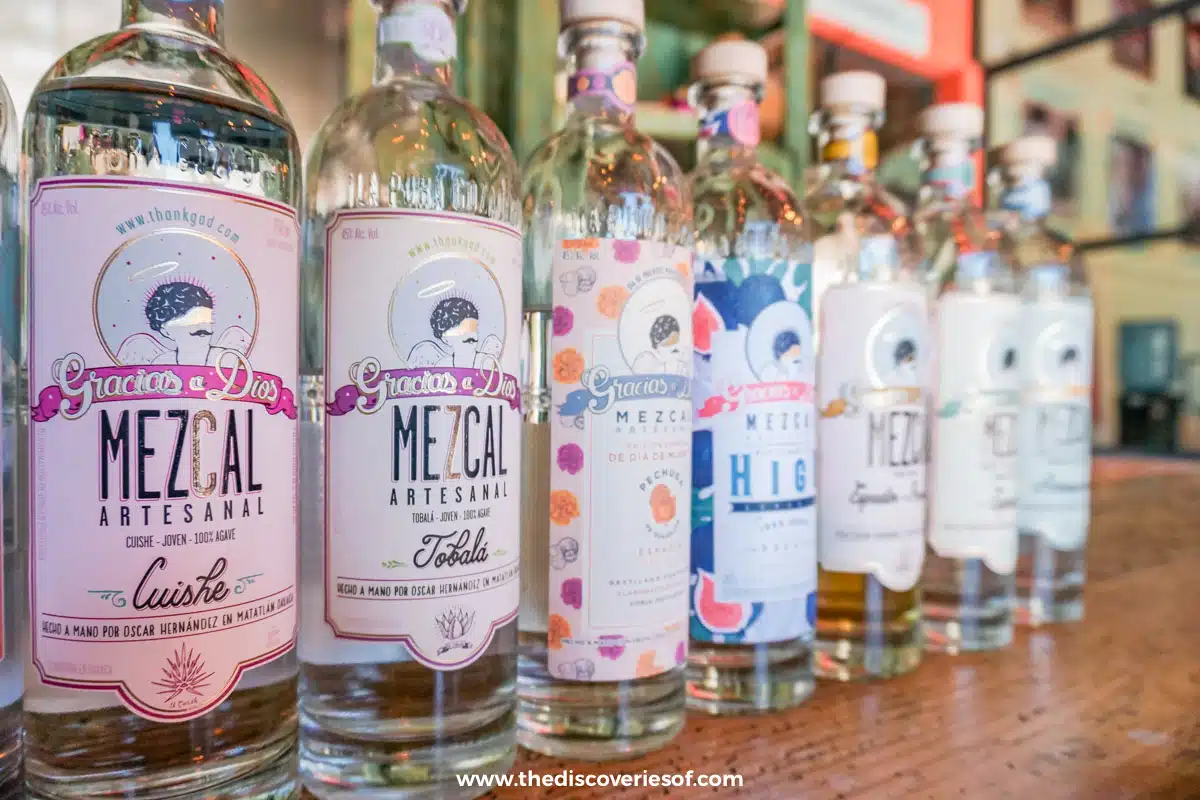
For the full experience, visit a palenque (distillery) in the valley. I went to Gracias a Dios, a family-run palenque in Santiago Matatlán, where they walk you through the whole process before sitting you down to taste. One of their reposados, mellowed in the barrel just long enough to turn a touch sweeter, was the kind of mezcal you could sip all day.
The markets and tables worth planning your days around
Most of the dishes above are best eaten in the markets, and these are the ones to plan your days around, along with a couple of places for a special meal or a drink.
Mercado 20 de Noviembre
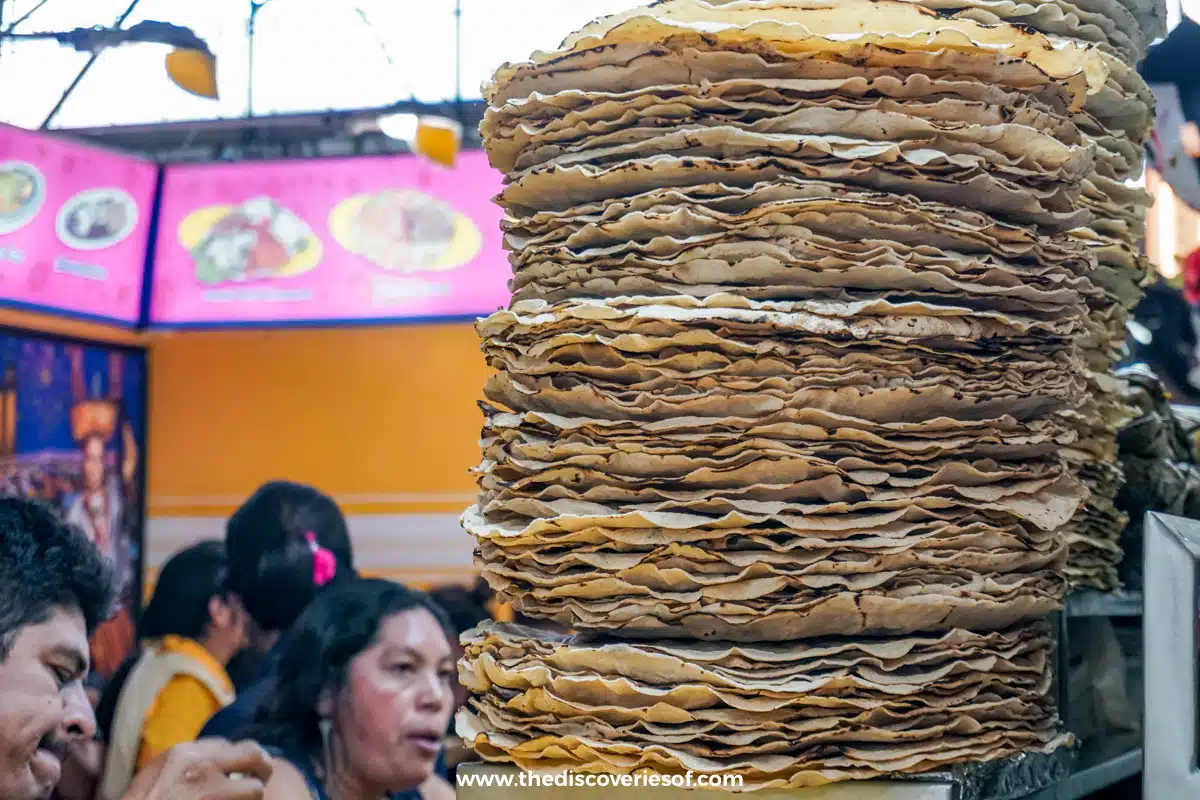
Built between the 1860s and the 1880s, a block south of the Zócalo, this is the market to visit if you only have time for one. Come for the Pasillo de Humo, but don’t miss the comedores in the main hall, where you can try mole, enmoladas, estofado and quesadillas for a set lunch that costs very little. The chocolate shops on the surrounding streets are just a short walk away.
Mercado de Abastos
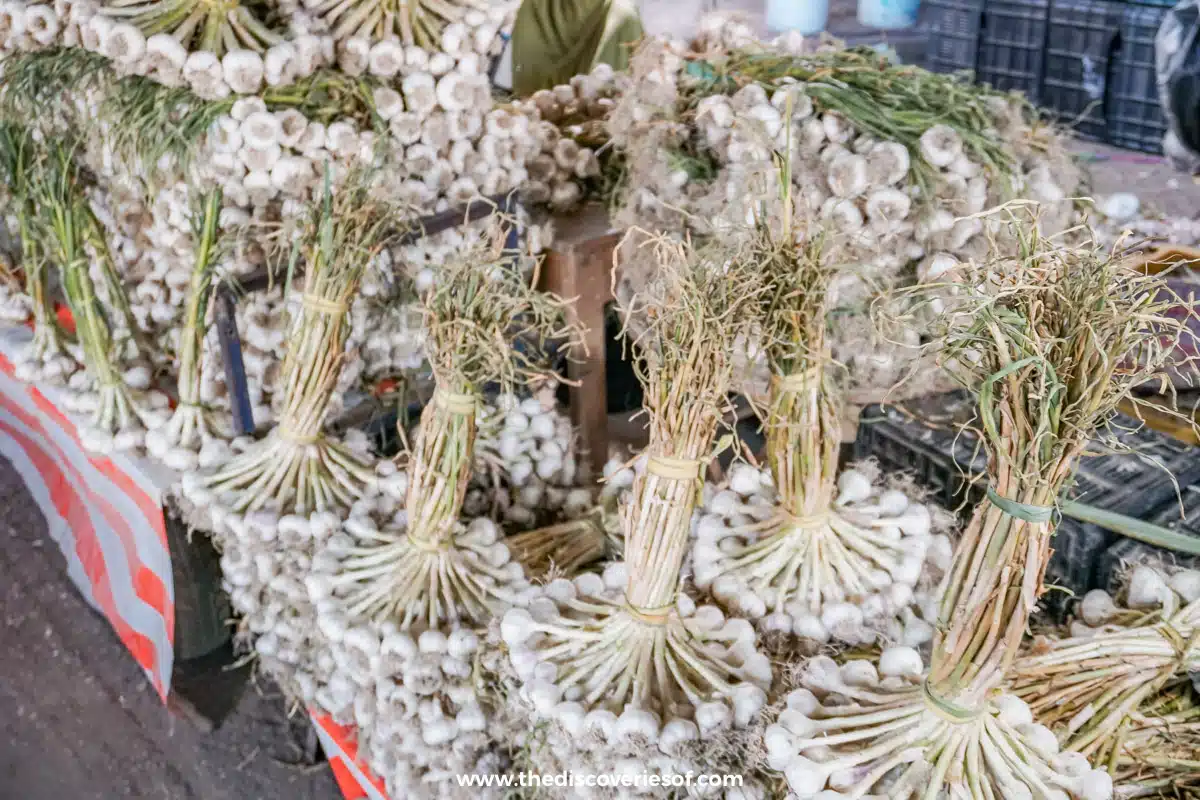
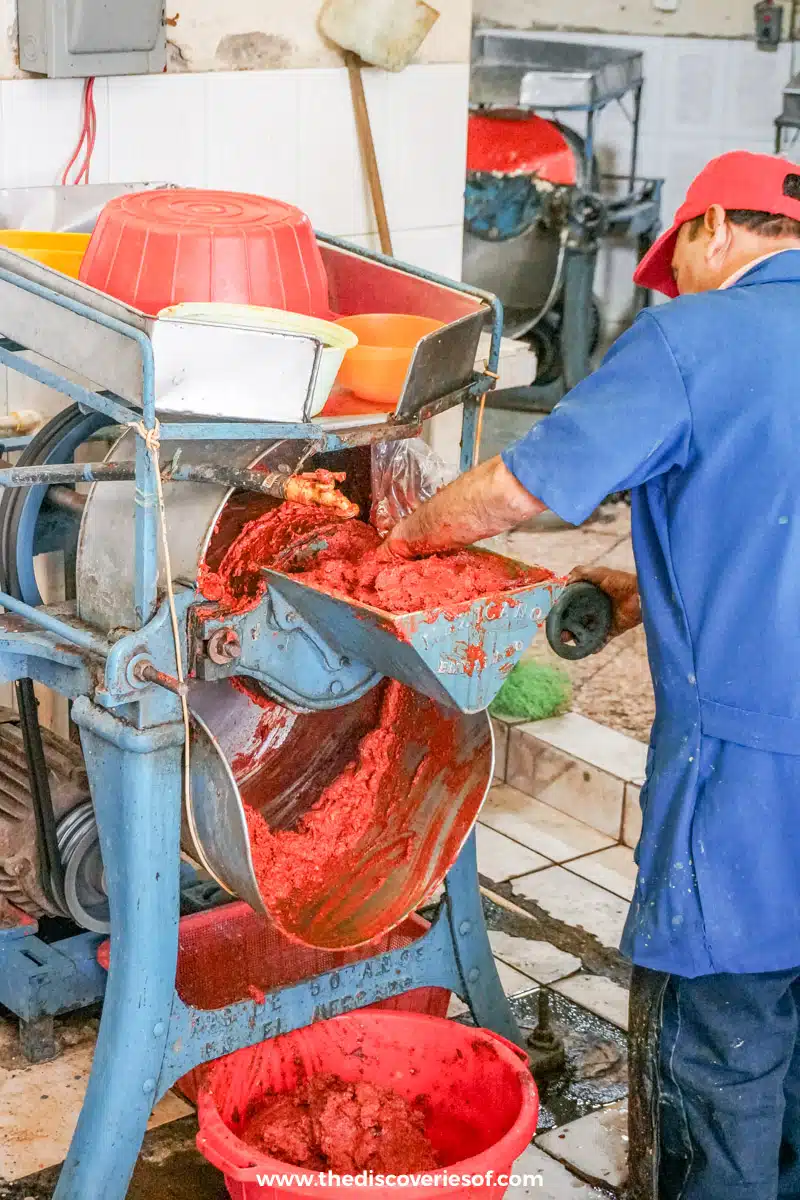
The Central de Abastos, west of the centre beside the second-class bus station, is the biggest market in the city and the one where local people do their real shopping. It may lack organisation and signage, but it makes up for that with sights, sounds and smells you won’t find anywhere else.
I thought I’d seen markets at home, but this really takes the biscuit. Saturday is the big market day, and it’s full on, but pretty cool: you can buy everything here, and it’s huge. It’s the place to find chapulines, piles of dried chillies, fresh herbs and memelas cooked on the comal.
Top Tip
Get there as early as possible to beat the crowds, and give yourself time to get lost. Keep your belongings close in the busiest aisles.
Tlacolula Sunday market
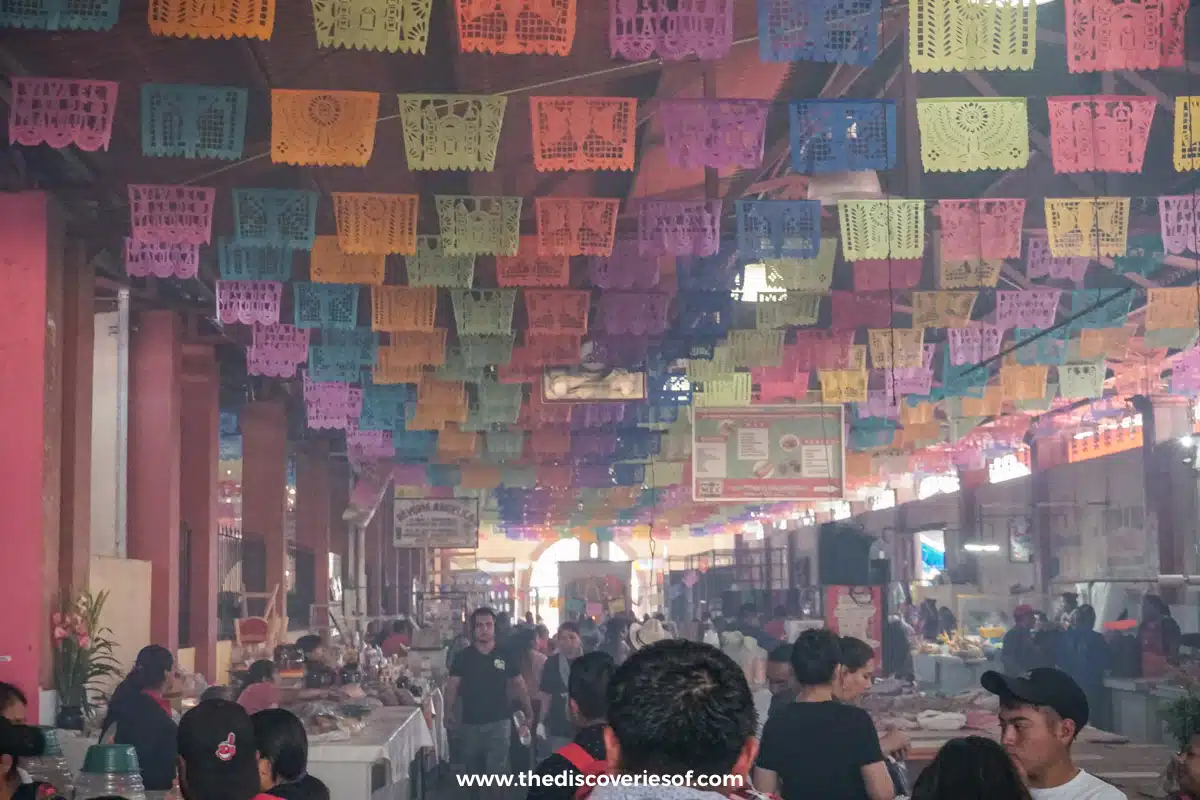
If you’re in Oaxaca on a Sunday, go. Tlacolula’s market is one of the oldest continuously running markets in the Americas, and people from the surrounding Zapotec towns and villages pour in every week to buy, sell and eat. This is where to try barbacoa, tejate, pan de cazuela and that grilled chicken. Come hungry.
Getting There
Colectivos to Tlacolula leave from the second-class bus station area and cost around 20 to 40 pesos each way. A taxi or a tour that combines the market with Mitla and a mezcal palenque is the easier option.
Pitiona
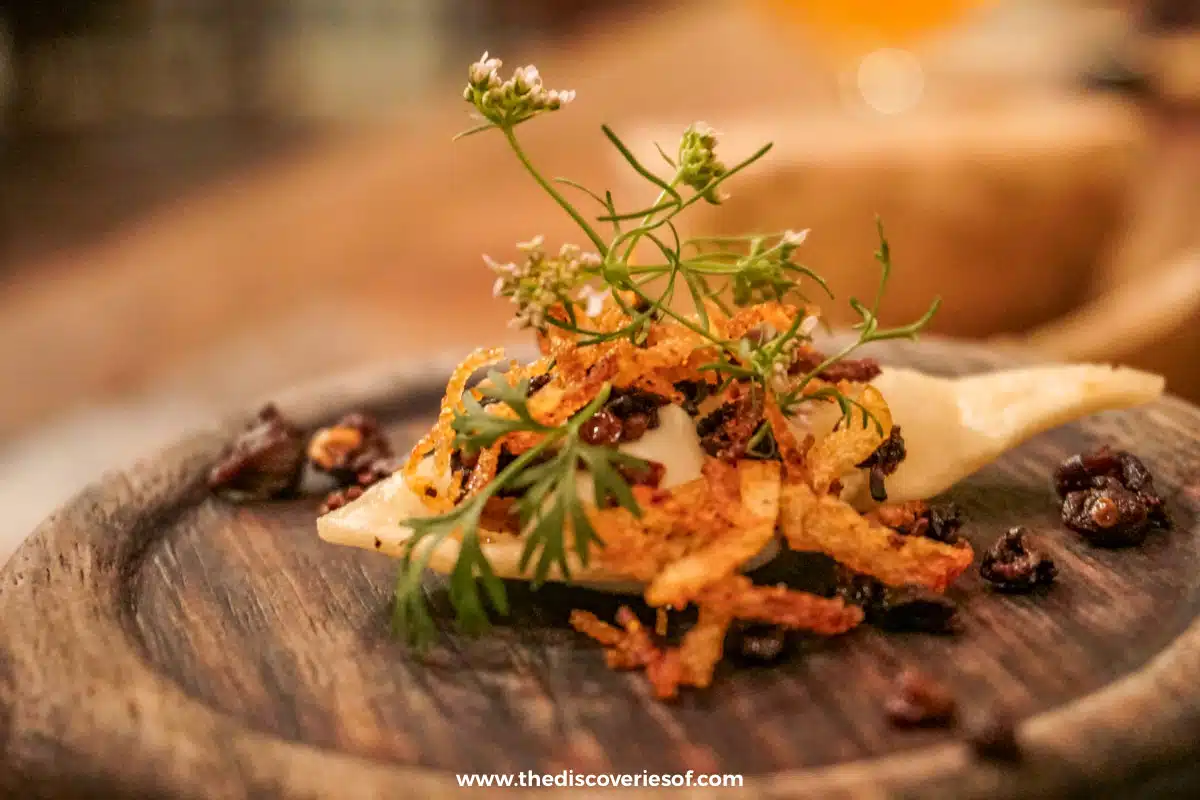
Pitiona is a rooftop restaurant on Calle Allende where you’ll come for the food and drinks but stay for the view. It’s a modern take on Oaxacan cooking, so expect to pay a bit more than at a food stall, but you won’t be disappointed by the quality, and you eat with an aerial view of the bell towers of Santo Domingo de Guzmán.
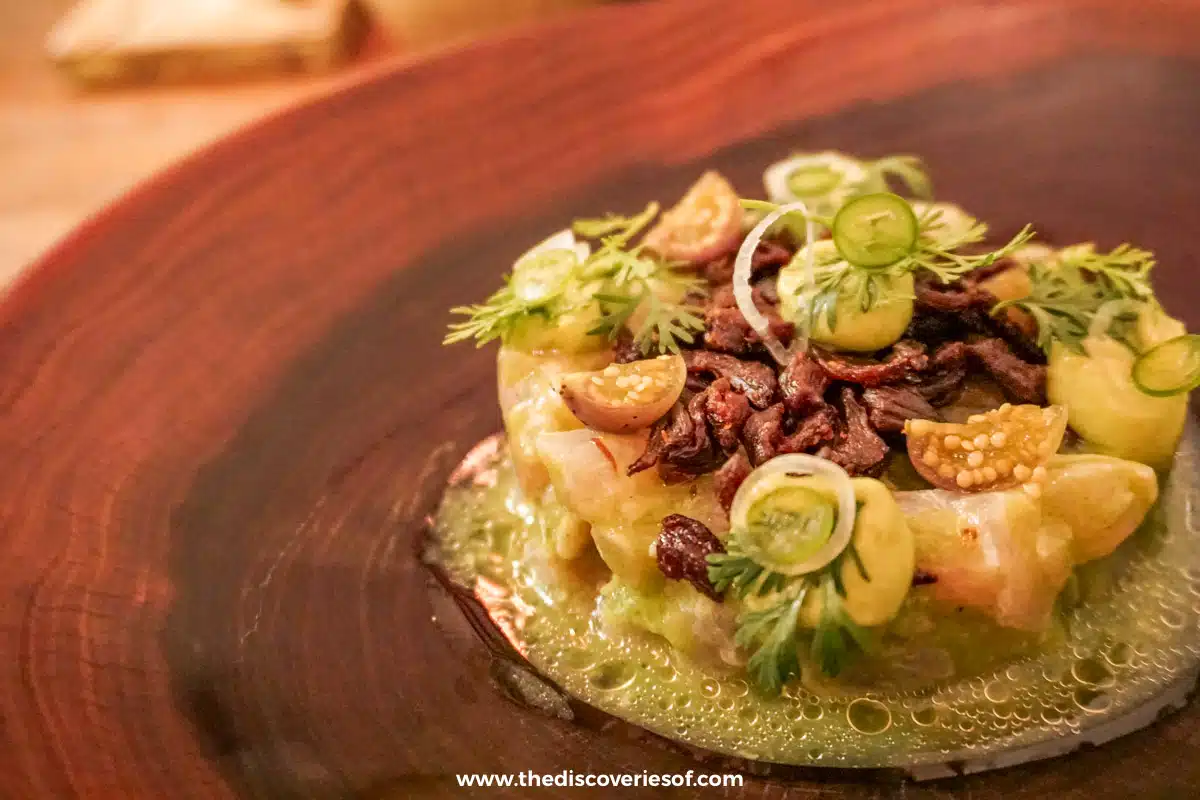
It opens at 1pm, so it’s a good choice for a long, leisurely lunch, and there’s both a tasting menu and an à la carte menu.
Sabina Sabe
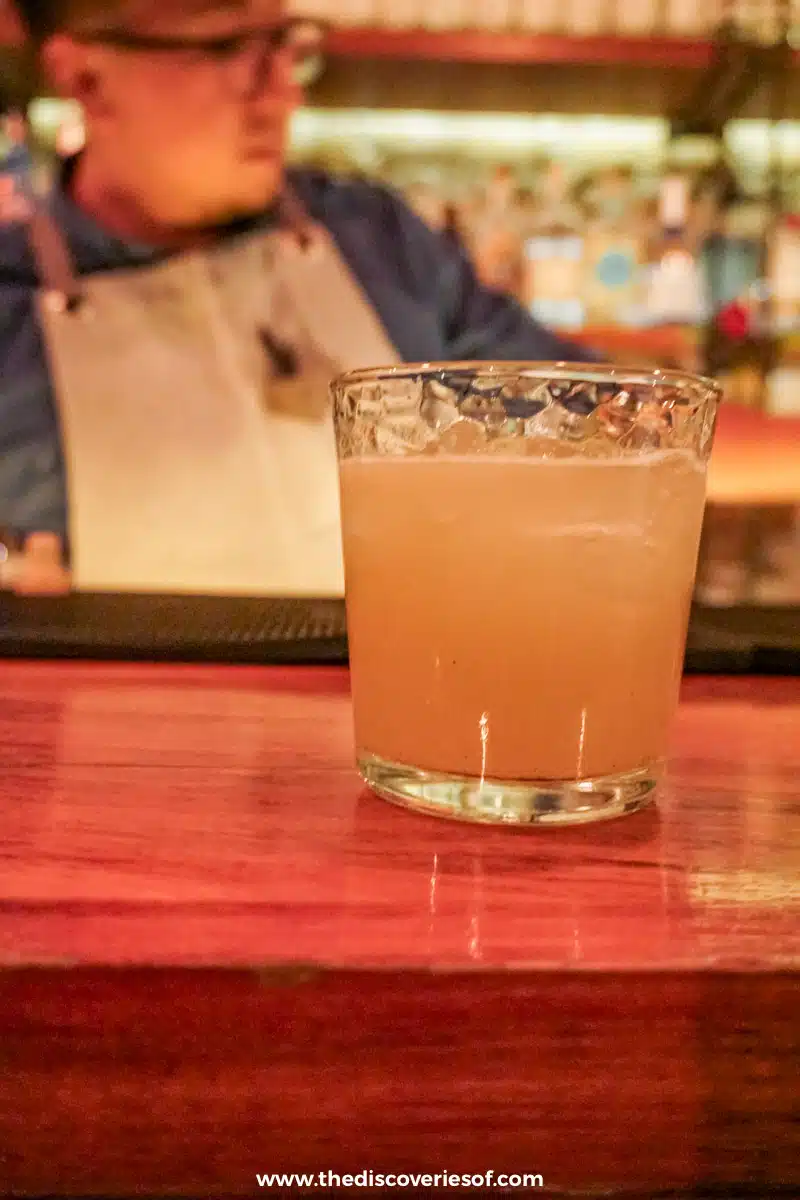
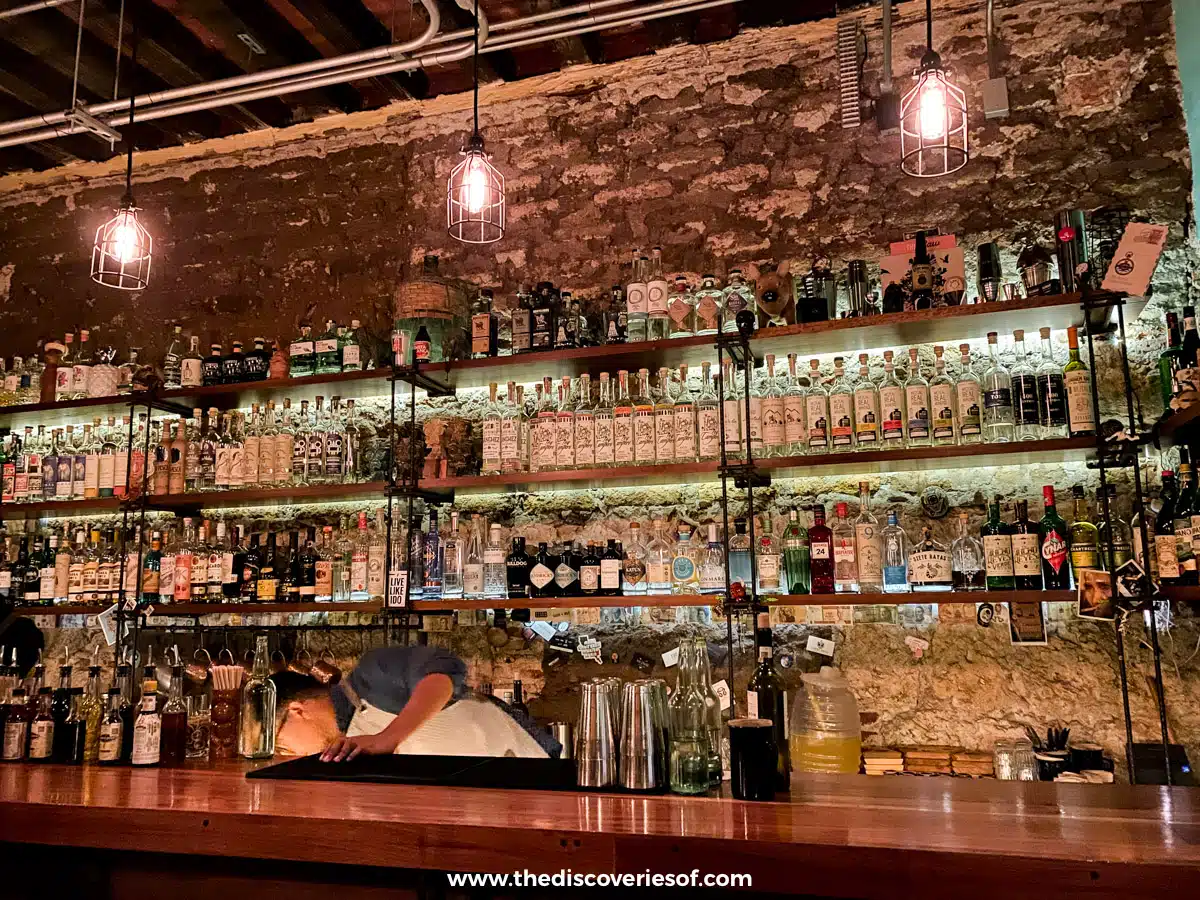
For a drink with dinner, Sabina Sabe on Calle 5 de Mayo is a mezcalería and grill with a serious collection of mezcal and cocktails built around Oaxacan ingredients. It’s named after the Mazatec healer María Sabina and has featured in North America’s 50 Best Bars, at number 20 in 2022 and number 22 in 2023.
Tips for eating your way around the city
- Carry cash: markets, street stalls and colectivos all run on pesos, and small notes and coins make life much easier. Larger restaurants take cards.
- Eat where it’s busy: a queue of locals and food cooked fresh in front of you are the best signs of a good stall, especially for meat.
- Plan around the market days: Saturday is the big day at the Mercado de Abastos and Tlacolula’s market is Sunday only, so build your week around them.
- Pace yourself: portions are generous and the temptation is constant. Share a tlayuda, graze at the markets and save room for the hot chocolate.
- Take some home: drinking chocolate, mole paste and a bottle of mezcal all travel well. If you want to cook it all again, Bricia Lopez’s Oaxaca: Home Cooking from the Heart of Mexico is a brilliant place to start.
Watch my Oaxaca food video
What can I say? Oaxaca is a foodie paradise. Take a look at the markets, the cooking class and the mezcal in my food video.
Map
Read next
- The best things to do in Oaxaca (grasshoppers included)
- Tlacolula Sunday market, the real heart of Oaxacan food
- Everything I got wrong about mezcal until I drank my way across Oaxaca
- 2 weeks in Mexico: the perfect road trip itinerary
- 23 things to do in Mexico City, from murals to tacos
- Mexico travel guide
Love this? Save and share on Pinterest

Discover the top things to do, insider tips and hidden gems in our Mexico Travel Guide.
Read the guides →