If you’re wondering where to stay in London, you’ve got a local to help you work it out. I grew up here, I live here, and I’ve been writing about it for years. Here’s my honest take on the best neighbourhoods and the hotels worth booking in each.
Choosing where to stay in London is genuinely one of the more consequential decisions you’ll make for your trip. The city is enormous, bigger than most people expect, and the wrong neighbourhood can mean you spend half your holiday on the Tube rather than actually doing things. Get it right and the whole visit feels effortless.
The good news: London has excellent neighbourhoods at every price point, and the Tube connects most of them well enough that you’re never completely marooned. Here’s where I’d point people, and why.
Psst… If you’re planning a trip to London, read my guide to the London Explorer Pass to see if it’s worth buying for your trip.
And if you want to go deeper on what to actually do when you’re here, London x London is my dedicated London city guide, covering the neighbourhoods, the restaurants, the events and the bits that don’t make it into the tourist brochures.
Best Places to Stay in London: At a Glance
| Best For | Hotel |
| Best overall | The Standard, King’s Cross |
| Best for luxury | The Henrietta, Covent Garden |
| Best boutique | Sea Containers, South Bank |
| Best for a budget stay | Hotel Indigo K West, Shepherd’s Bush |
Where to Stay in London
Covent Garden: Best for First-Time Visitors
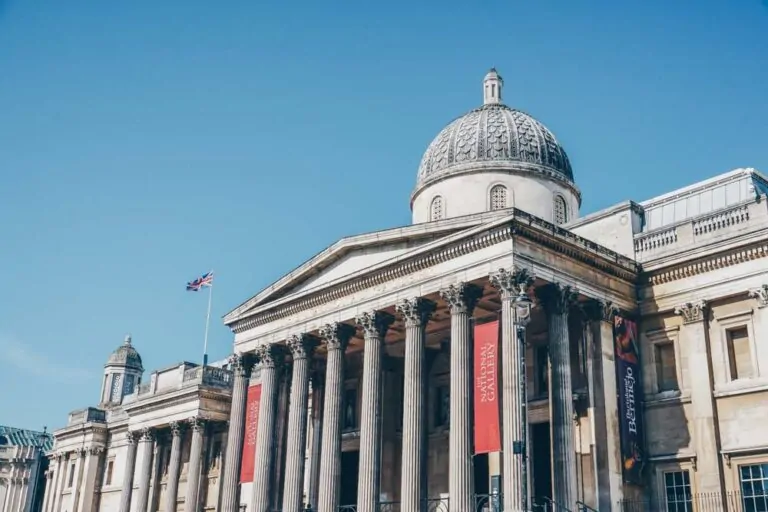
If it’s your first time in London, there’s no better base than Covent Garden. I’m not going to overthink this one. The location is simply superb. The market piazza sits on the edge of the West End with Soho a five-minute walk north, Trafalgar Square and the National Gallery ten minutes south, and the whole central London sightseeing circuit within easy reach on foot. You don’t need to think about the Tube much at all when you’re staying here, which is a genuine luxury.
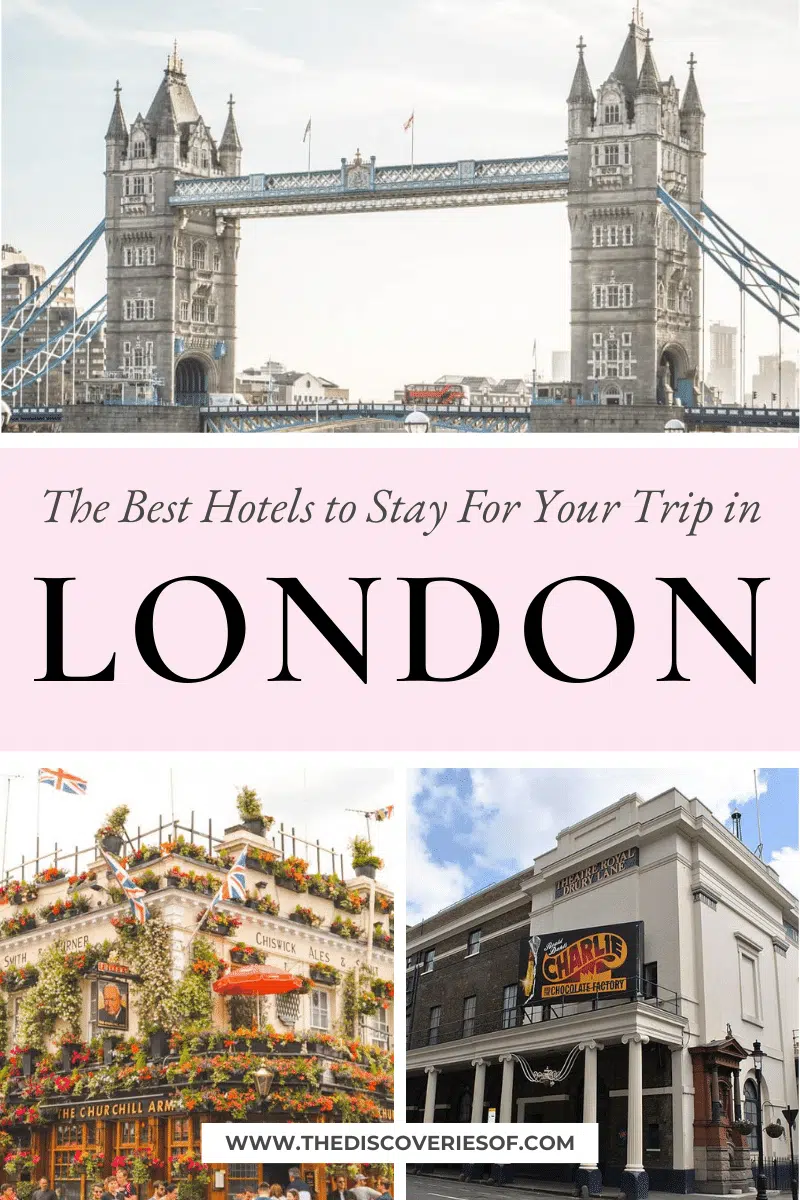
The area has its own pleasures too, beyond the location. Covent Garden Market has been on this site since the 17th century, and while it’s touristy it’s also genuinely lovely: street performers, independent boutiques, excellent restaurants. Seven Dials Market nearby is one of my favourite food markets in London, with stalls covering everything from Indian street food to a shop dedicated entirely to cheese. Neal’s Yard is a colourful little courtyard tucked off Monmouth Street, worth finding for: natural skincare, ethical boutiques, good coffee. And Theatre Royal Drury Lane, which has been staging shows for over 350 years, is around the corner for a proper West End night.
Hotels in Covent Garden
The Henrietta Hotel is the one I keep recommending for a Covent Garden stay: genuinely stylish, well-located, and with the kind of considered design that makes it feel special rather than just expensive.
Middle Eight is sleek and contemporary, with an excellent ground-floor restaurant and a jazz bar downstairs that’s one of the nicer places to spend a Friday night in the neighbourhood.
The Other House is the newest arrival and the most interesting concept: a “Residents Club” model that sits between hotel and serviced apartment, with fully equipped Club Flats and proper hotel amenities. Right on the piazza, great for longer stays or anyone who wants a bit more space and independence.
South Bank and London Bridge: Best for Sightseeing
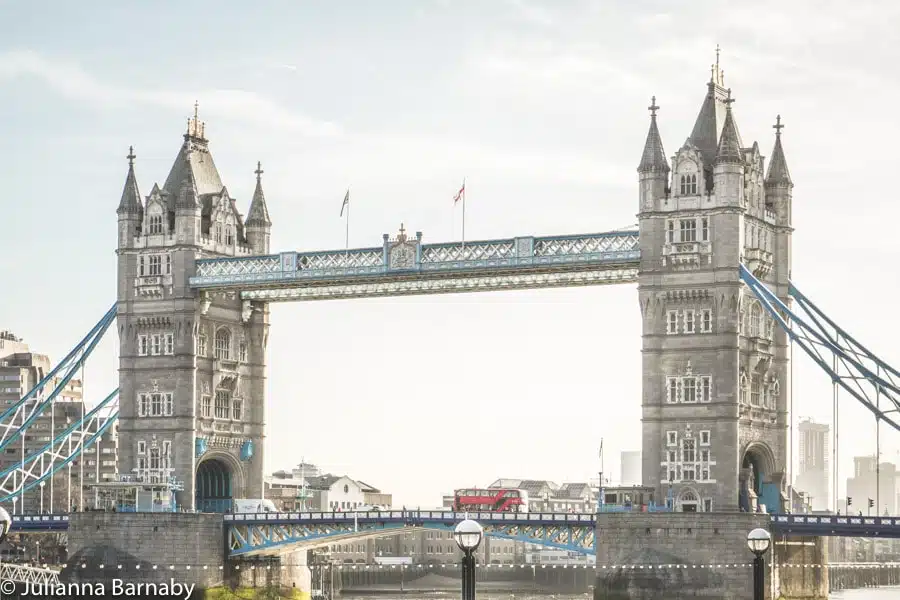
The South Bank is London’s sightseeing corridor, and it earns the description. Shakespeare’s Globe, the Tate Modern, the National Theatre, Borough Market, Tower Bridge and the London Eye are all within walking distance of each other along the river. If you want to cover a lot of ground without covering a lot of transport, this is the area to be in.
Shakespeare’s Globe is worth visiting beyond the obvious: you can catch performances in the open-air theatre from spring through autumn, and the guided tours are excellent if the history interests you. The National Theatre stages an extraordinary range of productions and has done since 1963. Book ahead; the good shows sell out. The London Eye is touristy and I mean that positively. It sits 135 metres above the city and the views are genuinely spectacular.
Hotels in South Bank and London Bridge
Sea Containers remains the standout: Thames views, two restaurants, a spa and the kind of distinctive design that makes it more than just somewhere to sleep. It’s one of those hotels that people go back to.
The Park Hyatt London River Thames opened in late 2024 and is already one of the most talked-about luxury arrivals in the city: 203 rooms on the southern bank, river views, serious restaurant credentials and an indoor pool. A strong new option if Sea Containers is full or over budget.
Soho: Best for Nightlife
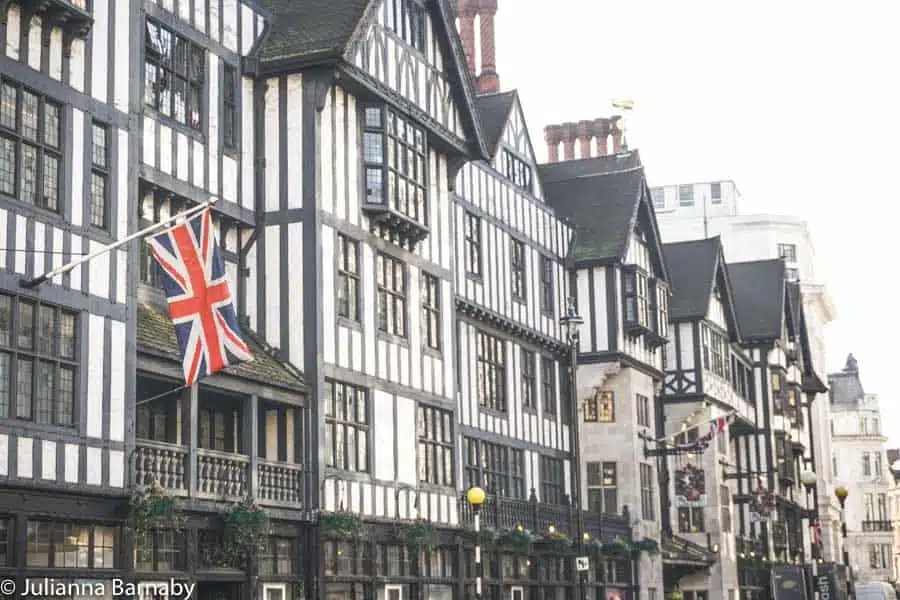
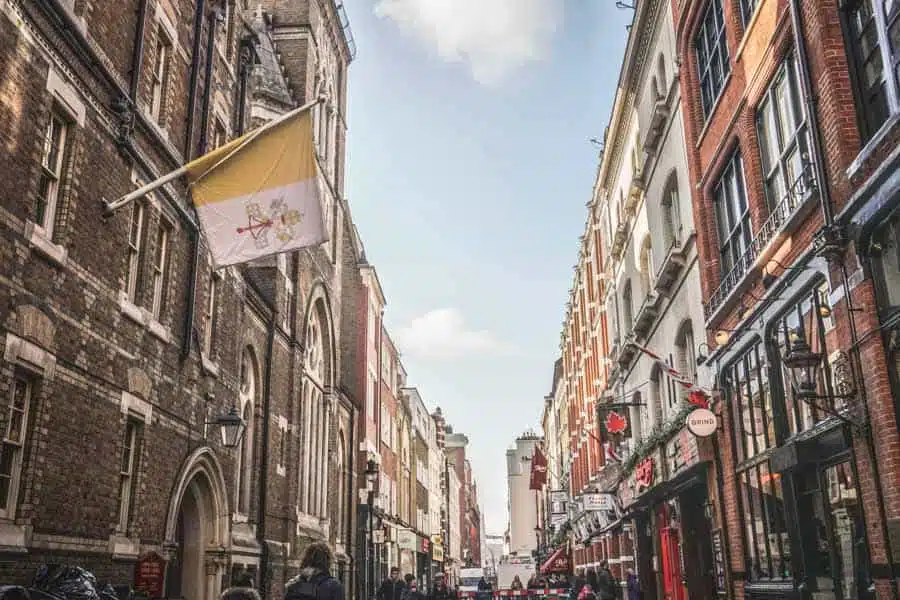
Soho is not what it was. The peep shows and old dive bars have mostly gone, replaced by very good restaurants, cocktail bars and members clubs. I say this as someone who found the old Soho more interesting, but the new version is still genuinely excellent for a night out. The food within a ten-minute walk of Old Compton Street is some of the best in London, and the bar scene is properly diverse: traditional pubs on the same street as basement clubs and rooftop bars.
The Photographers’ Gallery is a proper cultural institution with six floors of photography from London and internationally, free to visit and consistently good. Carnaby Street is worth a walk for the history as much as the shopping: this was the centre of 1960s London style, and Jimi Hendrix and Elizabeth Taylor both spent time here. For LGBTQIA+ visitors, Old Compton Street is still the heart of the community. G-A-Y, She Soho and Ku Bar Soho all operate here, and the whole area has a warmth and welcome that’s genuine rather than performed.
Ronnie Scott’s jazz club has been on Frith Street since 1959 and is one of London’s great institutions. Book in advance; it sells out.
Hotels in Soho
The Soho Hotel has no two rooms the same, which is a design choice that actually works here. The whole property feels individual and personal rather than corporate.
Mimi’s Soho is on Frith Street, which means Ronnie Scott’s is literally next door. Rooms are compact but beautifully done, and the location is as central as Soho gets.
Kensington: Best for Museums and History
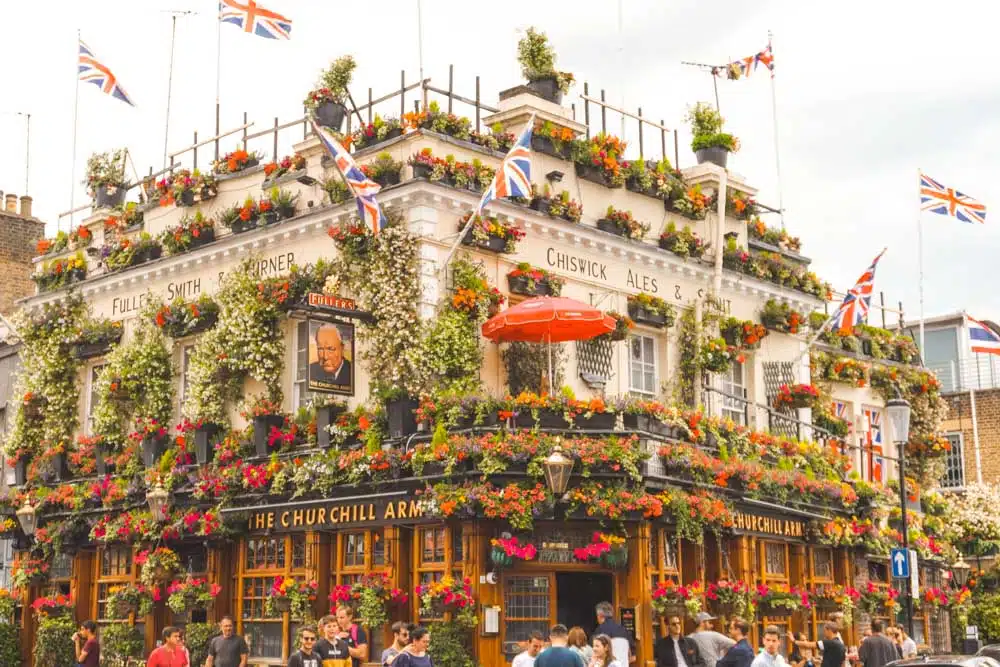
Kensington is where London concentrates its great museums, and if you want to spend a significant amount of time in them, it makes obvious sense to be nearby. The V&A, the Natural History Museum and the Science Museum are all within a few minutes’ walk of each other, and all free. Add the Design Museum a little further west and you have a serious cultural cluster.
Kensington Palace is well worth the visit: you’re not just getting the history of British royalty. You’re also getting one of the loveliest royal parks in London right outside the door. Harrods in Knightsbridge is exactly what it appears to be: a very famous shop. It’s also a spectacle in its own right and worth an hour of your time even if you’re not buying anything. The Royal Albert Hall has been hosting events since 1871 and the building alone is worth seeing. The Proms, the eight-week summer music festival, is one of London’s great cultural traditions.
Hotels in Kensington
The Gore London is one of those old-school luxury hotels that knows exactly what it is: antiques, oil paintings, rooms that are genuinely different from each other, and a quiet confidence that comes from having been here since 1892.
Notting Hill: Best for Couples and Charm
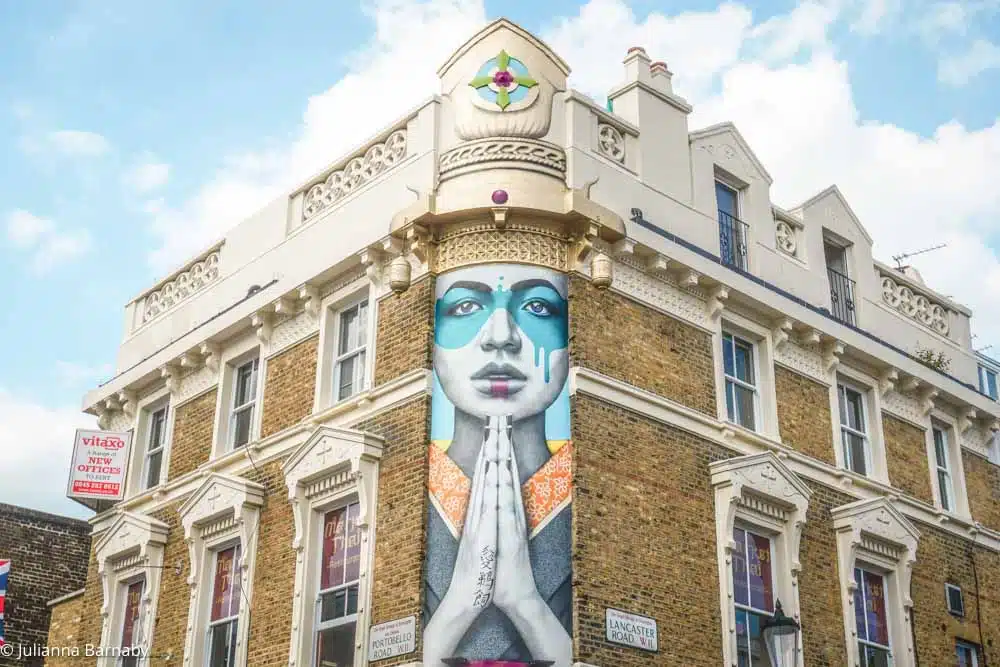
Notting Hill is the London neighbourhood people imagine before they arrive, and it mostly delivers: pastel-painted townhouses, independent bookshops, good cafés and a genuinely village-ish feel despite being a fifteen-minute Tube ride from the centre. It’s one of the most romantic parts of the city if that’s what you’re after, and one of the most pleasant for just wandering around with no particular agenda.
Portobello Road Market is the obvious highlight. Go on a Saturday for the full antiques and vintage clothing experience, though the individual shops along the street are excellent throughout the week. The Museum of Brands on Ladbroke Grove is a genuine curiosity: 150 years of packaging and advertising history, surprisingly absorbing. Acklam Village at the north end of Portobello has food stalls from around the world and a lively, local feel.
If you happen to be in London over the August Bank Holiday weekend, Notting Hill Carnival is one of the great events on the London calendar: two million people, Caribbean music and food, extraordinary costumes. Logistically challenging, but unforgettable.
Hotels in Notting Hill
The Laslett spans five Victorian townhouses and feels exactly right for the neighbourhood: proper period character with genuinely lovely rooms and no attempt to be anything other than what it is.
Shoreditch: Best for an Alternative Stay
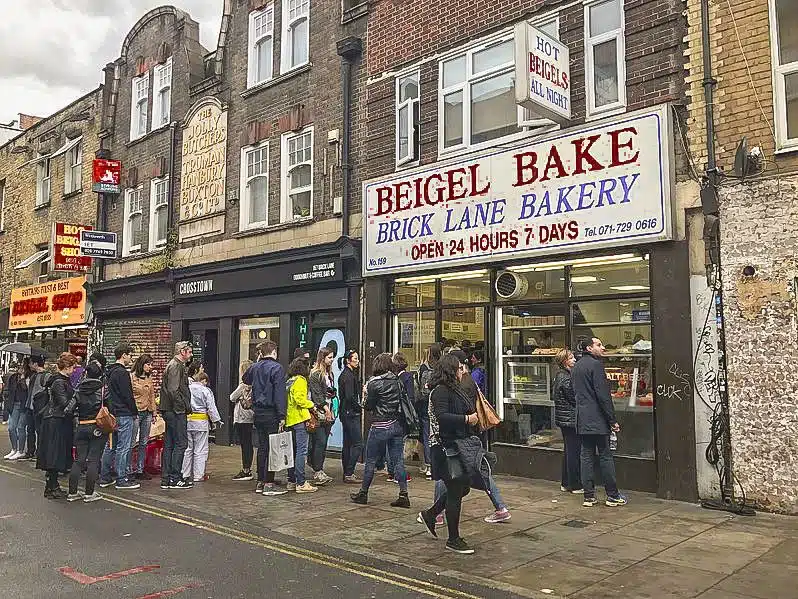
Shoreditch is East London’s creative heartland and the part of the city that changes fastest, which means it’s always interesting but always slightly different from what you expect. The street art is genuinely world-class: Brick Lane, Shoreditch High Street and the surrounding area form an open-air gallery that’s been attracting major artists for decades. Keep your eyes up as you walk; the walls do most of the talking.
Village Underground is a music venue and creative space in a former Victorian warehouse and coal yard, with a row of old London Underground carriages sitting on top of the building as studios. It’s one of the more unusual-looking spaces in the city and has a cultural calendar that rivals venues three times its size. Mission is Europe’s largest yoga centre if that’s relevant to you: five studios, treatment rooms and an excellent in-house restaurant. The neighbourhood is also excellent for record shops, vintage clothing and the kind of independent cafés that haven’t been discovered by the tourist circuit yet.
Hotels in Shoreditch
The Mondrian leans into the warehouse-chic aesthetic of the neighbourhood with understated luxury and good views of the London skyline.
Shepherd’s Bush: Best for a Budget Stay
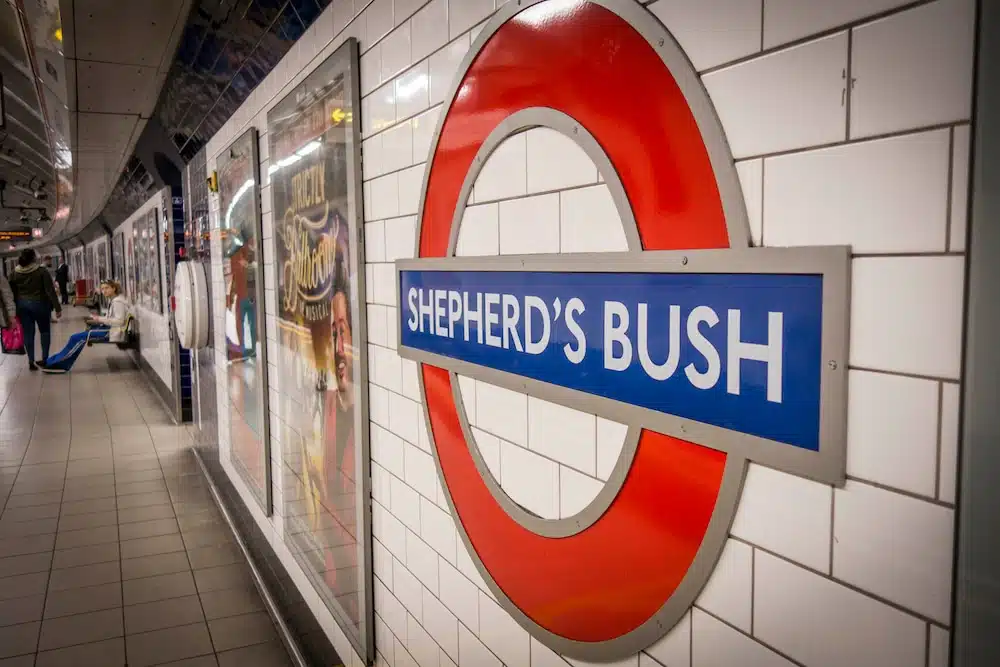
Shepherd’s Bush is more residential than the other areas on this list, which is precisely why it’s worth considering if you want to save money for the actual trip. It is well-connected (Central and Overground lines both), and Westfield shopping centre next door gives you every practical amenity you’d need.
The O2 Empire (now the Eventim Apollo) is one of London’s most storied live music venues, operating since 1903 and still hosting some of the biggest acts on the circuit. Worth a look at what’s on when you’re visiting. Shepherd’s Bush Market has been running for over a hundred years and is genuinely multicultural and local in a way that the more famous markets aren’t. Westfield itself is vast: 43 acres, around 350 shops, 50 restaurants. Useful rather than thrilling, but you’ll find anything you need there.
Hotels in Shepherd’s Bush
Hotel Indigo London K West reopened in 2026 under the Hotel Indigo brand, bringing the boutique IHG aesthetic to a well-located West London building. Good value for the quality.
King’s Cross: Best for Arts and Culture
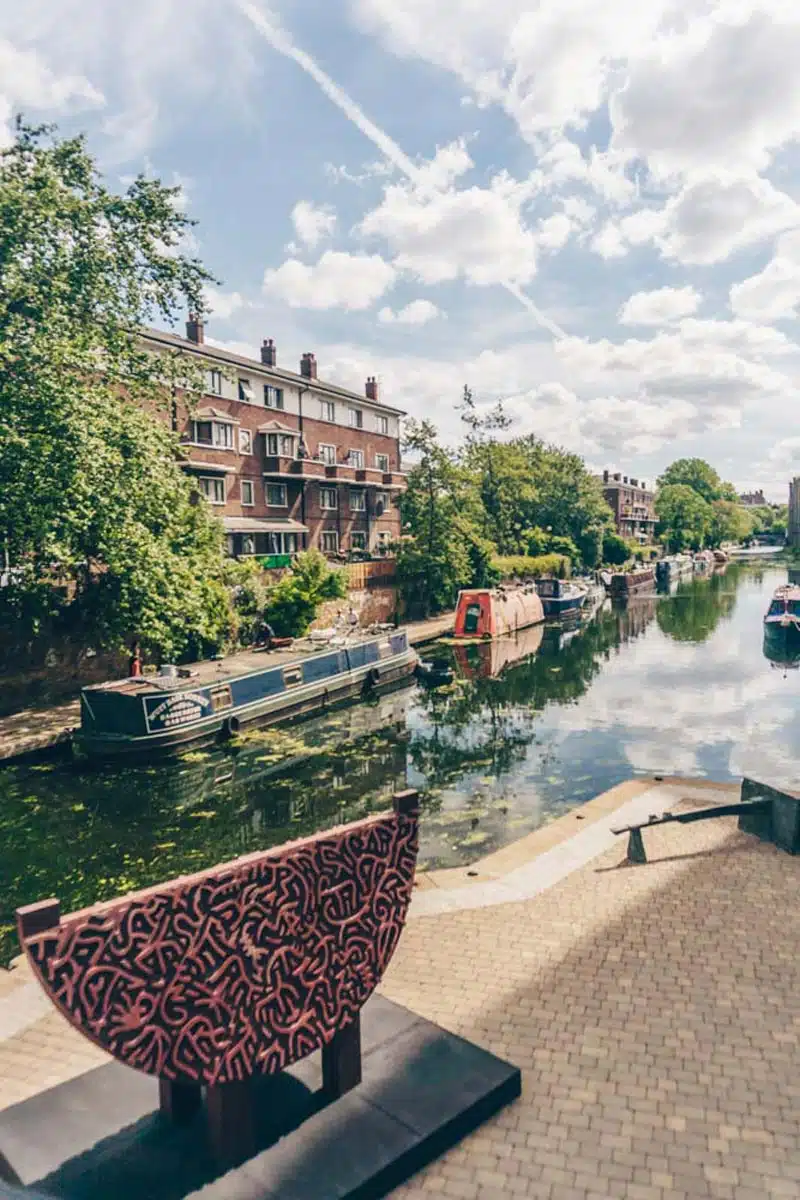
King’s Cross has had one of the most dramatic transformations of any London neighbourhood in recent decades, going from somewhere people actively tried to avoid to one of the most interesting and well-designed areas in the city. The Granary Square development is a textbook example of how to regenerate without destroying character, and the canal, the market, the design colleges and the Coal Drops Yard shopping complex give the area a genuine identity.
The King’s Cross Light Tunnel is a 90-metre walkway with an LED art installation that changes constantly. It is one of those things you stumble across and end up staring at for longer than planned. Searcys at St Pancras claims to be the longest champagne bar in Europe, which is the kind of claim that demands verification in person. And Queer Britain is the UK’s first museum dedicated entirely to LGBTQIA+ history: serious, celebratory and very well done.
If you’re a Harry Potter fan, Platform 9¾ at King’s Cross station is exactly where you’d expect it to be.
Hotels in King’s Cross
The Standard London is in a 1974 brutalist building that has no business being as good-looking as it is from the inside. Excellent design, great restaurant, and the Sweeties bar is one of my genuinely favourite spots in that part of London. My top pick for the neighbourhood and possibly for the city.
Practical Tips Before You Book
Decide what you want to do first, then book accommodation around it. This sounds obvious but most people do it the other way around. If you’re spending two days at museums, Kensington makes sense. If you’re here for restaurants and nightlife, Soho or Shoreditch. If it’s your first visit and you want to walk everywhere, Covent Garden.
Booking.com is generally where I look first for London accommodation. The price comparison is useful and the cancellation policies tend to be flexible. Book further ahead than you think you need to for peak season (May to September and December); London hotels at short notice are genuinely expensive.
Don’t be afraid of the areas further out. Shepherd’s Bush, Shoreditch and King’s Cross are all excellent bases that will save you real money over staying in Covent Garden or Kensington, and the Tube gets you anywhere in under thirty minutes.
Read More UK Travel Guides
Love this? Save and Share on Pinterest

Discover the top things to do, insider tips and hidden gems in our United Kingdom (U.K.) Travel Guide.
Read the guides →