
From the rolling dune fields of White Sands National Park to the cultural heritage of Taos Pueblo, add these New Mexico landmarks to your itinerary.
Guys, let me tell you, New Mexico has some of the most extraordinary landmarks in the USA.
I’ll be honest, I didn’t quite know what to expect from NM before my visit, but having spent a week there in February, I can tell you that visiting these sites should definitely be on your US bucket list.
My route ran from the gypsum dunes of White Sands (in the rain) to Albuquerque, where it was literally zero degrees Celsius and the top of Sandia Peak was buried in snow, then north to Taos and on to Santa Fe. It’s a big state, though: Carlsbad Caverns in the south-east and Shiprock in the north-west are more than seven hours apart by car, so pick a few landmarks that sit close together rather than trying to tick off the lot in one go.
From admiring the stunning architecture of the New Mexico State Capitol to wandering through the ancient cliff dwellings of Bandelier National Monument, the state has plenty to offer.
A blend of old and new, traditional and modern, natural and man-made, and the downright quirky, awaits. So what are you waiting for? Let’s explore New Mexico.
Famous landmarks in New Mexico
White Sands National Park
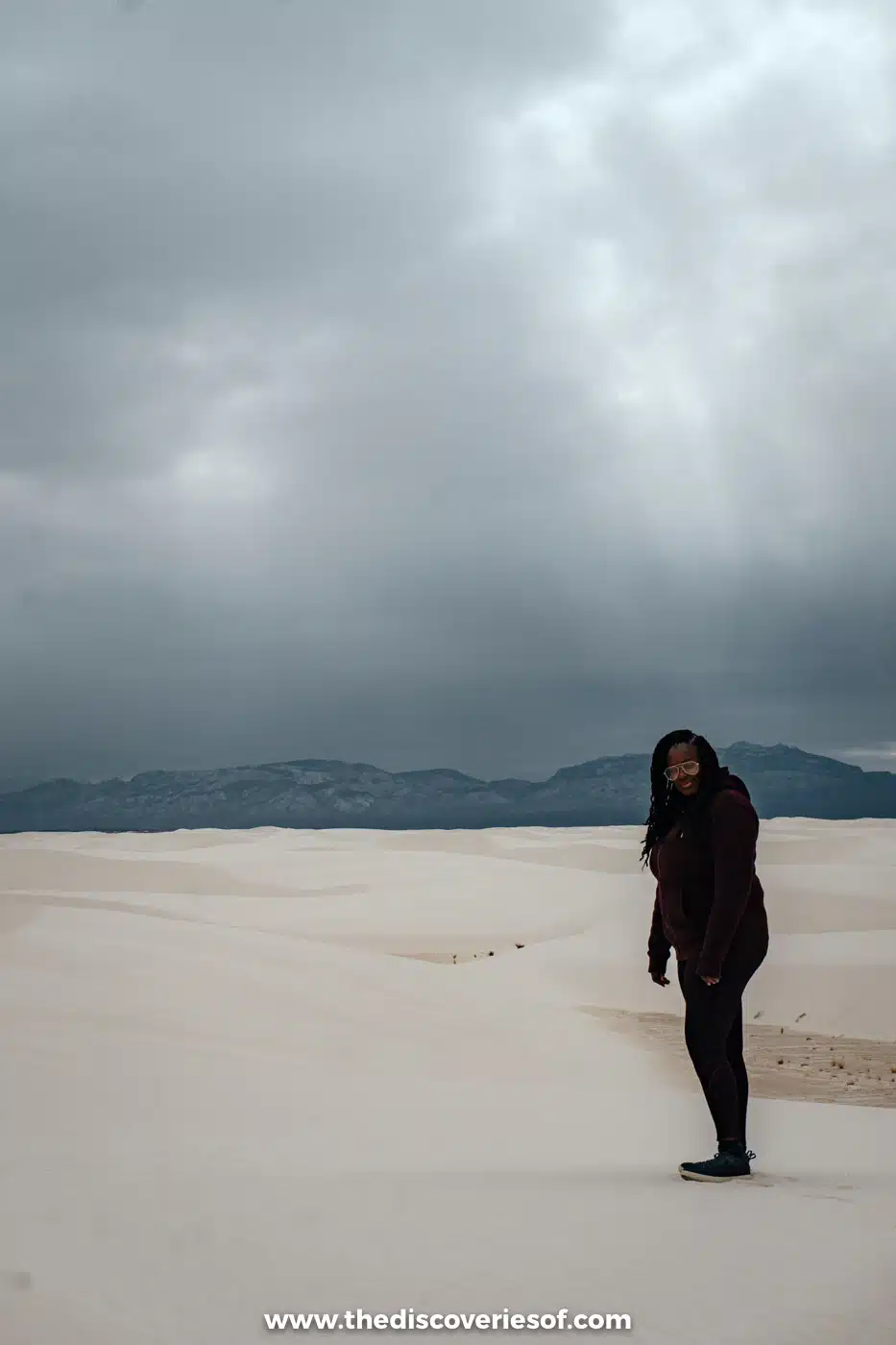
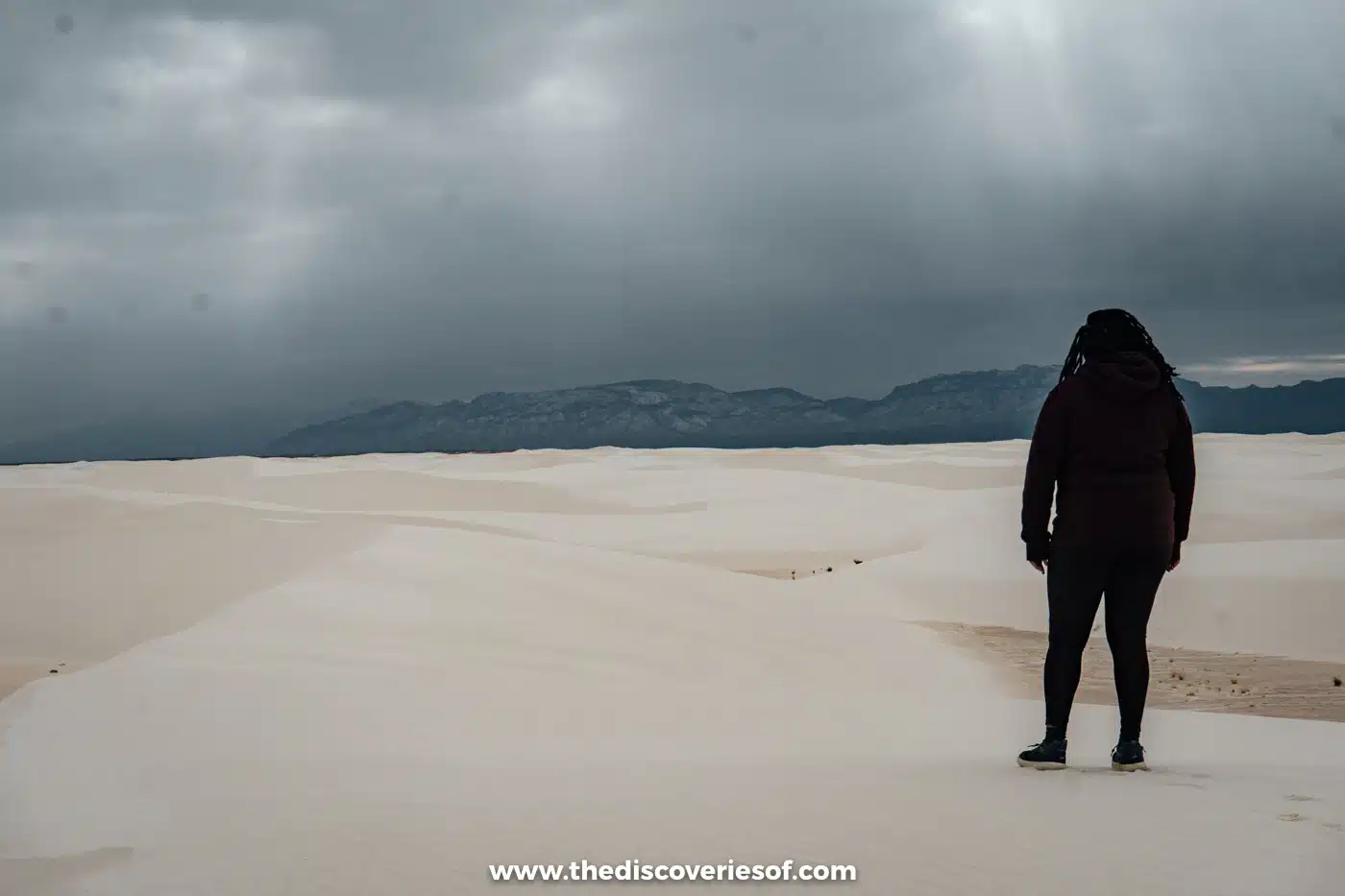
I guarantee you’ll fall in love with the minimal aesthetic of White Sands National Park. This striking park centres around the brilliant-white dunes, creating an otherworldly landscape.
The sands here are gypsum rather than silica, which is pretty rare (and it’s what gives them their distinct white colour). The gypsum dunes cover 275 square miles of desert between the San Andres and Sacramento Mountains in the Tularosa Basin.
Fascinatingly enough, it’s the world’s largest gypsum dune field, and the dunes themselves can reach up to 60 feet high.
You can enjoy this park by walking, hiking, sledging down dunes and going on dune drives. But you need to stay to witness the sunset: you can experience this park to its fullest potential all in one day.
I visited in February, when it rained for part of the day and the park was blissfully quiet. I went sledging, walked the Interdune Boardwalk, drove Dunes Drive and tackled the Alkali Flat Trail. I’ll be honest: it was pretty hard work and it wasn’t my favourite, but the views were incredible.
Entry costs $25 per vehicle for seven days. The park closes at night and backcountry camping is suspended with no date set for its return, so there’s no sleeping in the dunes: I stayed at Home2 Suites in Alamogordo, and my guide to where to stay near White Sands has the best options.
Top Tip
Dunes Drive (and sometimes US 70) closes for a few hours during missile tests on the neighbouring White Sands Missile Range. Check the park’s closure page the day before you go.
Carlsbad Caverns National Park

The first stop on your epic New Mexico adventure needs to be the Carlsbad Caverns National Park.
Why? The park sits in the Guadalupe Mountains and protects more than 119 known caves. Not just that, but this UNESCO World Heritage Site covers around 73 square miles of biodiverse and remarkable Chihuahuan Desert.
Despite the entire site being hella impressive, the hallmark of this park would have to be “the Big Room”. This underground limestone chamber is the largest single cave chamber by volume in North America: it’s enormous, with breathtaking formations in the stone above you, and a 1.25-mile trail loops around it.
You can ride the elevator down, when it’s running, or walk in through the Natural Entrance, a steep switchback trail that drops into the cave the way the bats fly out. From late spring to autumn, the bat flight programme at dusk is worth staying for.
Tickets
A timed entry ticket is required to enter the cavern; reserve on Recreation.gov or by phone (877 444 6777), then pay the $15 entrance fee per person aged 16 and over at the visitor centre. Cavern entry runs from 9.30am to 2.30pm. The park is about two and a half hours’ drive from El Paso.
Meow Wolf (House of Eternal Return)

Next up: one of the coolest NM landmarks. Meow Wolf in Santa Fe is the original (and still the best) with plenty of eclectic artworks on display. It opened in 2016 in a former bowling alley bought for the collective by Game of Thrones author George R. R. Martin.
With over 70 different rooms of immersive art exhibits, this place will constantly excite you with surprises around each corner. One moment you’re sliding through a tunnel behind a washing-machine door and, the next, stepping into a portal through an innocuous-looking fridge.
It’s kind of bonkers. I paid $35 booking online and thought that was a lot, but it was spectacular: the size and range of the installations is absolutely bonkers, so the pricey entrance fee is definitely worth it.
However, don’t underestimate how popular this place is. Remember to book your tickets online in advance so you can get ahead of the crowds, especially if you’re planning on going during the weekend. Timed general admission now starts at about $33 for adults, and an “anytime” ticket for your chosen day costs more.
Petroglyph National Monument
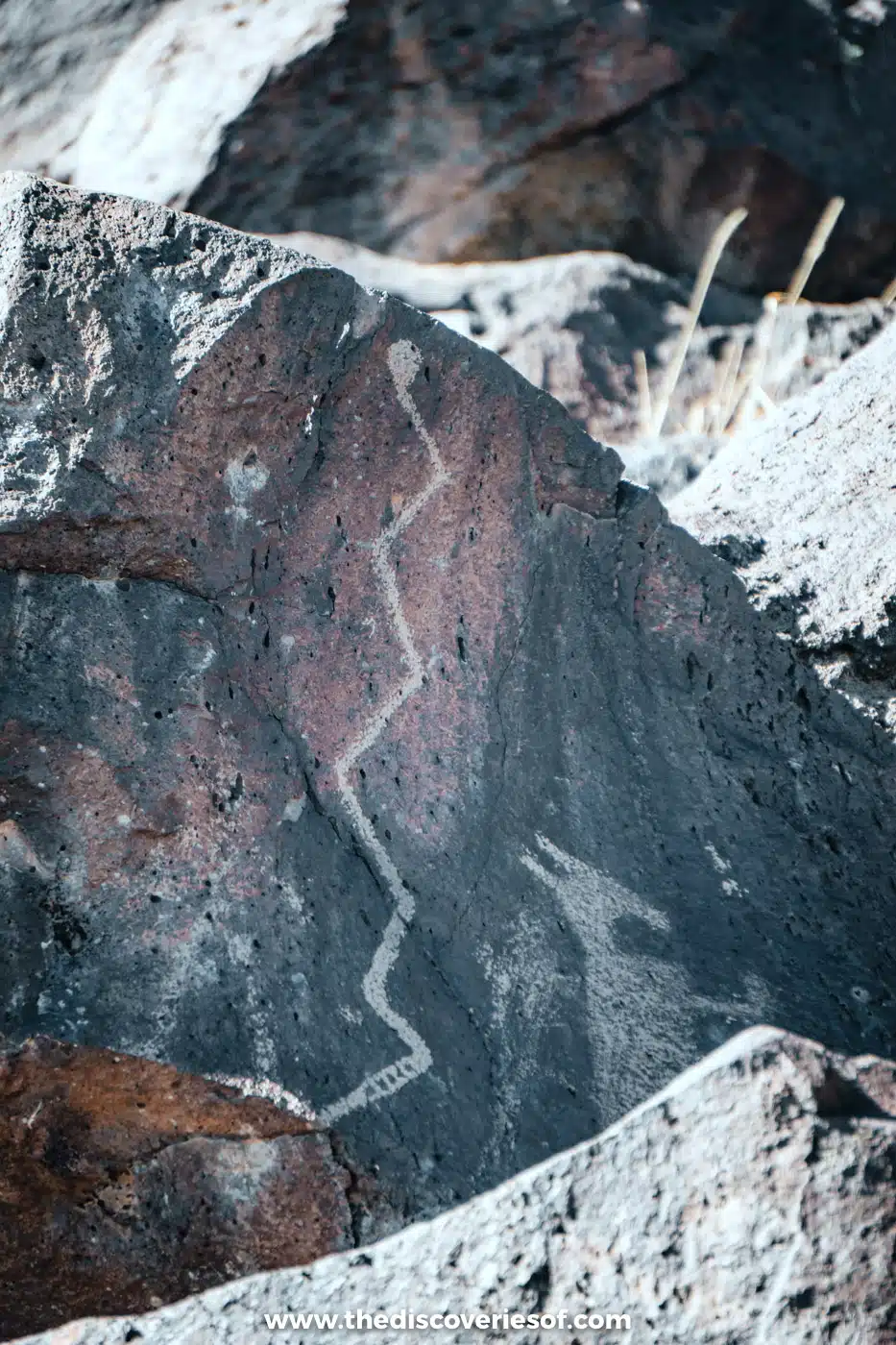
The Petroglyph National Monument is another must-see in New Mexico and is truly a sight to behold.
Being one of the largest petroglyph sites in North America, it features historical and cultural evidence like no other place. Here you can look at an estimated 25,000 images carved into the volcanic boulders, most of them made by ancestral Pueblo people 400 to 700 years ago, along with marks left later by Spanish settlers.
I’ll give you a solid piece of advice: decide which trail you want to travel down at the visitor centre, and then drive to the specific parking lot, as the trails are pretty far apart.
One of the more popular hikes is the Rinconada Canyon trail, a 2.2-mile trail with around 300 petroglyphs to look at along the way: this is the one I recommend, and it’s free.
The ranger told me to allow about an hour and a half, and binoculars are a good idea, as many of the carvings sit high up on the boulders. Play “spot the petroglyph” as you go, and try to work out what each one shows before you read the signs. Stay on the trail, and don’t climb on the rocks or touch the carvings. There’s more on the trail in my guide to hikes in Albuquerque.
Sandia Peak Tramway
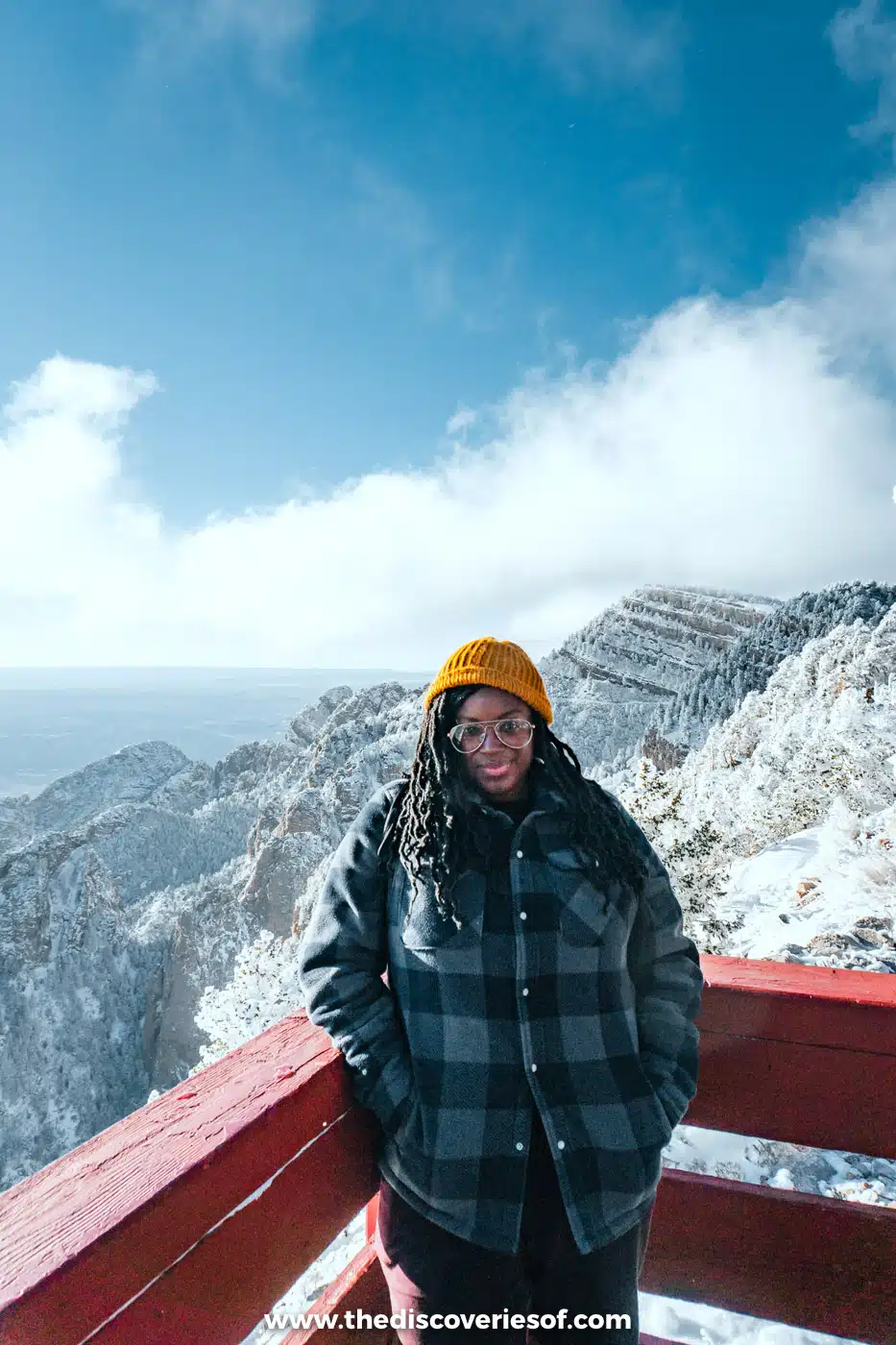
Sandia Peak Tramway was a highlight of my trip to NM. Initially, I was unsure if Sandia Peak Tramway would be worth the money, but now I can confirm that this is a place to visit when you’re in town.
This tramway will take you 2.7 miles up into the Sandia Mountains in about 15 minutes, to a top station at 10,378 feet, where you can enjoy incredible views. The panoramic views also allow you to see the Cibola National Forest and the Rio Grande Valley.
Fair warning: when I visited in February, the top of the mountain was snowy and freezing cold. On the plus side, though, the views of this winter wonderland were absolutely stunning. It’s desert down below and a completely different world up top: I tried a little hike at the top and wasn’t quite prepared for the snow, then stayed for sunset, which was freezing but epic.
That said, during the warmer months, you can hike to the top of the mountain on the steep La Luz Trail or even hike back down.
You also shouldn’t forget to book your spot at TEN 3, the restaurant at the top, for some food and drinks. It opens Thursday to Monday, and diners with a reservation should arrive at the tram 45 minutes to an hour early.
Tickets
A return ride costs $35 for adults (plus a small grounds fee and tax), and it’s best to buy online before you arrive. The tram runs Wednesday to Monday, 9am to 8pm, weather permitting, and closes for maintenance from 3 to 11 November 2026.
Bandelier National Monument

Next up: the Bandelier National Monument. This New Mexico landmark sits on the Pajarito Plateau, covers around 53 square miles and is named after the Swiss-born archaeologist Adolph Bandelier.
When looking at the rock cliffs and masonry villages, the impressive history of the Ancestral Pueblo people who lived in Frijoles Canyon from about 1150 to 1550 CE is evident throughout.
To experience this breathtaking spot to its fullest, use the various hiking trails across the Bandelier wilderness. The Pueblo Loop Trail (also called the Main Loop) is arguably the most famous, and for good reason. The 1.4-mile loop passes the Big Kiva, the circular village of Tyuonyi and the cliff homes of Talus House and Long House, and wooden ladders let you climb up into the cavates, small rooms carved into the soft volcanic rock.
Entry is charged per vehicle. The canyon car parks fill up on busy days, so arrive early: from spring to mid-October a free shuttle runs from the Frey Trail car park, mainly at weekends.
Very Large Array

This list has several natural spaces and sites, but let’s not forget the impressive manufactured landmarks ready for you to visit. The (very absurd) Very Large Array is one of those places.
This radio telescope facility is 50 miles west of Socorro and is one of the world’s premier astronomical radio observatories. The sheer size of the radio dishes is enough to impress anyone: each of the 27 dishes measures 82 feet across, weighs around 230 tons and will tower above you.
The dishes all work together to map activity from black holes and other astronomical things in space, including the search for extraterrestrial life (Jodie Foster’s film Contact was shot here). Even if you’re an alien-sceptic, you’ll still find yourself gravitating toward this unbelievable site.
The site is open daily from 9am to 4pm and is about two hours’ drive from Albuquerque. Admission is $10 for adults, and a guided tour is included when one is running.
Four Corners Monument

Now, this is a real treat. Out of all of the landmarks in NM, the Four Corners Monument is the only one that lets you tell people you were in four states simultaneously. New Mexico, Arizona, Colorado and Utah all meet up at the point where this monument sits.
This location is a must-visit during your New Mexico road trip. It’s a Navajo Nation tribal park, and Navajo vendors sell handmade jewellery and traditional food beside the plaza. Let’s not forget the fantastic photo opportunity!
The monument closes in the early evening (5pm from October to late March, up to 8pm in midsummer), so you can’t stand on the marker under the stars. The skies across this remote corner are wonderfully dark, though: see my guide to stargazing in the US for the best places nearby. Monument Valley is about two hours’ drive west, so it pairs well with my Monument Valley travel guide.
Top Tip
The Navajo Nation observes daylight saving time, unlike most of Arizona, so in summer the clocks at the monument match New Mexico’s. America the Beautiful passes don’t cover the entry fee.
New Mexico State Capitol

If you’re in Santa Fe, it’s a no-brainer to go and visit the state capitol. Nicknamed the Roundhouse, it’s the only round state capitol in the US, designed to look like the Zia sun symbol from above, and it features some fantastic architecture and artwork, including impressive murals and sculptures by local artists.
I suggest visiting the Capitol Cafe on the ground floor (it opens on weekdays) to get a tasty treat or something to drink. As a bonus, you can look at some amazing art pieces from the Capitol Art Foundation’s collection of more than 600 works throughout the building.
Self-guided tours are free from Monday to Friday, 7.30am to 5.30pm, and on summer Saturdays.
Taos Pueblo
Set at the foot of the Sangre de Cristo Mountains, beside the Rio Pueblo de Taos, a tributary of the Rio Grande, this New Mexico landmark is home to multi-storey adobe buildings that provide a unique cultural showcase. The village is a living centre of Pueblo culture and is now a UNESCO World Heritage Site and National Historic Landmark.
The Pueblo community was one of the initial communities visited by Spanish explorers, and the village is still inhabited by the community today. It has been lived in for over 1,000 years, making it one of the oldest continuously inhabited communities in the United States.
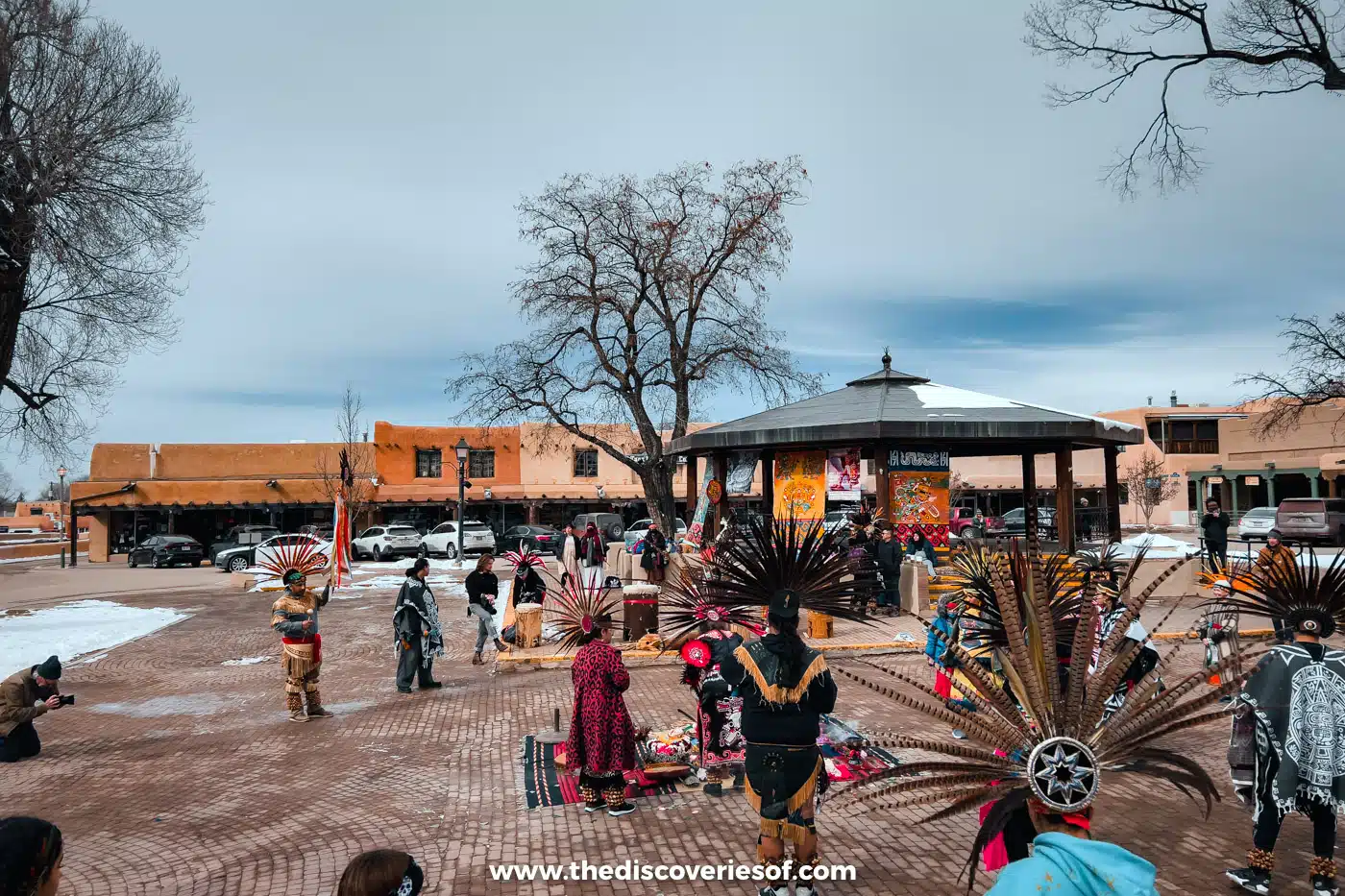
Check beforehand for community celebrations to plan which day you visit and avoid missing out on the experience. Community members want to keep these private, so access isn’t allowed during these times. The Pueblo also usually closes to visitors for several weeks in late winter and early spring: it was closed when I was in Taos in February. In town, I caught a local Native American gathering on Taos Plaza instead, with dancers performing in the snow.
Tickets
When it’s open, the Pueblo welcomes visitors daily from 9am to 4pm. Adults pay $25, and children aged 10 and under go free. Always ask before photographing anyone, and photography isn’t allowed inside San Geronimo Chapel.
Gila Cliff Dwellings National Monument

The Gila National Forest surrounds the Gila Cliff Dwellings National Monument. Yet another example of Pueblo settlements, this national monument showcases Mogollon culture dating back centuries.
The Mogollon people built their homes in caves within the mountainside in the late 1270s and lived off the surrounding area alongside the river, before moving on around 1300. When you visit this impressive place, you will find more than 40 rooms built into five caves, with much of the original architecture remaining intact.
A one-mile loop trail climbs to the dwellings and takes about an hour. The monument sits 44 miles north of Silver City at the end of NM 15, a slow, winding mountain road, so allow around two hours each way.
Palace of the Governors
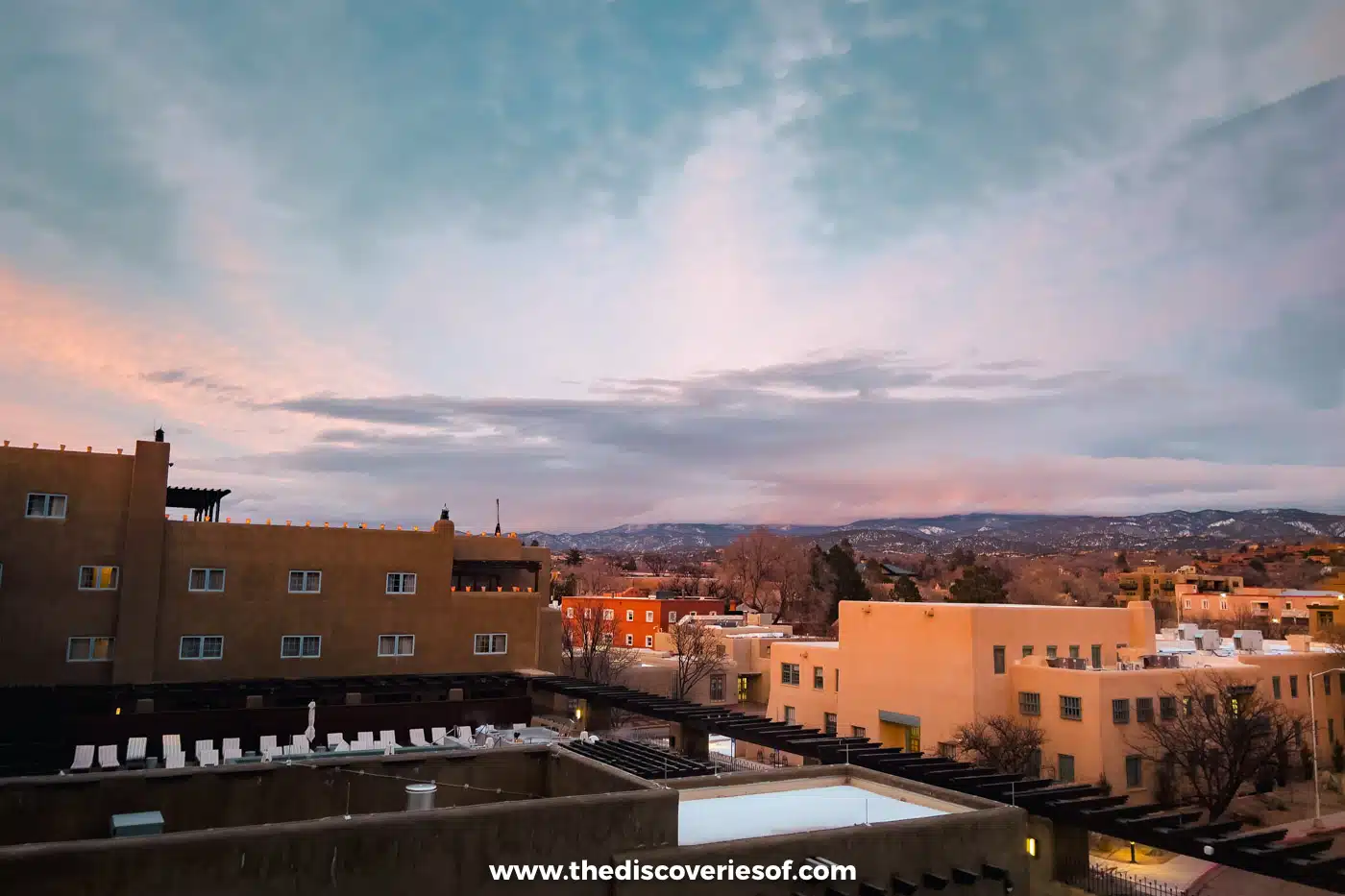
Another landmark found on the north side of the Santa Fe Plaza is the Palace of the Governors. Interestingly enough, it’s one of the United States’ oldest continuously occupied public buildings.
Dating back to 1610, this building is now part of the New Mexico History Museum. The Palace of the Governors was once the location of the government seat during Spanish colonial, Mexican and American rule.
The different occupancy phases of this building make for a rich history that you should learn about. It was even designated as a National Historic Landmark in 1960.
When you visit, you can shop for Native American crafts from the artisans who sell their work under the portal outside the palace.
Capulin Volcano

The Capulin Volcano is an extinct cinder cone within the Raton-Clayton volcanic field, which spans 8,000 square miles. It last erupted between about 55,000 and 60,000 years ago, and its summit still reaches a staggering 8,182 feet above sea level.
The mountain is now covered in several varieties of juniper and pine trees and vegetation. One thing is for sure: the Capulin Volcano is a marvel of nature and her creations. And the gorgeous view of this famous landmark in New Mexico will engross anyone.
A road spirals up to a car park on the rim, where the one-mile Crater Rim Trail loops around the top and a short path leads down into the crater. Vehicles over 26 feet and trailers aren’t allowed on the road.
Rio Grande Gorge
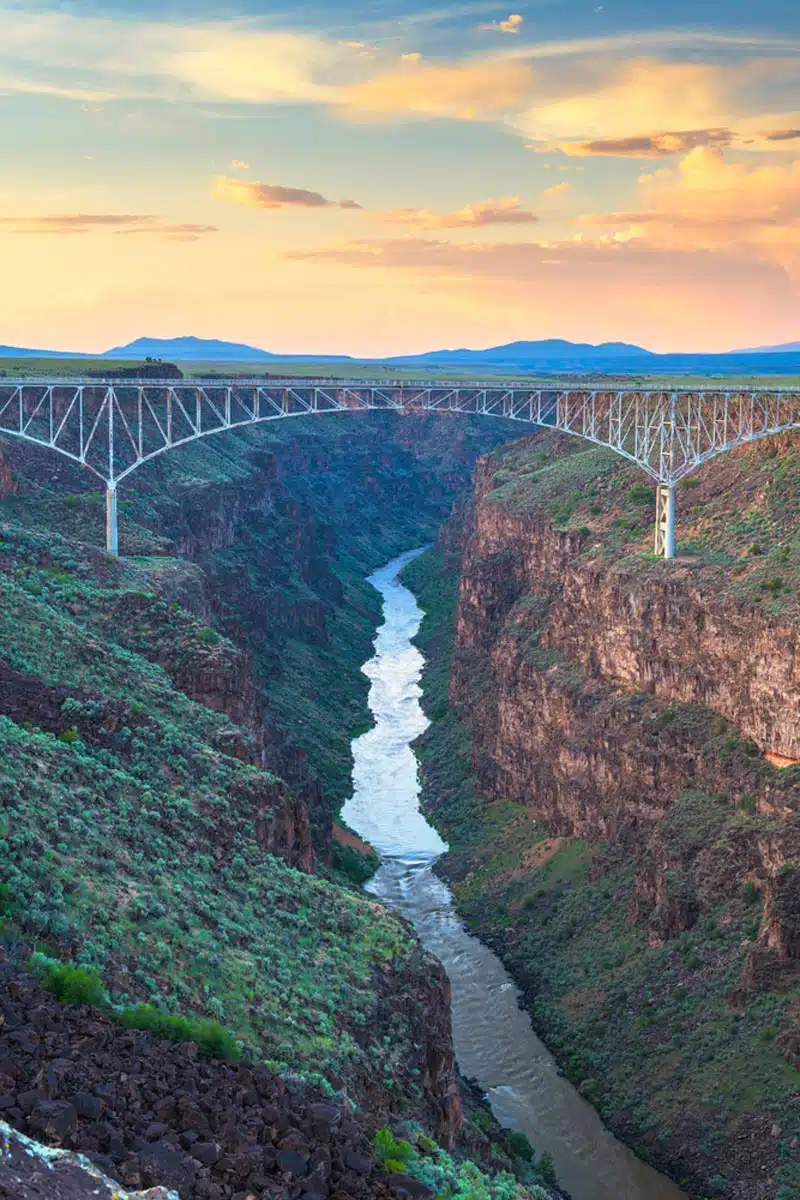
The Rio Grande Gorge is a dramatic rift in the high plateau north-west of Taos, with the river running through its centre for around 50 miles and its walls plunging as deep as 800 feet. Much of it is protected as the Rio Grande del Norte National Monument.
Throughout the stone sides of the gorge, you’ll find evidence of petroglyphs and ancient rock art.
Oh, and the Rio Grande Gorge Bridge is a must-see if you visit this location: it was one of my stops in Taos. This bridge, completed in 1965, is a remarkable feat of engineering and hovers around 600 feet above the river, letting you take in some fantastic views of the gorge below (and snap some cool AF pics). It’s on US 64, about 10 miles north-west of Taos.
Blue Hole
Another impressive natural landmark in NM is the Blue Hole in Santa Rosa, on Route 66 about two hours east of Albuquerque.
The Blue Hole is a bell-shaped artesian spring, about 80 feet deep, and it’s said to be one of seven sister lakes connected underground. The true marvel of this place is the sheer stark difference to the red mesa surroundings.
The crystal clear waters of this landmark are stunning, so it’s no wonder that locals still look after this location so well. The water stays at around 62°F (about 17°C) all year, which makes it a fantastic place for divers, but you can get an equally worthwhile experience while swimming here on a hot summer’s day. In winter, you’ll probably settle for a peek from the sidelines.
It’s open from 10am on weekdays and midday at weekends, with early divers-only hours on weekend mornings.
Aztec Ruins National Monument

The Aztec Ruins are one of the most impressive historical landmarks in New Mexico. These 900-year-old ruins were a great house of the ancestral Pueblo people, formerly known as the Anasazi. The ruins have evidence of the typical Puebloan sandstone and mud dwelling style (and nothing to do with the Aztecs: early settlers simply got the name wrong).
The Aztec Ruins are near the Animas River and are now part of the Chaco Culture UNESCO World Heritage Site. Several great and small houses adorn the site, and some artefacts are on show.
When you visit, savour the sights along the short trail while walking through the West Ruin, and step inside the reconstructed Great Kiva.
Georgia O’Keeffe Museum
There are plenty of museums in New Mexico, but not all are created equal. One you shouldn’t skip is the Georgia O’Keeffe Museum, in downtown Santa Fe.
In case the name didn’t give it away, the museum is a dedication to the life and work of the famous artist Georgia O’Keeffe. Visually, it’s stunning, housed in classic Santa Fe adobe.
The beautiful artwork here represents the wilderness and the world’s wonder through Georgia’s eyes. The gorgeous floral paintings and depictions of nature are wondrous and some of the most lovely artwork I’ve seen.
The galleries at 217 Johnson Street open daily from 10am to 5pm. A much bigger new museum is being built a few blocks away on Grant Avenue and is due to open in summer 2028; the current building stays open in the meantime. For more of her world, the museum runs tours of her home and studio in Abiquiú, about an hour north of Santa Fe.
Chaco Culture National Historical Park

The sizable Chaco Culture National Historical Park is typically self-guided, with a 9-mile loop road linking its major great houses. This park has been a UNESCO World Heritage Site since 1987, and here you can enjoy spectacular views of ancient roads, buildings, stairways and even petroglyphs.
If you are a history buff looking to learn more about Chaco culture, then this site makes for an incredible outing and an understanding of its history. If you’re looking to get even closer to nature, you can join a ranger-led walk around Pueblo Bonito or take one of the numerous hiking trails throughout the park.
Getting There
Chaco is remote and reached only on dirt roads. Since storms badly damaged County Road 7950 in 2026, the north road from US 550 is closed as an entry point, and the only way in is the south road (21 miles of dirt) via Highway 9. Call the park for road conditions before you set off.
The Lincoln Historic Site

No trip to New Mexico is complete without paying homage to the Wild West, and the Lincoln Historic Site is the perfect place to do just that. It holds a collection of 17 historic buildings dating back to the 1870s and now offers a unique museum experience of old-style architecture.
The town housed one of its most famous characters, Billy the Kid, at the height of the Lincoln County War, and in 1881 he escaped from its courthouse, killing two deputies on his way out. And, if you’ve ever watched a Billy the Kid movie, then you’ll definitely know why this site is one of the most visited in New Mexico.
And if you haven’t… You’ll have to visit to find out for yourself. Time it for Old Lincoln Days each August, when the town re-enacts the story.
Shiprock

Shiprock is undoubtedly one of the most famous landmarks in New Mexico, and for a good reason.
This giant rock formation stands in San Juan County in the state’s north-west corner and lies on the Navajo Nation, where it is sacred and known as Tsé Bit’a’í, the “rock with wings”. To say that it’s impressive is an understatement; it reaches a colossal 1,583 feet above the plain and is an absolute wonder to behold.
Unfortunately, it isn’t possible to hike or climb this monument: climbing has been banned since 1970. Still, the sheer brilliance of this site is enough to keep you captivated while giving you some fantastic insta-worthy photo opportunities from the roads around it.
Loretto Chapel
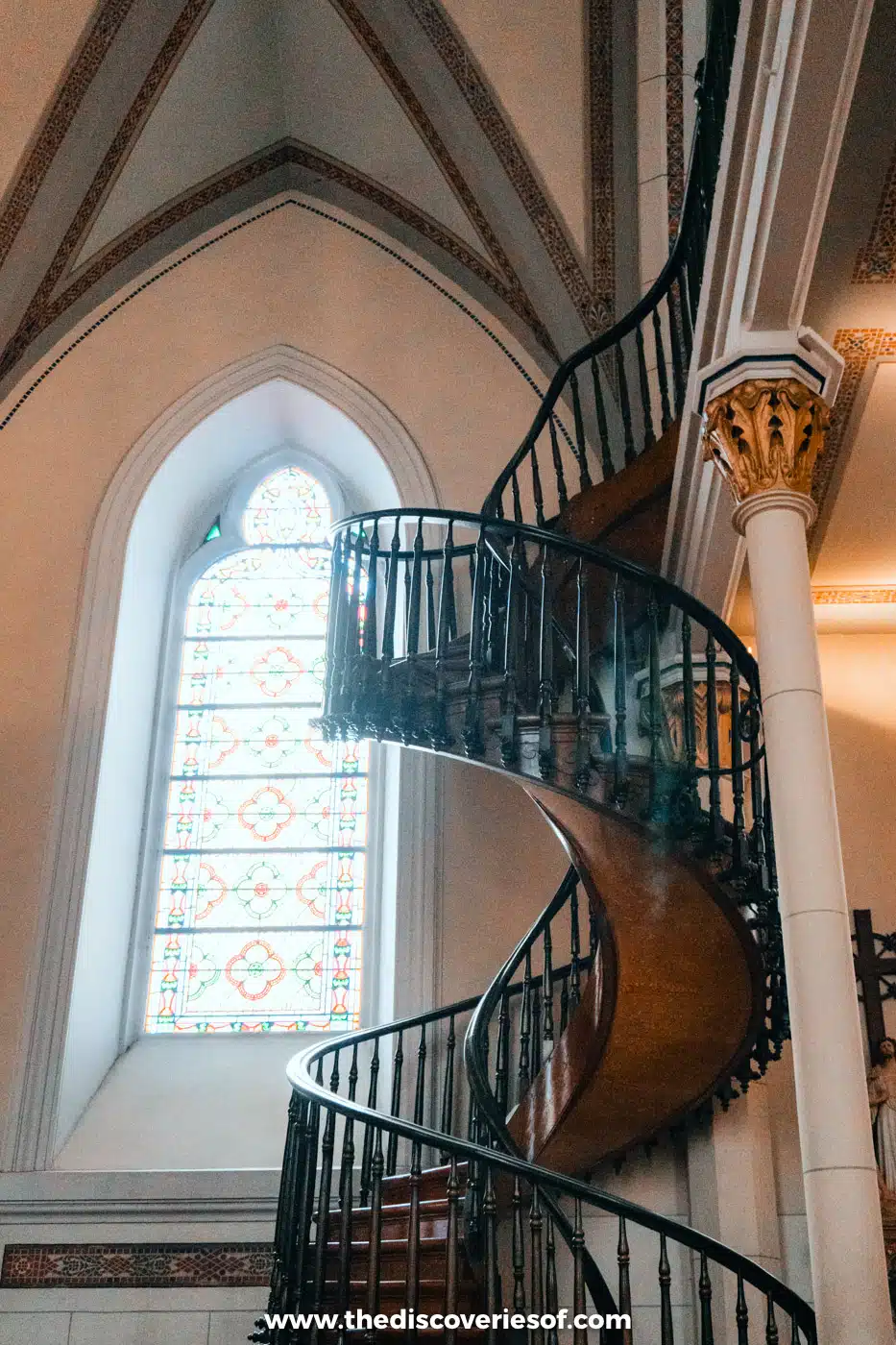
Just a couple of blocks from the Santa Fe Plaza, this little Gothic Revival chapel was built for the Sisters of Loretto between 1873 and 1878, modelled on the Sainte-Chapelle in Paris.
Its claim to fame is the “miraculous staircase” up to the choir loft. It makes two full turns in 33 steps with no central support, and legend says that after the Sisters prayed to St Joseph, the patron saint of carpenters, a mysterious stranger arrived, built it with simple tools and left without being paid. The railings were only added in 1887.
I visited in February, with snow on the ground outside, and it’s an easy stop on a walk around downtown. The chapel is now a privately owned museum and wedding chapel with a small admission fee.
Kasha-Katuwe Tent Rocks National Monument

Between Santa Fe and Albuquerque, on the land of Cochiti Pueblo, these cone-shaped hoodoos were carved by wind and water from layers of volcanic ash and pumice. Kasha-Katuwe means “white cliffs” in the Keresan language of the Pueblo.
The 1.2-mile Cave Loop is easy, while the Canyon Trail runs 1.5 miles one way through a narrow slot canyon before a steep 630-foot climb to a mesa-top viewpoint. Dogs and drones aren’t allowed.
Tickets
Visits are by reservation only, with no tickets on site or on the day. Book a $6 BLM ticket per person on Recreation.gov first, then buy the Cochiti Pueblo Tribal Access Pass ($20 for over-16s), which America the Beautiful passes don’t cover. It’s open Thursday to Monday, with entry from 8am to 1pm, and closes from 15 December to 31 January and on certain Pueblo holidays. Check in at the Cochiti Visitor Center off I-25 exit 264 and follow the pilot vehicle in.
Tips for visiting the landmarks
- I don’t want to nag, but look after yourself folks. Always wear sunscreen and a hat: the sun can be brutal during summer, and it’s strong at altitude all year (Santa Fe sits at about 7,000 feet). You’ll also need to make sure to drink plenty of water. Winter is properly cold, too: my February week brought rain at White Sands, snow on Sandia Peak and freezing mornings in Albuquerque.
- Purchasing the America the Beautiful pass ($80, or $250 for non-US residents from 2026) is beneficial if you visit multiple parks, as it covers White Sands, Carlsbad Caverns, Bandelier, Capulin, Aztec Ruins, Chaco and Gila. Petroglyph’s Rinconada Canyon trail is free, but tribal sites (Taos Pueblo, Four Corners and the Cochiti pass for Tent Rocks) charge their own fees.
- You’ll need a car, and several landmarks need booking ahead: Carlsbad Caverns’ timed entry, Tent Rocks, Meow Wolf and the Sandia Peak Tramway.
- Check closures on the day: missile tests at White Sands, Taos Pueblo’s late-winter closure, Sandia’s maintenance weeks and road conditions at Chaco.
- Foodies, gather around. NM is famous for its red and green chile, so if you’re into spicy food, you’re in luck: order it “Christmas” style to get both, as I did with my breakfast burrito at Tia Sophia’s in Santa Fe. The food in New Mexico is some of my favourite in the States; it’s hearty and delicious.
Map
Read next
- Brilliant things to do in New Mexico
- What to do in White Sands National Park
- Where to stay near White Sands National Park
- Brilliant day trips from Santa Fe
- The best things to do in Albuquerque
- Stunning hikes in New Mexico
- The ultimate New Mexico road trip itinerary
Love this? Save and share on Pinterest


Discover the top things to do, insider tips and hidden gems in our USA Travel Guides.
Read the guides →