Plan the ultimate NM trip with this guide. From floating over the Rio Grande at sunrise and sledging down white gypsum dunes to soaking in the snow at a mountain spa, these are the best things to do in New Mexico.
Ahh, New Mexico, a land of mystery, beauty and cultural wonders: it has so much to offer. So, what are you waiting for?
Whether it’s the paranormal, the region’s unique Indigenous culture or the national monuments that draw you in, there’s no place like the Land of Enchantment.
I travelled through the state on a February road trip, and it threw everything at me. It rained on the dunes at White Sands, it was literally zero degrees Celsius on my sunrise balloon flight over Albuquerque and the top of Sandia Peak was buried in snow. Then I headed north to Taos and Santa Fe for Pueblo culture, adobe galleries, a sauna that was hotter than hell and the best breakfast burrito of my life.
Let me take you on a journey through the Southwest and reveal the awe-inspiring sights and experiences of this incredible state. I’ve started with the things to do in New Mexico that made my trip, from Albuquerque north to Santa Fe and Taos, then headed out to the ancient sites, caves and wild corners further afield.
This guide is all about what to do: the rides, walks, soaks, meals and tours. If you’d rather plan around the places themselves, from Shiprock to the Four Corners Monument, my guide to New Mexico landmarks covers 22 of the state’s most famous sights.
The best things to do in New Mexico
Float over Albuquerque on a sunrise balloon ride
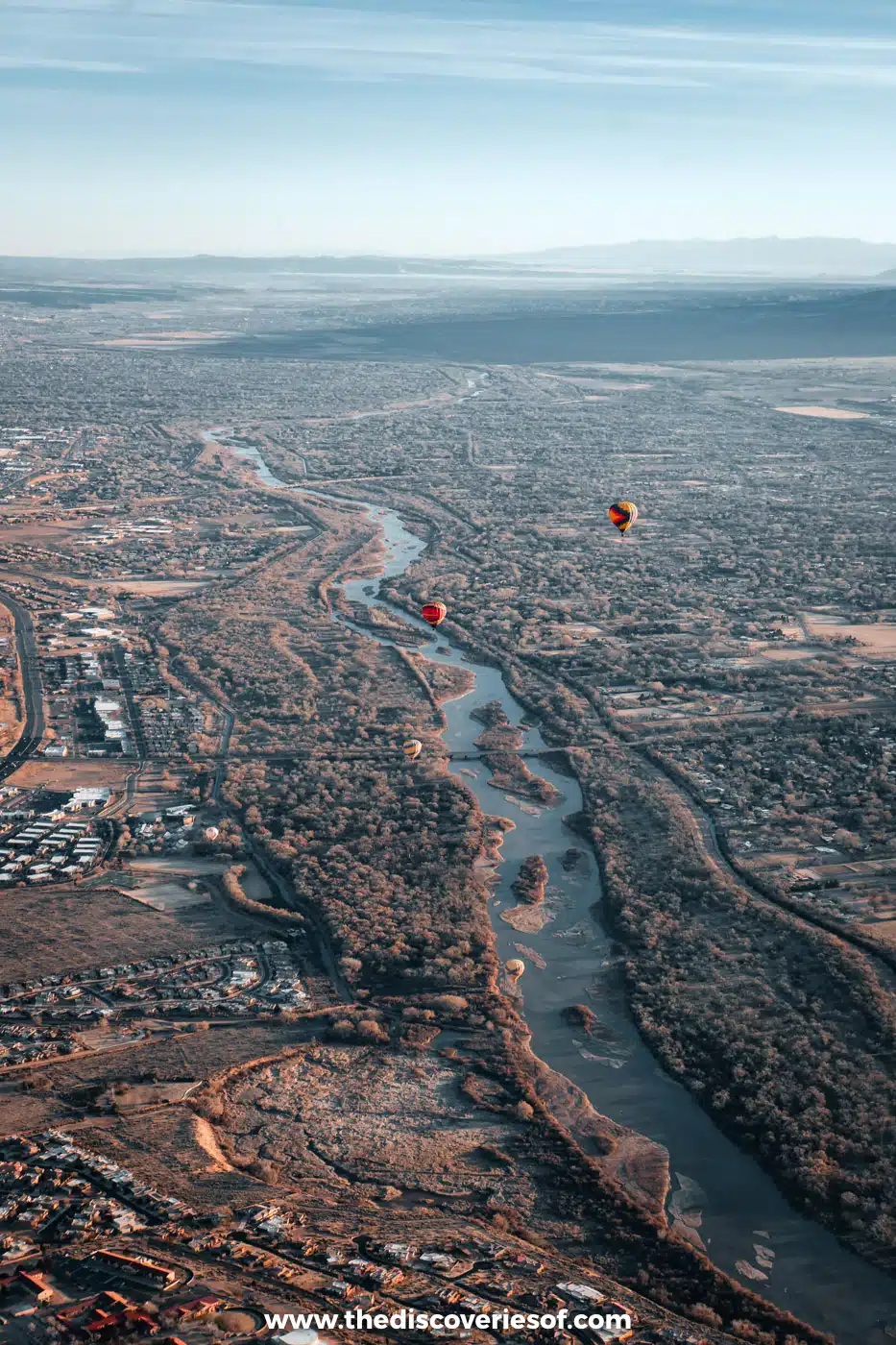
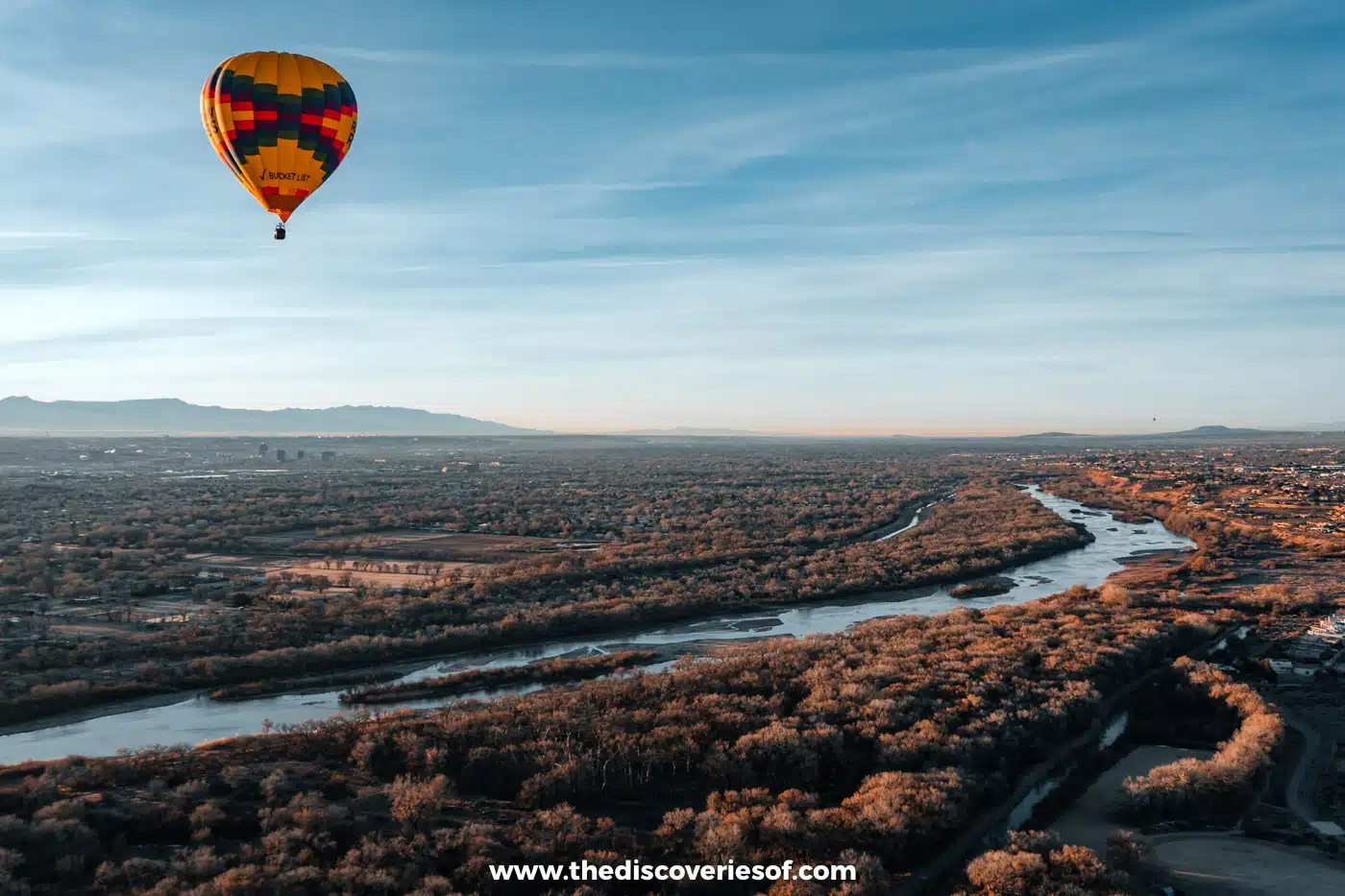
Albuquerque’s known for its International Balloon Fiesta, which hits the city every October and sets the sky awash with a kaleidoscope of vibrant colours and patterns. But you can reach for the skies year-round (weather permitting), and seriously, you should.
I loved floating above the peaceful city as it was gradually bathed in the early morning light. That’s not even mentioning the views of the gorgeous bosque, the cottonwood forest that lines the river, and the Rio Grande either. It’s a different perspective from up on high, and I have to say, one to add to your bucket list. I’d give it a solid 10 out of 10.
It was very different to when I went hot air ballooning over the Valley of the Kings in Luxor. Here, the city is just right there below you, and the silence is broken only by the roar of the burner every now and then. Landing is half the fun: pilots come down wherever the wind allows, and I landed in a car park, with locals waving as the balloon drifted in. It’s crazy that this happens in the middle of a city.
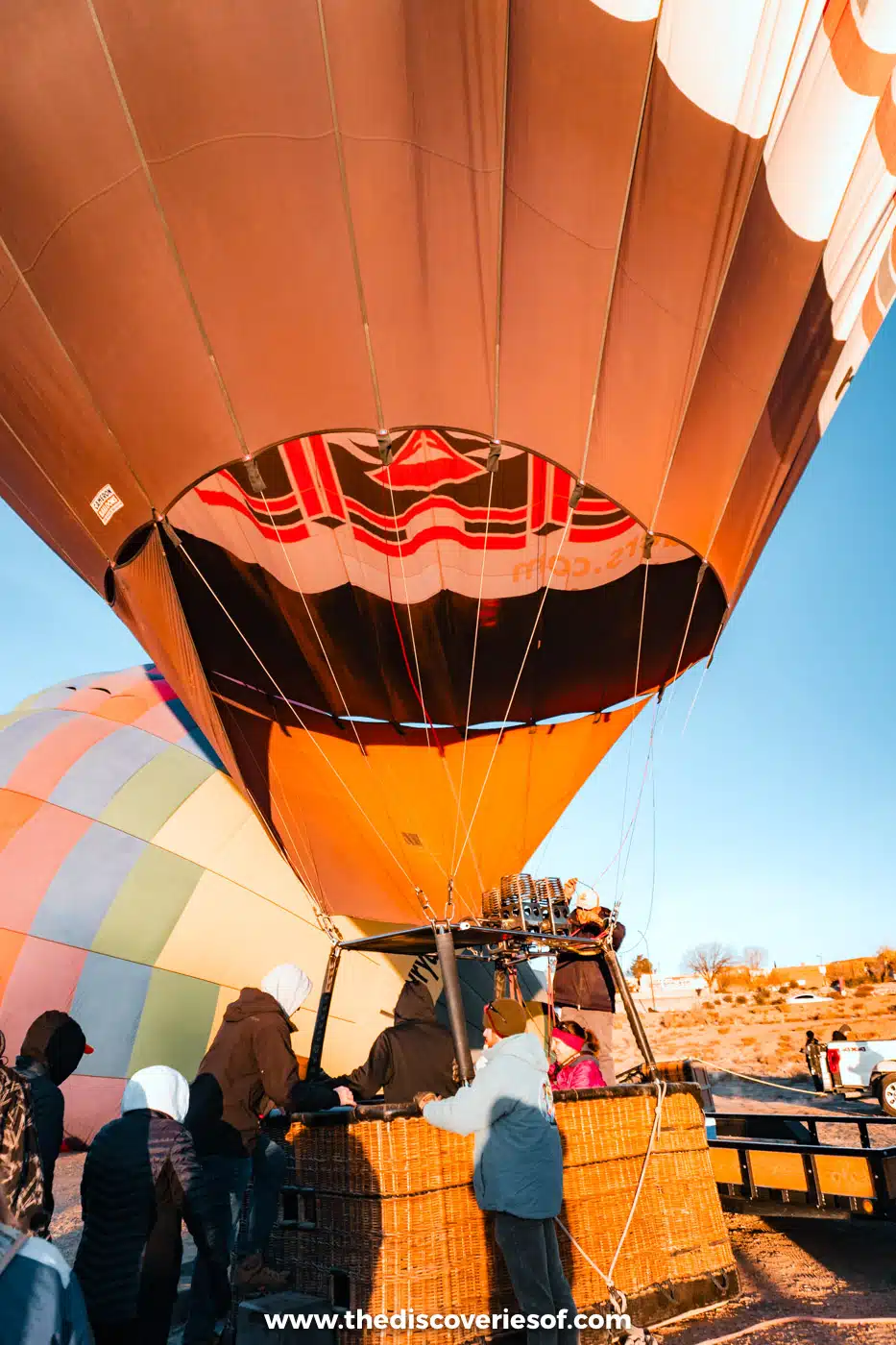
Finish your skyward adventure with a glass of champagne or a mimosa, and voila: you have the perfect way to start a day. I went with Rainbow Ryders for my balloon tour and highly recommend you do the same. Sunrise flights run every day of the year, you’ll spend 45 minutes to an hour in the air, and the whole experience takes about three to three and a half hours.
If you’d like to see hundreds of balloons rise at once, time your trip for the Balloon Fiesta, the largest hot air balloon festival in the world. The 2027 Fiesta starts on 2 October, and hotels book up months ahead.
Do
Book your Albuquerque hot air balloon experience with Rainbow Ryders. Wear layers: it’s bitterly cold before dawn in winter, but the burner throws out a surprising amount of heat.
Ride the Sandia Peak Tramway up to a snowy sunset
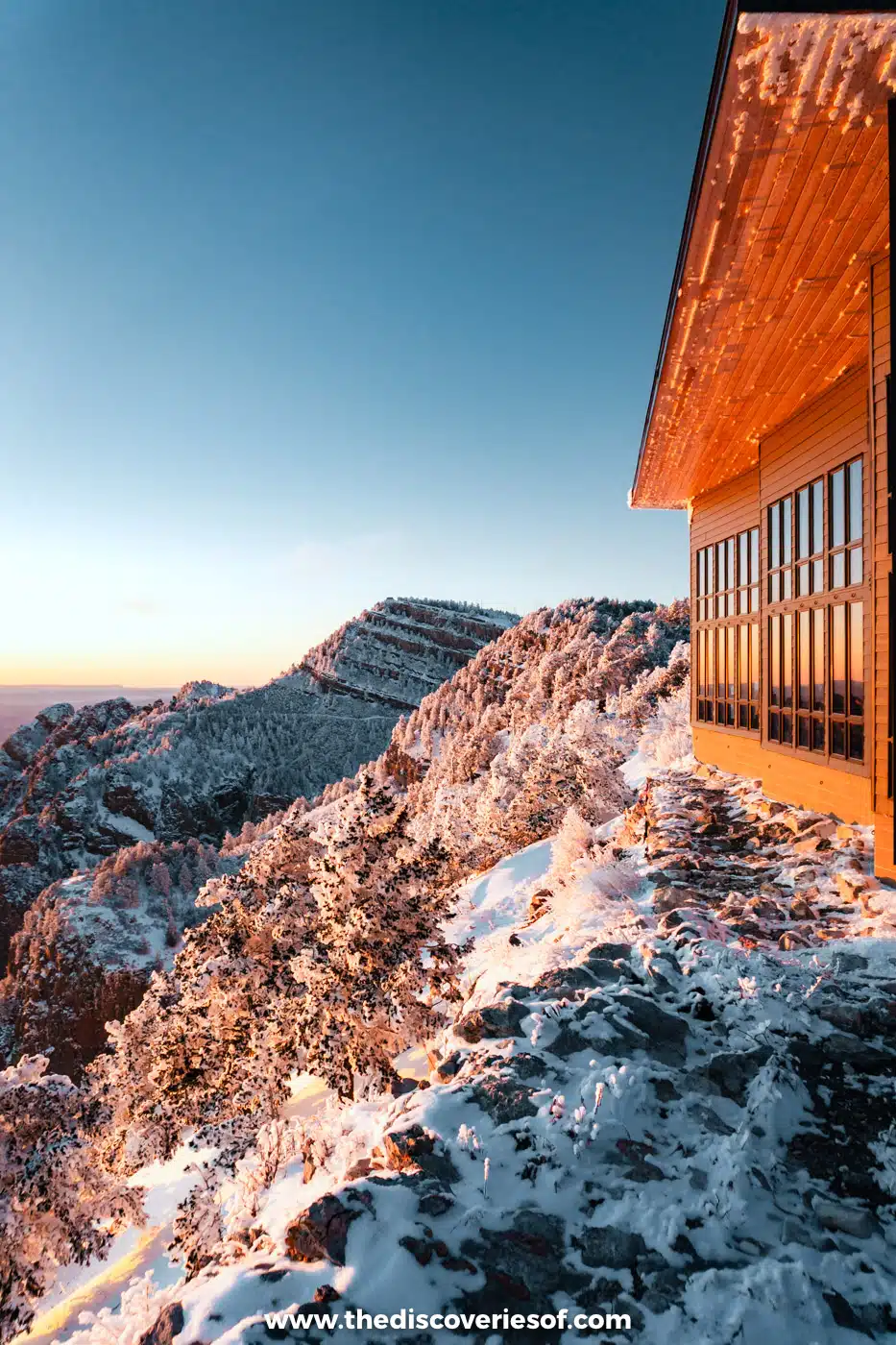
If there’s one thing I’d tell you to definitely do in Albuquerque, it’s this. The tram climbs 2.7 miles up the western face of the Sandia Mountains in about 15 minutes, rising from the desert foothills to 10,378 feet, with the whole Rio Grande Valley spread out below.
I went up in February, and it was freezing. I tried a little hike at the top and wasn’t quite prepared: down there it’s desert, up here it’s not, and there were pockets of snow all along the trail. I stayed for sunset anyway, and while it was freezing cold, it was epic, with the sky turning orange and the lights of the city coming on below.
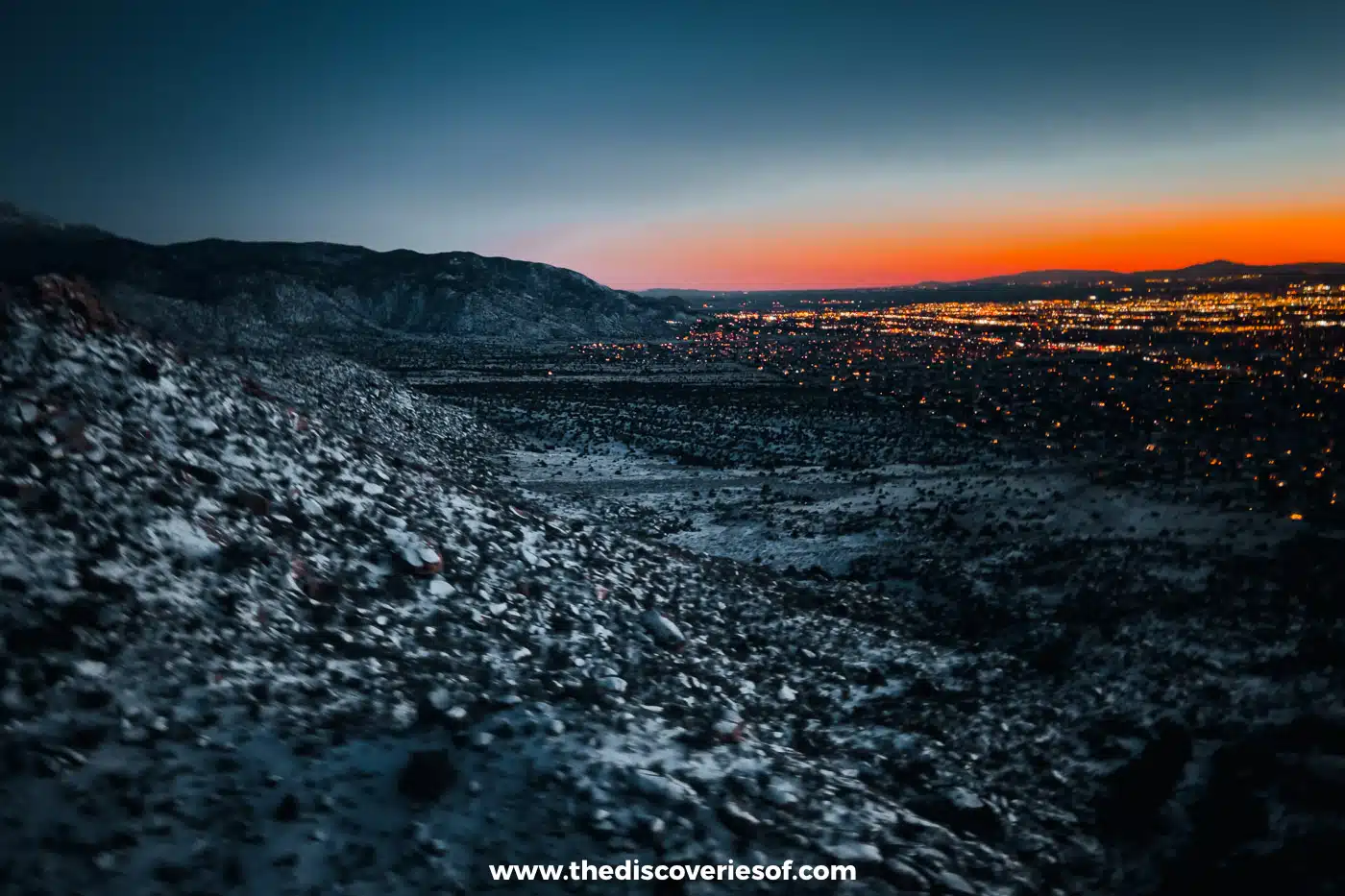
In the warmer months, the trails along the crest are clear of snow, and you can even hike up or down the mountain on the steep La Luz Trail and ride the tram the other way. TEN 3, the restaurant at the top, opens Thursday to Monday: if you’re booking dinner, aim to be at the tram 45 minutes to an hour before your table.
Tickets
A return ride costs $35 for adults (plus tax and a small parking fee online), and it’s best to buy before you arrive, as tickets can sell out. The tram runs Wednesday to Monday from 9am to 8pm, weather permitting, and closes for maintenance from 3 to 11 November 2026.
Play spot the petroglyph in Rinconada Canyon
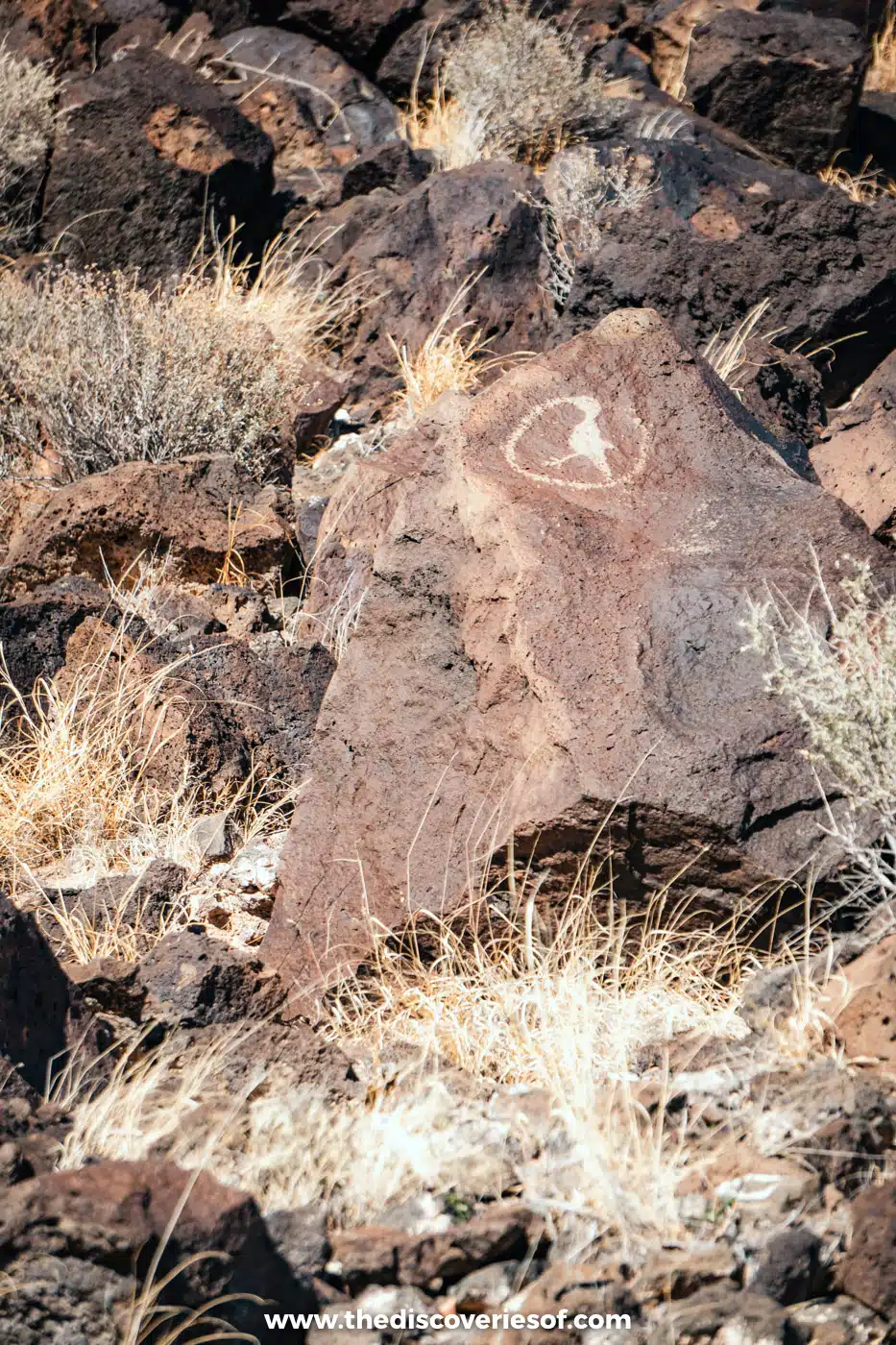
Don’t skip the Petroglyph National Monument in Albuquerque, which is hands down one of the must-see attractions in the state.
In total, the monument protects an estimated 25,000 petroglyphs along a 17-mile volcanic escarpment on the city’s West Mesa, with five volcanic cones behind it. Most were pecked into the dark basalt by ancestral Pueblo people 400 to 700 years ago, and some by early Spanish settlers. Yeah, that’s a lot of history and geology in one go, right? And (bonus) there are plenty of hiking trails to enjoy.
The short trails at Boca Negra Canyon are the easiest, with about 100 petroglyphs to show off. But I recommend the 2.2-mile Rinconada Canyon Trail. It has around 300 petroglyphs to gorge your eyeballs on, and it was my favourite walk in Albuquerque. They’re mainly clustered on one side of the trail, so you can do it as an out-and-back if you prefer.
The ranger told me to allow about an hour and a half. Bring binoculars, as some of the carvings sit high up on the boulders, and play spot the petroglyph: try to work out what each one shows before you read the signs.
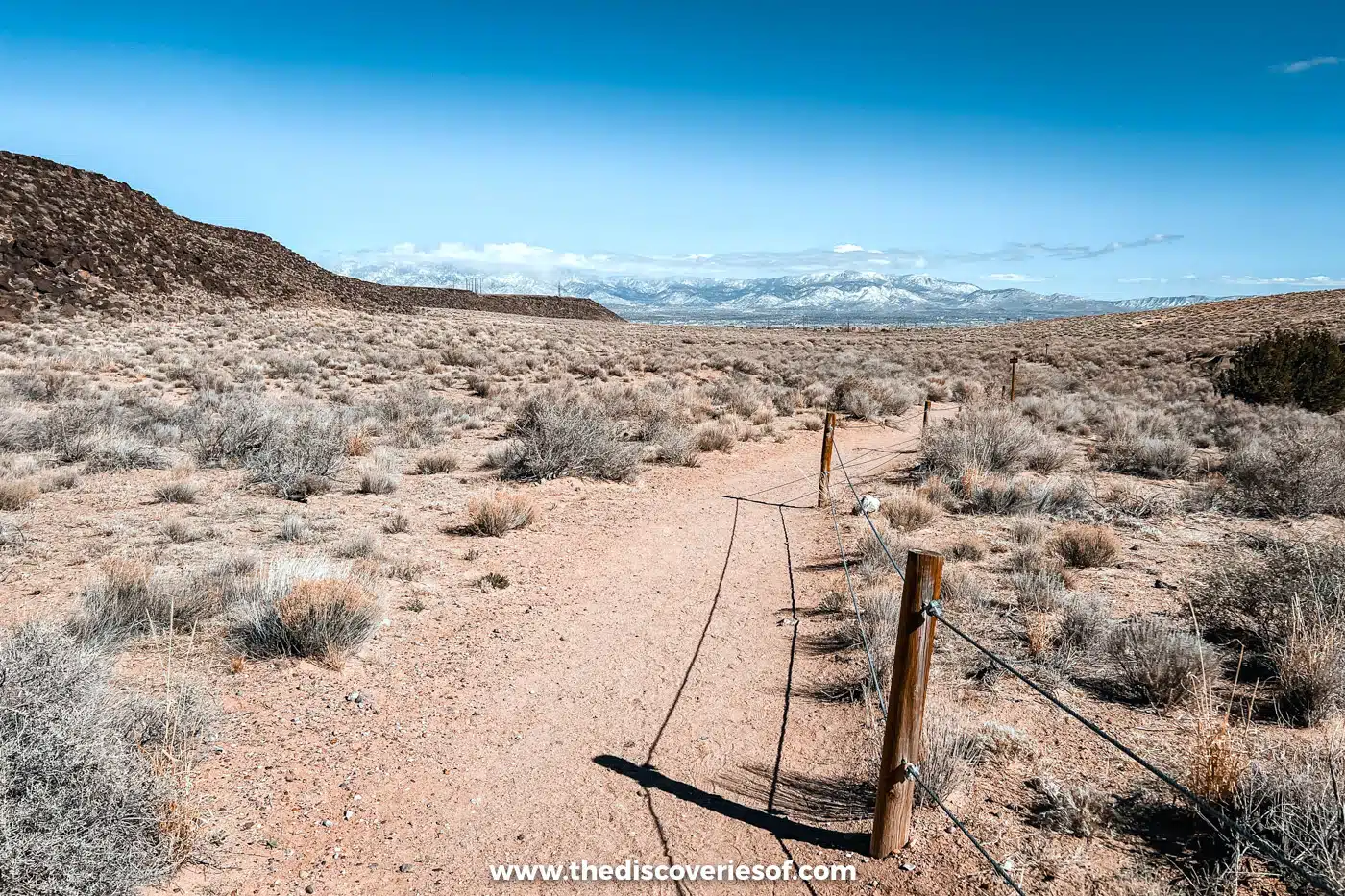
Depending on your chosen trail, you’ll need to drive to specific parking lots, as none of them starts at the visitor centre. But hey, Rinconada Canyon is free (Boca Negra charges a small parking fee).
Wander Old Town and eat your way round Sawmill Market
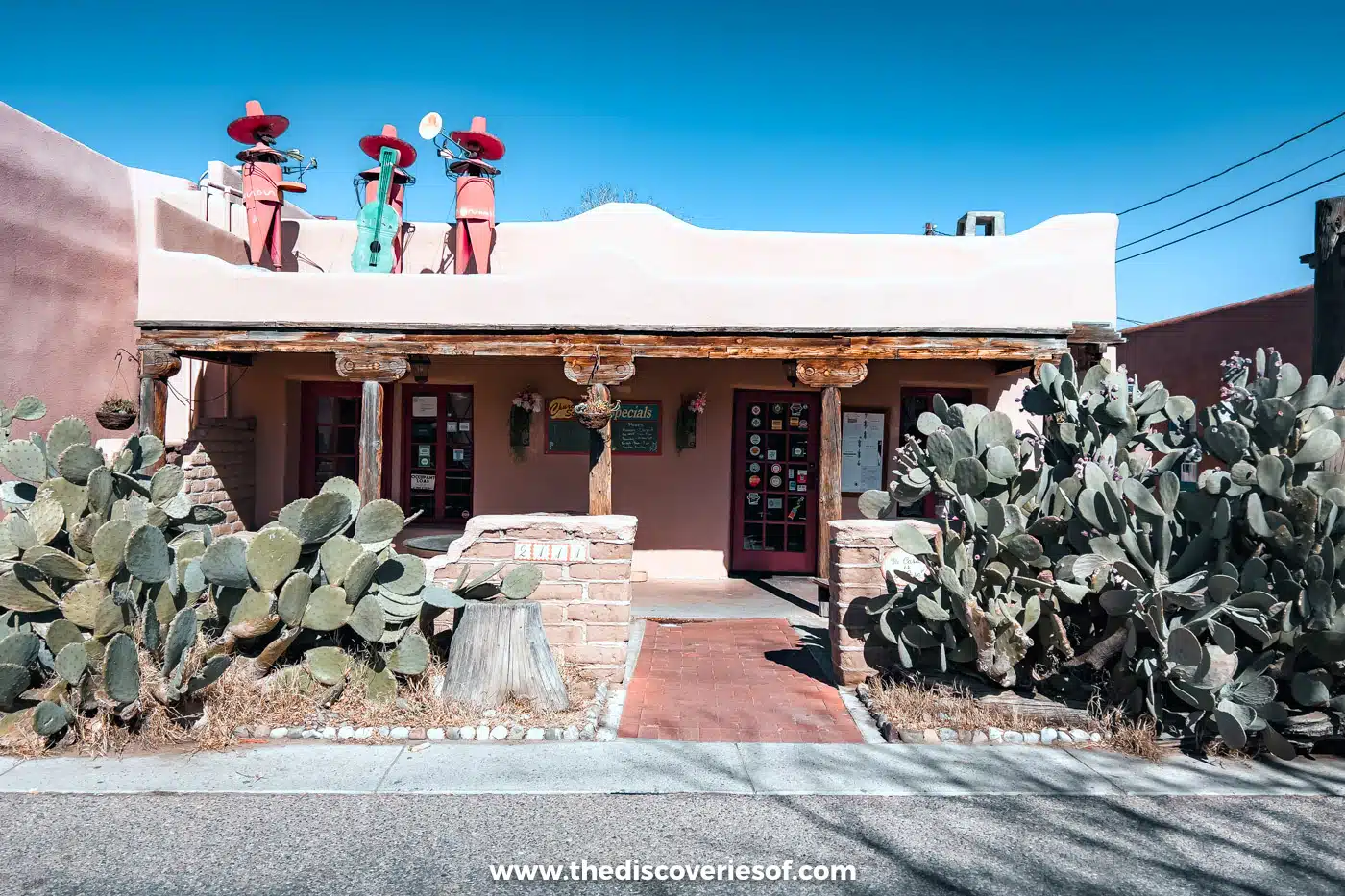
Albuquerque’s Old Town is where the city began in 1706: a cluster of adobe buildings around a leafy plaza and the twin-towered San Felipe de Neri Church, now filled with little shops, galleries and restaurants. When I visited in February, it was very, very quiet, which made it all the more charming. It’s really cute, and you can easily lose a couple of hours poking around its courtyards and hidden patios.
Then walk five minutes to Sawmill Market, the food hall in an old lumber warehouse where, to be quite honest, I fell in love with ABQ. There are 28 food and drink vendors under one roof, from pizza, burgers and hot dogs to tacos and New Mexican plates. My pick is the poke at Notorious P.O.K.E, and if local beer is more your vibe, try Paxton’s Taproom. I had a cheeky margarita at Flora, the sit-down restaurant, and just look at the size of it.
Top Tip
Sawmill Market opens daily from 8am, until 9pm Sunday to Thursday and 10pm on Friday and Saturday. My guide to things to do in Albuquerque covers the rest of the city, from breweries to Breaking Bad.
Discover the 19 Pueblos at the Indian Pueblo Cultural Center
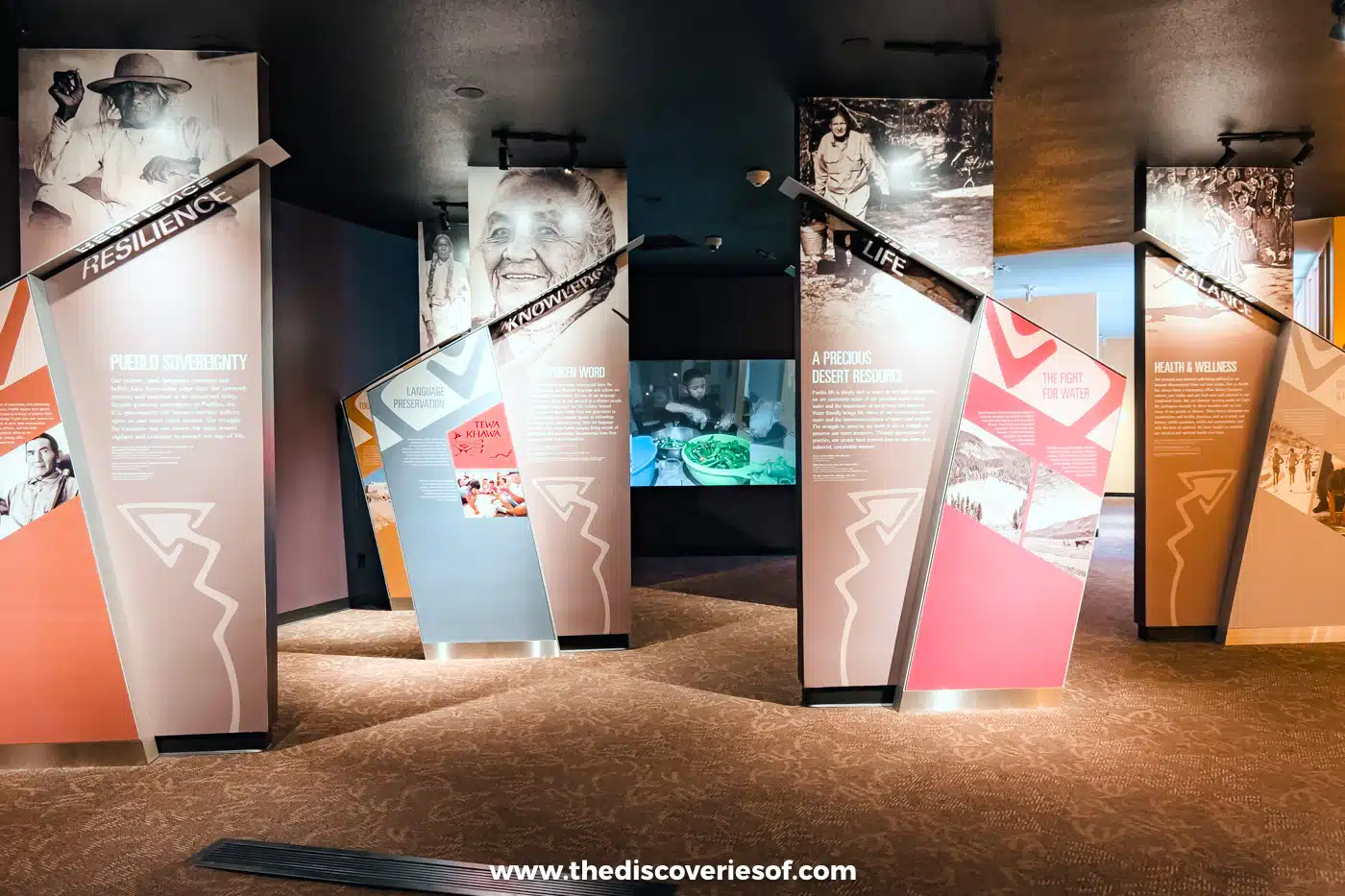
To understand New Mexico, you need to understand its Pueblos, and there’s no better place to start than the Indian Pueblo Cultural Center in Albuquerque. It’s owned and run by the 19 Pueblos of New Mexico, and it tells their history in their own words, with pottery, jewellery, clothing and art.
The museum also runs an ever-changing programme of contemporary exhibitions. When I visited, there was a vibrant display of Native skateboard art. Pretty cool, right?
Time your visit for a weekend if you can: dancers from the Pueblos and neighbouring Tribal Nations perform in the courtyard every weekend, all year round. Afterwards, the Indian Pueblo Kitchen serves Native American dishes made with blue corn and red and green chile.
Tickets
Admission is $12 for adults, and the museum opens daily from 9am at 2401 12th Street NW. You don’t need a ticket for the shop or the restaurant.
Go sledging in White Sands National Park
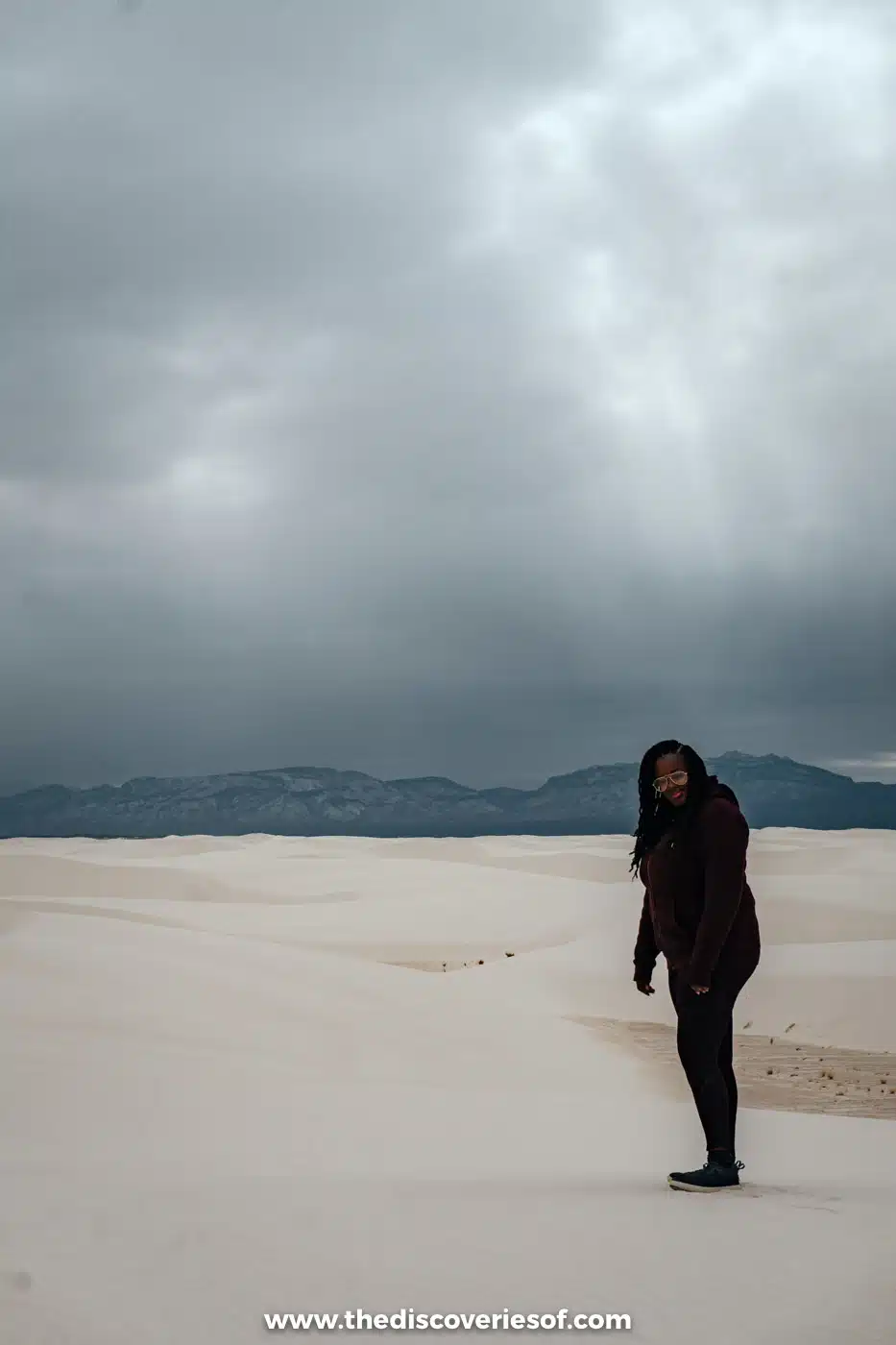
White Sands National Park doesn’t get nearly enough kudos given that it’s one of the most otherworldly landscapes in the US. Take it from me, it’s like being on a moonscape with brilliant-white dunes up to 60 feet high, rippled by the wind and scattered with pale desert brush.
The sand here isn’t made of silica but gypsum, which explains the ghostly colour. The dunefield takes up 275 square miles of the Tularosa Basin, and unlike many national parks, you can tackle the majority of the park in a day.
Save some time to sled down the dunes. You can rent or buy waxed plastic saucers at the gift shop if you don’t have your own (sledging isn’t allowed around the Interdune Boardwalk, so drive a little further along Dunes Drive). But, as much fun as zooming down the dunes is, prepare yourself for a slog back uphill, hauling your sled in tow.
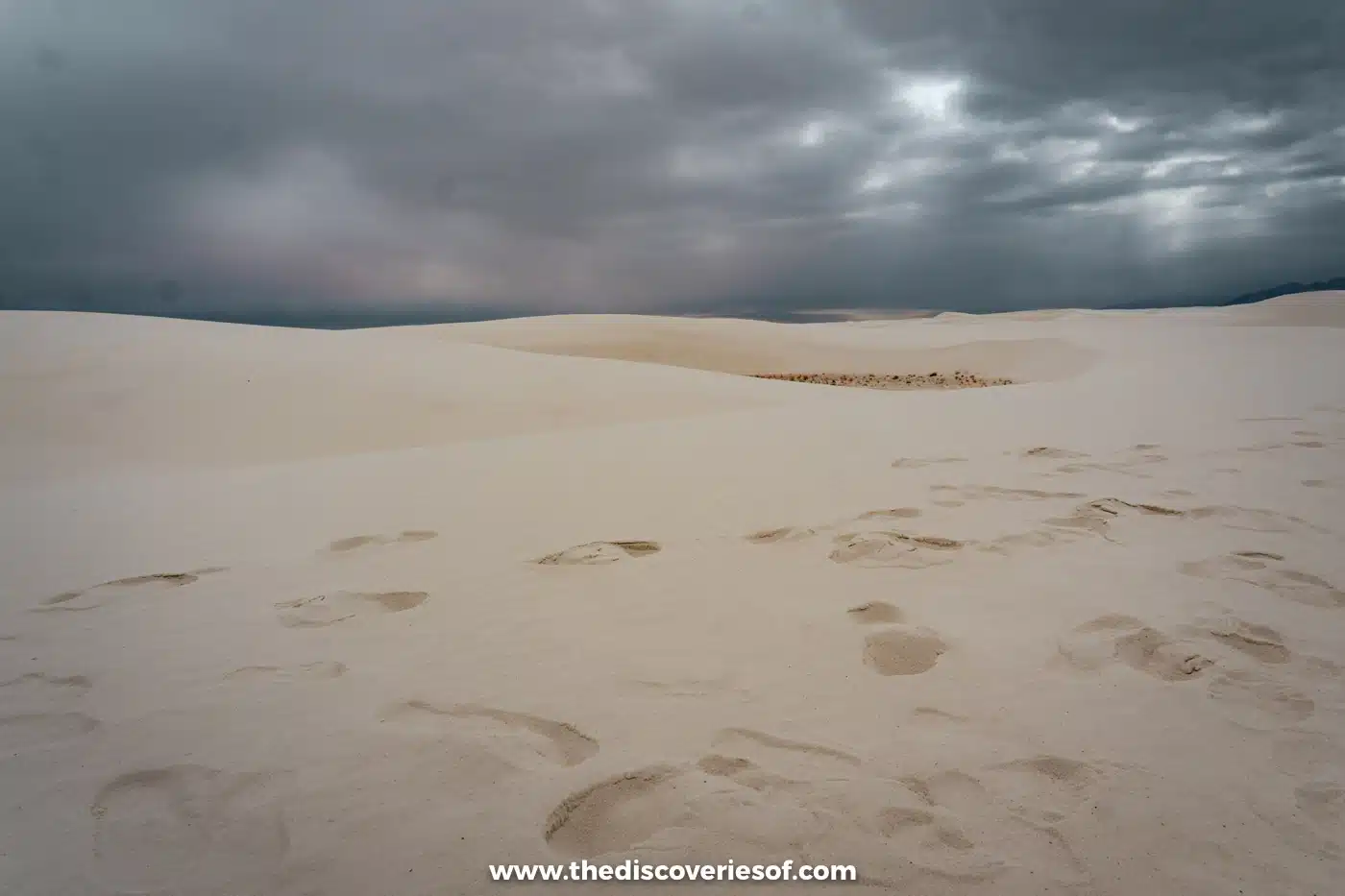
I visited in February, when it rained for part of the day and the park was blissfully quiet. I drove Dunes Drive, walked the Interdune Boardwalk and tackled the five-mile Alkali Flat Trail. I’ll be honest: it was pretty hard work and it wasn’t my favourite, but the views were incredible.
Entry costs $25 per vehicle for seven days. The park closes at night and backcountry camping is suspended with no date set for its return, so there’s no sleeping in the dunes. I stayed in Alamogordo, about 20 minutes away, and my guide to where to stay near White Sands has the best options.
Top Tip
Dunes Drive (and sometimes US 70) closes for up to three hours during missile tests on the neighbouring White Sands Missile Range, so check the park’s closure page the day before. The boardwalk has been listed as closed since 2024, so check that too. More in my guide to things to do in White Sands.
Spend a few days in Santa Fe, the City Different
To say that there’s so much to do in Santa Fe feels like an understatement. It’s a quirky, relaxed city that arguably shows off New Mexico at its best, and it’s one of my favourite cities. They don’t call it the City Different for nothing.
The arts scene is thriving (visit the Georgia O’Keeffe Museum: just do it), with museums like the New Mexico Museum of Art dedicated to the region’s unique artistic heritage and a slew of galleries dotted along Canyon Road. The O’Keeffe galleries on Johnson Street open daily, and a much bigger new museum is due to open nearby in summer 2028.
There’s also the brilliantly bonkers immersive experience that is Meow Wolf: more on that below.
That’s all before we get to the food. I’ll be straight-up truthful, the food in Santa Fe is some of the best you can get your hands on (I talk about the legendary Tia Sophia’s below, but you should also make reservations at Radish & Rye if you know what’s good for you). Its rib-eye might be the best steak I’ve ever had.
It’ll take you a good three days to see the main sights, but there are a lot of museums, so you’ll have to be picky with your time. If you can stay five to seven days, you can take it slow.
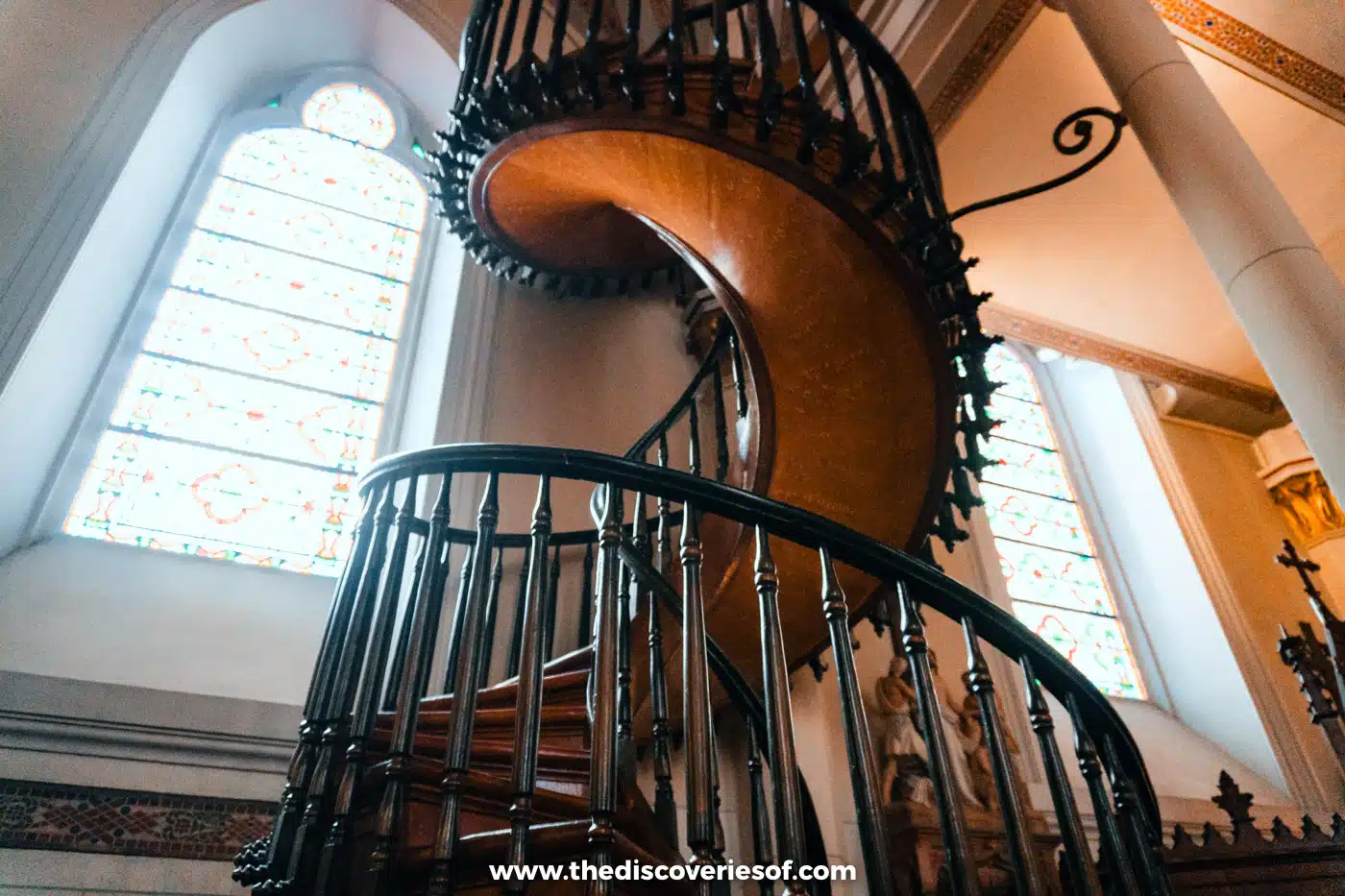
You can also check out the Loretto Chapel, with its rather mysterious staircase (TLDR: it’s said to have been sent from above in the nuns’ hour of need), while you’re there, or lace up your hiking boots and hit the Dale Ball Trails just outside the city. I loved hiking there on a snowy afternoon in the foothills, and you can walk anything from an hour to all day.
Do
Book a guided audio tour of downtown Santa Fe, then read my full guide to things to do in Santa Fe.
Step through the fridge at Meow Wolf
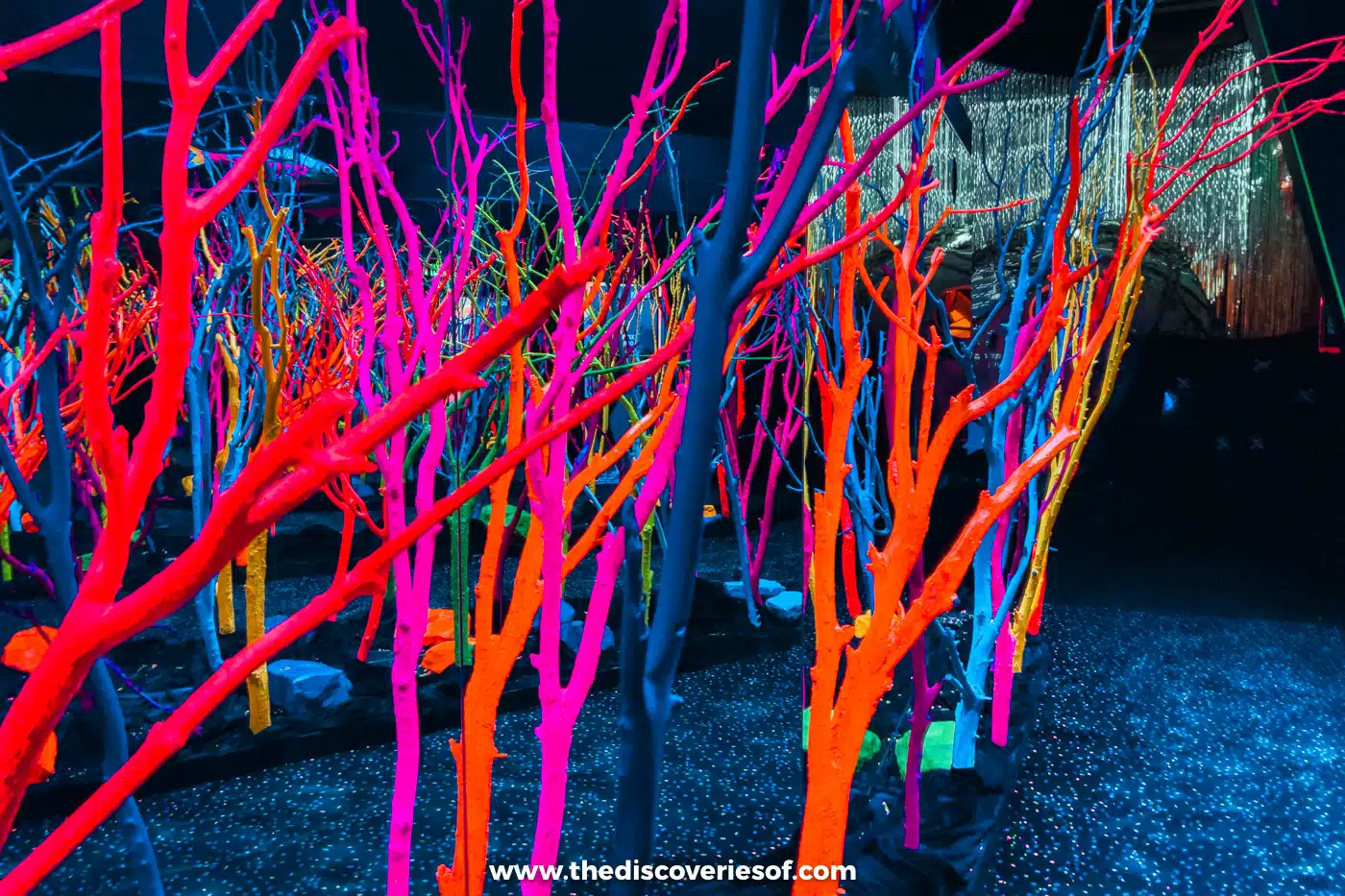
One of my favourite places on my New Mexico trip, Meow Wolf’s House of Eternal Return, is the OG location for fantastical art installations. Sure, you’ll find fabulous installations like this across the US, but Meow Wolf is still the best. It opened in 2016 in a former bowling alley, with early backing from George R.R. Martin, and has more than 70 rooms and hidden spaces to explore.
If you’re looking for pure fun, this is it. It’s eclectic, it’s bonkers and anything but boring. “OMG, this is so fun” was pretty much my running commentary.
Every corner offers a compelling new adventure. One minute I was sliding down a tunnel through a washing machine door; the next, I stepped into a portal through an innocent-looking fridge. No matter your age, you’ll have a blast.
Okay, there is one caveat: the entry is a bit steep. I paid $35 booking online and thought that was a lot, but it was worth it: the size and range of the installations is absolutely bonkers. Timed tickets now start at about $33 for adults, with pricier “anytime” tickets for your chosen day.
This place gets busy, especially on weekends, so book your tickets online before you go.
Do
Book your Meow Wolf House of Eternal Return ticket in advance.
Have breakfast at Tia Sophia’s
I said it earlier in this article and I’ll say it again: the food in Santa Fe is next level. No, I’m not kidding. While you should take some time to eat your way around the city, if you have time for only one meal, make it breakfast at Tia Sophia’s. It was the most epic breakfast, and it’s an absolute must.
This family-run delight on West San Francisco Street, a block from the Plaza, has been serving New Mexican food since 1975, and yes, they’ve perfected the art of the breakfast burrito by now. Santa Fe claims to be the birthplace of this not-so-delicate delicacy, and they say this is where it was invented.
They’re filled with scrambled eggs, potatoes and cheese, with your choice of bacon, chorizo or sausage. Then comes the red or green chile, or both, “Christmas” style, if you’re extra spicy. That’s how I had mine, and that is how you start your day.
At $14, it was pretty darned affordable, and the portions are HUGE, so you get a big bang for your buck. I’m drooling as I’m writing this, just FYI. It’s open for breakfast and lunch only and fills up fast, so get there early.
Soak in the snow at Ten Thousand Waves
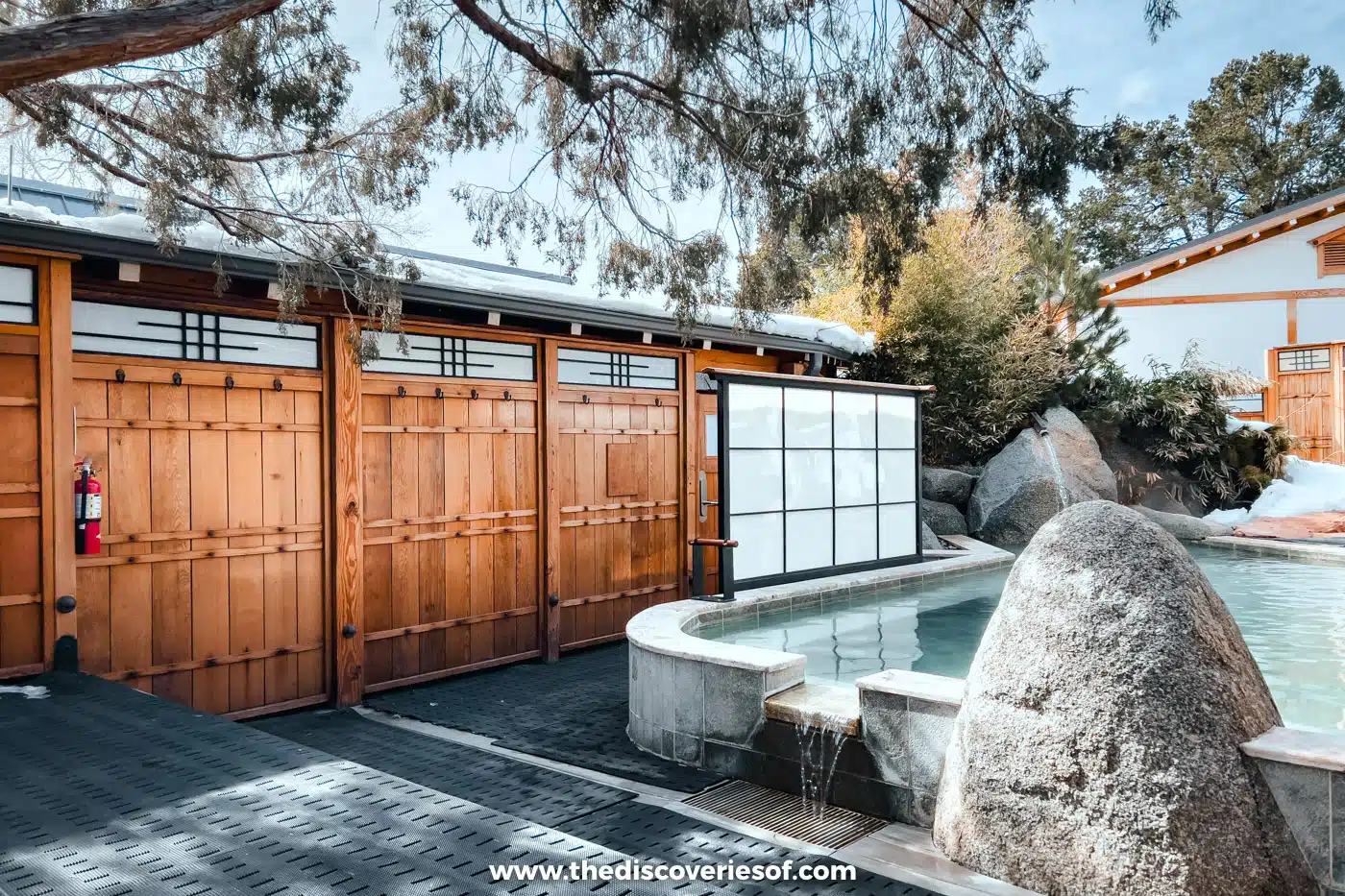
If you do one indulgent thing in New Mexico, make it Ten Thousand Waves. This Japanese-style mountain spa sits in the pine-covered foothills about ten minutes’ drive up Hyde Park Road from Santa Fe, with private outdoor hot tubs, a communal bath and a long menu of treatments.
After more than a week on the road, it was exactly the treat I needed. The sauna was hotter than hell, then I stepped outside to snow all around, which was just perfect. I had the 80-minute CBD massage, the Cannabliss, and it was, well, blissful. Check it’s still offered when you book, though: it no longer appears on the spa’s main massage menu. It’s a feeling I’d love to capture again, and I’d give the whole experience five out of five.
Top Tip
Arrive a couple of hours before your treatment so you can hang out in the Grand Bath, the communal soaking pool that comes with treatments. Everything is by reservation only (there are no day passes), and private hot tub suites can be booked up to 45 days ahead.
Go gallery hopping on Canyon Road
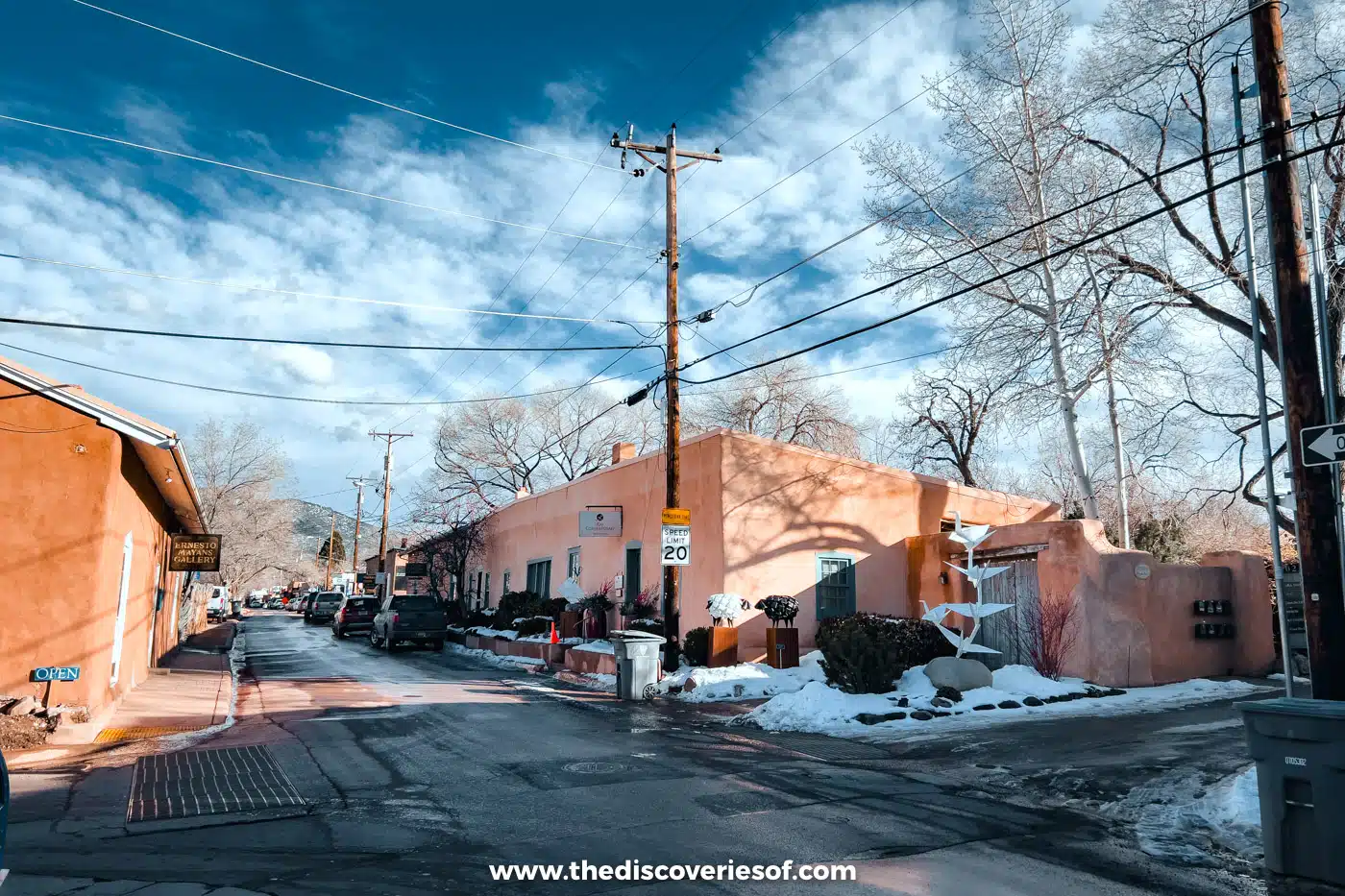
More than 100 galleries, studios and boutiques line Canyon Road, a narrow half-mile street of adobe buildings that climbs east from downtown Santa Fe. It’s the heart of the city’s art scene, with everything from traditional Southwestern painting to bold contemporary work, and plenty of sculpture gardens to wander through.
I loved the Longworth Gallery and Kay Contemporary, but my advice is to go into as many as you have time to. Allow at least a couple of hours, and if you’re in town on Christmas Eve, come back after dark for the Farolito Walk, when the street is lined with paper lanterns and small bonfires.
Do
Discover the stories behind the galleries on a Canyon Road art and history walking tour.
Explore the New Mexico Museum of Art
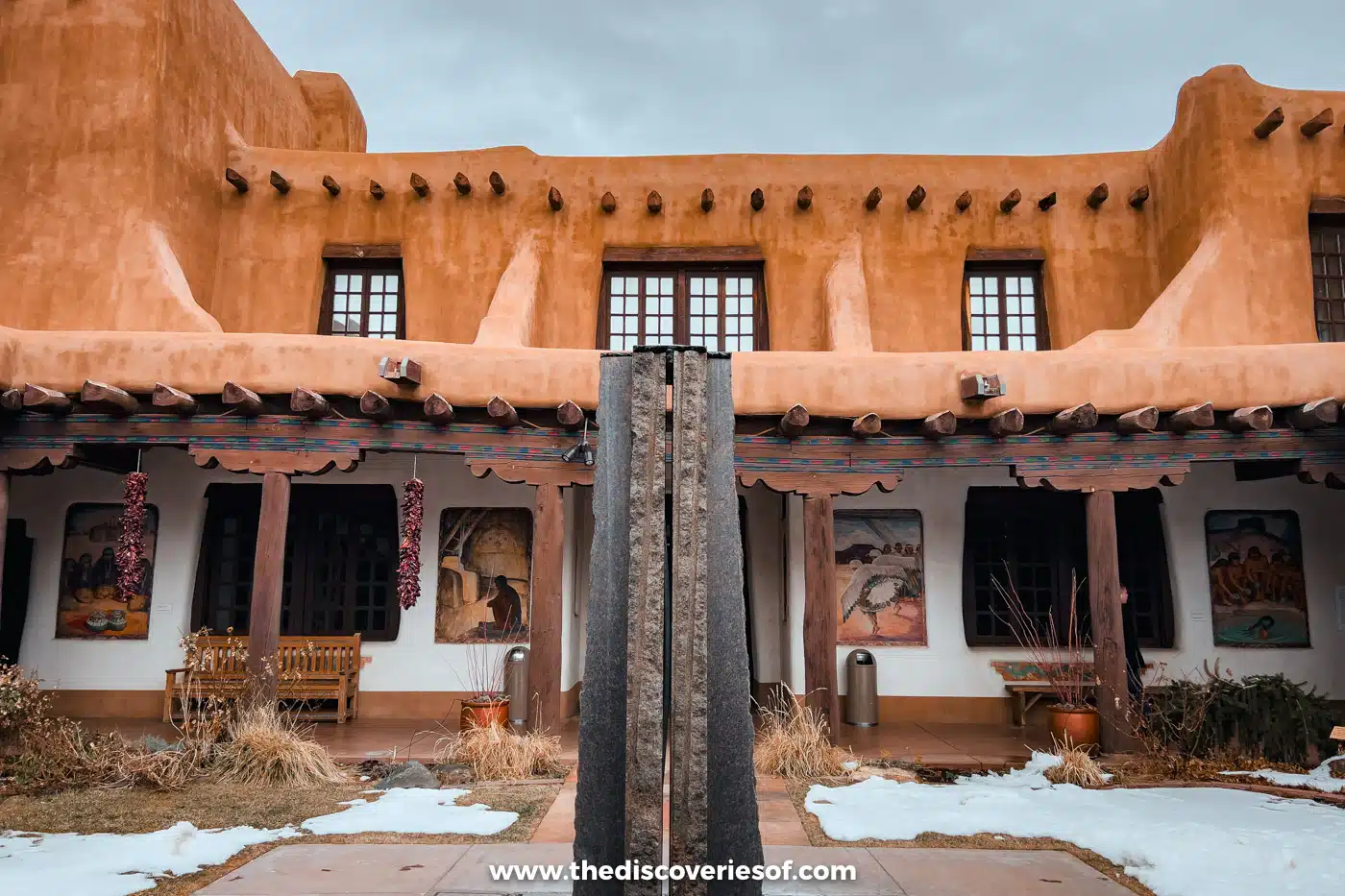
Tucked in the heart of downtown Santa Fe, just off the Plaza, the New Mexico Museum of Art occupies a beautiful Pueblo Revival building from 1917.
That’s not what you’re here for though. As the name suggests, the museum specialises in art from the Southwest: several galleries of paintings, photographs and sculptures by names including Peter Hurd and Bert Geer Phillips. It’s the perfect reason to explore the region’s long-standing artistic heritage. Don’t miss the teeny sculpture garden at the side.
Tickets
Admission is $12 ($7 for New Mexico residents). The museum opens from 10am to 5pm and closes on Mondays from November to April. Its contemporary branch, the Vladem Contemporary, is in the Railyard.
Visit Taos Pueblo and catch the spirit of Taos Plaza
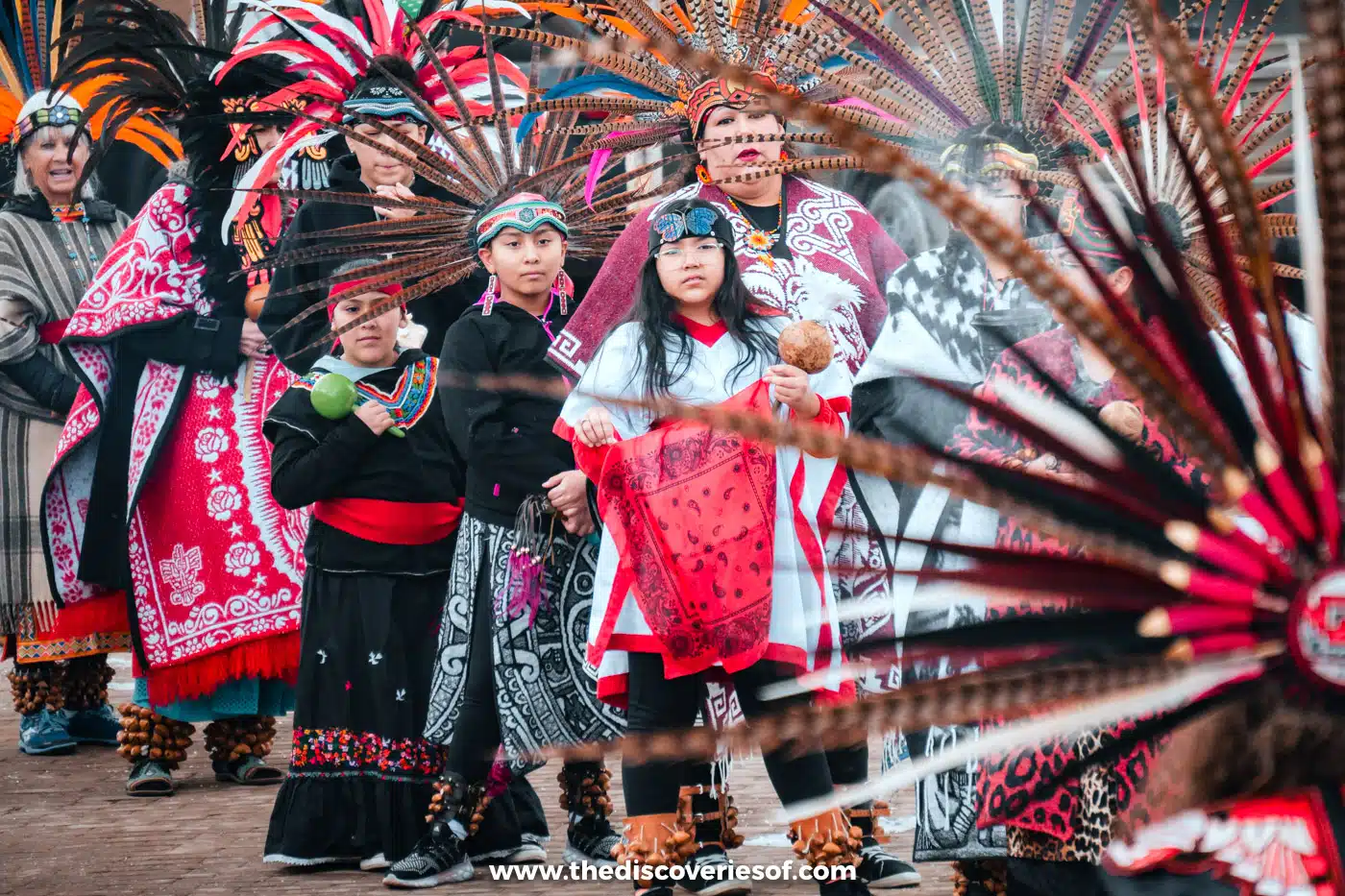
Striking adobe structures that date back the best part of a thousand years? Yes, please! The multi-storey homes at Taos Pueblo were built between about 1000 and 1450 AD, and the village is one of the oldest continuously inhabited communities in the US.
About 75 people still live in the old village full time, without the modern conveniences it doesn’t allow, while most families live in modern homes on the Pueblo’s 99,000 acres of surrounding land.
Taos Pueblo is a UNESCO World Heritage Site, where visitors are warmly welcomed. Except when the residents celebrate their annual cultural events; then the Pueblo closes to tourists out of respect for the community. It also closes for about ten weeks in late winter and early spring, and it was closed when I was in Taos in February.
Take my advice and check in advance.
The upside? I caught a local Native American gathering on Taos Plaza instead, with dancers performing in the snow. The town itself is small, artsy and easy to love: the Harwood Museum of Art is a short walk from the Plaza, Love Apple, a farm-to-table restaurant in an old adobe chapel, was one of my stops, and the Rio Grande Gorge Bridge hangs about 600 feet above the river, ten miles north-west of town. I stayed at the Inn on La Loma Plaza, a short walk from the Plaza, where my room had its own private steam room.
Tickets
When it’s open, Taos Pueblo welcomes visitors daily from 9am to 4pm. Adults pay $25. Always ask before photographing anyone.
Bathe in four kinds of mineral spring at Ojo Caliente
In need of a pamper? Ojo Caliente Mineral Springs Resort & Spa has been drawing bathers to its hot springs for centuries, and it was one of the places I made time for on my trip. It sits in a quiet valley about an hour north of Santa Fe, and about 50 minutes from Taos, so it’s an easy stop between the two.
There are nine public soaking pools, fed by springs with four different minerals: iron, lithia, soda and arsenic. You can hike the trails behind the resort, add a spa treatment or simply drift between pools until you can’t feel your shoulders any more.
Tickets
Day soaking passes can’t be booked in advance: they cost $45 from Monday to Thursday and $65 at weekends and on holidays. The springs are open from 10am to 10pm, and under 13s aren’t allowed in the pools.
Hike through a slot canyon at Kasha-Katuwe Tent Rocks

Between Santa Fe and Albuquerque, on the land of Cochiti Pueblo, wind and water have carved layers of volcanic ash and pumice into a forest of cone-shaped hoodoos, some of them topped with boulders like hats. Kasha-Katuwe means “white cliffs” in the Keresan language of the Pueblo.
The 1.2-mile Cave Loop is easy, while the Canyon Trail runs 1.5 miles one way through a narrow slot canyon before a steep 630-foot climb to a viewpoint over the tent rocks. Dogs and drones aren’t allowed.
Tickets
Visits are by reservation only. Book a $6 ticket per person on Recreation.gov first, then buy the Cochiti Pueblo Tribal Access Pass ($20 for over-16s), which America the Beautiful passes don’t cover. It’s open Thursday to Monday, with entry from 8am to 1pm, and closes from 15 December to 31 January and on certain Pueblo holidays. Check in at the Cochiti Visitor Center off I-25 exit 264.
Climb the ladders at Bandelier National Monument

Need some drama in your life (the good kind, anyway)? Head to Bandelier National Monument for 33,677 acres of dramatic volcanic landscapes and ruins from the Puebloan people’s ancestors that’ll blow you away.
It’s one of the most culturally rich places in the state, with masonry villages and small rooms carved right into the soft volcanic cliffs of Frijoles Canyon, where ancestral Pueblo people lived from about 1150 to 1550 CE. You’ll also find petroglyphs that give an insight into daily life.
The 1.4-mile Pueblo Loop Trail passes the Big Kiva, the circular village of Tyuonyi and the cliff homes along Long House, where wooden ladders let you climb up into the cavates. Carry on to Alcove House if you have a head for heights: its ladders climb about 140 feet above the canyon floor. There’s also an educational museum at the visitor centre, plus longer trails for intrepid adventurers.
Tickets
Entry costs $25 per vehicle (card only). From spring to mid-October, a free shuttle runs from the Frey Trail car park when the canyon lots fill, mainly at weekends. Bandelier is about an hour from Santa Fe.
Walk through centuries of history at Pecos National Historical Park

Pecos National Historical Park boasts the remains of one of the largest Native American pueblos in the state. At its height in the 1400s, it bustled with a population of over 2,000, and it was lived in until 1838, when the last residents moved to Jemez Pueblo.
There’s even more to this historical area, though. Beside the pueblo stand the ruins of a Spanish mission church, and in 1862 the park’s land saw the Civil War Battle of Glorieta Pass. You can walk the 2.25-mile Glorieta Battlefield Trail to learn its history, from a separate trailhead about seven and a half miles by road from the visitor centre.
Don’t skip the visitor centre; it boasts fascinating exhibits and park information. From there, the 1.25-mile Ancestral Sites Trail loops past the pueblo and the mission church, with a trail guide you can pick up inside.
Tickets
Entry is free. The trails are open from 8am to 4.30pm and the visitor centre from 9am to 4pm in winter (8.30am in summer). Pecos is about 30 minutes east of Santa Fe.
Drive the High Road to Taos

Rather than heading straight up the river road between Santa Fe and Taos, take the High Road through the mountains instead. This winding route links old Spanish villages in the foothills of the Sangre de Cristo Mountains, and it’s one of the most beautiful drives in the state.
The first big stop is Chimayó, home to the Santuario de Chimayó, an adobe church from 1816 that draws almost 300,000 visitors a year, many of them pilgrims who come for its “holy dirt”. Chimayó is also famous for its weaving. Further on, Truchas perches on a ridge with huge views, and the village of Las Trampas has one of the finest colonial churches in New Mexico, San José de Gracia.
Getting There
Allow about two and a half hours from Santa Fe to Taos without stops, or most of a day with them. Drive it in daylight, and take the faster river road (NM 68) back.
Ski the steeps at Taos Ski Valley

Taos Ski Valley is nestled snugly in the Sangre de Cristo Mountains, with terrain running from more than 9,000 feet up to 12,481 feet at Kachina Peak. It’s a magical spectacle: you could be forgiven for swearing you were in Switzerland.
Still, with its uniquely NM bent, it’s not long before Taos Ski Valley lets you know that you’re at the best ski resort in New Mexico and one of the best skiing areas in the US.
The resort is about 20 miles north-east of Taos and around two hours from Santa Fe. It’s more suitable for advanced skiers, with more than a third of the terrain rated expert, but there’s also plenty for non-skiers to do. The art scene in nearby Taos is one of the coolest in the Southwest, and there’s a relatively lively bar and dining scene too. The 2026 to 2027 season opens on 26 November 2026.
Take the Turquoise Trail to Madrid

The Turquoise Trail (NM 14) is the scenic back road between Albuquerque and Santa Fe, and it’s a National Scenic Byway for good reason. Around 50 miles of rolling hills link a string of old mining towns, from Golden, founded during the first gold rush west of the Mississippi, to Cerrillos, whose dusty streets have starred in plenty of Westerns.
The highlight is Madrid, a coal-mining town that was all but abandoned in the 1950s and revived by artists from the 1970s. Today it’s a quirky strip of galleries, shops and cafes, and your trip isn’t complete without a green chile cheeseburger at the Mine Shaft Tavern, which has live music from Thursday to Sunday.
See Sky City on a tour of Acoma Pueblo

A little over an hour west of Albuquerque, Acoma’s Sky City sits on top of a sheer 367-foot mesa and dates back to around AD 1100, making it one of the oldest continuously inhabited communities in North America. Roughly 50 people, mostly elders, still live in its earthen homes year-round.
You can only visit on a guided tour led by Acoma guides, which takes about 90 minutes and starts at the Sky City Cultural Center at the foot of the mesa. The highlight is the San Estévan del Rey Mission, founded in 1629 and built by Acoma people who carried its roof beams from mountains about 30 miles away. Afterwards, the Haak’u Museum in the cultural centre covers Acoma’s pottery, art and traditions.
Tickets
Tours cost about $25 for adults, plus $15 for a camera permit. They run Wednesday to Sunday, roughly hourly from 9.30am to 3.30pm, and the Pueblo closes on feast days and other set dates, so call ahead (800 747 0181).
Stargaze among the great houses of Chaco Canyon

Chaco Culture National Historical Park is one of the most incredible archaeological sites in North America. It was the centre of the ancestral Puebloan world between about AD 850 and 1250, and it features 15 colossal great houses and numerous smaller structures, linked by ancient roads that stretch across the desert. Pueblo Bonito, the largest, had at least 600 rooms.
Aside from its fascinating history, there’s so much to do here. Fancy back-country hiking? Sure. Camping? Tick. How about stargazing? Also possible. Chaco became an International Dark Sky Park in 2013, it has its own observatory at the visitor centre, and rangers run night sky programmes, usually in summer.
The only thing to note is that the signal in this region is severely unreliable, so ensure to download your maps in advance and avoid relying solely on GPS.
Getting There
Chaco is remote and reached only on dirt roads. Since 30 September 2026 the north road from US 550 has been closed, so the only way in is the south road via Highway 9, with 21 miles of dirt. Call the park (505 786 7014) for road conditions before you set off.
Walk among the giant dishes of the Very Large Array

Sitting pretty on the Plains of San Agustin, about 50 miles west of Socorro and two hours from Albuquerque, is the Karl G. Jansky Very Large Array (VLA).
What on Earth is that, you might wonder? Let me tell ya: 27 enormous white radio antennas that can be moved along tracks into a huge Y-shape. It’s pretty surreal.
Each dish is 82 feet in diameter and weighs around 230 tons, and together they examine the cosmos for data on black holes, supernovae and the birth of stars (Jodie Foster’s film Contact was shot here). You can take a self-guided walk amongst the towering dishes from the visitor centre, or join a guided tour when one is running.
Near sunrise and sunset, the dishes cast long shadows across the plains, and it makes for a pretty impressive Instagram image, just saying.
Tickets
The visitor centre is open daily from 9am to 4pm, and admission is $10 for adults. Snow can close it occasionally between November and February.
Explore the Gila Cliff Dwellings

Deep in the Gila National Forest, the Gila Cliff Dwellings feel like the set of an Indiana Jones film, with more than 40 rooms built into five caves high in a canyon wall. The Mogollon people built them in the late 1270s and lived here for only a generation or so, before moving on around 1300.
There’s a visitor centre where you can learn more about Mogollon culture as well as the natural history of the place. From the trailhead, a one-mile loop climbs to the dwellings and back, and takes about an hour. Pick up the free trail guide at the start.
Getting There
The monument is 44 miles north of Silver City at the end of NM 15, a slow, winding mountain road, so allow around two hours each way. The trail is open from 9am to 4pm.
Descend into the Big Room at Carlsbad Caverns

Feeling brave? Set off into the underground world of Carlsbad Caverns National Park, which protects more than 119 known caves in the Guadalupe Mountains. Carved from limestone that once formed an ancient reef, Carlsbad Cavern itself is lit up with its stalactites and stalagmites shown in full glory.
And they are incredible to witness. Walk in through the Natural Entrance, a steep, paved 1.25-mile trail that drops 750 feet into the cave the way the bats fly out, then loop around the Big Room, the largest single cave chamber by volume in North America. In some places, waterfalls frozen in time seem to pour from the ceiling.
Up top, there is a range of hiking trails, but honestly, what’s below ground brings the tourists in droves. From late May to October, stay for the free bat flight programme at dusk, when the bats spiral out of the cave in their thousands. There are self-guided routes and ranger-led tours, so pick your poison and get spelunking.
Tickets
You need a timed entry reservation ($1 on Recreation.gov) plus the $15 entrance fee for everyone aged 16 and over. Cavern entry runs from about 9.30am, with last entry at 2.30pm. The park is about two and a half hours’ drive from El Paso and four and a half to five hours from Albuquerque.
Go UFO hunting in Roswell

Almost everyone associates Roswell with aliens, thanks to the “flying disc” that crashed on a ranch north of town in 1947. The military said it was a weather balloon, and the conspiracy theories have never stopped. (Area 51, which often gets lumped in with it, is actually in Nevada.)
The best place to dig into the story is the International UFO Museum and Research Center, in an old cinema on Main Street, which covers the Roswell Incident, crop circles, sightings and abductions without trying to persuade you either way. Visit in early July and you’ll catch the Roswell UFO Festival, when the whole town goes alien-mad.
The Anderson Museum of Contemporary Art is a big win in terms of having fun, with more than 500 works by former artists in residence, and architecture buffs will enjoy walking the Historic District with a plethora of architectural styles on show.
Outdoor enthusiasts can visit Bottomless Lakes State Park, just east of town, with its string of deep, spring-fed sinkhole lakes (Lea Lake is the one for swimming), or pop by the Spring River Park and Zoo, which is free.
Tickets
The UFO Museum opens daily from 9am to 5pm, and adult admission is $7.
Stop by the Billy the Kid Museum

Fancy exploring the Old Wild West and one of its greatest legends? Venture to the Billy the Kid Museum in the town of Fort Sumner. This is the town where the infamous outlaw met his end in July 1881, shot by Sheriff Pat Garrett at the age of 21, and Billy rests in peace in the old cemetery near the Fort Sumner Historic Site.
The privately owned museum has Billy’s rifle, his chaps and spurs and one of the original “wanted” posters. It even claims to have locks of his hair, but you’ll have to visit for yourself to decide what you make of it.
Other noteworthy collectables are more than 150 old firearms, a cavalry sword that belonged to the cattle baron John Chisum and antique cars. While you’re here, the Bosque Redondo Memorial at the historic site tells the much darker story of the Navajo and Mescalero Apache people who were forcibly held here in the 1860s.
Tickets
The museum is open Monday to Saturday from 8.30am to 5pm, and closes for the first half of January. Fort Sumner is about two and a half hours from Albuquerque.
Ride the steam train on the Cumbres & Toltec Scenic Railroad

In the far north of the state, the Cumbres & Toltec Scenic Railroad runs 64 miles between Chama, New Mexico, and Antonito, Colorado, zigzagging back and forth across the state line. It bills itself as the longest and highest narrow gauge steam railroad in the US, and it tops out at 10,015 feet at Cumbres Pass.
Expect aspen groves, evergreen forest and, in summer, fields of wildflowers, plus the Cascade Trestle, 137 feet above the river, and the view down into Toltec Gorge. The full journey takes most of the day, so it’s best done with a night in Chama.
Top Tip
The train only runs from late May or early June to late October (in 2026 the season opened on 9 June, after a delay for wildfire risk). Late September and early October bring the golden aspens, and those seats sell out first.
Know before you go: timing, bookings and bases
- How long to spend: Honestly, it would take you around a month to comfortably enjoy all the state offers. But I recommend a minimum of 10 to 14 days to see the famous sites and get a feel for it, and my New Mexico road trip itinerary links the highlights together.
- When to go: Summer is the peak season, so for fewer crowds and warm temperatures, visit in spring from March to April or in autumn from October to November. I went in February: freezing mornings, snow in the mountains, rain at White Sands and very few crowds. More in my guide to the best time to visit New Mexico.
- Book ahead: you’ll need a car, and several experiences need a reservation: Carlsbad Caverns’ timed entry, Tent Rocks, Meow Wolf, Ten Thousand Waves and your balloon flight. Check closures on the day too, from missile tests at White Sands to Taos Pueblo’s late-winter closure and the road into Chaco.
- Passes and altitude: the America the Beautiful pass ($80, or $250 for non-US residents) covers the national parks and monuments here, but not the Pueblo and tribal sites. Santa Fe sits at about 7,000 feet, so drink plenty of water and wear sunscreen, even in winter.
- Where to stay: split your time between Albuquerque and Santa Fe and drive out from there. In Albuquerque, I’d recommend Hotel Chaco in Old Town; for a splurge near Santa Fe, the Four Seasons Resort Rancho Encantado has fireplaces, patios and a full-service spa in the hills north of the city. More in my guides to where to stay in Albuquerque and where to stay near White Sands.
Map
Read next
- 22 incredible New Mexico landmarks
- The ultimate New Mexico road trip itinerary
- Brilliant things to do in Santa Fe
- Epic things to do in Albuquerque
- A guide to visiting White Sands National Park
- Stunning hikes in New Mexico
- Brilliant day trips from Santa Fe
- The ultimate guide to Arizona: unmissable things to do
Love this? Save and share on Pinterest

Discover the top things to do, insider tips and hidden gems in our USA Travel Guides.
Read the guides →