
Planning to ride the Sandia Peak Tramway? Here’s what the ride is like, how to time it for sunset, ticket prices and opening hours, the hikes at the top, dinner at TEN 3 and what to wear when it’s freezing up there.
I’ll be honest: I wasn’t sure the tram was going to be worth the money. But I was wrong. If there’s one thing I’d tell you to do in Albuquerque, it’s this. Ride a cable car from the desert edge of the city to the crest of the Sandia Mountains, watch the whole Rio Grande Valley drop away beneath you, and stay up there for sunset.
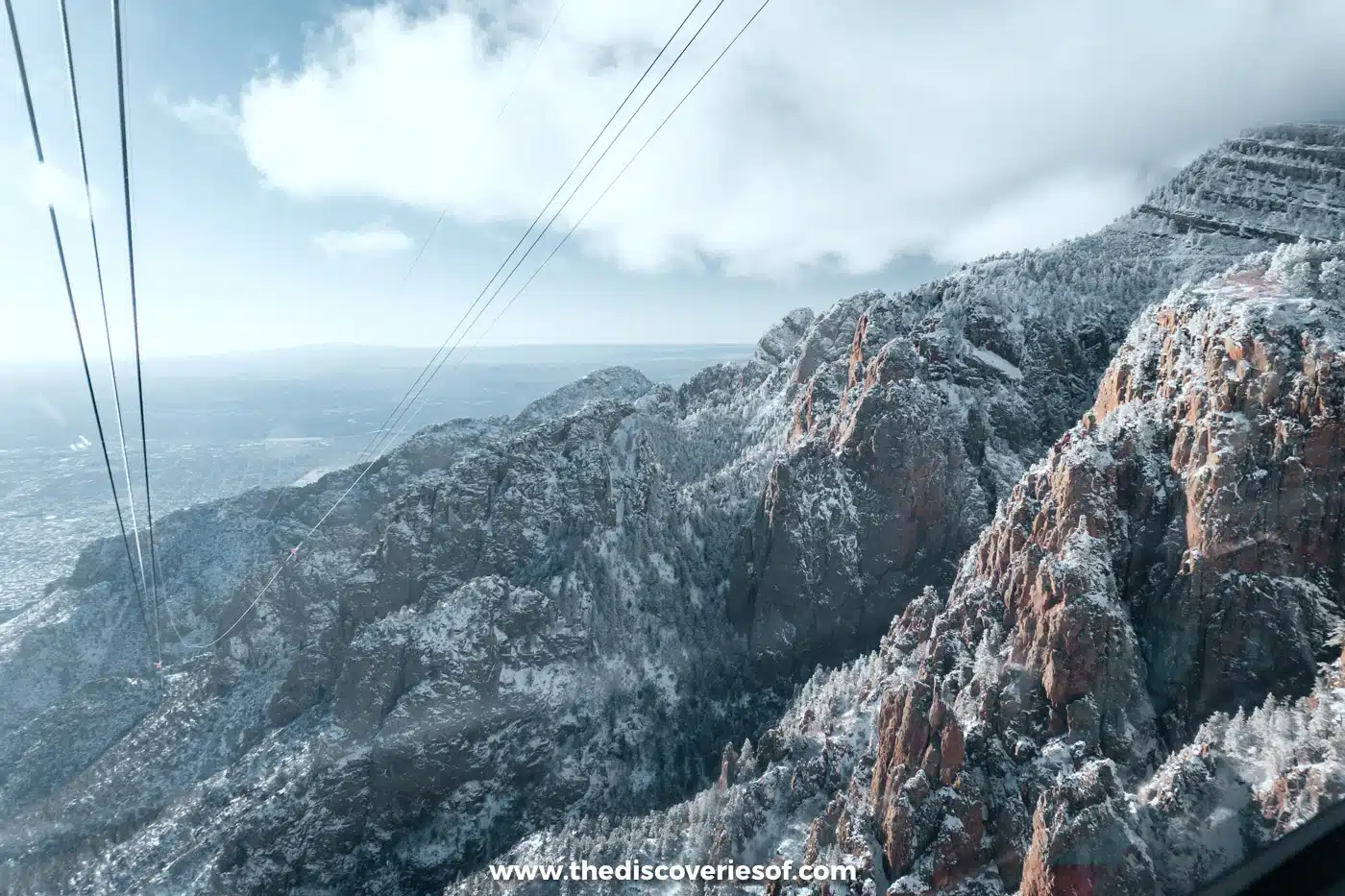
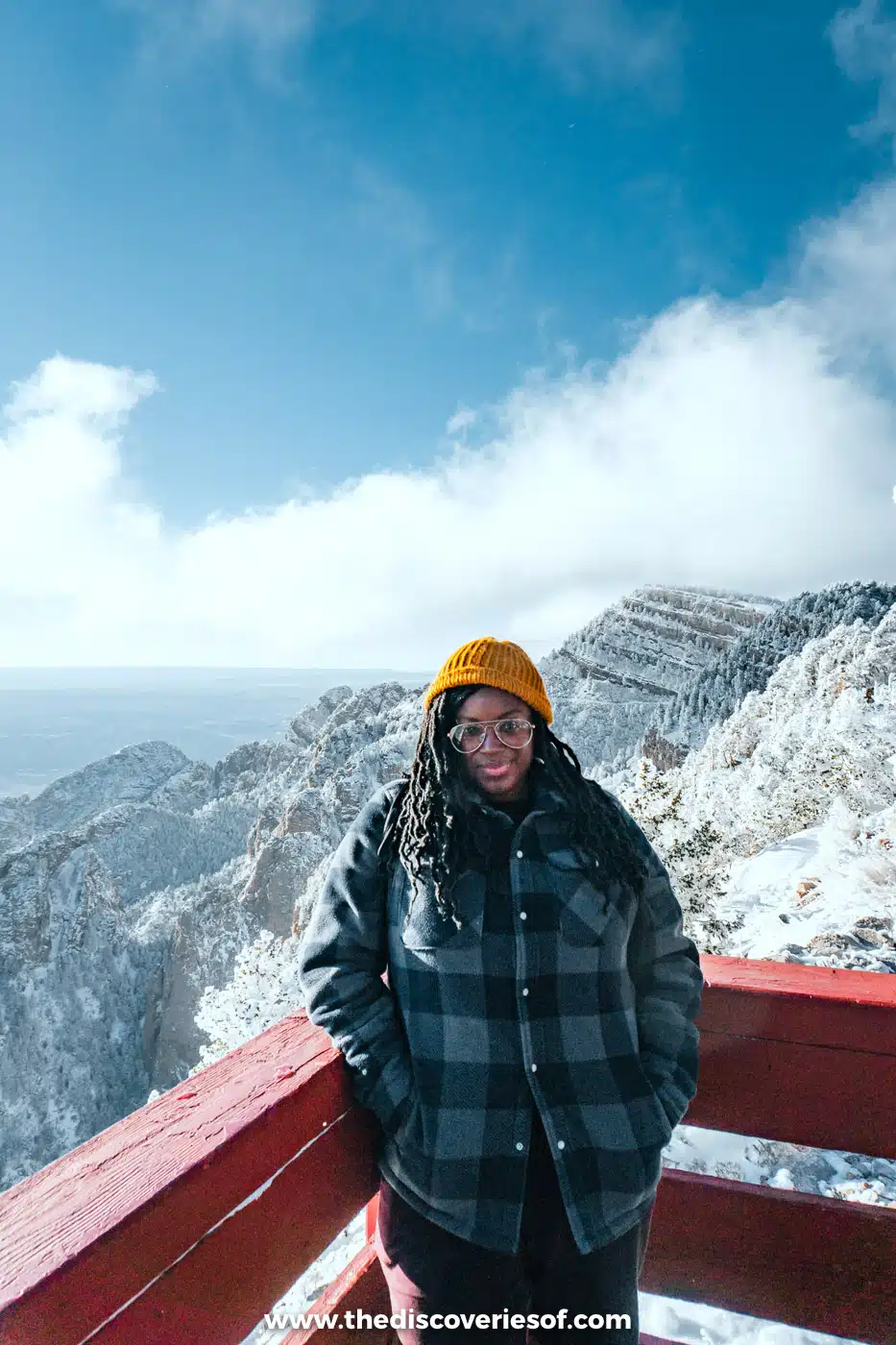
I went up in February. It was sunny but freezing in town, literally zero degrees Celsius, and the top of the mountain was colder still and covered in snow. On the plus side, the winter wonderland views were absolutely stunning, and even I stopped whingeing about the cold when the scale of it all revealed itself.
I tried a little hike at the top, stayed for a freezing but epic sunset, and came down convinced that it belongs on every Albuquerque itinerary. Definitely do this. Here’s how to plan your ride, from tickets and timings to what to wear.
Want a sneak peek? Watch my Albuquerque video
Subscribe on YouTube and discover new destinations.
Sandia Peak Tramway at a glance
- Where: 30 Tramway Road NE, at the foot of the Sandia Mountains on the north-east edge of the city
- What: an aerial tram that climbs 2.7 miles and 3,819 feet to an upper terminal at 10,378 feet (3,163 metres), with a restaurant, a viewing deck and trails at the top
- Ride time: about 15 minutes each way
- Hours: Wednesday to Monday, 9am to 8pm going up, weather permitting; closed on Tuesdays; the last car down leaves at 10pm
- Tickets: round trip $35 for adults, $30 for ages 13 to 20, seniors and military, $25 for children aged 2 to 12; one way $24; under-2s free; plus tax and a $3.75 grounds fee
- Closures: closed for maintenance from 3 to 11 November 2026, reopening on 12 November; it also closes for about two weeks every April
- Time needed: two to three hours, including the ride, a short walk and a look around the top; longer if you’re eating at TEN 3 or staying for sunset
Ride over the canyons on the longest tram in the Americas
The ride is the experience. The lower terminal sits in the high desert at 6,559 feet, and in 15 minutes the cabin carries you up the western face of the Sandia Mountains, past sheer granite cliffs and deep canyons, to the crest. One of the two towers on the way up is 232 feet tall and stands on an 18-degree slope, and the final span between the second tower and the top runs 7,720 feet without a single support, so for much of the ride you’re simply hanging in the air above the canyon.
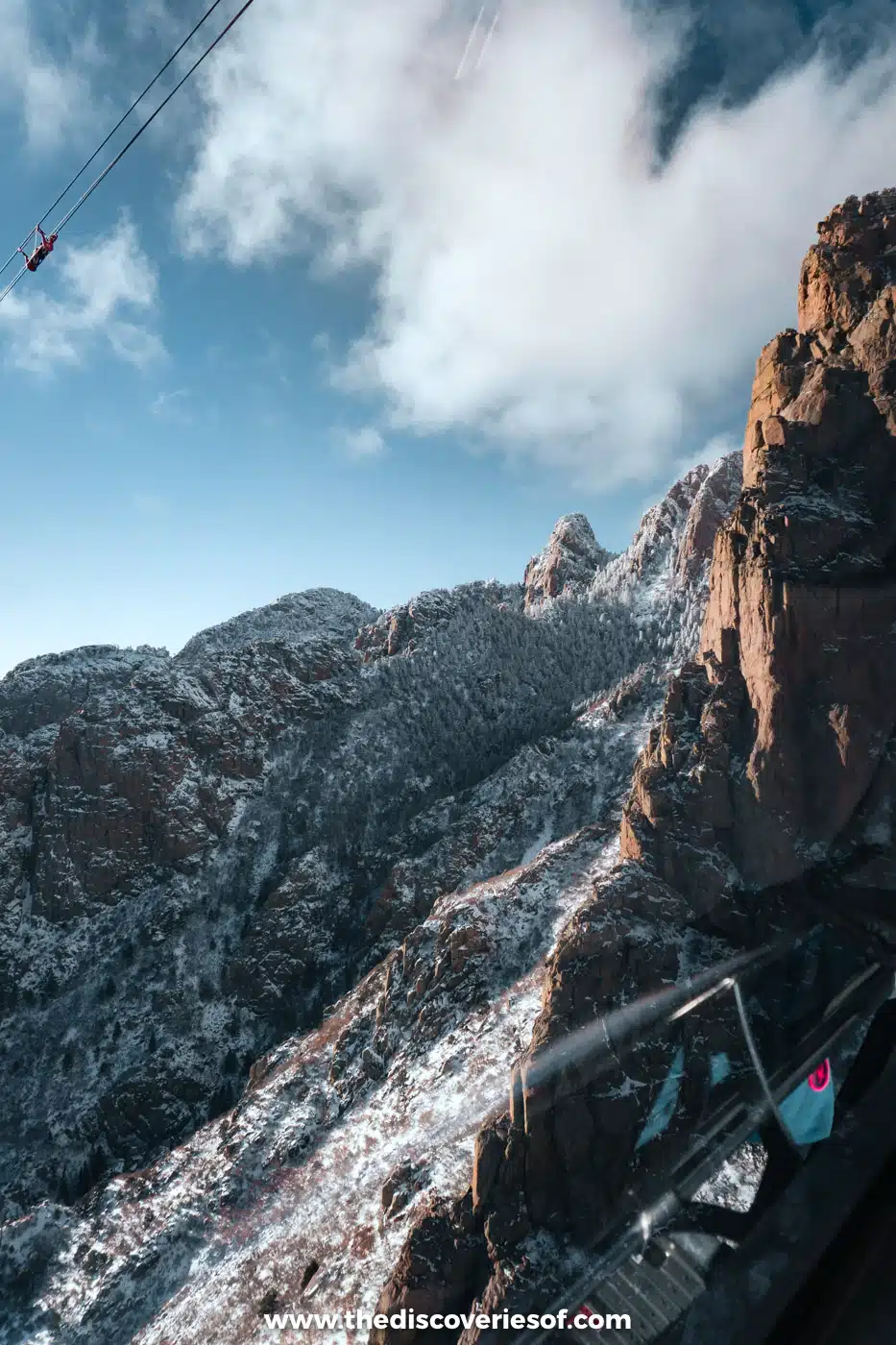
Each cabin carries around 50 people, and the operator talks you through the mountain on the way up. Stand by the windows facing downhill if you can: the city spreads out below you, and on a clear day the view takes in about 11,000 square miles of New Mexico.
The tram opened on 7 May 1966. It was built by a Swiss company, Bell Engineering, and was the longest aerial tramway in the world until 2010, when the Wings of Tatev in Armenia overtook it. It’s still the longest in the Americas, and the cabins themselves were replaced in 2016.
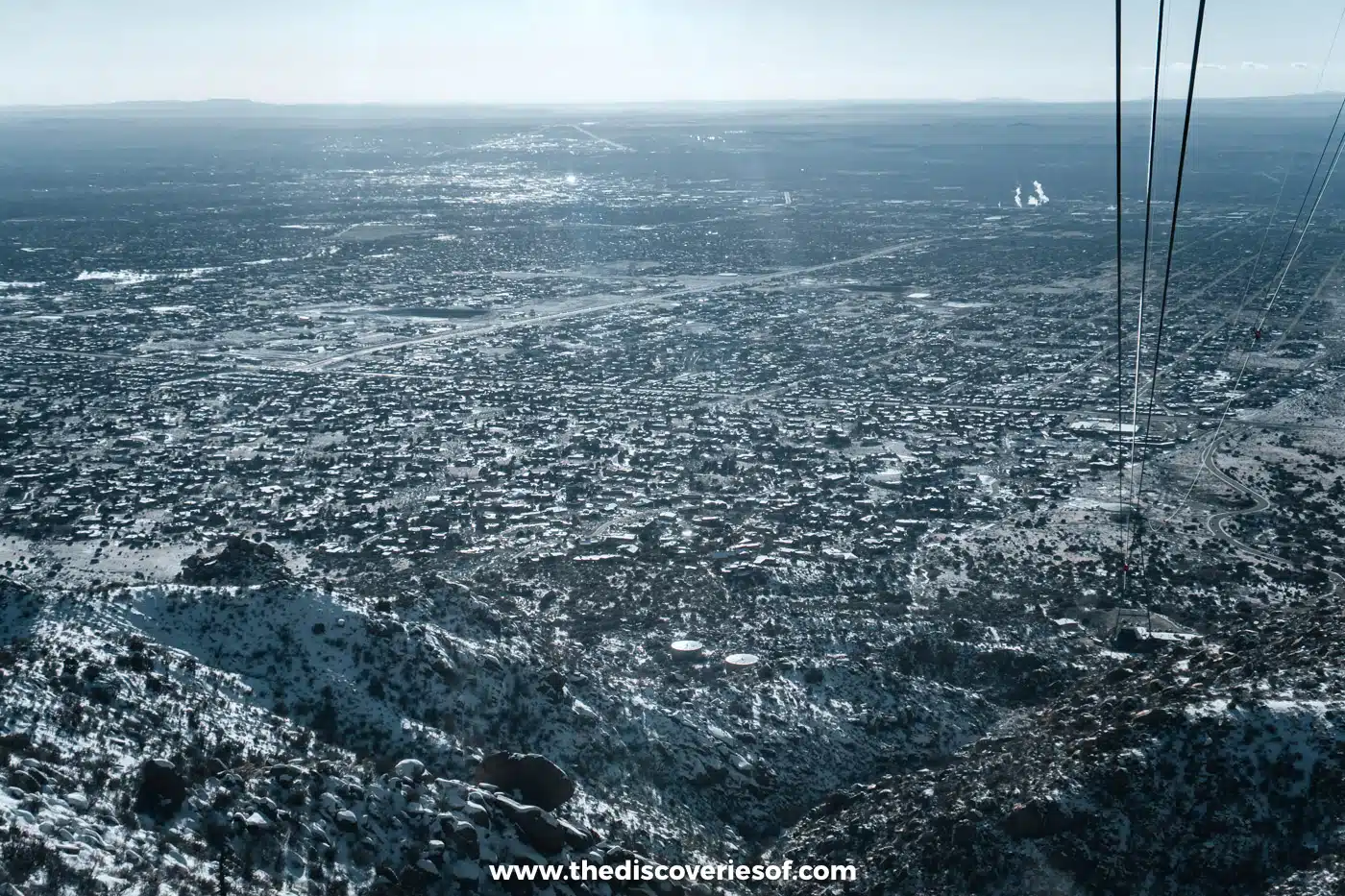
The mountains get their name from the Spanish for watermelon, sandía. The usual explanation is the pink glow the granite takes on at sunset, which is exactly what you’ll see if you time your ride well.
A winter wonderland at 10,378 feet
At the top, you step out on to a deck high above the city, with the Rio Grande Valley on one side and the forested eastern slopes of the mountains on the other. It feels like a different world from the desert you’ve just left, and in winter it very much is.
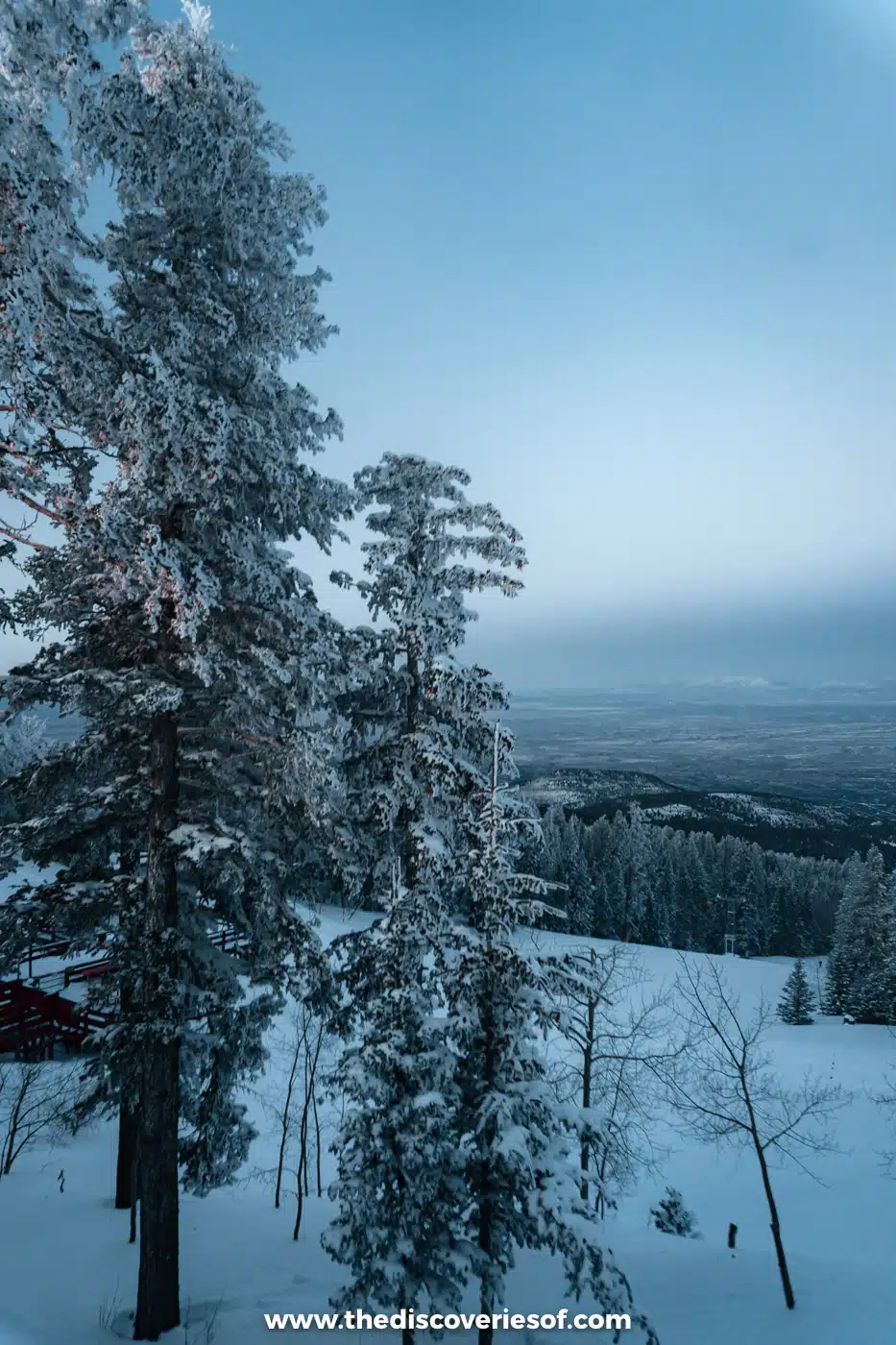
When I visited, the top of the mountain was freezing cold and covered in snow, with every tree and railing frosted white. I set off on a short walk at the top and soon realised I hadn’t dressed for it: down in the city it’s desert, but up here it’s a different world, with pockets of snow all along the path. It was worth it for the views, but go up with the right shoes and layers, whatever the weather is doing in town.
In the warmer months the snow melts away, and you can tackle one of the hikes along the crest, or even hike your way back down the mountain. There’s more on the trails below.
Stay for sunset
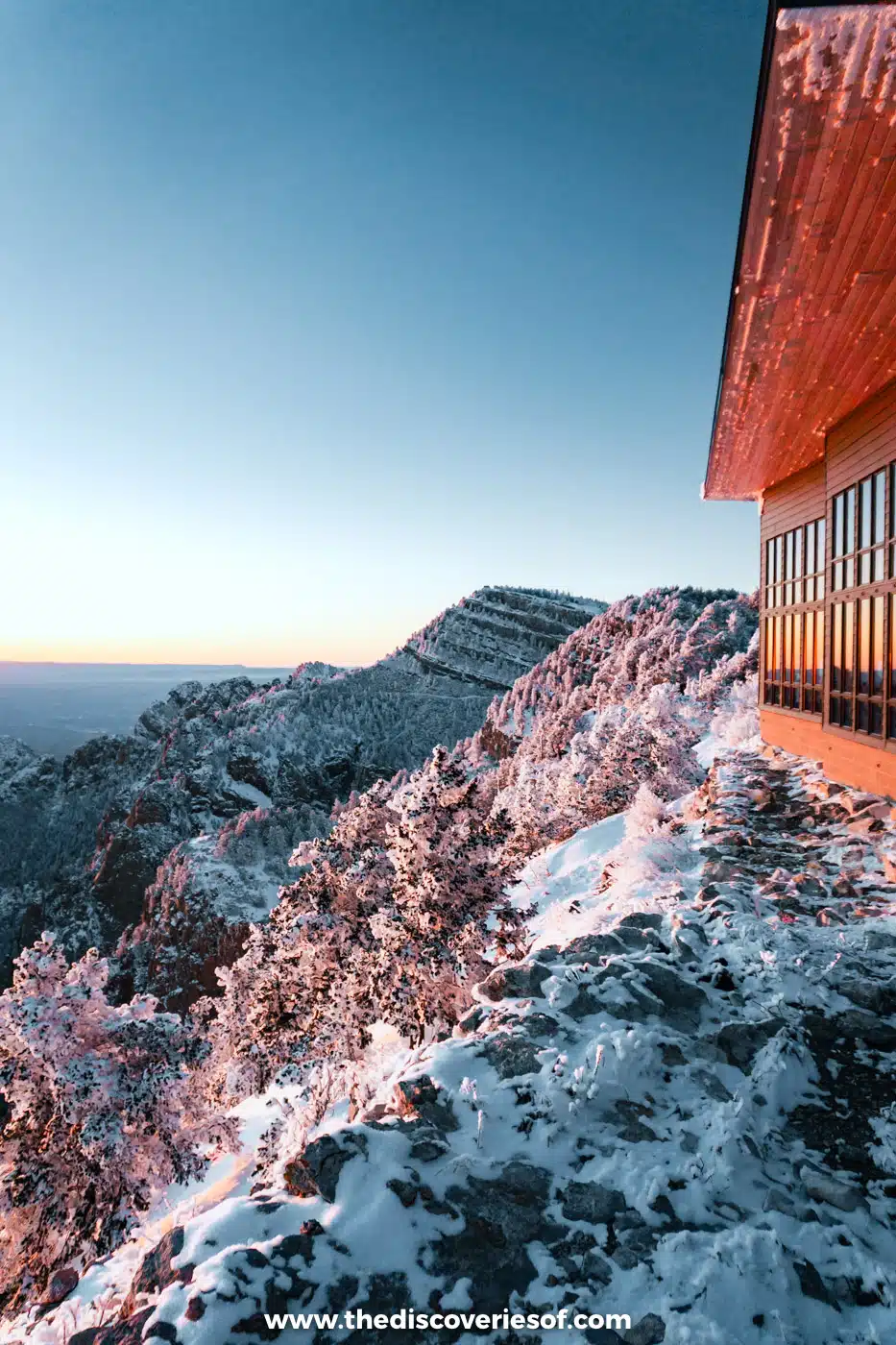
If you can, plan your ride around sunset. I stayed up for it, and while it was freezing cold, it was epic. The snowy rocks turned pink, the sky went orange over the valley, and the lights of the city came on below as the sun went down.
Sunset in Albuquerque falls at about 5pm in December, between 5:30pm and 6pm in February, around 6:30pm in mid-October and about 7:30pm in April. In midsummer it’s around 8:20pm, after the last car up at 8pm, so ride up before then and wait at the top. Aim to arrive at least an hour before sunset to give yourself time to park, board and find a spot on the deck, and allow more at busy times.

The last car down leaves at 10pm, so there’s no rush to leave once the sun has gone. Just remember that the temperature drops fast after dark.
Top Tip
Want to see the view by day and at sunset? The Two For You pass gives one person two rides for $45, so you can go up once in the morning and again in the evening.
Tickets, prices and opening hours
Buy your tickets online before you go. You don’t have to book a time slot, but tickets can sell out, and buying in advance makes boarding quicker. Tickets go on sale 30 days ahead. These are the round-trip prices:
- Adults (21 to 61): $35
- Young adults (13 to 20): $30
- Seniors (62 and over): $30
- Military (with a valid ID): $30
- Children (2 to 12): $25; under-2s ride free
A one-way ticket costs $24 for everyone, which is the one you want if you’re hiking up or down. Prices don’t include gross receipts tax, and a $3.75 grounds fee is added to every ticket bought online. Unused tickets stay valid until the end of the calendar year you bought them in.
Tickets
Buy round-trip and one-way tickets on the Sandia Peak Tramway website.
The tram runs Wednesday to Monday, from 9am to 8pm going up, weather permitting, and it’s closed on Tuesdays. Cars leave every 15 to 30 minutes rather than to a fixed timetable. On Thanksgiving and Christmas Day it usually runs a shorter day, from about 9am to 4pm.
It closes twice a year for maintenance, for about two weeks in April and in November. The autumn closure runs from Tuesday 3 to Wednesday 11 November 2026, with the tram reopening on Thursday 12 November; the spring dates are usually announced one to two months ahead. Weather can close it at short notice too, so check the website on the day.
Expect waits of one to two hours during spring break, holidays and the Balloon Fiesta in October. Weekday mornings are the quietest time to ride.
Dinner or drinks at TEN 3
TEN 3 is the restaurant at the top, and dinner or drinks with that view is one of the best ways to finish a day in the city. I’d planned to eat there, but there were no reservations left, so I had to settle for a drink at the bar while I caught the rest of the sunset. I was quite disappointed, so book ahead: the lounge takes walk-ins, but the dining room doesn’t.
There are two sides to it. The casual lounge at the bar, with views north-east to the Sangre de Cristo Mountains, is first come, first served, from 10:30am to 7:30pm (last seating). The fine dining room looks out over the city and is reservation only, from 4:30pm to 7:30pm (last seating). Both are open Thursday to Monday and closed on Tuesdays and Wednesdays, so plan around that if dinner is the point of your trip.
If you have a dinner booking, arrive at the lower terminal 45 minutes to an hour before your reservation to allow for tickets, the queue and the 15-minute ride. Tables are held for only 15 minutes. TEN 3 closes with the tram for maintenance, from 3 to 11 November 2026.
At the base, the Homestead Cafe has coffee and a deck looking out over the city if you’re waiting for your ride.
Hikes from the top (and the hard way up)
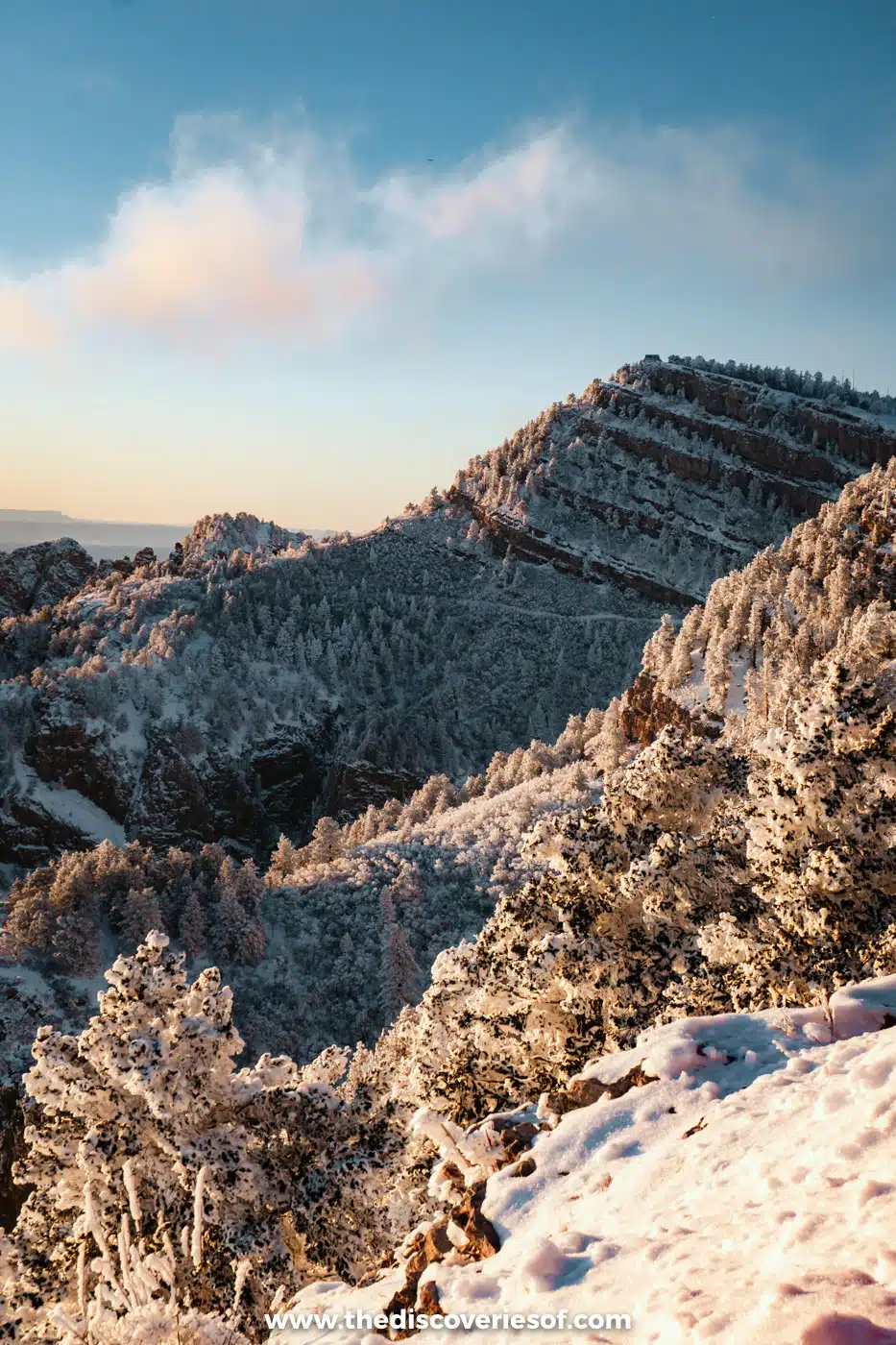
The top of the tram is the easy way to hike in the Sandia Mountains. These are the main options from the upper terminal:
- The nature trail: a short loop of under half a mile right by the upper terminal, with signs on the mountain’s ecosystems. It’s the one to do if, like me, you only have an hour and the wrong shoes.
- South Peak: head south on the Crest Trail (#130), dropping about 1,100 feet in the first 1.5 miles, then climbing back up past South Peak. It’s 6.5 miles round trip with about 2,100 feet of climbing, and graded difficult.
- Kiwanis Cabin: a 2-mile round trip north along the Crest Trail to a stone cabin perched on the cliffs. This is the direction of the Sandia Crest, though, which is under a Forest Service closure for tree thinning (see below), so check before you set off.
Remember that you’re starting at over 10,000 feet: walk more slowly than you would at home, and bring water.
The hard way up is the La Luz Trail. You can hike up the mountain, but that’s a real calf killer: 7.5 miles one way, with about 3,200 feet of climbing from the desert at the bottom, through pine forest to the granite spires and a long run of switchbacks below the crest. The Forest Service says to allow five hours or more. The classic plan is to hike up and ride the tram down on a one-way ticket. The trailhead is at the end of Forest Road 333 off Tramway Boulevard, with a $5 day-use fee per vehicle (cash or cheque only), and the trail ends on the Crest Trail near the upper terminal. Snow can make the upper section impassable from November to April, so it’s a late spring to autumn hike, and you’ll need to start early in summer to beat the heat on the lower slopes and the afternoon thunderstorms.
The Cibola National Forest has closed the Sandia Crest recreation area, just north of the tram, for a hazard tree and fuel reduction project, enforced from 30 April 2026. Work pauses in winter, when normal access returns, and restrictions continue on a smaller scale from spring to autumn 2027. The tram, TEN 3 and the trails south of the upper terminal aren’t affected, but check the Cibola National Forest alerts before you plan a longer walk along the crest.
What to wear (and how to handle the altitude)
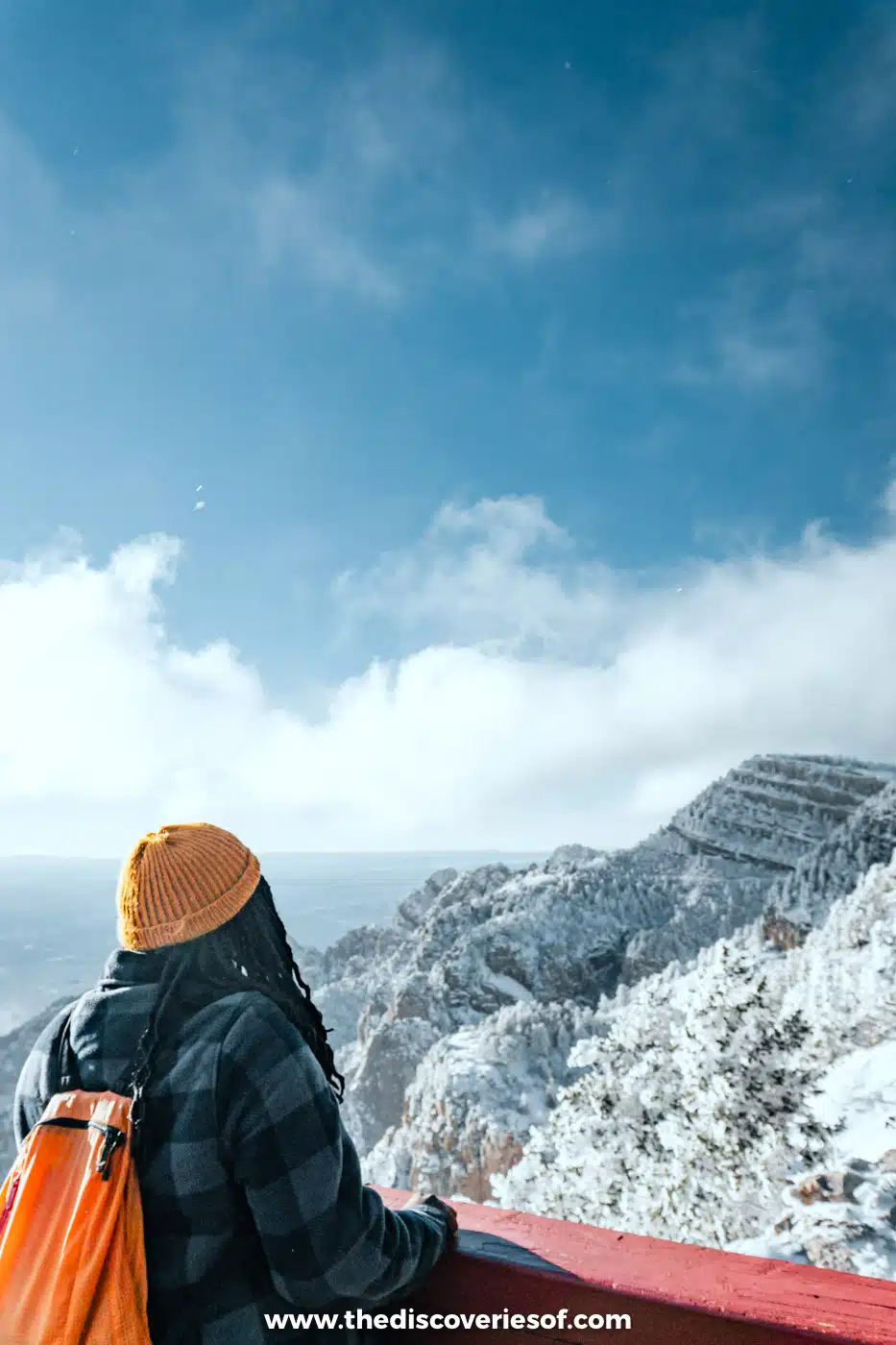
The top of the mountain is usually 15 to 30°F (roughly 8 to 17°C) colder than the city, and the weather can change quickly. On my February visit, I was sitting atop the tram seriously considering whether I was at risk of frostbite. That might be a touch dramatic, but layer up properly and you’ll be fine.
In winter, that means a warm coat, a hat, gloves and boots with grip if you want to walk anywhere, as the paths are snowy and icy. In summer, bring a light jacket, closed-toe shoes, sunglasses and sunscreen, as the sun is fierce at this height. Whatever the season, take a water bottle and a few snacks.
The altitude is worth taking seriously too. At 10,378 feet, the air is noticeably thinner, and even a short walk can leave you out of breath. Drink plenty of water, take it slowly, and if you’ve just arrived from sea level, give yourself a day in town before you ride up.
Getting to the tram
The lower terminal is at 30 Tramway Road NE, at the top of Tramway Road off Tramway Boulevard, in the north-east corner of the city. From Old Town, it’s about 15 miles and around 25 minutes by car. There’s no handy public transport to the base, so drive, or take a taxi or rideshare (book your ride back in good time if you’re coming down after dark).
Parking at the base costs $3.75 per vehicle, cash only, if you buy your ticket at the terminal; if you book online, the same amount is added to your ticket as a grounds fee.
The lower terminal, the cabins, the upper terminal and the deck and walkways are all wheelchair accessible, and strollers are allowed on the tram and on the upper deck and walkways. Service animals are welcome, but other pets aren’t allowed. For visitors who are blind or partially sighted, the cabin operator describes the mountain during the ride, and there are displays in the upper terminal for visitors with hearing loss.
Tips for your visit
- Book TEN 3 ahead for a sunset dinner: the dining room was fully booked when I went up, and I had to make do with a drink at the bar. Reserve as soon as you know your date.
- Pair it with the rest of the city: the tram fits neatly into an afternoon after a morning in Old Town or at Petroglyph National Monument; see my one-day Albuquerque itinerary and the best things to do in Albuquerque.
- Check the forecast and the website on the day: high winds and storms can stop the tram, and the views vanish in cloud.
- Avoid the busiest days: spring break, holidays and Balloon Fiesta week bring the longest queues, so go on a weekday if you can.
- Skiing is separate: the Sandia Peak ski area on the eastern slopes isn’t run by the tram, so check its own website for the season.
- Base yourself centrally: Old Town or Nob Hill keep you within half an hour of the tram; see my guide to where to stay in Albuquerque.
Map
Read next
- The best things to do in Albuquerque
- One day in Albuquerque: the perfect itinerary
- The best hikes in New Mexico
- The best day trips from Albuquerque
- The best things to do in New Mexico
- New Mexico road trip: the ultimate itinerary
Love this? Save and share on Pinterest

Discover the top things to do, insider tips and hidden gems in our USA Travel Guides.
Read the guides →