
A free arrival form you can fill in from your sofa, two kinds of plug socket, a cyclone season to plan around and a resort tour desk that will only ever show you a corner of the island. These are the things worth knowing before you go, so the trip itself can get on with being wonderful.
I’ve been to Mauritius three times now, in September, late November and December, and each trip taught me something new: what to sort out before the flight, how to get around once you’re there, and which coast to make your base. Some of it came from local guides and hoteliers. Some of it came from an arrivals desk with exactly one pen to go round.
These Mauritius travel tips run in the order you’ll need them: before you fly, money, getting around, making the most of the island and staying well. For the sights themselves, the full list is in my things to do in Mauritius guide, and where to stay in Mauritius compares every coast.
Mauritius travel tips for before you fly
1. Fill in the arrival form online (and pack a pen anyway)
Every visitor needs the All in One travel form, which bundles the immigration, customs and health declarations into a single document. Fill it in online before you travel on the official All in One travel form site. It’s free, and it gives you a PDF with a QR code: print it and have it ready at the airport. Ignore the agencies that charge to “process” it for you, as the Mauritian authorities don’t endorse them.
Skip the online form and you’ll fill in a paper disembarkation card at the airport instead, and you need it done before you reach passport control. If that’s your plan, bring your own pen. When I landed, there was one pen for the whole desk.
Top Tip
Save the All in One PDF to your phone as well as printing it, so the QR code is to hand at passport control even if the printout goes astray.
2. Check your passport rather than worrying about a visa
British and US passport holders don’t need a visa for a holiday. You’re stamped in on arrival for up to 60 days, as long as your passport is valid for the whole stay, has a blank page and you can show a return or onward flight. US visitors may also be asked for proof of funds. A yellow fever certificate is only needed if you’re arriving from a country the Mauritian authorities consider at risk, which doesn’t include the UK, Europe or the US. Rules do change, so check the UK government’s entry requirements (or the US State Department’s page) before you book.
3. Plan your months around the weather
The island is warm all year and works in any month, but the sweet spots are April to June and September to December, when the weather is settled and the resorts are calmer than over the holidays. My first trip was in September, and I had long stretches of the south coast’s sand more or less to myself.
Summer runs from about November to April. It’s hot and humid, and it brings two-thirds of the year’s rain, with February and March the wettest months and October the driest, according to the Mauritius Meteorological Services. It’s also cyclone season, which can stretch into May, with January to March the riskiest stretch. A direct hit is rare, but if a cyclone warning goes up you’re not allowed to leave your accommodation, and hire car insurance may stop covering you. Winter, from June to September, is cooler and windier, above all on the southern and eastern shores, with nights dipping to about 16°C in July and August. Christmas and New Year bring the highest prices of all, and resorts such as the Westin add gala dinner charges on top.
4. Fly non-stop or break the journey
British Airways and Air Mauritius both fly non-stop from London Gatwick, which takes around 12 hours. On my first trip I flew with Emirates via Dubai instead, and I was surprised how painless it was: two flights of roughly seven and six hours. There are no non-stop flights from the US, so you’ll connect in the Gulf, Europe or southern Africa. Once you land, jet lag is mild from the UK: Mauritius is four hours ahead of London in winter and three in summer, and it doesn’t change its clocks.
5. Price up a package, and read what your board basis covers
Most of the big resorts sell half-board and all-inclusive rates, and a flight and hotel package can work out cheaper than booking the two separately. My week at The Westin Turtle Bay was a British Airways Holidays package, and booking early knocked 30% off the hotel. I went half board, which covered breakfast and dinner but not the drinks with dinner, and that split is common, so check exactly what’s included before you compare prices. A room-only rate can look like a bargain until you add breakfast every morning.
6. Bring a mosquito repellent you trust
The mosquitoes here are vicious, so pack a proper repellent rather than relying on whatever the hotel shop stocks. Use it in the daytime as well as at dusk. The mosquitoes that carry dengue and chikungunya bite during the day, and Mauritius has had a chikungunya outbreak, with more than 6,600 confirmed cases in the first half of 2026. There’s no malaria on the island, and no vaccinations are required for travellers from the UK or US, but it’s worth asking a travel clinic about routine jabs such as tetanus.
7. Pack adapters for both plug types
Both British three-pin and continental two-pin sockets are common, so bring an adapter that covers both and you won’t be caught out wherever you stay. The supply is 230V at 50Hz, the same as the UK, so British chargers and hairdryers work as normal. If you’re coming from the US, check that your devices can handle 230V before you plug them in.
8. Pack a layer and an umbrella for the hills
The coast and the central plateau can feel like two different climates. It was raining when I visited the Takamaka lychee winery up on the plateau, which is nothing unusual: the high ground gets around six hours of bright sunshine a day in summer, against seven and a half to eight on the coast, and only about five in winter. Take a light layer and something waterproof for days at Chamarel, Black River Gorges and Grand Bassin, and for evenings in the cooler months.
Money, tipping and what things cost
9. Use rupees for markets and cards for the resorts
The currency is the Mauritian rupee (Rs). In November 2026 a pound bought about Rs 64 and a US dollar about Rs 48. Visa and Mastercard are accepted in hotels, restaurants and most tourist businesses, and there are ATMs in the towns and shopping centres. Carry cash for buses, markets, beach snack shacks and street food stalls, where cards aren’t an option. Some big hotels and shops also take US dollars or euros, but you’ll rarely need them.
Top Tip
Get some rupees from an ATM in the arrivals hall before you leave the airport: taxis, buses and market stalls all want cash.
10. Tip around 10% when service isn’t on the bill
Check your bill before you tip. Some hotels and restaurants add a service charge, and VAT at 15% is either included in the price or added at the end. Where service isn’t included, around 10% is the usual tip in restaurants, though small local places don’t expect it. At hotels, porters are the main people to tip. A tip for a driver, guide or boat crew who has made your day is always appreciated.
11. Budget for the extras
The island isn’t a cheap destination, and at a resort the extras add up quickly. A few figures to plan with:
- Tourist fee: since 1 October 2025, every guest aged 12 and over pays €3 a night, collected by the hotel on top of your rate (Mauritius Revenue Authority).
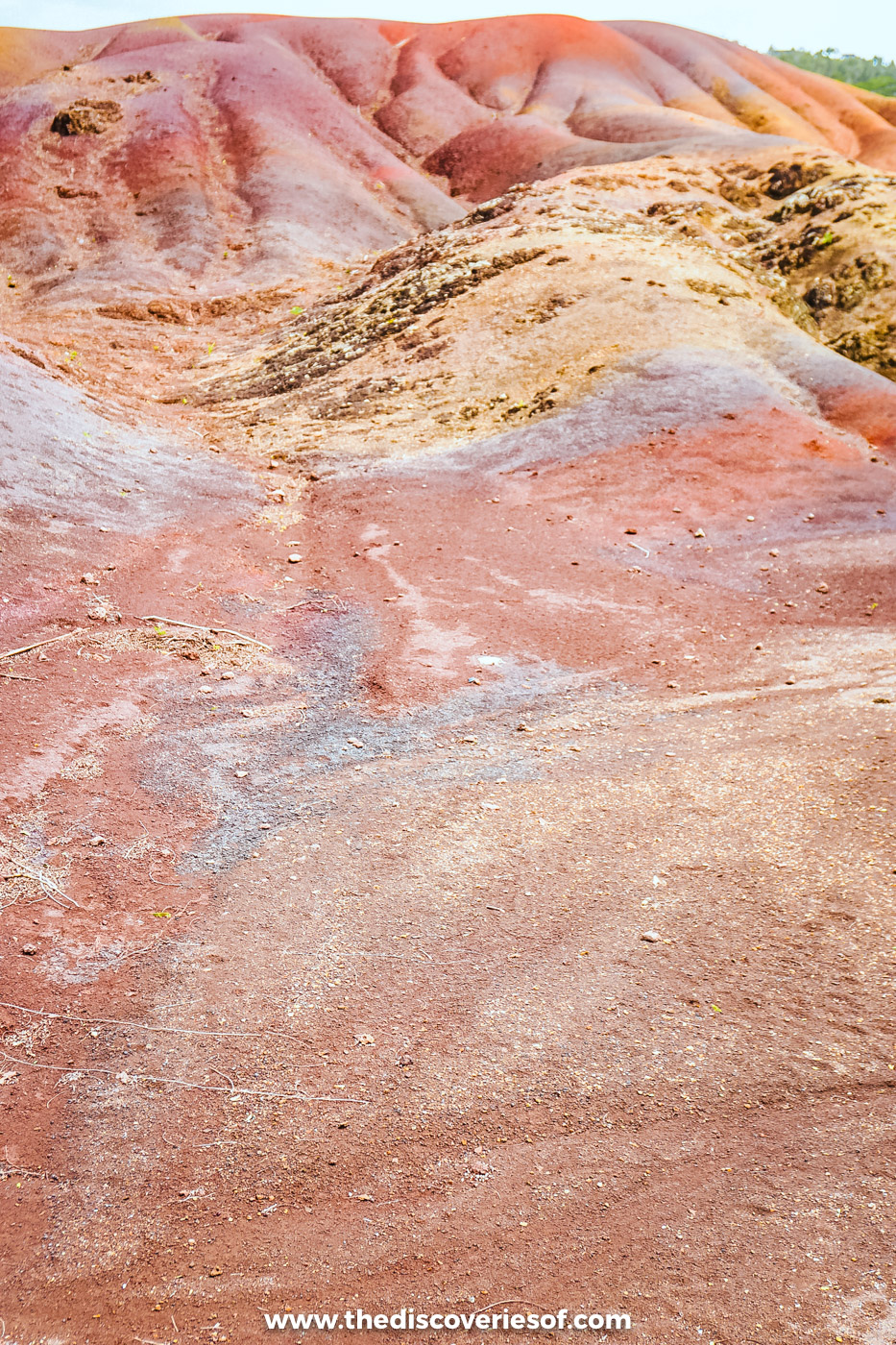
- Sights: the Chamarel geopark ticket, which covers the waterfall and the Seven Coloured Earth, is Rs 800 for a non-resident adult, and a full-day catamaran to Ile aux Cerfs starts at about US$66.
- Buses: Rs 12 to Rs 47 a ride, depending on distance.
- Eating out: lunch away from the resort is usually far cheaper than dinner in a hotel restaurant, and street food costs a fraction of either.
Getting around the island
12. Base yourself on two coasts, not one
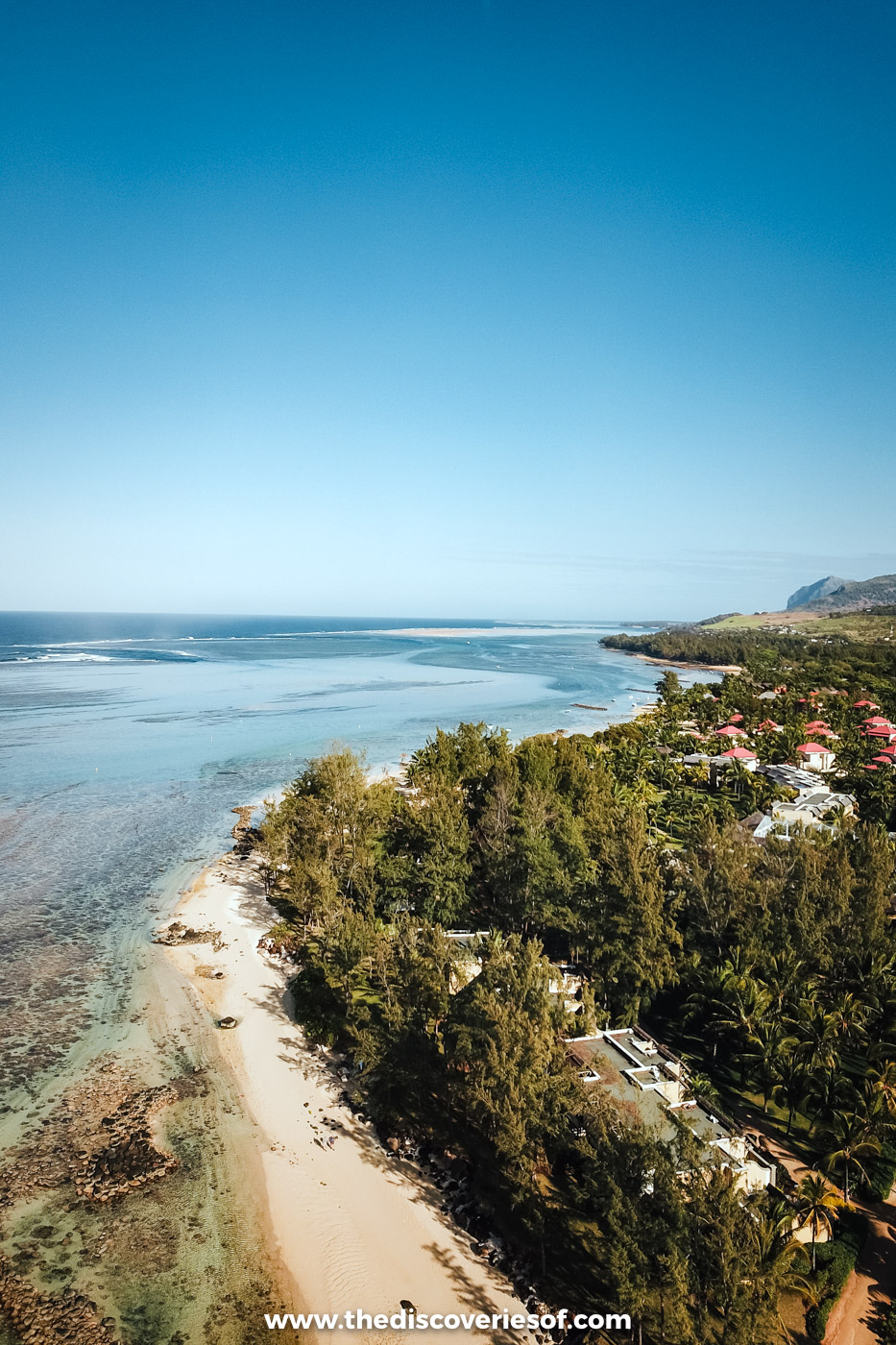
Mauritius looks tiny on a map, but it’s relatively large once you’re on the road, and trying to see all of it from one hotel means hours in the car. Focus on a few areas instead. On a trip of a week or more, split your stay between two coasts. I’ve stayed in the south at the Outrigger in Bel Ombre and twice on Turtle Bay in the north-west, at the Westin and the Ravenala Attitude, and each base put a completely different set of sights on the doorstep: Chamarel and Le Morne from the south, the turtle reefs and Port Louis from the north-west. My 2-week Mauritius itinerary shows how to string the coasts together.
13. Hire a car: driving here is easier than you’d think
In my experience, the easiest way to get around is by car, and there’s no need to be nervous about driving. Traffic keeps to the left, as in the UK, and the main roads are good. A UK photocard licence or a valid US licence is accepted, though hire firms may ask for an International Driving Permit and many set a minimum age of 23. Take care on narrow coast roads with no pavements, watch for slow motorbikes without lights after dark, and leave the wine for another night: drink-driving is treated as a serious offence even at very low levels.
14. Or book a driver-guide for the big sightseeing days
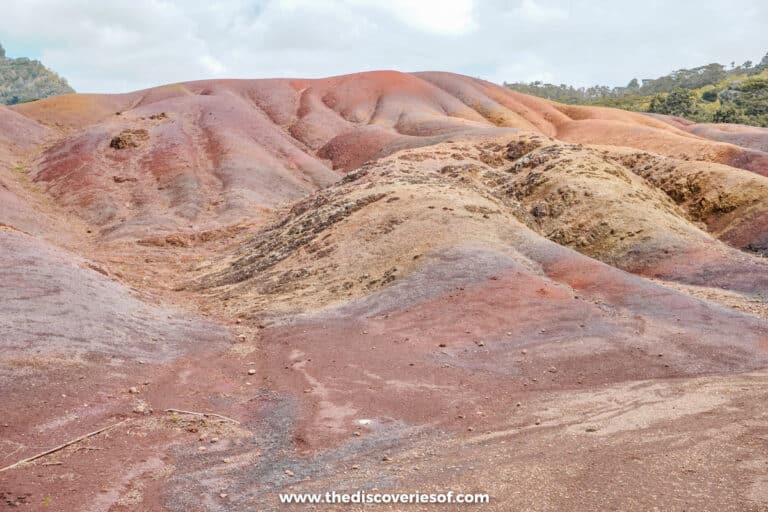
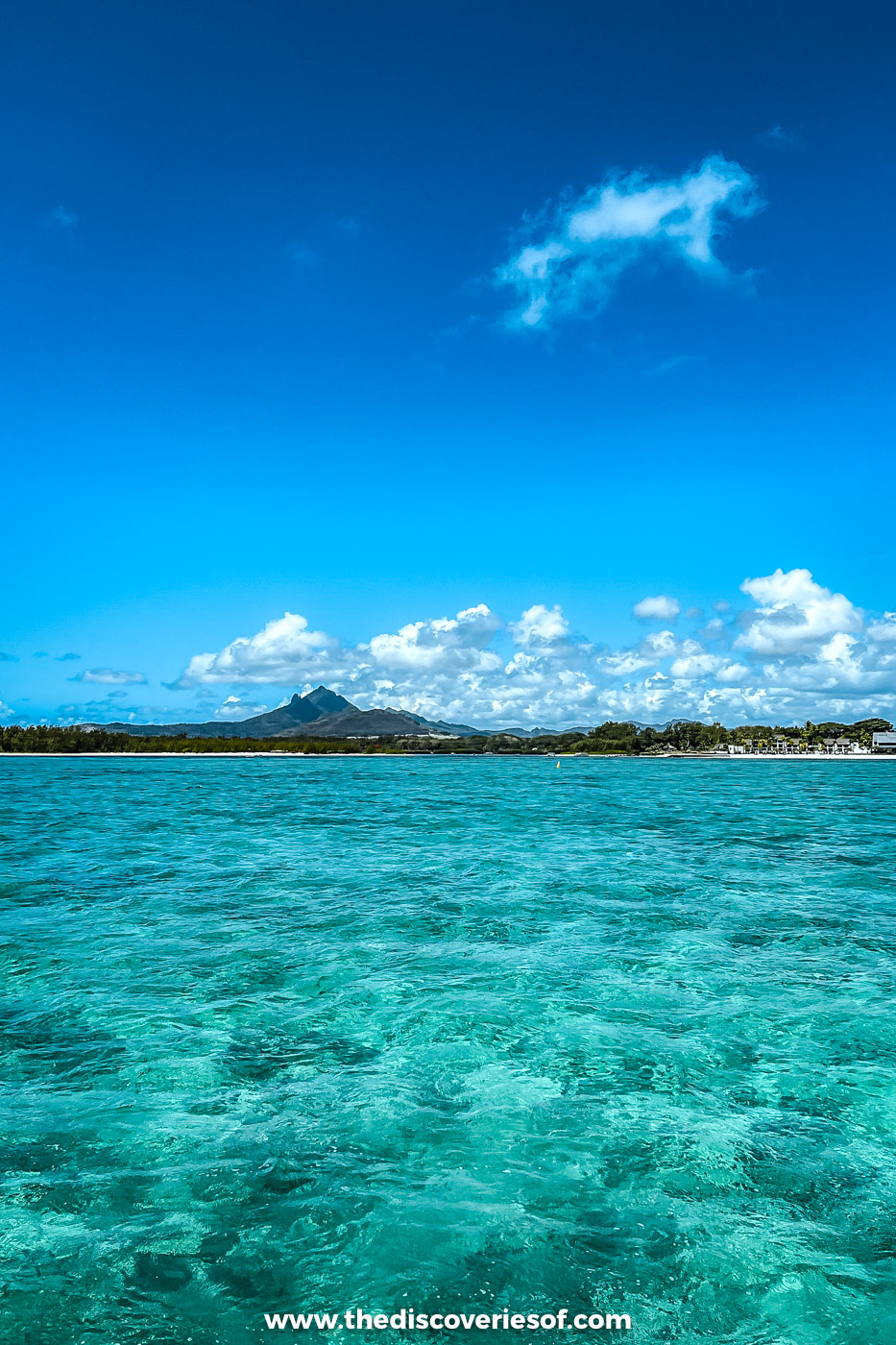
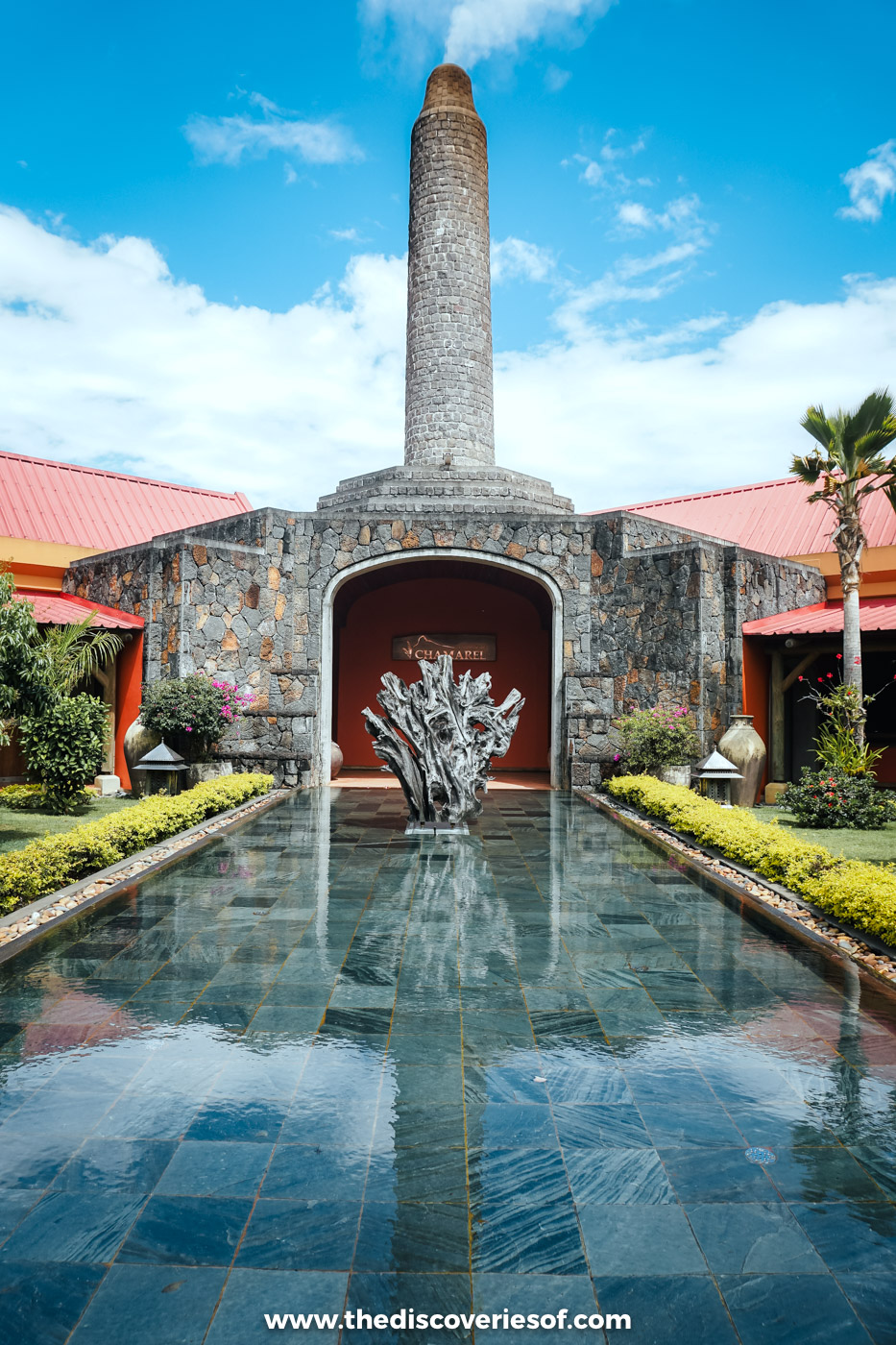
If you’d rather not drive, hire a private guide or driver for the days you want to cover a lot of ground. It means a tour shaped around what you want to see, at your own pace. For my day in the Chamarel hills, taking in the falls, the Seven Coloured Earth and the rum distillery, my hotel arranged a driver-guide who was packed with local knowledge. Most hotels can set one up, or you can browse private tours on GetYourGuide.
15. Agree taxi fares before you get in
Taxis wait outside hotels, beaches and shopping centres, but fares aren’t fixed, so agree the price before you set off, even if the car has a meter. Licensed taxis are marked with yellow plates, and if you find a driver you like, keep their number. There’s no Uber, though local apps such as Yugo are starting to appear. Buses are cheap and go almost everywhere: you pay the conductor on board, so carry small change. They run from 5.30am to 8pm in the towns and 6.30am to 6.30pm in the countryside, but they’re slow, and many sights are a long walk from the nearest stop.
Top Tip
Ask your hotel reception what a fair fare is before you look for a taxi, so you have a figure to agree with the driver.
Making the most of the island
16. Ask for a window seat for the landing
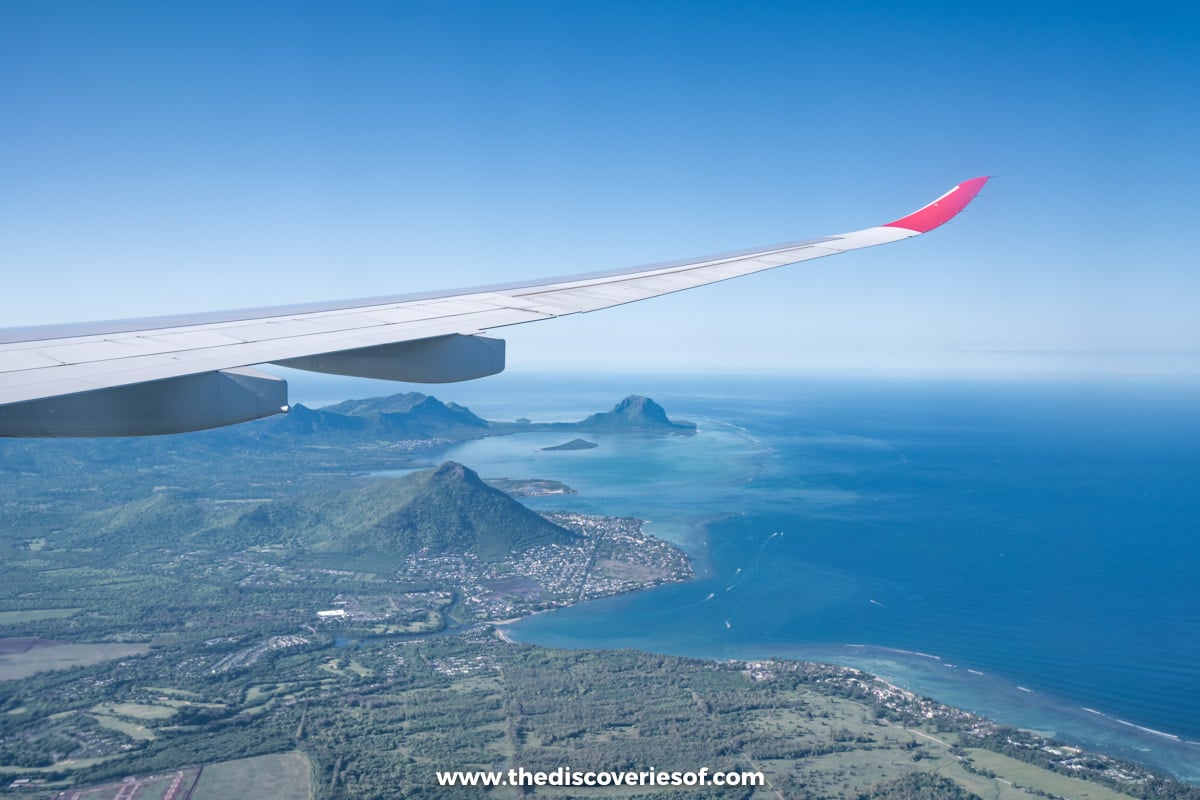
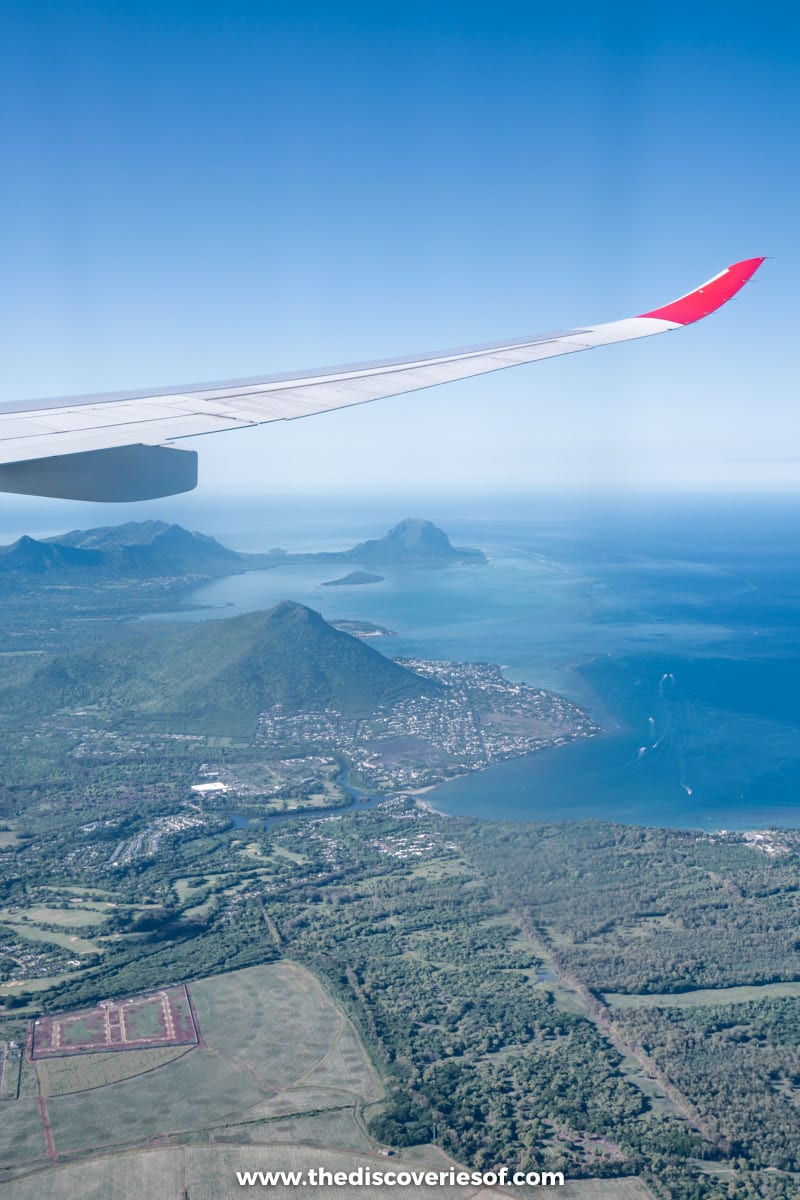
Don’t sleep through the descent. On my late November flight the plane came in down the west coast, and the great block of Le Morne Brabant appeared off the wing, sitting in its turquoise lagoon. Approaches change with the wind, so it’s a matter of luck, but it’s a fabulous free preview of the south-west, and a glimpse of the area where the underwater waterfall lies, which only really shows itself from the air.
17. Escape the hotel
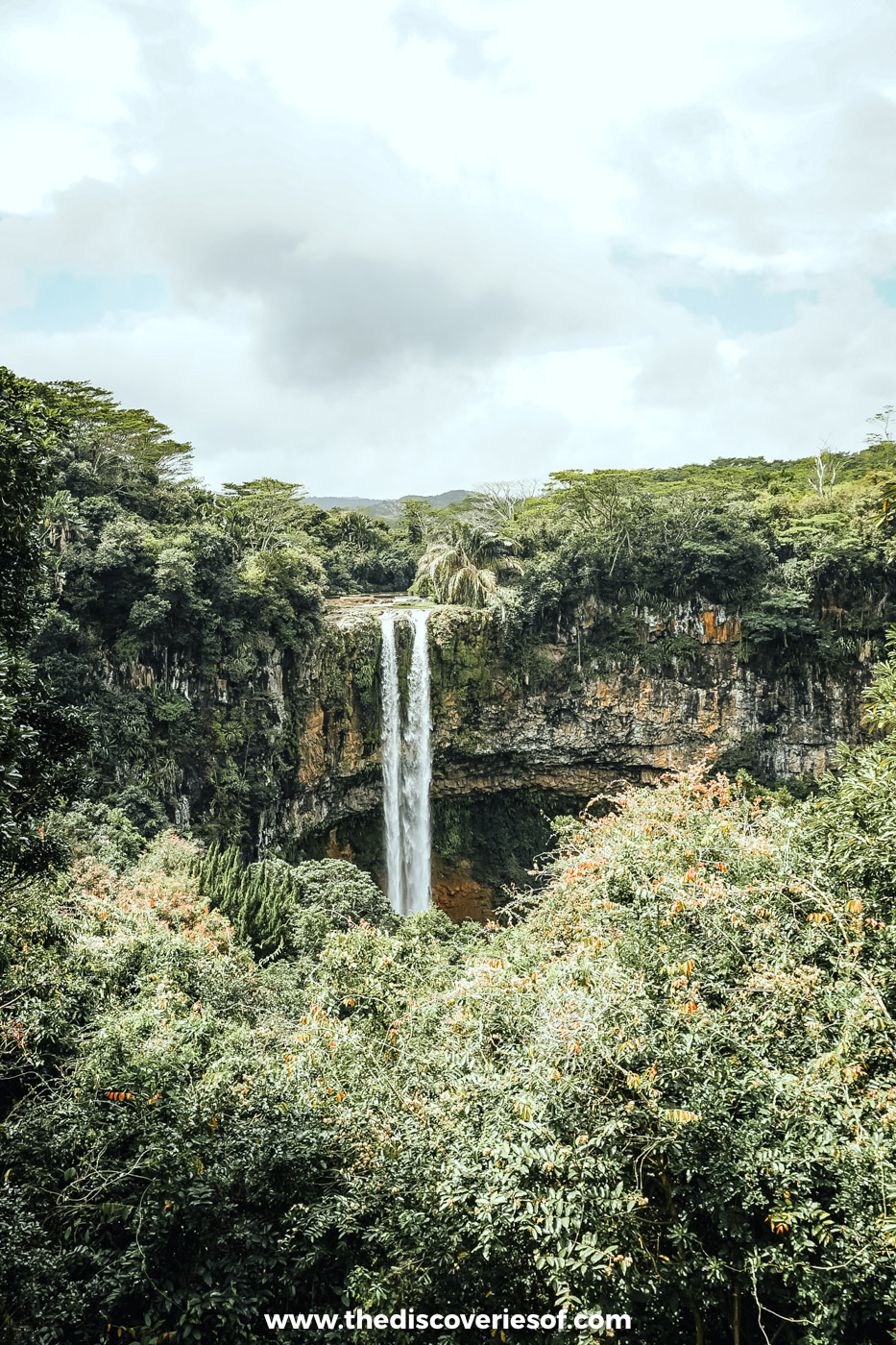
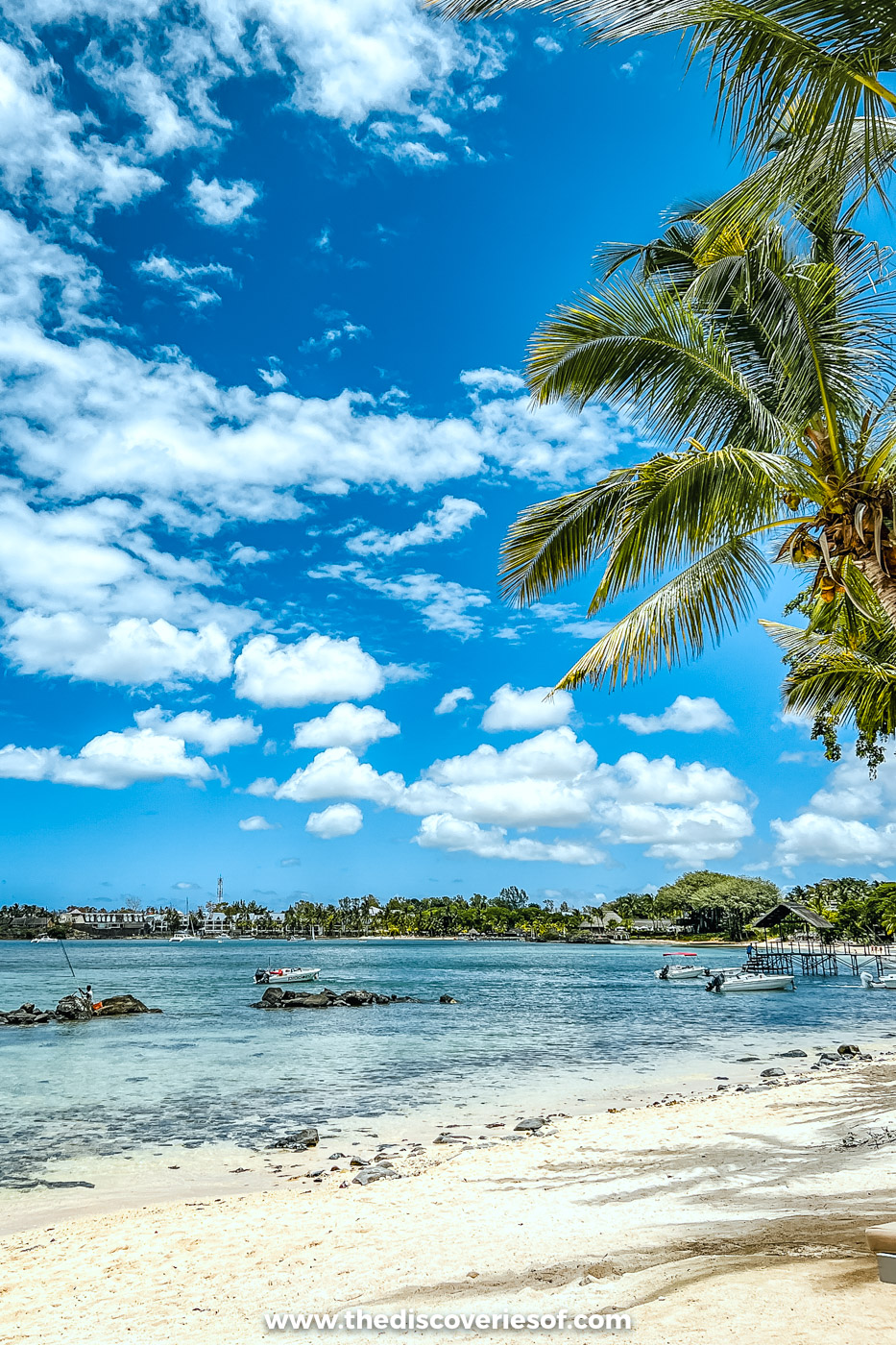
It’s the first tip on my list for anyone. There’s so much to see in Mauritius, but apart from selling you its own excursions, your hotel isn’t going to help you find it. Lots of people hardly set foot outside the gates, and they miss the best of it. Do a bit of research and get out on the road. The places I’d start with are the Le Morne peninsula, the long beach at Flic en Flac and Chamarel Waterfall, which drops almost 100 metres into the forest in the hills above the south-west coast.
18. Go private on the water too
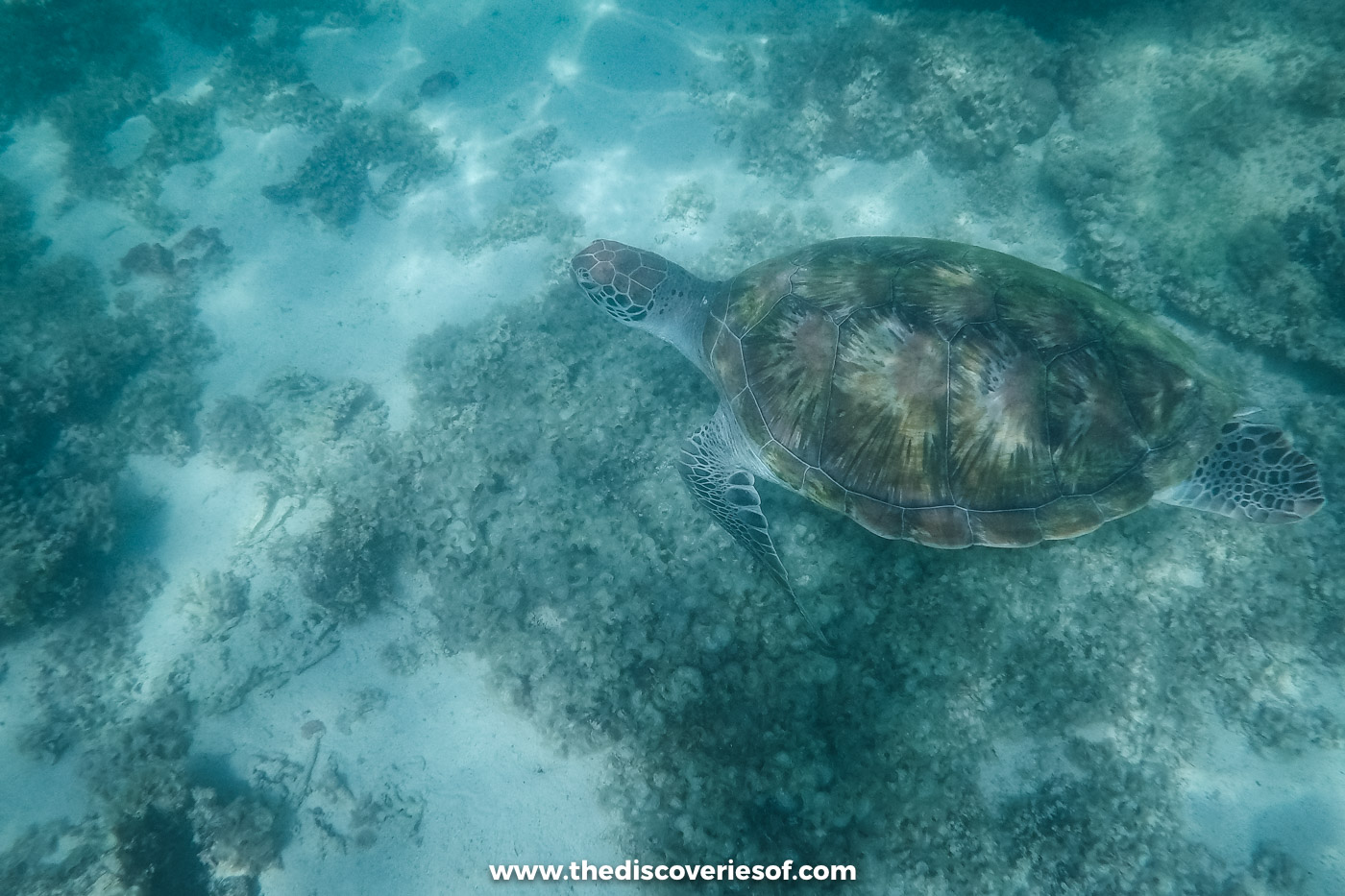
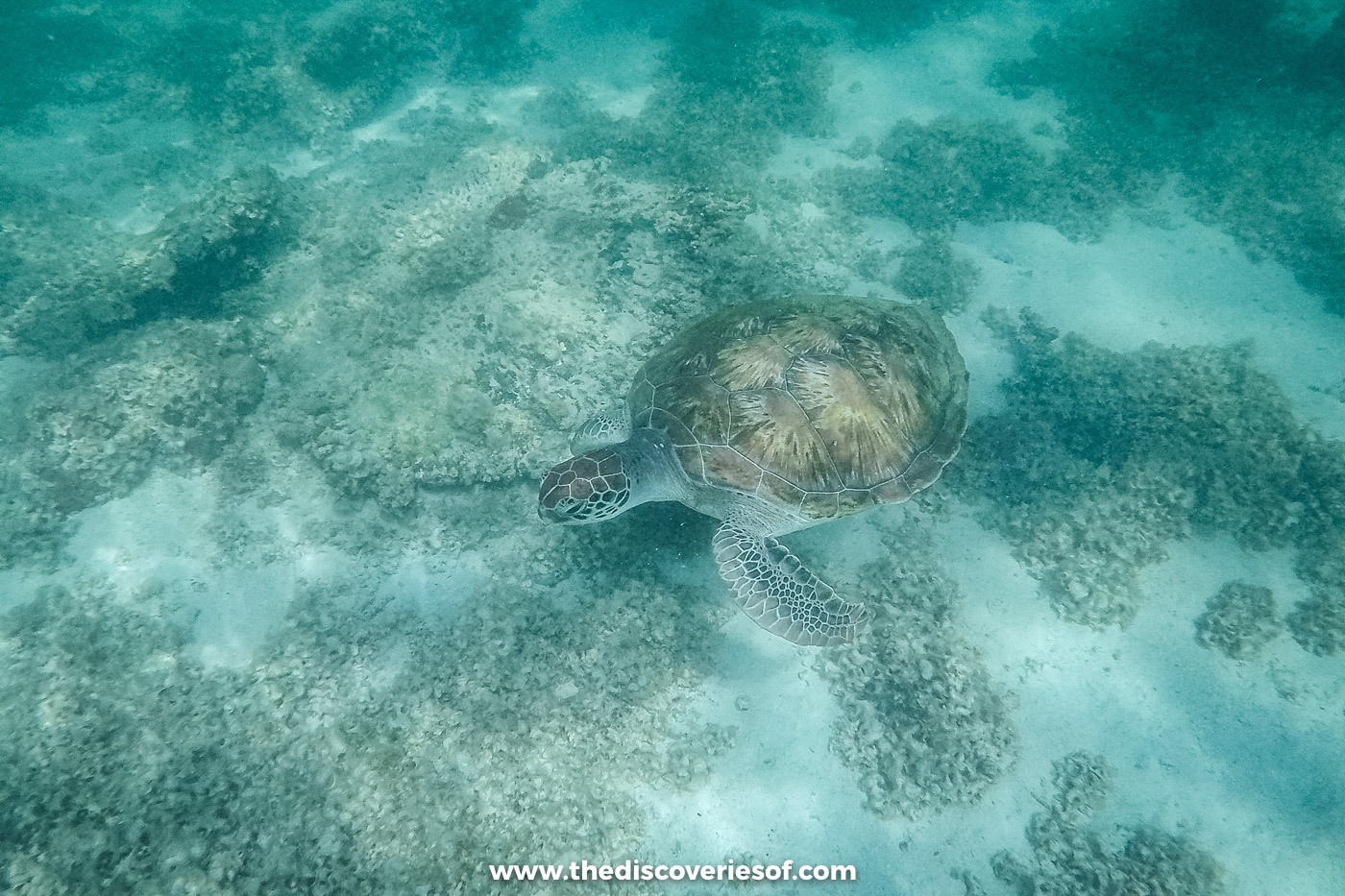
The same goes for boat trips. My private snorkelling trip out of Trou aux Biches to find dolphins and sea turtles was the best day of my second visit, because I wasn’t stuck to a timetable or a group: the skipper took me where the animals were, and I stayed as long as I liked. Choose your operator with care, though. The dolphins off the west coast are crowded by boats, and the rules meant to protect them have been poorly enforced, so read up on swimming with dolphins in Mauritius before you choose a boat. Whoever you book, check that they hold a Ministry of Tourism permit and carry enough life jackets.
19. Eat beyond the buffet
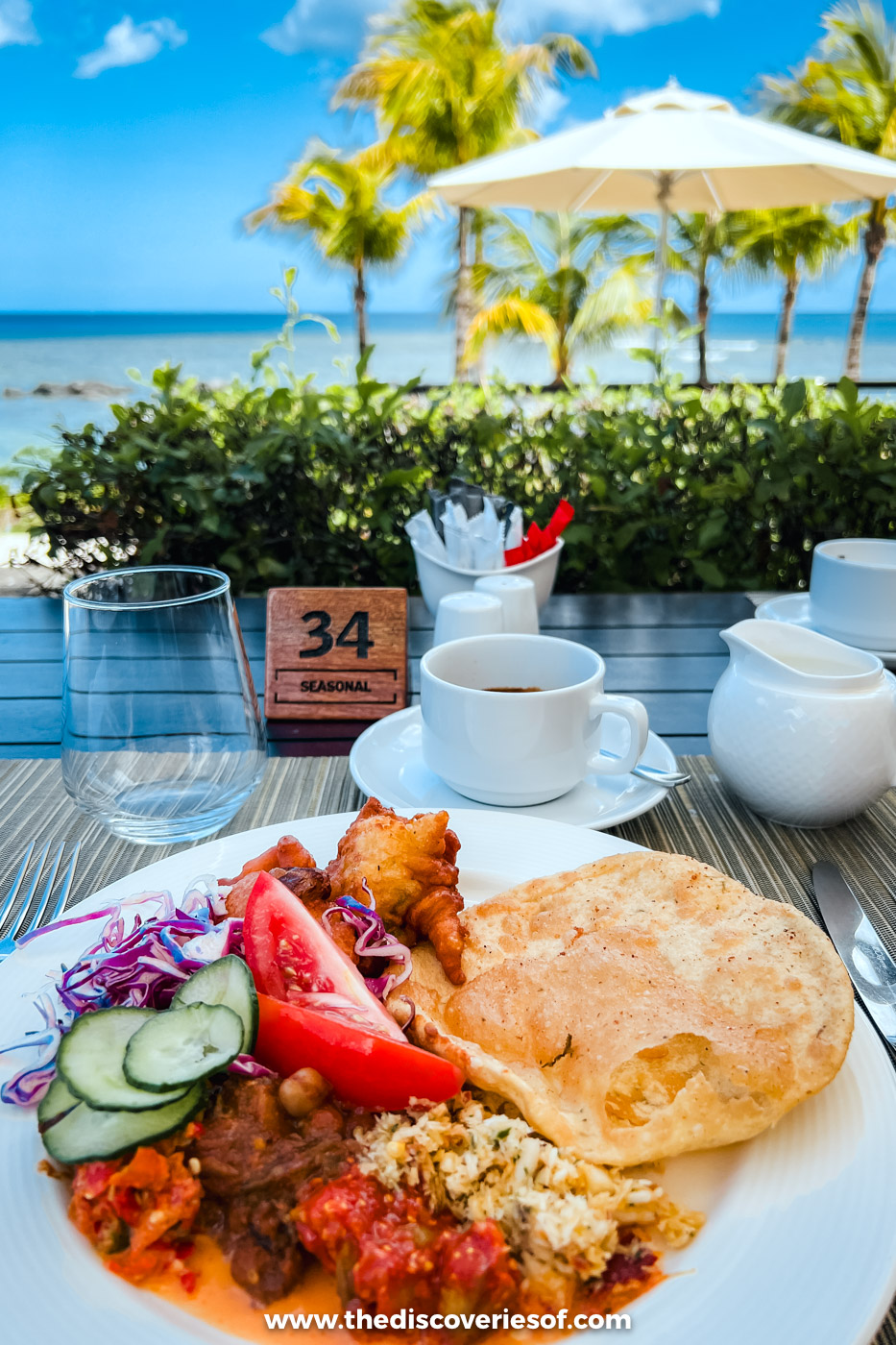
Mauritian food is, frankly, banging, and it would be a crime to eat nothing but the international buffet. The island’s cooking blends Indian, Creole, Chinese and French influences, and the best of it is sold from street stalls: dholl puri (soft flatbreads made with yellow split peas, wrapped round curry and tomato rougaille), gâteaux piments (crisp chilli and split pea fritters), farata flatbreads and plates of mine frite noodles. Find a few stalls and feast.
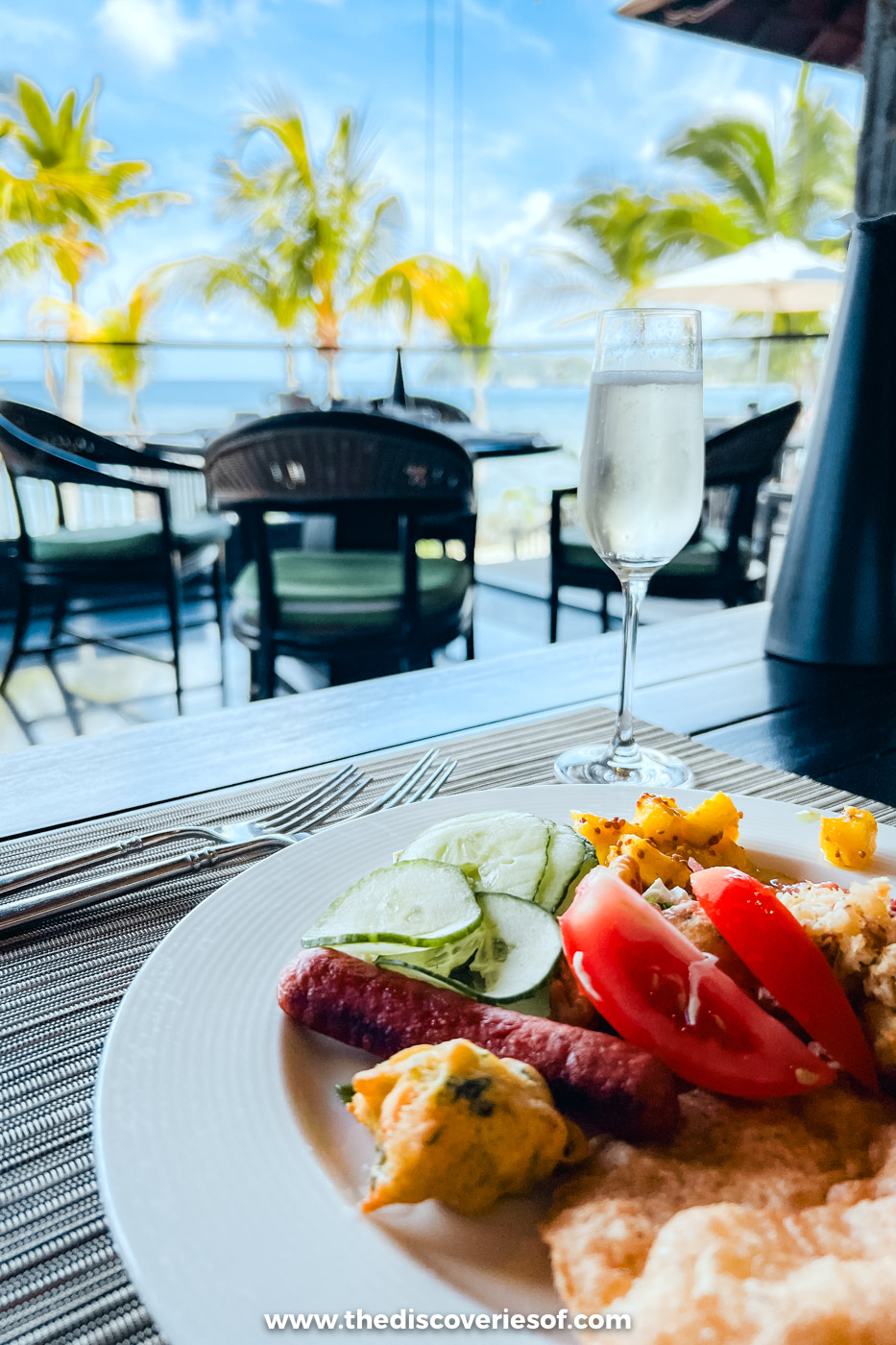
Some resorts do Mauritian food properly too. At the Ravenala Attitude, Kot Nou serves it as small plates, Taba-J does street food by the pool, and the Mozaik breakfast buffet laid on a traditional Mauritian breakfast alongside the western options. I also stayed on for a Mauritian lunch after my tasting at the Takamaka winery. One practical note: many local restaurants close on Sundays.
20. Choose your coast for the beach you’re picturing
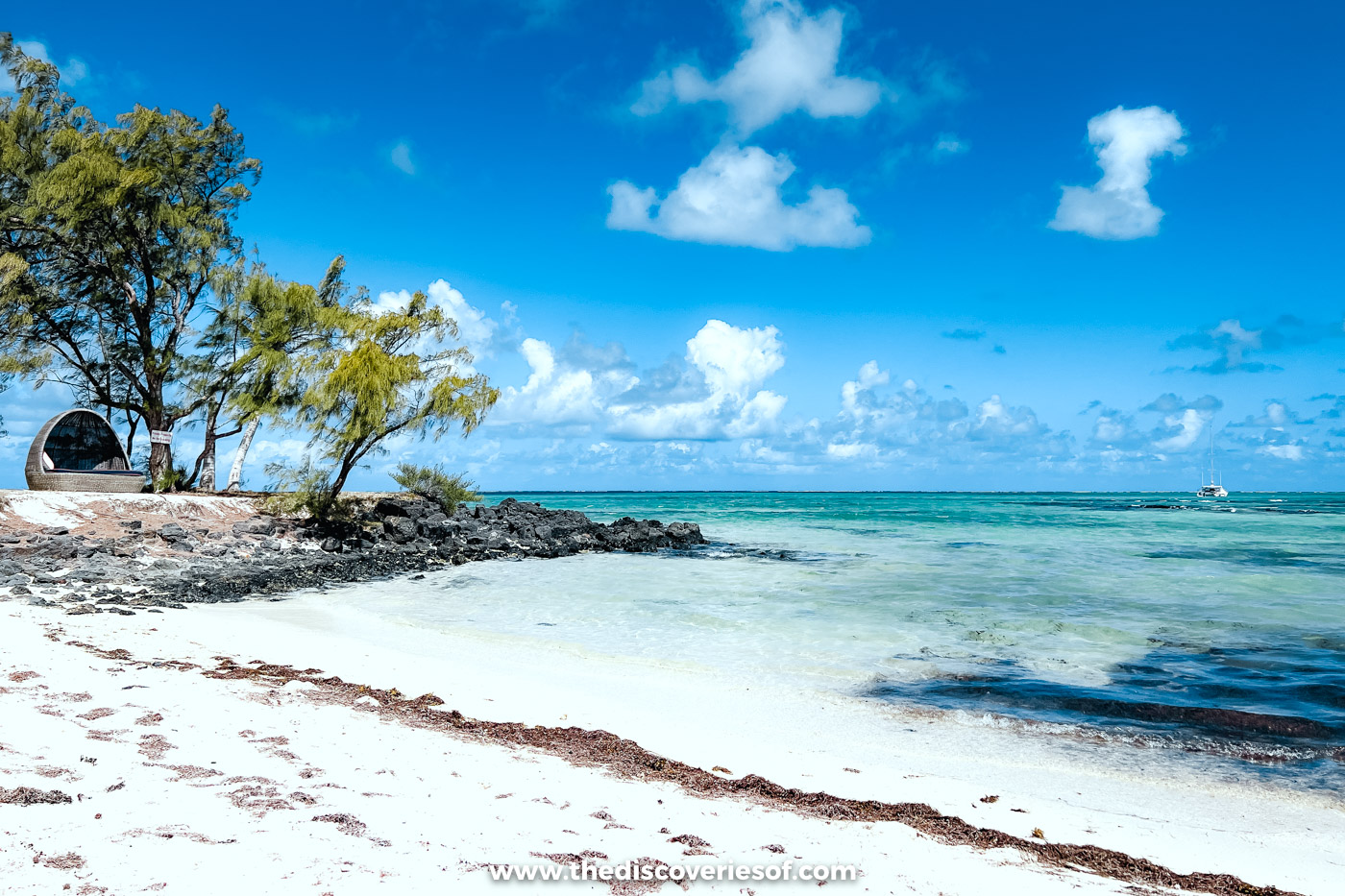
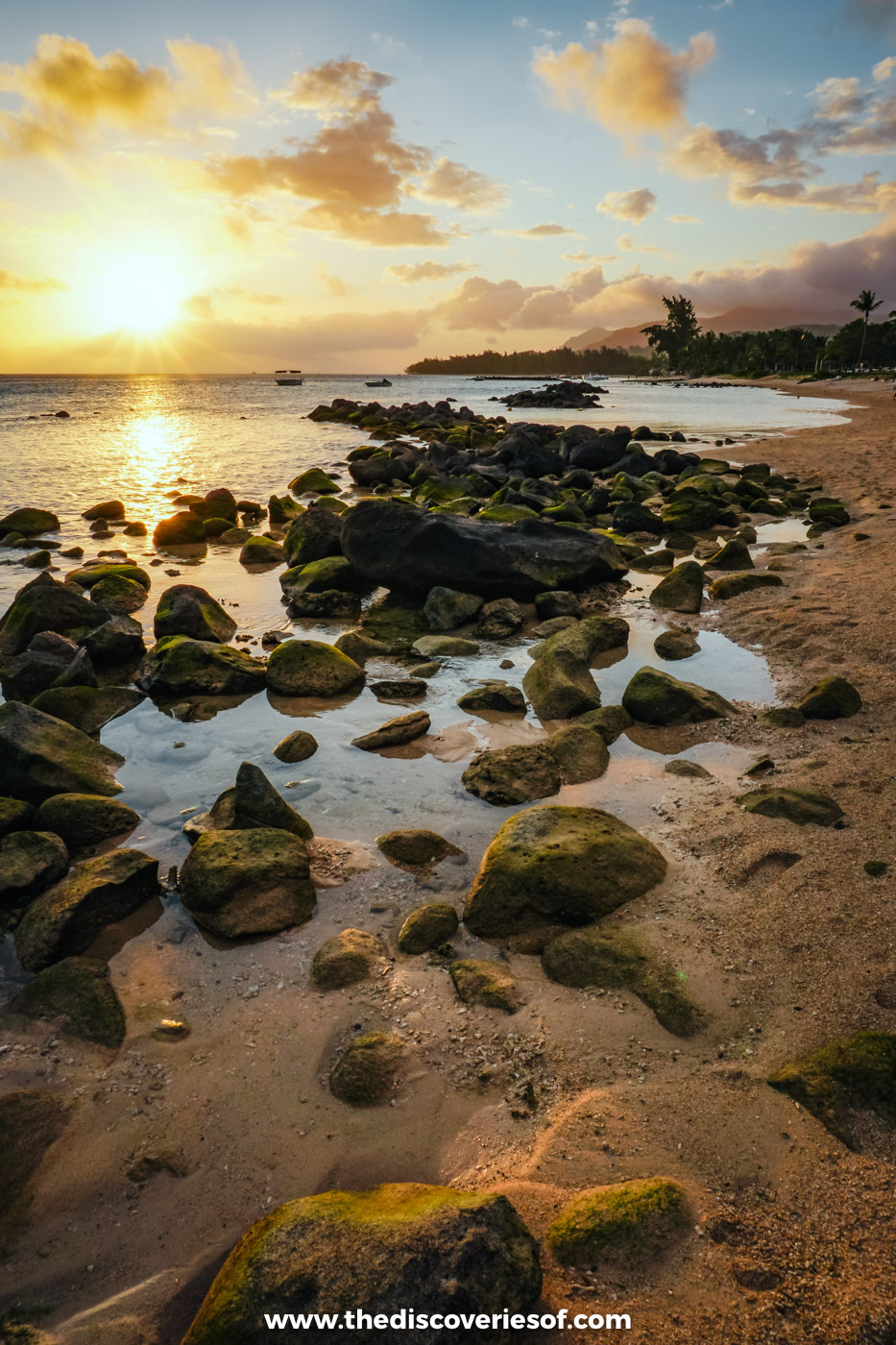
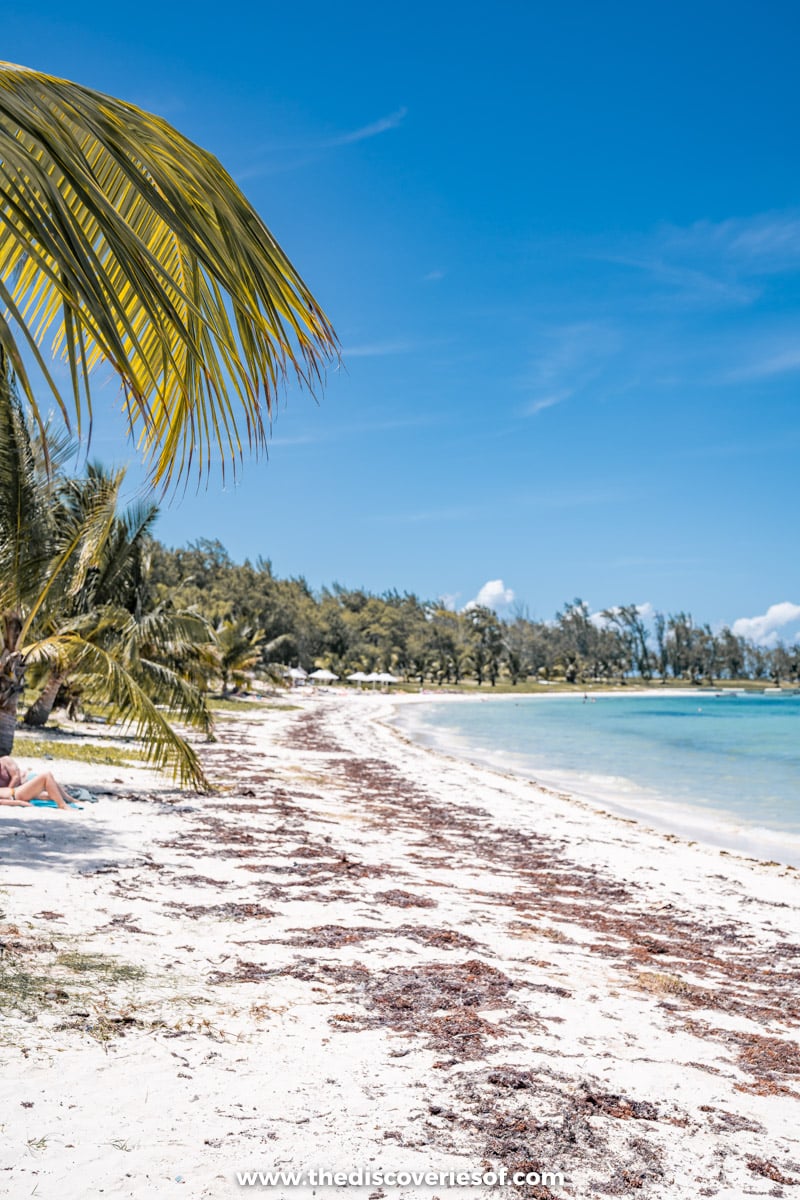
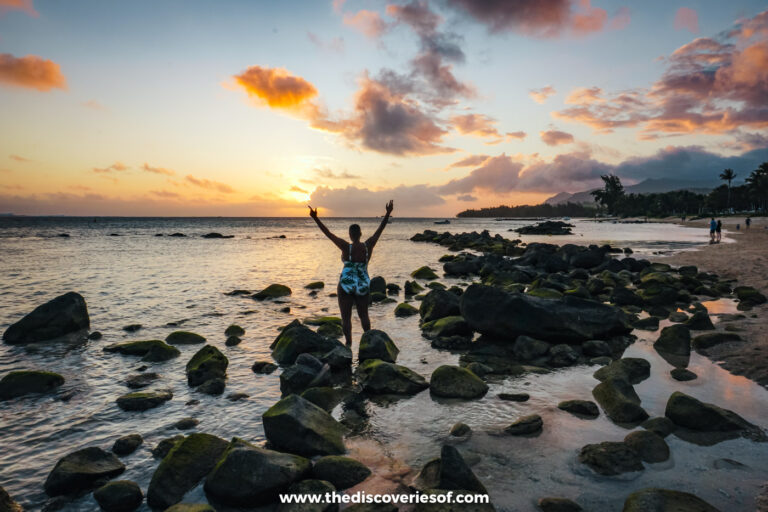
Not every stretch of the coast has the sand you see in the brochures. One thing I learned on my third trip: the east coast has the best beaches, the south-east has hardly any, and some of the northern beaches have suffered from erosion. From June to September the trade winds make the east and south choppy, so the sheltered north and west are better for swimming then. The sand is public right round the island, but don’t expect lifeguards: swim inside the reef, keep to marked areas and wear reef shoes, as sea urchins and stonefish hide on the rocky bottoms. My guide to the best beaches in Mauritius rounds up 14 of them.
Staying safe and well
21. Keep valuables out of sight, and drink bottled water
Mauritius is a relaxed, friendly island, but petty crime is common in the busiest tourist areas, including Port Louis, Grand Baie and Flic en Flac. Keep valuables out of sight, including in a parked hire car, and avoid walking alone on beaches or in poorly lit streets at night. The tourist police are on 999. Stay away from any demonstrations, and check the latest FCDO travel advice before you go. For drinking, stick to bottled, boiled or filtered water: it’s what most expats do.
22. Learn a few words of Kreol
English is the official language of parliament and you’ll get by with it in any hotel, but French and Mauritian Kreol are what you’ll hear on the street. A cheerful “bonzour” (hello) and “mersi” (thank you) go a long way, and “komier sa?” (how much is it?) is handy at the market. One word I picked up on my last trip: dodo, the name of the island’s long-lost bird, is also the Kreol word for sleep.
Read next
- 24 things to do in Mauritius, an island that even makes wine from lychees
- Where to stay in Mauritius, and how to pick the coast that suits your trip
- How to spend 2 weeks in Mauritius, one coast at a time
- Where are the best beaches in Mauritius? 14 worth leaving the resort for
- Thinking of swimming with dolphins and turtles in Mauritius? Read this before you book a boat
- The underwater waterfall in Mauritius is hiding in plain sight (here’s how to see it)
- Mauritius travel guide
Love this? Save and share on Pinterest
Discover the top things to do, insider tips and hidden gems in our Mauritius Travel Guide.
Read the guides →