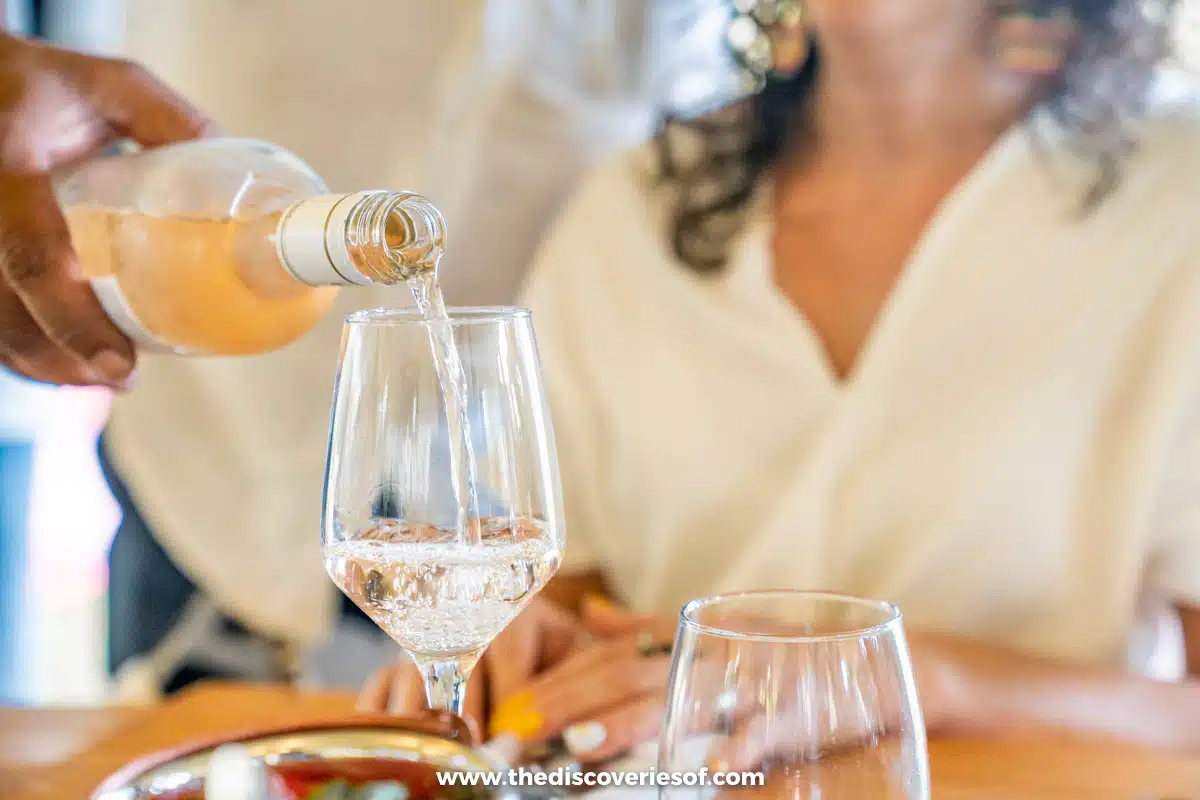

There are no vines at this small winery on the central plateau, and not a single grape goes into its bottles. Instead it turns the island’s favourite fruit into crisp whites, a salmon-pink aperitif and sweet, oak-aged dessert wines, and it makes one of the most unexpected stops on the island.
Takamaka Boutique Winery is the only winery in Mauritius given over entirely to lychee wine, and it was one of the most unusual places I went on my third trip to the island. I visited in December, right in the middle of the lychee harvest, on a showery day up in the hills. Alexander Oxenham, the winemaker, took me through the whole process with a glass in hand, and I stayed on afterwards for a long Mauritian lunch in the garden. What won me over was how much of the work is still done by hand.

Why a Mauritian winemaking family turned to lychees
For an island with almost no vineyards, Mauritius has a surprisingly long history of making wine, and the Oxenham family has been part of it from the start. Edward Clark Oxenham founded E.C. Oxenham & Co in 1932, fermenting wine from imported raisins, and the family business later switched to imported grape juice concentrate. Alexander is the third generation to make wine. He trained as an oenologist in Burgundy, worked vintages in South Africa and France, and came home in 2010, advising several of the island’s rum distilleries before putting all his energy into a fruit that actually grows here.
The lychee originally comes from China, where people have grown it for thousands of years, and it’s now one of the best-loved fruits on the island. Takamaka buys its fruit from mature orchards in the north, grown without pesticides or herbicides. The winery likes to sum itself up in three negatives: no château, no vineyard and no grapes.
From orchard to glass: how lychee wine is made
Timing matters more than anything. The fruit is only picked from trees that have reached a certain maturity, and only when the lychees hit the sweet spot between sugar and acidity, which the growers judge alongside colour, firmness and taste. Everything after that is manual. Each lychee is picked by hand, sorted a second time when it arrives at the winery, then peeled and stoned so that only the flesh is fermented, in temperature-controlled tanks with selected yeasts.
After fermentation the wine is clarified and filtered, and by the time it’s poured you’d never guess from the colour that no grape was involved. Some of the wines then go into oak, and Alexander explained that the choice of barrel is one of the main levers he has as a winemaker: different casks nudge the finished wine towards coffee, vanilla or spice.
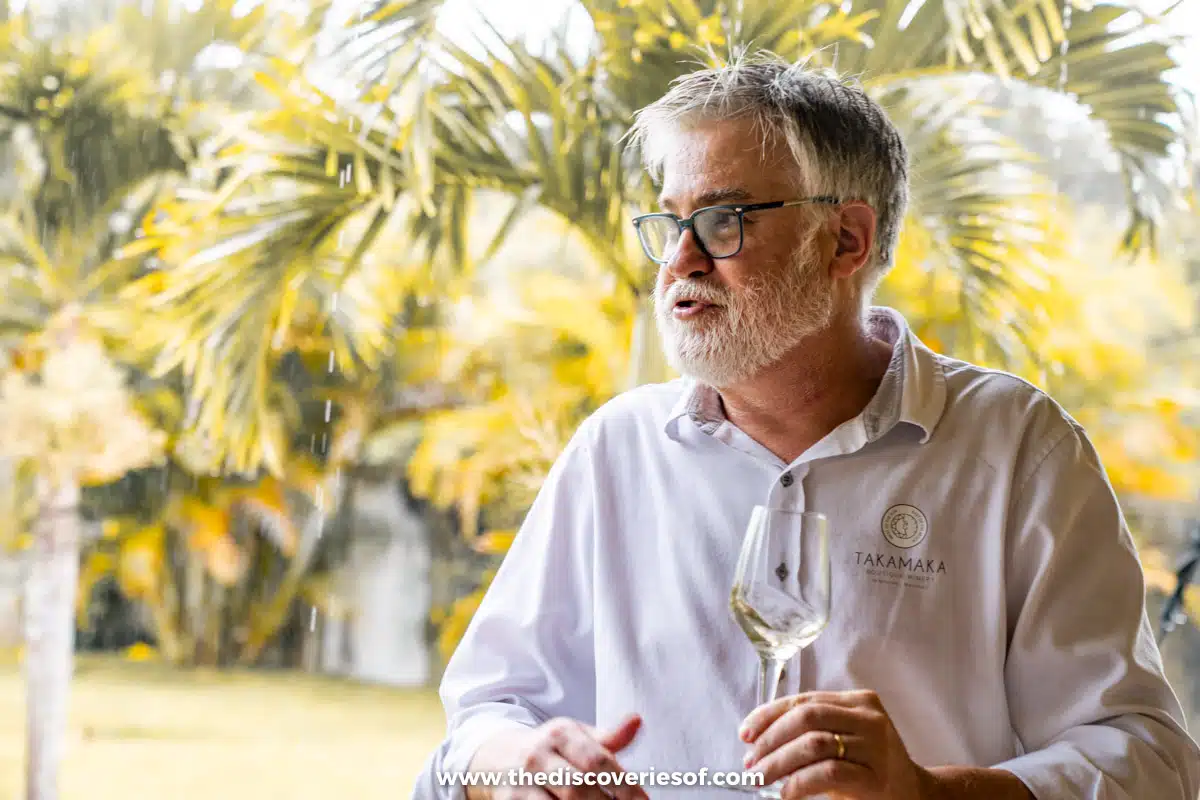
Just as interesting was how little goes to waste. It was raining when I visited, which the team said suited them fine: rainwater is collected and stored to wash out the tanks after fermentation, that water is then spread over the orchard to irrigate and feed it, and the skins and stones are composted as fertiliser.
The lychee wines to try
The range is small and runs from dry to sweet, all of it built on the lychee. You’ll usually taste at least three on a visit, and the full list is on the winery’s wines page.
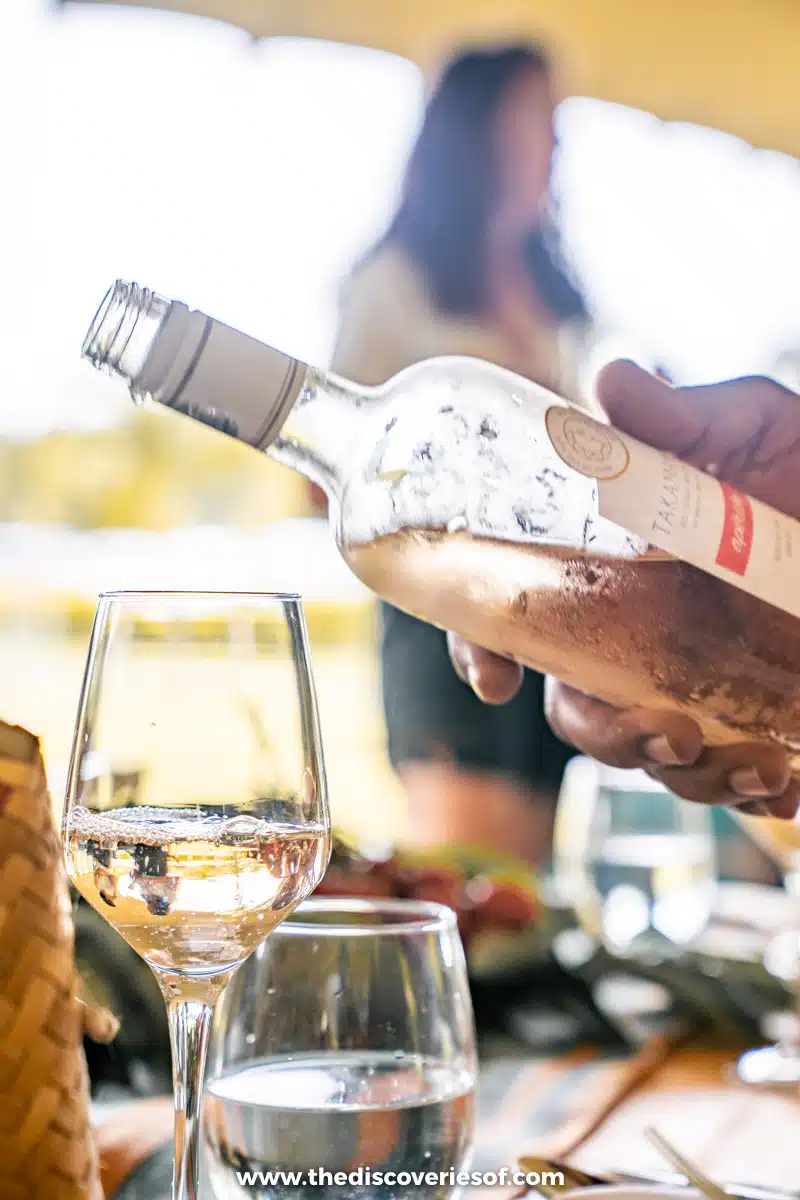
- Aquarel: an off-dry white and the easiest place to start, with tropical fruit and citrus, fermented cool to keep it fresh. It took a gold medal at the Concours Mondial de Bruxelles in 2025.
- Tanara: the dry one, aged on fine lees in French and American oak, with apricot, citrus and vanilla. If you like oaked whites, start here.
- Apérichy: off-dry and salmon pink, with ripe fruit, strawberry, cherry and rose petal. As the name hints, it’s made for an aperitif.
- Eclipse: a sweet lychee wine with rose petal, apricot and peach, long and silky on the finish.
- Icône: sweet and barrel-aged, where very ripe, candied fruit meets woody notes.
What a visit to Takamaka winery includes
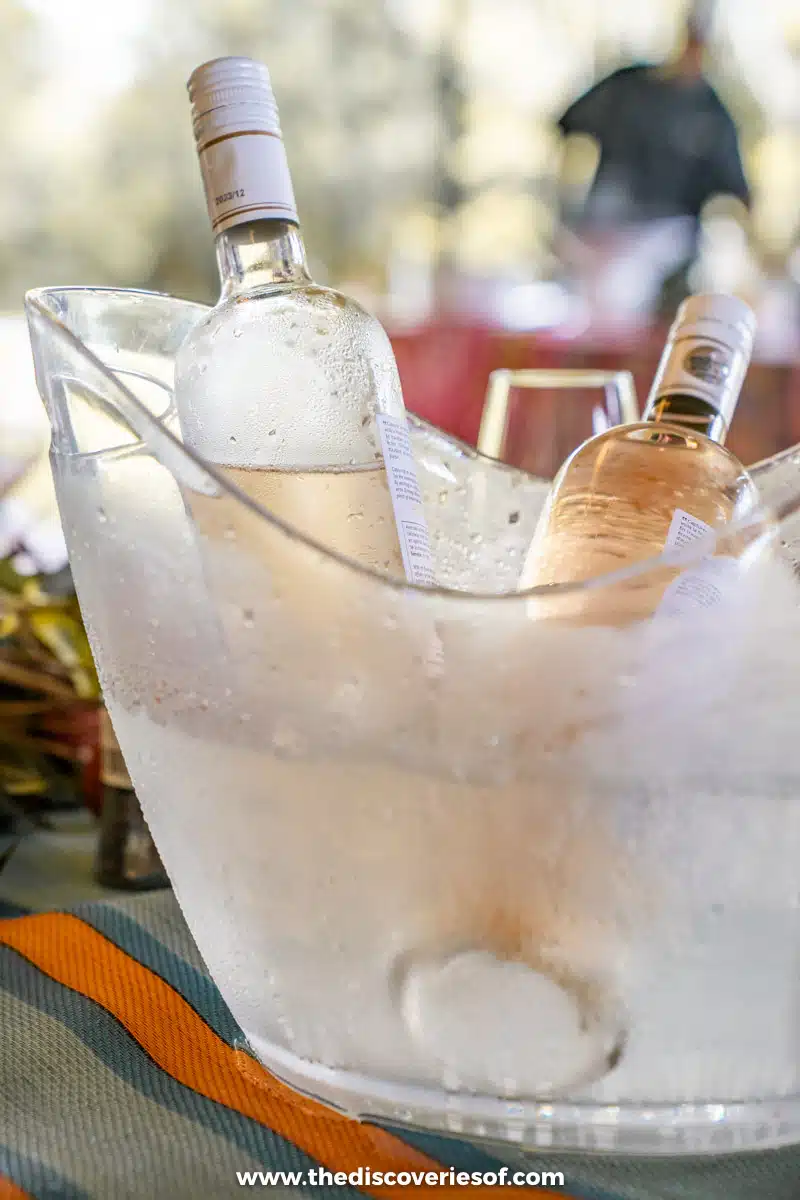
A standard visit takes about an hour. It opens with a short film on how the wine is made, then a guided tour of the winery and the tasting at the bar, and with luck you’ll get to meet the winemaker. Afterwards there’s time to browse the boutique, which sells honey and preserves as well as wine, and the small art gallery, then sit down in the café. Tastings are for over-18s, and younger visitors get non-alcoholic cocktails instead. Groups are capped at 30, split into two groups of 15.
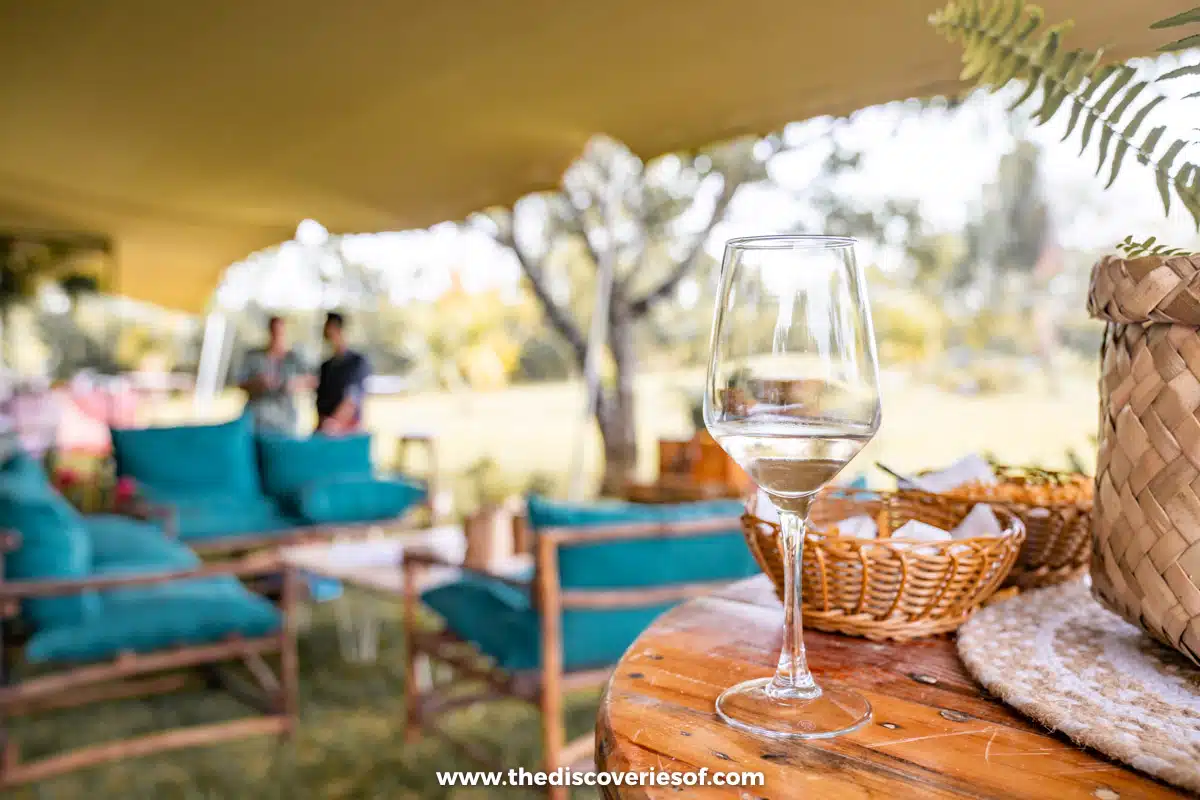
A lot of the experience happens outdoors. The tasting I joined was set up in the garden under a big canvas awning, with teal-cushioned sofas spread across the lawn and trees all around: less cellar door, more garden party.
Stay for lunch
Don’t dash off after the tasting. The bistrot serves food at any time of day while the winery is open, cooking with local produce, some of it grown in the winery’s own orchard and vegetable garden. My lunch was a proper Mauritian spread on bright printed tablecloths: a tomato-rich curry kept warm over a burner, golden vegetable dishes, and mangoes and gourds piled up between the pots. In the evening the bistrot only opens for groups of 15 or more, so plan on visiting in the daytime.

Opening hours, prices and booking
- Opening hours: Monday to Friday 9am to 5pm and Saturday 9am to 4pm, according to the winery’s contact page. It’s closed on Sundays and public holidays, and for a few days over New Year.
- Visit times: the first visit is at 9am and the last at 4pm on weekdays and 3pm on Saturdays.
- Prices: around €10 per adult and €6 for 6 to 17-year-olds when booked through local agencies, with under-6s free. The winery doesn’t publish its own prices, so check the current rate when you book.
- Booking: call +230 5442 8371 or email [email protected], especially if you want lunch or are coming as a group.
Top Tip
Want to take some home? The boutique sells every wine in the range, and back on the coast you’ll find the lychee wines in 20/VIN shops around the island, In Vino in Moka and Flemingo Duty Free at Caudan and Grand Baie.
How to get to Takamaka winery
The winery is at Plaine Bonnefin, beside the Mare aux Vacoas reservoir on the island’s central plateau, a few kilometres south-west of Curepipe and just north of Grand Bassin. The easiest way to get there is by hire car, taxi or with a driver, and there’s parking on site. Allow up to an hour from most of the coast. Local booking agencies can add hotel transfers for an extra fee, and several south-west day tours combine the winery with lunch and the Seven Coloured Earth.
If you’re driving yourself, it fits neatly into a day in the uplands with Grand Bassin and the Black River Gorges viewpoints, as on day 4 of my 2-week Mauritius itinerary, or into a loop through the south-west that ends at Chamarel Waterfall.
A few things worth knowing before you go
- Go between November and January if you can. That’s lychee season, when the fruit is coming in from the orchards.
- If you want to taste properly, leave the driving to someone else and book a taxi or driver.
- Bring a light layer and an umbrella. The central plateau is cooler and wetter than the coast, as my own rainy visit proved.
- Plan around Sundays and public holidays, when the winery is closed.
Map
[New My Maps embed goes here: 1 pin]
Read next
- 24 things to do in Mauritius, an island that even makes wine from lychees
- How to spend 2 weeks in Mauritius, one coast at a time
- Where to stay in Mauritius, and how to pick the coast that suits your trip
- The Ravenala Attitude hotel review: sustainability in true Mauritian style
- Visiting Chamarel Waterfall, the tallest single drop in Mauritius
- Visiting the Seven Coloured Earth in Mauritius, Chamarel’s rainbow-striped dunes
- Mauritius travel guide
Love this? Save and share on Pinterest

Discover the top things to do, insider tips and hidden gems in our Mauritius Travel Guide.
Read the guides →