
Up on the Chamarel plateau, a few minutes from the falls and the coloured dunes, a working distillery cuts cane from its own fields and presses it fresh to make rum. Here’s what the visit involves, what it costs and how to fold it into a morning in the south-west.
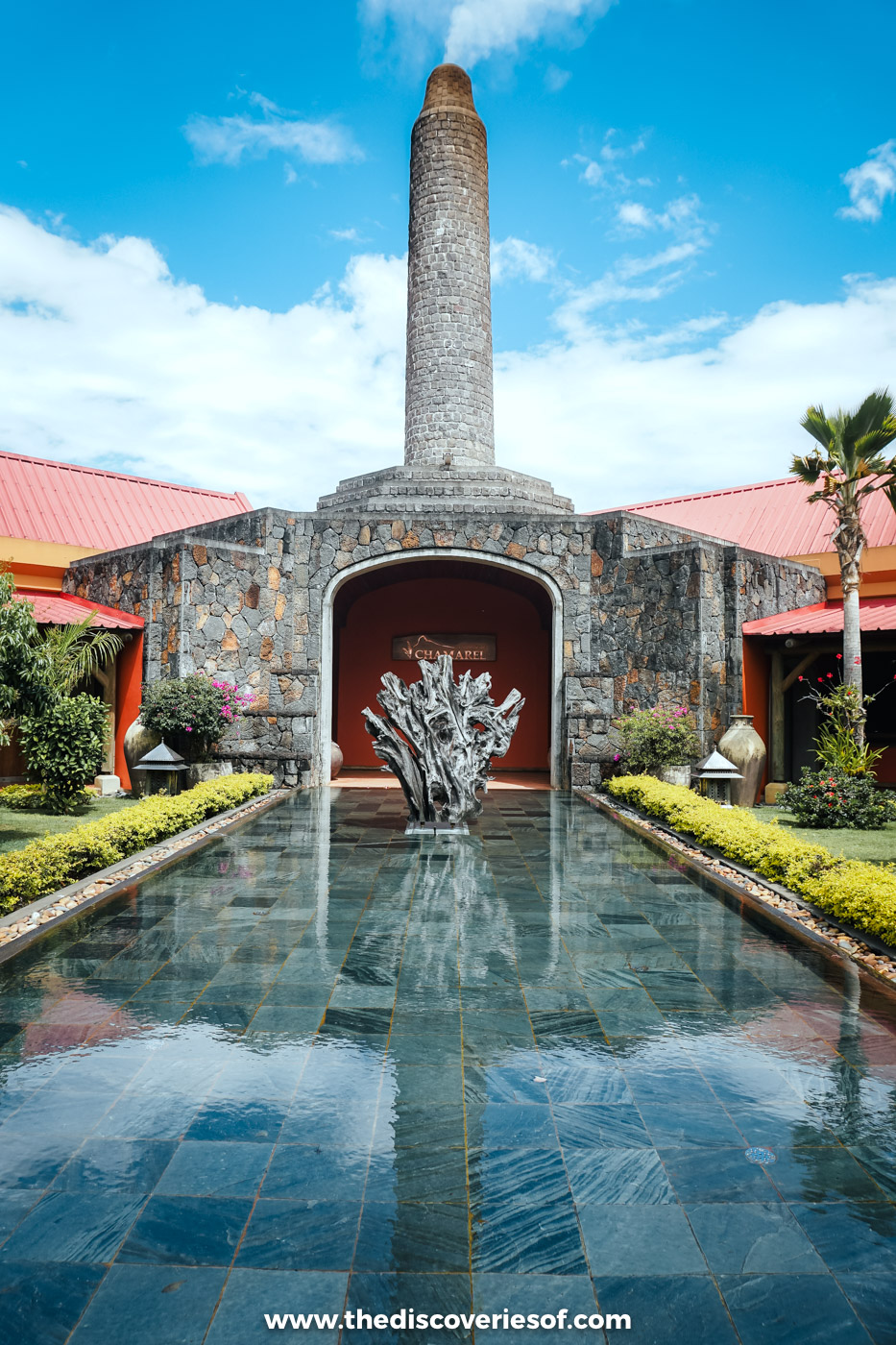
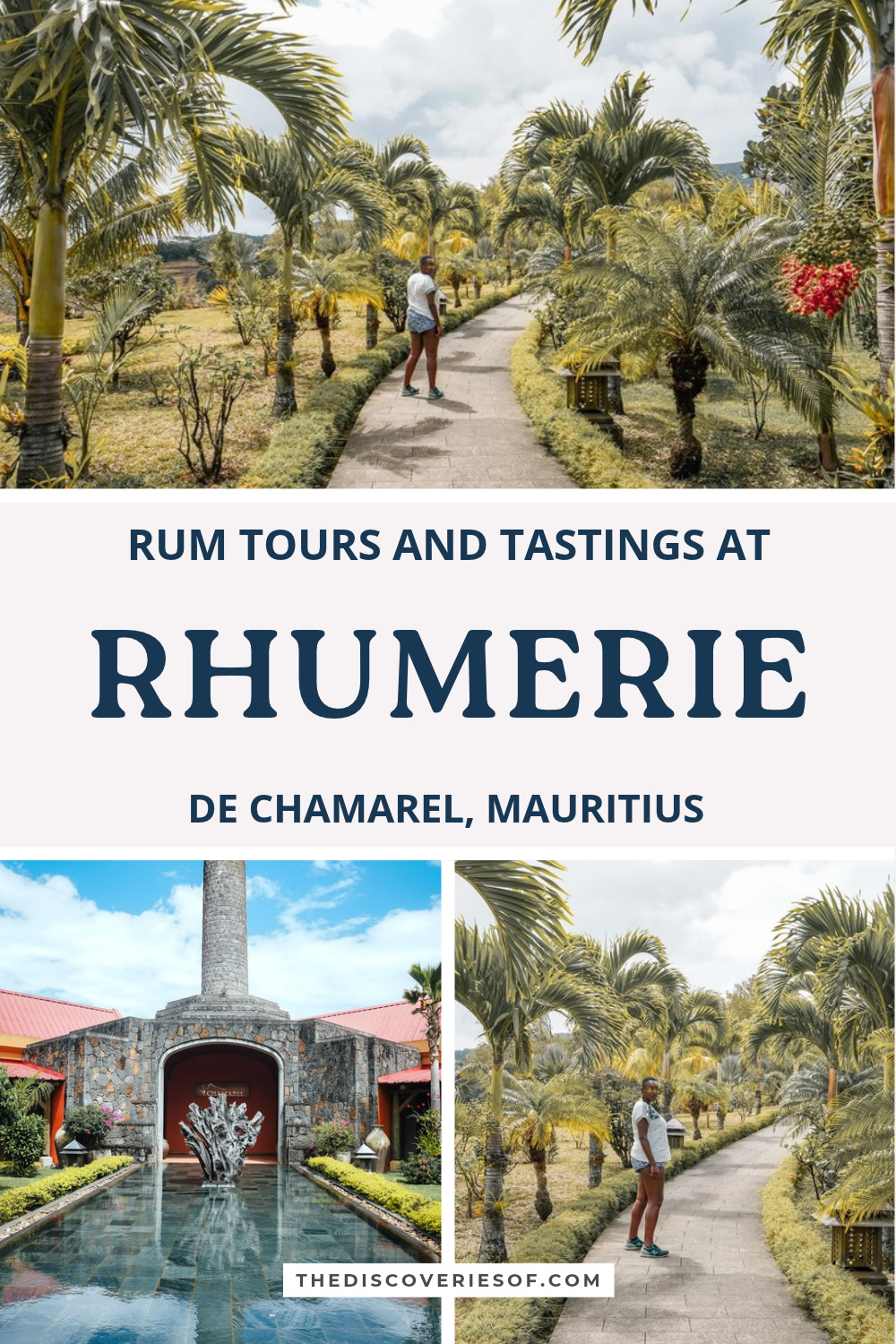
I came to the Rhumerie de Chamarel on my first trip to Mauritius, in September, as the last stop of a morning around Chamarel with a driver-guide my hotel had booked. By then I had seen the waterfall and the Seven Coloured Earth, and I finished the morning walking up through the distillery’s palm gardens to its stone chimney. It’s a stop I’d highly recommend to anyone spending a day in the hills.
This guide covers what the tour shows you, the tasting, lunch at L’Alchimiste, the shop, tickets and hours, and how to pair it with the Chamarel geopark.
Why visit the Rhumerie de Chamarel?
Most of the world’s rum is distilled from molasses, the sticky leftover of sugar making. The Rhumerie works the other way round: it makes agricultural rum (rhum agricole) straight from the juice of freshly cut cane, the style better known from Martinique, and the cane comes from its own fields around the building. The estate grows three varieties, organically, and cuts them by hand rather than burning the fields first, then sends them for pressing as soon as they’re harvested.
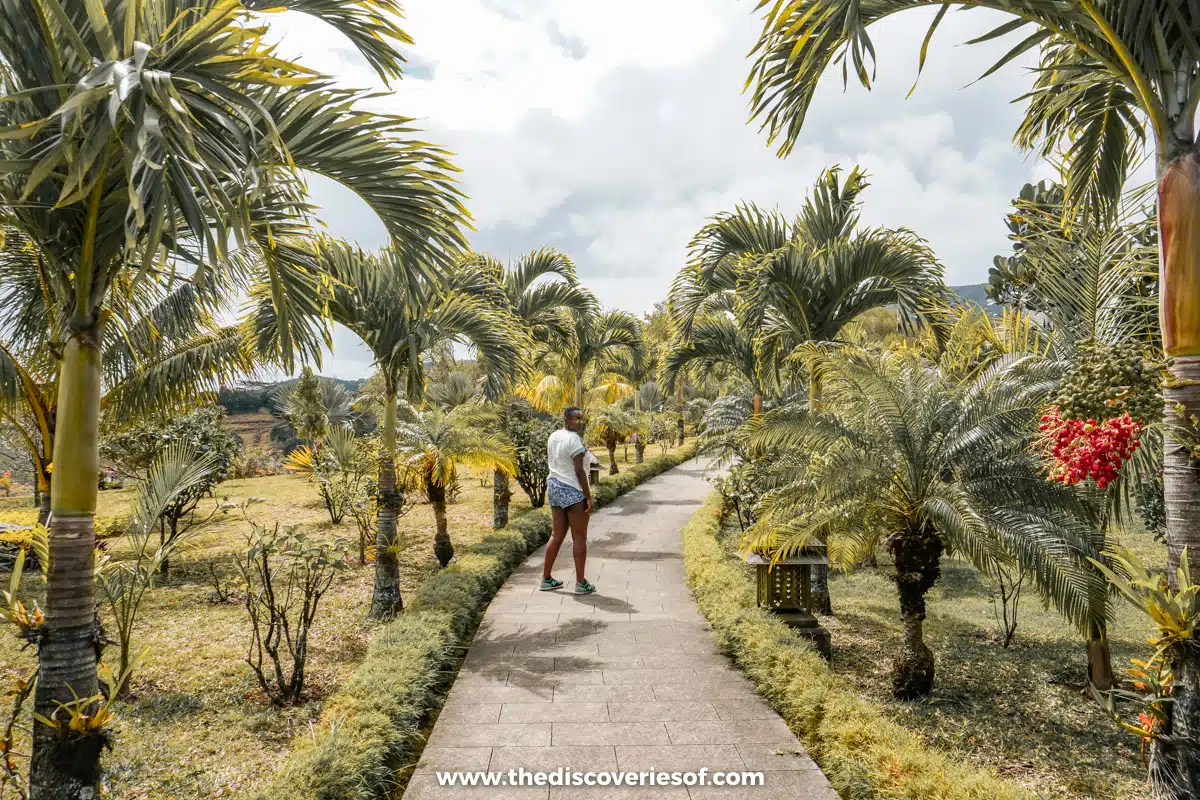
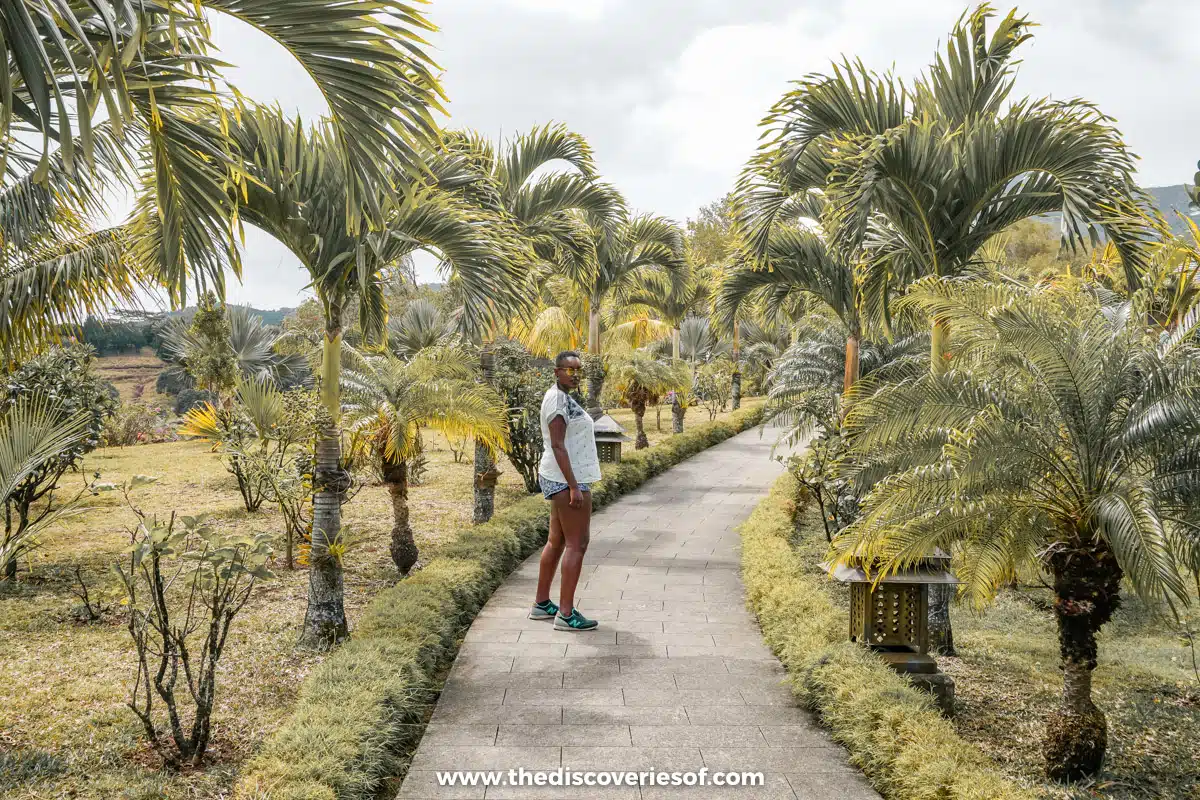
The land has a long story. It takes its name from Charles-Antoine de Chazal de Chamarel, a Frenchman who set up an estate here in the 1790s, and the rum-making began in 2008. The buildings were designed by Mauritian architect Maurice Giraud to sit quietly in the landscape, in stone, timber and water, which is why the place feels more like a garden than a factory. The approach runs between palms and flowering shrubs with the green ridges of the plateau behind, and it’s worth a slow wander before or after the tour.
What the guided tour covers
A guide takes you through the whole process, from cane to cask, in about 30 to 40 minutes, so allow an hour with the tasting. The best time to come is during the cane harvest, roughly July to December, when everything runs at full capacity.
From the fields to fermentation
The tour starts with the cane itself: how it’s grown and hand-cut on the estate, then crushed for its juice. That juice ferments in stainless steel tanks, and because it has to be used fresh, the distilling season follows the harvest.
Two kinds of still
Most of the range runs through a copper Barbet column still, which distils continuously and produces the core white rums, the Gold and the VS. The premium bottles, including the XO, go through small copper pot stills instead, double distilled in a method borrowed from cognac, with only the heart of each run kept.
The ageing cellar
The cellar is lined with French and American oak casks. The VS spends three to four years in American oak, the VSOP four to six, and the XO six to eight. There’s also a set of eight-year-old cask finishes, aged in French oak and then two years in barrels that once held bourbon, Pedro Ximénez sherry or Sauternes.
The tasting
The tasting is included in the ticket and covers the main families: white rums, rums aged in wood, the older aged rums, and the infused rums (rhums arrangés) and liqueurs, which come in vanilla, coffee, coconut, mandarin and pineapple. If you’re driving, hand the glasses to a passenger: the measures add up across a full line-up.
Top Tip
Come between July and December if you can. The harvest is in and the stills are running, so you see the process at work rather than standing idle.
Lunch at L’Alchimiste
The on-site restaurant, L’Alchimiste, seats 80 and serves lunch from Monday to Saturday, 11.30am to 3.30pm, with dinner by reservation. The menu is a chef’s take on produce from the estate, with dishes built around palm heart (palmiste), venison and wild boar, the Mauritian cochon marron. Wines come from abroad and are chosen to go with the food, and the terrace does an afternoon tea with crêpes and pastries.
It’s a natural lunch stop after a morning in the geopark, and you can book a table through the official site (essential for dinner).
Picking a bottle to take home
The shop sells the house range, from the white rums to the liqueurs, the XO and the cask finishes, so it’s the obvious place to pick up gifts. Pack bottles in your hold luggage, as anything over 100ml won’t get through airport security in your hand luggage.
Rhumerie de Chamarel tickets and opening hours
- Guided visit and tasting: Rs 800 per person. Teenagers aged 16 and 17 pay Rs 400.
- Hours: Monday to Saturday, 9.30am to 4.30pm. Closed on Sundays.
- Booking: not needed for the standard visit. Expect to wait around 20 minutes at reception for the next tour.
- Private visit and tasting: Rs 1,500 per person, Monday to Saturday from 9.30am to 3.30pm, booked in advance, with up to 15 people per slot.
- L’Alchimiste: lunch Monday to Saturday, 11.30am to 3.30pm; dinner by reservation.
Prices and times are on the Rhumerie’s guided visit page.
How to get there
The Rhumerie sits on the Route Royale on the edge of Chamarel village, in the hills of the south-west, and it’s only a few minutes’ drive from the gate of the Seven Coloured Earth and Chamarel Waterfall geopark. There’s parking on site.
Drive times are much the same as to the geopark: about 25 minutes from Le Morne, about 30 minutes from Bel Ombre, 30 to 45 minutes from Flic en Flac and Tamarin, and around an hour and a half from Grand Baie in the north, which makes it a full day out from that side of the island.
No car? A driver-guide booked through your hotel, which is how I went, is the easy option, or book this full-day south-west tour, which picks up from hotels across the island and includes the rum tour and tasting along with the waterfall and the dunes.
Pairing it with the falls and the Seven Coloured Earth
The rum tour fits neatly at the end of a morning in the Chamarel geopark, which opens at 8.30am, an hour before the Rhumerie. One geopark ticket covers both Chamarel Waterfall and the Seven Coloured Earth, so see the falls first, drive on to the dunes, then come down the road for the tour and stay for lunch at L’Alchimiste. That’s the order I followed, and it means you reach the geopark early, before the full-day tours arrive.
From there it’s an easy afternoon on the beaches of Le Morne. My two-week Mauritius itinerary shows how a day in the south-west fits into a longer trip, my guide to things to do in Mauritius covers the rest of the island, and where to stay in Mauritius explains which coast makes the best base for Chamarel.
Map
[Map: 2 pins, the distillery and the geopark entrance it pairs with]
Read next
- Visiting the Seven Coloured Earth in Mauritius, Chamarel’s rainbow-striped dunes
- Visiting Chamarel Waterfall, the tallest single drop in Mauritius
- 24 things to do in Mauritius, an island that even makes wine from lychees
- How to spend 2 weeks in Mauritius, one coast at a time
- Where to stay in Mauritius, and how to pick the coast that suits your trip
- Where are the best beaches in Mauritius? 14 worth leaving the resort for
- Mauritius travel guide
Love this? Save and share on Pinterest

Discover the top things to do, insider tips and hidden gems in our Mauritius Travel Guide.
Read the guides →