
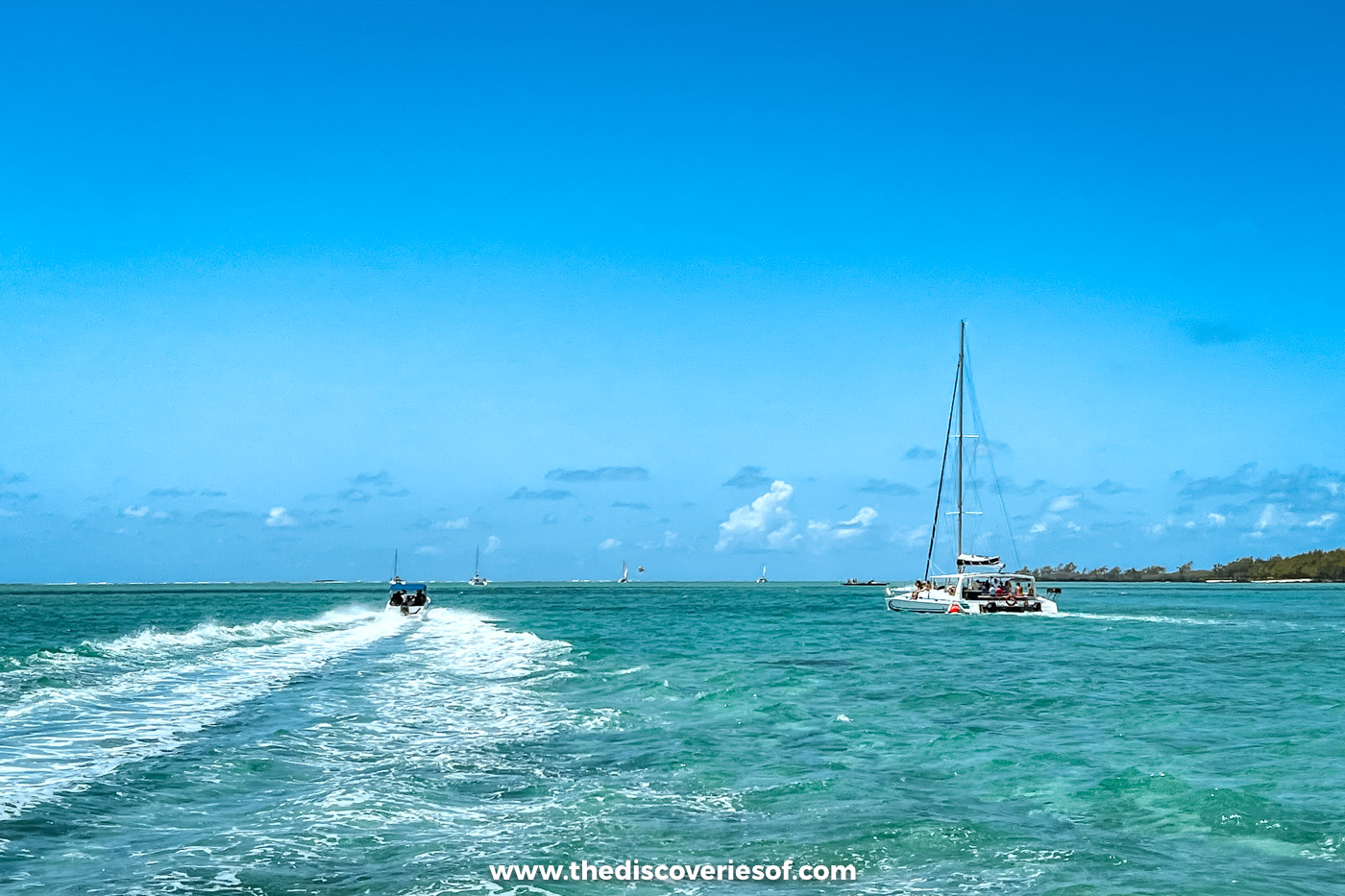

White sand, a lagoon in every shade of turquoise and a waterfall on the way over: the little island off the east coast is the classic Mauritius day trip. Most visitors never get further than the first beach they land on.
Of all the islands scattered around the coast of Mauritius, Ile aux Cerfs is one of my favourites. I went across on my second trip, in December, on a boat from the fishing village of Trou d’Eau Douce, with a detour on the way to see the waterfall on the Grand River South East. It makes an easy, beautiful day out from anywhere on the east coast.
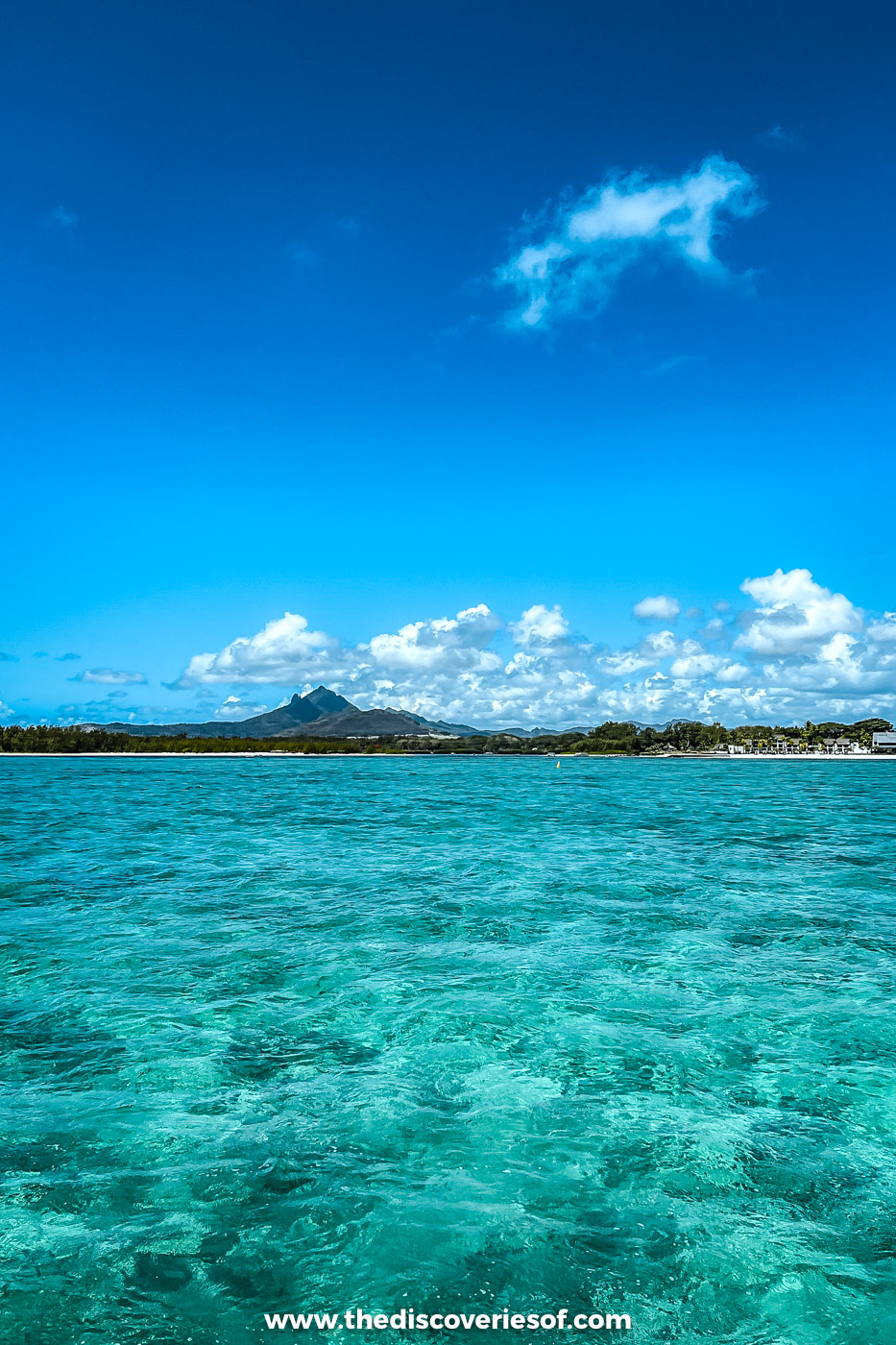
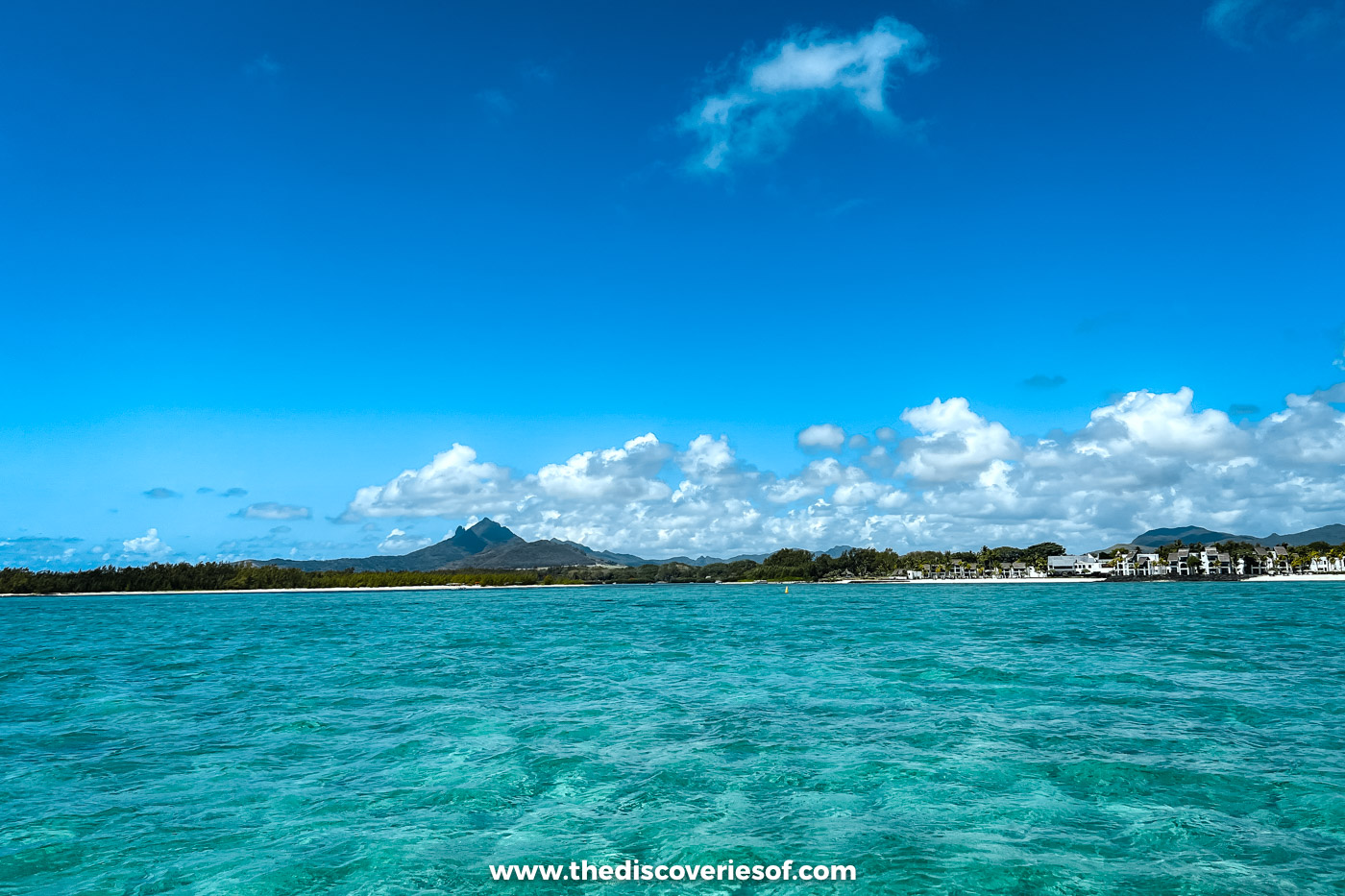
The island is small and flat, ringed by white sand and water so clear you can see the seabed from the boat. The catch is its popularity: hundreds of thousands of people cross every year, and the beach by the landing jetty is busy by late morning. This guide covers which boat to take, the waterfall stop, where to find a quieter beach, food, the best time to go and the eco-park plans that will change parts of the island from 2027.
The island at a glance
- Where: in the lagoon off the east coast, opposite the village of Trou d’Eau Douce, about ten minutes by road from Belle Mare.
- Getting there: by boat only, 10 to 25 minutes from Trou d’Eau Douce or the jetty at Pointe Maurice.
- Cost: the island itself is free. Shared boats cost roughly Rs 300 to Rs 800 return, and full-day trips with lunch start at about £38.
- Hours: the island is open daily from about 9am to 6pm.
- Time needed: half a day for the beaches, a full day with the waterfall and lunch.
- Don’t miss: the Grand River South East waterfall and the empty beaches away from the jetty.
A small island in a very big lagoon
The name means “Deer Island”, and it covers about 87 hectares. There are no roads and no residents. The south is given over to a championship golf course, and the rest is casuarina woods fringed with beaches. The water around it lies within the Trou d’Eau Douce Fishing Reserve, a marine protected area since 2000.
It’s privately run rather than a public park. Riveo, part of the CIEL group, holds the lease, and its subsidiary Loisirs des Îles has operated the island for more than 40 years, with between 250,000 and 300,000 visitors a year. The official Ile aux Cerfs Leisure Island site has the latest shuttle times and opening hours, and the tourist board’s guide to the island covers the activities.
How to get to Ile aux Cerfs
Every boat leaves from the east coast, mostly from Trou d’Eau Douce, which is 30 to 40 minutes’ drive from the airport. There are four ways to do it, from a cheap shared hop across the lagoon to a full day on a catamaran.
Shared taxi-boats from Trou d’Eau Douce
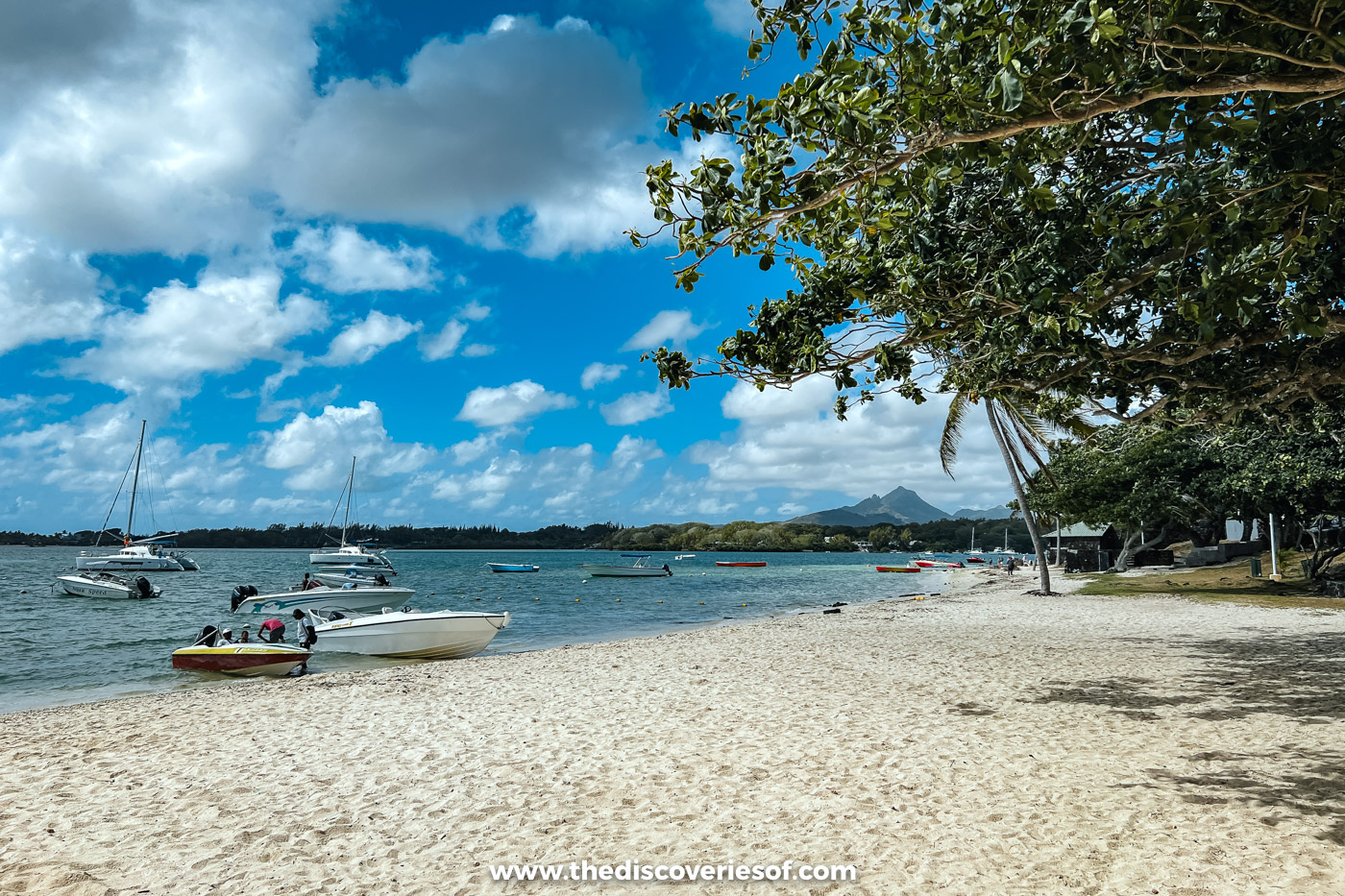
This is the cheapest and most flexible option. The beach at Trou d’Eau Douce is lined with boats, and touts start their pitch the moment you arrive. Buy tickets from one of the small kiosks by the beach rather than from someone on the sand, and expect to pay roughly Rs 300 to Rs 800 return, depending on the boat. The crossing takes 10 to 25 minutes. Boats start at around 8.30am and bring people back through the afternoon, so agree your return time before you hand over any money.
Top Tip
Picking a boat on the day? Ask exactly where it stops before you pay. The cheapest taxi-boats go straight to the island and back, and a detour to the waterfall usually costs extra.
The island’s own shuttle from Pointe Maurice
The island’s operator runs a 24-seat shuttle from the jetty at Pointe Maurice, on the edge of the village, to the Masala Jetty on the island. It leaves every 30 minutes from 9.30am to 6pm, and there’s secure parking. Fares aren’t published, but recent visitors report paying around Rs 450 return including a welcome drink and a sun lounger, or about Rs 1,250 with a buffet lunch. There’s no need to book ahead.
Speedboat trips that include the waterfall
If you want to see the waterfall, you need a speedboat. Most trips from Trou d’Eau Douce combine a run up the Grand River South East with a snorkelling stop, time on the island and a barbecue lunch. Shared trips such as this speedboat tour from Trou d’Eau Douce (from about £38, with lunch and drinks) are good value. A private boat costs more but lets you choose how long you spend at each stop. Either way, check the waterfall is on the route and lunch is included before you get on.
Catamaran cruises with lunch on board
A catamaran is slower and more sociable, with drinks on board and lunch cooked by the crew. This full-day cruise sails from Pointe Jérôme, near Mahébourg in the south-east, with snorkelling, a barbecue lunch and free time on the island, from about US$66. Not every catamaran visits the waterfall, so read the itinerary if it matters to you. There are plenty more Ile aux Cerfs boat trips on GetYourGuide, many with hotel pickup.
Stop at the Grand River South East waterfall
The Grand River South East is the longest river in Mauritius, running about 34 km across the island to a funnel-shaped estuary a short boat ride south of Ile aux Cerfs. The Dutch, who called it the Groote River, used it to ship ebony in the 1600s. Just upstream from the sea, it spills over a series of black basalt ledges in a gorge full of trees, and most speedboat trips detour here on the way to or from the island.
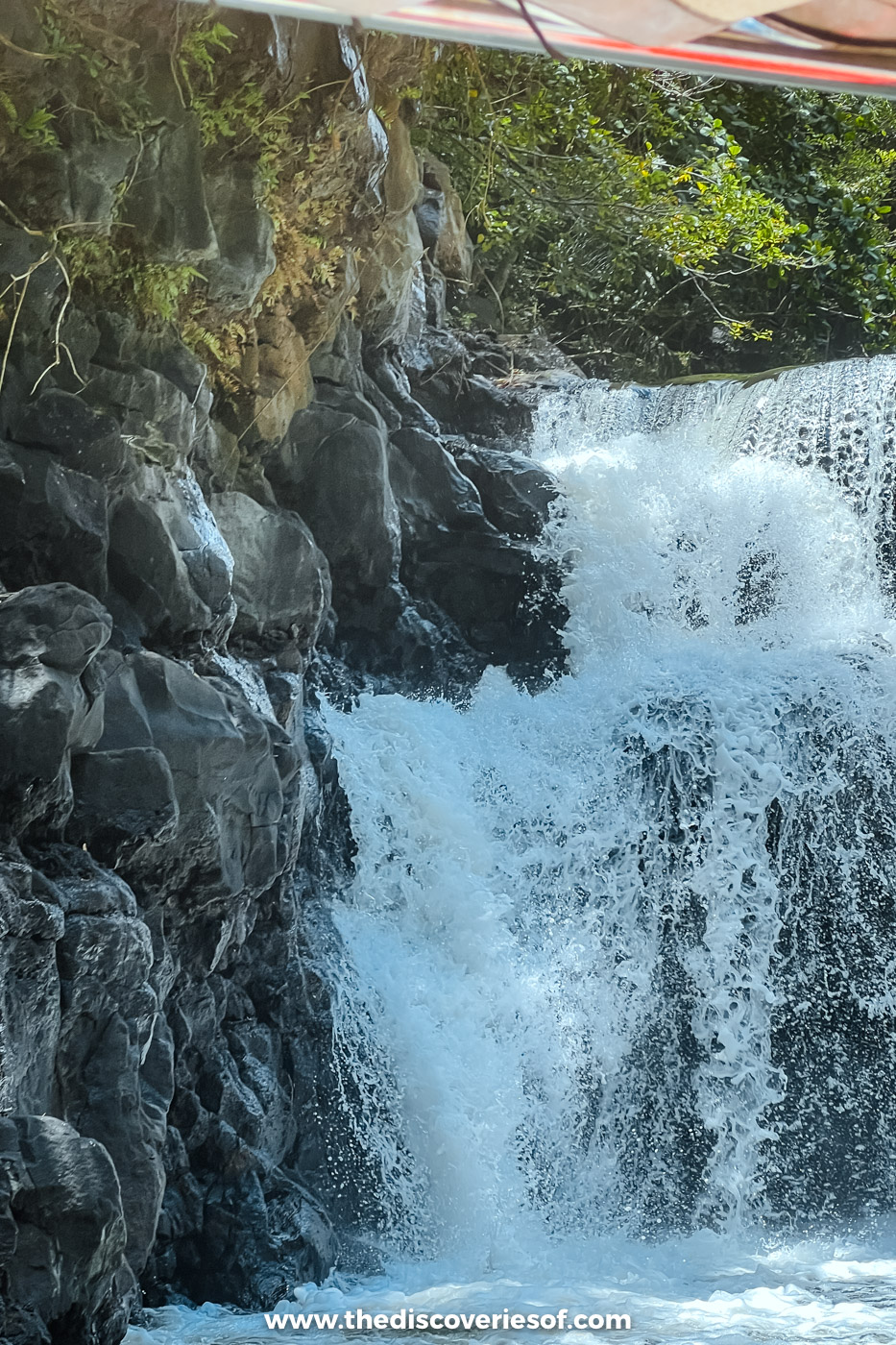
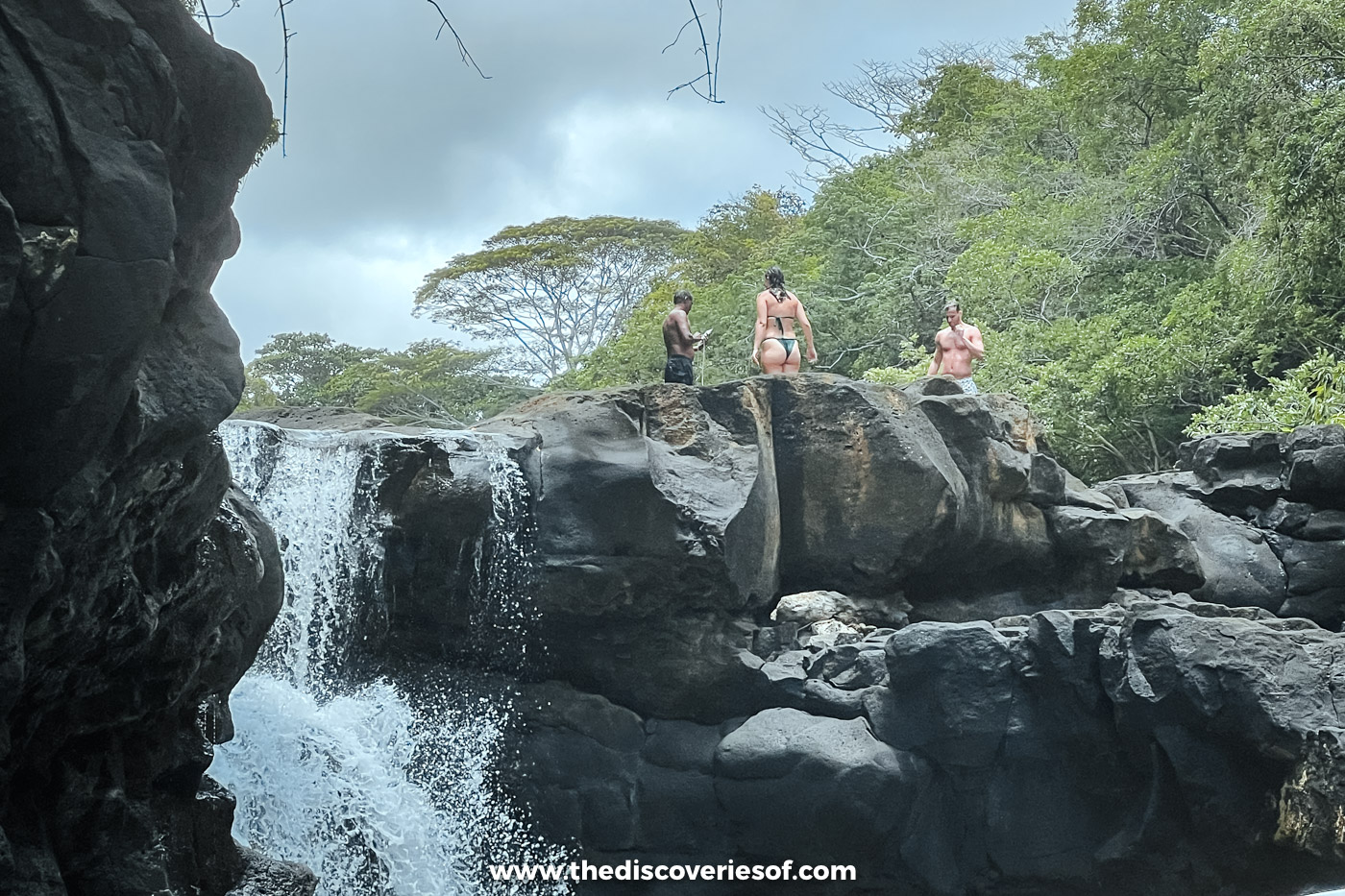
The river narrows between walls of dark rock, and the boat edges almost to the foot of the falls as the water drops down in tiers. It isn’t a tall waterfall, but it’s one of the prettiest sights I saw anywhere in Mauritius, and after a morning of pale sand and turquoise water, the black rock and churning white water feel like another island entirely. When I was there, a few people had climbed onto the rocks above the falls for the view down. Stops usually last 15 to 30 minutes.
If waterfalls are your thing, Chamarel Waterfall in the south-west is a very different sight: the tallest single-drop waterfall in Mauritius, plunging into a forested gorge.
Finding a beach to yourself
The main beach by the jetty
Most boats land near the restaurants, the watersports kiosks and rows of rented loungers and parasols. It’s lively rather than restful: banana boats and parasailers share the shallows, and at lunchtime boat crews fire up barbecues along the sand. The water is still shallow, calm and lovely, but this is where the crowds stay all day.
The quieter far side
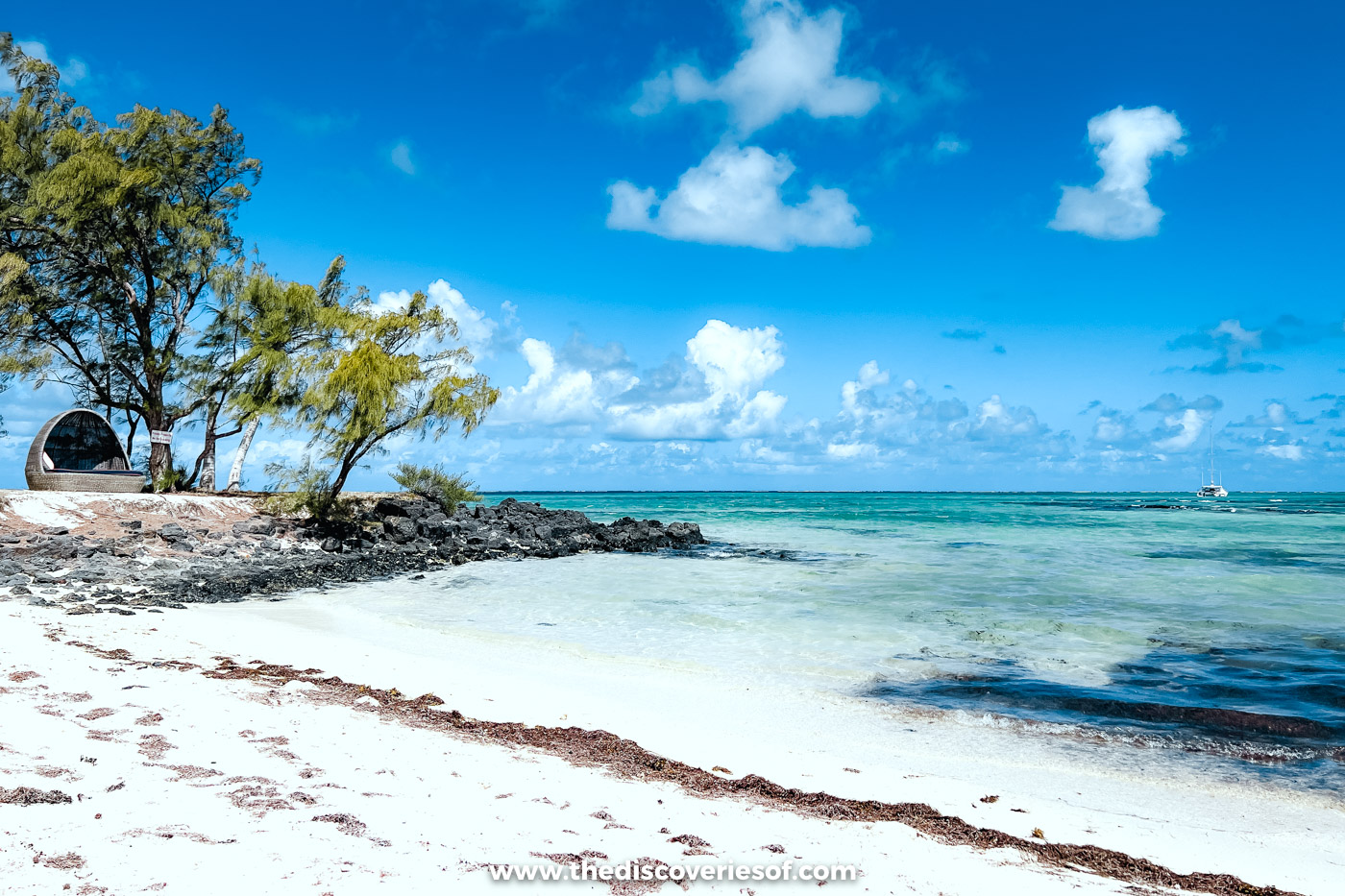
Walk along the shore away from the jetty and the people thin out fast. Within 15 to 20 minutes you reach small coves backed by casuarina trees, often with no one on them, and the water is every bit as clear. My advice is simple: step off the boat, keep walking and find your own private stretch of sand. Shade is patchy on the far beaches and there are no facilities, so carry water and sun cream with you.
Ilot Mangénie
Just north of the main island sits Ilot Mangénie, a smaller islet of beaches and forest paths. For now its beach is reserved for guests of a neighbouring resort, so day visitors can’t go beyond its boundary. That’s set to change: under the eco-park plans below, the islet will be given over mainly to conservation, with guided walks on marked trails.
Golf, watersports and snorkelling
The Ile aux Cerfs Golf Club takes up much of the south of the island: an 18-hole, par-72 course designed by Bernhard Langer, winding between the lagoon, lakes and volcanic rock. It’s open daily from 7am to 8pm, golfers have their own shuttle from Pointe Maurice every 20 minutes from 6.40am, and tee times need booking ahead.
Watersports, from parasailing and waterskiing to wakeboarding and glass-bottom boat rides, are run by operators at kiosks near the jetty and priced separately. You can snorkel straight off the beach, but the lagoon is shallow and sandy here, so the snorkelling stops built into most boat trips show you far more coral and fish.
Food, drink and picnics
Eating on the island isn’t cheap. Most day-trippers either have lunch included in their boat trip, usually grilled fish and chicken cooked on the beach by the crew, or eat at the island’s own restaurant, the Sands Grill, and the Sands Bar near the jetty. Golfers have Langer’s Bar & Grill in the clubhouse. Prices are well above what you’ll pay on the mainland, so plenty of people bring a picnic, which is allowed. Stock up on snacks and water in Trou d’Eau Douce before you cross.
When to go and how to beat the crowds
The main beach fills up by late morning and stays busy into the afternoon, as boatloads of day-trippers keep arriving. Weekends and public holidays are busier still, when local families come over for the day. For the calmest visit, go on a weekday, take one of the first boats (from about 8.30am on the taxi-boats, or 9.30am on the island shuttle) and head straight for the far beaches.
The island is a year-round trip, but the months either side of the southern winter, April to June and September to December, bring warm water, settled weather and fewer holidaymakers. In the middle of the year the south-east trades are at their strongest on this side of the island, so the lagoon gets choppier and the crossing bumpier. Cyclone season runs from roughly November to April, and boats don’t sail in bad weather. I went in December, at the start of the summer, and the lagoon was calm and impossibly bright.
What’s changing on Ile aux Cerfs
After years of pressure on its beaches, reefs and mangroves, the island is getting a makeover. Riveo has launched a regeneration plan for Ile aux Cerfs and Ilot Mangénie, starting with about Rs 60 million of investment, and the first works began in late 2026. What it means for visitors:
- An eco-park: run by a non-profit foundation, it will cover part of the main island and most of Ilot Mangénie, with an eco-museum, a seven-stage discovery trail and guided walks. Work on the first phase is due to start in January 2027, with an opening possible in the second half of 2027 and later phases running to 2029.
- Entry: the island stays free for everyone. The eco-park will be free for Mauritians, but foreign visitors will pay an entry fee, which hasn’t been set yet.
- Beach barbecues: the barbecue operators who cook on the sand are due to move to a new area on Ilot Mangénie, with kitchens and toilets, around January 2027.
- The landscape: non-native casuarina trees are being removed bit by bit and replaced with native and erosion-resistant plants, and the craft market stallholders will move to a village inside the eco-park.
Expect some building work over the next couple of years, and check the latest before you book.
Tips for your visit
- Agree everything up front. Before you step onto any boat, settle the price, the stops, how long you get on the island and the return time.
- Carry rupees. Cash is the easiest way to pay for taxi-boats, kiosks and watersports.
- Look after the lagoon. It’s a marine protected area, so don’t stand on coral or take shells, and take your rubbish back with you.
- Make a day of the east coast. Belle Mare, one of the best beaches on the island, is ten minutes up the road. My guide to the best beaches in Mauritius covers it, my two-week Mauritius itinerary shows how the island fits into a trip, and my things to do in Mauritius guide has plenty more ideas.
Map
Read next
- 24 things to do in Mauritius
- The best beaches in Mauritius
- How to spend 2 weeks in Mauritius, one coast at a time
- Where to stay in Mauritius
- Visiting Chamarel Waterfall
- Swimming with dolphins and turtles in Mauritius
- Mauritius travel guide
Love this? Save and share on Pinterest
Discover the top things to do, insider tips and hidden gems in our Mauritius Travel Guide.
Read the guides →




