
Planning a visit to the Heard Museum in Phoenix? From the HOME galleries and the powerful boarding school exhibition to the Indian Fair & Market, tickets, opening hours and the light rail stop right outside, this guide covers everything you need to know.
Phoenix is a chilled-out city. It isn’t packed with must-sees, and the best way to enjoy it is at your leisure, but there’s one place I’d tell everyone to make time for. If you only have time to visit one museum in Phoenix, the Heard Museum should be it.
I visited in February. The Heard showcases American Indian art, and while it’s not massive, it’s packed with eye-catching pieces along with in-depth information. A visit is as much a learning experience as it is a visual one, particularly when it comes to exhibitions such as the boarding school exhibition, a look at the US’s terrible historic boarding school system for Native Americans that pulls no punches. It’s the reason I think it’s really important that people go.
Here’s everything you need to plan your visit, from the galleries not to miss to tickets, getting there and what to see nearby.
Heard Museum at a glance
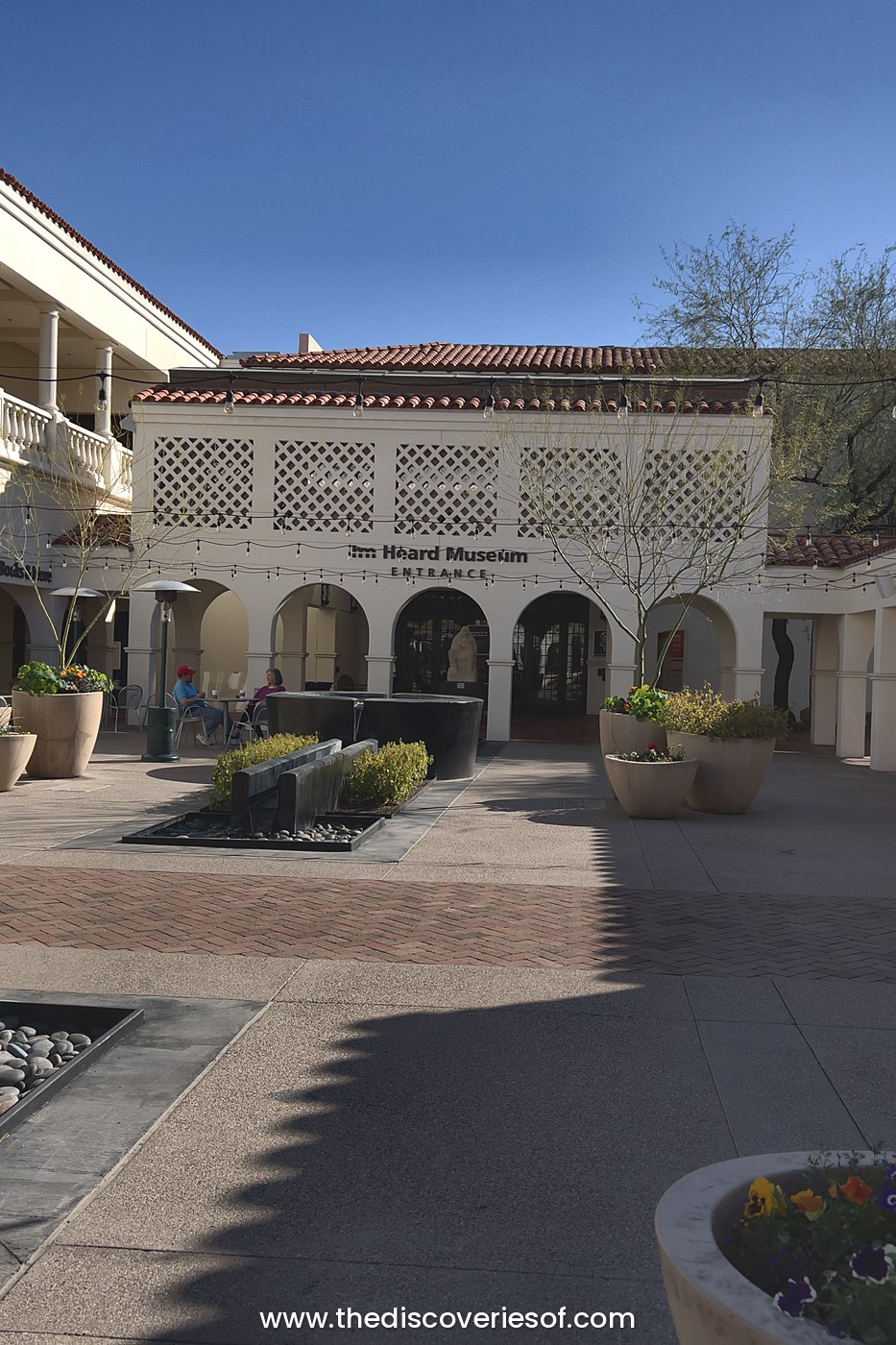
- Where: 2301 North Central Avenue, Phoenix, just north of downtown, with the Encanto/Central light rail stop right outside
- What: a museum of American Indian art and culture, with a focus on the Southwest, founded in 1929
- Collection: more than 40,000 objects, from historic pottery, baskets and katsina dolls to contemporary painting, sculpture and jewellery
- Entry: $26 for adults, $21 for seniors (65 and over), $10 for students and ages 6 to 17; under-6s free, and American Indian visitors go free with a Tribal ID or CIB
- Hours: 10am to 4pm daily; closed on Mondays from June to August
- Time needed: at least two hours; half a day if you join a tour and stop for lunch
- Don’t miss: HOME: Native People in the Southwest and Away From Home: American Indian Boarding School Stories
A museum shaped by Native voices
The museum was founded by Dwight and Maie Bartlett Heard, who collected Indigenous art on their travels and, in the early 1920s, decided to share their collection with the public in a museum built next to their Phoenix home. It opened on 26 December 1929, announced in just five brief lines in the local newspaper.
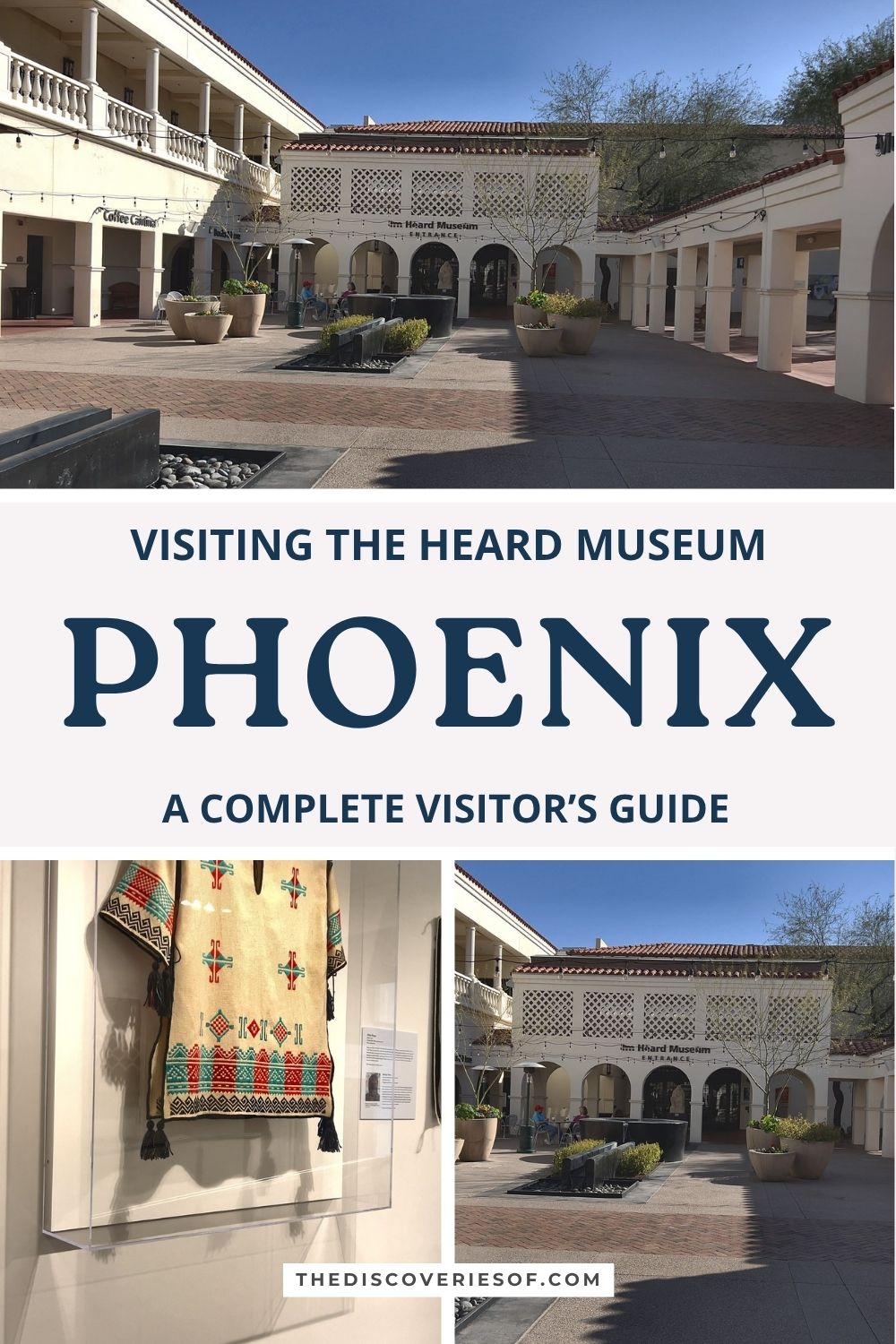
Nearly a century on, it has grown into a campus of more than 130,000 square feet of galleries, classrooms and performance spaces, set around courtyards with fountains and sculpture in a Spanish Colonial style. Much of the interpretation comes in the words of Native artists and community members.
For a sense of where it all started, climb to the sunlit 1929 Gallery on the second floor of the original building, where historic photographs and sculpture by Allan Houser, Bob Haozous and Doug Hyde trace the museum’s story.
Start with HOME: Native People in the Southwest
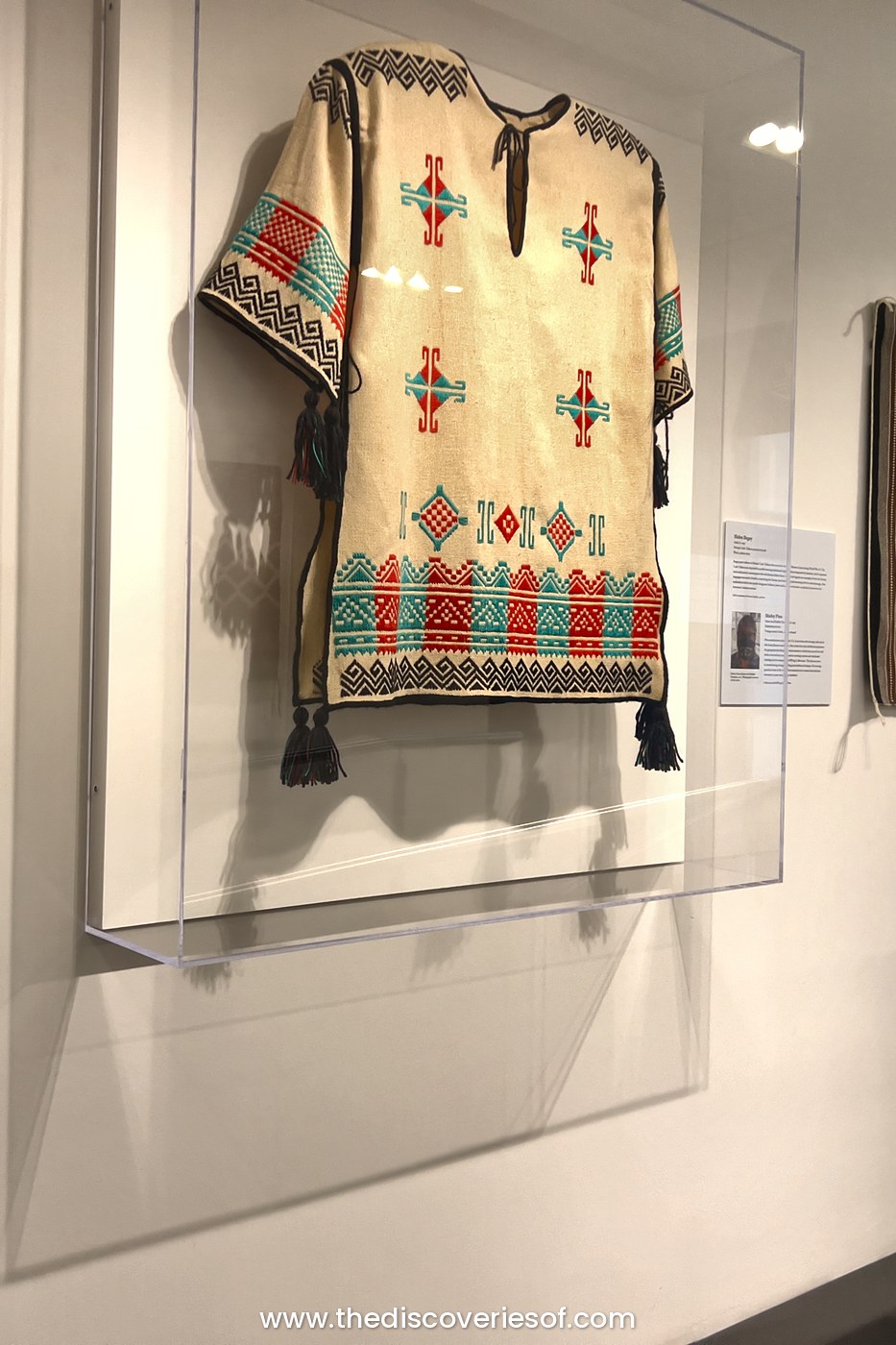
HOME is the museum’s signature exhibition and the best place to begin. It journeys through the American Indian Southwest from the distant past to today, with nearly 2,000 objects, including jewellery, pottery, baskets, textiles and beadwork, framed around four themes: family, community, land and language. Rather than leaving the interpretation to curators, the labels draw on first-person quotes, poems and interviews with artists and Native community members.
The highlights are many. Around 500 Hopi katsina dolls, carved figures representing spirit beings, come from the collection of the Arizona senator Barry Goldwater and the Fred Harvey Company. Look out, too, for a 30-foot glass and clay art fence by Tony Jojola and Rosemary Lonewolf, a 21-foot mural of the Yaqui people by Mario Martinez, and full-size spaces including a Navajo hogan, a Hopi piki room (where the paper-thin piki bread is made) and a Pueblo oven.
Don’t miss Away From Home: American Indian Boarding School Stories
This is the exhibition I’d single out. Away From Home, in the A.J. Dickey Gallery, tells the story of the federal boarding schools that set out to assimilate American Indian children. Children were taken from their families and sent to distant schools, where every sign of their Native identity was stripped away.
The exhibition grew out of Remembering Our Indian School Days, which first opened in 2000, and it has since been refreshed with new works of art, archival material, first-person interviews and interactive elements in an immersive setting. It moves from the journey and arrival at school through health, running away and student life to reform and legacy. It doesn’t shy away from punishment, poor diet and illness, but it also shows how American Indians changed the schools themselves.
Audio tours in English and Spanish are available on the Heard’s app.
Top Tip
Away From Home is moving and, at times, harrowing. Visit it while you still have the energy to take it all in, rather than leaving it to the end of your visit.
Step into the Sky-Dome in Substance of Stars
Substance of Stars, in the Jacobson and Jack Steele Parker Galleries, looks at the collection through the eyes of four Indigenous communities: the O’odham, whose traditional lands include modern-day Phoenix; the Diné (Navajo); the Central Yup’ik of Alaska and other Arctic cultures; and the Haudenosaunee, with an emphasis on the Seneca.
The centrepiece is the Sky-Dome, an immersive space where video and sound from each community’s land surround you, from night skies and ancestral mountains to the animals of their origin stories. New commissions by artists including Marie Watt (Seneca) and Steven Yazzie (Diné) sit alongside older pieces from the collection.
Explore the sculpture courtyards and changing exhibitions
- Majestic Figures: in the Sandra Day O’Connor Gallery, 23 intricate contemporary dolls, or soft sculptures, by artists including Rhonda Holy Bear, Jamie Okuma and three generations of the Growing Thunder family.
- The Third Dimension: sculpture in stone and bronze set around the courtyards, which are lovely spots to pause between galleries.
- Storyteller: highlights from the photography of Jerry Jacka, known for his images of Southwestern Native art.
- American Indian Veterans National Memorial: a memorial beside the outdoor Libby Amphitheater honouring American Indian service members.
Temporary exhibitions change through the year and are included in your ticket. Coming up are Twilight: Trading Posts and Creative Legacies in the Grand Gallery (from 25 October 2026), Milestones: The Hope and John L. Furth Collection (from 20 November 2026) and Simply Beautiful: Perry Shorty and the Art of Navajo Silversmithing (from 29 January 2027).
Time your trip for the Indian Fair & Market or the hoop dance contest
The World Championship Hoop Dance Contest brings hoop dancers to the outdoor Libby Amphitheater to compete for the world title, weaving their hoops into intricate shapes as they dance. The 37th contest takes place on 6 and 7 February 2027, from 9am to 5pm.
The Heard Museum Guild Indian Fair & Market, held every March, is one of the country’s best-known American Indian art markets. More than 600 juried Native artists from over 100 Tribal Nations sell their work across the campus, with live performances and food stalls serving the likes of fry bread. The 69th fair runs on 6 and 7 March 2027, from 9:30am to 5pm on the Saturday and 9:30am to 4pm on the Sunday. Both events have their own tickets, and the campus gets busy, so book ahead and arrive early.
Tickets and opening hours
From September to May, the museum is open every day from 10am to 4pm. From June to August, it’s open from Tuesday to Sunday, 10am to 4pm, and closed on Mondays. It’s also closed on Easter Sunday, Independence Day (4 July), Thanksgiving and Christmas Day.
General admission is $26 for adults, $21 for seniors aged 65 and over, and $10 for students with ID and children aged 6 to 17. Children aged 5 and under go free, as do American Indian visitors with a Tribal ID or Certificate of Indian Blood (check in at Admissions) and members. Bank of America cardholders get in free on the first full weekend of each month through the Museums on Us scheme.
Tickets
Adults $26, seniors $21, students and ages 6 to 17 $10, under-6s free. Buy online at heard.org or on arrival; tickets cover all galleries and exhibitions.
Free docent-led tours run daily at 10:30am, noon, 1pm and 2:30pm, last 45 to 60 minutes and meet at the Information Desk. To explore alone, download the Heard’s app and bring earbuds for the audio narratives, or ask at Admissions for an iPad and headphones.
A few house rules to know: backpacks and umbrellas aren’t allowed in the galleries, but there are free lockers. Flash photography, tripods and selfie sticks aren’t permitted. Wheelchairs can be borrowed free of charge, first come, first served, and service animals are welcome. Children under 12 must be with an adult.
How to get to the Heard by light rail or car
The museum is about a mile and a half north of downtown Phoenix and easy to reach without a car.
By light rail: the Encanto/Central stop on Valley Metro’s B Line is right outside the entrance. From downtown, it’s a short ride north. From Phoenix Sky Harbor Airport, take the free PHX Sky Train to the 44th Street/Washington station, ride the A Line west into downtown and change to a northbound B Line train.
By car: there’s free on-site parking for all visitors, including buses and RVs, and it’s about a 15-minute drive from the airport. Arrangements change during big events, so check before you set off.
Read Next
Eat at the Courtyard Café
You can’t bring your own food into the museum, but you won’t go hungry. The Courtyard Café serves freshly prepared salads, sandwiches and mains, many of them featuring American Indian and locally sourced ingredients. It’s open from 11am to 3pm, and the Coffee Cantina serves speciality coffee and sweet treats from 9am to 4pm. Both close on Mondays from June to August.
For dinner, head a couple of miles north to the Melrose District for Valentine, hands-down my favourite restaurant in Phoenix. It’s an atmospheric spot with a small plates concept, and the food is excellent: the smoked Two Wash Ranch chicken was cooked to perfection. The eclectic menu features unusual dishes such as bison tartare tostada and grilled lamb hearts with green chilli bacon. Wash it all down with a glass of natural wine or one of their unique cocktails (Dirty Cactus Martini, anyone?).
Browse the museum shop
The Museum Shop, next to the lobby, is worth a proper browse. It stocks a curated collection of authentic jewellery, art, textiles, pottery and baskets, and it’s a good place to buy a piece of Native-made art to take home. It also sells online.
How long to spend and the best time to visit
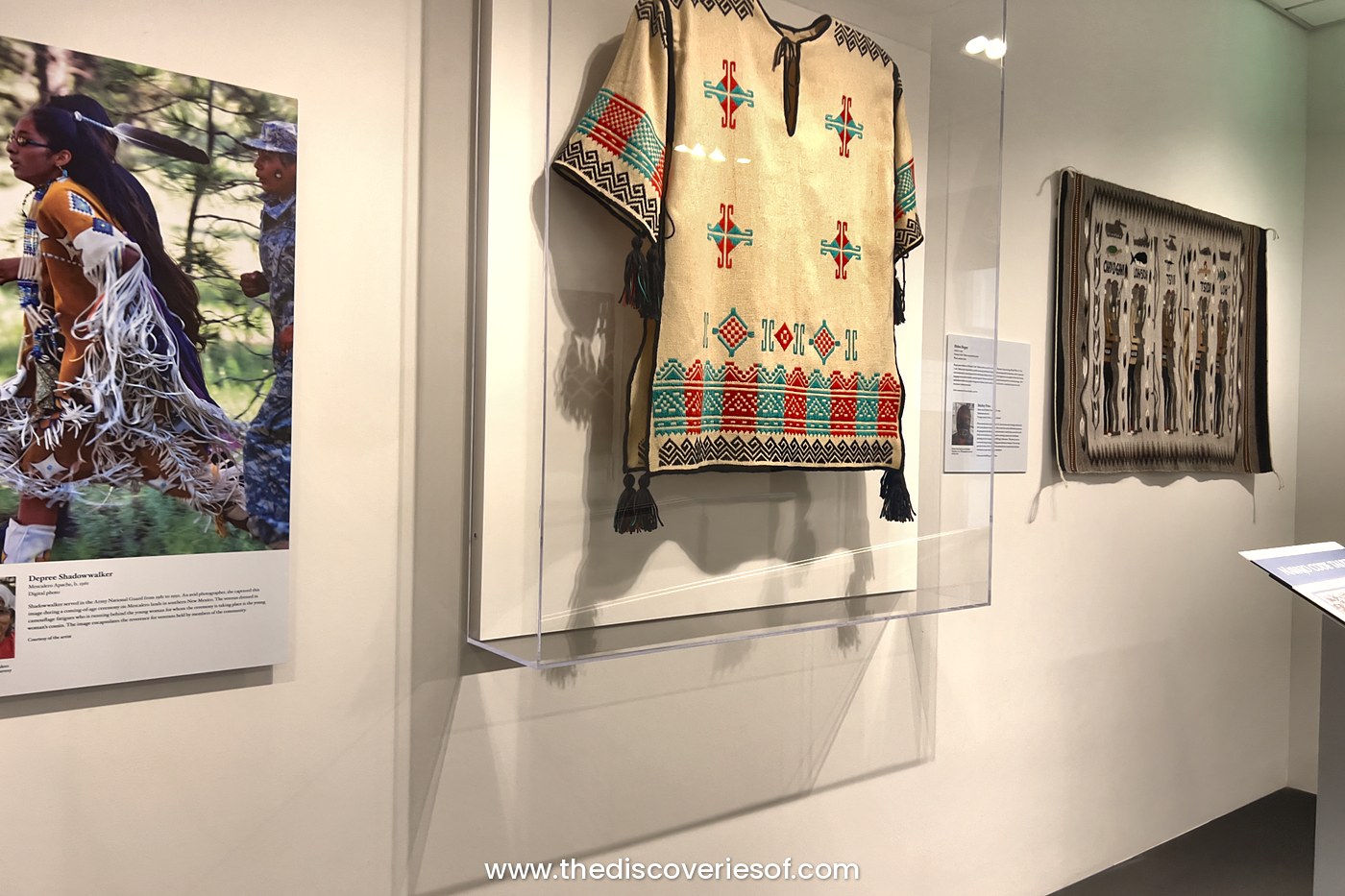
Plan to spend at least a couple of hours here. Two hours is enough for HOME, Away From Home and a wander through the courtyards. Give it three or four if you want to join a guided tour, sit in the Sky-Dome, see the temporary exhibitions and have lunch at the café.
Arrive at 10am for the coolest walk through the courtyards. The most comfortable months to visit Phoenix are from October to April, when daytime temperatures are pleasant; I visited in February, which is also hoop dance contest month. In summer, temperatures regularly top 100°F, which makes the air-conditioned galleries a welcome escape.
Places to visit nearby
The Heard is an easy anchor for a day in central Phoenix. Pair it with another museum on Central Avenue, or head east to Papago Park and the Desert Botanical Garden for the desert at its best.
Phoenix Art Museum
About half a mile south on Central Avenue (one light rail stop, or a 10 to 15-minute walk), the Phoenix Art Museum is one of the largest art museums in the Southwest, with collections ranging from American and Western art to fashion design. It’s closed on Mondays and Tuesdays; admission is $23 for adults, with pay-what-you-wish entry on Wednesdays from 3pm to 8pm.
Downtown Phoenix and Roosevelt Row
Ride the light rail a few stops south into downtown Phoenix, where the Roosevelt Row arts district is known for its murals and independent galleries. It’s an easy, low-key way to spend an afternoon after the museum, which suits Phoenix: the best way to enjoy the city is at your leisure.
Papago Park
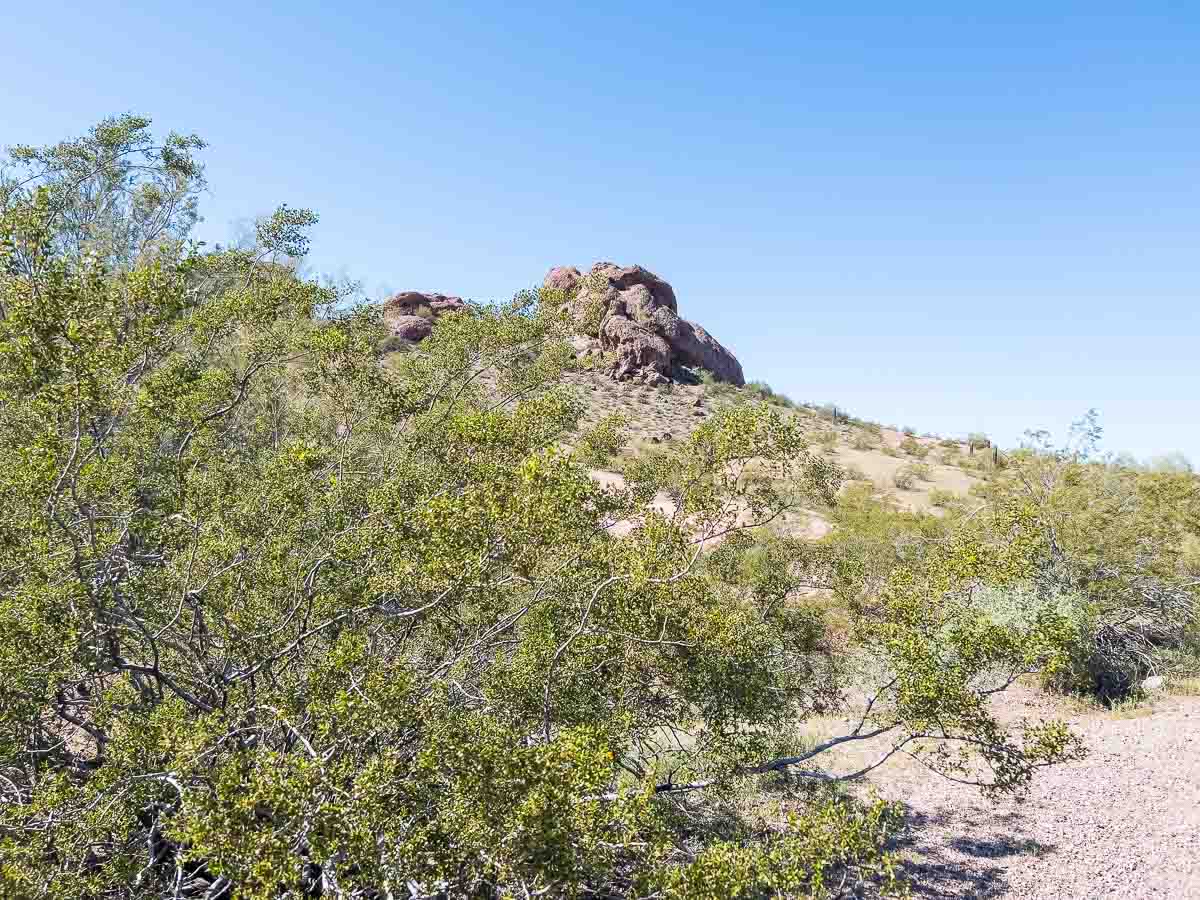
About 20 minutes’ drive east, Papago Park is a pretty park with lots of nice hiking trails winding between its red sandstone buttes. The short climb to Hole-in-the-Rock, a natural opening in the sandstone with views over the city, is the classic walk, and entry to the park is free.
Desert Botanical Garden
Right next to Papago Park, the Desert Botanical Garden showcases desert plants from around the world along trails through the Sonoran landscape. Adult tickets start at $32.95, and the two together make an easy half day.
For more ideas, see my guide to the best things to do in Phoenix, or use my one day in Phoenix itinerary to fit the museum into a wider day in the city.
Tips for visiting the Heard
- Plan around a tour: a free docent tour is the quickest way to get context on the collection, so build one into your visit if you’re short on time.
- Bring earbuds: the app’s audio narratives add depth to the galleries.
- Travel light: backpacks and umbrellas have to go in the free lockers, so carry a small bag if you can.
- Where to stay: downtown and the neighbourhoods along Central Avenue put you a short light rail ride from the museum. Found:re Phoenix is under a mile south on Central Avenue, near the Roosevelt/Central stop; for a splurge, The Hermosa Inn is a boutique hideaway in Paradise Valley, about 20 minutes’ drive away. See my guide to where to stay in Phoenix for more options.
- Make it a road trip: Phoenix is a natural start or end point for a trip around the state; see the best day trips from Phoenix and my Arizona road trip itinerary.
Map
Read next
- The best things to do in Phoenix
- One day in Phoenix: the perfect Phoenix itinerary
- The best day trips from Phoenix
- Where to stay in Phoenix: the best areas and hotels
- Visiting Montezuma Castle National Monument: a complete guide
- The best things to do in Arizona
Love this? Save and share on Pinterest
Discover the top things to do, insider tips and hidden gems in our USA Travel Guides.
Read the guides →