
Vienna in winter turns inwards and lights up at the same time. The days are short and cold, but the city fills them with Christmas markets, steaming cups of punch, wood-panelled coffee houses and a ball season that runs until Lent. Here’s what the weather is actually like, what’s worth doing from November to February and what to pack.
I spent four days in Vienna in November, and in that short time I had pretty much every kind of winter weather the city can throw at you. My first afternoon was dry and mild at around 7°C, the next morning brought heavy rain, and the Sunday never got above about 5°C.
Then, on my last morning, it snowed so hard outside the Hotel Sacher that I had to duck under cover. I couldn’t decide whether it was a winter wonderland or a personal attack.
None of it spoiled the trip. If anything, it proved my point: the Viennese do winter incredibly well, and the cold is half the reason to go.
The whole trip came together at the last minute. I booked city breaks to Vienna with Jet2holidays less than a week before I flew, which is proof that last-minute holidays can turn out to be the best ones.
My trip was hosted by Jet2holidays, who arranged my flights and three nights at SO/ Vienna. As always, everything here is my own honest take.
The essentials at a glance
- Temperatures: daytime highs of about 4 to 5°C in December and January, with nights around freezing.
- Daylight: the sun sets around 4pm in December, so plan sightseeing for the morning and the lights for late afternoon.
- Snow: possible from December to February, but rarely heavy and never guaranteed.
- Big events: the Christmas markets (mid-November to 26 December, a few into January), New Year’s Eve, the New Year’s Concert, the ball season and the Wiener Eistraum rink from late January.
- Best for: anyone who likes cake, culture and a reason to come in from the cold.
Is Vienna worth visiting in winter?
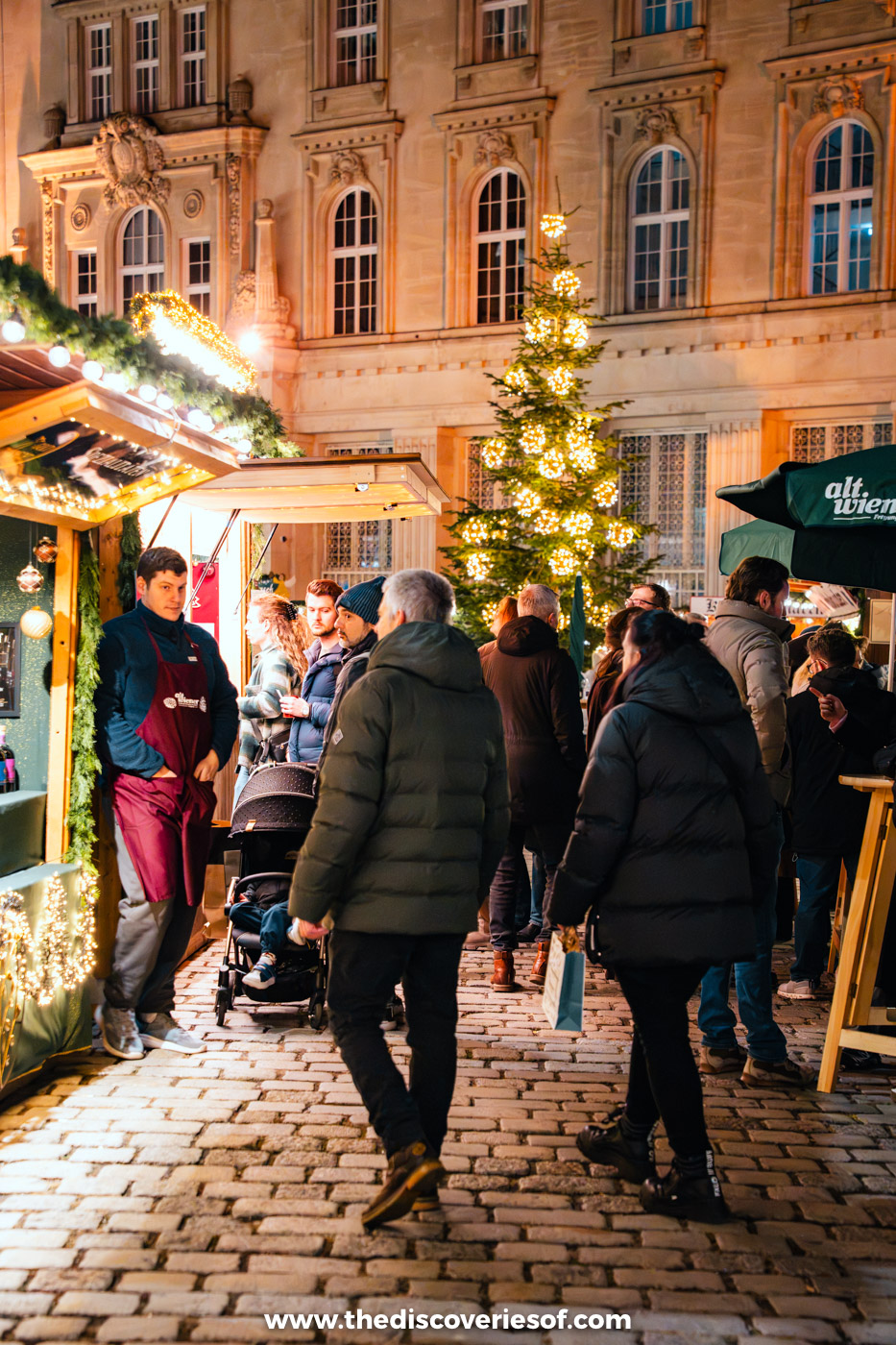
Yes, especially if you go in Advent. As a Londoner, I think we do Christmas pretty well at home, but Vienna takes it somewhere else entirely, with a market on almost every grand square and lights strung over the old town’s streets.
The city is also built for cold weather in a way many places aren’t. Its best sights are indoors (palaces, museums, a cathedral and concert halls), and its coffee houses exist precisely so you can sit somewhere warm for as long as you like.
The trade-offs are real, though:
- Short days: it’s dark by mid-afternoon in December, which suits the lights but squeezes daylight sightseeing.
- Crowds in Advent: weekends at the big markets and the popular cafés mean queues.
- Grey January: once the markets close, the city is quieter and cheaper, but the gardens are bare and the weather is at its dullest.
- Closures: the Schönbrunn gardens’ terraces and maze shut over winter, and the Naschmarkt is closed on Sundays all year.
Top Tip
For the best of both, go in the second half of November. The markets and lights are up, the queues are shorter than in December, and the weather is often still mild
What the weather is like, month by month
Vienna’s winters are cold rather than brutal. The figures below are long-term averages for the Innere Stadt, the old town, from Austria’s national weather service, so expect the odd day well above or below them.
November
Highs average around 9 to 10°C and lows about 5°C, with only around 70 hours of sunshine in the whole month. The markets open in the middle of the month and the street lights go on in mid-November too.
My trip showed how changeable it can be. One day was warm enough to sit outside, the next was cold and wet, and rain that hadn’t been forecast caught me without anything waterproof.
December
Average highs drop to about 5°C, with lows hovering just above freezing in the centre. December is the darkest month, with about 57 hours of sunshine and sunset at around 4pm.
It’s also the busiest month, thanks to the markets, so book hotels and restaurants early, especially for weekends.
January
January is the coldest month, with highs of around 4°C and lows just below zero. On the Hohe Warte, the weather station on the city’s northern edge, there are on average 11 days a year in January with at least a centimetre of snow on the ground.
This is the heart of the ball season, and the city’s big outdoor rink opens on Rathausplatz towards the end of the month.
February
Highs creep back up to around 7°C and the sunshine almost doubles on December’s total, to about 100 hours. The ball season peaks before it ends on Shrove Tuesday, and bakeries pile their counters with Faschingskrapfen, jam-filled doughnuts, for carnival.
Don’t
Count on snow. Even in January the city often sees rain or a light dusting rather than a blanket, and heavy snowstorms are rare. If it does snow, enjoy it: I had given up hope by my last morning
The best things to do in Vienna in winter
Spend your evenings at the Christmas markets
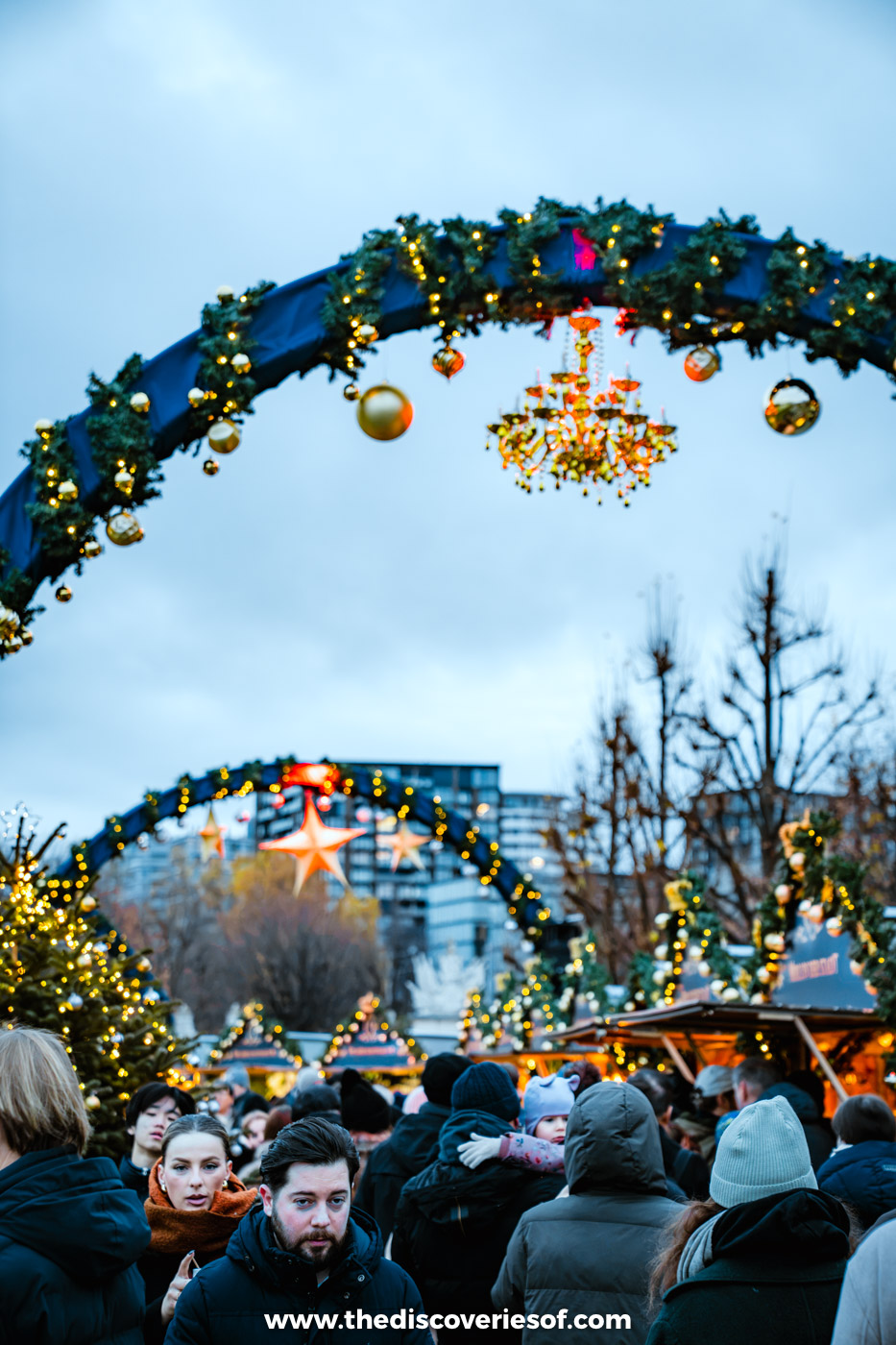
If you’re here between mid-November and Christmas, the markets will shape your evenings. I made it to 11 of them, and they range from the vast spectacle in front of the Rathaus to small craft markets where the person behind the counter made what they’re selling.
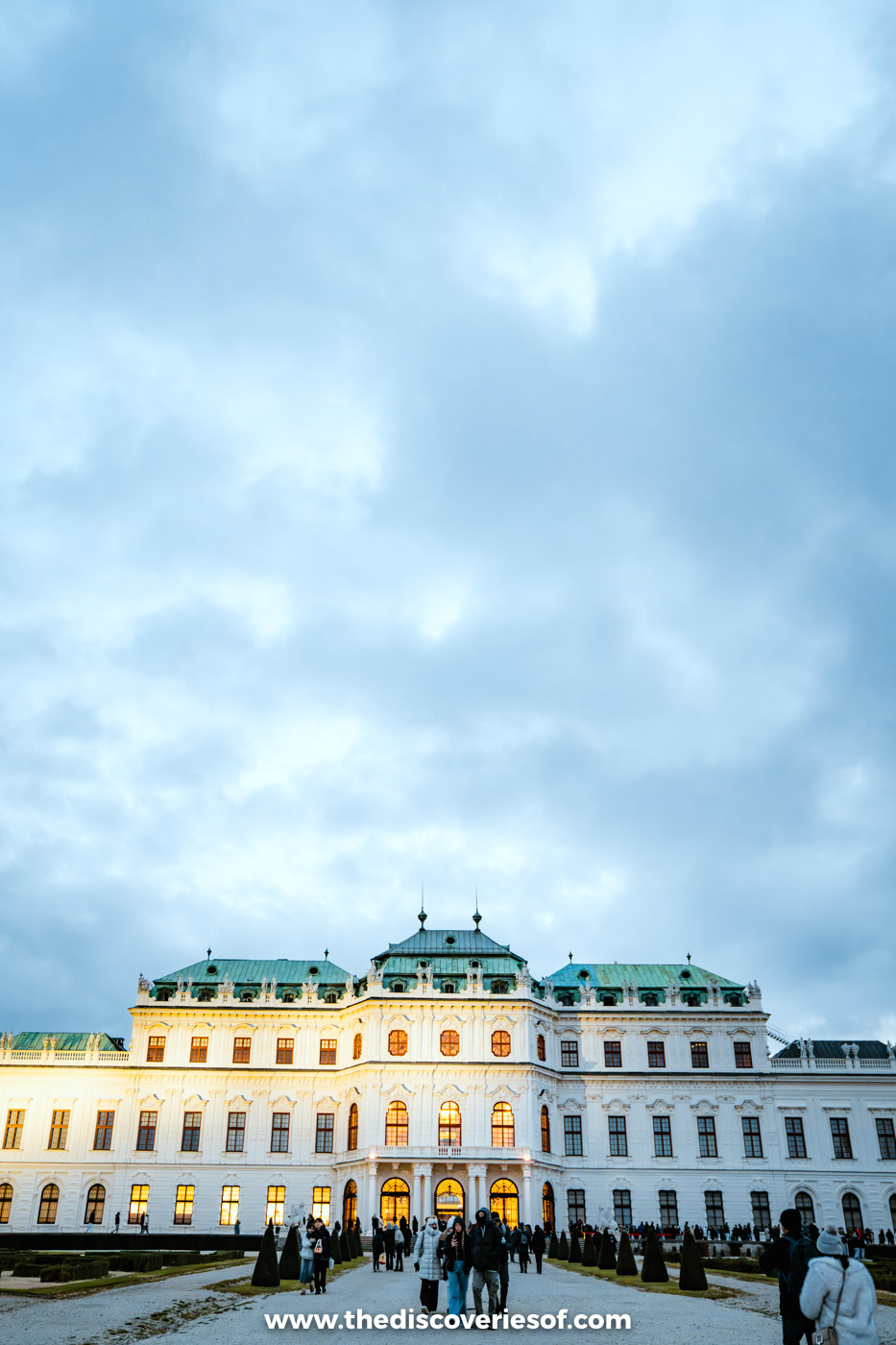
Most run until 23 or 26 December. The Belvedere’s stays open to 31 December and Schönbrunn’s to 6 January, so you can still get a market fix between Christmas and New Year. If you’d rather leave the planning to someone else, Jet2holidays festive city breaks package up flights and a hotel for the market season.
Every market has its own mug, which you pay a deposit on and either return or keep. Order a Glühwein, or try a Punsch: mine ranged from a berry one with fresh redcurrants bobbing in it to an apple and ginger one with a real kick.
Walking between them, you’ll pass under some of the best street lights in Europe, so it’s worth following my Christmas lights walk from the Graben’s chandeliers to Am Hof.
Warm up in a coffee house
Vienna’s coffee houses are where nobody rushes you, and in winter that’s exactly what you want. You order a coffee, sit for an hour with a newspaper or a slice of cake, and nobody will bring the bill until you ask.
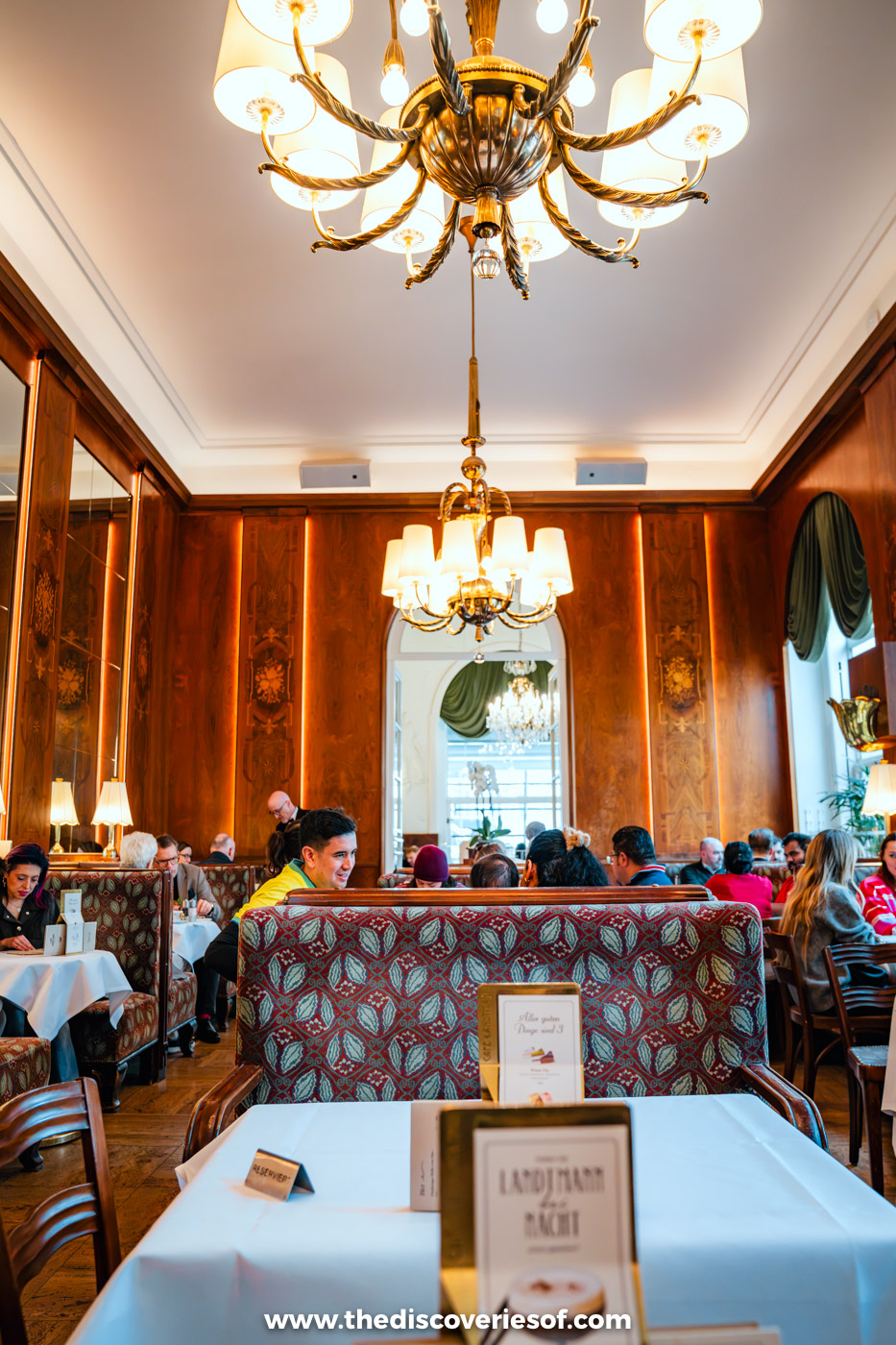
Café Landtmann sits on the Ring next to the Burgtheater, a few minutes from the Rathausplatz market. On the Saturday evening the queue snaked out of the door and I’d already queued for one café that day, so I gave up.
I tried again on the Monday morning, straight after the Sisi Museum, and waited only five minutes. Even without the coffee, the setting would be worth the trip: wood panelling, chandeliers and upholstered booths.
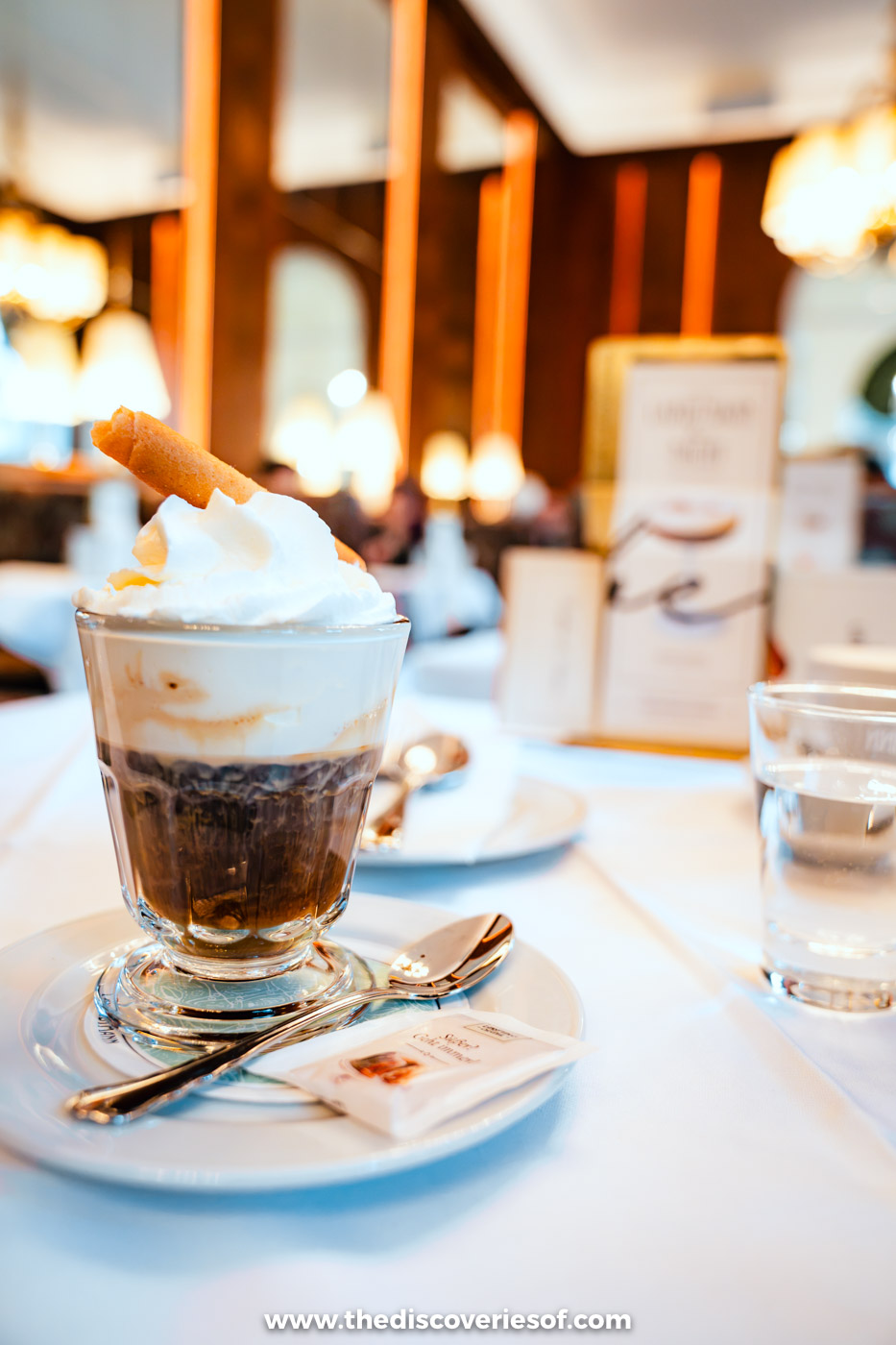
I had an Einspänner, strong black coffee in a glass under a thick cap of whipped cream, and finally got my Kaiserschmarrn after a market stall had sold out of it. The shredded pancake is fairly plain on its own, but under a snowfall of icing sugar and with a slightly tart plum jam alongside, it’s a proper winter breakfast.
The story goes that it was invented when a cook botched a pancake for Emperor Franz Joseph and served it torn up (Schmarrn means a mess). Food historians doubt it, but it’s a good tale over a second coffee.
Two more warm-up stops I’d recommend: Café Sacher, where on my first afternoon I took a table outside under the patio heaters to save time, and the small café on the side of the Upper Belvedere, which I ducked into for a melange after the crowds at its market. Café Central, the most famous of them all, is closed for renovation.
Top Tip
Go to the famous coffee houses first thing in the morning or mid-afternoon on a weekday. Early evening and weekends bring the longest queues, especially in Advent
Eat the city’s hearty winter food
Viennese cooking is made for cold days, and I ate very well. The best surprise was the goulash at Demel, the old court confectioner on Kohlmarkt, which I ordered as a quick lunch before the airport.
The beef was meltingly tender in a deep, rich sauce, and it came with waxy potatoes cooked so softly that they soaked it all up. I’m not normally a fan of boiled potatoes, and these won me over.
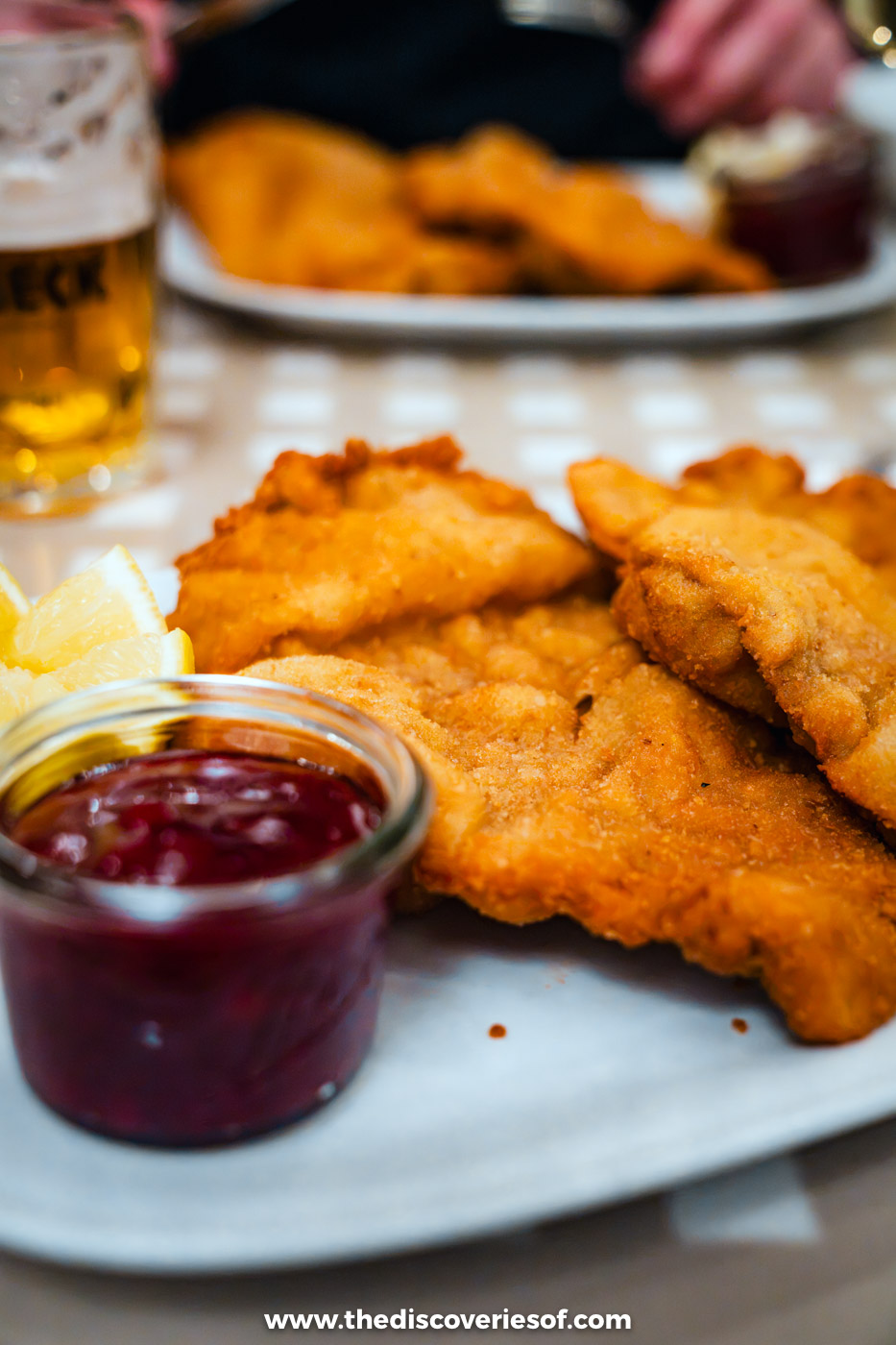
For Wiener Schnitzel, I went to Lugeck, the sister restaurant of Figlmüller. Each portion starts as 250g of veal, which is pounded thin and breadcrumbed, so you end up with two plate-sized pieces.
I had mine the classic way, with lingonberry jam, potato salad and a glass of Grüner Veltliner, and felt thoroughly Austrian.
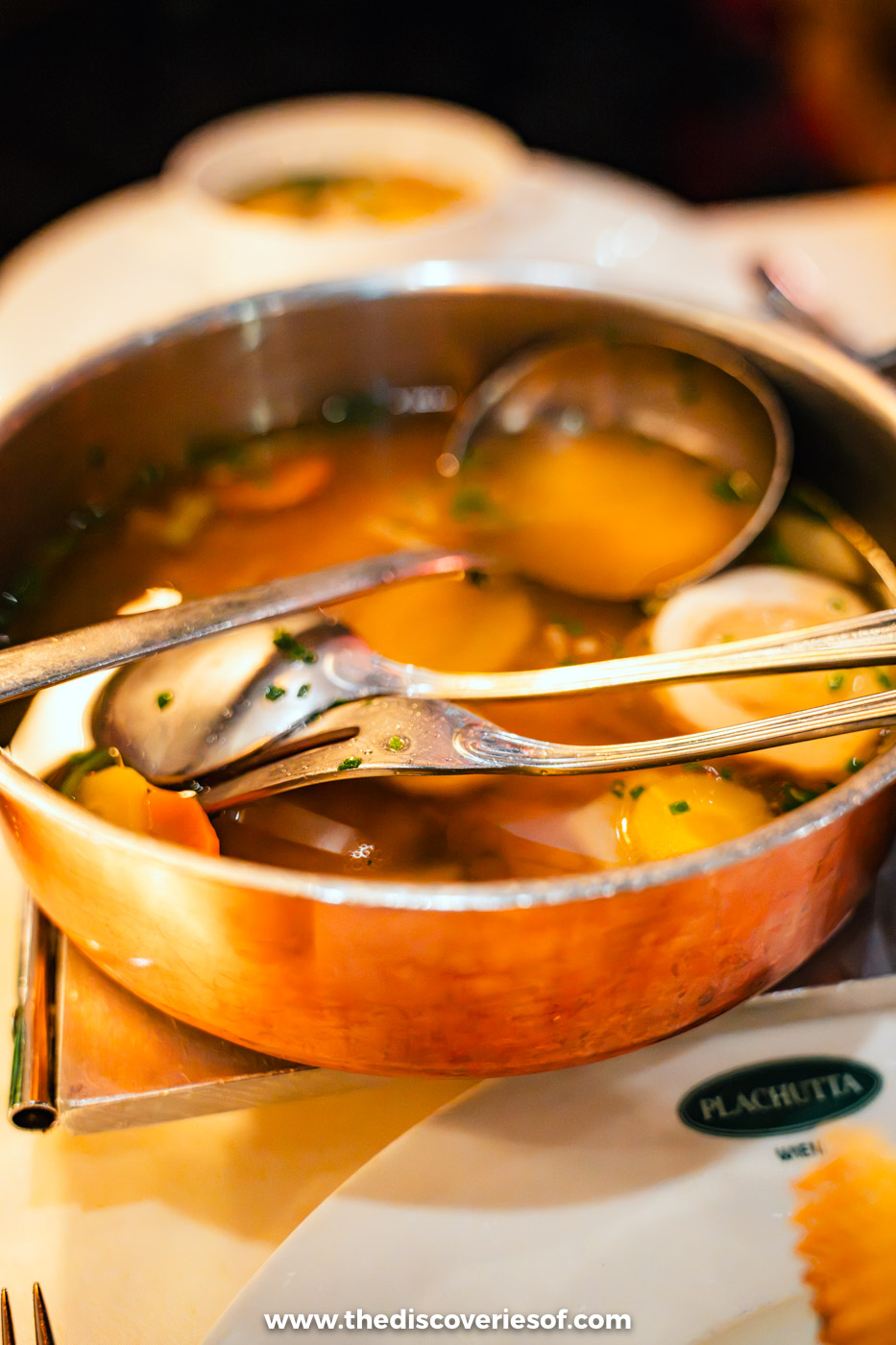
Plachutta on Wollzeile is the place for Tafelspitz, beef simmered in a rich broth with bone marrow and vegetables, served in its copper pot with grated horseradish, horseradish cream and soft, thin-cut potatoes on the side. I went for a thick-cut steak with béarnaise and mash, which was every bit as rich.
Then there’s Zum Schwarzen Kameel, probably my favourite place to eat in the whole city outside the market stalls. Plenty of people will tell you to sit on its heated terrace, but after a day of walking around in the cold I wanted to be inside, and the wood-panelled dining room with its friendly service was the right call.
Do
Book dinner a few days ahead in Advent. The only table I could get at Plachutta was at 9.45pm, and the best-known restaurants fill up fast on weekends
See Schönbrunn on a winter morning
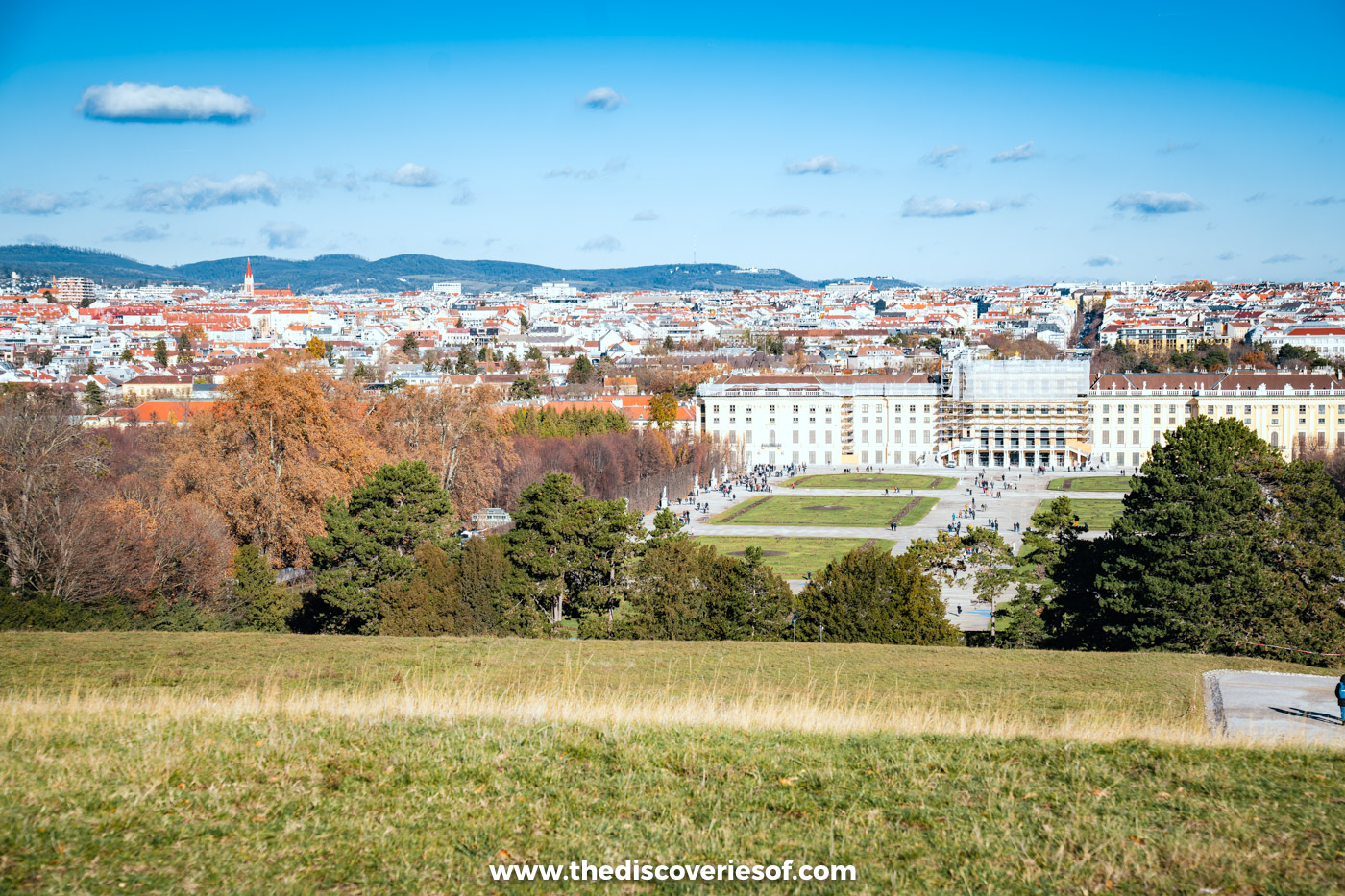
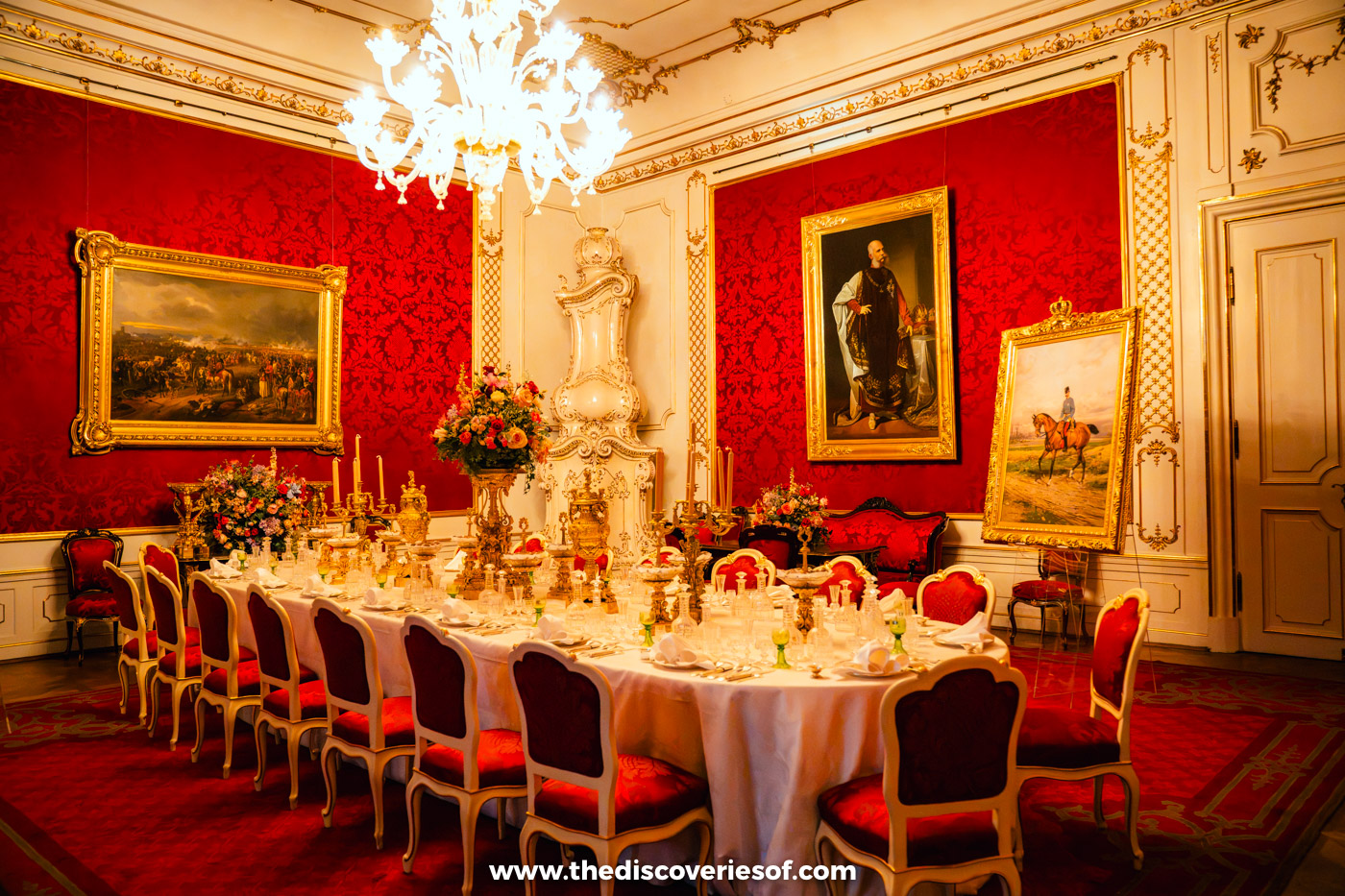
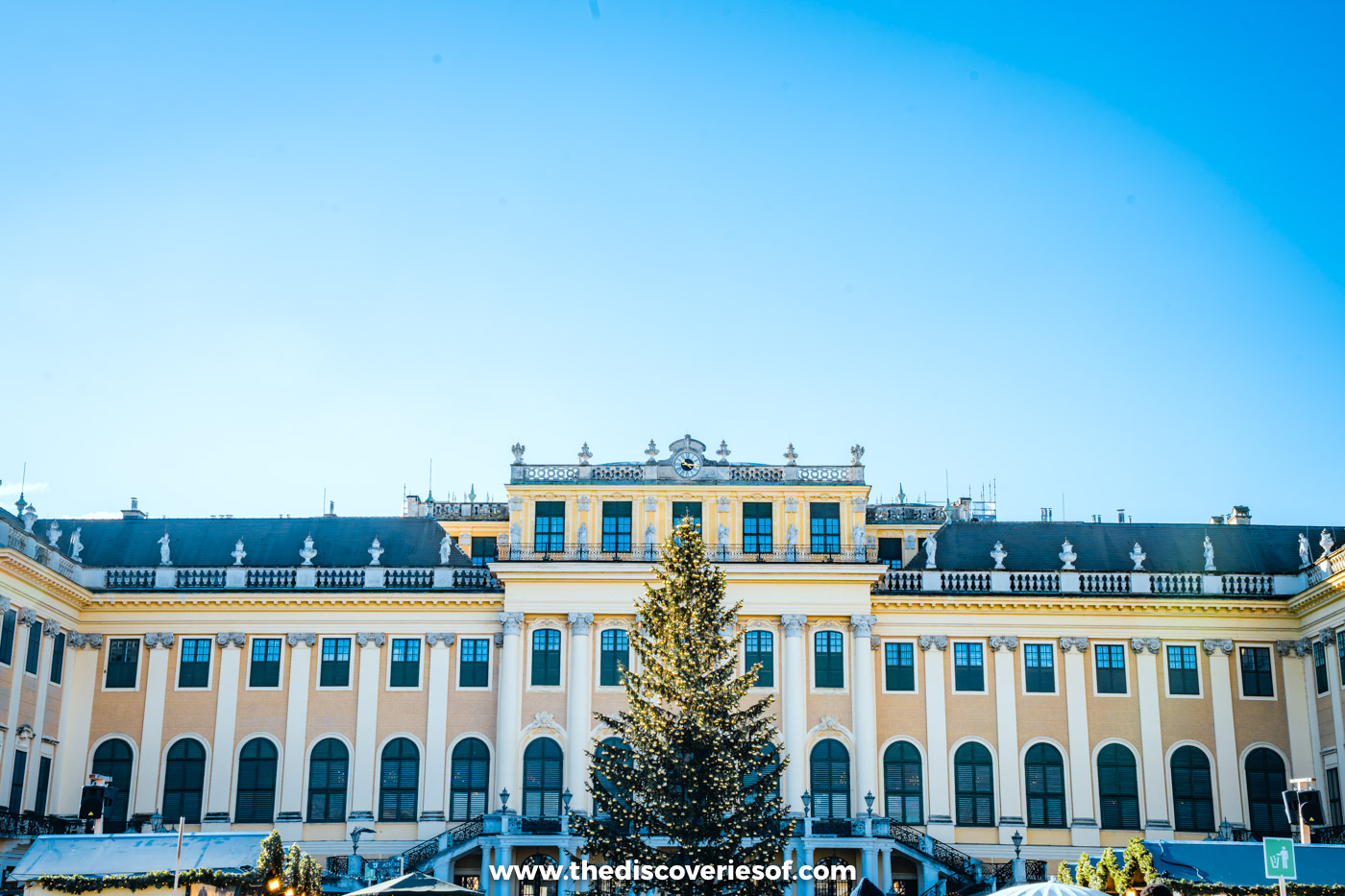
Schönbrunn, the Habsburgs’ summer palace, comes into its own in winter, with a Christmas market in the forecourt and fewer people in the state rooms. I booked the first slot of the day, 8.30am, and was glad I did.
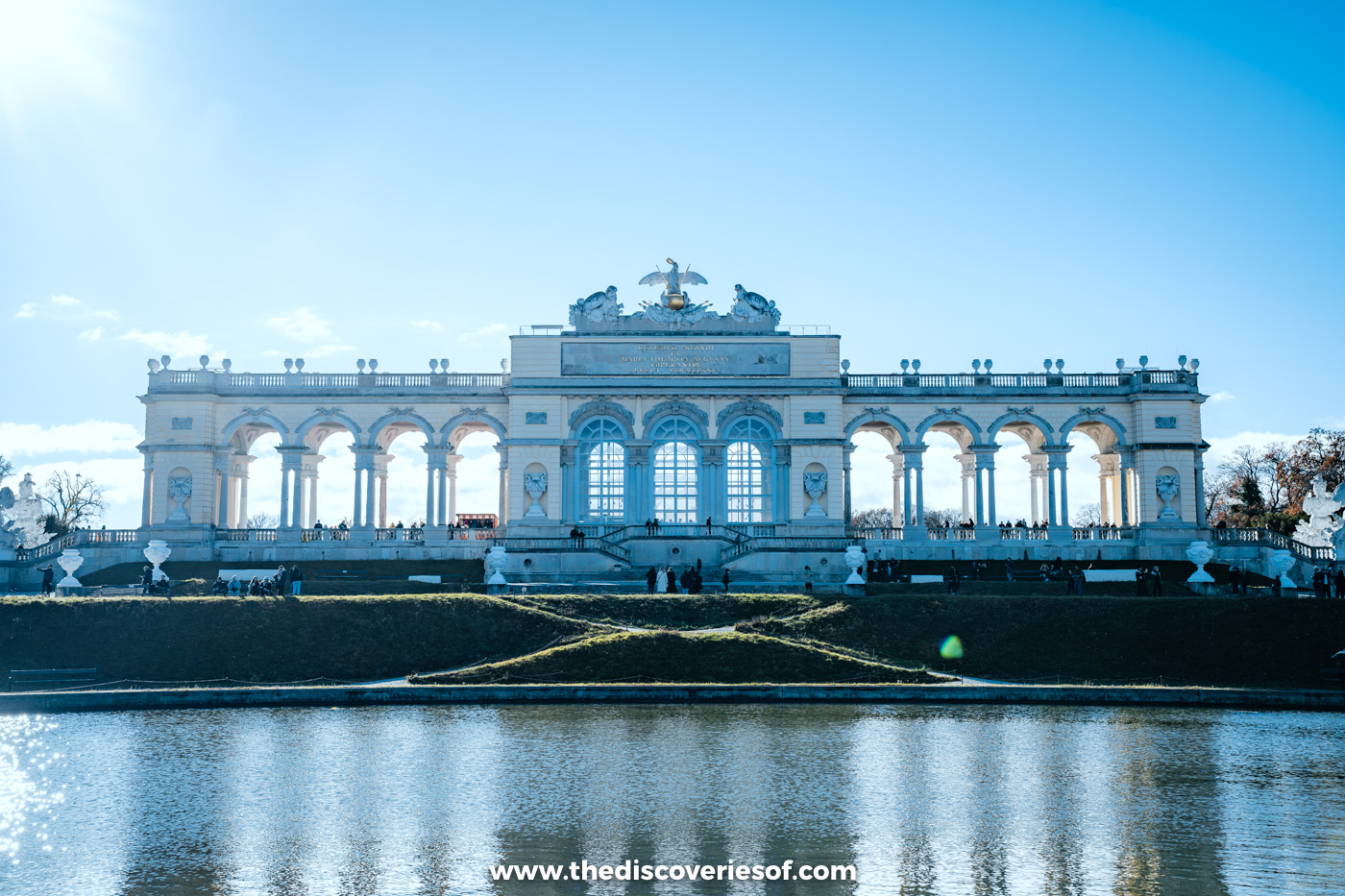
It was pouring when I woke up, so I swapped the half-hour public transport journey for a 15-minute Uber. By the time I came out the rain had cleared, and the walk up to the Gloriette gave me a view right across the city to the hills.
The winter bonus is the palace market, open until 6 January, where a hot Orangenpunsch tasted like Christmas in a mug.
Save a museum for the rainy day
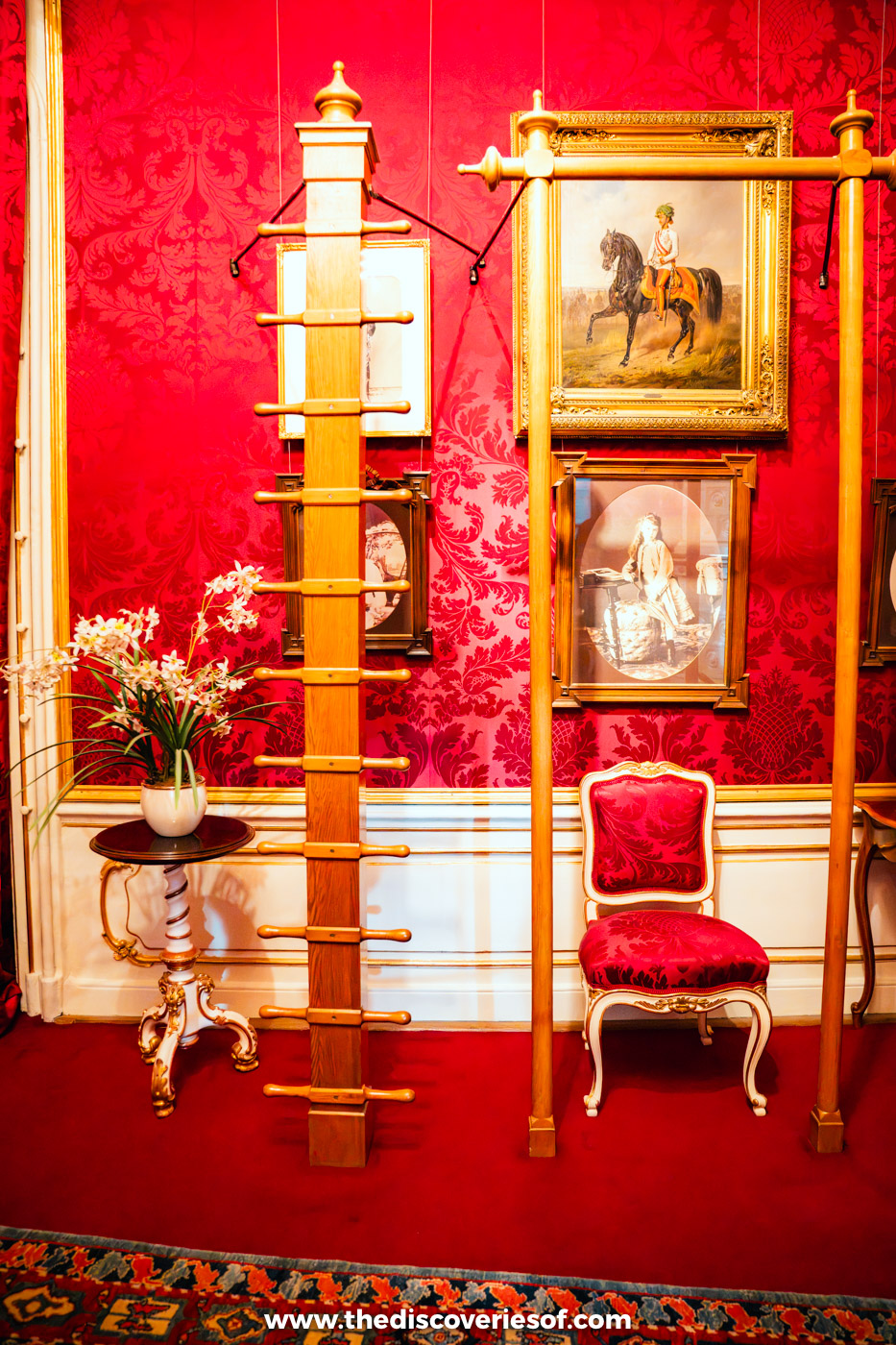
The city has a museum for every kind of bad weather. Mine was the Sisi Museum and the Imperial Apartments at the Hofburg, which had reopened that very week after a redesign.
I got there for the 9am opening on the Monday. It was busy from the start but never packed, and the audio guide did a really good job of setting the scene.
It’s much smaller than Schönbrunn, so it fits neatly into a morning. Look out for the gymnastics bars in Empress Elisabeth’s rooms: she exercised every morning, from 5am in summer and 6am in winter.
Other good bets when it’s wet: the Kunsthistorisches Museum and Natural History Museum facing each other across Maria-Theresien-Platz, the Albertina, and the Belvedere’s galleries for Klimt’s The Kiss.
Top Tip
Book timed tickets for the Hofburg and Schönbrunn online the day before if rain is forecast. Everyone else has the same idea
Climb St Stephen’s on a clear day
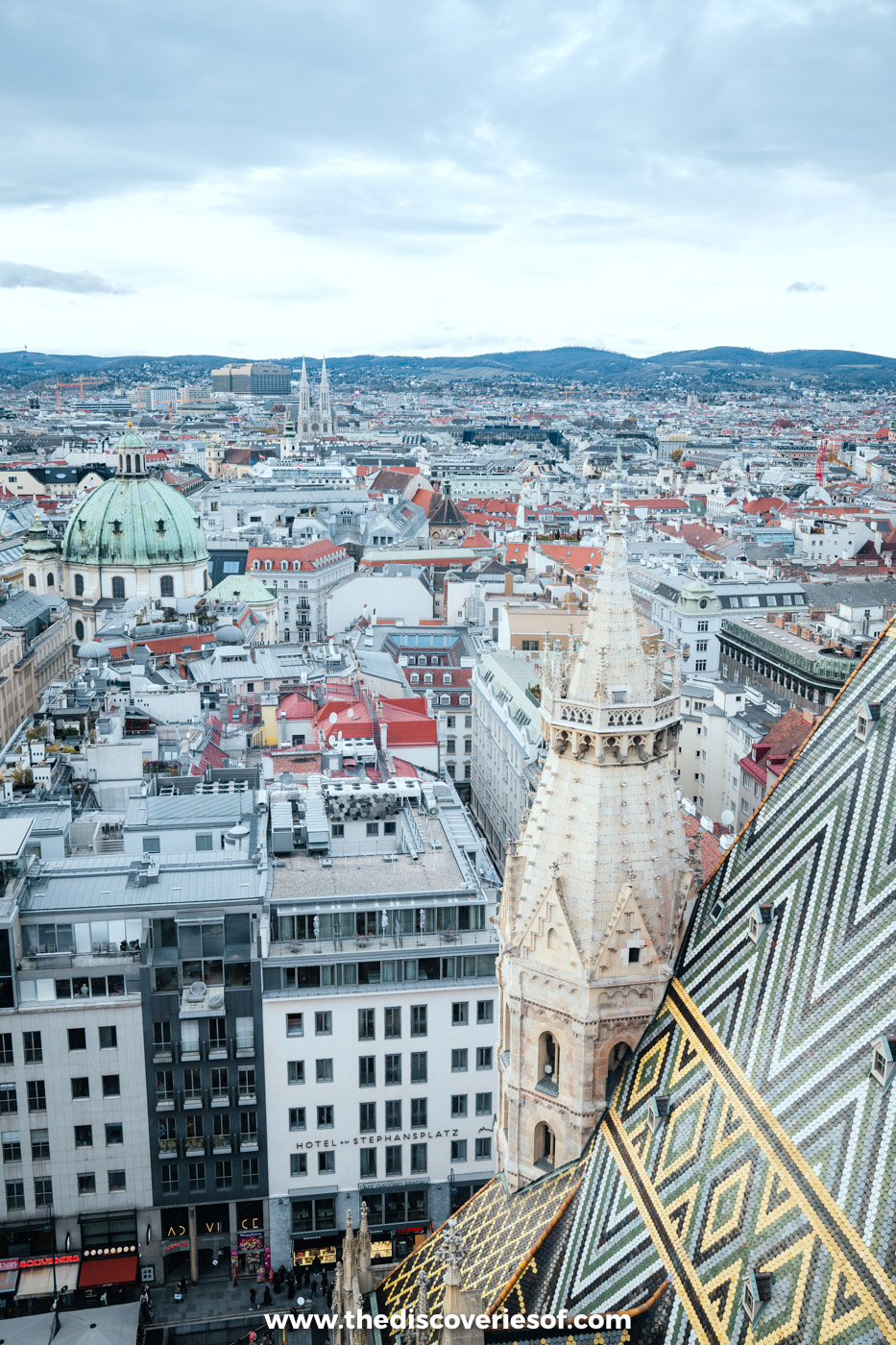
Save the south tower of St Stephen’s Cathedral for a dry, bright day, which is what I had on my first afternoon. It’s 343 steps up, a bit of a slog, but there are places to pause on the way and the stairway is wider than most cathedral towers.
The views over the patterned roof and the city are absolutely worth it. When it’s raining, the soaring Gothic interior below is a fine alternative.
Graze the Naschmarkt and find its winter roof garden
The Naschmarkt is Vienna’s best-known food market, stretching for more than half a kilometre between the Wienzeile roads. Its roots go back to the late 18th century, and today it mixes produce, spice and dried fruit stalls with restaurants and beer halls.
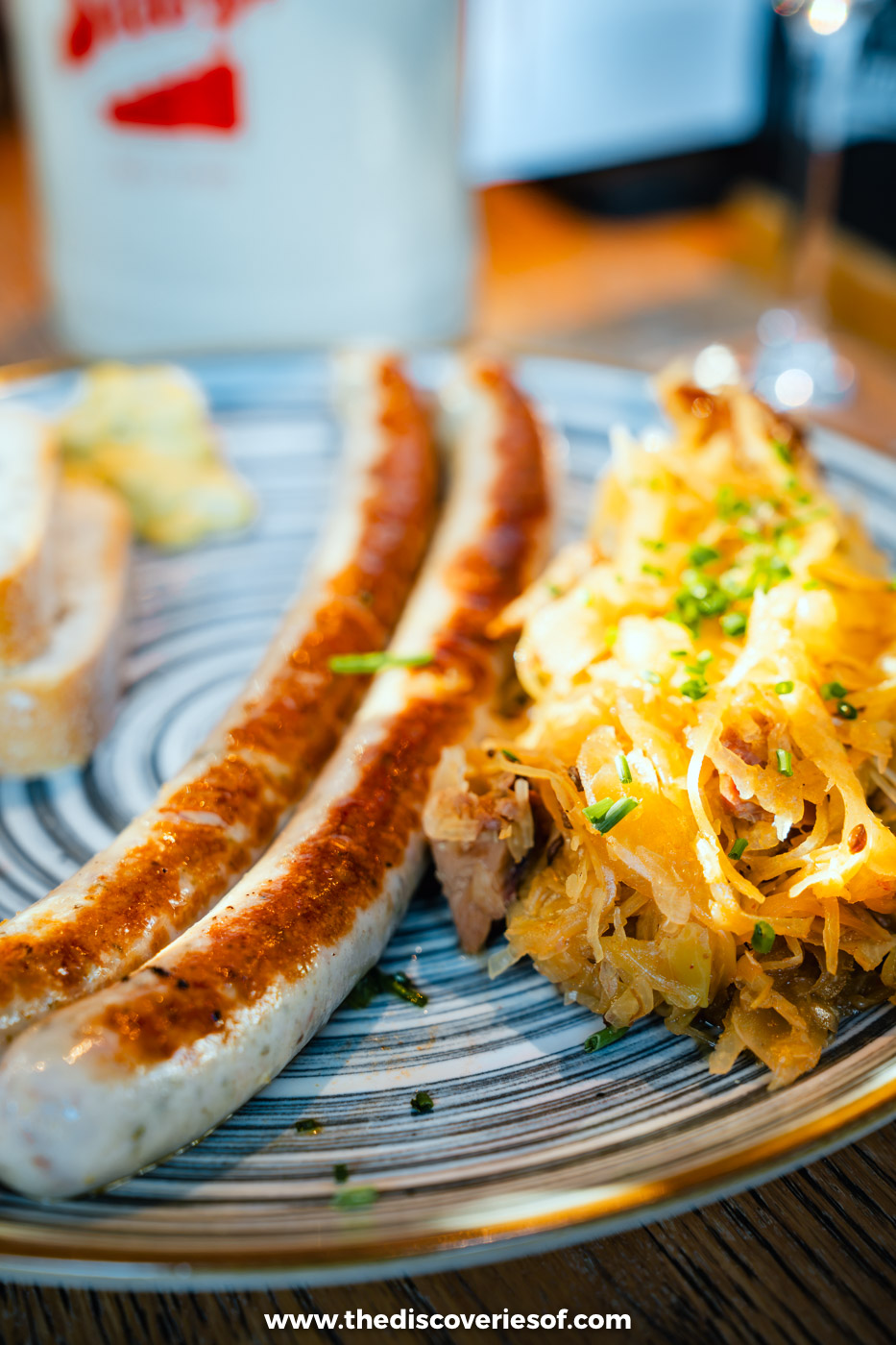
I had lunch at the Bierhalle inside the market: a bratwurst and, of course, a glass of Grüner Veltliner. When I arrived around 1pm on the Saturday it was heaving, but by 2.30pm the crowds had thinned noticeably.
Don’t miss the green roof on top of the new market hall. Even in the middle of winter it had flowers in bloom, and from up there you look across to Otto Wagner’s Majolikahaus with its painted floral tiles.
Don’t
Plan the Naschmarkt for a Sunday. The stalls are closed and only some of the restaurants open. Go on a Saturday for the flea market too, which runs until 2pm
Go ice skating in front of the Rathaus
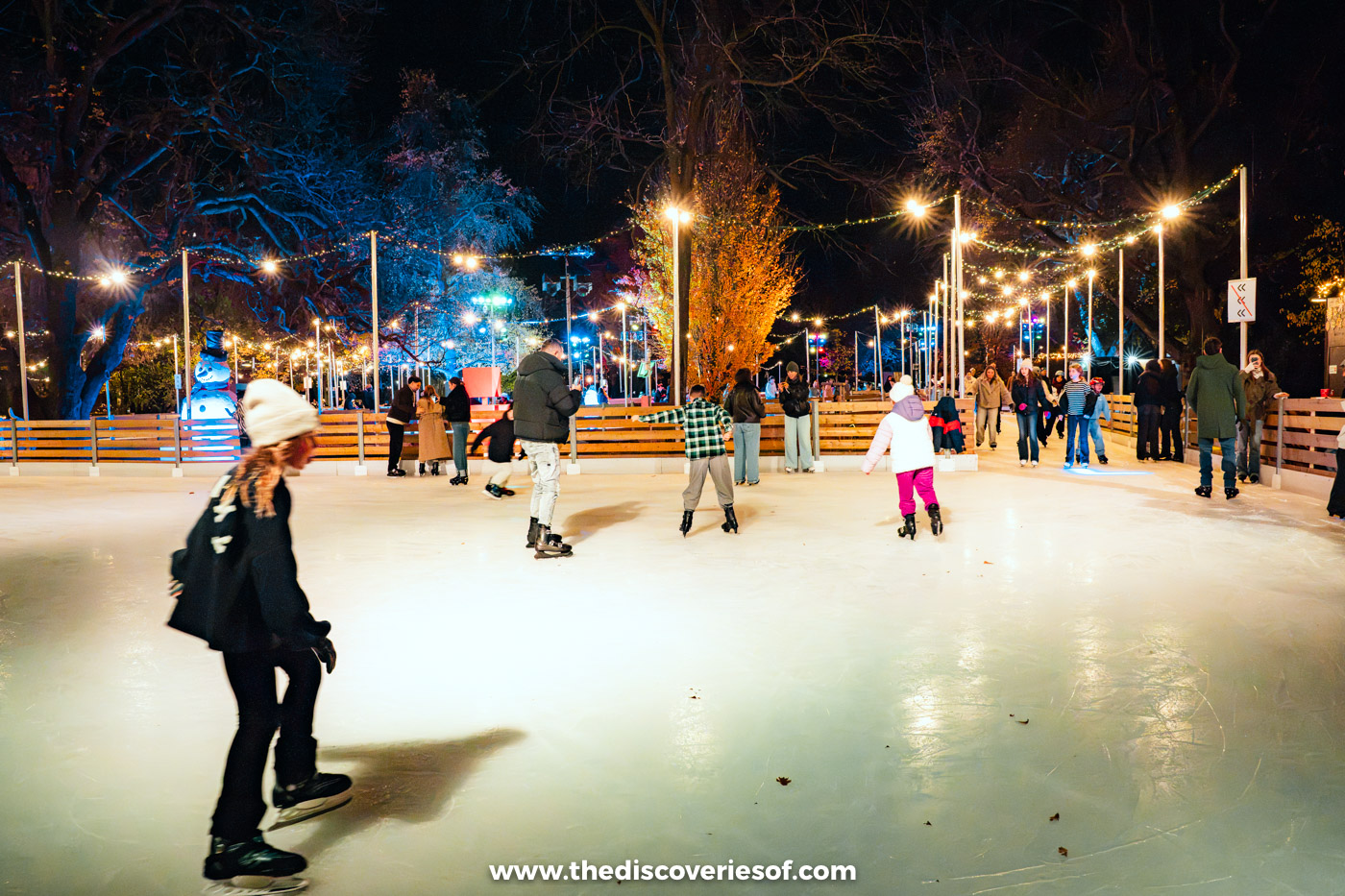
Rathausplatz has ice in some form for most of the winter. During Advent the rink winds through the park beside the Christmas market, with a separate area for children, and it stays open until 6 January.
It’s huge. After a 3am start for my flight I settled for watching the skaters, from the ones gliding backwards to the ones clinging to the barrier.
From 22 January to 7 March 2027, the square becomes the Wiener Eistraum, with more than 10,000 square metres of ice in front of the City Hall, open daily from 10am to 10pm.
Dress up for a Viennese ball
Vienna’s ball season starts in mid-November and peaks in January and February, ending on Shrove Tuesday. The City of Vienna counts about 450 balls a year, from the grand to the quirky, and many sell tickets to visitors.
The most famous is the Opera Ball, when the stage and stalls of the State Opera become one vast dance floor; in 2027 it’s on Thursday 4 February. The Vienna Philharmonic Ball fills every hall of the Musikverein on 21 January 2027.
There are also balls run by the city’s confectioners, its scientists and its florists, and some are far more relaxed than others. The grandest expect floor-length gowns and tails, and an opening dance by debutante couples is part of the ritual.
The City of Vienna’s ball season page lists the main events.
Top Tip
Not ready for a ball? Schönbrunn’s palace rooms give you a sense of it. The Great Gallery, where the Habsburgs held their balls, still has the chandeliers that once took 70 candles each
Catch a concert, or the New Year’s Concert
Classical music doesn’t stop for winter here: if anything, it steps up. Advent brings concerts in churches and palaces, and the city’s opera houses and concert halls run full seasons through to spring.
The big one is the Vienna Philharmonic’s New Year’s Concert, broadcast around the world from the Golden Hall of the Musikverein, with Tugan Sokhiev conducting on 1 January 2027. Tickets are drawn by lottery through the orchestra’s website at the start of each year for the following concert, and winners hear in March.
If you miss out, the same programme is played at a preview concert and a New Year’s Eve concert in the days before, which are also part of the draw.
Do
For an easy night of Mozart and Strauss in imperial surroundings, this evening concert at Schönbrunn has the palace orchestra and two opera singers in the Orangery, starting at 8.30pm
Ring in the New Year on the Silvesterpfad
On 31 December, the old town turns into the Silvesterpfad, the New Year’s Eve Trail: stages, food stalls and bars spread across squares such as Stephansplatz, the Graben and the Freyung. It runs from 2pm until 2am and is free.
Expect live bands and DJs, hot punch and waltz workshops on the Graben, so you can practise before midnight. When the year turns, the Pummerin, the great bell of St Stephen’s, rings it in, and by tradition the crowds take to waltzing to the Blue Danube.
Fireworks and firecrackers are banned on the trail. The U-Bahn runs all night, as it does before every public holiday, and so do many trams and buses, but Stephansplatz station has closed early in the evening in past years because of the crowds, so use a neighbouring stop.
Top Tip
Shops close at 5pm on New Year’s Eve and are shut on 1 January, so stock up on snacks earlier in the day. The official trail page publishes each year’s stages and programme
What to pack for the cold
The rule is layers plus something waterproof. Rain wasn’t in the forecast when I packed, and I spent a soggy morning at Schönbrunn wishing I’d brought a proper waterproof.
- A warm, waterproof coat: a hooded jacket that sheds rain and snow, big enough to layer a jumper or fleece underneath. I travel with a packable hooded Rab jacket and a fleece, which layer well together.
- Layers you can peel off: museums, cafés and trams are well heated, so you’ll be in and out of your coat all day.
- Comfortable, grippy shoes: the old town is cobbled and you’ll walk miles between markets. Wool trainers are warm, but they won’t keep out slush, so pack something waterproof if snow is forecast.
- Hat, gloves and a big scarf: evenings at the markets mean standing still in the cold. If you forget, the market stalls sell woollen hats and alpaca mittens.
- Something smart: the grand cafés don’t have a dress code, but a concert, the opera or a ball calls for dressing up.
- A tote bag: for the cheese, speck and gifts you will inevitably buy at the markets.
Tips for planning your trip
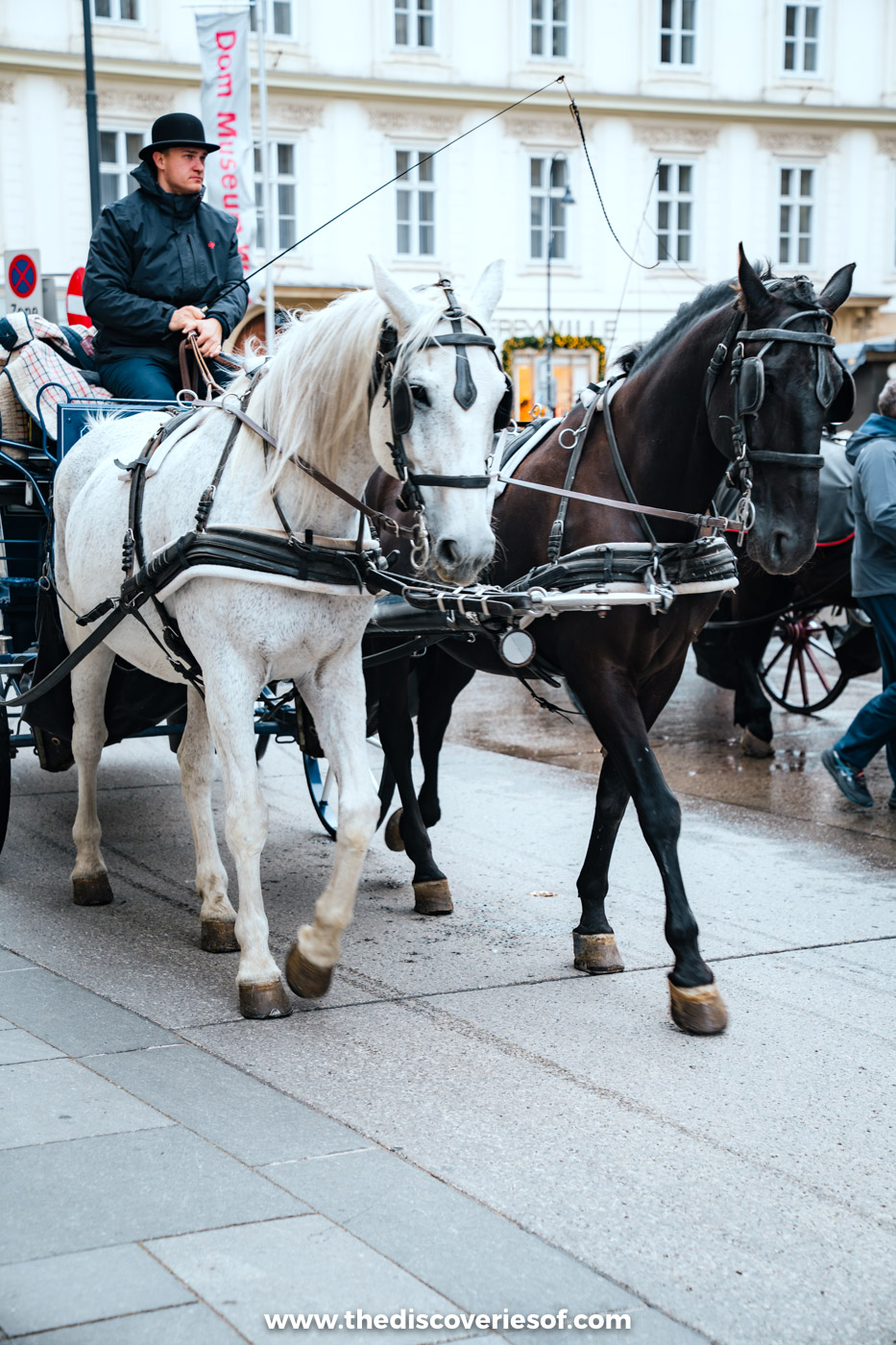
- Plan around the light: do palaces and towers in the morning, and save late afternoon for the lights, which look their best for the half hour after sunset.
- Book the big sights: Schönbrunn and the Hofburg sell timed tickets, and Schönbrunn is strict about them, so book online and arrive for your slot.
- Getting around: the U-Bahn, trams and buses cover everything, and a 24-hour or 7-day ticket (the 48 and 72-hour tickets were withdrawn in January) makes sense if you’re hopping between markets. On a wet morning, a taxi or Uber to Schönbrunn halves the journey.
- Holiday hours: 8 December is a public holiday but shops open from 10am to 6pm. On 24 December shops close at 1pm and most markets close early, and on 25 and 26 December shops are shut.
- Getting there: I flew from London Gatwick, and it’s just over two hours to Vienna. Jet2 flies there from 13 UK airports, so check flights to Vienna with Jet2 for your nearest.
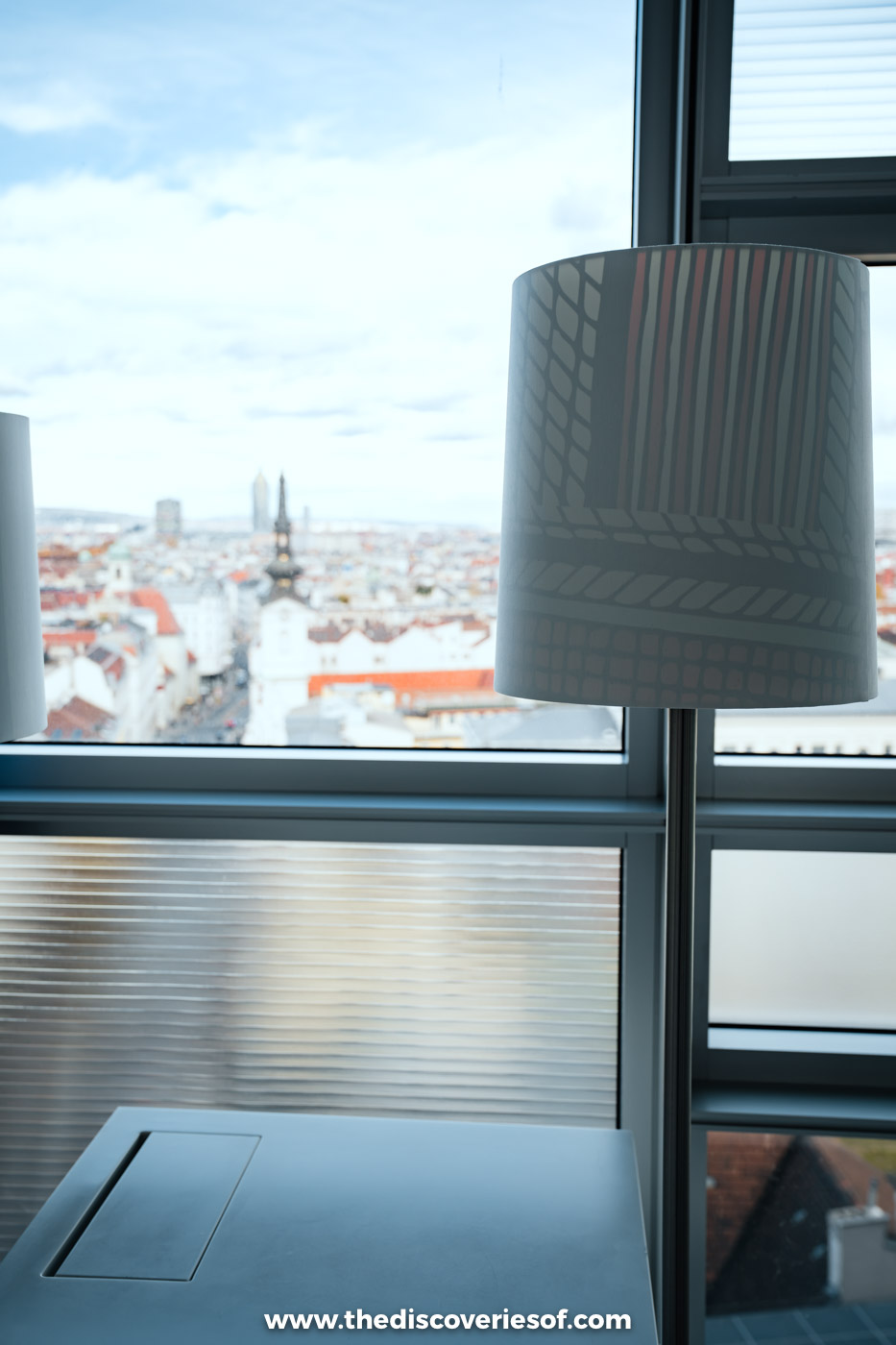
- Where to stay: I stayed at SO/ Vienna, a design hotel across the Danube Canal from Schwedenplatz, with spacious rooms, a great breakfast and views over the city. I booked So Vienna as part of a package with flights, and the hotel really goes all in for Christmas. Read my full SO/ Vienna review for the rooms, views and breakfast. Anywhere in the 1st district or close to a U-Bahn stop works in winter, as you’ll want to be able to drop back to your room to warm up; compare hotels in Vienna.
FAQs
How cold does it get?
In the city centre, daytime highs average about 5°C in December and 4°C in January, with nights around freezing. Cold snaps can push temperatures well below zero, and wind makes it feel colder.
Will I see snow?
Sometimes. Snow is most likely in January and February, but it’s usually a light covering, and many winter days are simply grey or wet. I was lucky enough to see heavy snow on my last morning in November.
When do the Christmas markets close?
Most close on 23 or 26 December. The Belvedere market runs until 31 December, and the market at Schönbrunn stays open until 6 January.
Is January a good time to visit?
It’s the quietest and often cheapest month, with the ball season in full swing, the Eistraum rink from late January and short queues at the museums. Just don’t expect the festive atmosphere of December.
Map
Read next
- SO/ Vienna review: spacious rooms, views both ways and breakfast 18 floors up
- Inside the Sisi Museum at Vienna’s Hofburg, where an empress hung gym rings in her dressing room
- 3 days in Vienna, with time for Habsburg palaces, grand coffee houses and two rival Sachertortes
- Sacher or Demel? Where to eat Sachertorte in Vienna, and the cake war behind it
- 11 Vienna Christmas markets, and the one to save your gift shopping for
- How to see Vienna’s Christmas lights in one walk, from ballroom chandeliers to Roman ruins
- A guide to Schönbrunn Palace, the Habsburgs’ 1,441-room summer home
- St Stephen’s Cathedral in Vienna: exploring the two towers, catacombs and an emperor’s tomb
- The Am Hof Christmas market, where Vienna’s makers sell their own work
- 25 stunning places to visit in Europe in winter
- Best places to visit in December: 29 warm and wintry escapes
- 28 of the best city breaks in Europe, and how long to give each one
- Schnitzel, strudel and a sausage at midnight: what to eat in Vienna, and where to order it
- Trześniewski review: are Vienna’s century-old open sandwiches still the best quick lunch in town?
Love this? Save and share on Pinterest
Discover the top things to do, insider tips and hidden gems in our Austria Travel Guide.
Read the guides →