
Port country starts little more than an hour from Porto, yet most people only scratch its surface in a day. The trick is choosing how you get there, because the boat, the train, the car and the coach tour each give you a very different day. Here’s how to plan one that fits in the river, a proper tasting and a long lunch, with the timings, the prices and a catch on the railway worth knowing about before you book.
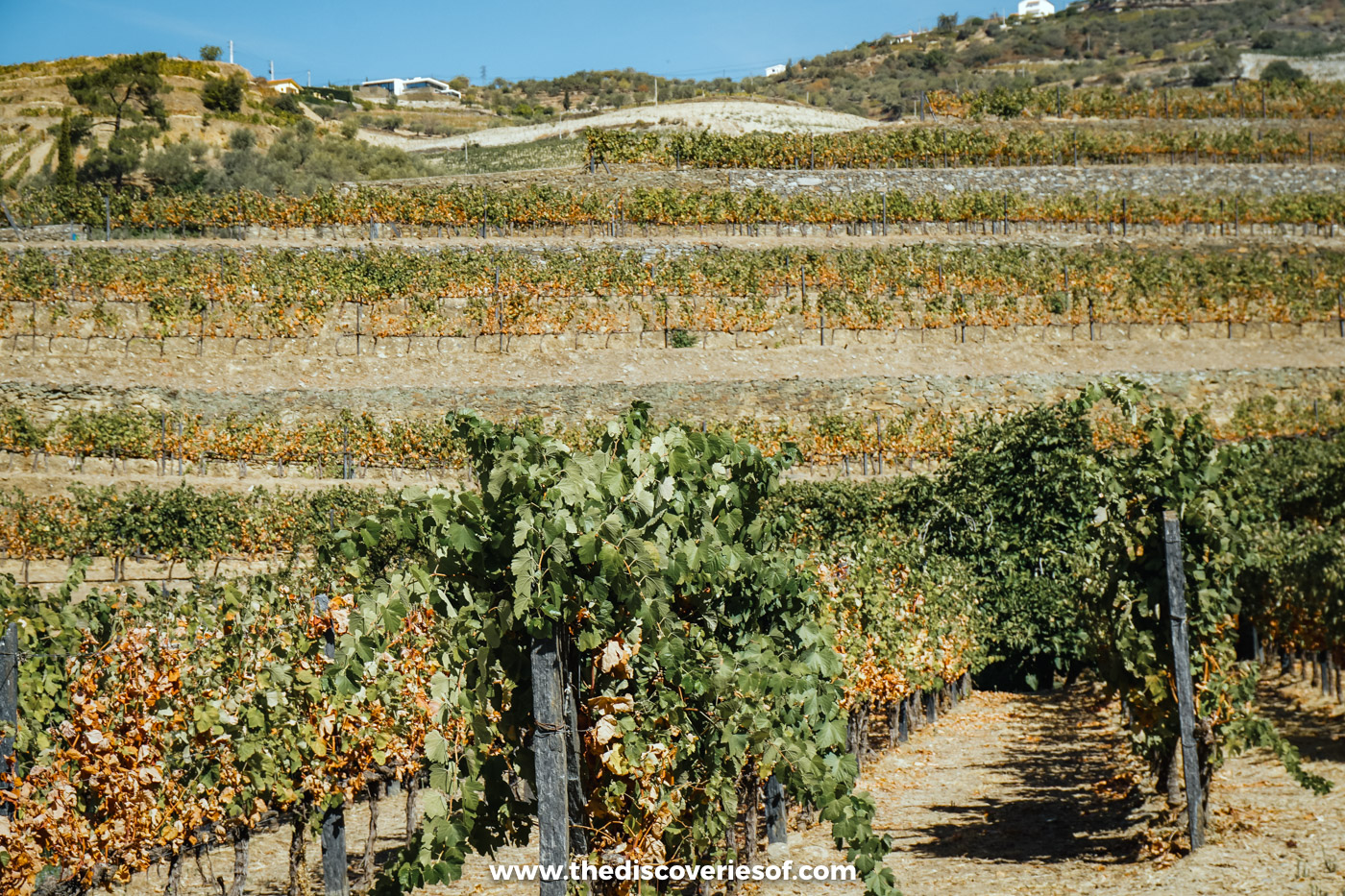
Anyone spending a few days in Porto should give one of them to the valley upstream. The river that runs past the port lodges in Gaia rises far inland, and a couple of hours upstream it cuts through one of the most extraordinary wine landscapes in Europe: hillsides stepped from the water’s edge to the skyline with vines, and estates whose wine has been shipped down to the coast as port for generations.
I first went years ago, and I’ve been back since, most memorably at the end of September, with the harvest in full flow. I’m a huge port fan (nothing rounds off a good meal like a glass of it as a digestif), and I’ve eaten twice at DOC, Rui Paula’s restaurant on the riverbank, which is reason enough to make the trip on its own.
This Douro Valley day trip from Porto plan weighs up the four ways to get there, then walks you through a day that works by train or by car: lunch on the river, an hour on a rabelo boat at Pinhão, a quinta tasting and the journey home.
Your day in port country at a glance
- The route: Porto to Peso da Régua, along the river on the N222 to Pinhão, and back
- Distance: about 115km from Porto to Régua, then 25km more to Pinhão
- Time needed: a long day, roughly 9am to 7pm or 8pm
- Cost: from about €25 return by train, €75 to €92 on the river cruise, from about €90 on a guided tour, plus lunch and tastings
- Best days: Thursday to Monday, as DOC closes on Tuesdays and Wednesdays
- Best months: April to October, or the second half of September and early October for the vindima (grape harvest)
- Book ahead: lunch at DOC, quinta tastings and, in summer, the boat
Four ways to reach the valley, and what each one costs you
There’s no single right answer here. The option you pick decides how much of the valley you see from the water, how much time you get at the quintas and who gets to drink the port.
| Option | Time each way | From | Best for |
|---|---|---|---|
| River cruise | Most of the day upstream, coach back | €75 | Seeing the whole river |
| Train | About 2 to 2.5 hours | About €12.50 | A relaxed day on your own terms |
| Car | About 1 hour 45 minutes to Pinhão | Fuel and tolls | Freedom to roam the quintas |
| Guided tour | About 8 hours in all | About €90 | No planning, no driving |
Sail upriver from Porto
If you have the time, this is the way I’d recommend. It takes longer than any other option, but the sight of the terraces climbing out of the river, vine after vine, is genuinely spectacular, and nothing gives you a better sense of how far the port once travelled to reach Gaia.
The day cruises leave the Ribeira or the Gaia pier between 8am and 9am from April to October (the dams close their locks for maintenance in the colder months). You’re lifted through the locks at two dams on the way, the Crestuma-Lever and the much taller Carrapatelo, with breakfast and lunch served on board, before a coach brings you back to Porto at around 6.30pm or 7pm. With Cruzeiros Douro, weekday sailings cost €75 in April, May and October and €82 from June to September, with weekends at €92. Some operators send you home by train instead.
The catch is that the boat is the day. You’ll arrive in Régua in the late afternoon with no time for a quinta or a long lunch, so choose this one if the river itself is what you’ve come for.
Take the train along the river
The Linha do Douro is the easy, inexpensive option, and one of the loveliest railway lines in Portugal. Trains leave São Bento in the city centre and reach Régua in about two hours and Pinhão in about two hours 20 minutes on the faster services, for around €11 and €12.50 each way. Seats aren’t reserved, so get to the platform early and grab one on the right as you travel east, the river side.
There are only a handful of trains a day, so plan around them: a mid-morning departure from São Bento gets you to Régua in time for lunch, and you’ll want to know the time of the last useful train back from Pinhão before you set off. Look up CP’s timetable the evening before you travel.
Getting There
From 3 November 2026 to 24 March 2027, there are no trains between Marco de Canaveses and Régua while the line is electrified. Replacement coaches run between Caíde and Régua, and others stop at the stations in between, so allow extra time, and travel by car or tour if you can’t face the change.
Drive yourself
A car gives you the most freedom, and the drive is part of the pleasure. The motorway (the A4, then the A24 south) takes about an hour and a quarter to Régua, and from there the N222 follows the south bank of the river to Pinhão, one of the most beautiful stretches of road in the country.
Even without a fixed plan, you’ll pass wineries large and small that you can’t resist pulling in at, and the big port houses have estates dotted all along the valley. The obvious drawback is that someone has to stay sober. The legal limit is 0.5 grams per litre, and just 0.2 for anyone who has held a licence for under three years, and these narrow, twisting roads are no place to push it.
Let a tour take the strain
For a day with no logistics at all, a guided tour is hard to beat. This Douro Valley day tour picks you up in the city and spends about eight hours on the road and in the valley, with tastings at two wine estates, an olive oil tasting, lunch and an hour on a rabelo boat, from around €90 a person. The vans seat five or nine, so it never feels like a coach party.
You trade flexibility for ease: you won’t choose the quintas or linger over lunch at DOC, but nobody has to drive or watch the clock for the last train.
A Douro Valley day trip from Porto, hour by hour
This is the day I’d plan for anyone going independently, by train with a couple of short taxi rides or by car. It runs from Régua to Pinhão, the most dramatic stretch of the valley, and puts the big lunch in the middle.
Morning: follow the river to Régua
Set off around 9.30am. By train, you’ll see the landscape change from the suburbs to wooded hills, and then the line drops to the river and stays beside it. By car, you’ll come over the hills into Peso da Régua, the riverside town where the port trade was once regulated.
Régua is the gateway rather than the highlight, so don’t linger. If you’re early for lunch, walk along the riverfront or look in at the Museu do Douro by the water, then take a taxi or drive the 15 minutes or so east along the N222 to Folgosa.
Lunch: take your time at DOC
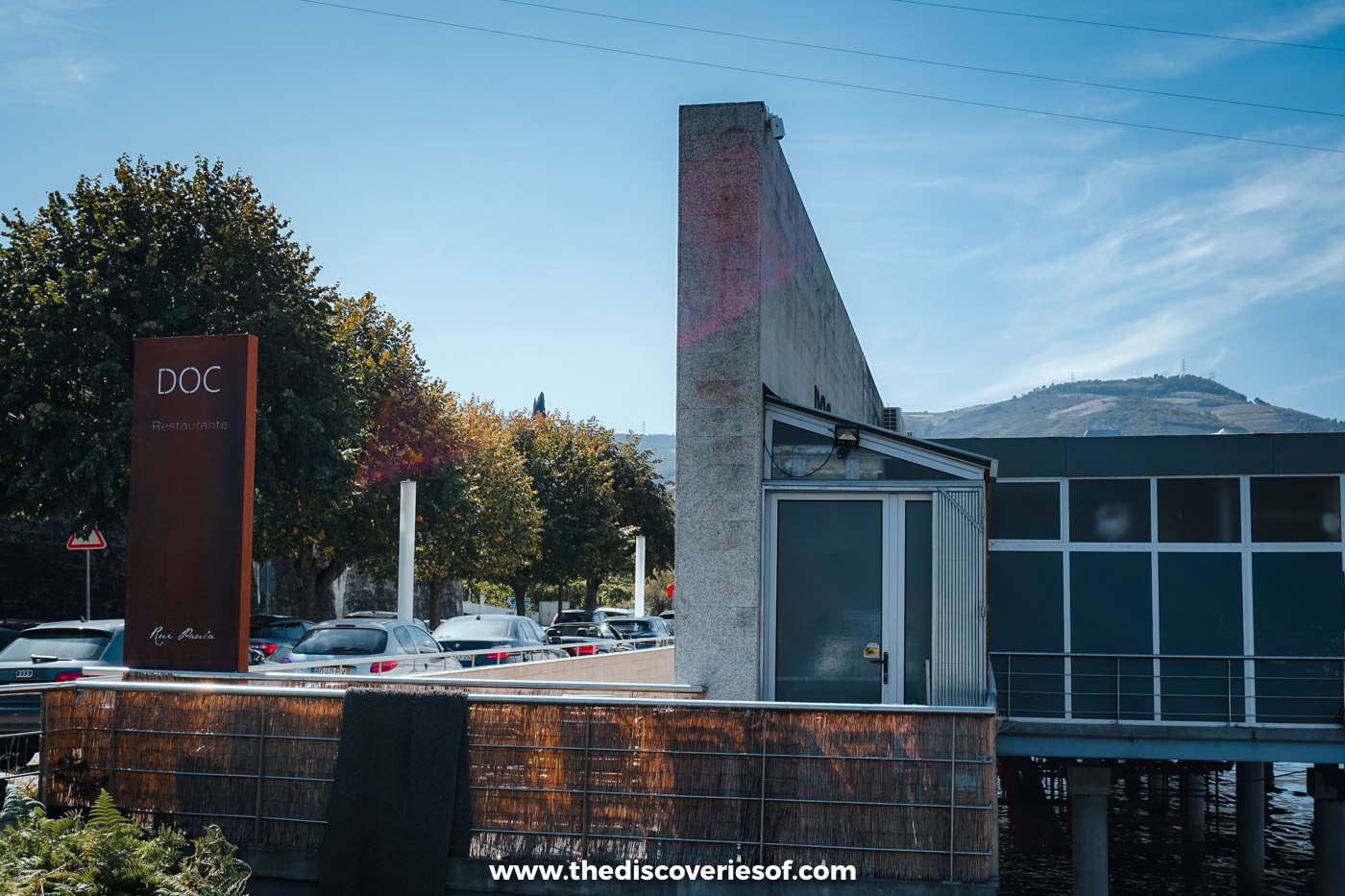

This is the meal to build your day around. DOC is the country restaurant of Rui Paula, one of Portugal’s best-known chefs, and I first ate here years ago. I raved about it to anyone who would listen, and when I was next in the valley, a second lunch was a given. The setting, on a deck right over the river, is gorgeous, but the food is the real star: traditional Portuguese ingredients and dishes, given a modern twist. It’s not a cheap lunch, but it’s one your stomach will thank you for.
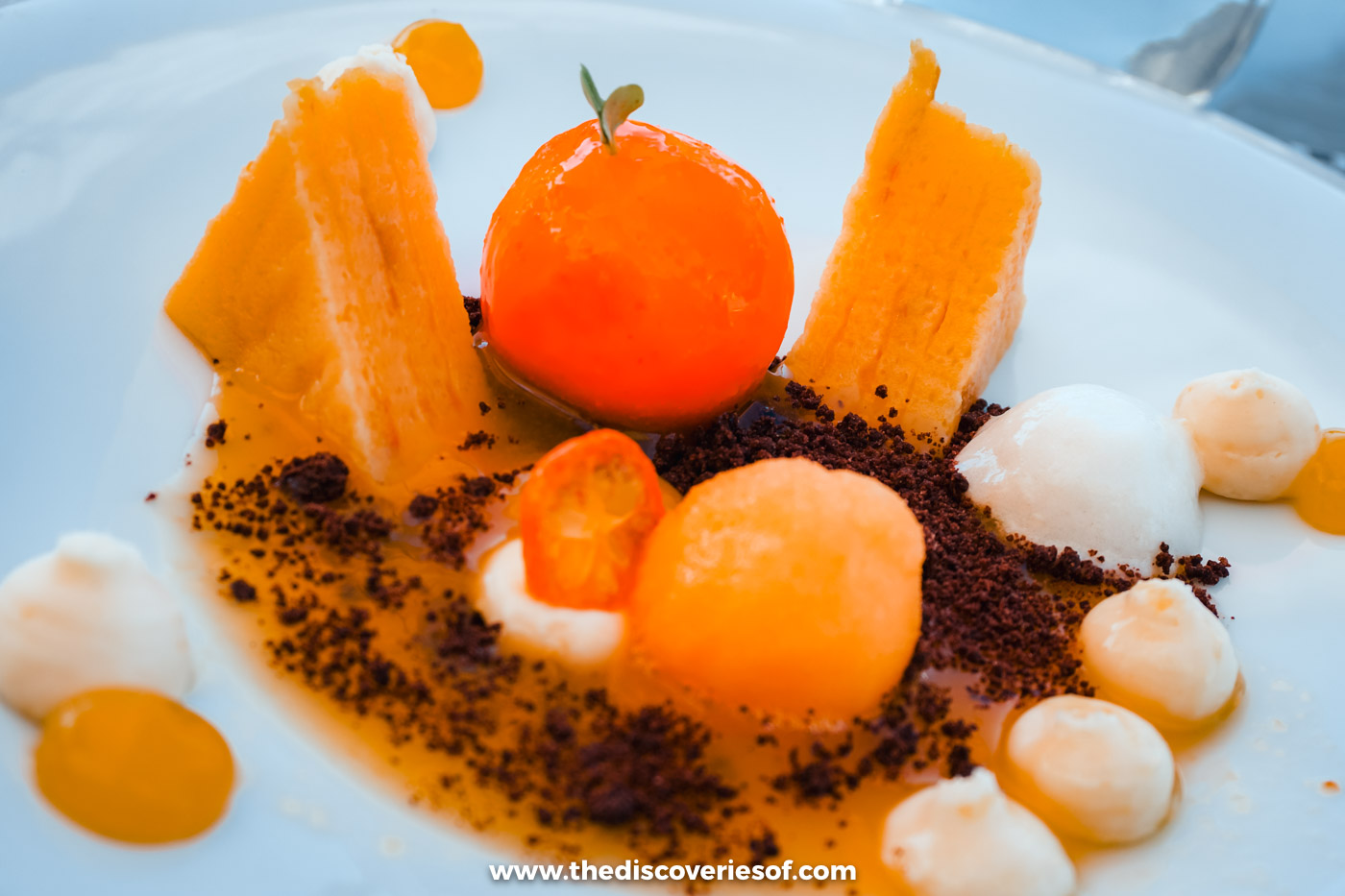
Lunch is served from 12.30pm to 3pm, and the restaurant is closed on Tuesdays and Wednesdays. You can eat à la carte or go for a tasting menu, which runs to 14 courses and can be cut to 11 or six, and there’s a vegetarian menu too. The Michelin Guide lists it in its top price bracket. Book well ahead through the restaurant’s website, especially at weekends.
Top Tip
If DOC is closed on the day you go, eat at Bomfim 1896, the restaurant on the river at Symington’s Pinhão estate, and swap the order of the afternoon around.
Afternoon: drift past the terraces on a rabelo

From DOC, it’s about 20 minutes on to Pinhão, a small riverside town at the heart of port country, with an iron bridge, a station covered in tiles and quintas on every slope. Even if you didn’t come by boat, get on the water here. One-hour trips on rabelos, the flat-bottomed wooden boats that once carried port barrels downriver, leave from the pier beside The Vintage House throughout the day and cost roughly €12 to €15.
An hour is just enough to slip past the terraces at river level and understand how steep they really are. Go mid-afternoon, when the lunch crowd has thinned and the light starts to soften on the hills.
Late afternoon: a tasting at a quinta
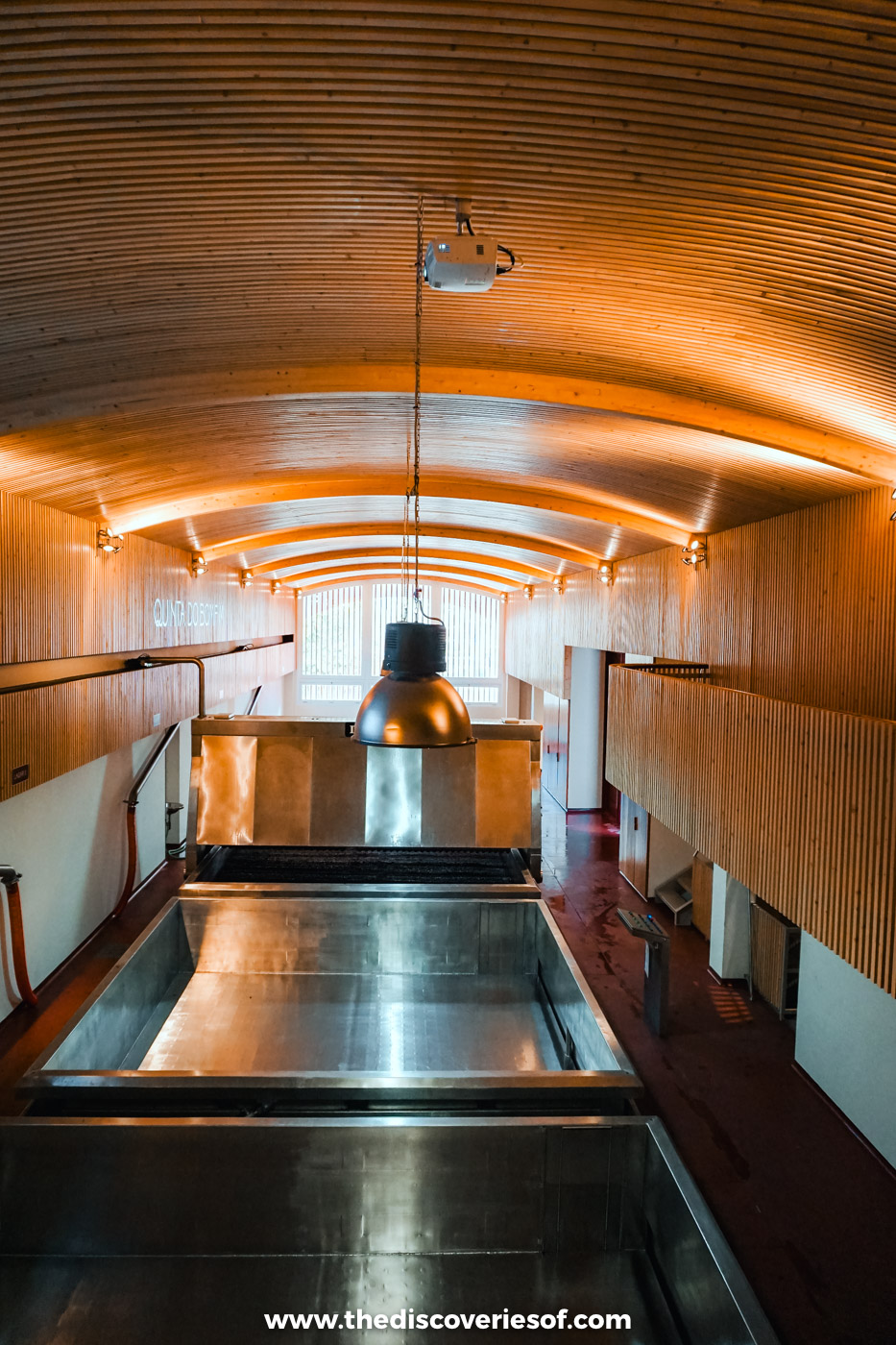
You can’t come all this way without visiting a quinta, and Pinhão has two good ones within walking distance of the station, which matters if you’re on the train.
Symington’s Quinta do Bomfim, a few minutes’ walk from the platform, is open every day (10am to 7pm from March to October, with last visits at 5.30pm, and 9.30am to 6.30pm in winter), with tastings of the family’s ports and table wines and a self-guided vineyard walk. This is where I spent my harvest visit, watching the grapes come in from the terraces, and you can read more about that in my guide to the valley.
Croft’s Quinta da Roêda, a short walk from the centre of town, opens daily from 9.30am to 6pm (last entry 5pm) for guided vineyard visits that end with a port tasting. Visits are by appointment, so book through its website, and at harvest time you can ask about treading grapes in its granite lagares.
Evening: one last glass, then home
If you’re driving, allow under two hours from Pinhão back to the city. If you’re on the train, you may have time to kill on the platform, so pop into the Quinta do Noval wine shop on Rua da Praia, a short walk from the station, which pours the estate’s ports until 7pm.
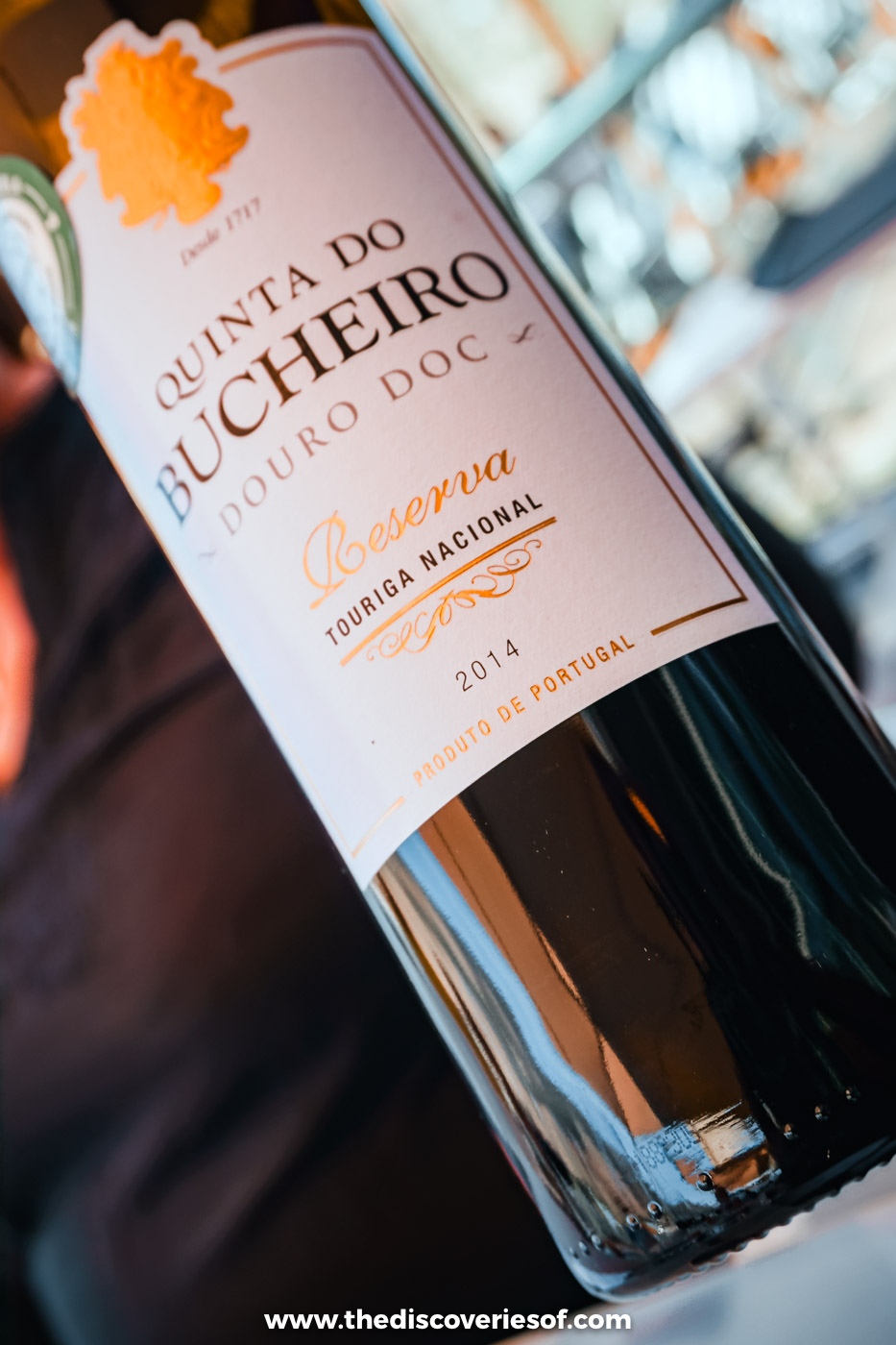
Back in the city, there’s one more glass to be had. A port in Gaia, looking across the river to the Ribeira, is the perfect full stop to the day, and my guide to things to do in Porto has the best lodges for it.
Suggested stay
For an early start on the boat, stay across the river in Gaia, where several of the cruises board. The Yeatman is my pick: I’ve stayed there a few times, and its terrace looks straight over the river to the old town. If you’re taking the train, Torel 1884 is a boutique hotel a few minutes’ walk from São Bento. My guide to where to stay in Portugal has more options in the city and the valley.
Have more time? Add these to your day
Stay the night in the valley
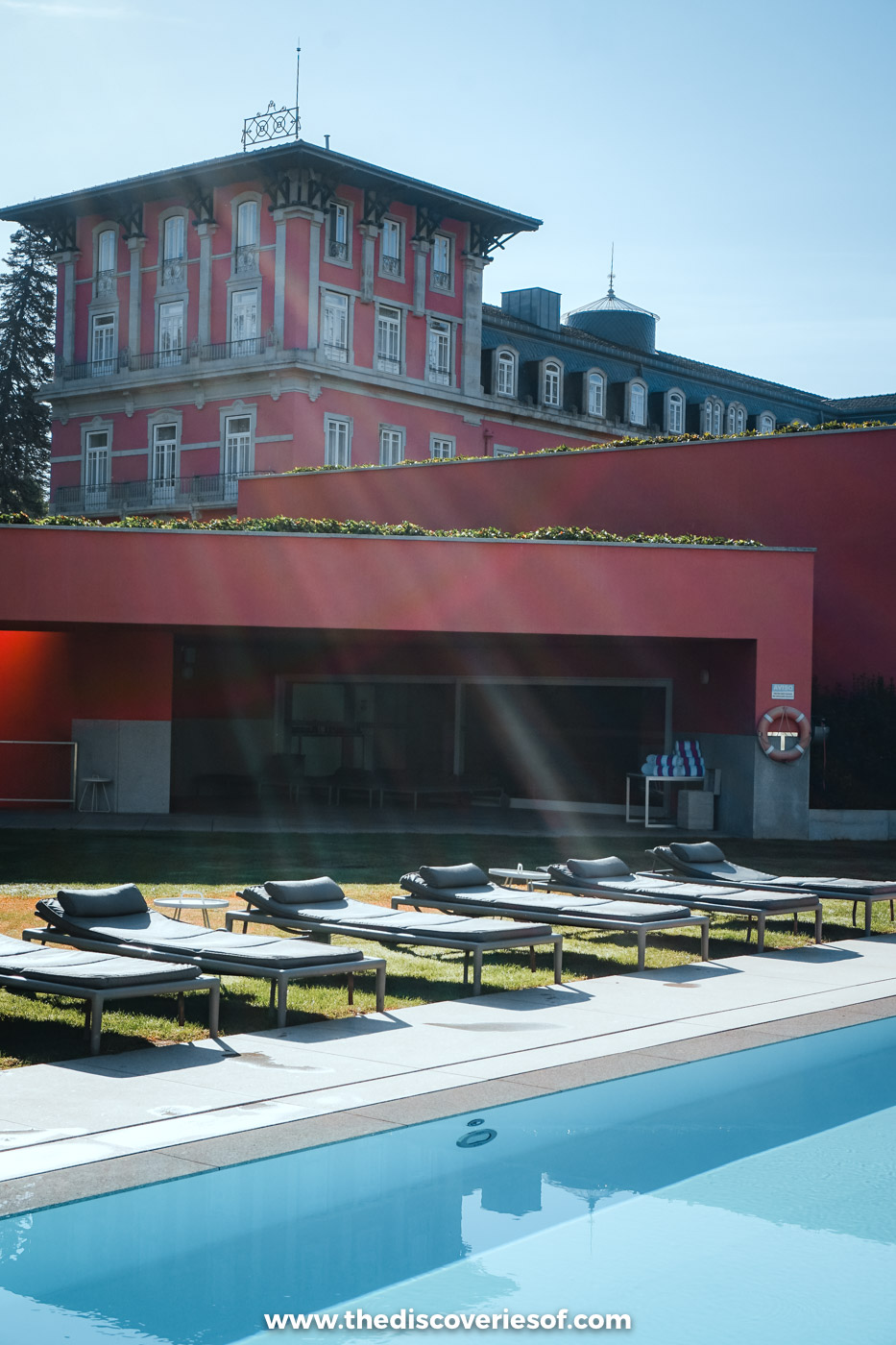
A day trip shows you the river, but a night lets you see it at its best, early in the morning and at sunset, without watching the clock. I’ve stayed at both Six Senses Douro Valley, a restored manor house above the south bank near Lamego, and Vidago Palace, a palatial Belle Époque spa resort set in parkland in the hills to the north, and both are great. In Pinhão itself, The Vintage House is a converted port lodge on the waterfront.
Climb above Pinhão to Casal de Loivos
If you’re driving, or can persuade a taxi, head up the steep, switchback road behind Pinhão to Casal de Loivos. From the miradouro at the edge of the village, the town, its bridge and the sweeping curve of the river are laid out hundreds of metres below. It’s about 15 minutes each way, and it’s the picture most people have in their heads before they ever arrive.
Ride the vintage train
On summer weekends, a heritage train links Régua and Tua, with vintage carriages, a glass of port and folk musicians on board. In 2026 it ran from 6 June to 18 October, with adult tickets at €60, and it sells out, so book as soon as the dates are announced and pair it with a night in the valley.
Handy tips for planning your Douro Valley day
- Pick your day carefully. DOC closes on Tuesdays and Wednesdays, the river cruises only run from April to October, and the quintas get busy at weekends.
- Check the trains the night before. Services are few and some are replaced by coaches, especially during the 2026 to 2027 works between Marco de Canaveses and Régua.
- Book the essentials. Reserve DOC and your quinta tasting before you go, and the boat too in July and August.
- Use taxis for the gaps. DOC sits between the two stations, so if you’re on the train, ask the restaurant or your quinta to call a cab and take the driver’s number for the next leg.
- When to go: May and June bring green vines and mild days; the harvest fills the second half of September and the start of October; July and August can top 35°C on the valley floor, so carry water and a hat.
- What to pack: comfortable shoes for the quinta walks, a layer for the boat and the evening, and a bag with room for a bottle or two.
Map
Read next
- A Douro Valley travel guide to port country
- The best things to do in Porto
- How to spend 3 days in Porto
- Where to stay in Portugal
- The best time to visit Portugal
- The ultimate Portugal itinerary
Love this? Save and share on Pinterest
Discover the top things to do, insider tips and hidden gems in our Portugal Travel Guides.
Read the guides →