

Fifteen islands, one tricky decision. From pink sand on a wild Atlantic coast to volcanic peaks wrapped in rainforest, this is where the Caribbean is at its loveliest, and how to work out which island belongs on your next trip.
The Caribbean is renowned for its beautiful beaches, unbelievably blue waters and laid-back lifestyle. But with so much choice, it can be difficult to pick a destination for your next sunshine getaway.
Not to worry: I’ve chosen the most beautiful islands in the Caribbean to help you along the way.
Some of my favourite travel memories are on this list: timing a trip to Nevis for mango season in July, dragging myself out of bed at 6am to hike up to Shirley Heights on Antigua (worth it), lazy mornings watching the sun come up over the pink sand at Crane Beach on Barbados and climbing a flat-topped mountain in the far east of Cuba. Every island has been checked for what’s changed recently, from hurricane recovery to new rules for visiting the rainforest.
Every island comes with a suggestion for where to stay, and there’s a quick guide at the end to matching the island to the trip you have in mind.
Beautiful islands in the Caribbean you have to visit
Nevis, the quiet island with a volcano at its heart


Nevis is the small island hideaway that you’ve been dreaming about. Only 36 square miles in size, the island packs a punch when it comes to white sandy beaches, colourful buildings and a lushly forested interior, all of it rising to the cloud-capped cone of Nevis Peak. The story goes that the island takes its name from that cloud: Columbus is said to have mistaken it for snow (nieves).
The capital, Charlestown, is one of my favourite places in the entire Caribbean. Steeped in history, it’s one of the best-preserved towns in the region, and its colonial past is still written into the stone ground floors and wooden upper storeys of the buildings around town. Alexander Hamilton (of musical fame) was born here, and the small Museum of Nevis History now fills the house on the site of his birthplace, telling his story alongside the island’s own.
I went in July, and not by accident: that’s when Nevis holds its Mango and Food Festival, at the height of mango season, when trees all over the island are weighed down with fruit. The festival now runs over four days with chef dinners, masterclasses and tastings of dozens of local varieties. Sitting in the shade of a tree with a ripe mango is about as simple a pleasure as the island offers, and one of the best.
Away from the beaches, the island’s sugar history is everywhere. Plantation estates have been turned into hotels and restaurants, the ruins of the New River Estate still hold their old cane mill and boiling house, and the roofless Cottle Church, built in 1824, was the first place on the island where enslaved people and the plantation family worshipped together. Give St Thomas’ Anglican Church, one of the oldest churches in the Caribbean, ten minutes too: its small exhibition taught me more about the slave trade in the region than years of history lessons at school.
Quiet, understated and classy, Nevis is the Caribbean hideaway that few have heard of but that everyone who has been seems to love. If you’re feeling brave, guides lead climbs up Nevis Peak, though the ropes and steep, slippery sections were beyond my pay grade.
Where to stay: I stayed at Paradise Beach, in a villa with its own plunge pool a few steps from the sea, with lobster barbecues on the sand at night. For a historic plantation stay with views of Nevis Peak, look at Montpelier Plantation & Beach.
Antigua, for sunset sails and a different beach every day

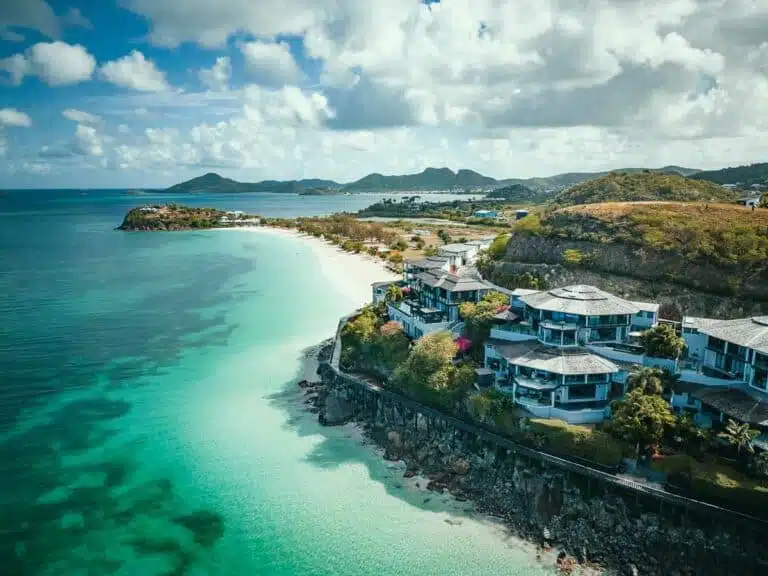
Antigua doesn’t disappoint when it comes to beautiful islands in the Caribbean.
White sandy beaches and crystalline sea are two of the big draws (the island claims 365 of them), along with the chilled-out ambience, vibrant culture and photo opps galore. My favourites are Ffryes Beach and its neighbour Darkwood on the west coast: fine white sand, calm water and never too many people. Lunch at Dennis’ Beach Bar at the end of Ffryes, where the curried conch is the order, rounds off a beach day nicely.
That’s all before you get to the incredible food and the outdoor adventures. The hike from Shirley Heights down to Galleon Beach is a big reason I’d go back: I went with a local guide early in the morning to beat the heat, and was glad of a walking pole on the steeper sections. The old military lookout at the top has the best view on the island, over English Harbour and Falmouth Harbour, and on Sunday evenings it hosts the island’s best-known party, with a steel band, barbecues and the sun going down over the yachts.
Get out on the water too. Sitting on deck on a private charter as the sun went down was one of my favourite moments in Antigua, and a sunset catamaran cruise from St John’s, with soca on the speakers and a very strong rum punch, came a close second.

If you’re looking for something even more relaxed, sister island Barbuda is much quieter, with the famous Pink Sand Beach. It’s one I didn’t make it to and still regret, as everyone in my group who went came back raving about it. The Barbuda Express ferry crosses in about 90 minutes, or you can fly.
Where to stay: I stayed at Tamarind Hills, all-suite villas on the hillside above Ffryes and Darkwood beaches, with a private terrace and hot tub and the excellent Wild Tamarind restaurant. Read my review of Tamarind Hills for the full story.
Read Next
Barbados, where the sand really is pink

Barbados. The name alone is enough to make you want to pack your bags and book yourself on the next available flight, and for good reason.
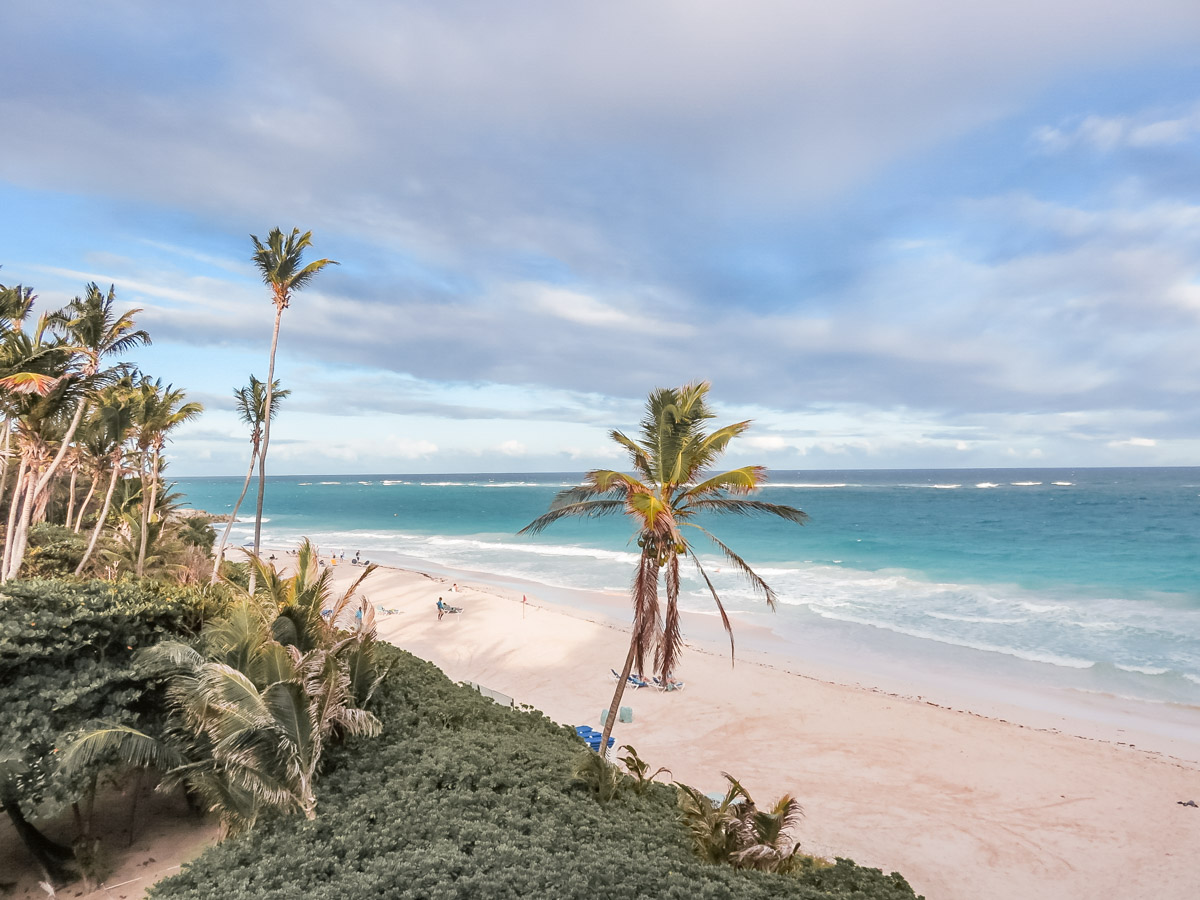
From the pink sand of Crane Beach to the notorious “green flash” on the horizon as the sun sets over the sea, Barbados is an island full of unforgettable moments and one of the prettiest islands in the Caribbean. The pink comes from the island itself: Barbados is built of coral limestone, and crushed coral and shell give the beach on the south-east coast its blush.
On a March trip I stayed at The Crane, on the cliffs above that beach, and the word I kept coming back to was space. The grounds sprawl, the sea breezes take the edge off the heat, and I happily spent several days doing little more than swimming in the private pool, reading and watching the sunrise from my room. When I did make it out, my pick of the hotel’s restaurants was L’Azure, for Bajan cooking and yet more views.
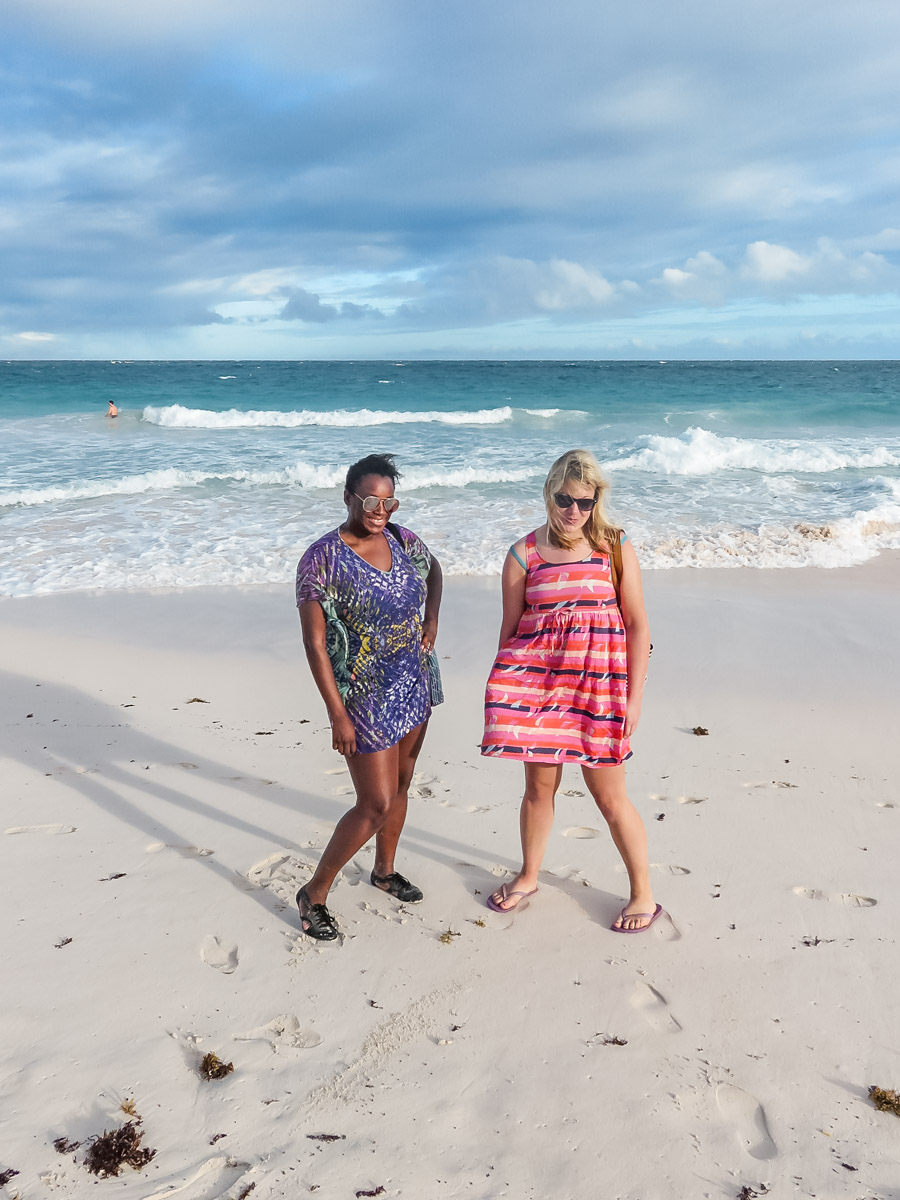
Spend your time working your way along the exclusive beaches of the west coast, where the water is calm and clear. I also stayed at the Colony Club there, and Heron Bay, the beach in front of it, is one of my favourites on the island, along with Port St Charles further north (Mullins is lovely too). Then explore the less developed but no less beautiful east coast, where the Atlantic rollers break around the boulders at Bathsheba. Just make sure you bring a good camera: you’re sure to put it to good use.
Where to stay: The Crane for space and that pink beach on the south-east coast (here’s my review of The Crane), or the Colony Club by Elegant Hotels, where I also stayed, on the calmer west coast.
Jamaica, from Blue Mountain coffee to Fleming’s bolthole

When it comes to beautiful Caribbean islands, Jamaica is the region’s not-so-hidden secret.
Long the retreat of the rich and famous (who hasn’t longed to spend a decadent week at GoldenEye, Ian Fleming’s old bolthole on the north coast, where he wrote the Bond novels) and a honeymoon favourite, it’s one of the true jewels in the Caribbean.
From hidden spots such as Frenchman’s Cove in Portland to the out-and-out spectacle of Negril’s Seven Mile Beach, there’s a beach for everyone.
Away from the beaches, hiking in the Blue Mountains, the source of some of the world’s best coffee, is an unforgettable experience. The trail to Blue Mountain Peak (2,256 metres) is traditionally walked through the night to reach the top for sunrise, when on a clear morning you can see across to Cuba.
Hurricane Melissa hit western Jamaica hard in October 2025, with Montego Bay worst affected. Airports, cruise ports and most resorts reopened over the following months, but check that your hotel is fully open before you book.
Where to stay: GoldenEye at Oracabessa for the Fleming connection and cottages on the lagoon, or the classic Jamaica Inn in Ocho Rios.
The Dominican Republic, for golf, colonial streets and Saona

If you’re into golf, this island is for you. The Dominican Republic is a hub for international golfers (Teeth of the Dog at Casa de Campo is the famous one), but there’s much more to it than that.
The Dominican Republic shares its island, Hispaniola, with Haiti. As well as some of the most beautiful beaches in the world, it throws colonial towns, rainforest and mountains into the mix, too. The Colonial Zone in Santo Domingo, the oldest European city in the Americas, is a UNESCO World Heritage Site and a joy to wander.
Whether you’re after waterfalls, mangrove lagoons and mountain peaks or you just want a break from the hustle and bustle of everyday life in one of the island’s many resorts, it’s got you covered.
An insider’s secret: make sure you check out the south-east around La Romana. Locals rate its beaches as some of the best in the region, the main spot being Bayahibe, a former fishing village that’s now the jumping-off point for boat trips to Saona Island in Parque Nacional del Este.
Where to stay: browse the best luxury hotels in Bayahibe, close to the boats for Saona.
Cuba, for Havana’s forts and the mountains of Baracoa
The main island of Cuba is the largest in the whole of the Caribbean, and it’s difficult to narrow down the best things to do in Cuba. There’s something still very mysterious about the island, which has managed to stand alone in its essence and independence.
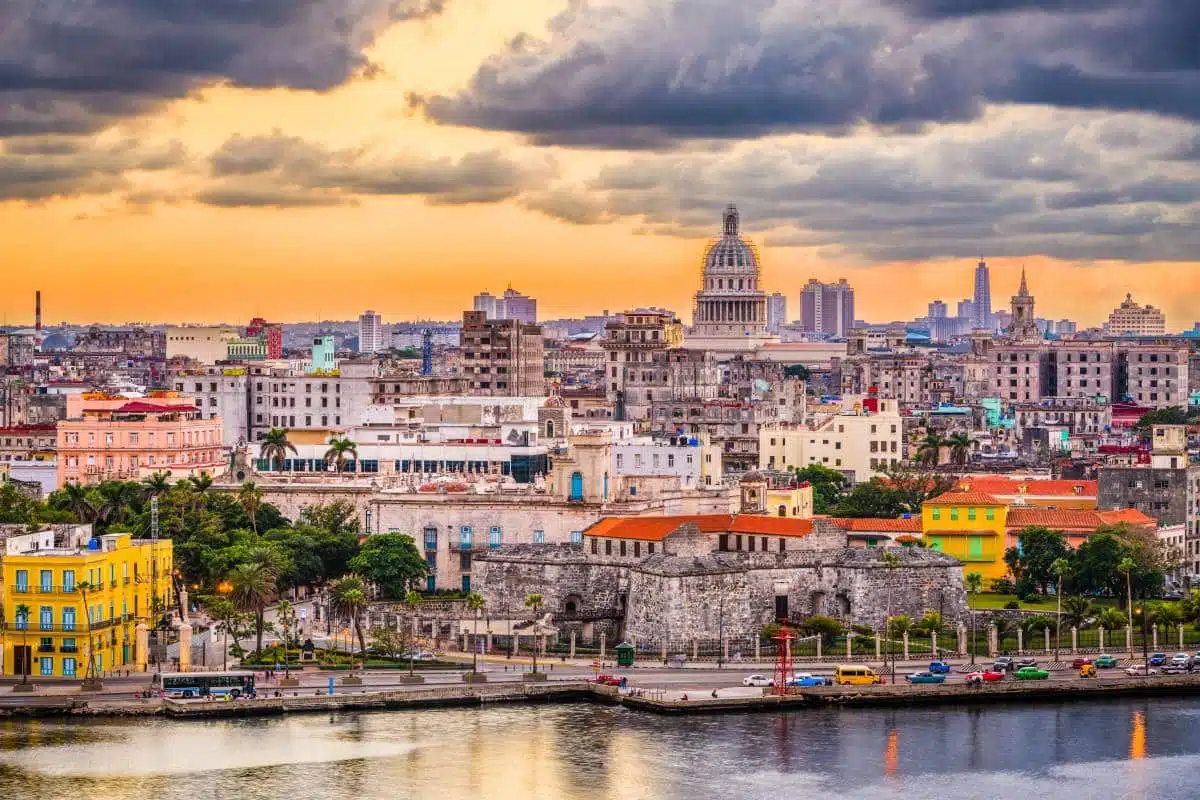
Cuba sat on my wish list for years before I finally went. Havana’s crumbling colonial streets and vintage cars are the famous image, but one of my favourite memories is from the other end of the island. Outside Baracoa, in the far east, the flat-topped El Yunque rises to 575 metres above the rainforest, and I loved the climb. The path isn’t especially steep, but it’s worth taking one of the local guides at the reserve entrance, who point out the plants and birds on the way, and there are waterfalls and swimming holes to cool off in afterwards.
Back in Havana, the two great fortresses guarding the harbour, El Morro and La Cabaña, were a highlight for me. Time your visit for 9pm, when soldiers in period uniform fire the cannon at La Cabaña in the nightly ceremony known as El Cañonazo. And as a daiquiri fan, I’d always point people to El Floridita, where Hemingway drank his.
In between, the colonial town of Trinidad is a joy to explore on foot: cars can’t get into the historic centre, so you can wander its cobbled streets and pastel squares in peace. Add the tobacco farms and limestone mogotes of the Viñales Valley in the west, and Playa Las Tumbas on the Guanahacabibes Peninsula at the island’s western tip for the ultimate palm trees and white sand experience.
Hemingway fans should also head out to Finca Vigía, his home about 15 kilometres outside Havana, where he wrote The Old Man and the Sea. It’s slightly touristy, but still without a doubt worth it.
Right now, though, Cuba is one to save for later. The island is in the middle of a severe energy crisis, with repeated nationwide blackouts and shortages of fuel, water and food, and several airlines have suspended flights. At the time of writing the UK Foreign Office advises against all but essential travel to Cuba, and international Visa and Mastercard cards no longer work there, so check the latest advice before you plan a trip.
Aruba, sunshine almost guaranteed

It’s not hard to see Aruba’s appeal. The flamingos on the beach, seemingly endless stretches of white sand for soaking up the sunshine and THAT sea.
The flamingos live on Renaissance Island, a private island belonging to the Renaissance Wind Creek resort. Flamingo Beach is for adults, and non-guests can only buy a day pass when the resort isn’t too busy, so book ahead if it’s the photo you’re after.
There are more high-end resorts than any luxury traveller could ask for, but if you’re looking for something a little more off the beaten track, there’s a whole island to discover away from the glitz and glamour. Arikok National Park covers around a fifth of the island, with cacti, caves and the Natural Pool, a rock-ringed pool on the wild north coast that’s best reached on foot, by horse or in a 4×4. Aruba also sits south of the main hurricane belt and gets little rain, which makes it one of the safest bets for sunshine at any time of year.
Where to stay: Bucuti & Tara Beach Resort, an adults-only boutique resort on Eagle Beach.
Anguilla, for beaches above all else

Anguilla is often named as having the best beaches in the Caribbean, which is no small feat given the stiff competition. The small island boasts 33 picture-perfect beaches, dotted with luxury places to stay. Shoal Bay East is the one that tops the lists, with Meads Bay and Rendezvous Bay close behind.
What’s more? It still hasn’t lost any of its charm and character. Visitors go for the peace and quiet, world-class diving and snorkelling and the ultimate chic vibe, and stay for more of the same. There are no cruise ship crowds and no high-rises, just beach bars, seafood shacks and some very good restaurants.
Could this be the best island in the Caribbean for beaches? It makes a very strong case.
Where to stay: Cap Juluca, A Belmond Hotel, whose white Moorish-style villas line the curve of Maundays Bay.
St Lucia, home of the Pitons

First impressions are everything, and St Lucia never fails to impress. The much-photographed Piton Mountains rise straight out of the sea near Soufrière, covered in tropical rainforest, at the heart of an island rich in natural resources and beautiful views. The Pitons Management Area is a UNESCO World Heritage Site.
St Lucia is not only the perfect place to spend some quality beach time: the trade winds and abundant coral reefs make it an outdoor lover’s playground.
If you’re feeling adventurous, you can get your hiking boots on and hike up the Pitons. The climb up Gros Piton (798 metres) is often called the most rewarding thing to do on the island, with views across to Petit Piton and the sea from the top. Allow four to six hours for the round trip, and note that you’ll need a certified local guide: book one through your hotel or at the trailhead.
Then soak in the volcanic mud baths at Sulphur Springs, the island’s “drive-in volcano”. The next best thing about St Lucia is how friendly everyone is: the locals love showing off their beautiful island!
Where to stay: Sugar Beach, A Viceroy Resort, set on the beach between the two Pitons.
Turks and Caicos, for Grace Bay and the reef

No guide to the best Caribbean islands is complete without the Turks and Caicos.
The islands are really a stretch of low limestone islands and sandy cays ringed by one of the largest barrier reef systems in the world. This means that both the beaches and the diving are first class.
Providenciales, the main island, is a hub of elegant cocktail bars, restaurants and luxury boltholes, and its Grace Bay Beach is regularly ranked among the best beaches anywhere. Head out to the other islands, such as Middle Caicos with its caves and empty beaches, or tiny Grand Turk, for an escape away from it all.
Where to stay: The Shore Club on quiet Long Bay Beach, a short drive from the bustle of Grace Bay.
Puerto Rico, for rainforest, forts and glowing bays

Puerto Rico is a real-life paradise and one of the prettiest islands on this list. Spanish history is written all over the cobbled streets of Old San Juan, founded in the 16th century and guarded by the huge El Morro fortress. Puerto Rico has breathtaking architecture and history as well as some of the most beautiful beaches in the region.
Head out to El Yunque National Forest, the only tropical rainforest in the US National Forest System. It’s full of hiking trails, colourful parrots and waterfalls, and you can even take a zipline tour nearby (not for the faint-hearted). Entry to the main recreation area on road PR-191 is free and no longer needs a reservation, but it’s first come, first served and the gate closes when the car parks fill, so arrive soon after it opens at 8am.
Don’t miss the bioluminescent bays for a once-in-a-lifetime experience, where the water glows at night. The island has three: Mosquito Bay on Vieques, one of the brightest in the world, Laguna Grande in Fajardo on the north-east coast, and La Parguera in the south-west, the only one where you can swim.
Where to stay: for a splurge, Dorado Beach, a Ritz-Carlton Reserve, half an hour west of San Juan.
The Bahamas’ Exuma Cays, for sandbars and swimming pigs
The Exumas are a chain of more than 360 cays and islands strung across some of the clearest, most luminous water in the Atlantic, the shades of blue you see in every Bahamas photograph. Boat trips from Great Exuma run out to the swimming pigs of Big Major Cay, Thunderball Grotto (the snorkelling cave from the Bond film) and sandbars that appear and disappear with the tide. The Exuma Cays Land and Sea Park protects a long stretch of the chain, and it’s a magnet for sailors.
Where to stay: browse hotels on the Exuma Islands; George Town on Great Exuma is the main base.
The British Virgin Islands, for sailing and The Baths
The BVI are made for island-hopping by boat, with dozens of islands within a few hours’ sail of each other. The star is Virgin Gorda, where giant granite boulders tumble into the sea at The Baths, creating grottoes and pools you can scramble and wade through. Add flat, reef-fringed Anegada for lobster on the beach and Jost Van Dyke’s White Bay, home of the Soggy Dollar Bar and the original Painkiller cocktail, and you have one of the most beautiful sailing grounds in the world.
Where to stay: Oil Nut Bay, a car-free resort on the eastern tip of Virgin Gorda.
St Vincent and the Grenadines, for the Caribbean of old
South of St Lucia, this chain of small islands is where island life still feels unhurried. Bequia is the favourite: a yachting harbour at Admiralty Bay, boat-building traditions and the long, golden Princess Margaret Beach, with none of the crowds of the bigger islands. Further south, the uninhabited Tobago Cays Marine Park is a ring of tiny islands and reef where you can snorkel with turtles in the lagoon, and private Mustique has been a celebrity hideaway since the 1960s.
Where to stay: Bequia Beach Hotel on Friendship Bay.
Curaçao, for colour, coves and turtles
Curaçao is the most colourful of the Dutch Caribbean islands. The pastel waterfront of Willemstad, the Handelskade, is part of a UNESCO World Heritage Site, and the Queen Emma floating bridge swings open to let ships into the harbour. Beyond the capital, the west coast is lined with small, sheltered coves such as Grote Knip and Playa Lagun, where you can snorkel with sea turtles a few metres from the shore. Like neighbouring Aruba, it lies south of the main hurricane belt.
Where to stay: the Avila Beach Hotel, on its own beach a short walk from Willemstad.
How to choose your Caribbean island
- For beaches above all: Anguilla, Turks and Caicos and the west coast of Barbados. For the most famous view, St Lucia’s Pitons.
- For hiking and rainforest: St Lucia, Nevis, Puerto Rico’s El Yunque and Jamaica’s Blue Mountains.
- For history and culture: Charlestown on Nevis, Old San Juan, Santo Domingo’s Colonial Zone and Willemstad on Curaçao.
- For island-hopping: sail the British Virgin Islands or the Grenadines, pair Antigua with Barbuda, or Nevis with St Kitts, a short boat ride across the strait.
- When to go: the dry season runs from mid-December to April. Hurricane season is 1 June to 30 November, peaking from August to October; Aruba and Curaçao sit south of the main hurricane belt, and May and June can be lovely on most islands, with lower prices.
Map
Read next
- Nevis travel guide: things to do, how to get there and where to stay
- Unmissable things to do in Antigua
- The best beaches in Antigua
- Fabulous things to do in Barbados
- The best tropical getaways for a trip to paradise
- Winter sun destinations you should know about
- 20 unforgettable honeymoon destinations for a romantic trip
Love this? Save and share on Pinterest
Discover the top things to do, insider tips and hidden gems in our The Caribbean Travel Guide.
Read the guides →


The most beautiful island is where my dad is from Trinidad Tobago it is so amazing over there I go over there every 3 years.
Thanks for the suggestion Breyanna – they do look beautiful.
I keep hearing about Nevis – I think it’s time 🙂
It’s such a wonderful island – ridiculously beautiful, so much culture and still chill.
@Julianna Barnaby, What about Spice Island, Grenada?
ANTIGUA simply the Best just spectacular
Dominica the Nature Isle is very beautiful also
Barbados is the most beautiful and secure tourist country all over the world, Also the barbadians or bajan peoples are very helpful for tourist, for these reason i think Barbados is best destination about Caribbean, Thanks Barbados
The Nature Island of Dominica is the most beautiful Caribbean island hands down. The amazing sulphur springs, 365 amazing river, mountains and valleys, black sand beaches a walk through the forest is pretty amazing…The many waterfalls and whale watching is fabulous
Where is the safest caribbean island to travel to in the midst of a pandemic/epidemic? Which islands has the best health care system incase of a medical emergency?
Barbados is without a doubt one the safest islands to visit.It’s intelligent, friendly people makes vacationing an absolute joy.