
A Civil War gun battery on a hilltop, the whole of Barcelona laid out below and a fence that now closes before sunset for most of the year: how to visit the Bunkers del Carmel, when to go and what’s changed.
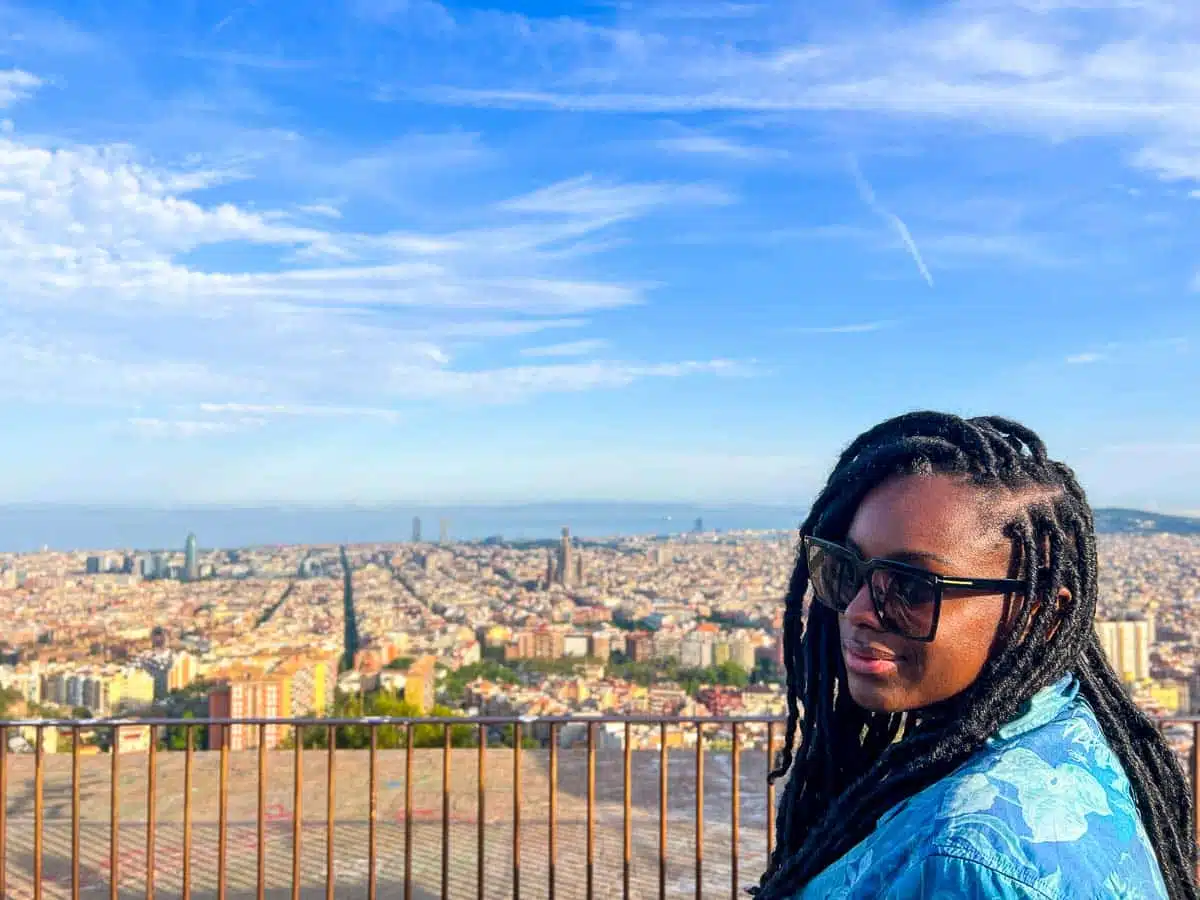
If you want to see the whole of Barcelona in one go, from the Sagrada Família to the sea, head up the Turó de la Rovira. The hilltop is better known as the Bunkers del Carmel, and the concrete remains of its Civil War gun emplacements are possibly the best place to take pictures in the city.
It’s not a secret any more. For years the bunkers were the city’s favourite free sunset spot, with crowds hauling up picnics and drinks to watch the sky change colour. That popularity came at a cost for the neighbours, and since 2023 the summit has been fenced and closed in the evenings, which changes how (and when) you should visit.
I made the climb while I lived in Barcelona for three months, and the views were worth every step. This guide covers the history of the hill, how to get there, the current opening hours and rules, and the best time to go.
Why the Bunkers del Carmel have the best view in Barcelona
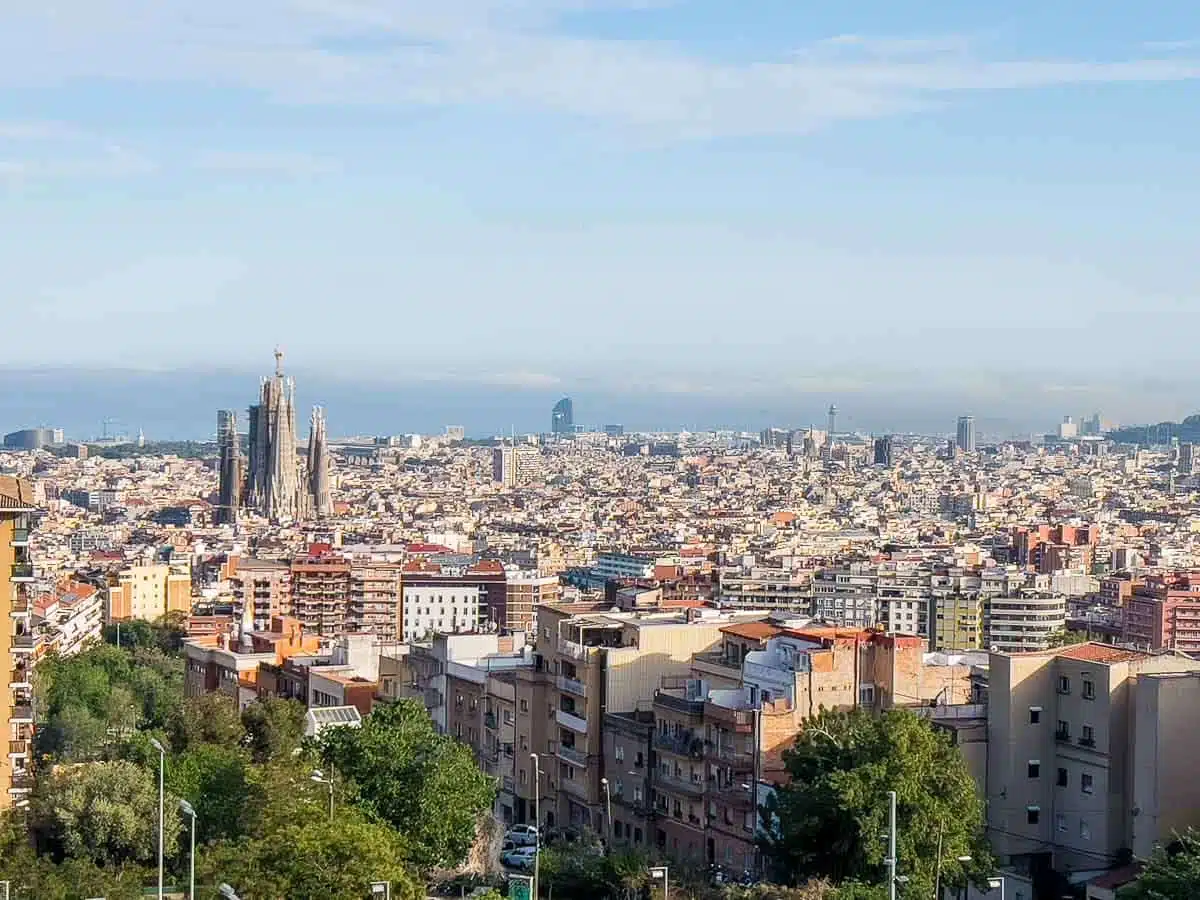
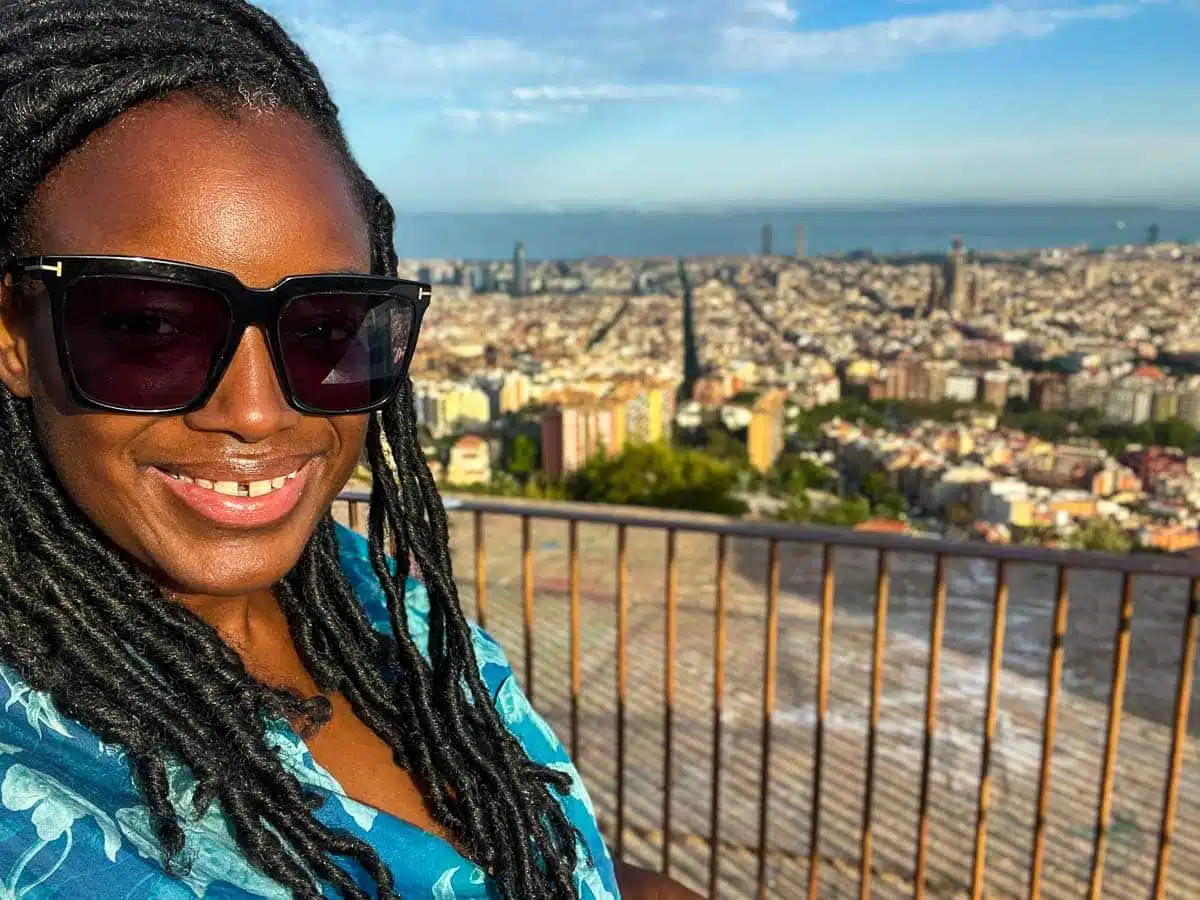
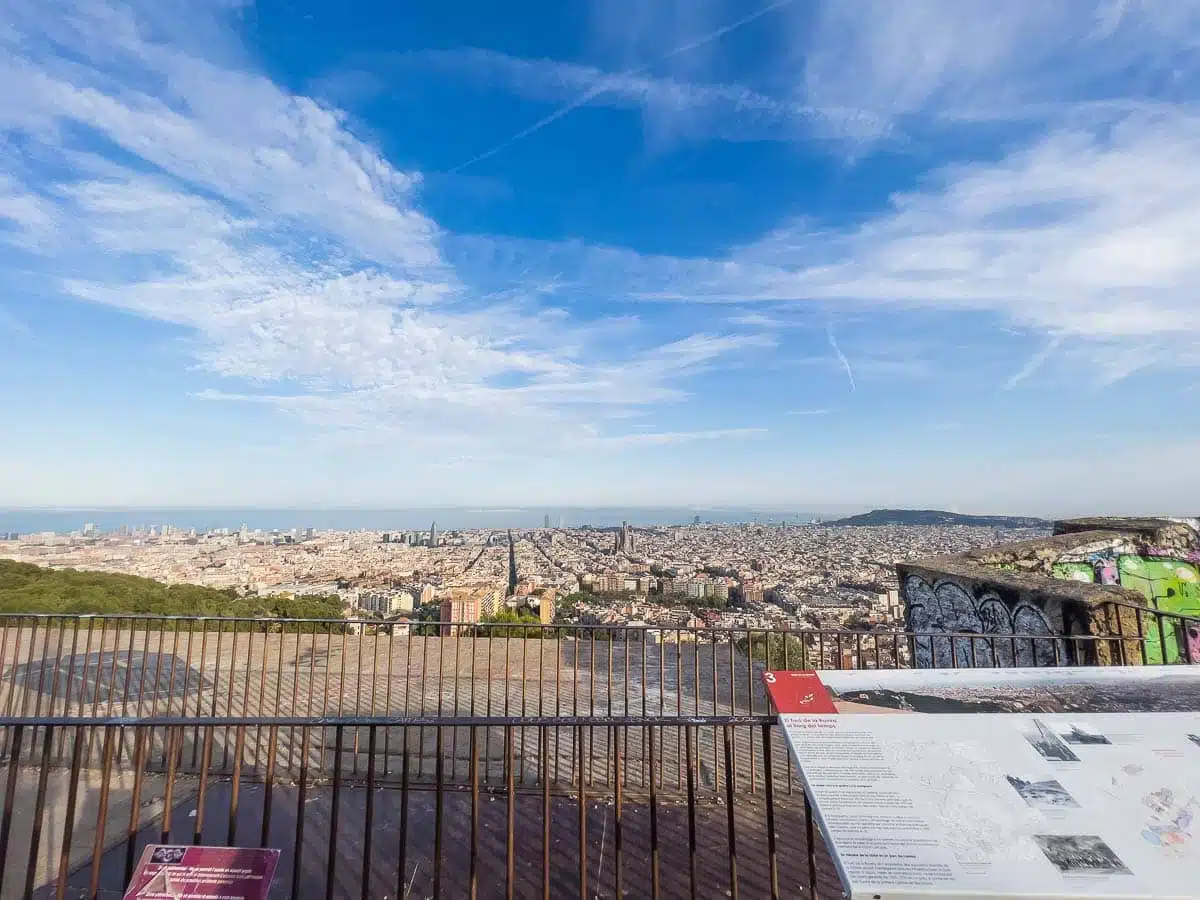
The views. From the top of the Turó de la Rovira, 262 metres above the city, you get a full 360-degree panorama: the grid of the Eixample with the Sagrada Família rising out of it, Montjuïc and the port, Tibidabo behind you and the Mediterranean stretching out in front. The climb is exhausting, but it’s also one of the best short hikes in the city, as the views at the end are magical.
It’s also a fascinating piece of the city’s history, and it’s free.
From anti-aircraft guns to a shanty town: the story of the hill
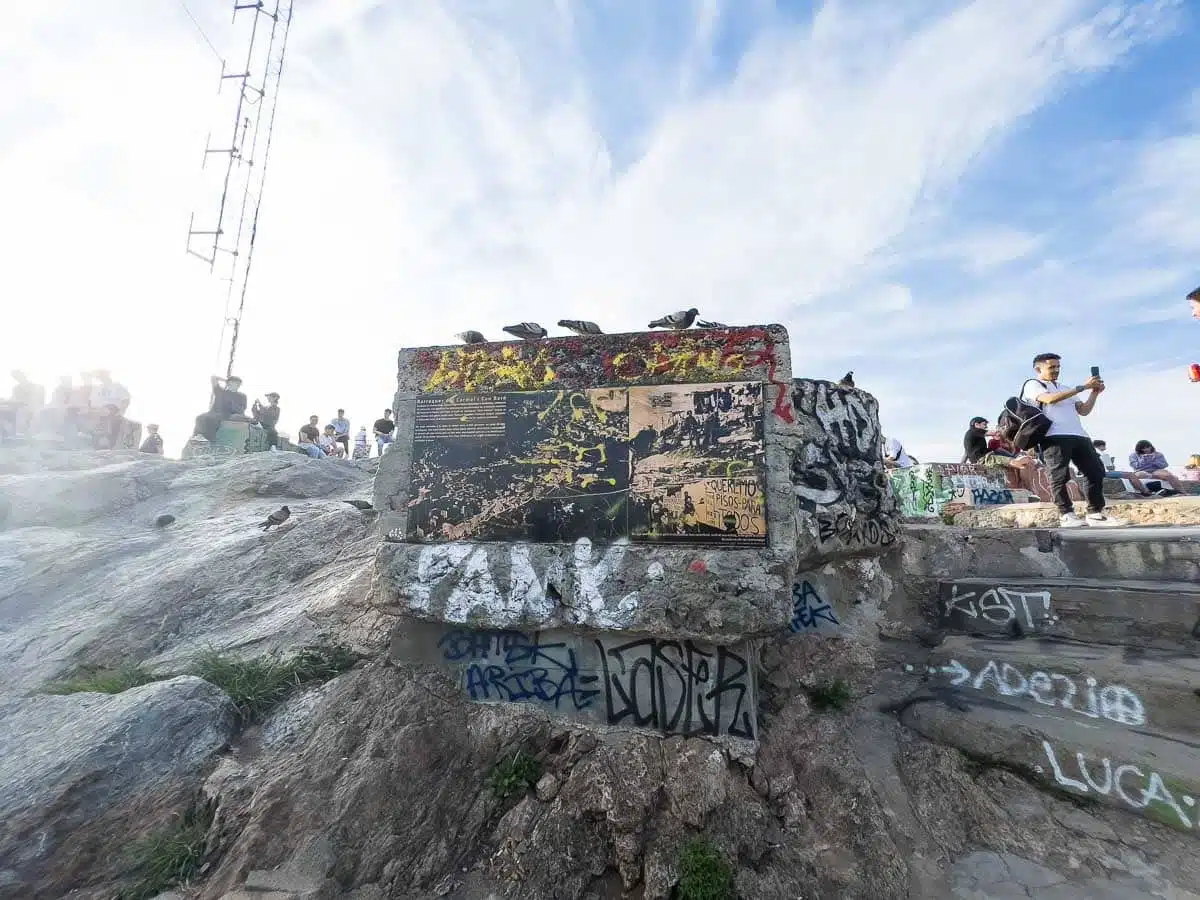
Despite the name, these were never bunkers. During the Spanish Civil War, the Republican government built an anti-aircraft battery on the hilltop to defend Barcelona from bombing raids. It went into action in March 1938 with four heavy guns, and the concrete platforms you sit on today are where they stood. As the city fell in January 1939, the Republican soldiers disabled the guns before leaving.
After the war, the hill took on a very different life. From the late 1940s, families who’d come to Barcelona looking for work built shacks among the ruins, and the settlement, known as Els Canons (“the cannons”), grew to around 110 homes and some 600 people. It was finally cleared around 1990, in the run-up to the 1992 Olympics.
The site was restored by MUHBA, Barcelona’s city history museum, and it’s now one of its heritage sites, with information panels around the summit and a small exhibition space in the old buildings.
Getting up the hill: metro, bus or on foot from Park Güell
- By metro: the nearest stations are Alfons X (L4), Guinardó-Hospital de Sant Pau (L4) and El Carmel (L5). From each, it’s a steep 15 to 20 minute walk uphill.
- By bus: buses 22, 24, V17 and 119 get you most of the way up. The last stretch is on foot, up Carrer de Marià Labèrnia.
- From Park Güell: the bunkers are a 20 to 25 minute walk away, so it’s easy to combine the two, as I do on day two of my 3-day Barcelona itinerary.
Top Tip
Wear comfortable shoes. The final climb is short but steep, and the ground at the top is rocky and uneven.
Opening hours, the night-time fence and the rules to know
- Opening hours: the summit is open daily from 9am to 7.30pm from May to September, and from 9am to 5.30pm from October to April. Outside those hours the gates are locked.
- Tickets: entry is free, and you don’t need to book.
- The museum spaces: MUHBA’s small exhibition in the old buildings opens on a few days a week, mainly at weekends. Check MUHBA’s website for the current hours.
- The rules: the night-time closure came in in May 2023, after years of complaints from neighbours about late-night crowds and noise, and the local police now clear the summit at closing time. Barcelona’s by-laws also ban drinking alcohol in public spaces, so leave the beers at home and take water instead.
When to go, now that sunset is off the menu most of the year
I highly recommend going in the late afternoon, as the tapestry of colour as the light softens over the city is to die for. But the new hours mean that sunset from the summit is now a winter-only plan.
From roughly mid-November to early January, the sun sets just before the 5.30pm closing time, so you can still catch it if you get there early. For the rest of the year, sunset falls after the gates have shut, so aim for golden hour, an hour or two before closing, when the light is warm and the views are at their best.
If you’d rather avoid the crowds, go first thing in the morning or on a weekday, when it’s much quieter.
Tips for the climb, the wind and the neighbours
- Bring water and a jacket: there’s no shade and no café at the top, and it can get windy, with the temperature dropping fast late in the day.
- Bring snacks, not drinks: there are a couple of shops on the way up from the metro if you want to pick up something to eat, but there’s nothing on the summit itself.
- Respect the neighbours: people live right below the hill, so keep the noise down on the way up and back.
- Combine it with Park Güell: go to the park in the morning, have lunch in Gràcia, then walk up to the bunkers in the afternoon.
Map
Read next
- Park Güell: how to plan your visit and what not to miss
- 3 days in Barcelona: the perfect itinerary
- Montjuïc, Barcelona: the castle, the cable car and the best views
- Things to do in Barcelona
Love this? Save and share on Pinterest
Discover the top things to do, insider tips and hidden gems in our Spain Travel Guide.
Read the guides →