Svolvær sits at the heart of Norway’s Lofoten Islands, a small town brimming with the possibility of adventure. Discover the best things to do in Svolvær with this guide.
It’s no secret I love Norway’s Lofoten Islands. They’re a stunning getaway that’s enjoyable any time of the year for epic scenery during the day and wildly unique nighttime skies.
At the heart of it all sits Svolvær, the capital of the Lofoten Islands. It’s officially a town, but you’d be mistaken for thinking it’s a bustling metropolis. Instead, it’s a quiet gem where the pace of life is slower, the economy revolves heavily around fishing and adventures abound.
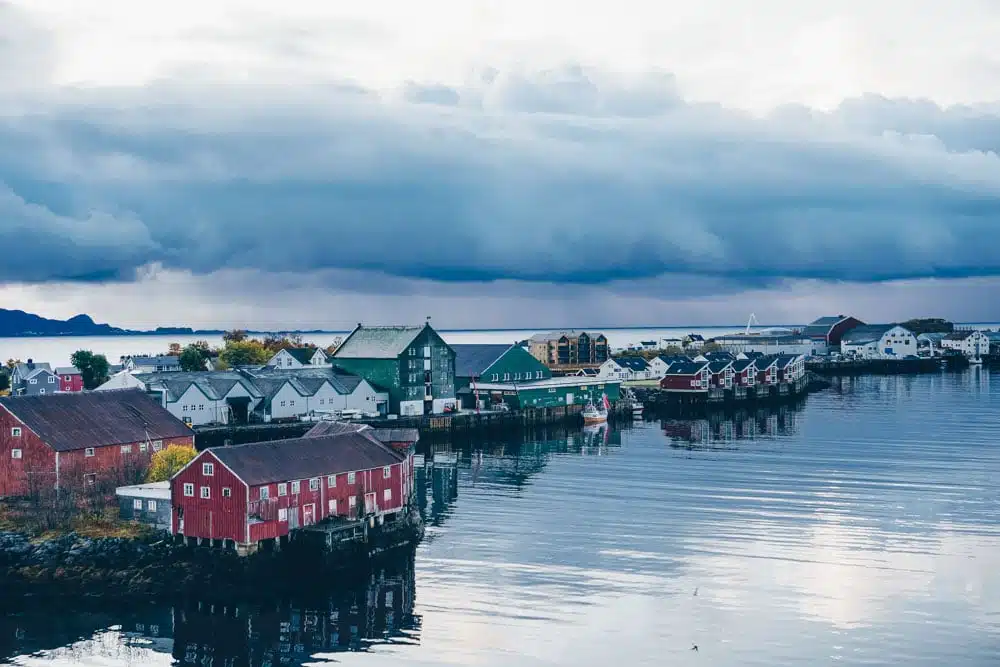
I’ve based myself here on both of my trips to Lofoten, in October and again in February. The first time, I arrived after dark and only saw the place properly the next morning, when the sun came up over a harbour so picturesque it almost hurt.
That said, there’s a helluva lot to do for a smaller town, not to mention that it’s the perfect location for exploring the sprawling expanse of the Lofoten Islands.
Ready to discover the best of it? Let’s go.
Wanna take a sneak peek? Check out my travel guide on YouTube!
Top 5 things to do in Svolvær
Head out on a sea eagle safari

Even the quickest glance at things to do here will tell you that there’s a lot of wildlife to see on your visit to the Lofoten Islands but the sea eagle safari is hands down my favourite.
Safari is the right word too. This is no sedate cruise for a bit of bird spotting, this is an adrenaline-fuelled experience to see white-tailed sea eagles, the largest birds of prey in northern Europe.
It was such a whirlwind of wonder, from the moment I donned my (rather fetching) insulated suit, to the time spent pelting across the fjords under the experienced guidance of our local guide, not to mention seeing the eagles themselves.
Imagine riding through gigantic massive fjords, ensconced by towering cliffs only to see Sea Eagles swooping down to catch fish just a few metres from your boat. Magic.
When I came off the boat, all I could say was that it was the most ridiculous experience I’d ever been on. You cling on, you bomb it through the fjords, and then the eagles come so close you can barely believe it.
The trip heads into Trollfjord, a narrow fjord with sheer walls on both sides. Our guide told us the legend of how it was made: one troll threw a giant axe to scare away a rival troll’s goats and sheep, missed, and cut clean through the mountainside, letting the sea flood in.
The safari runs from Svolvær harbour with XXLofoten and takes about two hours. If you’d rather take things slowly, the Silent Trollfjord Cruise takes about three and a half hours.
Do
Book a Spot on the Sea Eagle Safari to Trollfjord
Try your hand at deep fjord fishing

Deep sea fishing is always fun, but again this is Norway so we’re heading to the fjords to do things a little differently. Let me tell you, it doesn’t get much better.
On my first trip to Svolvær, I took a guided fishing expedition with XX Lofoten. The captain was great, showing us how he found fish on his fish finder before we took a crack at casting out our lines.
We gathered just as the sun rose, the warm light catching the water in flecks of gold and pink before heading out into what looked like the sea but which our captain assured us was just a giant fjord. Fish-finder activated, we spent a couple of hours chasing shoals and catching enough haddock, cod, and other tasty morsels for our lunch.
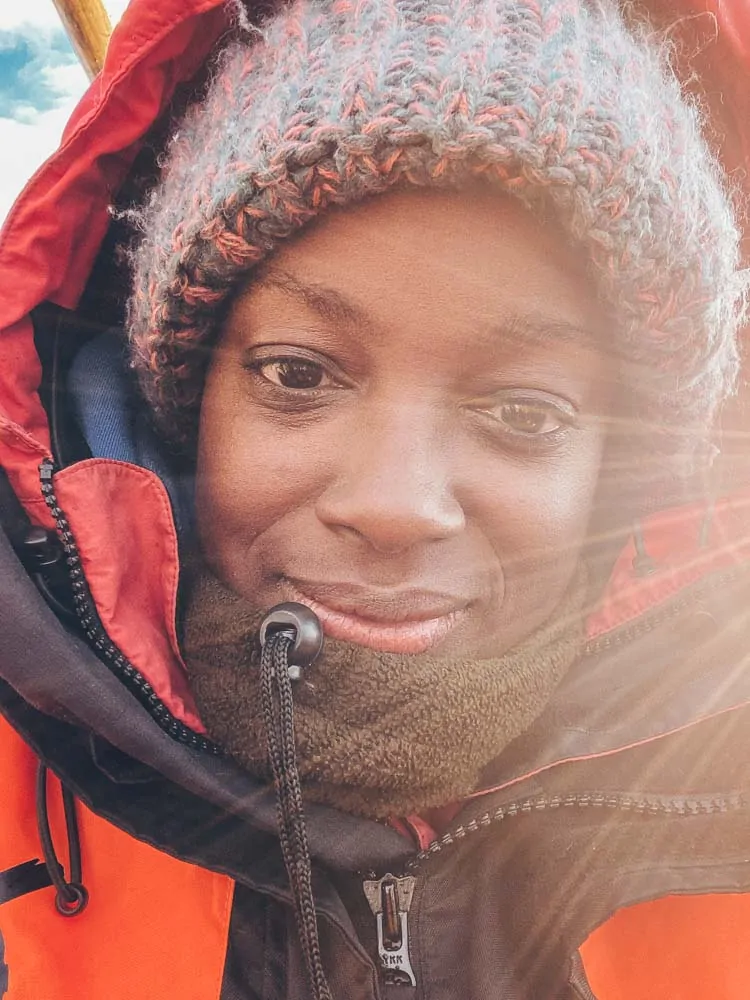
I was dressed in a padded red and black onesie that doubled as a flotation aid, and I looked like a cross between a swaddled baby and the Michelin Man. I pulled my line in five times: two misses and three fish, one so small we threw it back. The gulls swarmed the boat the whole time, angling for their share.
But the best part? Enjoying my catch on the boat with the fjord views.
The trips run on the MS Symra, a wooden fishing boat built in 1917, and leave from the quay in the centre of town. They take three hours in summer (May to October) and four in winter (mid-February to April), when the stories of the old cod fishery are part of the trip.
See the Midnight Sun

Ever heard the expression Land of the Midnight Sun? Yes, that’s Norway.
Seeing the sun dance around the edge of the coastline and never quite disappear is something I recommend everyone try at least once.
You can take a short hike for unique photos or just look out your hotel window before you turn in for the evening.
Top Tip
You’ll need to visit in the summer to see the Midnight Sun, which most locals consider the best time to visit for hiking and sightseeing. Here, the sun stays above the horizon from late May to mid-July.
Track down the Northern Lights
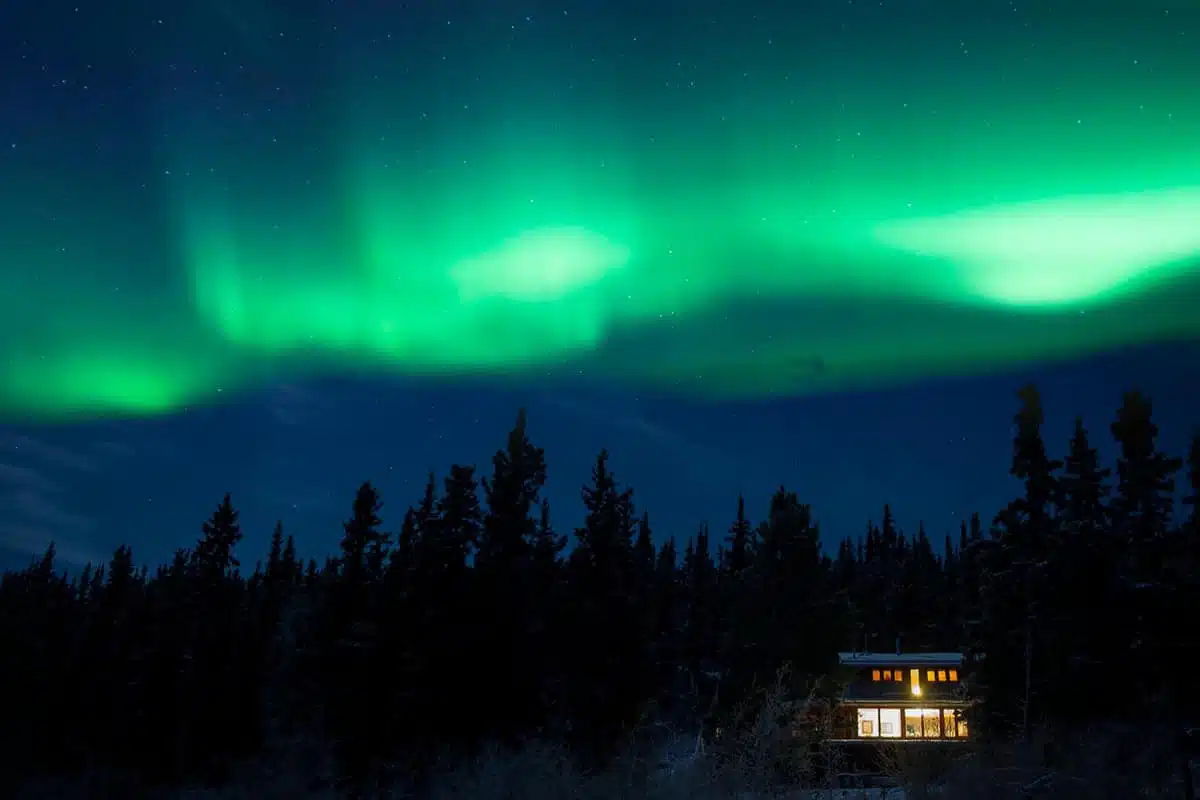
Seeing the Northern Lights is absolutely incredible but you’ll have to be a bit luckier than with the Midnight Sun.
While anybody, I mean anybody, can see the Midnight Sun, finding the Northern Lights is a lot trickier.
I won’t lie. Although Lofoten’s position in the Arctic Circle means it’s well-placed for Aurora activity, its coastal location means it’s prone to a lot more cloud cover than other Norwegian destinations like Tromsø. It was cloudy for much of my February trip.
Luckily, there are some great tour guides who do a lot of the hard work for you, finding spots where the clouds aren’t there to spoil your party. Visit from late August to mid-April for your best chance at seeing them. The darkest months, from October to February, give you the most hours to look.
If you’re hunting for them yourself, watch the cloud forecast as closely as the aurora forecast. On my Tromsø trip, I used the cloud layers on Windy Premium to find a clear patch of sky, and the same trick works here. My guide to how to see the Northern Lights has more tips.
Go kayaking in the Norwegian Sea

Kayak through the gorgeous fishing villages and harbours nearby to take in the beauty of the Norwegian Sea while getting some cardio.
If you don’t have your own gear, some great tours teach you more about local customs and show you the best places to paddle out from. Guided trips run in winter as well as summer, and the winter trip below lasts two hours.
If you want luxury accommodation in a central location, Thon Hotel Lofoten is a brilliant choice.
Brilliant things to see and do
Watch the sun rise over the harbour

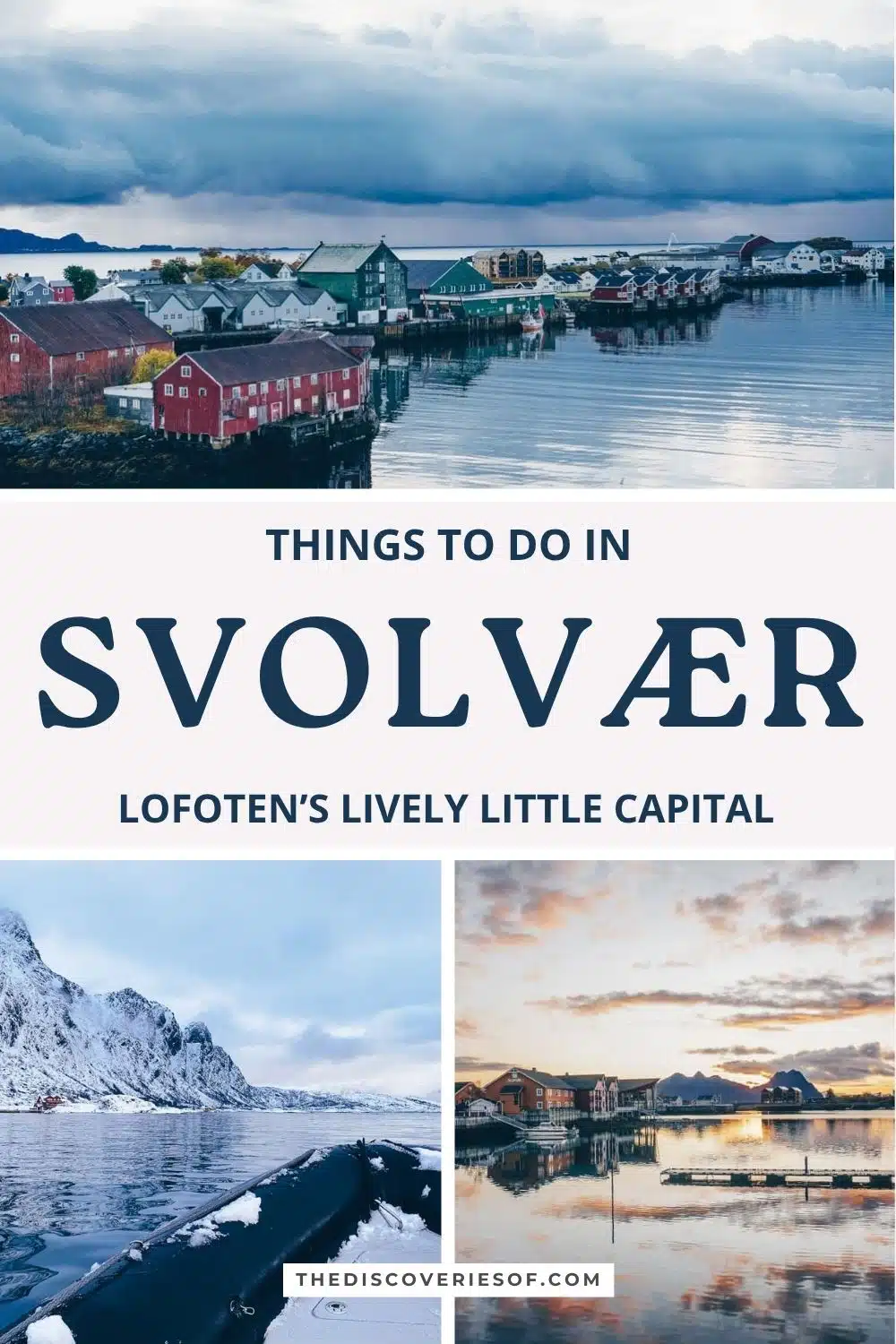
Some of my favourite moments here didn’t cost a thing. On my October trip, the sunrises over the harbour were glorious: still water, fishing boats, red and white quayside buildings and a sky turning pink behind the mountains.
In autumn and winter, the sun comes up late enough that you don’t need to set an alarm to catch it. Wrap up warm and walk down to the quay before breakfast.
Try stockfish
Delve into unique flavours of stockfish, a Lofoten Islands food staple.
What exactly is it? Fish, usually cod, that locals catch in winter and hang on wooden racks to dry in the cool, salty air. Unlike bacalao, it isn’t salted, and once it’s dried, it keeps for up to ten years.
It’s much more delicious than it sounds and one of many local specialties I fell in love with on my first visit. You can smell it on the air as you walk around town, and I tried it for the first time at dinner at Paleo Arctic, paired with chorizo, paprika and carrots. On the same trip, I toured the warehouse of stockfish producer L. Berg + Sønner. I’ve recommended a couple of restaurants in the restaurants section below.
Take a trip to Henningsvær
Henningsvær is one of the most photogenic places I’ve travelled to.
Sometimes called “the Venice of the North”, it’s a charming village made up of several small islands, about half an hour’s drive from Svolvær. There’s lots to do, with great food and art. But there’s a surprise for football fans you have to see to believe.
Henningsvær Football Pitch sits on its own little island and is an unbelievable place to take in a game or photograph from above. When I visited in February, the weather was looking distinctly unpromising, but I got the drone up anyway and the view from above was insane.
Read more in my Henningsvær travel guide and my guide to the Henningsvær football pitch.
Hike the Devil’s Gate
Djevelporten, or the Devil’s Gate, is a short but challenging hike you’ll want to take if you travel in the summer.
The out-and-back trail is under 2 miles long but full of fun rock formations and challenging (read slippery) terrain. Since 2019, Sherpas have been building a staircase up the lower part of the trail, nicknamed the Devil’s Staircase, which makes the start much easier.
The hike gets its name from the large boulder somehow balancing between cliffs like a bridge, and some hikers even walk out and pose on the bridge. The ground around it is steep and exposed, so take great care. If you have the energy, you can carry on to the top of Fløya (590m) for views over the town and Vestfjorden, but the last section is a scramble along a cliff edge.
Top Tip
Wear good hiking shoes and avoid going after rain or snow.
Look up at Svolværgeita
You can’t miss the Svolvær Goat. Svolværgeita is a rock pinnacle high on the mountainside above town, topped by two horns of rock, and it’s visible from the harbour as you sail in.
Climbers first reached the top in 1910, and the ultimate test is to jump the gap of about 1.5 metres from one horn to the other. Needless to say, that’s one for experienced climbers with a guide (the tourist office can arrange one). For the rest of us, the path to Djevelporten gives you a great view of it.
Visit Magic Ice
Magic Ice is an ice bar and gallery filled with lit-up ice sculptures of Lofoten life, from fish racks and fishermen at the gutting bench to trolls and sea ghosts from local folklore. They lend you a warm cape to wear, and your drink comes in a glass made of ice.
It’s on Fiskergata, a short walk from the harbour, and opens from the late afternoon into the evening. It’s a fun one for a dark winter evening or a rainy summer day.
Learn about the war at the Lofoten War Memorial Museum
Tucked between the Lofoten Culture House and the Hurtigruten quay, this small museum covers the Second World War in northern Norway, from 1940 to 1945. It has a huge collection of uniforms, rare photographs and a room dedicated to the Lofoten raid.
Opening hours change through the year, so check before you go.
Take a trip to Kabelvåg and the Lofoten Cathedral
Just 5km west of Svolvær, the old fishing village of Kabelvåg is worth a short detour. Its big draw is Vågan Church, better known as the Lofoten Cathedral, a wooden church from 1898 with 1,200 seats, making it the largest church in northern Norway.
It was built to hold the thousands of fishermen who came to Lofoten for the winter cod season. It’s open to visitors in summer and into the autumn, for a small fee.
Take a closer look at the rest of the islands in my Lofoten travel guide video.
Must-try bars and restaurants
Nordis Restaurant
Du Verden became a fast favourite of mine on my last couple of trips.
Now known as Nordis Restaurant, it’s still in the same spot on the quayside by the square, and serves up a tasty (and wide-ranging) menu with pizzas, burgers and Norwegian classics. Everything I’ve had is great, and it’s a friendly place to kick back in after a long day of outdoors adventures. In summer, grab a table on the big outdoor terrace.
Bacalao

Bacalao is another of my go-to spots in town.
The seafood dishes are top-notch, the atmosphere is upmarket but laid back, and they have a great wine list (although, be warned) you can rack up a sizable bill in a hurry. As the name suggests, salt cod is on the menu, alongside local classics like stockfish. It’s set in a former car workshop on the harbour, with a fireplace inside and a heated terrace outside.
Pizzeria Fellini Svolvær
Listen, the seafood here is incredible. But at a certain point, you may tire of it or just want to try something new for the sake of variety.
Fellini doesn’t just offer a welcome change. They dish up some of the best pizzas you’ll find North of Italy, plus grill dishes if you’re not in a pizza mood.
Paleo Arctic

I have a rule about always leaving my hotel to find good food. I’m willing to break that rule when staying at Thon Hotel Lofoten.
Paleo Arctic has incredible seafood dishes and a great wine list perfect for a nice lunch or dinner.
Dishes like creamy fish soup or grilled stockfish allow you to sample fine-dining versions of Norwegian classics in a stylish space. This is where I tried stockfish for the first time, and the menu also features local cod and Lofoten lamb.
Børsen Spiseri
If it’s truly authentic food you’re after, Børsen Spiseri, at Svinøya Rorbuer, is one of the best places to dine in Lofoten.
It’s set in a quayside fish warehouse dating back to 1828, on the little island of Svinøya, linked to the town centre by a bridge. The seafood is excellent, and it’s a cosy spot on a cold night. Book ahead.
[mv_grow_share networks=”pinterest” show_count=”no” show_total_count=”no” button_spacing=”yes”]

Best hotels in Svolvær
Thon Hotel Lofoten

Looking for luxury? Thon Hotel Lofoten is a lovely four-star hotel right on the water by the Hurtigruten quay. I stayed here during my first trip and it is my favourite hotel in the city. Book a room and you’ll enjoy its own parking garage, an excellent breakfast, and beautiful decor inside your room with a view of the harbour or the mountains.
The rooms are cosy and well designed, and the breakfast is (rightly) famous: it took first place in Norway’s Best Breakfast Awards in 2023 and 2024.
Scandic Svolvær
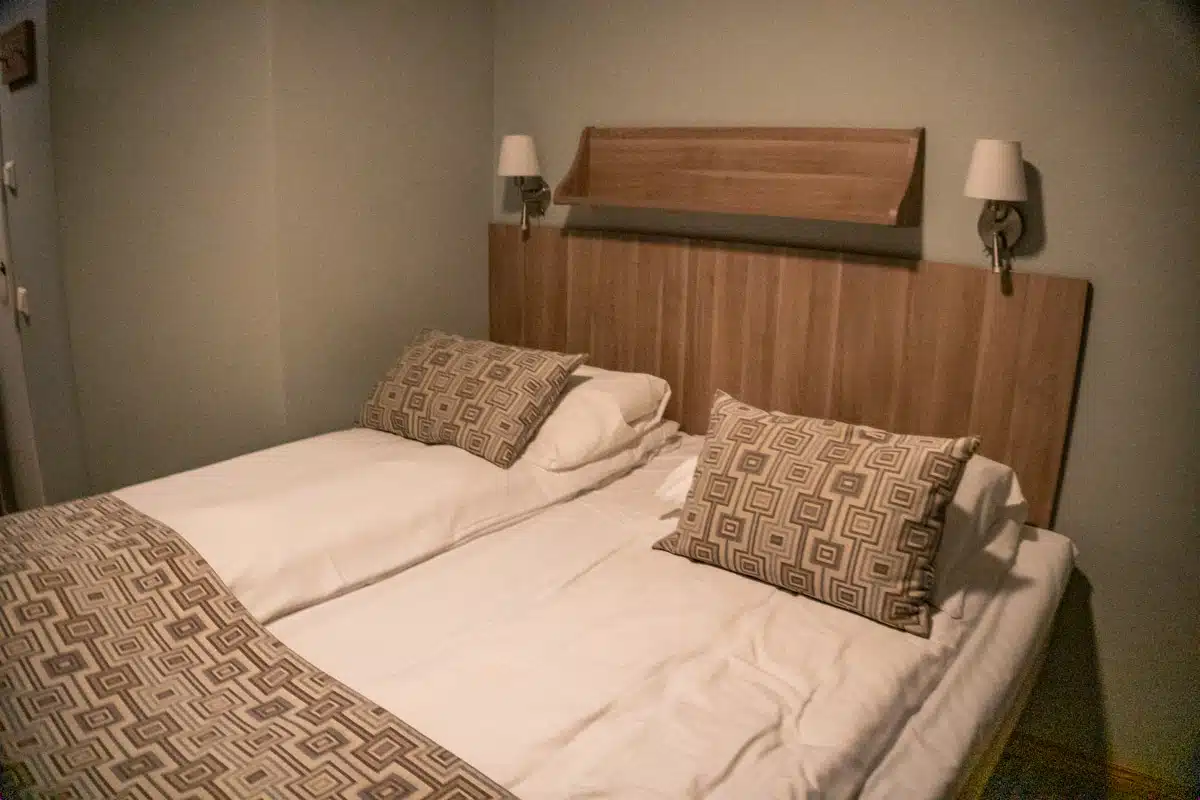
Another hotel I’ve stayed in, on my second trip, although not quite as nice as Thon, you’ll find affordable accommodation at Scandic Svolvær. Overall, it’s quite nice and the rooms with harbour balcony views are really cool. The rooms themselves are fairly basic, but it made a perfectly good base for exploring Lofoten by car.
My only knock on the hotel is the rooms are really cold in the winter.
It sits on Lamholmen, on the water in the centre of town. Parking is limited, so if you’re driving, check before you arrive.
Anker Brygge
If you want to live like a local for a few days, Anker Brygge sets you up in a rorbu (former fishing hut) with plenty of space, a kitchenette, and ocean views, a short walk from the town centre.
It’s on Lamholmen, a little island in the harbour about 200 metres from the square, and its restaurant, Kjøkkenet, serves traditional northern Norwegian food by the fire.
Nordis Apartments
Nordis Apartments, formerly Nordis Hotel & Suites, features stylish apartment-style accommodation with modern decor and comfortable furniture and beds. But the gorgeous mountain views from private balconies are the highlight here.
The apartments have two or three bedrooms, each with its own bathroom, and the three-bedroom ones come with a sauna. On autumn and winter evenings, you can watch for the Northern Lights from the balcony.
Svinøya Rorbuer
For a rorbu stay without leaving town, Svinøya Rorbuer sits on its own little island, linked by a bridge to the town centre. Its cabins are spread out between the fish racks and the old quayside buildings, and Børsen Spiseri is on site for dinner.
Practical tips for your trip
How long should you stay?
I think 5 days gives you enough time to explore the town, take a couple of tours, and explore other parts of the Lofoten Islands like Henningsvær, Å and Hamnøy. It’s about a two-hour drive from Svolvær to Å at the very end of the road, longer in winter.
Best time to visit Svolvær
If you’re planning on experiencing the Midnight Sun, visit from late May to mid-July. If you’re more into hunting out some Northern Lights, you’ll want to travel here from late August to mid-April.
I’ve been in October and February. October brought glorious sunrises and calm water, while February brought snow on the peaks right down to the sea, which was exactly what I’d come for.
Where should I stay?
One of the reasons I recommend staying in Svolvær when visiting Lofoten is that you can choose from a wider range of hotels. It also has the most restaurants and bars on the islands, and it’s where most boat trips start.
There are luxury hotels and budget-friendly options throughout town; most are near the water. You are here to take in the beauty of the Norwegian Sea, after all.
If you’d rather wake up somewhere more remote, my Lofoten Islands guide covers where to stay across the islands.
How do I get to Svolvær?
Svolvær is in the Lofoten Islands on Austvågøya. You can reach it in several ways.
My favourite? Fly into Harstad/Narvik Airport, Evenes (Norwegian and SAS both fly there from Oslo), pick up a hire car at the airport, and take the 2.5-hour drive down. That’s what I did on my second trip. On my first, I took the bus, and the last leg was in the dark, with glimpses of the mountains lit by the moon. The Arctic Route airport bus takes about three hours.
You can also fly straight to Svolvær’s own little airport with Widerøe, which runs small propeller planes from Bodø.
Alternatively, you can take a ferry from Bodø. The passenger-only express boat runs once a day and takes about three and a quarter hours. If you’re bringing a car, the car ferry runs from Bodø to Moskenes, at the southern end of the islands, in three to four hours, and it’s then about two hours’ drive up to town.
Or arrive by sea in style: the coastal ships of Hurtigruten and Havila Voyages both call at Svolvær every day on their Bergen to Kirkenes route.


Things to do in Svolvær: Map
Read more Lofoten travel guides
- A Guide to the Lofoten Islands Norway: Brilliant Things to Do + Travel Tips
- A Food-Lover’s Guide to the Lofoten Islands: A Culinary Adventure in Norway’s Arctic Circle
- Henningsvær Travel Guide: The Jewel of the Lofoten Islands
- Hamnøy Travel Guide: The Most Beautiful Fishing Village in Lofoten
- Unmissable Things to Do in Norway
- Planning Your Norway Trip? Read This Practical Travel Guide
Love This? Save and Share on Pinterest

Discover the top things to do, insider tips and hidden gems in our Norway Travel Guides.
Read the guides →