
I’ve been to more than 100 countries, and the Philippines blew me away. But it also handed me a four-hour taxi ride for a two-hour journey, a day-long power cut and a lagoon so crowded with selfie-takers that I could barely see the jellyfish. So is the Philippines worth visiting, who will love it, and what does nobody tell you before you go? Here’s my honest verdict after three weeks.
The Philippines has a reputation for some of the most beautiful islands on earth, and after three weeks travelling from Siargao to Coron, I can confirm it lives up to it. It’s also a country of long transfers, island-time delays, typhoons and crowds at the famous spots, and it pays to know that before you book.
I spent just over three weeks travelling through Siargao, Moalboal in Cebu, Puerto Princesa, El Nido and Coron, with a three-day boat expedition between the last two. I’d worried beforehand that I’d given the Philippines too much of my trip. The answer was absolutely not: I could have stayed for months. Here’s what makes it worth it, the honest downsides, and who I think will love it most.
Some links in this article may be affiliate links, which means we may receive a small commission, at no additional cost to you, if you decide to purchase through one of my recommended partners.

The short answer
Yes. If you’ve ever wondered whether the Philippines is worth it, I’d 100% say yes. It was one of the most varied, beautiful and memorable trips I’ve ever taken, and Filipinos are genuinely some of the kindest people on the planet. But it rewards people who plan their routes, leave slack in their schedule and go in the right season.
Why the Philippines is worth visiting
The islands really are that beautiful
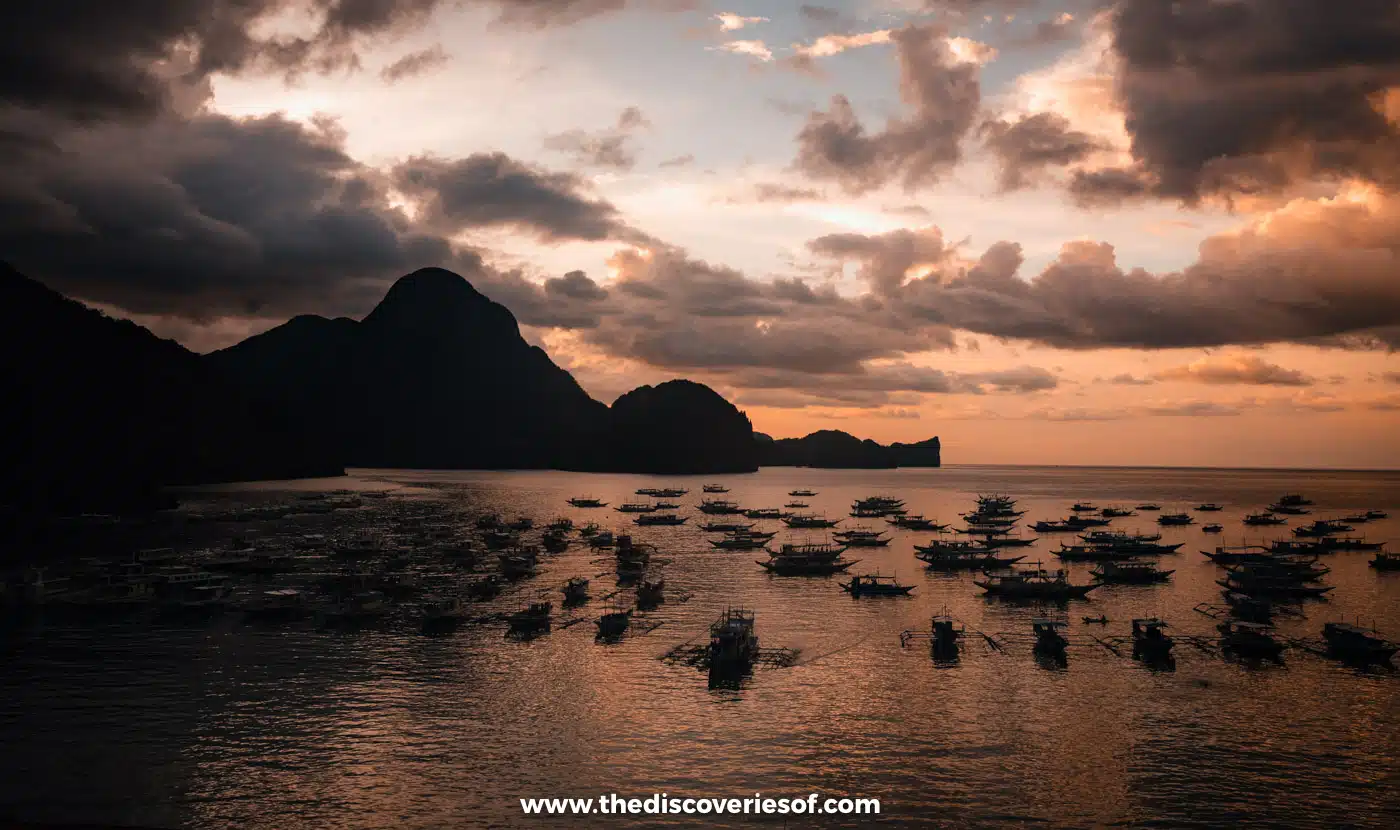
Kayaking into El Nido’s lagoons between towering limestone walls, swimming in the emerald Twin Lagoon in Coron and floating in Sugba Lagoon on Siargao were exactly what I’d hoped for when I imagined a trip to the Philippines. There are 7,641 islands, so you can choose your style: some are surfer chic, some are laid back, others are busier and more touristy.

The underwater world is extraordinary
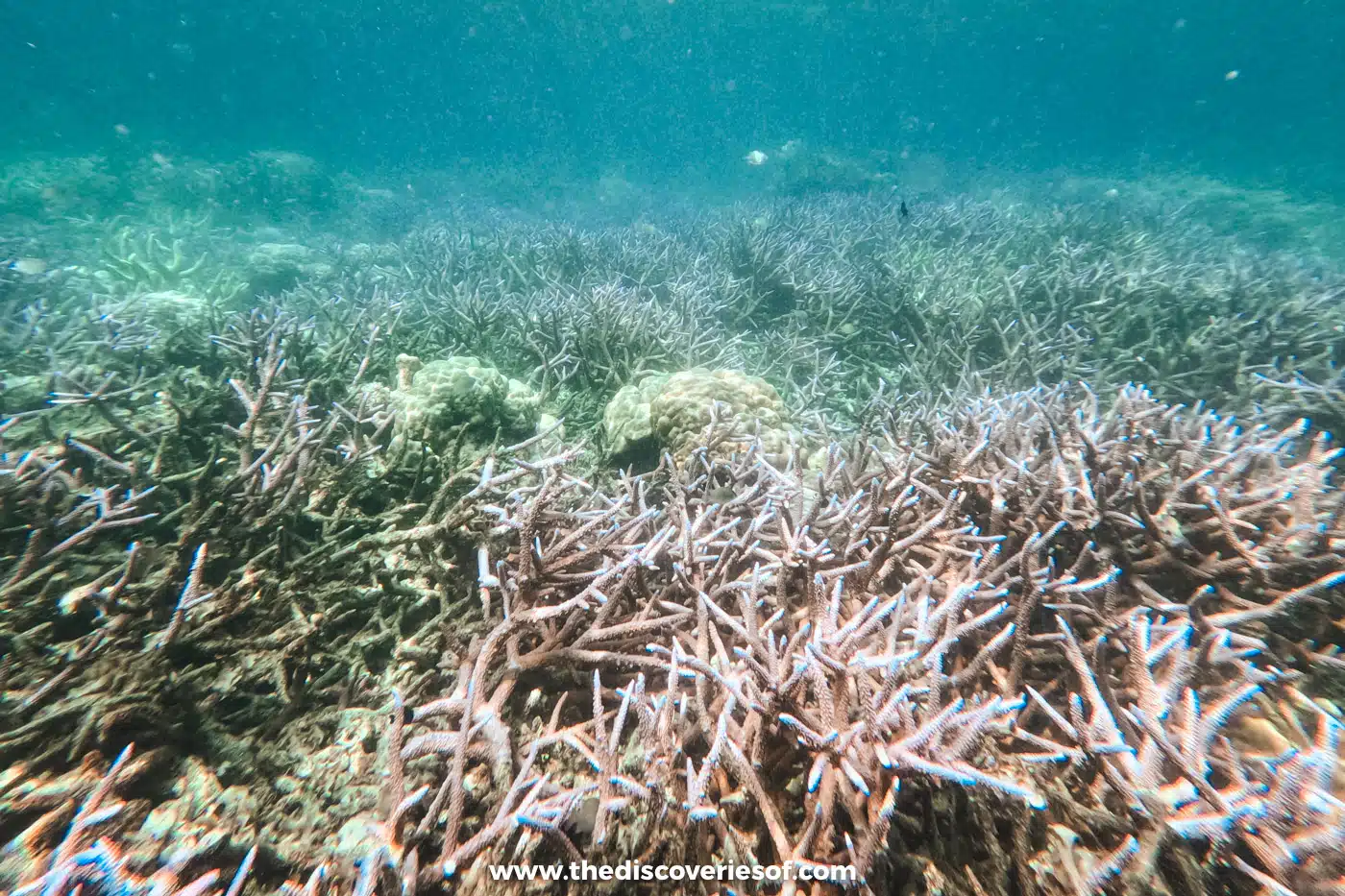
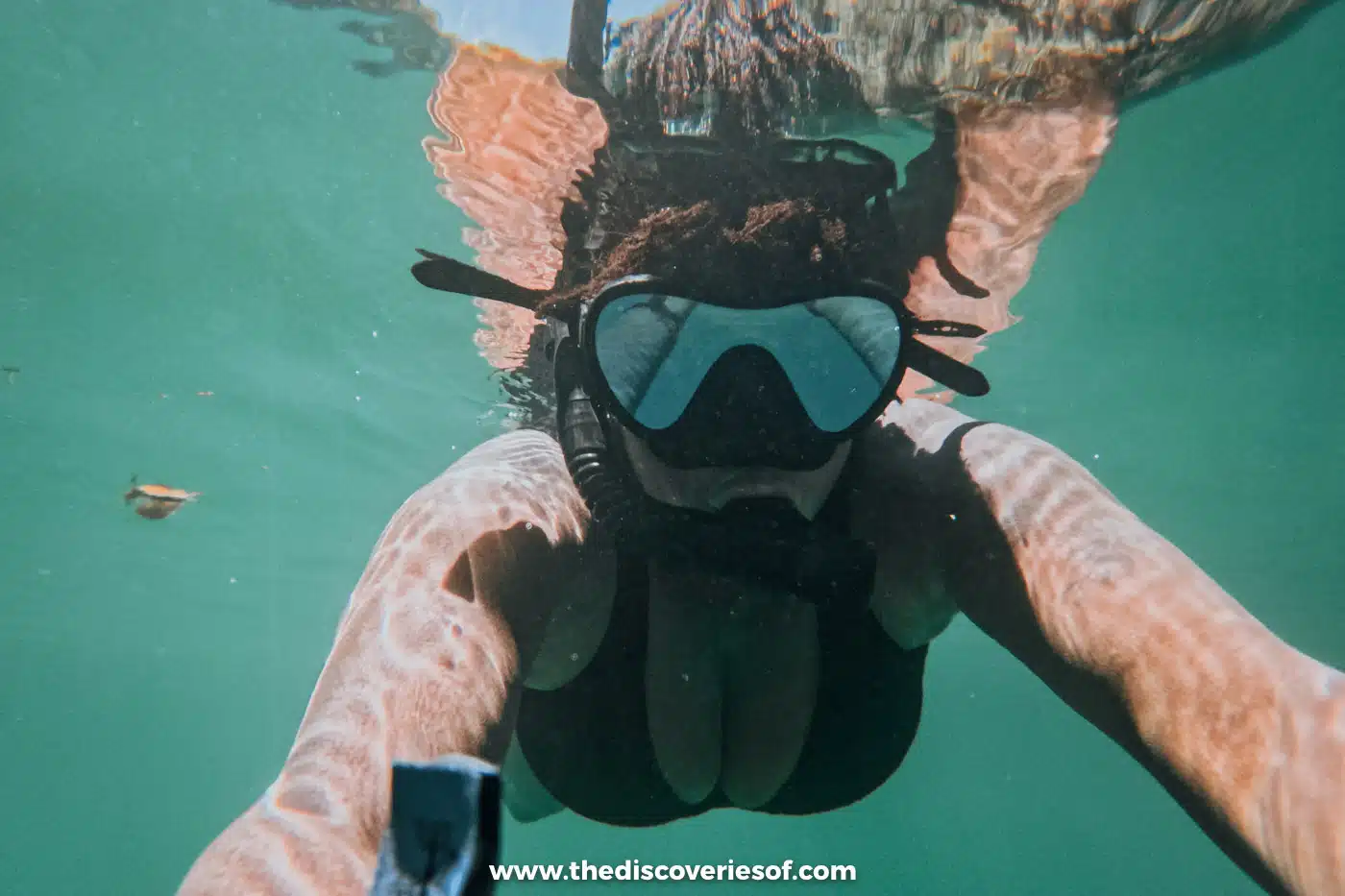
The Philippines was named the World’s Leading Dive Destination at the World Travel Awards for the seventh year running in 2025, and you don’t need to dive to see why. I swam with millions of sardines off the beach in Moalboal, chased jellyfish around a lagoon at Sohoton Cove, and snorkelled over a coral garden in Coron with electric-blue coral I’d never seen before, anemones and clownfish everywhere.
The adventure days are some of the best I’ve had
Canyoneering to Kawasan Falls in Cebu was one of the best days I’ve ever had while travelling. The three-day Keelooma expedition from El Nido to Coron, sleeping at basic island camps and snorkelling a shipwreck, was next-level, and one of the highlights of the whole trip. And I rediscovered how much I love kayaking.
The people
Filipinos are funny, generous and endlessly helpful, and they love karaoke. English is widely spoken: the Philippines ranked second in Asia in the EF English Proficiency Index for 2025, which makes it one of the easiest countries in the region to travel independently.
It’s good value
Shared island-hopping tours cost about ₱1,200 to ₱1,800 (about £14 to £21), a carinderia meal about ₱75 to ₱150 and a good private room in a hostel or guesthouse about £50 to £70 a night. It’s not the cheapest country in South-East Asia once you add domestic flights and tour fees, but it’s very good value for what you get. My guide to how much a Philippines trip costs has the full breakdown, with my own spend.
The honest downsides
Getting around takes time
Island-hopping in the Philippines means flights, ferries, vans and tricycles, and connections rarely line up neatly. My flight into the country involved collecting my bag, dropping it to be taken to another terminal and catching a shuttle bus, on about three hours’ sleep. My taxi from Cebu airport to Moalboal took almost four hours, against the two I’d expected. Since March 2026 the small turboprop flights to places like El Nido, Coron and Siargao no longer leave from Manila’s main airport, so you’ll often route via Clark or Cebu instead. My guide to getting around the Philippines explains the options.
The famous spots are busy
Sohoton Cove was spectacular, but the constant photo-taking drove me mad, and Sugba Lagoon was packed and would have been nicer a little quieter. Some popular spots are well run, with daily caps, such as the Puerto Princesa Underground River’s 900 visitors a day, but others aren’t, and tours from the same port tend to arrive at the same places at the same time.
Not everything lives up to the hype
Barracuda Lake in Coron was my least favourite snorkelling of the trip: poor visibility and two fish in 20 minutes. Pescador Island, Moalboal’s best-known dive site, wasn’t my favourite dive either. Most places over-deliver, but it’s worth reading honest reviews before building a day around one sight.
Weather and typhoons
The Philippines gets about 20 tropical cyclones a year, mostly between July and October, and boat trips are cancelled whenever the coastguard raises a storm warning. The rainy season broke at the very end of my trip, in early June, with the loudest thunderclap I’ve ever heard. If it had arrived a week earlier, my boat expedition would have been an absolute nightmare.
Power cuts, cash and connectivity
There was an all-day power cut in Moalboal while I was there, which meant no air con in the heat. Power on the islands can be fragile: Siargao was without power for 14 days in December 2024. ATMs in small towns run dry, especially at weekends, and many places only take cash, so carry more than you think you need.
Safety
The UK Foreign Office and US State Department both advise against travel to parts of Mindanao, the Sulu archipelago and the Sulu Sea, but both specifically exclude Siargao. The rest of the main tourist trail is generally safe, with the usual petty crime and scams in cities. The FCDO also warns that ferries have a poor safety record, especially from June to December, so stick to reputable operators and don’t board in bad weather.
Who will love the Philippines
- Beach and island lovers who want lagoons, sandbars and limestone cliffs.
- Snorkellers and divers, whatever their level.
- Active travellers who like canyoneering, kayaking, surfing and boat trips.
- Independent travellers happy to plan transport, with English widely spoken.
Who might not
- Anyone short on time. With fewer than ten days, you’ll spend too much of it in transit. Pick one or two areas.
- Travellers who need everything to run on time. Delays are part of the experience.
- Anyone set on the rainy season. You can travel from June to November, but expect cancellations.
How to make it worth it
- Go in the dry season, roughly December to May, and book Palawan well ahead for March to May.
- Give it at least two to three weeks and don’t try to see everything. My 3-week Philippines itinerary is the route I’d recommend.
- Route your flights carefully, with time between connections.
- Leave a spare day before any international flight home, in case of weather.
- Go early to the famous spots, before the tour groups arrive.
- Pack water shoes and a dry bag. You’ll use them every day. My Philippines packing list has the rest.
My verdict
The Philippines has been one of the best trips of my travelling life, and that’s from someone who has been to more than 100 countries. It’s so varied, there are so many islands to explore, and every time you think you’ve had your once-in-a-lifetime moment, you turn a corner into another amazing place. I’d go back in a heartbeat, starting with Siquijor, which I didn’t get to.
Read next
- The perfect 3-week Philippines itinerary
- Best places to visit in the Philippines
- Philippines travel tips
- Getting around the Philippines
- How much does a trip to the Philippines cost?
- Filipino food: 12 dishes to try in the Philippines
Love this? Save and share on Pinterest


Discover the top things to do, insider tips and hidden gems in our Philippines Travel Guides.
Read the guides →


