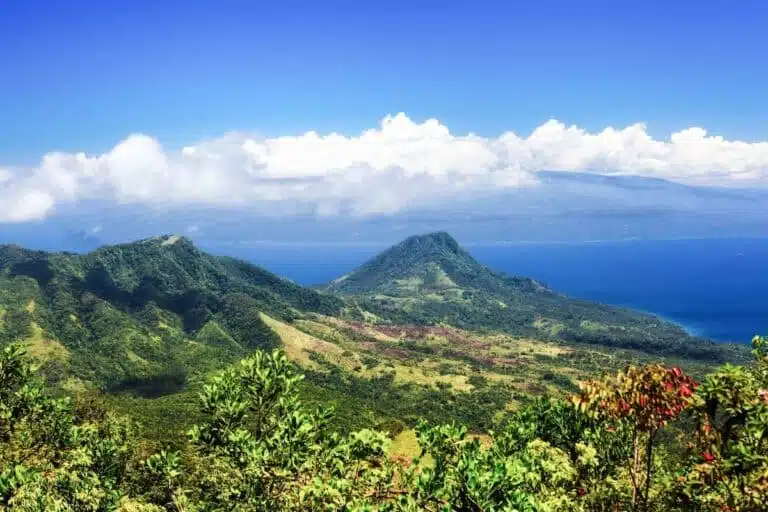
Get ready to discover one of the Philippines’ most extraordinary islands. This Siargao itinerary covers the best of the island in three days: tidal rock pools, an emerald lagoon hidden in the mangroves, deserted sandbars, legendary surf and a full-day adventure to swim with stingless jellyfish.
Siargao is the kind of island that creeps up on you. I went knowing it was famous for surfing (Cloud 9, the legendary reef break, the whole thing) and came home talking almost entirely about everything else: the emerald lagoon tucked behind the mangroves, the prehistoric-looking rock pools you can only see at low tide, the morning I stood on a deserted sandbar with nothing but the Pacific in every direction.
You can absolutely come to Siargao and surf every day. But if you don’t surf, or you’re somewhere between beginner and enthusiast, this island has more than enough to fill three days without once looking at a wave. Here’s how I’d plan it.
Siargao Itinerary
Day 1: The Land Tour
The land tour is the best day on the island for first-timers, and the one I’d put first because it covers the most ground and gives you a real sense of Siargao’s extraordinary natural variety. It’s a long day — leave early and you’ll fit everything in beautifully.
Magpupungko Rock Pools
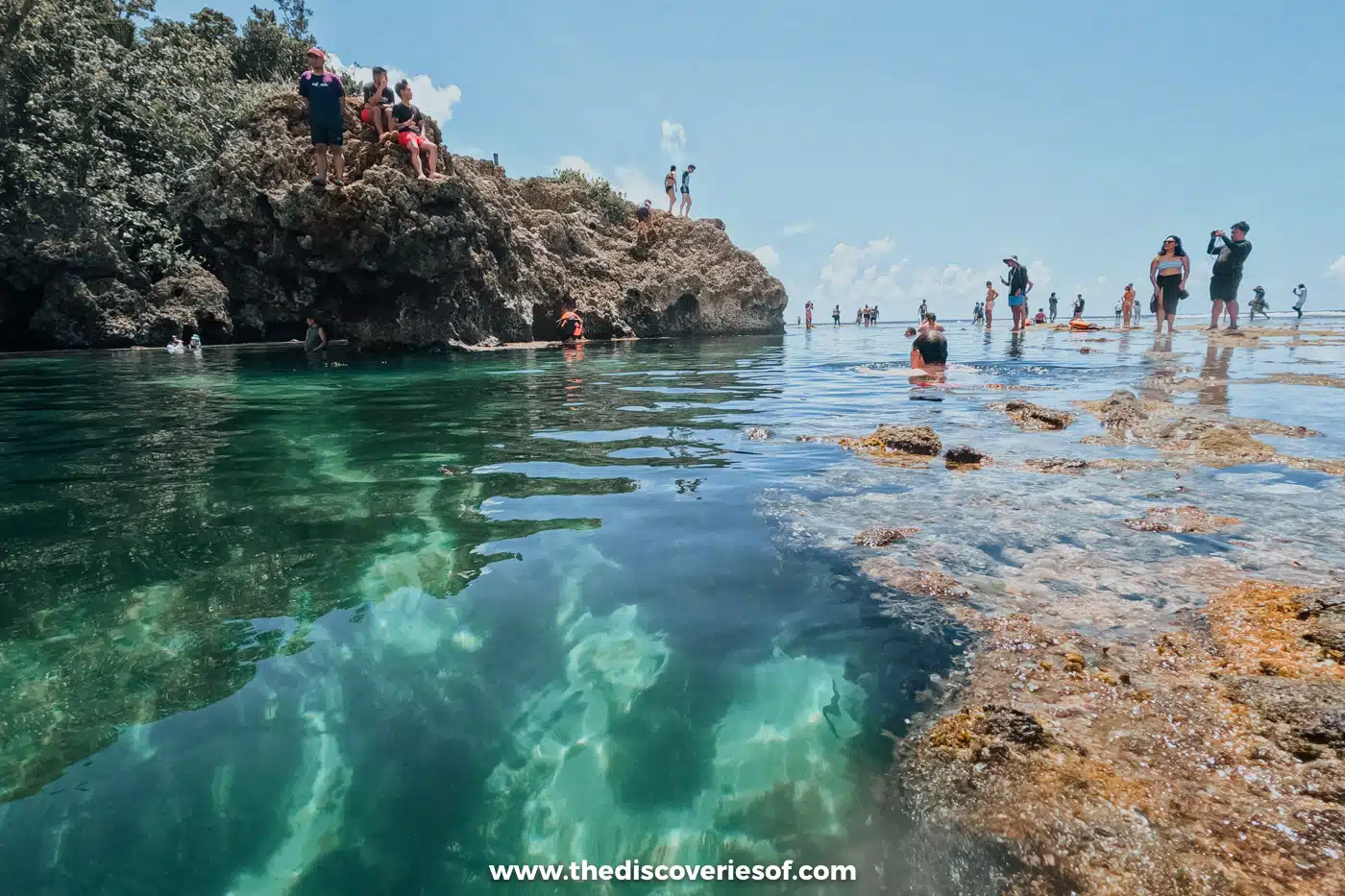
The alarm goes off early and you go anyway, because Magpupungko only works at low tide and you are not going to miss this.
These extraordinary natural tidal pools, carved into flat volcanic rock on the island’s eastern coast near the town of Pilar, are one of Siargao’s most spectacular sights. At high tide they’re submerged and you’d walk straight past the site with no idea what’s beneath the water. At low tide they appear — a series of beautiful, crystal-clear pools sitting in the open rock, with nothing but the Pacific Ocean beyond. The colour of the water against the dark volcanic rock is genuinely otherworldly.
You can swim in the pools, wade from one to the next, and (if you’re feeling brave) cliff-jump from the higher rocks into the deeper pools below. It’s the kind of place that makes you stop and just look.
Top Tip
Check the tide chart before you book anything. This is non-negotiable — if you arrive at high tide, the pools are gone. Morning is the best time both for tides and for beating the tour groups that arrive heavily after 9am. Get there early, and you’ll largely have it to yourself. Wear wet shoes or sandals with good grip — not flip-flops. The rocks leading down to the pools can be genuinely slippery, and the access path rewards caution. Take it slowly on the way down, and you’ll be fine.
Maasin River
After the rock pools, Maasin River is the change of pace — a lovely, laid-back stop with a cute river setting and a handful of natural jumping-off points from which to launch yourself into the water. You can also rent a kayak and paddle along the river at your own pace, which has been enthusiastically recommended to me by everyone who’s done it (I ran out of time on my visit, and I’m still thinking about it). Budget a relaxed hour here.
One honest update worth knowing: the rope swing at Maasin Bridge is no longer there. If you’ve seen it on older guides or Instagram, it’s gone — but the river itself is absolutely still worth the stop.
Sugba Lagoon
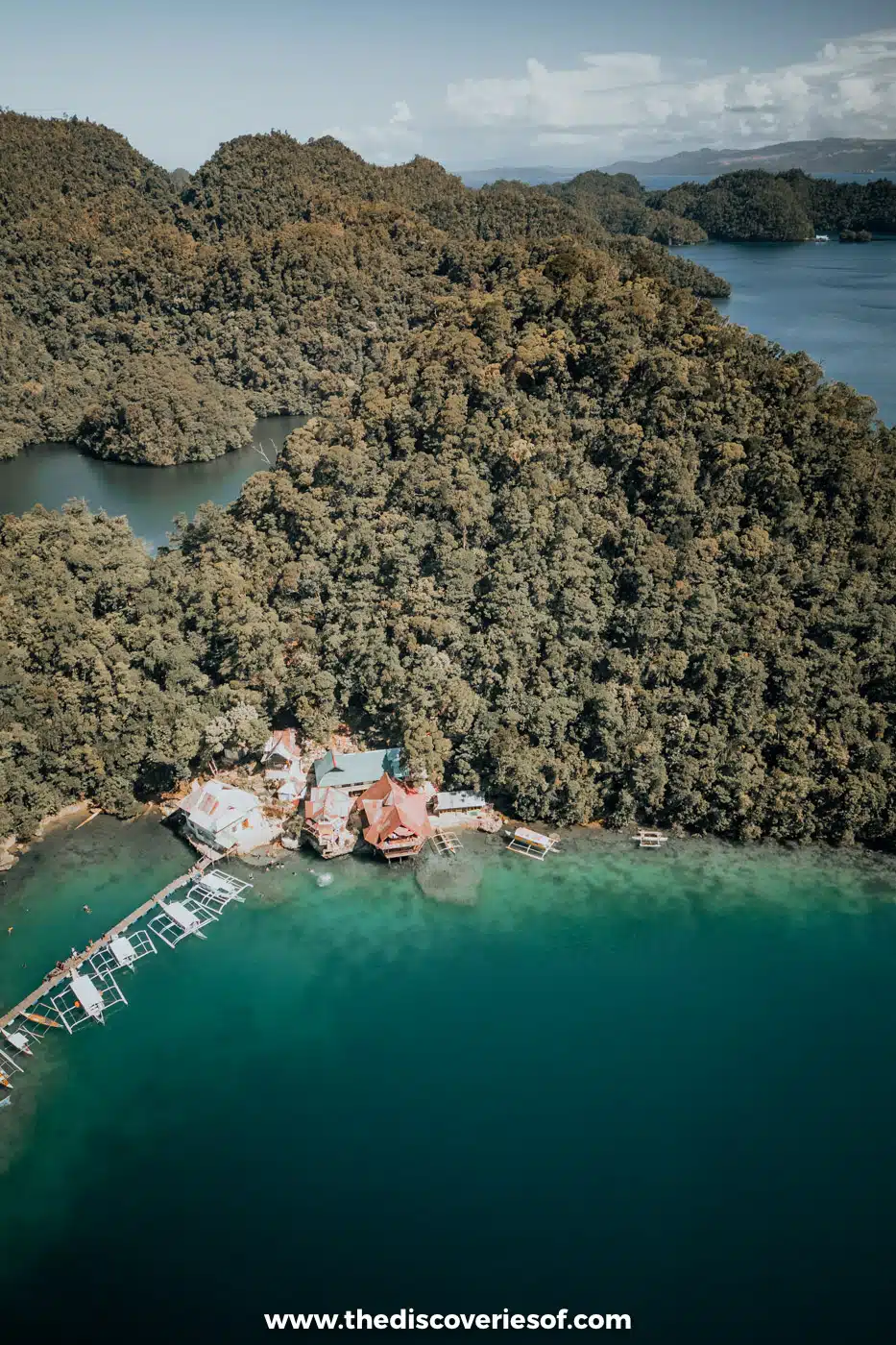
Sugba Lagoon is where the day goes from good to extraordinary.
A 30-minute longboat ride from Del Carmen carries you across the mangroves — the crossing itself is lovely, the trees closing in on either side as you weave through the channels — and then the lagoon appears on the other side. An expanse of emerald-green water enclosed by tall cliffs, completely calm, completely beautiful. It reminded me of the karst scenery around Railay Beach in Thailand, but quieter, and somehow more tucked away — the kind of place that feels like a discovery even when you’ve specifically come to find it.
Once you’re there: rent a kayak (₱200 for a single kayak, ₱300 for a double, or ₱500 for a crystal-bottomed kayak if you want to watch the water through the hull), go stand-up paddleboarding, or swim in the designated area. There’s a good jumping-off platform too.
Top Tip
Time your arrival for the morning and leave before lunch. After midday, tour groups arrive in serious numbers and the lagoon fills up fast. Get there early and you’ll have an experience that feels almost private. Get there late and you’ll be sharing it with half the island.
Secret Beach
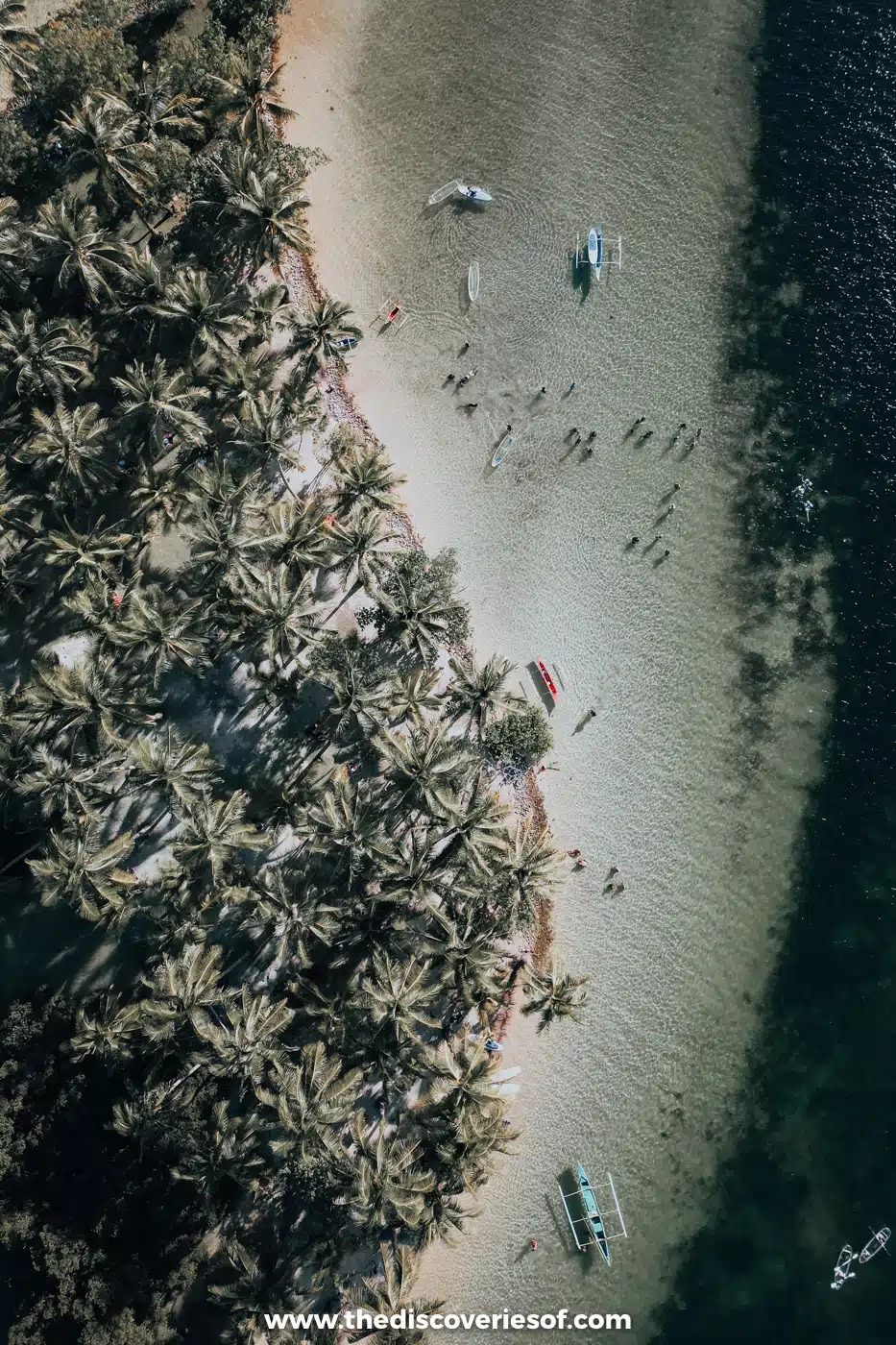
After the lagoon, Secret Beach is a welcome wind-down: a beautiful, quiet stretch of sand on the edge of a lagoon with calm, clear water that’s perfect for a swim. Kayaks and SUPs are available for hire if you want to explore along the shoreline, but there’s nothing wrong with simply lying here for an hour after the morning’s activity. It’s genuinely lovely.
Coconut View (The Sea of Palms)
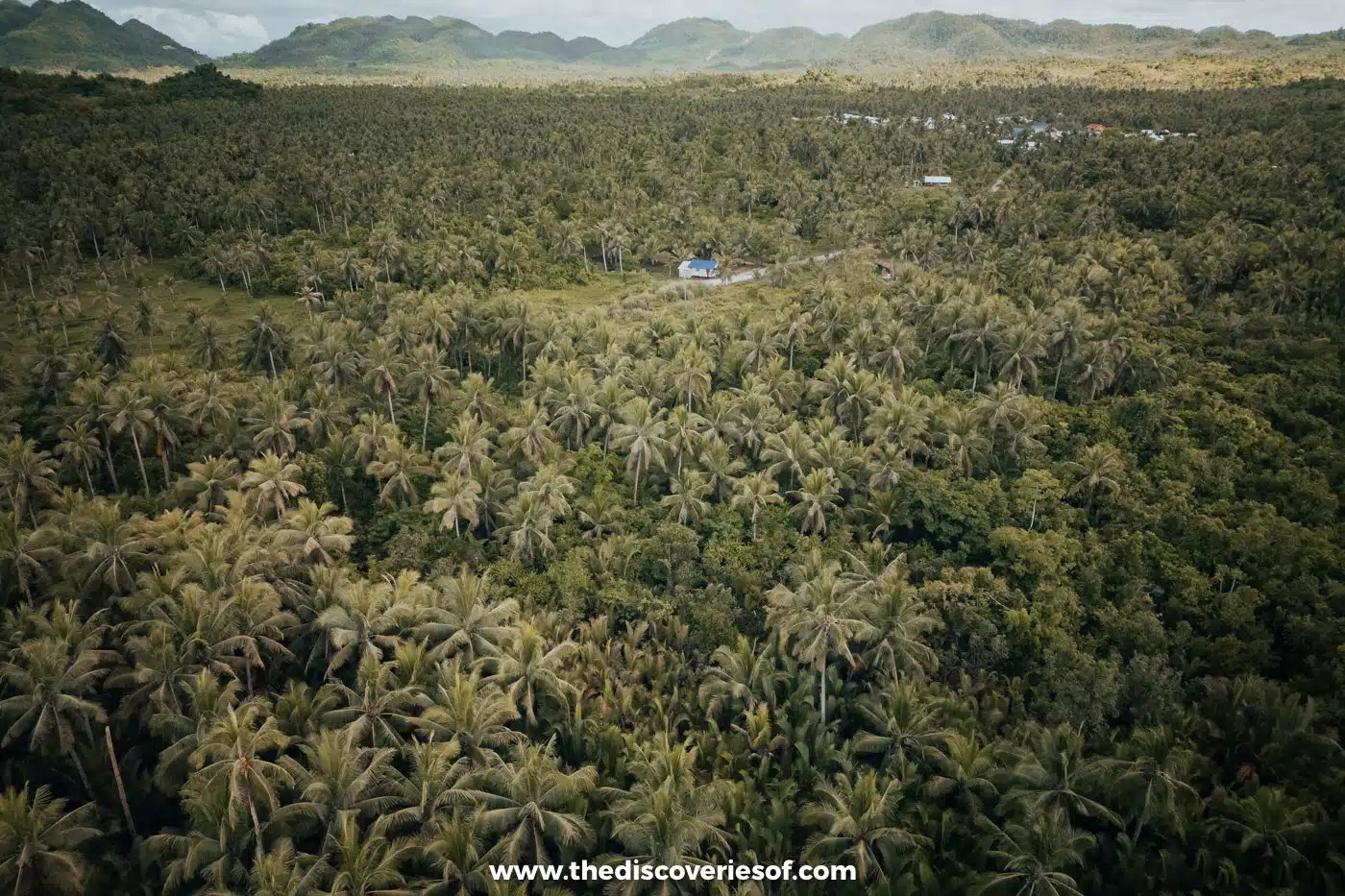
The simplest stop of the day, and somehow one of the most memorable: a roadside pull-off where lush coconut palms stretch in every direction as far as you can see. It’s a five-minute stop, but the scale and the greenness of it are striking, and the photos you’ll take here are some of the most distinctly Siargao of the trip.
Evening: Mama’s Grill
Back in General Luna as the light starts to go golden. Go to Mama’s Grill for cocktails — it’s widely regarded as the best in town, and after the day you’ve just had, you’ve earned one. It’s the kind of place where the evening stretches out pleasantly without you entirely meaning it to.
Day 2: Island Hopping and Cloud 9
Start Day 2 at dawn. Cloud 9 at sunrise — before the crowds, before the noise, just the wave and the light — is one of those things that stays with you. Even if you’ve never surfed and never intend to, the legendary right-hand reef break that put Siargao on the world map is worth seeing up close. Stand on the viewing tower and watch the sets come in. It’s genuinely thrilling.
After Cloud 9, the rest of the day belongs to the water.
The Tri-Island Hopping Tour
The classic Siargao island hopping tour visits three very different islands just off the coast of General Luna, and each one is distinct enough to feel like its own destination.
Naked Island is exactly what its name suggests — a bare, low sandbar rising from the middle of the ocean with nothing on it whatsoever. No trees, no shade, no buildings, just a crescent of brilliant white sand and the sea in every direction. It sounds minimalist and looks surreal. You arrive and you just… stand there, marvelling at the fact that this exists.
Daku Island is the largest of the three, with proper palm trees, a small local village and the option of a BBQ lunch on the beach. It’s a proper island rather than a sandbar, and the most relaxed stop of the three — a lovely place to slow down, eat lunch in the shade, and let the morning’s energy settle.
Guyam Island is tiny and photogenic: a little palm-fringed islet with a thatched shelter on the beach that turns up endlessly on any visual search for Siargao. Small enough to walk around in five minutes, beautiful enough to want to stay much longer.
Top Tip
Go for a smaller group boat if you can. The difference between cramming onto a 20-person vessel versus a small group is significant, especially on the smaller islands where space and quiet are part of the appeal.
The Cave Tour
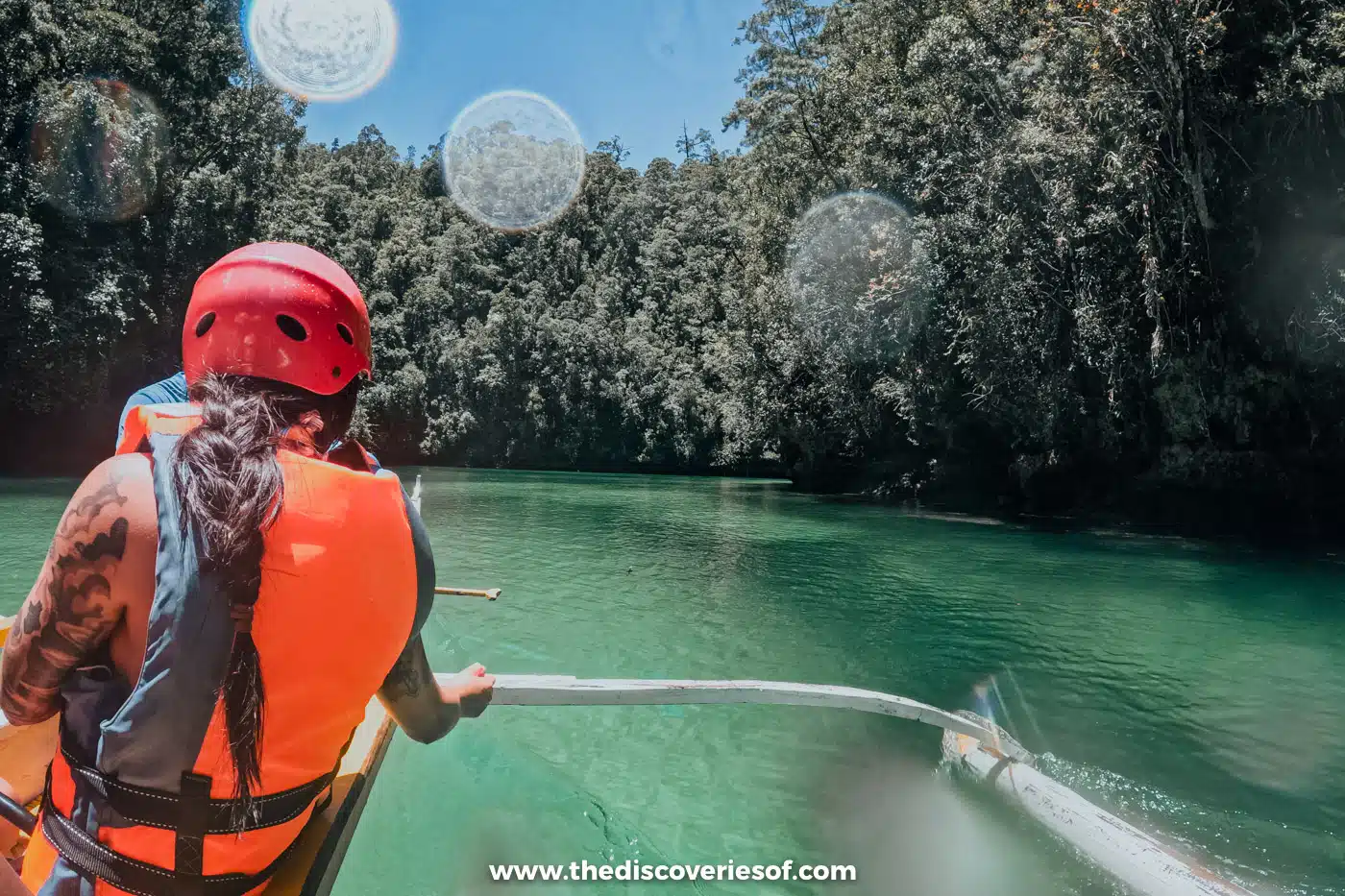
If the island hopping finishes with time and energy to spare, the cave tour makes an excellent afternoon addition — or you can swap it with the island hopping and do both on the same day if you prefer. Siargao’s caves contain a series of beautiful freshwater pools inside dramatic rock formations, perfect for swimming in, and the combination of the cave environment and the extraordinary clarity of the water is unlike anything else on the island.
Getting There
The cave tour can be arranged through your accommodation or a local operator in General Luna. It works well as a half-day activity and is usually bookable on the morning of your visit.
Day 3: Sohoton Cove
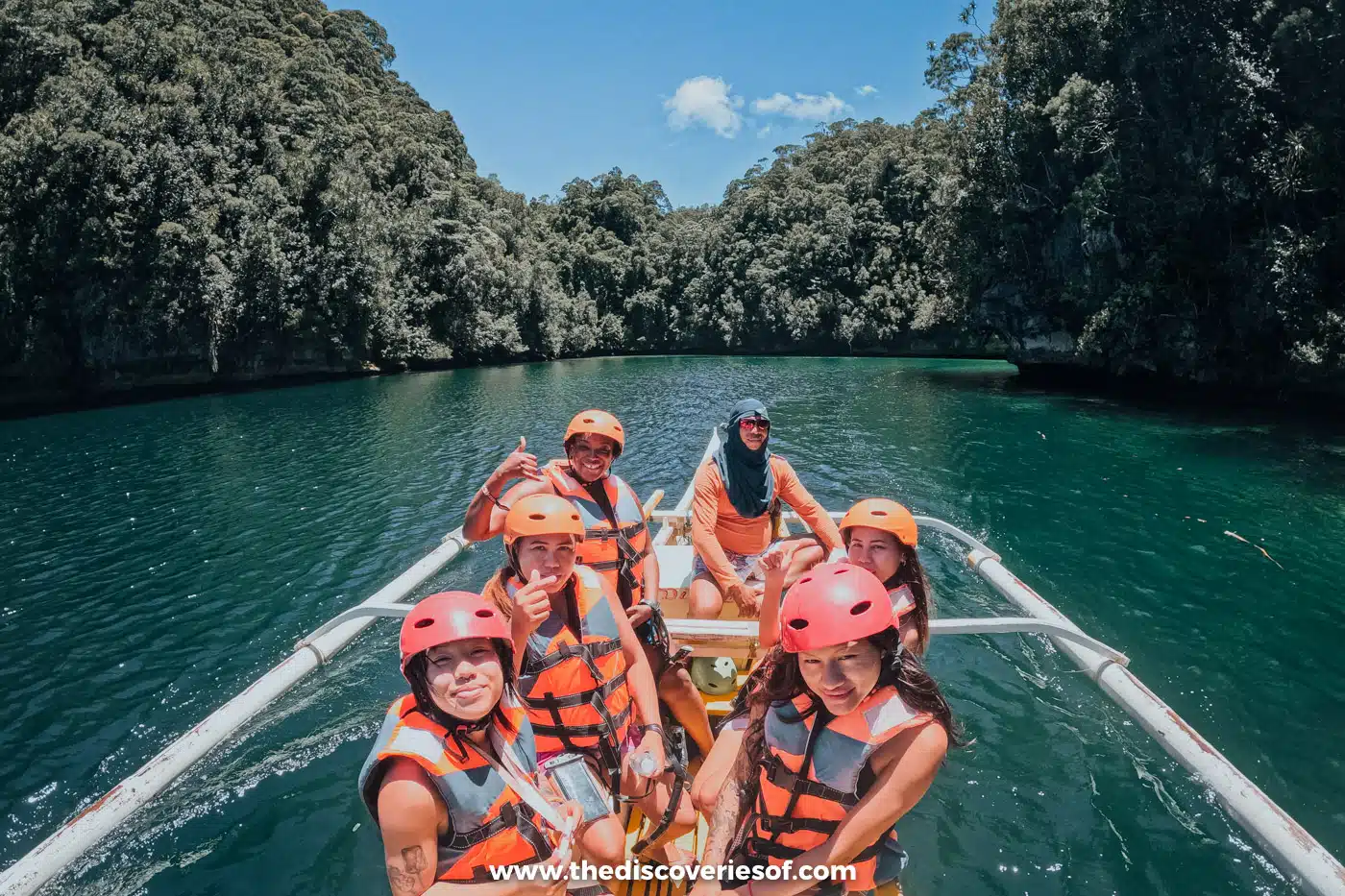
Day 3 is the big one. Set your alarm for 6am, because the boat leaves early and the whole day is built around the tides.
Sohoton Cove is on Bucas Grande Island, roughly two hours by outrigger boat from General Luna (the ride is long, beautiful and loud — bring headphones or earphones, and a windbreaker for the open-sea crossing). Most people skip Sohoton because the commitment is significant. This is the wrong decision. Go.
Hagukan Cave (The Snoring Cave)
The first stop inside Sohoton is Hagukan Cave, named from the Visayan word for “snore” because of the sound the waves make as they push through its entrance. You swim into a half-submerged cavern, and when you splash the water, the mineral-rich walls catch the light and the whole cave glows blue-green around you. It’s genuinely magical — one of those natural phenomena that sounds like hyperbole until you’re inside it.
Hagukan is only accessible during low tide, which is why the whole day is planned around the tidal window. Your tour operator will have timed it correctly. Trust the schedule.
Magkukuob Cave
From Hagukan, the tour moves to Magkukuob Cave, where a short climb through stalactites and stalagmites brings you to a cliff-jumping point back into the sea. It’s the adrenaline moment of the day, and entirely optional — but if you’ve come this far, you might as well.
Tojoman Lagoon: The Jellyfish Sanctuary
The centrepiece of Sohoton is Tojoman Lagoon, where thousands of small, translucent, stingless jellyfish drift through a sheltered, warm body of water that has kept them naturally cut off from predators. You swim in among them. They float against your skin and past your face, and they are completely harmless.
There are only a handful of places in the world where this is possible, and Sohoton Lagoon is one of the finest. It’s a genuinely otherworldly experience — quiet, slow, a little dreamlike — and worth every minute of the two-hour boat journey to get here.
Top Tip
The jellyfish are most abundant and most visible between March and June, which is peak season. Outside of this window you may still see them (clear Moon Jellyfish are present at other times and have only a very mild sting), but the March-June window is the ideal. Crucially: no splashing around the jellyfish. They’re fragile, and the respectful thing — and the thing that keeps this experience available for everyone — is to move calmly and gently through the water around them.
Have More Time? Add These to Your Siargao Itinerary
Surfing lessons at Cloud 9 — Even if you’ve never surfed, a beginner lesson in Siargao is a wonderful experience, and the schools in General Luna are excellent. The best conditions are early morning (6-9am) before the wind picks up.
Maasin River kayak — I didn’t get to do this on my visit and it’s been recommended to me by everyone who has. Rent a kayak in Maasin, paddle along the quiet, tree-lined river at your own pace, and take your time. It’s a lovely, unhurried counterpoint to the more activity-packed days.
Pacifico and the other side of the island — Most visitors never leave General Luna. If you have an extra day, rent a scooter and ride to Pacifico on the north coast, or Santa Fe — quieter, less developed, and a completely different side of the island.
A rest day — Siargao rewards slowness. A day of doing very little (a beach, a book, a long lunch, a sunset) is a legitimate and excellent use of your time here.
Getting Around Siargao
Rent a scooter. This is the single best piece of advice for the island. Siargao is spread out, and a scooter gives you the freedom to stop wherever you want, reach the quieter spots independently, and move at your own pace. Most rental places in General Luna are inexpensive and easy to find, and the roads (while occasionally rough) are manageable.
If you’d rather not scooter, habal-habal (motorcycle taxis) and tricycles connect the main spots, and most tours include land transport from General Luna. Vans are available for hire for larger groups.
Quick Tips
Getting there: Siargao has its own domestic airport at Sayak (IAO), served by flights from Manila and Cebu. The flight from Manila takes around 2 hours. Book transfers to General Luna in advance — the options at the airport are limited.
Don’t miss: Magpupungko at low tide (check the tide chart before you plan anything), Sugba Lagoon in the morning before the tour groups arrive, Sohoton Cove, and Cloud 9 at sunrise.
Best time to visit: March to June for the best jellyfish visibility and dry weather. July to November for peak surf season. Avoid December to February if you can — wetter and rougher seas.
How long to spend: This itinerary covers 3 days. Five days is ideal for doing everything at a relaxed pace; a week lets you add surfing, the rest-day explorations and the quieter north of the island.
Tide tables matter: Magpupungko and Hagukan Cave at Sohoton are both tide-dependent. Check before you book, and make sure your tour operator has timed the day correctly.
Currency: Philippine Peso (PHP). Most tour operators, local restaurants and smaller venues are cash only — bring enough before you head out for the day.
Read More Philippines Travel Guides
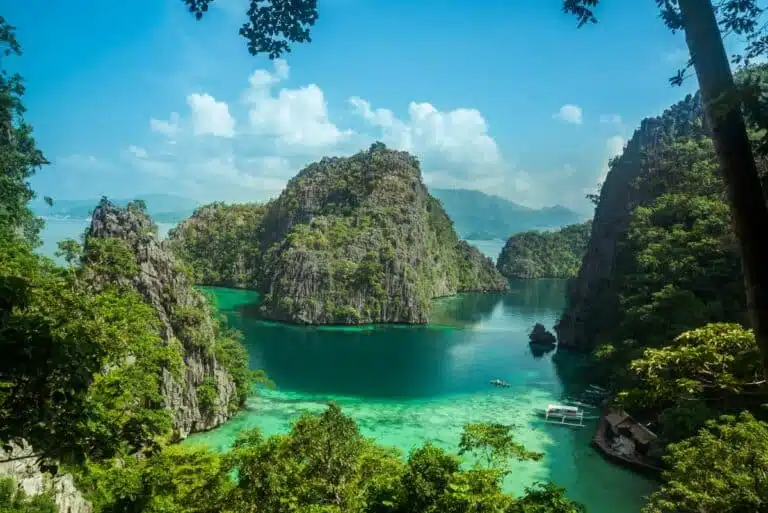
Discover the top things to do, insider tips and hidden gems in our Philippines Travel Guides.
Read the guides →