Grenoble doesn’t get the attention it deserves. Sat at the foot of the Alps, packed with culture, and buzzing with the energy of a proper French university city — these are the things to do here that will make you wonder why you’ve never been before.
I’ll be honest: Grenoble wasn’t on my radar until I found myself here, and it converted me pretty quickly. There’s something about a city that wears its location so proudly — wherever you look, the mountains are right there, white-capped and enormous, framing streets and squares in a way that never gets old. The city feels like it’s earned its place at the foot of the Alps rather than just happening to be near them.
It’s compact, walkable, genuinely interesting, and almost entirely off the tourist trail. Here’s what to do with your time.
1. Fort de la Bastille
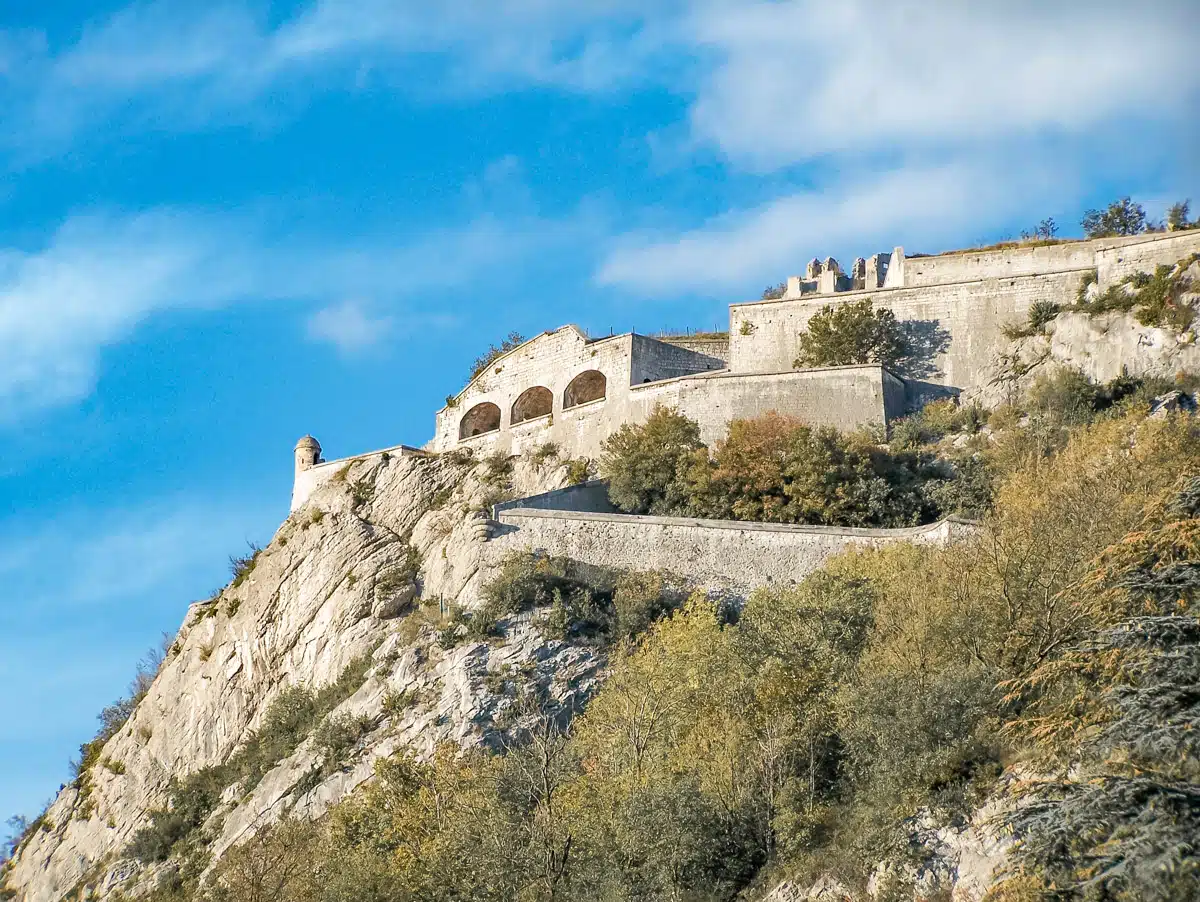
The Bastille is Grenoble’s defining landmark — a sprawling fortress built into the hills of the Chartreuse massif above the city, with a history that stretches from the Middle Ages right through to the 19th century, when it served as a key military stronghold protecting the gateway to the Alps from the Dukes of Savoy.
Underground passageways, a small dungeon, winding ramparts and square blockhouses give the whole thing a wonderful layered character — it rewards exploration rather than just a quick look from a viewpoint. That said, the views from up here are genuinely sensational on a clear day. The Alps spread out on every side and Grenoble fans out below you in a way that makes its relationship with the mountains completely obvious.
You can hike up through the old city (steep, satisfying, about 45 minutes) or take the cable car from the Jardin de ville. Both work. The cable car is considerably more exciting than it sounds.
2. Les Bulles Cable Car
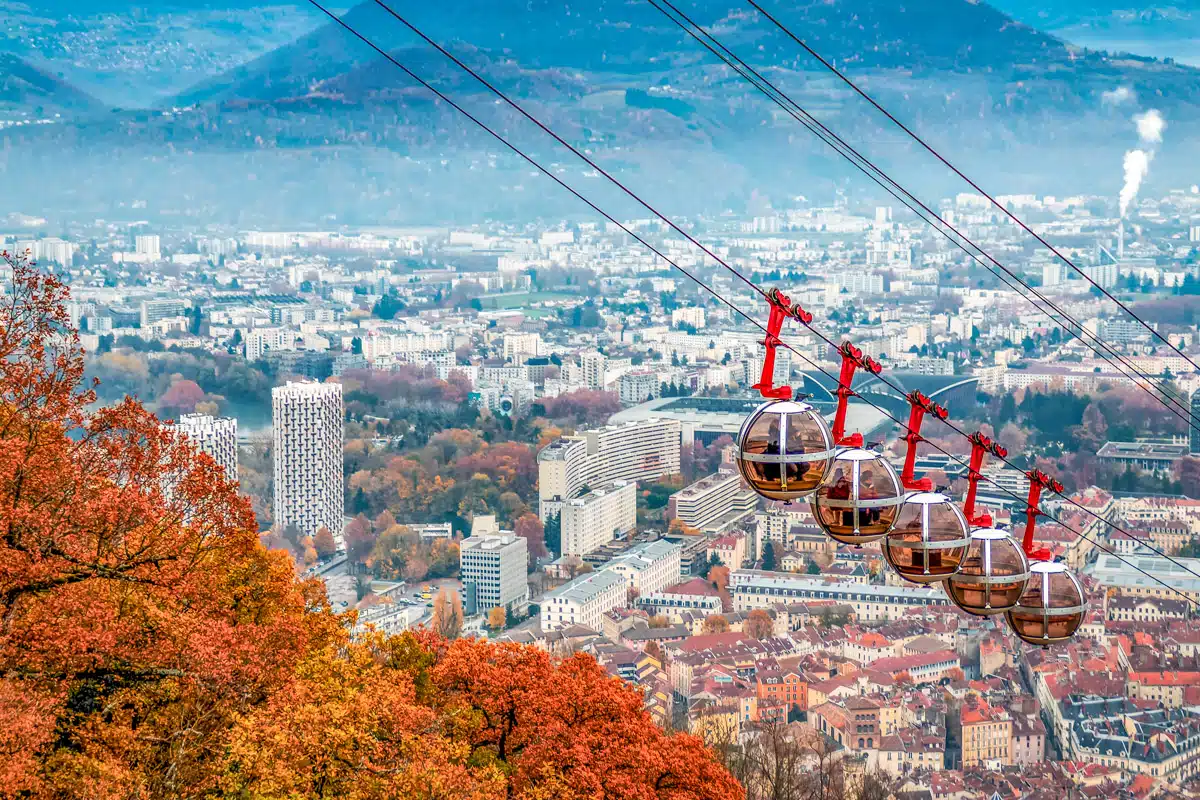
The cable cars up to the Bastille are called Les Bulles — the bubbles — and they genuinely look the part: spherical glass gondolas that have been climbing the cliff face above Grenoble since the 1930s, redesigned into their distinctive bubble shape in 1976. The three-minute ascent carries you up 264 metres above the Isère river, past medieval ramparts and over the rooftops of the old city.
Even if you plan to hike up, I’d take the cable car at least one direction — the views looking back over the city and out to the mountain ranges are quite something that you don’t quite get on foot.
3. Head Into the Alps
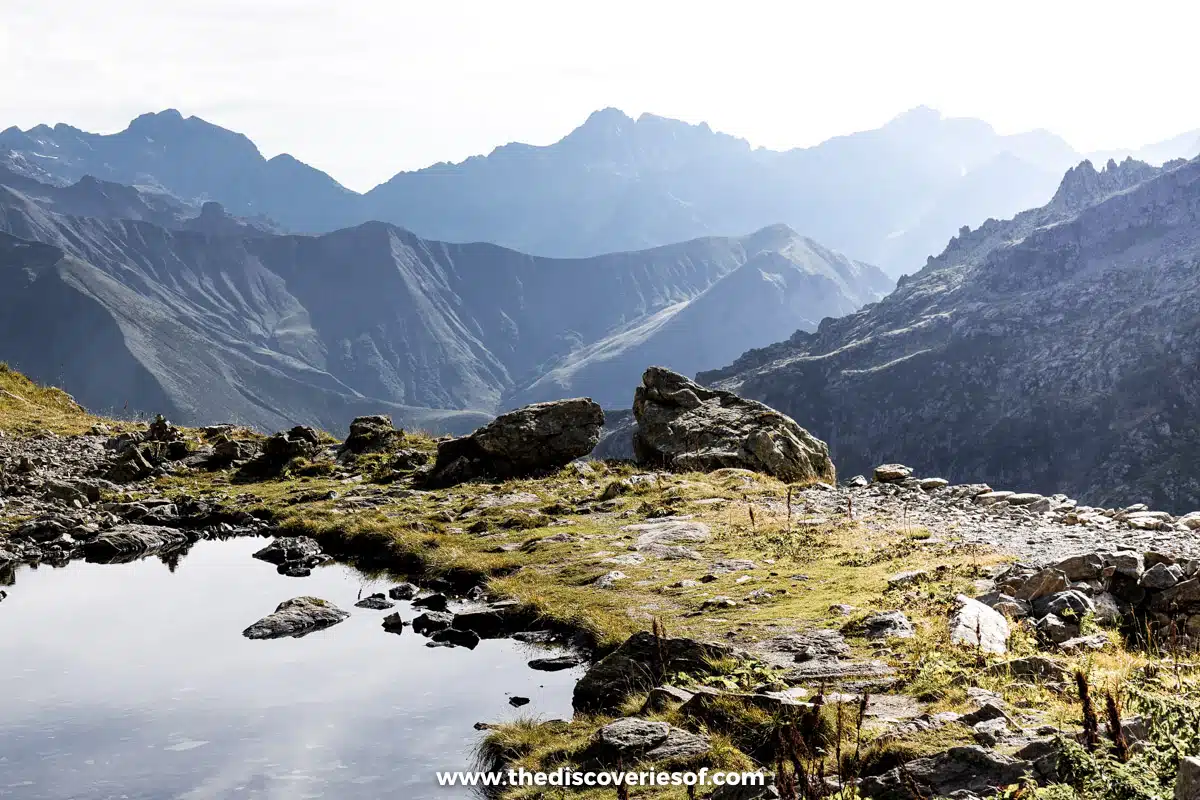
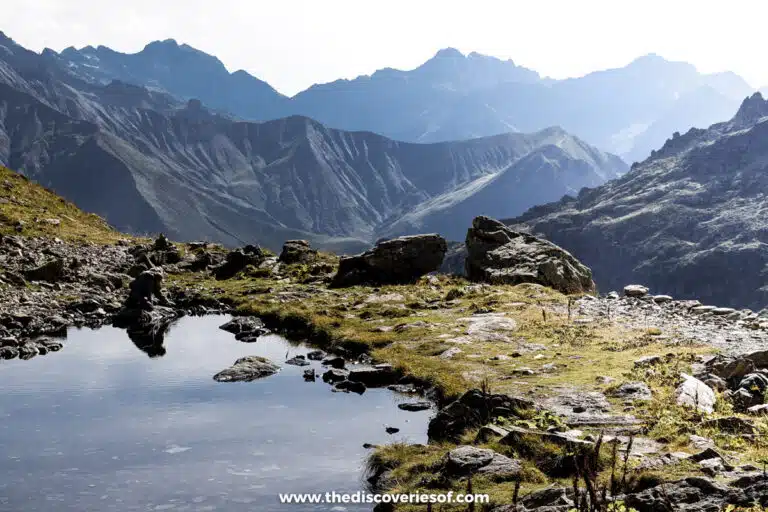
Grenoble sits at the meeting point of three massifs — the Belledonne, the Vercors and the Chartreuse — which means genuinely extraordinary mountain hiking is within an easy drive of the city centre. This is one of Grenoble’s great practical advantages: you can have breakfast in a café on Place Grenette and be on a mountain trail before 9am.
The Moucherotte Trail to the west of the city peaks at around 1,900 metres with sweeping views back over Grenoble and the surrounding valleys. It’s a 10km route, not technical, but properly scenic. Go in summer or early autumn; the mountain is snowbound in winter, when Grenoble’s other great outdoor asset kicks in — some of the best ski resorts in the Alps are within an hour of the city.
Read Next: Hiking in Écrins National Park
4. The Palace of the Parliament of Dauphiné
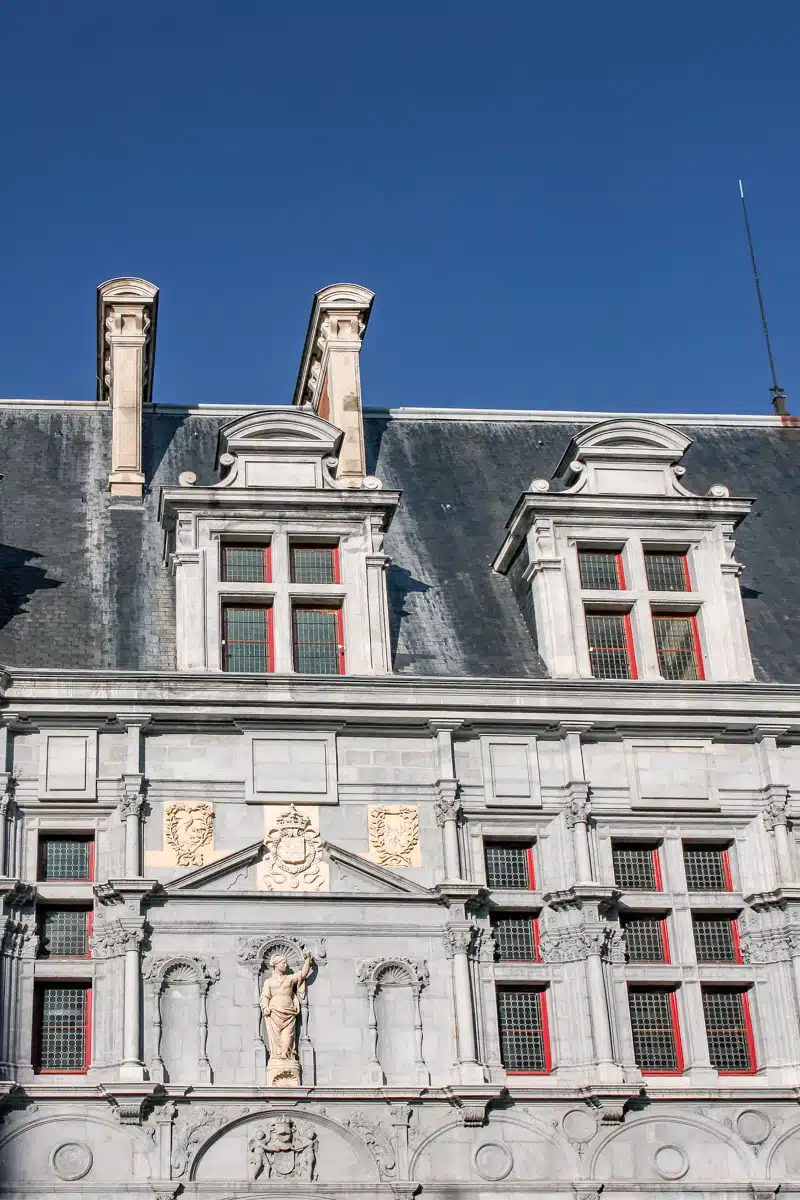
This is the building on Place Saint-André that stops you in your tracks. The Palace of the Parliament of Dauphiné has one of the finest facades in Grenoble — a striking two-tone combination of flamboyant Gothic and Renaissance styles, covered in carved coats of arms and animals, built from the 15th century and expanded under François I and Charles IX.
It was the seat of the Dauphiné parliament until the Revolution, and was the scene of the famous Day of the Tiles in June 1788 — when locals climbed onto rooftops to hurl tiles at royal soldiers trying to dissolve the parliament — an event now considered one of the opening acts of what became the French Revolution. That’s a genuinely remarkable piece of history for a building most visitors walk straight past.
The interior is currently under renovation ahead of a planned opening as the Musée de la Résistance et de la Déportation de l’Isère. The restored exterior is very much worth seeing; guided tours of the building are occasionally offered through the Grenoble tourist office.
5. The Museum of Grenoble
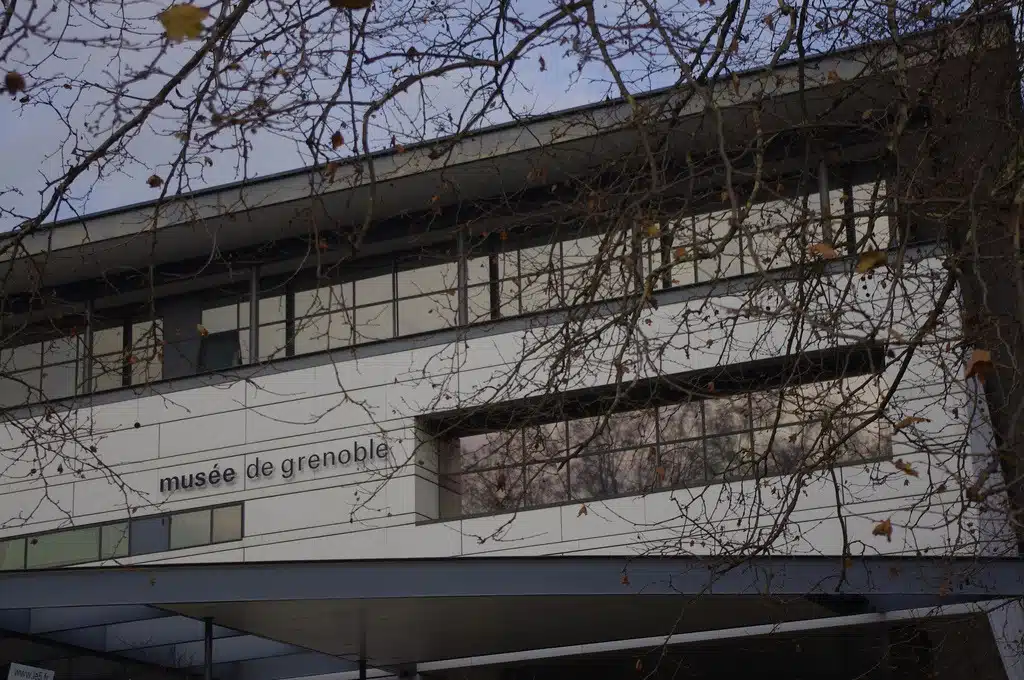
I went to the Musée de Grenoble not really knowing what to expect, and came out having spent nearly three hours inside without noticing. It’s one of the finest provincial art museums in France and almost comically under-visited.
The collection runs from the 13th century to the present: major works by Monet, Gauguin and Delacroix in the earlier galleries; Picasso, Matisse, Warhol and Miró in the modern section. Grenoble has historically been an early champion of modern art in France, and it shows. Beyond painting, there are Egyptian antiquities, a 6th-century mummy that’s more impressive than it sounds, and strong Greek and Roman collections. Allow at least two hours, realistically more.
6. Grenoble Cathedral
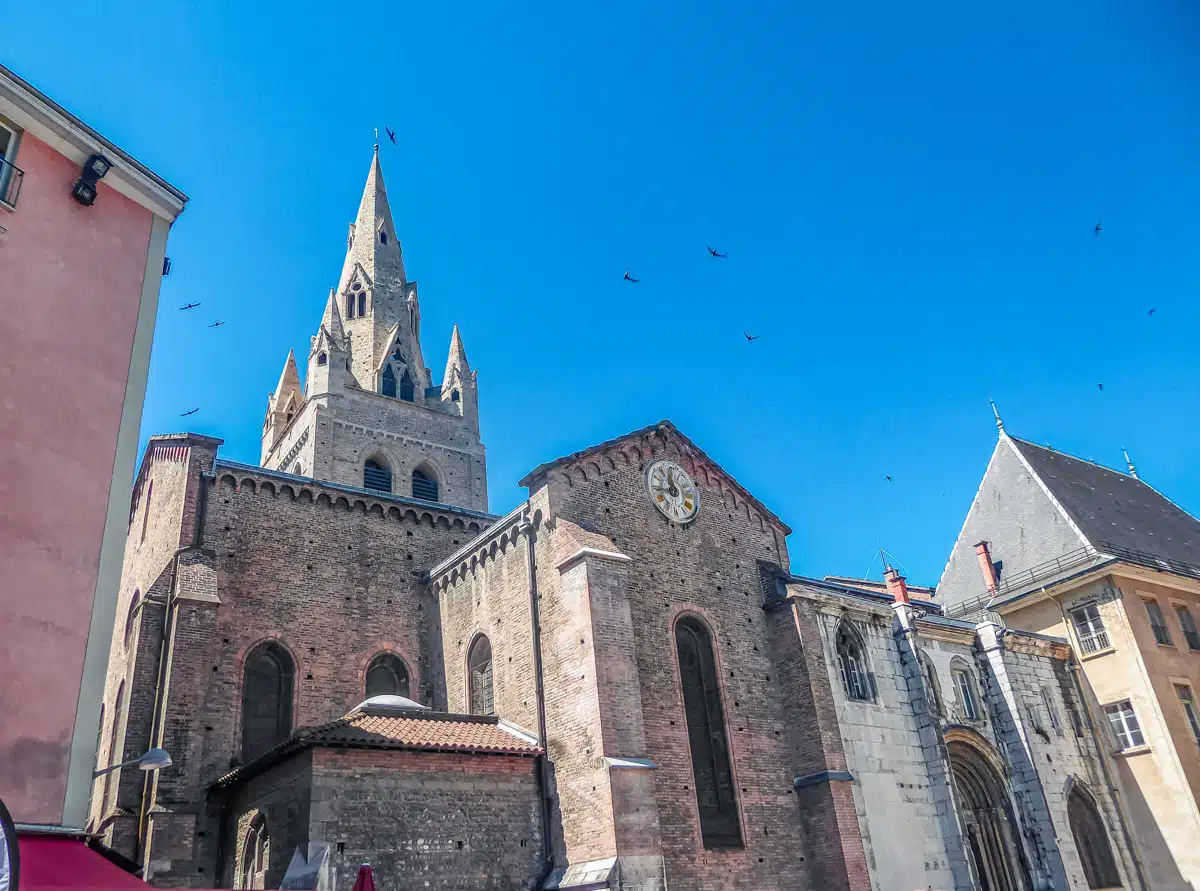
The Cathedral of Our Lady is the oldest parish church in Grenoble, with roots going back to the 4th century. The exterior is clean and Romanesque after 19th-century concrete facing was stripped back to reveal the original stonework — understated from the outside, much more lavish within. Renaissance paintings on the walls, stained glass throwing colour across the interior, and an elaborately carved 15th-century baldachin over the high altar that I kept stopping to look at. Entry is free; it’s a good place to duck into between other things.
7. The Summum
Grenoble’s main concert hall seats around 3,000 and has hosted an impressive range of acts since opening in 1988 — rock, pop, electronic, the full spectrum. If you’re visiting in the quieter months when outdoor festivals aren’t running, it’s worth checking the programme. The city punches well above its weight for live music.
8. The Palais des Sports
Grenoble hosted the 1968 Winter Olympics, and the Palais des Sports in Paul Mistral Park is its most visible legacy from those Games. Known during the Olympics as the Stade de Glace, it hosted figure skating and ice hockey, and still runs as an active venue for sports events, concerts and ice skating. If you’re interested in the city’s Olympic history, the arena is worth a look.
9. Festivals
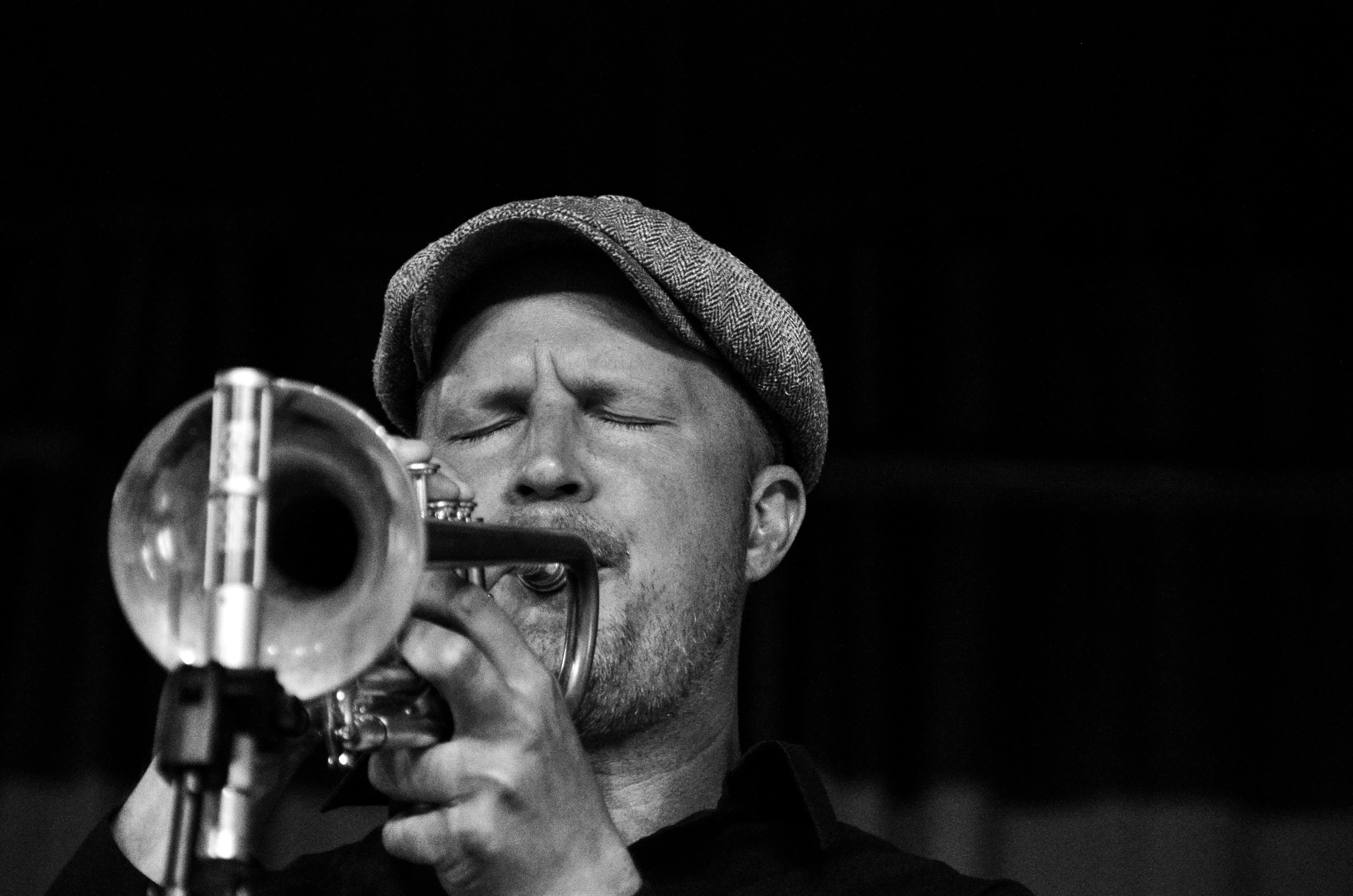
Grenoble takes its festivals seriously, and the summer calendar is genuinely worth planning around.
The Cabaret Frappé Music Festival is the big one — a free outdoor festival that draws around 50,000 people to the Jardins de ville over several days, with the Bastille looming over everything and the programme covering rock, electronic, world music and jazz. I went on a warm July evening and it was one of those evenings that makes you think you really should have come to Grenoble sooner. The Open Air Short Film Festival in July is another, also free, also outdoors. Neither requires much planning — just turn up.
10. The Jardins
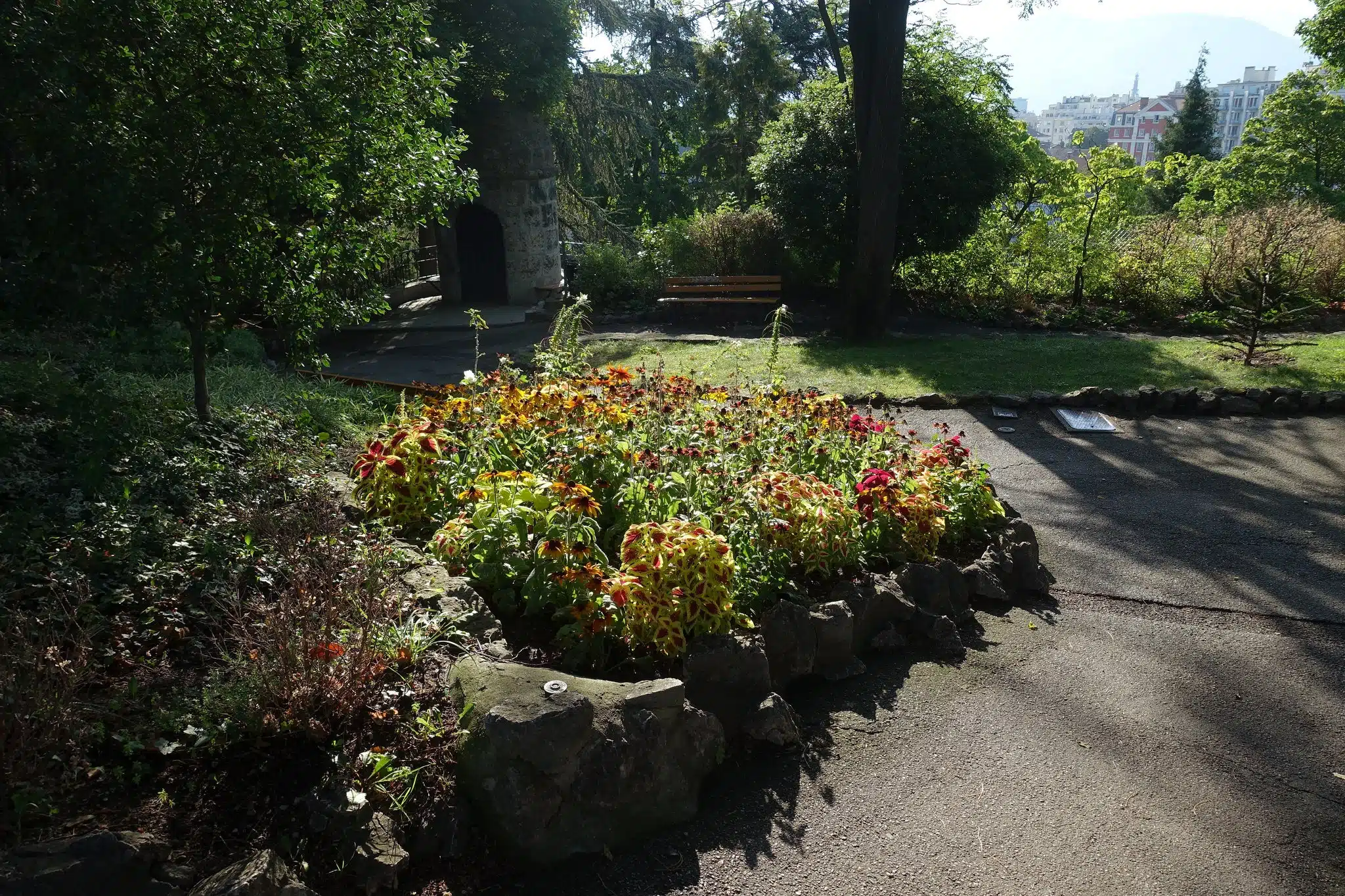
Grenoble is better supplied with green spaces than you might expect. The Jardin des Plantes in the centre is a proper botanical garden with paved paths, flowering beds and rare plant species — peaceful and a little bit unexpected in the middle of the city. The Jardin Dauphin by the Isère river is more naturalistic, with winding paths and views over the water. Both are free, and both are particularly good in spring.
11. Simply Walk Around
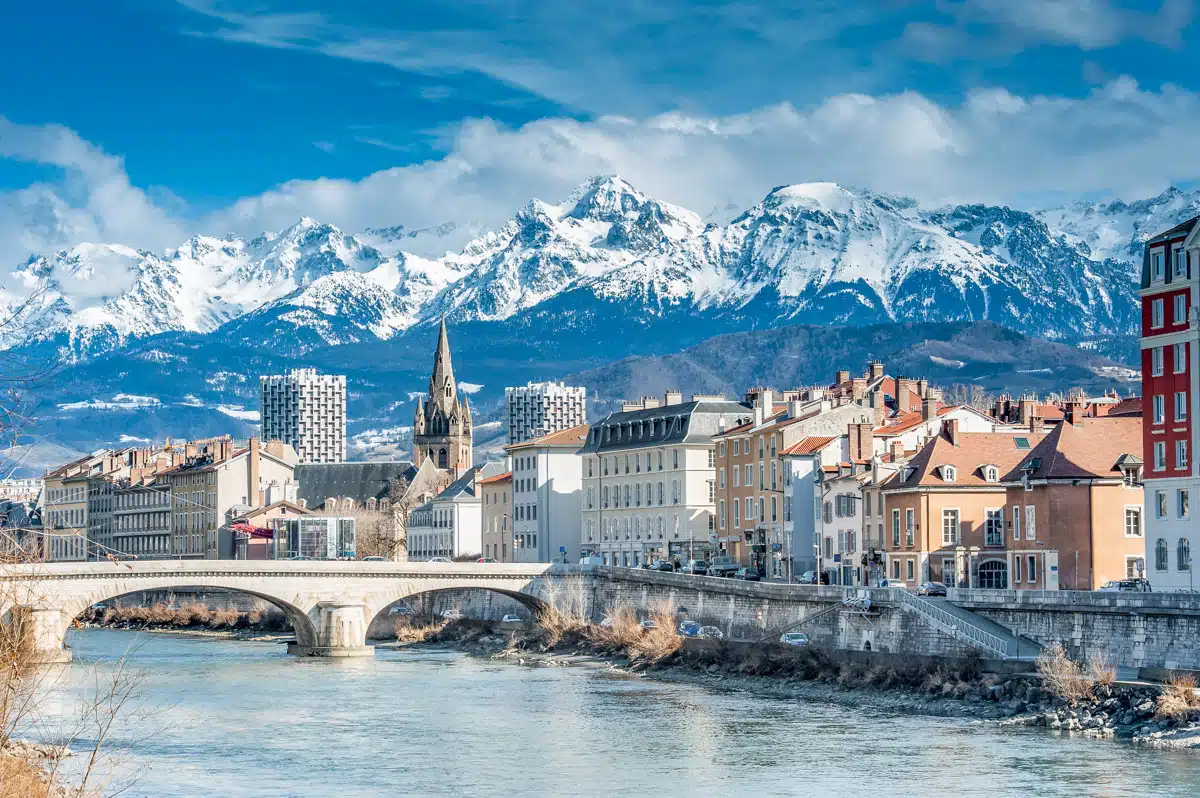
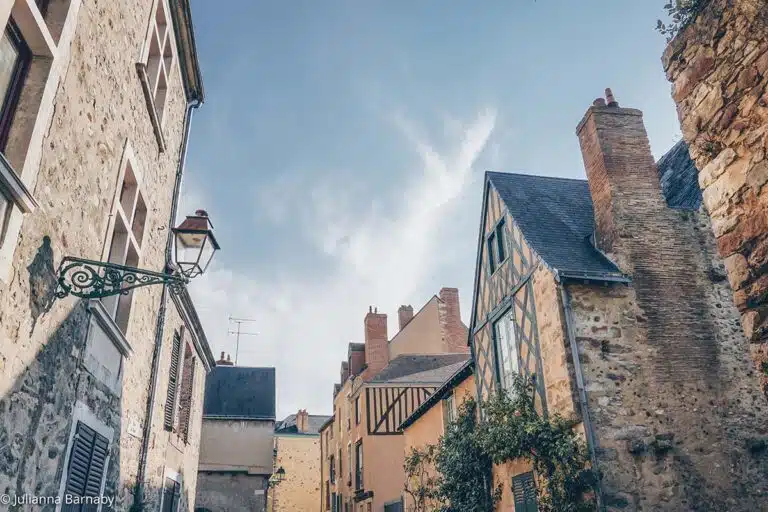
Some of what I enjoyed most about Grenoble I hadn’t planned at all. The old city is compact enough to cover on foot without a fixed itinerary — Place Grenette, Place Notre-Dame, Rue Chenoise and the medieval quarter around it, the riverside promenades along the Isère. The city has a strong tradition of street art and large murals appear on facades all over, so keeping your eyes up as you walk pays off.
The café culture is excellent. Grenoble is a university city and it feels like one — there are coffee shops and bakeries and wine bars on every other corner, all of them full of people who seem to live very well. It’s the kind of place where you sit down for a coffee and end up staying for two hours, which is as much of a recommendation as anything else I’ve written here.
Read More France Guides:
Love This? Save and Share on Pinterest!
Discover the top things to do, insider tips and hidden gems in our France Travel Guide.
Read the guides →