Things to do in Aswan: temples, Nubian culture and the Nile
From the island temple of Philae and a day trip to Abu Simbel to the Nubian Museum, a boat ride to the Botanical Gardens and...
Read Article
Aswan is one of Egypt’s most glorious cities. From ancient architecture to contemporary engineering genius, discover how to make the most of Aswan with this comprehensive travel guide.
Sitting on the east bank of the River Nile, Aswan is a beautiful, laid-back city that will leave an indelible mark on your heart and mind.
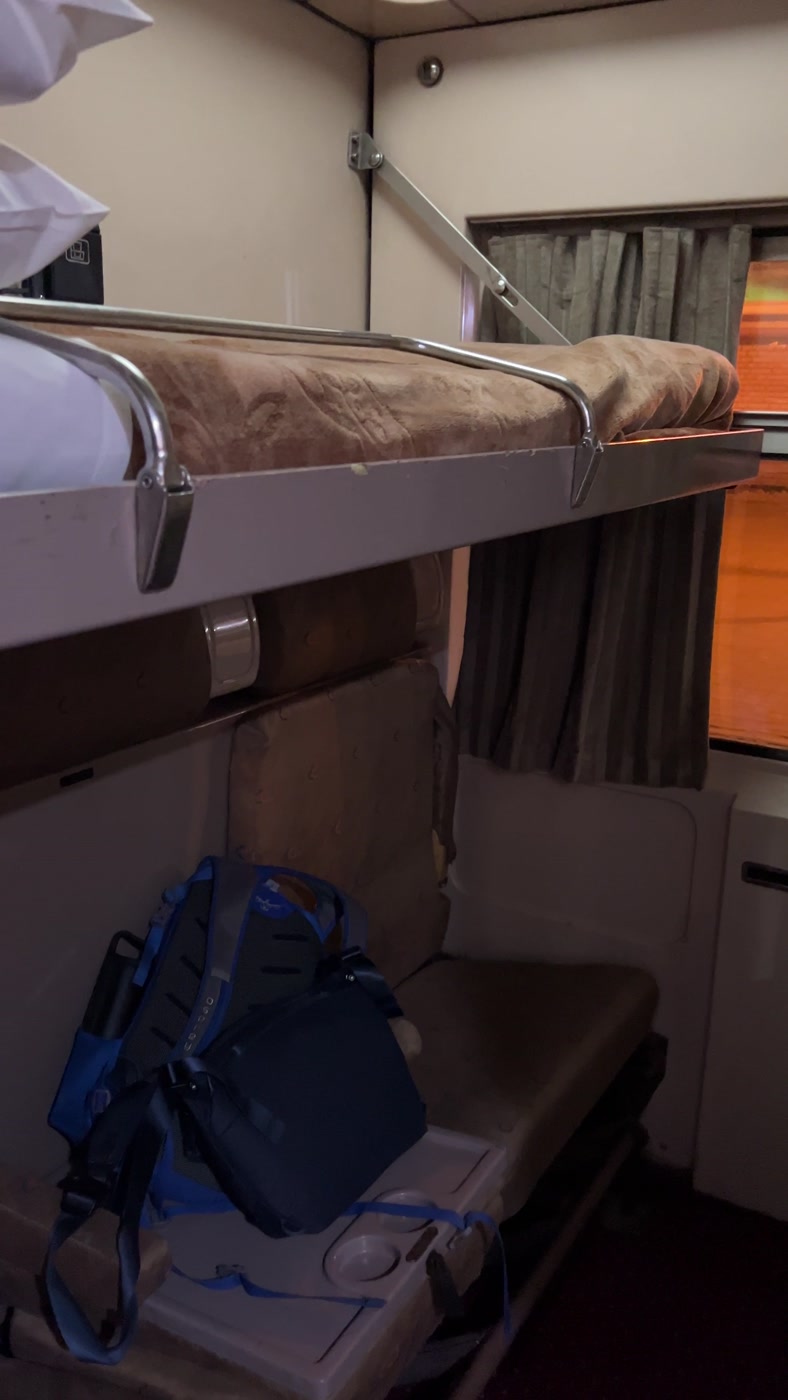
Before I travelled to Egypt, I didn’t know much about Aswan. It turned into a rich journey of discovery: by the time I left, it was a close contender for my favourite spot on the trip. I arrived on the overnight sleeper train from Giza, spent a morning at Philae, flew to Abu Simbel, explored the Nubian Museum and the Botanical Garden on my own and had dinner with a Nubian family, before sailing north on a felucca.
Discover its rich Nubian culture, gaze in wonder at fabulous landmarks and marvel at its riverside location as you understand why Aswan is so special to so many people.
So sit back, put your feet up, enjoy my banging video introduction to Aswan and read on with my quintessential travel guide to Aswan.
Some links in this article may be affiliate links, which means we may receive a small commission, at no additional cost to you, if you decide to purchase through one of my recommended partners.
Aswan gets extremely hot from May through to September. As a result, I recommend you visit between October and April, when the weather is cooler but still warm and sultry. I went in early June, and there were points where I was so hot I didn’t know what to do with myself, but the upside was fewer crowds and lower prices.
If you can, time your visit to coincide with the Sun Festival at Abu Simbel, on 22 February and 22 October, when the rising sun lights up the statues in the Great Temple’s sanctuary.
I didn’t know that some of Aswan’s most beautiful parts are on islands in the middle of the Nile. Elephantine Island was the original border town and is well worth exploring, while the island of Sehel is sacred to the goddess Anuket.
Stay at the Pyramisa Island Hotel Aswan, a resort with 28 acres of beautifully landscaped gardens.
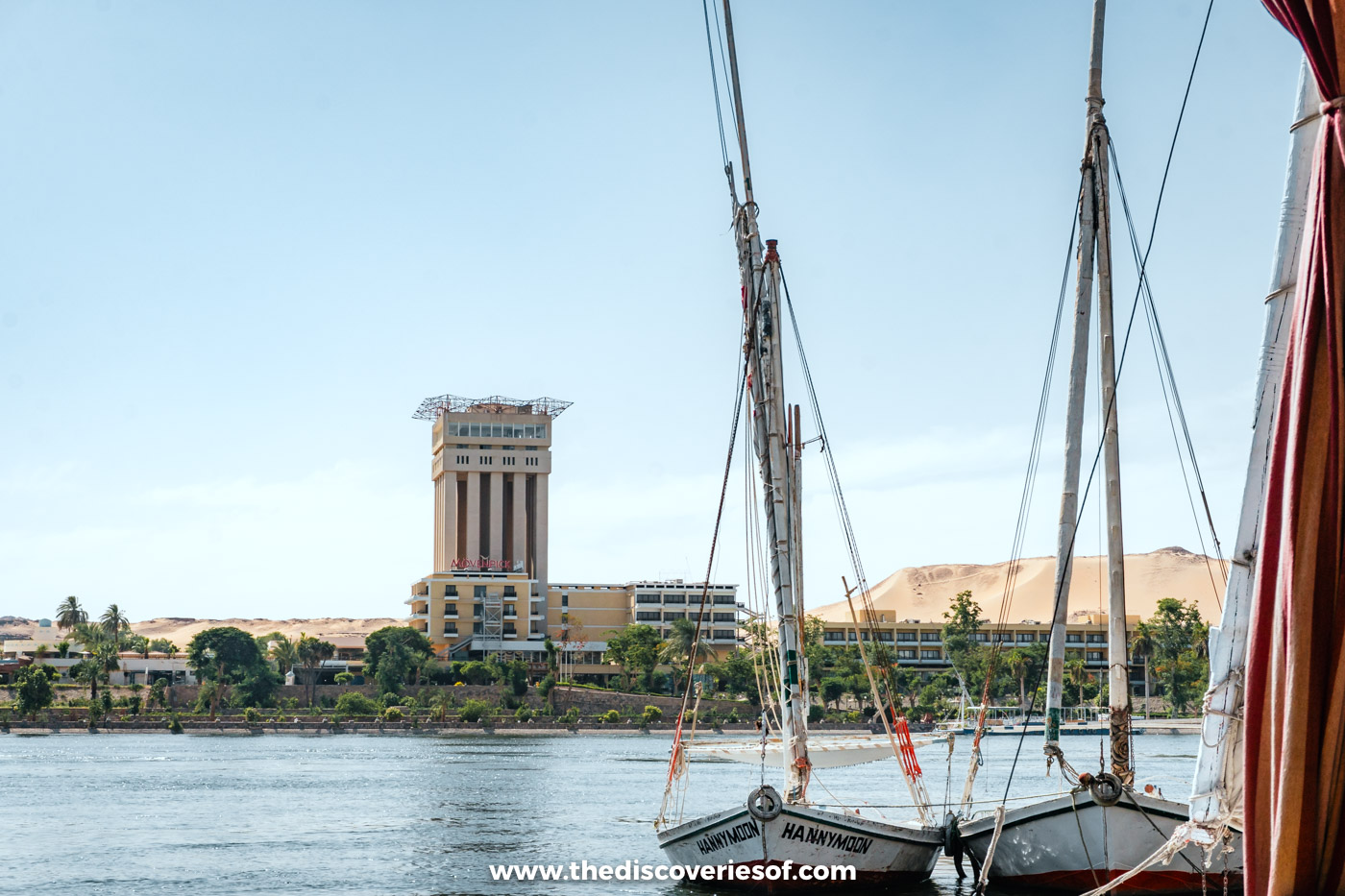
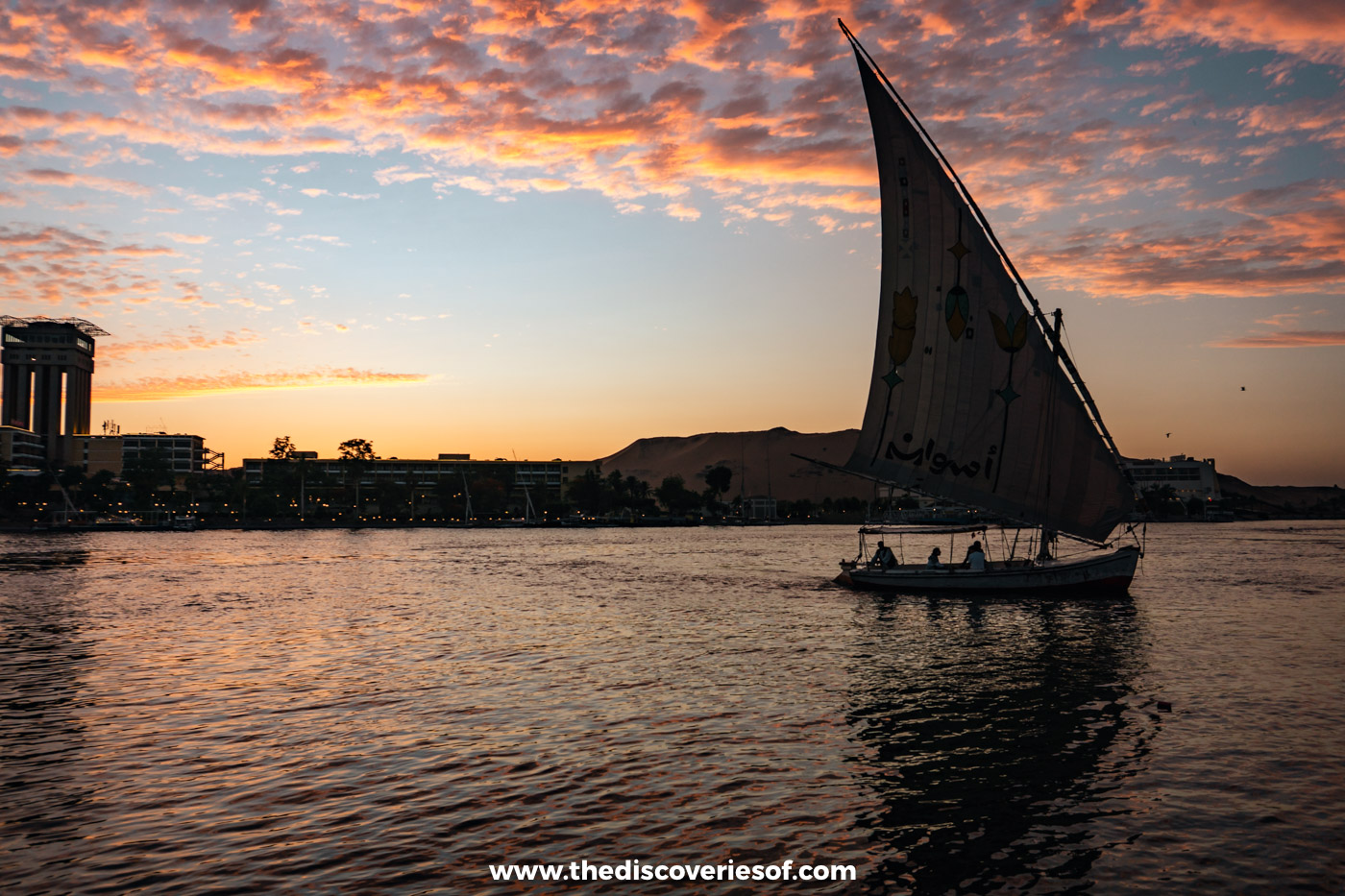
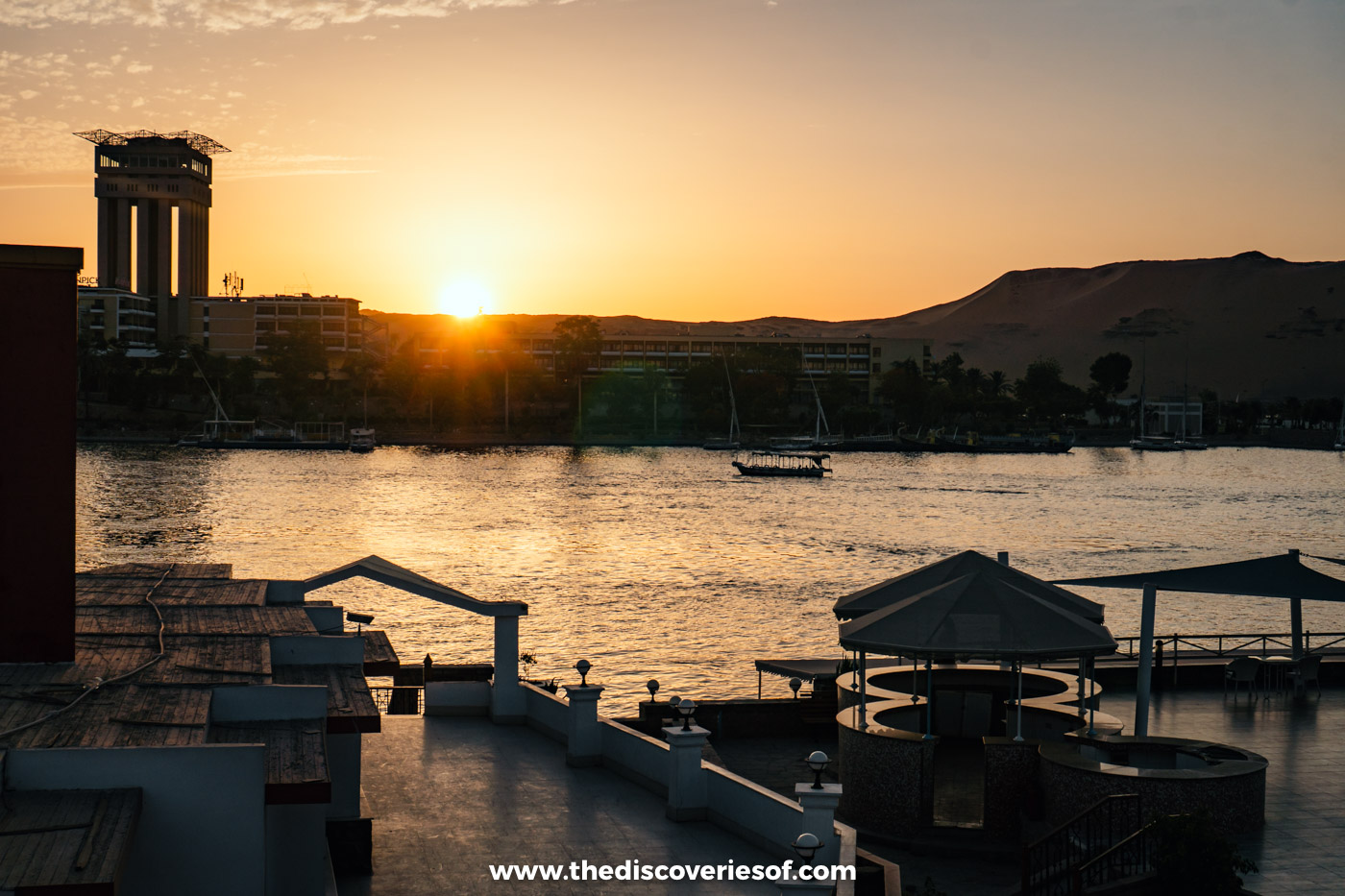
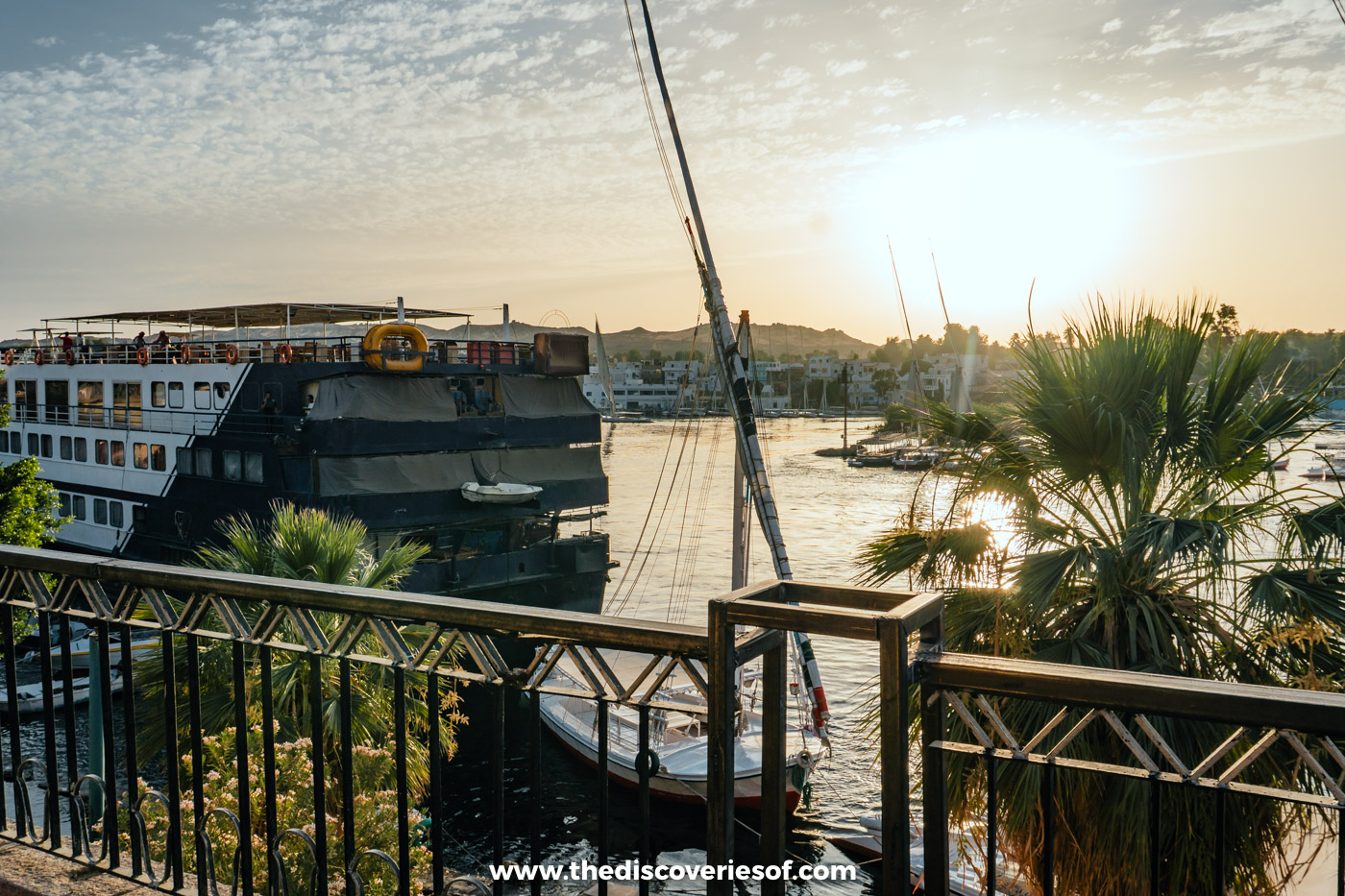
The Corniche is a stunning riverside promenade, packed with locals and tourists enjoying the breezes off the river. Take a felucca ride as the sun sets before heading off for a tasty dinner.
I stayed at the Obelisk Nile Hotel, an affordable but comfortable option by the Nile with an outdoor pool. The Citymax Hotel Aswan is another good choice, with an outdoor pool and four-star air-conditioned rooms.
The Nubian village of Gharb Soheil is full of colour, transporting you back in time to ancient Nubia. It’s a peaceful alternative to the hustle and bustle of the city, yet only a boat ride from downtown, and its souq sells traditional crafts, foods and spices.
The unique Artika Wadi Kiki is the perfect base in this beautiful setting, or try the NUB INN, a Nubian guesthouse in the village.
Just outside the city, Saluga and Ghazal is a nature reserve created in 1986 to protect the islands’ threatened wildlife. With greenery, birdwatching and plenty of tranquil nature, it’s far removed from the busyness of Egyptian towns. Stay at the Nubian Farm for a peaceful, rural retreat only 15 minutes from downtown.
It can be tempting to forgo travel insurance, but believe me, if things go wrong on your trip, you’ll be thankful you took it out. Whether it’s illness, flight cancellations or loss, it’s better to be safe than sorry. AXA Travel Insurance offers a great range of cover at competitive rates.
Sign up for insider tips straight to your inbox.
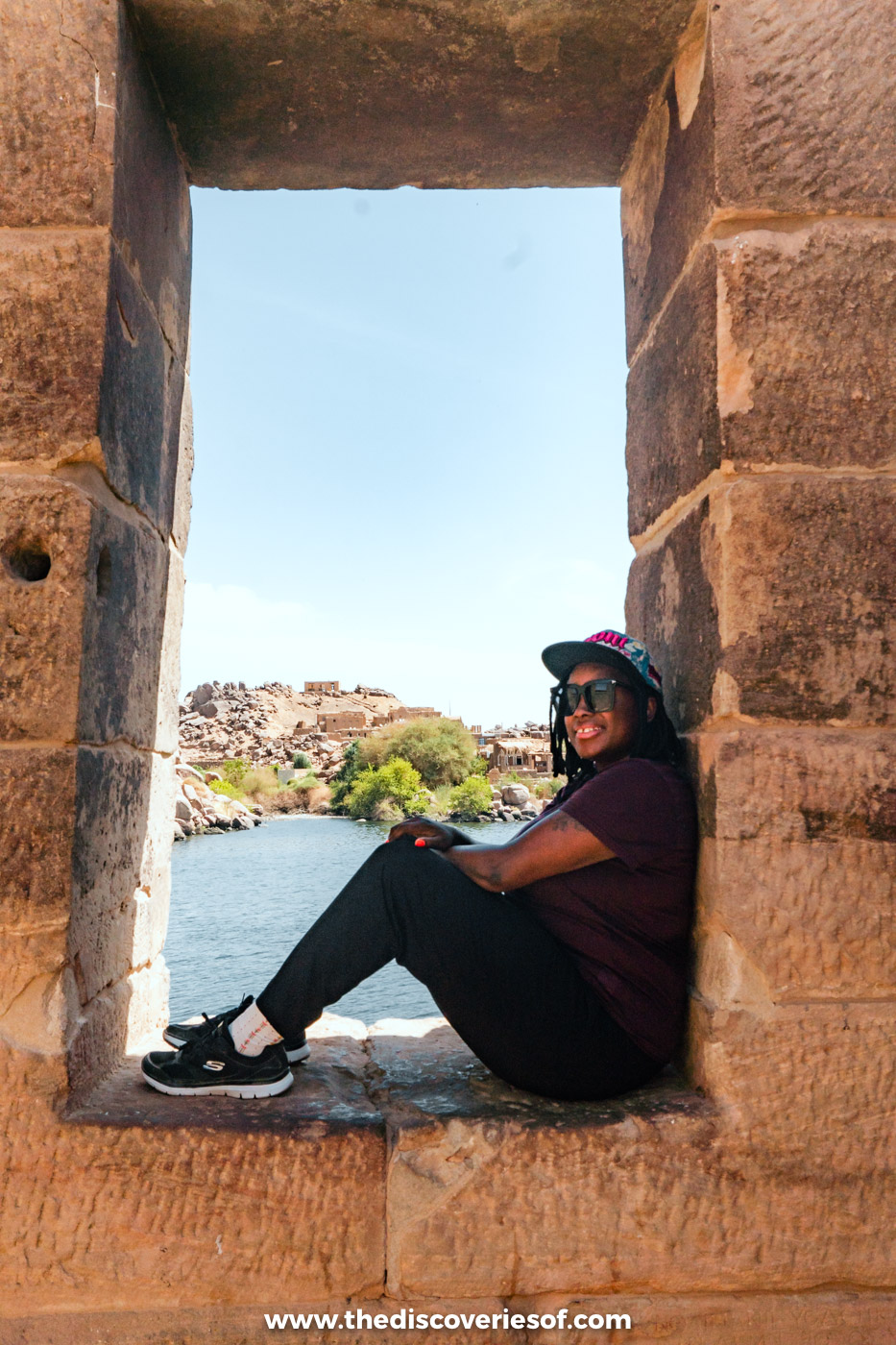
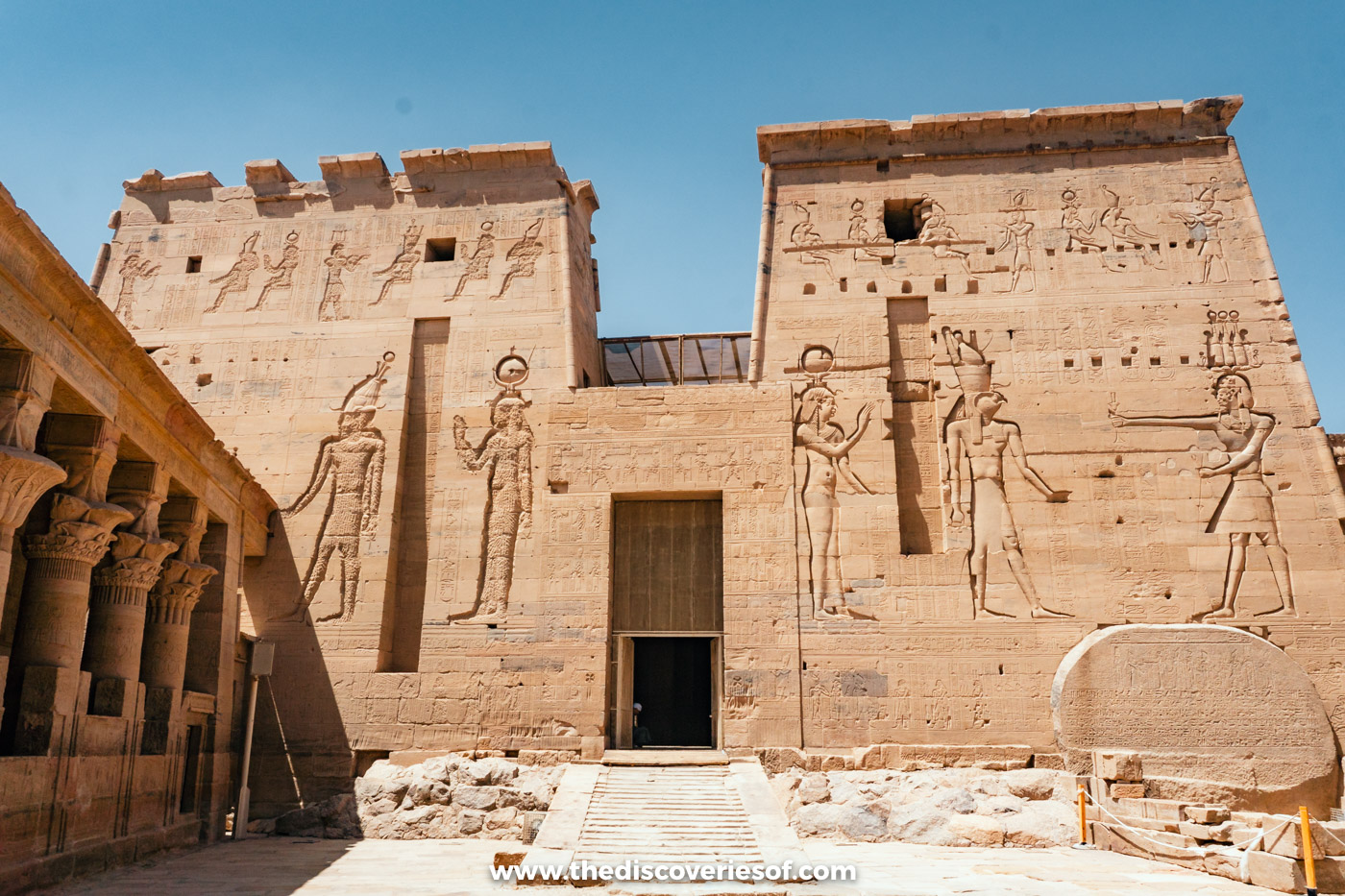
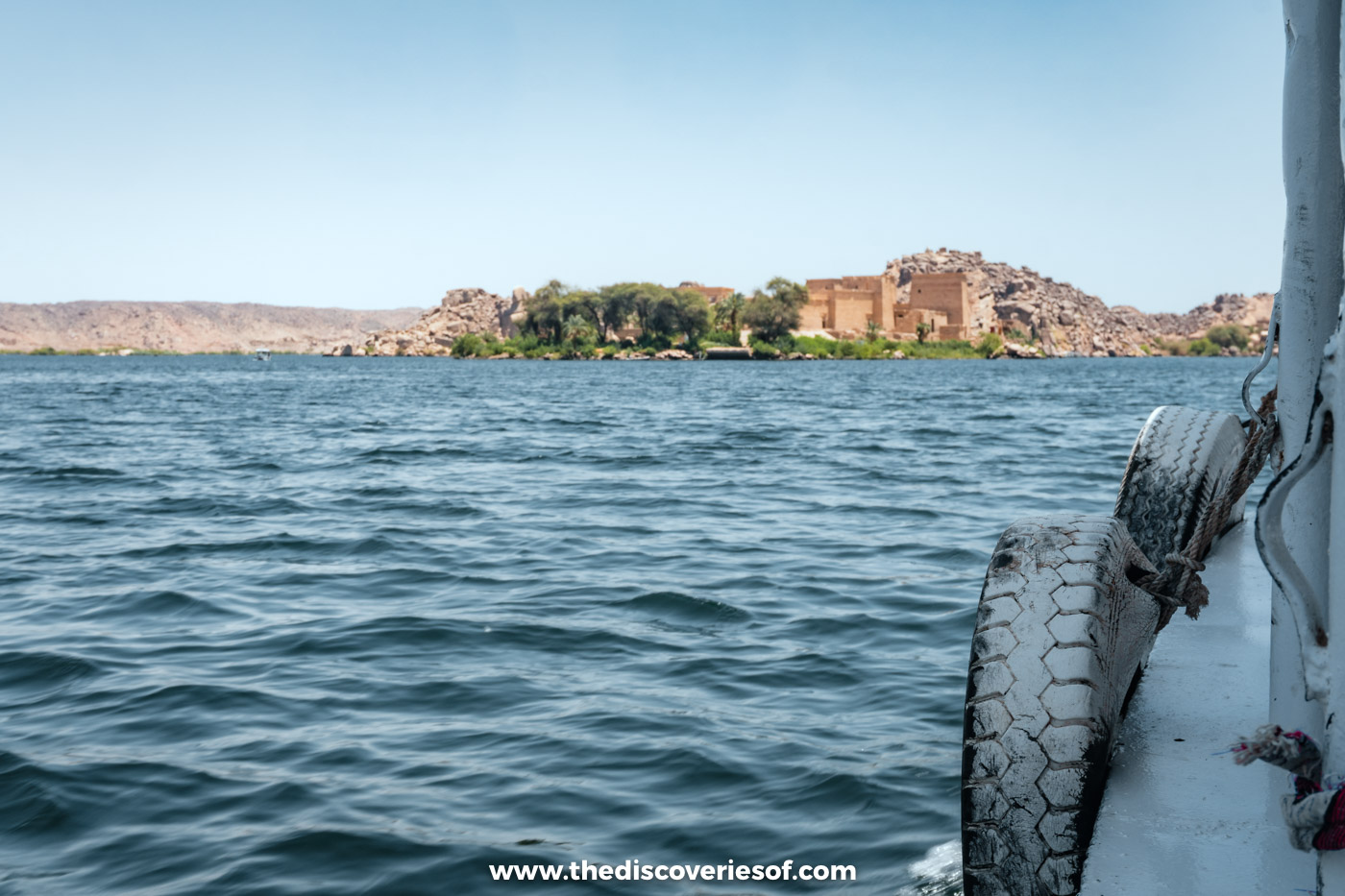
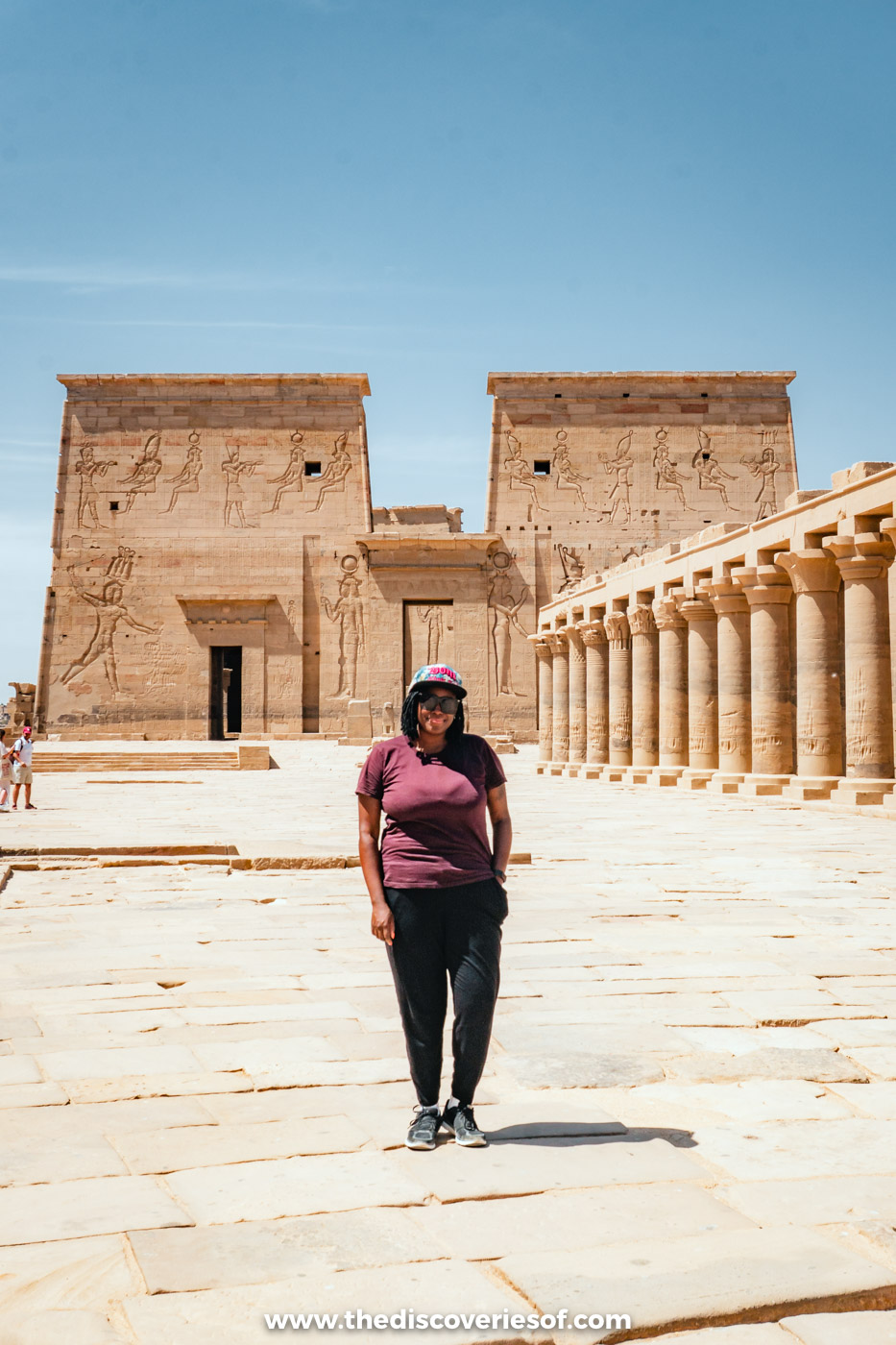
Reached by motorboat, the island temple of Isis was moved stone by stone to save it from the rising Nile, and your first glimpse of it will be one to remember. It’s one of my personal favourite sights in Egypt.
Read next: Philae Temple, Aswan: the Isis temple saved from the Nile
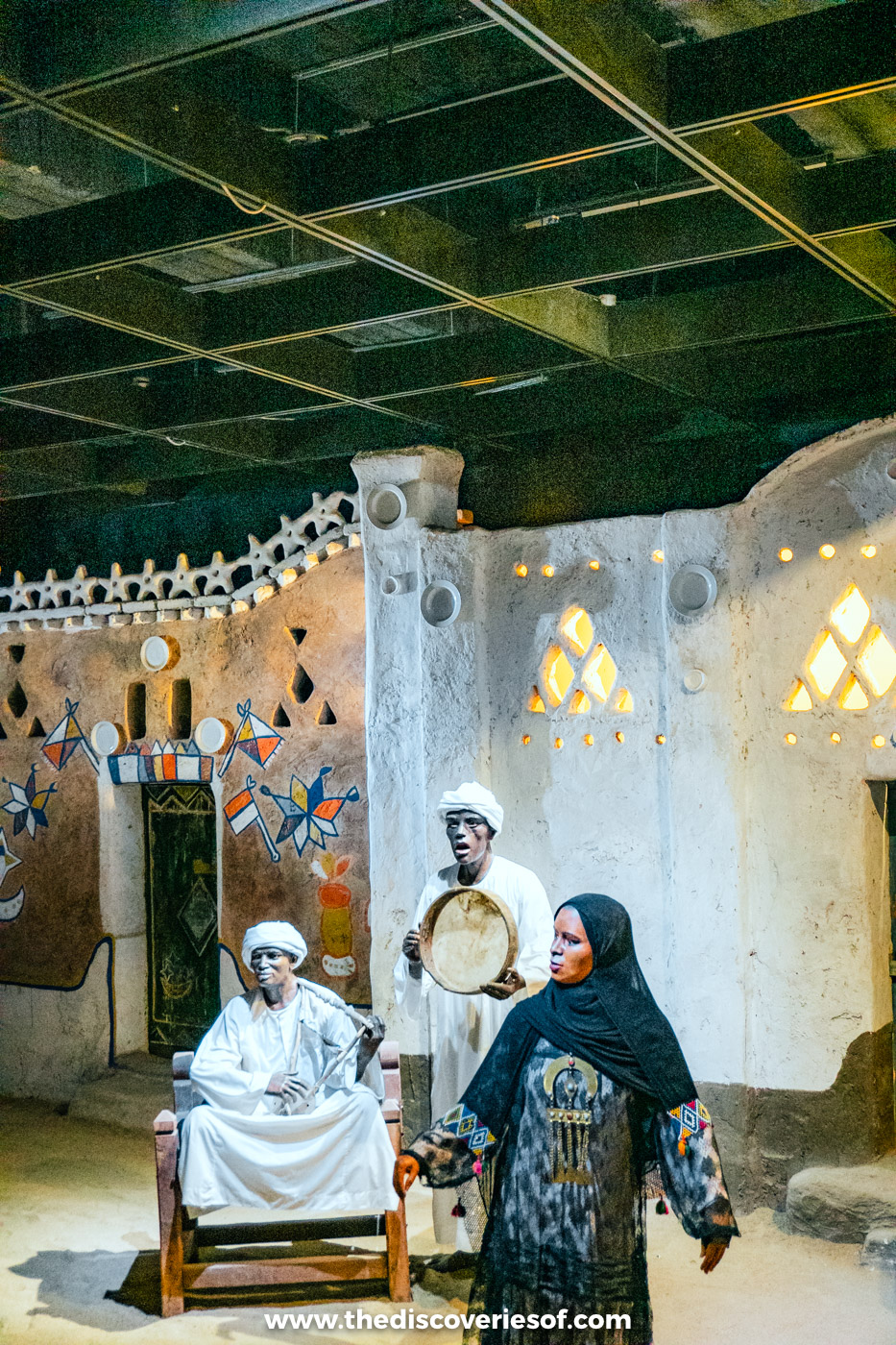
Aswan is inextricably linked to the ancient Nubian kingdoms. Explore the heritage of these people and their modern-day descendants at the Nubian Museum, with statues of Ramses II among thousands of artefacts. I’ll forgive you if you draw a blank on Nubian history: I certainly did.
Read next: Nubian Museum, Aswan: the story you didn’t learn at school
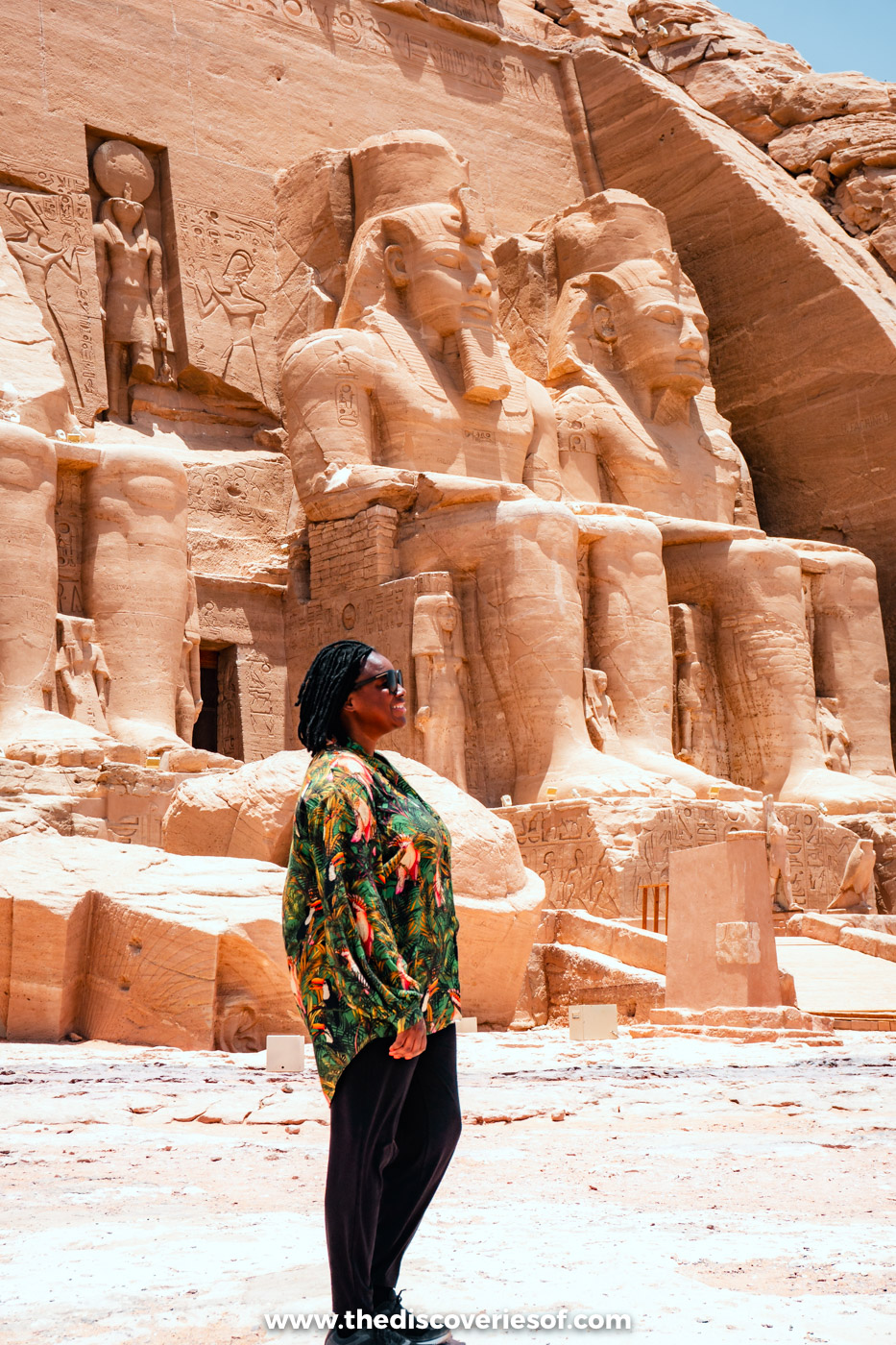
If you want to take an entire day away from Aswan, visit the temples of Abu Simbel, built by Ramses II. It was a must on my Egypt trip, and it didn’t disappoint: be prepared to be struck dumb with wonder. Go by road for a very early start, or fly, as I did.
Kitchener’s Island takes its name from Lord Kitchener, who was given it in the 1890s and filled it with plants from across Africa and Asia. The Botanical Garden is one of the most peaceful spots in the city: take a boat from the jetty next to the McDonald’s on the Corniche, as I did.
These rock tombs high on the cliffs of the West Bank were the final resting place of Aswan’s governors and officials, reached by a steep staircase from the boat landing. Don’t miss the tomb of Sirenput II (Tomb 31), the best preserved.
A short ride from downtown, Egypt’s largest and most mysterious obelisk still lies in the Northern Quarry where it cracked. Finished, it would have stood about 42 metres tall and weighed around 1,100 tonnes.
Sprinkled with palms in the middle of the Nile, Elephantine is one of the most picturesque places in Aswan. Don’t miss the ruins of Abu, the island’s ancient town, and the Temple of Satet, founded around 3000 BC.
If, like me, you love a bit of retail therapy, the souq is a dream come true. This bazaar sells everything from textiles and handicrafts to spices and jewellery. Try karkadeh, a drink made from dried hibiscus.
The Old Cataract is a must for afternoon tea with unmatchable views of the Nile. Built by Thomas Cook in 1899, it has hosted everyone from Winston Churchill to Agatha Christie.
I left Aswan on an overnight felucca sailing north towards Luxor, sleeping on deck, and waking up on a remote part of the Nile as the sun rose over the desert was worth the trip alone. Choose one with a Nubian crew.
2 days
Monastery of St Simeon > Philae Temple > Nubian Museum > Abu Simbel > Elephantine Island
This two-day itinerary takes in many of the main sites, including a trip to Abu Simbel, at a pace that won’t feel too taxing.
3 days
Aswan > River Nile > Abu Simbel
Spend a day on Aswan’s monuments and Nubian culture, a second sailing around the granite islands on a felucca, and end at the temples of Abu Simbel on the third.
3 days
Aswan > Temples of Edfu and Kom Ombo > Luxor
Ideal for first-timers: a day in Aswan, a day trip to the Ptolemaic temples of Edfu and Kom Ombo, and on to Luxor, the ancient seat of the pharaohs.
This hidden gem on Elephantine Island takes you under the surface of Nubian culture: a small museum of the region’s geology, natural history and traditions, with a roof terrace that serves lunch.
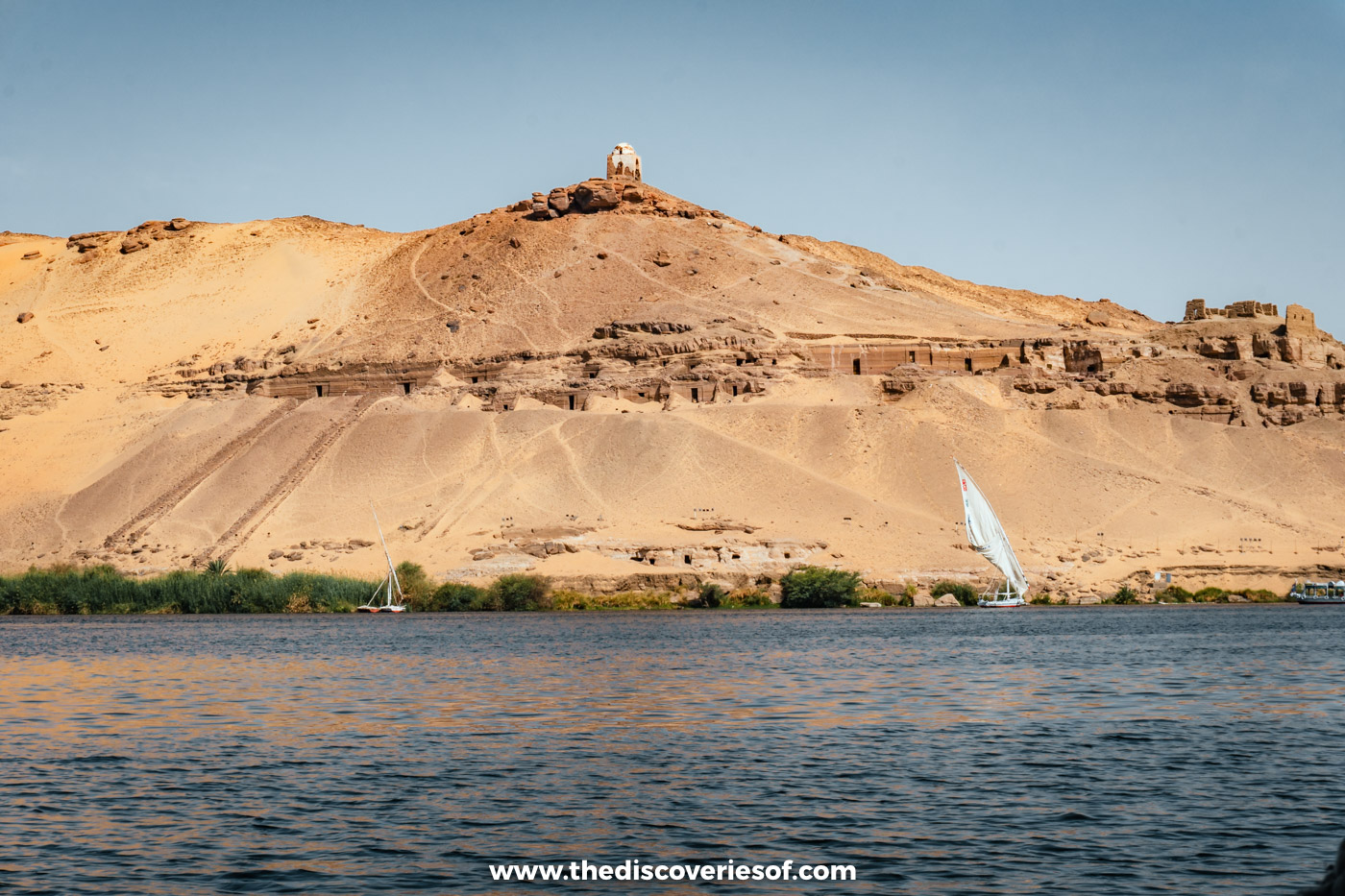
This pink limestone mausoleum overlooking the Nile is the resting place of Aga Khan III, Sir Sultan Muhammad Shah, who died in 1957. Sadly, it’s no longer open to the public, but you can admire it from the river on the way to the Monastery of St Simeon.
The Temple of Kalabsha was built under the Roman emperor Augustus and moved in the 1960s to New Kalabsha, by the High Dam, to save it from Lake Nasser. Arguably the most beautiful temple in the area after Abu Simbel and Philae, it’s often blissfully empty. Next door, the rock temple of Beit el-Wali shows Ramses II’s victories.
Downtown Aswan is easily explored on foot. Stroll the Corniche at sunset, browse the souq and wander the colourful lanes of a Nubian village without paying a penny, or create your own route using a guidebook.
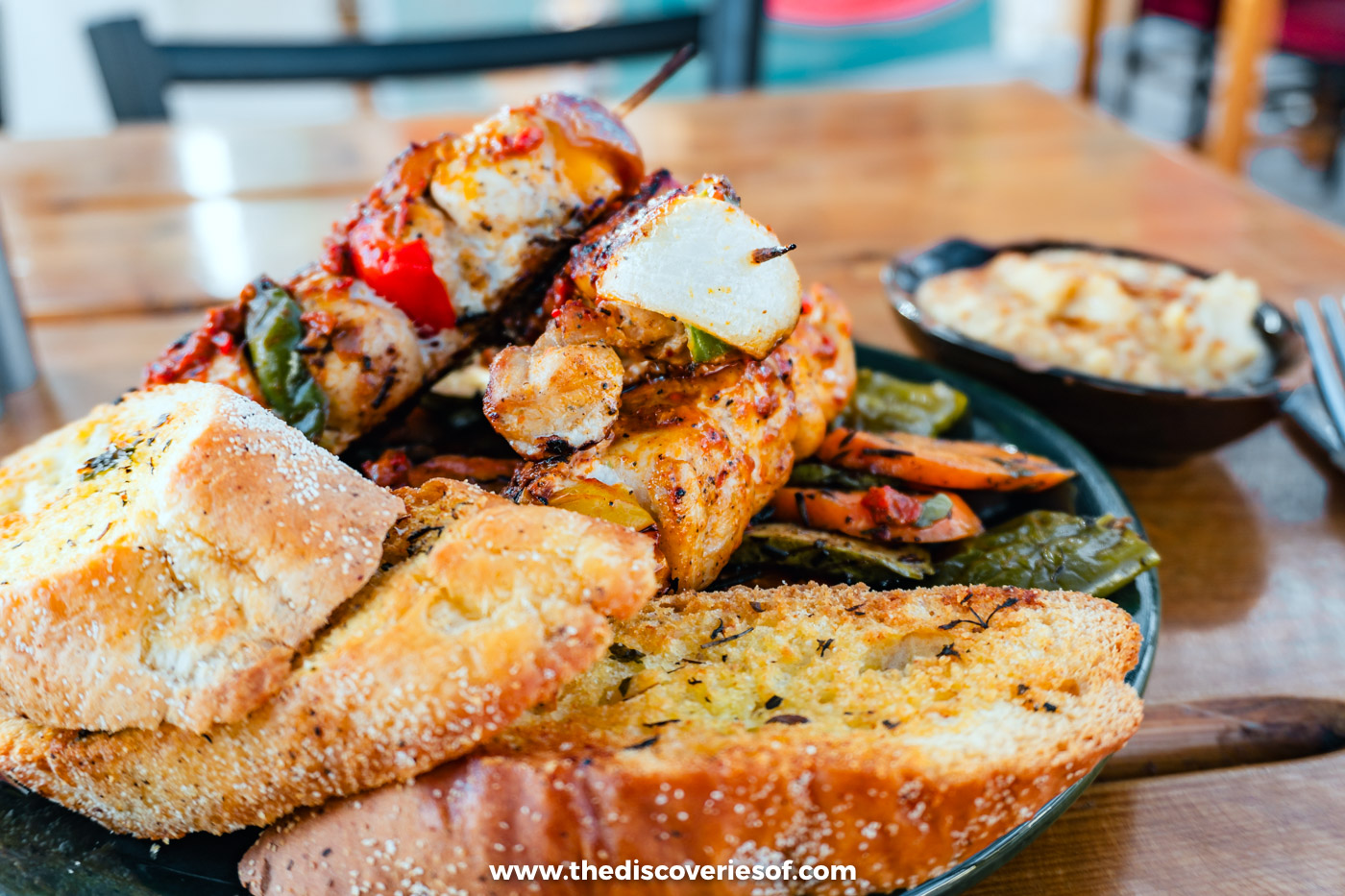
A wonderful riverside restaurant with several terraces and charming views across the Nile. It serves a gorgeous mix of Egyptian, Nubian and international food and is one of my top dining spots in Egypt, never mind Aswan! I stopped here for lunch after my morning at Philae.
If you want traditional Egyptian food, this is another of my favourite places to eat in Aswan, perfect for a leisurely lunch or dinner, with Nile views and a super-friendly owner. Bring cash.
On Bigeh Island, with views over Philae Temple, this traditional Nubian restaurant serves home cooking on locally made tableware.
For fine dining, 1902 serves international dishes in the ornate surroundings of the Old Cataract.
Tipping is culturally expected in Egypt, although it is not mandatory. Around 10 to 15% of your bill is usual at cafes and restaurants, although this is sometimes included on your bill. Meanwhile, loose change is usually accepted by street food vendors.
Although English is widely spoken in Aswan, these Egyptian Arabic phrases will help on your visit.
Aswan runs on Egypt’s time zone, Eastern European Time (UTC+2). Daylight saving time puts the clocks forward an hour (to UTC+3) from the last Friday of April to the last Thursday of October.
Egypt uses 220V with two-pin type C and F plugs. To keep your devices charged, pack a universal adapter.
You don’t need to get specific jabs to visit Egypt. However, being up to date with your UK vaccinations is recommended.
Drinking tap water is not recommended in Aswan. Although it is considered safe, water treatment plants heavily chlorinate the supply, so err on the side of caution and stick to bottled water.
Fly from Cairo in about an hour and 20 minutes, or take the overnight sleeper train from Giza, as I did. You can get around downtown Aswan on foot. To reach the islands, hire a felucca or motorboat for as long as you need, or take the public ferry to Elephantine.
For further afield, book a driver or a tour. Between Aswan and Luxor, take a Nile cruise or a felucca.
Aswan is a regular tourist destination and is generally considered safe to visit. Petty crime such as theft is a risk, so ensure you keep your valuables and documentation safely stashed at your hotel and keep your wallet safe from pickpocketing fingers.
Egypt is cheap compared with the UK and the US, so a good-quality trip on a moderate budget is possible. For a mid-range trip, expect to spend around £40 to £60 a day; for something more luxurious, budget around £120 to £150 a day, including your accommodation.
My guide to the cost of a trip to Egypt breaks down what I spent.

Thinking about booking Intrepid’s Egypt Adventure? Here’s an honest review of the eight-day group tour from Cairo to Aswan, the Nile and Luxor and back:…

A Nile river cruise is a quintessential part of any Egypt trip, but a big cruise ship isn’t the only way to see the river….

The overnight sleeper train is the classic way to travel the length of Egypt: you board in the evening in Giza and wake up beside…

The Great Temple of Ramses II is one of the wonders of ancient Egypt, a temple carved deep into a sandstone cliff at Abu Simbel….

A short boat ride from the Corniche, the Aswan Botanical Garden fills the whole of Kitchener’s Island with palms, flowering trees and shady paths. Here’s…

Most visitors come south for the temples, but the Nubian Museum tells the story of the people who lived alongside them for thousands of years,…

The temples of Abu Simbel are some of Egypt’s best-known landmarks, two rock-cut temples built by Ramses II on the edge of Nubia. Here’s what…

Philae Temple is a stunning island temple in Aswan, dedicated to the goddess Isis and moved, block by block, to save it from the Nile….

From the island temple of Philae and a day trip to Abu Simbel to the Nubian Museum, a boat ride to the Botanical Gardens and…
Follow me on Instagram for travel inspiration, tips and guides.