
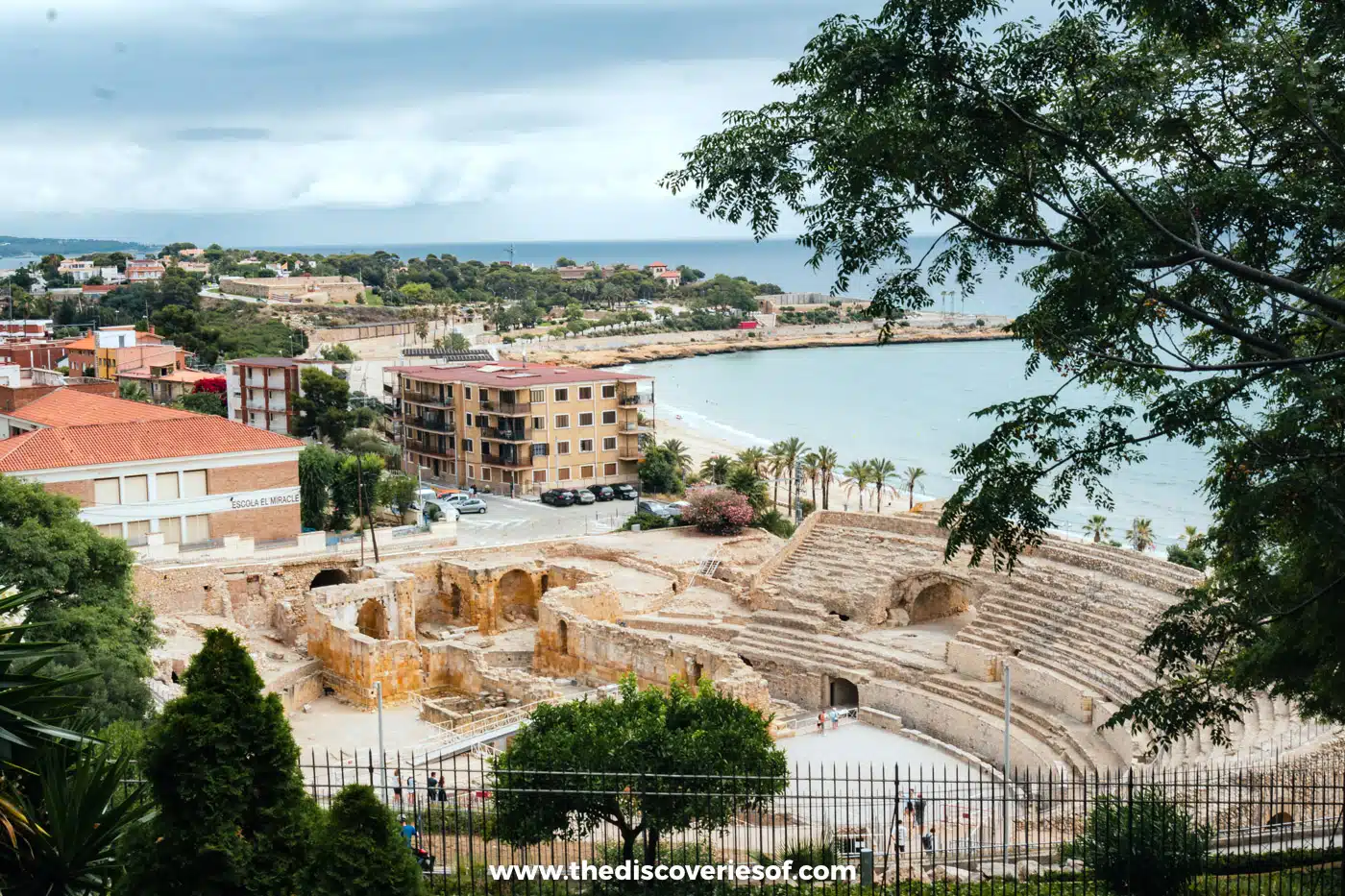

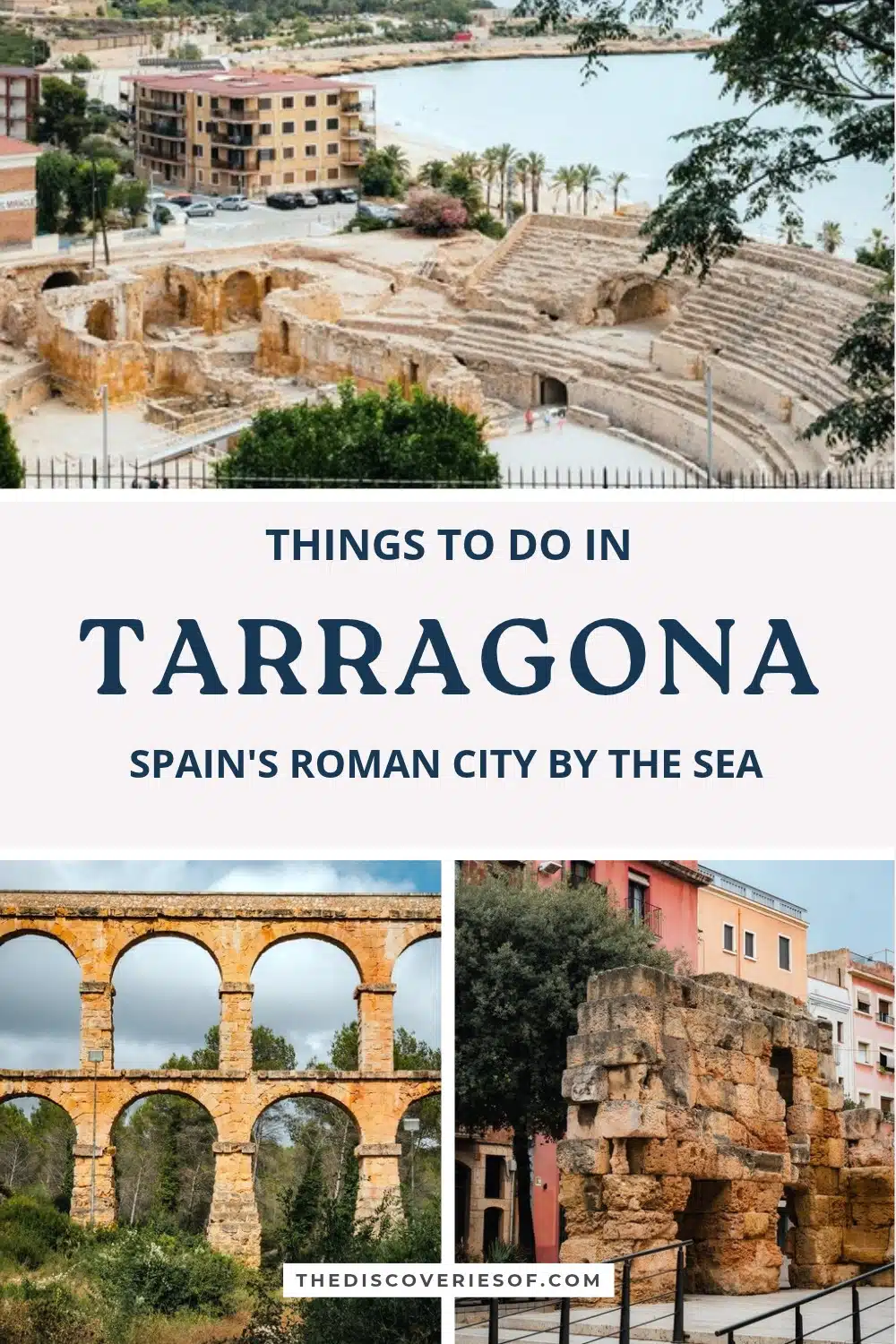
Two thousand years ago this was Tarraco, the capital of Roman Spain, and the city still wears that past in the open: an arena on the edge of the Mediterranean, walls you can walk along and an aqueduct hidden in the pine woods. Here’s what to see, where to eat and how to fit it all into a day from Barcelona.
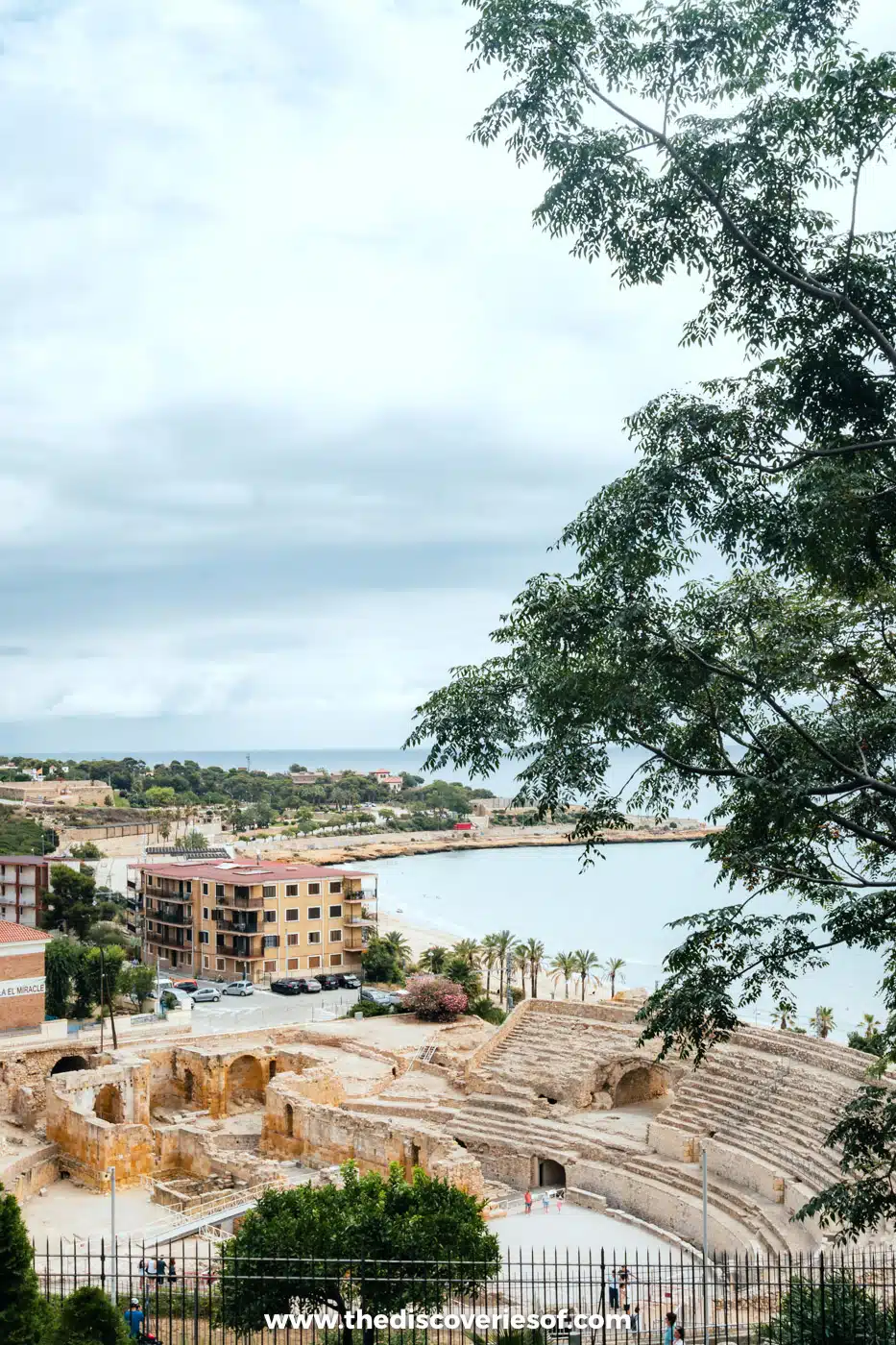
Tarragona sits on a low hill above the sea, about an hour south of Barcelona by train. The Romans landed here in 218 BC and turned the settlement into Tarraco, the capital of the province of Hispania Citerior and one of the great cities of the empire. So much of it survives, from the arena and the circus to the walls and the aqueduct, that UNESCO listed the archaeological ensemble of Tárraco as a World Heritage Site in 2000.
I came down for the day during a three-month stay in Barcelona, in July. I started at the clifftop viewpoint at the end of the Rambla, had a seafood lunch in the old town, wandered up to the cathedral and round the Roman walls, went down into the amphitheatre, and finished by driving out to the Pont del Diable to walk across the top of the aqueduct.
Here are the highlights, with tickets and practical tips at the end. If you’re choosing between trips out of the city, my guide to day trips from Barcelona has the others.
Prefer a guide? This Roman heritage walking tour covers the amphitheatre, the walls and the old town in one go.
The best things to do in Tarragona
Watch the sea from the amphitheatre’s stone tiers
The amphitheatre is the image everyone carries away: a Roman arena built into the slope just above the beach, so that the tiers seem to drop straight into the Mediterranean. It went up in the 2nd century AD and held around 14,000 spectators for gladiator fights and wild beast hunts.
I saw it first from the clifftop above, then went down and walked round the upper tiers. From there you look across the arena floor, where the pits that held animals and stage machinery are still open, to the blue of the sea behind. In the middle of the arena are the remains of two churches. On 21 January 259, Bishop Fructuosus and his deacons Augurius and Eulogius were burned alive here, and a Visigothic basilica was later built on the spot to remember them, followed in the 12th century by the Romanesque church of Santa Maria del Miracle. My guide to Tarragona’s amphitheatre has more on its history, tickets and the best viewpoints.
Tickets
Entry is €5 (€2.50 reduced), or included in the €15 combined ticket for five of the city’s Roman sites. It’s closed on Mondays.
Guided Tours
See the amphitheatre, the walls and the circus with a local guide on this Roman heritage walking tour of Tarragona.
Walk the Roman walls on the Passeig Arqueològic
The walls of Tarraco were built in the 2nd century BC and are the oldest Roman construction still standing outside Italy. Of the original 3.5 kilometres, about 1.1 kilometres survive around the old town, and the Passeig Arqueològic runs along the best of them, in the gardens between the Roman wall and the outer line of fortifications added in the 18th century.
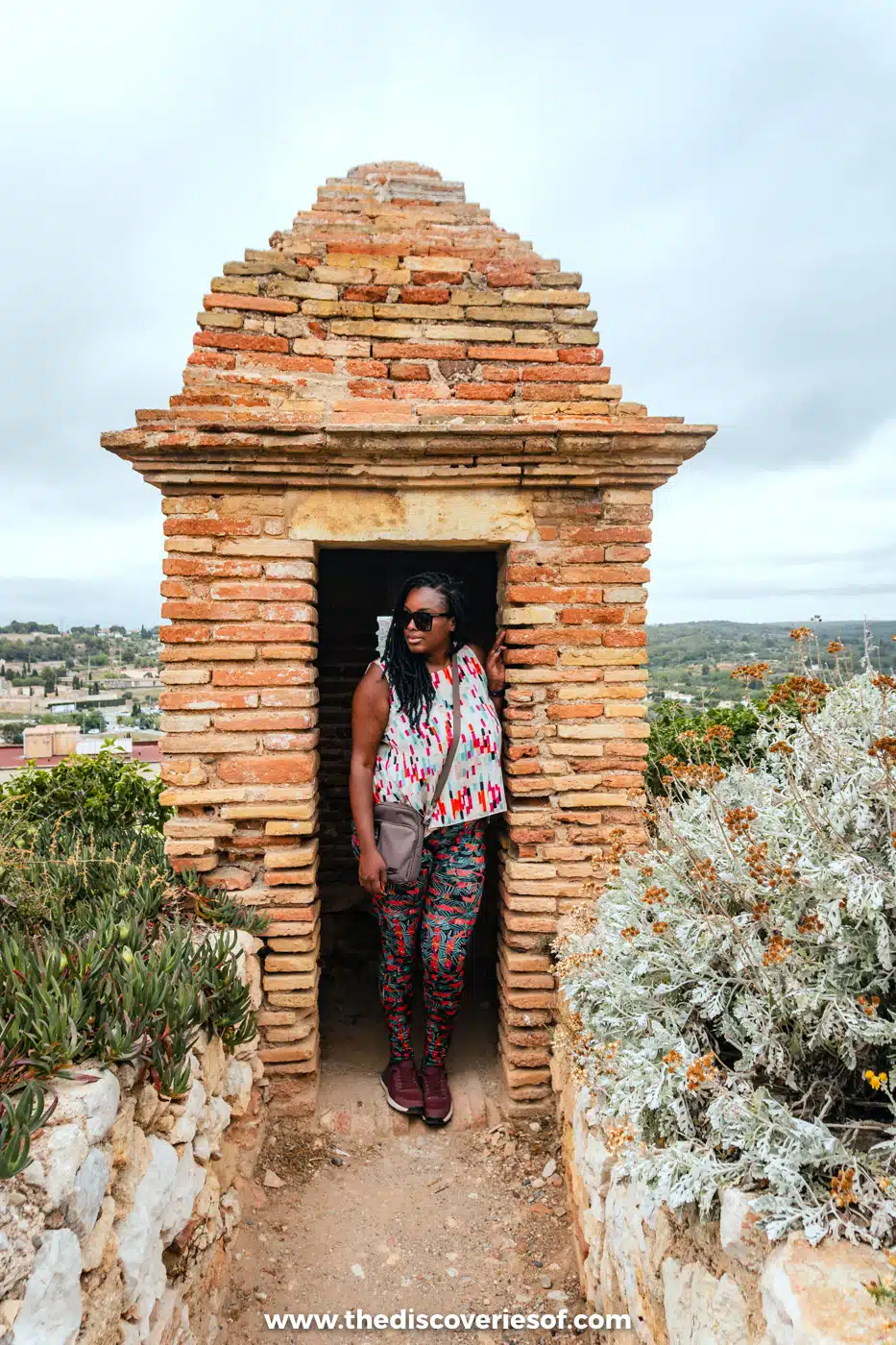
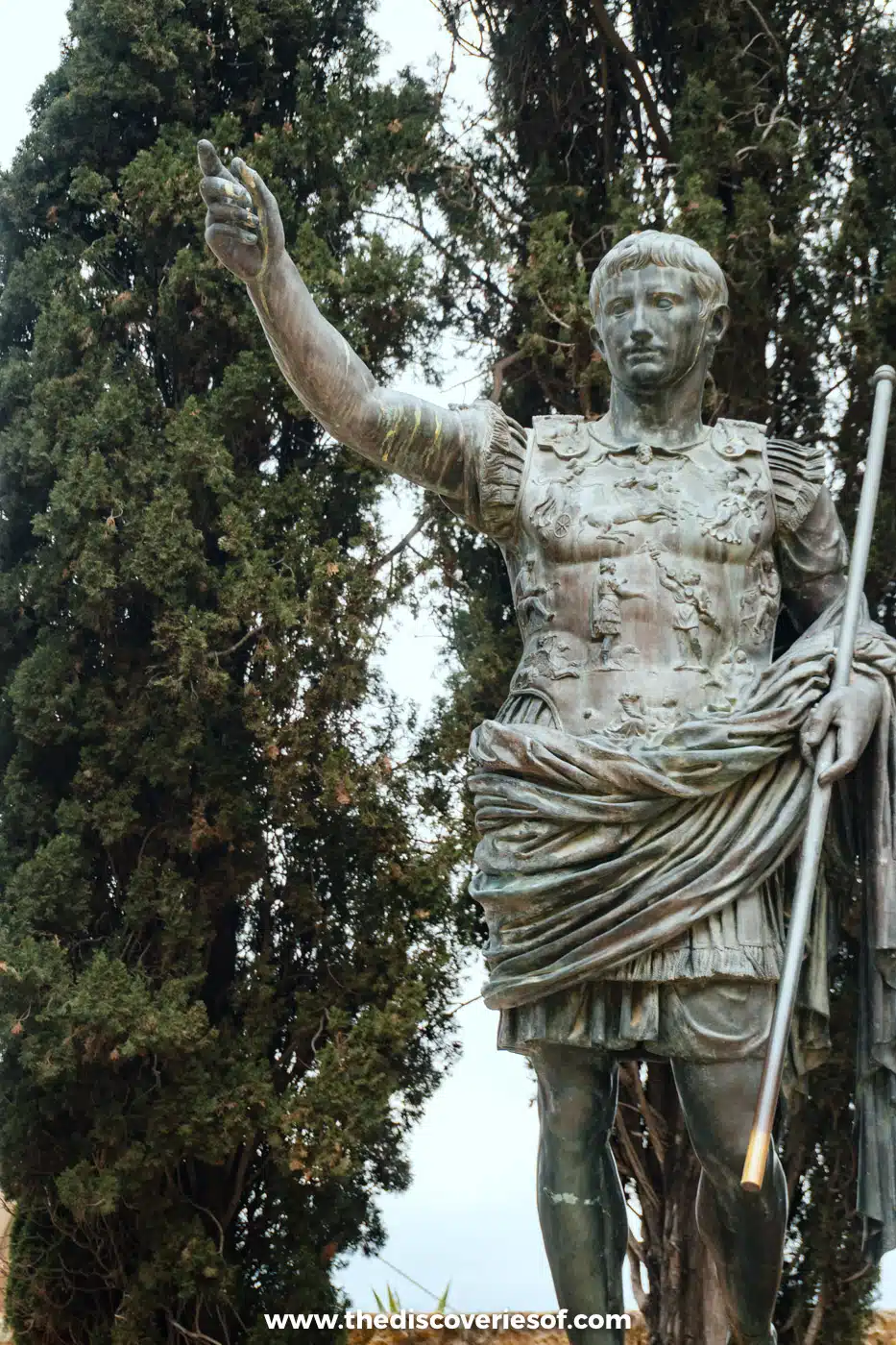
I walked it in the early afternoon. The lower courses are enormous, roughly cut blocks that look older than anything around them, and the path winds past cypresses, cannons, flower beds and a bronze statue of Augustus, a copy of the Augustus of Prima Porta that Mussolini’s Italy gave the city in 1934. The little brick sentry boxes along the outer wall make a good photo stop, and I stepped into one. Look out, too, for the Minerva tower, which holds what’s thought to be the oldest Roman sculpture and inscription on the Iberian Peninsula. My guide to the Passeig Arqueològic has more on the history, what to see and opening hours.
Climb Carrer Major to the cathedral
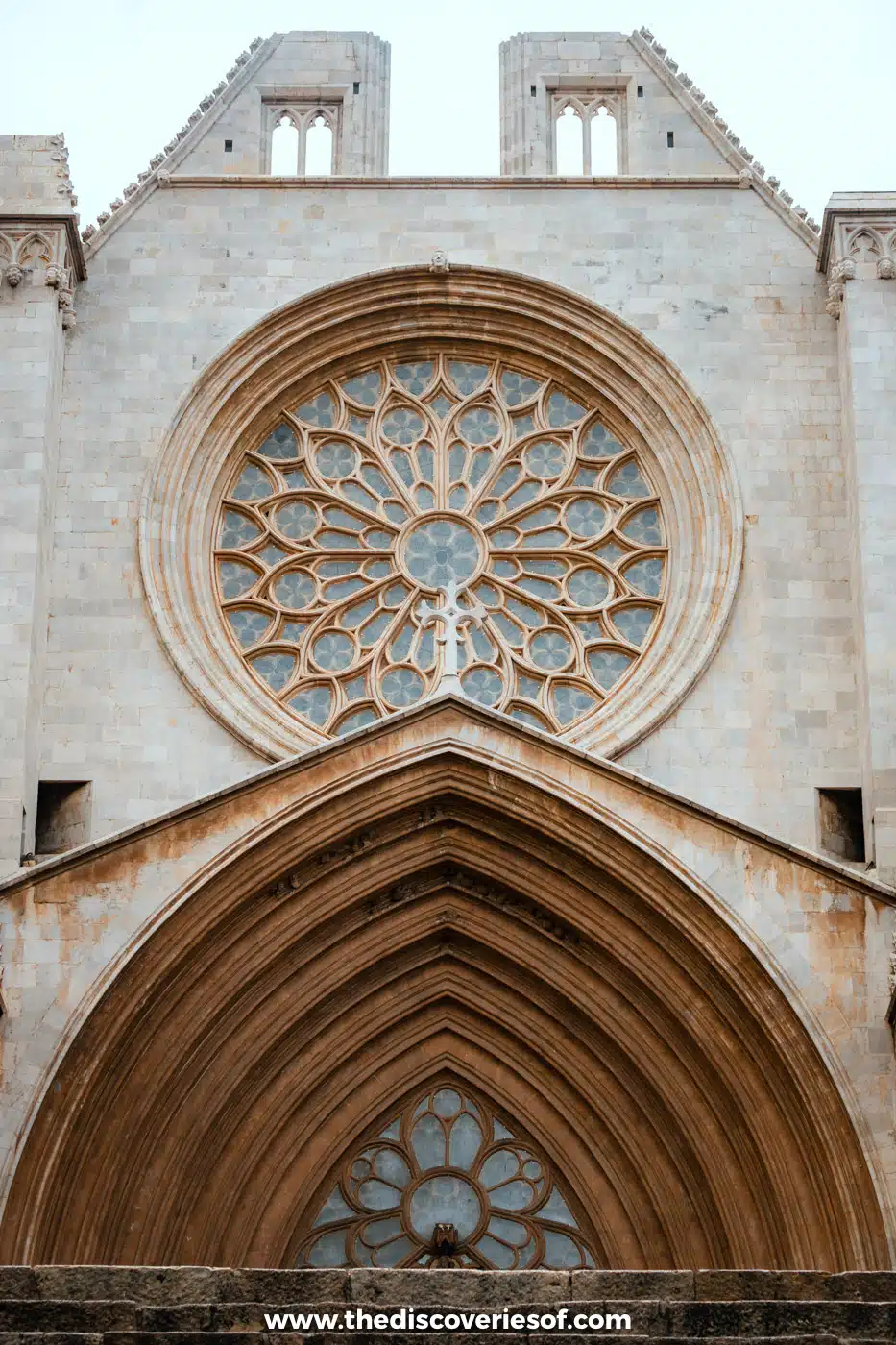
Walk up Carrer Major, the main street of the old town, and the cathedral’s façade fills the end of it, with a huge rose window above a Gothic doorway lined with statues of the apostles. The cathedral stands on the highest point of the city, on the site of a temple to Augustus, and it took more than a century to build: begun in Romanesque and finished in Gothic, it was consecrated in 1331. I walked up Carrer Major and round the outside, where the bell tower rises over the rooftops.
Inside, the cloister is the highlight, with 295 carved capitals. One of them shows a procession of rats carrying a cat to its funeral. The Diocesan Museum is off the cloister.
Tickets
Entry is €12.50, or €8.50 reduced, with a free audio guide; allow about an hour. Sunday visits start at 2pm, and it closes for some feast days, including 23 September.
Get lost in the Part Alta and find Plaça del Fòrum
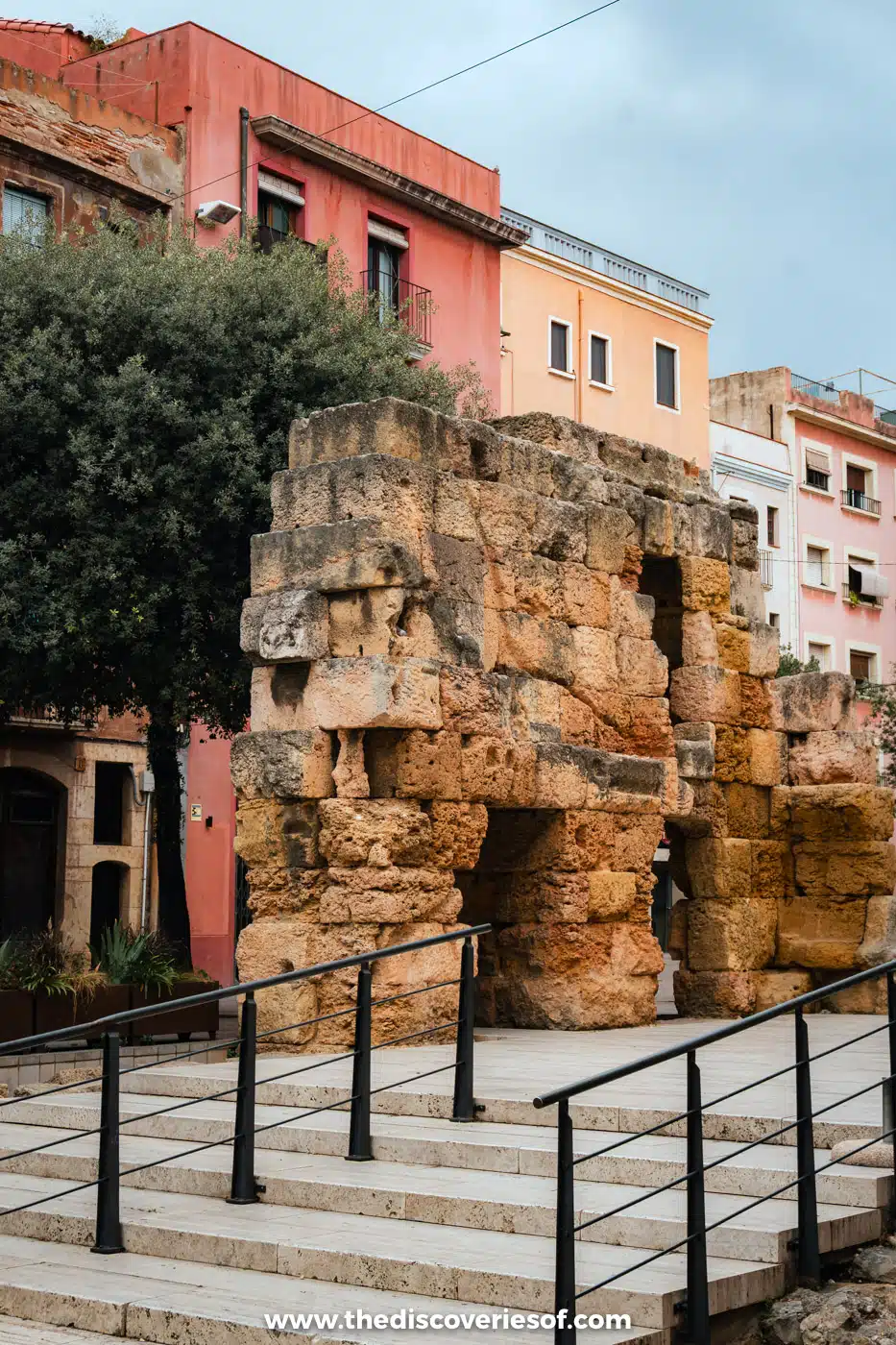
The Part Alta, the old town inside the walls, is a tangle of narrow lanes, colourful façades and medieval houses built over the Roman city. From the cathedral, I wandered down through the lanes to Plaça del Fòrum, where a row of Roman arches stands between the apartment blocks, part of the provincial forum that once covered the top of the hill.
Keep an eye out for Plaça dels Sedassos, where the whole end wall of the square is a trompe l’oeil mural painted in 1995, with balconies, figures and the artist himself at work.
Touch the iron at the Balcó del Mediterrani
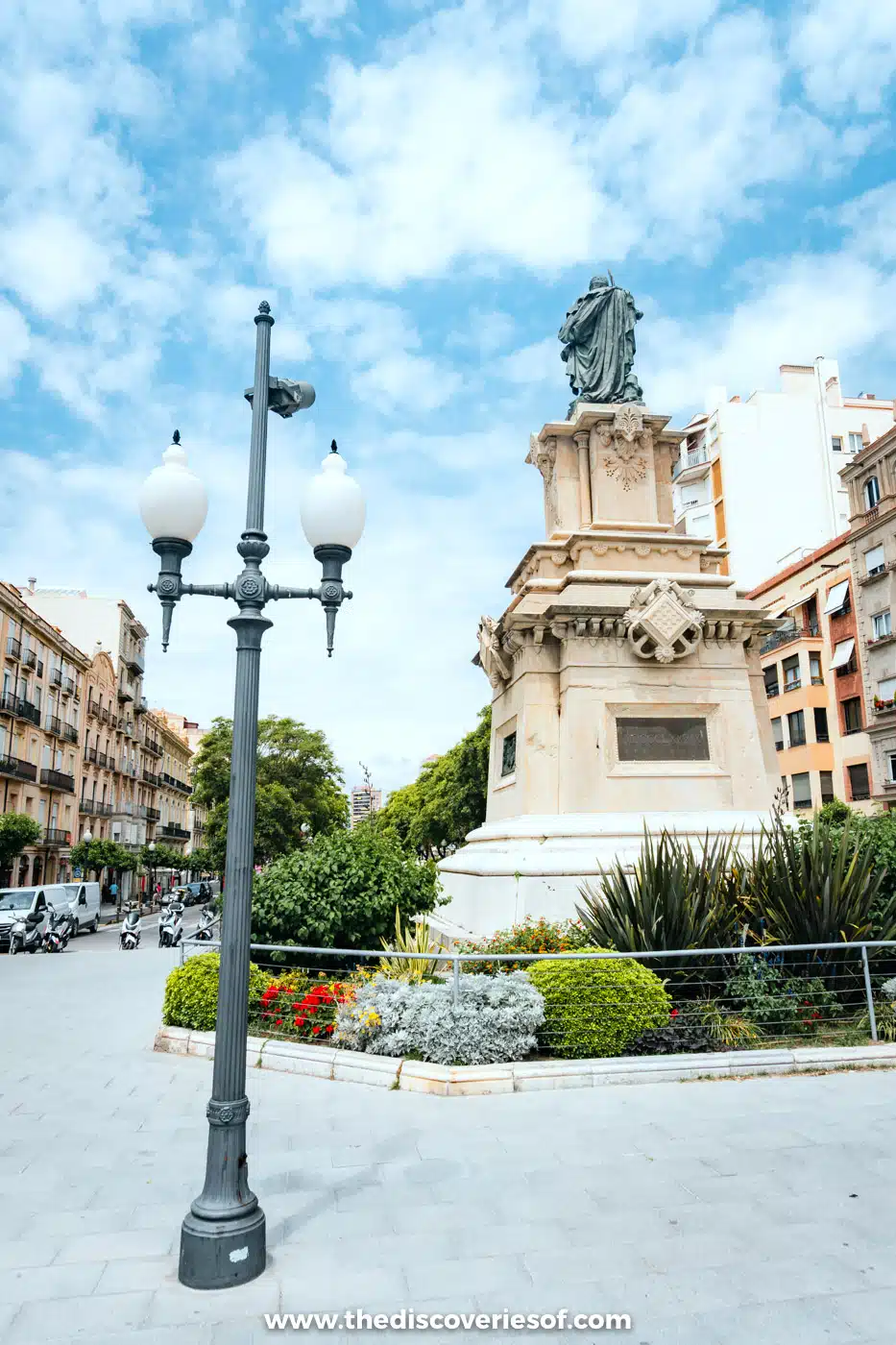
The Rambla Nova, the city’s 19th-century main avenue, runs straight to the sea and ends at a clifftop railing above the water. This is the Balcó del Mediterrani, named by Emilio Castelar, the president of the First Spanish Republic, when he visited in 1863. The cast-iron railings date from 1889, and local people have a habit of walking down the Rambla to “tocar ferro”, touch the iron, before they turn back.
It’s where I started my day. Below you, the view runs over the railway line to Platja del Miracle, the port and the curve of the amphitheatre. On the way, look out for the monument to the castellers halfway down the Rambla Nova, a bronze human tower, and the statue of the admiral Roger de Llúria at the end.
Walk across the top of the Pont del Diable
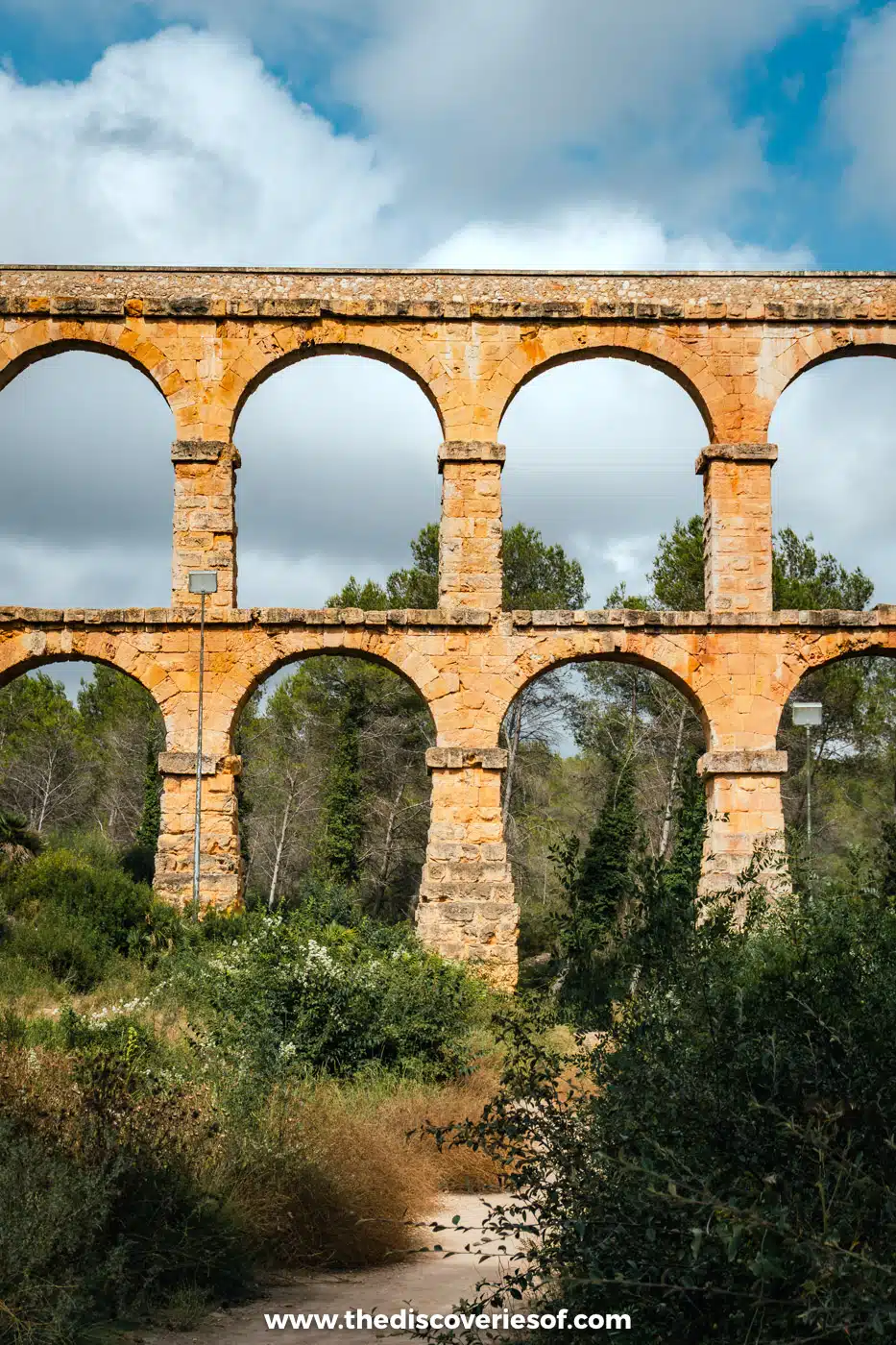
The Pont del Diable, or Devil’s Bridge, is the Les Ferreres aqueduct, which carried water to Tarraco in the 1st century AD. Its two tiers of arches run for 217 metres across a wooded ravine and reach almost 27 metres at the highest point, all built from stone blocks laid without mortar.
It was my last stop of the day. I drove out of the city and walked across the top, along the channel that once carried the water, with the pines below on both sides. The channel is narrow and open, so take it slowly. It’s free and open all the time, and there’s no ticket office. For directions, parking and what to expect on the walk, see my guide to the Pont del Diable.
Getting There
The aqueduct is about 4 kilometres north of the centre, off the N-240 road towards Lleida. Without a car, take city bus 5 or 85 to the Pont del Diable stop.
Eat seafood rice at El Llagut
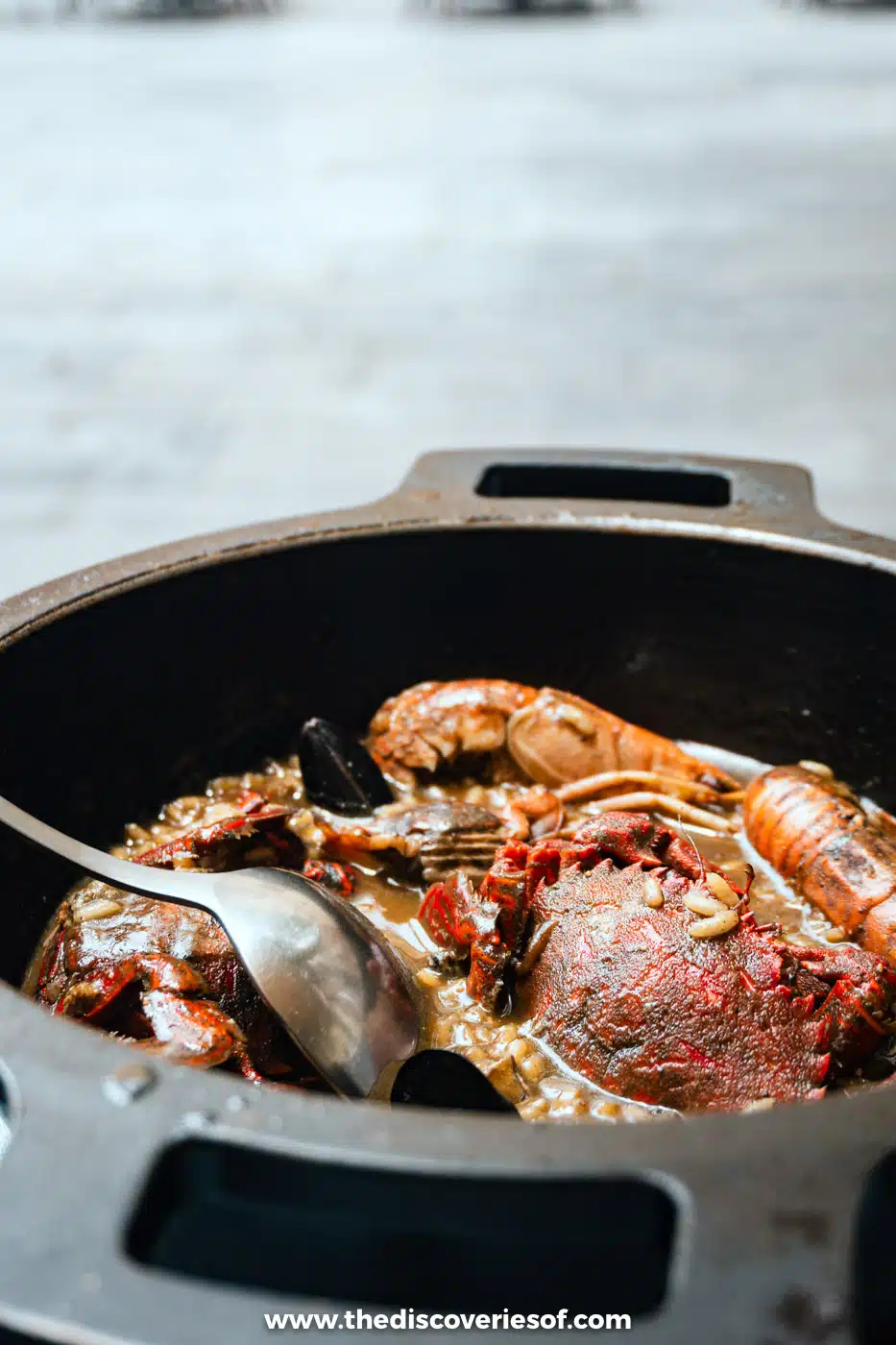
El Llagut is a small, nautical-themed restaurant on Carrer de Natzaret, by Plaça del Rei in the old town, and rice is what it’s known for, served dry or creamy. I had lunch here: a pot of rice crowded with crab, langoustines and mussels, a fish stew and a plate of sardines. Expect to pay around €45 a head without drinks, and book ahead, as it’s a small room.
Go under the Roman circus and up the Praetorium tower
At the end of the 1st century AD, Tarraco built a circus for chariot races more than 300 metres long, with room for about 30,000 spectators. The later city was built straight on top of it, so today you walk through its vaulted passages underneath the streets, and Plaça de la Font sits on top of the old track. The same ticket takes you up the Praetorium tower, whose rooftop terrace gives you a 360-degree view over the old town, the cathedral and the sea.
See Tarraco’s treasures at the MNAT
The Museu Nacional Arqueològic de Tarragona, on Plaça del Rei, holds the finest finds from the Roman city: mosaics, sculpture, inscriptions and everyday objects. It reopens on 4 December 2026 after eight years of renovation, so check the museum’s website for hours before you go.
Swim at Platja del Miracle
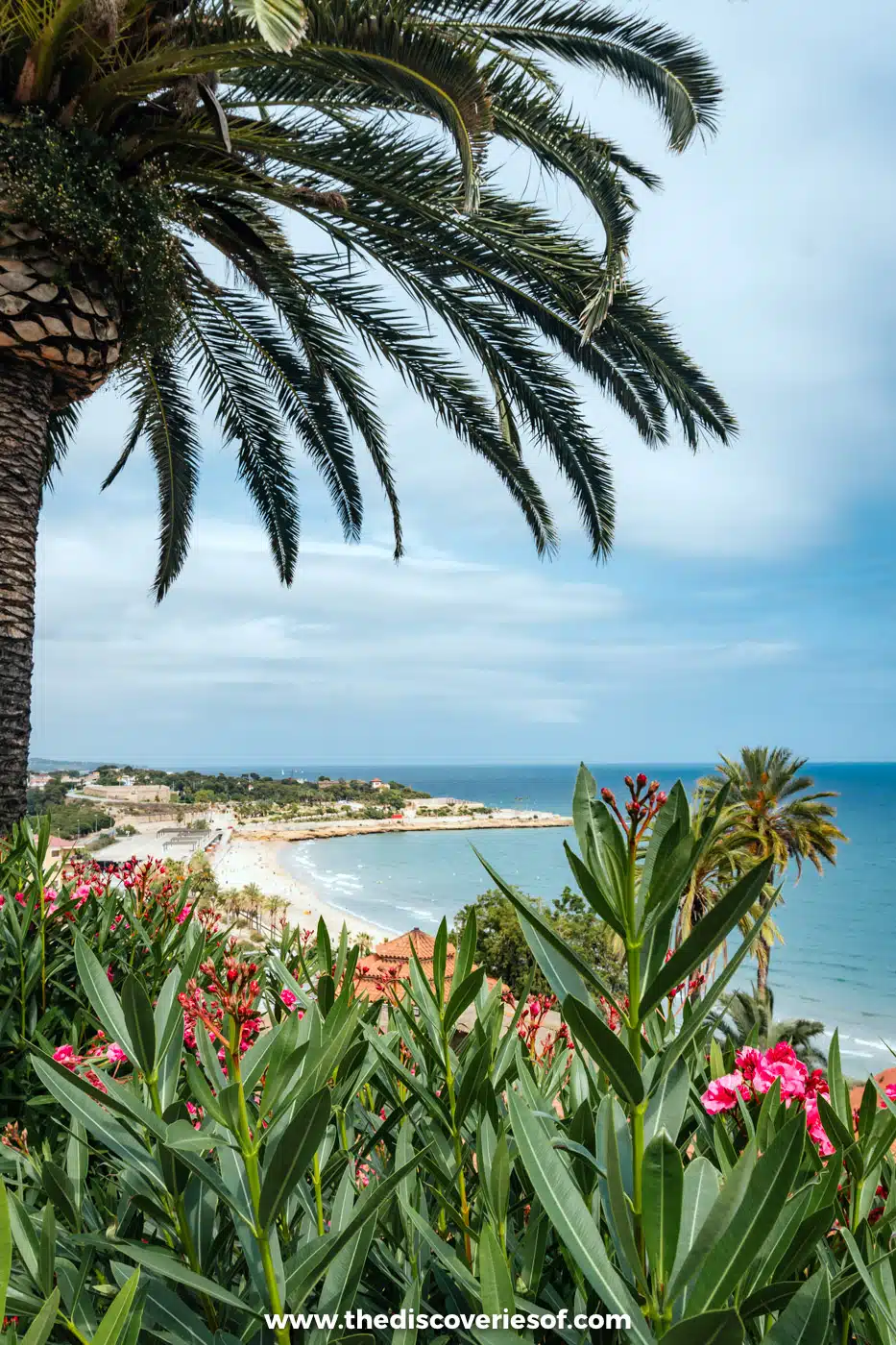
The city beach is right below the old town, between the amphitheatre and the port, a long stretch of golden sand that you look straight down on from the Balcó del Mediterrani. It’s an easy way to cool off between the Roman sites on a summer day.
Eat fish in El Serrallo
El Serrallo, the old fishermen’s quarter by the port, is where the fishing fleet still lands its catch. Its waterfront is lined with seafood restaurants, and it’s about 15 minutes’ walk from the Rambla Nova, making it the obvious place for a long fish lunch or dinner by the boats.
Shop for lunch at the Mercat Central
The modernista Mercat Central, built between 1911 and 1915 by Josep Maria Pujol de Barberà, stands on Plaça Corsini just off the Rambla Nova. It reopened in 2017 after a long renovation, with stalls of fish, cured meats, cheese and local produce under its iron and glass roof, and bars where you can eat at the counter. Go in the morning, when it’s busiest.
Watch the human towers
Tarragona is the home of the castells, the human towers that are one of Catalonia’s great traditions. The best time to see them is the Santa Tecla festival, in honour of the city’s patron saint, which peaks around 23 September with castells, giants and fire-running devils in the old town. Every two years, in early October, the city also hosts the Concurs de Castells, the biggest castells competition, in the Tarraco Arena.
Tips for visiting Tarragona
- Getting there: trains from Barcelona Sants take about 1 hour 10 minutes, with around 30 a day. Tarragona station sits right below the Balcó del Mediterrani, a short climb from the Rambla Nova.
- Tickets: the amphitheatre, the circus and Praetorium, the walls walk, the colonial forum and Casa Canals cost €5 each, or €15 for all five with the combined ticket, which pays for itself from the fourth site. Under-12s go free.
- Opening days: the Roman sites are closed on Mondays. From April to late October they open Tuesday to Saturday 9am to 8.45pm and Sunday 9am to 2.30pm; in winter they close earlier.
- Beat the heat: the walls and the amphitheatre have little shade, so in summer see them in the morning or late afternoon.
- Where to stay: most people visit as a day trip from Barcelona. If you stay over, base yourself in the Part Alta or near the Rambla Nova: Hotel Plaça de la Font looks onto the square built over the Roman circus, or see all hotels in Tarragona.
- Hassle-free option: this Tarragona and Sitges day trip from Barcelona takes care of the transport, or go private with this half-day Tarragona tour.
Map
Read next
- 25 brilliant day trips from Barcelona
- Priorat wine day trip from Barcelona
- A guide to the Dalí Theatre-Museum in Figueres
- Barcelona sightseeing guide
- 50 famous landmarks in Spain
- My Spain travel guide
Love This? Save and Share on Pinterest
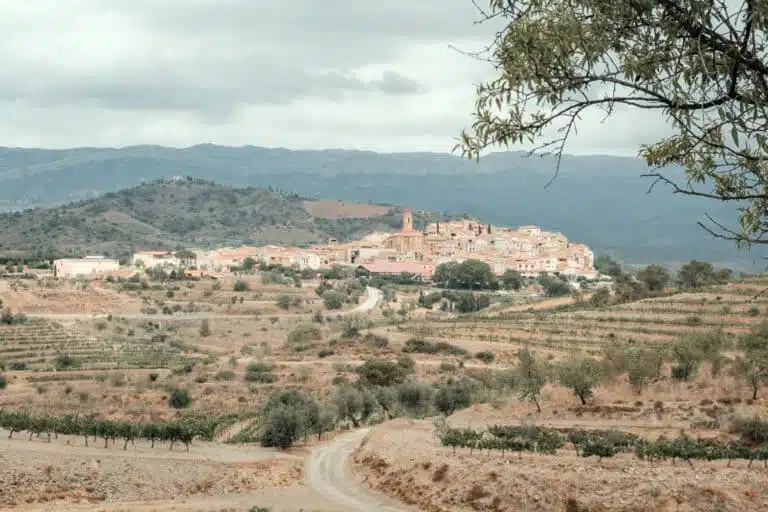
Discover the top things to do, insider tips and hidden gems in our Spain Travel Guide.
Read the guides →




