
Spain
Valencia travel guide
Gothic gates and a cathedral that claims the Holy Grail, a white city of the future in an old riverbed, and oysters, horchata and paella where it was born. Plan a trip to Valencia, from when to come and where to stay to the sights, food and guides to read first.

Julianna BarnabyTravel and culture writer
Valencia is Spain’s third-largest city, on the Mediterranean coast between Barcelona and Alicante. Its old town is a tangle of Gothic churches, medieval gates and squares around a cathedral that claims to keep the Holy Grail. The river that once wrapped round it was moved after a flood in 1957, and its dry bed became a nine-kilometre ribbon of gardens that ends at the City of Arts and Sciences, Santiago Calatrava’s white city of the future. Beyond that lie the port, the old fishermen’s quarter and a long, wide beach.
I first came to Valencia on an interrailing trip around Spain and Portugal in 2004, and to say the city has changed since then is an understatement. This time I spent three nights here in the summer, staying near the Mercado de Colón. I wandered the lanes of El Carmen, watched the sun go down on the Las Arenas promenade, walked through the shark tunnel at the Oceanogràfic and ate my way from oysters and mojama to a proper paella valenciana, with a glass of horchata in between.
Everything you need to plan a visit is below, along with links to all my Valencia guides.
Some links in this article may be affiliate links, which means we may receive a small commission, at no additional cost to you, if you decide to purchase through one of my recommended partners.
 23 things to do in Valencia, the city that turned its river into a park
When to go
Spring and autumn are the best times to visit: warm enough for the beach, with the sea swimmable from late spring, but without the heavy heat of high summer. July and August are hot and humid, so plan the sightseeing for the mornings and keep the afternoons for a long lunch, a rest and the beach.
I went in summer, so I saw the City of Arts and Sciences by late morning and the Torres de Quart in the early evening, out of the worst of the heat, with a glass of horchata in between. March belongs to Las Fallas, from 1 to 19 March, when giant satirical sculptures fill the streets and are burned on the last night, so book months ahead if you want to be there for it.
Getting there and around
- Visit València: the city’s tourist board, with opening times, events and the Valencia Tourist Card.
- Metrovalencia: metro and tram routes, including the line from the airport and the tram to the beach.
- EMT València: city buses, including the routes out to the City of Arts and Sciences and the Albufera.
- Skyscanner: flights to Valencia.
- Rentalcars.com: car hire from Valencia airport, if you plan to explore the coast.
- GetYourGuide: tickets, tours and boat trips across the city.
Valencia airport is 8 kilometres from the centre, and metro lines 3 and 5 take about 20 minutes. High-speed trains from Madrid take under two hours, which also makes Valencia one of the best day trips from Madrid. The old town is easy to walk, EMT buses 35 and 95 run out to the City of Arts and Sciences, and the metro and tram reach the beach. You don’t need a car in the city.
Where to stay
The centre, near Calle Colón
The shopping streets around the Mercado de Colón are a short walk from the old town and well placed for the metro to the airport and the beach. I stayed three nights at SH Colón Valencia, a four-star on Calle Colón, about 15 minutes on foot from the cathedral. I’d give it three out of five. I didn’t have breakfast there, but there are plenty of cafés nearby.
The old town
Stay in Ciutat Vella for the cathedral, the gates and El Carmen on your doorstep, and the tapas bars at night. The Caro Hotel fills a Gothic palace a few minutes from the cathedral, with a 12th-century Arab wall running through its restaurant.
The beach
If you’d rather wake up by the sea, Las Arenas Balneario Resort sits right on the sand at Las Arenas, with the tram into town close by.
Tours
Know before you go
Top things to do
Walk among the white giants of the City of Arts and Sciences
Calatrava’s bleached white buildings run for two kilometres along the old riverbed, part science fiction and part skeleton, reflected in shallow turquoise pools. I walked the length of L’Umbracle, the shaded palm walk under white arches, and wandered between the science museum, the Hemisfèric and the Agora. My City of Arts and Sciences guide has what’s free and which tickets are worth buying.
Come face to face with sharks at the Oceanogràfic
The Oceanogràfic, which bills itself as Europe’s largest aquarium, sits at the far end of the complex. I walked through its shark tunnel, said to be the longest in Europe, past the permanently surprised batfish and on to the jellyfish, pulsing through their tanks like slow-motion lanterns. My Oceanogràfic guide has tickets, hours and how long to allow.
See Valencia Cathedral and the Holy Grail
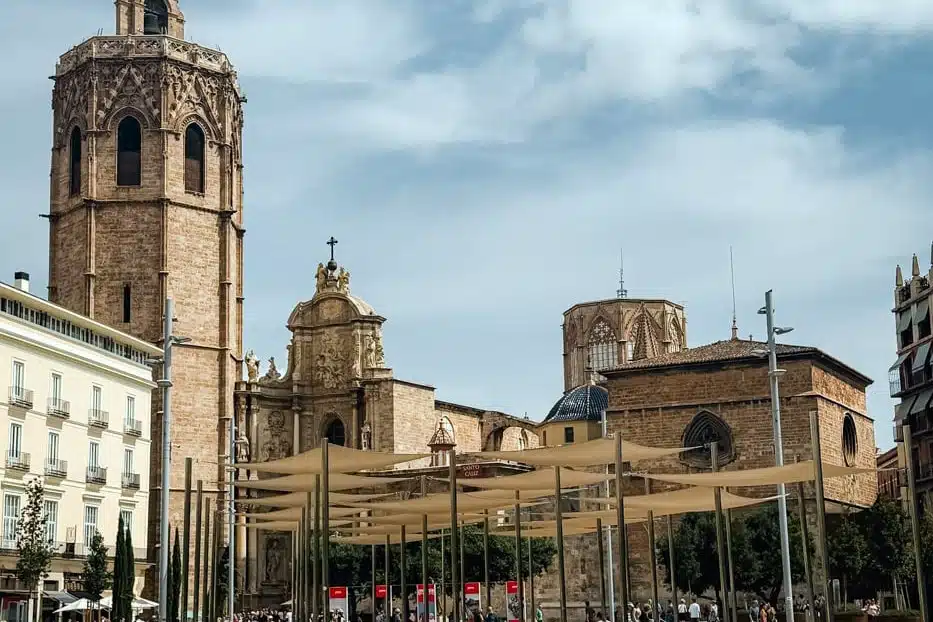
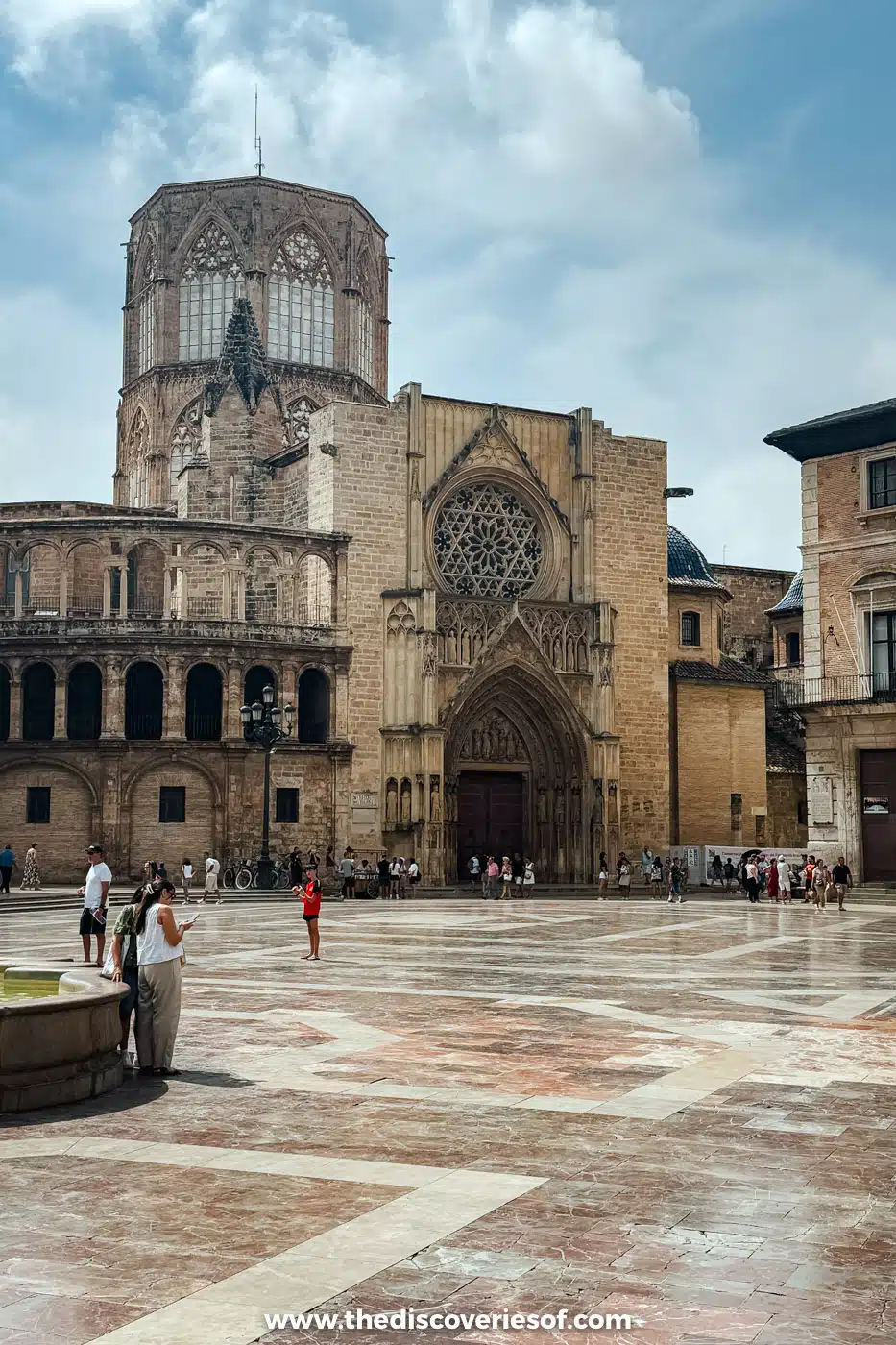
The cathedral was built from 1262 on the site of a mosque, with three doorways in three styles, and in a side chapel it keeps a small agate cup said to be the one Christ used at the Last Supper. Outside, 207 steps climb the Micalet bell tower for a view over the rooftops. My cathedral guide has tickets, hours and the story of the cup.
Get lost in the lanes of El Carmen
The oldest corner of the old town, with narrow lanes, balconied houses, independent shops and street art on almost every shutter. I spent my first afternoon here; it’s quiet in the heat of the day and comes alive at night around Plaza del Tossal.
Watch the sun go down on Las Arenas
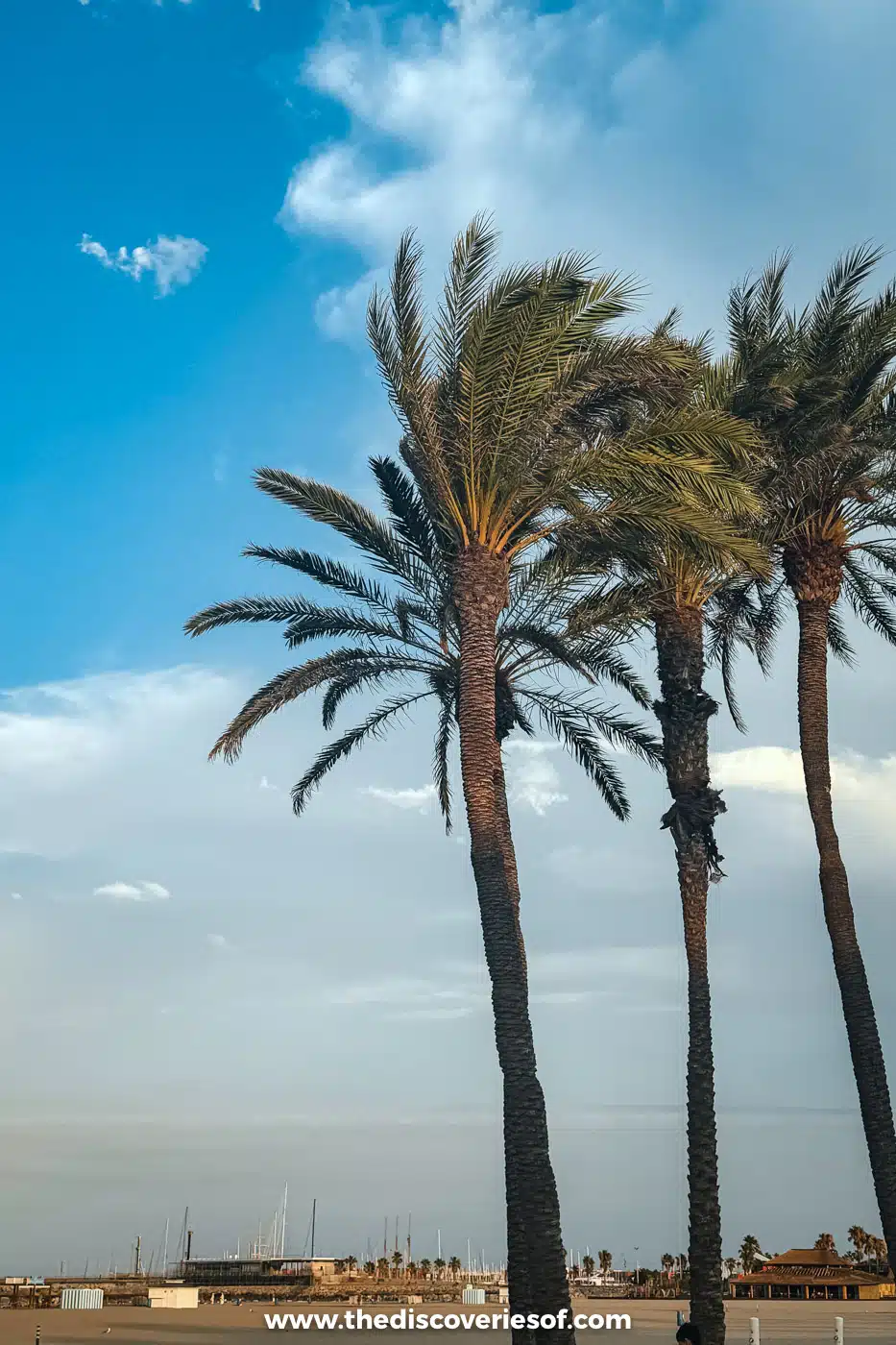
The city beach is a short metro and tram ride from the centre. I walked the palm-lined promenade at sunset, which is exactly what half of Valencia seems to do on a warm evening.
See Kiefer and Kapoor at the Centro de Arte Hortensia Herrero
The city’s newest art centre opened in late 2023 in a restored 17th-century palace, with Olafur Eliasson’s kaleidoscope tunnel, Anselm Kiefer, Anish Kapoor and Roman ruins in the basement. I visited mid-morning; it’s closed on Mondays. My guide to the Centro de Arte Hortensia Herrero has tickets, free entry times and the works to look out for.
Walk through the medieval gates
Two of the great city gates survived when the walls came down. The Torres de Serranos, built in the 1390s, guard the road north, while the Torres de Quart are still pitted by French cannon from 1808. I saw both, walking out to the Torres de Quart in the early evening, though I didn’t climb either.
Graze your way round the Mercado Central
One of Europe’s biggest food markets, under iron, glass and coloured tiles, with the UNESCO-listed Lonja de la Seda, the old silk exchange, just across the road. I went in for a look round the stalls. It’s open Monday to Saturday from 7.30am to 3pm.
Suggested itineraries
The old town in a day
One day
The Mercado Central, the Centro de Arte Hortensia Herrero, the cathedral and the Torres de Serranos, then horchata and a long paella lunch
The day I spent in the old town; my 3-day Valencia itinerary has the route and the stops.
The city of the future
Half a day
L’Umbracle, the Museu de les Ciències, the Hemisfèric and the Oceanogràfic, then oysters for lunch at Ostras Pedrín Ciencias
The morning I spent in the riverbed; my City of Arts and Sciences guide has every building.
Three days in Valencia
Three days
El Carmen and sunset on the beach, the City of Arts and Sciences and the Torres de Quart, then the cathedral, horchata and paella
Built around my own three days from one base in the centre; follow my 3-day Valencia itinerary for every day.
Hidden Valencia
Extramurs
Literally “outside the walls”, the mostly residential neighbourhood beyond the Torres de Quart sees far fewer visitors than the old town. I had dinner here at Bar Ricardo, a small seafood bar that’s worth booking ahead.
Plaza del Patriarca
A quiet square between the old university and the Colegio del Patriarca, which I passed through on the way to the cathedral. Look for the stuffed crocodile, the “dragon of the Patriarca”, hanging by the church door; the small museum inside holds paintings by Caravaggio and El Greco and is closed on Sundays.
The Tribunal de las Aguas
Every Thursday at noon, a court of eight farmers in black smocks meets outside the cathedral’s Apostles’ Door to settle disputes over irrigation water, as it has for centuries. It takes a few minutes, so time your cathedral visit around it.
Dishes and drinks to try
Dishes to try
Paella valenciana
The real thing has no seafood: chicken and rabbit, flat green beans, butter beans and often snails, in a thin layer of saffron rice. It’s a lunch dish, and I had mine at Los Gómez Correos.
All i pebre
Eel stewed with garlic, paprika and potatoes, the traditional dish of the Albufera’s fishing villages.
Fartons
Long, soft, sugar-glazed buns from Alboraya, made for dunking in horchata.
Drinks to try
Horchata
The city’s great summer drink, made from tiger nuts, water and sugar and served ice-cold. Mine at Horchatería Daniel was creamy and nicely spiced, and very refreshing on a hot summer’s day.
Agua de Valencia
A jug of cava, fresh orange juice, vodka and gin, first mixed in an old-town bar in 1959 and still poured all over the city.
Must-try bars and restaurants
Ostras Pedrín Ciencias
A bright, casual oyster bar a few minutes’ walk from the Oceanogràfic, and one of my favourite meals in Valencia. The mojama, the oysters and the crab were all amazing, and there’s an extensive wine list with wines to go with them. I’d give it four out of five; read my Ostras Pedrín review.
Los Gómez Correos
A taberna on Calle Correos, near Plaza del Ayuntamiento, where I had my paella valenciana, the traditional way with chicken, snails and beans. It’s open every day from noon to midnight, which helps, as many paella places serve rice only at lunch.
Bar Ricardo
A small, popular seafood bar in Extramurs, where I had fried courgette flowers and scallops in their shells for dinner. Book ahead; it’s closed on Sundays and Mondays.
Kirò Caffè
A small Italian café just off Plaza del Ayuntamiento, where I had a thick slab of focaccia filled with ham for breakfast. It opens at 9am and is closed on Sundays.
Horchatería Daniel
Making horchata since 1949, with a shop off Plaza de la Reina, a branch in the Mercado de Colón and the original in Alboraya. My horchata guide has all three and how to order.
Costs and budgeting
Hotels are the biggest cost, especially during Las Fallas; the walks, gardens, beach and outside of the City of Arts and Sciences are free.
- Metro from the airport: €4.80, plus a reusable card
- Oceanogràfic: from about €36 to €43, cheaper online
- Oceanogràfic, Hemisfèric and Museu de les Ciències combined: €45.55
- Valencia Cathedral: €12 (€6 reduced), with an audio guide; the Micalet tower is €3
- Torres de Serranos, Torres de Quart and the Lonja: €2 each, free on Sundays
- Centro de Arte Hortensia Herrero: €12
- Valencia Tourist Card: from about €15 for 24 hours
- Horchata and a farton: around €3 to €6
Safety, health and tipping
Safety
Valencia is a safe city. Watch for pickpockets in the old town, on the metro and at the Mercado Central, don’t leave bags unattended on the beach, and expect huge crowds and fireworks during Las Fallas in March.
Health
The tap water is safe to drink, though many people prefer bottled. Summer is hot and humid, so carry water, wear a hat and keep out of the midday sun. In an emergency, call 112.
Tipping
Tipping isn’t obligatory. Leave around 10% at sit-down restaurants for good service, and round up in bars and cafés.
Practical tips and info
Tips for travelling
- Eat on Valencian time: lunch runs from about 2pm to 4pm and dinner rarely starts before 9pm.
- Have paella at lunchtime. It’s a midday dish, and many rice restaurants don’t serve it at night.
- Do the City of Arts and Sciences early, as the white stone is dazzling and hot by midday in summer.
- Watch the closing days: the Mercado Central is closed on Sundays and the Hortensia Herrero art centre on Mondays.
- Cover your shoulders for the cathedral.
- Book ahead for small, popular places like Bar Ricardo, and for the Albufera boats at sunset.
How to see the best for free
Much of the best of Valencia costs nothing: the outside of the City of Arts and Sciences and the palm walk of L’Umbracle, the Turia gardens, the lanes and street art of El Carmen and the beach at Las Arenas. Come on a Sunday and the Lonja de la Seda, the Torres de Serranos and the Torres de Quart are all free too, and the Centro de Arte Hortensia Herrero is free on Wednesday afternoons if you reserve ahead.
Packing
Packing for Valencia? Don’t forget…
- Comfortable walking shoes: for the cobbles of the old town and the long walk down the Turia gardens. I wear my Tropicfeel Canyons.
- Sunscreen and a swimsuit: the beach is only a tram ride from the centre.
- A refillable water bottle: there’s little shade around the City of Arts and Sciences in summer.
- A light jacket: for spring and autumn evenings by the sea, and something to cover your shoulders in the cathedral.
For the full list, see my Spain packing list.
Travel insurance
UK travellers should carry a GHIC for state healthcare in Spain, but it doesn’t cover private clinics, lost luggage or getting you home, so take out a full policy too. You can find a policy with AXA Travel Insurance.
Interesting facts
- After the flood of 1957, the city diverted the River Turia and turned its dry bed into more than nine kilometres of gardens.
- Paella was born in the rice fields around the Albufera lagoon, just south of the city.
- The Tribunal de las Aguas, the water court that meets outside the cathedral every Thursday, is on UNESCO’s list of intangible cultural heritage.
- The agate cup in the cathedral has been kept in Valencia since the 15th century.
Handy phrases
Valencian, the local form of Catalan, is spoken alongside Spanish, and street signs are often in both:
- Bon dia: good morning
- Bona vesprada: good afternoon
- Gràcies: thank you
- Per favor: please
- Adéu: goodbye
Time zone
Valencia runs on Central European Time: UTC+1 in winter and UTC+2 in summer, one hour ahead of the UK.
Electricity and adapters
Sockets take Type C and Type F plugs, at 230V and 50Hz.
Map
Insider tips, straight to your inbox
All Valencia guides
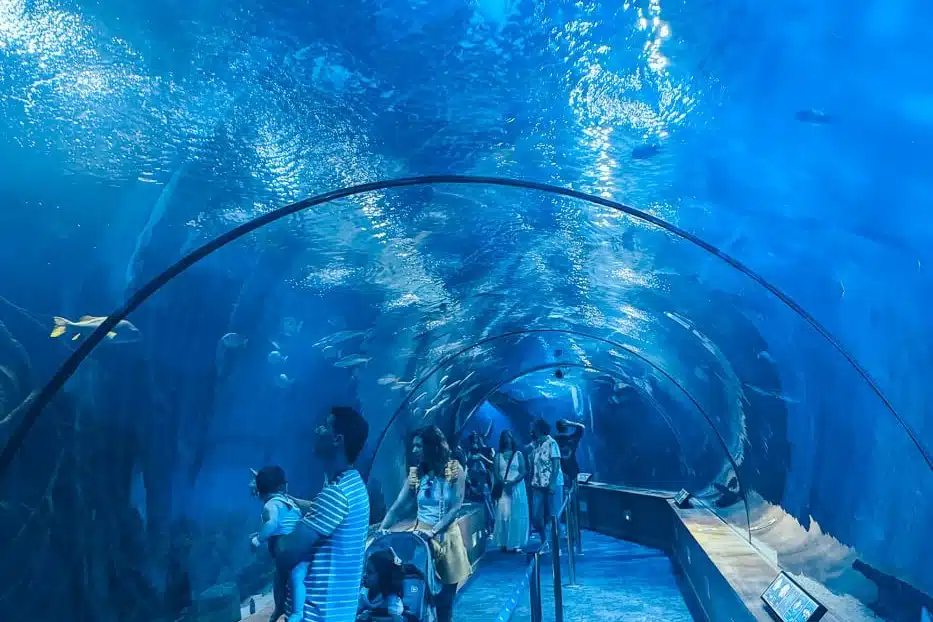 A guide to the Oceanogràfic, Valencia’s aquarium under Félix Candela’s concrete lilies
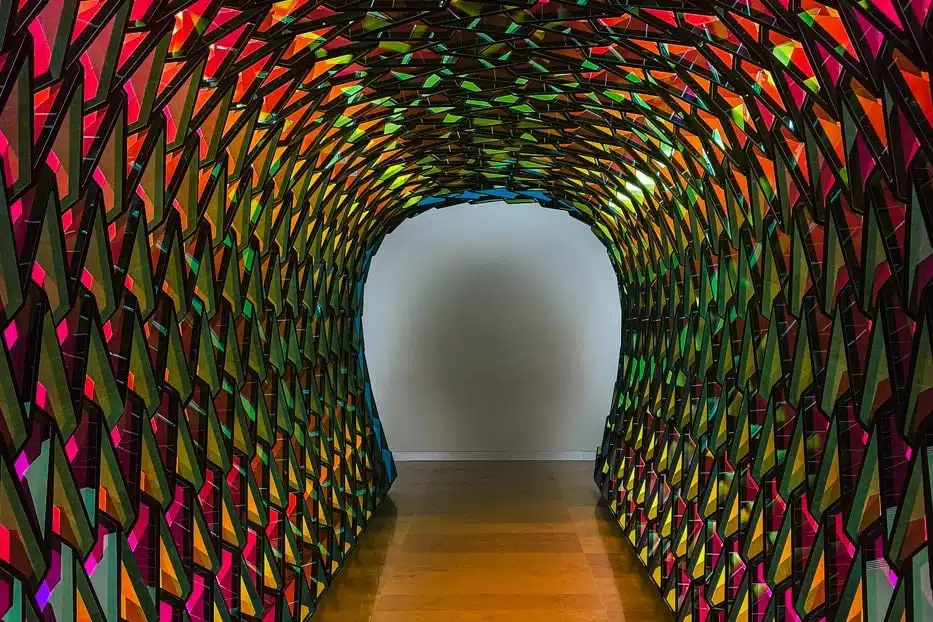 A guide to the Centro de Arte Hortensia Herrero, where a 17th-century palace meets a tunnel of coloured glass
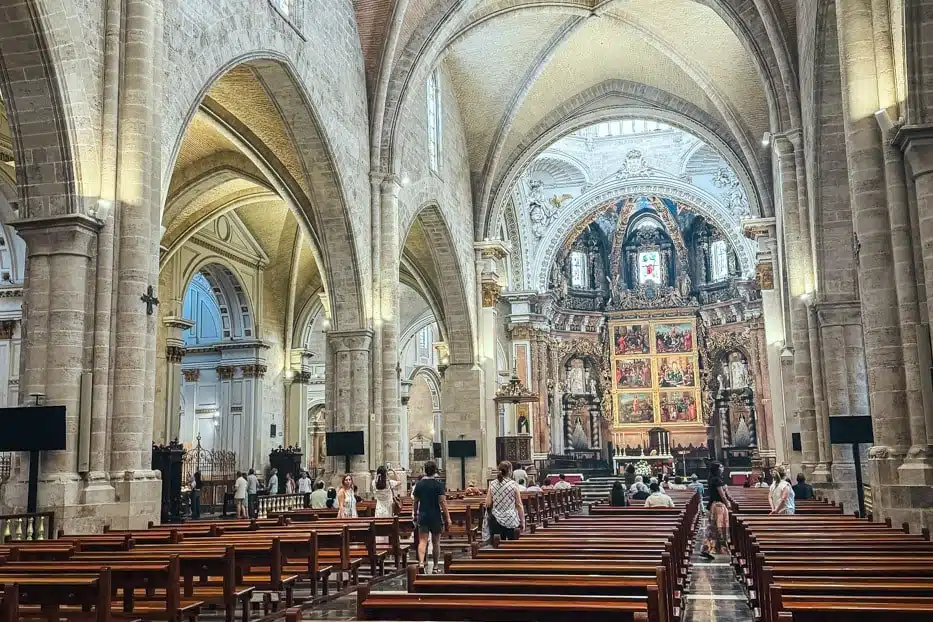 A guide to Valencia Cathedral, where a small agate cup is said to be the Holy Grail
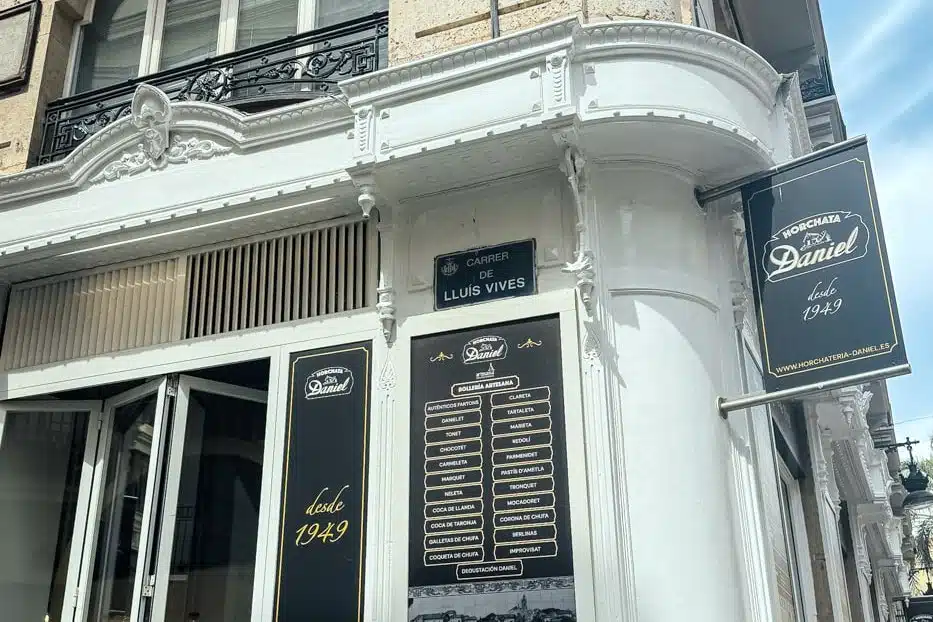 Horchata in Valencia: Horchatería Daniel and the tiger nut drink that cools the city
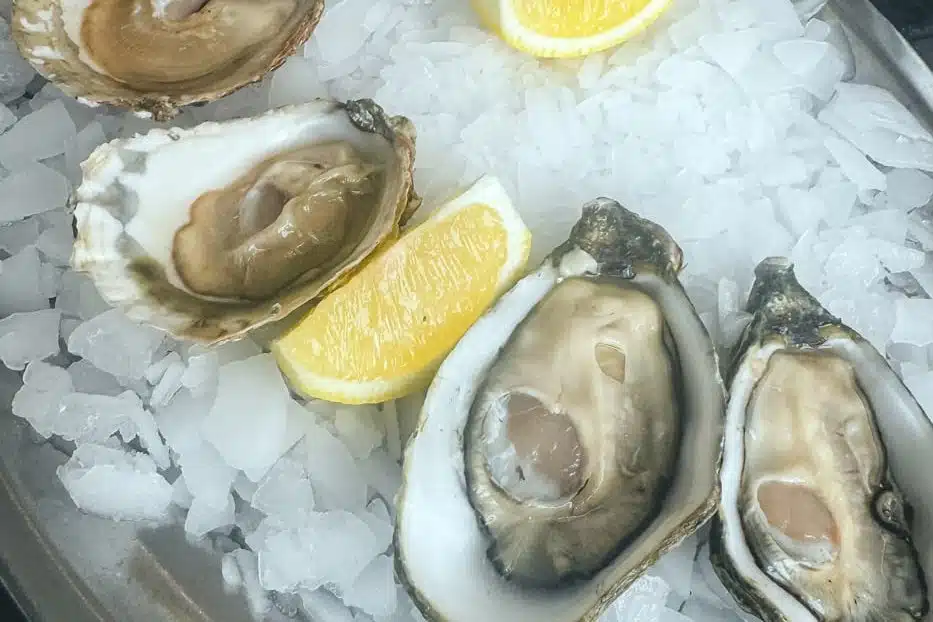 Ostras Pedrín review: oysters and a stellar seafood spread in Valencia’s Camins al Grau district
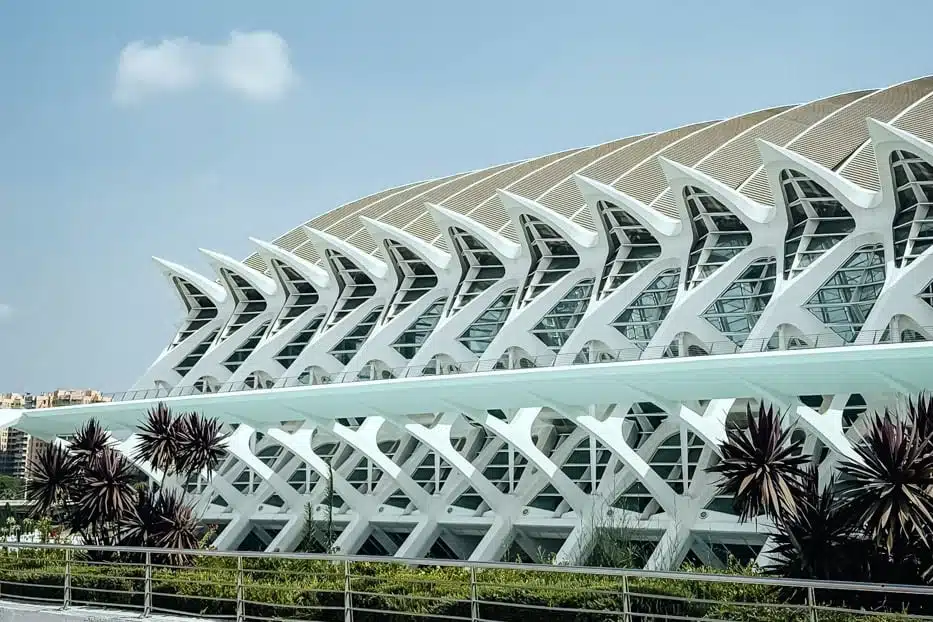 A guide to the City of Arts and Sciences, Valencia’s white city in an old riverbed
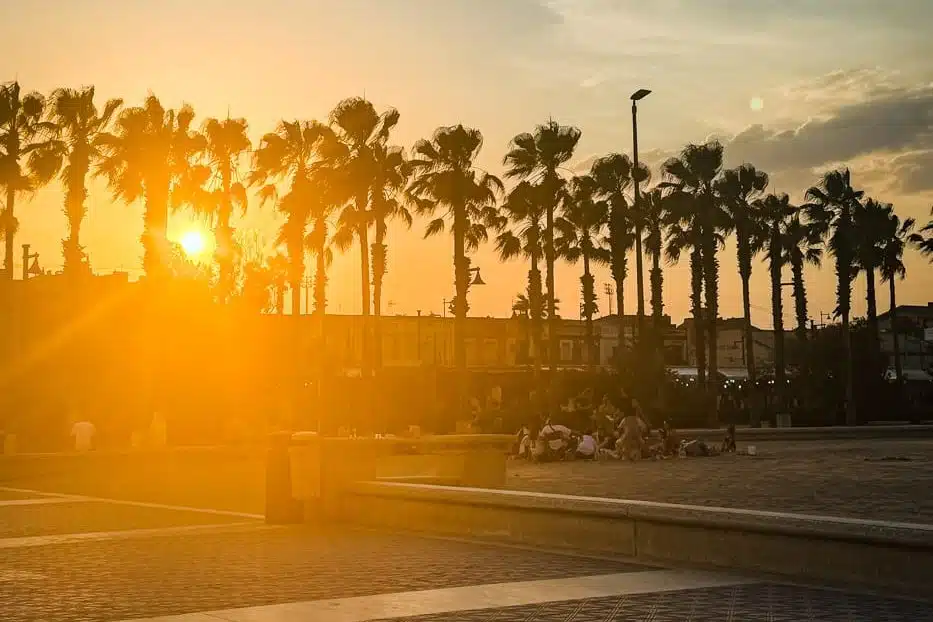 3 days in Valencia: the perfect Valencia itinerary, from Gothic gates to a city of the future
 23 things to do in Valencia, the city that turned its river into a park



Watch on YouTube
See the places before you go
Short films from the places in my guides, so you can see what a destination really looks and feels like before you go.
Subscribe on YouTube youtube.com/@thediscoveriesof