
There’s a waterfall hiding behind the sulphur baths, a café-bar in a Soviet sewing factory and a cable car that ends at a lake. There’s wine you can eat in a cone, a cellar printing press where a young Stalin churned out pamphlets and a monument of 16 giant pillars that was never finished. Tbilisi is a city that keeps a lot tucked out of sight, and it rewards anyone who goes looking.
I almost got stuck in Tbilisi. Not in a “flight cancelled, life’s over” kind of way, but more in a “wow, this city is super chilled and beautiful and I want to stay forever” kind of way.
When I finally convinced myself to board my flight home to the United States, I realised the reason I’d found it so hard to leave was that there are so many awesome things to do in Tbilisi. Like, too many. I spent more than a week in the city and still felt I didn’t have enough time there, though I’m not sure any amount of time would have been enough. I barely dipped my toes in, and I’m definitely planning a return trip.
The Georgian capital sits in a gorge on the Mtkvari River, with the Narikala Fortress on the ridge above the Old City, wooden balconies leaning over the streets and the domes of the sulphur baths rising out of the ground in Abanotubani. It’s a city where a 6th-century basilica stands a few steps from a puppet theatre, and where Soviet modernism, Silk Road trading streets and some of the best wine bars in Europe all share the same few square kilometres.
This guide covers the must-see sights first, then the hidden gems that most visitors never find. It’s also a good starting point if you’re wondering what to do in Georgia as a whole: Mtskheta, the Kakheti wine country and the mountains around Kazbegi are all an easy day trip from the capital, and they’re on the list too.
The best things to do in Tbilisi
Get your bearings on a walking tour
Whenever I get to a new city, the first thing I’ll do is take a walking tour, and Tbilisi was no exception. I joined the Grand Tbilisi walking tour, a free tour where you tip the guide whatever you think it was worth at the end. I had an excellent guide, who was super knowledgeable about Tbilisi and Georgia and spoke perfect English.
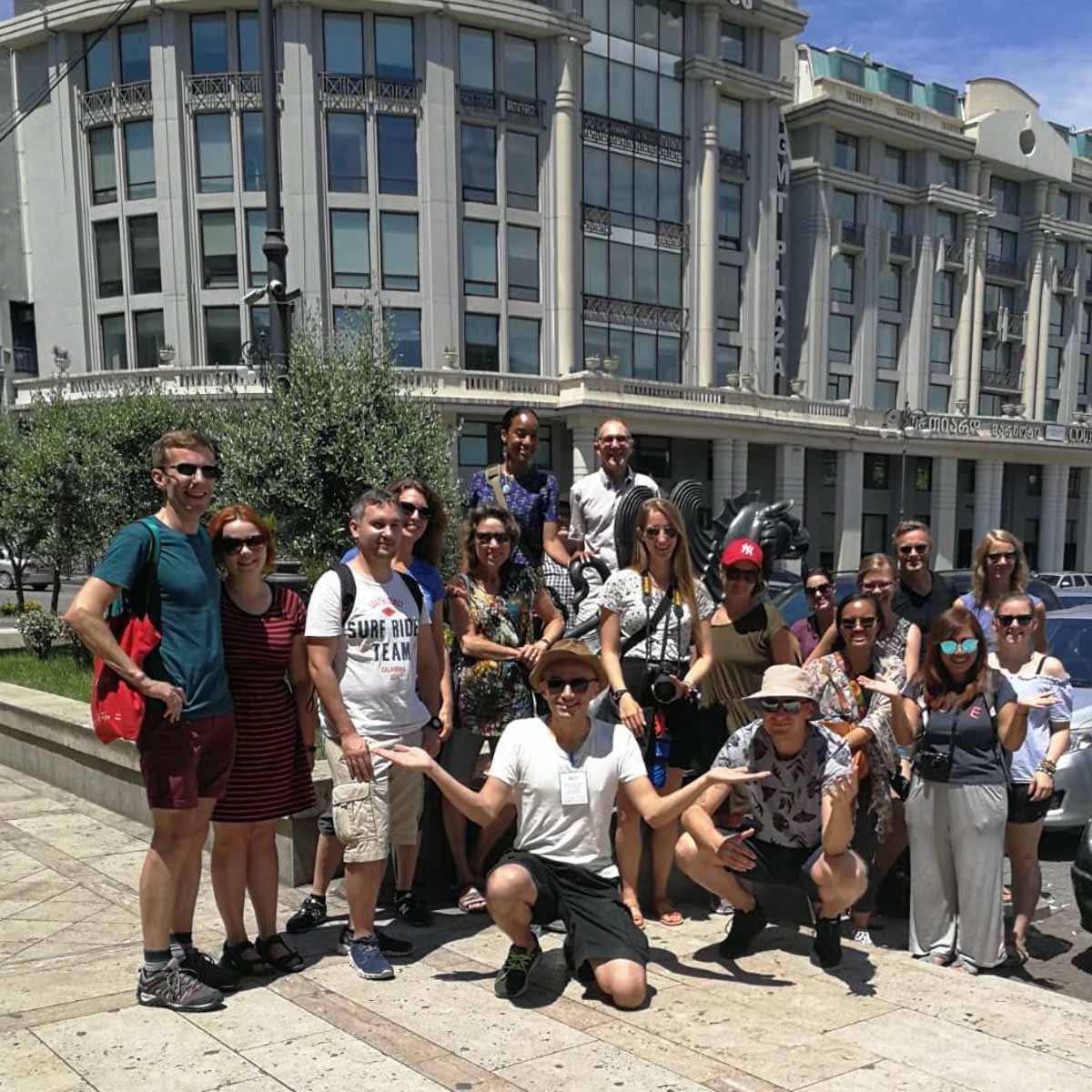
It was the perfect introduction to the city and gave me a sense of the different neighbourhoods and the places I wanted to come back to. Tip-based tours still leave from the centre most days, or you can book a guided walk around the city’s highlights in advance.
Soak in a private sulphur bath in Abanotubani
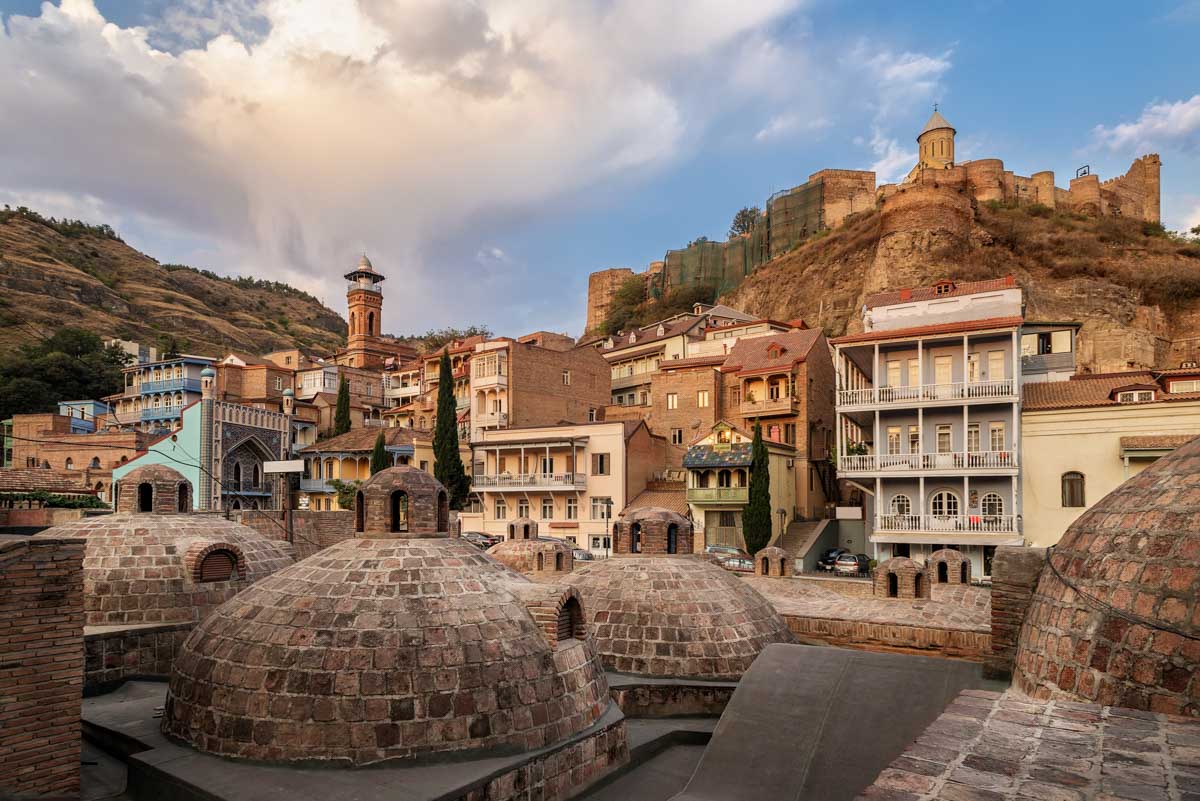
One of the most iconic things to do in the city is take a dip in the sulphur baths of Abanotubani, the bathhouse quarter at the foot of the Narikala Fortress. Legend has it that Tbilisi was founded because of these hot springs: King Vakhtang Gorgasali is said to have been hunting here in the 5th century when his falcon and its prey tumbled into a hot spring, and the name of the city comes from the Georgian word for warm, tbili. For centuries, people have bathed in the sulphurous water for its supposed healing powers, and you can see the domed roofs of the bathhouses poking out of the ground like brick bubbles.
While I was in Tbilisi, I opted for a private room at the Royal Bath House, with a hot sulphur pool, a cold shower and a sitting area. It was a bargain when I went, but prices have climbed a lot since: private rooms at the Royal Bath House now cost about 150 to 290 GEL an hour, and rooms across the quarter run from about 120 GEL to 300 GEL. The blue mosaic façade of Chreli Abano (the Orbeliani baths) is the most photographed, and it’s the one to book if you want the classic look. If you’d rather keep it cheap, the public halls at Bathhouse No. 5 cost about 6 to 10 GEL an hour and are separated by gender.
One of the most traditional things to try is the kisi scrub, which basically consists of a strong Georgian woman (or man, for male bathers) scrubbing you from head to toe and then dumping a bucket of soapsuds over you. It costs about 10 to 30 GEL, paid in cash to the attendant, and it’s definitely… ahem… an experience.
Top Tip
Book private rooms a few days ahead (up to a week in summer) and arrive 20 minutes early, as late arrivals can lose their slot. Sulphur water can stain fabric, so bring an old swimsuit, and leave the camera behind in the public halls, where photos aren’t allowed.
Ride the cable car to Narikala Fortress and the Mother of Georgia
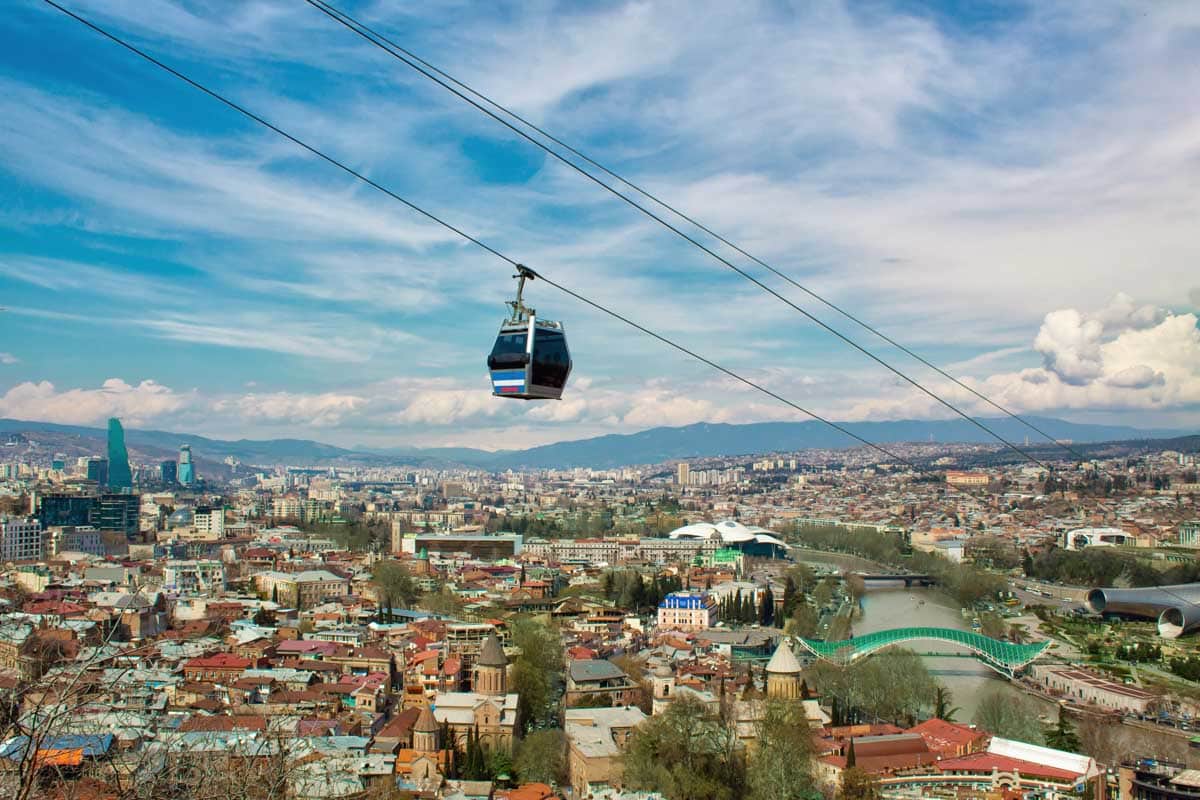
For great views and a wonderful walk back down to the top of the Old City, take the cable car from Rike Park across the river and up to the ridge where the Mother of Georgia statue stands.
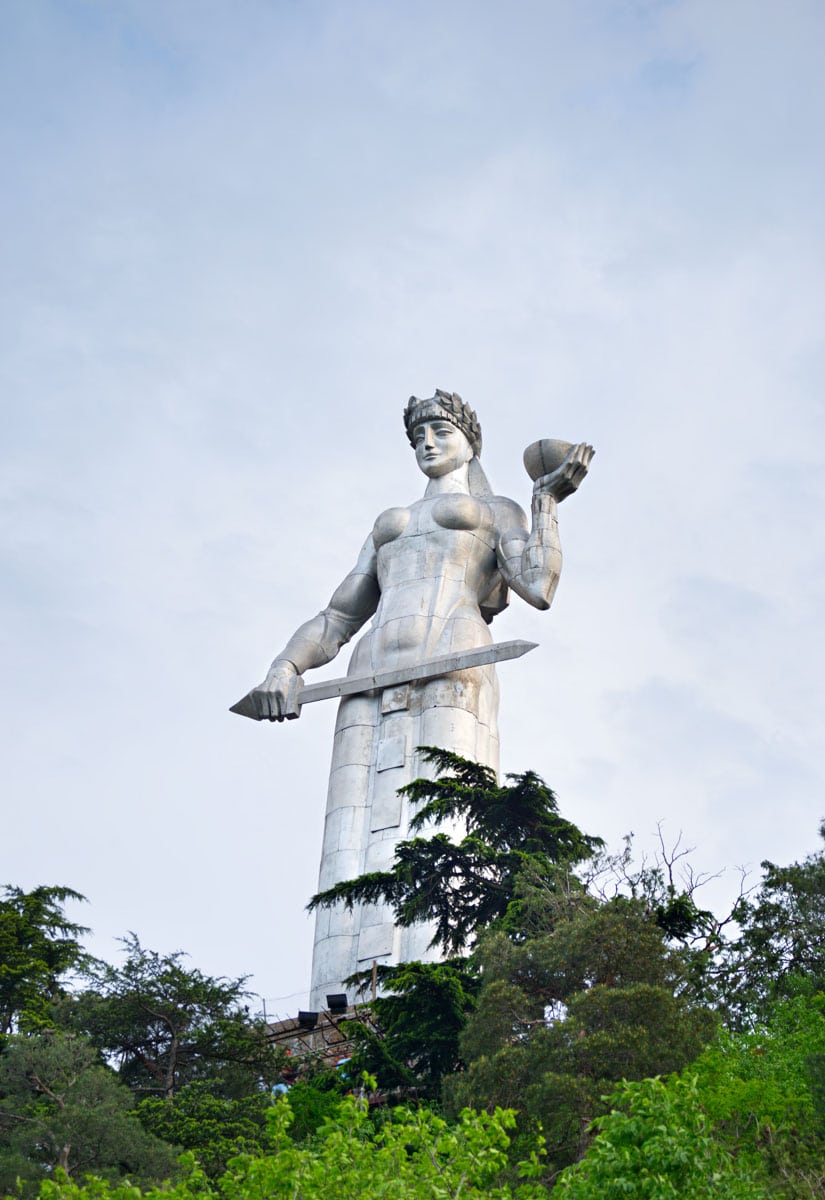
Up here you can get up close to the Mother of Georgia, or Kartlis Deda, a 20-metre aluminium figure put up for the city’s 1,500th anniversary in 1958. She holds a bowl of wine for her friends in one hand and a sword for her enemies in the other, which tells you a lot about the place. From her feet, it’s a short walk to the walls of Narikala, a fortress that dates back to the 4th century. Have a look around, or simply admire the views of the Bridge of Peace, the river and the many homes and churches dotting the city.
Tickets
The cable car runs from 10am until midnight in summer and until 10pm from November. A one-way ride costs a few lari (about 4 to 5 GEL), paid with a MetroMoney transport card, which costs 2 GEL from the cable car ticket desk or any metro station.
Hunt down wine ice cream
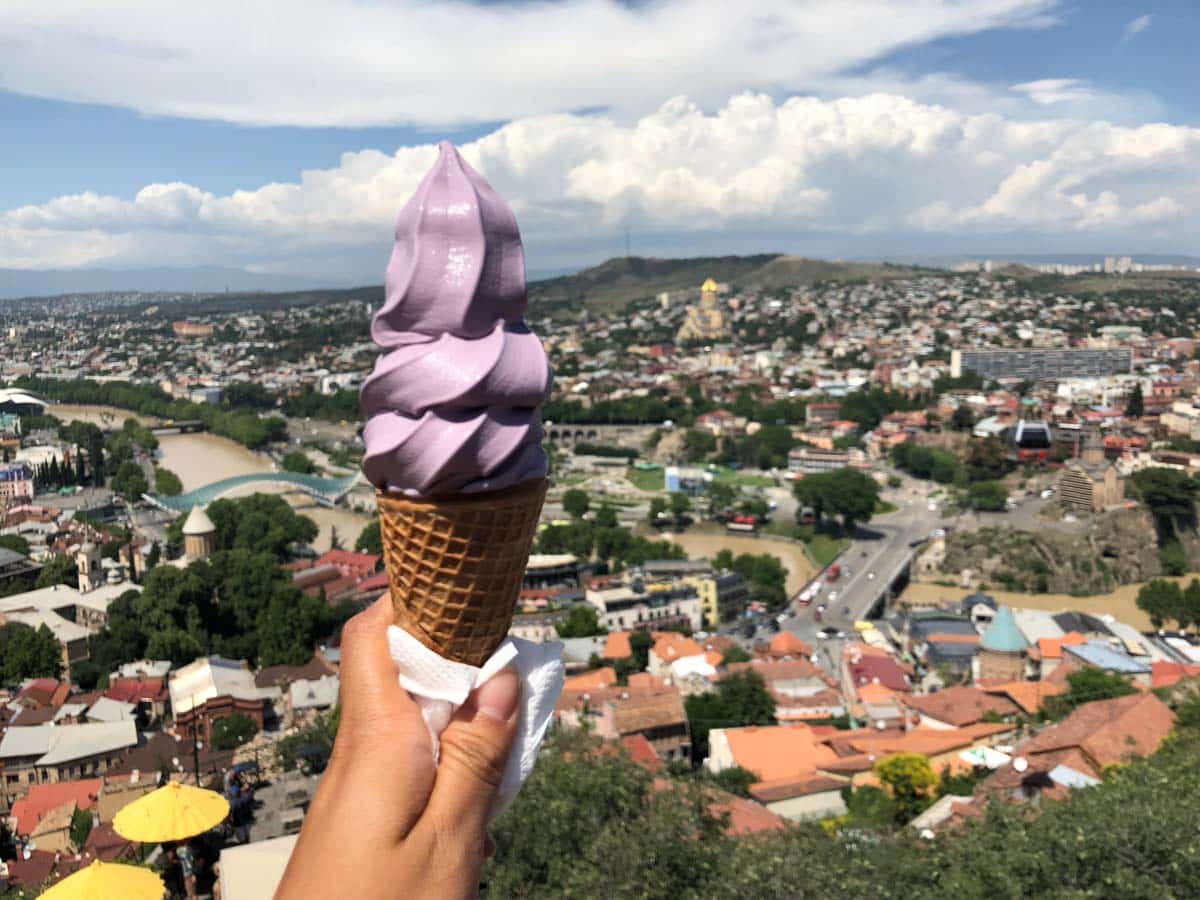
If you aren’t feeling like drinking wine, why not try eating it? In parts of Tbilisi, you can try real wine ice cream. No, this is not a dream. There’s actually wine-infused soft serve, and it is glorious. (Personally, I think it’s enough of a reason to visit Tbilisi on its own.)
The only places I saw wine ice cream were at a kiosk near the Jumah Mosque and at the top of the cable car near the Mother of Georgia. I’m sure there are others, but it’s a little elusive. While you explore the busier parts of the city, keep an eye out for signs that say “wine ice cream”. You won’t want to miss this one.
Wander the Old City before the crowds arrive
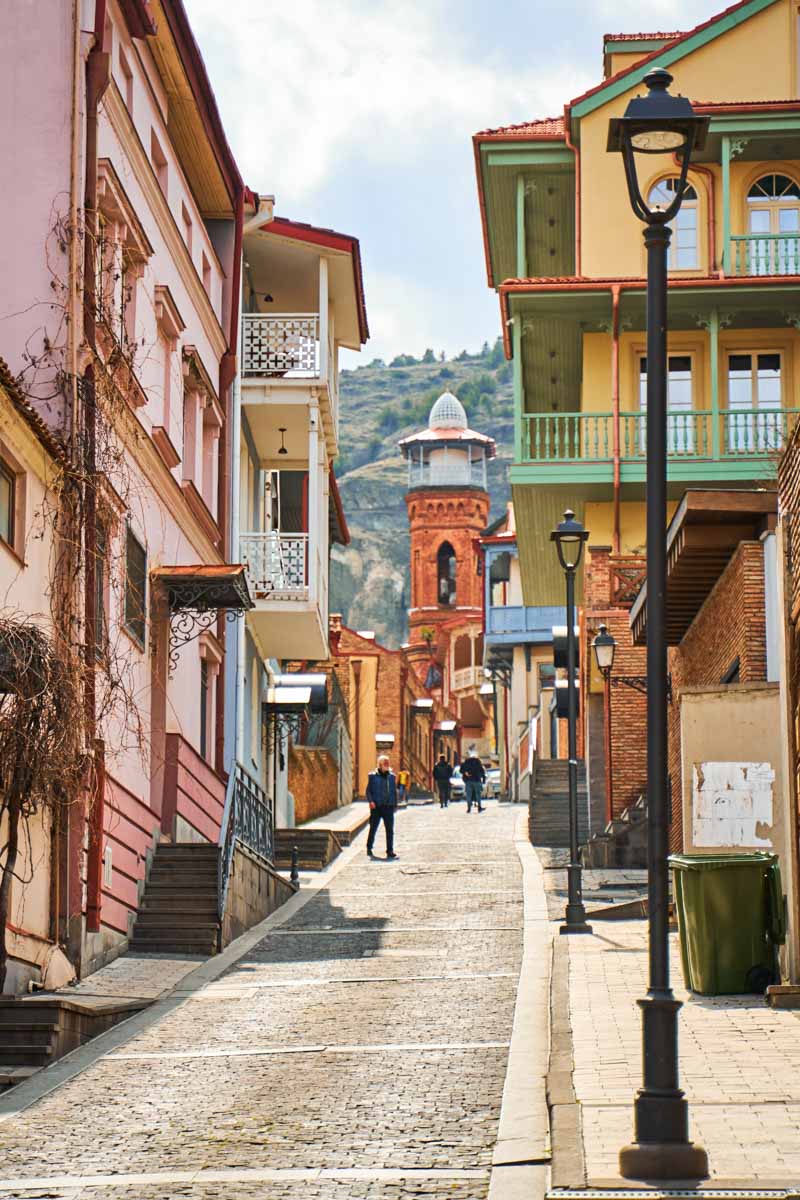
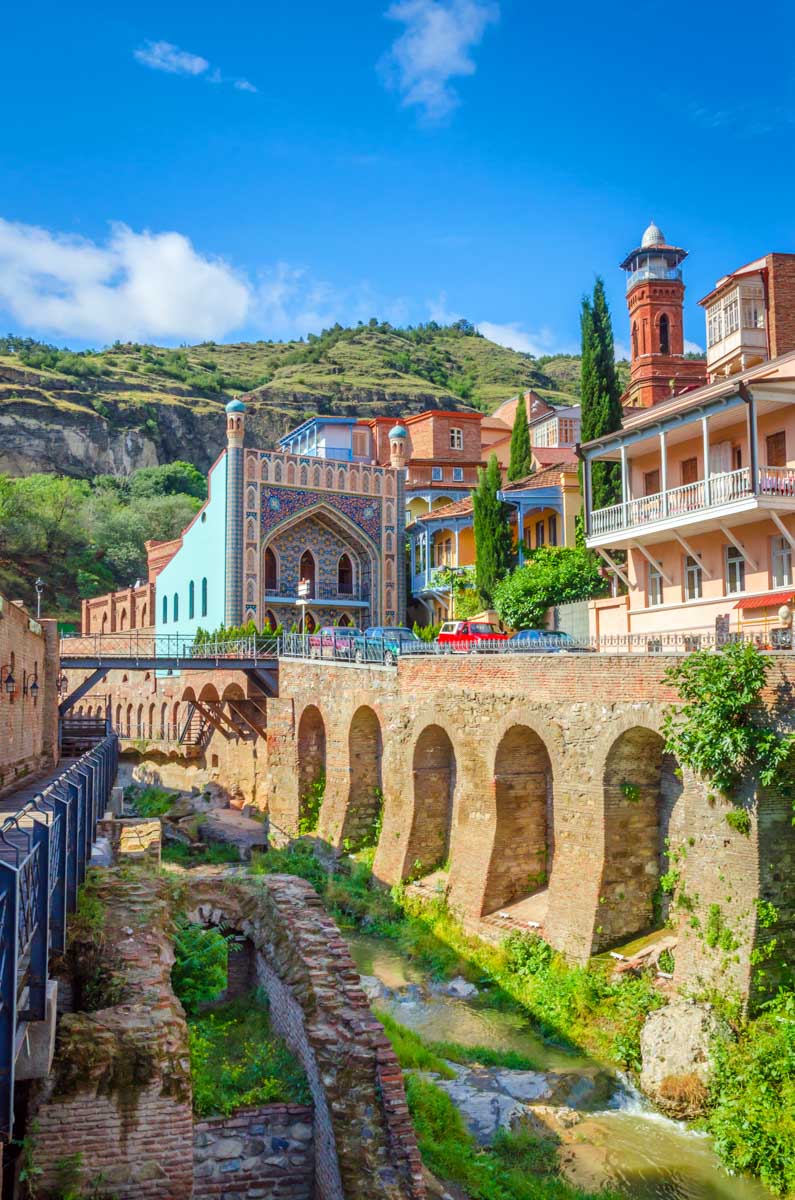
If you have a free morning, the charming Old City, or Kala, is worth wandering through. In the afternoons it can get really crowded, so I recommend waking up as early as possible and going for a walk here while the sun is still low in the sky and the city is still waking up.
Here you can see some of the historic homes of Tbilisi, many of them painted bright colours, draped in vines or hung with carved wooden balconies. A winding, uphill pavement takes you to the Jumah Mosque, the city’s only mosque, where Sunni and Shia Muslims pray side by side. Down below, there are dozens of shops and cafés serving all kinds of Georgian treats.
Eat your way through the Georgian classics

Despite never having heard anything about it before I came to Georgia, I found the food surprisingly amazing. From the oversized khinkali dumplings to the amazing khachapuri cheese bread, to lesser-known treats like chakhokhbili (a chicken and tomato stew) and chakapuli (lamb or veal stewed with tarragon and plums), Georgian food is delicious, flavourful and unlike anything I’d ever tasted before.
You can find Georgian food on every corner, but if you’re looking for some hidden gems, try Zakhar Zakharich near the Dry Bridge for some of the best khinkali in the city (it’s open daily from 8am to 11pm) and Pasanauri for affordable Georgian food in general. Khinkali are sold by the piece, usually about 1 to 2.50 GEL each. Hold them by the twisted knot, bite a small hole, slurp out the broth and then eat the rest, leaving the knot on your plate.
Chew on churchkhela and pelamushi
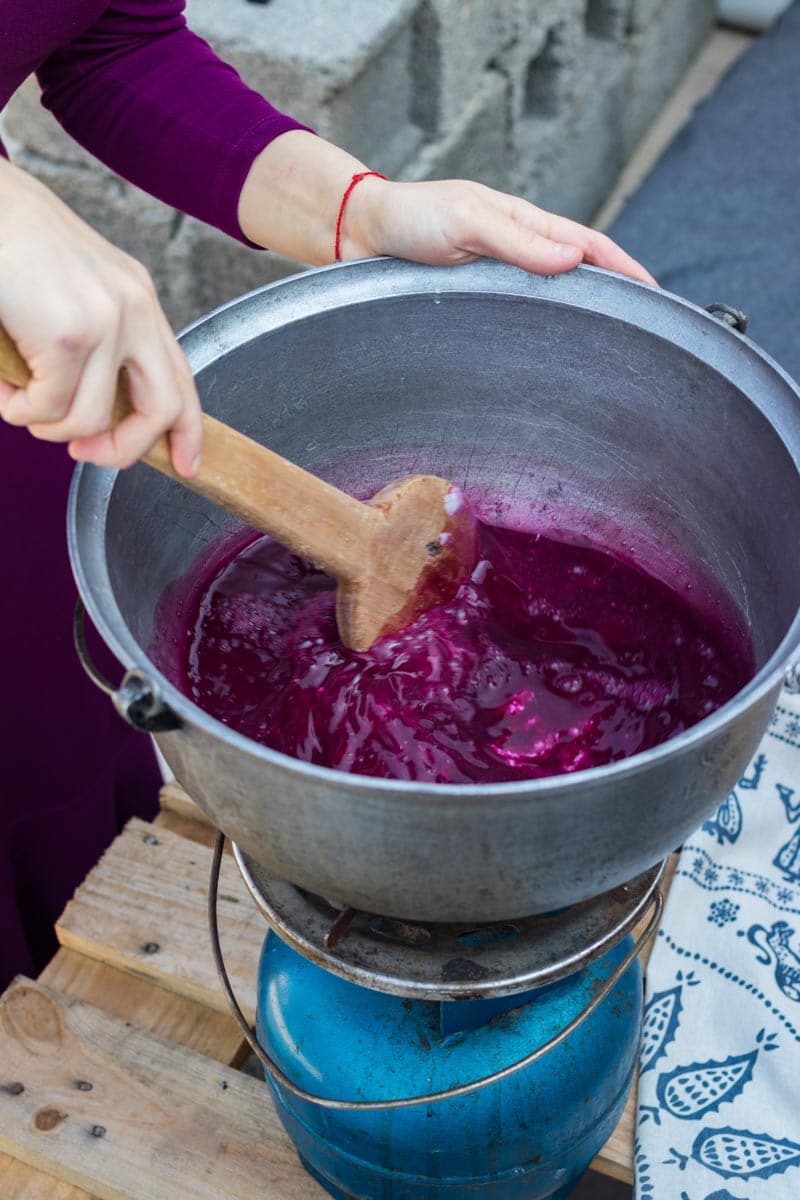
While walking around Tbilisi, you’ll probably stumble upon some kind of hanging concoction that looks like a cross between a sausage and a long wax candle, in lots of different earthy colours. No, these aren’t decorations. They’re a Georgian sweet called churchkhela.
You can buy these odd-looking sticks and eat them right there in the street. Strings of walnuts are dipped again and again in grape juice thickened with flour, then hung up to dry, so the outside is chewy and sweet (usually grape, sometimes pomegranate) with the nuts inside. If your sweet tooth is nagging at you, pick some up. I was kind of addicted by the end of my trip.
If you’d rather not eat the weird hanging concoctions, try pelamushi, the same thickened grape juice poured into a dish and left to set into a soft, jelly-like pudding, often scattered with walnuts. Pelamushi is delicious, and just thinking about it makes my stomach growl.
Book a feast at Barbarestan
When I asked locals around town where to find the best Georgian food, every single one of them told me to try Barbarestan.
Its menu is built on a 19th-century cookbook by the Georgian writer and early feminist Barbare Eristavi-Jorjadze, which the family behind the restaurant found at a flea market, with produce and meat sourced locally. When I finally ate there on my last night in the city, I wasn’t disappointed. I went with some other Americans I’d met on my walking tour, and it was a feast: chakapuli and local breads, grilled sturgeon and fresh mushrooms.
Barbarestan is at 132 Davit Aghmashenebeli Avenue and opens daily from 2pm to 11pm. It’s pricey compared with the other meals you’ll eat in Tbilisi (expect about US$30 to US$50 a head), but the incredible, flavourful food is worth every last tetri.
Top Tip
Book ahead by phone (+995 551 12 11 76) or online, especially at weekends. It was named Georgia’s best restaurant at the World Culinary Awards, so it fills up.
Taste wine made in a qvevri
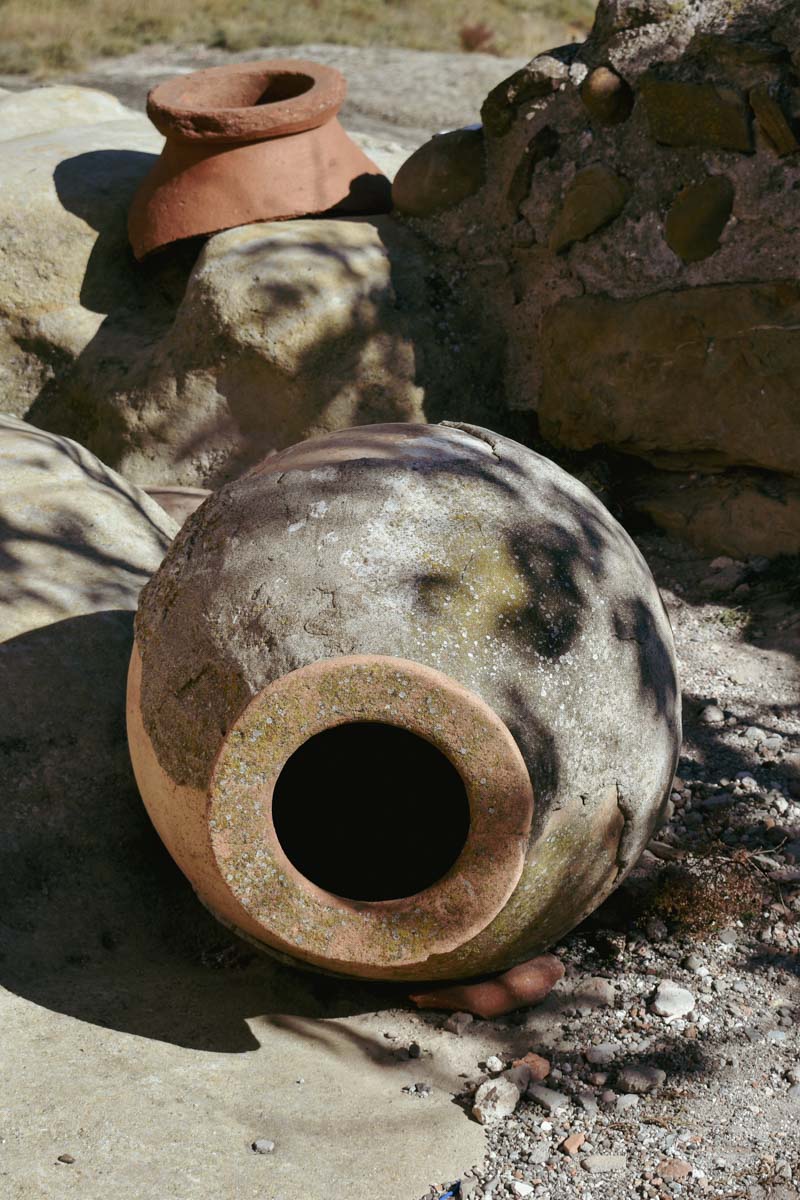
Fun fact: Georgia has one of the oldest winemaking traditions in the world. Traces of wine found in clay jars south of Tbilisi date back about 8,000 years. And the wine itself? It’s to die for.
Traditional Georgian winemakers ferment their wine in a qvevri, a large egg-shaped clay vessel buried underground, and white grapes are often left on their skins to make the deep amber wines that Georgia is famous for. The method is on UNESCO’s list of intangible cultural heritage, and you definitely shouldn’t leave without tasting a few.
There are wine bars seemingly on every corner, but one of the best known is Vino Underground at 15 Galaktion Tabidze Street, the first bar in the city to pour only natural wine. It’s owned by a group of Georgian natural winemakers, glasses are reasonably priced, and the owners often host tastings. If you’d like to learn more about how the wine is made, a day trip to the Kakheti wine region takes you to the source (more on that below).
Watch the puppets at the Gabriadze clock tower
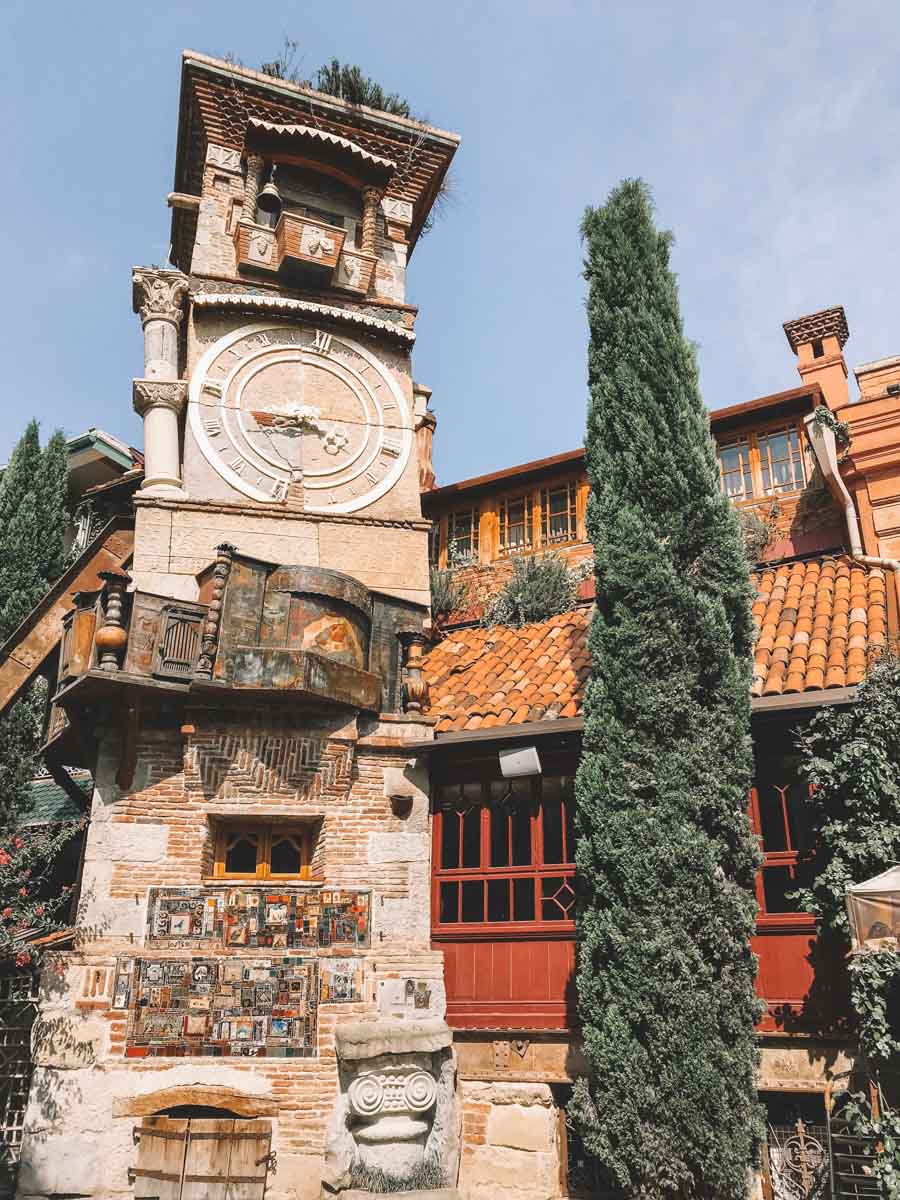
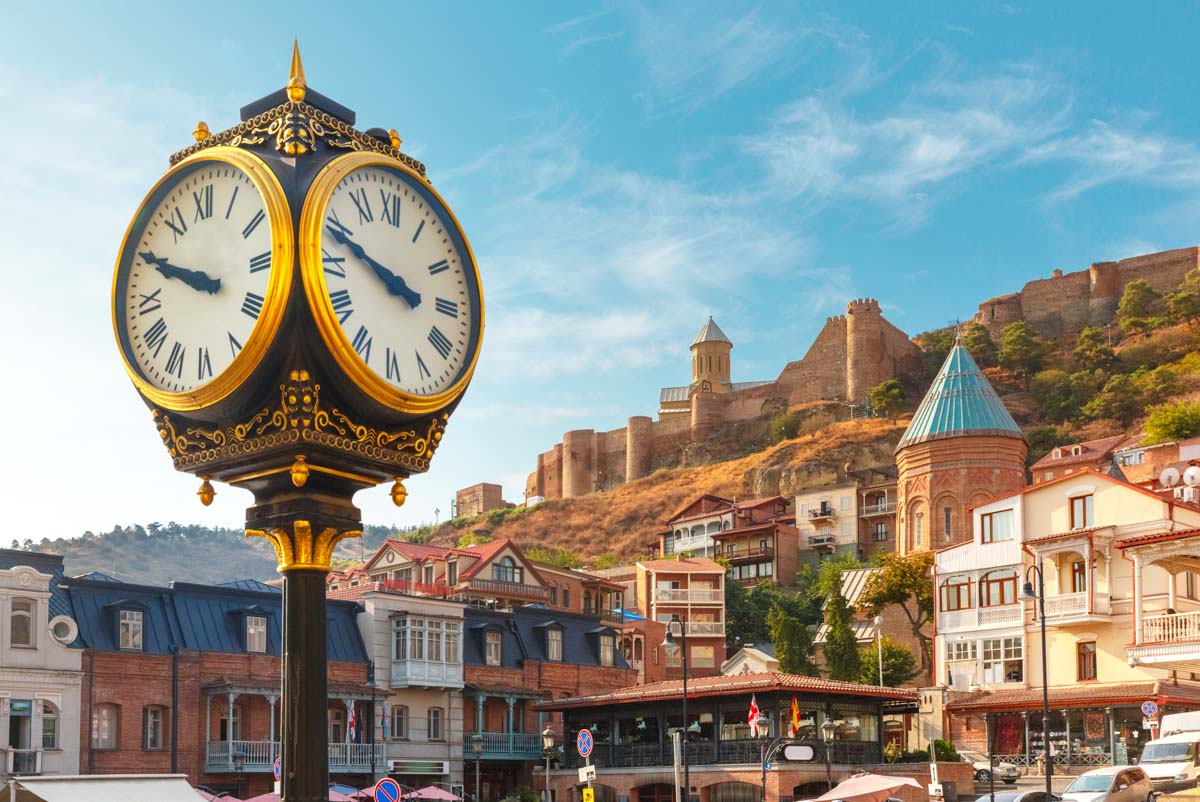
In the Old City, there’s a crooked little clock tower next to the Rezo Gabriadze Marionette Theatre. Every hour, a door at the top opens and an angel comes out to strike the bell, and twice a day, at 12pm and 7pm, a tiny puppet show called The Circle of Life plays out on the balcony below the clock.
Don’t be fooled by how old it looks. The tower was built in 2010 by Rezo Gabriadze, the artist, writer and puppeteer behind the theatre, who tiled and decorated it himself. If you can get tickets, the puppet shows inside the theatre are some of the most loved in the city, though they’re aimed at adults rather than children.
Cross the Bridge of Peace
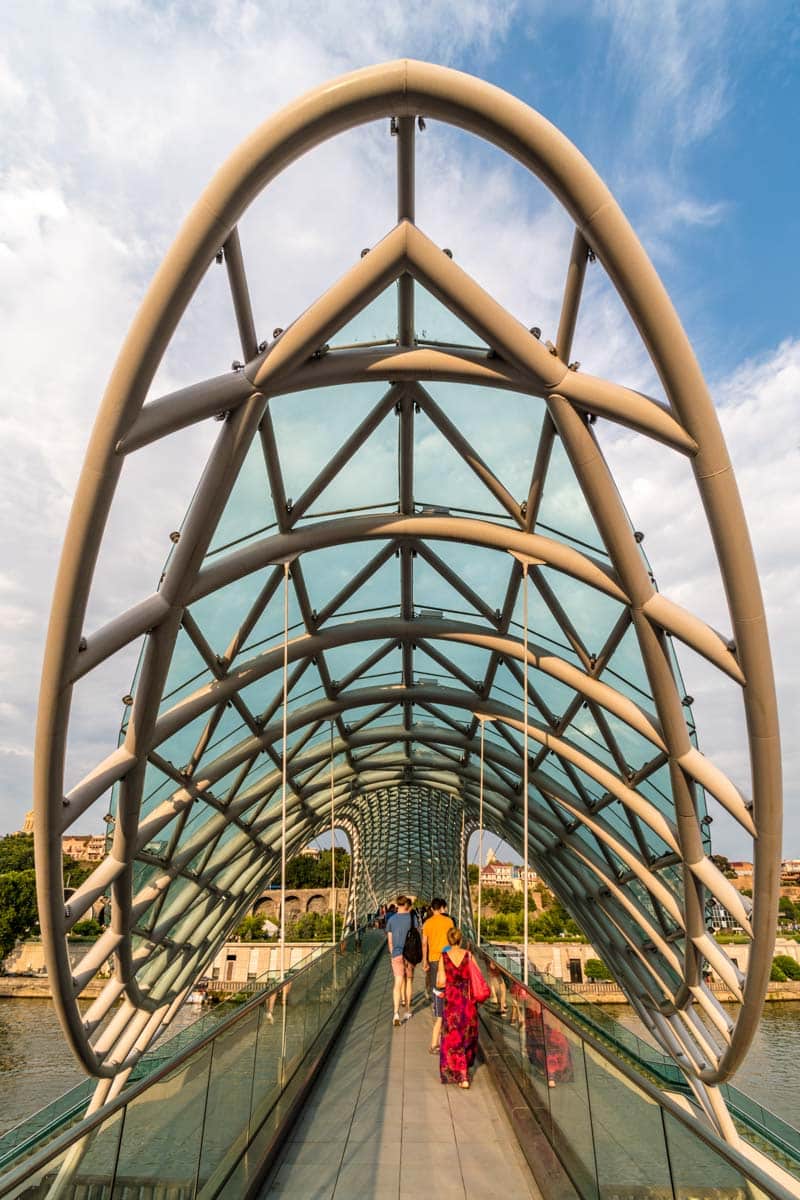
One of the city’s most famous landmarks is the Bridge of Peace, a 150-metre footbridge of steel and glass designed by the Italian architect Michele De Lucchi and opened in 2010. Its curving canopy is said to look like a marine animal.
Which marine animal, you might ask? No one knows, so I’ll leave it to your imagination. (Locals have less flattering nicknames for it.) Walk across it for views of the Mtkvari River, Rike Park and the Old City, and come back after dark, when thousands of LEDs light the canopy and spell out the periodic table in Morse code along the railings every hour.
Climb up to the Holy Trinity Cathedral
Georgia is one of the most religious countries in the world, and needless to say, there are a lot of churches all over the country. It’s not uncommon to see Georgians cross themselves three times as they pass a church, even when they’re driving, talking on the phone or riding a bike.
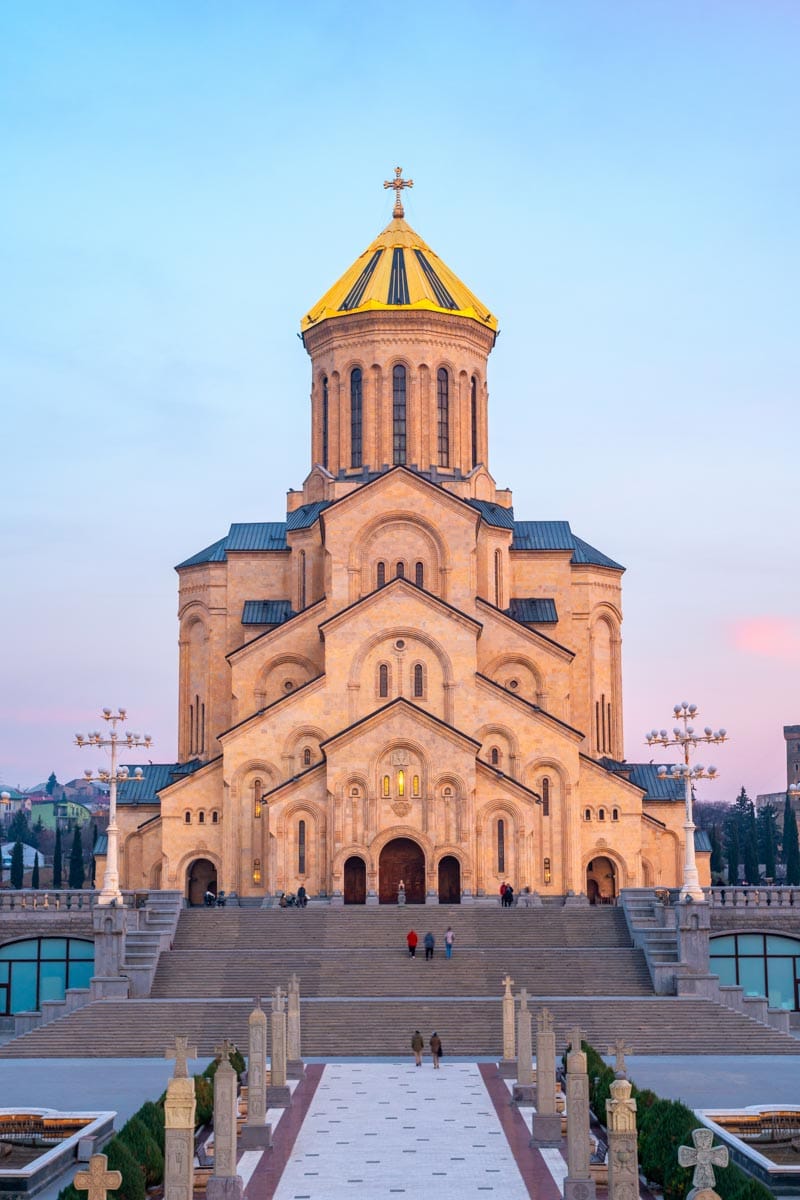
The main cathedral is the Holy Trinity Cathedral, or Sameba, which crowns Elia Hill in Avlabari, across the river from the Old City. Consecrated in 2004, it’s one of the largest Orthodox cathedrals in the world, and the building is impressively intricate and a marvel just to look at from the outside. Visitors can see the church and its grounds outside service times.
If you want to see inside, there’s a strict dress code. Women need to cover their hair, shoulders and knees (a skirt rather than trousers is expected), and men should wear long trousers and take off their hats. Scarves and wrap skirts can usually be borrowed at the door.
Stroll through Freedom Square
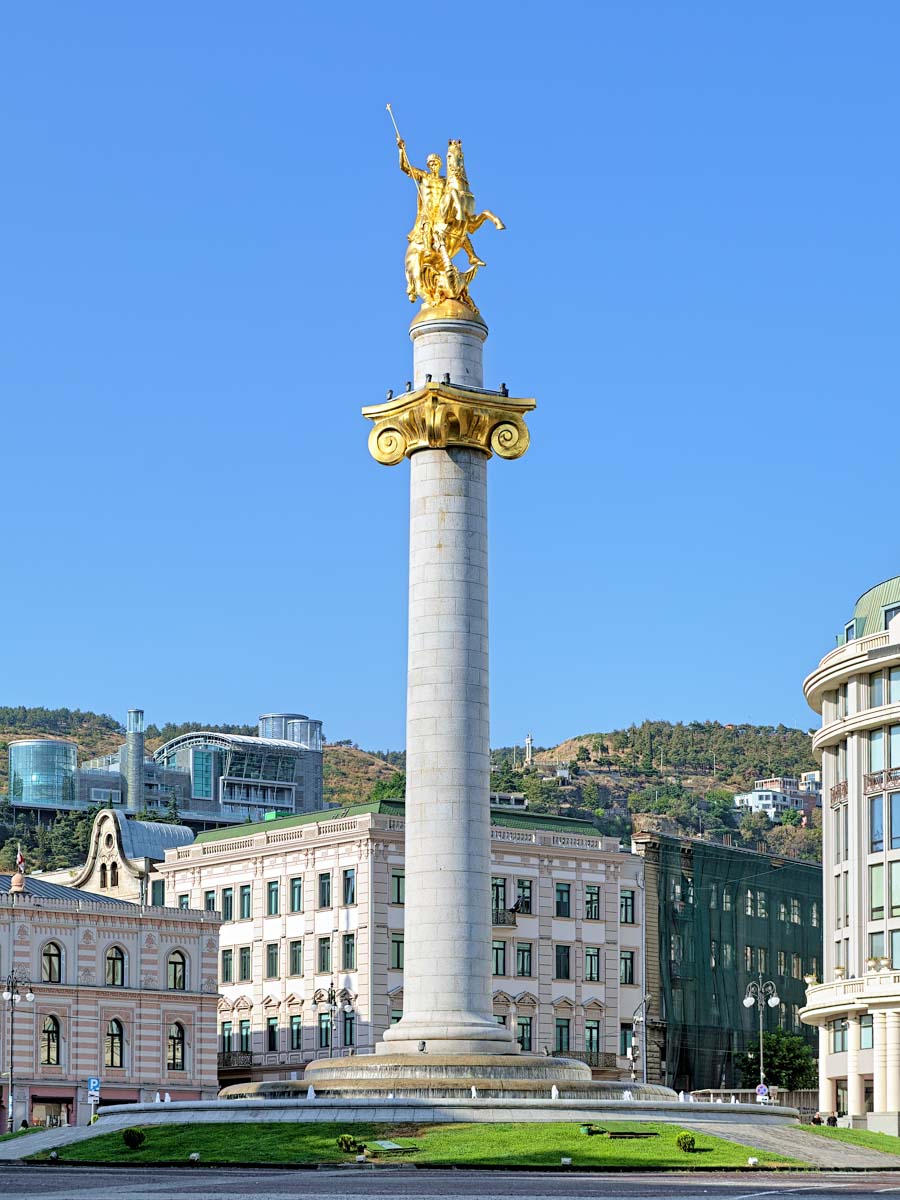
Many people consider Freedom Square to be the centre of Tbilisi, and it’s easy to see why: it’s a busy, upscale junction where several main streets meet, and it’s always bustling and full of energy.
It’s home to grand 19th-century buildings, underground passages and the golden statue of St George slaying the dragon, which has stood on its column here since 2006. It’s definitely somewhere you’ll walk through at least once during your time in the city, and it’s where Rustaveli Avenue begins.
Discover Colchian gold at the Georgian National Museum
Just off Freedom Square on Rustaveli Avenue, the Simon Janashia Museum of Georgia is the place to get your head around the country’s long history. Head down to the Archaeological Treasury in the basement for the gold jewellery of ancient Colchis, the land of the Golden Fleece, then go upstairs to see the 1.8-million-year-old skulls found at Dmanisi, some of the oldest human remains ever discovered outside Africa.
The Soviet Occupation Hall on the top floor tells the story of the 70 years after the Red Army invaded in 1921, and it’s sobering, but it explains a lot about modern Georgia.
Tickets
The museum opens Tuesday to Sunday, 10am to 6pm, and is closed on Mondays. Adult tickets for foreign visitors cost 40 GEL.
Listen to the buskers on Rustaveli Avenue
If you walk along Rustaveli Avenue, the city’s grand main boulevard, in the evening, you’ll probably hear lots of people singing and playing guitar. Sometimes they sing Georgian songs, but for the most part it’s familiar American tunes they’re jamming to.
The performers will usually get a friend to walk around the crowds of passers-by with a big smile and a hat, actively asking for tips. The avenue runs from Freedom Square past the opera house, the Rustaveli Theatre and the parliament building, and it’s lovely for an evening stroll.
Top Tip
Rustaveli Avenue outside parliament has been the focus of almost nightly political protests since late 2024. They’re usually peaceful, but some have turned violent, so the UK Foreign Office advises avoiding large gatherings and checking the local news before you head out.
Ride the funicular up Mtatsminda
Looking for a bit of excitement? In the evening, head to the funicular in Sololaki and ride it up to Mtatsminda Park, an amusement park on top of the city’s holy mountain with sweeping views over Tbilisi. You can go on the rides, eat amusement park food or simply soak up the amazing view of the lights below.
Halfway up, the funicular stops at the Mtatsminda Pantheon, where some of Georgia’s most famous writers, artists and public figures are buried around the Church of St David. It’s a peaceful place to stop on the way down.
Tickets
The funicular costs about 10 to 12 GEL each way and doesn’t take cash: you pay with a Mtatsminda Park card (2 GEL), which you can share and top up for the rides. Entry to the park itself is free.
Smell the flowers in the National Botanical Garden
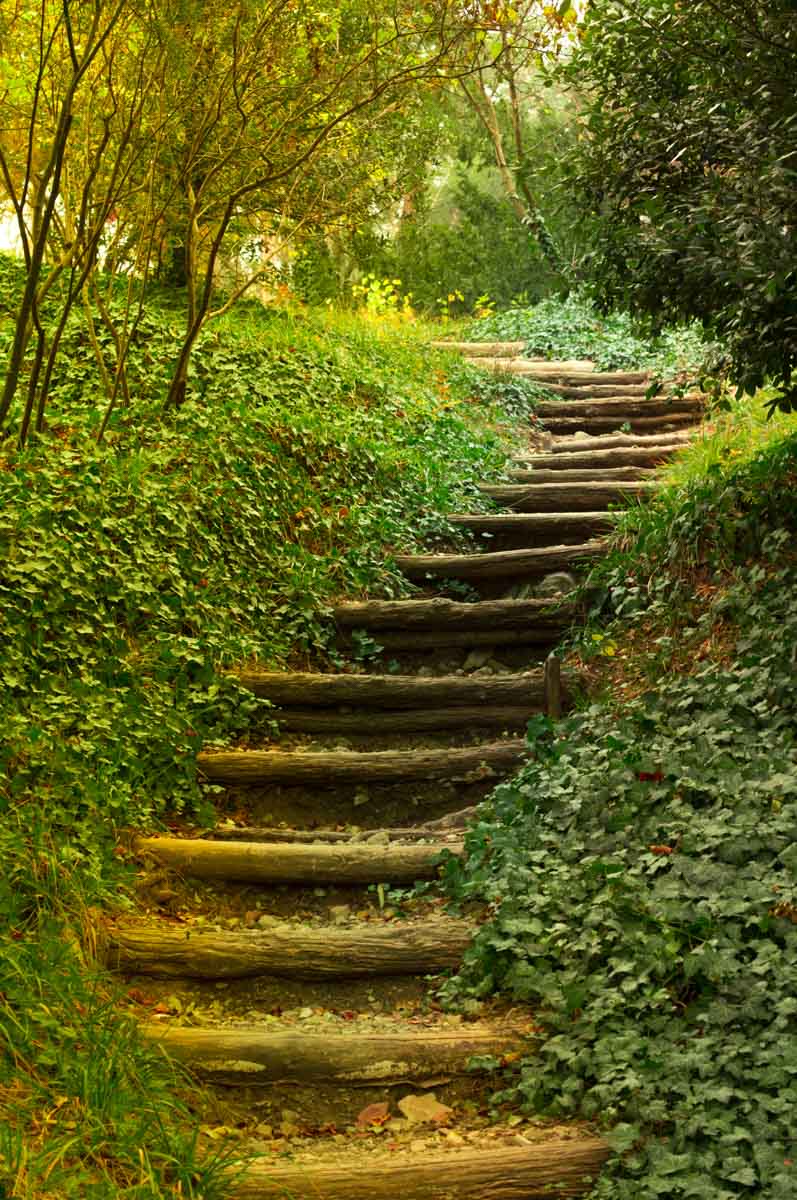
Up the hill from the Old City is the National Botanical Garden of Georgia, 161 hectares of gardens, woodland and gorge tucked in behind the Narikala Fortress. It was officially founded in 1845, on the site of royal gardens that are much older, and there are paths and viewpoints winding all through it, with arched stone bridges over the stream.
That stream runs through the garden and drops down the cliffs below to form the hidden waterfall in the next section. The main entrance is on Botanikuri Street, and there’s a small entry fee.
Take the plunge in the Tbilisi Sea
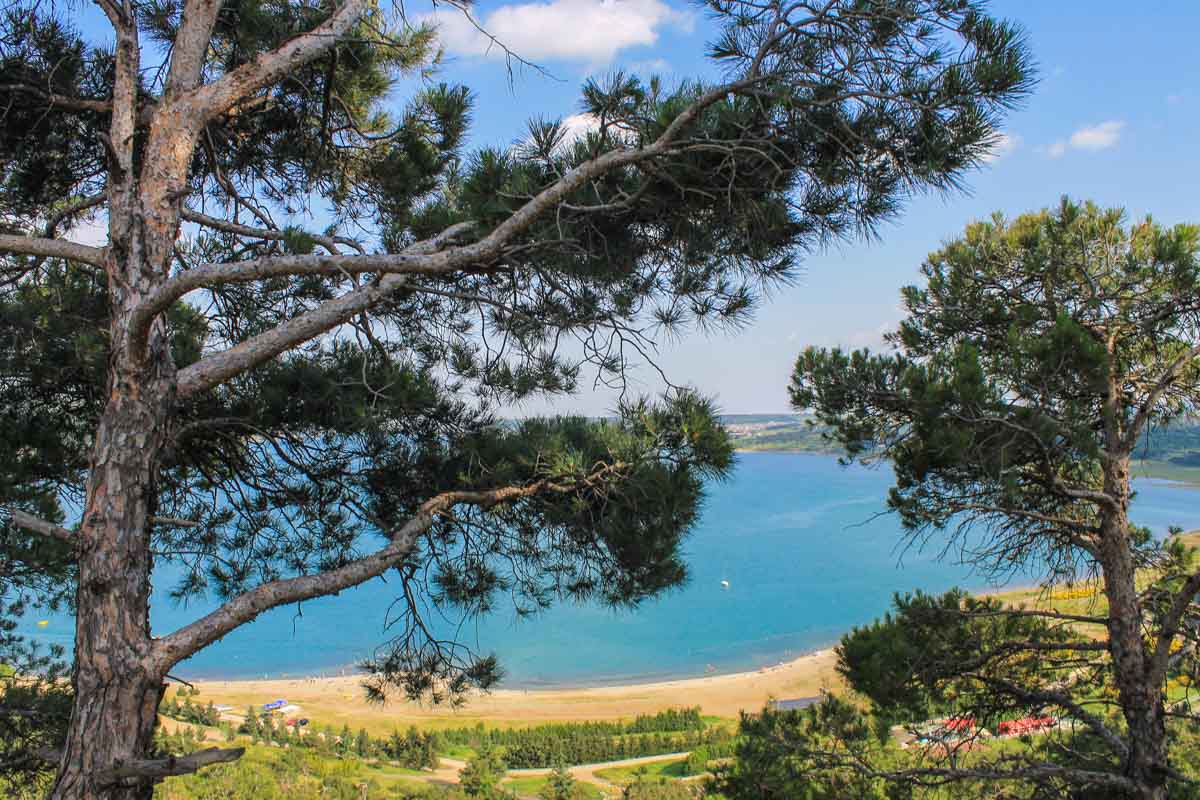
If you feel like a dip after a long day of sightseeing, head to the swimming area of the city’s reservoir, aptly nicknamed the Tbilisi Sea. It’s an artificial lake on the northern edge of the city, the largest in the area, and in summer you’ll find locals swimming and hanging out with their families on the public beach.
To get there, take a Bolt (see the tips below) or ride the metro to Grmagele and then a marshrutka, one of the shared minibuses that run all over the city. While you’re out here, don’t miss the Chronicle of Georgia on the hill above the water: it’s one of the hidden gems below.
Learn to make khinkali, or let a food tour do the work
If you’ve decided that Georgian food is your favourite ever, I wouldn’t blame you. But what happens when you get home and can’t find your beloved stews and breads any more?
Don’t fear. Plenty of cooks in the city run hands-on classes, such as this cooking class with a local family, where you learn to pleat khinkali and shape a boat of adjaruli khachapuri, then sit down to eat what you’ve made.
Taste some Georgian cheeses
What are wine and bread, two of Georgia’s specialities, without cheese? No worries: Tbilisi has plenty of fine cheese to try during your trip.
Many Georgians take pride in their cheeses, and you’ll often see a cheese board adorning the table at the fanciest Georgian feasts. The most famous is imeruli, a mild, fresh cow’s milk cheese used in lots of dishes, including khachapuri. Then there’s sulguni, a salty, stretchy brined cheese that’s absolutely delicious with bread or honey, and even better smoked. Look out too for guda, a pungent sheep’s cheese from the mountains of Tusheti that’s matured in a sheepskin sack.
Watch the bakers at a tone bakery
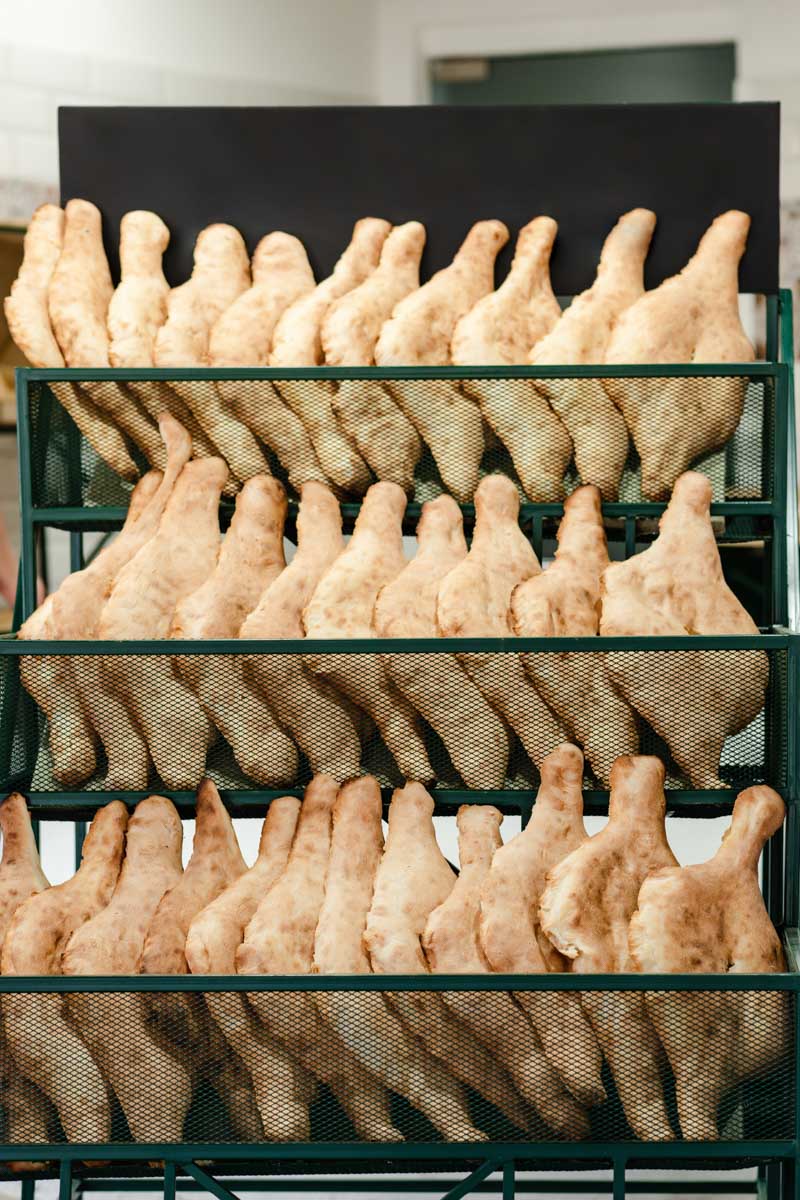
Hidden below the newer buildings of the Old City, near Sioni Cathedral, is a cellar bakery that’s often called the oldest in Tbilisi.
Here, as in bakeries all over the city, bakers make traditional Georgian bread, or puri, by slapping the dough on to the hot walls of a deep, round clay oven called a tone. The canoe-shaped loaves are known as shotis puri. During the day, you can stop by, grab some bread and snacks for very little money and watch the bakers at work. A loaf straight from the oven, still too hot to hold, is one of the best cheap breakfasts in the city.
Day-trip to Mtskheta, Georgia’s ancient capital
About 20 kilometres north of Tbilisi, where the Aragvi River meets the Mtkvari, Mtskheta was the capital of the kingdom of Iberia for some 800 years, and it’s still the spiritual heart of the country. Svetitskhoveli Cathedral, rebuilt in the 11th century on the site of a 5th-century church, is said to hold Christ’s robe, and on the hilltop across the river, the 6th-century Jvari Monastery looks down on the town and the meeting of the rivers. The historic monuments of Mtskheta have been on the UNESCO World Heritage list since 1994.
Getting There
Marshrutkas leave from Didube bus station, by the metro stop of the same name, and take about 30 minutes. Jvari isn’t on the bus route, so take a taxi up or visit on a tour.
Drink your way around Kakheti wine country
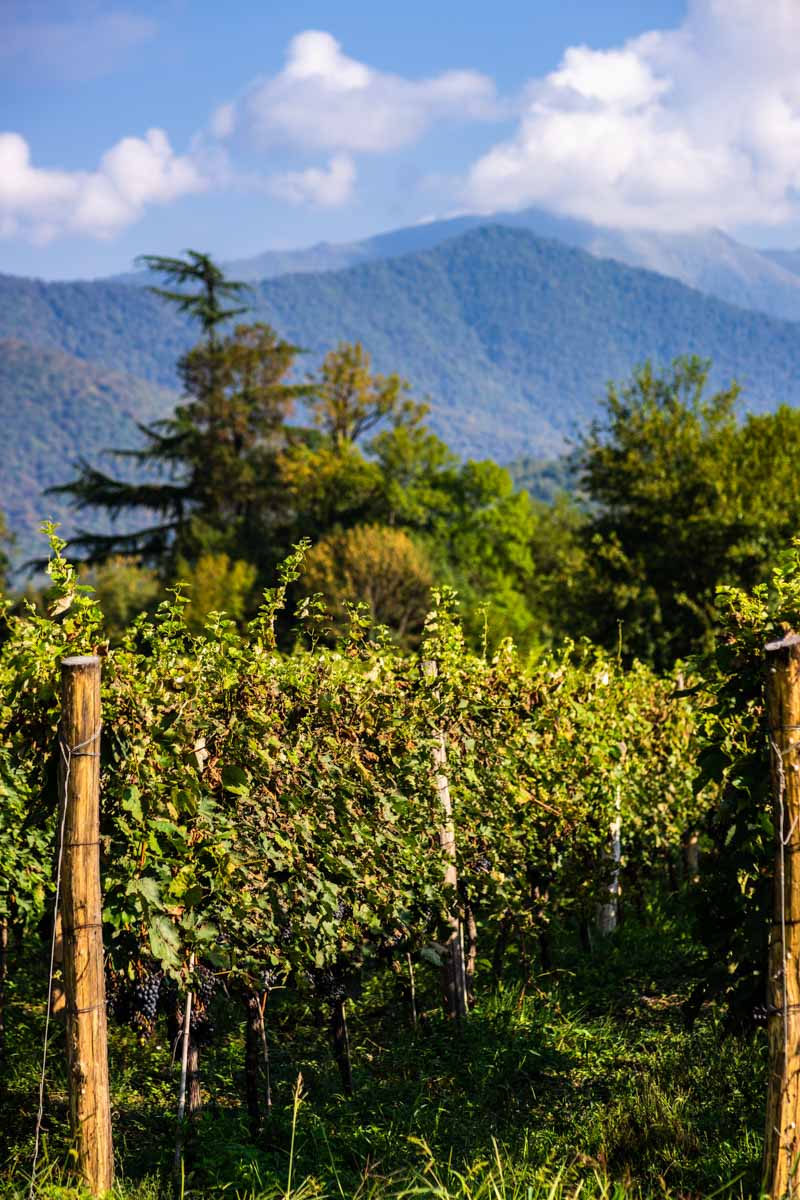
If the qvevri wine in the city has won you over, head east into Kakheti, the region where most of Georgia’s wine is made. Vineyards fill the wide Alazani Valley under the Caucasus, family wineries pour their own amber and red wines, and the hilltop town of Sighnaghi, about two hours’ drive from Tbilisi, has walls and towers looking out over the whole valley.
Harvest, or rtveli, runs from about mid-September to October and is the best time to go. Kakheti is easiest on a full-day small-group tour from Tbilisi, so nobody has to drive after the tastings.
Drive the Georgian Military Road to Kazbegi
The road north from Tbilisi to Russia is one of the great drives of the Caucasus. The Georgian Military Road passes the fortress of Ananuri above a turquoise reservoir, climbs through the ski resort of Gudauri and crosses the Jvari Pass at 2,379 metres before dropping into the village of Stepantsminda, still widely known by its old name, Kazbegi. The view everyone comes for is the 14th-century Gergeti Trinity Church, alone on a ridge at 2,170 metres with Mount Kazbek’s glacier behind it.
Stepantsminda is about 150 kilometres from Tbilisi, roughly three hours each way, so a day trip is long but very doable. Snow, landslides and closures at the pass are common in winter and spring, so check the road before you set off, and pack layers: it’s far colder up here than in the city.
Hidden gems in Tbilisi
Find the waterfall hiding behind the sulphur baths
Past the bathhouses at the top of Abanotubani, beneath the Botanical Garden, a path leads curious visitors into the Leghvtakhevi gorge to a spectacular sight: a hidden (but not-so-secret) waterfall, 22 metres high, right in the middle of the city. The gorge has been mentioned in records since 1429, and since it was restored in 2012, a paved path, little bridges and viewing spots lead you up to the falls. Entry is free.
Here you can dip your toes in or take part in a Tbilisi tradition: rattling the chains. To the right of the falls, you’ll see a set of iron chains hanging from the cliff. If you rattle the chains against the rocks three times, it’s said that you’ll come back to Georgia one day. Needless to say, I rattled those chains like it was no one’s business!
Meander through Vera
Vera is a calm, leafy neighbourhood just off the top of Rustaveli Avenue, and it’s where I based myself in the city. It’s a more residential part of Tbilisi, full of cute coffee shops, historic houses with peeling balconies, charming streets and small boutiques.
It’s a great way to spend a sunny afternoon when you’ve grown tired of the busier parts of the city. Wander down to Vera Park, then cross the river towards Fabrika for a drink.
Hang out at a converted Soviet sewing factory
Across the river from the Old City in Chughureti, Fabrika is a hip, converted Soviet-era sewing factory that’s now a hostel, bar and co-working space, with little shops, cafés and studios around its graffiti-covered courtyard.
Even if you aren’t staying or working here, you can come for a beer or a glass of Georgian wine in the evening, sit out in the big courtyard and take in the industrial, bustling atmosphere. Lots of young people, locals and travellers alike, come here to hang out and meet others over a drink. It’s a 10-minute walk from Marjanishvili metro station, and the streets around it, especially Aghmashenebeli Avenue, are worth a wander too.
Rummage through the Dry Bridge flea market
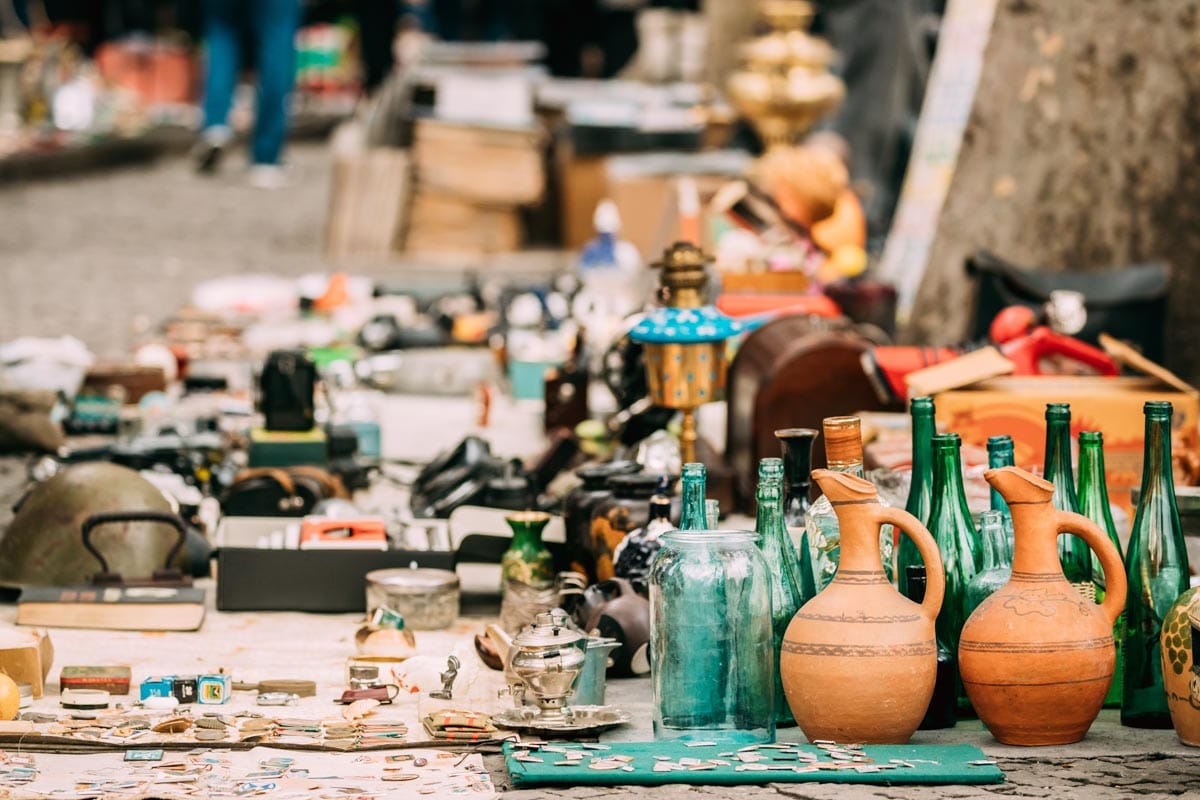
The Dry Bridge flea market spreads along the bridge and through Dedaena Park beside the Mtkvari River. It’s an eclectic market full of antiques, local goods and artisan work, and a unique and colourful place to wander and see some weird local oddities: Soviet medals and badges, old cameras, enamel signs, paintings, drinking horns and silver jewellery.
It’s open every day, weather permitting, from about 10am or 11am until the early evening, and it’s busiest at weekends. Polite haggling is normal, and Zakhar Zakharich is right there when you get hungry.
Shop underground at Meidan Bazaar
Geez, Georgians really like their underground stuff, huh? It’s true. Lots of activity in Georgia goes on underground. From winemaking to printing, baking to street stalls, there’s underground entertainment like you wouldn’t believe.
Along with the theme of underground things to do, you can also shop for souvenirs and everyday items at underground markets. The best for visitors is Meidan Bazaar, a vaulted gallery of shops selling spices, wine, churchkhela, carpets and enamel jewellery beneath Meidan Square in the Old City. There’s a pretty large market around the central station too, and lots more stalls are tucked into the street underpasses.
Up on Meidan Square, you’ll find the “I love Tbilisi” sign. This one is self-explanatory, but it’s something you’ll probably want to do while you’re exploring the Old City. It’s nearly always swarming with visitors, and it’s the perfect place to take a “hey Mum, I’m alive!” photo to send home.
Hear Georgian polyphony at Anchiskhati Basilica
On Shavteli Street, a few steps from the Gabriadze clock tower, Anchiskhati is the oldest surviving church in Tbilisi. It was built in the 6th century and takes its name from the icon of the Saviour that was brought here from the monastery of Ancha in 1675 to keep it safe from Ottoman invaders.
The real reason to come is the singing. The Anchiskhati Choir is one of the leading exponents of Georgian polyphonic song, a style of close, layered harmony that UNESCO lists as a masterpiece of intangible heritage. Slip in quietly at the back during the Sunday morning liturgy, from about 10am, and you’ll hear it in the place it was made for.
Consider visiting Stalin’s underground printing house
Joseph Stalin, the infamous leader of the Soviet Union, was born in Georgia, in the town of Gori. His history can be traced to many places around the country, and in Tbilisi you can visit the Underground Printing House Museum in Avlabari.
Hidden beneath an ordinary wooden house on Kaspi Street, a well leads down to a set of tunnels and a cellar that hid an illegal printing press at the start of the 20th century. Here, a young Stalin and his fellow revolutionaries printed thousands of leaflets urging Georgians, Armenians and Russians to rise up against the tsar. The 1890s press is still down there, and the house above is full of Lenin and Stalin portraits and Communist Party memorabilia.
I know that many people would rather give this a miss given Stalin’s legacy, but the option to go is there if you want to take it.
Top Tip
It’s usually open on weekdays only, from about 10am to 6pm, and entry is about 10 GEL in cash. Parts of the house have been under renovation, so check with the caretaker (his number is on the door) before you make the trip.
See the Soviet “tree” that’s now a bank headquarters
On the edge of Saburtalo, above the river, the former Ministry of Highway Construction is one of the most extraordinary buildings in the Soviet world. Designed by George Chakhava and Zurab Jalaghania and finished in 1975, it’s made of huge horizontal blocks stacked crosswise on a few concrete cores, like branches on a tree trunk, so the hillside runs on underneath.
Since 2007 it has been the headquarters of the Bank of Georgia, and it’s a protected cultural monument, so you can’t wander inside, but the view from the road at 29a Gagarini Street is worth the taxi ride for anyone who loves architecture.
Visit the Chronicle of Georgia
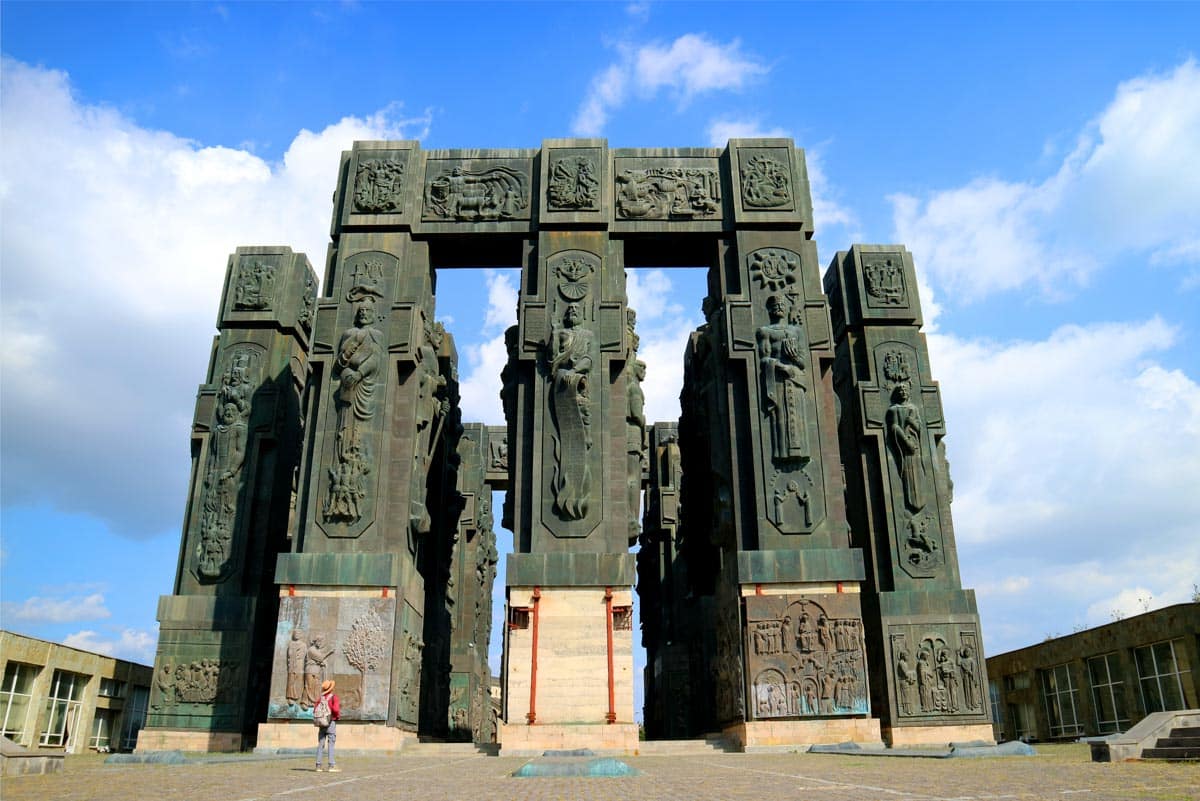
On Keeni Hill above the Tbilisi Sea, the Chronicle of Georgia, sometimes called the History of Georgia Monument, is a beautiful testament to Georgian pride and history. Sixteen pillars, 30 to 35 metres tall, carry scenes from the lives of Georgian kings, queens and heroes on their upper halves and from the life of Christ below. The sculptor Zurab Tsereteli began it in 1985, and it has never been fully finished. With its Stonehenge-like layout, it’s a fascinating place to wander through and photograph.
As it’s a bit far from the city centre, many visitors don’t make it out here, so there’s a pretty good chance you’ll have the monument all to yourself. It’s free and always open.
Ride a (different) cable car to Turtle Lake
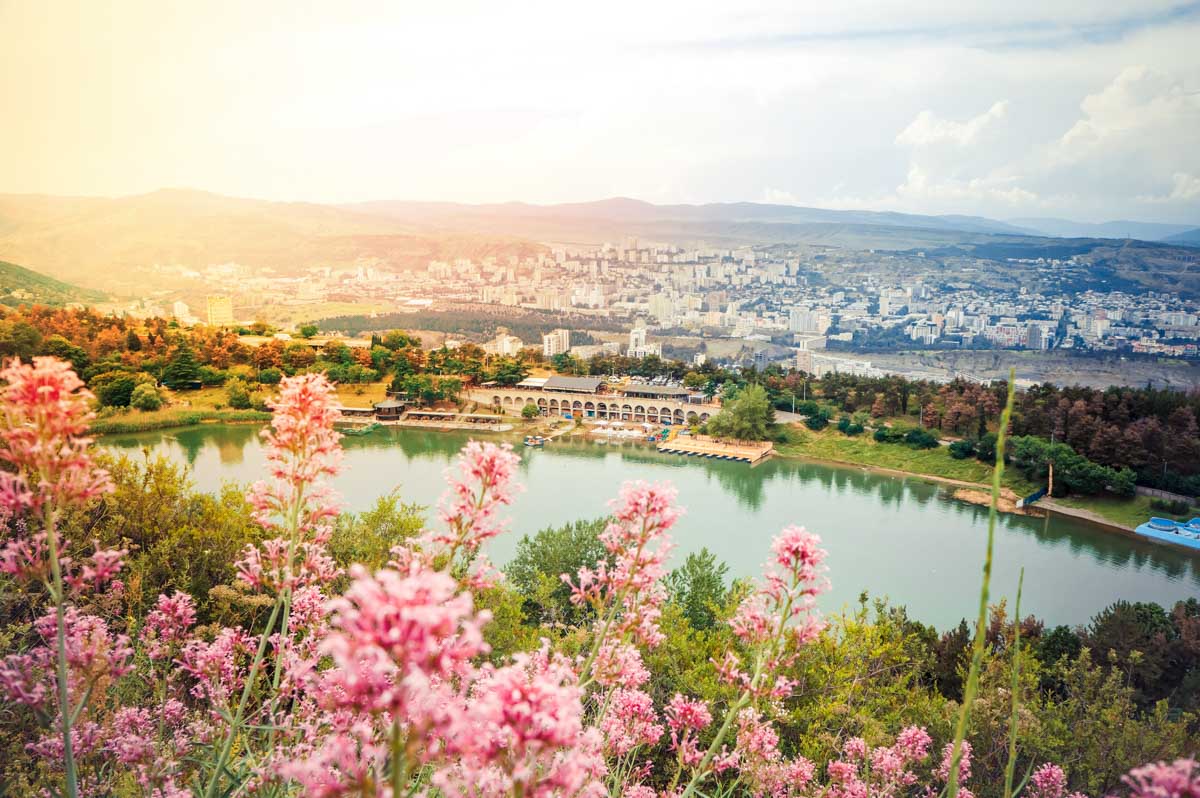
A lesser-known cable car leads from the top of Chavchavadze Avenue, beside Vake Park, up to the peaceful Turtle Lake, or Kus Tba. The ride takes about six minutes, and the little lake sits nearly 700 metres up in the wooded hills above the city. It’s the perfect place to rent a boat or go for a dip in summer, and there are places to grab a drink or a bite to eat on the shore.
Next to the lake is the Open Air Museum of Ethnography, where old wooden houses, granaries and wine cellars from all over Georgia have been rebuilt on the hillside. And if you’re feeling energetic, a trail through the woods links Turtle Lake with Mtatsminda Park. If you’re looking for a rest from the city, this is the place.
Top Tip
The Turtle Lake cable car closes for maintenance now and then, so check before you go. A Bolt to the lake is the easy fallback.
Take a break at Lisi Lake
If you’re looking for yet another lake getaway, Lisi Lake is a larger recreation area a bit farther out than Turtle Lake, on the north-western edge of the city.
Here you can stroll around the lake on the shoreline path, grab a bite to eat or even have a picnic by the water. However, the water quality has had mixed reviews over the years, so I’d advise checking your surroundings before you take a swim.
Peruse an art gallery (or a few!)
I’ve always found that admiring local artwork can give you a good sense of the political and historical climate of a place, from a very personal perspective. Luckily, Tbilisi has plenty of galleries and art cafés where you can do just that.
Start with the National Gallery on Rustaveli Avenue, part of the Georgian National Museum, where a whole room is given over to Niko Pirosmani, the self-taught painter of feasts, animals and taverns who is now Georgia’s best-loved artist. Then head to Fabrika and the streets of Sololaki and Chughureti for smaller galleries and studios, where young Georgian artists show their work.
Meet and hang out with locals
Of course, I saved the best for last. Georgians are incredibly friendly, kind and generous, and it’s worth trying to get to know a few during your travels.
Learning a few words of Georgian helps (gamarjoba is hello and madloba is thank you), but many young people in Tbilisi speak at least some English, too. Georgians are more than happy to tell you why their country rocks and to teach you some local traditions and fun facts. And if you’re invited to a supra, a Georgian feast, say yes: just be ready for a long night of toasts led by the tamada, the toastmaster.
Plus, the best souvenirs from ANY trip are friendships!
Tips for visiting Tbilisi
- Getting around: The metro and buses go pretty much everywhere you’ll want to go, and a ride costs 1 GEL. You can tap on with a contactless bank card or phone, or buy a MetroMoney card for 2 GEL at any metro station, which you’ll need for the Narikala cable car anyway. For taxis, use Bolt (the app that used to be Taxify): it works just like Uber and costs about 4 to 8 GEL across town. The UK Foreign Office advises against hailing taxis in the street.
- Entry and insurance: UK and US citizens can visit Georgia without a visa for up to a year. All visitors must have health and accident insurance covering at least 30,000 GEL for their whole stay, and you may be asked to show it at the airport or border. The FCDO advises against all travel to the Russian-occupied regions of Abkhazia and South Ossetia.
- What to pack: Tbilisi is like most other European cities in that you don’t need anything special. Bring a swimsuit and a quick-dry towel for the baths and lakes, good walking shoes for the steep cobbles, an umbrella or rain jacket, a covering scarf for churches and extra space in your luggage in case you want to bring back a bottle of wine or two.
- Where to stay: Vera, the Old City and Sololaki are the best bases. I stayed at Mountain 13, a hostel in a big old house in Vera, for more than a week and loved it: cosy rooms, and a short walk to Rustaveli Avenue. If I’d been happy in a mixed dorm, I’d have picked Fabrika, which also has private rooms. For a splurge, wine lovers should look at Vinotel, a boutique hotel with its cellar of Georgian wines (the photos almost had me splurging on it), or Aivani Old Tbilisi, in my opinion the cutest hotel in the city, all pastel walls and retro furniture in the middle of the Old City.
Map
Read next
- A perfect weekend in Baku: a sample itinerary
- Fascinating places to visit in Azerbaijan
- A day trip to Xinaliq, Azerbaijan’s highest mountain village
- The best places to travel in September
Love this? Save and share on Pinterest
Discover the top things to do, insider tips and hidden gems in our Asia Travel Guide.
Read the guides →