
Looking for the best things to do in Campeche, Mexico? Discover the city’s top attractions and more.
Often referred to as Mexico’s ‘Rainbow City’, Campeche is a colourful city located on the Yucatan Peninsula. Look, I’ll level with you. Campeche is not one of Mexico’s most popular travel destinations like Cancun and Tulum. It’s often overlooked by tourists, which is a shame as Campeche is an underrated city with plenty to offer those who do visit.
What makes Campeche genuinely distinctive is its history. Founded by Spanish conquistadors in 1540 on the site of a Maya settlement, it became Spain’s primary port for the Yucatán Peninsula: and as a result, one of the most targeted cities by pirates in the entire Caribbean.
That pirate history shaped everything about the place: the extraordinary fortified walls, the compact walled city, the bastions that still stand today. In 1999, UNESCO recognised the historic centre as a World Heritage Site, citing its unique military architecture and the remarkable preservation of more than 1,000 colonial buildings. Walking inside those walls, it is easy to see why.
Best Things to do in Campeche
Stroll Around the Streets of the Centro Historico
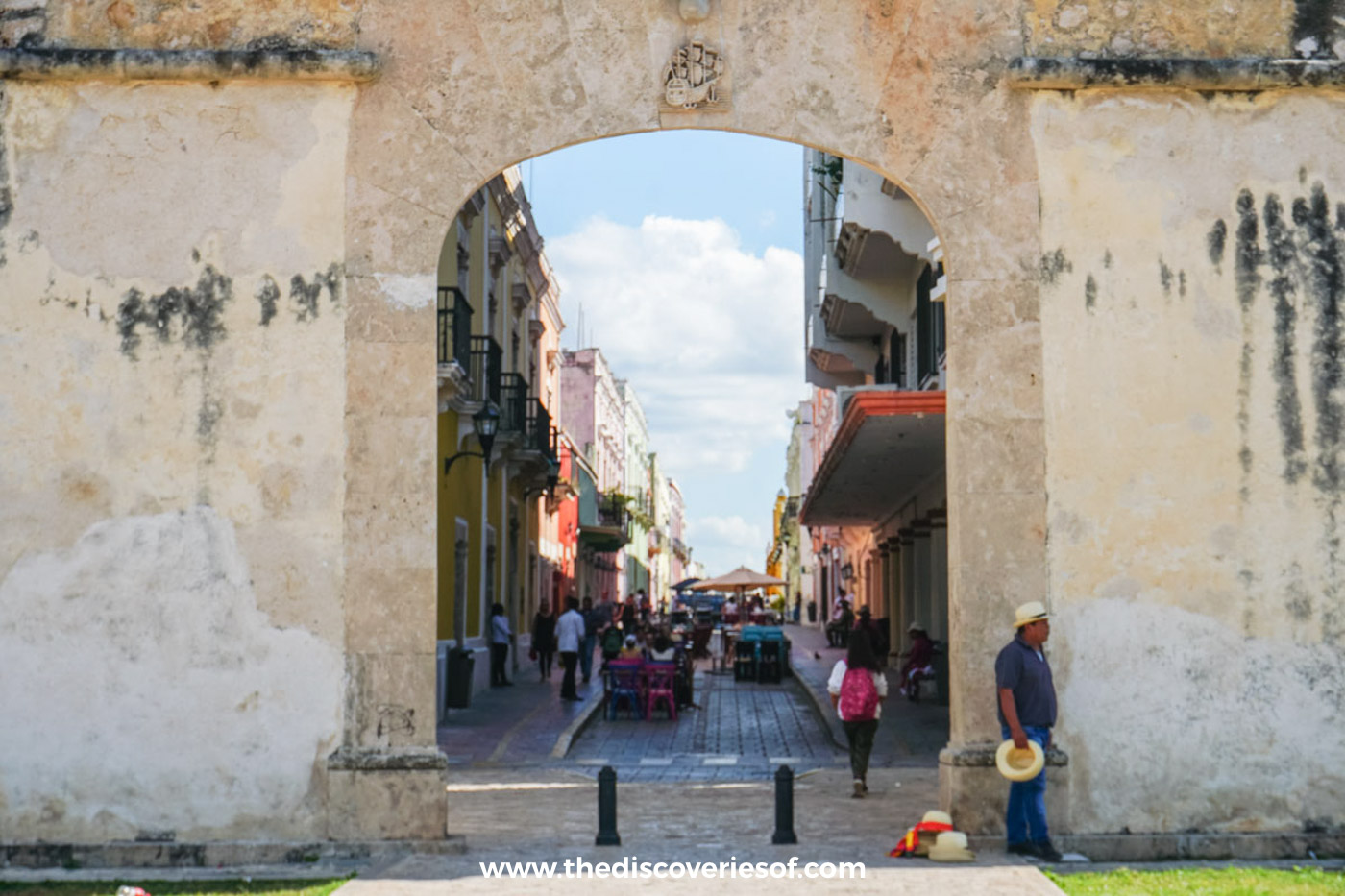
One of the best things to do in Campeche is to stroll around its UNESCO-listed city centre.
Unlike most Mexican cities, Campeche’s city centre is quiet, with an intimate, small-town feel. That sense of calm is not accidental: it is the product of centuries of careful preservation, partly driven by the city’s relative economic slowdown in the 20th century, which meant fewer of its colonial buildings were torn down and replaced.
The result is one of the most intact Spanish colonial historic centres in Mexico. The layout follows the classic Renaissance checkerboard grid of the colonial period, with even-numbered streets running north to south and odd-numbered streets running east to west, all contained within the hexagonal ring of the city walls.
Take a peek at the many colonial buildings and structures housed within Campeche’s fortified city walls: pastel-coloured houses and bright yellow churches included. There are also some grand colonial mansions built by families made wealthy by New World trading. The best way to experience the historic centre is simply to walk it without a fixed plan, letting the colour and scale of the place reveal itself gradually.
Wander the Colourful Streets
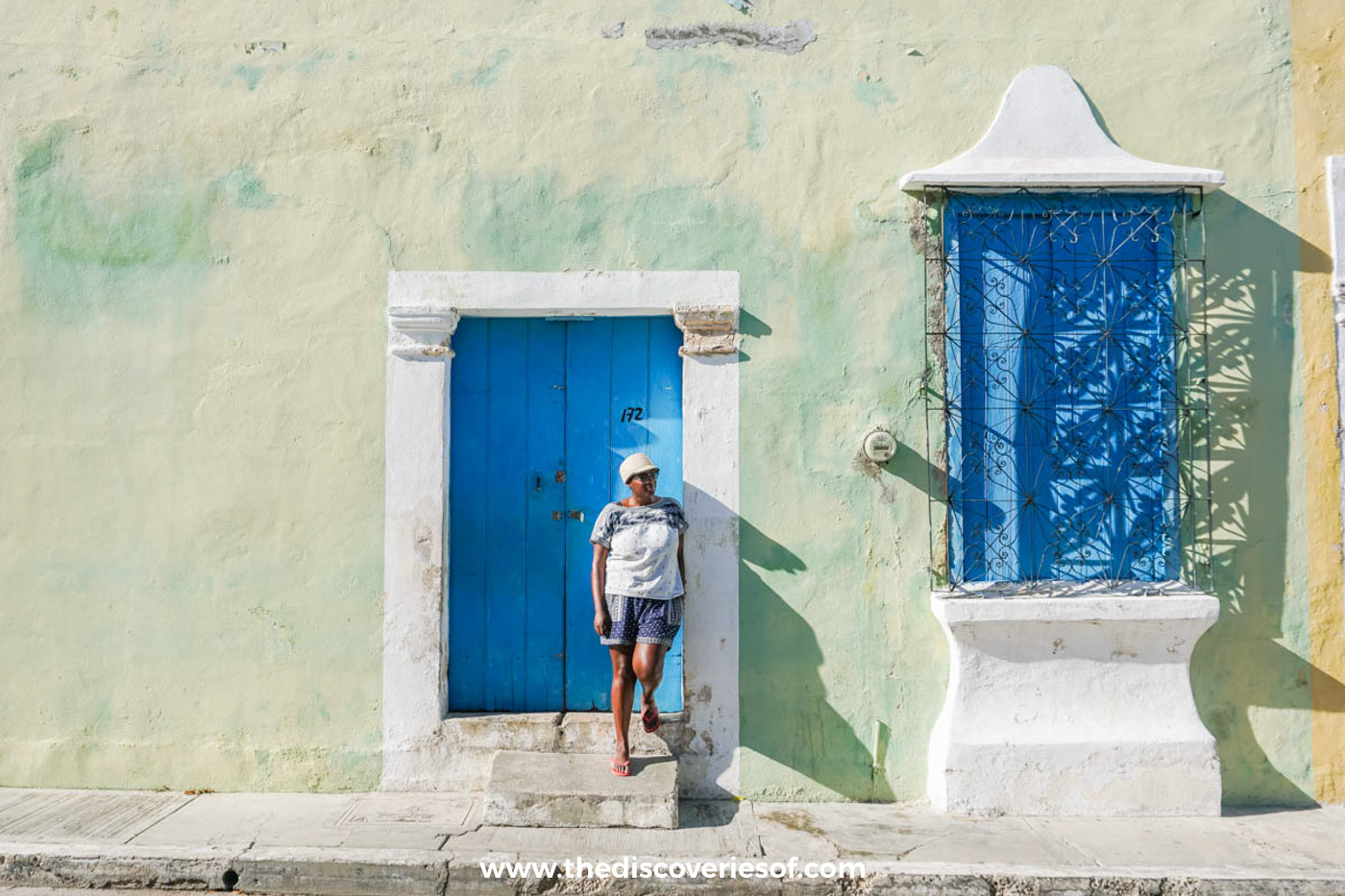
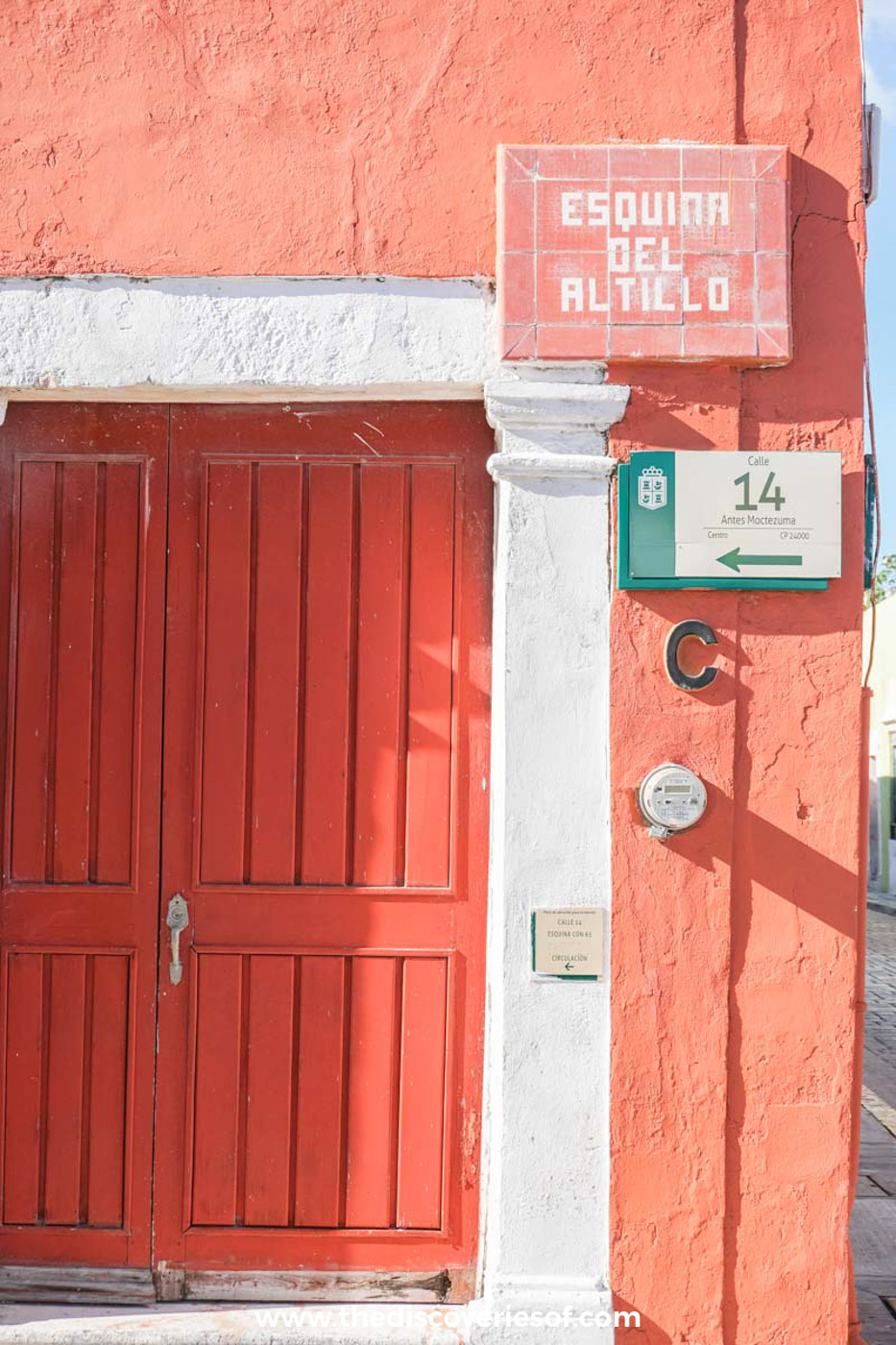
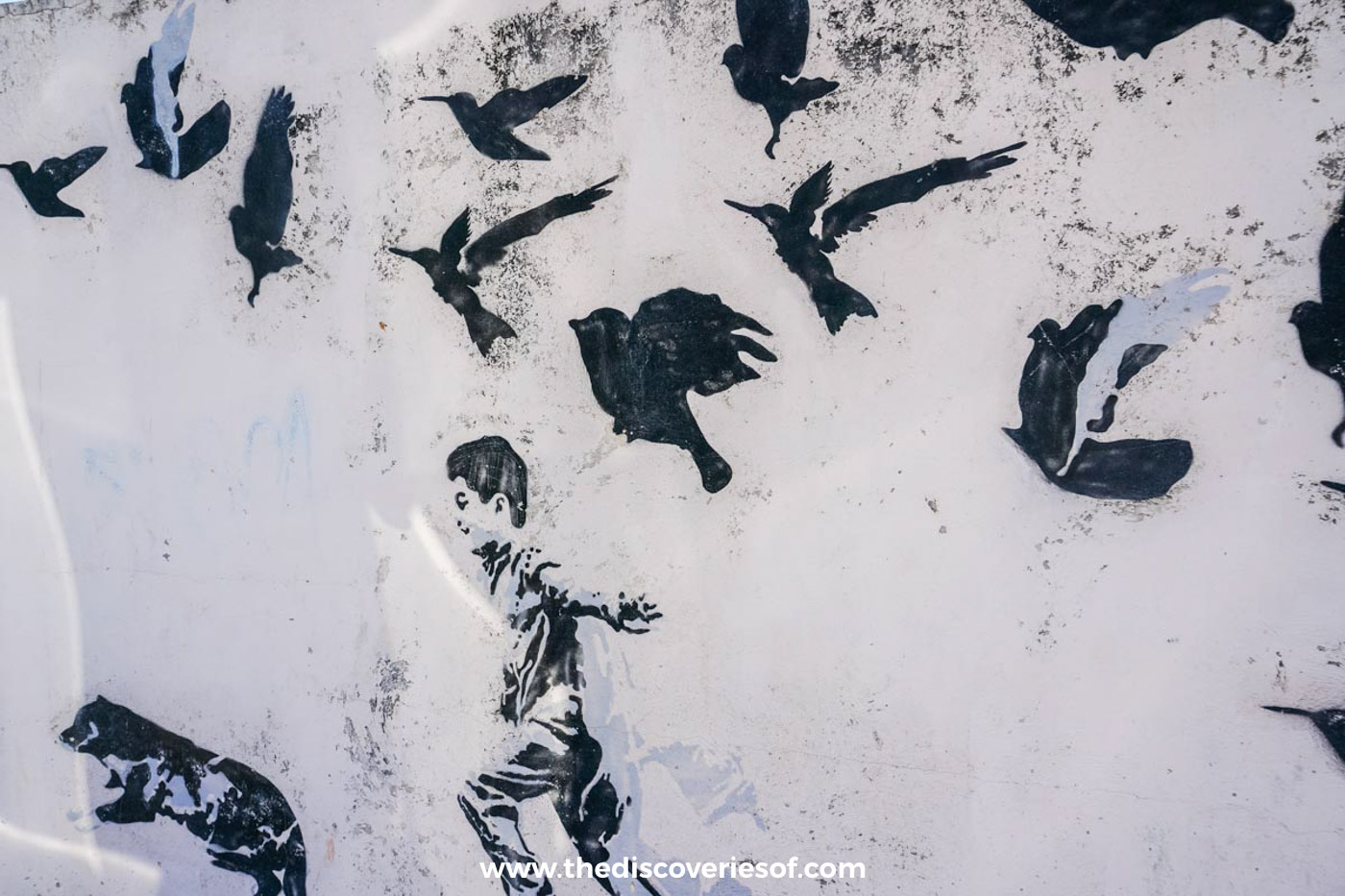
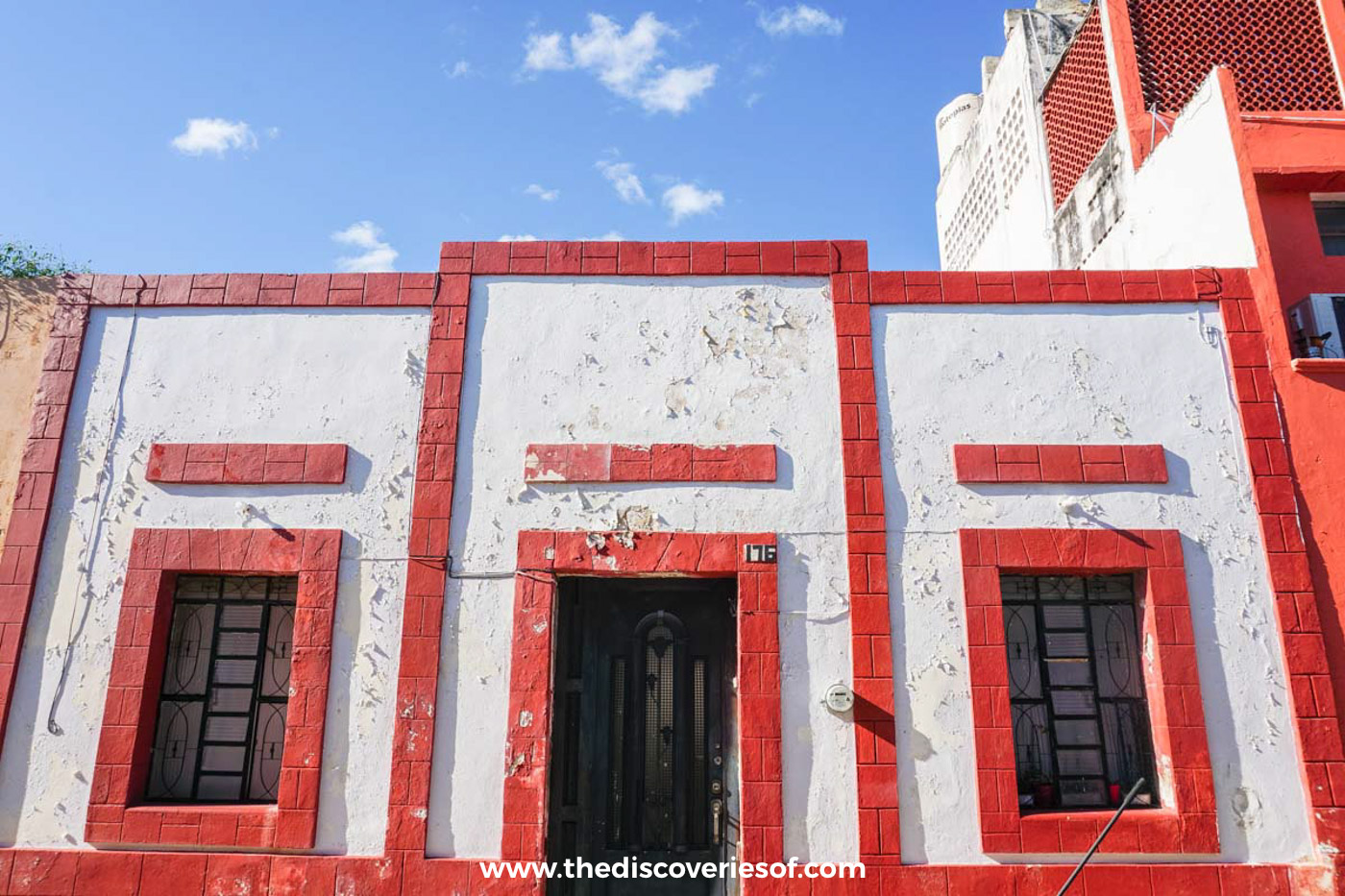
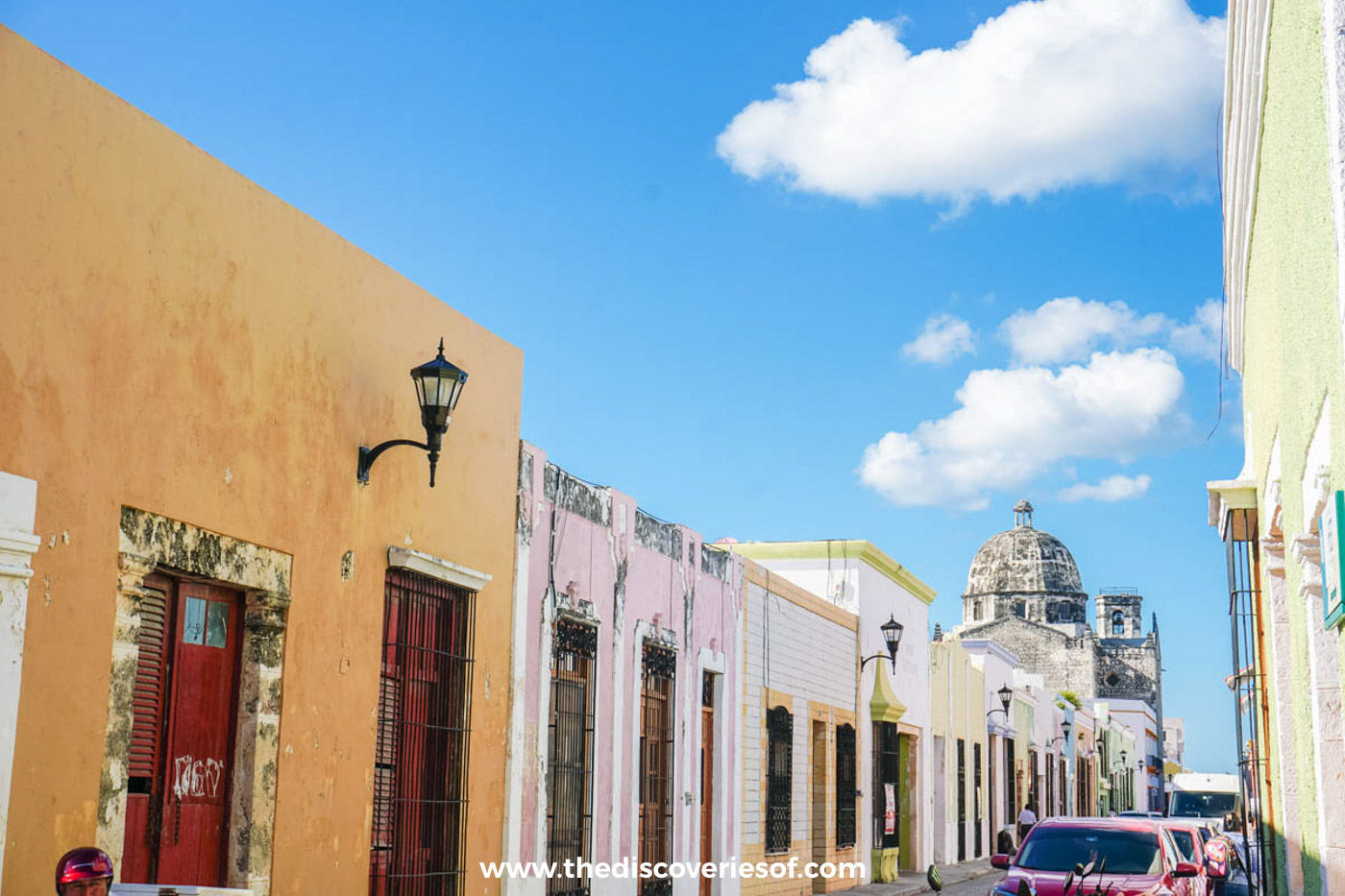
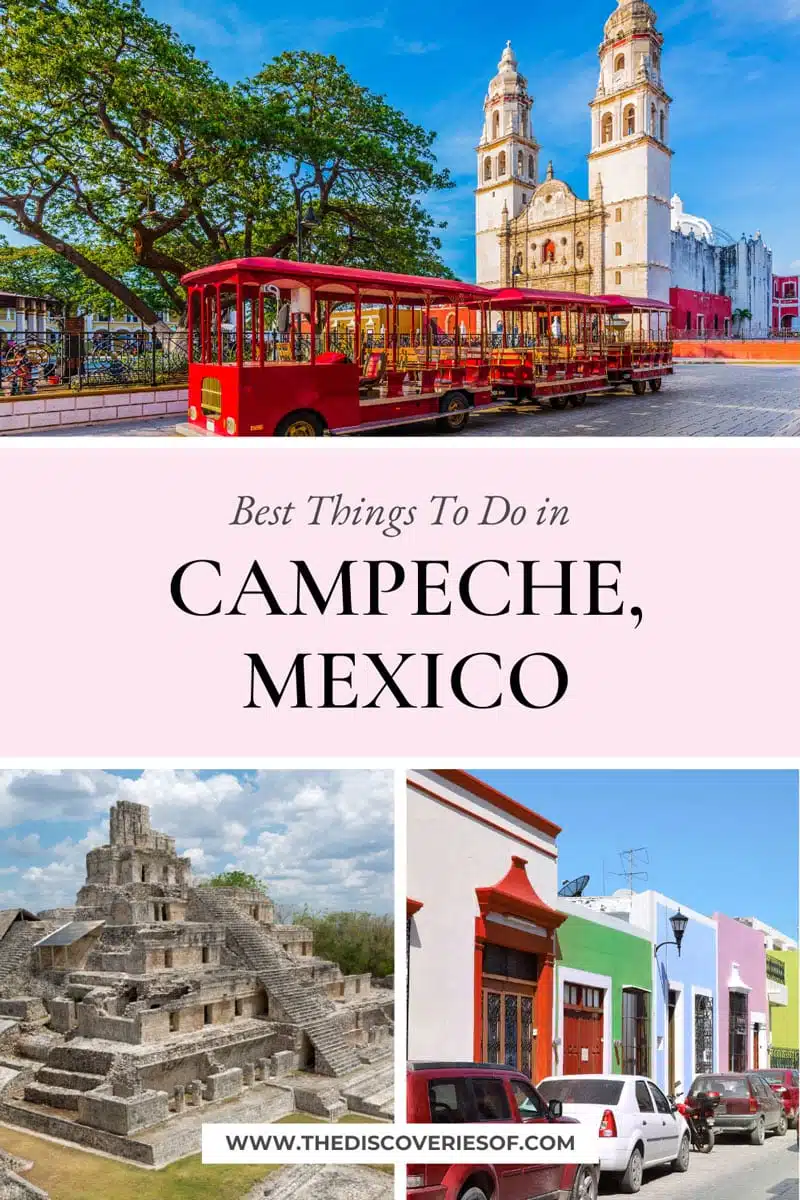
If the Centro Histórico is the structure, the colours are the soul. Entering Campeche’s walled city for the first time, most visitors stop mid-street, not in front of any particular building, but before the street itself: an unbroken succession of facades in yellow, pink, cobalt blue, terracotta, mint and gold that stretches as far as you can see. It is genuinely one of the most visually striking streetscapes in Mexico.
The colours are not a modern invention or a tourism initiative. They arrived gradually over the 18th and 19th centuries, when the merchant families of Campeche’s prosperous trading era began finishing their houses in lime plasters mixed with natural pigments from mineral earths, plant dyes and imported colorants from across the Spanish colonial world.
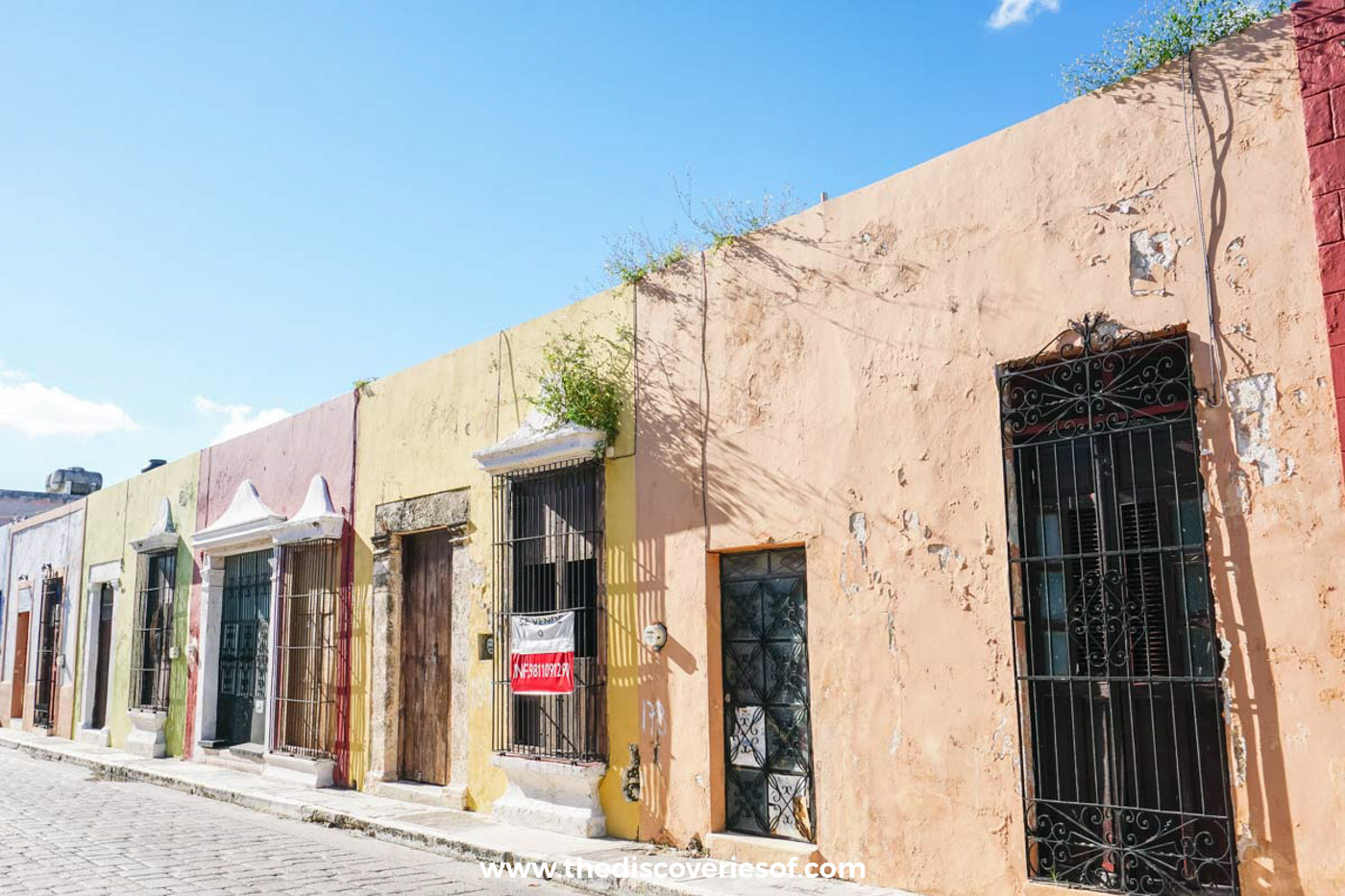
The style is known as Campechano, and shows a strong Andalusian influence: one or two-storey houses with high ceilings for ventilation, large windows, internal courtyards and those vivid, multi-coloured facades with white moulding around the edges. The colours also carried social meaning. Cobalt blue and deep blue were associated with the wealthiest buildings: blue pigments were significantly more expensive than earth tones, while mint and sage green became more common in the 19th century during the Porfirian period.
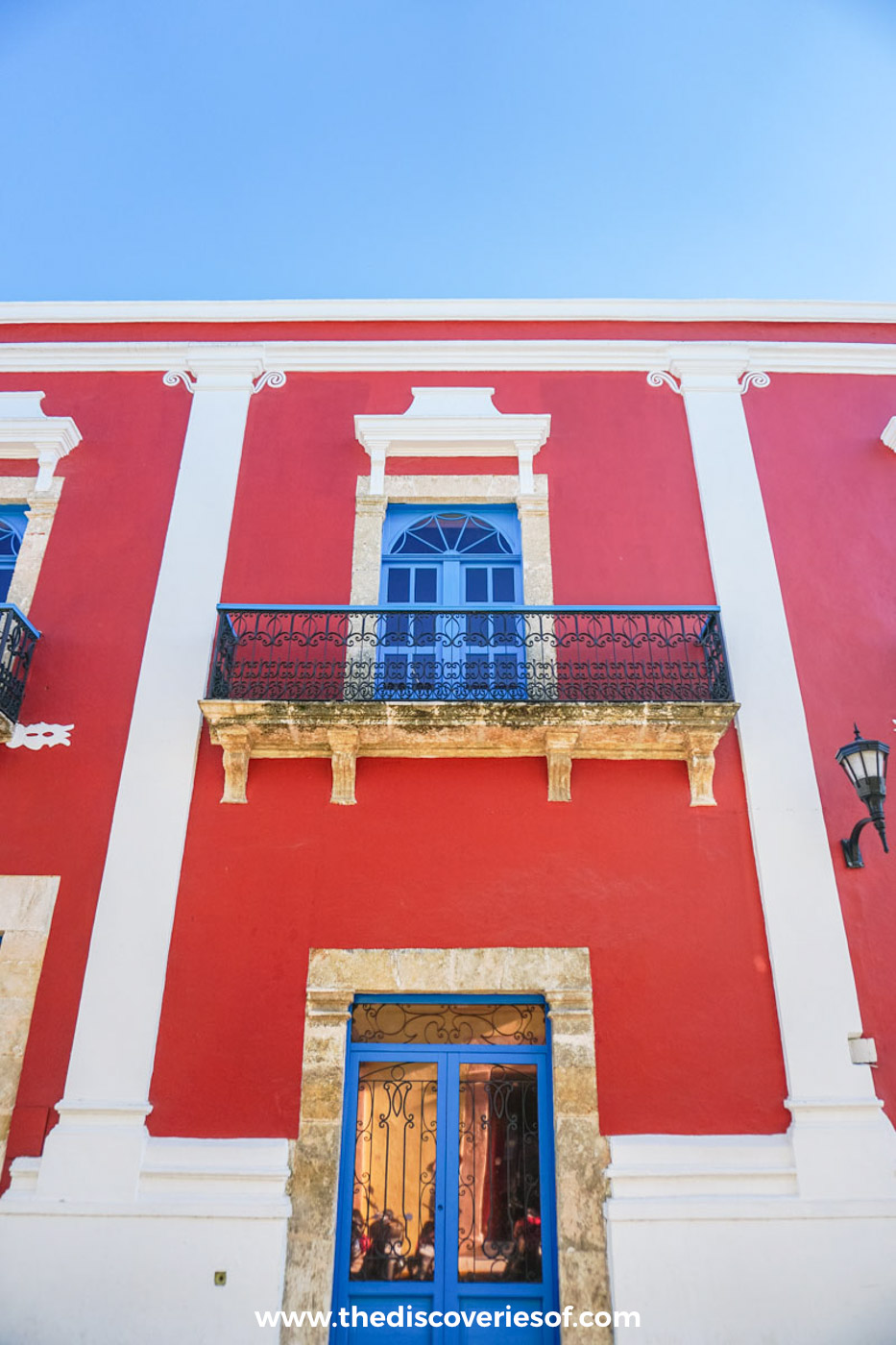
Today the Instituto Nacional de Antropología e Historia maintains a register of approved facade colours for the protected UNESCO zone, and there is a local ordinance ensuring that no two adjacent houses are painted the same colour. The city effectively assigns each building its shade. The result is that what looks like an exuberant accident of history is actually a carefully maintained system, and it works beautifully.
What strikes you as you walk is that this is not a museum street. Most of the buildings you pass are homes. People live inside these facades, hang laundry from the ironwork balconies, sit in the courtyards behind the heavy wooden doors. The historic centre of Campeche is a city that happens to be very old and very beautiful, and that has chosen to keep it that way. Wander without a plan, let yourself get a little lost, and stop whenever the light hits a particular wall in a particular way. It will happen often.
Visit the Our Lady of the Immaculate Conception Cathedral
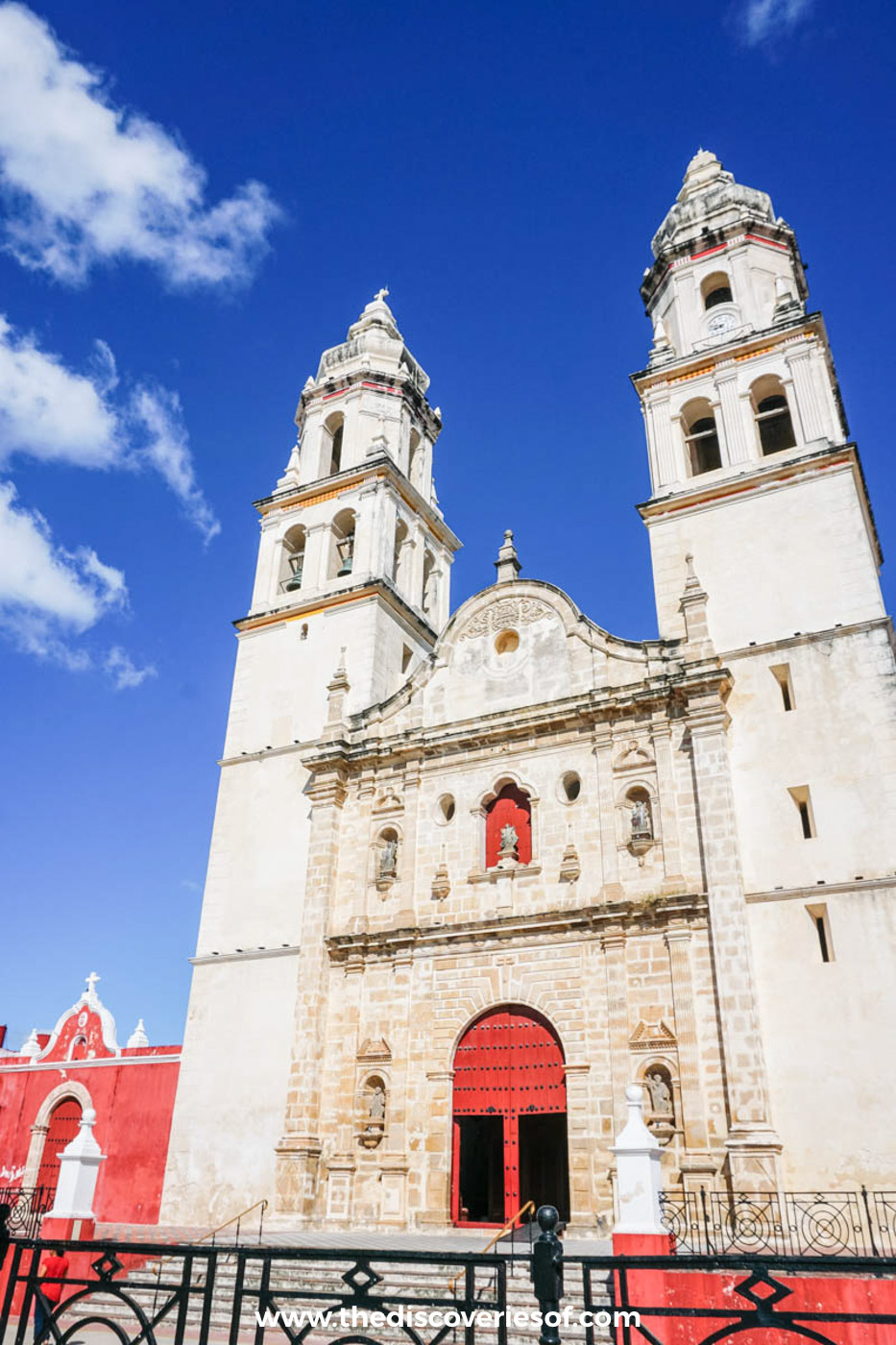
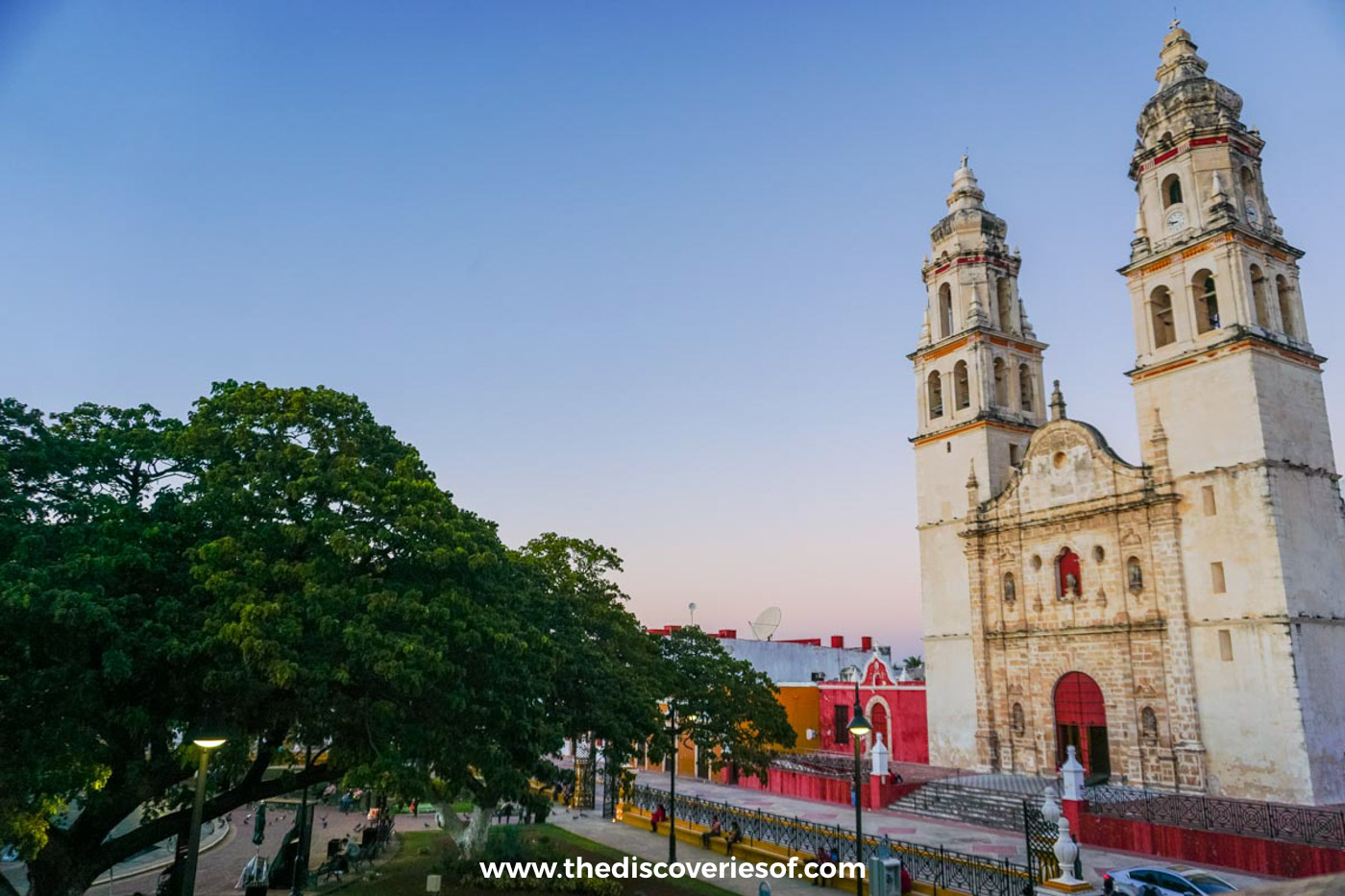
Overlooking the main square in the city with its two soaring bell towers is the Cathedral of the Immaculate Conception (also known as the Campeche Cathedral). It is an incredible colonial-style church dating back to as early as 1540. The building was only finished in 1760 following the completion of the flawless west steeple, “La Española”.
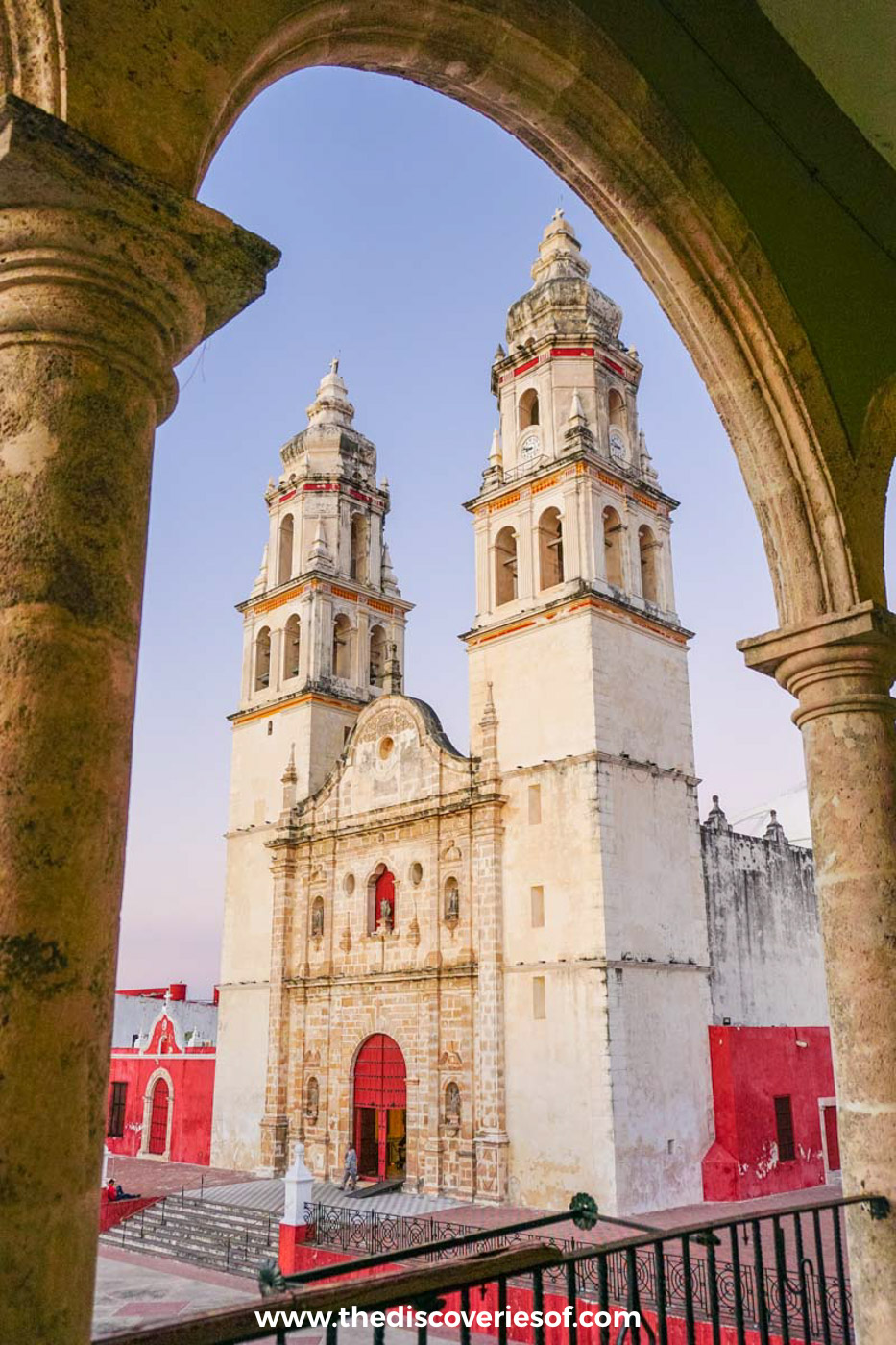
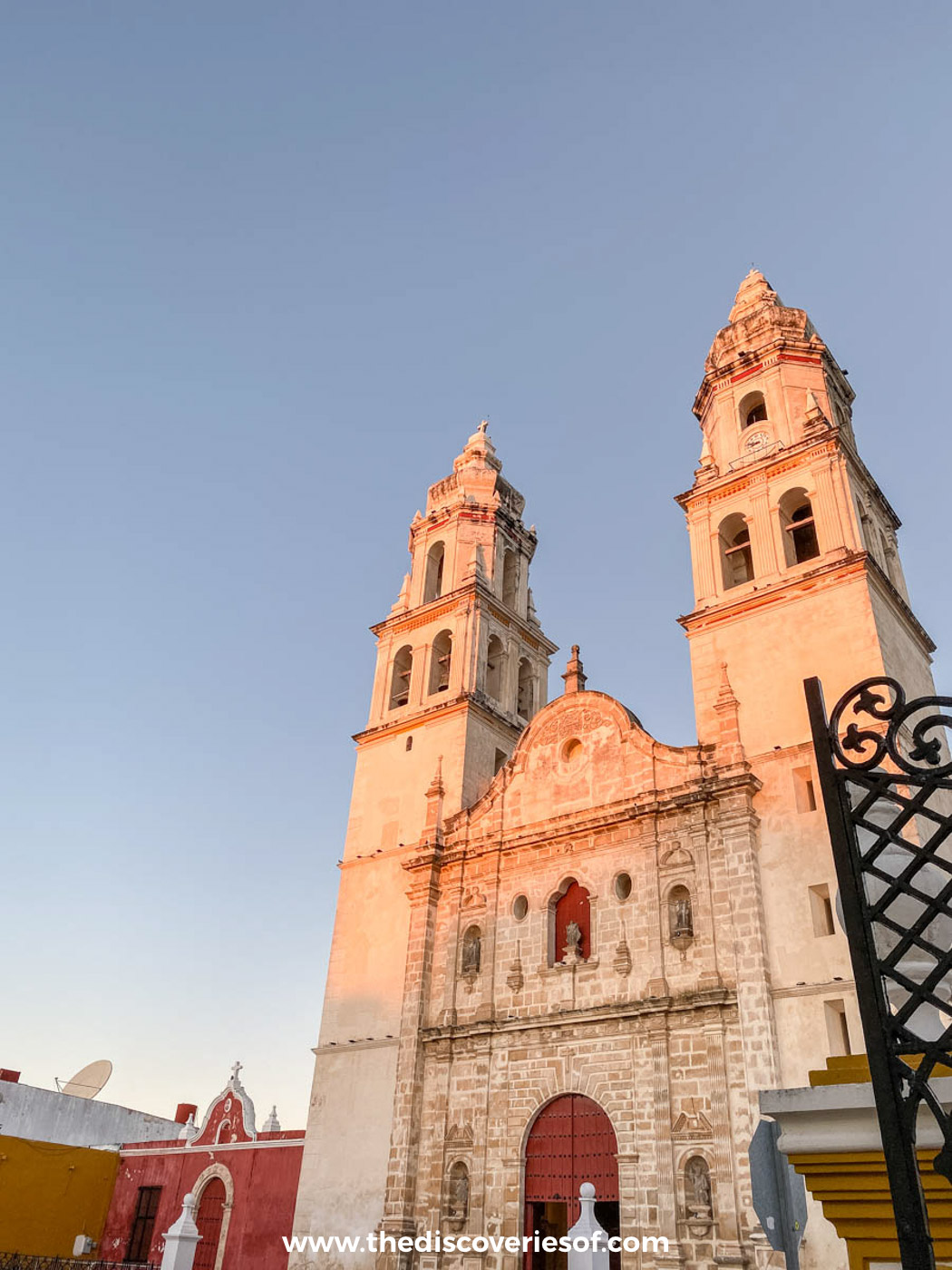
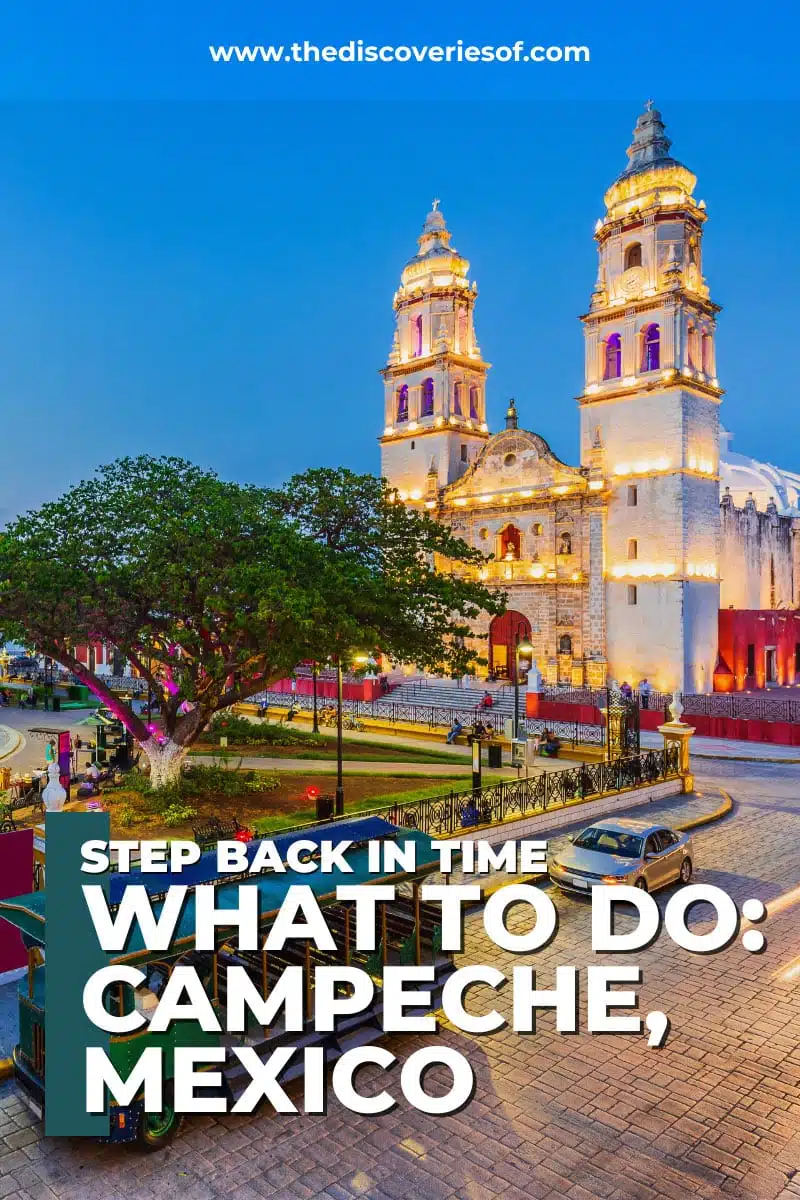
Overlooking the main square in the city with its two soaring bell towers is the Cathedral of the Immaculate Conception, also known as Campeche Cathedral. It is an incredible colonial-style church dating back to as early as 1540, making it one of the oldest churches in Mexico. The building was only finished in 1760 following the completion of the west steeple, known as La Española. Given its long history, the church draws on both baroque and neoclassical influences, with an elegantly understated interior that is brought to life at night with breathtaking illuminations.
Entry to the cathedral is free. Nearby, the Chapel of Jesús Nazareno and the Museum of Sacred Art are worth the small admission fee, with impressive collections of artworks and religious objects.
Dine on Calle 59 (Rincon Colonial)
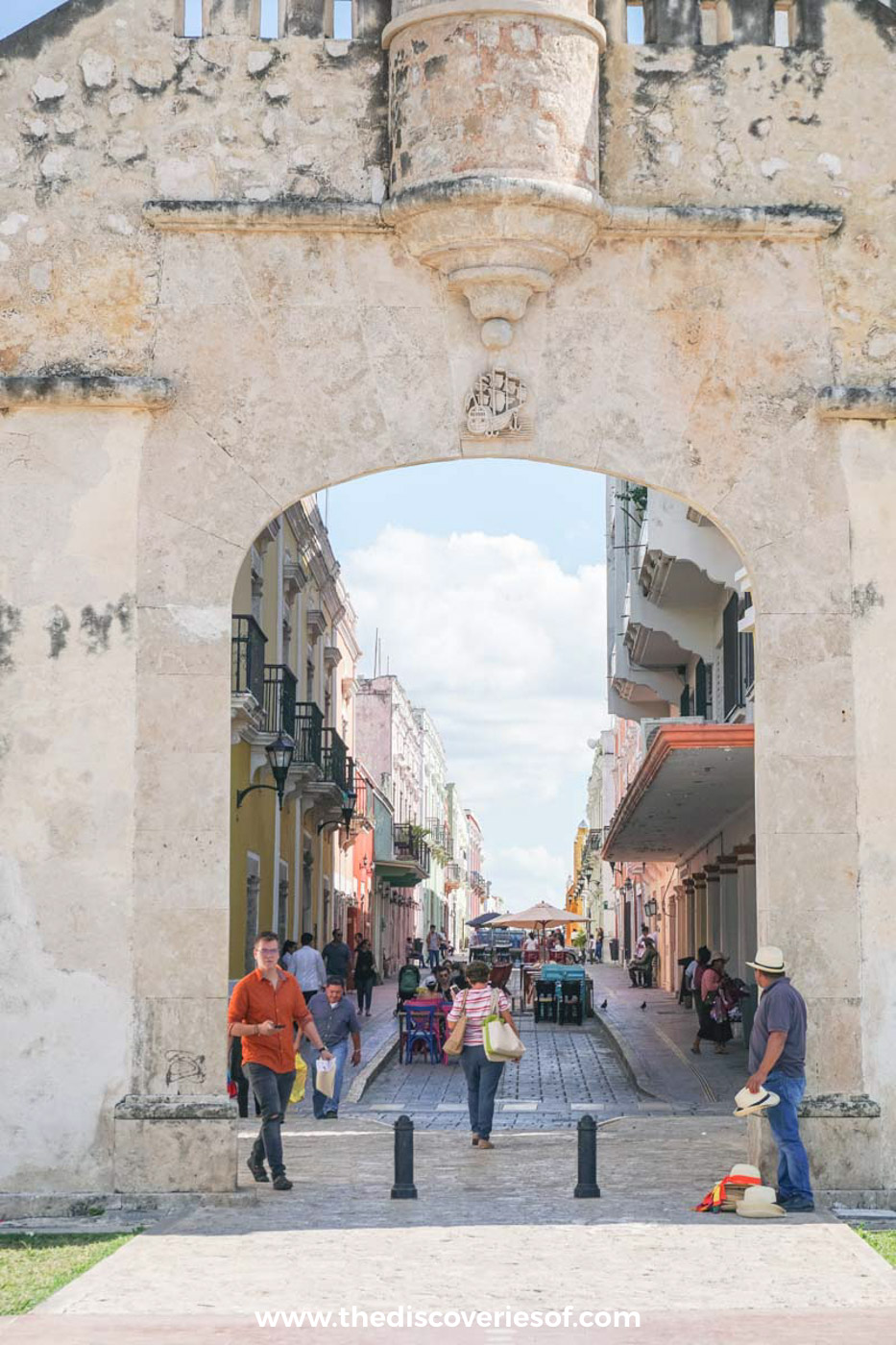
Campeche is one of the most vibrant cities in Mexico, and one of the places where this is particularly evident is Calle 59. Along this street are many historic houses and facades painted in a rainbow of colours, and because it is only accessible to pedestrians, you can walk around freely without worrying about traffic.
While walking down this colourful street, you will pass by some of the best restaurants and cafés in the city, many with great deals and happy hours throughout the day. What makes dining here truly special is the outdoor seating along the lively cobblestone street. For those wondering where to eat, Luz de Luna is worth visiting for its local flavours, and Chocol Ha café for its chocolate tamales, which are genuinely some of the more distinctive things you can eat in Campeche.
If you are visiting at night, stop by Rincón Colonial — a lively Cuban-style drinking establishment on Calle 59 that served as the location for the 2001 film Original Sin with Antonio Banderas and Angelina Jolie. Join in with some botanas (appetisers) and a local beer.
Walk Down the Malecón
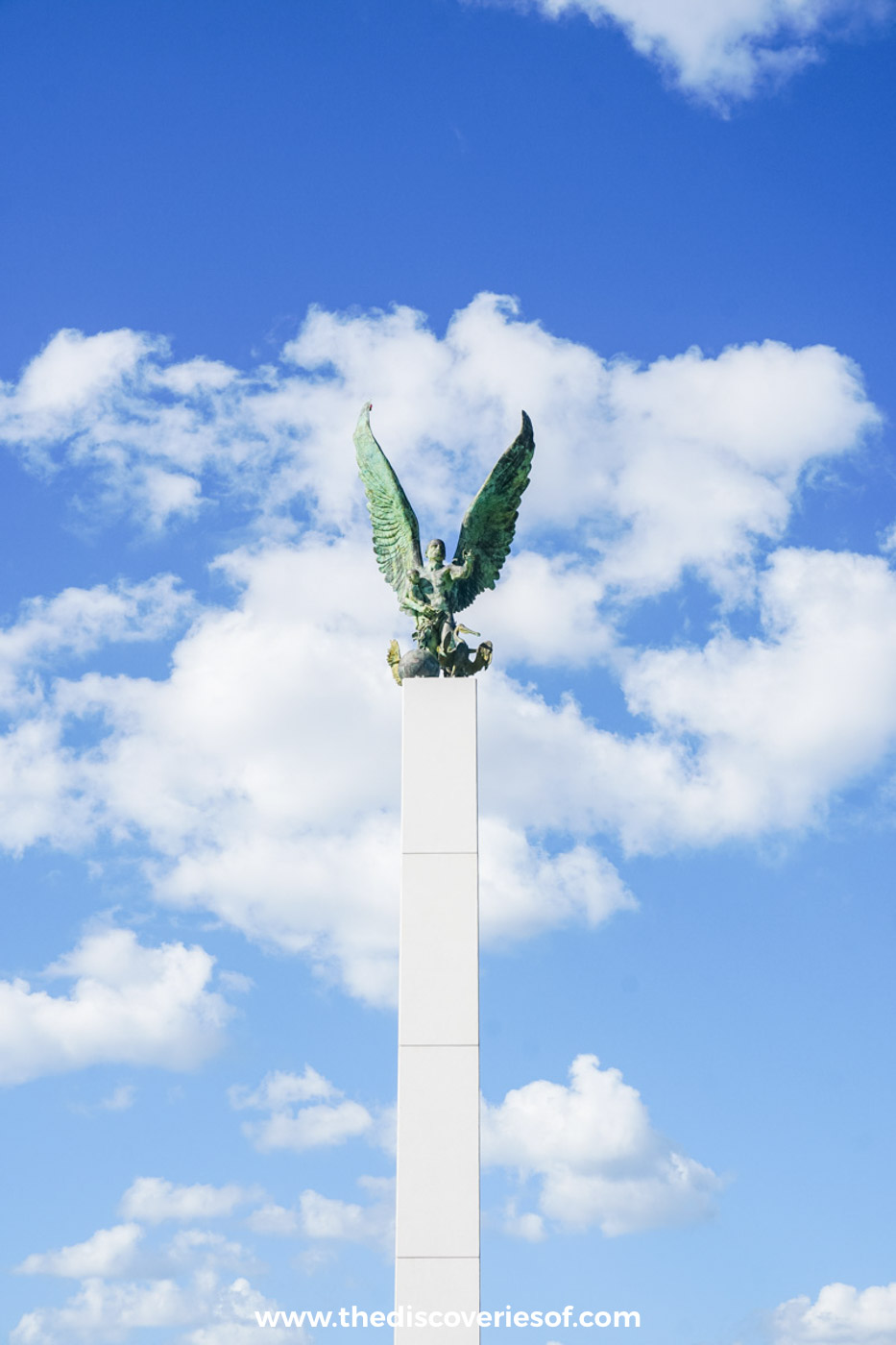
One of the most popular spots in Campeche to visit amongst locals and tourists alike is the Malécon. It is a picturesque promenade that runs for around 6.4 kilometres (4 miles) along the Gulf of Mexico.
This charming public space has plenty of walking paths passing by a series of monuments, including the statue of Bride of the Sea and the large, colourful Campeche sign. For those hoping to grab that perfect Campeche Instagram pic, this is the ideal spot.
Along the Malecon, you will also see many people walking, cycling, or having picnics. It is also one of the best places in the city to watch the sunset.
Top Tip
And across from the promenade on the opposite side are many lovely restaurants with oceanfront views. So after your leisurely walk along the Malecon, be sure to stop by for a delicious meal or beverage.
Explore the Edzna Ruins
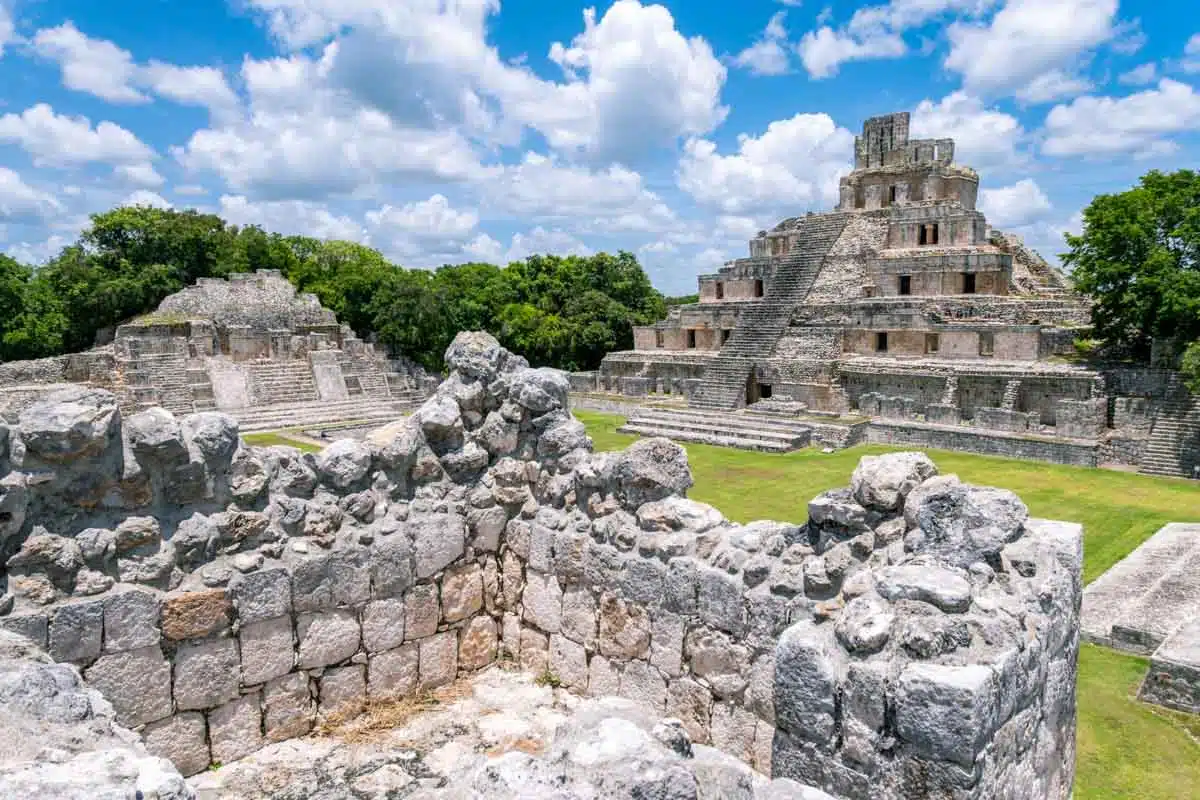
One of the most impressive examples of Maya architecture in the region, the Edzná ruins are located around 55 kilometres from Campeche city — roughly an hour’s drive — and make for an excellent day trip.
The site has a long history. It was first settled as early as 600 BCE, and had grown into a major city by 200 CE, with a population that at its peak reached around 25,000 people, making it larger than Chichén Itzá. Edzná was a regional capital with strong political and commercial ties to Calakmul and Piedras Negras, and its architecture reflects influences from multiple Maya traditions: Puuc, Petén and Chenes styles are all visible in the buildings, the result of its position at the crossroads of several powerful Maya polities.
The city also developed an extraordinary underground canal system to capture and retain rainwater, as the site lacked a natural water source. The canals were later used for trade and defence, which helps explain the city’s long period of growth and influence.
Its decline remains a mystery, and the city was eventually abandoned around 1450, long before the Spanish arrived, which means, unlike so many Maya sites, its story was not ended by the conquest. The name Edzná translates as House of the Itzas, and archaeologists believe the site was occupied and influenced by the Itza Maya long before they established their famous city at Chichén Itzá to the north.
The lesser-known status of Edzná means far fewer tourists, which adds to the magical atmosphere of the place. The standout structure is the Pyramid of the Five Floors, a temple-palace hybrid that is genuinely unlike anything else in Maya architecture, combining residential and ceremonial functions in a single towering structure.
Top Tip
To truly experience the site, visit the evening light show, which takes place year-round on Thursdays through Sundays. The show starts at 8pm in summer and 7pm in winter, and costs around 41 pesos in addition to the site entry fee of 100 pesos.
Wander the Old City Wall
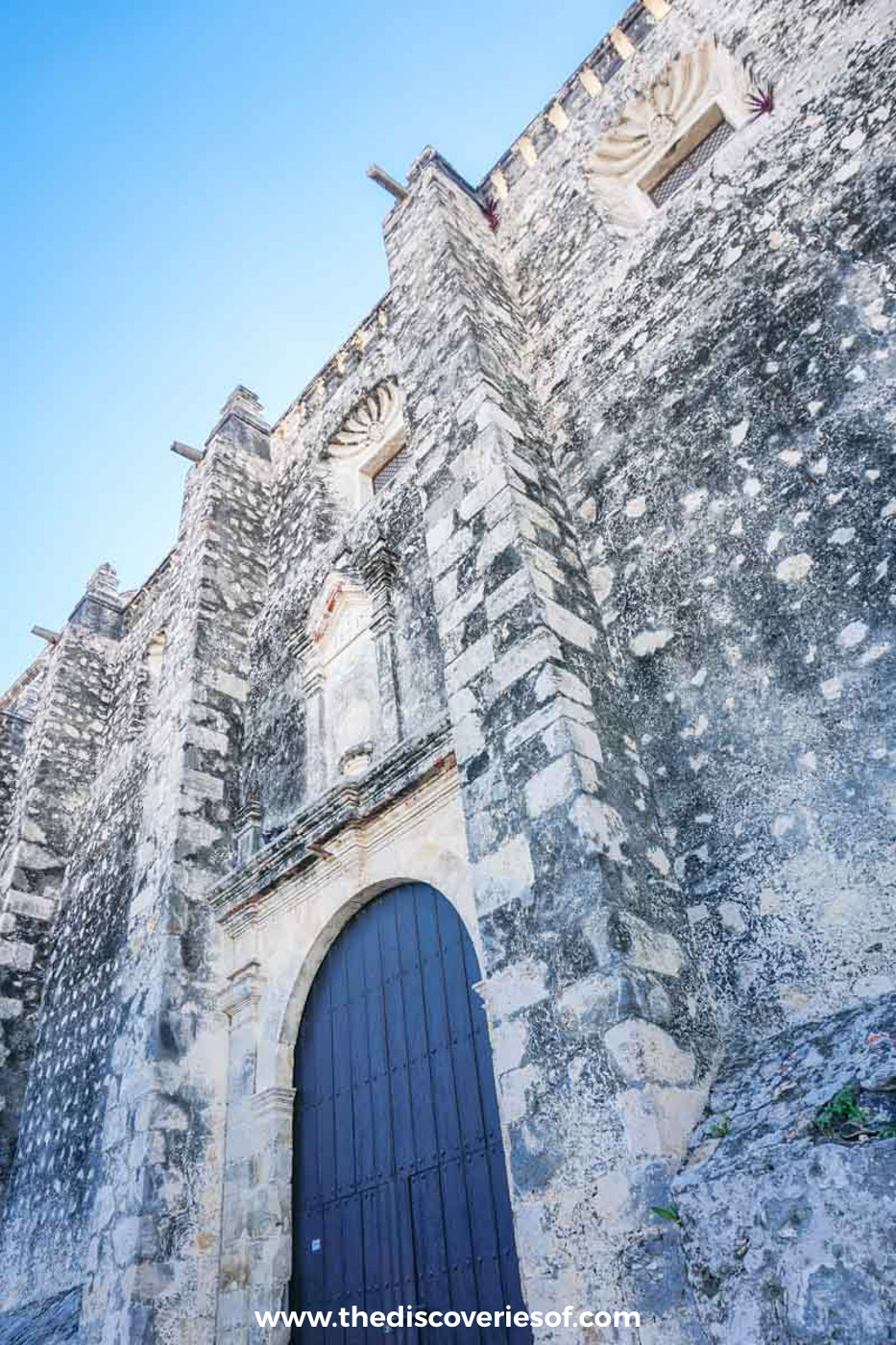
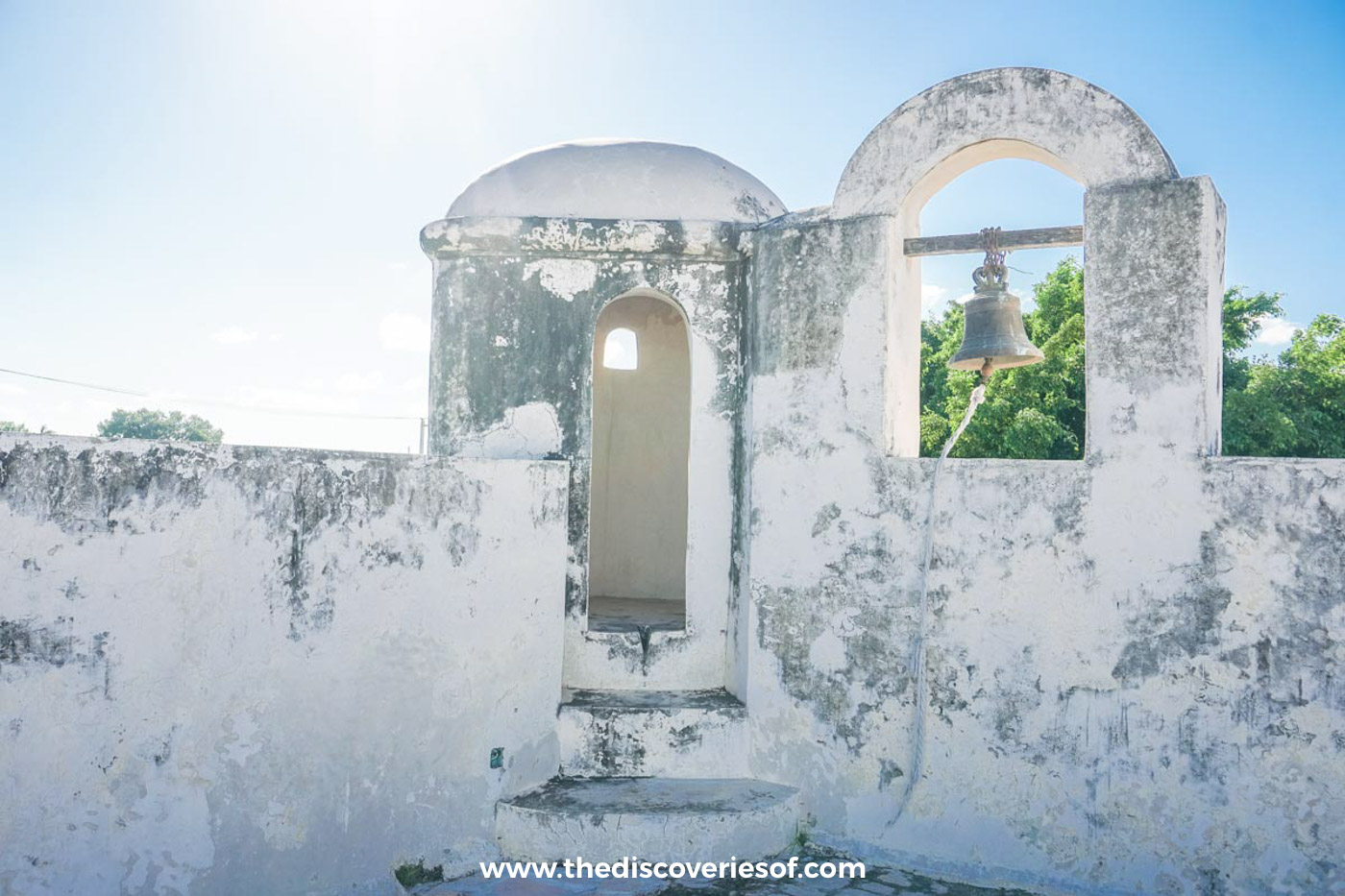
In its heyday, Campeche was constantly under pirate attack: a consequence of its position as the primary Spanish trading port on the Yucatán Peninsula, making it one of the wealthiest and most tempting targets in the Caribbean.
The most dramatic of these attacks was the Sack of Campeche in 1663, when the English buccaneer Christopher Myngs and his deputy Edward Mansvelt assembled the largest pirate fleet ever seen at the time: 14 English ships joined by French and Dutch privateers, totalling more than 20 vessels and over 1,400 men. The fleet, which included a young Henry Morgan, landed at night and attacked at dawn. After a two-hour battle, the Spanish garrison of 150 militia was overwhelmed, the city was occupied for two weeks, and the pirates left with 14 additional vessels from the harbour. It was a raid that became a model for buccaneer attacks across the Caribbean for decades afterwards.
The attack, combined with further raids in the 1680s, finally forced the King of Spain to act. Construction of the city walls began in 1686 and took more than 50 years to complete. The resulting fortification, which is over two kilometres long and up to eight metres high, made Campeche one of the most heavily defended cities in the Americas. Seven of the original eight bastions remain today, each housing a small museum. The Museum of Mayan Culture and the pirate museum are particularly worth visiting, and you could spend an entire day working through all of them.
Visit the Archaeological Museum at Fort San Miguel
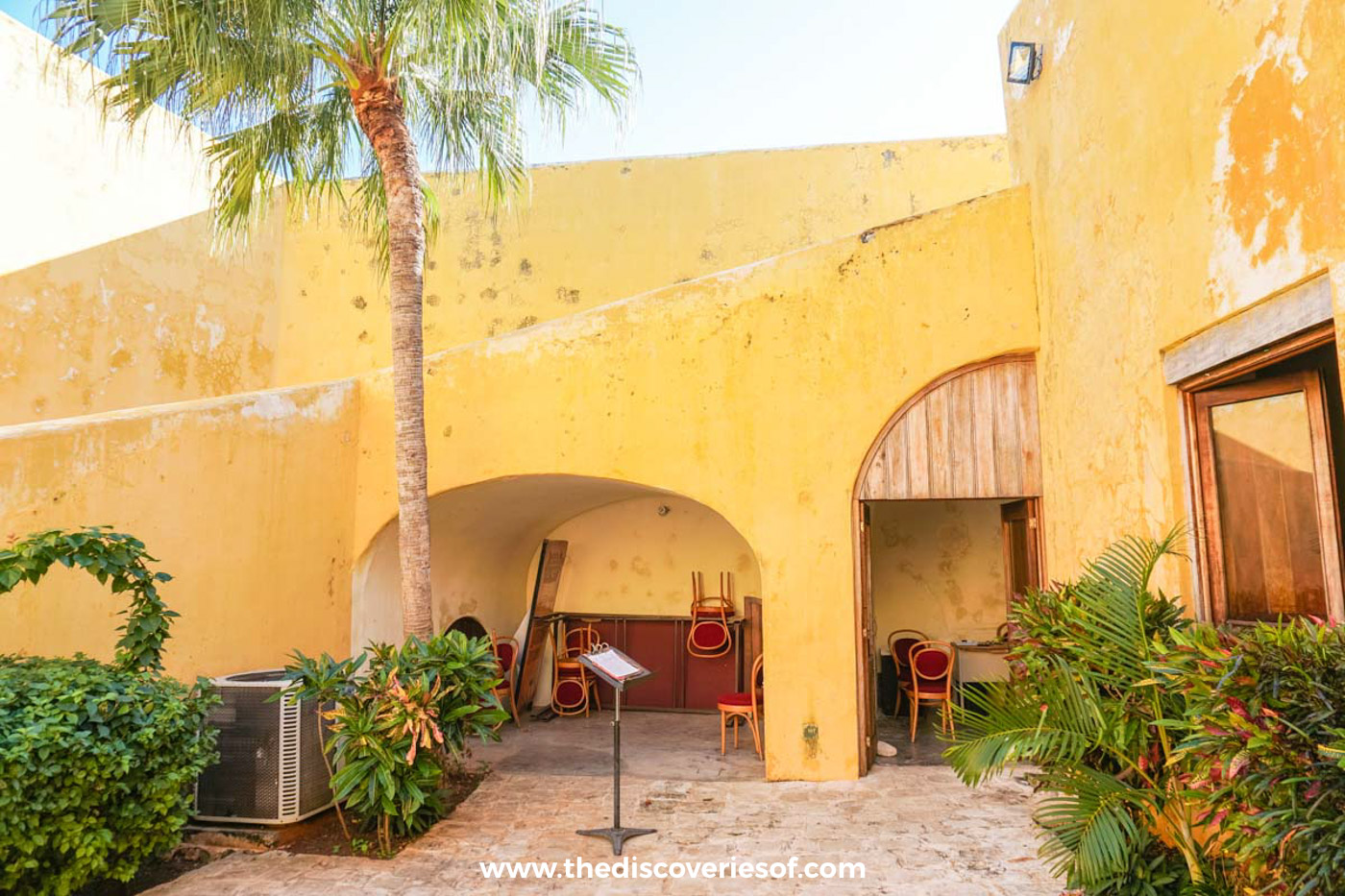
Guarding the city are two fortresses: Fuerte San Miguel and Fuerte San José el Alto, both built by the Spanish to protect against pirate invasion. Between them, Fuerte San Miguel offers the better experience: it includes an impressive drawbridge, moat and cannons, and dates back to the 18th century.
The Museo Arqueológico de Campeche within the fort houses many Mayan artefacts from Calakmul and Edzná, including burial art, jade masks and treasures recovered from the sea. The highlight is a stunning jade funerary mask from the kingdom of Calakmul: one of the finest pieces of Maya funerary art you will see anywhere in Mexico.
Soak Up the Sun on a Campeche Beach
If you’re visiting Campeche during the summer, you cannot skip out on a trip to one of the coastal city’s beautiful beaches.
One of the most notable beaches is Playa Bonita, and it is ideally located just 20 minutes from Downtown Campeche. It also ticks all the boxes for a thrilling day by the sea. This includes soft, white-sand shores, plenty of free cabañas, and calm waters perfect for swimming.
For more great beaches, head to the sleepy town of Sabancuy. Here you will find several beautiful, unspoilt beaches located on the coastline between Campeche and Ciudad del Carmen. These beaches pass by rainforests and limestone cliffs, providing some of the most breathtaking views.
Taste Some Delicious Food at the Mercado

If you are uncertain about what to eat in Campeche, take a trip to the Mercado, a large indoor market situated near the Baluarte de San Pedro. It is home to dozens of stalls serving a wide selection of food and drink, and some especially good regional pickups including tamales, tortillas and tranca, a baguette stuffed with roast pork. To wash it all down, try agua de lima, a refreshing sweet lemon drink. The Mercado is also a good place to shop for fruit, vegetables and flowers, and is open every day from 7am to 5pm.
Visit Centro Cultural Casa No 6
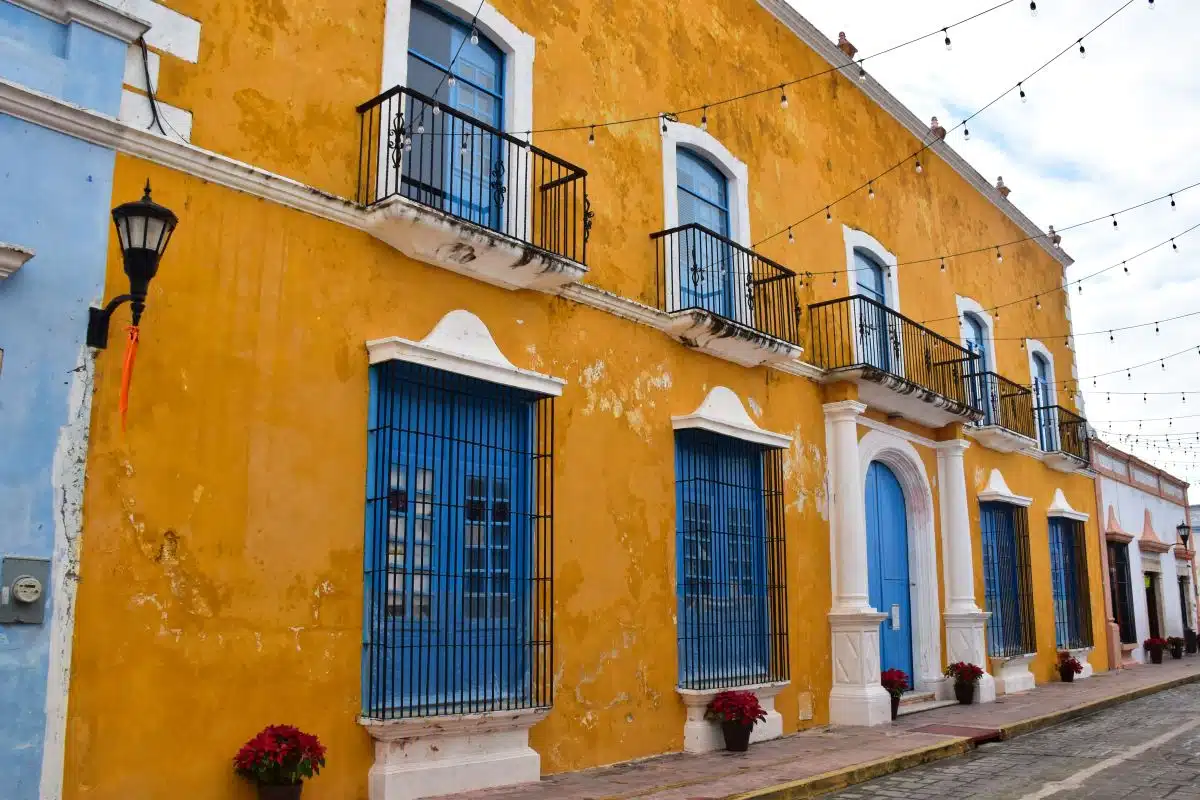
To catch a glimpse into how Campeche’s upper-class once lived, be sure to pay a visit to Centro Cultural Casa No 6. The building now serves as a museum that aims to teach visitors more about the city’s changing fortunes and global trade relations through the furniture on display.
A visit to this 19th-century mansion is like taking a step back in time. And at a small fee, it is well worth it. Here you will find a peaceful courtyard along with a bedroom, living room, and kitchen. Each of these rooms boasts old Cuban-style furniture. In addition to the rooms, there is also a small boutique bookshop on-site.
While the Centro Cultural Casa No 6 is beautiful, one could get a feel of Campeche’s pre-revolutionary era by walking into any of the local houses in the area. This speaks to how well the town has preserved its heritage.
Marvel at the Museo de la Arquitectura Maya Baluarte
Located right inside the city wall near Independence Plaza, the Museo de Arquitectura Maya Baluarte houses an impressive collection of Maya artefacts from various sites including Edzná, Becán and Santa Rosa Xtampak.
The highlight is a stunning jade funerary mask from the kingdom of Calakmul. The museum also has rooms full of stelae, and every artefact includes English explanations, making it one of the more accessible places in the region to learn about Maya culture. After viewing the exhibits, head up to the top of the old city wall that houses the museum for sweeping views over Campeche’s historic centre.
Relax at the Xmuch’haltun Botanical Garden
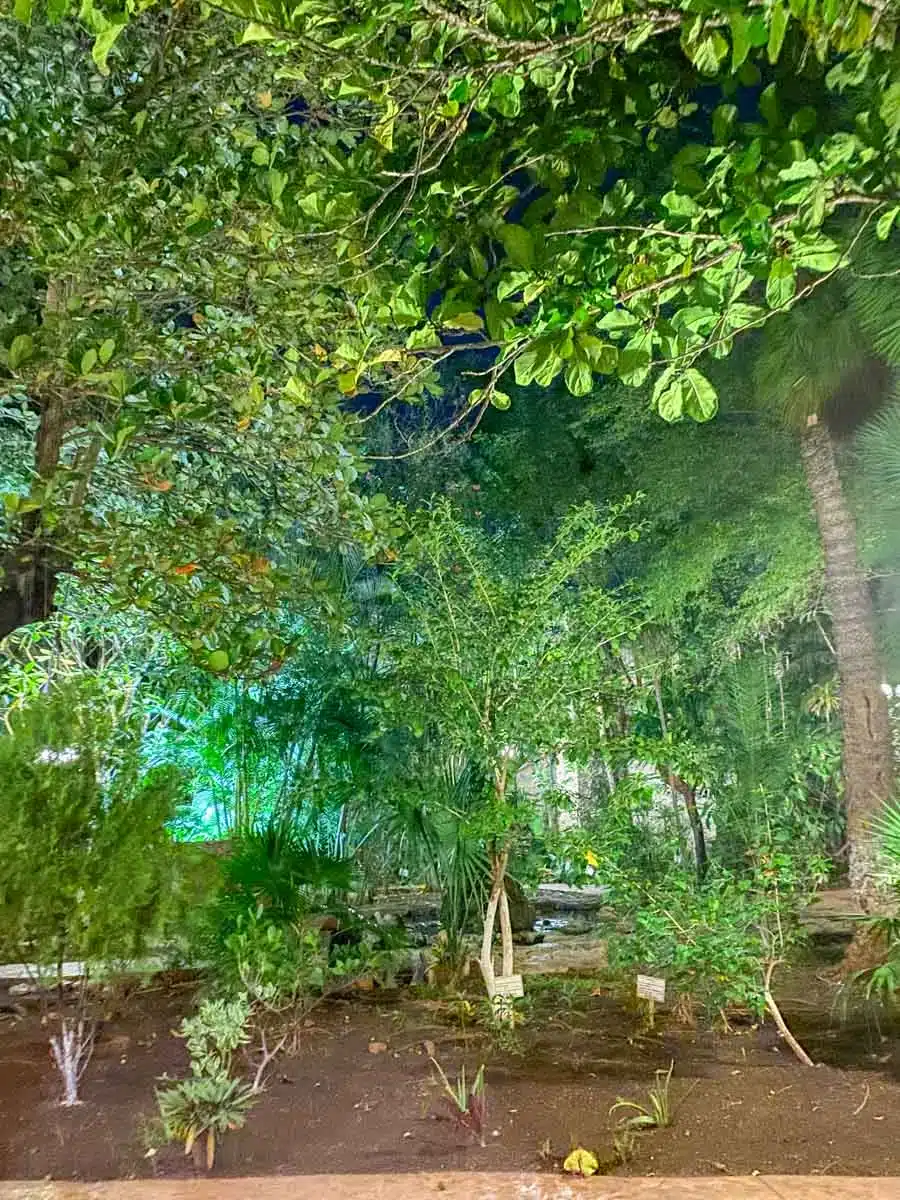
Situated inside the Santiago Bastion and surrounded by the old city walls, the Xmuch’haltun Botanical Garden takes its name from the Mayan phrase meaning “water that springs from the earth” — a fitting name for a garden that hosts a lush variety of tropical plants, many of them used in Mayan medicines or for dyeing fabrics and thatching homes.
At the heart of the garden is a beautiful fountain that feeds into canals irrigating the plants throughout. It is a tranquil contrast to the colonial fortifications surrounding it.
Do
It is open daily from 8 am to 8 pm. Admission is around 25 pesos ($0.50 USD) per person.
See the Night Illumination Show at Puerta de la Tierra
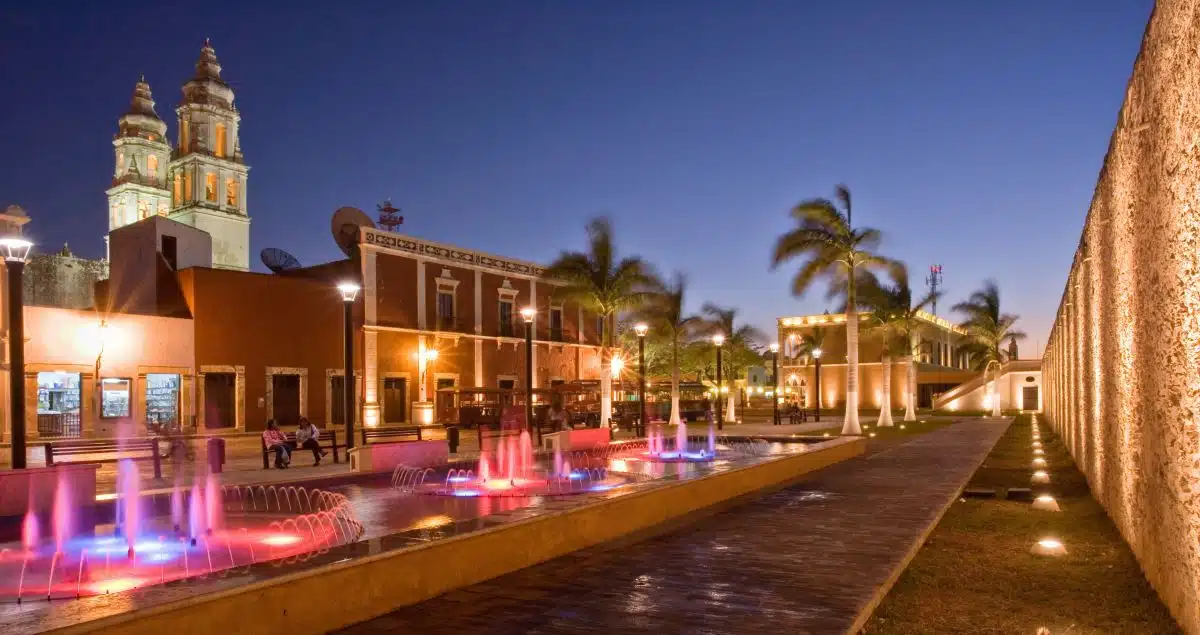
Campeche is more laidback when compared to some of Mexico’s other cities. However, there is still plenty of fun to be had once the sun goes down.
From 1732, Puerta de Tierra served as the main entrance to Campeche. Today, it is no longer the main gate to the city. However, it remains a must-see landmark for those visiting.
You can explore Puerta de Tierra with a tour from the ocean aboard a real pirate ship. To get the most out of your trip, it is recommended that you visit the landmark at night. Every Thursday, Friday, and Saturday from 8 pm, there is an incredible nighttime light show.
In addition to the light show, visitors can enjoy fireworks, a pirate show, a Spanish history lesson, and a night walk along the city walls. For those seeking a fun night out in Campeche’s old town, a trip to Puerta de Tierra will not disappoint.
Drink at the Best Bars in Campeche
It would be rude to visit Campeche without checking out its laidback nighttime scene. While plenty of the best bars are on Calle 59, there are good spots throughout the city. Native is an idyllic rooftop spot ideal for a margarita or two as the sun sets, while Homero Taberna and Barko 59 are cosy boltholes for a craft beer alongside hearty Mexican food.
Practical Tips for Your Trip to Campeche
To ensure you get the most out of your visit to Campeche, here are some important things to know before you go.
Stay
With fewer accommodation options, the best places to stay in Campeche can often get booked up, especially during the warmer months. As such, it is best to book well in advance.
Map
Looking for More Mexico Travel Guides and Tips?
Love This? Save and Share on Pinterest

Discover the top things to do, insider tips and hidden gems in our Mexico Travel Guide.
Read the guides →