Most visitors come to Jeonju for one thing: its famous hanok village. Stay a little longer and the city opens up, with a Confucian school shaded by a 400-year-old ginkgo, craftsmen still making paper by hand, a library that sits on a lotus pond and some of the best food in the country.
This was one of the last stops on my fortnight in South Korea in October, and it ended up being one of the places I enjoyed most. Every city I visited had me excited about the food, but this is the town where bibimbap was born, and it lived up to that. What I hadn’t expected was how much there is to do here between meals.
The city is one of the oldest in the country. Its roots go back to the Baekje kingdom, and it was the ancestral home of the Jeonju Yi clan, the family that went on to found the Joseon dynasty and rule Korea for more than 500 years. That royal connection explains a lot of what you’ll see here, from the shrine built for the first Joseon king’s portrait to the Confucian school where local boys were prepared for state exams. The city has been a UNESCO City of Gastronomy since 2012, and it has kept its crafts alive too, from paper to pottery.
Plenty of travellers see the hanok village on a day trip from Seoul and leave it at that. Don’t make the same mistake. This guide covers the best things to do in Jeonju beyond the village lanes, plus what to eat, where to stay, when to go and how to get there.
Jeonju at a glance
- Where: the southwest of South Korea, in Jeonbuk State (called Jeollabuk-do until 2024), about 200 km south of Seoul.
- Best for: Joseon history, traditional crafts, autumn colour and food, especially bibimbap.
- Getting there: the KTX from Yongsan Station in Seoul takes about an hour and 40 minutes.
- Getting around: the old town is walkable; take a taxi or a city bus to Deokjin Park and the arboretum.
- Time needed: two days lets you see the village and the city beyond it without rushing.
- Watch out for: Mondays, when Jeonju Hyanggyo, the hanji centre, the arboretum and Yeonhwajeong library are all closed.
The best things to do in Jeonju
Step into a Joseon classroom at Jeonju Hyanggyo

Just south of the hanok village, and a world away from its crowds, Jeonju Hyanggyo is a Confucian school that has stood on this spot since 1603. Hyanggyo were the state-run schools of the Joseon dynasty, where the sons of local families studied the Confucian classics in the hope of passing the civil service exams. This one first stood near the site of Gyeonggijeon Shrine before it moved here, and it’s one of the best-preserved examples in the country.
Two halves make up the site. At the front is Daeseongjeon, the shrine hall, where memorial tablets honour Confucius and the Chinese and Korean scholars who followed him. Behind it is Myeongnyundang, the lecture hall where students were taught, now used for traditional weddings and cultural events. Between them, the courtyards are shaded by ginkgo trees, the oldest of which is thought to be more than 400 years old and was probably planted when the school moved here.

Jeonju Hyanggyo was one of my must-sees in the city, and it earns that place. When I visited in late October, the ginkgo leaves were just beginning to turn gold against the dark tiled roofs. It’s quiet, it’s beautiful and it gives you a real sense of the Confucian learning that shaped Joseon Korea.
Tickets
Entry is free. The school is open daily except Mondays, from 9am to 6pm in summer and to 5pm in winter. It’s at 139 Hyanggyo-gil, a ten-minute walk from Gyeonggijeon.
Watch hanji being made by hand
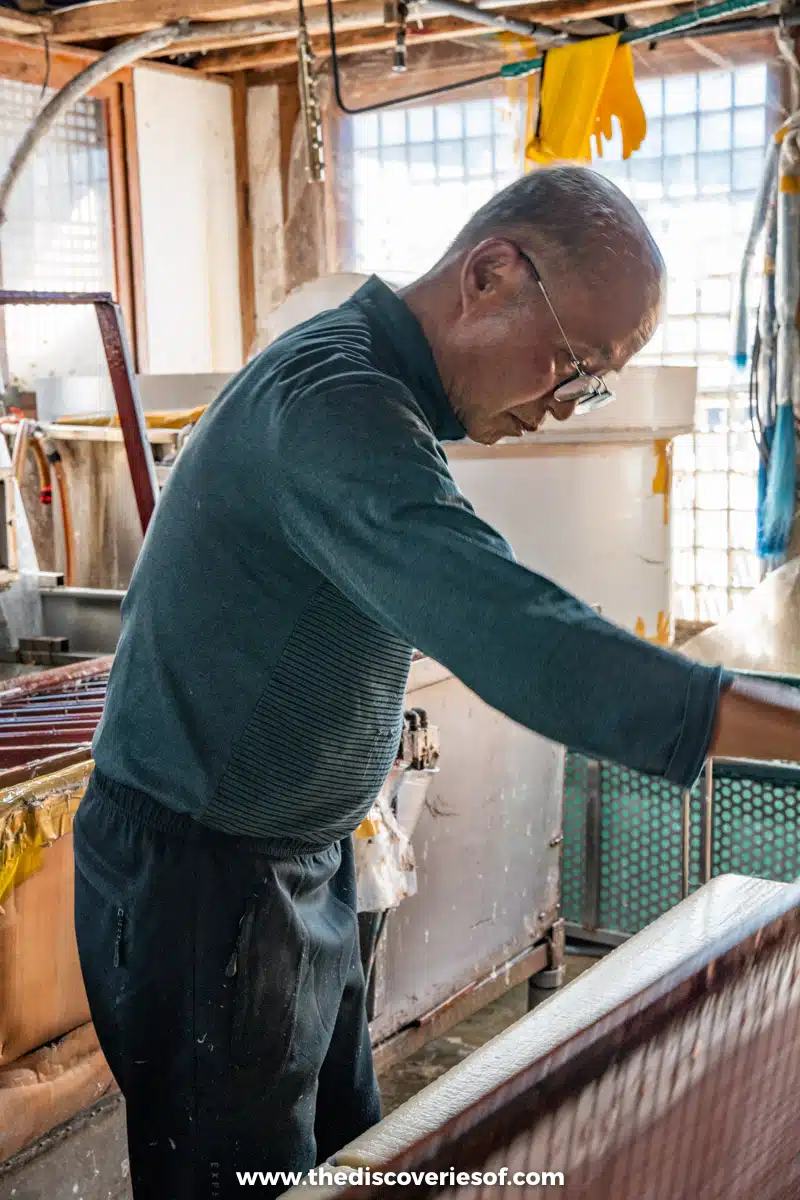
The city has been famous for its paper for more than a thousand years. Hanji, traditional Korean paper, is made from the inner bark of the paper mulberry tree, and the paper from this region was prized enough to be sent to the royal court. It’s strong, soft and remarkably long-lasting, which is why it was used for everything from books and letters to windows and doors.
Seeing it made is fascinating. I watched a papermaker working the way it has been done for centuries: the bark is boiled, beaten into pulp and stirred into a vat of water thickened with a natural plant glue, then he dipped a fine screen into the vat and rocked it back and forth to spread an even layer of fibres. Sheet after sheet is stacked, pressed and dried. The finished paper can then be dyed, printed or patterned, like the blue floral sheets I saw drying at the workshop.
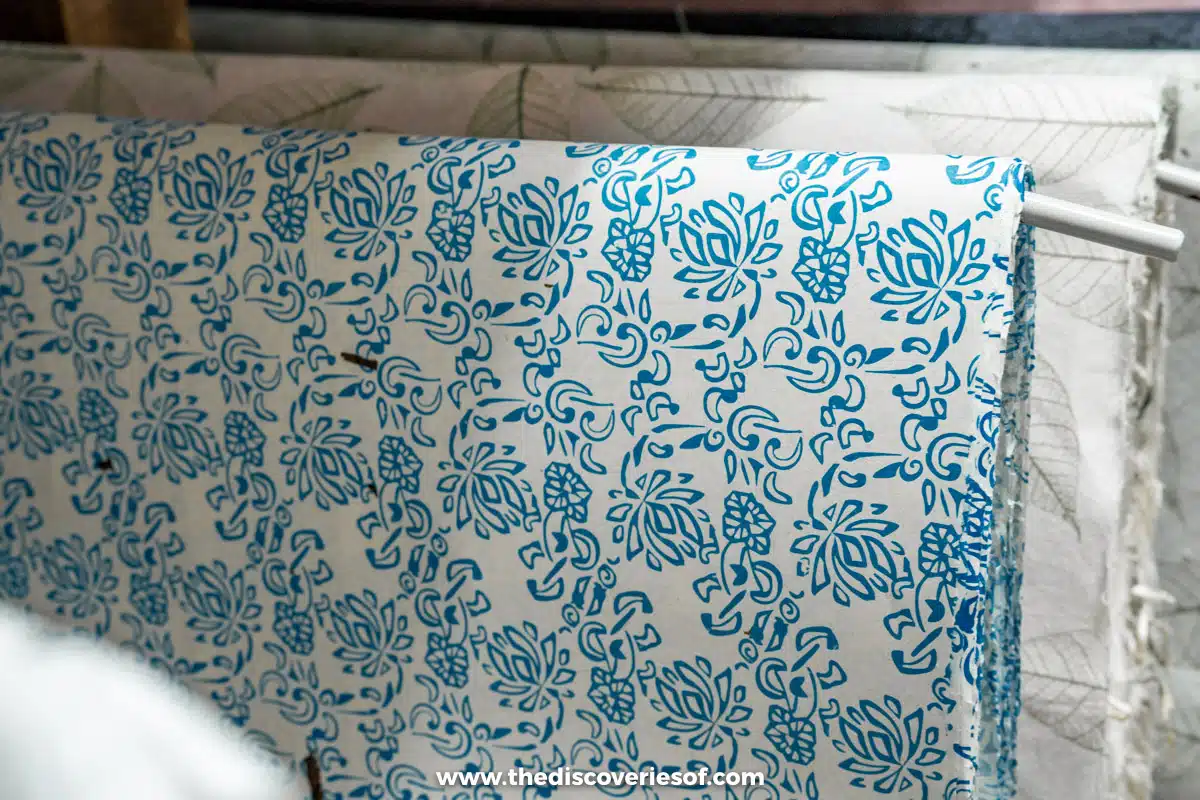
The easiest place to see hanji being made is the Jeonju Traditional Hanji Center, which still produces paper for calligraphy, painting and crafts, and exports most of it to Japan. It has an exhibition hall and a shop, and you can try making a sheet yourself, though programmes are for groups of ten or more, so call ahead.
Do
The Jeonju Traditional Hanji Center is at 100-10 Hanji-gil. Entry is free; it’s closed on Mondays and there’s no parking. Experience programmes carry a separate fee.
Make your own pottery at Object U
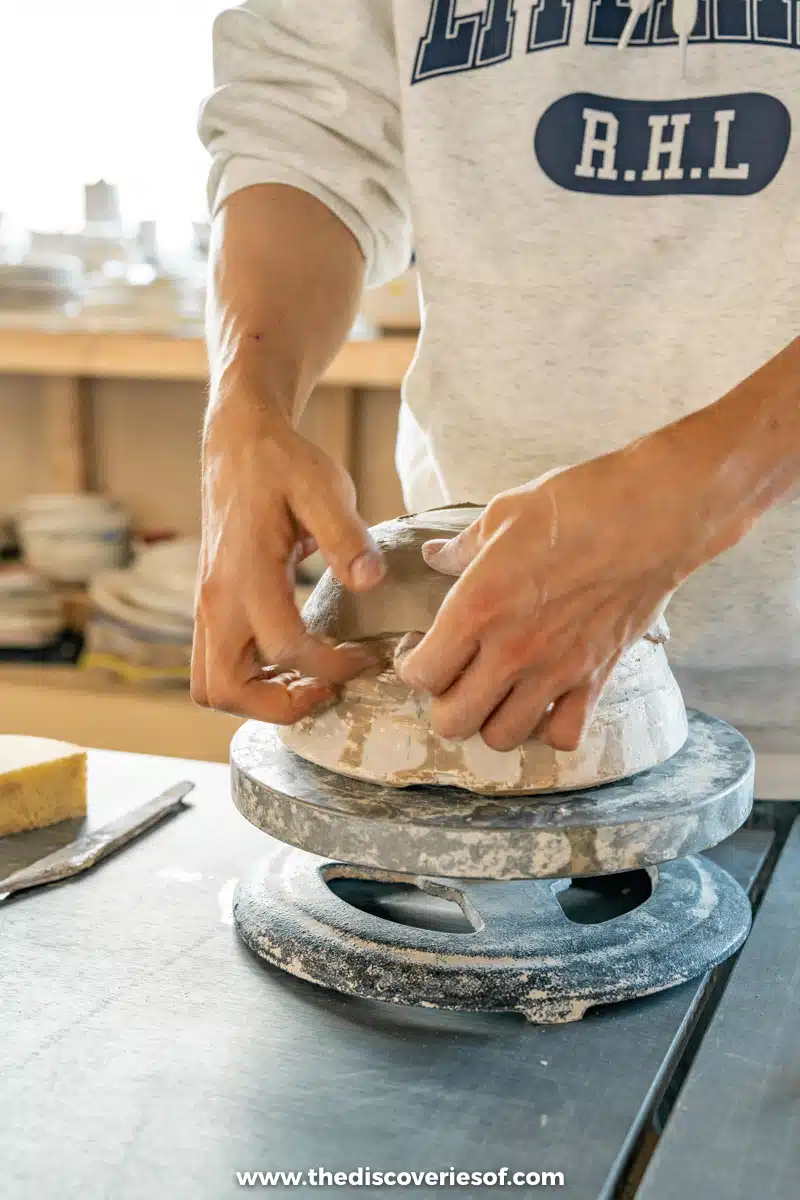
Paper isn’t the only craft that’s thriving here. Object U (오브젝트유) is a small pottery studio in the old town that runs one-day classes, so you don’t need any experience to sit down at the wheel. My pottery stop was here, and it’s a lovely, low-key way to spend a couple of hours in a city that takes its craftsmanship seriously.
You can make everyday pieces such as bowls, cups and plates. Your work is then glazed and fired, which takes about two months, so ask about getting it posted home before you book.
Do
Object U is at 46-1 Jeollagamyeong 2-gil and opens daily from 1pm to 8pm. Message the studio on Instagram (@objectyoo_jeonju) to book a class.
Make (and drink) your own moju

Moju is the city’s own drink. It starts life as makgeolli, the milky Korean rice wine, which is simmered with ginger, cinnamon, jujubes and other spices and fruit until it becomes a sweet, warming tonic with very little alcohol left in it. Locals used to drink it as a hangover cure, and you’ll find it in shops and restaurants all over town.
I’d never tried it before my class, and making it is half the fun. You pick from three different recipes, tweak it to your taste and learn how a handful of base ingredients becomes the finished drink. Mine was actually pretty tasty, and you get to drink what you’ve made, as well as take a bottle home.

Do
Moju Experience Yeo runs classes every day from lunchtime for 28,000 won (about £16) a head, in a studio on Eunhaeng-ro close to the village. Book through its Instagram account, @moju_yeo.
Wander the hanok village, then climb Omokdae

You can’t come here and skip the hanok village. More than 700 traditional houses, with curved tiled roofs and wooden frames, fill the lanes at the heart of the old town, many of them now cafés, guesthouses and craft shops. It’s the most visited sight in the city, so it’s best early in the morning or after the day trippers have gone. I rented a hanbok to walk around it and, to be honest, found the whole thing awkward; my guide to Jeonju Hanok Village has my honest take on it, along with what to see.
The two big sights on its edge are worth seeking out. Gyeonggijeon Shrine dates from 1410, when it went up to hold a portrait of King Taejo, who founded the Joseon dynasty and whose family came from Jeonju. Across the road, Jeondong Catholic Cathedral is a red-brick Romanesque church finished in 1914. One of the most sobering things I learned on my trip is that it stands on the spot where Korea’s first Catholic martyrs, Paul Yun Ji-chung and James Kwon Sang-yeon, were executed in 1791.

To see the village from above, walk up to Omokdae on the hill at its eastern edge. Of the viewpoints over the rooftops, it’s my favourite, because there’s more to it than the view. Taejo, then a general, is said to have stopped here to celebrate after defeating Japanese pirates in 1380, and a footbridge leads across to Imokdae, which marks the home of his ancestors, with a memorial stone carved with the calligraphy of Emperor Gojong.
See the autumn grasses at Jeonju Arboretum
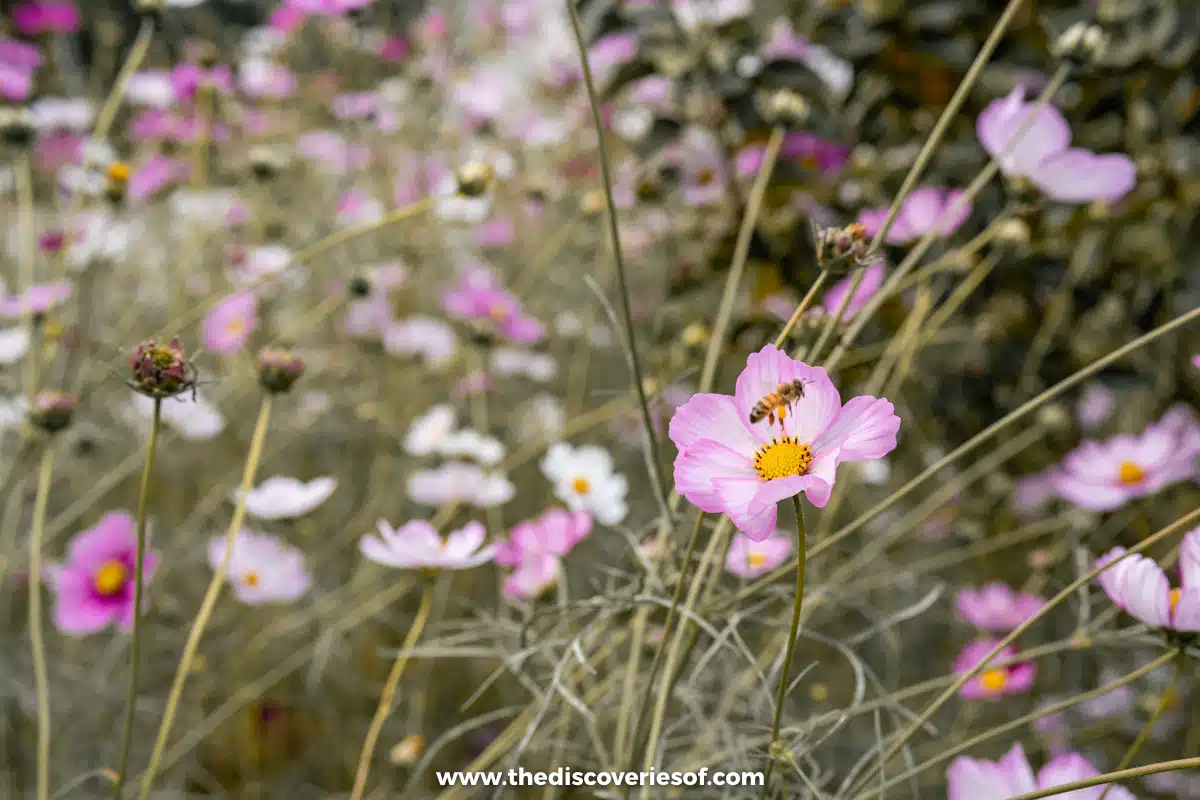
For a break from the old town, head to Jeonju Arboretum on the northern edge of the city. Run by the Korea Expressway Corporation, it was planted on land left scarred by the building of the nearby expressway, and it has since grown into one of the loveliest green spaces in the region, with ponds, pavilions and themed gardens of plants from all over the country.
It’s at its best in autumn. The arboretum is known for its pink muhly grass, which turns the borders into clouds of rose-coloured plumes from late September into October. When I visited in October, the beds were full of feathery grasses, asters and cosmos, and the trees around the pond were just starting to colour.
Tickets
Entry and parking are free. The arboretum is open from 9am to 6pm, with last entry at 5pm, and it’s closed on Mondays and over Seollal and Chuseok. It’s at 462-45 Beonyeong-ro, a short taxi ride from the centre.
Read by the lotus pond at Yeonhwajeong library

Deokjin Park is where locals come to slow down. About two-thirds of the park is taken up by a huge pond, which is famous for its lotus flowers from June to August, and a long walkway and bridges run across the water.
Its newest landmark is Yeonhwajeong library, a hanok built out over the pond on piles sunk into the water. Inside, the shelves hold books on Korean nature and on the city itself, and there’s a raised wooden floor where you can sit with a book and look out over the water. It’s free to go in, and it’s a gorgeous spot even if you don’t stop to read. Much of the pleasure of the park, though, is simply walking around the water and taking in the view, which is what I did.
Top Tip
Come back after dark, when the library and the walkways are lit up and their reflections stretch across the pond. The library is open from 10am to 7pm and closed on Mondays.
What to eat and drink in Jeonju
Food was one of the highlights of my whole trip, and Jeonju might have topped the lot. The city’s restaurants serve some of the most generous spreads of banchan (side dishes) you’ll find anywhere, and the traditional market, the makgeolli houses and the bakeries are just as much a part of the experience.
Eat bibimbap where it was born
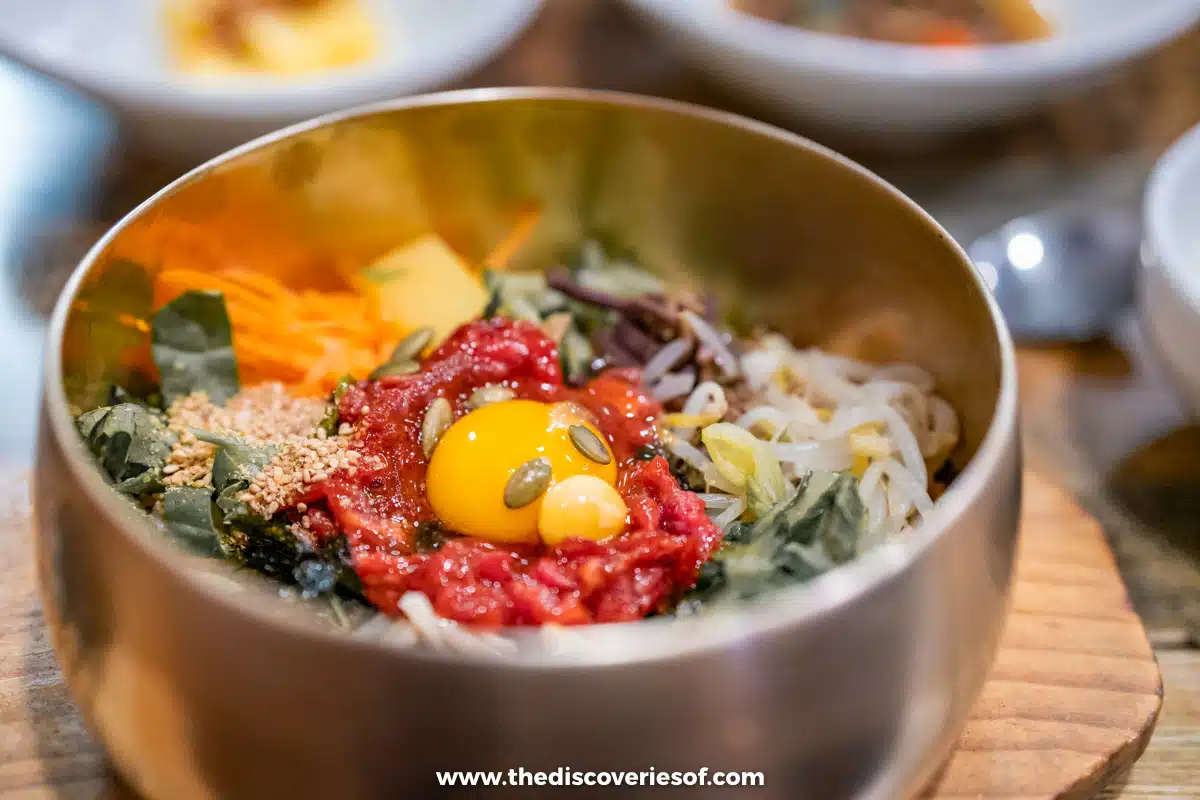
Bibimbap is eaten all over Korea, but Jeonju’s version is the one that made it famous. The rice is cooked in beef broth, then topped with around 30 ingredients, including bean sprouts, seasoned vegetables, cubes of hwangpomuk (mung bean jelly coloured yellow with gardenia), raw beef and a raw egg yolk, and it’s served in a polished brass bowl with gochujang to mix through. My own bowl came exactly like that, with the beef and the yolk sitting on top, ready to be stirred in.
Hankook Jib, near Gyeonggijeon, is one of the oldest bibimbap restaurants in the city. It has been serving it since 1952, now in its third generation, from a renovated hanok with a courtyard. It’s open from 9.30am to 9pm, with a break from 4pm to 5pm.
Have pork grilled at your table

If you’ve had your fill of Korean barbecue elsewhere, make room for one more. At 경성금돼지, which translates as Pork Grill Restaurant, thick, unctuous cuts of pork sizzle on a grill set into your table until they’re cooked just right, then get snipped into pieces and eaten with kimchi, pickles and greens. It’s a lively, sociable place, so come hungry.
Save an evening for a drink in the old town
Jeonju’s food scene isn’t all about tradition. One of my evenings here ended at a gourmet bar, a reminder that the city does modern food as well as it does tradition. For bars and restaurants, head to Gaekridan-gil, the grid of streets around Jeonju Gaeksa, the old guesthouse for visiting officials, a short walk north-west of the hanok village. Its name is a play on Seoul’s trendy Gyeongnidan-gil, and its lanes are full of small cafés, wine bars and restaurants.
If you have a sweet tooth, the city is also known for its choco pies: PNB Pungnyeon Jebbang, the city’s best-known bakery, sells them in flavours from chocolate to strawberry, individually wrapped and easy to take home as gifts.
Where to stay in Jeonju

The best base is in or around the hanok village, so you can walk to the sights and the restaurants in the evening. Pungnam-dong and Gyo-dong, the neighbourhoods that make up the village, are full of hanok guesthouses, while the bigger hotels sit on the main roads at its edge.
- Lahan Hotel Jeonju: my base in Jeonju was the Lahan, a modern hotel on the edge of the village with views over the hanok rooftops and the city, and an easy walk from everything in the old town. See prices and dates at the Lahan Hotel Jeonju.
- Happiness Full Hanok Guesthouse: if you’d like to sleep in a traditional house, this guesthouse in the village has hanok rooms with private bathrooms. See prices and dates at Happiness Full Hanok Guesthouse.
Check all accommodation in Jeonju
When to visit Jeonju

Spring and autumn are the best times to visit. In spring the cherry trees blossom along the streams and around the shrine, and the Jeonju International Film Festival takes over the city for ten days each spring (the 2026 edition began on 29 April). Summer brings heat, humidity and the late June to July monsoon, but it’s also when the lotus flowers bloom at Deokjin Park.
Autumn is my pick. I was here in October, when the weather was warm and dry enough to be out all day, the ginkgo trees at Jeonju Hyanggyo and Gyeonggijeon were starting to turn and the arboretum’s grasses were at their best. Winter is cold and quiet, which has its own appeal if you’d like the village to yourself.
Getting to Jeonju and around
The fastest way from Seoul is the KTX high-speed train from Yongsan Station, a journey of about an hour and 40 minutes, with standard fares of around 31,600 won (about £18). I rode it back to Seoul and found it a really comfortable journey, with lovely views from the window. Express buses from Seoul are cheaper and take around three hours, depending on traffic. From Busan, the express bus from Seobu Bus Terminal takes about three and a quarter hours, which is easier than the train.
Jeonju Station is a short taxi ride from the hanok village. Once you’re in the old town, almost everything is within walking distance, including Jeonju Hyanggyo, Object U, the hanji centre and Gaekridan-gil. Deokjin Park and the arboretum are further out, so take a taxi or a city bus.
A few tips before you go

- Avoid Mondays if you can. Jeonju Hyanggyo, the hanji centre, the arboretum and Yeonhwajeong library all close on Mondays.
- Give it two days. A day trip covers the hanok village, but two lets you add Jeonju Hyanggyo, a craft class, Deokjin Park and the arboretum at an easy pace.
- Download a Korean map app. Naver Map or KakaoMap will get you around far better than Google Maps, which still can’t give full directions on foot or by car here. My South Korea travel tips have more on getting around.
- Book classes ahead. Moju, pottery and hanji sessions are small and fill up at weekends, so message or call a day or two before.
Map
Read next
- A complete guide to visiting Jeonju’s hanok village
- How to spend 10 days in South Korea, from Seoul’s palaces to live octopus in Busan
- 22 things to do in South Korea, from a peek into North Korea to a vigorous spa scrub
- How to spend 3 days in Seoul, from royal palaces to a loo with a view
- 30 South Korea travel tips to know before you go, from cash to hidden cameras
Love this? Save and share on Pinterest

Discover the top things to do, insider tips and hidden gems in our South Korea Travel Guide.
Read the guides →