
A 14th-century church built by the porters who carried its stones, a museum of Banksy and Basquiat in a medieval palace, a pottery studio down an alley and the wine bar that became my local: the best things to do in El Born.
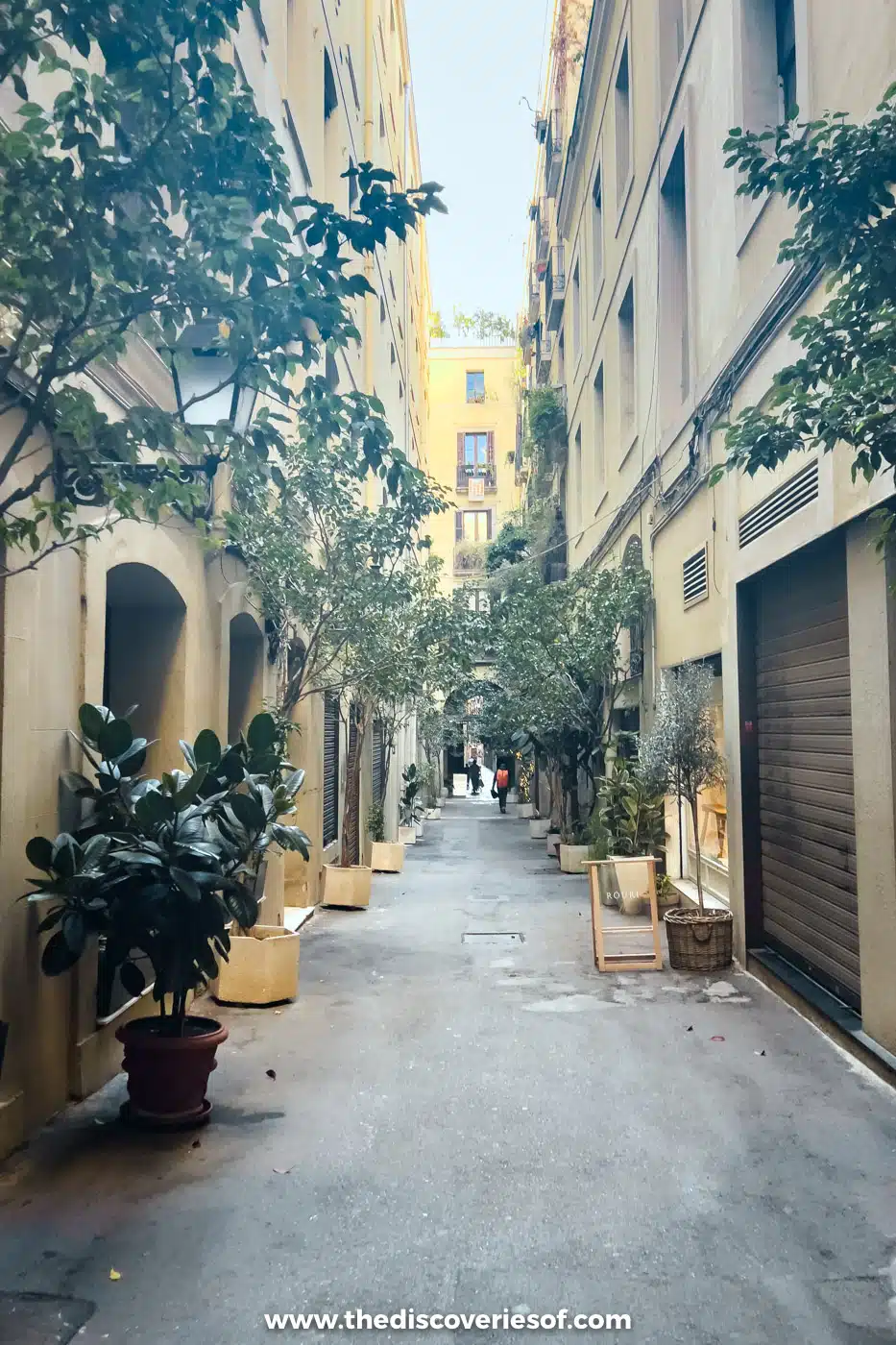
I lived in Barcelona for three months, and El Born was one of my homes there. I stayed here and LOVED it. It’s just as central as the Gothic Quarter, a few minutes’ walk across Via Laietana, but it has a different feel: a little calmer by day, with medieval lanes full of independent boutiques, artisan workshops and tiny squares, and a lot more fun by night, when those same lanes fill up with people heading for wine, vermouth and tapas.
It’s also home to some of my favourite places in the city, from the wine bar that became my local to a museum I’d pick over its more famous neighbour, the Picasso Museum. This is my guide to the best things to do in El Born, from the churches and museums to where to eat, drink and spend a slow morning.
Why visit El Born?
El Born (the area is officially called La Ribera, “the shore”) grew up along the medieval waterfront, when merchants and seafarers made Barcelona one of the richest ports in the Mediterranean. Their wealth paid for the grand palaces of Carrer de Montcada and for Santa Maria del Mar, the neighbourhood’s soaring Gothic church. Then, in 1714, after the city fell to Philip V’s troops at the end of the War of the Spanish Succession, part of the district was demolished to make way for a fortress, and its streets lay buried under what became the Born market.
Today those buried streets are on show again, the palaces hold some of the city’s best museums, and the old market streets are lined with some of Barcelona’s best places to eat and drink. Add the Parc de la Ciutadella on one side and the sea a short walk away, and it’s hard to think of a better neighbourhood to explore, or to stay in.
The best things to do in El Born
Get lost in the lanes
The best thing to do in El Born is to put the map away and wander. Its narrow streets were laid out in the Middle Ages, and many of them are still named after the trades that once filled them: Carrer dels Sombrerers for the hatmakers, Carrer de l’Argenteria for the silversmiths and Carrer de la Vidrieria for the glassmakers. Today they’re lined with independent fashion and design shops, especially on and around Carrer del Rec, as well as delis, wine shops and ateliers. Go in the morning, when the lanes are quiet and the shutters are going up.
Step inside Santa Maria del Mar
The heart of the neighbourhood is Santa Maria del Mar, a soaring Catalan Gothic church built in just 54 years in the 14th century, which is why it’s so unusually harmonious. It was paid for and built by the people of the waterfront: the porters carried the stone down from Montjuïc on their backs, and you can still see them carved into the bronze doors. Inside, it’s light, spacious and almost bare, after a fire during the Spanish Civil War destroyed most of its decoration. The lanes around it are some of the prettiest in the old town.
Stroll down the Passeig del Born
Behind Santa Maria del Mar, the Passeig del Born is a long, tree-lined square that was once the city’s main stage for jousts, carnivals and markets (its name comes from the Catalan for a tournament). Today it’s lined with bars and terraces. At the church end, the Fossar de les Moreres is a sunken square built over the cemetery where defenders of the city were buried in 1714, with an eternal flame. Every 11 September, Catalonia’s national day, it’s the focus of the celebrations.
Explore El Born Centre de Cultura i Memòria
At the other end of the Passeig del Born, the 19th-century iron market hall is now El Born Centre de Cultura i Memòria. When the market was being turned into a library, builders uncovered the streets and houses demolished after 1714, and the plans changed. You can walk in for free and look down over the excavated streets from above, or join a guided tour of the archaeological site (€4.20). It’s closed on Mondays.
Visit the Picasso Museum
Carrer de Montcada is lined with medieval palaces, and five of them hold the Picasso Museum, with more than 4,000 works by the artist. It’s strongest on his early years, including the time he spent in Barcelona as a young art student, and on the famous series he painted in response to Velázquez’s *Las Meninas*. It’s free on Thursday evenings and the first Sunday of the month, though you still need to book a timed slot, or you can book a skip-the-line guided tour.
See Basquiat, Banksy and Warhol at the Moco Museum
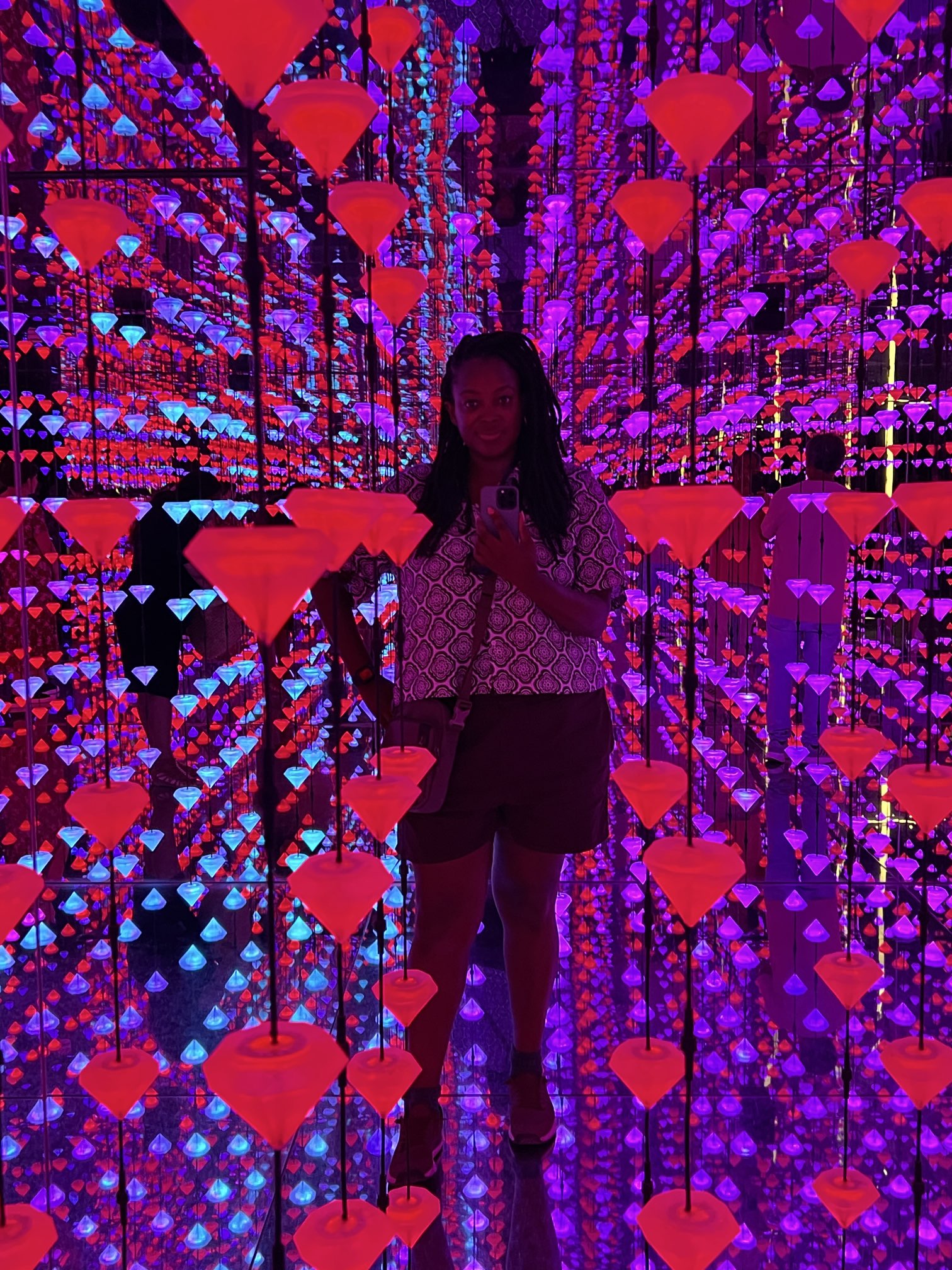
A few doors up Carrer de Montcada, the Moco Museum was one of the coolest museums I’ve been to in a long time, and if you only have time for one museum here, it’s my pick. It took me two attempts to get in: my first visit was stopped in its tracks by an impromptu visit from the Obamas. But I’m glad I finally made it.
Set in a 16th-century palace, it’s a thoughtfully curated adventure through some of modern and contemporary art’s biggest names: Andy Warhol, Jean-Michel Basquiat, Keith Haring, Banksy, Yayoi Kusama and Kehinde Wiley, to name a few.
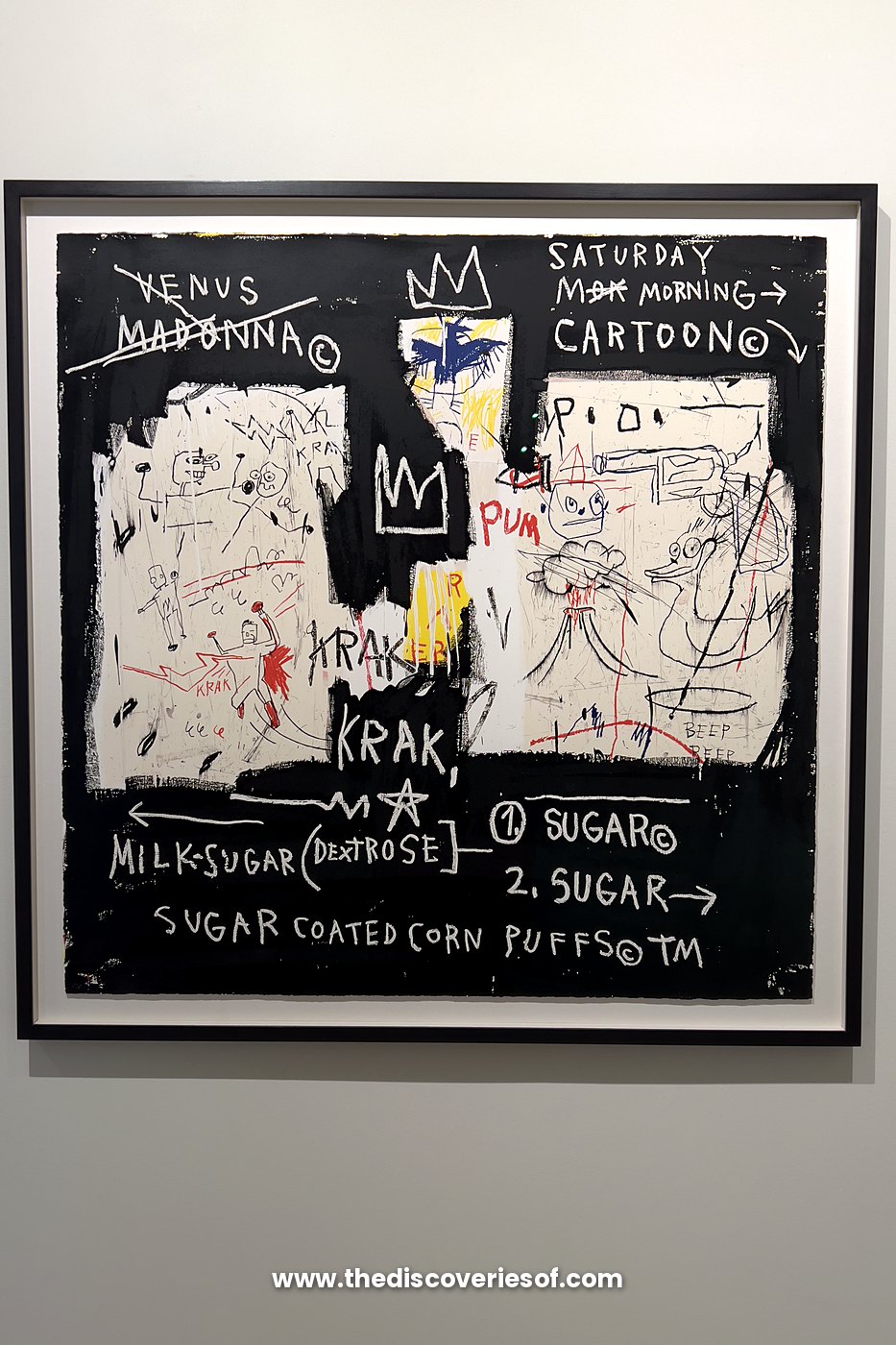
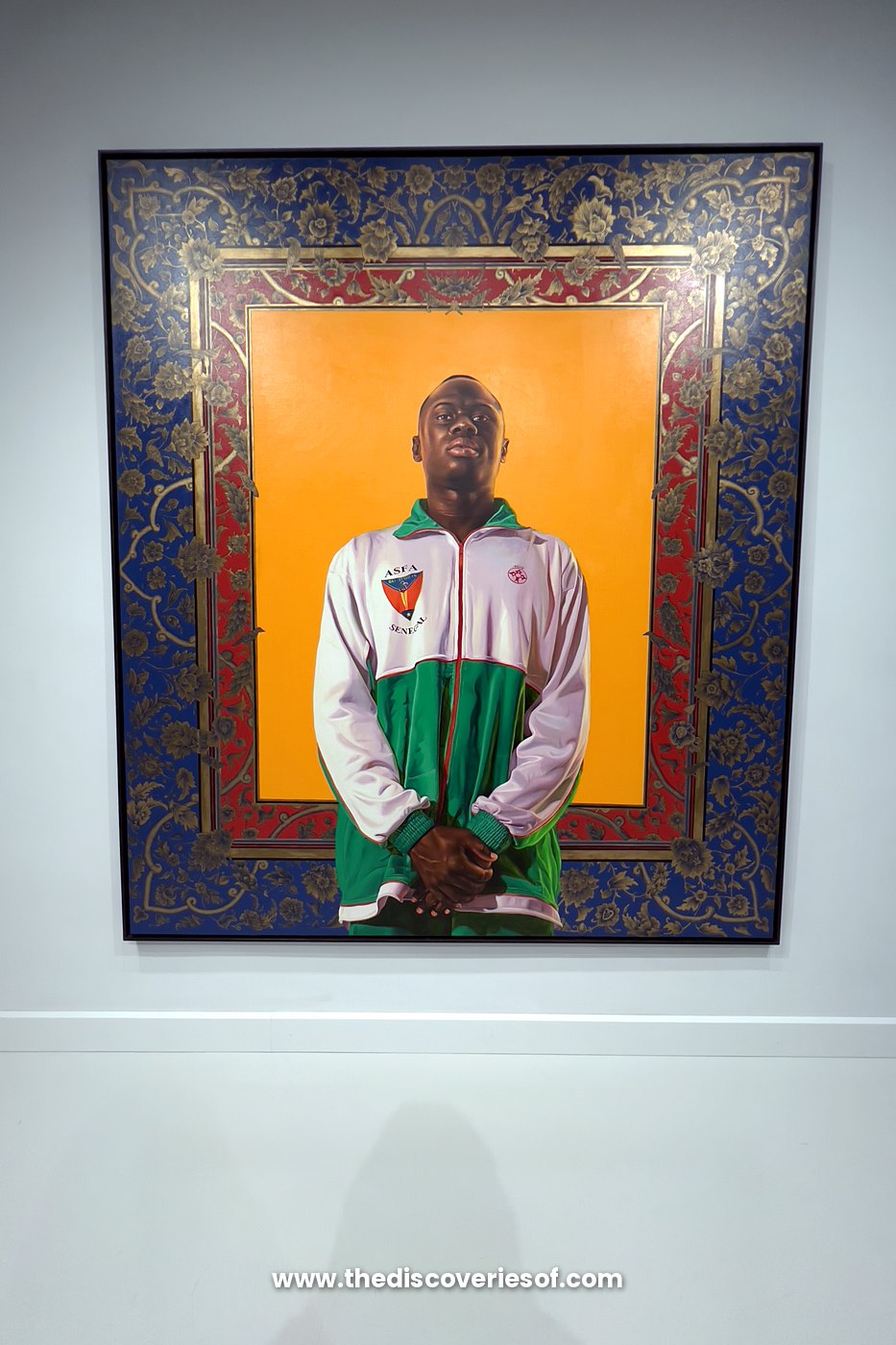
The works rotate, but when I visited, the walls included a Basquiat crowded with his trademark crowns and scrawled words, and one of Kehinde Wiley’s portraits, its subject set against a blaze of orange inside an ornate patterned border.
Set aside a couple of hours: although it’s small, the collection deserves as much time as you can spare. Book a Moco entry ticket ahead of time, as it’s cheaper online than at the door.
Take a class at Terra i Pell
Want to take something home that isn’t a fridge magnet? Terra i Pell is a brilliant ceramics and leather studio tucked away on Carrer dels Banys Vells, a narrow lane a few steps from Santa Maria del Mar, run by passionate artisans. I booked a course of four classes here, trying pottery, leather making, wheel-throwing and ceramics painting, and it was a lovely break from sightseeing.
If you only have time for one, there are taster sessions: ceramics painting starts at about €35, an introduction to the wheel costs about €65, and there’s a ceramics and wine session too. They also run classes in leatherwork, jewellery and watercolour. Book ahead through their website.
Start the day at Nomad Coffee
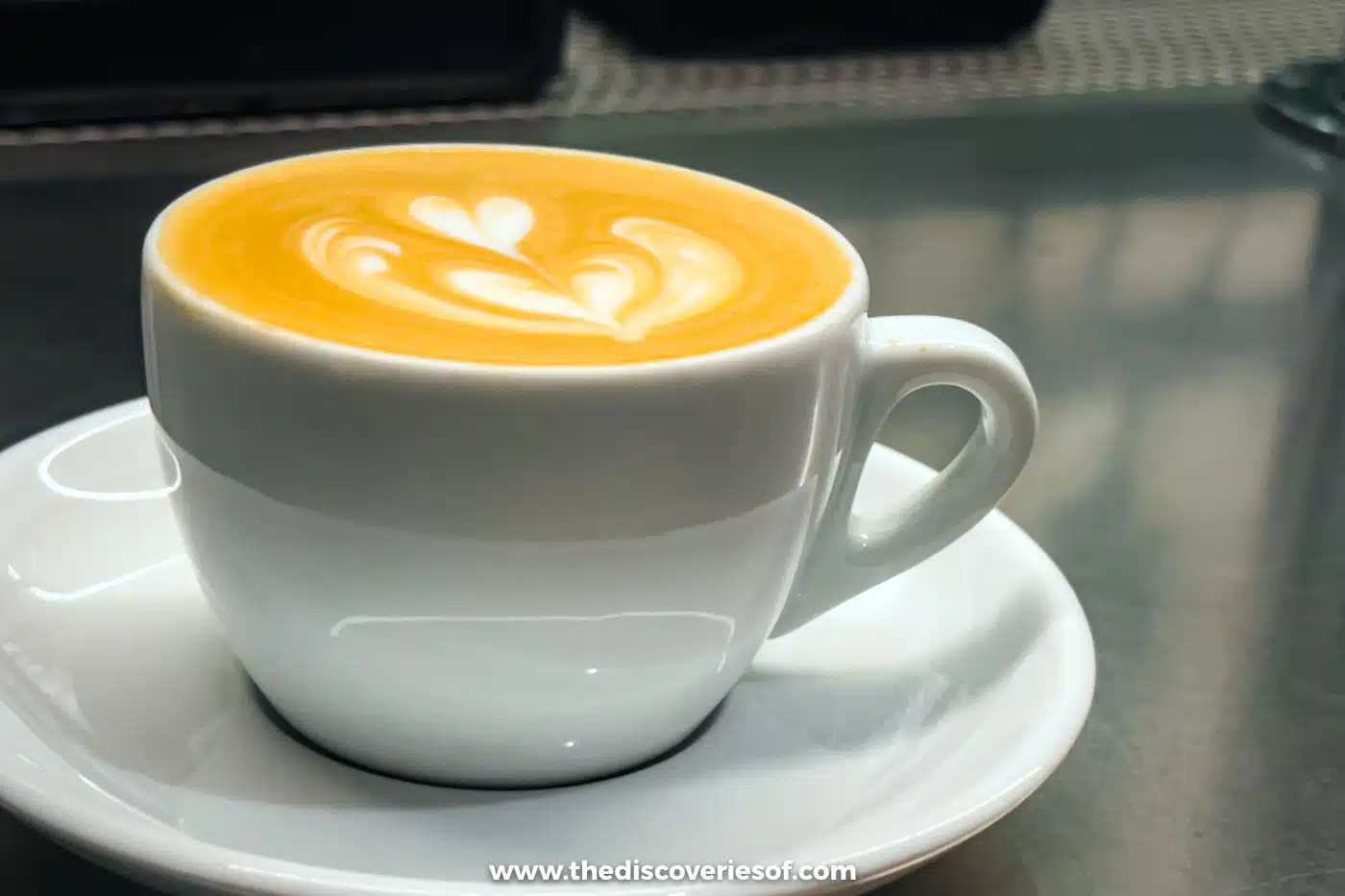
Coffee aficionados need to get themselves to Nomad Coffee as soon as possible. It’s a stellar little coffee bar tucked down Passatge Sert, a quiet passage on the northern edge of El Born, with a rotating list of beans for filter and espresso. It’s a sugar-free coffee shop, so not one for you if you take sugar in your coffee, and you can buy bags of beans to bring home. It’s open on weekdays only.
Eat at the Mercat de Santa Caterina
Every neighbourhood in Barcelona has its market, and the Mercat de Santa Caterina, on the edge of El Born, is the one I’d send you to first. Its rippling roof of multicoloured tiles is a sight in its own right, and it’s far more local than La Boqueria.
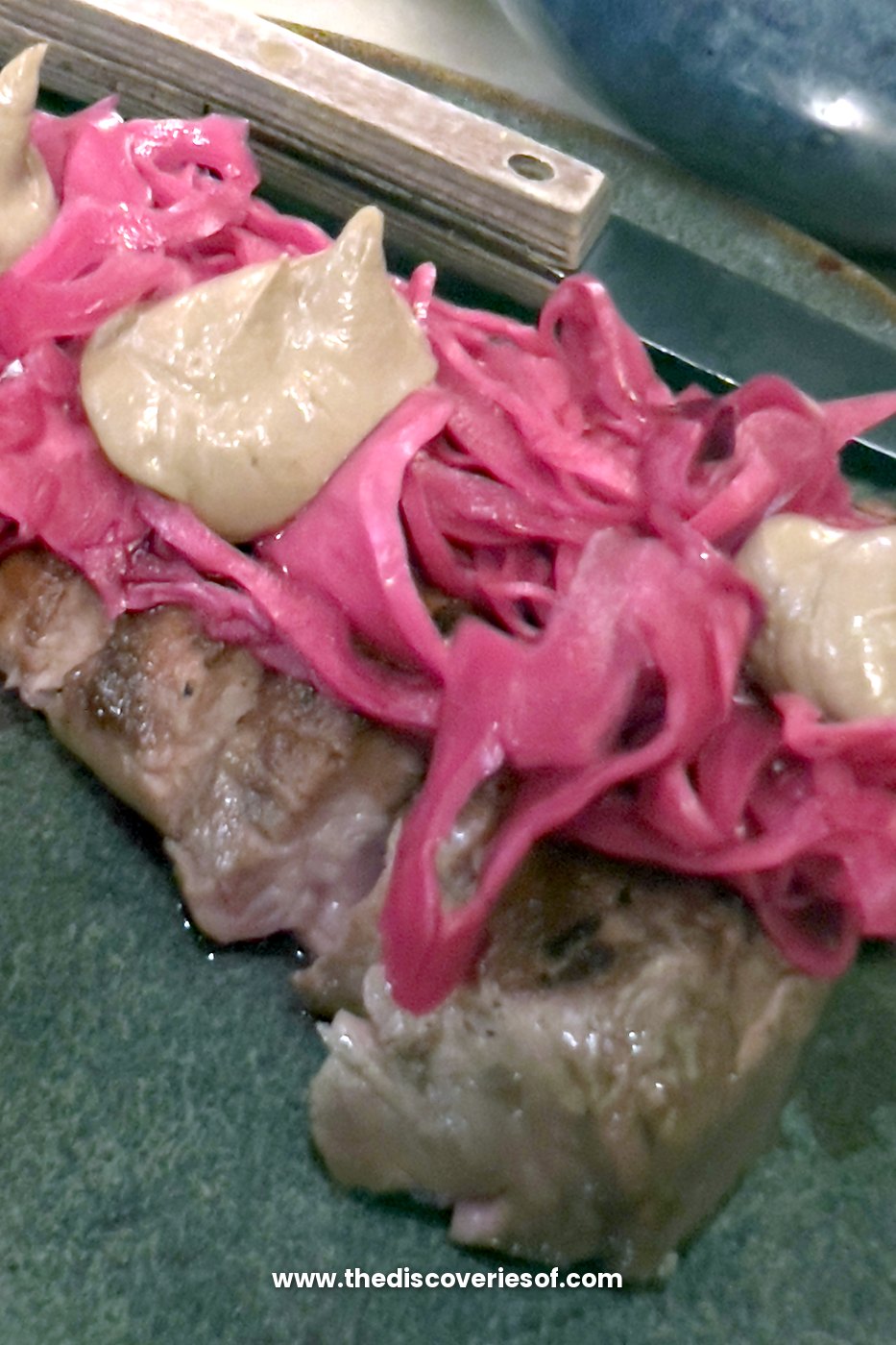
Underneath it is Cuines Santa Caterina, a restaurant so good that I went there twice in the course of a week. It’s everything a good market restaurant should be: informal, bustling and serving up dishes made from uber-fresh ingredients that practically sing every time you take a bite. Dishes aren’t always what they seem: what was simply labelled as pork ribs turned out to be a mound of piping hot tortillas, melt-in-your-mouth pork ribs and fresh salsas. I wasn’t mad about it either.
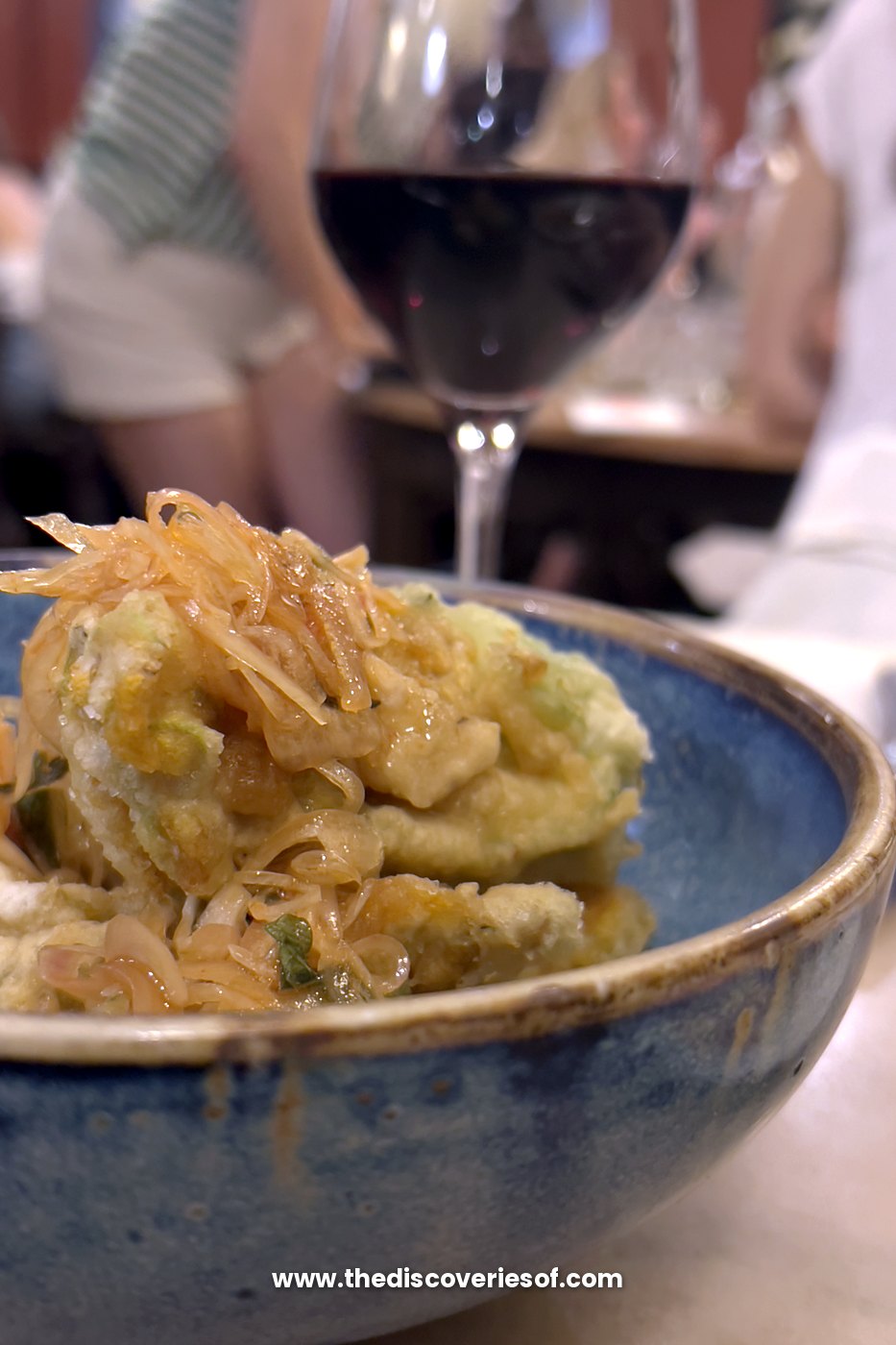
The market also has a new bar from the three-Michelin-starred Torres brothers, Parada Torres, serving classic Catalan market cooking.
Tour the Palau de la Música Catalana
An opulent display of Catalan Modernisme, the Palau de la Música Catalana sits a few minutes’ walk north of El Born, in Sant Pere. Lluís Domènech i Montaner built it between 1905 and 1908, and it’s a truly stunning building, with mosaic columns, sculpted busts and a façade that’s almost too much to take in on a narrow street. Inside, the stained-glass skylight over the concert hall is the showstopper. Guided tours last about 50 minutes and cost €24, or catch a concert for the full effect.
Spend an afternoon in the Parc de la Ciutadella
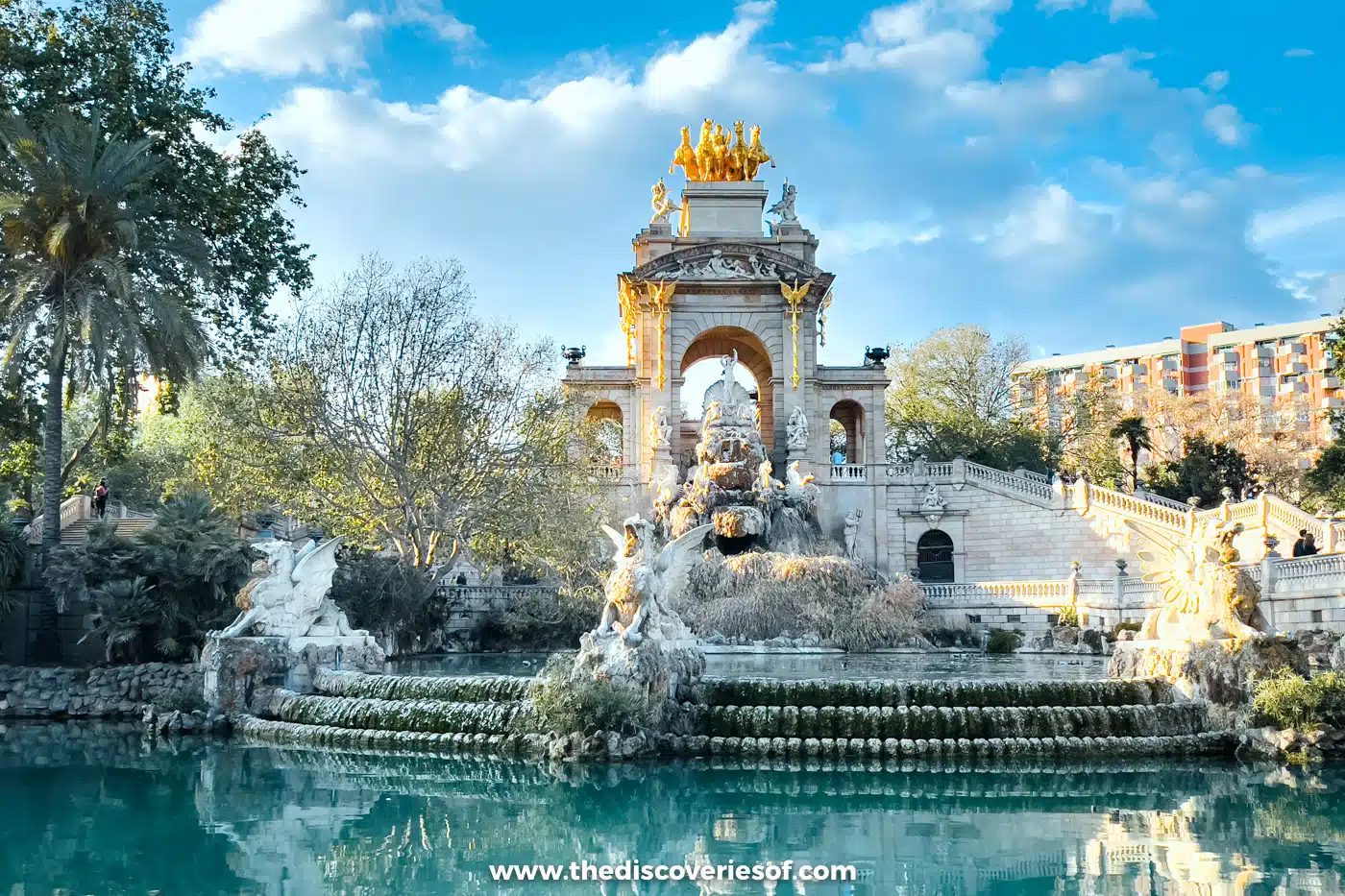
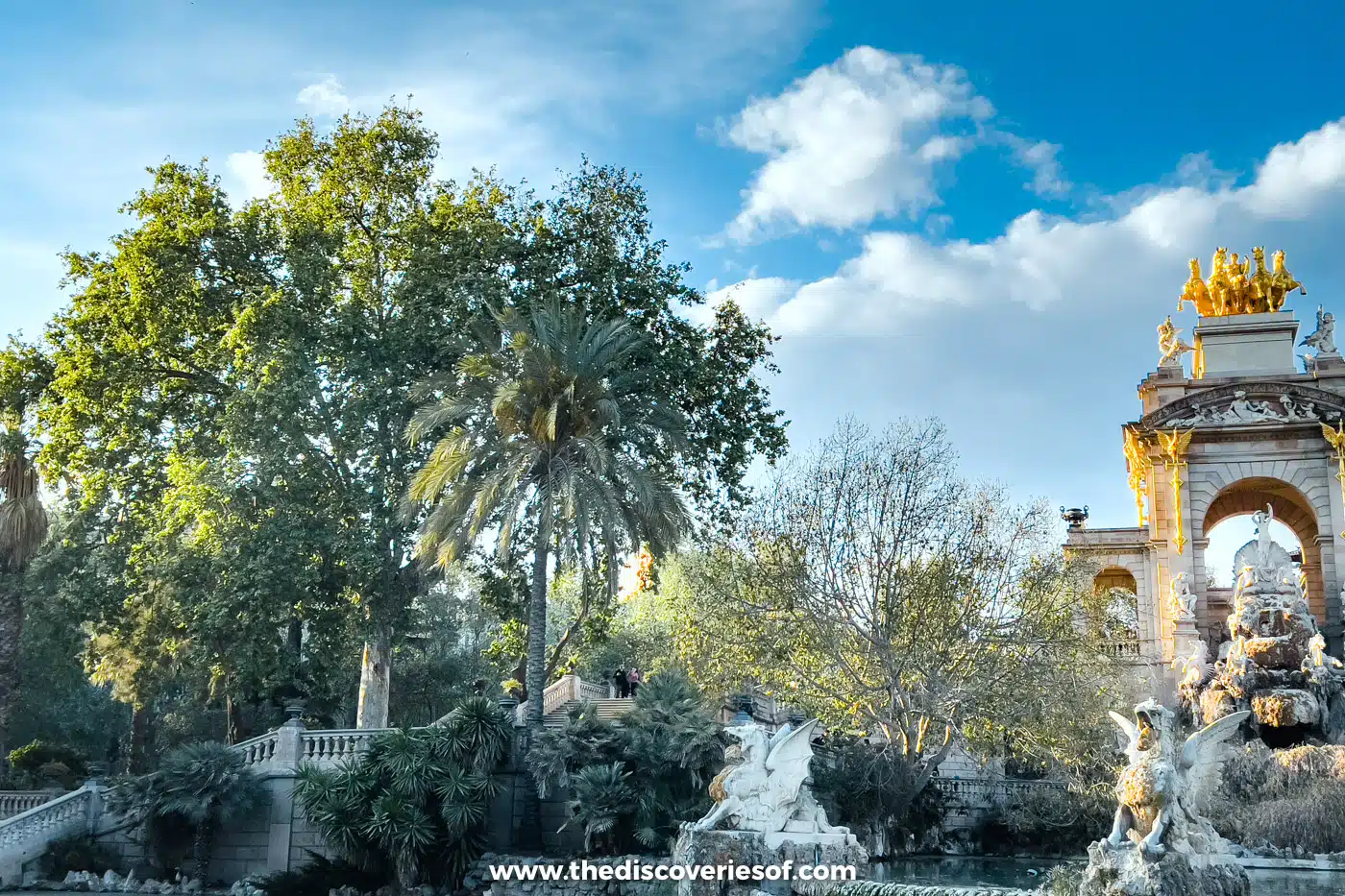
If you’re looking for a tranquil oasis, the Parc de la Ciutadella is the one for you. It was laid out on the site of the hated fortress built after 1714, and it’s the perfect place for a slow afternoon. Take a leisurely walk under the palms, rent a rowing boat on the lake and don’t miss the Cascada Monumental, a grand fountain topped with a golden chariot, which a young Gaudí worked on as a student.
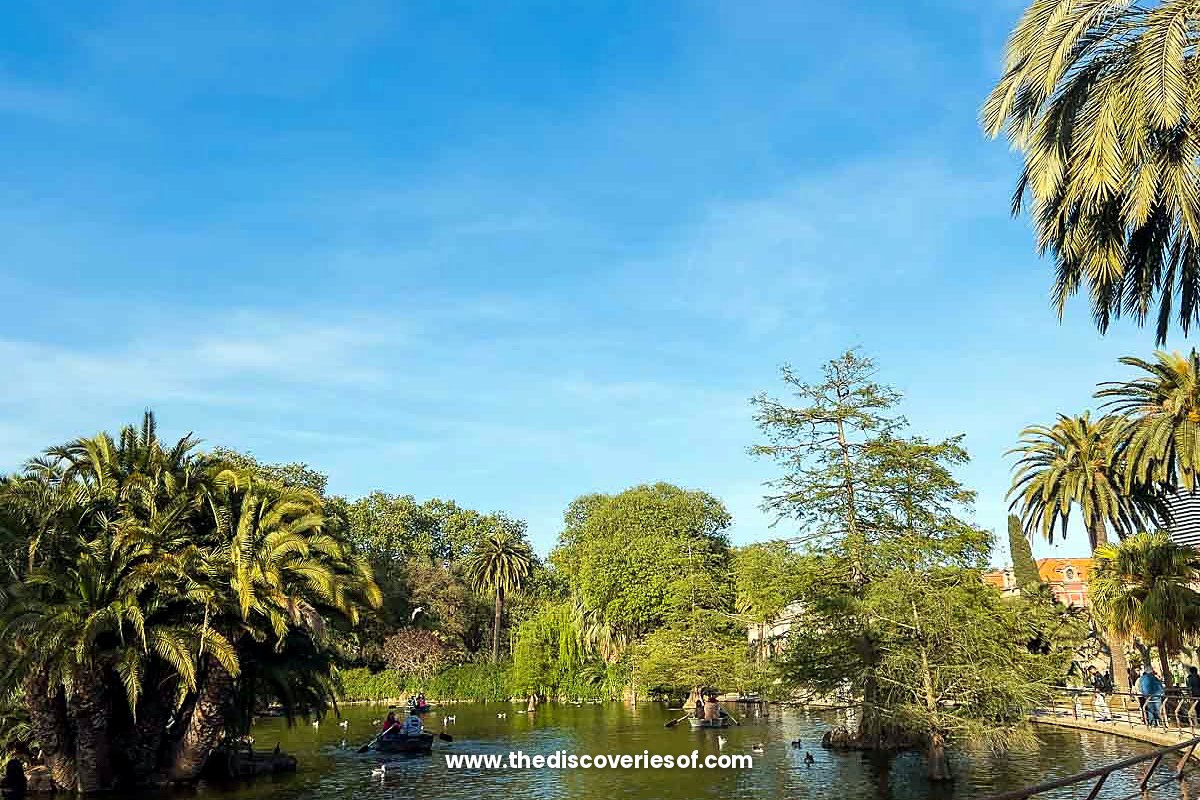
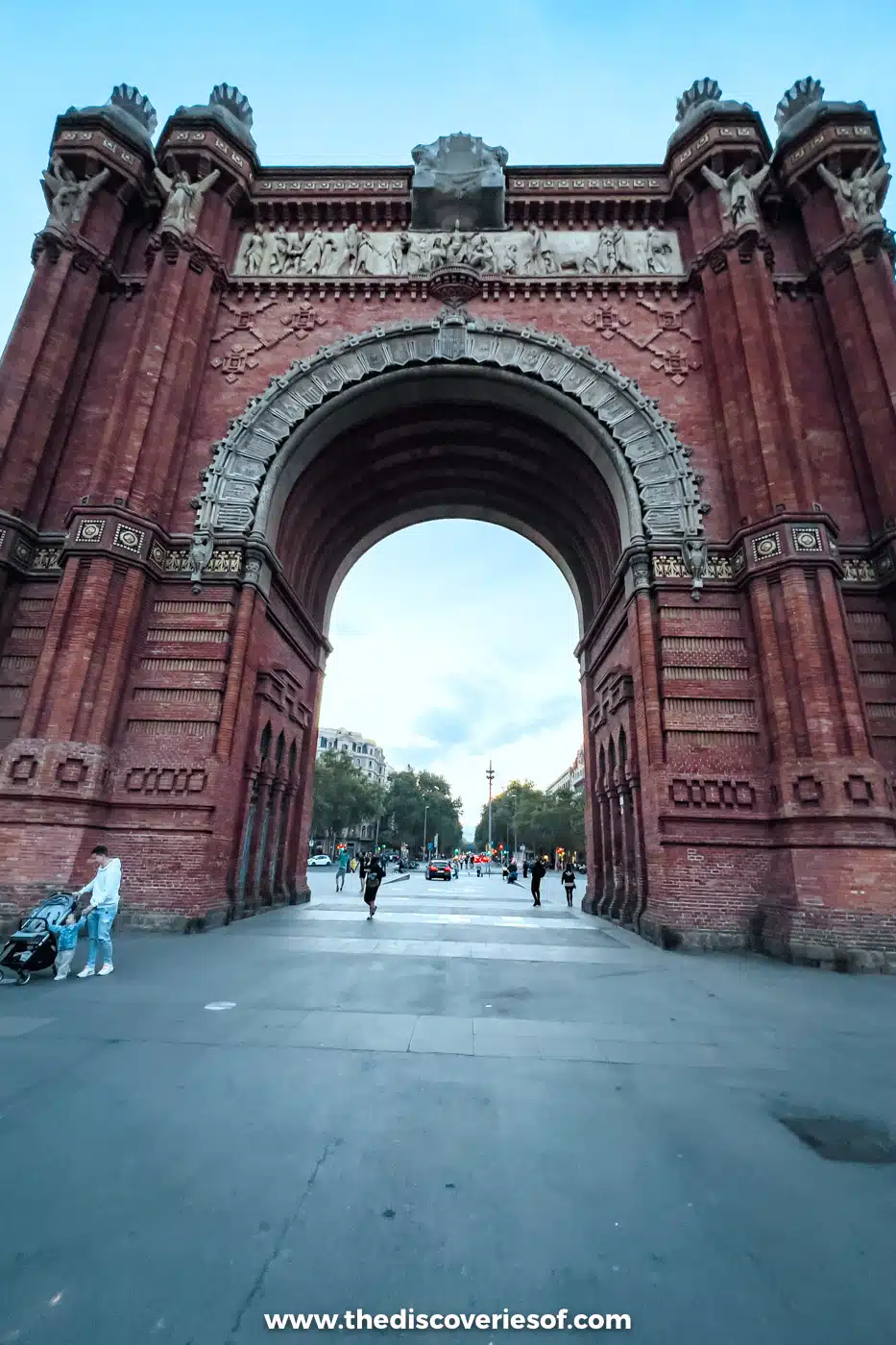
Walk out of the park’s northern gate and up the palm-lined Passeig de Lluís Companys to reach Barcelona’s red-brick Arc de Triomf. Built as the main gateway to the 1888 Universal Exhibition, it celebrates the world arriving in the city rather than a battle.
Admire the Estació de França
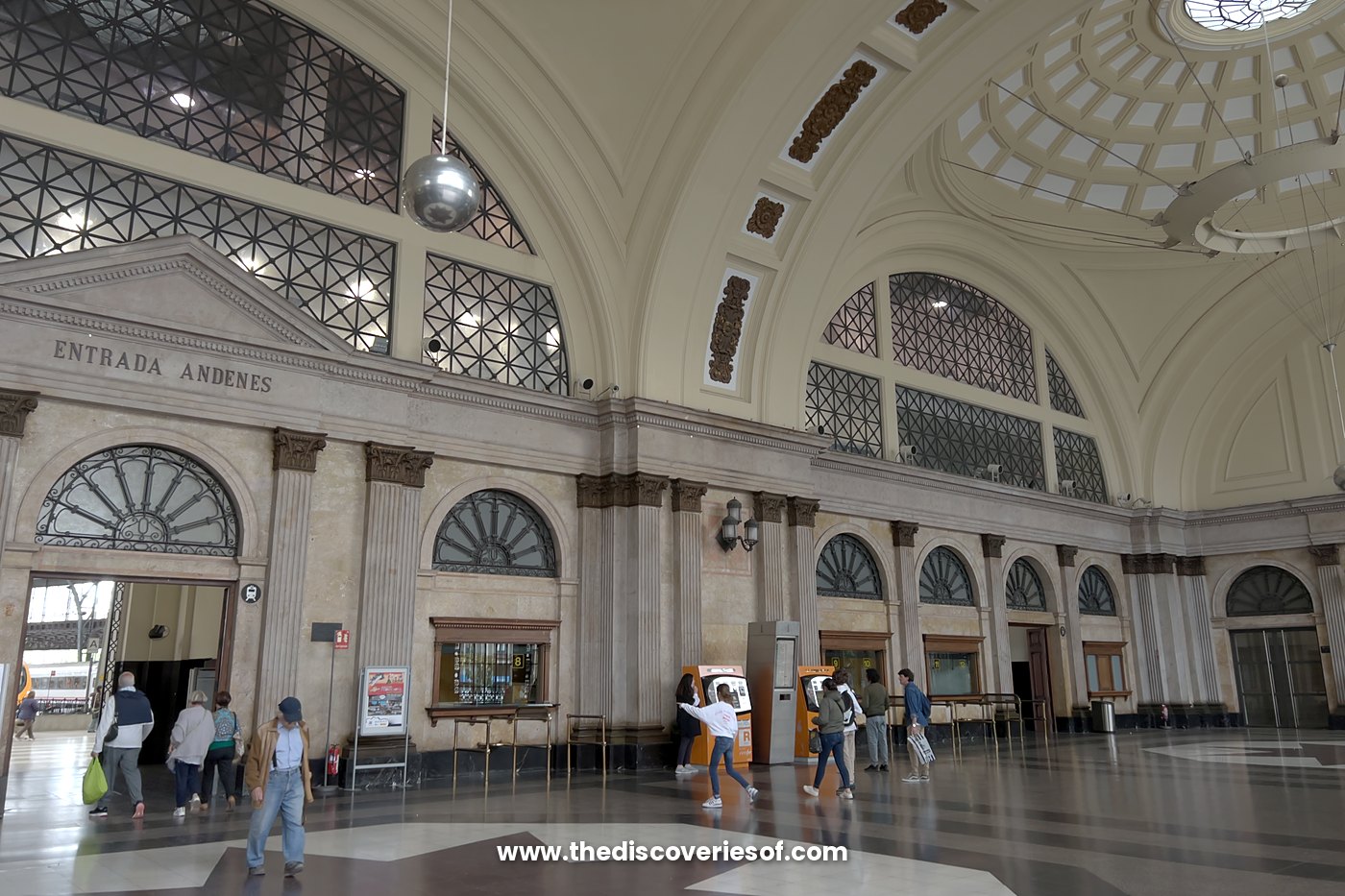
Even if you’re not catching a train, step inside the Estació de França, on the El Born side of the Parc de la Ciutadella. It was the terminus of the line to the French border, which gave it its name, and the current building was inaugurated by King Alfonso XIII in 1929, the year of Barcelona’s International Exhibition. The hall is all marble, bronze and arched iron windows under a coffered dome, and behind it a curved canopy of iron and glass sweeps over the platforms. Most of Barcelona’s trains now run through Sants instead, so these days it’s one of the calmest grand interiors in the city.
Make El Diset your local
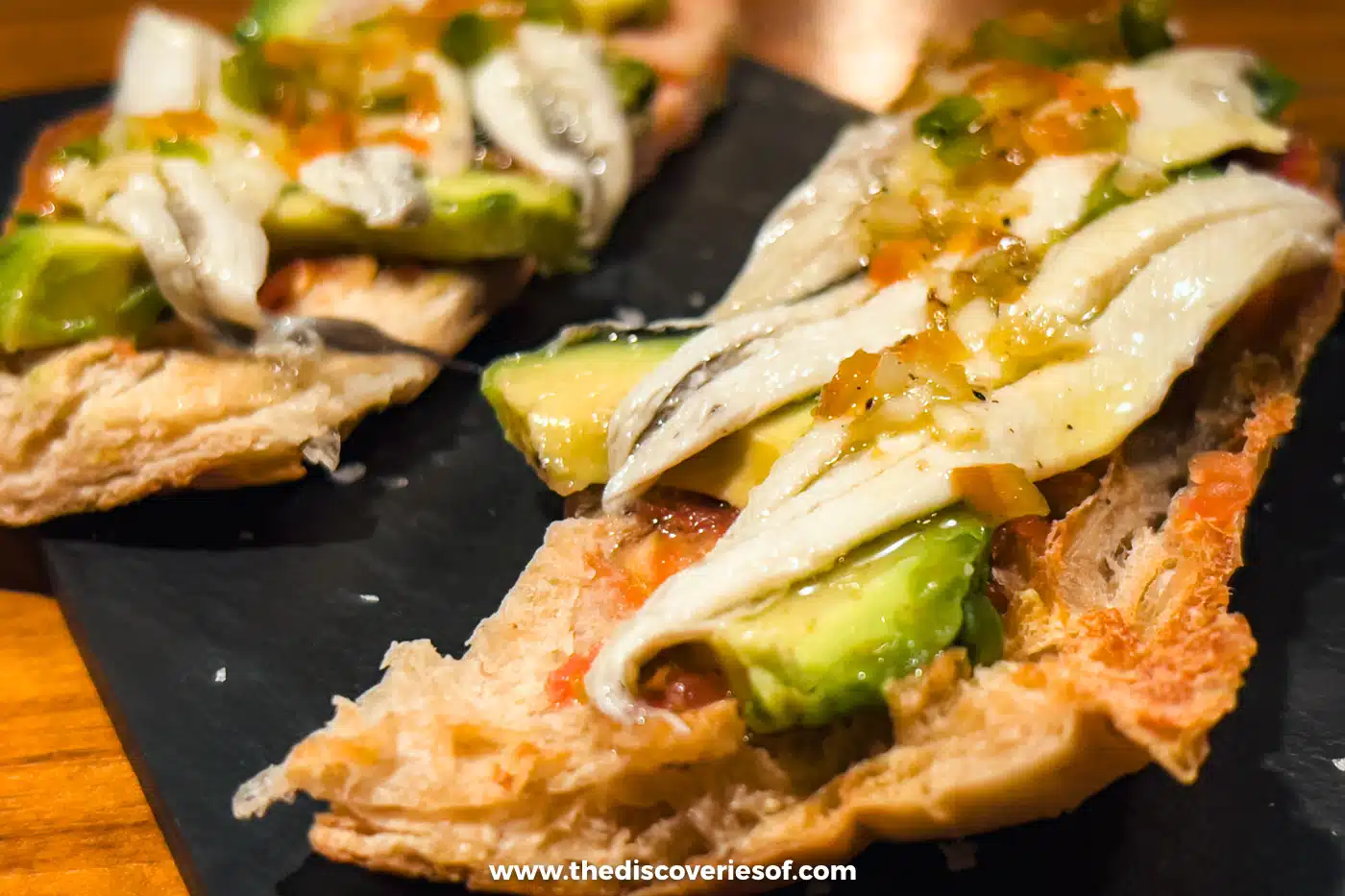
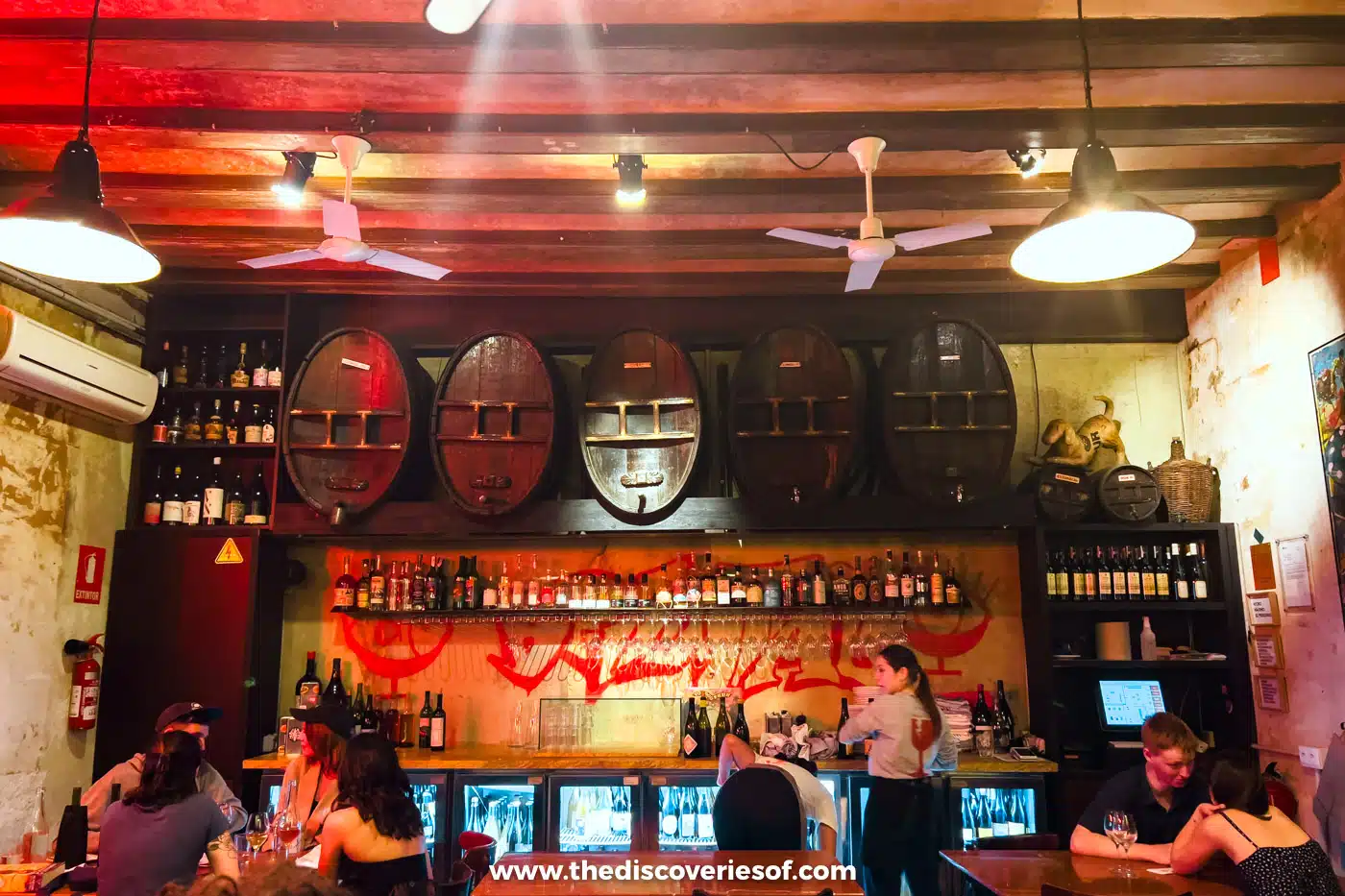
This cute wine bar pretty much became my go-to bar while I lived in Barcelona. It’s relatively small, with friendly staff and a perfect wine list that’s a pleasure to work your way through (not in one go, though: no one needs to try that).
Although it’s a wine bar, this is Barcelona, so of course the food is stellar too. Boquerones are ten a penny here, but El Diset’s were perfect, laid on long slabs of toasted local bread with avocado and olive oil. The croquetas of chicken and roast pork with romesco are rich and perfectly crisp outside, giving way to an unctuously soft inside, like biting into a perfectly crusted dream. It opens every evening from 7pm.
Go natural at Can Cisa and Bar Brutal
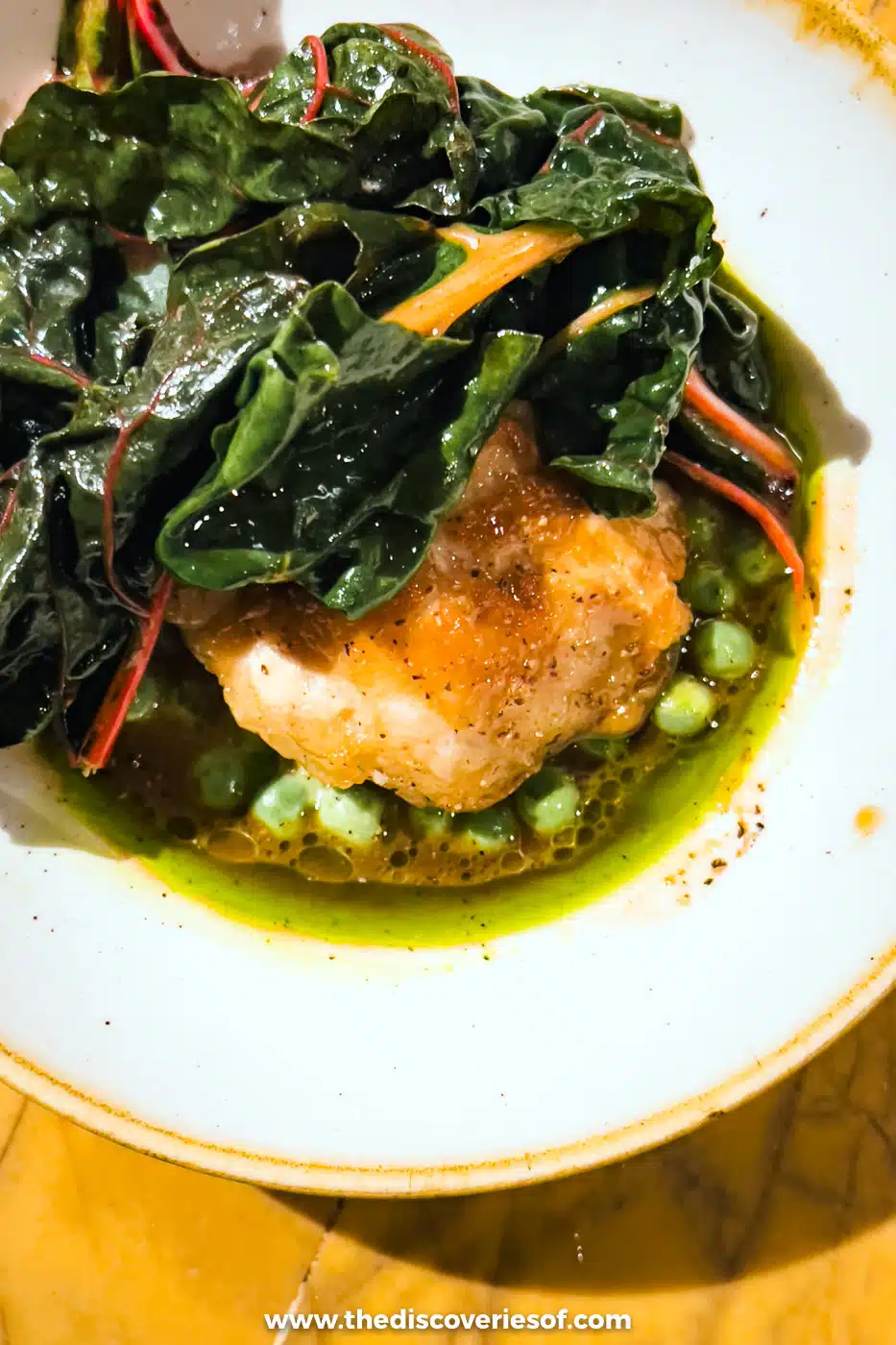
It’s no secret that I’m OBSESSED with Can Cisa and Bar Brutal: I clocked up more visits during my stay than I’m willing to admit to. The front is a laid-back wine bar, Can Cisa, which specialises in natural wines and is worth a visit on its own. The back is a more upscale (yet still relaxed) restaurant, Bar Brutal, and if you can nab a table there, you should. The menu changes constantly, with adventurous ingredients such as sweetbreads and duck hearts cooked to perfection alongside more traditional scallops and octopus.
Let the owner choose your wine at Agüita
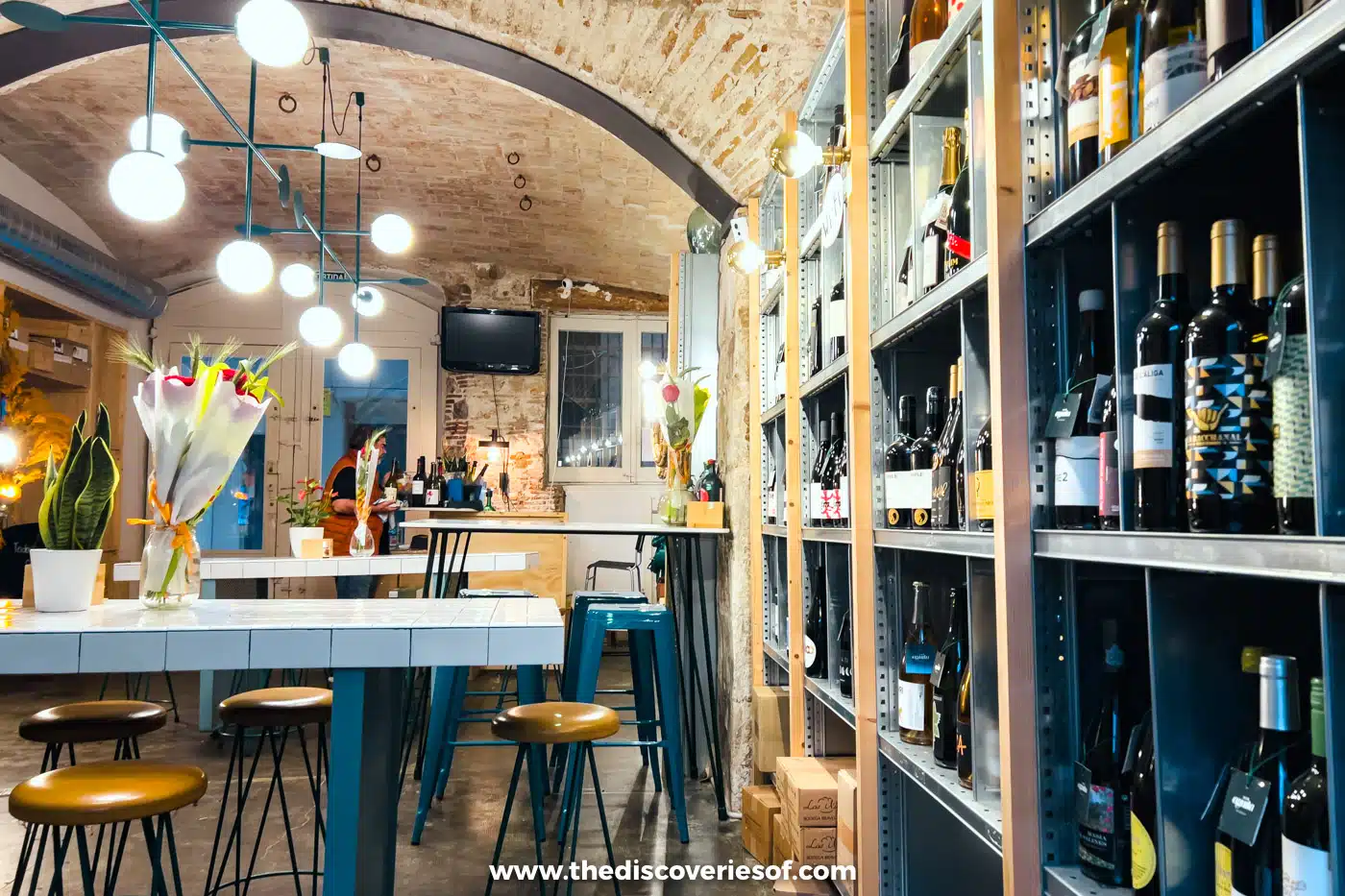
Another great wine bar, Agüita is a tiny place where the owner will suggest wines based on your preferences. It’s a great way to explore some of Spain’s lesser-known wine regions and grapes. It opens in the evenings from Tuesday to Sunday.
Have dinner at El Chigre 1769
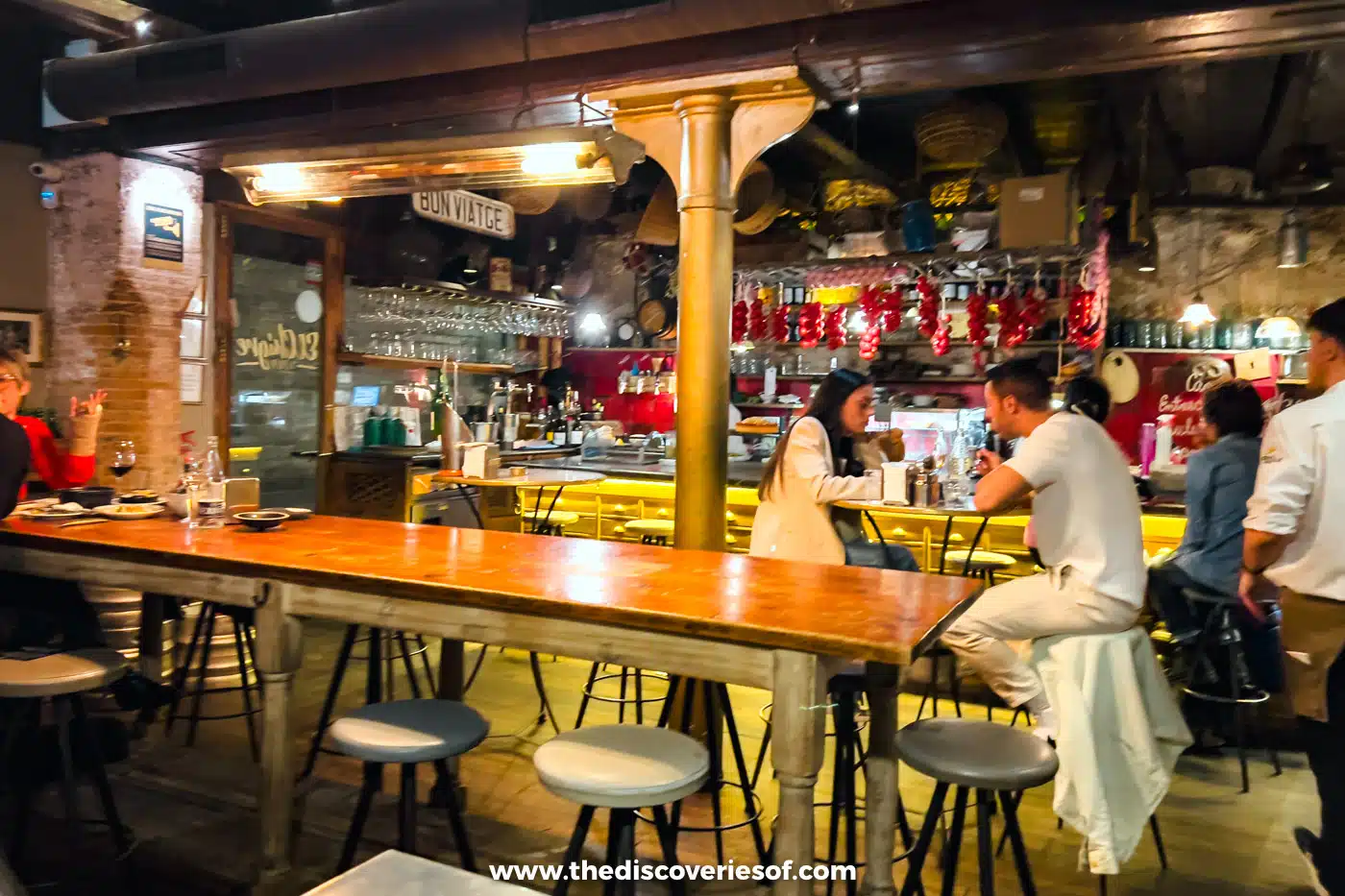
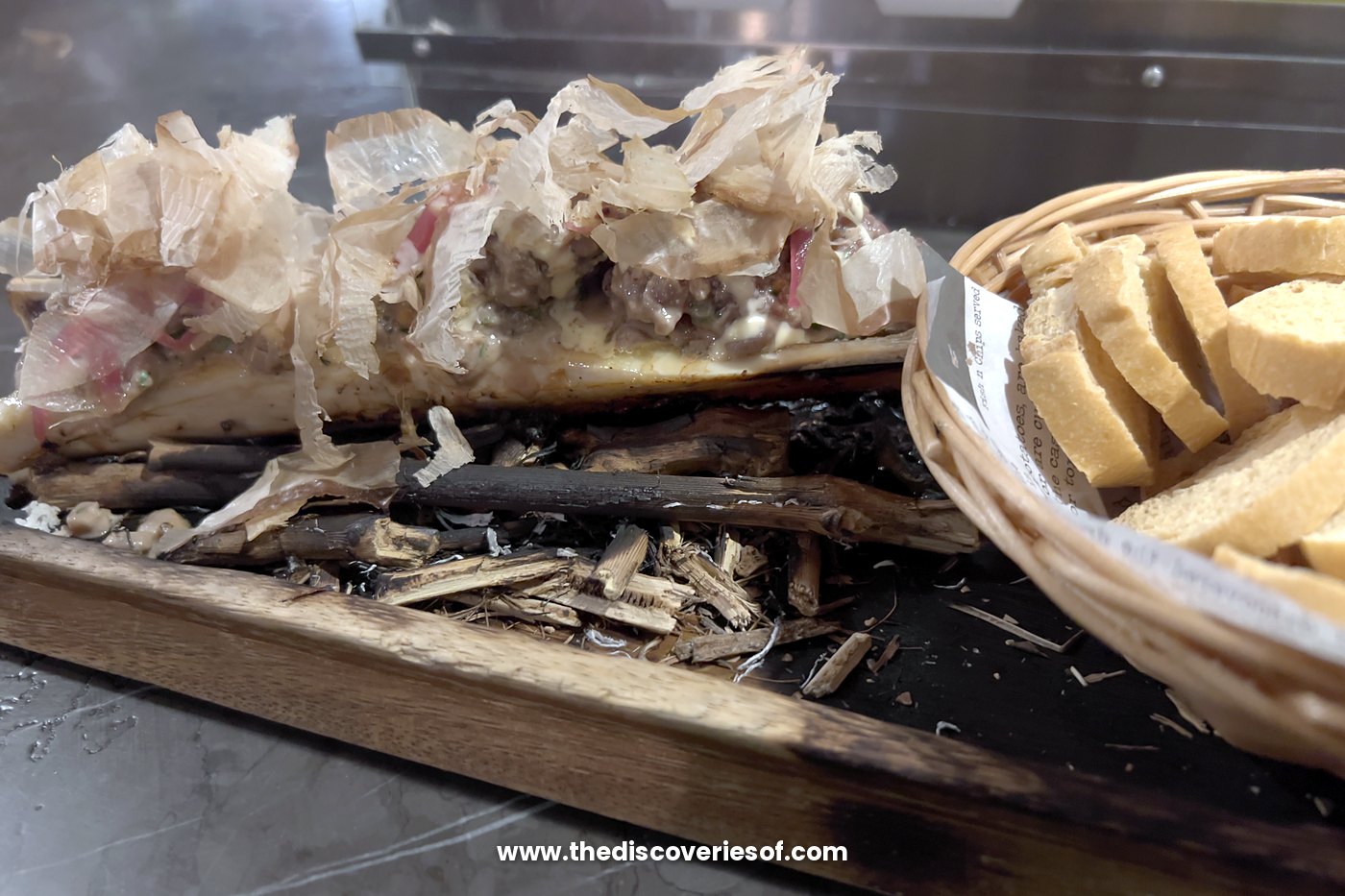
Right beside Santa Maria del Mar, El Chigre 1769 may bill itself as a vermouth bar meets Asturian cider house, but the reality is that this is one of the best places to eat in Barcelona, no ifs and no buts. Go for the egg and pancetta, which turns into a flavour powerhouse, and don’t be scared of the bone marrow topped with flecks of air-dried fish. My El Chigre 1769 review has the full lowdown.
Order paella at 7 Portes
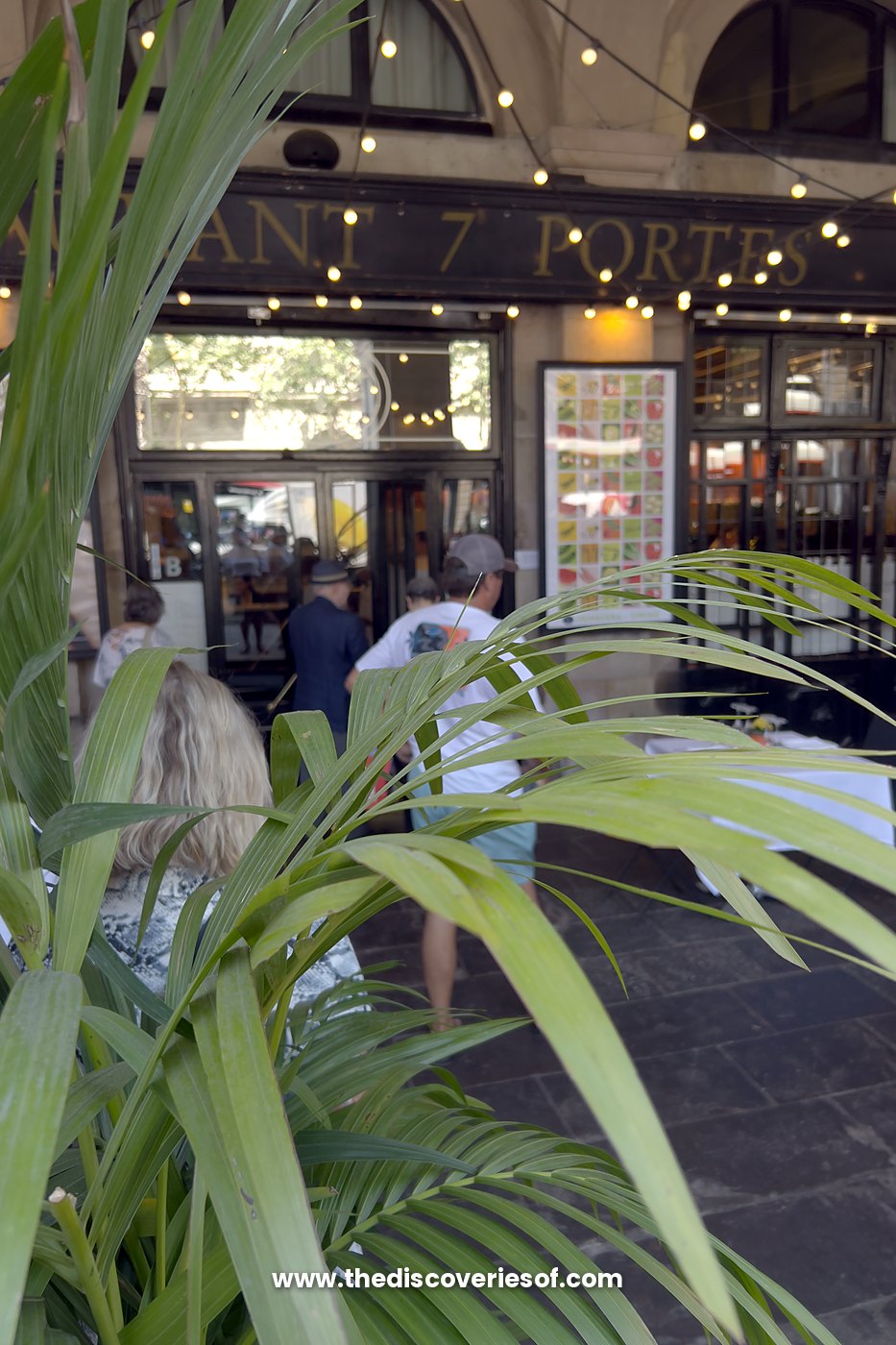
Under the arcades of Passeig d’Isabel II, at the port end of El Born, 7 Portes has been feeding Barcelona since 1836, when it opened as a café. It’s one of the city’s most historic restaurants, a favourite of Picasso and Miró in their day, and it’s still the place locals take visitors for a proper paella. The house classic is the paella Parellada, named after a regular who didn’t want to get his hands dirty, so all the seafood and meat comes already shelled and boned. It opens every day from 1pm to midnight, and it’s worth booking for dinner.
Grab a glass at Vidrios y Cristales
A few doors along Passeig d’Isabel II, Vidrios y Cristales is one of the city’s most authentic bodegas, and another must-eat spot even though it’s not really a restaurant. Go for the stellar wine and the melt-in-your-mouth jamón. It’s a great first or last stop of the evening.
Tips for visiting El Born
- Getting there: the nearest metro stations are Jaume I (L4), on Via Laietana, and Arc de Triomf (L1), by the park. Barceloneta (L4) is closest to the Estació de França and Passeig d’Isabel II. From the cathedral, it’s a five-minute walk.
- Go early for the sights: the Picasso Museum, Santa Maria del Mar and Carrer de Montcada are at their quietest first thing, and many shops don’t open until 10am or 11am.
- Eat and drink late: the wine bars fill up from about 8pm, and dinner rarely starts before 9pm. Book for El Chigre and Bar Brutal, especially at weekends.
- Watch your bag: the neighbourhood is generally relaxed, but pickpockets work the busy lanes around the Picasso Museum and the Passeig del Born, as they do across the old town.
- Where to stay: I stayed in El Born and LOVED it as a base, with everything within walking distance. For a splurge, Grand Hotel Central has a rooftop infinity pool, or try MIIRO Borneta, with terraces over the park. My guide to where to stay in Barcelona compares the areas.
Map
Read next
- The Gothic Quarter, Barcelona
- The best wine bars in Barcelona
- El Chigre 1769 review
- Things to do in Barcelona
- 3 days in Barcelona: the perfect itinerary
- Where to stay in Barcelona
Love this? Save and share on Pinterest
Discover the top things to do, insider tips and hidden gems in our Spain Travel Guide.
Read the guides →