

Get ready to discover the best places to visit in the Philippines with this handy travel guide.
Looking at a world map might lead you to think that the Philippines is a tiny country. But zoom in. If you look closely, you’ll see that the Philippines actually consists of over 7,600 islands.
That’s a LOT of islands to explore and places to visit in the Philippines. If you spent one day on each island, it would take you almost 21 YEARS to see everything.
Needless to say, you could probably spend a whole lifetime travelling around the Philippines and never get bored.
But Kay, you might ask, what else is there to do in the Philippines besides going to the beach?
Oh boy, you’re in for a big surprise. The Philippines has pretty much everything, except for snow (and who likes the freezing cold anyway?!). In addition to the most beautiful beaches in the world, the Philippines has:
- Mountains and volcanoes
- Stunning, misty rice terraces
- Giant caves
- UNESCO World Heritage and historic sites
- Bustling cities
- Amazing tropical fruits and regional foods
- The best coconut water (fresh off the tree!)
- Some of the friendliest, kindest people
So, yeah. What I’m basically saying is that you should get yourself over to the Philippines ASAP and explore it for yourself. It’s quite possibly one of the most underrated destinations in Southeast Asia, and its beauty and hospitality will blow you away.
Don’t believe me? To help convince you to visit, I’ve written this guide to 45 of the most beautiful places in the country. If not a single one of these beautiful places interests or fascinates you…well, I just don’t know what to tell you.
At a glance
Short on time? Here’s the quick list, grouped by region. Scroll down for the full guide to each.
- Northern Philippines (Luzon): Manila, Ifugao Rice Terraces, Baguio, Mount Pulag, Mount Pinatubo, Tagaytay, Taal Volcano, Sagada, Batanes, Catanduanes, Calaguas Islands, Vigan, Corregidor & Bataan, Bulusan Volcano, Donsol, Pagsanjan & the Hundred Islands, Puerto Galera
- Visayas (Central Philippines): Siquijor, Cebu City, Boracay, Apo Island, Moalboal, Antique, Malapascua, Iloilo, Islas de Gigantes, Bohol, Dumaguete, Bantayan Island, Kalanggaman Island
- Eastern Philippines: Legazpi City, Langun-Gobingob Caves, Biri Island
- Palawan (Western Philippines): Coron, El Nido, El Nido to Coron by boat, Puerto Princesa, Port Barton, Tubbataha Reef
- Southern Philippines (Mindanao): Camiguin, Davao & Mount Apo, Surigao, Zamboanga City, Bukidnon, Siargao
Best places to visit in the Philippines
Northern Philippines/Luzon
The land of rice terraces and rolling hills, the northern part of the Philippines is mainly occupied by the island of Luzon. Not only can you find lush forests and beautiful landscapes here, but there’s also quite a bit of history and significant landmarks in the region.
Manila
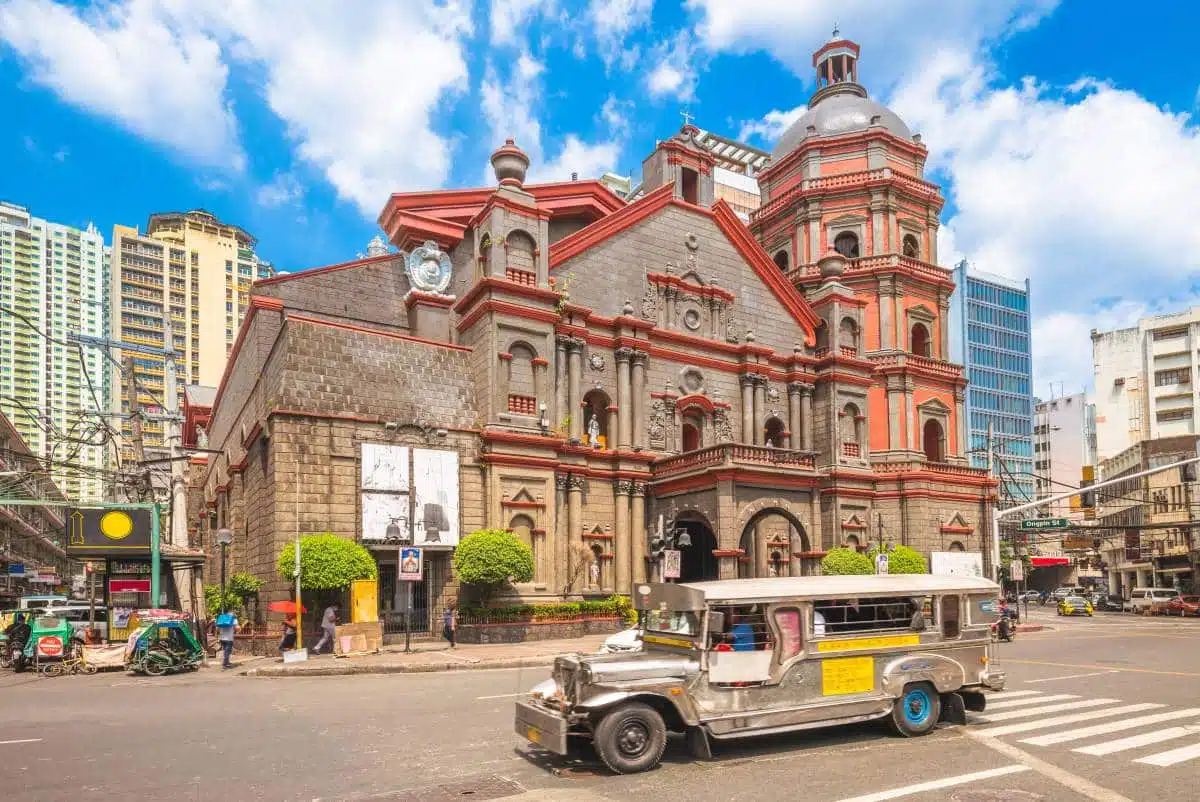
Most visitors to the Philippines arrive in Manila, and while plenty of travellers are tempted to flee the capital’s traffic and chaos as fast as they can, it’s worth giving it at least a day. The heart of any visit is Intramuros, the old walled city built by the Spanish more than 450 years ago. Within its walls you’ll find Fort Santiago, the centuries-old citadel where national hero José Rizal was imprisoned before his execution in 1896, along with cobblestoned streets, the grand San Agustin Church (a UNESCO World Heritage Site) and Manila Cathedral.
Beyond Intramuros, wander the green expanse of Rizal Park, and don’t miss Binondo, founded in 1594 and widely considered the oldest Chinatown in the world, which is hands-down one of the best places to eat in the city. Manila is loud, frenetic and not conventionally pretty, but it’s where the country’s layered history makes the most sense, and it’s an essential introduction to the Philippines.
Ifugao rice terraces
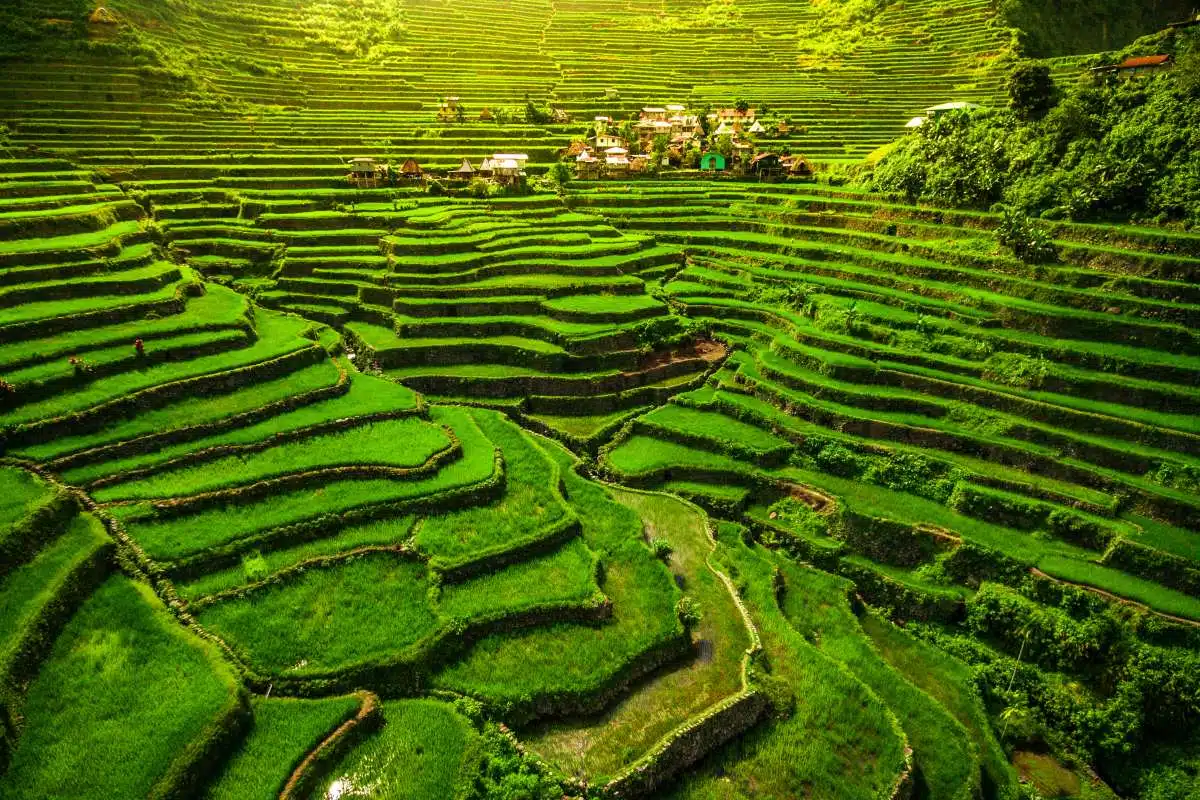
Deep in the centre of the island of Luzon lies a green, mountainous area. The climate here is perfect for growing rice, and the Ifugao people have been carving and farming these slopes for centuries, rebuilding the walls by hand after every rainy season.
As a result, there are miles of stark, verdant rice terraces carved into the sides of the mountains here, and the resulting imagery is absolutely surreal. If you enjoy a good adventure (and stunning scenery), the Ifugao Rice Terraces belong on your list.
It’s fairly difficult to get to the Ifugao Rice Terraces, and will take at least 2-3 days to explore fully. To get there, you have to take an overnight bus (around 9 hours) from Manila to Banaue, then continue hiking more to reach the viewpoints. Landslides can close roads in the rainy season (roughly June to November), so build in some slack.
There are two main villages in Ifugao where you can base yourself: Banaue and Batad, with Batad’s amphitheatre-like terraces the most jaw-dropping of all. Batad is one of the five terrace clusters inscribed as a UNESCO World Heritage Site.
Baguio
High in the Cordillera mountains at around 1,500 metres, Baguio is the Philippines’ “summer capital,” where Filipinos have escaped the lowland heat for more than a century. Expect pine forests, cool evenings, strawberry farms in nearby La Trinidad, and a strong arts and crafts scene (it’s a UNESCO Creative City of Crafts and Folk Art). It also makes an easy stop on the long road north to Sagada or Banaue.
Mount Pulag
At 2,928 metres, Mount Pulag is the highest peak on Luzon and famous for its “sea of clouds” at sunrise. Most people tackle it as an overnight hike, starting in the dark to reach the summit grasslands for dawn. It’s a national park, so you’ll need to register, attend a short briefing, and hike with a local guide, and it gets properly cold up top, so pack layers.
Mount Pinatubo
When Mount Pinatubo erupted in 1991, it was the second-largest volcanic eruption of the 20th century, big enough to cool the whole planet by around half a degree for a couple of years. Today its collapsed summit cradles a startlingly turquoise crater lake, and getting there is half the fun: a 4×4 ride across the vast grey lahar fields of Crow Valley from Santa Juliana in Capas, Tarlac, followed by a hike of an hour or two along riverbeds to the crater.
It’s an easy day trip from Clark, or a very early start from Manila. Swimming in the lake isn’t allowed, and trips only run when the weather allows, so aim for the dry season and book through an accredited operator, who will sort out the registration and the 4×4 for you.
Tagaytay
What Manila offers in traffic, energy, and noise, Tagaytay has in relaxation, natural beauty, and solitude. Located about 1.5 to 2 hours (traffic permitting) outside of Manila on a mountain overlooking Taal Lake and Volcano, Tagaytay offers mountain bed & breakfasts, beautiful views, and areas for quiet reflection. It’s like the Pacific Northwest of the Philippines, minus the hipsters.
For a relaxing, rejuvenating weekend away, there’s no better place to go than Sonya’s Garden, just outside Tagaytay in Alfonso. Located in a garden with bright flowers, fresh foods and herbs, and lots of tropical forest areas, this locally-owned inn is a cute and cosy getaway.
Luxurious cottages dot the grounds, and in the morning, you’ll be treated to delicious breakfast and warm pastries by the kindest staff. There’s also a spa and restaurant here for those truly looking to unwind.
Taal Volcano
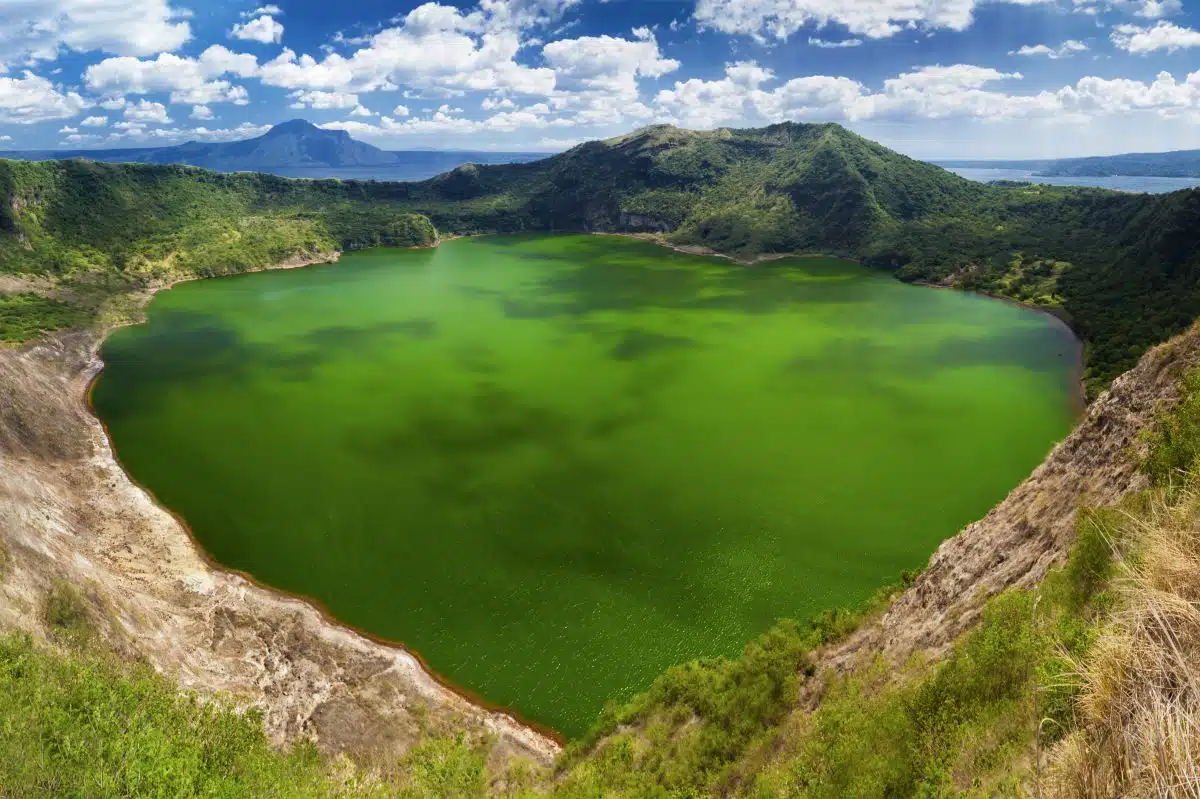
Want to see one of the Philippines’ cutest volcanoes? Head to Taal Lake, which boasts the tiny but mighty Taal Volcano in its centre. It might look small, but Taal packs a big punch, as it is the second most active volcano in all of the Philippines. It’s one of the most striking sights within easy reach of Manila: a volcano inside a lake, on an island in a lake.
The crater hike that used to be the big draw is off the table: since the 2020 eruption, the whole of Volcano Island has been a Permanent Danger Zone and landing on it is prohibited. What you can still do is admire it from the Tagaytay ridge, which has the best views of the lake and volcano together, or take a boat out on Taal Lake for a closer look from the water. Be wary of anyone still selling a crater hike: boats are not allowed to land on the island.
Top tip
An important note: Taal is genuinely active and still has small steam-driven eruptions (there were several in 2026, in January, June and July), so lake boat tours open and close depending on the latest PHIVOLCS advisories. Always check the current status before you plan a visit, and only go when the authorities have given the all-clear.
Sagada
Sagada is the Philippine version of a mountain town gone backpacker haven. Located 11-12 hours by bus outside of Manila in some limestone valleys, it is perfectly situated in between hiking trails, caves, and peaceful greenery.
Here, visitors can get their outdoor fix without needing to go too far from the town. There is also a lot of deep local tradition and history in Sagada, with some of the most unique attractions being those of local death rituals and burials, like the famous hanging coffins of Echo Valley, plus the guided caving in Sumaguing Cave.
Before you go, know that all visitors now need to pre-register online and pay a small registration fee, you have to stay at least one night in accredited accommodation (no day trips), and most caves and trails require a local guide.
Batanes
Batanes is to the Philippines as the Azores is to Portugal. It is the island in this archipelago that’s so far north, you probably didn’t realise it was part of the Philippines.
Located about 160 km from the northernmost tip of Luzon, Batanes is an island of rolling hills, historic lighthouses, and lush farmlands. Here, you can hike, explore historic buildings, or simply relax and take in the isolation of it all.
Getting there
The only practical way to get to Batanes is to fly. Philippine Airlines flies to Basco from Clark, which replaced the old Manila flights when the airlines moved their small turboprop planes out of Manila’s airport. Flights are limited and weather cancellations are common, so leave a spare day at the end of your trip.
Catanduanes
If you’re looking for the isolation of Batanes but don’t want to be as remote, head to Catanduanes. Filled with craggy, rocky mountains, beautiful green forests, and remote beaches, this place is a perfect haven for rejuvenating and disconnecting, and it’s right off the coast of Luzon in the Bicol region. Surfers head for Puraran Beach and its “Majestic” break, while Binurong Point has some of the most dramatic clifftop views in the country.
Calaguas Islands
Off the north coast of Camarines Norte, also in Bicol, the Calaguas Islands are the kind of place people mean when they talk about the Philippines before the crowds. The star is Mahabang Buhangin (Long Beach) on Tinaga Island, a long curve of powder-white sand backed by rolling green hills, with no roads and very little else: just campsites and a handful of simple cottages.
Getting there takes some effort, which is exactly why it has stayed this way. Head to Daet (around eight hours by bus from Manila, or fly to Naga and drive for about two hours), then take a boat of around two hours from the fishing port at Paracale or Vinzons. The crossing can be rough, so go when the sea is calmer (roughly March to June), and bring cash, water and everything you need for a night or two.
Vigan
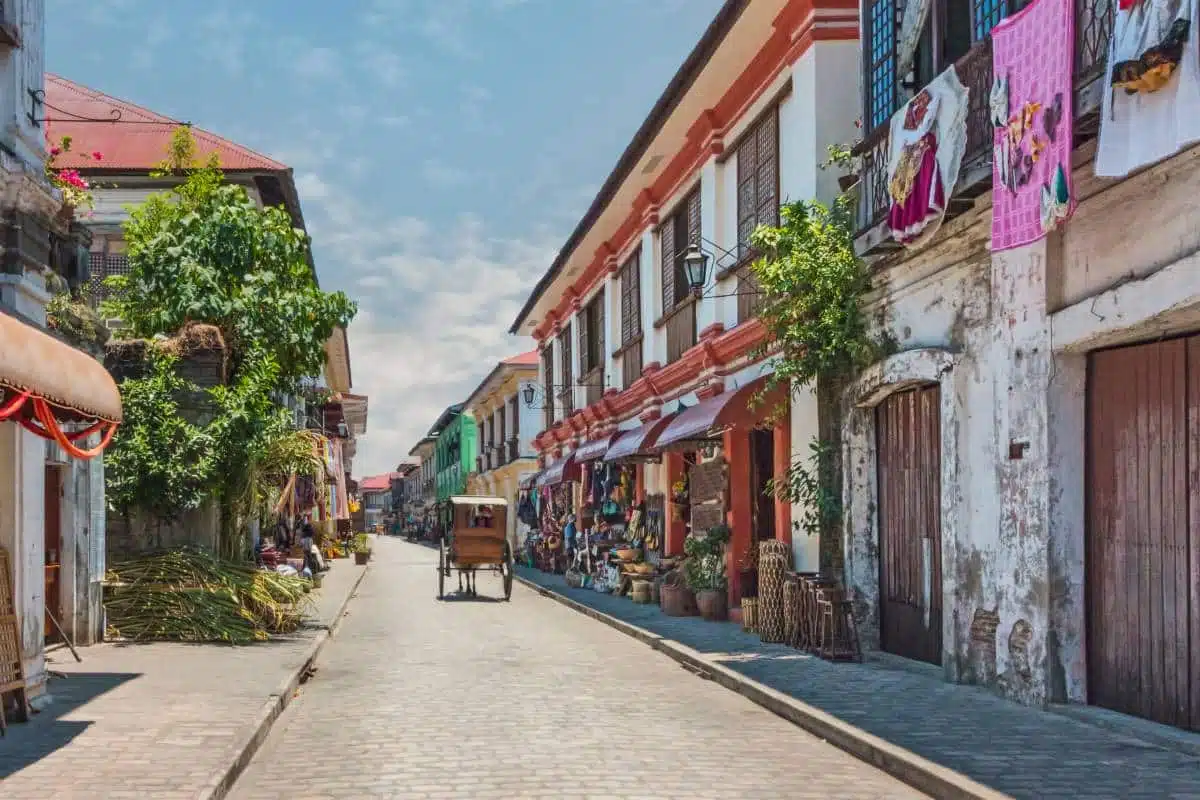
A UNESCO World Heritage Site, Vigan is one of the most historically significant parts of the Philippines. Established in the 16th century (1572), Vigan was one of the original Spanish colonial cities and trading posts in the Philippines. The unique blend of Philippine, Spanish, and Chinese designs make the city an architectural and historical marvel: the coming together of many civilisations.
Today, Vigan’s central area includes Calle Crisologo, which boasts cobblestoned streets, brightly coloured homes, charming guesthouses, and many historic sites that tourists can visit. You can also cruise down Vigan’s Mestizo river, or admire local artisans at work, weaving brightly coloured abel Iloco fabrics and tapestries.
Corregidor Island & Bataan
Remember how I mentioned that the Philippines has several historically significant sites? Corregidor Island and Bataan are two of them. Known most famously for the Bataan Death March in 1942, this area was home to an American military base and was one of the main fighting grounds in WWII.
Today, visitors and history buffs alike can visit the area to learn more about the impact of WWII in the Philippines, and the critical role these islands and their people played during the war. Note that the old ferry from Manila no longer runs: these days, most visitors reach Corregidor by boat from Mariveles in Bataan (around 20 minutes), usually on an organised tour.
Bulusan Volcano Natural Park
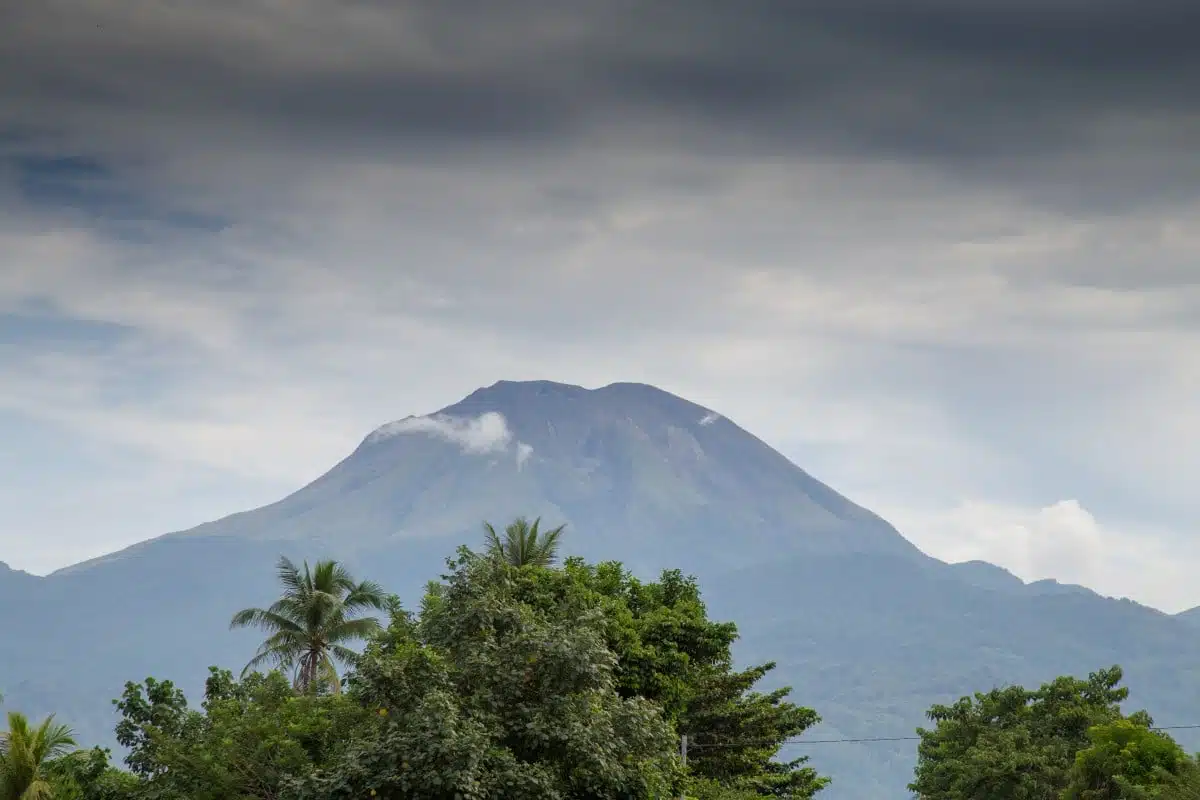
If you didn’t get enough of volcanoes in Taal and want to see more, Bulusan in Sorsogon is the best place to do so. Here, you can hike and take in epic views of Mount Bulusan. The prettiest spot is Bulusan Lake, a crater lake ringed by rainforest with an eco-tourism centre, kayaks, and a walking trail around the shore. Bulusan is active, though, and the 4 km Permanent Danger Zone around the summit is off-limits, so check the latest alert level before you go. In addition to being a fantastic outdoor and learning experience, a visit to Bulusan is just really freaking beautiful too.
Donsol
Located in Sorsogon, Donsol is best known for one major perk: whale shark sightings.
Unlike in Oslob (Cebu) where whale sharks are fed by humans and their natural behavioural patterns are potentially disrupted, in Donsol, tourists are instructed to silently observe these gentle giants going about their normal daily routines. This kind of distant observation is much better for the whale sharks AND for the tourists.
If you’re dying to see these magnificent creatures, I highly recommend heading to Donsol and observing them with as little human interaction as possible. Be warned, though, that sightings have dropped sharply in recent years, so go in with realistic expectations. The season runs roughly February to May, with the best odds from March to May.
Pagsanjan Falls & the Hundred Islands
For two more of Luzon’s natural highlights within reach of Manila, add these to your list. Pagsanjan Falls, in Laguna, is reached by a thrilling canoe ride upriver through a lush gorge, where boatmen paddle and haul you up through the rapids to the falls themselves, before you shoot the rapids on the way back down. Further north, in Pangasinan, the Hundred Islands National Park scatters 124 tiny limestone islets (123 at high tide) across a turquoise bay, perfect for island hopping, kayaking, and snorkelling. Both make excellent additions to a northern Luzon itinerary.
Puerto Galera
Just a short ferry ride from Batangas port on the northern tip of Mindoro, Puerto Galera is the easiest beach escape from Manila. Its bay is the only one in the Philippines that’s a member of the Club of the Most Beautiful Bays in the World, and the reefs here are some of the most diverse in the country, which makes it a favourite for diving. Sabang is the dive hub, while White Beach is where you’ll find the sand and the party.
Visayas/Central Philippines
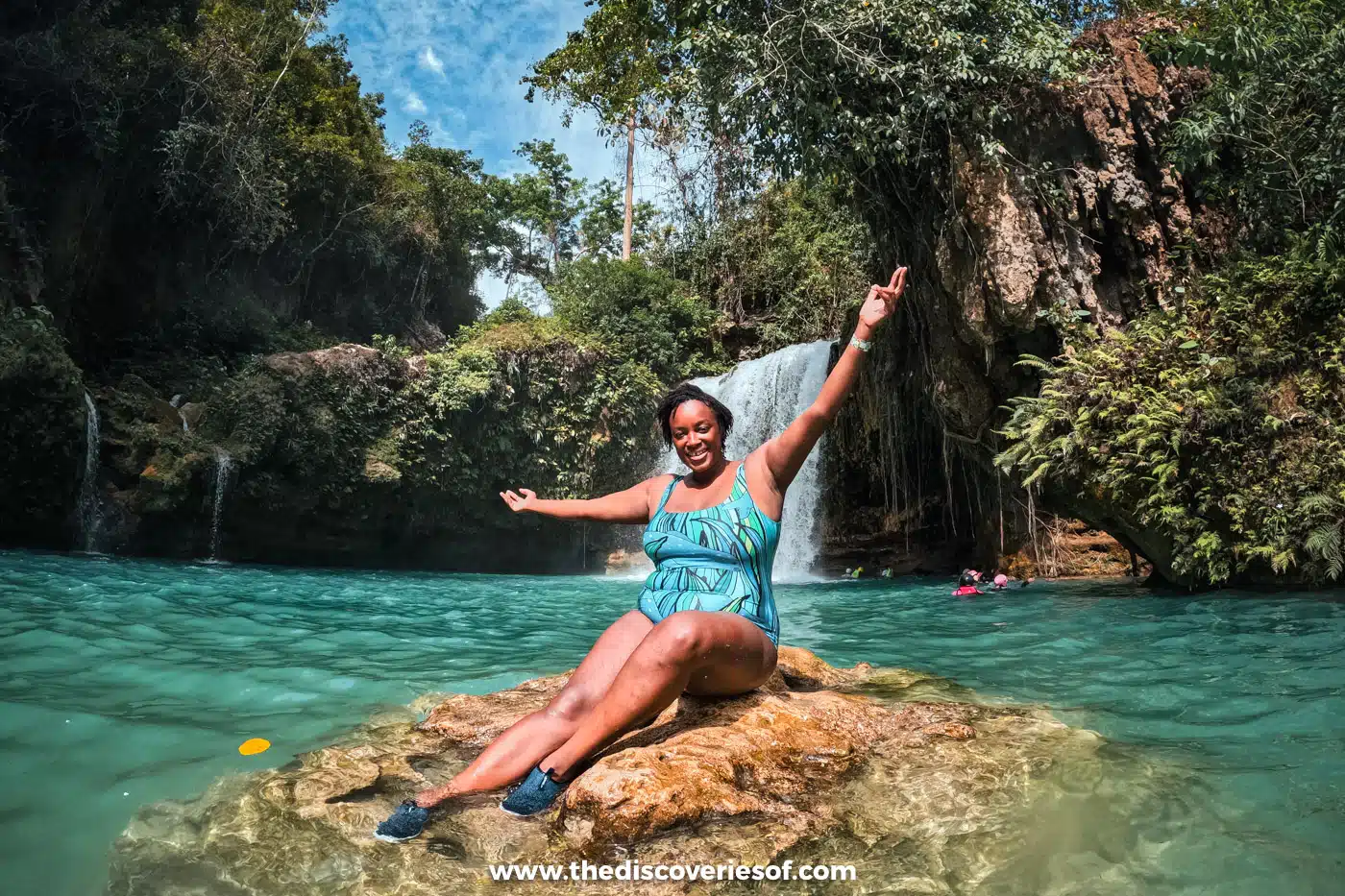
The Visayas is literally and figuratively the heart of the Philippines. Located in the central part of the Philippines, the Visayas (pronounced “Bees-eye-yas”) region has some of the most spectacular islands in the country.
Here, you can find some of the most colourful and unique snorkelling and diving in the country, as well as volcanic islands and incredible wildlife. Of all of the places to visit in the Philippines, the Visayas region is probably my favourite.
Siquijor
Siquijor is another small island that’s home to all kinds of outdoor activities and beautiful beaches. Here, you can find secluded beaches surrounded by palm trees and sparkling white sand, as well as rainforest oases with small fish that nibble at your feet (try the fish spa at the Old Enchanted Balete Tree). Waterfalls like Cambugahay Falls and hiking trails around the island treat visitors to a dose of much-needed fresh air and beautiful, photogenic scenery. The island also carries a famous reputation for folk healing and “magic,” which only adds to its mystical, off-the-beaten-track atmosphere.
Cebu City
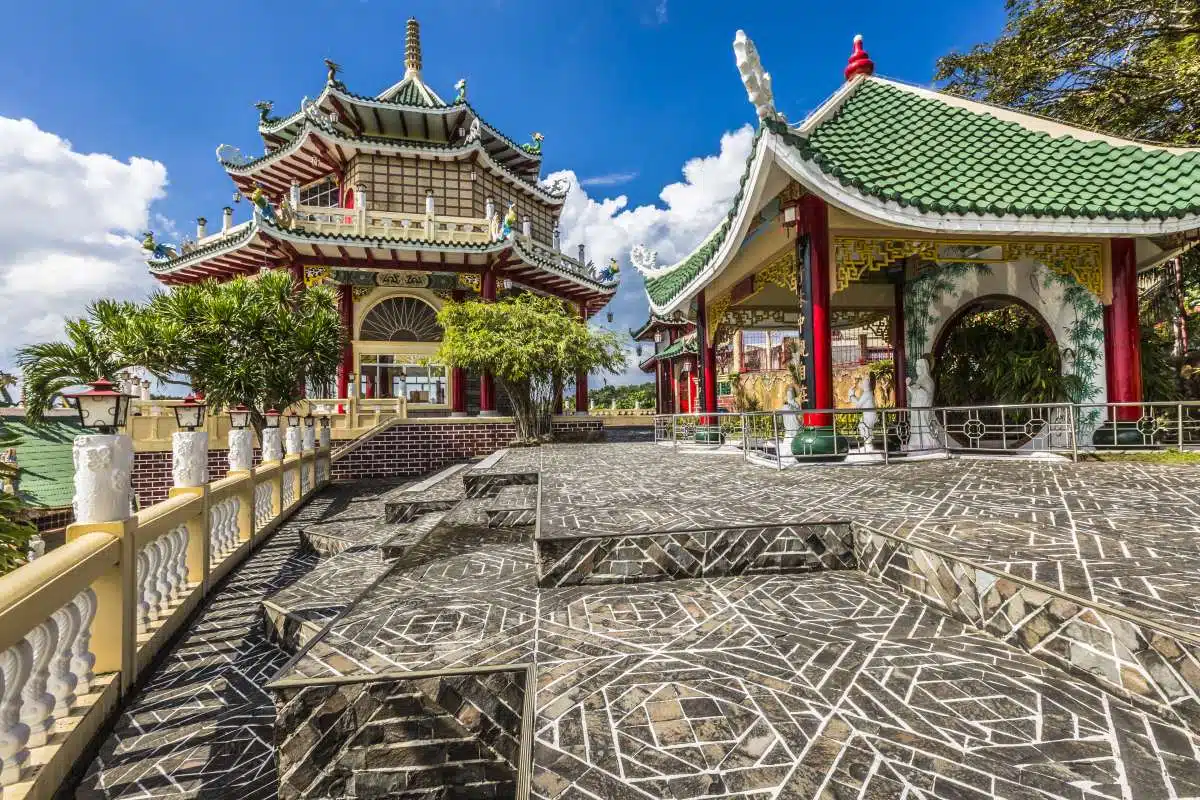
Cebu is one of the Philippines’ largest cities, and while I usually advise visitors to the Philippines to spend as little time in the cities as possible, I think Cebu is worth a visit. There are remnants of the many cultures that helped shape the Philippines, from Spanish-style Catholic churches to Taoist temples, like Magellan’s Cross and the Basilica del Santo Niño, and a giant statue of Lapu-Lapu (Ferdinand Magellan’s killer) across the bridge on Mactan Island.
There are so many potential options for any Cebu itinerary, it’s no wonder many tourists use it as a base for their Philippines adventures! Moalboal, Kawasan Falls and Malapascua are all within a few hours by road.
While you’ll also find the crazy traffic, gargantuan shopping malls, and ritzy neighbourhoods that exist in all cities in the Philippines, a visit to Cebu can open your eyes to the mix of cultures and traditions that exist here.
Boracay
Ah, the famed Boracay. For better or for worse, it definitely belongs on any “best places to visit in the Philippines” list. With its white sand, upscale resorts and hordes of tourists, Boracay is the classic “lie on the beach and do nothing” destination. Think of it as a Cancún of sorts. If you’re looking for an easy, relaxed resort holiday, you’ll find it here. Worth noting: after the island was famously closed for six months of rehabilitation in 2018, there are now stricter rules in place to protect it, which have made it noticeably cleaner and more pleasant than in its overcrowded heyday. You’ll need a confirmed booking at an accredited hotel to get onto the island, and you’ll pay an environmental fee and terminal fee on arrival.
Apo Island
Apo Island is a tiny island near Negros Oriental. Another marine paradise on the list, Apo Island is home to some of the most colourful and diverse reefs in the Philippines, and is especially famous for snorkelling with sea turtles right off the beach. Here, snorkellers and divers can see all kinds of fish, turtles, and corals, thanks to a community-run marine sanctuary that’s been protected since the 1980s. There’s also a quaint village, a historic lighthouse and some rocky beaches to explore nearby.
Moalboal
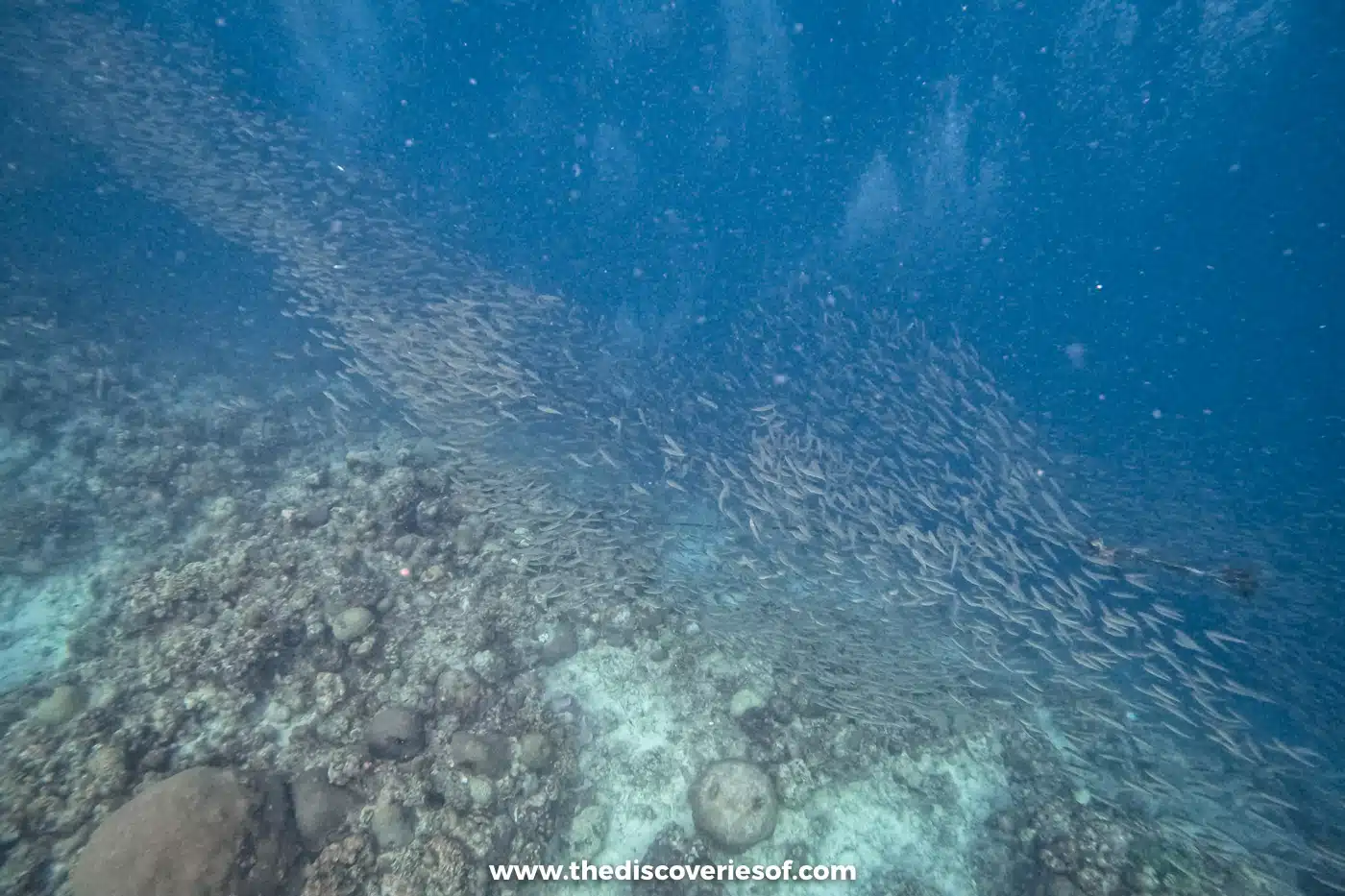
Just 2.5-3 hours by bus from Cebu City lies the small town of Moalboal (allow longer from the airport: a taxi from Mactan-Cebu can take almost four hours in traffic). And while there are a few souvenir shops, seaside restaurants, and small cabanas here to stay in, the best part of Moalboal lies under the surface.
Yup, you guessed it, it’s a diver’s heaven. Here, you can spot schools of fish, wild turtles, and colourful reefs just below the surface. You can also get your open-water certification from one of the many dive shops here.
Top tip
Moalboal is also well-known for the huge sardine bait balls (enormous schools of millions of fish) that lurk beneath the ocean’s surface mere metres from the shoreline. Rent some snorkelling equipment or book onto a dive and see this spectacular sight.
You don’t need a boat for the sardines: you just walk into the water off Panagsama Beach and suddenly you’re in the middle of a massive, swirling cloud of thousands and thousands of fish, moving like one creature. They’re there year-round, thanks to the deep drop-off right by the shore, and nobody feeds them. You can see them on a shore dive, but you don’t need to dive at all: snorkelling off the beach gets you just as close. Pescador Island, Moalboal’s other big dive site, is a wall dive with fairly strong currents and changeable visibility, so it’s not a must-do.
Moalboal is also the jumping-off point for canyoneering at Kawasan Falls, where you jump, slide and swim your way down a turquoise river canyon to the falls themselves. The full route covers around six kilometres and takes about four hours, with jumps from around a metre up to seven metres, and accredited guides, helmets and life jackets are compulsory. The route occasionally closes for a few days for safety checks after rockfalls or heavy rain, so book with a local operator who will know the current status.
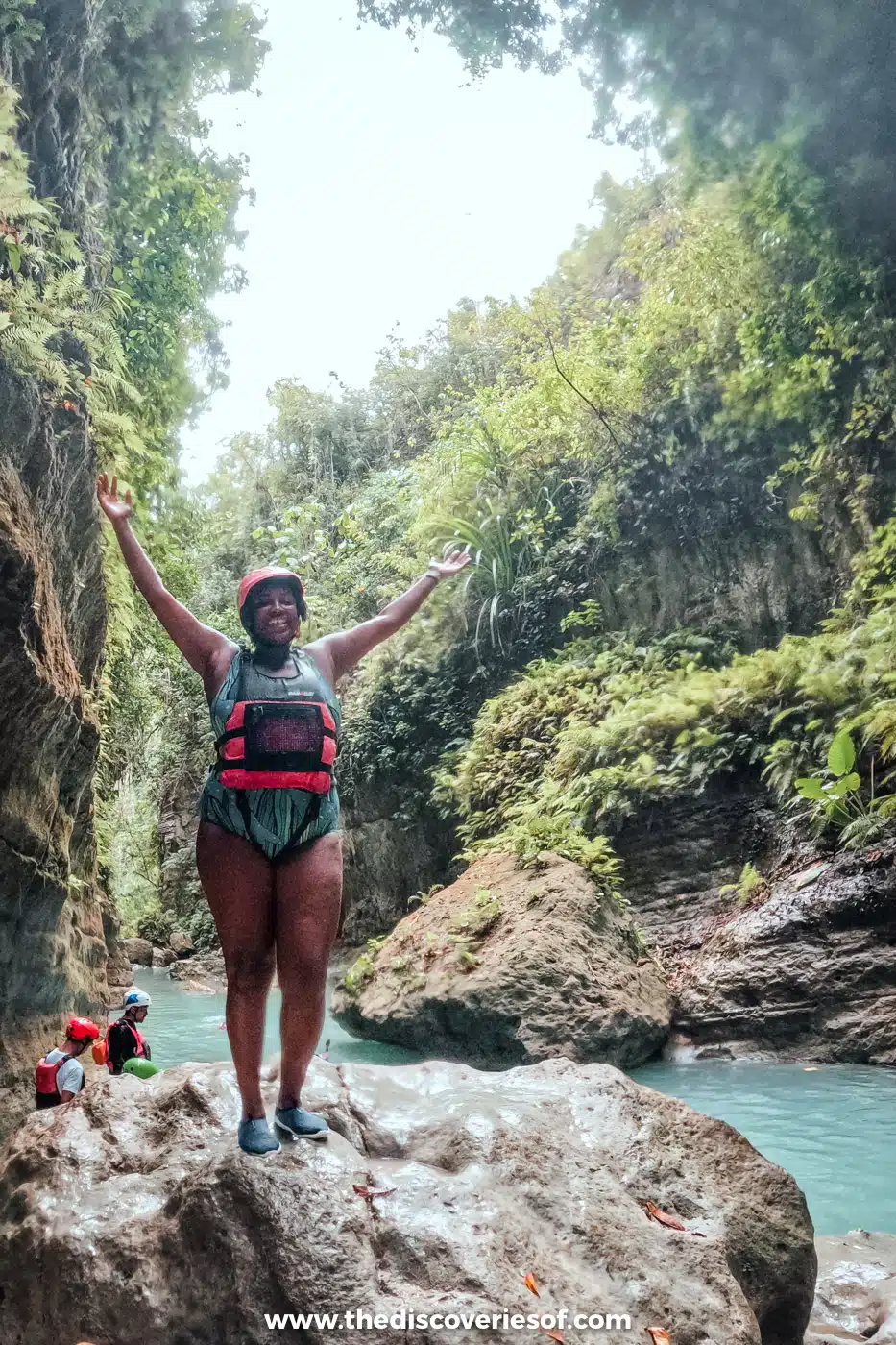

Even if you’re nervous of heights, canyoneering at Kawasan is one of the best things to do in the Philippines. It starts with a zipline over the trees, and then it’s straight into the canyon: scrambling over rocks, wading through pools and jumping off ledges, in water so blue it looks unreal, with a rope swing near the end. Afterwards, go for dinner at a sutukil place in Moalboal, where you pick your seafood and choose how it’s cooked: it’s the perfect post-dive meal.
Antique
Antique is one of the most diverse provinces to visit in the Philippines. Here, there’s an abundance of outdoor activities, beaches and snorkelling, and historic landmarks to enjoy. The most notable natural areas are the sandbar and grassy hills of Malalison (Mararison) Island off Culasi, the remote white-sand Seco Island, and Malumpati Cold Spring in Pandan. Inland, the San Remigio rice terraces are gorgeous to hike through. For history lovers, the old church ruins in Patnongon are a must, and for those interested in artisan work, you can watch weavers creating bright patadyong fabrics in Bagtason, in Bugasong (and maybe even learn yourself).
Malapascua
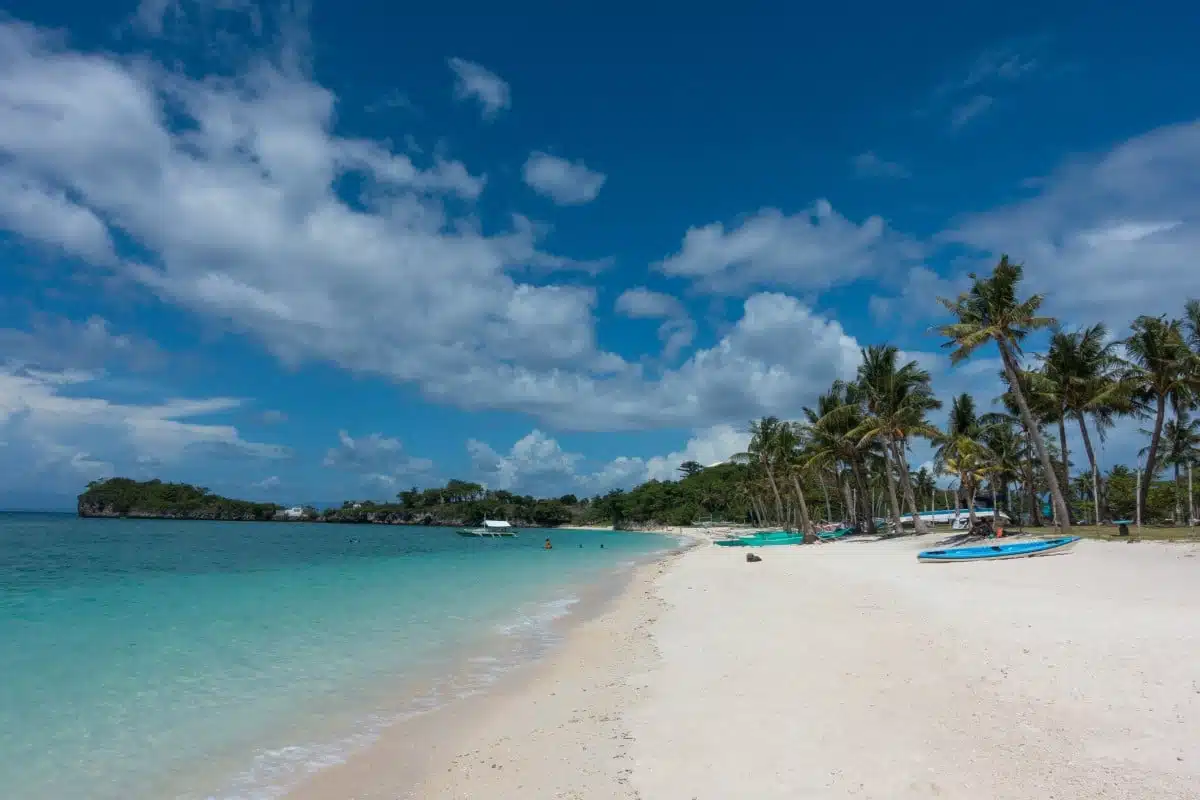
If you’re a somewhat experienced diver and feel you’re ready for the big game (literally), you can head to Malapascua. This is another diver’s paradise off the coast of Cebu that offers advanced certified divers the chance to see and dive with large marine life like thresher sharks at Monad Shoal, and seasonally manta rays.
While I was there, I did a couple of deep water dives (~30 metres) and got to see a whole handful of thresher sharks – so cool! It was my 22nd birthday present to myself and an experience I’ll never forget. Deep diving in Malapascua is an incredible way to admire natural beauty and meet some of the large sea creatures we don’t often get to see.
Iloilo

This one’s for the foodies out there. Yes, the Philippines even has destinations for you! The cuisine in Iloilo and the surrounding areas is some of the finest and most unique in the country. Head to the markets and local sit-down restaurants to try dishes such as La Paz batchoy (a noodle and meat soup), pancit molo, chicken binakol and a range of seafood. In 2023, Iloilo City became the first place in the Philippines to be named a UNESCO Creative City of Gastronomy, so you know you’re in good hands. Iloilo is a city waiting to be explored by the hungriest of souls.
Islas de Gigantes
Scattered across the Visayan Sea off the northern tip of Iloilo province, the Islas de Gigantes are a cluster of around ten islands belonging to the town of Carles. Island-hopping days here take in the white-sand beach and viewpoint of Cabugao Gamay, the cliff-ringed saltwater Tangke Lagoon on Gigantes Sur and the Bantigue sandbar, with plenty of swimming in between.
Then there’s the food. The islands are famous for scallops so plentiful they have long sold for a few pesos apiece, served up alongside fresh crab and squid on almost every tour. Public boats run daily from Bancal port in Carles (about an hour), which you can reach by bus from Iloilo City, so it pairs perfectly with a food-focused stay in Iloilo.
Bohol
Home to the famed chocolate hills, Bohol is a prime location for landscapes, beaches, and wildlife. The best way to experience the Chocolate Hills is from the viewing deck at the Chocolate Hills Complex in Carmen, where steps lead up one designated hill for a panorama over hundreds more. The hills themselves are protected, so stick to the official viewpoint.
While in Bohol, you can also see the tarsier, one of the world’s smallest primates (and not, despite what you may hear, a monkey)! There’s a sanctuary here run by the Philippine Tarsier Foundation in Corella where you can observe (but not touch) these tiny, big-eyed creatures.
Top tip
There are also many other wildlife viewing sanctuaries around the island. However, I encourage you to thoroughly research any animal activities (in Bohol and around the world) before you choose to go to them. Places offering riding, petting, and holding wild animals is typically a bad sign.
Dumaguete
Just across the water from Siquijor and Apo Island, the laid-back university city of Dumaguete makes a perfect base for exploring the southern Visayas. Known as “the City of Gentle People,” it has a relaxed, walkable seafront promenade (the Rizal Boulevard), a great café and food scene fuelled by its Silliman University student population, and easy access to dolphin-watching at Bais, freshwater lakes, and the diving around Apo Island. It’s the kind of low-key, friendly place that travellers often plan to pass through quickly and end up lingering in.
Bantayan Island
Off the northern tip of Cebu, Bantayan Island is the kind of castaway paradise the Philippines does so well, yet it sees a fraction of the crowds of Boracay. Think powder-soft white sand, clear shallow water and a sleepy, swing-in-a-hammock pace of life. There’s little to “do” here in the conventional sense beyond island hopping, swimming and watching spectacular sunsets, which is precisely the point. If you’re after a quieter alternative to the big-name beach destinations, Bantayan is a gem. Ferries run from Hagnaya port, about three hours’ drive north of Cebu City, to Santa Fe.
Kalanggaman Island
Off the coast of Palompon in Leyte, Kalanggaman is a tiny, uninhabited island with a long, curving sandbar at each end, surrounded by impossibly clear water. It’s a day-trip destination (there’s no accommodation beyond basic camping), with a visitor fee collected by the local government to keep numbers and impact down. Bring everything you need, including shade.
Eastern Philippines
While the eastern part of the Philippines constantly receives the brunt of typhoon damage, there are still a few exciting and notable places to visit in this region. The area is primarily known for historical sites, dramatic coastlines and being home to the largest cave in the Philippines.
Legazpi City
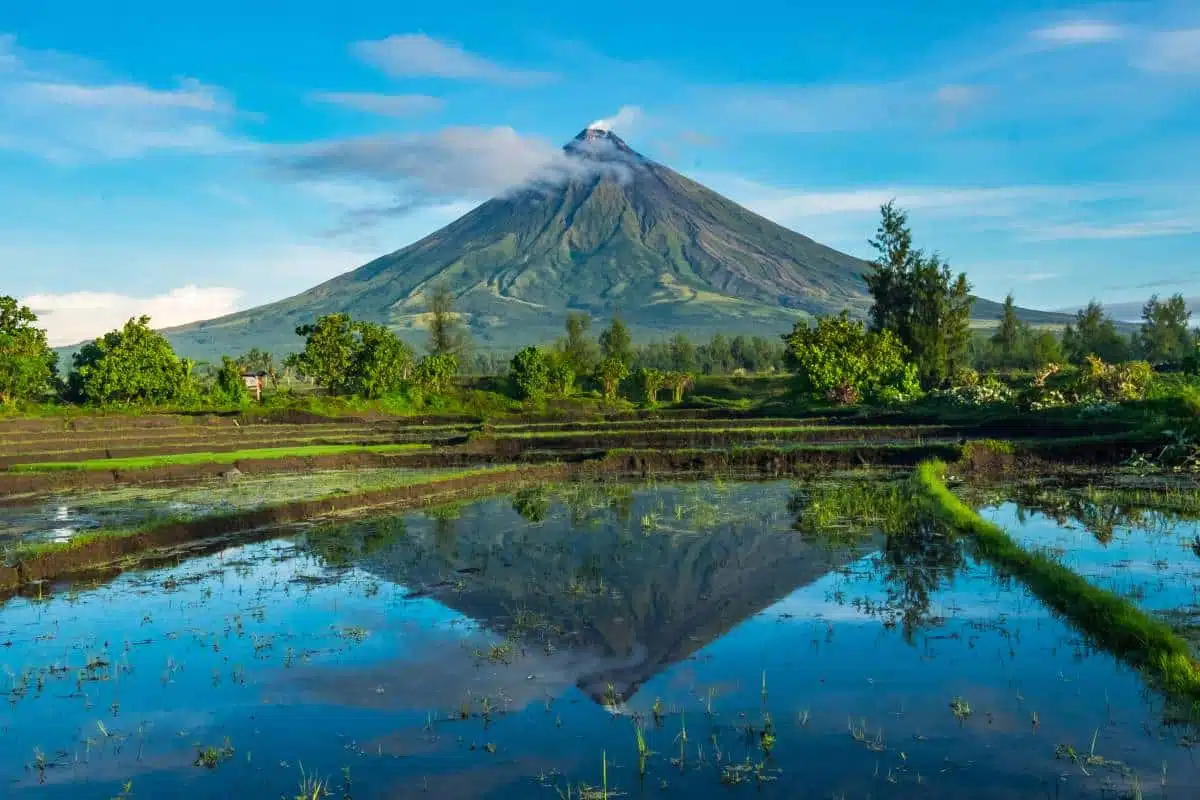
Legazpi is one of the Philippines’ most picturesque cities. It’s steeped in history and nature and full of things to do for any kind of traveller. Here, you can find ruins, caves, zip lines, and views of one of the Philippines’ most stunning and perfect volcanoes, Mayon. Spend a day exploring nature, hang around in the Cagsawa Ruins in neighbouring Daraga, ride the zip line on Lignon Hill, or just lazily watch the day go by in the shadow of the mighty volcano. Mayon is very active (it was raised to Alert Level 3 in January 2026 and lowered to Level 2 in August), so check the latest PHIVOLCS alert level and respect the danger zone.
Langun-Gobingob Caves
The largest cave system in the Philippines, the Langun-Gobingob Caves, is located on the island of Samar. Inside this lesser-explored cave, thousands of stalagmites and stalactites hang from the walls. Getting here isn’t easy, though. To explore these monstrous caves, visitors must embark on a long, full-day guided trek through trails outside and inside the cave, arranged through the town of Calbiga. This is one for the serious adventurers.
Biri Island
Off the northern tip of Samar, Biri Island is home to some of the most dramatic rock formations in the country: huge, wave-sculpted outcrops with names like Magasang, Magsapad, Caranas and Macadlaw, rising straight out of the Pacific surf. It’s a protected landscape, and half the fun is scrambling between the formations past tidal pools that only appear at low tide, so plan around the tides and wear shoes with a good grip.
To get there, fly to Catarman (Philippine Airlines connects from Cebu), travel by road to Lavezares and take a public boat across, which takes around 45 minutes to an hour. Accommodation on the island is basic, and many visitors stay in Catarman instead.
Palawan/Western Philippines
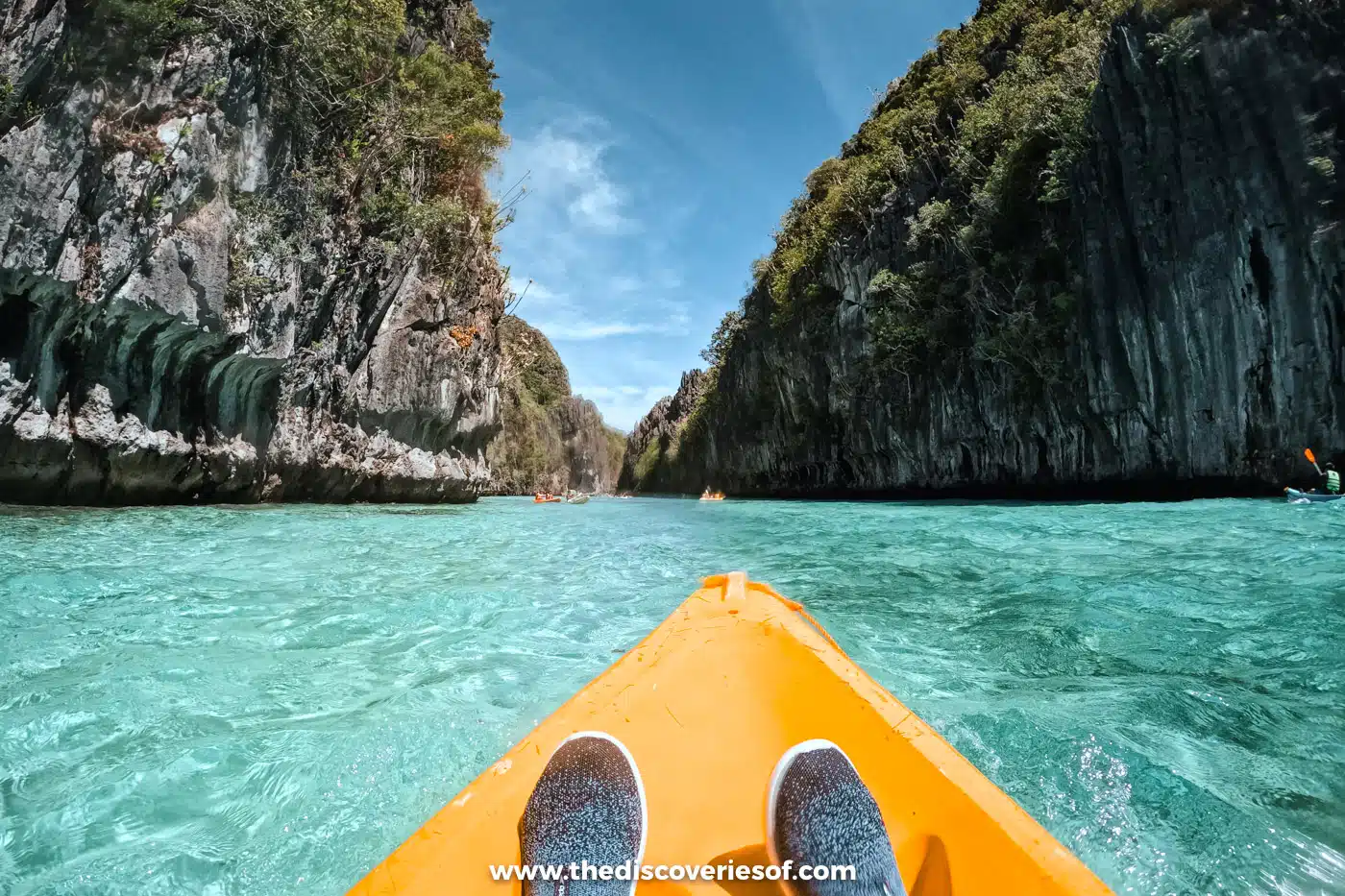
With islands largely consisting of jagged limestone, the western part of the Philippines boasts beautiful white-sand beaches, incredible hiking and climbing, unique scuba diving, and amazing island hopping to secret lagoons with the clearest blue water. Palawan is regularly voted one of the most beautiful islands in the world, and once you’ve been, you’ll understand why.
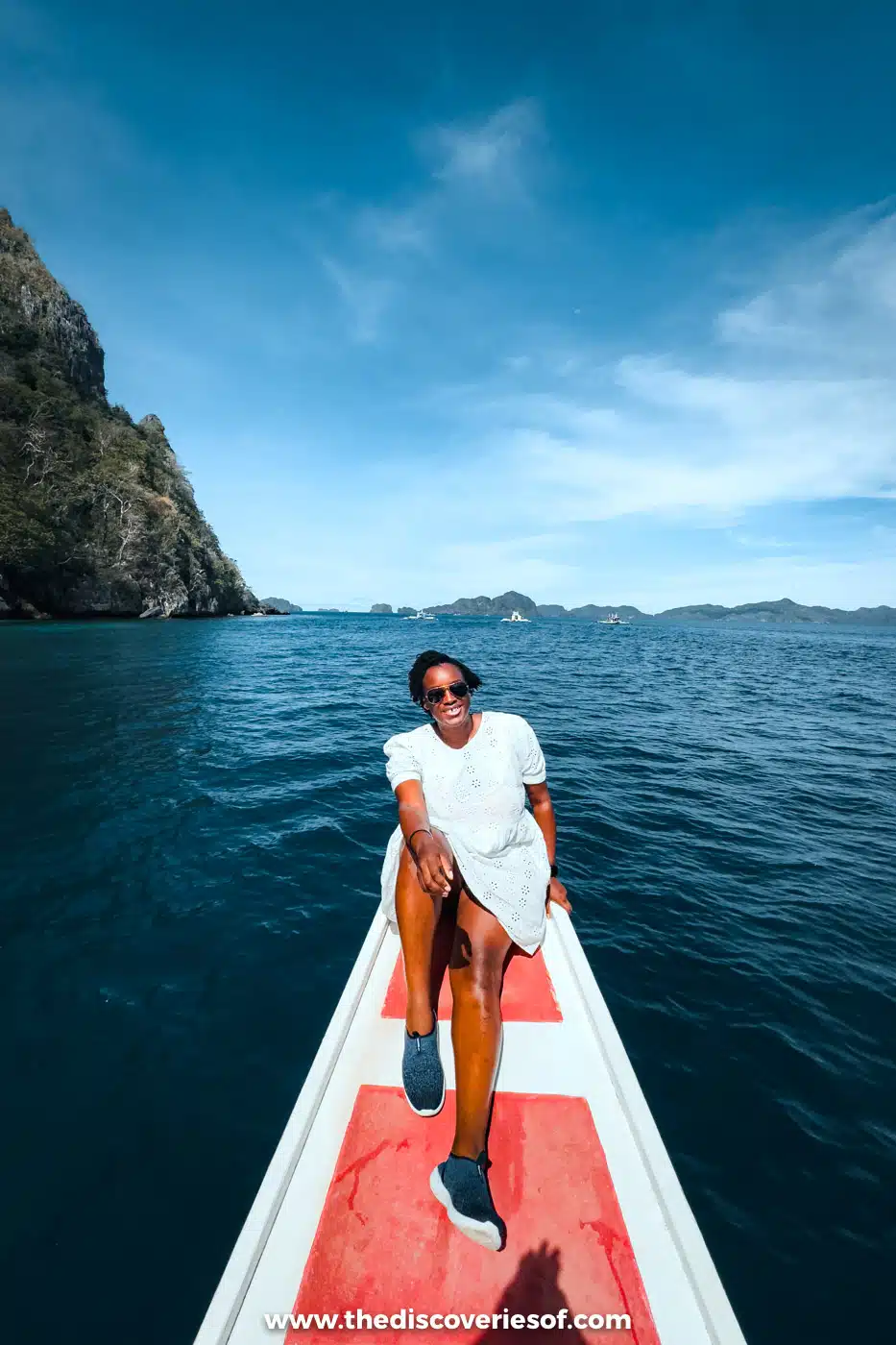
Coron
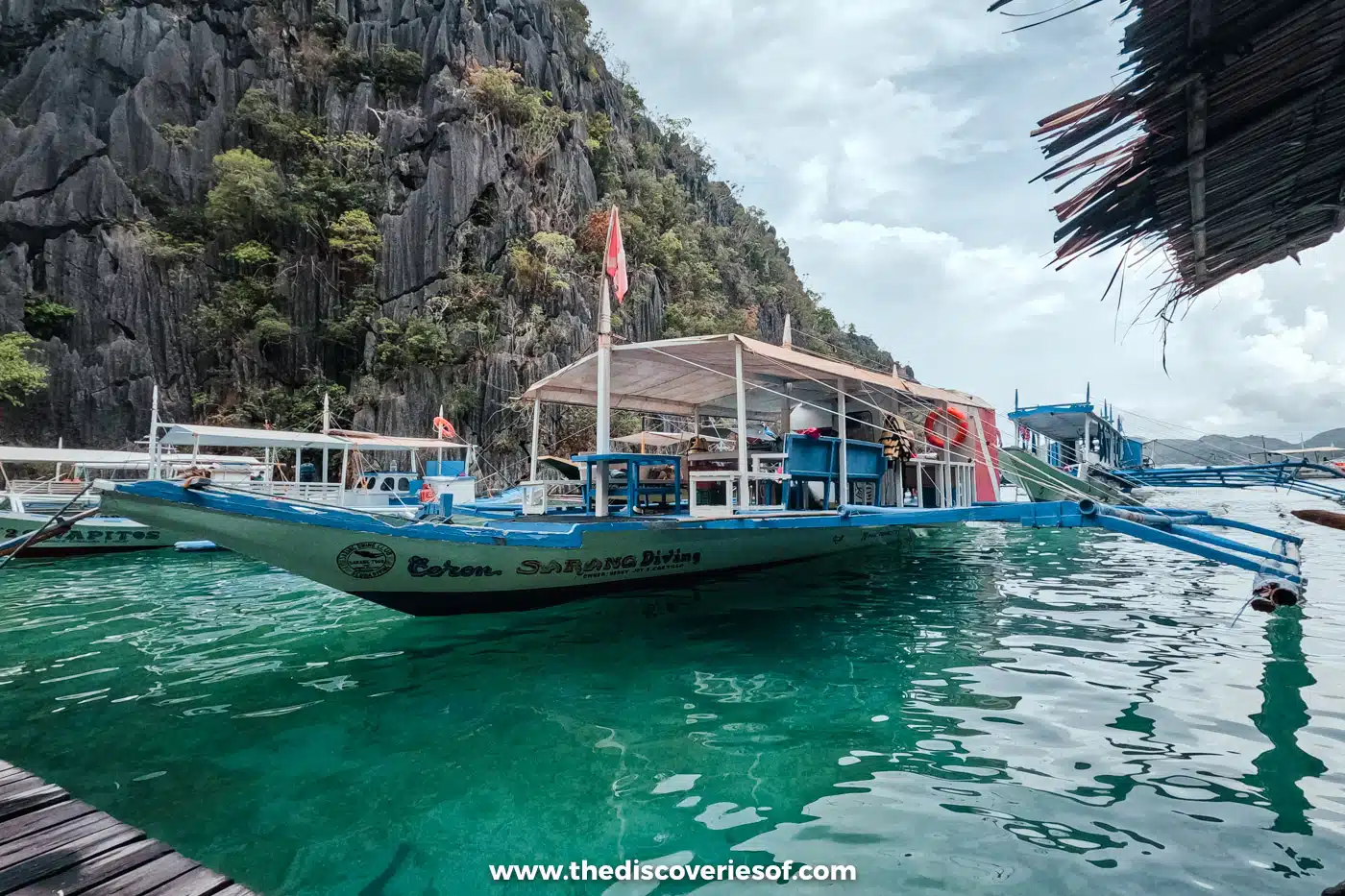
Coron town sits on Busuanga Island, north of mainland Palawan, and the area is practically a paradise. Luckily, you can get here a few different ways: by boat (around 3.5 to 4 hours by fast ferry from El Nido) or by plane to Busuanga airport, with flights from Clark (which replaced Manila for these smaller planes in March 2026), Cebu and El Nido. Visitors who make the trek out to Coron are greeted with incredible secret lagoons like Kayangan Lake, relaxed beaches, stunning landscapes, and vibrant sunsets. You can also spend a day island hopping in Coron, and it’s best done by booking ahead: Julianna’s tour took in Barracuda Lake, a coral garden and the Twin Lagoons. Julianna’s Coron travel guide covers the best things to do.
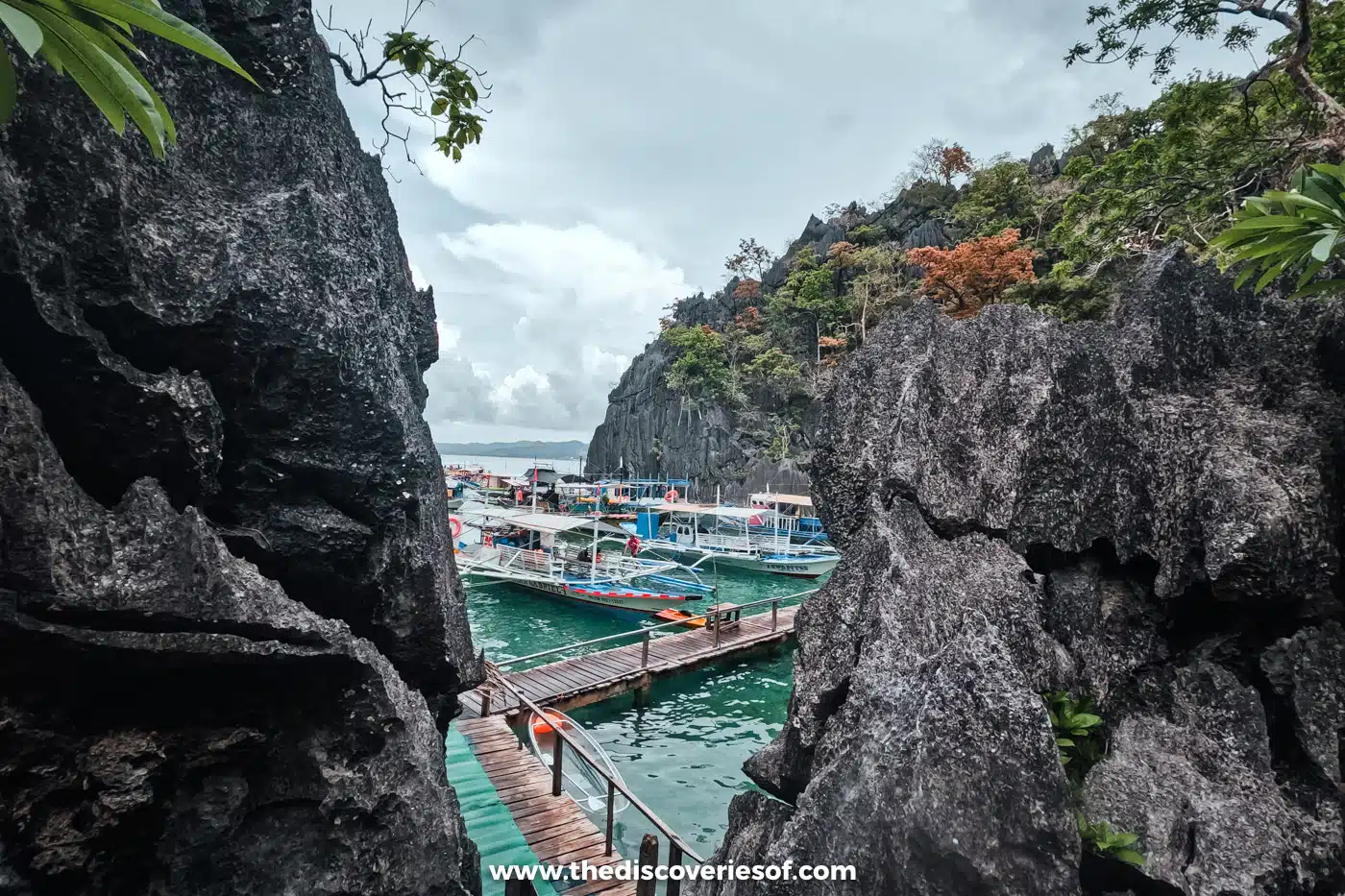
Not only is Coron remarkable above the surface, but it has many gems under the water as well. Here, divers can marvel at colourful, shallow reefs or explore the wrecks of a Japanese fleet sunk by American air raids in September 1944, most of them supply ships, which now make Coron one of the world’s great wreck-diving destinations. It’s a popular place for people to get dive certified as well.
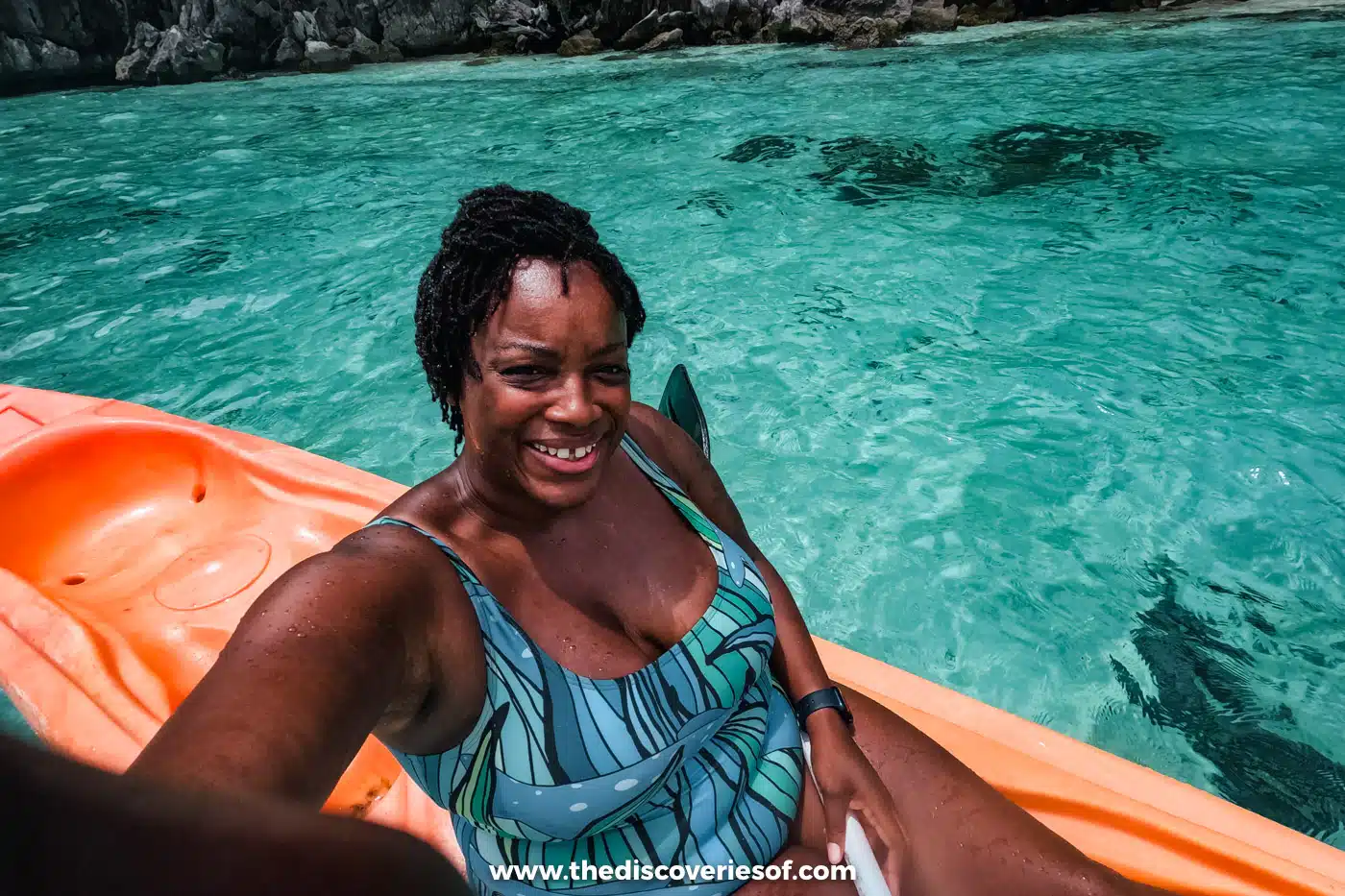
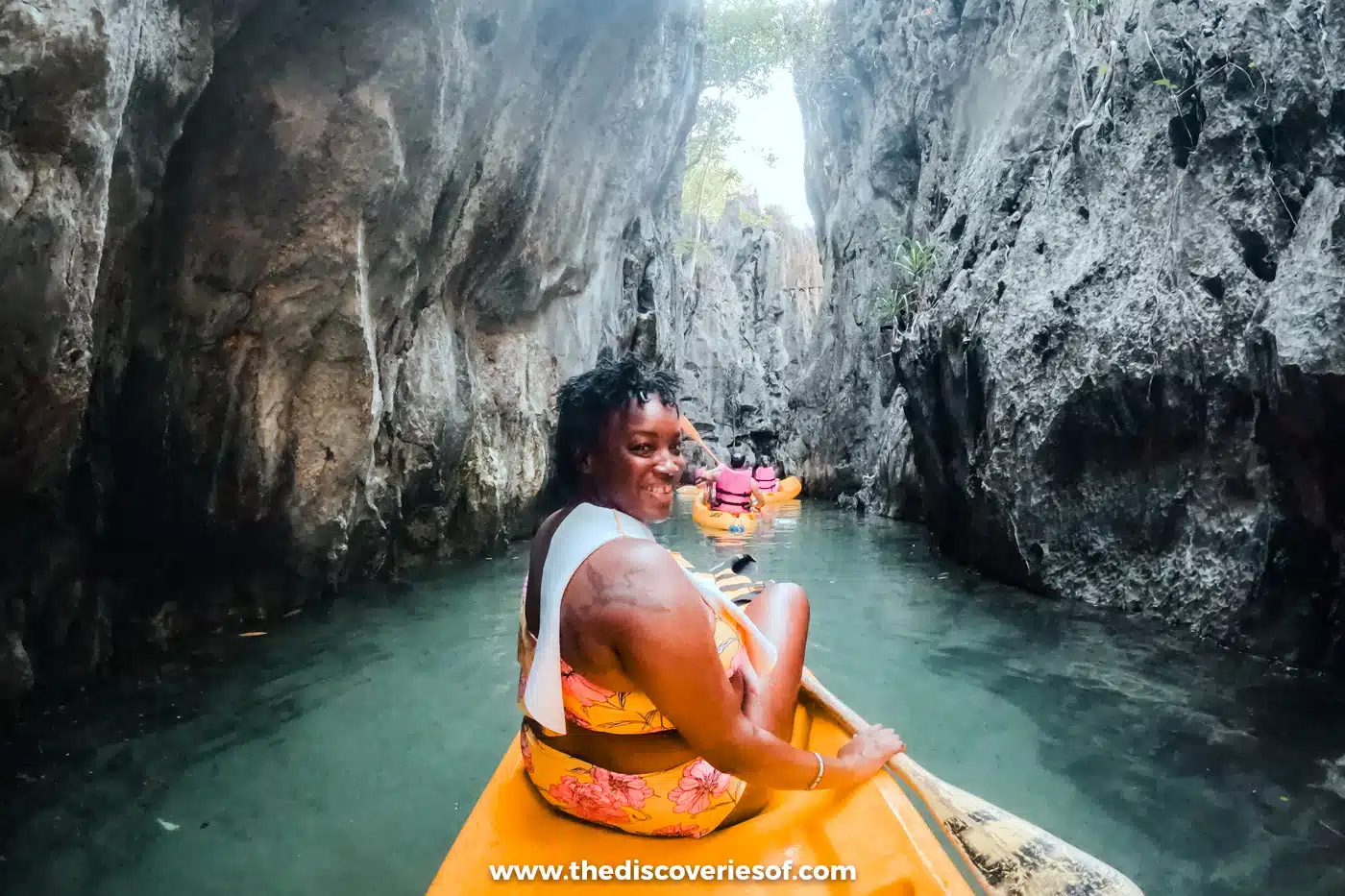
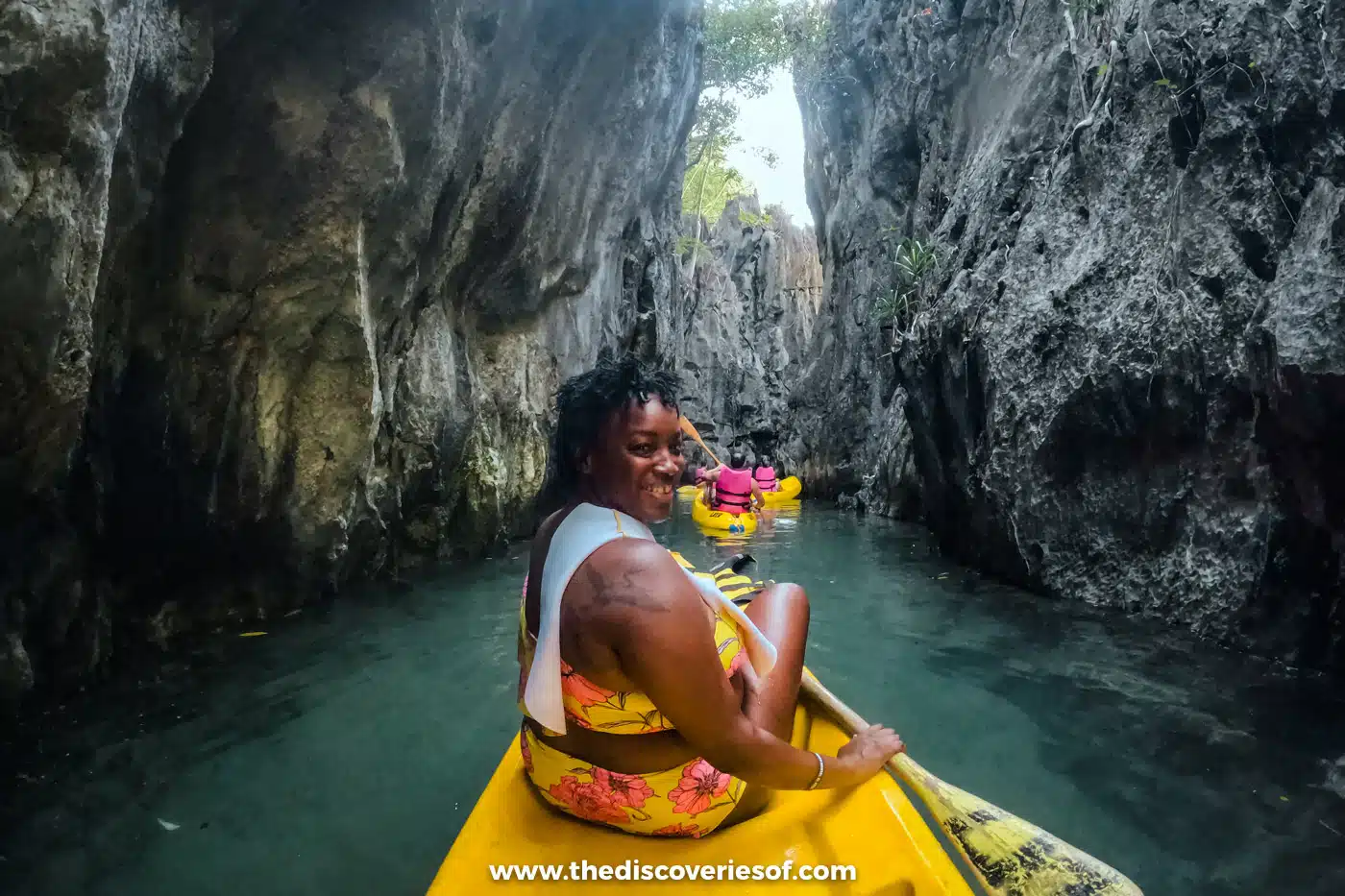
On an island-hopping tour, the coral garden is the highlight: electric-blue coral, fish everywhere you look, and anemones with clownfish. At the Twin Lagoons, pay for a kayak (around ₱1,000, or ₱1,500 for a crystal-bottomed one): you duck under a low rock arch, then paddle away from where the boats drop everyone off into the quieter part of the lagoon. Barracuda Lake has beautiful water, but the snorkelling is underwhelming, and there’s just one small, crowded platform to get in and out. Back in town, go to El Kuvo for a mango margarita and a plate of kare-kare. One warning: the port can be chaotic in the morning, with hundreds of people and touts asking for money for things that are already included, so be clear on what you’ve paid for before you hand over any cash.
El Nido
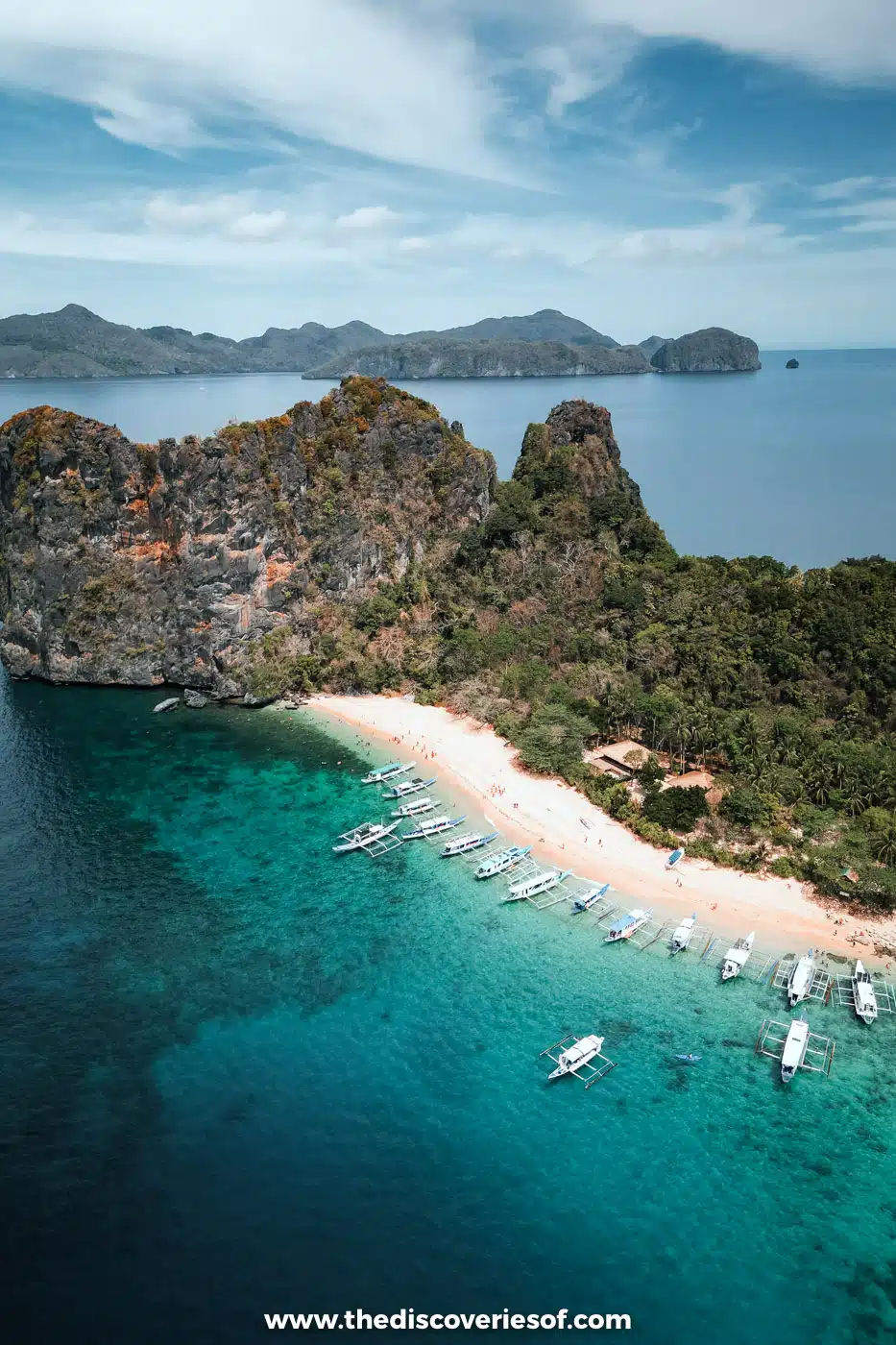
As much of a paradise as Coron is for divers, El Nido is a paradise for, well, everyone else. Situated on the northern coast of Palawan, El Nido is a haven for island hoppers, snorkellers, and swimmers.
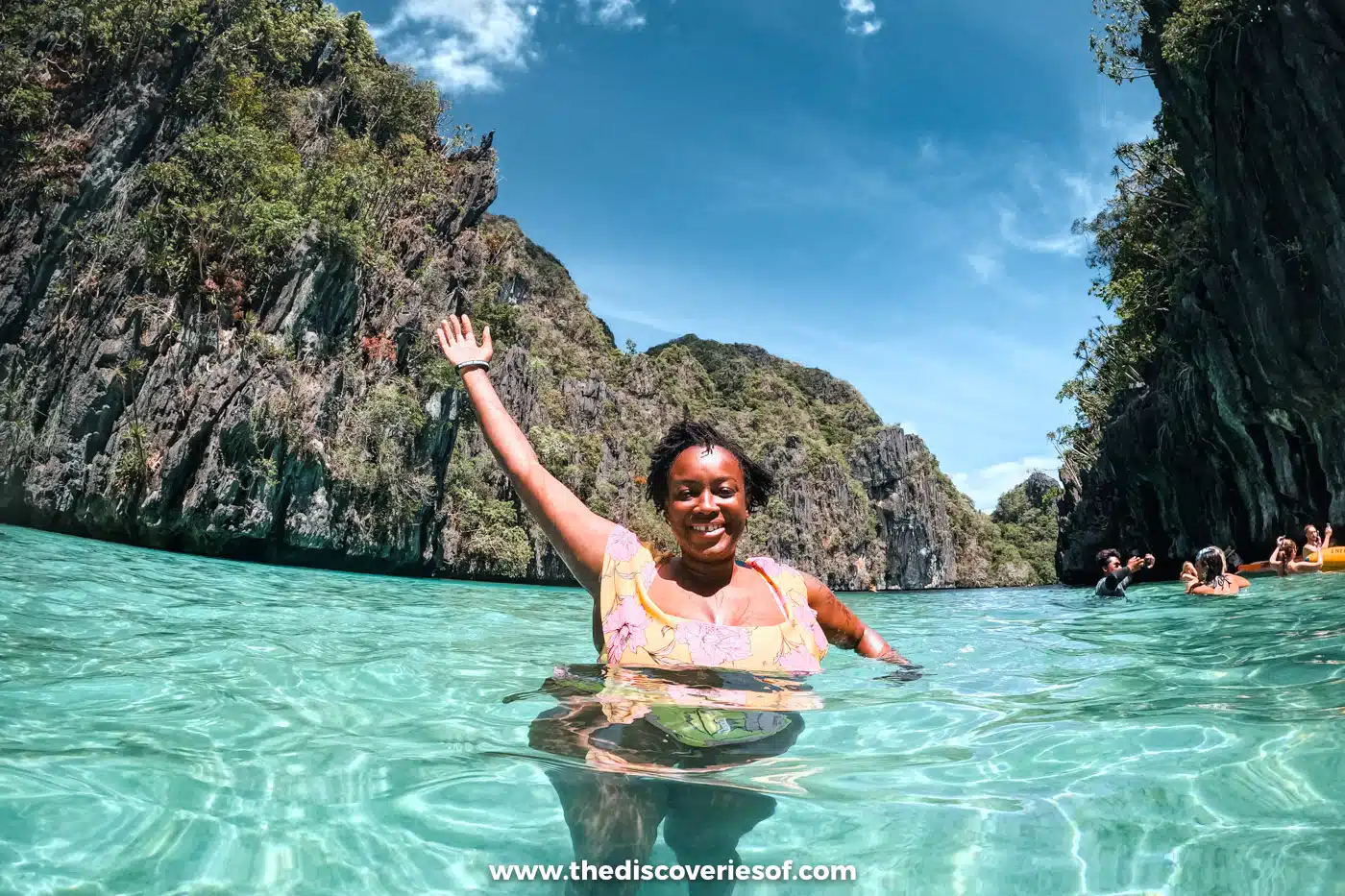
Here, you can embark on one of several island hopping tours, which take you around to different uninhabited islands in the area to swim, sunbathe, and explore (they’re labelled Tours A to D). These different tours are extremely affordable (roughly ₱1,200 to ₱1,800 per person, with lunch) and offer visitors a chance to see hidden lagoons, majestic, fjord-like viewpoints, marine life, and clear water for miles. Tour A covers the Big Lagoon, while the Small Lagoon is now on Tour D, so check older guides against the current line-up. Bring cash for the fees on top: the ₱400 environmental fee (valid for 10 days), user fees of ₱200 for the Big Lagoon or Small Lagoon and ₱300 for the Matinloc Shrine, and ₱300 to ₱500 for a kayak in the lagoons.
Tours A and C are the two most people recommend. Tour A takes in the Big Lagoon, where the water colour doesn’t look real, the Secret Lagoon, where you lie flat on your back to be pushed through a tiny gap in the rock, and Seven Commandos Beach, which is lovely but busy. Tour C starts at Helicopter Island and usually visits Secret Beach and the Matinloc Shrine, though crews swap in other stops when the sea is too rough to land. Renting your own kayak in one of the lagoons (around ₱300) is the best way to escape the crowds. You can book both through GetYourGuide or any agency in town.
One of the most important things to know before visiting El Nido is that it’s fairly difficult to get to.
Getting there
To arrive here, you either need to fly to Puerto Princesa and take a 5 to 6-hour van, or fly into Coron and take a boat. El Nido also has its own small airport at Lio, with flights from Clark, Cebu, Coron, Caticlan (for Boracay) and Bohol, run by Cebu Pacific’s regional arm Cebgo since it took over AirSWIFT’s flights in July 2026 (there are no flights from Manila). Everyone pays a ₱400 eco-tourism fee on arrival, valid for 10 days. Either way, it’s a worthwhile trek to see some of the Philippines’ most vibrant landscapes.
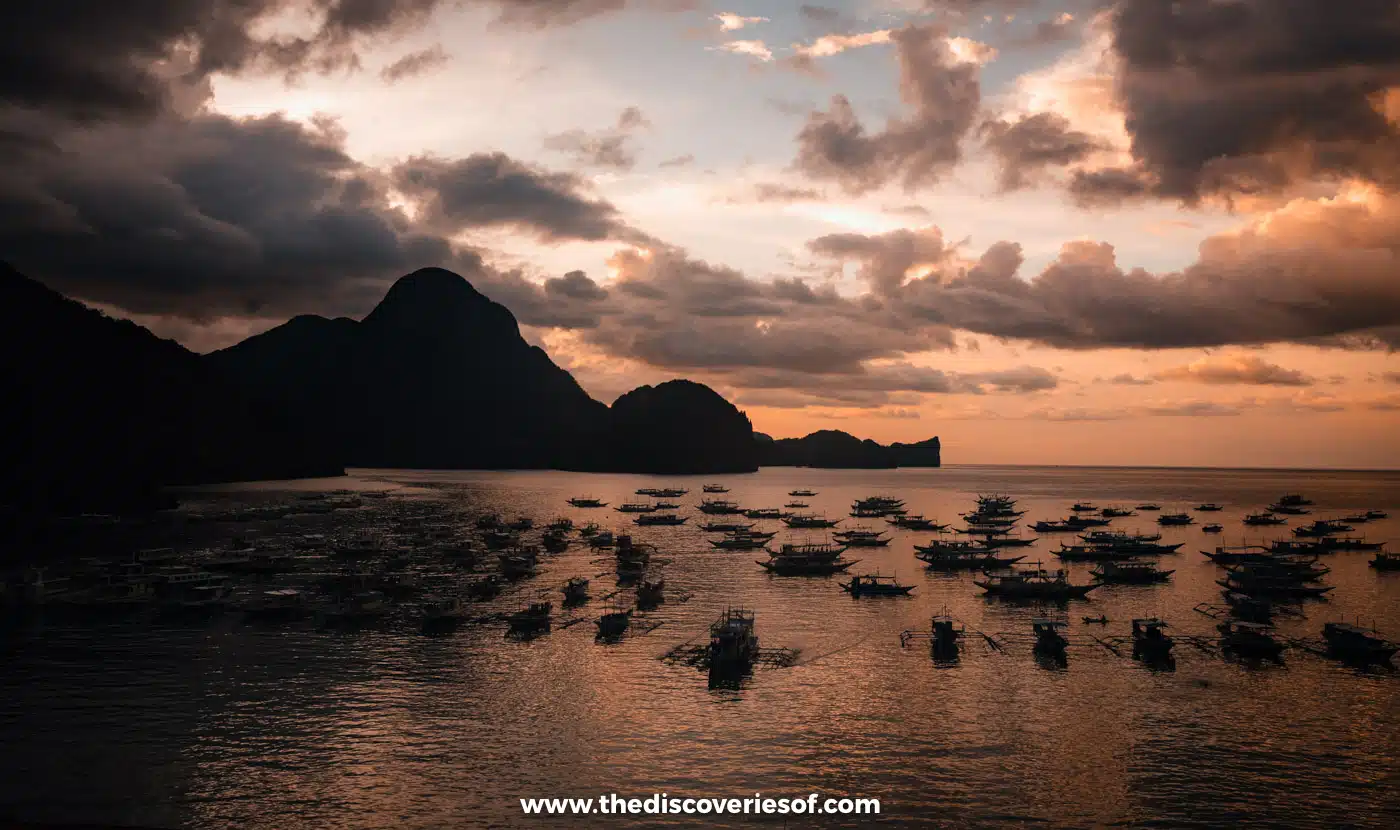
El Nido to Coron by boat

Rather than flying or taking the fast ferry between Palawan’s two big names, you can make the journey itself the highlight. Several operators run multi-day boat expeditions between El Nido and Coron through the remote Linapacan and Culion islands, one of the least developed stretches of the archipelago. Days are spent hopping between empty beaches and snorkelling spots, and nights are spent in simple beach huts at island camps you can only reach by boat.
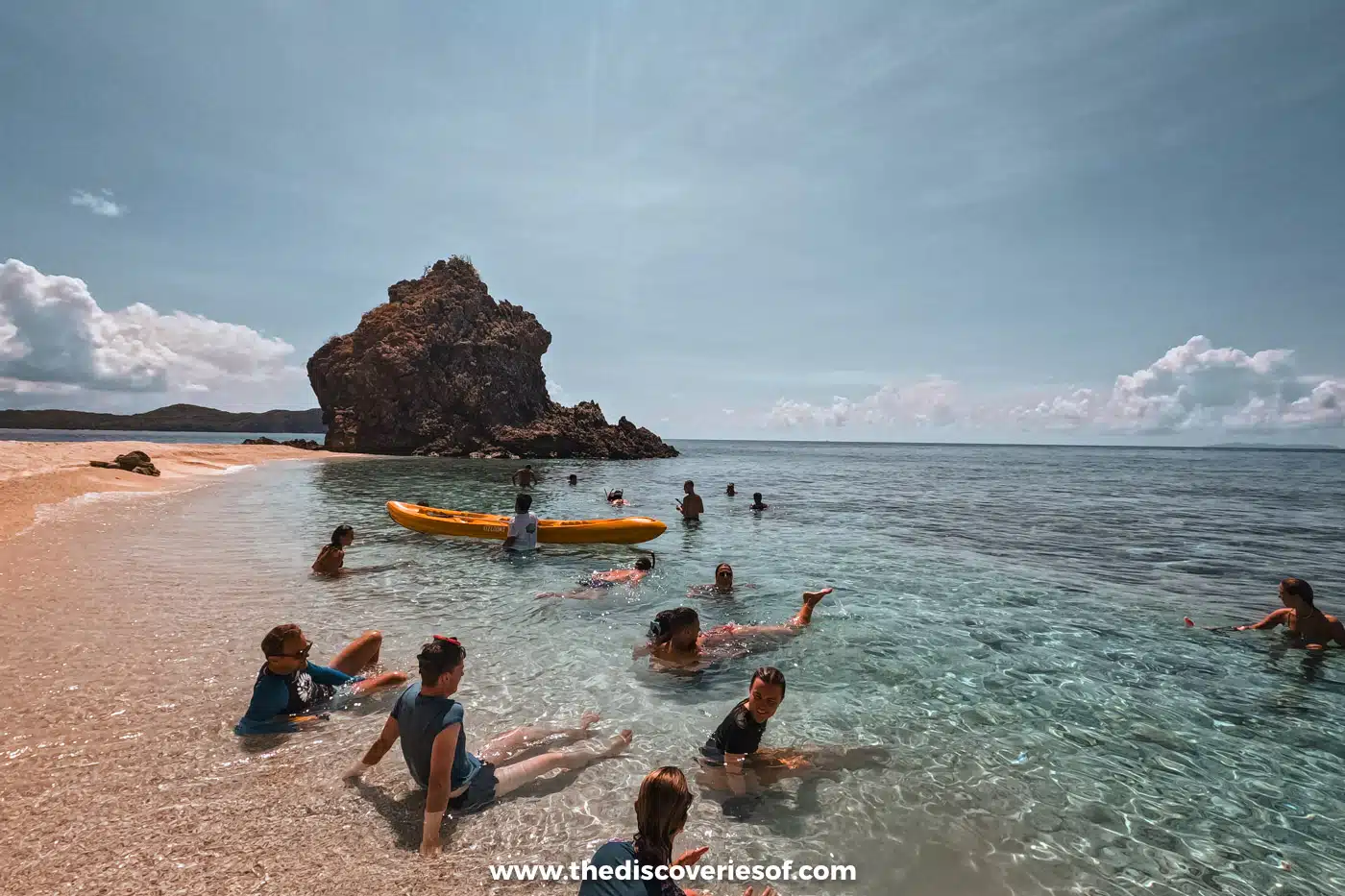
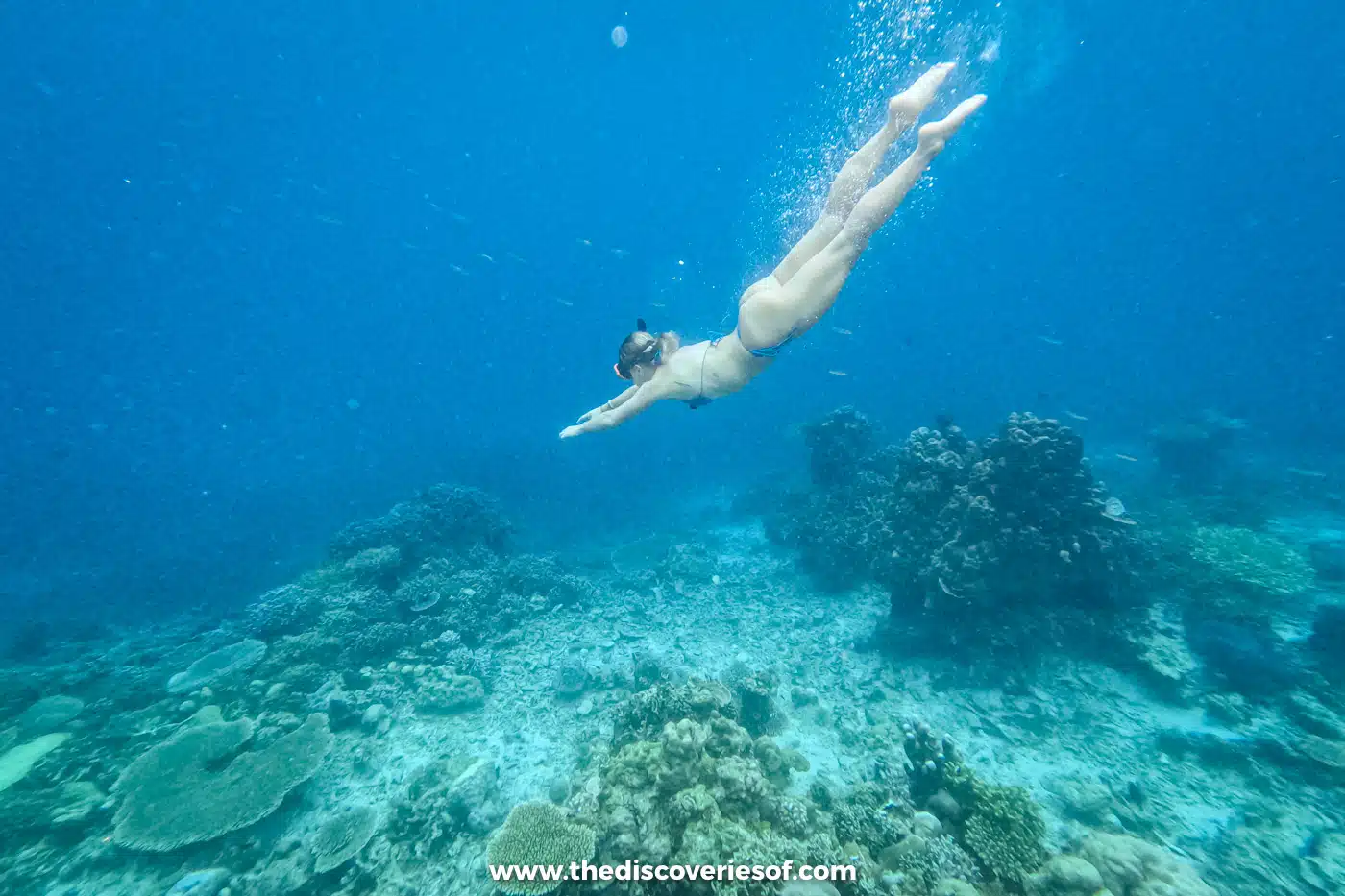

The three-day, two-night crossing from El Nido to Coron with Keelooma is one of the best things you can do in the Philippines. Routes change with the weather and sea conditions, there’s no Wi-Fi to speak of, and you’ll want to pack light, reef-safe sunscreen and a dry bag. Keelooma’s trips currently start from around ₱19,000 per person (with a 50% deposit to book), with meals included, and it’s worth booking well ahead in peak season (November to May).
It’s three days and two nights with no signal and no hotels, and that’s the whole point. Every day is different: snorkelling over coral gardens and a shipwreck, swimming through a cave into a hidden pool, and pulling into beaches with nobody else on them, with nights in simple cabins at island camps. It isn’t fancy or polished, and it doesn’t need to be: the real luxury is the sunsets, the slow mornings and a group of strangers who feel like old friends by the end.
Puerto Princesa
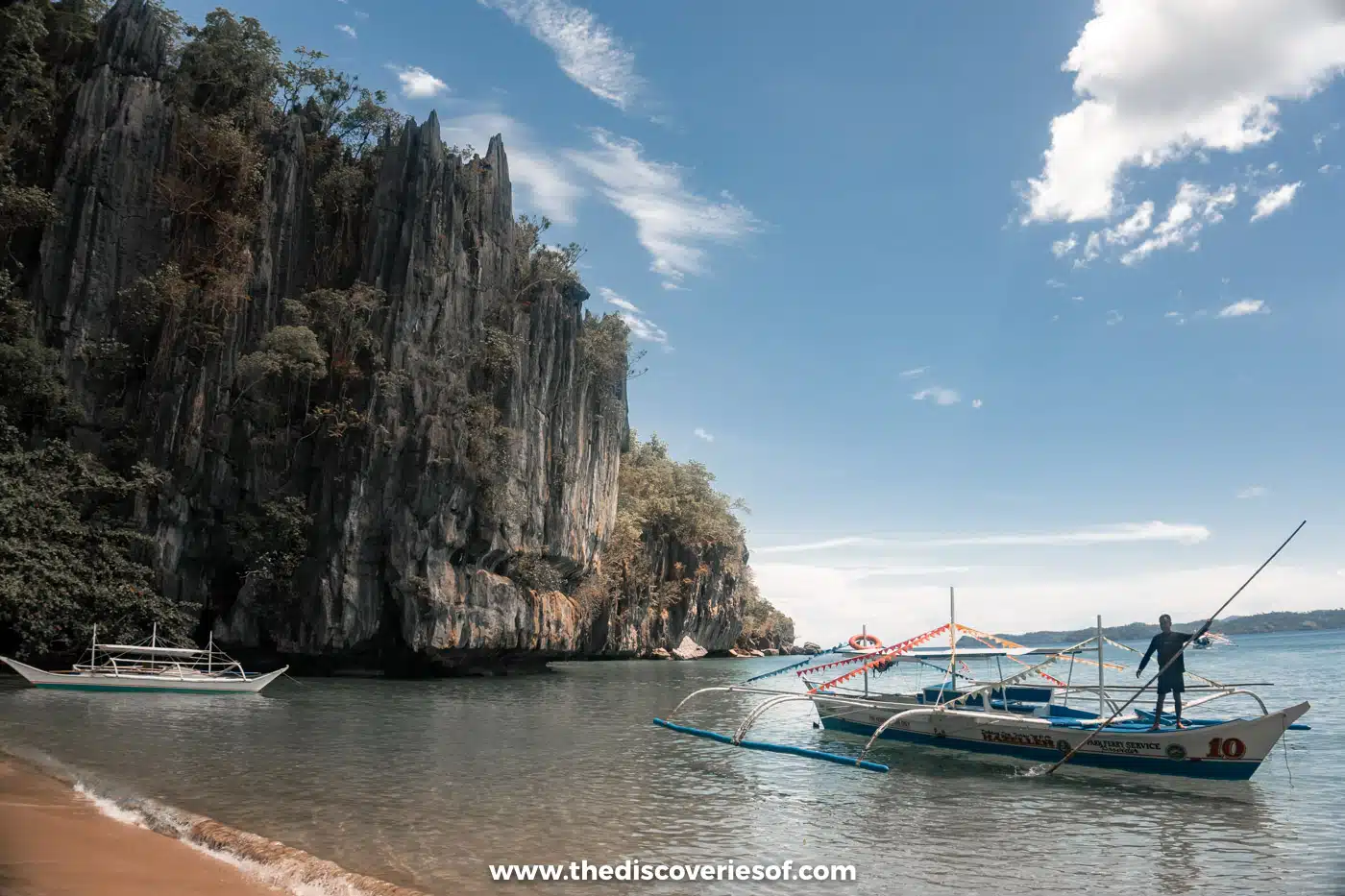
One of the easiest places to reach in Palawan, Puerto Princesa is full of famed landmarks and things to do. The most notable activity is the Underground River, a navigable river that runs through a vast cave system and a UNESCO World Heritage Site. Visitors can take a boat through the caves to explore them with an experienced guide. Note that this attraction gets extremely crowded and now requires a permit, so it’s worth arranging in advance and going as early as you can.
The Underground River tour is a full day: about an hour and a half’s drive to Sabang, a wait in the heat while your guide registers everyone’s permits, a short boat ride to the park and then a paddle boat into the cave, where the bats are so close you have to stay silent. The Cathedral chamber is vast. Ask for a seat at the front of the boat, and add the community-run mangrove paddle near Sabang, which costs a few pounds and goes straight to the village. Give Puerto Princesa at least one night, ideally two.
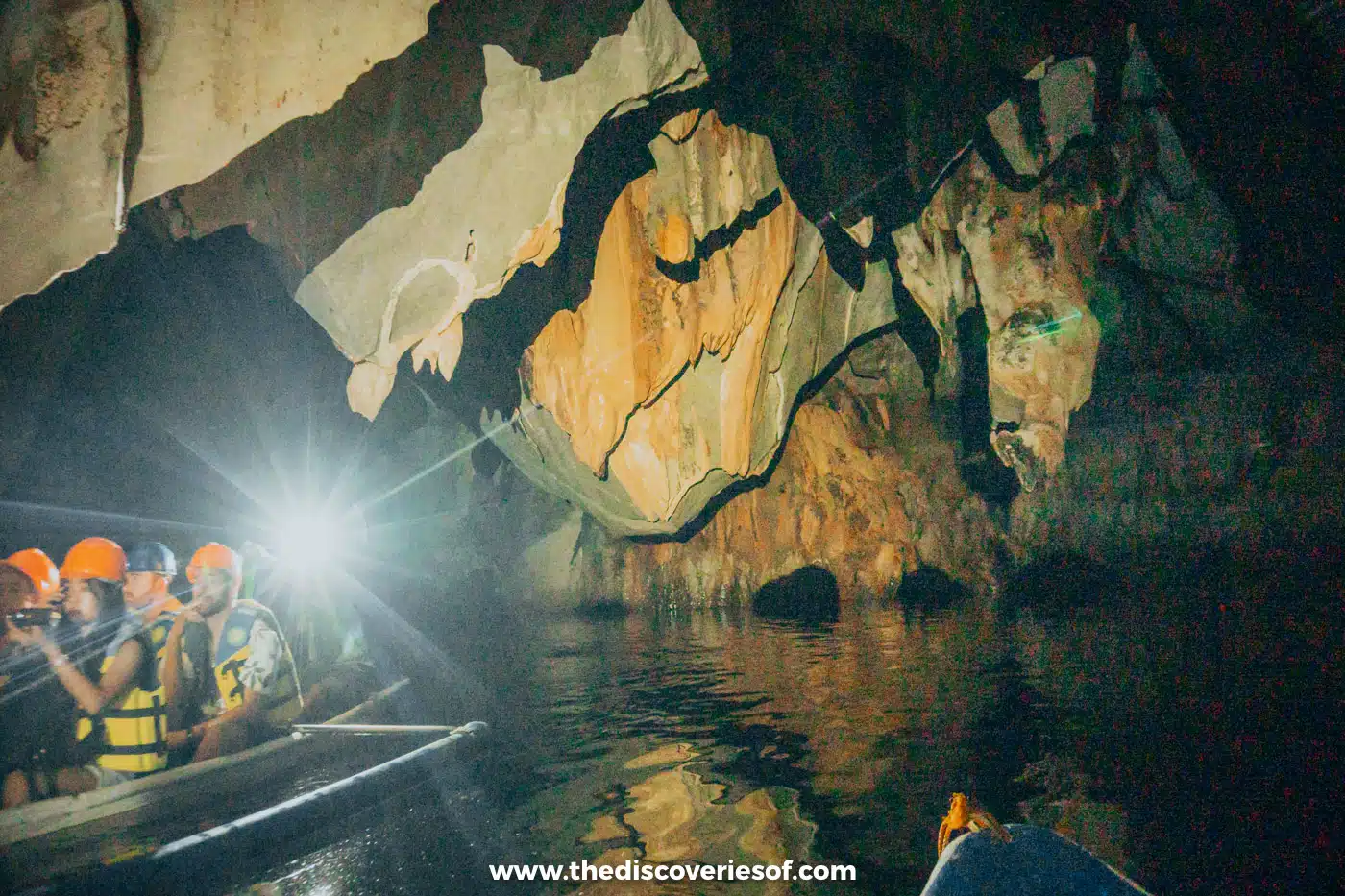
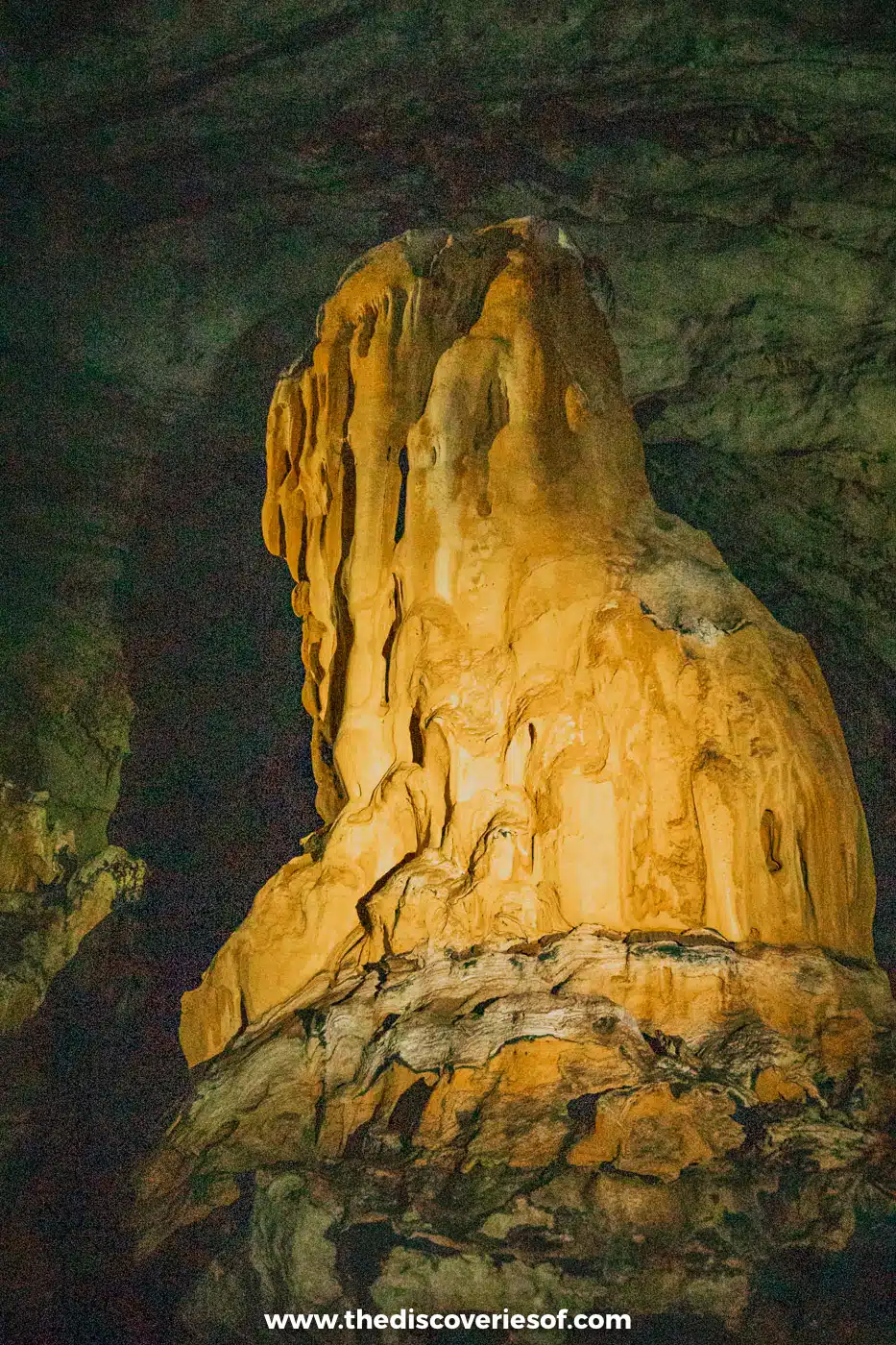
Additionally, visitors can hop on an island-hopping adventure around the white-sand islands nearby, or take a night-time firefly boat tour through a bioluminescent river (the Iwahig River). Of all these activities, my favourite was definitely the night boat. I’d never seen so many fireflies in my life, and our boat and oars lit up brightly in the water with the bioluminescent plankton!
Port Barton
If El Nido and Coron are Palawan’s superstars, Port Barton is the laid-back gem that travellers wish they’d discovered sooner. This sleepy beach town on Palawan’s west coast, between Puerto Princesa and El Nido, has held on to exactly the slow, back-to-basics island charm that the bigger destinations have started to lose. Think powdery White Beach, locally-owned restaurants and hostels, and island-hopping tours that many travellers rate above El Nido’s, with fewer boats and quieter snorkelling spots.
To get there, you’ll take a van from Puerto Princesa (around 3 hours) or El Nido (around 4 hours). It’s worth knowing that card payment is limited and there’s only one ATM, which often runs dry, so bring enough cash. Power is now 24 hours, but brownouts still happen. If you want the Palawan of a decade ago, this is as close as you’ll get.
Tubbataha reef
One of the most pristine and well-preserved reefs in the world, Tubbataha is a UNESCO World Heritage Site located far off the coast of the main archipelago in the middle of the Sulu Sea. The only way to access the reef is on a diving liveaboard from Puerto Princesa, with trips usually lasting from several days to over a week. Note that the reef is only accessible during a short diving season, roughly mid-March to mid-June, when conditions allow. While many of the reef areas are fairly shallow, I’d recommend having plenty of diving experience before booking a liveaboard to Tubbataha.
Southern Philippines/Mindanao
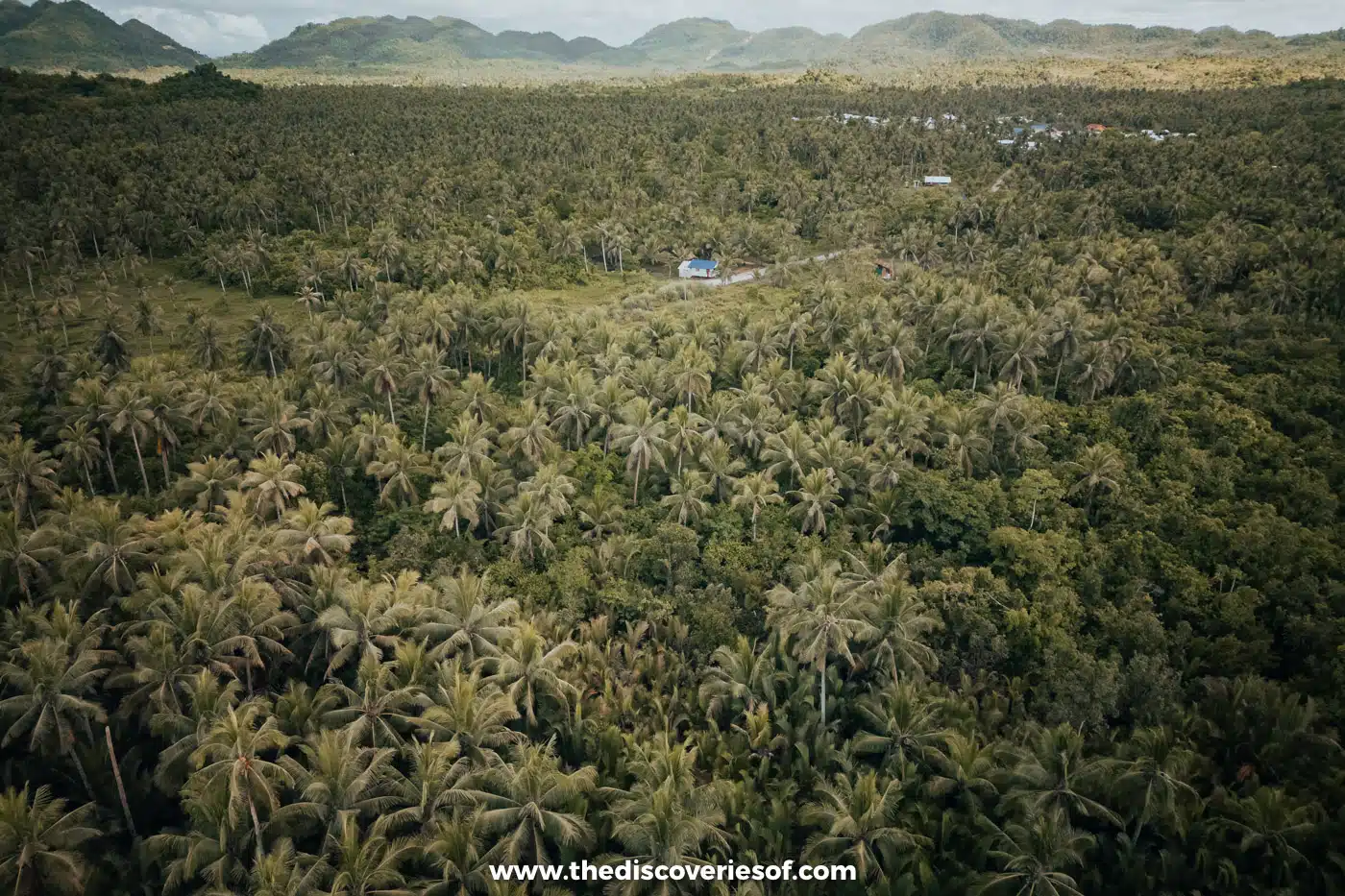
Mindanao and the southern part of the Philippines make up one of the least explored regions of the country. This is partly due to security warnings in certain areas, and partly because many of the most famous tourist spots are elsewhere. It’s worth checking current travel advice for specific areas before you go. The UK government advises against all travel to western and central Mindanao and the Sulu archipelago, and against all but essential travel to the rest of Mindanao, with the exception of Camiguin, Siargao and the Dinagat Islands. The US government advises reconsidering travel to most of Mindanao, with exceptions that include Siargao, central Davao City and Samal Island. Going against that advice can also invalidate your travel insurance. That said, the southern region has some incredibly beautiful places that are well worth a visit if you’re heading south, and the two easiest (Camiguin and Siargao) sit outside those warnings.
Camiguin
Camiguin Island is the “island born of fire,” and from its volcano-laden landscape, it’s easy to see why. Although it’s one of the smallest provinces of the Philippines, Camiguin really packs a punch in terms of things to do. Waterfalls? Yup. Volcanoes? You got it. Historic ruins? They’re here. Pristine white sandbars and blue water? Check check check.
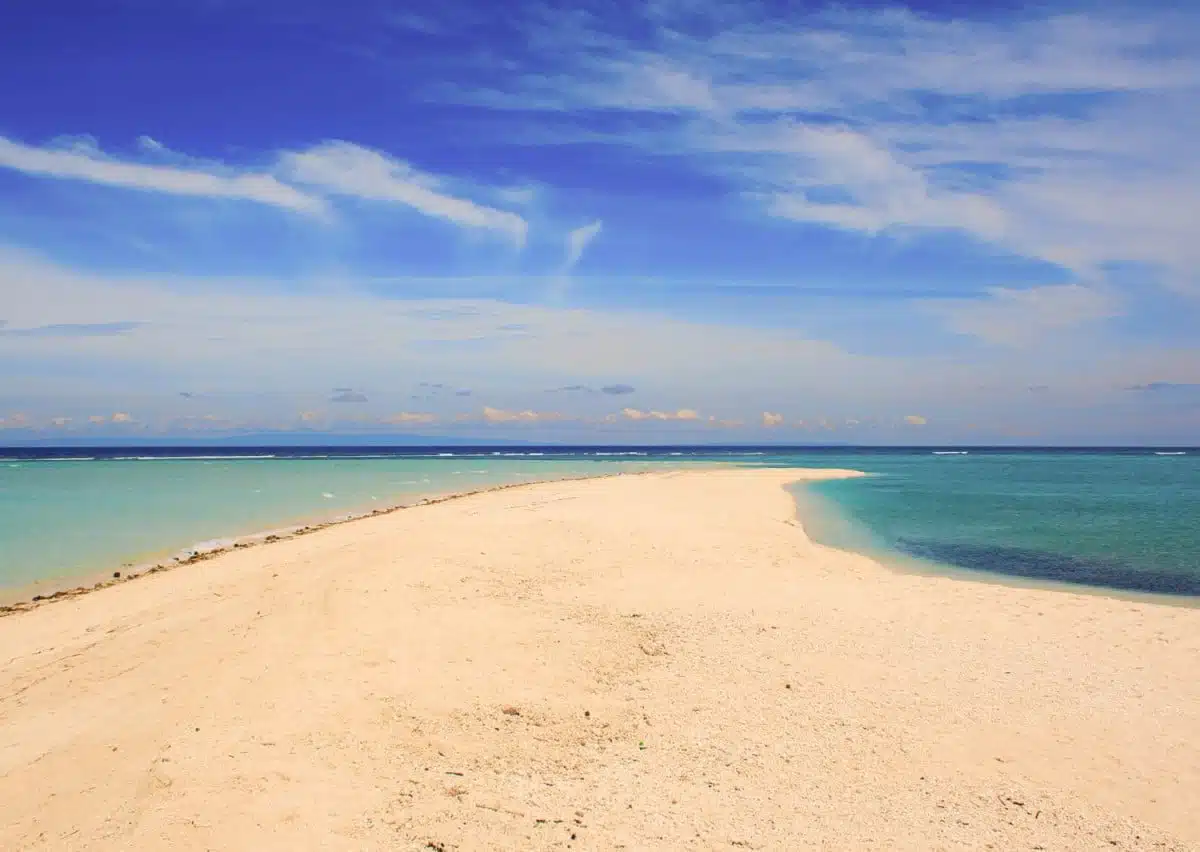
From diving to hiking, sunbathing to swimming, Camiguin is like a giant playground for people who love to be outdoors. While here, you can also sample local specialities like fern salad (yes, made of real Camiguin ferns), lanzones, turones, and the Philippine version of ceviche. Time a visit for October and you’ll catch the Lanzones Festival. For everything else, read my guide to Camiguin Island.
Davao & Mount Apo
Davao City is the largest city in the Philippines by land area and the gateway to the country’s deep south. It’s a surprisingly green, orderly and relaxed city, and a great base for the surrounding nature. Nearby highlights include Eden Nature Park, a lush mountain resort, and the Philippine Eagle Center, home to the critically endangered (and enormous) Philippine eagle, the national bird.
Looming over the region is Mount Apo, the highest mountain in the Philippines at 2,954 metres and a genuine mountaineer’s dream. Climbing it is a multi-day trek for the fit and well-prepared, rewarded with cloud forests, boulder fields, and, on a clear day, views across the whole island. The trails close every year from June to August for rehabilitation, so plan around that. Davao is also famous as the home of the durian, the notoriously pungent “king of fruits,” which you’ll find sold everywhere. Bear in mind that the UK currently advises against all but essential travel to the Davao region, so check the latest advice before you book.
Surigao
Surigao is one of my favourite places I’ve visited in the Philippines. It is FULL of unique outdoor activities.
In Surigao del Sur, you can visit the “Enchanted River” in Hinatuan, a magically blue spring located in the rainforest. From there, you can also take a boat to do some sandbar island hopping around the Britania Islands, with stops at various caves and craggy uninhabited islands all along the way. Lastly, Surigao is also home to some stunning waterfalls, like Tinuy-an Falls in Bislig, where you can swim and hike around. Needless to say, I loved it there and if you get the chance to visit, you will too. As with Davao, Surigao del Sur currently falls within the UK’s “all but essential travel” warning, so check before you go.
Zamboanga City
For what a lot of large cities in the Philippines lack in character, Zamboanga makes up for. This city has lots of beautiful historic walking areas, ruins like the 17th-century Fort Pilar, plazas, and promenades like the seafront Paseo del Mar to meander through.
It almost feels like a Central or South American city in a lot of ways. Because it’s located in an area of the country with many Muslims, Zamboanga is one of the rare places in the Philippines where you can visit a mosque. The iconic Taluksangay Mosque is known for its bright red dome amidst the otherwise whitewashed walls. Important: the UK government currently advises against all travel to western Mindanao, which includes the Zamboanga Peninsula, and the US government advises reconsidering travel to most of Mindanao, so check the latest advice (and your travel insurance) before planning a visit.
Bukidnon
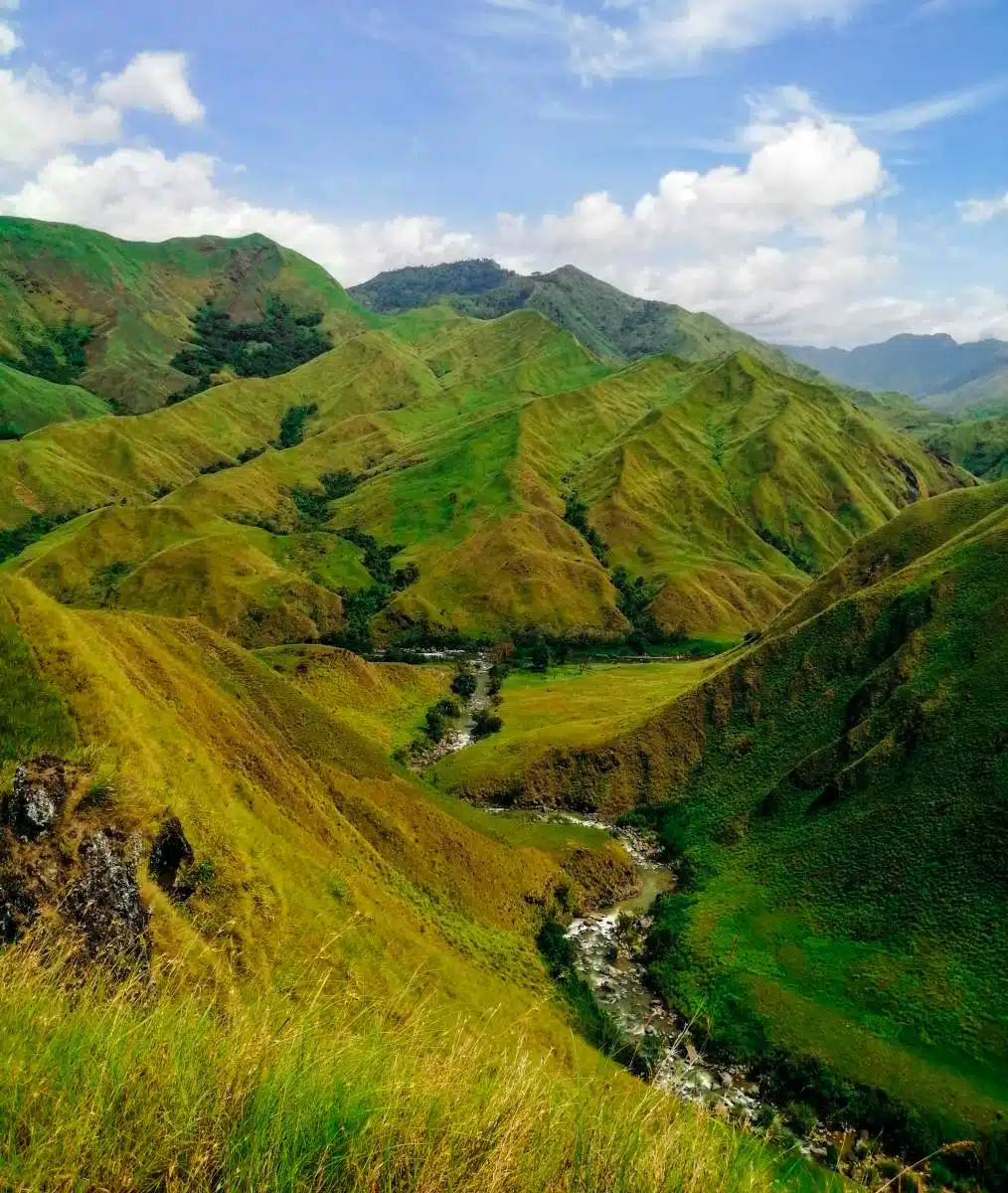
Bukidnon, located in the centre of Mindanao, is one of the most underrated and spectacular areas of the Philippines.
Full of tall trees, rolling hills, and small villages, it’s a lovely place to sit back and enjoy nature to the fullest. The views of the surrounding farmlands, including the vast Del Monte pineapple plantations, and colourful sunsets in Bukidnon are absolutely to die for. For thrill-seekers, Dahilayan Adventure Park has one of Asia’s longest zip lines. As with the rest of mainland Mindanao, check the current UK and US travel advice before you go.
Siargao
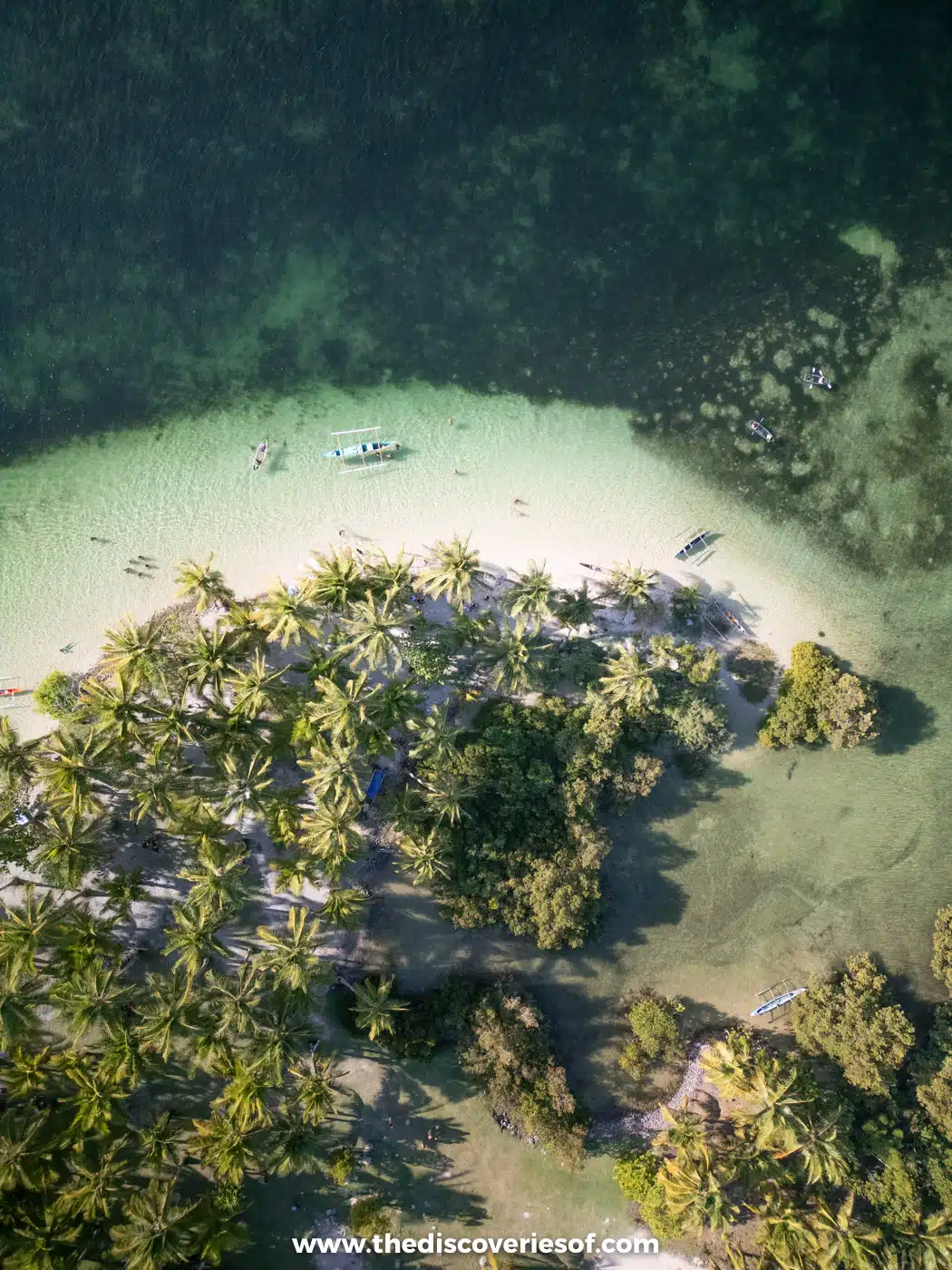
Siargao is a popular surfing destination, and the kind of island where you’ll plan to stay for a few days and get stuck for a few weeks. Yeah, it’s that relaxed and alluring. As a backpacker and surfer haven (home to the famous Cloud 9 wave), it’s easy to surf your heart away and lose track of time here. Beyond the waves, there are lagoons like Sugba Lagoon, rock pools, and island-hopping trips to nearby Naked, Daku, and Guyam islands. Getting there means flying from Clark, Cebu, or Davao, as there are currently no direct flights from Manila. It’s an easygoing, welcoming place that might just steal your heart.
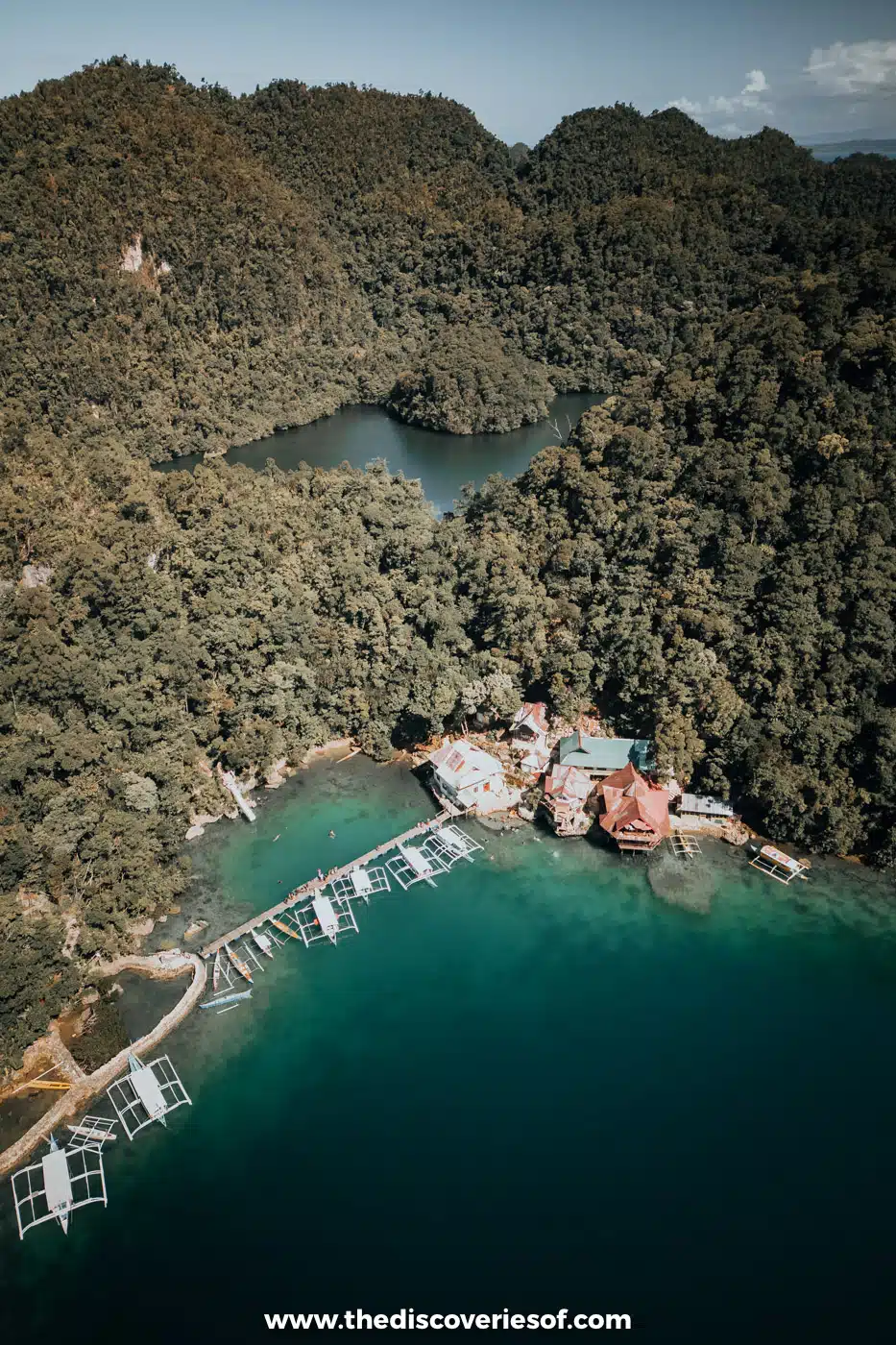
You don’t need to surf to love Siargao. The island is full of people who came for the waves and stayed for everything else: the emerald lagoon tucked behind the mangroves, the rock pools you can only see at low tide, and deserted sandbars with nothing but the Pacific in every direction. For more, read the Siargao travel guide, the 3 days in Siargao itinerary and the 3-week Philippines itinerary.
Additional Philippines travel tips
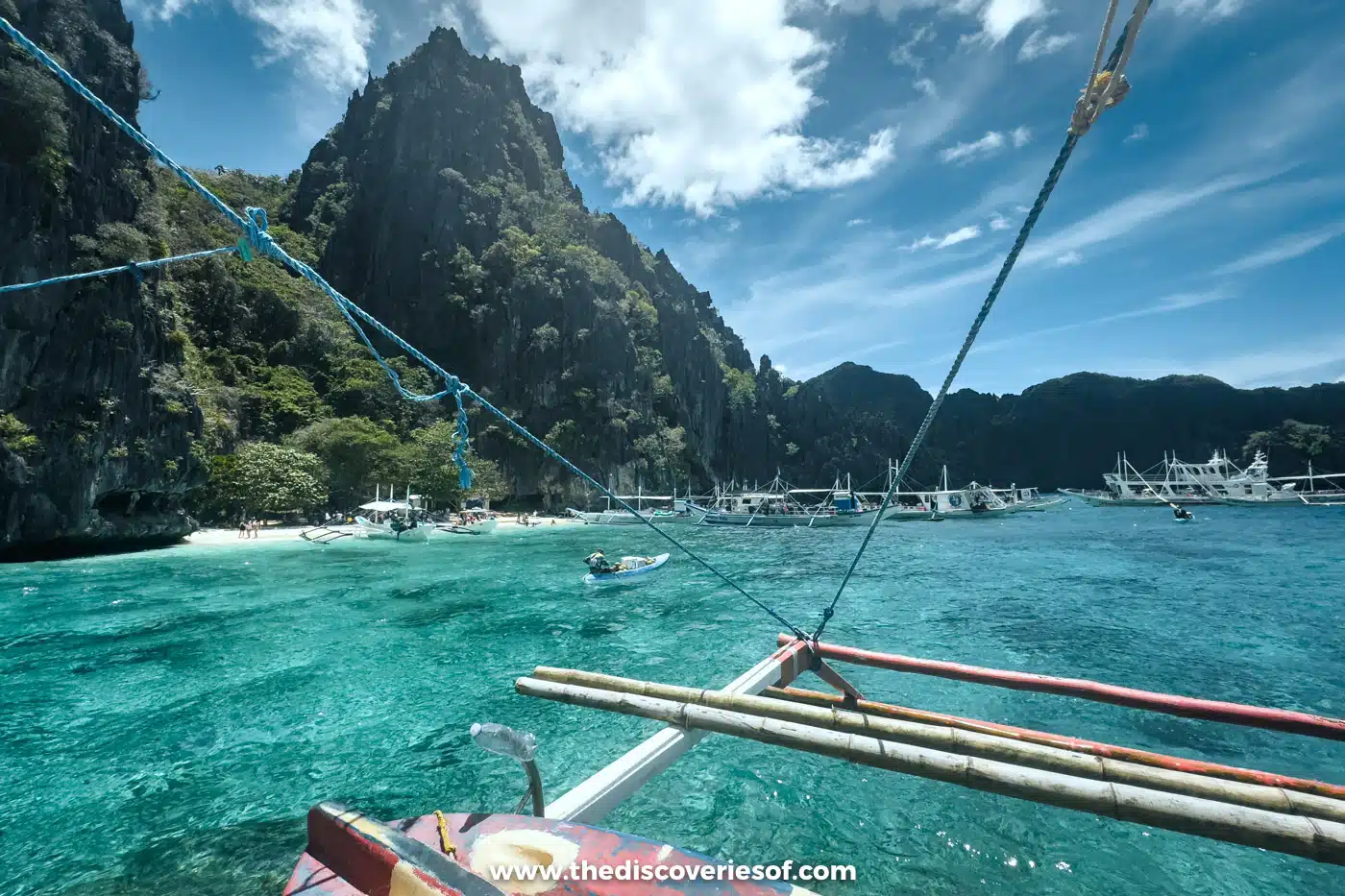
Best time to visit the Philippines
The Philippines is a wonderful year-round destination. However, the best weather occurs during the dry season, which is approximately December to May. Additionally, typhoon season runs from June to November and peaks around August and September, so I strongly recommend planning your trip outside of August-October.
What to pack for the Philippines
The Philippines is a tropical destination, so pack your bags like you would for any warm, humid place. Here are some essentials I’d recommend bringing with you:
- Clothes for warm weather
- A light jacket
- A comfy pair of shoes
- Swimwear
- Reef-safe sunscreen
- Bug spray
- A sarong or quick-dry towel
- A good headlamp
- Sunglasses and a brimmed hat
- A dry bag for boat days
- Travel insurance (you KNOW you should always have it!)
Getting around the Philippines
Flight: The easiest and fastest way to get from island to island in the Philippines is to fly. Most of the major islands have at least a small runway where planes can come and go a few times a week. The main domestic airlines in the Philippines are Cebu Pacific and Philippine Airlines, and AirAsia Philippines is also worth checking. Since March 2026, the small turboprop planes that serve places like Coron, El Nido, Siargao and Batanes no longer fly from Manila, so you’ll often be connecting through Clark or Cebu instead. Before you arrive in the country, you’ll also need to fill in the free eTravel form online within 72 hours of your flight.
Boat: It’s possible to take a boat between islands, and especially common for going from one (larger) island to the next (smaller) island. Note that unless you’re taking a high-speed bangka between nearby islands, large boats tend to be really slow and may take several hours or even require an overnight stay.
Bus or Van: While travelling around within an island, there are typically two kinds of public transport: public buses and shared vans. Public buses are the cheaper option, are very large and crowded, and usually don’t have air conditioning. Vans/shuttles are smaller, sometimes have air conditioning, and usually run slightly more expensive.
Private Car: If you’ve got the funds, you can hire a private car and a driver to take you around from place to place within an island. Note that this is the most expensive option and usually requires advance arrangement.
Read next
- Is the Philippines worth visiting? My honest verdict
- How much does a trip to the Philippines cost? My real budget
- Moalboal travel guide: the best things to do in Moalboal
- Puerto Princesa Underground River: how to visit
- Cebu travel guide: the best things to do in Cebu
- Coron travel guide: the best things to do in Coron
- The ultimate Philippines packing list
- 41 things to know before travelling in the Philippines
- Things to do on Camiguin Island: a local’s guide
- Siargao travel guide
- 3 days in Siargao itinerary
- Philippines itinerary: 3 weeks from Siargao to Coron
Love this? Save and share on Pinterest
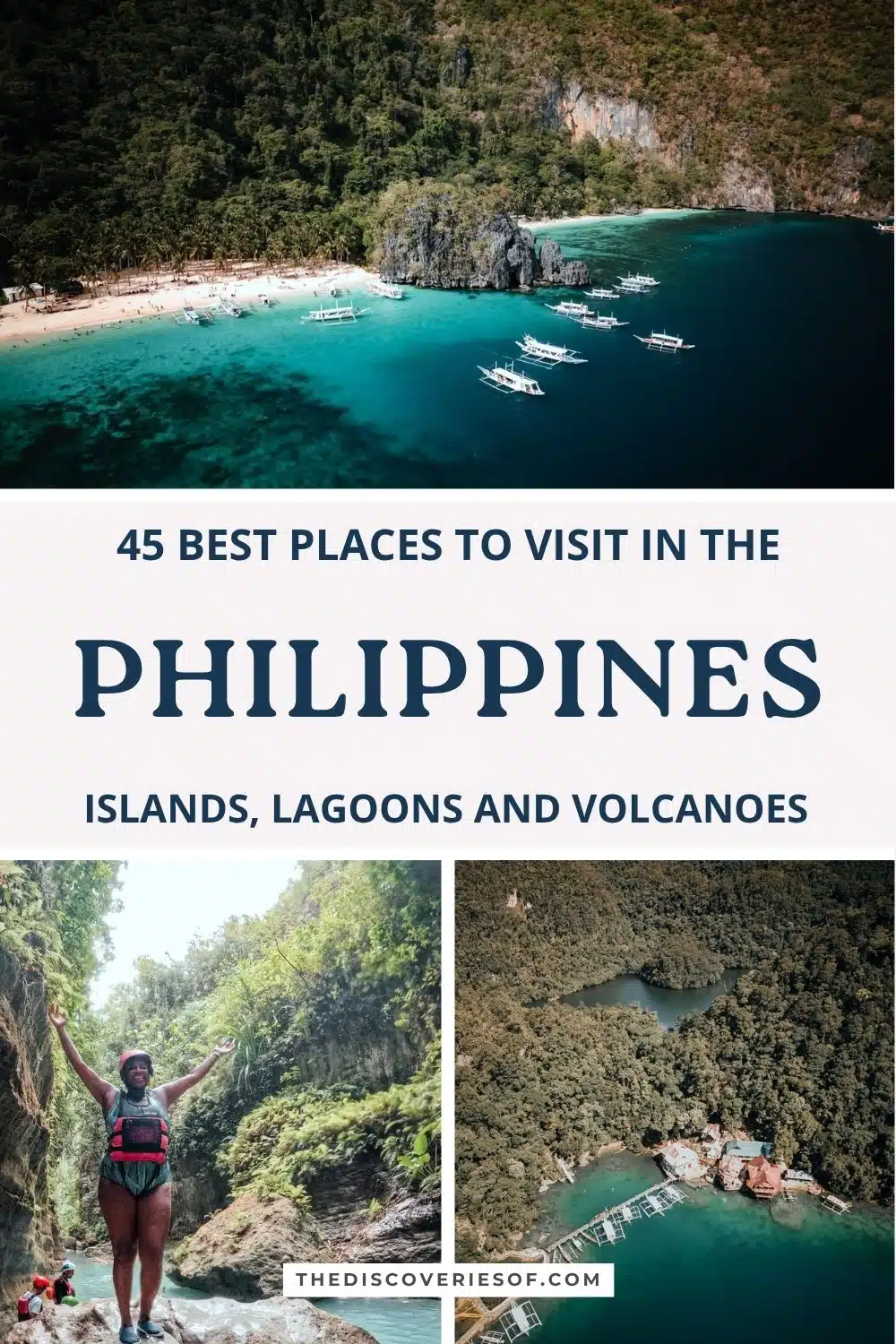

Discover the top things to do, insider tips and hidden gems in our Philippines Travel Guides.
Read the guides →