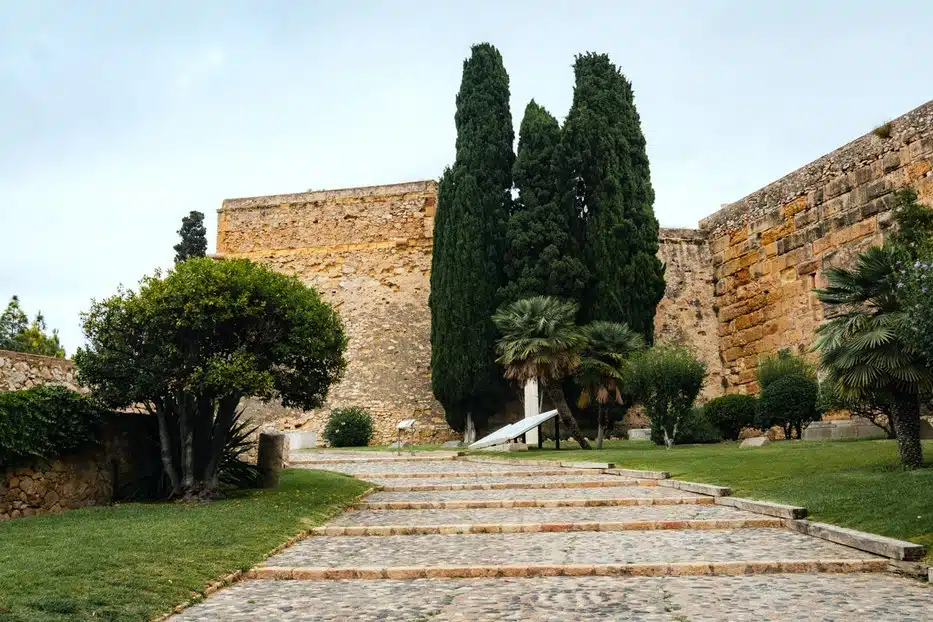

Tarragona’s Roman walls are more than 2,000 years old, and the Passeig Arqueològic lets you walk the best-preserved stretch of them, in a garden of cypresses, cannons and old sentry boxes between the Roman wall and an 18th-century rampart. Here’s what to see along the way, what tickets cost and how to fit it into a day.
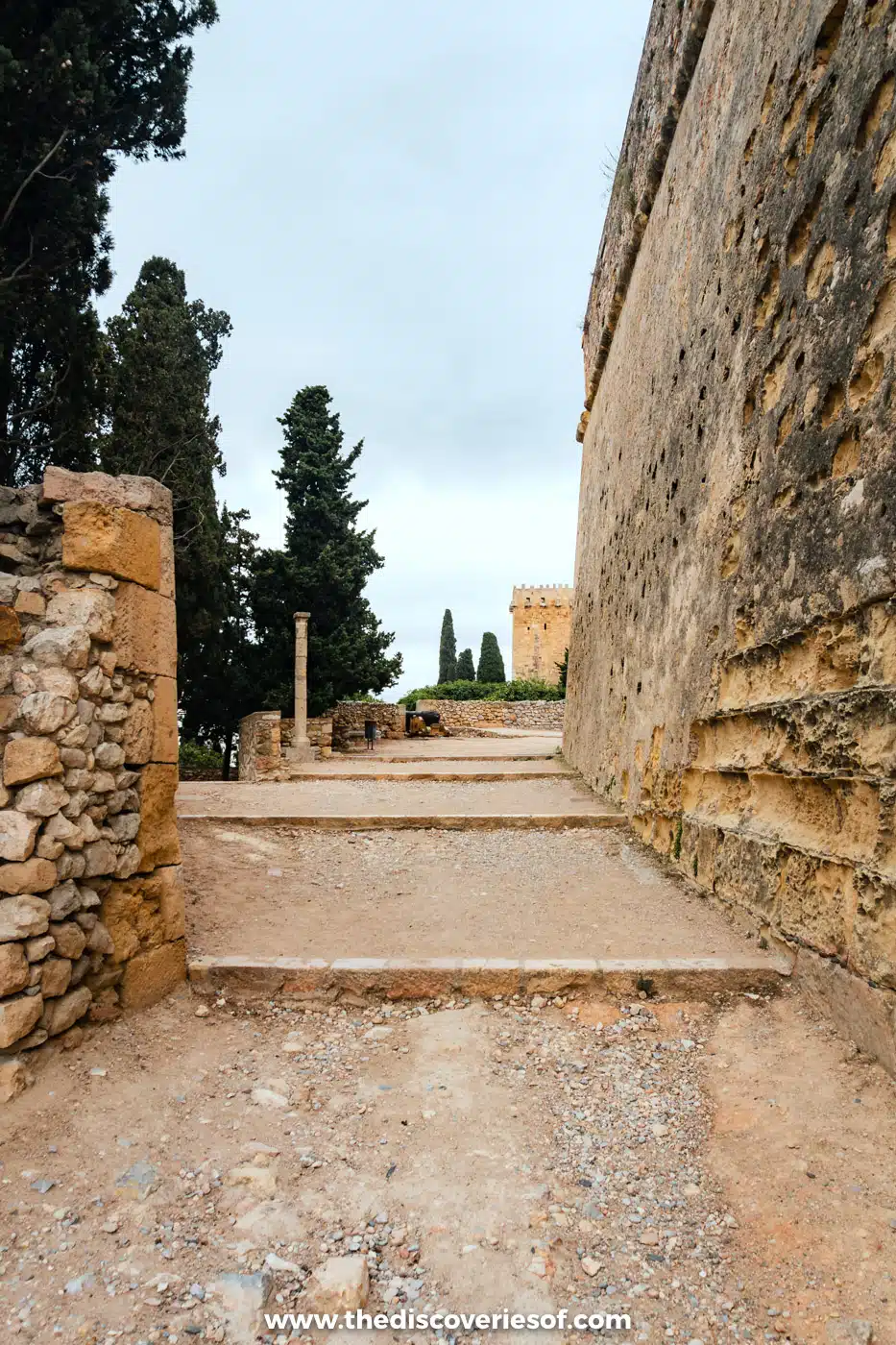
When the Romans made Tarragona their base in Spain, one of the first things they did was wall it in. Those walls still wrap around the top of the old town, and the Passeig Arqueològic (the Archaeological Promenade) follows the finest surviving section of them, along the northern edge of the Part Alta.
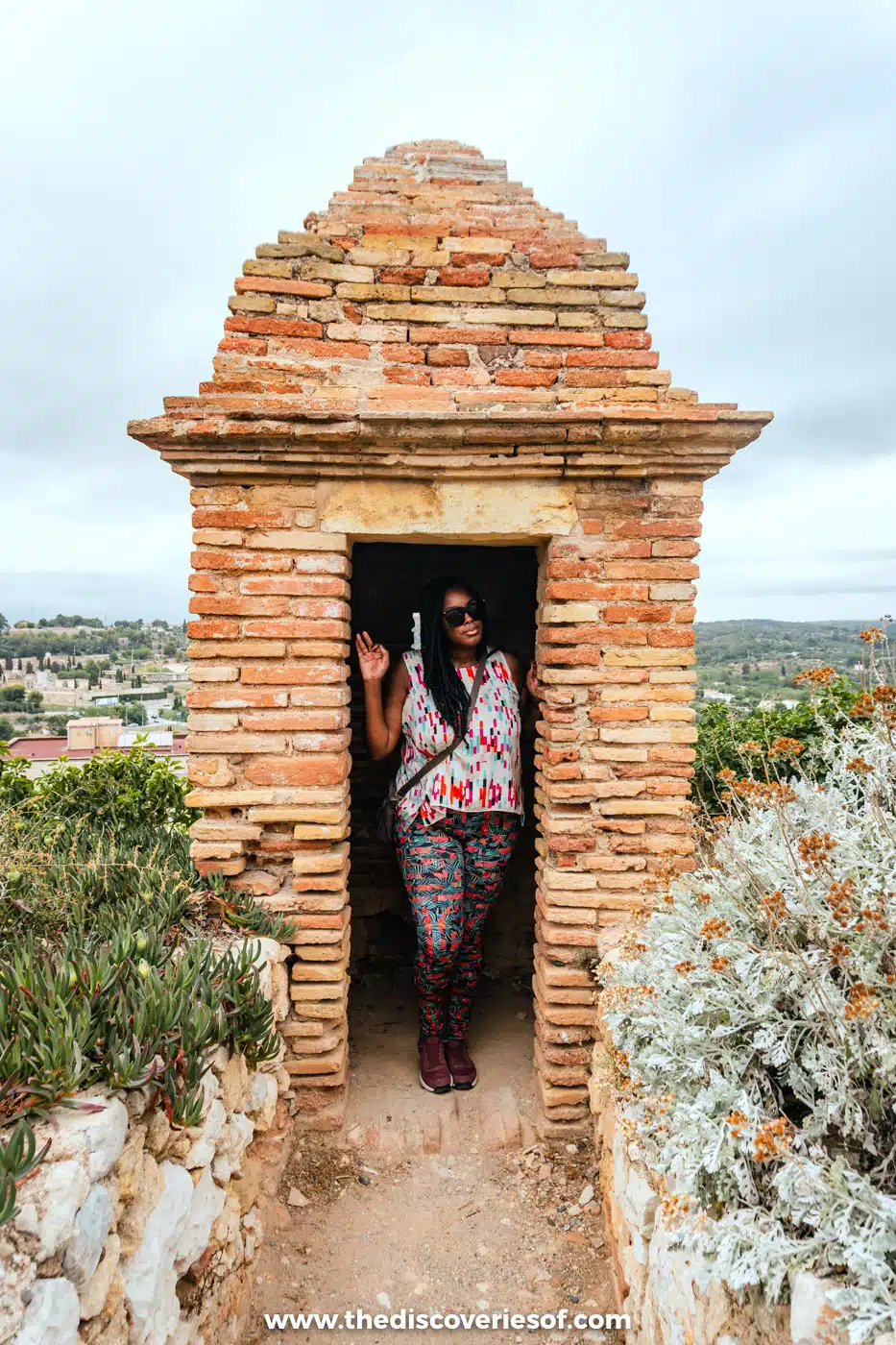
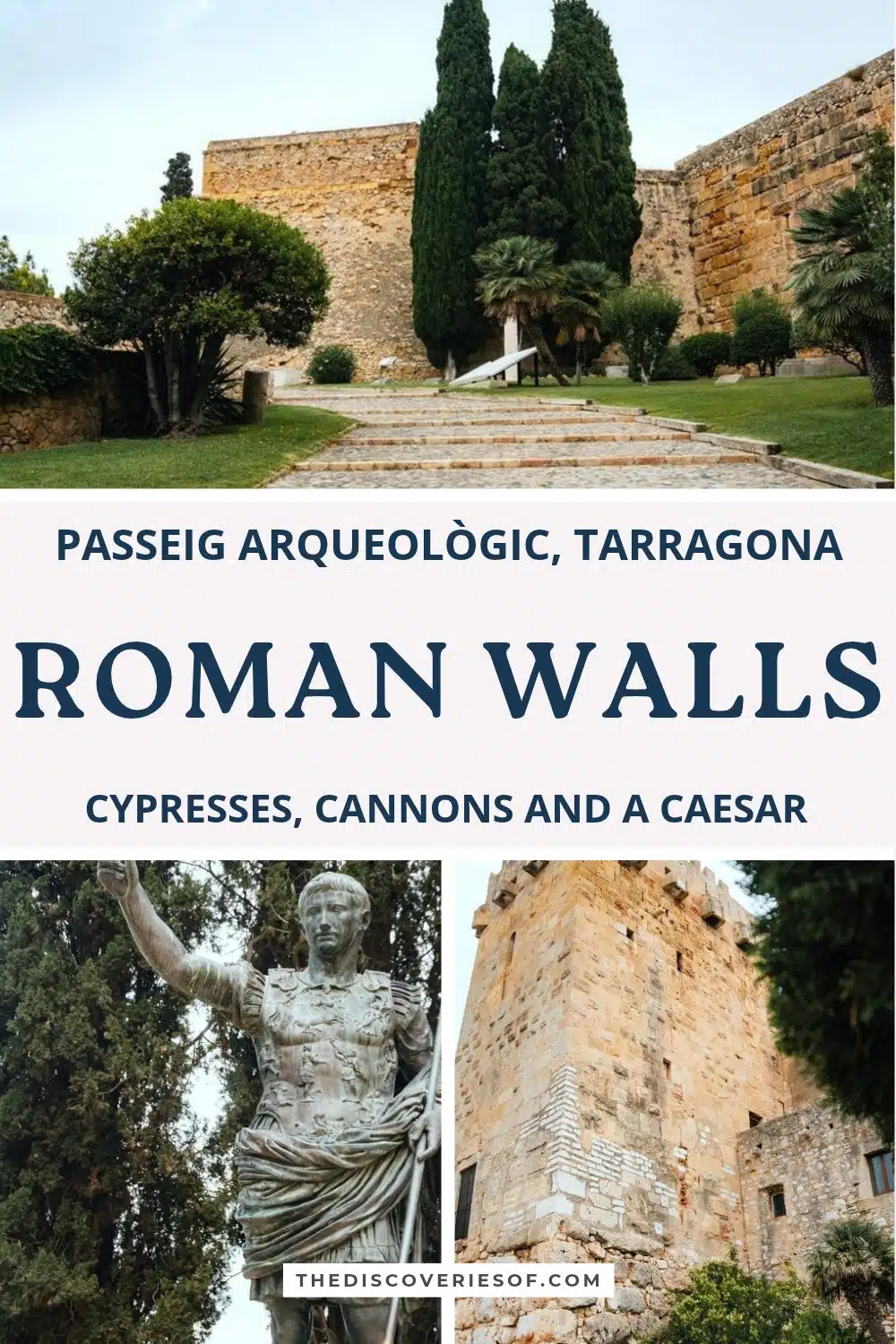
I walked it in the early afternoon on a day trip to Tarragona from Barcelona in July, and spent about half an hour on the promenade, between the cathedral and the amphitheatre. The path is shaded in places by tall cypresses, with huge blocks of Roman stone on one side, and old cannons, flower beds and brick sentry boxes on the other. I stepped into one of the sentry boxes for a photo.
This guide covers the history of the walls, what to look out for on the walk, tickets, opening hours and how to get there.
To hear the stories behind the stones, join this Roman heritage walking tour of Tarragona, which includes the Roman walls and the amphitheatre.
Passeig Arqueològic at a glance
- What: a garden promenade along Tarragona’s Roman walls, part of the UNESCO-listed Archaeological Ensemble of Tàrraco.
- Where: Avinguda de Catalunya, on the northern edge of the old town, a few minutes’ walk from the cathedral.
- Cost: €5, or €15 for the combined ticket to five Roman sites. Under-12s go free.
- Opening hours: closed on Mondays; open from 9am the rest of the week, until 8.45pm in summer and 6.30pm in winter, with shorter hours on Sundays.
- Time needed: 30 to 45 minutes.
- Don’t miss: the megalithic stones at the base of the wall, the statue of Augustus, the Archbishop’s Tower and the Minerva Tower.
A short history of Tarragona’s walls
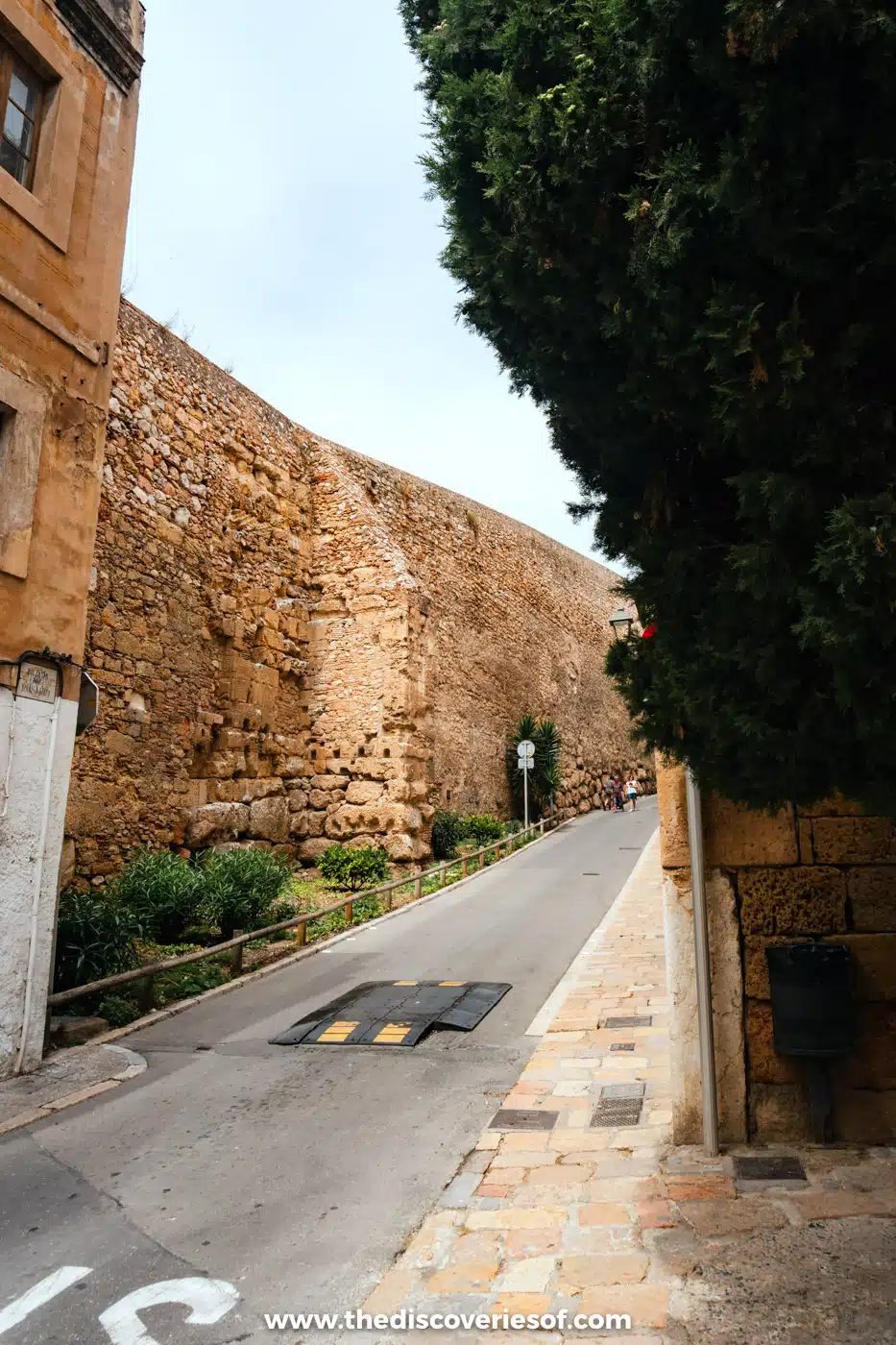
The Romans landed in Tarragona in 218 BC, during the Second Punic War against Carthage, and built the first walls soon afterwards, between around 217 and 197 BC. A second, larger phase followed between about 150 and 125 BC, when the city was growing into Tarraco, the capital of Roman Spain. The walls are often described as the oldest Roman construction still standing outside Italy.
The circuit originally ran for more than 3.5 kilometres. About 1.1 kilometres survive today, curving around the old town. They weren’t only there for defence: they also marked the city’s sacred boundary.
The walls went on protecting Tarragona for centuries. During the War of the Spanish Succession in the early 1700s, a second, lower line of fortifications was added outside them, and the strip of land between the two is where the promenade runs today. It was laid out as a romantic garden walk and opened to the public in 1932.
What to see on the walk
The promenade has a single route, so you can’t get lost. Follow the path between the two lines of walls and keep an eye out for these.
The megalithic base of the walls
Look at the bottom of the Roman wall and you’ll see enormous, roughly shaped blocks of stone, some of them taller than a person, with neater cut stone above them. Those huge lower courses are the oldest part of the walls and have a raw, almost prehistoric look to them. It’s hard to imagine how they were moved into place without machinery.
Along the way you’ll also pass small gateways cut through the wall, known as the Cyclopean gates because of the giant stones around them. The Porta del Socors, with its rounded arch, is the only one of the original gates to survive.
The statue of Augustus
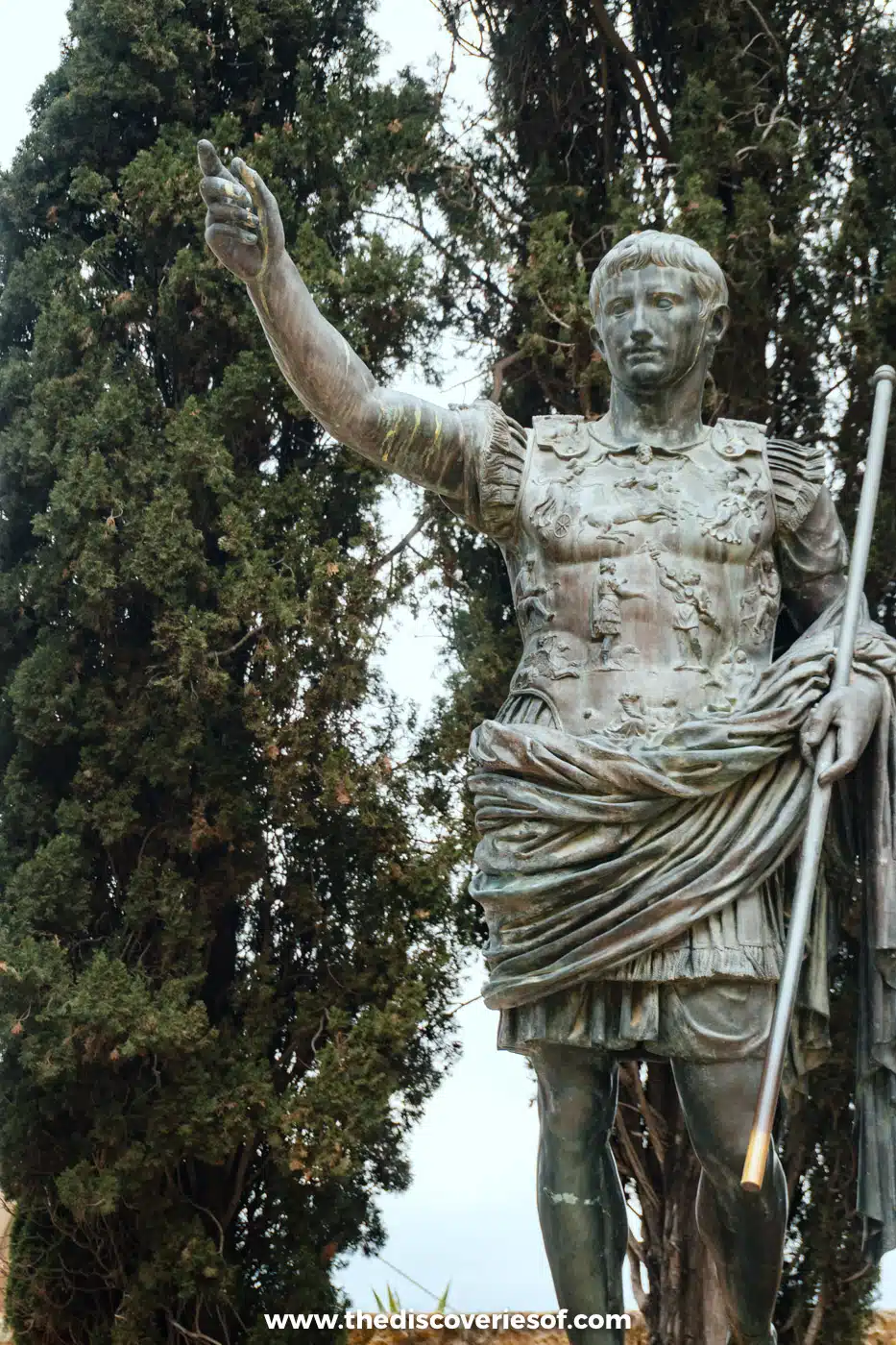
Halfway along, a bronze Augustus stands among the cypresses with his arm raised. The emperor spent the winter of 26 to 25 BC in Tarraco while campaigning in northern Spain, and the city honoured him with a temple. The statue is a copy of the famous Augustus of Prima Porta in the Vatican Museums, and was given to the city by Italy in 1934.
The Archbishop’s Tower
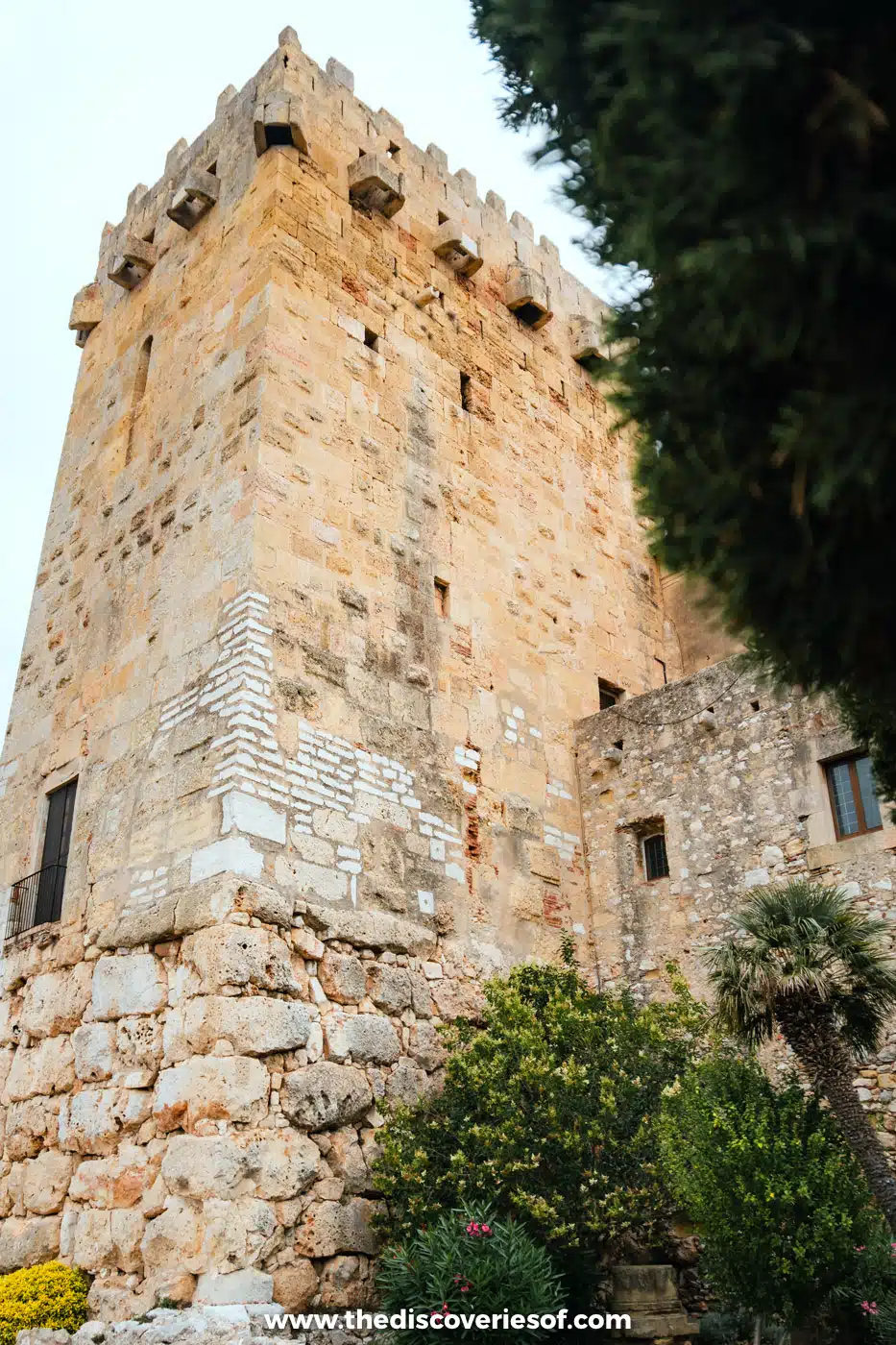
The tallest of the towers along the wall is the Archbishop’s Tower. Its base is Roman, but the rest was rebuilt in the 14th century, which is why it looks more like a medieval castle keep than a Roman bastion. It’s one of three surviving towers on the walk.
The Minerva Tower
The Minerva Tower, also called the Sant Magí Tower, is the most important of the three to archaeologists. Look for the relief of the goddess Minerva in its upper part and the carved human heads at its base. The relief and its inscription are thought to be the oldest Roman sculpture and inscription on the Iberian Peninsula. The third tower, the Cabiscol Tower, still has its original Roman shape.
Cannons, ramparts and sentry boxes
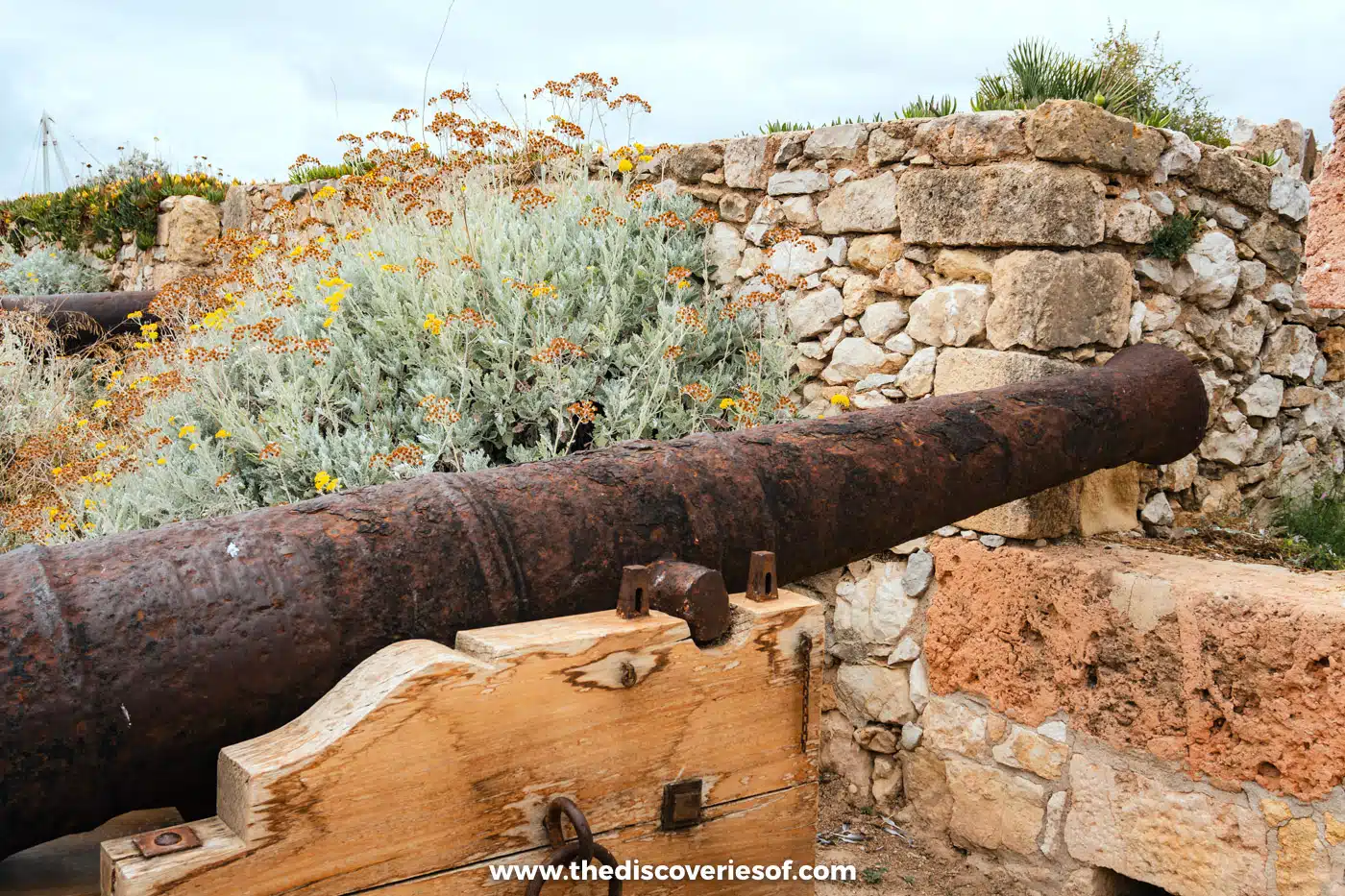
On the outer side of the path, the 18th-century ramparts are lined with old cannons pointing out over the city, and little brick sentry boxes with pointed roofs perch on the walls. They make a good photo stop.
The gardens and the views
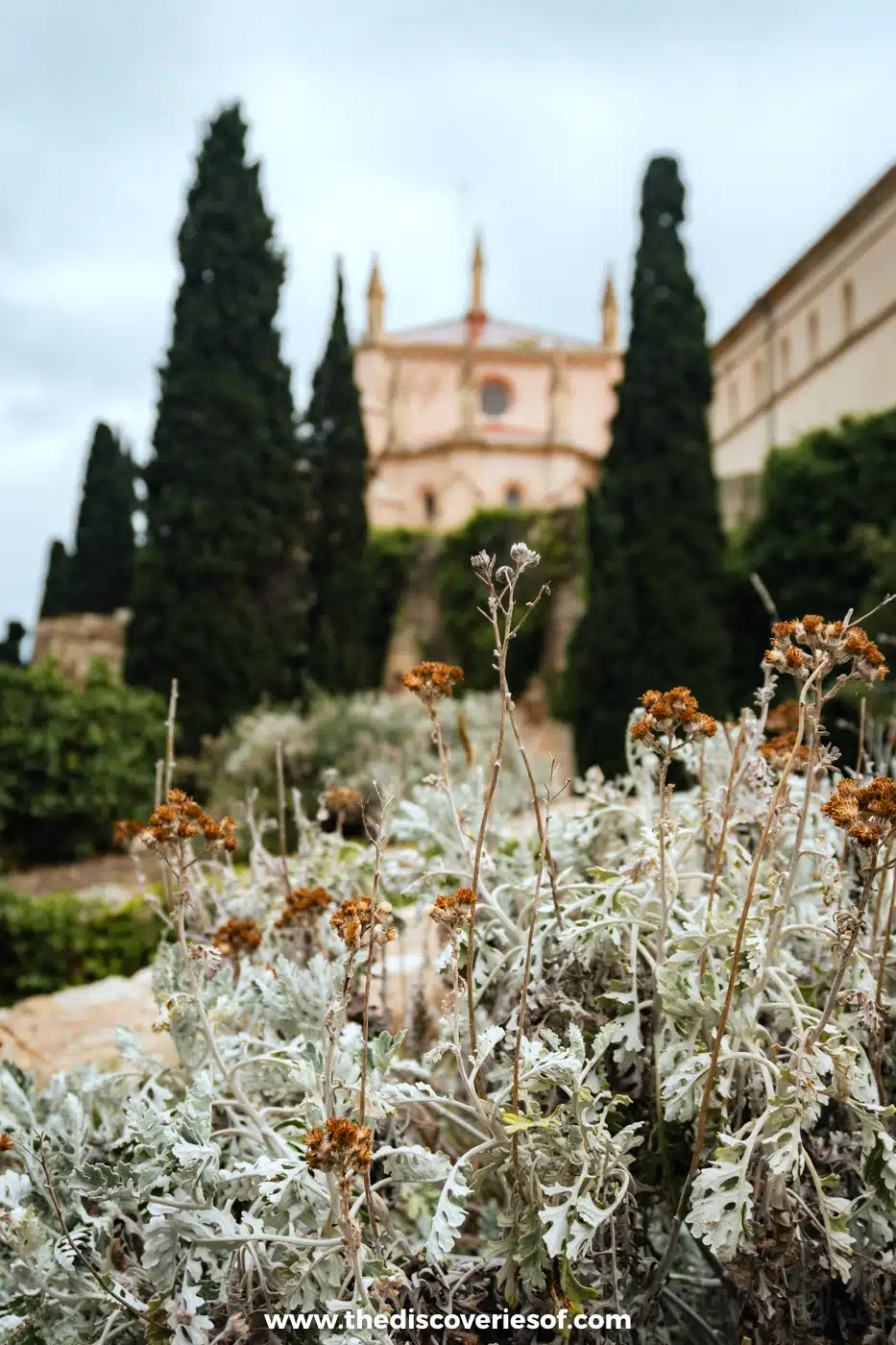
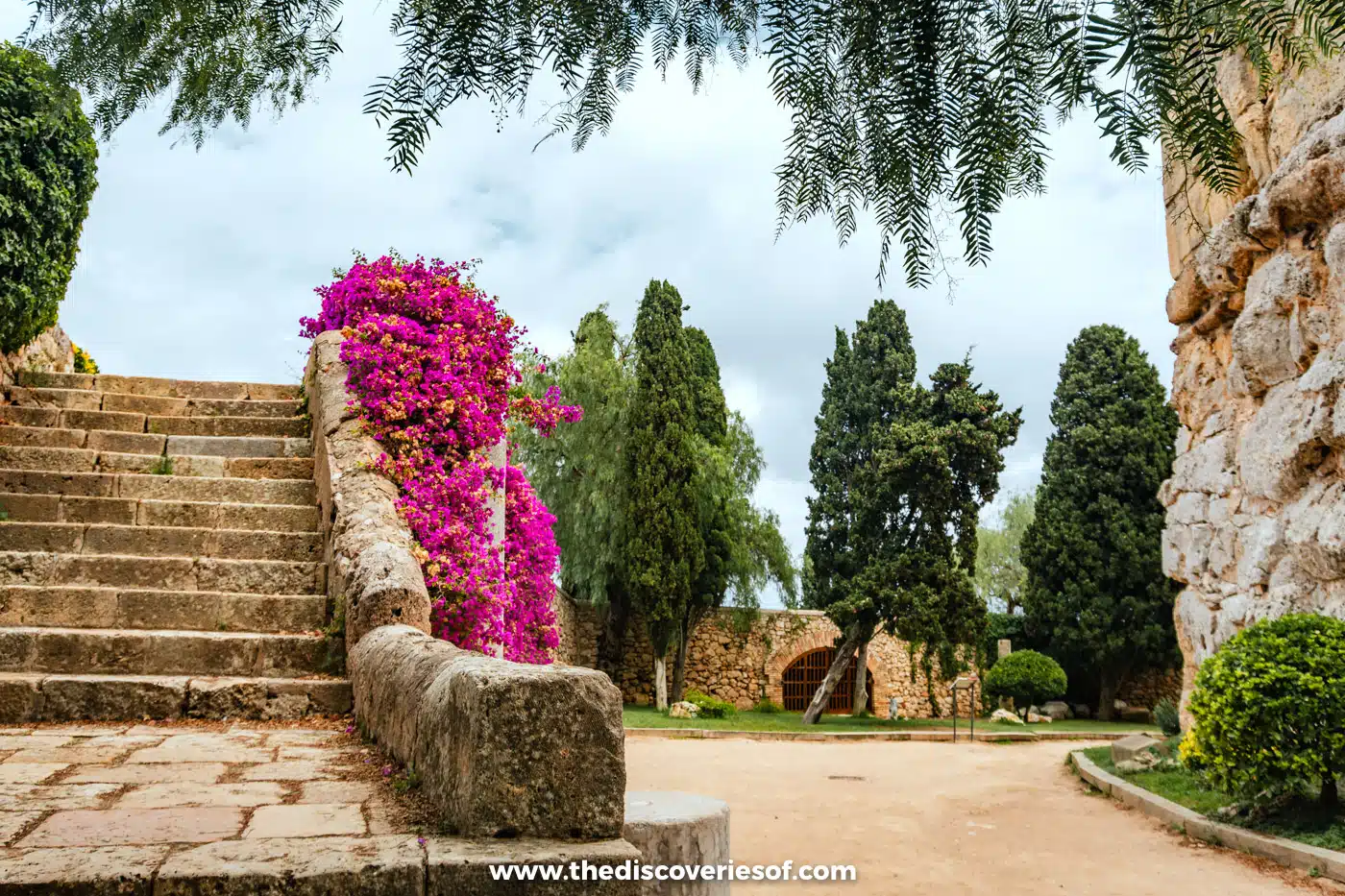
The gardens are as much a part of the walk as the walls: lawns, flower beds, palms, agaves and rows of dark cypresses, with bougainvillea tumbling over the steps in summer. Gaps in the outer wall give you views over the newer parts of Tarragona and out to the sea.
Tickets and opening hours
- Single ticket: €5
- Combined ticket: €15 for five Roman sites (the Passeig Arqueològic, the amphitheatre, the circus and Praetorium, the colonial forum and Casa Canals). It pays for itself from the fourth site.
- Reduced: half price for pensioners, 12 to 17-year-olds, students and visitors with a disability
- Free: children under 12
Tickets
You can buy tickets at the entrance on Avinguda de Catalunya. In summer, it’s open Tuesday to Saturday from 9am to 8.45pm, and on Sundays and public holidays from 9am to 2.30pm. In winter, it’s open Tuesday to Friday from 9am to 6.30pm, on Saturdays from 9.30am to 6.30pm, and on Sundays and public holidays from 9.30am to 2.30pm. It’s closed on Mondays. Check the city’s tourism site before you go, as hours change with the seasons and over holidays.
Guided Tours
Book a guided walking tour of Roman Tarragona to see the walls, the amphitheatre and the old town with a local guide.
How long to allow
I spent about half an hour on the promenade, which is enough to walk it end to end and stop at the towers and the statue. Allow 45 minutes if you want to read the information panels or linger in the gardens.
Getting there
The entrance is on Avinguda de Catalunya, on the northern edge of the Part Alta, about five minutes’ walk from the cathedral and 15 minutes from the amphitheatre.
Getting There
Trains from Barcelona to Tarragona take about an hour. From Tarragona station, it’s around 15 to 20 minutes’ walk uphill to the old town and the walls. High-speed trains stop at Camp de Tarragona station, outside the city, so check which station you’ll arrive at.
Where to stay
Most people visit Tarragona as a day trip from Barcelona, but if you’d like to stay over, base yourself in the Part Alta or near the Rambla Nova, within walking distance of the walls. Hotel Plaça de la Font looks onto the square built over the Roman circus, or you can browse places to stay in Tarragona.
Tips for your visit
- Go early or late in summer: the path has some shade, but it gets hot in the middle of the day.
- Buy the combined ticket: if you’re also visiting the amphitheatre and the circus, the €15 ticket is better value than paying for each one.
- Combine it with the cathedral: the entrance is a few minutes’ walk from the cathedral, so it’s easy to see both in the same morning or afternoon.
- Wear comfortable shoes: the path is part cobbled and part gravel, with a few steps.
- Hassle-free option: coming from Barcelona? This private half-day Tarragona tour includes pickup and a guide.
For everything else to see in the city, see my guide to the best things to do in Tarragona, or find more ideas in my guide to the best day trips from Barcelona.
Map
Read next
- 13 things to do in Tarragona
- A guide to Tarragona’s Roman amphitheatre
- Pont del Diable: walking across Tarragona’s Roman aqueduct
- 25 brilliant day trips from Barcelona
- Priorat wine day trip from Barcelona
- A guide to Girona Cathedral
- 14 things to do in Girona
- A guide to the Dalí Theatre-Museum in Figueres
Love this? Save and share on Pinterest
Discover the top things to do, insider tips and hidden gems in our Spain Travel Guide.
Read the guides →