
Mexico
Tulum travel guide
Plan a trip to Tulum: when to go, where to base yourself, the ruins, wild beaches and jungle sights I’d put first, and the tacos worth an early start, plus every Tulum guide on the site.

Julianna BarnabyTravel and culture writer
Ask around and someone will tell you Tulum has sold out to beach clubs, and on stretches of the beach road they’re right. But I based myself here for two weeks on my trip around Mexico, and the Tulum I’d go back for is the one past the loungers: a walled Maya city on a clifftop, a biosphere reserve where the road runs out, jungle ruins with a canal you can float down, and breakfast tacos in town for a fraction of beach-road prices.
This page brings together the practical essentials and every guide I’ve written to Tulum, from whether it lives up to the hype to where to eat, stay and swim. Tulum is also where my two-week Mexico road trip begins.

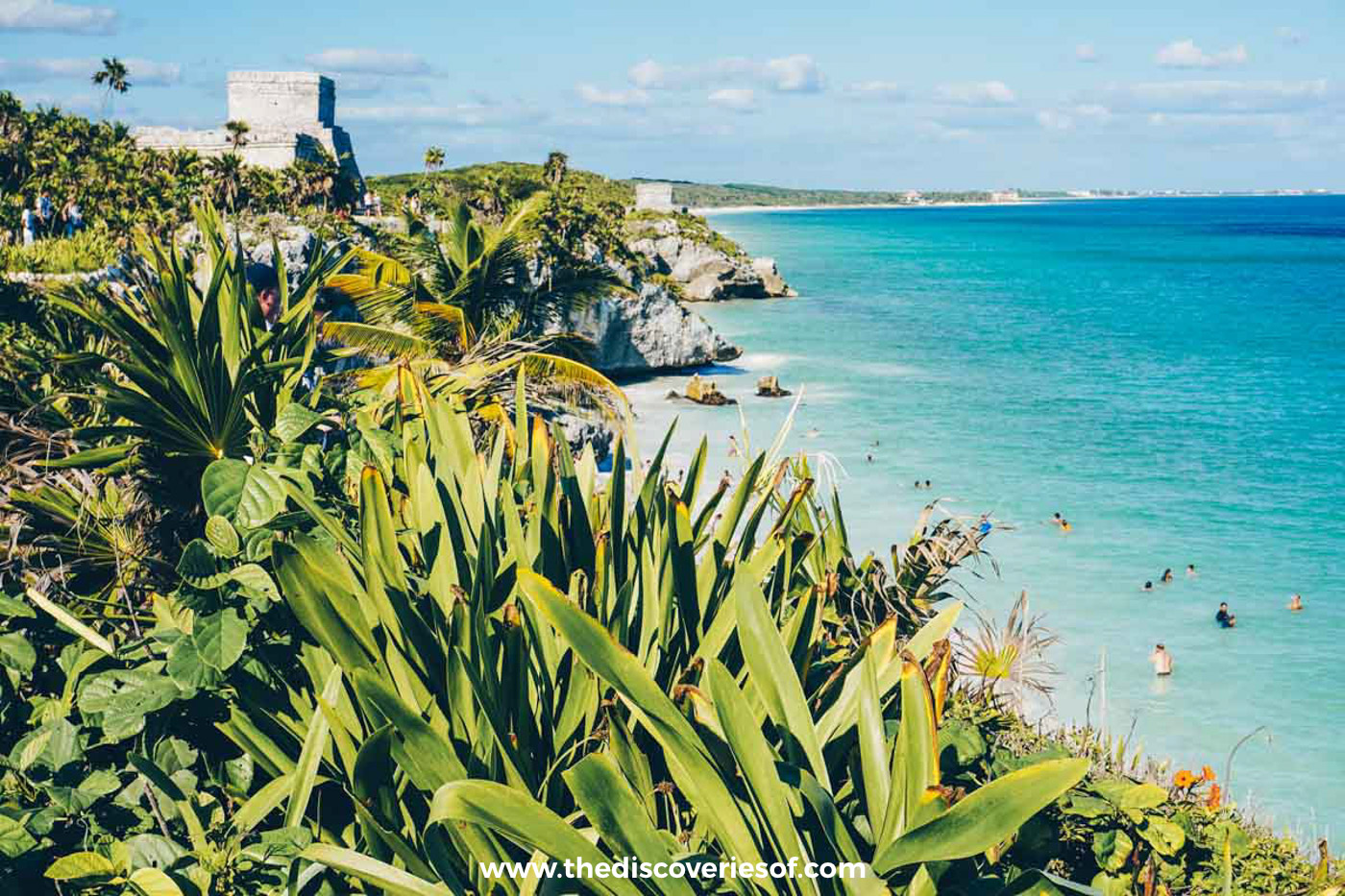
 Inside the Tulum ruins, the walled Maya port city perched above the Caribbean
 The Sian Ka’an Biosphere Reserve begins where Tulum’s hotel road runs out
 Where to eat in Tulum when the best tacos sell out by lunchtime
When to go
November to April is the dry season and the most comfortable stretch, with less humidity, calmer seas and the best odds of a clear beach. It’s also high season, so book early for Christmas, New Year and Easter. From roughly May to October it’s hotter, wetter and quieter, and June to November is hurricane season.
Sargassum seaweed is the wild card. It can wash up from spring into summer and is usually at its worst from about May to August, so check the daily sargassum reports before you plan a beach-heavy trip. More in my guide to the best time to visit Mexico.
Getting there and around
- Mexico travel guide
- 2 weeks in Mexico: the perfect road trip itinerary
- The best time to visit Mexico
- My Tulum video on YouTube
- Tours and day trips from Tulum on GetYourGuide
Most international flights arrive at Cancún, roughly two hours north by road. ADO buses run from the airport to the bus station in Tulum town in around two and a half hours, and the Tren Maya links Cancún airport with Tulum in about an hour and three quarters. Tulum also has its own international airport, around 30km south of town, with flights from North America and Mexico City.
Bikes and taxis cover the town and the beach road, and colectivos (shared minibuses) run along Highway 307. For Sian Ka’an, Muyil and Cobá, hire a car.
Where to stay
Tulum splits in two. The beach road (Zona Hotelera) is a long strip of boutique hotels and beach clubs on the sand, while the town (Tulum Pueblo), a few kilometres inland, has cheaper rooms and better street food. In between, Aldea Zamá and La Veleta have newer hotels and apartments with pools.
For a first visit I’d stay on the beach road, as I did. I based myself at Casa Coyote, in the quieter southern half of the road, and the jungle-view rooms are the ones to ask for. For more choice by area, read my guide to where to stay in Tulum.
Tours
Know before you go
Top things to do
Be at the gate of the Tulum ruins for the 8am opening, before the coaches from Cancún arrive, and pack swimwear for the cove below El Castillo.
Then head south. The beach road runs out at Sian Ka’an, a biosphere reserve of empty beaches, lagoons and mangroves, and honestly one of my favourite spots around Tulum. Inland, the jungle ruins of Muyil lead to a lagoon where boats take you to a Maya canal you can float down in a life jacket.
Give an afternoon to Azulik Uh May, a jungle art complex of woven wood and curving walkways, snorkel with green turtles in Akumal Bay with an authorised guide, and look past the big-name cenotes for a quieter swim. Start one morning with cochinita pibil tacos at Taqueria Honorio in town, and end the day by a fire pit on the sand. All twelve of my favourites are in my guide to things to do in Tulum.
Suggested itineraries
Three or four days covers the essentials: the ruins and the beach on day one, Sian Ka’an on day two, Muyil and Azulik Uh May on day three, and a fourth for Akumal or the ruins of Cobá. My Tulum itinerary has the day-by-day plan.
Tulum also works as the start and finish of a longer trip: it’s where my two-week Mexico road trip begins and ends.
Hidden Tulum
Look past the famous cenotes for a smaller one, like the cenote at Nativus near the southern end of the beach road, where the deck over the mangroves was my favourite place for sunset. It’s a small glamping site, so check it’s open to day visitors before you go. Further inland, the Maya city of Cobá spreads through the jungle, and its tallest pyramid, Nohoch Mul, can be climbed again by a wooden stairway.
Dishes and drinks to try
Dishes to try
- Cochinita pibil: pork slow-cooked in achiote and sour orange until it shreds, best in tacos at breakfast
- Panuchos and salbutes: Yucatecan fried tortillas piled with shredded meat, pickled onion and avocado
- Ceviche and fish tacos: the beach road’s speciality
More in my guide to where to eat in Tulum.
Drinks to try
Rum mojitos made with fresh-pressed sugar cane at Batey in town, mezcal cocktails on the beach road, and an agua fresca or an ice-cold beer with your tacos.
Must-try bars and restaurants
Go to Taqueria Honorio for breakfast tacos (before 11am, as it sells out, and not on a Tuesday, when it’s closed), Hartwood for wood-fired dinners and Arca for open-fire cooking, and book both weeks ahead in high season. For drinks, Batey has live music and sugar-cane mojitos, and Nomade has its fire pit on the sand. Prices and opening hours are in my guide to where to eat in Tulum.
Costs and budgeting
Tulum isn’t cheap by Mexican standards, especially on the beach road. Three tacos cost 60 to 90 pesos in town and 180 to 350 on the beach road. Entry to the Tulum ruins is 265 pesos for foreign visitors (since July 2026), Sian Ka’an charges 225 pesos per person per day and the Muyil ruins cost 145 pesos. Gran Cenote charged 500 pesos in 2026, and beach clubs set minimum spends of around 500 to 800 pesos.
Safety, health and tipping
Safety
Tulum is generally safe for visitors who take normal precautions, but there has been violent crime in the area, and the US authorities advise extra caution after dark across Quintana Roo. Watch your drink in bars and clubs, use registered taxis and avoid quiet areas late at night. Check your government’s travel advice before you go.
Health
Don’t drink the tap water: stick to bottled or filtered. Use strong repellent, as the mosquitoes are fierce around Muyil and the lagoons and dengue is present in the region. Never swim in the lagoons of Sian Ka’an, which are home to crocodiles; the float canal at Muyil is the one place to get in.
Tipping
Leave 10 to 15% at sit-down restaurants (check the bill first, in case service is already included) and tip guides and boat crews.
Practical tips and info
Tips for travelling
Carry pesos in small notes: taquerias, cenotes, reserve gates and colectivos usually want cash, though a few beach-road places only take cards. Use cash machines inside banks or big supermarkets rather than standalone ones on the street. Agree taxi fares before you get in, and expect a minimum spend of around 500 to 800 pesos per person for a beach club lounger. Hire a car for Sian Ka’an, Muyil and Cobá.
How to see the best for free
The beach is free if you use one of the public access points along the beach road rather than a beach club. The coast faces east, so get up for the sunrise over the sea, then hire a bike and cycle the flat road between the town and the beach.
Packing
- Reef-safe, biodegradable sun cream: many cenotes ask you to skip sun cream altogether
- Strong insect repellent, especially for Muyil and the lagoons
- Water shoes and a dry bag for cenotes and boat trips
- Pesos in small notes
Travel insurance
Make sure your policy covers swimming and snorkelling, plus driving if you hire a car for Sian Ka’an and the cenotes. Compare policies with AXA Travel Insurance.
Time zone
Tulum, like the rest of Quintana Roo, is on Eastern Standard Time (UTC-5) all year, with no daylight saving, so it’s an hour ahead of Mexico City.
Electricity and adapters
Plugs are type A and B, at 127V and 60Hz.
Map
Insider tips, straight to your inbox
All Tulum guides
 3 days in Tulum: the perfect Tulum itinerary
 Where to stay in Tulum, from jungle cabins on the beach road to the taco streets of town
 The Sian Ka’an Biosphere Reserve begins where Tulum’s hotel road runs out
 Where to eat in Tulum when the best tacos sell out by lunchtime
 12 things to do in Tulum that still make it worth the hype
 A guide to the Muyil ruins, the quiet Maya city on the edge of Sian Ka’an
 Inside the Tulum ruins, the walled Maya port city perched above the Caribbean
 Is Tulum overrated? Only if you never leave the beach



Watch on YouTube
See the places before you go
Short films from the places in my guides, so you can see what a destination really looks and feels like before you go.
Subscribe on YouTube youtube.com/@thediscoveriesof